Featured Optical Quartz Components & Raw Substrates
Engineered with exceptional optical clarity, thermal shock immunity, and extreme chemical inertness for demanding Western European applications.
Synthetic Fused Silica Optics in High-Precision European Engineering
An authoritative technical evaluation on material selection, waveband transmission, and nanometer-scale fabrication for optical OEM buyers in Monte Carlo and surrounding Mediterranean innovation hubs.
Understanding Quartz Material Benchmarks: JGS1, JGS2, and JGS3 Fused Silica
Selecting the optimal quartz glass lens material requires a rigorous balance between spectral transmission, hydroxyl (OH⁻) content, bubble density class, and thermal expansion limits. For high-end optical integrators in Monte Carlo, specifying the correct optical quartz substrate is paramount to achieving zero wavefront distortion and resisting high laser damage thresholds (LDT).
| Optical Grade | Spectral Transmission Range | Hydroxyl (OH⁻) Content | Key Optical Applications |
|---|---|---|---|
| JGS1 (Synthetic Fused Silica) | 185 nm – 2,500 nm (Deep UV to Near-IR) | < 5 ppm (Low OH) | Deep-UV photolithography, excimer laser optics, high-power UV beam focusing, spectrometry cuvettes. |
| JGS2 (Fused Quartz) | 220 nm – 2,500 nm (UV-Visible Range) | 150 – 300 ppm | Precision optical windows, observation sight glasses, camera viewports, condenser lenses. |
| JGS3 (Infrared Fused Quartz) | 260 nm – 3,500 nm (NIR to Mid-IR) | < 1 ppm (Dry Quartz) | Infrared optical systems, thermal imaging lenses, CO2 laser optics, high-temp pyrometry sight glasses. |
As a specialized quartz glass lens manufacturer supplying Western European markets, Donghai County Nivra Quartz Products Co., Ltd. delivers optical components tailored with precision tolerances. Fused silica lenses exhibit a near-zero thermal expansion coefficient (5.5 × 10⁻⁷ /°C) between 20°C and 300°C, rendering them structurally immune to severe thermal shock that would instantly fracture standard borosilicate or optical crown glasses (BK7/K9).
Localized Application Scenarios in Monte Carlo & Monaco Region
How specialized quartz optical components empower marine technology, luxury optronics, scientific research, and high-frequency communication along the French Riviera.
Superyacht & Marine Electro-Optics
Monte Carlo serves as the international focal point for luxury naval architecture and mega-yacht innovation. Precision quartz optical domes, plano-convex lenses, and salt-fog resistant IR viewports are utilized in advanced marine LIDAR systems, night-vision navigation cameras, and deep-water subsea imaging rigs. Fused silica’s immunity to saltwater corrosion and optical hazing guarantees lifetime stability in harsh Mediterranean marine environments.
Advanced Photonics & Femtosecond Laser Research
Research centers and private optical physics labs in the Principality of Monaco require ultra-low distortion quartz lenses for high-energy pulse laser experiments. Custom bi-convex, cylindrical, and aspheric JGS1 fused silica lenses handle peak power densities exceeding gigawatts per square centimeter without experiencing thermal lensing or non-linear self-focusing degradation.
Hypercar & High-End Automotive Optronics
With Monte Carlo's legendary connection to motorsports and elite automotive engineering, local prototype developers incorporate specialized quartz projection lenses and laser-headlight optics into next-generation hypercars. Fused quartz withstands extreme engine-bay heat and ambient temperature shifts while delivering crystal-clear light collimation.
Subsea Environmental & Radiometric Sensing
Oceanographic monitoring projects operating off the Coast of Monaco utilize quartz optical cell windows and spectrophotometric lenses to measure seawater turbidity, chlorophyll fluorescence, and chemical pollution. Fused quartz provides non-fluorescing UV baseline characteristics essential for delicate environmental optical sensors.
Aerospace & Satellite Optical Links
High-reliability satellite communications and Riviera aerospace R&D consortia rely on radiation-hardened synthetic fused silica lenses for spaceborne free-space optical (FSO) laser transceivers. Fused silica prevents gamma-radiation darkening (solarization) encountered in low-Earth orbit (LEO).
High-Purity Semiconductor & Wafer Handling
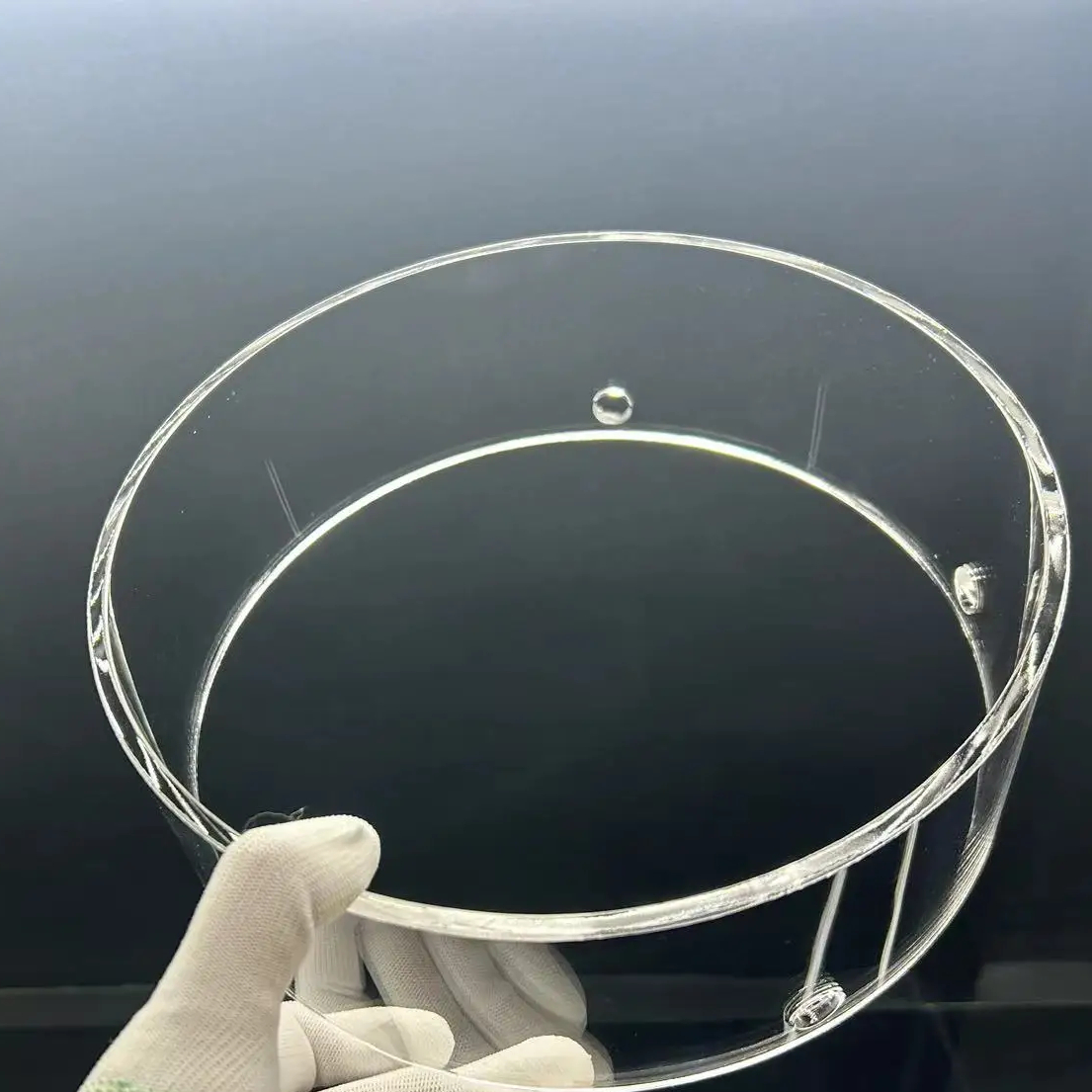
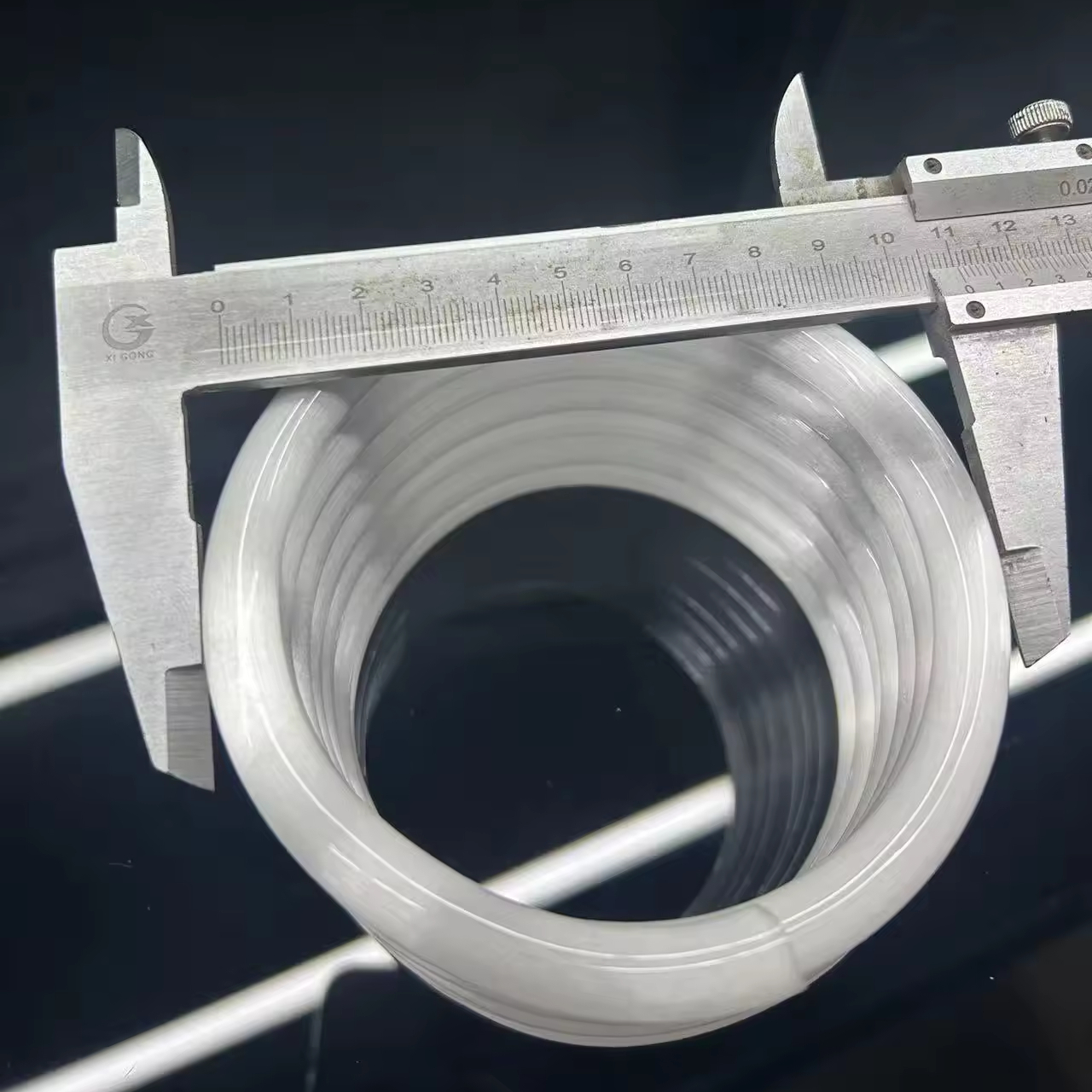
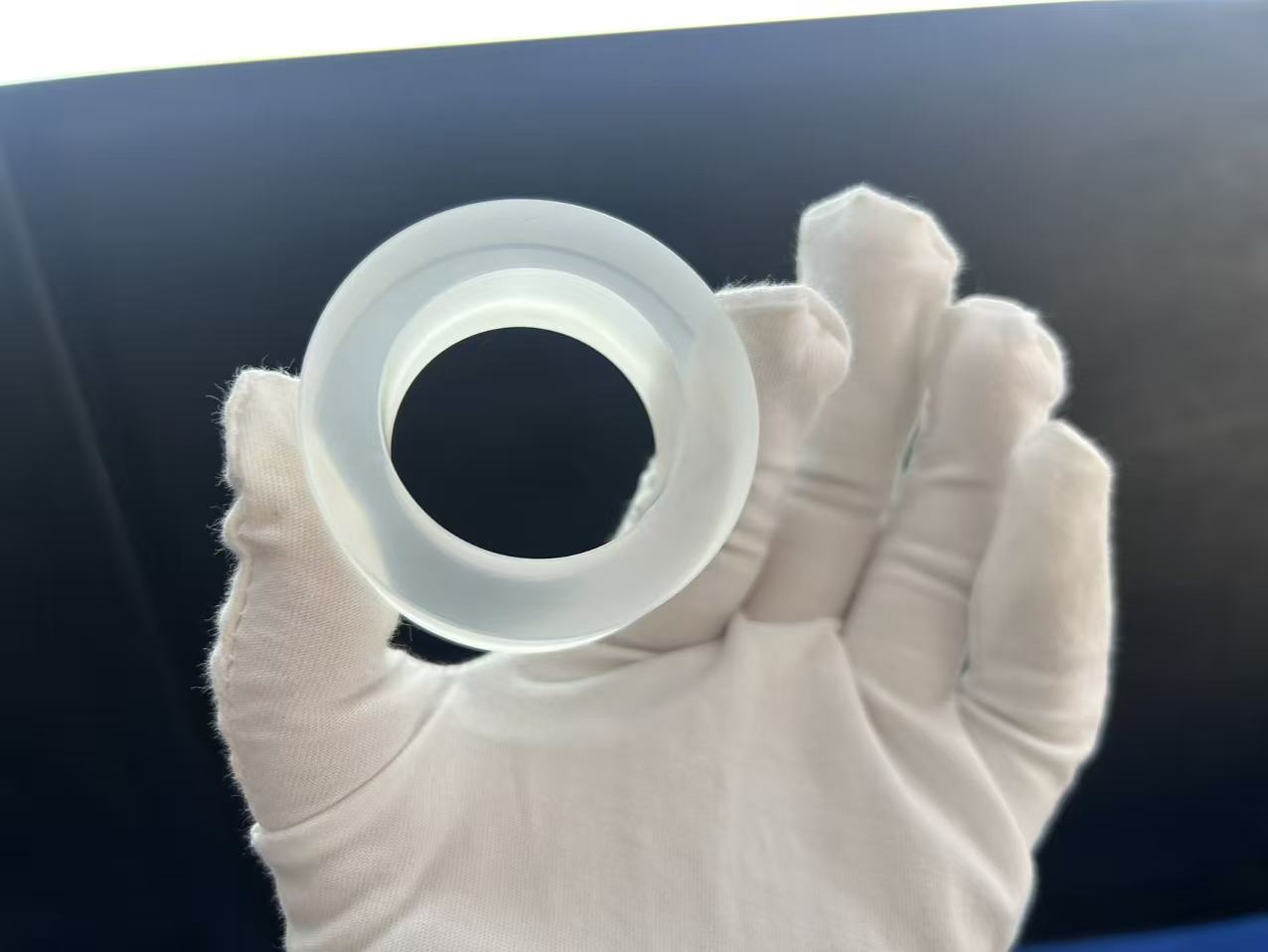
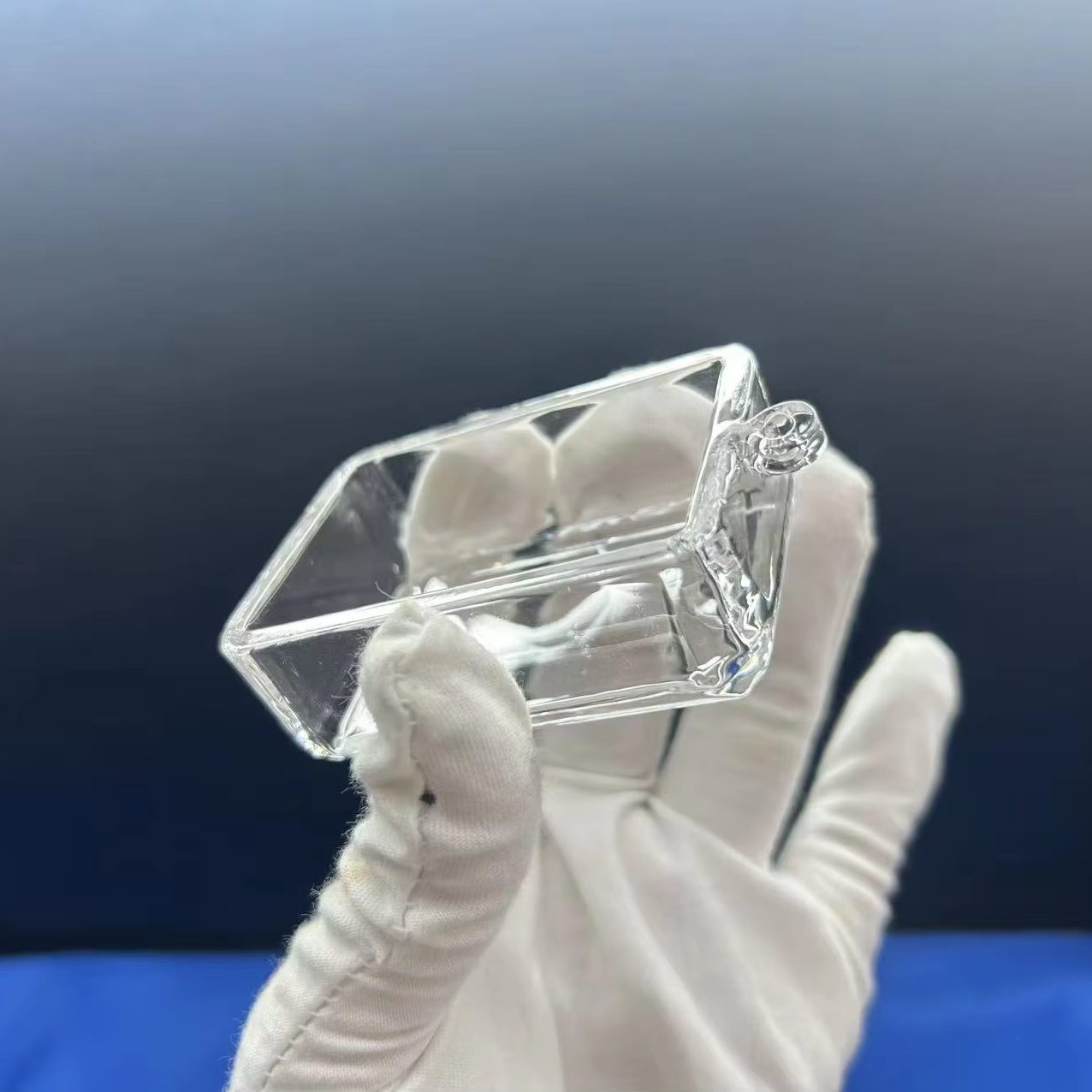
Micro-electronics equipment manufacturers targeting European fab facilities integrate quartz rings, quartz tanks, and optical window plates into chemical mechanical planarization (CMP) and high-temperature oxidation furnaces.
Monte Carlo & European Optical Market Dynamics
Key technological shifts driving the procurement of high-purity quartz lenses and custom components across Western Europe.
1. Transition Toward Aspheric & Micro-Optics Fabrication
Traditional spherical quartz lenses often suffer from spherical aberration, requiring multi-element lens assemblies that increase weight and optical loss. European OEM buyers are rapidly shifting toward custom aspheric quartz lenses. By utilizing precision CNC diamond grinding and magnetorheological finishing (MRF), manufacturers can achieve sub-micron surface profiles, enabling compact single-element optical layouts for aerospace and marine applications.
2. Demand for Custom Anti-Reflective (AR) & Dielectric Coatings
Bare fused quartz exhibits a refractive index of approximately 1.458 at 632.8 nm, resulting in roughly 3.5% reflection loss per surface. Procurement teams in Monaco routinely require custom thin-film optical coatings—such as dual-band V-coatings, broadband AR (BBAR) for 350–700 nm or 700–1100 nm, and high-reflective dielectric mirrors—applied directly to custom-machined quartz lenses.
3. Stringent Environmental & Material Traceability Compliance
European supply chains demand full compliance with RoHS 3, REACH, and ISO 9001 quality management protocols. High-precision industries require complete lot traceability from raw synthetic silica ingot synthesis down to finished optical component inspection, backed by spectrophotometer transmission curves and interferometer surface reports.
4. Hybrid Supply Chain Agility: Donghai Origin to Monaco Delivery
Western European optical buyers are increasingly optimizing procurement by partnering directly with specialized quartz manufacturing hubs in Donghai County, China. This direct factory link combines raw quartz cost leadership with state-of-the-art optical grinding, fire-polishing, and CNC micro-machining, offering up to 40% cost reduction compared to domestic European optics fabricators without compromising surface accuracy.
Why Leading European Optics Buyers Partner with Nivra Quartz
Rooted in Donghai County—China's crystal and quartz manufacturing heartland—our factory combines raw material mastery with optical engineering excellence.
Direct Donghai Factory Source
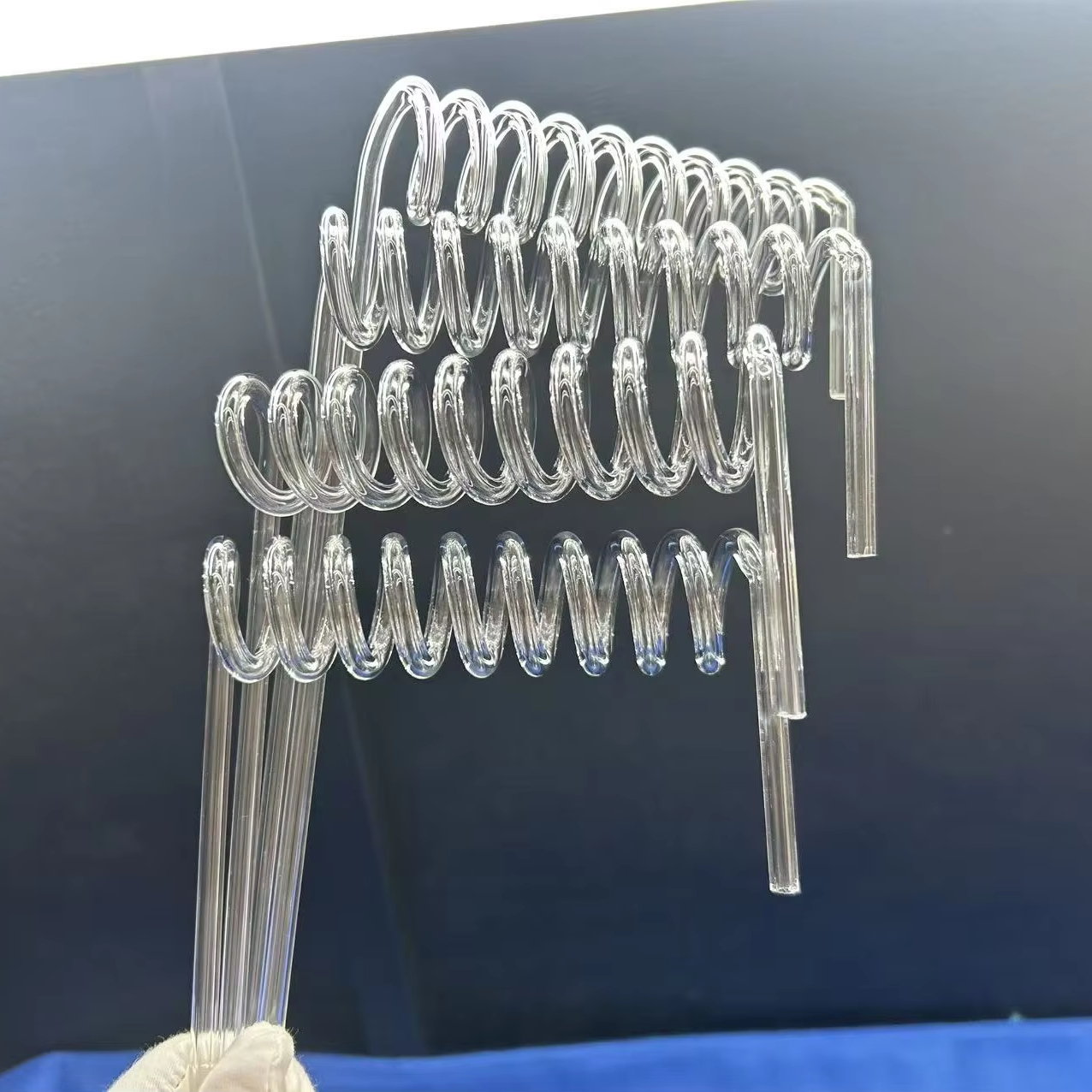
Located in Lianyungang, Jiangsu, our facility leverages regional raw material advantages. We operate complete in-house cutting, diamond drilling, CNC grinding, flame-polishing, and annealing production lines with 101–200 skilled specialists.
Rigorous Quality Metrology
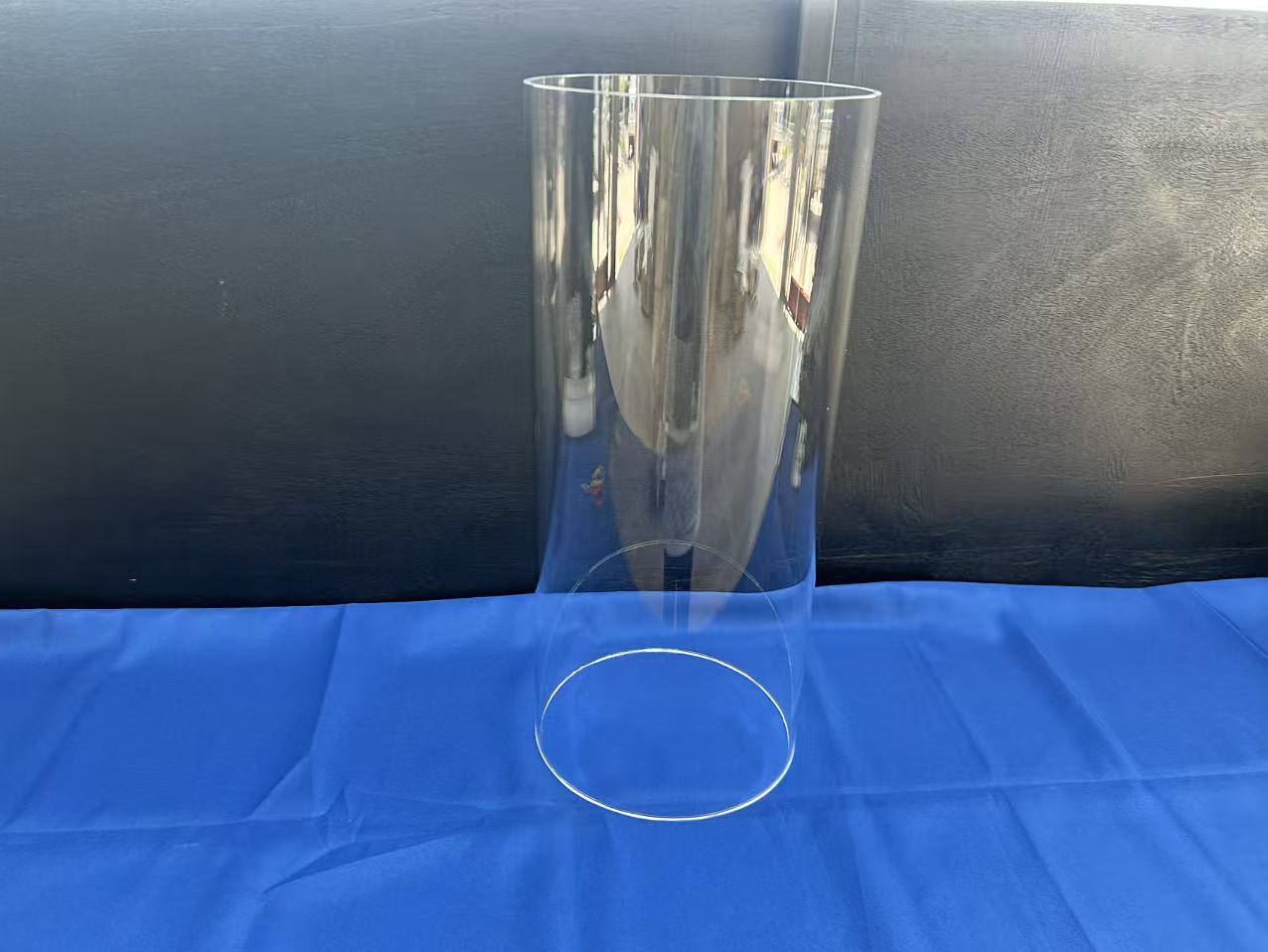
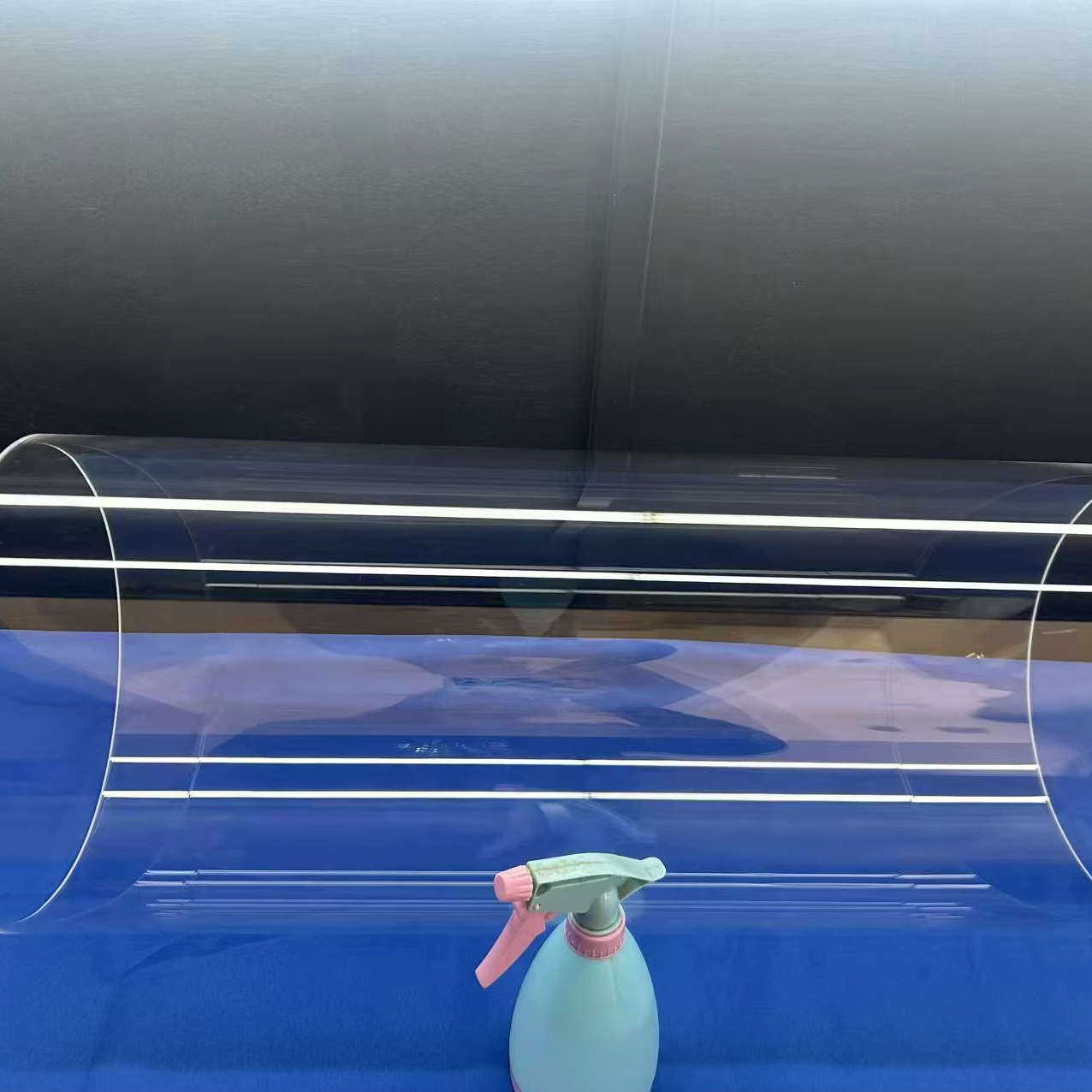
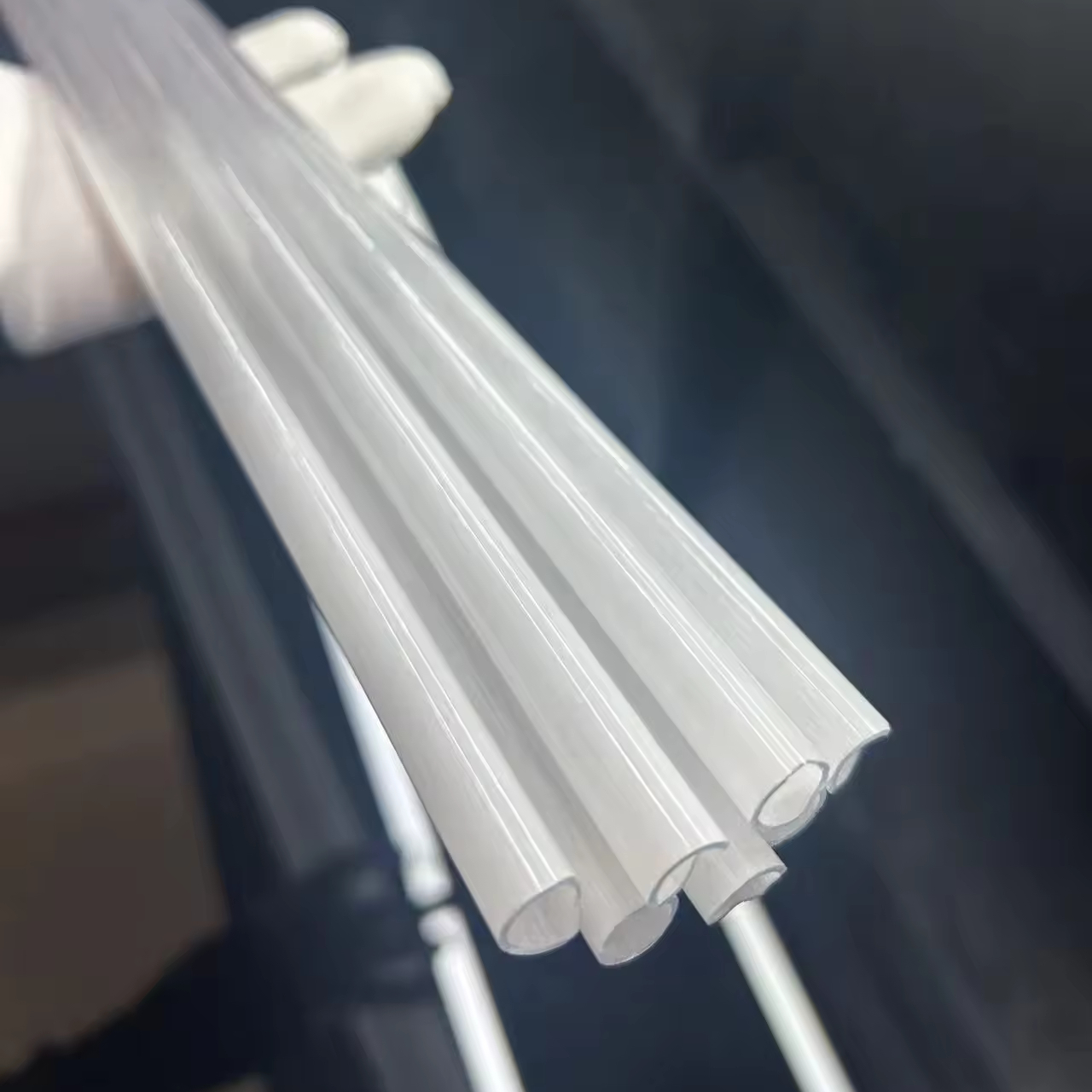
Every optical quartz lens, wafer, and custom tube undergoes strict dimensional and optical inspection using Zygo laser interferometers, UV-Vis-NIR spectrophotometers, and 3D coordinate measuring machines (CMM) before dispatch.
Export Protection & Logistics
Fragile optical quartz components are packed with custom shock-absorbing foam, vacuum sealed, and crated in fumigation-free wooden packaging to guarantee zero breakage during transit to Monaco, France, or international destinations.
Custom OEM/ODM Manufacturing Capabilities
Whether you require prototype sample quantities (1–10 pcs) or full OEM production runs (10,000+ pcs), Donghai County Nivra Quartz Products Co., Ltd. accepts CAD drawings in PDF, STEP, or DWG formats. Our technical response team provides engineering reviews and commercial quotes within 5 hours.
Frequently Asked Questions for Quartz Lens Procurement
Essential technical and commercial answers for optical design engineers, purchasing managers, and system integrators.
Request a Precision Optical Quartz Engineering Quote
Ready to optimize your optical component procurement for the Monte Carlo market? Contact our senior engineering consultants today for drawing reviews, technical feedback, and factory-direct pricing within 5 hours.
Send an Inquiry