Optics Laboratory
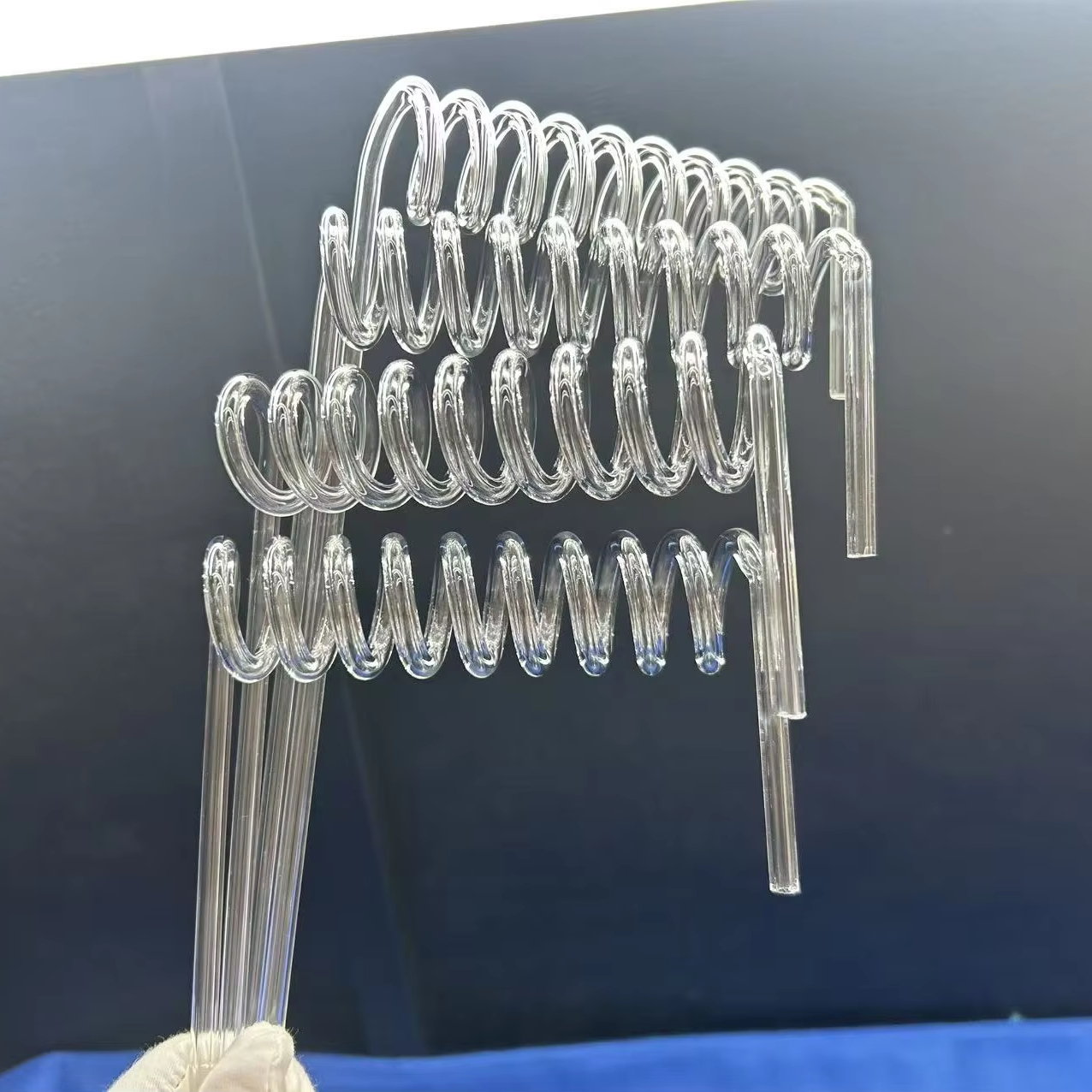
Direct factory fabrication conforming to JIS B7071 and DIN 58925 optical standards. Each component is fabricated with low hydroxyl content, superior chemical inertness, and exceptional thermal shock tolerance for heavy-duty Indonesian operations.
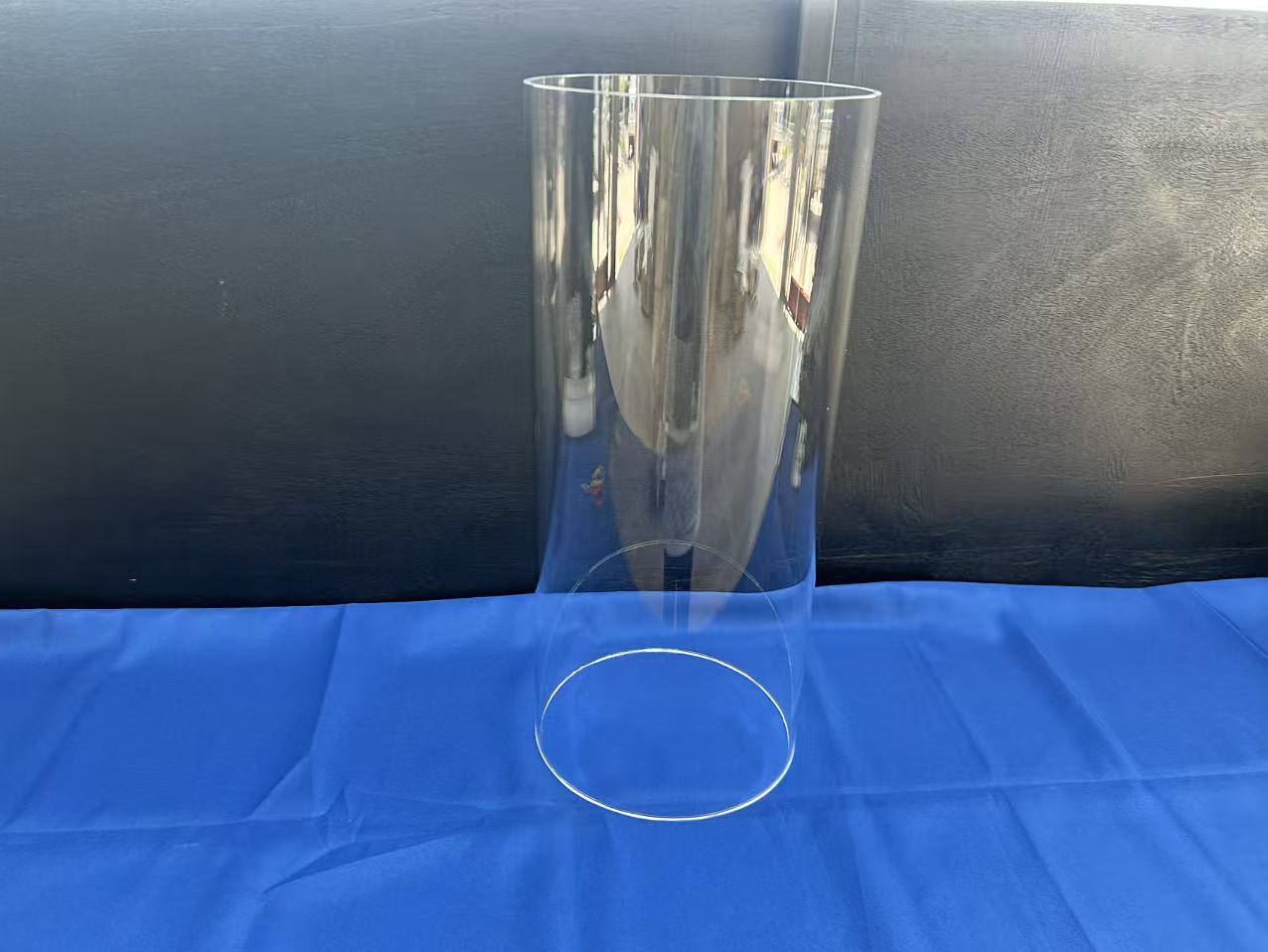
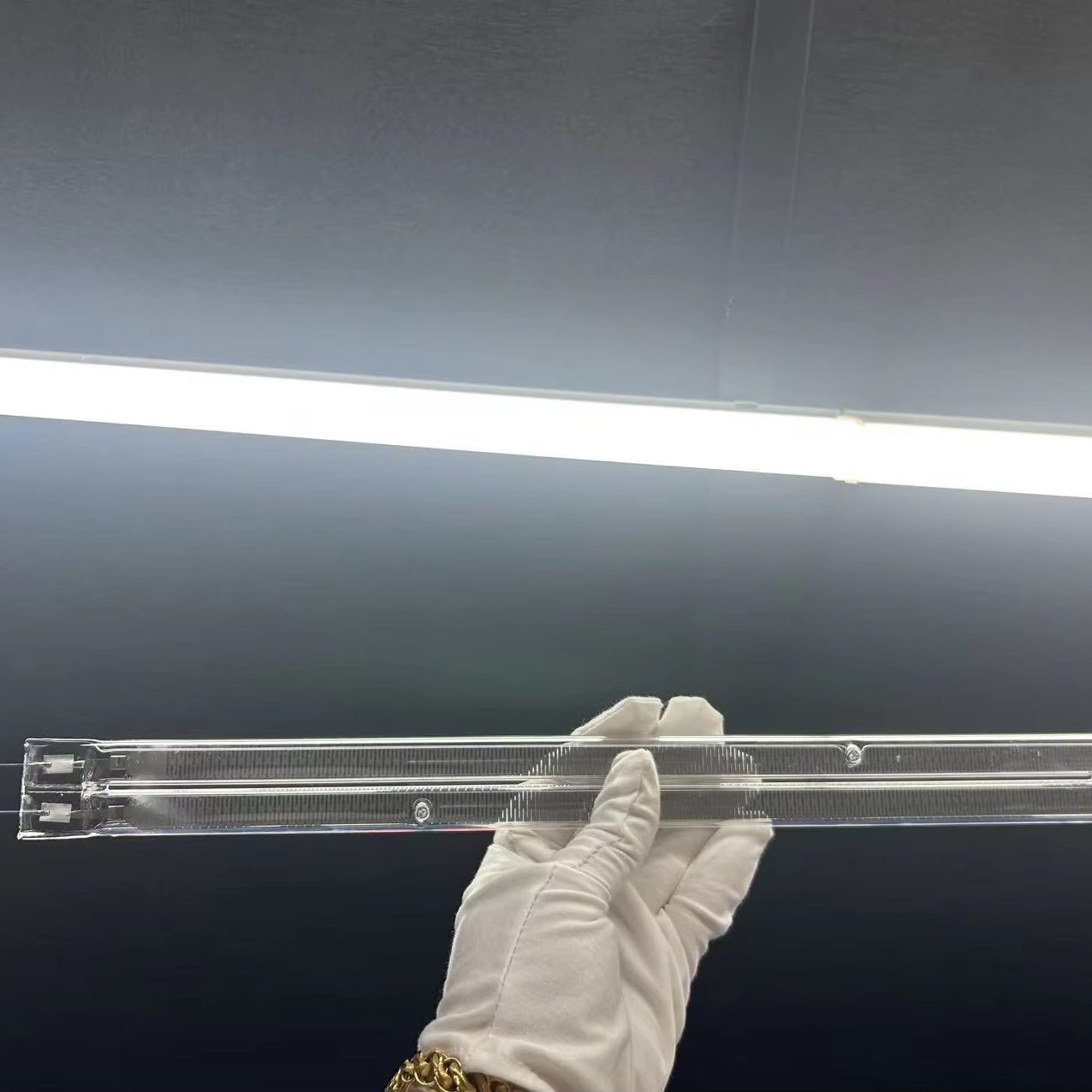
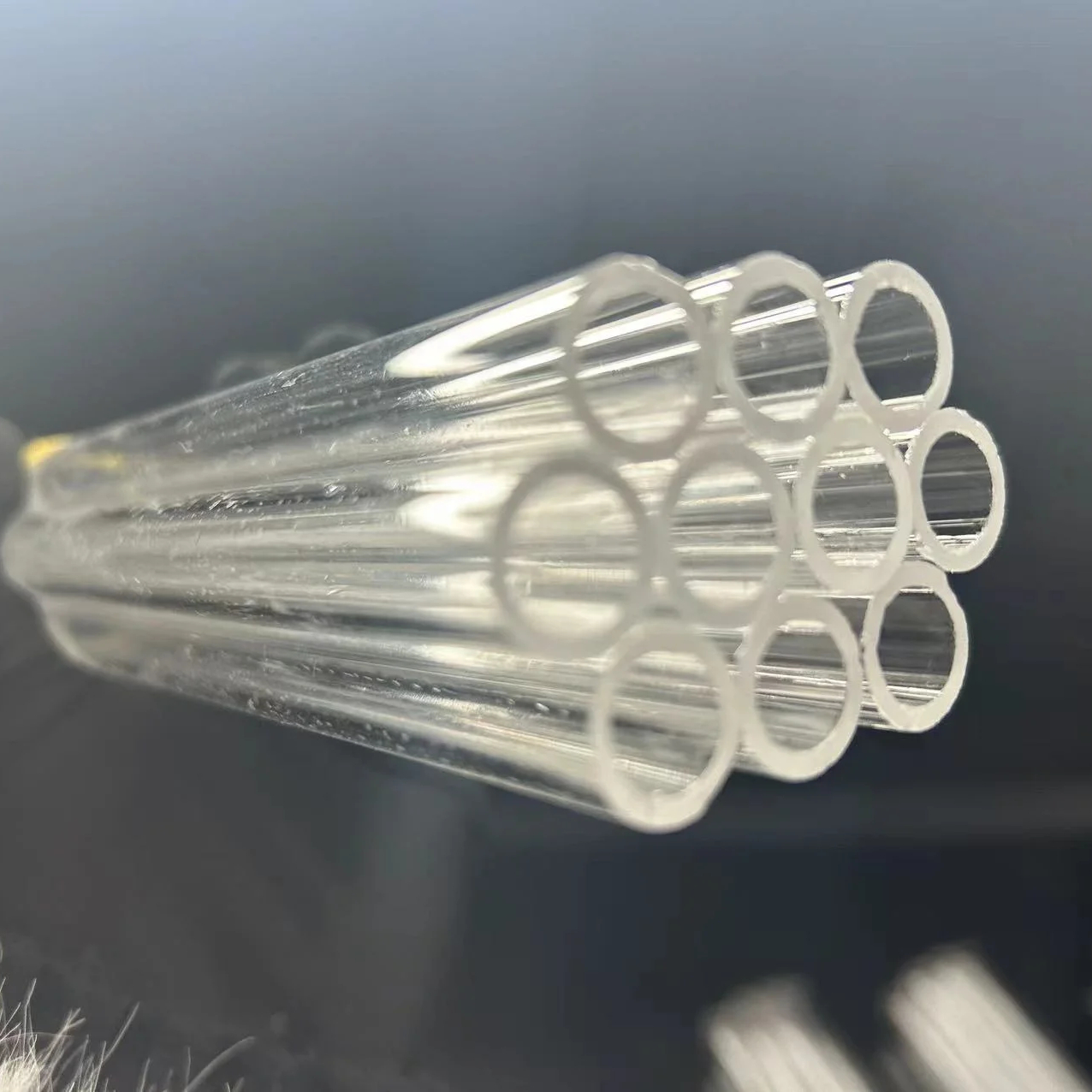
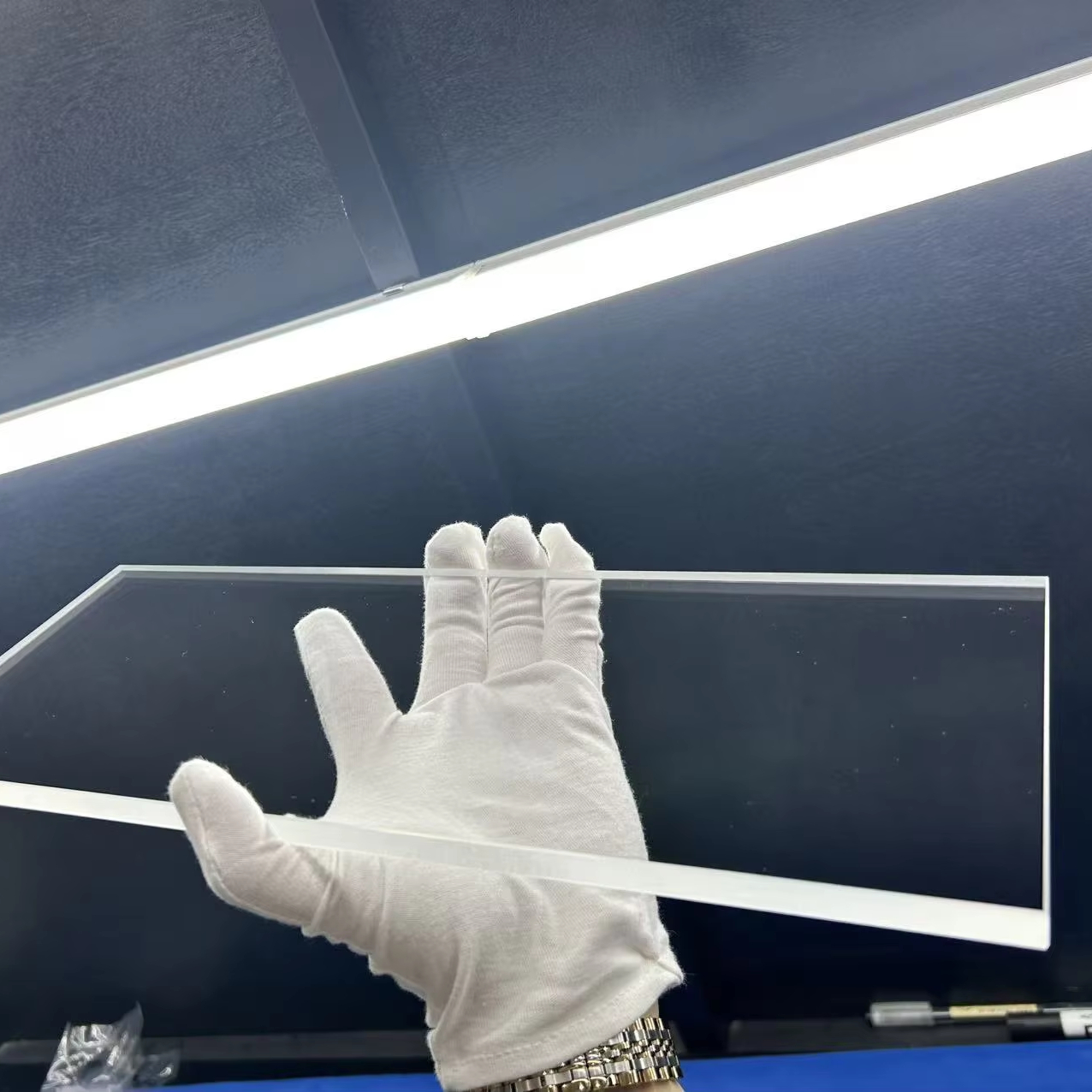
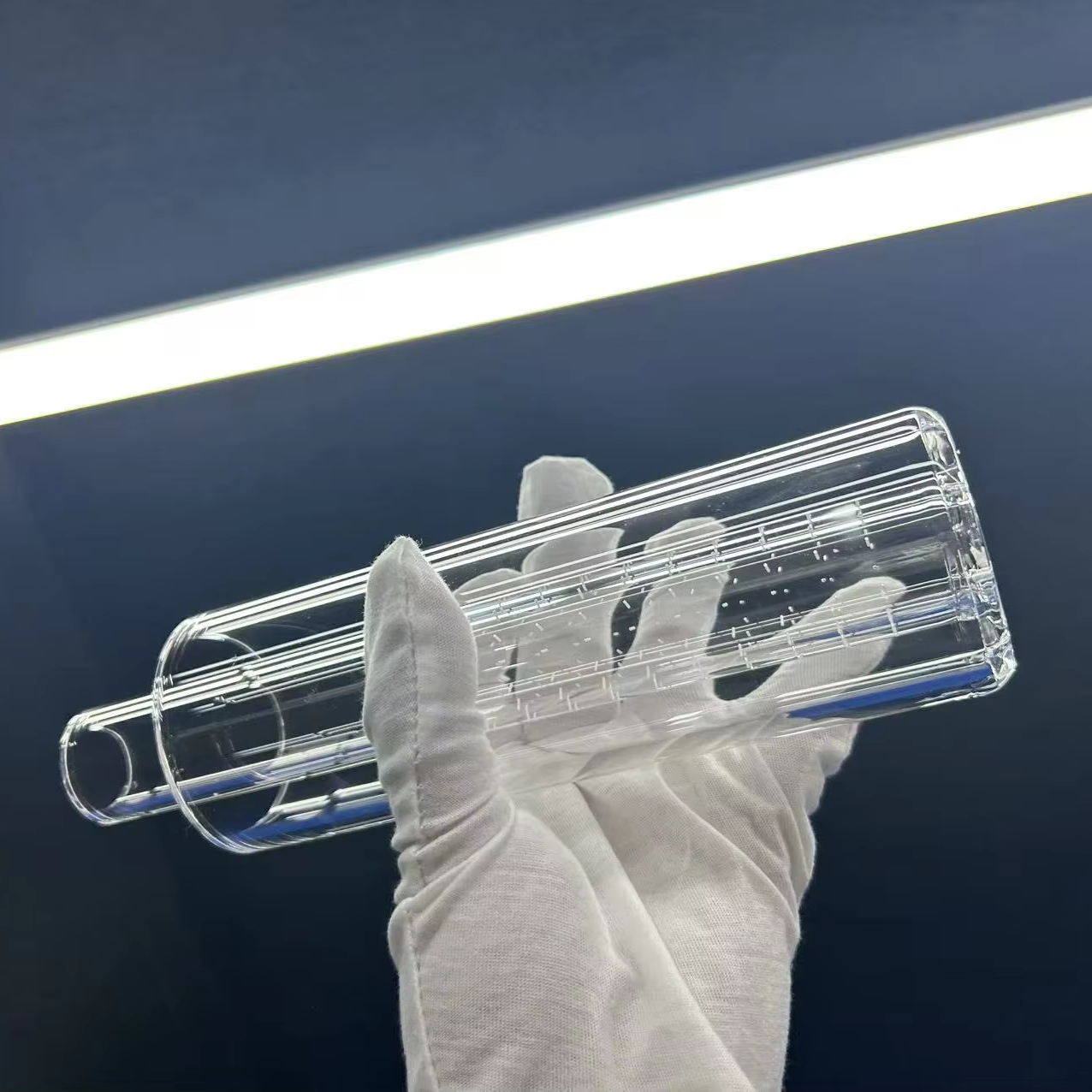
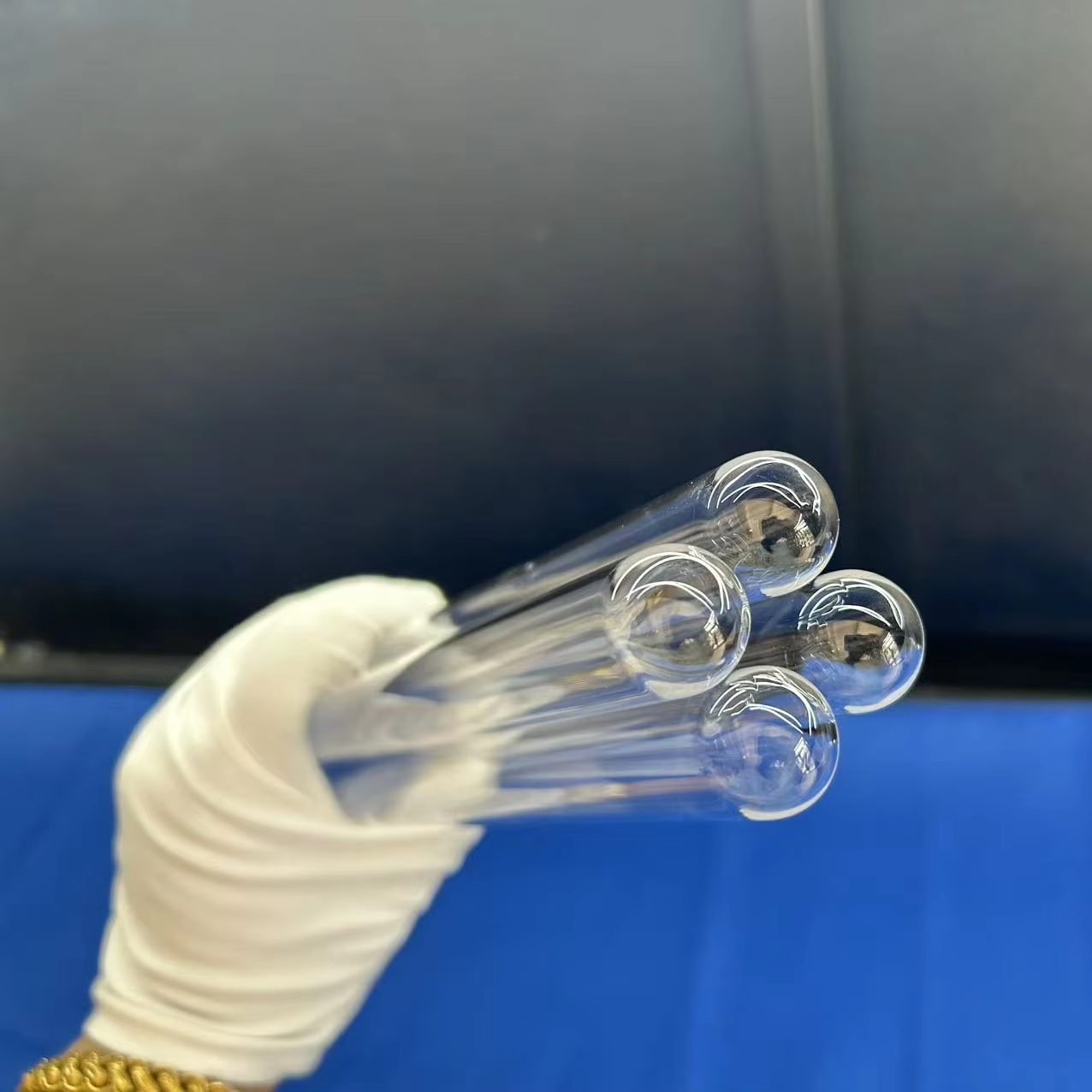
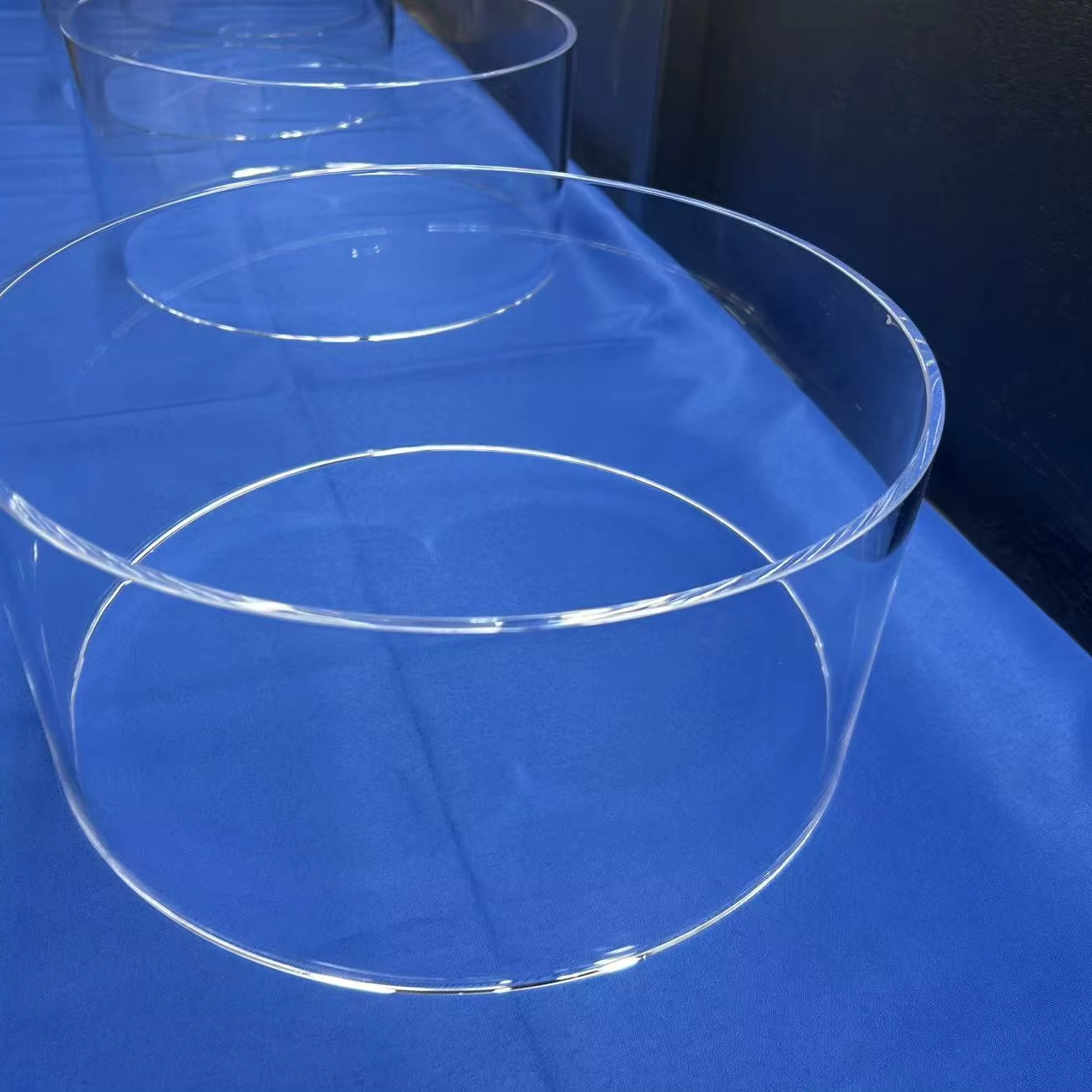
Understanding the physical crystallographic transitions and spectroscopic characteristics of amorphous silicon dioxide (SiO2) enables engineering teams across Indonesia to optimize optical transmission while resisting severe thermal warping.
| Optical Grade | Transmission Bandwidth | Hydroxyl Content (OH⁻) | Primary Industrial Utility | Refractive Index (nd @ 587.6 nm) |
|---|---|---|---|---|
| JGS1 (Synthetic Silica) | 185 nm – 2,500 nm (Deep UV) | < 5 ppm to ≤ 30 ppm | Excimer lasers, semiconductor photolithography, UV sterilization reactors | 1.4585 |
| JGS2 (Optical Grade Quartz) | 220 nm – 2,500 nm (UV-Visible) | ≤ 30 ppm to 150 ppm | Optical sight glasses, high-intensity discharge lamps, furnace inspection windows | 1.4584 |
| JGS3 (Infrared Grade Quartz) | 260 nm – 3,500 nm (NIR-IR) | ≤ 5 ppm (Water-free) | Pyrometric viewports, CO₂ laser monitoring, petrochemical IR spectrometry | 1.4581 |
| Opaque Fused Silica | Diffusion / Non-imaging | Variable | Thermal insulation shields, radiant heating element baffles, casting flanges | N/A (Scattering) |
The ultra-low coefficient of thermal expansion (α = 5.5 × 10⁻⁷ / °C between 20°C and 320°C) gives fused silica an unprecedented resilience against sudden thermal swings. In metallurgical facilities throughout Central Java and South Sulawesi, our quartz sight glasses can withstand an instantaneous temperature collapse from 1100°C directly into cold water quenching baths without microscopic stress fractures or cleavages.
With a Mohs hardness rating of 5.5 to 6.5 and compressive strength exceeding 1,100 MPa, fused quartz lens blanks and tubes guarantee mechanical isolation against extreme process pressures within autoclave and chemical vapor deposition (CVD) environments.
Indonesia’s acceleration in industrial modernization requires specialized fused silica solutions adapted to local micro-climates, high-salinity ambient environments, and harsh metallurgical process chemicals.
In Batamindo Industrial Park and Panbil Industrial Estate, precision optics play a vital role in automated optical inspection (AOI), wafer transport quartz carriers (boats), and UV curing optics for printed circuit assembly lines. Our JGS1 quartz lenses deliver exceptional beam homogenization without solarization degradation.
Facilities located across Jababeka, MM2100, and KIIC Karawang employ our large-bore high-purity quartz process tubes and laser protective quartz cover plates. These provide zero beam divergence during laser cutting of battery tabs, vehicle chassis welding, and photovoltaic cell diffusion furnaces.
High-Pressure Acid Leach (HPAL) nickel smelting operations at IMIP and IWIP require extreme chemical resistance against boiling sulfuric and nitric acids. Our quartz digestion vessels, spiral condensation tubes, and pyrometric sight glasses provide safe, transparent operational windows under corrosive process conditions.
Driven by national mineral downstreaming policies (Hilirisasi) and expanding renewable energy infrastructure, Indonesia's consumption of high-purity optical and industrial quartz glass is undergoing sustained double-digit growth.
Indonesian industrial laboratories are phasing out standard 3.3 borosilicate glass in pyrochemical analysis. Elevated thermal cycles exceeding 500°C frequently cause catastrophic stress fractures in borosilicate, driving procurement managers to mandate ≥99.99% SiO2 fused quartz to eliminate operational downtime and contamination.
With major solar developments like the Cirata Floating Solar Project expanding, local solar module manufacturing is migrating backward into ingoting and wafer slicing. This creates substantial recurring demand for large-diameter quartz crucibles, quartz diffusion tubes, and anti-reflective solar calibration quartz lenses.
Indonesia's equatorial climate, characterized by relative humidity often exceeding 85%, accelerates surface weathering and ion leaching in inferior optical substrates. Pure synthetic fused silica maintains surface planarity and anti-fogging qualities without chemical leaching or alkaline hazing over multi-year deployments.
A seamless B2B cross-border supply chain requires exact tariff classification, compliance with Bea Cukai (Indonesian Directorate General of Customs and Excise), and marine-grade shock mitigation packaging.
To avoid port demurrage at Tanjung Priok (Jakarta) or Tanjung Perak (Surabaya), all documentation carries unambiguous HS codes:
Shipments to Kawasan Bebas Batam (Free Trade Zone) benefit from exemptions on import duties, VAT (PPN), and income tax (PPh Article 22), backed by our comprehensive Form E certificates under the ASEAN-China Free Trade Area (ACFTA).
Headquartered in Donghai County—the crystal and high-purity quartz capital of the world—Donghai County Nivra Quartz Products Co., Ltd. operates integrated cold-working, CNC laser profiling, and thermal flame-forming production facilities.
Each lens and tube batch is inspected with Zygo interferometers for wavefront distortion (≤ λ/4) and audited for micro-bubble inclusions to ensure zero thermal lensing during laser exposure.
Our engineering team maintains an average technical response time of under 5 hours, offering rapid review of CAD/DWG/STEP drawings and direct support during Indonesian working hours (WIB / WITA).
From raw silica ingot slicing and ultrasonic coring to 5-axis CNC edge beveling, double-sided optical polishing, and flame welding, we manage all production stages under one roof.
Precision items are vacuum packed in cleanroom class 10,000 bags, nested in CNC pre-cut high-density EPE shock foam, and shipped in international fumigation-free reinforced plywood cases.
A streamlined engineering delivery pipeline tailored to EPC contractors, university research labs, and factory purchasing departments across Indonesia.
Submit DWG, DXF, STEP, or PDF files. Our engineers assess geometric tolerances, surface finish (Ra), and material grade suitability.
Receive an all-inclusive pricing breakdown within 5 hours, covering FOB, CIF Jakarta/Surabaya, or DAP Batam options.
First-article inspection with accompanying dimension measurement charts, spectrophotometer curves, and material purity certificates.
Mass CNC cutting, flame annealing to relieve internal stress, and multi-stage cleanroom ultrasonic bath cleaning.
Protected export crating with Certificate of Origin Form E provided for duty reduction at Indonesian ports of entry.
Practical answers addressing import tariffs, optical grade selection, dimensional tolerances, and logistics protocols for buyers in Indonesia.
JGS1 is synthetic fused silica engineered from high-purity silicon tetrachloride (SiCl4), rendering it virtually free of metal impurities. It provides superior deep-ultraviolet transmission down to 185 nm, making it essential for UV sterilization, laser collimators, and lithography systems. JGS2 is derived from refined natural quartz crystal sand; it transmits effectively from 220 nm through the visible spectrum, serving as the industry benchmark for inspection sight glasses, furnace windows, and lighting sleeves. JGS3 is treated to eliminate hydroxyl (OH⁻) radicals (≤ 5 ppm), which prevents absorption bands at 2.73 μm and delivers maximum infrared transparency up to 3,500 nm, ideal for pyrometric viewports and thermal imaging windows.
Fragile quartz tubes, rods, and optical lenses undergo a strict 3-tier packaging protocol. First, each item is individual-wrapped in dust-free electrostatic protective wrap. Second, products are suspended inside custom CNC-routed high-density expanded polyethylene (EPE) foam dampening chambers that absorb multi-axis transport shocks. Third, the outer enclosure uses reinforced, non-fumigated plywood crates banded with external steel straps and fitted with tip-and-tell shock indicator sensors. This packaging methodology has maintained a 99.8% damage-free delivery rate over hundreds of shipments to Tanjung Priok, Tanjung Perak, and Batam.
Yes. We routinely provide official ASEAN-China Free Trade Area Preferential Tariff Certificates of Origin (Form E) issued by Chinese customs authorities. Under Form E documentation, qualifying industrial quartz products (including HS 7002 and HS 7006) imported by registered Indonesian businesses with a valid NIB (Nomor Induk Berusaha) can receive preferential import duty rates—often reduced to 0%—yielding substantial landed cost savings.
We maintain flexible MOQ arrangements tailored to client requirements. For custom high-temperature furnace tubes, spiral condensing coils, and prototype laboratory items, our MOQ is just 1 piece. For small-footprint optical components such as laser windows, polished quartz discs, and sight glasses, production runs generally start at 10 to 50 pieces. We also support pre-production sampling for R&D validations in technical institutes like ITB, UI, and ITS.
Yes. High-purity fused silica exhibits exceptional chemical resistance against almost all inorganic acids—including sulfuric, nitric, and hydrochloric acids—even at elevated temperatures up to several hundred degrees Celsius. The only exceptions are hydrofluoric acid (HF) and concentrated phosphoric acid (H3PO4) at temperatures exceeding 150°C. Our quartz digestion tubes and reactor sight ports are proven in operational smelting environments throughout Morowali and Weda Bay.
Our optical fabrication floor regularly achieves outer diameter and thickness tolerances of ±0.02 mm. For surface quality, we deliver standard commercial finishes of 60/40 scratch-dig, as well as precision laser-grade finishes of 20/10 scratch-dig with surface flatness held to λ/4 or λ/10 per 25 mm diameter at 632.8 nm. Parallelism can be ground and polished to within ≤ 10 arcseconds.
Submit your specifications, 2D/3D CAD drawings, or custom dimensions. Our technical sales engineers will review your request and reply within 5 hours with material recommendations, tolerance analyses, and competitive pricing.