Engineered High-Purity Fused Quartz Ware for the Leeds Scientific & Advanced Manufacturing Corridor
Procurement teams across Leeds, Bradford, and the wider West Yorkshire innovation belt face escalating demands for laboratory vessels capable of withstanding extreme thermal environments and ultra-aggressive chemical regimes. While conventional Borosilicate 3.3 laboratory glass reliably handles routine bench reactions up to 500°C, emerging protocols in organometallic synthesis, semiconductor precursor digestion, pharmaceutical thermal extraction, and advanced pyrolysis demand the zero-expansion and contamination-free properties found exclusively in high-purity fused quartz glass.
As an ISO-certified quartz fabricator with deep supply chain integration in Donghai—China's renowned silicon capital—Donghai County Nivra Quartz Products Co., Ltd. (101–200 employees, founded February 2019) bridges direct precision quartz manufacturing with prompt UK air and seafreight logistics. We supply custom round bottom quartz flasks, flat bottom boiling flasks, Erlenmeyer flasks, three-neck reaction flasks, and high-frequency boiling apparatus tailored to standard British joint specifications (BS / ISO 383) including B14, B19, B24, B29, and B34 ground conical joints.
High-Performance Quartz Components & System Synergies
In addition to bespoke single-neck and multi-neck quartz reaction flasks, Nivra Quartz manufactures a comprehensive matrix of high-temperature tubes, discs, crucibles, and heating elements engineered to integrate into custom laboratory glassware setups across Leeds.
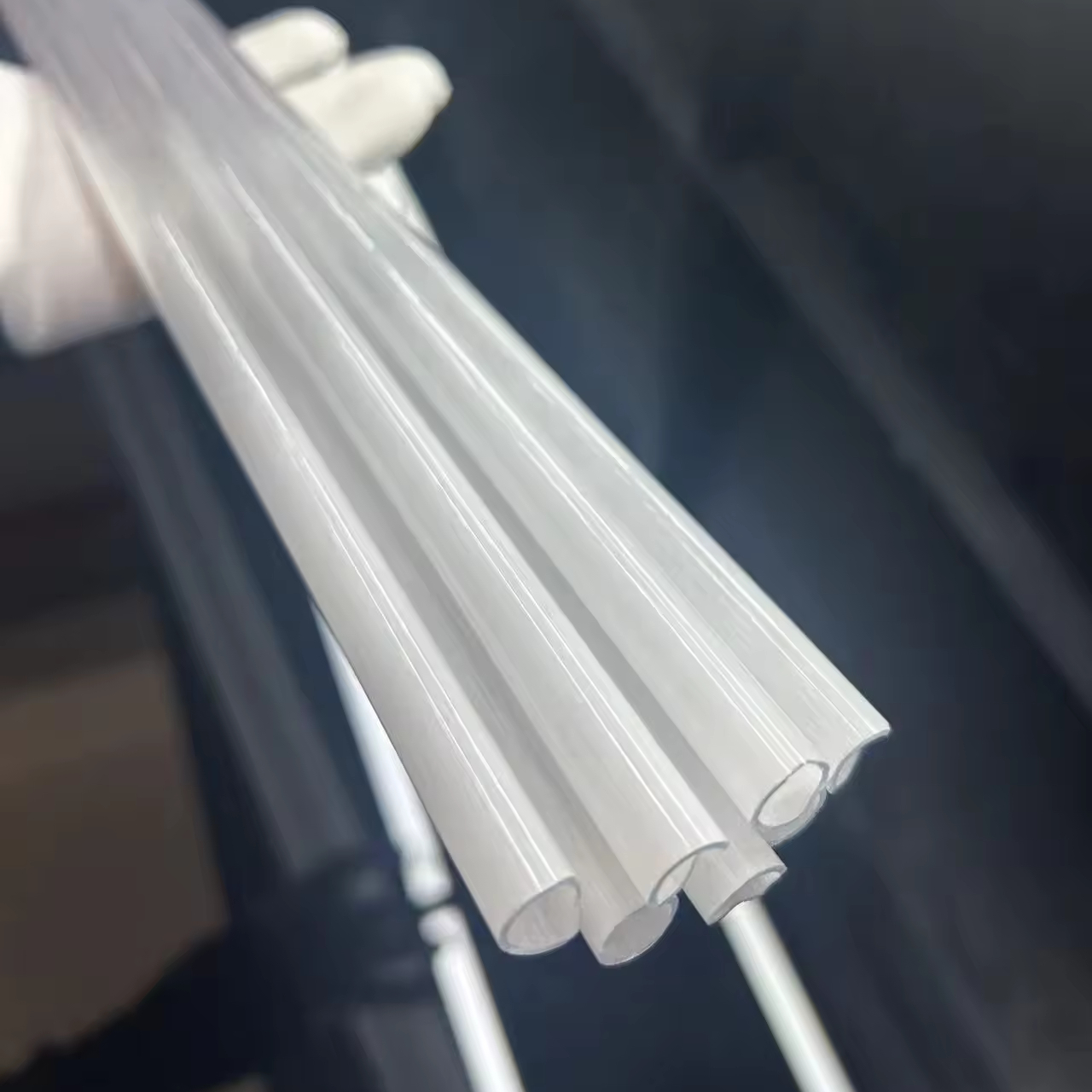 Thermal Shield
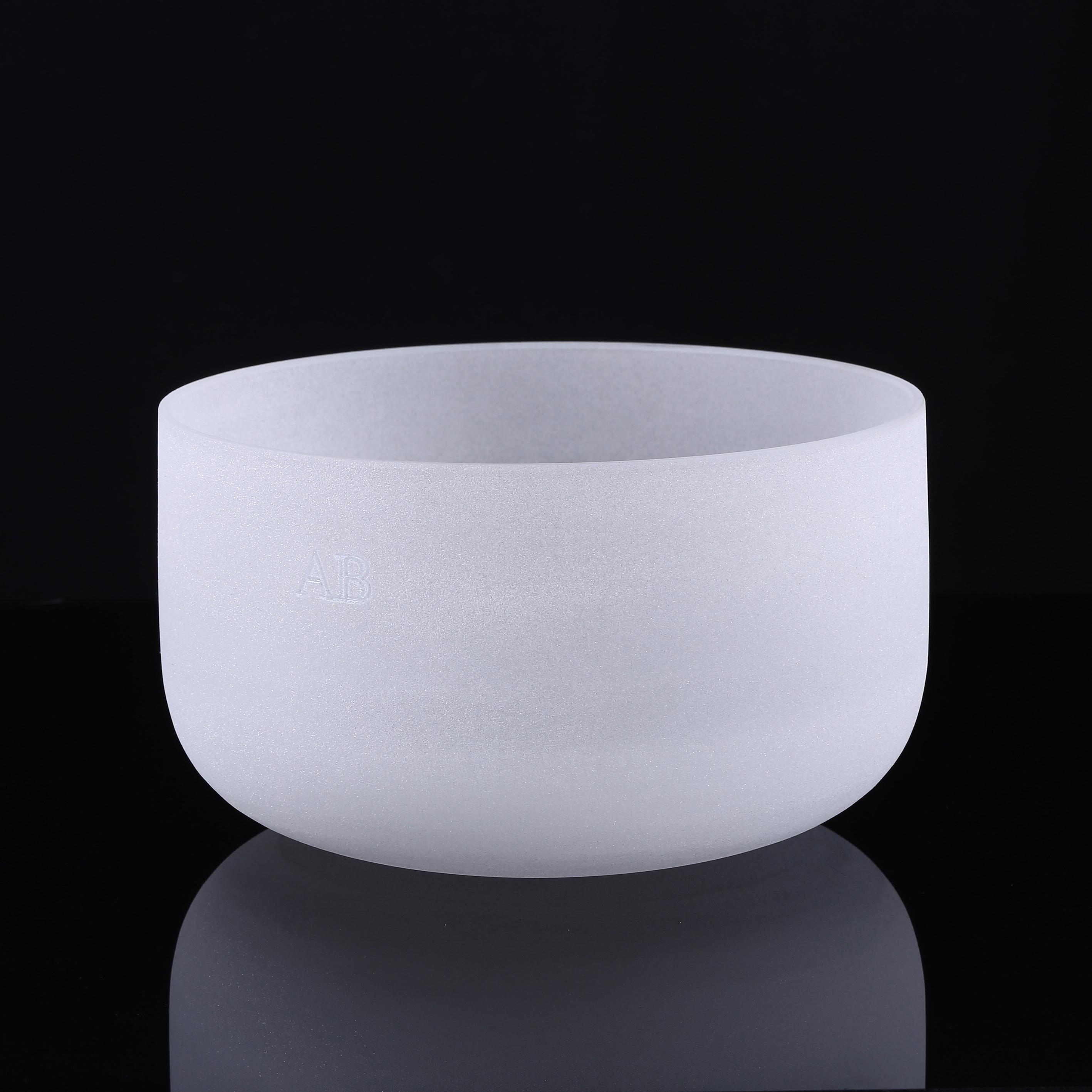
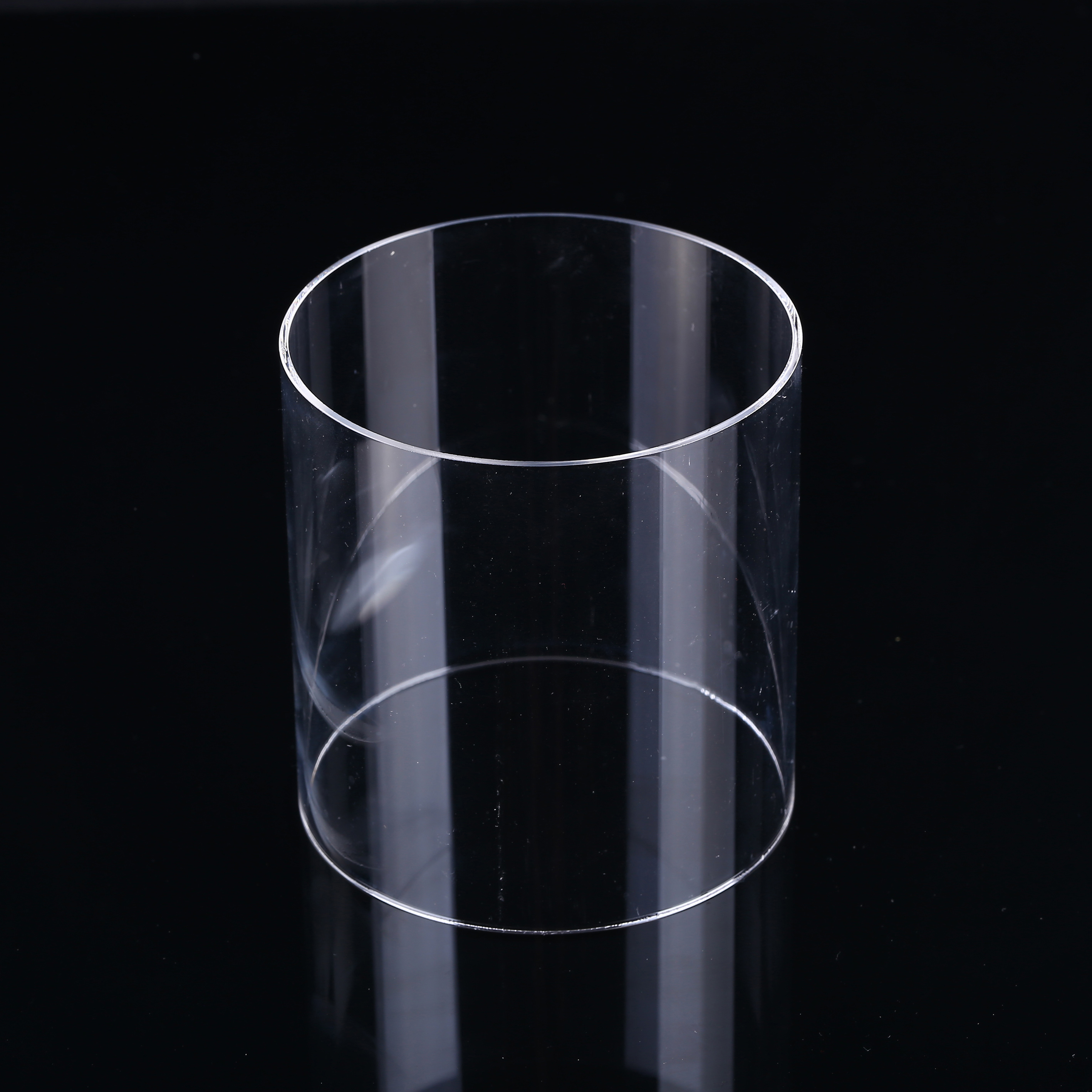
Translucent Quartz Glass Pipe Quartz Glass Sleeve Opaque Milky White Quartz Glass Tube
Micro-bubble diffused milky quartz offering exceptional infrared thermal insulation and heat dispersion for quartz flask heating mantles and tubular furnaces.
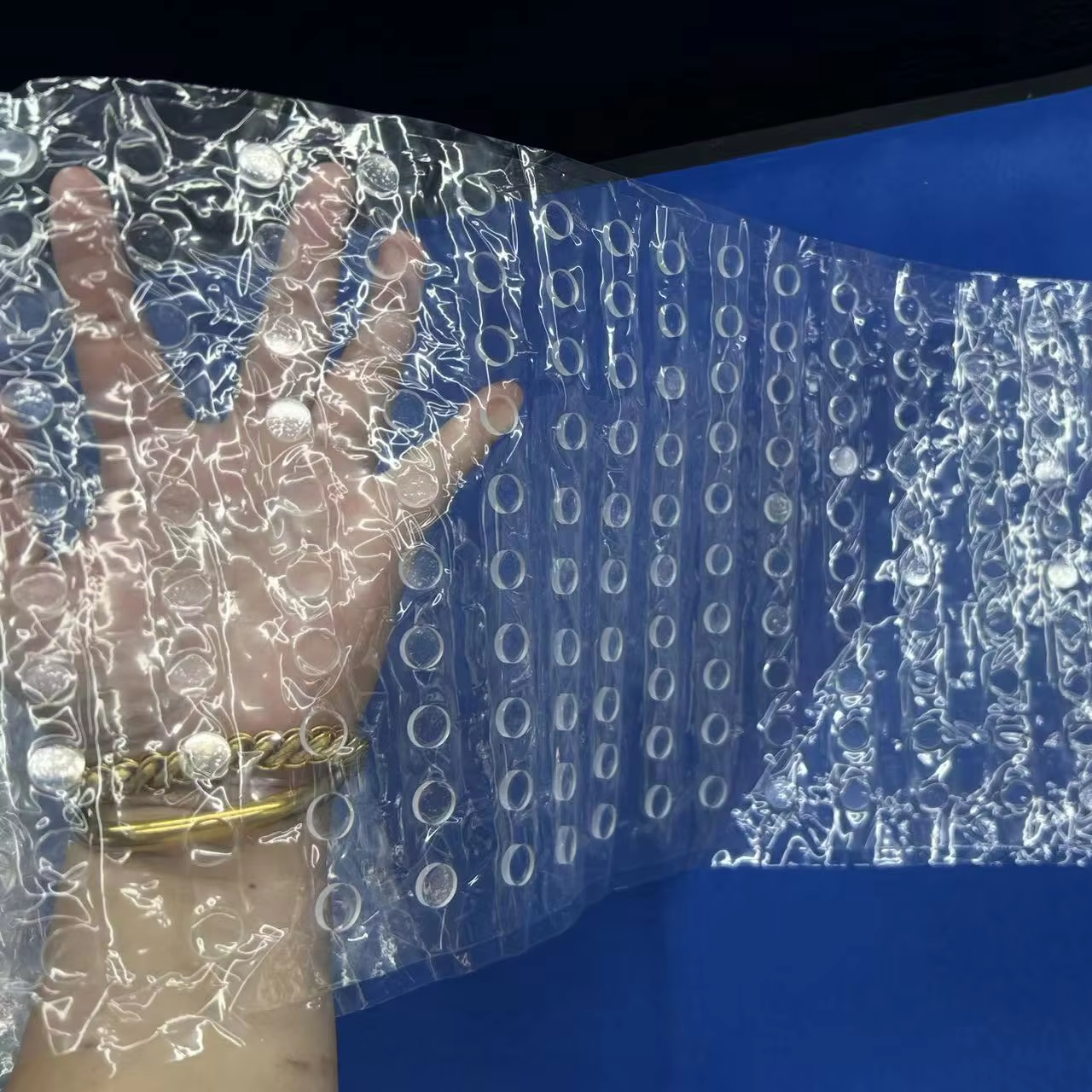 Optical Precision
Factory-Made High-purity Small Size Quartz Wafer, Provide Cutting and Polishing Services
Double-side optical polished quartz inspection windows with >90% transmission across UV-vis wavelengths, ideal for spectroscopic observation ports in chemical reactors.
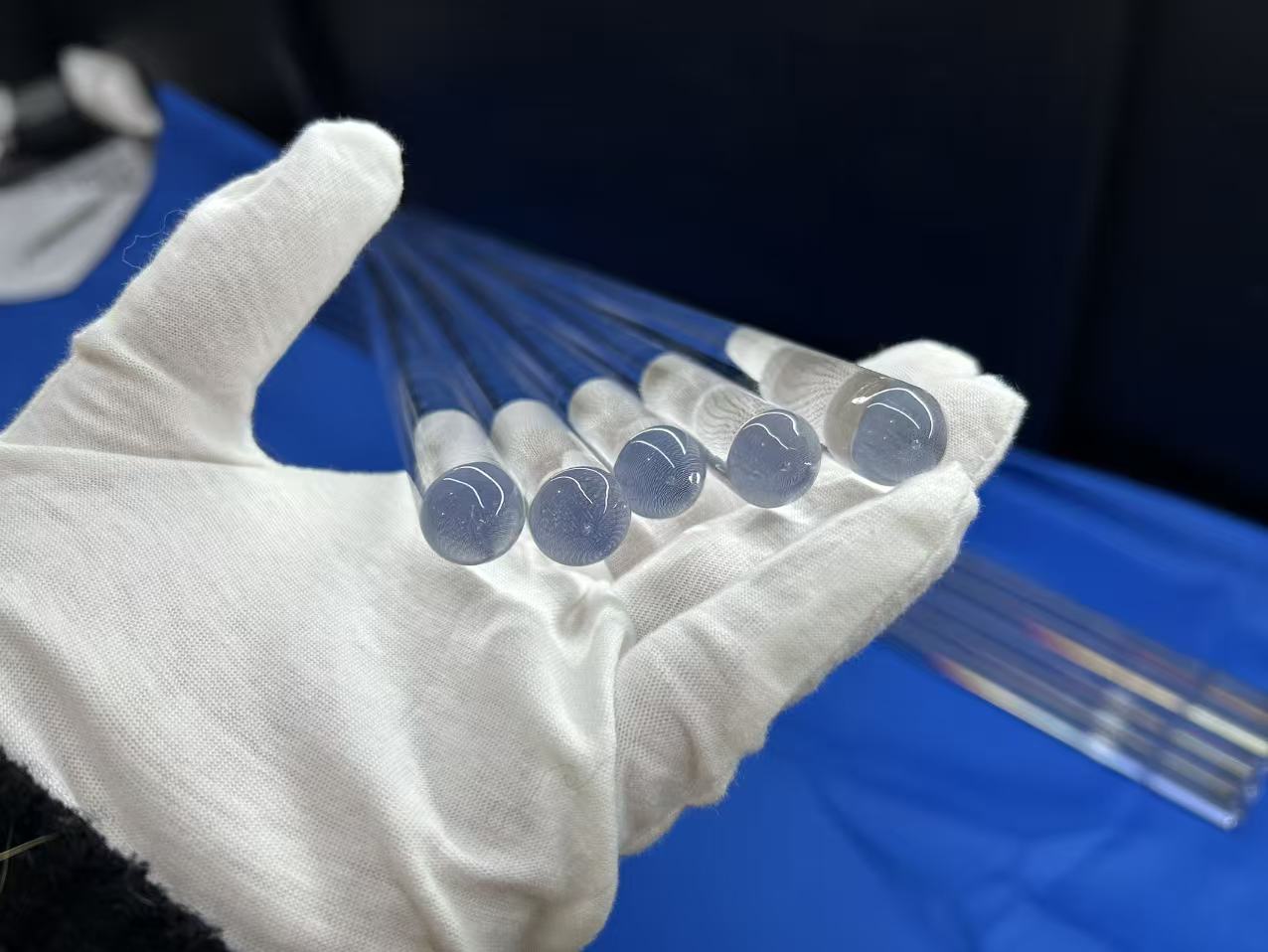 Flame Fabricated
The Factory Produces High-purity Fused Quartz Round Rods, Offering Cutting, Welding, and Bending Services
Precision-drawn solid quartz round rods utilized for internal stirring shafts, baffle weldings, bubbler supports, and bespoke laboratory glassblowing fabrications.
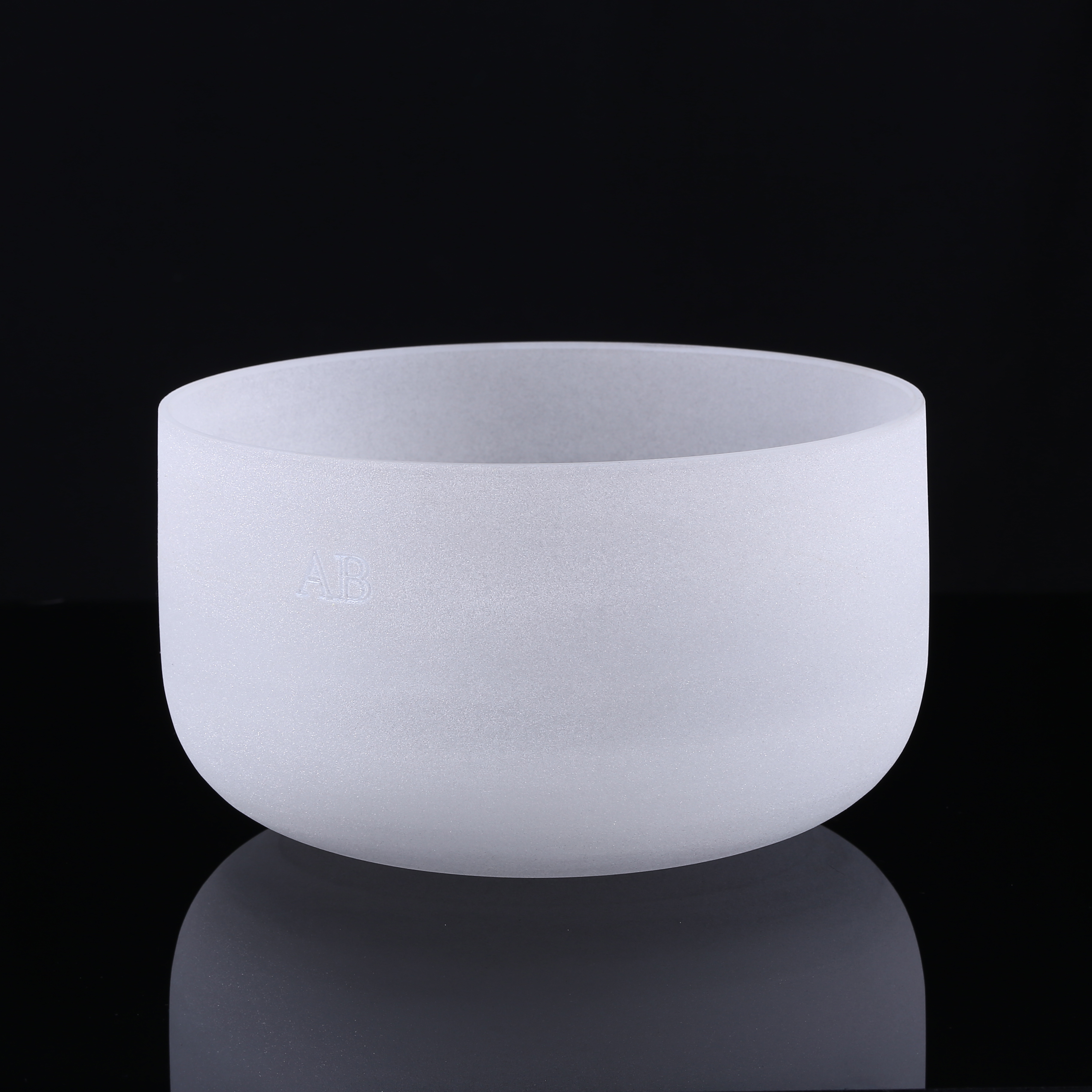 Ultra Refractory
High Temperature Fused Silica Quartz Crucible
Thermal ashing, calcining, and high-temp alloy/silicon melt crucibles engineered to preserve purity during continuous 1150°C furnace baking without devitrification.
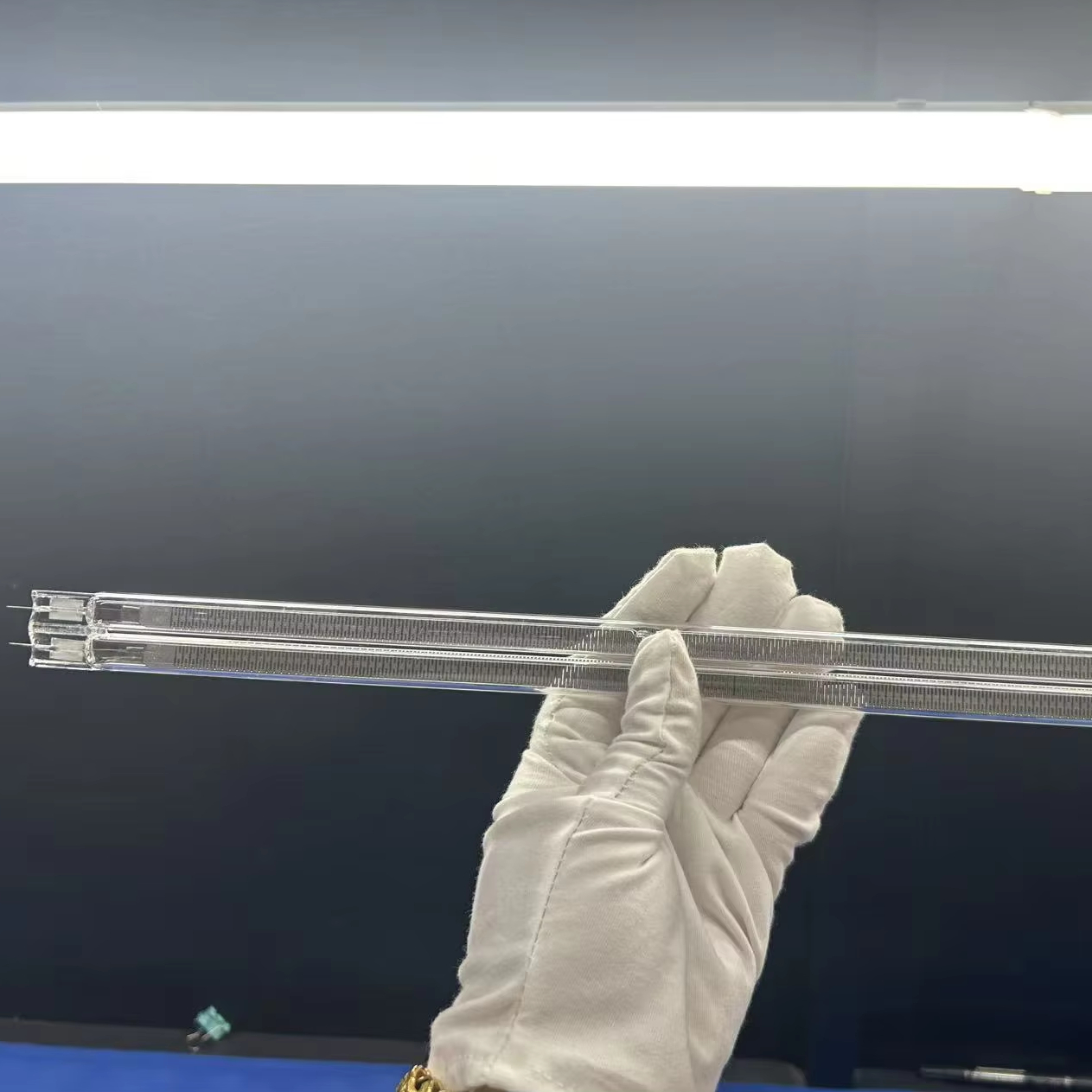 Fast Heating
220v/380v 400mm 15*33mm Diameter Infrared Heating Tube Carbon Fiber/halogen Tube/graphite Tube
Rapid response carbon-fiber and halogen IR quartz heating elements, providing rapid targeted heat for external distillation column jackets and reflux boilers.
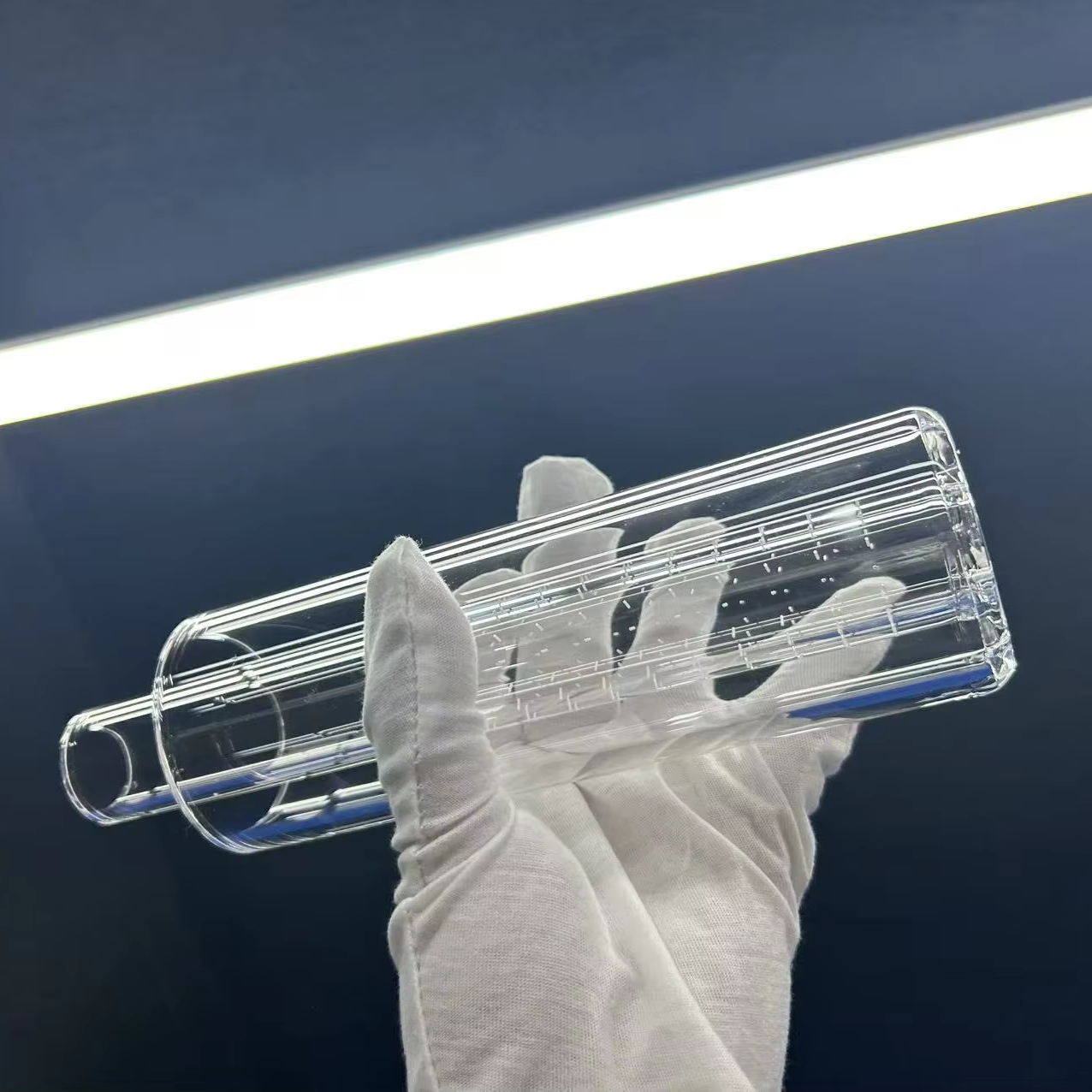 CNC Machined
Customized Perforated Quartz Tube
Precision ultrasonic laser-drilled sparge tubes and diffuser columns, engineered for gas distribution, fractional column packing, and reaction scrubbing vessels.
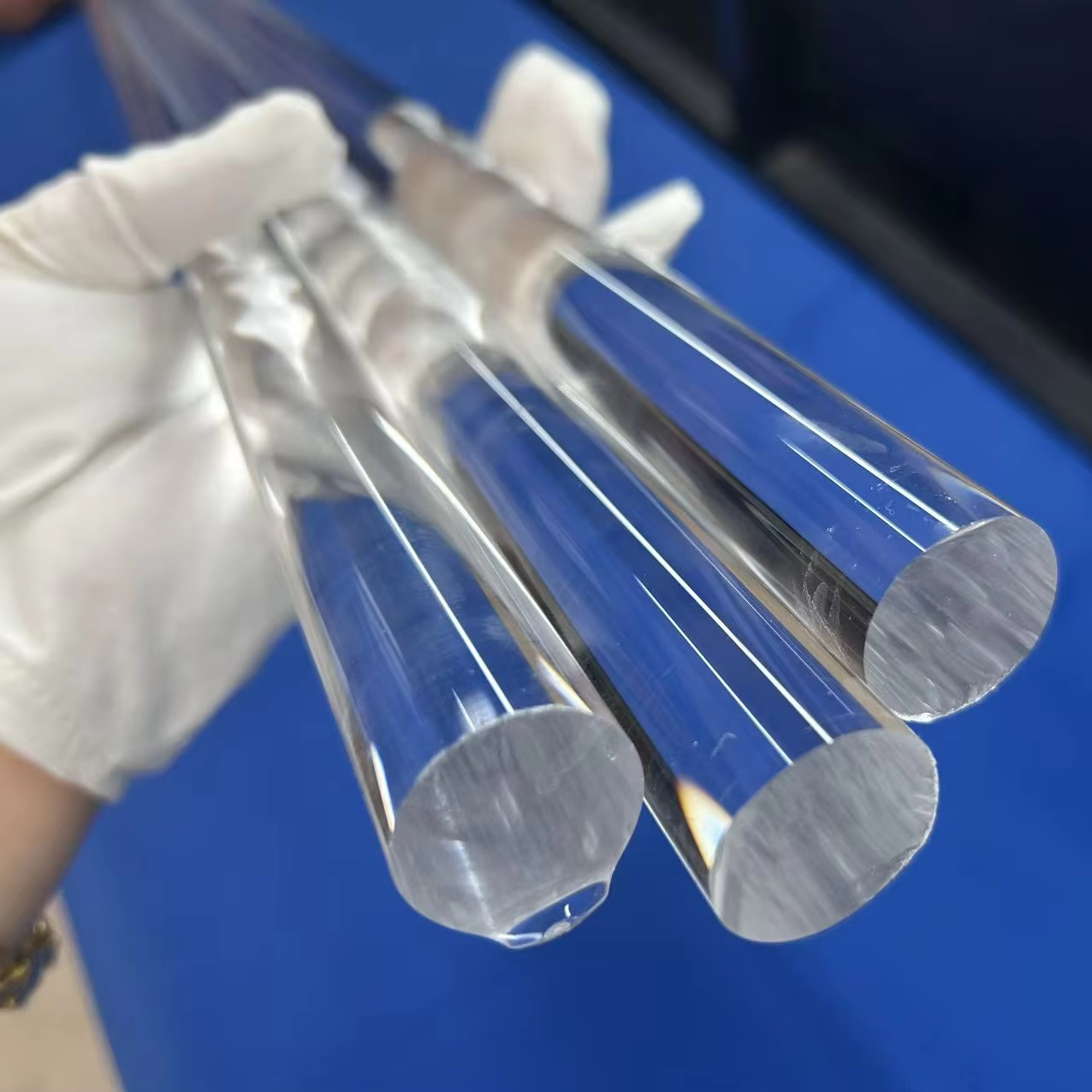 Heavy Section
The Factory Produces High-purity Fused Quartz Large Diameter Round Rods
Large section structural quartz cylinders and heavy-gauge ingots ready for 5-axis CNC machining, lathe forming, and bespoke high-volume flask manufacturing.
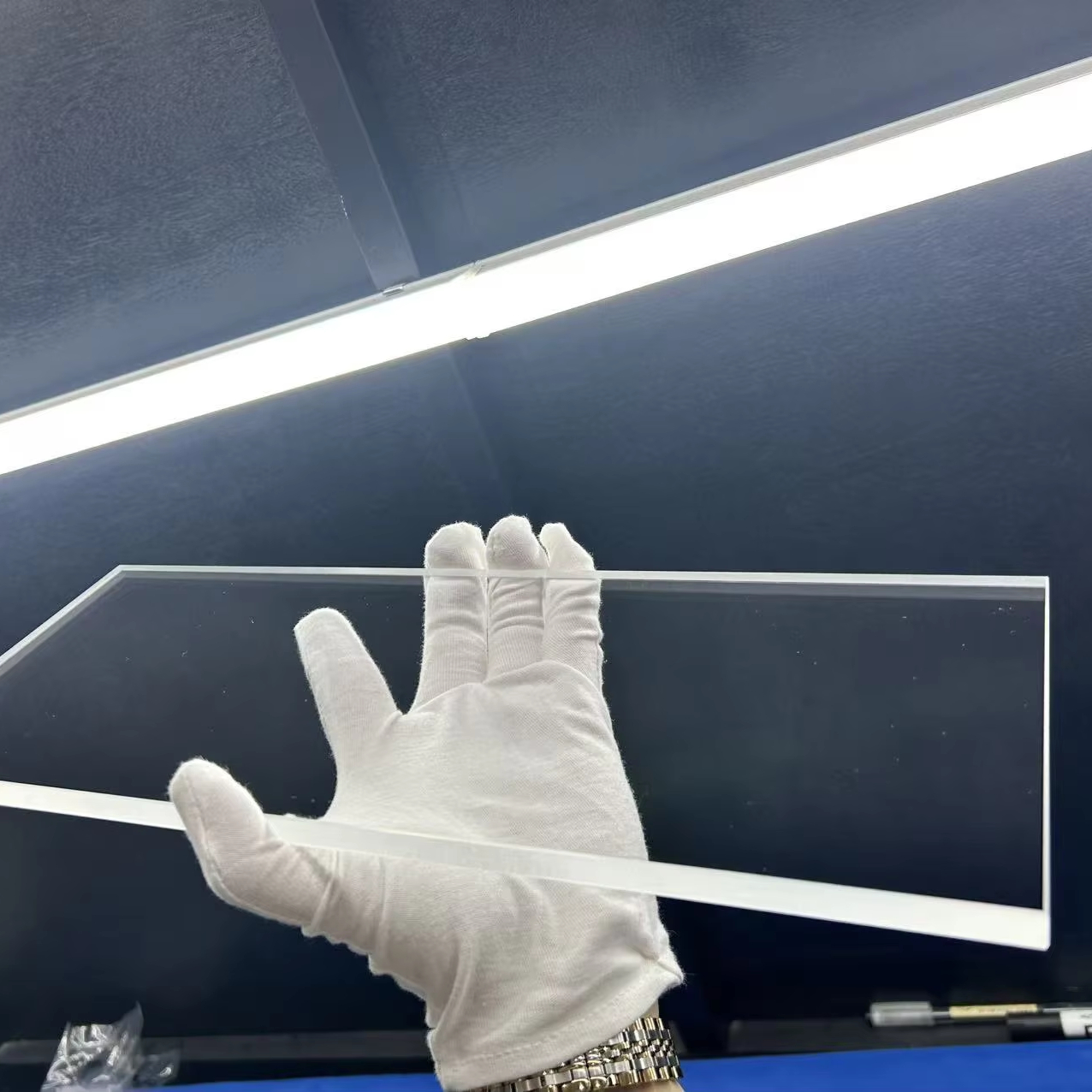 Optical Sheet
Ultra Clear High Purity Quartz Sheet
Precision surface-ground flat sheets and sight plates with minimal bubble class, engineered for custom reaction viewports, laser covers, and cleanroom substrates.
Fused Quartz vs. Borosilicate 3.3 Engineering Matrix
Selecting the optimal glassware substrate is paramount when conducting high-temperature acid reflux, photochemical catalysis, or high-vacuum Schlenk line synthesis in Yorkshire research centers.
Physical, Thermal & Dielectric Properties
| Physical Property | Fused Quartz (Nivra Grade) | Standard Borosilicate 3.3 |
|---|---|---|
| Silica Purity (SiO&sub2;) | ≥ 99.99% | approx. 80.6% |
| Softening Point | approx. 1683°C | approx. 825°C |
| Continuous Max Temp | 1100°C – 1150°C | 490°C – 500°C |
| Peak Short-Term Temp | 1450°C | 560°C |
| Thermal Expansion (CTE) | 5.5 × 10⁻⁷ /°C | 33 × 10-7 /°C (6× higher) |
| Thermal Shock Tolerance | ΔT > 1000°C quench safe | ΔT approx. 150°C max |
| Chemical Inertness | Immune to all acids (excl. HF/hot H&sub3;PO&sub4;) | Susceptible to alkaline leaching |
Optical Transmission Grades (JGS1 / JGS2 / JGS3)
| Grade | Spectral Range | Optimal Application in Leeds Facilities |
|---|---|---|
| JGS1 (Synthetic UV) | 185 nm – 2500 nm | Photochemical synthesis reactors, UV excimer lasers, and deep-UV spectroscopy cuvettes with zero OH bubble inclusion. |
| JGS2 (Optical UV-Vis) | 220 nm – 2500 nm | Standard multi-neck boiling flasks, sight port windows, condenser jackets, and routine analytical reaction vessels. |
| JGS3 (Low-OH Infrared) | 260 nm – 3500 nm | IR thermal pyrolysis, gas-phase combustion monitoring, and vacuum furnace sight glass tubes where OH water bands must be suppressed. |
| Opaque Silica | Infrared Diffuse | Thermal insulating collars, high-radiance heating tubes, and protective crucible sleeves for thermal dissipation. |
Specialized Quartz Flask Applications Across Leeds & West Yorkshire
From university cleanrooms to pharmaceutical active synthesis plants, Leeds represents one of the UK’s most demanding hubs for industrial and analytical fused silica glassware.
University Research & Nanotechnology
The University of Leeds, notably the Bragg Centre for Materials Research and the School of Chemistry, routinely requires bespoke 250ml to 5000ml multi-neck quartz flasks for air-sensitive Schlenk line manipulations, supercritical solvothermal reactions, and high-purity inorganic crystallization where trace boron release from standard glassware is prohibited.
Leeds-Bradford Med-Tech & Pharma Corridor
Yorkshire’s pharmaceutical synthesis companies deploy quartz boiling flasks within solvent distillation lines, rotary evaporators, and vacuum cracking manifolds. Fused quartz eliminates heavy metal ion leaching (iron, aluminum, alkali metals), ensuring API (Active Pharmaceutical Ingredient) validation remains compliant with strict MHRA regulatory thresholds.
High-Temperature Chemical Synthesis
Industrial chemical manufacturing plants across the Aire Valley and Leeds industrial parks utilize heavy-walled quartz boiling vessels to conduct boiling acid refluxing with fuming nitric, hydrochloric, and sulfuric acids at continuous temperatures exceeding 600°C—conditions that would quickly etch, crack, or destroy standard borosilicate apparatus.
Hydrogen & Clean Energy Transition
With Yorkshire spearheading hydrogen combustion research, our custom quartz optical observation flasks and combustion flasks allow direct visual and pyrometric inspection of high-enthalpy flame fronts, withstanding high thermal gradients without mechanical degradation.
Emerging Trends Driving Quartz Adoption in West Yorkshire
Procurement preferences in Leeds are transitioning toward high-durability, ultra-pure synthetic materials to overcome the operational constraints of traditional labware.
Migration Away from Borosilicate Contamination
As ICP-MS (Inductively Coupled Plasma Mass Spectrometry) detection limits push into parts-per-trillion (ppt) levels across Leeds analytical institutions, borosilicate glass is increasingly recognized as a source of background boron, sodium, and calcium leaching. Research directors are systematically replacing dissolution and digestion vessels with high-purity fused silica (SiO&sub2; ≥ 99.99%) to safeguard experimental repeatability.
Continuous Flow Chemistry & Photochemical Catalysis
Leeds fine chemical developers are shifting from traditional batch reactions to continuous-flow microreactors and photochemical synthesis columns. Fused quartz flasks fitted with integrated quartz immersion wells provide exceptional deep-UV transmission (down to 185 nm in JGS1 grade), empowering researchers to harness short-wavelength UV photocatalysis without jacket absorption losses.
Thermal Shock Failure Mitigation & Cost Control
Laboratory managers across Yorkshire report that while initial acquisition costs for quartz flasks exceed borosilicate by 2.5× to 4×, their effective lifespan under intense thermal cycling is over six times longer. The near-zero coefficient of thermal expansion drastically cuts catastrophic downtime and replacement cycles caused by thermal cracking during rapid ice-bath quenching.
Why Leeds Procurement Teams Source Directly from Nivra Quartz
Combining primary quartz raw material access in Donghai with custom OEM engineering tolerances, prompt communications, and damage-proof export crating.
Direct Factory Source
Situated in Donghai County—China's quartz capital—we cut, shape, flame-polish, and inspect on-site, cutting intermediate distributor markup by 30–45%.
Full OEM / ODM Customization
Send your PDF, DWG, or 3D STEP files. We manufacture custom neck angles, GL45 thread tops, thermocouple wells, and vacuum stopcocks to strict tolerances.
Verified Response < 5h
With an 88.89% verified inquiry response rate and 5.0/5 review rating, our engineers align with UK business hours to clarify tolerances and specifications rapidly.
Zero-Breakage Export Crates
Each quartz flask is thoroughly degreased, custom-cushioned inside form-fitting EPE foam, and encased within reinforced non-fumigation wooden export cases.

Frequently Asked Questions by Laboratory Buyers in Leeds
Addressing essential technical, dimensional, compliance, and logistics questions commonly raised by UK procurement managers.
Can your quartz flasks be fabricated with standard British (BS / ISO) ground joints?
Yes. We routinely precision-grind interchangeable ground joint conical fittings conforming strictly to BS / ISO 383 standards, including B10, B14, B19, B24, B29, B34, and B40 cones and sockets. This ensures our quartz flasks integrate effortlessly with existing condenser columns, dropping funnels, and Schlenk lines installed in UK laboratories.
What is the minimum order quantity (MOQ) for custom bespoke quartz flasks?
For custom engineering prototypes or bespoke one-off research vessels (such as three-neck round bottom flasks with off-axis angle ports or side-arm vacuum stopcocks), our MOQ starts at just 1 to 2 pieces. For standard single-neck boiling flasks or Erlenmeyer designs, small batch orders of 5 to 10 pieces are standard.
How do you guarantee that thin-walled or multi-neck flasks survive air transit to Leeds?
Fragile quartzware is packed using engineered multi-tier shock absorption. Each vessel is individual-wrapped in static-dissipative film, suspended in form-contoured high-density closed-cell EPE foam, and sealed inside double-walled cartons nested within rigid, fumigation-free plywood export crates designed to withstand transatlantic handling.
What customs tariff codes (HS Codes) and UK import taxes apply?
Fused quartz laboratory glassware is typically imported into the United Kingdom under Commodity Code HS 7017.10.00.00 (Laboratory, hygienic or pharmaceutical glassware, whether or not graduated or calibrated — of fused quartz or other fused silica). We supply all required commercial invoices, packing lists, and Certificates of Origin for smooth clearance at UK border customs.
What is the exact lead time for deliver to West Yorkshire academic and industrial facilities?
Standard prototype manufacturing usually takes 7 to 12 working days following drawing sign-off. Express door-to-door air freight (via DHL, FedEx, or UPS direct to Leeds Bradford Airport or Manchester logistics depots) requires an additional 4 to 6 business days, achieving a typical total turnaround of under 3 weeks from drawing confirmation.
Can you accommodate integrated quartz-to-pyrex graded seals or GL threads?
Yes. When connecting high-temperature quartz reactors to standard borosilicate lines, we fabricate precision multi-step graded glass seals that gradually step the thermal expansion coefficient from quartz (5.5×10⁻⁷) to Pyrex (33×10-7). We also flame-weld standard GL14, GL18, GL25, and GL45 quartz screw threads with matching PTFE caps.
Request a Detailed Engineering Review & Quotation
Whether you require standard 100ml–5000ml round bottom quartz boiling flasks, UV-transparent reaction cells, or bespoke quartz components built to CAD drawings, our technical engineers will review your tolerances and provide a prompt quotation.