Precision Cut
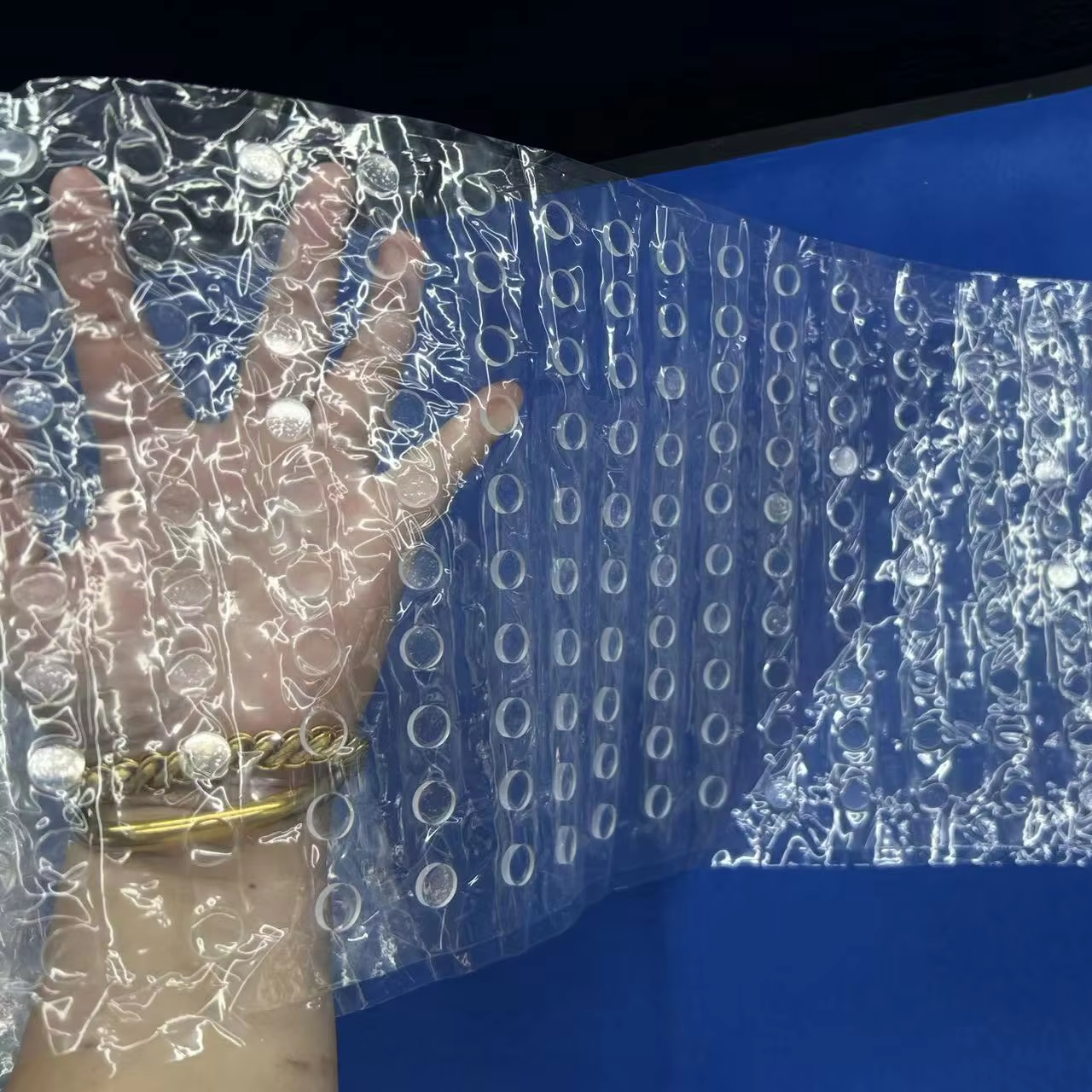
Direct factory supply manufactured to tight geometrical tolerances (±0.05 mm) with ≥99.99% SiO&sub2; purity, engineered specifically for high thermal stress, chemical synthesis, and clean spectroscopic analyses.
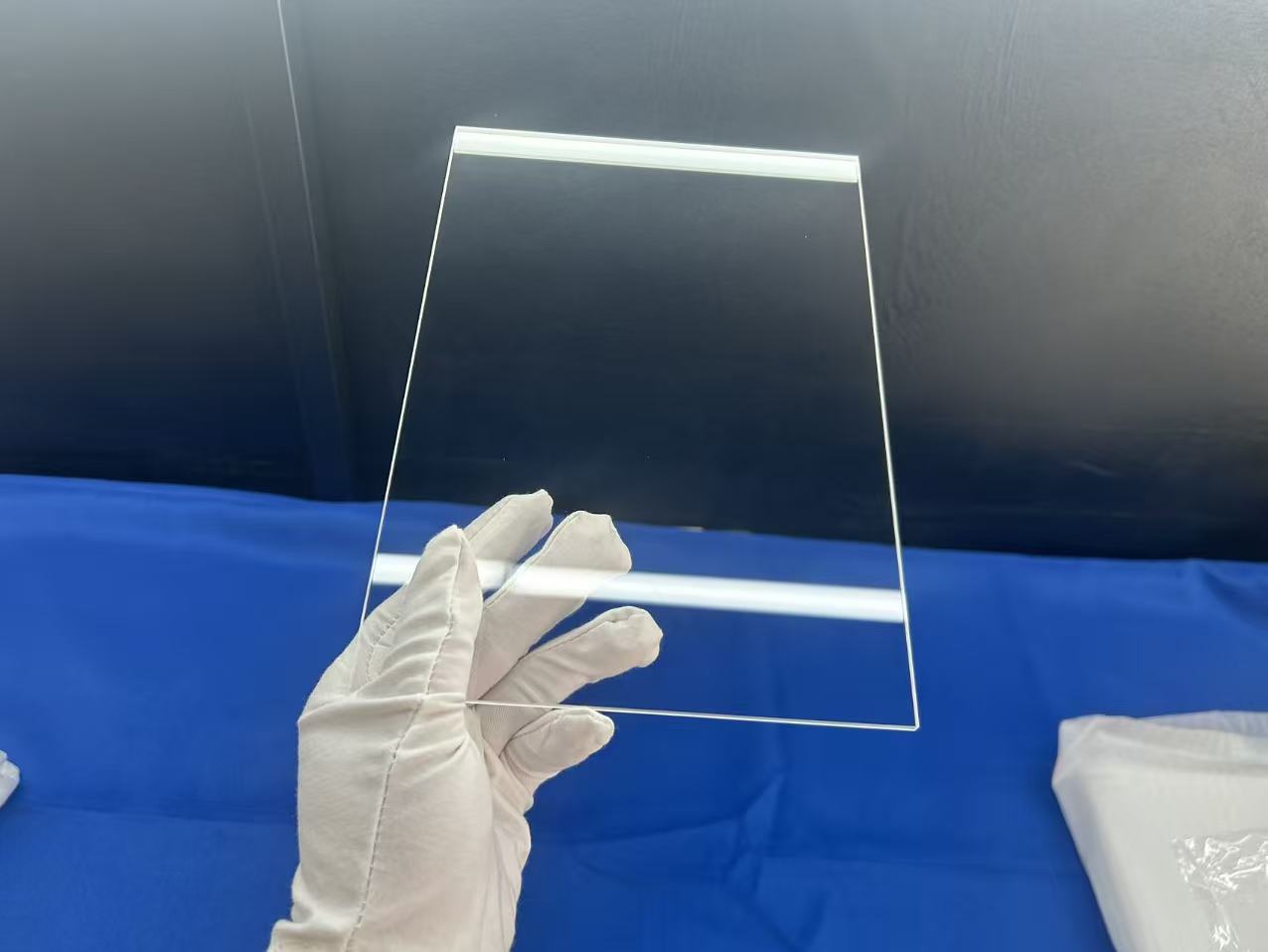
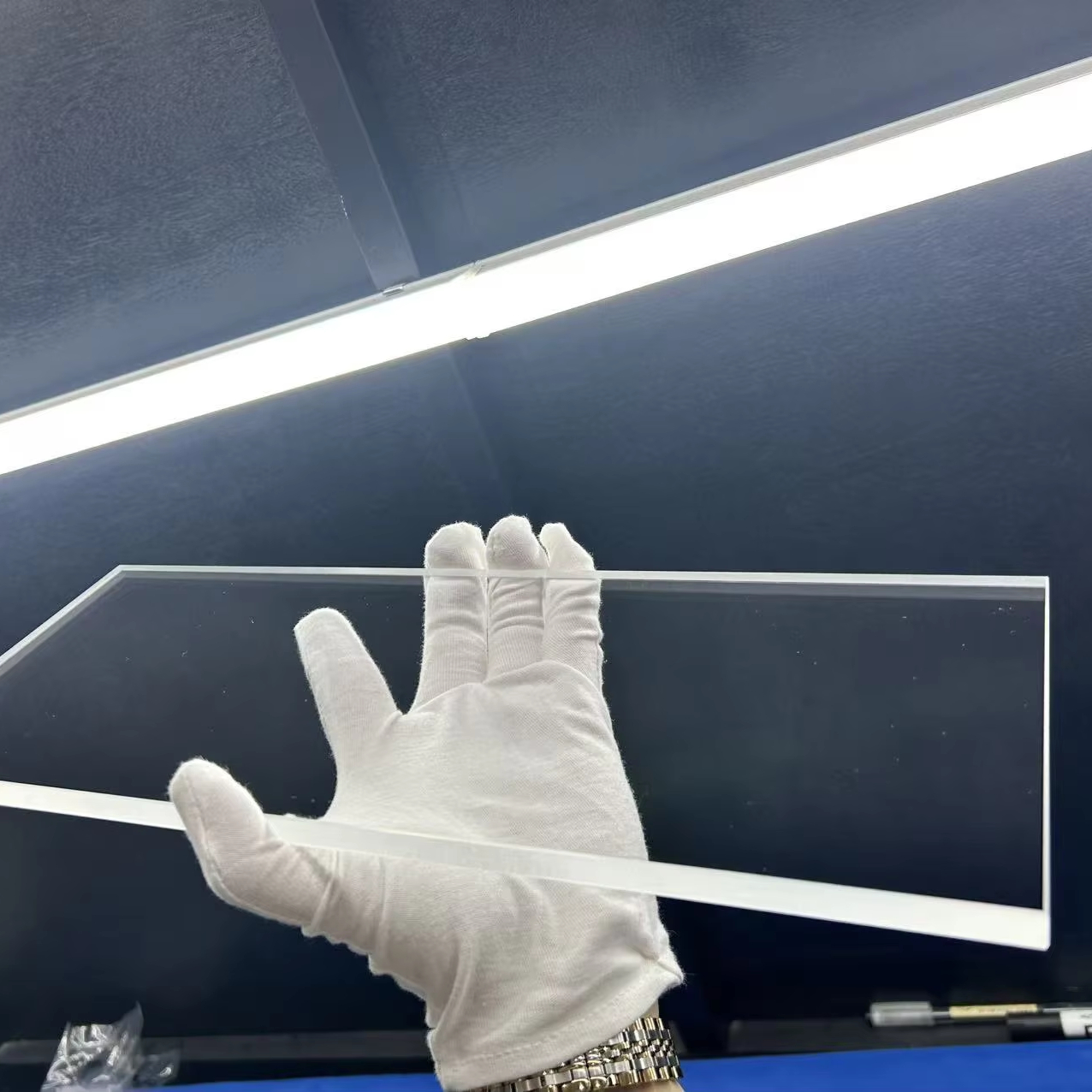
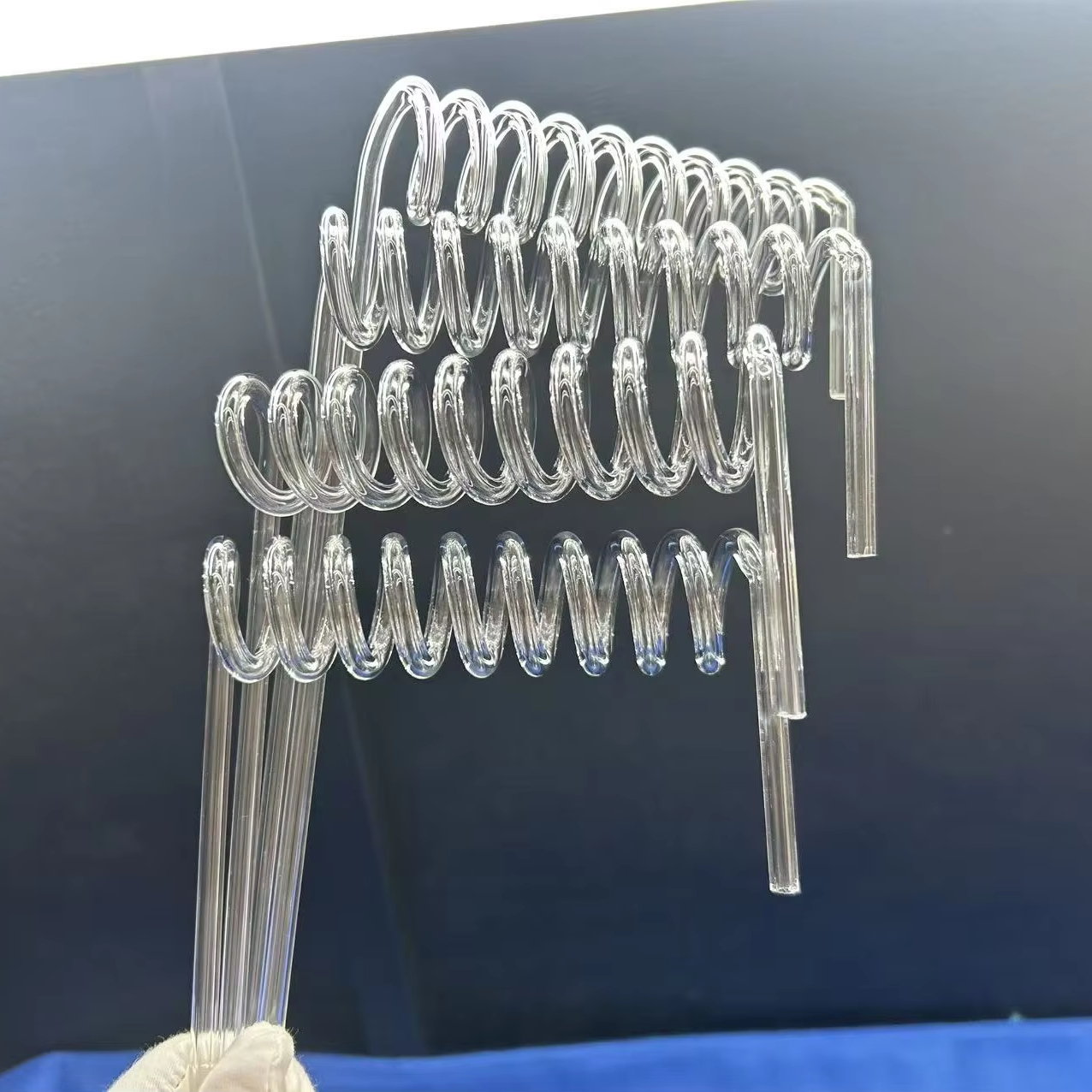
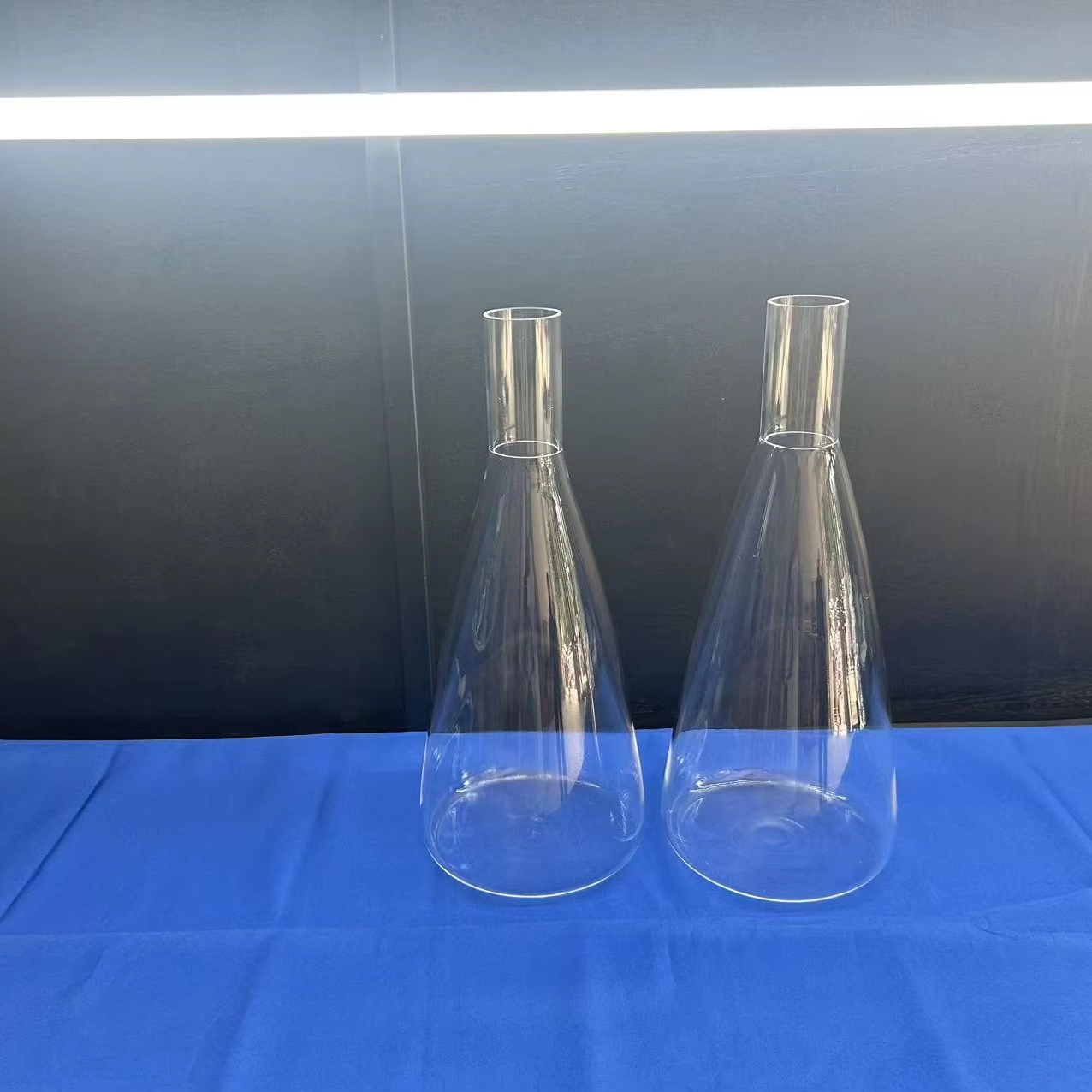
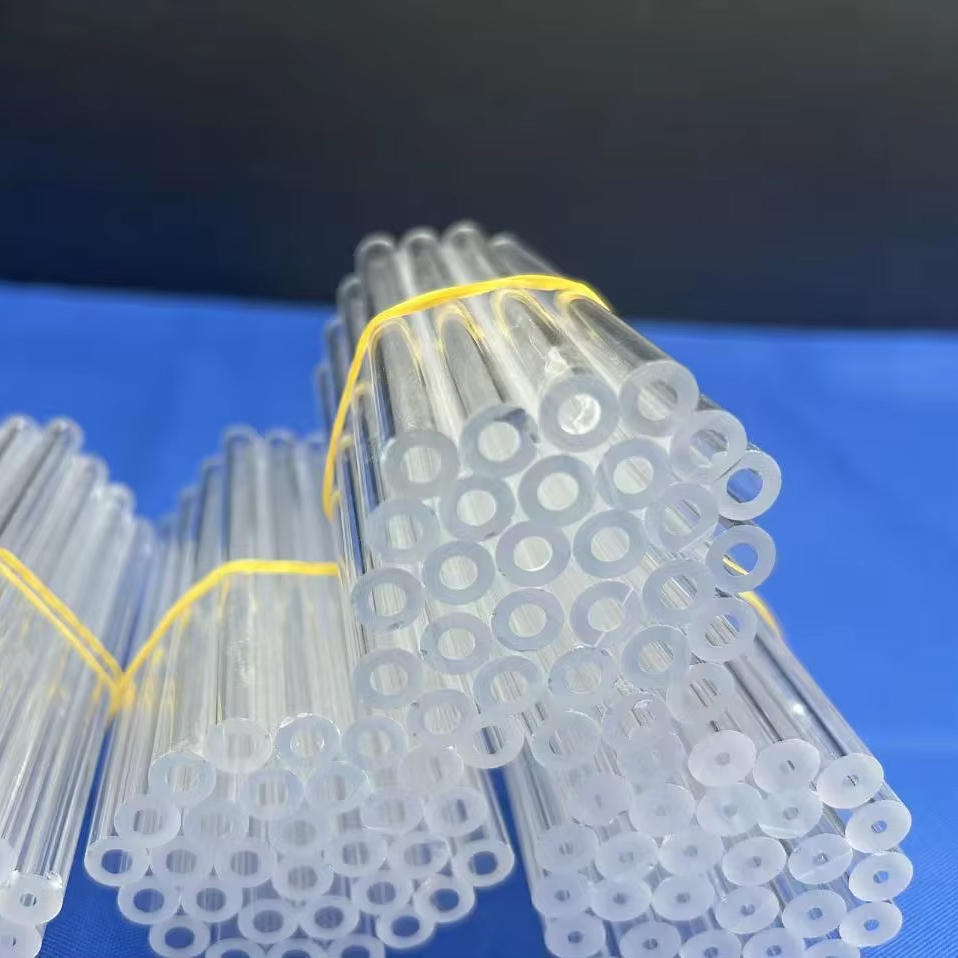
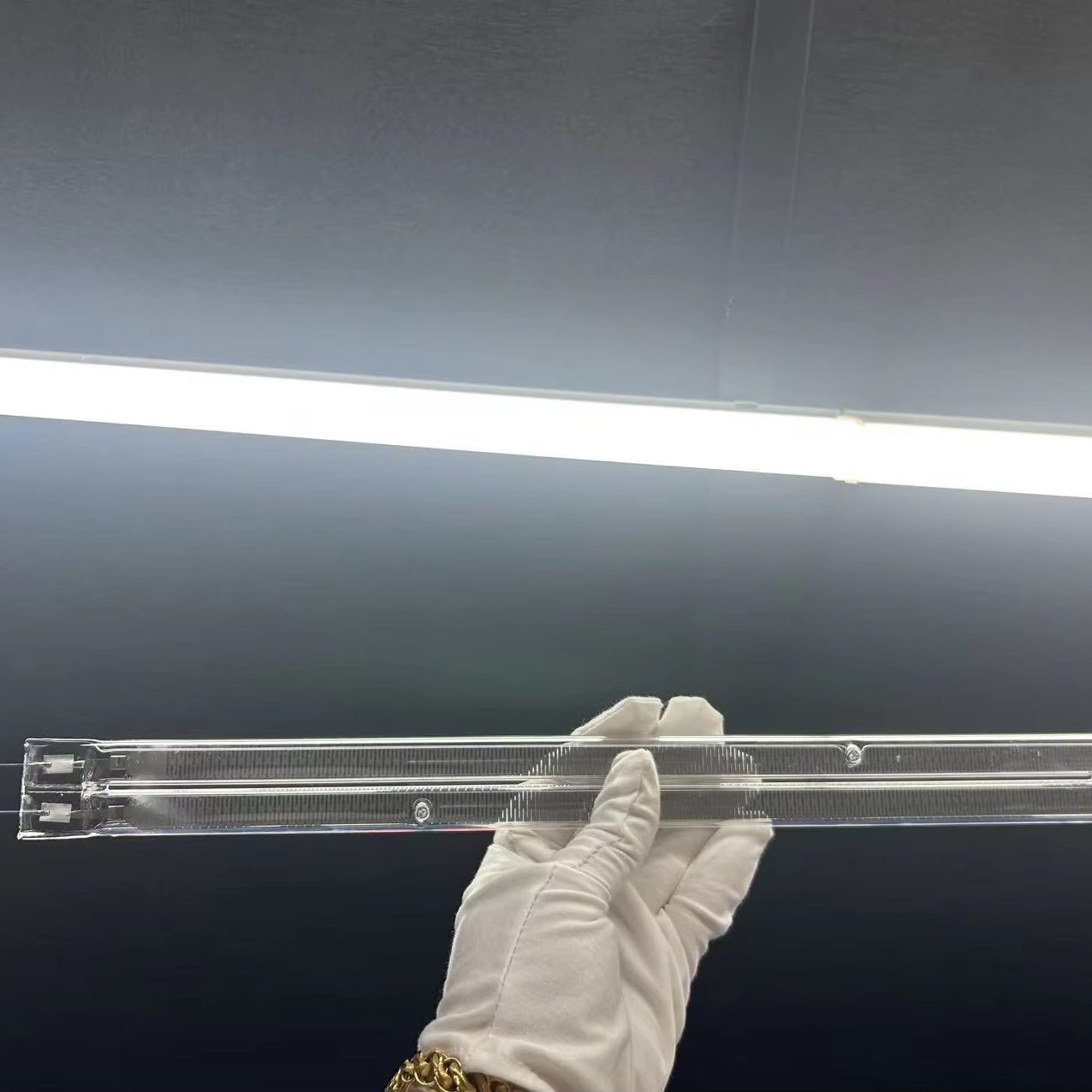
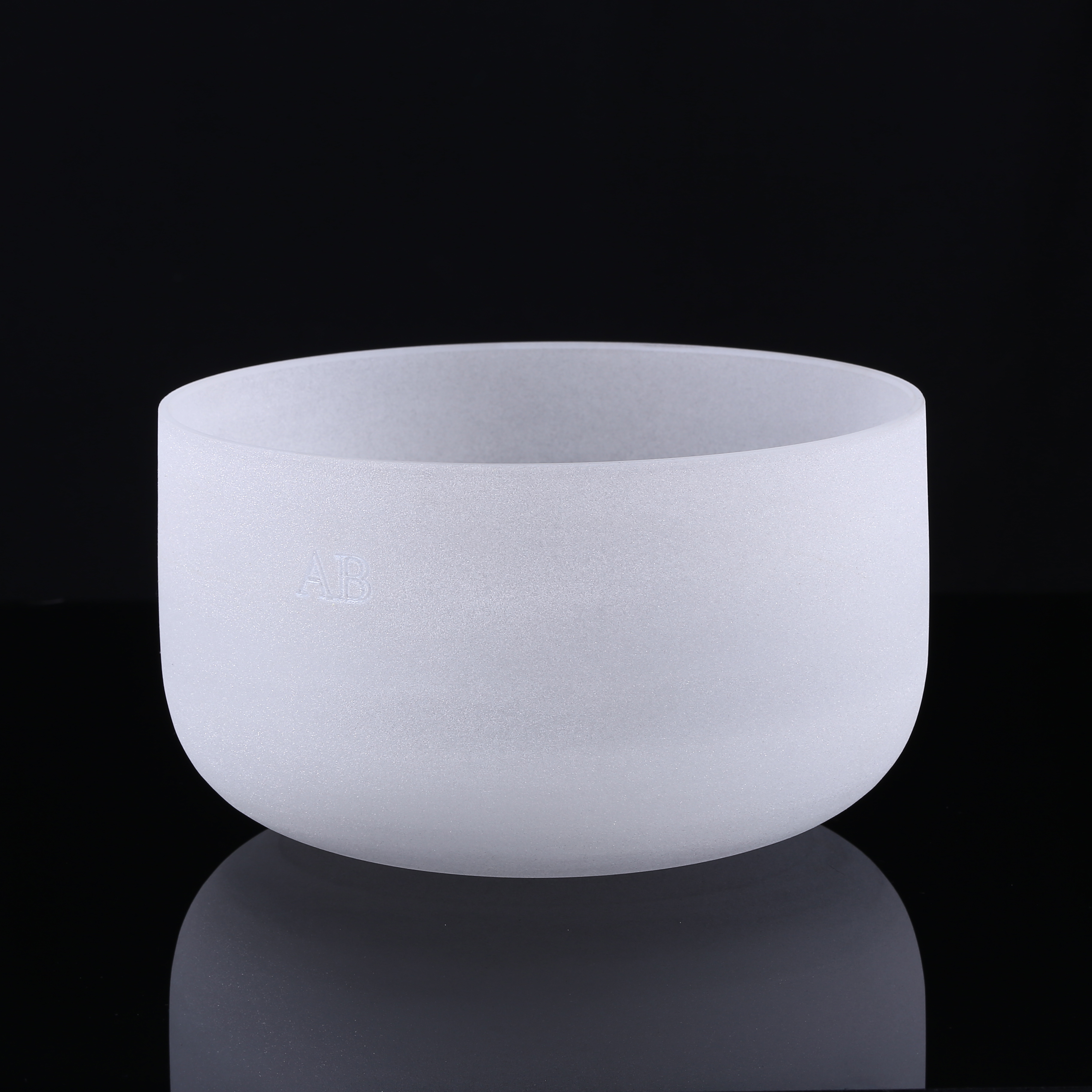
Situated in the heart of the fertile Dukagjini valley, Peja (Peć) has evolved beyond its traditional commercial base into one of Kosovo’s most vital hubs for agro-food processing, brewing, beverage manufacturing, environmental watershed monitoring, and regional university research. From the historic operations of large beverage producers like Birra Peja to specialized botanical extraction facilities and modern agricultural testing labs, the demand for precision laboratory apparatus has surged. Among these mission-critical components, the quartz glass flask—comprising flat-bottom boiling flasks, round-bottom reaction vessels, Erlenmeyer configurations, and Kjeldahl digestion flasks—represents the gold standard for high-temperature and high-purity laboratory operations.
Historically, commercial laboratories in Western Kosovo have relied extensively on standard Borosilicate 3.3 glassware. While borosilicate remains acceptable for elementary water baths and moderate chemical mixtures up to 450°C, it presents severe physical and chemical limitations in demanding analytical environments. Borosilicate contains roughly 12–13% boron trioxide (B&sub2;O&sub3;) and 4% sodium/potassium flux oxides. Under aggressive acid digestion—such as concentrated perchloric, boiling nitric, or hot sulfuric acid matrices—trace alkaline and boron ions leach from the vessel wall into the analytical sample, creating unacceptable background contamination in Inductively Coupled Plasma Mass Spectrometry (ICP-MS) and Atomic Absorption Spectroscopy (AAS).
The fundamental advantage of quartz glassware manufactured by Donghai County Nivra Quartz Products Co., Ltd. stems from our single-component molecular matrix. Pure synthetic or natural fused silica consists solely of tetrahedral silicon dioxide (SiO&sub4;) network units with an exceptionally low thermal expansion coefficient of approximately 5.5 × 10⁻⁷ cm/cm/°C. This is roughly one-sixth that of borosilicate glass, rendering Nivra Quartz flasks almost completely impervious to catastrophic thermal shock cracking.
| Physical / Chemical Property | Nivra Fused Silica Quartz Flask | Standard Borosilicate 3.3 Glass | Operational Significance for Peja Labs |
|---|---|---|---|
| SiO&sub2; Chemical Purity | ≥ 99.99% (Optical/Semiconductor) | approx. 80.5% | Prevents trace heavy metal / alkaline sample leaching |
| Max Continuous Temperature | 1100 °C | 450 – 500 °C | Enables direct open-flame boiling & muffle furnace synthesis |
| Short-Term Annealing Point | 1215 °C | 560 °C | Allows complete volatile organic matter calcination |
| Softening Point | 1683 °C | 820 °C | Resists deformation under high-heat reflux distillation |
| Thermal Shock Resistance (ΔT) | > 1000 °C (Red-hot to ice water) | approx. 150 °C | Zero failure risk during rapid exothermic reactions |
| Spectral UV Transmittance | > 90% at 200–400 nm (JGS1/JGS2) | Opaque below 310 nm | Direct in-situ photochemical & UV catalytic synthesis |
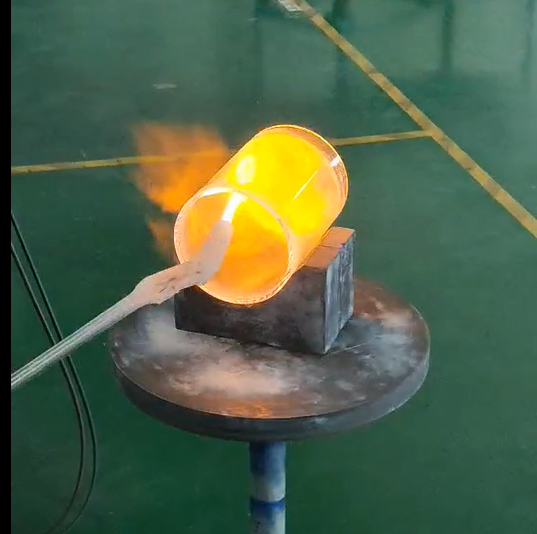
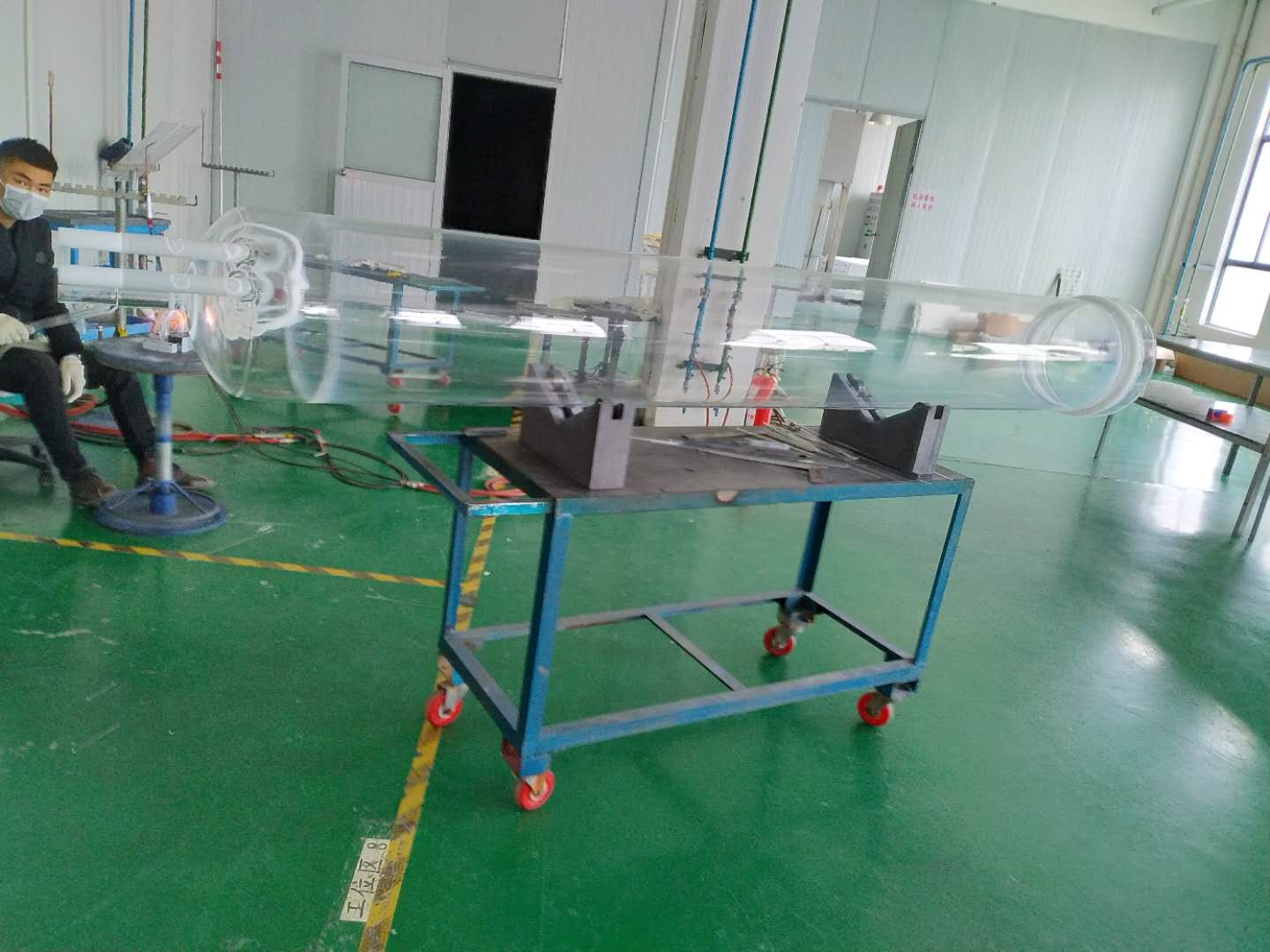
Every laboratory quartz flask exported to the Peja market is fabricated inside our Donghai facility using automated diamond-core grinding, lathe flame-working, and controlled electric annealing ovens. We enforce strict DIN/ISO dimensional standards for laboratory ground joint necks (such as standard taper ground joints 14/23, 19/26, 24/29, and 29/32). This guarantees vacuum-tight seals and interchangeable compatibility with existing European rotary evaporators, Soxhlet extractors, and reflux condensers deployed throughout Kosovo's testing infrastructure.
From the industrial zones of Western Kosovo to municipal testing centers along the Lumbardhi i Pejës watershed, our high-temperature fused silica glassware supports critical regional sectors.
Peja houses renowned beverage production facilities where continuous batch verification is essential. Our fused silica quartz distillation flasks are utilized in measuring volatile organic compounds, sulfur dioxide concentrations, and high-boiling ester distillation. Unlike borosilicate, quartz flasks do not pit or degrade under cyclic caustic cleaning (CIP) solutions or repetitive acid titrations.
Western Kosovo’s agricultural valleys rely on stringent soil nutrient and environmental monitoring. Laboratories in Peja testing for heavy metals (lead, cadmium, arsenic) along the Lumbardhi i Pejës (Bistrica) river use Nivra Quartz Kjeldahl flasks for hot aqua regia digestions. The negligible impurity profile (<1 ppm alkali) guarantees baseline accuracy on spectrophotometers.
The Rugova gorge and surrounding mountain valleys are renowned for wild-crafted herbs and medicinal flora. Extractors in Peja leverage our multi-neck quartz reaction flasks with integrated heating mantles. The superior infrared transparency of fused quartz allows uniform radiant heat penetration, preventing product scorch and maximizing terpene yields.
Departments of Agribusiness, Food Technology, and Applied Life Sciences at institutions in Peja require resilient laboratory hardware for student teaching and master-level chemical synthesis. Our thermal shock-resistant quartz boiling flasks safeguard laboratory staff against catastrophic shattering accidents during sudden cold-water additions.
Kosovo’s ongoing infrastructure modernizations demand precise testing of road construction binders and quarry aggregates extracted across Peja’s municipal foothills. High-temperature flash-point tests and solvent recovery procedures routinely reach 400–600°C, exceeding the safe threshold of borosilicate and requiring Nivra fused silica glassware.
Analytical chemists investigating water remediation and organic pesticide breakdown utilize our JGS1-grade synthetic quartz flasks. Because standard laboratory glass filters out ultraviolet wavelengths below 320 nm, our deep-UV transparent quartz vessels permit uninhibited penetration of 254 nm germicidal and photolytic radiation.
How technological modernization, European regulatory harmonization, and supply-chain rationalization are reshaping quartz procurement in Peja.
Kosovo’s food export ambitions to EU member states require testing laboratories in Peja to obtain ISO/IEC 17025 accreditations. Regulatory audits strictly evaluate equipment-related uncertainty budgets. Fused quartz flasks eliminate sample contamination artifacts from vessel wall leaching, directly contributing to audit compliance and lower limits of detection (LOD).
Procurement managers in Peja historically purchased specialized quartz vessels through third-party intermediaries in Ljubljana, Vienna, or Istanbul, incurring markups of 200–350%. Modern B2B buyers now establish direct partnerships with specialized Chinese manufacturers like Nivra Quartz, unlocking custom technical drawings, faster modifications, and direct tier-one pricing.
As Kosovo accelerates its solar energy rollout, regional technical contractors in Peja are increasingly involved in PV module testing, silicon wafer quality inspection, and thermal storage research. This clean-energy transition drives continuous localized consumption of quartz heating tubes, diffusion crucibles, and high-clarity viewing windows.
Headquartered in Donghai County, China’s quartz capital, Donghai County Nivra Quartz Products Co., Ltd. combines deep natural mineral reserves with high-precision hot-glass fabrication.
Direct access to world-renowned high-purity natural silica sand ensures stable supply, low iron/boron contaminants (<10 ppm), and significant cost savings passed directly to your lab.
Our in-house technical engineering team reviews custom drawings (CAD/PDF/STEP) with an average response time of under 5 hours, offering manufacturability advice and accurate quotes.
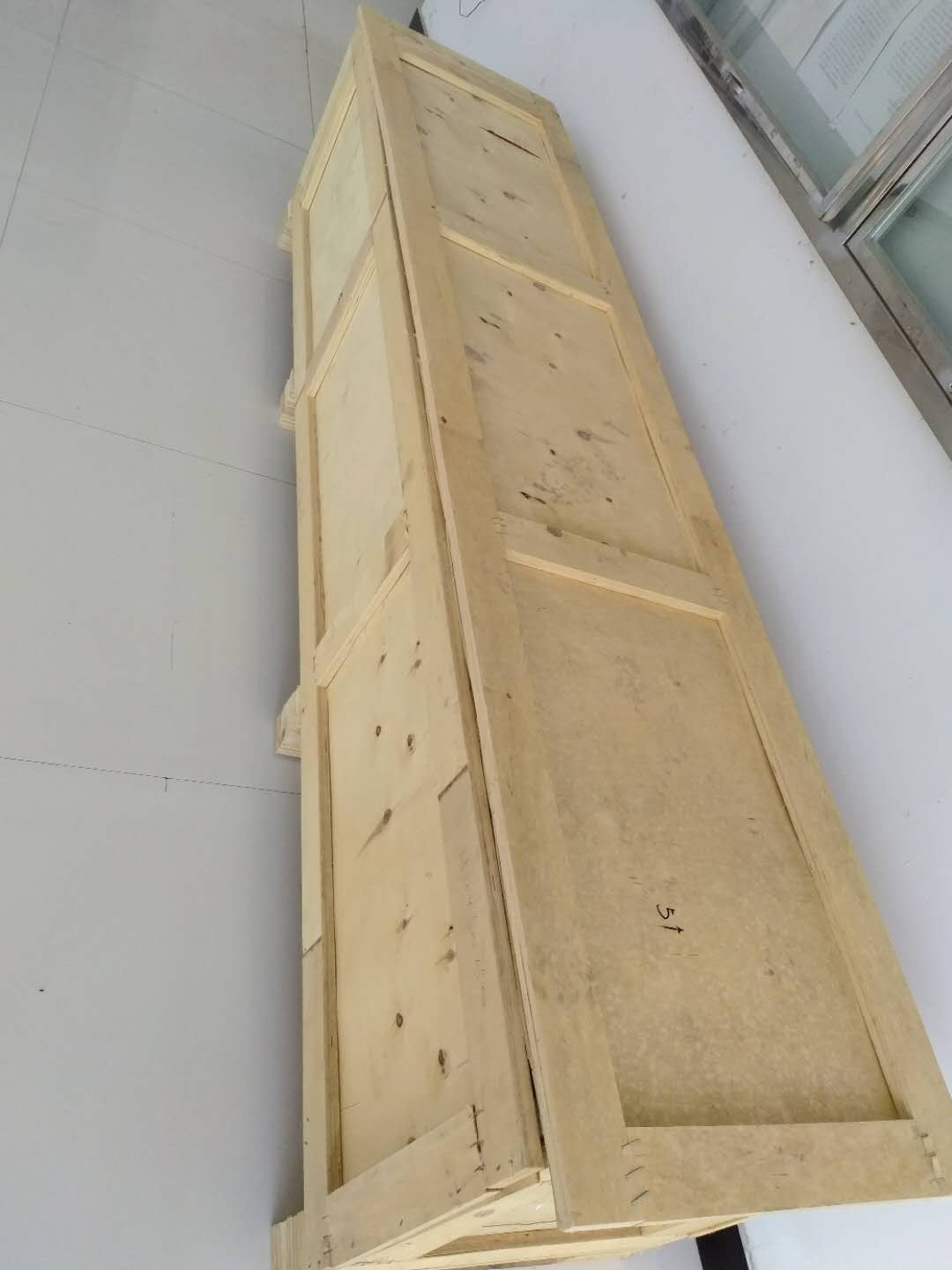
Every single quartz flask is custom-nested inside multi-layer shock-absorbent EPE foam compartments and crated within export-certified wooden cases, guaranteeing zero transit damage to Kosovo.
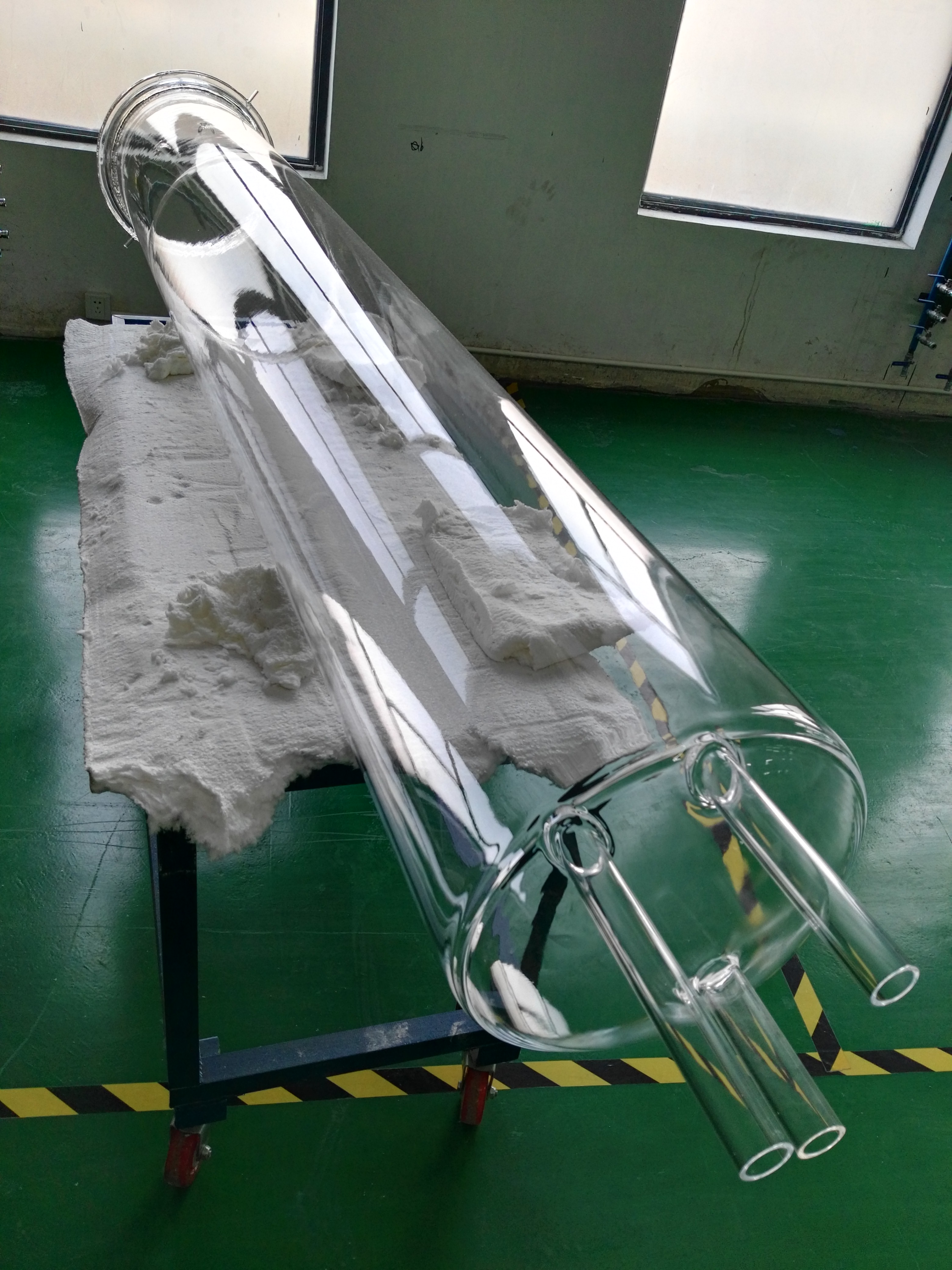
From micro 10ml Kjeldahl reaction vessels to 20-liter industrial quartz distillation kettles with side-arm ports, our 101–200 skilled glassblowers execute your exact dimensional specifications.
Our operating facility at 285 Heping East Road, Lianyungang, Jiangsu has been audited on-site, holding official certifications available for buyer verification.
Clear, direct answers regarding customs clearance in Kosovo, thermal shock limitations, dimensional interchangeability, and logistical freight handling.
We provide full door-to-door (DDP) or terminal (CPT/DAP) logistics for laboratories and businesses across Peja. Smaller precision sample shipments and urgent analytical replacements are dispatched via DHL Express, FedEx, or UPS Air with transit times of 5–8 business days to Pristina Airport (PRN) before expedited regional transit to Peja. For bulk equipment orders, freight arrives through the Port of Durrës (Albania) or Thessaloniki (Greece) before transiting through Kosovo customs under HS Code 7017.10 (Laboratory glassware of fused quartz or other fused silica). We furnish certified commercial invoices, packing lists, and Certificates of Origin (CO) ensuring smooth clearance with Kosovo Customs (Dogana e Kosovës).
Yes. The coefficient of thermal expansion of our fused silica quartz is extraordinarily low (0.54 × 10⁻⁶ /K). This micro-expansion characteristic gives the flask virtually unmatched thermal shock resilience. Standard operating procedures that would shatter borosilicate glassware into fragments—such as plunging a red-hot 1050°C quartz vessel into 0°C ice water or pouring cold acid reagents into a boiling flask—will not cause mechanical stress fracture in our fused quartzware.
Completely compatible. Our factory grinds and inspects ground glass joints strictly in adherence to European DIN 12242 and ISO 383 standards. Standard joints such as NS 14/23, 19/26, 24/29, 29/32, and 45/40 match seamless connections with European-manufactured condensers, adapters, vacuum receivers, and rotary evaporator ground tapers commonly in use across research labs in Kosovo.
Nivra fused silica quartz is chemically inert and completely resistant to virtually all mineral and organic acids—including hot concentrated sulfuric (H&sub2;SO&sub4;), fuming nitric (HNO&sub3;), hydrochloric (HCl), perchloric (HClO&sub4;), and aqua regia—even at elevated boiling temperatures. The only chemical compounds that attack quartz are hydrofluoric acid (HF) and concentrated phosphoric acid (H&sub3;PO&sub4;) at temperatures exceeding 150°C. Strong alkaline solutions should be kept below 100°C to avoid slow surface etching.
For standard clear fused quartz round-bottom and flat-bottom boiling flasks (50ml to 2000ml), our Minimum Order Quantity is just 1 to 5 pieces. For complex custom-designed flasks—such as multi-neck reaction vessels with vacuum stopcocks, custom port angles, or special thermocouple wells—we support single-piece prototype fabrication for evaluation before larger production batch commitments.
JGS1 is premium synthetic fused silica that is virtually bubble-free and delivers exceptional transmission across the deep ultraviolet spectrum (185 nm – 2500 nm), making it optimal for photochemical reactors and UV spectrophotometry. JGS2 is standard optical clear fused quartz melted from high-grade natural crystal sand; it transmits from 220 nm to 2500 nm, representing the preferred, cost-effective standard for laboratory boiling, distillation, and digestion flasks. JGS3 is infrared-grade fused quartz with ultra-low hydroxyl (OH) content, transmitting from 260 nm up to 3500 nm in the infrared band, ideal for high-intensity thermal radiation systems.
We apply our proprietary multi-tier export packaging protocol. Each individual flask undergoes ultrasonic chemical cleaning and drying, followed by custom-formed polyethylene bubble encapsulation. The unit is then suspended inside high-density expanded polyethylene (EPE) die-cut foam cradles. These foam modules are packed inside heavy-duty corrugated export cartons and ultimately anchored within fumigation-free wooden crates reinforced with steel edge banding. In the rare event of transit damage confirmed by photo documentation upon receipt in Peja, we provide an immediate 100% free replacement under our transit guarantee.
Send your dimensional requirements, capacity needs, or custom engineering sketches to our technical team. Receive a comprehensive quotation, material inspection certificate, and guaranteed delivery schedule within 5 hours.