Specialized Fused Quartz Components Ready for Detroit Delivery
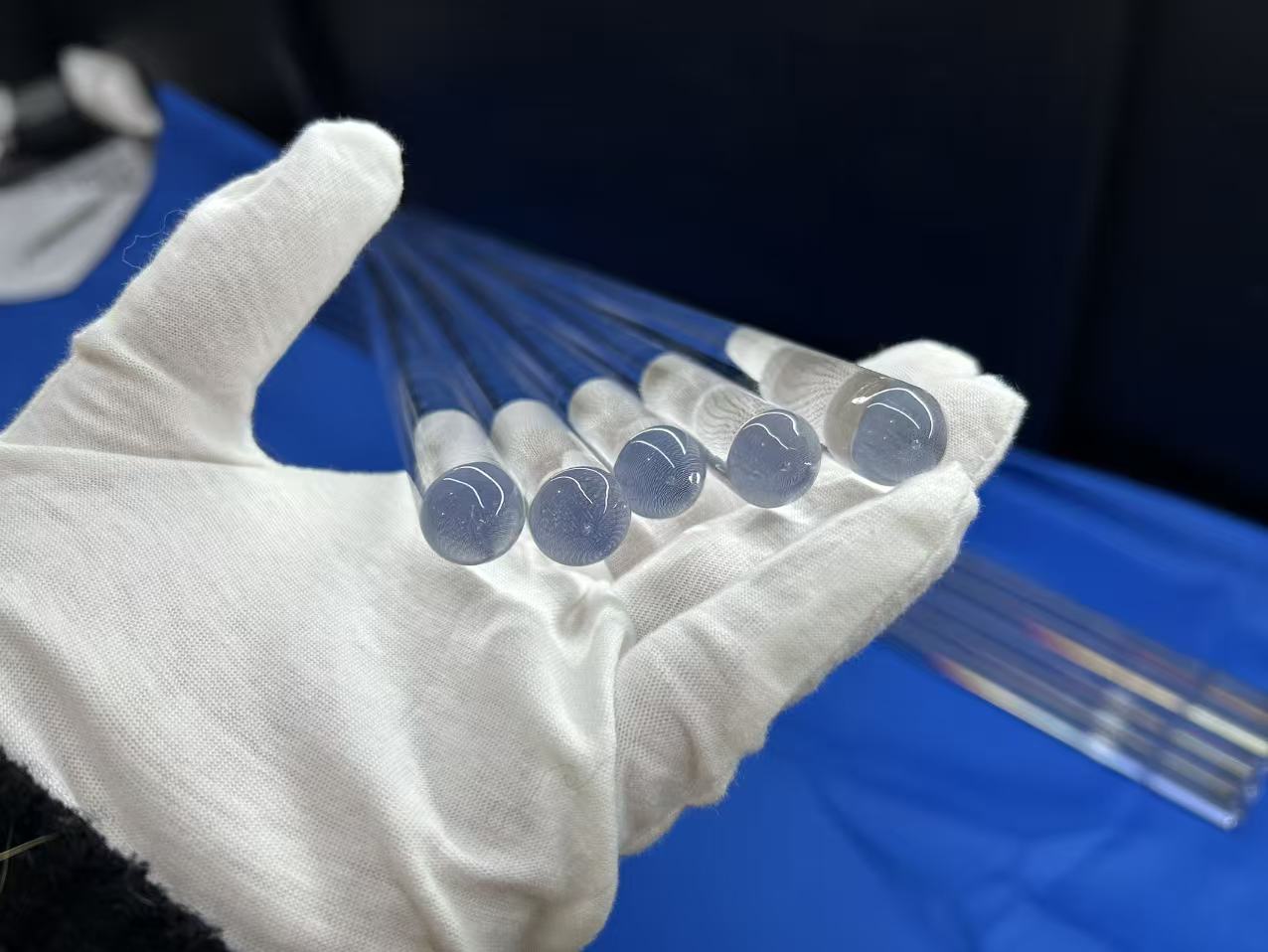
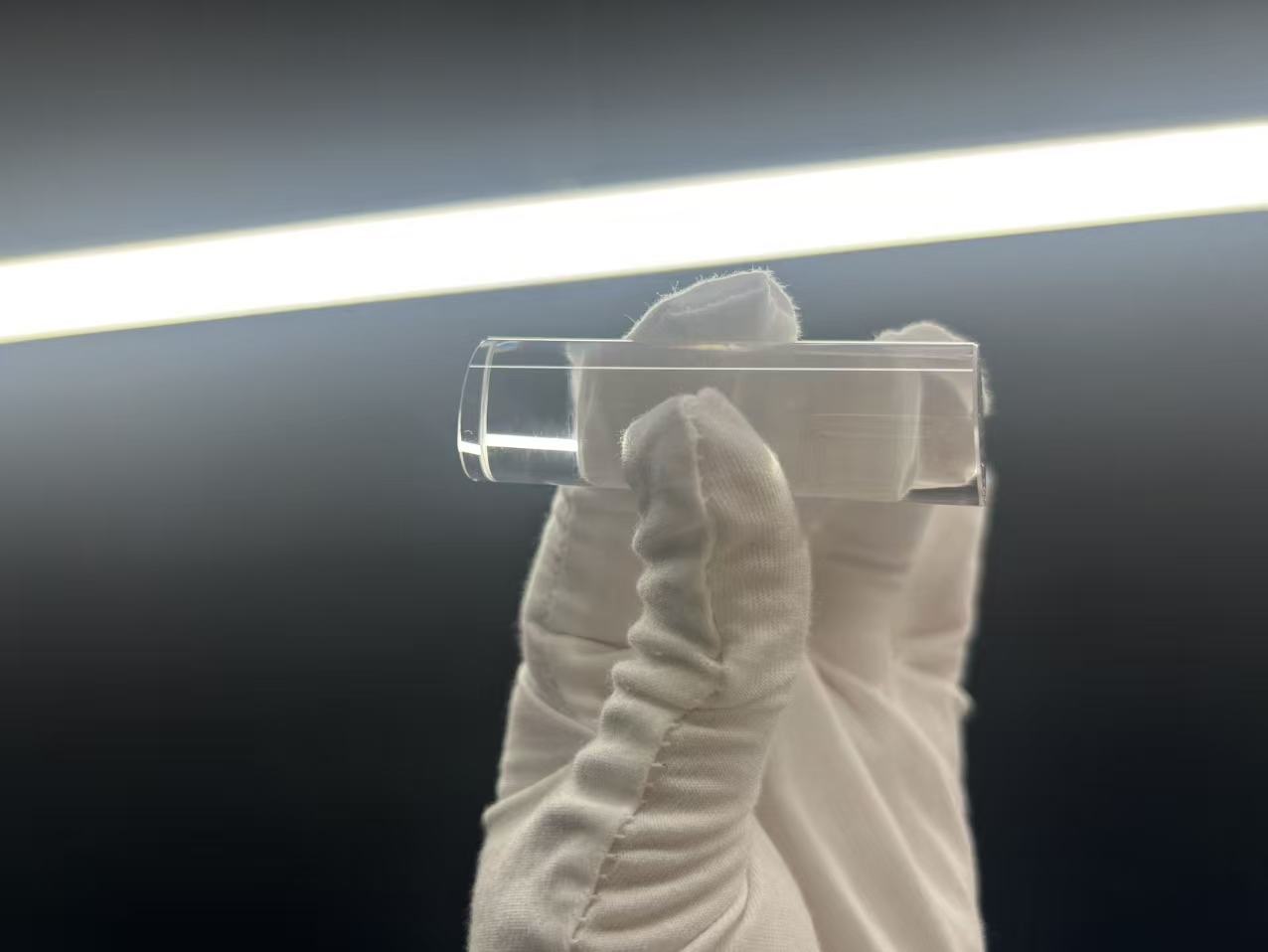
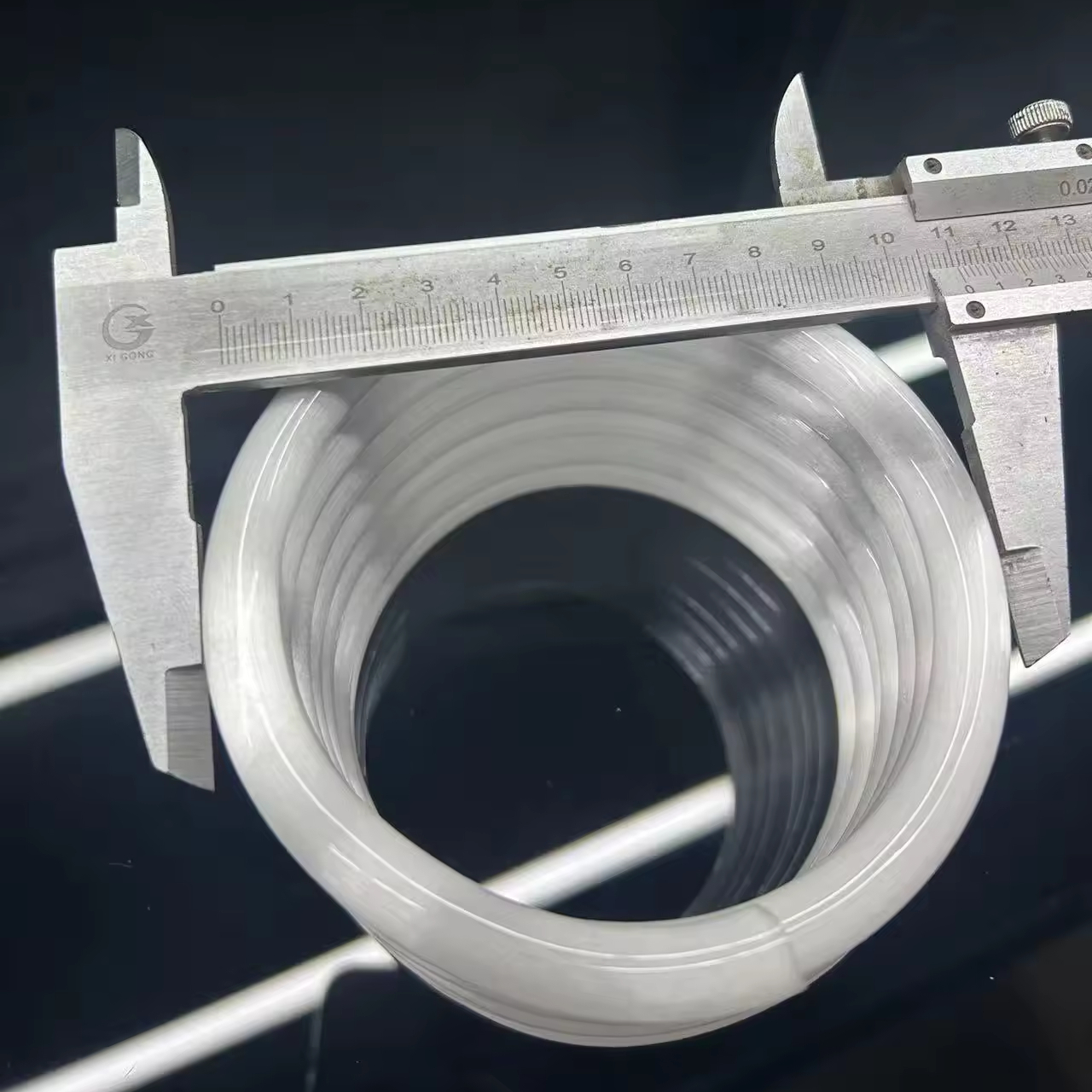
From high-temperature distillation flasks and pyrolytic reaction vessels to precision-ground transparent rods and wafer carriers, our facility fabricates direct-to-spec quartzware with micrometer-level tolerance control.
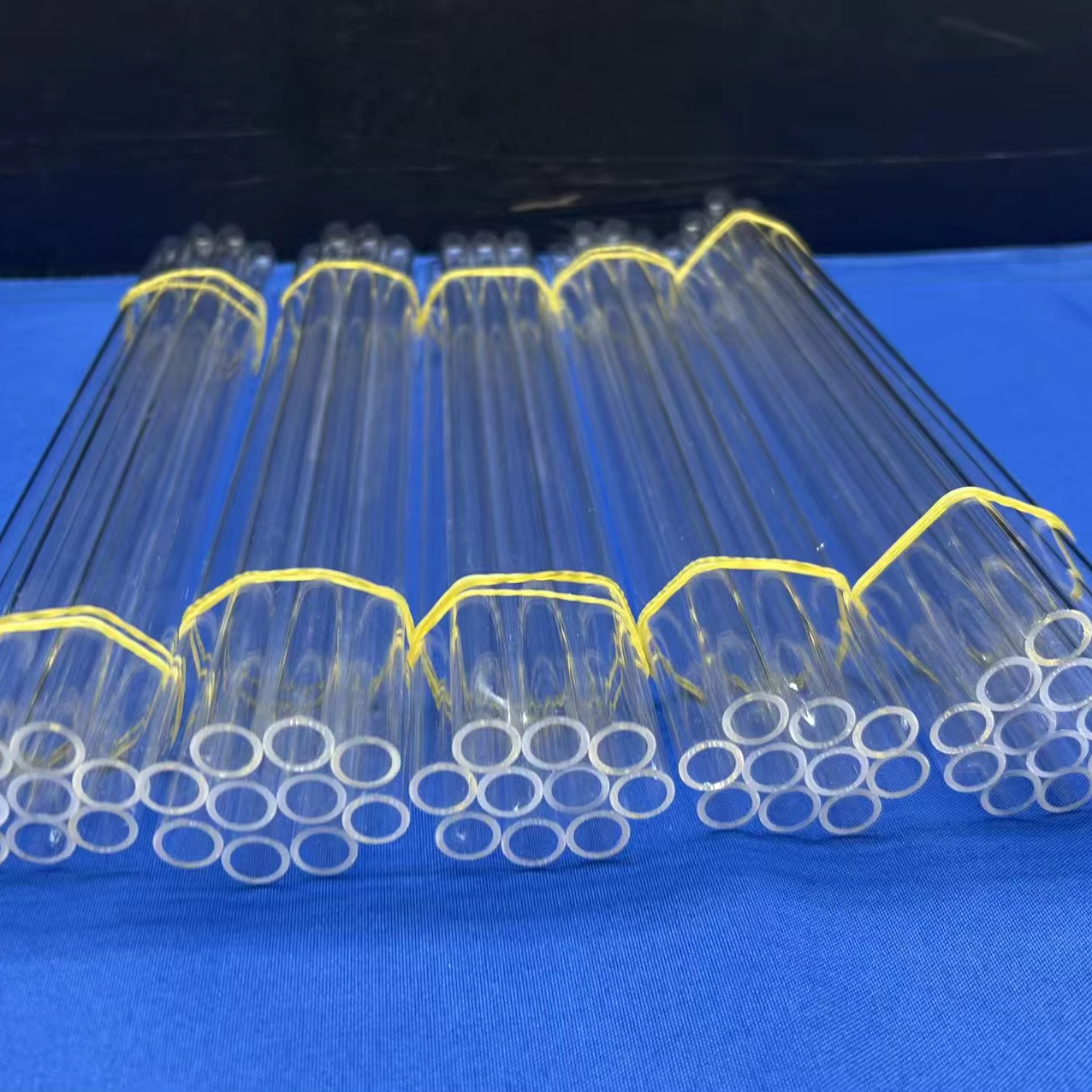
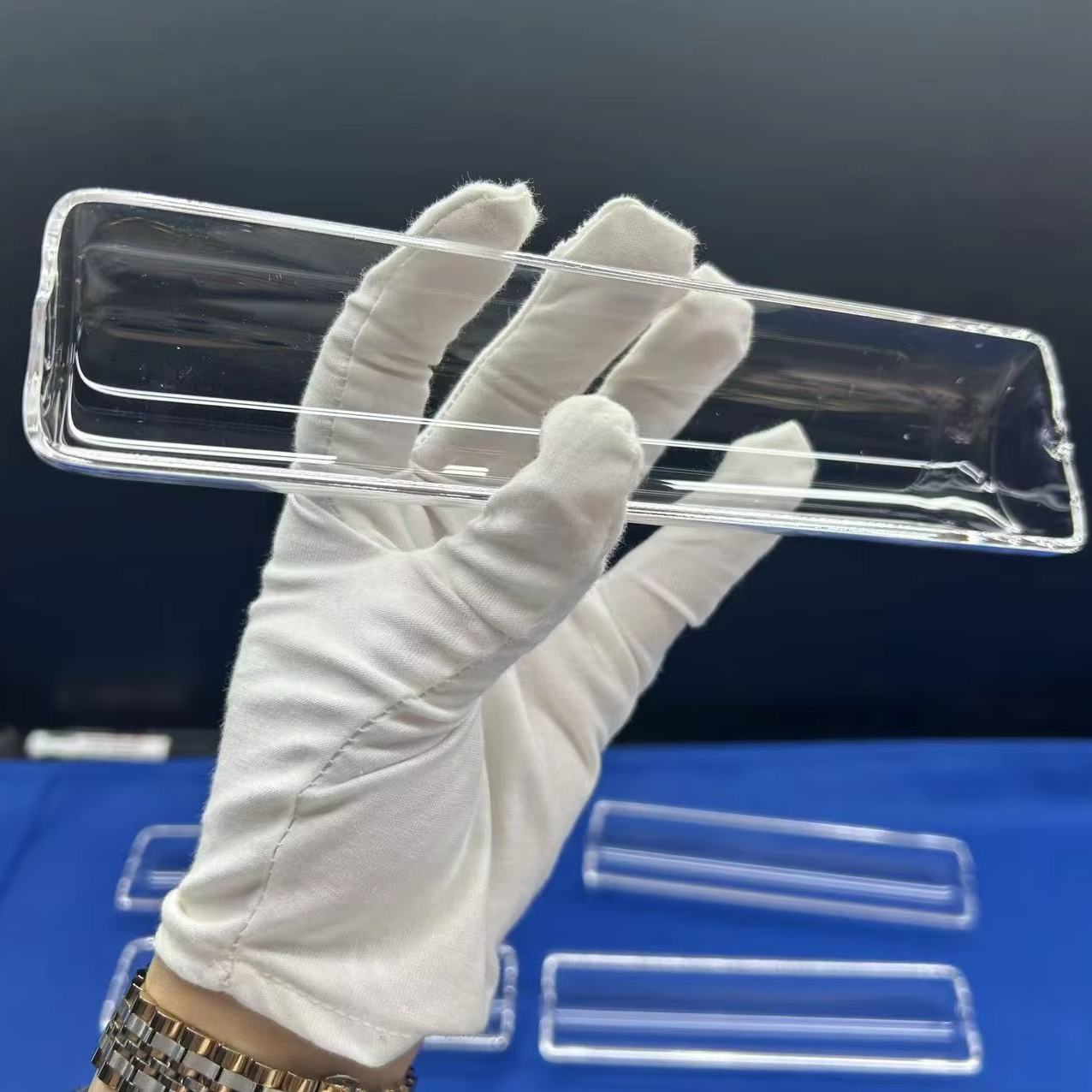
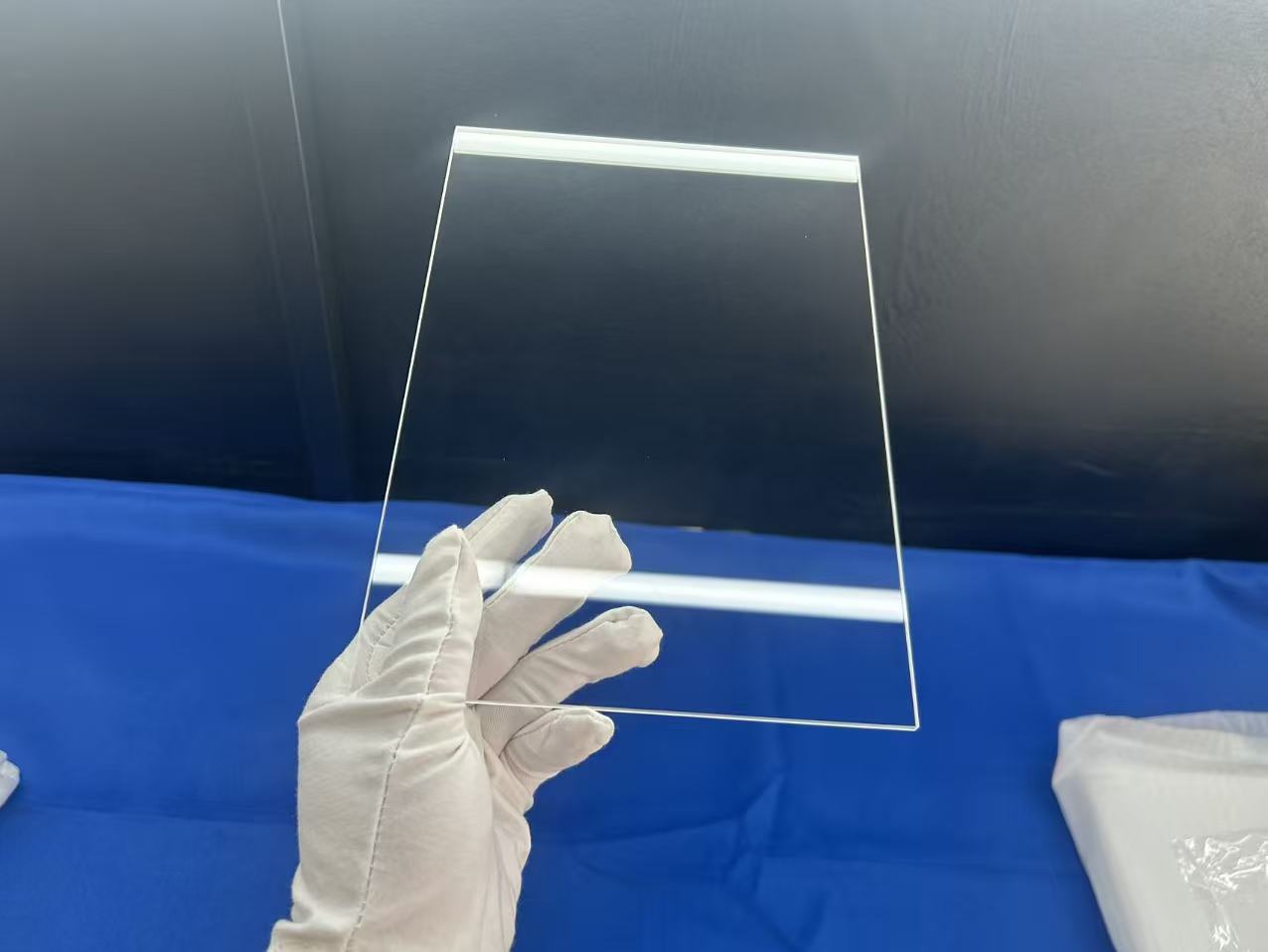
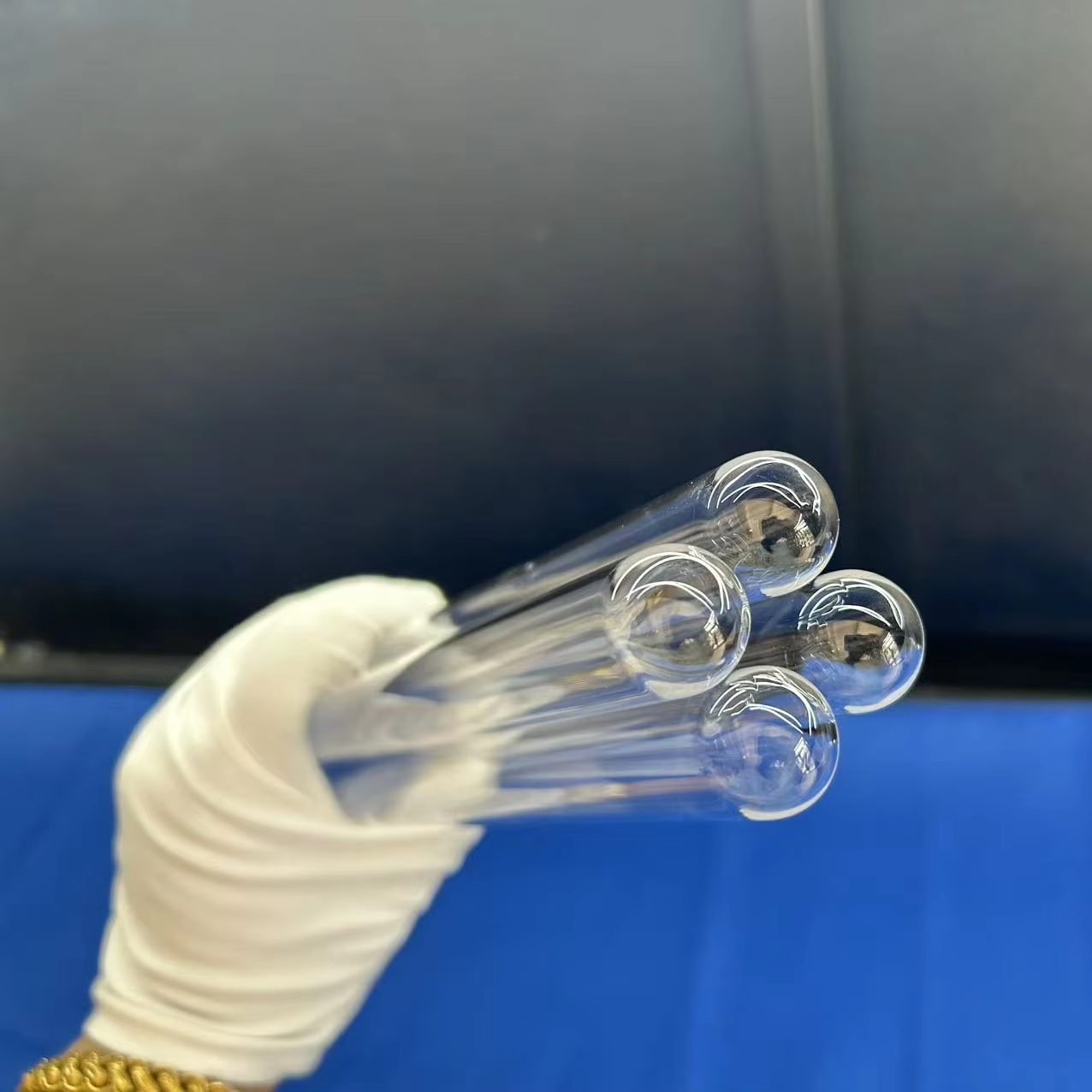
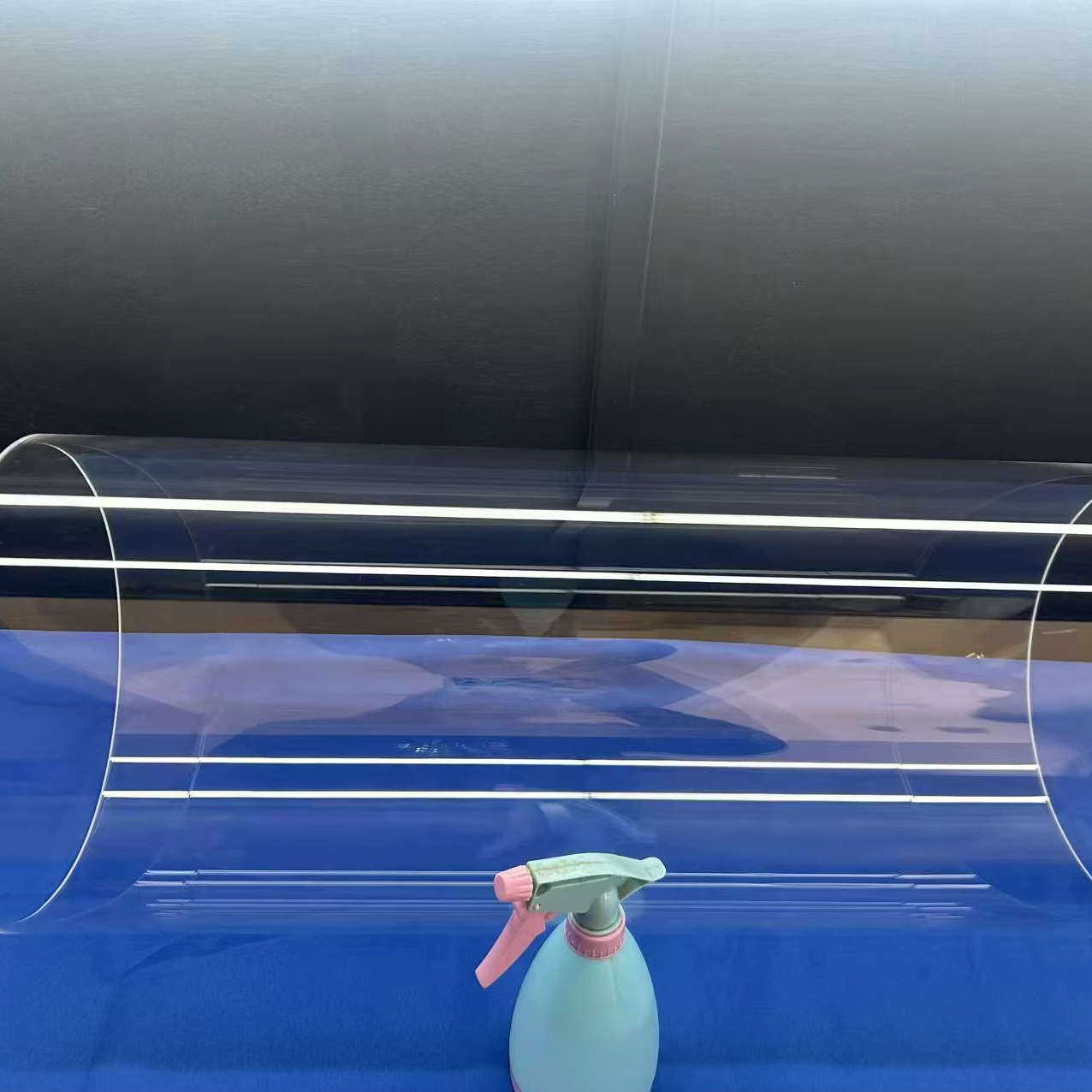
Thermodynamics & Material Science of Fused Quartz Flasks for Demanding Industrial Testing
In standard laboratory environments, Borosilicate 3.3 glassware serves adequately for routine titration, general organic synthesis, and basic aqueous heating. However, across the automotive powertrain, battery electrification, and materials prototyping testing facilities of Greater Detroit—including Auburn Hills, Dearborn, Warren, and Ann Arbor—process engineers routinely push laboratory glassware beyond its physical threshold. When thermal cycles exceed 500°C, or when aggressive chemical digestion introduces thermal shock spikes, borosilicate glass fails catastrophically through micro-fissuring, softening, and boron ion leaching.
Manufactured by melting naturally occurring high-purity crystalline silica at temperatures surpassing 2000°C in specialized vacuum and resistance-heated furnaces, fused quartz flask components deliver an amorphous silica structure with purity levels reaching 99.99% to 99.999% SiO₂. This structural integrity guarantees zero metallic ion contamination during high-precision trace metal analyses, such as ICP-MS (Inductively Coupled Plasma Mass Spectrometry) testing of EV battery cathode pre-cursors, where standard glass will leach calcium, aluminum, sodium, and boron into the specimen.
Material Comparison: High-Purity Fused Quartz vs. Standard Laboratory Glasses
| Physical / Chemical Property | High-Purity Fused Quartz (Nivra) | Standard Borosilicate 3.3 | Aluminosilicate Glass |
|---|---|---|---|
| Silicon Dioxide (SiO₂) Content | ≥ 99.99% | 80.5% - 81.0% | 55.0% - 65.0% |
| Coefficient of Thermal Expansion (20-300°C) | 5.5 × 10⁻⁷ / K | 33 × 10⁻⁷ / K | 42 × 10⁻⁷ / K |
| Continuous Maximum Working Temperature | 1100 °C (2012 °F) | 450 °C (842 °F) | 650 °C (1202 °F) |
| Short-Term Peak Thermal Endurance | 1450 °C (2642 °F) | 500 °C (932 °F) | 750 °C (1382 °F) |
| Softening Point | 1683 °C | 820 °C | 910 °C |
| Thermal Shock Resistance (ΔT Quench) | > 1000 °C Instant Shock | ≈ 150 °C Shock Limit | ≈ 200 °C Shock Limit |
| UV-Vis Spectral Transmission Band | 185 nm - 2500 nm (JGS1 / JGS2) | 310 nm - 2200 nm | 340 nm - 2500 nm |
| Trace Ion Leaching Potential | Virtually Zero (< 0.1 ppm total) | Significant (B, Na, Al, Ca) | Moderate (Al, Mg, Ca) |
Optical Classification for Flask Windows & Reaction Cells: JGS1 vs. JGS2 vs. JGS3
Depending on whether your Detroit testing facility requires UV photolysis, infrared exhaust monitoring, or continuous high-temperature chemical reactions, selecting the correct quartz ingot grade eliminates cost overruns while assuring operational fidelity:
- JGS1 (Synthetic Fused Silica): Formulated with synthetically synthesized silicon tetrachloride (SiCl₄), JGS1 contains virtually no metallic impurities (total metallic impurities < 1 ppm). It provides superior deep ultraviolet transmittance down to 185 nm, making it indispensable for laser-induced fluorescence, photochemical fuel cell experiments, and UV curing calibration.
- JGS2 (Fused Natural Quartz): Sourced from Donghai's world-renowned natural crystal deposits, JGS2 delivers outstanding visible and near-ultraviolet performance (220 nm to 2500 nm). It is the premier, cost-effective standard for automotive digestion flasks, Erlenmeyer vessels, boiling chambers, and chemical distillation heads.
- JGS3 (Infrared Grade Fused Quartz): Processed under stringent vacuum conditions to reduce hydroxyl ions (OH⁻ content ≤ 2 ppm to 5 ppm), JGS3 removes the strong absorption water-bands at 2730 nm, permitting clear IR spectroscopy transmission up to 3500 nm for exhaust gas characterization and thermal radiation imaging.
Where Our Quartz Flasks & Vessels Power Detroit’s Mobility & Heavy Tech
Metro Detroit represents the highest concentration of automotive validation engineers, battery chemistry R&D hubs, and independent testing labs in North America. Here is how our specialized quartz glassware integrates into Michigan’s key operational sectors.
EV Battery Cell Pyrolysis & Electrolyte Digest
In Auburn Hills and Warren advanced energy parks, researchers subject lithium-ion battery cathode precursors (NMC, LFP) and solid-state sulfide electrolytes to acid digestion inside our quartz digestion flasks. Quartz resists corrosive aqua regia, nitric acid, and perchloric mixtures at boiling temperatures without silica degradation.
Exhaust Gas & Catalyst Regeneration Rigs
Modern internal combustion testing centers in Dearborn utilize quartz multi-neck distillation flasks and reactor tubes to evaluate catalytic converter wash-coat behavior under severe exhaust thermal shocks exceeding 950°C, verifying SCR (Selective Catalytic Reduction) catalysts without glass devitrification.
Hydrogen Fuel Cell Membrane Sintering
Pontiac and Ann Arbor fuel-cell development labs rely on specialized round-bottom quartz reaction flasks for synthesizing perfluorosulfonic acid (PFSA) polymers and sintering precious-metal nanoparticle catalysts (Pt/C) under pure oxygen or reducing hydrogen atmospheres at sustained high temperatures.
Automotive Optical & LiDAR Window Calibration
Autonomous vehicle testbeds across Troy and Farmington Hills incorporate our optically polished JGS1/JGS2 quartz sight glasses and optical flats within environmental climate chambers, ensuring distortion-free sensor calibration under continuous sub-zero to desert-heat testing (-40°C to +125°C).
Defense & Heavy Vehicle Alloy Casting Research
Metro Detroit defense contractors engineering next-generation ground-combat vehicle armor rely on quartz immersion sampling tubes and round-head quartz rods to draw liquid alloy samples directly from vacuum induction melting crucibles without risking crucible blowout.
Tribology & High-Temperature Synthetic Lubricant Testing
Testing experimental synthetic lubricants and polyalphaolefin (PAO) base oils requires heating fluids to 400°C for hundreds of hours under reflux. Our custom quartz boiling flasks maintain pristine transparency without clouding or surface etching, enabling continuous digital optical logging of oil oxidation.
Emerging Technology Trends Reshaping Quartz Procurement in Michigan
The industrial landscape across the Detroit-Ann Arbor technology corridor is undergoing a profound transformation driven by the transition from mechanical internal combustion architectures to software-defined, electric, and hydrogen platforms. As capital investments flood into Michigan's Battery Park initiatives and federal clean hydrogen hubs, laboratory and pilot plant requirements for specialized high-purity quartzware are shifting rapidly:
1. Solid-State Lithium Battery Sintering
Next-generation battery chemistries replace liquid flammable solvents with solid oxide or sulfide ceramic electrolytes (such as LLZO or Argyrodite). Synthesizing these ceramic powders requires firing between 900°C and 1150°C in controlled protective argon gas atmospheres. Traditional refractory ceramics introduce sodium contamination; high-purity fused quartz reaction vessels and tubular flasks provide the ultra-clean, inert thermal envelope essential for repeatable conductivity yields.
2. On-Board Hydrogen Fuel & E-Fuel Reforming
With Michigan universities and corporate R&D facilities pioneering synthetic e-fuels and high-pressure hydrogen storage systems, quartz volumetric and high-pressure autoclaving flasks serve as corrosion-proof test containers for catalyst degradation experiments. Quartz remains inert against water vapor, sulfur compounds, and carbon monoxide at elevated reforming temperatures.
3. Direct In-Line FTIR & Raman In-Situ Monitoring
Detroit R&D teams are replacing post-test batch sampling with real-time in-situ optical monitoring. This transition has spurred substantial demand for quartz flasks fitted with integrated optical windows (JGS1/JGS3) and precision ground quartz flanges, permitting spectrophotometric probes and laser Raman spectrometers to analyze dynamic reactions directly through the flask wall.
Why Detroit Procurement Managers Source Directly from Nivra Quartz
Donghai County Nivra Quartz Products Co., Ltd. bridges the gap between raw crystal quartz refining and precision OEM quartz machining. We empower US buyers to bypass domestic markups while ensuring ISO-compliant quality and rapid air-freight delivery to Michigan.
Geographic Raw Material Monopoly
Located in Donghai County, Jiangsu—the epicentre of global silica refining—we secure direct access to ultra-low impurity mineral feedstocks, maintaining rock-solid competitive pricing without material downgrades.
End-to-End Precision Glassblowing
Our 101–200 employee facility operates heavy-duty glassblowing lathes, CNC water-jet cutters, precision surface grinders, and annealing furnaces ensuring zero residual thermal strain within custom flask welds.
Rapid Response & Drawing Sign-Off
Our sales engineering team maintains an average inquiry response time under 5 hours with an 88.89% first-contact resolution index. We accept CAD, SolidWorks (STEP), DWG, and PDF blueprints for instant review.
Breakage-Proof Export Packaging
Fragile quartz flasks are packaged inside custom-cut high-density EPE foam cavities within reinforced plywood cases. Over 40% of our production ships reliably to North America via expedited DTW air freight.
Frequently Asked Questions for Detroit Engineering & Sourcing Teams
Direct technical answers addressing lead times, logistics to Michigan, ASTM/ISO standards, custom joint fittings, and chemical suitability.