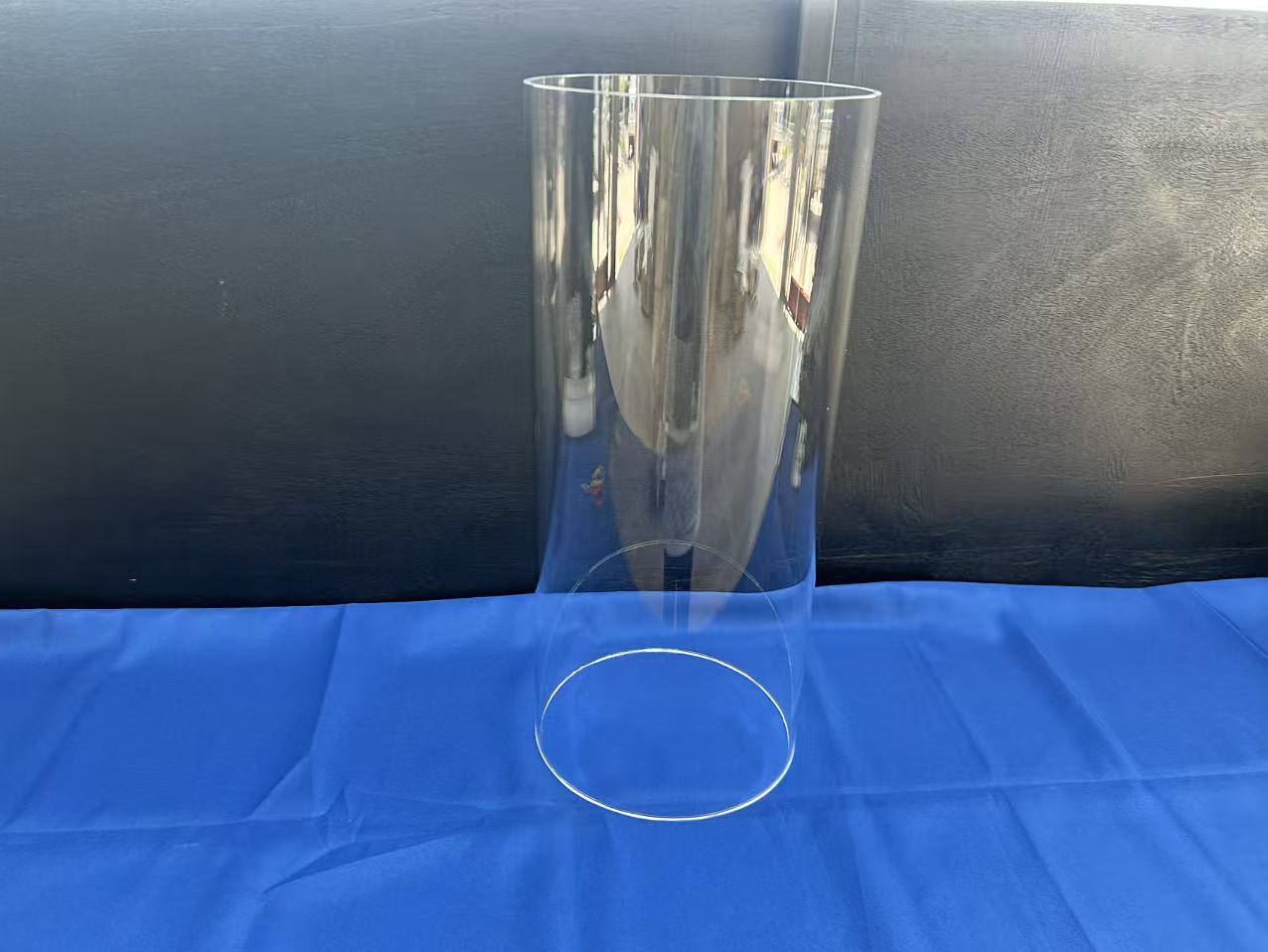
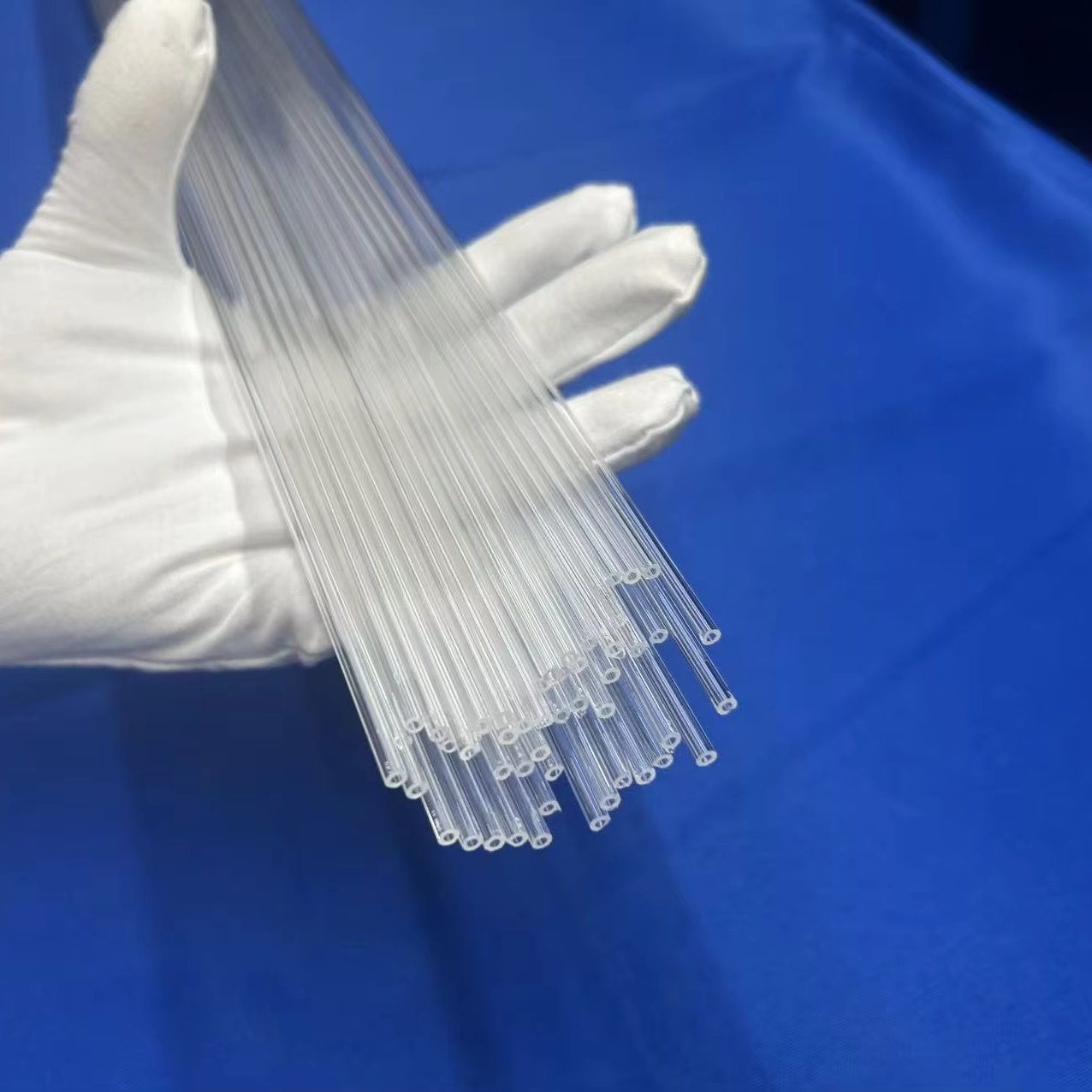
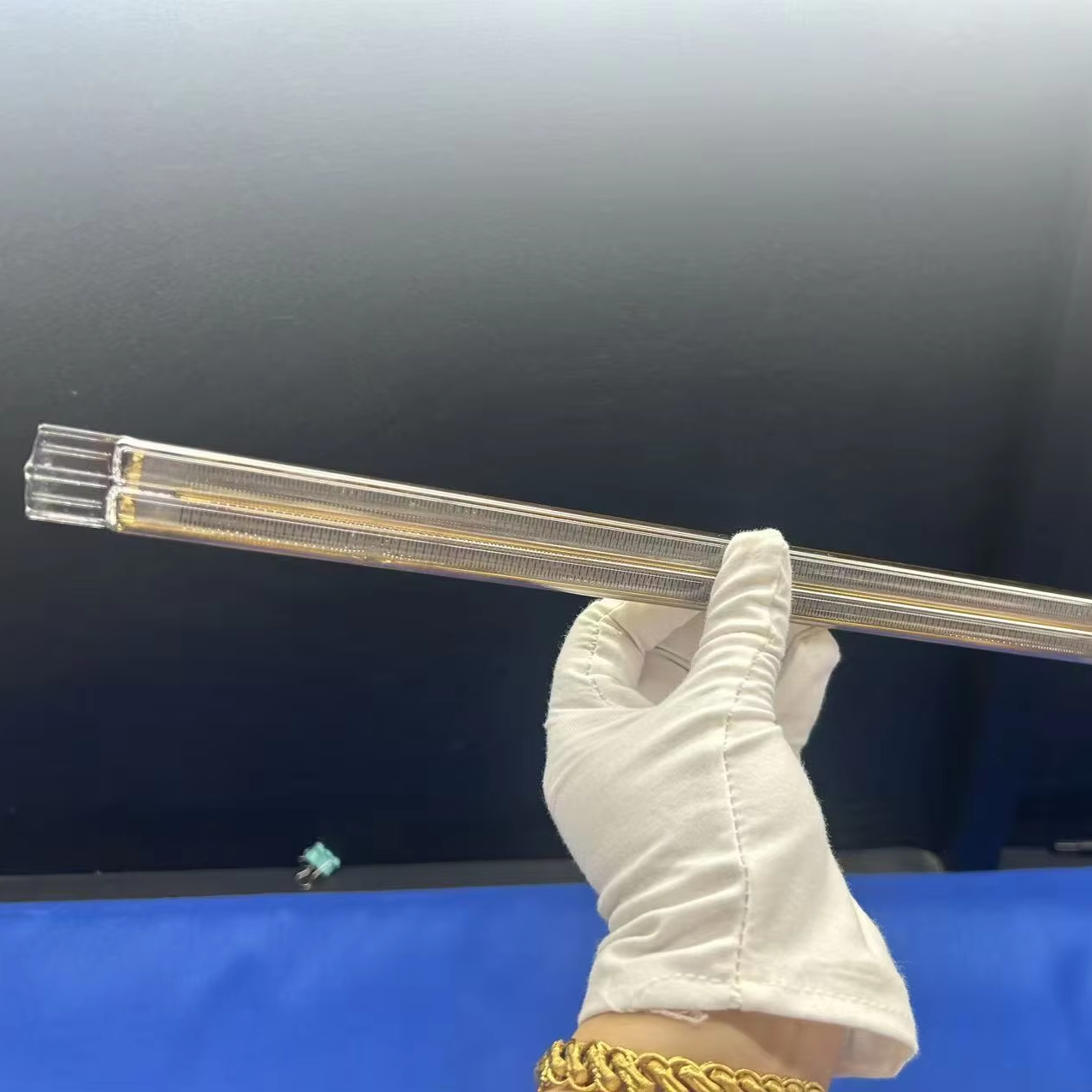
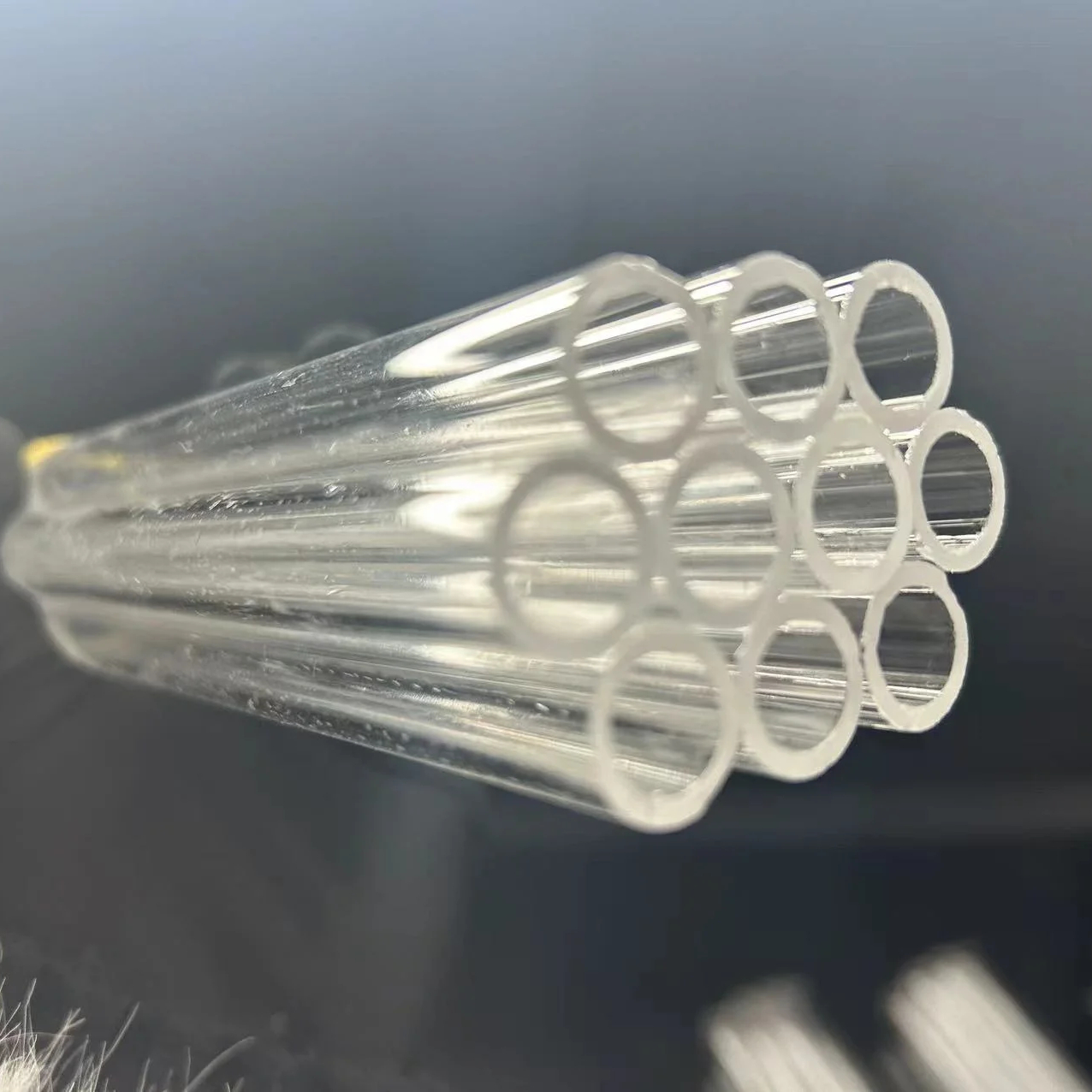
Devitrification is the phase transition of amorphous fused silica into crystalline cristobalite, which manifests as a cloudy, hazy white surface film that structurally weakens the glass. This transformation typically occurs at temperatures exceeding 1150°C and is catalyzed by trace alkaline contaminants such as fingerprint oils (sodium, potassium), hard tap water minerals (calcium, magnesium), or caustic detergents.
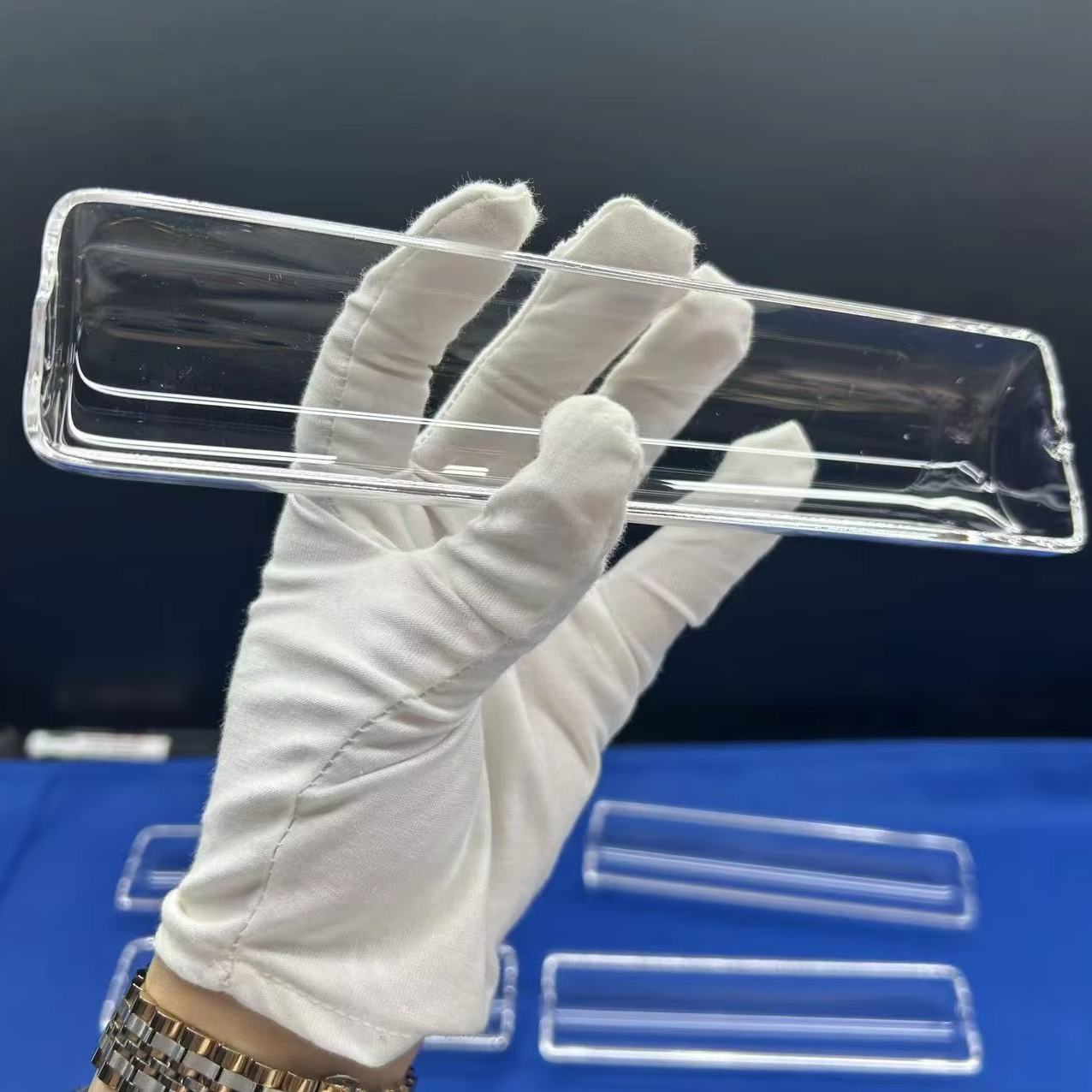
To maximize service life, laboratory technicians should handle quartz flasks wearing lint-free, powder-free nitrile or cotton gloves, thoroughly rinse equipment with deionized water or optical-grade ethanol prior to heating, and avoid cleaning with alkaline or phosphate-rich solutions. If aggressive decontamination is needed, immersion in a 5% to 10% hydrofluoric (HF) acid bath for no longer than 2 to 3 minutes will remove surface contamination without significant wall thinning.