USNorth America 40%DEGermanyFRFranceITItalyESSpainNLWestern Europe 20%RUEastern Europe 14%BRSouth America 11.4%SENorthern Europe 10%AUOceania 3.1%ZAAfrica 1.5%KRKoreaJPJapanUSNorth America 40%DEGermanyFRFranceITItalyESSpainNLWestern Europe 20%RUEastern Europe 14%BRSouth America 11.4%SENorthern Europe 10%AUOceania 3.1%ZAAfrica 1.5%KRKoreaJPJapan
Trondheim Engineering & Research Supply Hub
Quartz Glass Filter Manufacturers & Supplier in the Trondheim market
High-purity fused silica disc filters, sintered quartz frits, microfluidic optical windows, and custom reaction tubes engineered for Trøndelag’s deep-ocean instrumentation, biotech analytics, and advanced clean-tech laboratories.
Precision Catalog Selection
High-Purity Fused Quartz Components for Trondheim Industry
Manufactured from ultra-pure natural and synthetic quartz crystals. Designed for high thermal shock resistance (1100°C), superior UV-to-NIR transmittance, and absolute chemical inertness in harsh marine and industrial environments.
JGS1 / JGS2 Grade
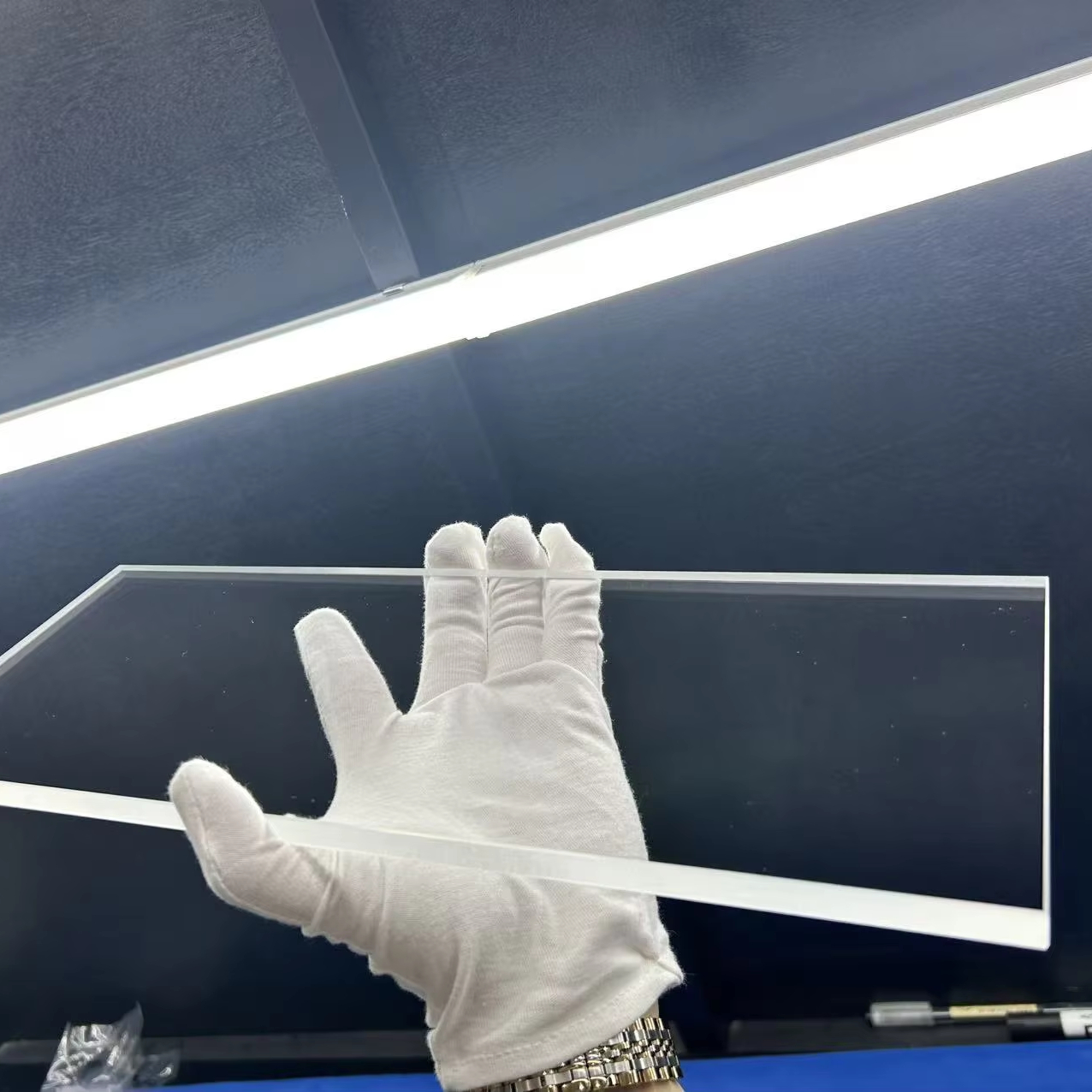
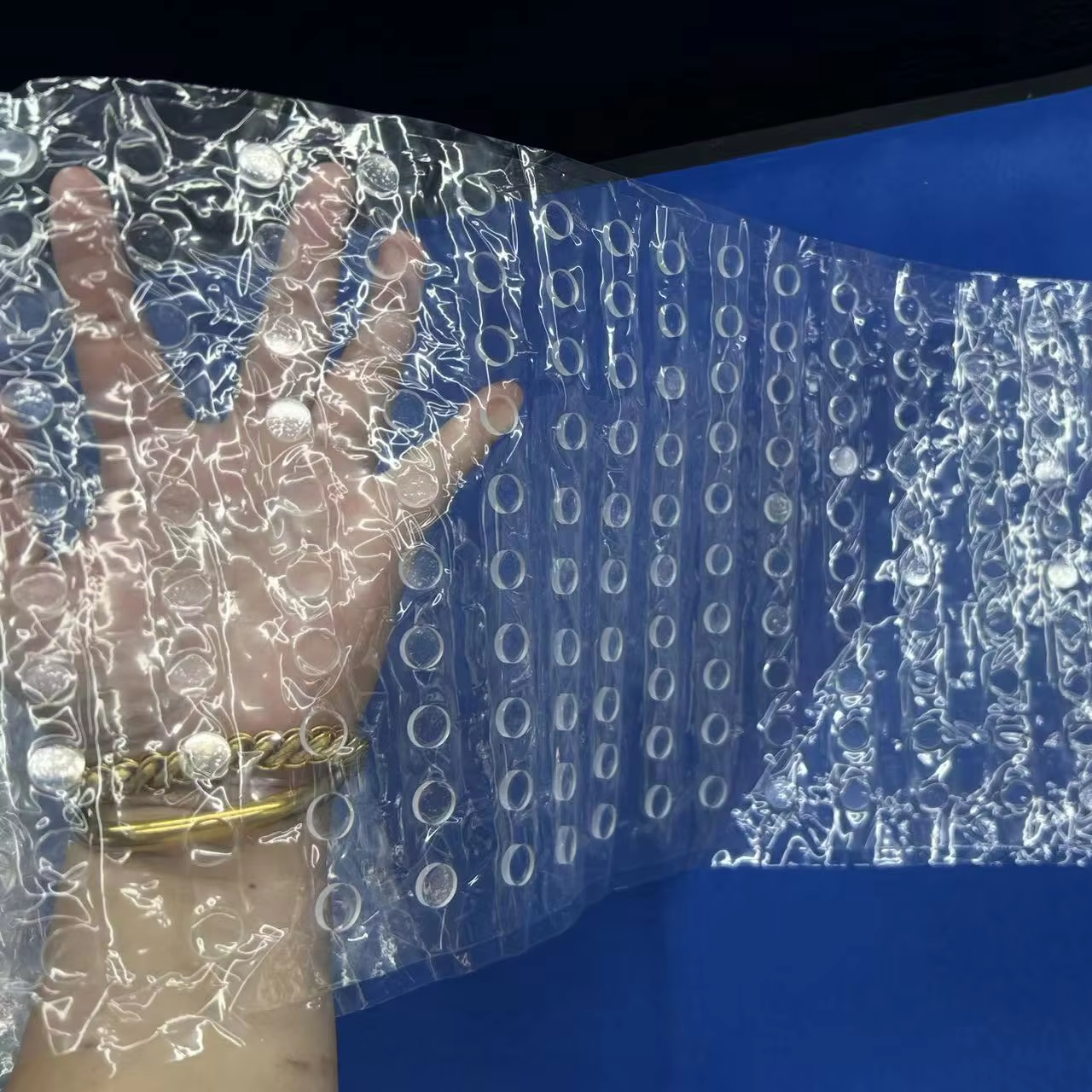
Ultra Clear High Purity Quartz Sheet
Optically polished fused silica plate offering >92% spectral transmission from 185nm deep-UV to near-infrared. Exceptional flatness and scratch-free surface finish.
Application: Spectrophotometer optical windows, sensor covers for Trondheimsfjord marine probes.
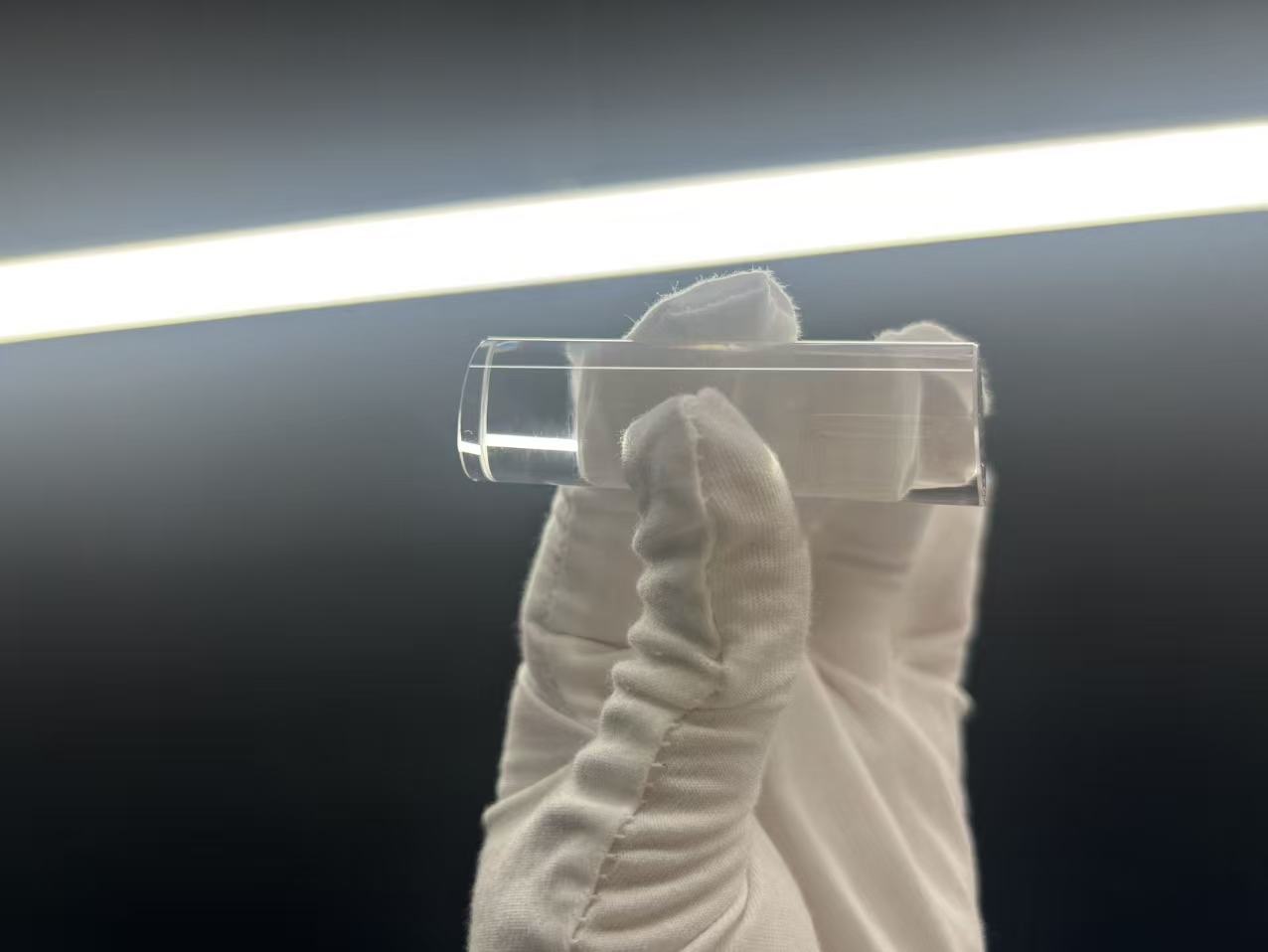
Precision flame-worked spherical lens tips providing total internal reflection and uniform beam diffusion for fiber-optic integration and chemical stirring.
Application: Photochemical reaction reactors and NTNU laser-guiding diagnostic assemblies.
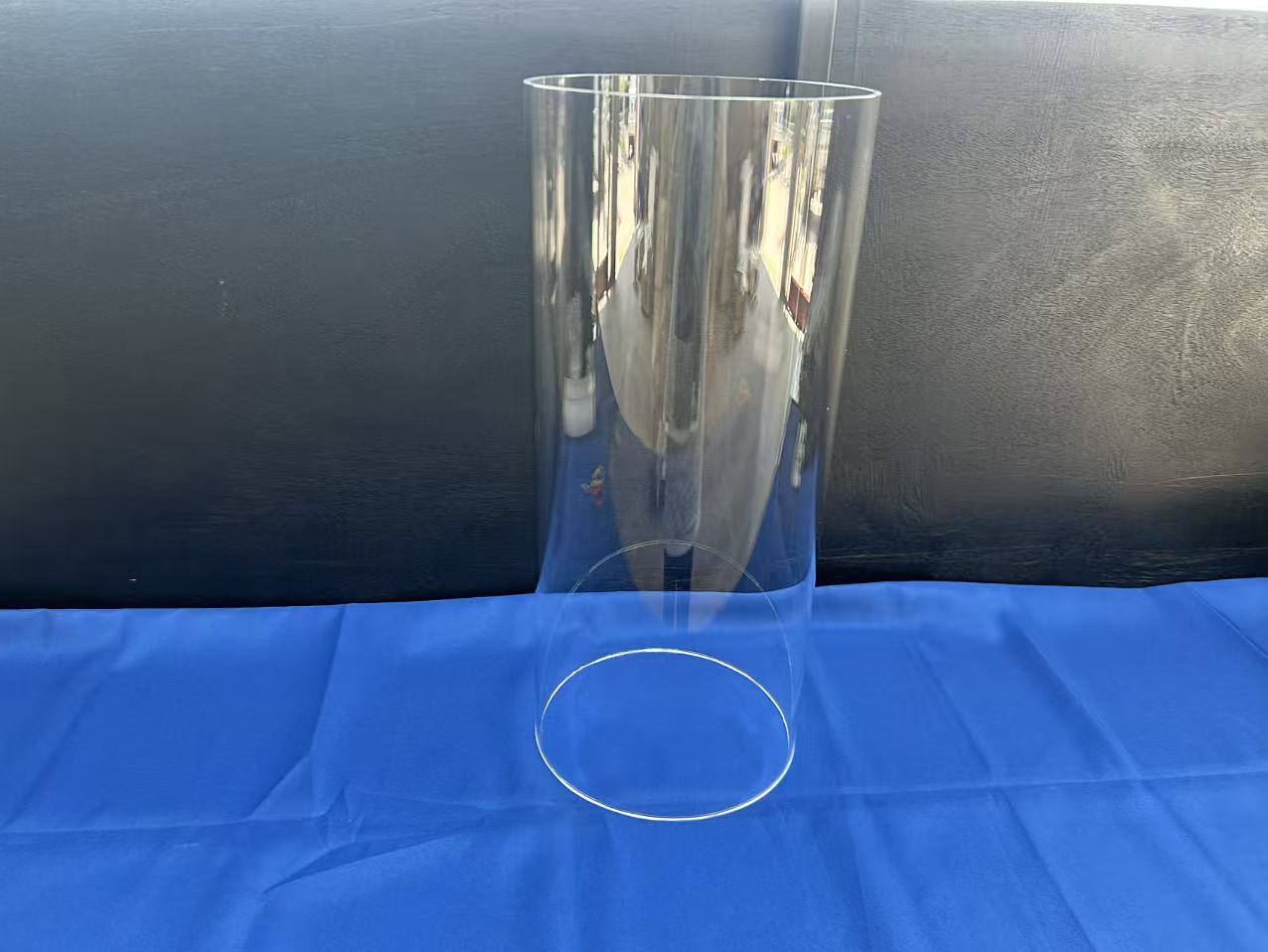
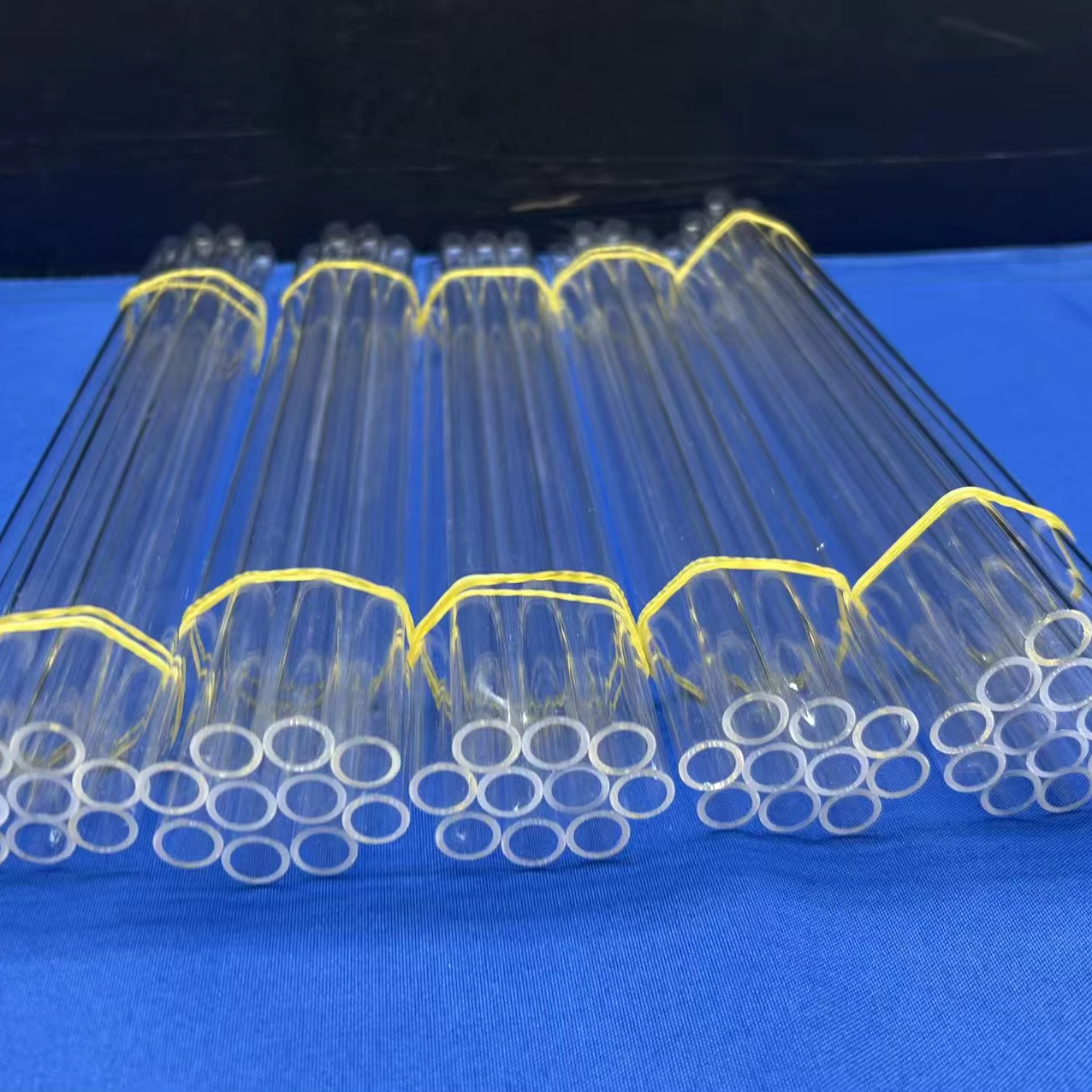
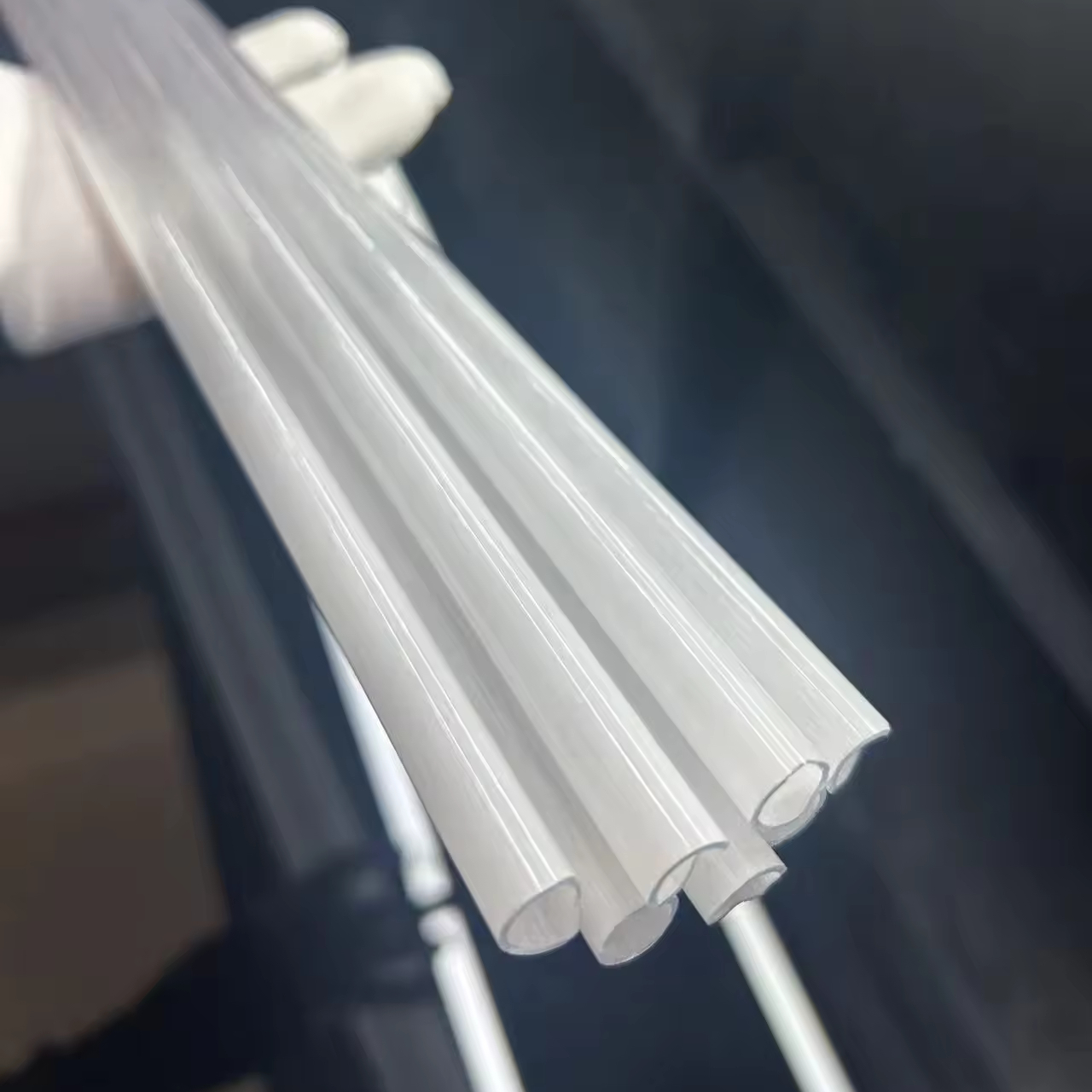
High-temperature fused silica test tubes with zero devitrification up to 1100°C. Resists aggressive acids (including boiling aqua regia) except hydrofluoric acid.
Application: Geochemical rock core digestion and Trøndelag metallurgical mineral analysis.
Micromachined quartz discs and substrates with surface roughness Ra < 0.5nm. Available in double-sided optical polish with custom laser edge-chamfering.
Application: NTNU NanoLab semiconductor research, MEMS resonators, and microfluidics.
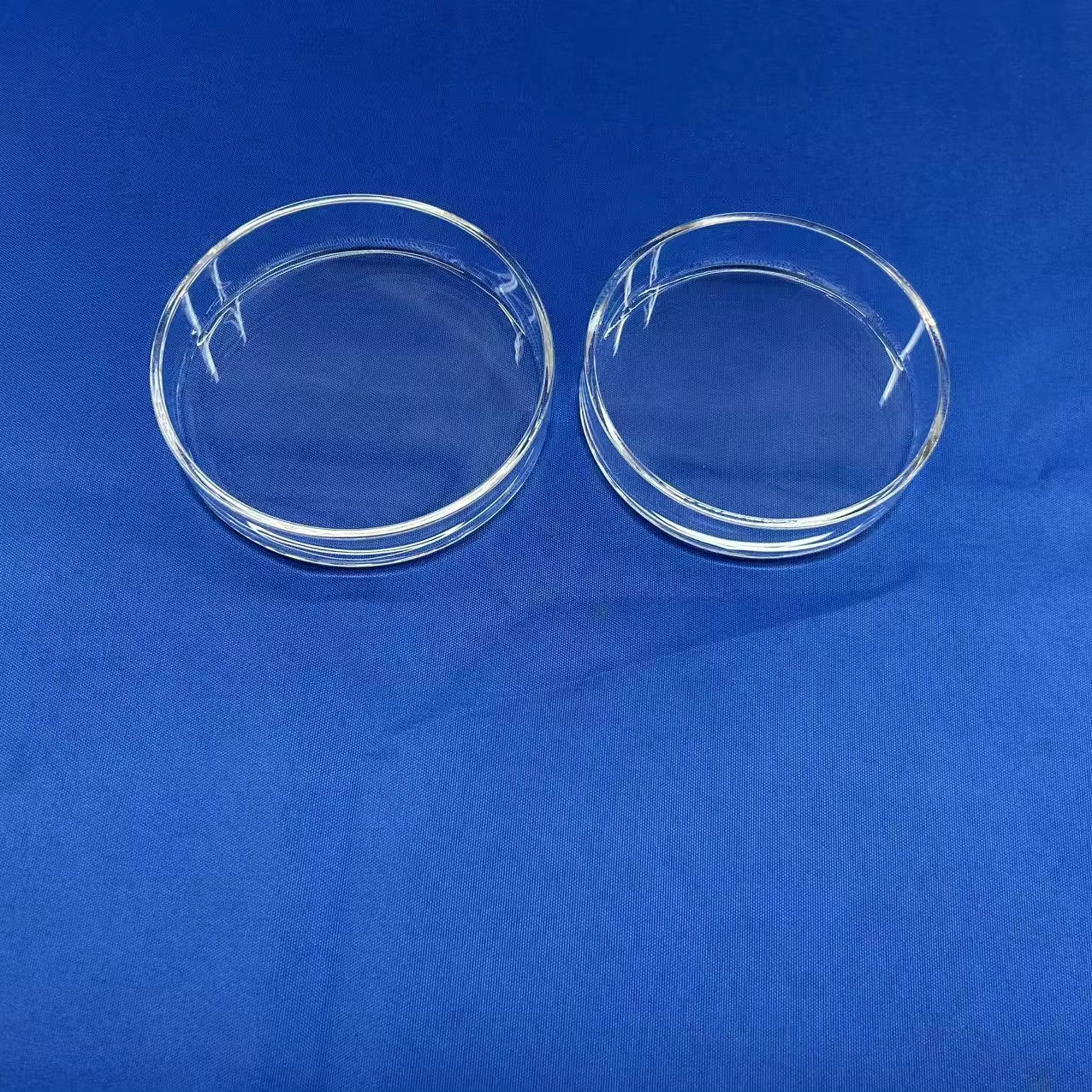
Factory Customized High-Purity Quartz Glass Petri Dishes
Heavy-duty fused quartz culture dishes with optical base transparency. Can be repeatedly dry-heat sterilized at 600°C without leaching any alkali metal ions.
Application: Cell culture fluorescence imaging, biopolymer crystallization, and cleanroom incubation.
High-Purity Quartz Glass Filters in Trondheim’s Ocean & Energy Economy
A comprehensive analysis of why Norway’s technological epicenter requires next-generation fused silica filtration, optical grade differentiation, and rapid Asian manufacturing integration.
1. Trondheim as Scandinavia’s Epicenter of Applied Science and Subsea Engineering
Known across Northern Europe as "Norway's Technology Capital" (Teknologihovedstaden), Trondheim is home to the Norwegian University of Science and Technology (NTNU), the SINTEF research institute, Equinor's primary R&D center at Rotvoll, and world-leading marine autonomy clusters. The demand for industrial and optical quartz components in the Trøndelag region is inherently distinct from consumer glass sectors: Trondheim procurement managers, research scientists, and design engineers demand specialized quartz glass filters capable of operating reliably in harsh Subarctic fjords, ultra-deep subsea boreholes, and high-vacuum microfabrication facilities.
Fused silica filters serve as critical components in continuous spectroscopic monitoring of marine biomass, ocean acidification sensing, and hydrothermal analytical rigs. In these environments, ordinary borosilicate glass fails catastrophically due to thermal gradient stress, trace metal leaching, and severe attenuation in the deep-ultraviolet (190nm–320nm) spectrum. Donghai County Nivra Quartz Products Co., Ltd. bridges this specialized demand by supplying high-purity natural and synthetic quartz components directly from China's crystalline hub to the laboratories and OEM assembly floors of Trondheim.
≥99.99%
Pure SiO₂ Concentration
1100°C
Continuous Working Temp
≤5 Hours
Engineering Response Time
5.0 / 5.0
Verified Buyer Satisfaction
2. The Physics of Quartz Filtration: From Sintered Frits to Optical Bandpass Substrates
In analytical fluidics and process engineering, the term "Quartz Glass Filter" encompasses two distinct classes of high-performance components: porous sintered quartz frits and precision optical quartz bandpass windows. Each geometry serves a vital function across Trondheim's university spin-offs and maritime industrial corridors.
Porous Sintered Quartz Frits (Porosity Grades P1 to P5): Fabricated by classifying high-purity fused silica micro-granules through precision mesh screens, followed by controlled thermal sintering in an inert atmosphere without any chemical fluxing agents. The resulting porous disc offers controlled mean pore sizes ranging from 1.0 micron (P5 - ultra-fine for gas sparging and biological bacterial retention) to 160 microns (P1 - coarse filtration in corrosive chemical reactors). Because no binding resins are introduced, Nivra Quartz frits exhibit identical thermal and chemical stability to solid quartz glass: zero contamination, zero heavy-metal leaching, and full resistance to thermal quenching from 1000°C into freezing sea water.
Optical Bandpass & Substrate Filters (JGS1, JGS2, JGS3): When used in optical spectroscopy, fluorescence detection, or laser beam steering, quartz glass plates function as substrate filters that select or isolate discrete spectral wavelengths. Synthetic fused silica (JGS1) delivers extraordinary transparency down to 185nm, eliminating autofluorescence in DNA/RNA sequencing flow cells used at St. Olavs Hospital and NTNU Department of Biotechnology. Meanwhile, low-hydroxyl fused quartz (JGS3) prevents water-absorption notches at 2730nm, ensuring accurate FTIR and infrared combustion diagnostics in offshore oil-well gas chromatography.
Ecosystem Integration
Targeted Application Scenarios Across the Trondheim Cluster
From the laboratories of Gløshaugen to autonomous ocean monitoring buoys in Frohavet, explore where Nivra Quartz glass filters provide critical operational advantages.
Autonomous Subsea Sensors & Marine Analytics
Trondheim is the global leader in ocean space technology. Research vessels and autonomous underwater vehicles (AUVs) engineered by Ocean Space Centre and SINTEF Ocean utilize our optical quartz filter discs as pressure-resistant viewing apertures and optical sensor windows. Operating down to 3,000 meters depth (300 bar hydrostatic pressure), the exceptional compressive strength (1150 MPa) of our fused quartz prevents micro-fracturing and optical distortion.
Aquaculture Water Quality & Biophotonics
The vast salmon farming industry across Mid-Norway relies on automated water monitoring stations to detect harmful algal blooms (such as Prymnesium parvum), organic carbon content, and dissolved ozone. Our JGS1 deep-UV optical filter sheets enable spectrophotometers to continuously perform UV-vis fluorescence analysis directly inside harsh saltwater flumes without chemical fogging or biofouling adherence.
Hydrogen Electrolysis & Fuel Cell Diagnostics
Aligned with Norway’s aggressive green transition, Trondheim researchers lead investigations into green hydrogen production and carbon capture (CCS). Sintered quartz glass filter discs are deployed inside high-pressure electrolyzer test loops to disperse microscopic gas bubbles while enduring highly acidic or alkaline electrolyte matrices at elevated operational temperatures.
NTNU NanoLab Micro- and Nanofabrication
Cleanroom processing at NTNU NanoLab demands optical quartz wafers and quartz etching tanks with absolute chemical purity (99.999% trace elemental purity). Nivra Quartz supplies double-side polished wafers with minimal Total Thickness Variation (TTV < 2μm) for photolithography mask substrates and deep reactive-ion etching (DRIE) wafer carriers.
Pyrometallurgy & Silicon Smelting Analytics
The Trøndelag region is adjacent to some of Europe’s cleanest silicon metal smelters. Monitoring furnace gas emissions and thermal reactions at temperatures exceeding 1300°C requires transparent quartz sight tubes and protective filter windows that resist extreme infrared radiation, fly ash slag erosion, and rapid atmospheric quenching.
Biomedical Diagnostics & Cryo-Fluorescence
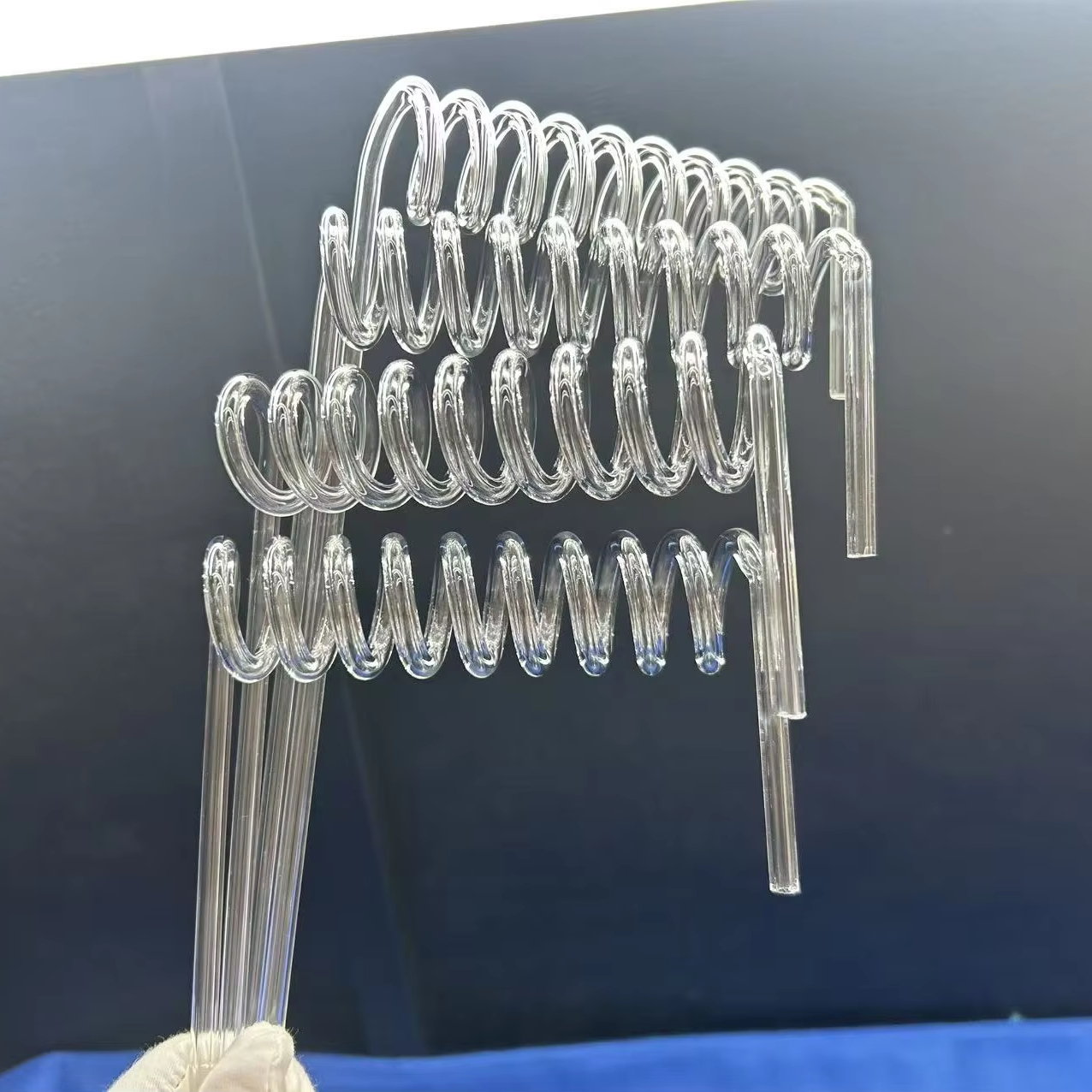
Medical innovators linked with St. Olavs Hospital and local biotechnology startups require custom quartz cuvettes, spiral reaction tubes, and petri dishes for fluorescence polarization immunoassays. Our zero-fluorescence fused silica avoids background signal interference during cellular imaging in cryo-preserved matrices.
Future-Ready Insights
Emerging Technology Trends in the Trondheim Sourcing Landscape
Understanding shifting technical requirements allows Norwegian procurement engineers to select quartz specifications that match upcoming regulatory, environmental, and computational standards.
Rather than collecting ocean water samples for laboratory testing, Trondheim maritime developers are deploying fully autonomous sensor payloads with integrated UV Raman spectrometers. This transformation drives exponential demand for customized, ultra-thick quartz filter windows capable of zero-optical-distortion at multi-hundred-bar depths, resisting long-term salinity corrosion.
Demand for Rapid Prototype Prototyping & Flexible MOQs
Trondheim's thriving tech incubator scene (incubated via NTNU Discovery and SINTEF TTO) requires fast iteration cycles. Startups developing prototype sensor cells cannot commit to thousands of pieces upfront. Nivra Quartz supports this ecosystem with low MOQs (from 1 to 10 pieces for custom tubes and plates) and rapid sample delivery via DHL Express directly to Trondheim within 4–7 business days.
Stringent Purity Auditing & REACH/RoHS Compliance
Norwegian public tenders and corporate supply chain audits enforce rigorous compliance standards regarding environmental health and safety. All Nivra Quartz components ship with complete traceability documentation, chemical ICP-MS test certificates, and compliance declarations affirming zero hazardous substance content.
Comparative Material Metrics
Fused Quartz Grade Selection Reference
Engineered to assist mechanical and optical design teams in Trondheim with precise material grade matching.
Direct sourcing from China's crystalline capital in Donghai County, backed by certified manufacturing capacity, strict tolerances, and dependable international logistics.
Donghai Industrial Heritage
Founded in February 2019 in Donghai County, Jiangsu, Nivra Quartz operates at the epicenter of raw crystal purification, ensuring steady feedstock quality and highly competitive factory-direct pricing.
Full In-House Fabrication
From CNC diamond drilling, laser cutting, and double-side optical lapping to precision flame-welding and cleanroom annealing, our 101–200 skilled specialists handle the complete production chain under one roof.
Rapid Technical Feedback
We maintain an average inquiry response time within 5 hours and a confirmed response rate of 88.89%. Our engineering team provides direct DFM (Design for Manufacturability) advice on PDF, DWG, and STEP files.
Zero-Breakage Export Packing
Fragile quartz parts are individually ultrasonic-cleaned, vacuum-bagged, shock-isolated with multi-layer high-density EVA foam, and crated in fumigation-free wooden export boxes for dependable transit to Norway.
Procurement Clarifications
Frequently Asked Questions for Trondheim Buyers
Addressing common queries from research leaders, marine engineers, and supply chain coordinators in Central Norway.
What are the lead times and shipping routes for custom quartz filters delivered to Trondheim?+
For custom-machined quartz filters, discs, and frits built to technical drawings, standard prototype fabrication typically requires 7 to 12 working days. Once inspected, orders are dispatched via express air courier (DHL Express, FedEx, or UPS Priority) directly to Trondheim Airport, Værnes (TRD), reaching your facility in Trondheim, Ranheim, or Orkanger within 4 to 7 business days.
For high-volume production batches (such as hundreds of process tubes or thousands of petri dishes), air-freight consolidation or sea freight via Oslo or the Port of Trondheim (Trondheim Havn) is available to minimize landed freight costs.
How does fused quartz perform under Subarctic marine thermal shock conditions?+
Fused quartz features an exceptionally low coefficient of thermal expansion (CTE of approximately 5.5 × 10⁻⁷ /°C between 20°C and 300°C), which is nearly thirty times lower than conventional soda-lime glass and roughly six times lower than standard borosilicate 3.3. This grants our quartz filters almost total immunity to catastrophic thermal shock.
In Trondheim maritime operations, analytical quartz sensors can be heated internally up to hundreds of degrees Celsius and instantly exposed to freezing fjord water (-1°C to 4°C) without cracking, micro-fissuring, or optical loss.
How do we select between sintered quartz frits and optical solid quartz filters for analytical filtration?+
The choice depends entirely on whether your application involves physical media separation or electromagnetic waveband discrimination:
Sintered Quartz Frits are porous glass discs fabricated by fusing quartz particles together. They are chosen when you need to physically capture precipitates, filter corrosive acids, or disperse gas micro-bubbles within a liquid column without introducing any organic extractables.
Optical Solid Quartz Filters are non-porous, optically flat polished substrates (JGS1, JGS2, JGS3) designed to transmit, absorb, or reflect specific light spectra. They serve as windows and optical isolators in UV spectroscopy, Raman detection, and laser analytics.
Can Nivra Quartz manufacture custom shapes directly from CAD or STEP models?+
Yes. Our CNC machining centers and laser-cutting platforms readily process DWG, DXF, STEP, IGES, and dimensioned PDF engineering drawings. We routinely produce complex geometric features, including high-precision chamfered disc edges, custom O-ring sealing grooves, multi-port threaded connections, and laser-drilled micro-perforations down to ±0.02 mm dimensional tolerance.
What customs and import procedures apply when shipping quartz from China to Norway?+
Norway is not an EU member state but is part of the EEA (European Economic Area). All shipments undergo standard clearance through the Norwegian Customs Authority (Tolletaten). Nivra Quartz provides compliant international trade documentation, including detailed commercial invoices with exact HS Codes (typically 7002.31 for fused quartz tubes or 7017.10 for quartz laboratory ware), packing lists, and Certificates of Origin.
We work seamlessly with your designated Norwegian customs broker or handle door-to-door delivery with DDU/DDP terms via express logistics.
What guarantees are provided against shipping damage and micro-fractures?+
We understand that laboratory optics and precision glassware require specialized export packaging. Every component is ultrasonically cleaned, individually wrapped, sealed against atmospheric moisture, and nestled within form-fitted high-density closed-cell polyethylene foam.
Long tubes and large-diameter plates are crated inside reinforced wooden boxes with external shock-watch indicators. In the rare event of transit damage, our policy guarantees immediate priority remanufacture and replacement upon receiving photo documentation.
Engineered for Precision · Manufactured for Durability
Request a Custom Quartz Filter Specification & Quotation
Whether you need a prototype optical quartz disc for marine sensor testing or volume production of custom sintered frits for an industrial processing line in Trondheim, our engineering team is ready to review your requirements within 5 hours.