High-Performance Quartz Components for Busan Procurement
Precision flame-worked, CNC-drilled, and optically certified fused silica products engineered to meet Korean Industrial Standards (KS) and international maritime classifications.
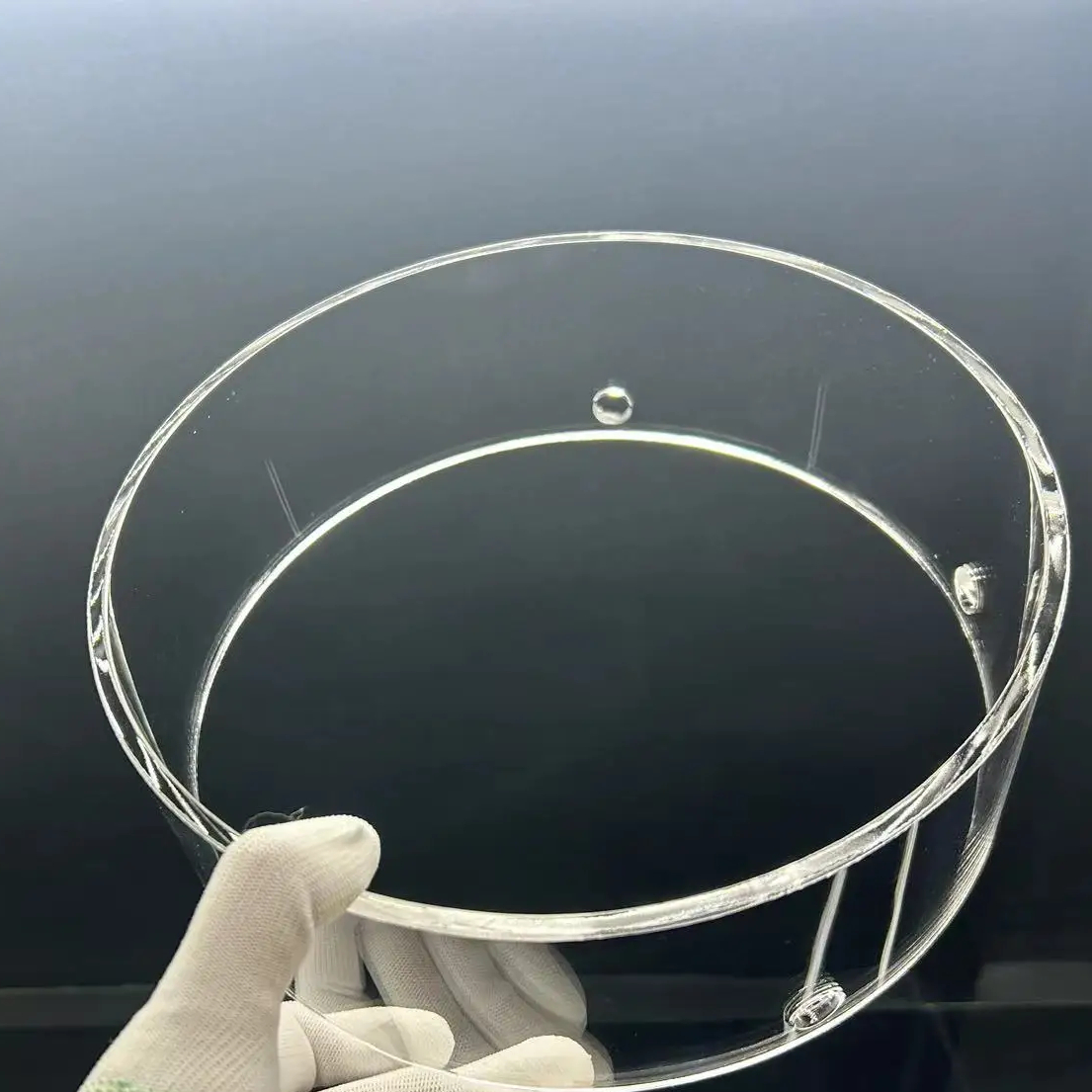
Fused Transparent Quartz Tube
- Purity: ≥99.99% SiO₂
- Working Temp: 1100°C Cont. / 1450°C Peak
- Application: UV Scrubbers / Marine Heaters
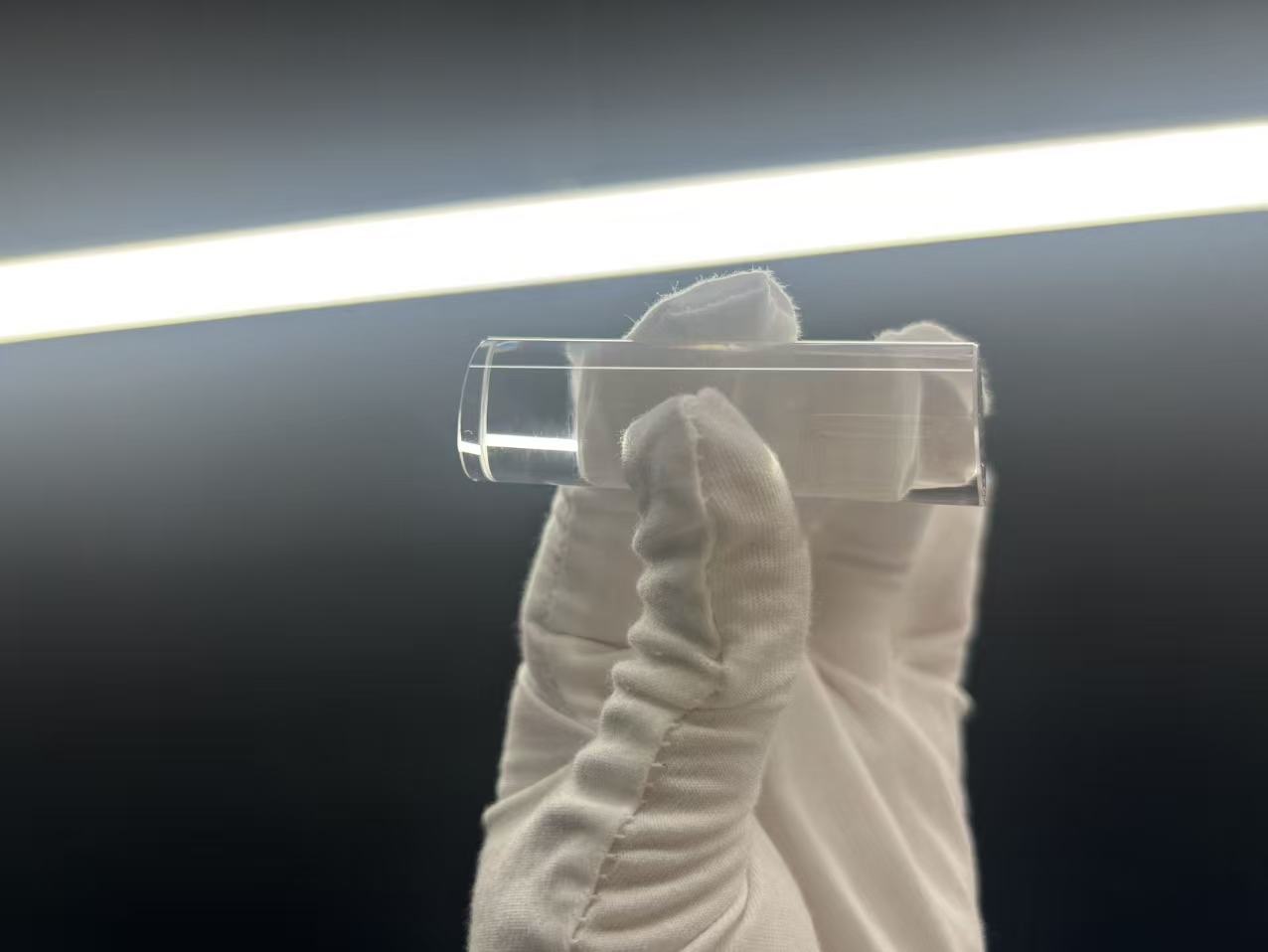
Round Head Quartz Rod
- Surface Polish: Optical Pitch Polished
- Tolerance: ±0.02 mm CNC Tolerance
- Application: Light Guides / Fluid Stirrers
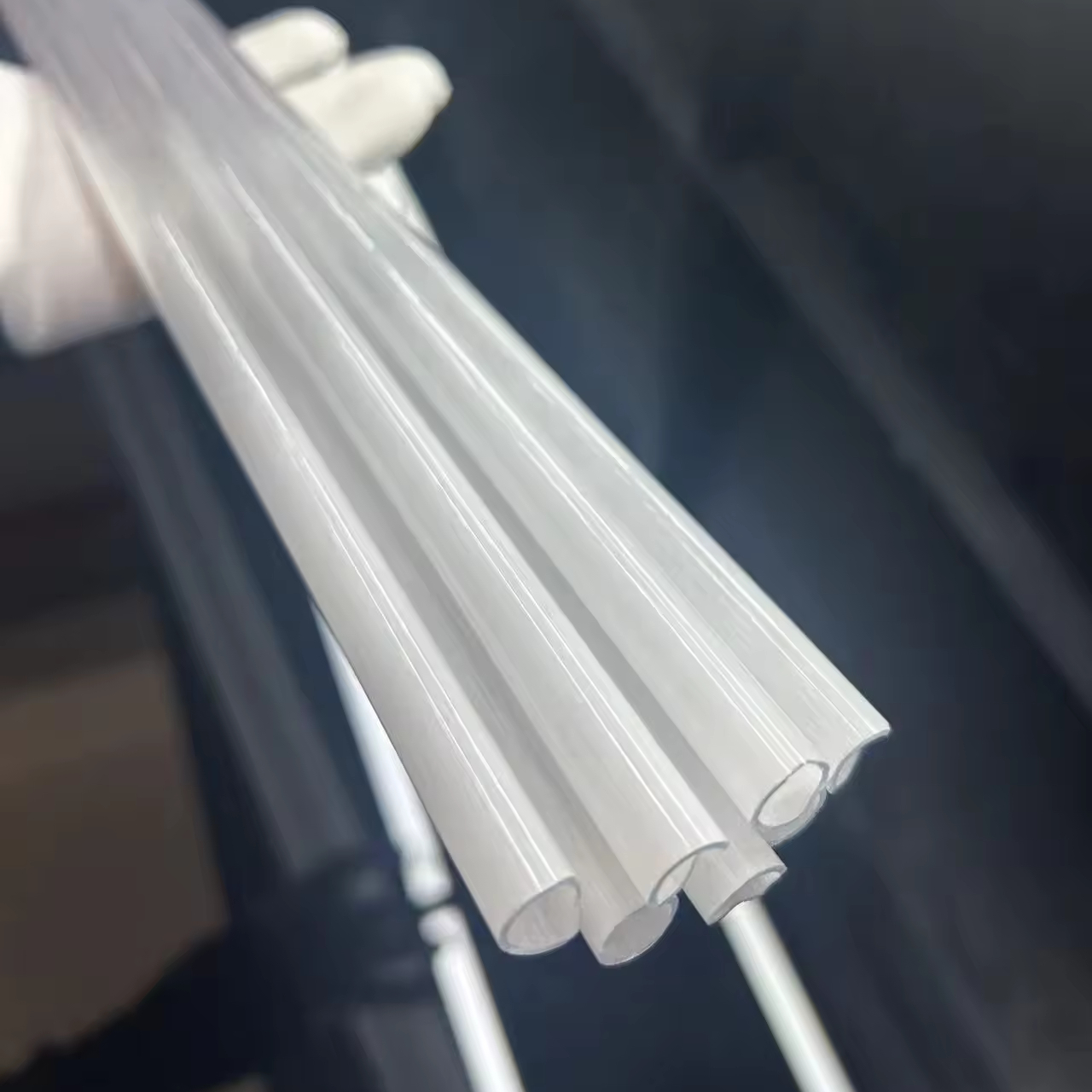
Translucent Quartz Glass Pipe / Milky White Sleeve
- Structure: Micro-porous Opaque Matrix
- IR Diffusion: High Infrared Absorption
- Application: Furnace Liners / Thermocouples
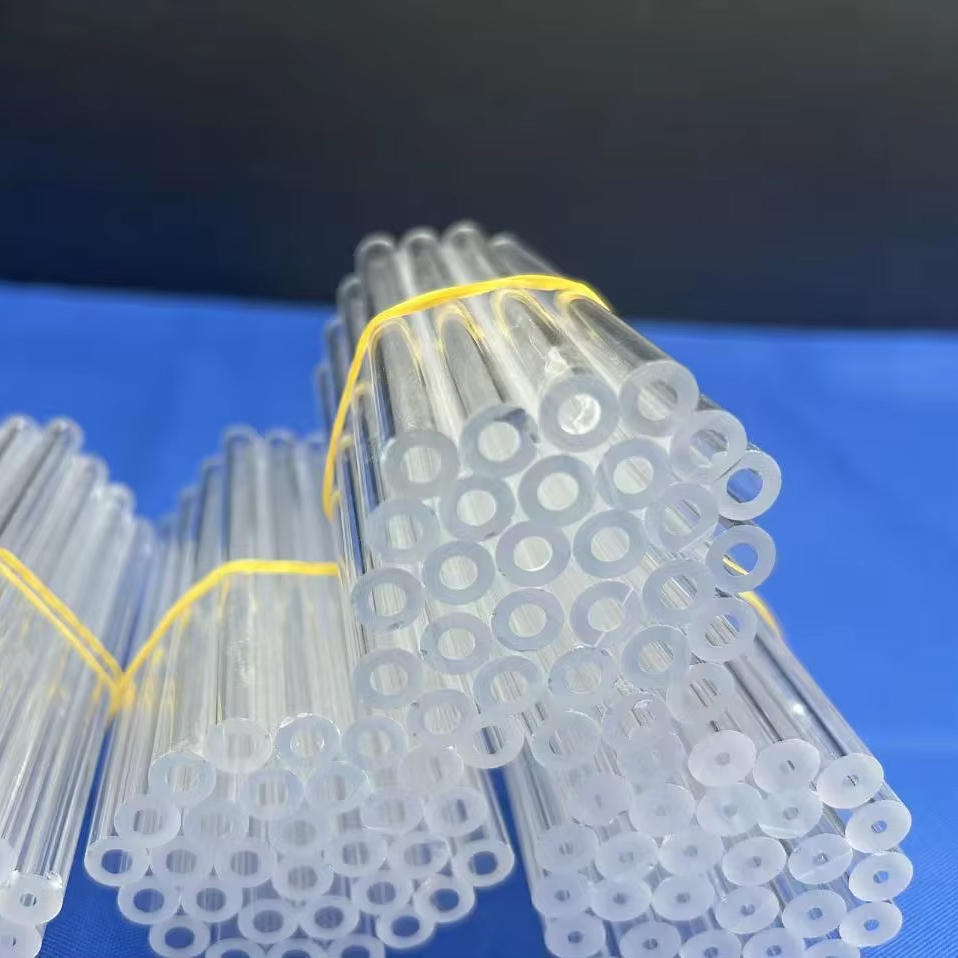
Customized Size Clear Quartz Tube (BET Analyzer)
- Outgassing: Near Zero Hydroxyl (<5ppm)
- Thermal Stability: CTE 5.5 × 10⁻⁷ /°C
- Application: Specific Surface Area Analytics
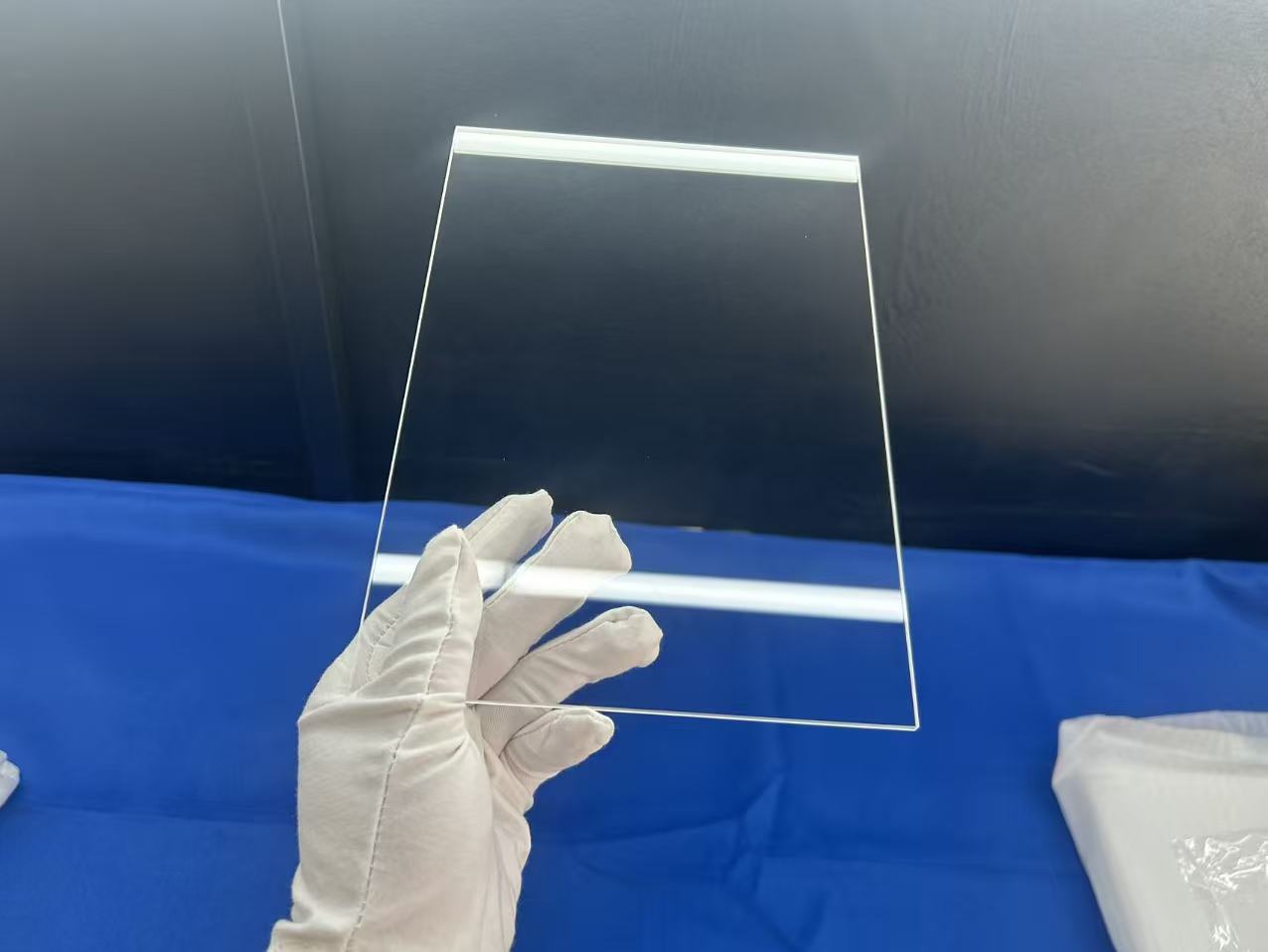
Polished Square Quartz Glass Plate (3mm Optical)
- Parallelism: <20 Arcseconds
- Transmission: >92% (190nm - 2500nm)
- Application: Laser Cutting / Sight Windows
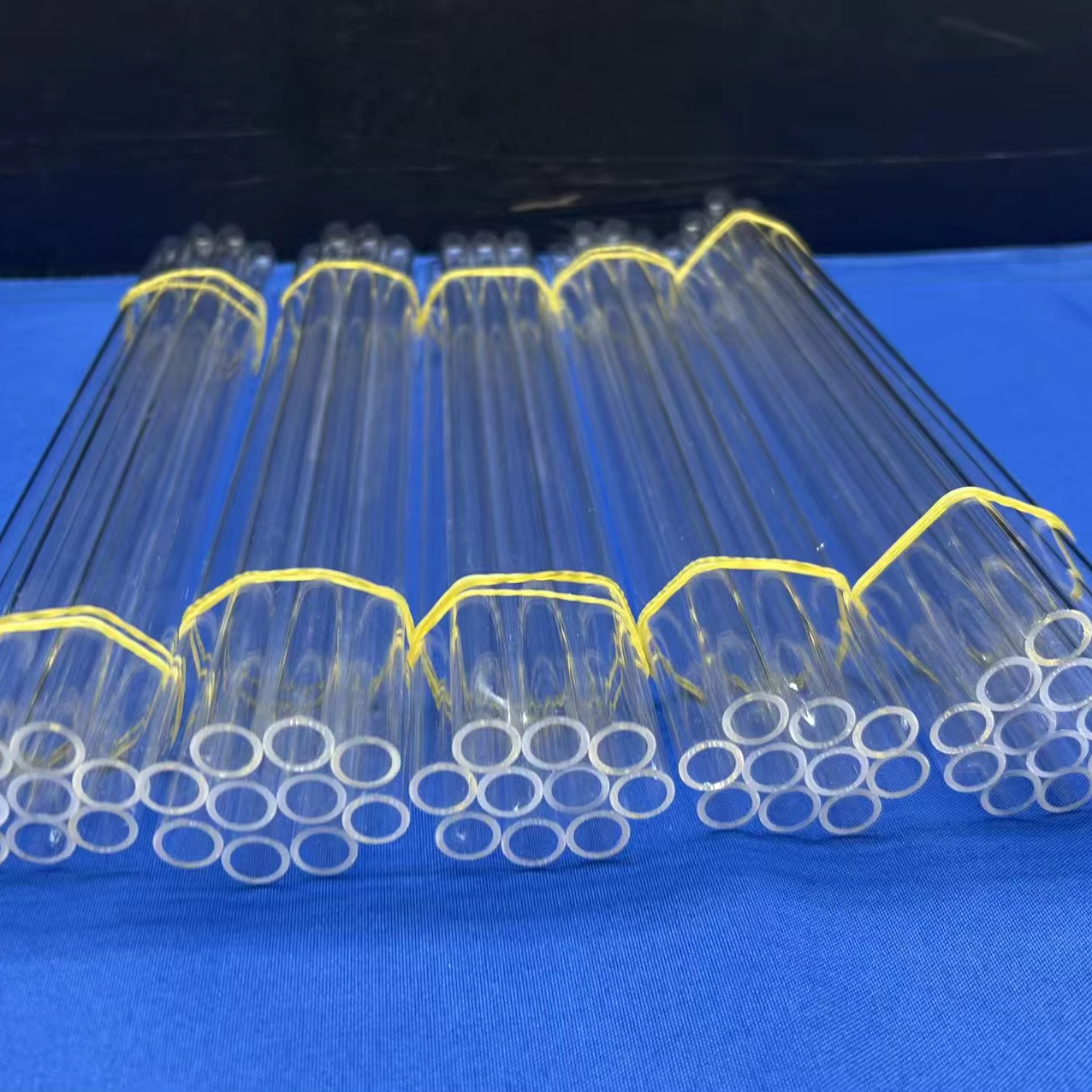
High-Purity Quartz Test Tube
- Wall Uniformity: Strict ±0.05 mm Control
- Acid Resistance: Inert to Concentrated HNO₃/H₂SO₄
- Application: Marine Petrochemical Digestion
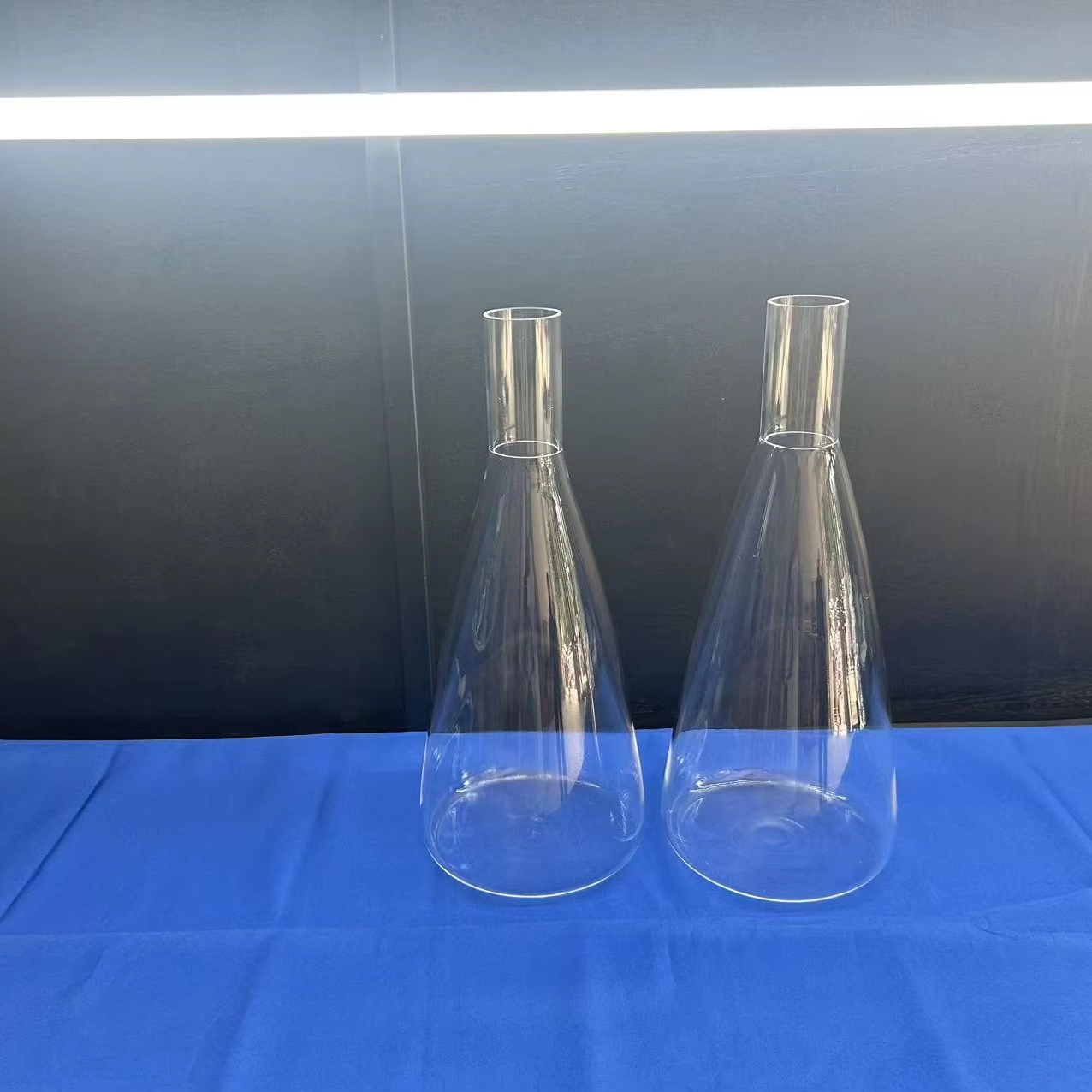
Laboratory Fused Silica Quartz Flask
- Joint Size: Standard KS/ISO Ground Joints
- Thermal Resistance: Zero Cracking at 1000°C Quench
- Application: High-Temp Catalyst Distillation
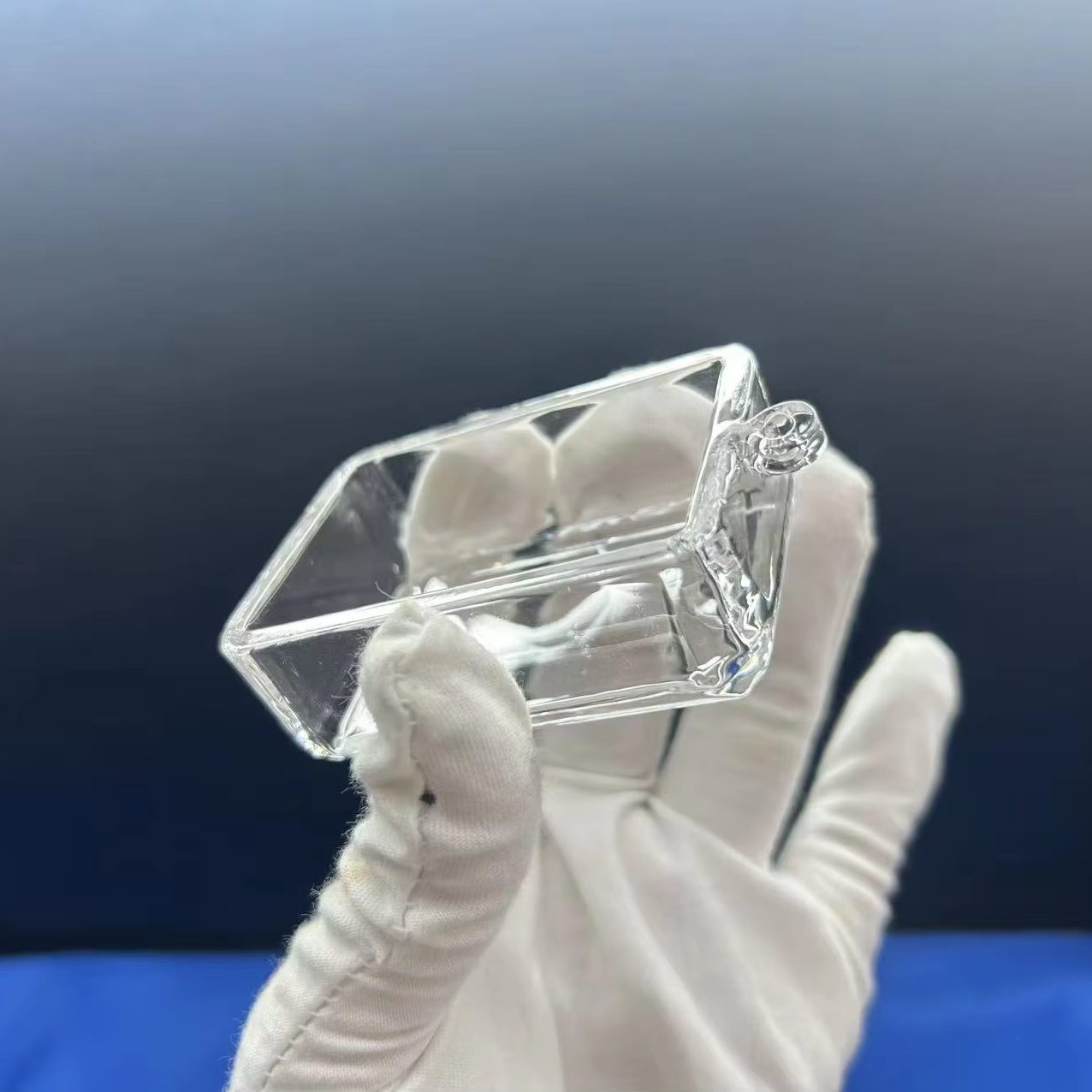
Precision Welded Quartz Bath / Tank
- Joint Integrity: Flame Fused Vacuum-Sealed
- Chemical Inertia: Zero Heavy Metal Elution
- Application: Wafer Wet Cleaning / Ultrasonic Bath
Engineering Porous Fused Quartz Filtration Media for Demanding Industrial Systems
A comprehensive overview of high-temperature gas-solid particulate separation, aggressive liquid acid filtration, and UV-transparent barrier engineering in coastal South Korean heavy industry.
In advanced maritime propulsion, offshore emission scrubbing, and coastal petrochemical refining across the Busan metropolitan corridor, filtration assemblies are subjected to operational conditions far exceeding the physical resilience of borosilicate 3.3 glassware or sintered metal alloys. Where borosilicate suffers thermal stress fractures above 500°C and metallic sintered elements deteriorate via localized chloride pitting corrosion under saline marine conditions, high-purity fused silica (SiO₂ ≥ 99.99%) delivers an impervious chemical and thermodynamic solution.
Manufactured by sintering spherical high-purity quartz particles under precisely controlled vacuum-thermal regimes at Nivra Quartz's Donghai foundries, our fused quartz filters and porous fritted discs retain their microstructural pore matrix without binder contamination. This produces sintered porous membranes ranging from Pore Class P1 (160 to 250 μm, optimized for coarse maritime particulate screening and gas distribution) down to Pore Class P5 (1.0 to 1.6 μm, engineered for critical analytical precipitates, pyrogen-free air sampling, and semiconductor-grade submicron fluid retention).
"By eliminating boron, aluminum, and alkali metal fluxes, Nivra Quartz filtration elements achieve a linear coefficient of thermal expansion (CTE) of 5.5 × 10⁻⁷ /°C. This allows our quartz filter assemblies to withstand direct thermal quenching into ice water from 1100°C without crack propagation, ensuring zero operational downtime for automated continuous emission monitoring systems (CEMS) installed at Busan Port."
| Performance Parameter | Nivra Fused Silica Filter (JGS2/Porous) | Industrial Borosilicate 3.3 | Sintered 316L Stainless Steel |
|---|---|---|---|
| Chemical Composition | SiO₂ ≥ 99.99% (Metal impurities <20 ppm) |
SiO₂ 81%, B₂O₃ 13%, Na₂O/Al₂O₃ 6% | Fe, Cr 18%, Ni 12%, Mo 2.5% |
| Continuous Service Temperature | 1100°C (Short excursion to 1450°C) |
450°C (Strain point 510°C) | 550°C (Oxidizing environments) |
| Thermal Shock Tolerance (ΔT) | > 1000°C Instantaneous Quench |
150°C Instantaneous Quench | High, but exhibits plastic distortion |
| Resistance to Marine Chlorides & SOx | Completely Inert (Zero Pitting) |
Moderate; alkaline attack over time | Severe risk of stress corrosion cracking (SCC) |
| UV Light Transmission (254 nm) | > 88% (Up to 92% in JGS1 Grade) |
< 1% (Completely opaque to UVC) | 0% (Opaque) |
| Acid Corrosion Resistance | Resists all acids except HF / Hot H₃PO₄ |
Leaches alkali ions into acidic media | Degrades rapidly in halogenated acids |
Localized Applications Across Busan's Industrial Clusters
Customized supply chains delivering high-spec quartz glass filtration and containment hardware to the Busan-Jinhae Free Economic Zone (BJFEZ), Noksan Industrial Complex, and Yeongdo Shipyards.
Maritime Exhaust Gas Cleaning & CEMS
Busan ranks among the world's busiest container hubs. Vessels retrofitting open/closed-loop exhaust scrubbers use our fritted quartz filtration plates and heated quartz sampling probes to extract high-temperature exhaust particulate without acidic condensate corrosion.
Busan Port & Yeongdo ShipyardsBallast Water UV Disinfection Sleeves
Compliant with IMO D-2 standards, ballast water management systems (BWMS) manufactured in Gyeongsangnam-do rely on our high-transmittance JGS1 and JGS2 transparent quartz sleeves to protect high-output amalgam UV lamps from high-salinity seawater pressures.
Noksan Industrial ComplexCryogenic LNG & Hydrogen Infrastructure
As Busan spearheads the South Korean green corridor transition, LNG bunkering and cryogenic liquid hydrogen test rigs employ custom-machined quartz sight glasses and fritted gas purge filters capable of cycling from -196°C to +300°C without micro-fracturing.
Eco-Delta Smart City & Mieum HubSemiconductor Test Labs & Optoelectronics
R&D centers in southeastern Korea utilize our custom quartz tanks, ultra-clean quartz crucibles, and optical filter discs for acid etching processes, ensuring total freedom from ionic sodium and iron leaching during compound wafer fabrication.
BJFEZ Hi-Tech ValleyMarine Biotechnology & Microalgae Filtration
Marine science institutes stationed near Korea Maritime & Ocean University (KMOU) utilize Nivra quartz sintered funnel systems and ultra-pure quartz test flasks for isolating high-value bio-enzymes, demanding zero chemical ion adsorption.
Dongsam Marine R&D ComplexHeavy Petrochemical Synthesis & Distillation
Linking the industrial refinery corridor between Ulsan and Busan, our heavy-wall quartz reaction columns, BET tubes, and fritted gas dispersion bubblers facilitate aggressive high-temperature catalytic conversions where metals would catalyze unwanted side reactions.
Sasang Industrial ComplexShaping Busan's Industrial Glassware & Filtration Demands
How tighter environmental regulations, smart mega-port infrastructure, and maritime decarbonization are driving the shift toward ultra-high-purity quartz solutions.
Stricter SOx/NOx Marine Scrubber Monitoring
With the Korean Ministry of Oceans and Fisheries designating Busan as a rigorous Emission Control Area (ECA), port entry requires verifiable flue-gas cleanup. Traditional ceramic filters plug easily, while metallic frits fail under sulfuric acid condensates. Porous quartz filter plates deliver thermal durability and chemical passivity, ensuring accurate optical transmissometer and analytical gas sampling performance.
Accelerated Smart Port Clean-Energy Transition
The expansion of Busan New Port into an automated, electrified mega-hub involves substantial clean-tech fuel cells, battery energy storage systems (BESS), and green hydrogen pilot facilities. Fused silica glassware serves as high-temperature dielectric separators, furnace reaction envelopes, and optical inspection sight ports essential to hydrogen fuel cell catalyst research.
Near-Shoring & Express Direct Supply Chains
Korean engineering teams increasingly bypass intermediaries in favor of direct manufacturer partnerships with verified foundries. Nivra Quartz's direct logistical line between Lianyungang/Qingdao and Busan New Port guarantees 48-to-72-hour sea-transit clearance, cutting component lead times by up to 60% compared to Western European or American sourcing.
Why South Korean Engineering Procurement Partners Trust Nivra Quartz
Founded in Donghai County, China's world-recognized silicon and quartz capital, Donghai County Nivra Quartz Products Co., Ltd. provides full-cycle OEM/ODM precision manufacturing.
Donghai Silica Basin
Direct access to the world's most concentrated natural quartz vein deposits reduces raw material processing costs while preserving ultra-high purity (Fe < 1.5 ppm, Al < 14 ppm).
Full In-House Machining
101–200 skilled specialists operate 5-axis CNC ultrasonic milling, high-temperature glass lathes, precision flame-polishing torches, and custom frit sintering kilns.
Metrology & Quality Control
Laser interferometers, spectrophotometers (190–3500nm), and thermal shock cycling baths guarantee every component matches CAD drawings and DIN/ISO specs before boxing.
Rapid Busan Sourcing SLA
Measured 88.89% inquiry response rate with comprehensive engineering feedback in ≤5 hours. Direct Korean-speaking account handlers oversee delivery right to Busan port docks.
Frequently Asked Questions by Busan Engineering Buyers
Practical answers addressing Korean customs clearance, dimensional standards, thermal performance, and delivery schedules to Busan New Port and Gimhae Airport.
What is the typical shipping lead time from your factory to Busan Port?
Standard catalogue components (such as standard diameter quartz tubes, flasks, and fritted discs) ship within 48 to 72 hours from our Donghai facility. Ocean freight from nearby Lianyungang Port or Qingdao Port directly to Busan New Port (PNC/HPNT) takes approximately 2 to 3 days transit. For urgent prototype or maintenance orders, air express via Gimhae International Airport (PUS) delivers within 24 to 48 hours of dispatch.
How do you ensure zero transit breakage for fragile quartz glass entering South Korea?
We implement custom engineered multi-tier packaging protocols designed specifically for oceanic freight and localized handling: components are cleaned, ultrasonic-degreased, vacuum-sealed in static-free PE wrapping, embedded within high-density expanded polyethylene (EPE) shock absorption foam cavities, and secured inside heavy-duty, fumigation-free reinforced plywood export crates compliant with ISPM-15. Over 99.8% of our international shipments arrive intact.
Can you manufacture quartz filters to Korean Industrial Standards (KS) and CAD drawings?
Yes. We regularly produce components in compliance with KS L 2307 (testing methods for fused quartz glass) and KS B 6301 specifications. Our engineering team accepts digital CAD files in 2D (.dwg, .dxf, .pdf) and 3D (.step, .iges, .sldprt) formats. We provide complete First Article Inspection (FAI) dimensional reports and material spectrometer certificates with every delivery.
What is the difference between JGS1, JGS2, and JGS3 quartz in filtration and observation?
JGS1 (Synthetic Fused Silica): Bubble-free, high-purity material with deep-ultraviolet transparency (>90% at 185–254 nm), ideal for UV disinfection and photolithography. JGS2 (Optical Grade Fused Quartz): Exceptional UV-Visible transmittance (220–2500 nm), the global standard for industrial observation ports, sight glasses, and high-temperature furnace tubes. JGS3 (Infrared Grade): Low hydroxyl (OH < 5 ppm) fused quartz with extended infrared transparency up to 3500 nm, engineered for heat shields and IR gas analyzer filters.
How do your porous quartz frits handle repeated acid cleaning in refinery applications?
Unlike borosilicate frits whose pore walls pit and widen after prolonged acid washing, our high-purity quartz frits (SiO₂ ≥ 99.99%) are completely impervious to aggressive mineral acids including boiling nitric acid (HNO₃), sulfuric acid (H₂SO₄), and aqua regia. They can be repeatedly regenerated via thermal incineration at 800°C or acid digestion without shifting the micron pore size distribution or leaching heavy metals.
What documentation is provided for South Korean customs clearance and tariff reduction?
We provide complete export documentation under HS codes 7002.31 (fused quartz tubes), 7017.10 (laboratory glassware), and 7020.00 (industrial quartz articles). To enable preferential tariff treatment under the China-Korea Free Trade Agreement (CKFTA) or RCEP, we issue official Certificates of Origin (Form E / RCEP), commercial invoices, packing lists, and certified mill test certificates for seamless customs clearance through the Korea Customs Service at Busan Port.
Request a Direct Factory Quote for Custom Quartz Glass & Filters
Have technical specifications or custom CAD drawings ready? Connect immediately with our precision quartz engineering team. We guarantee comprehensive feedback, DFM reviews, and FOB/CIF Busan quotations within 5 hours.