Direct Thermal
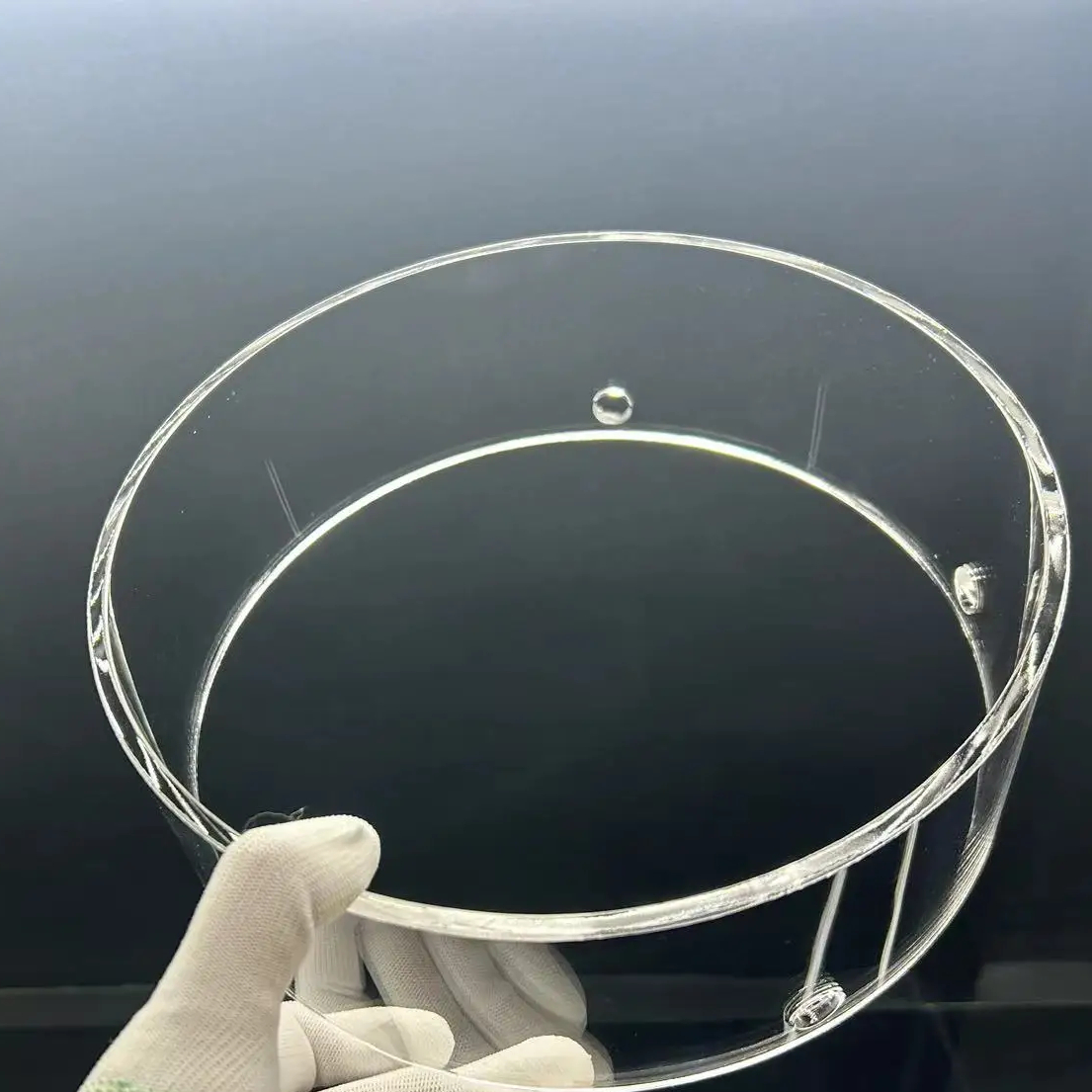
Fused Transparent Quartz Tube
Ultra-clear cylindrical tubes with minimal bubble inclusions, optimized for diffusion furnaces, sight glasses, and photolysis reactors operating up to 1450°C.
Direct from our Donghai County manufacturing hub: ultra-pure fused quartz tubing, cylinders, optical plates, and thermal vessels built to rigorous DIN and ISO metrology standards for European export.
Ultra-clear cylindrical tubes with minimal bubble inclusions, optimized for diffusion furnaces, sight glasses, and photolysis reactors operating up to 1450°C.
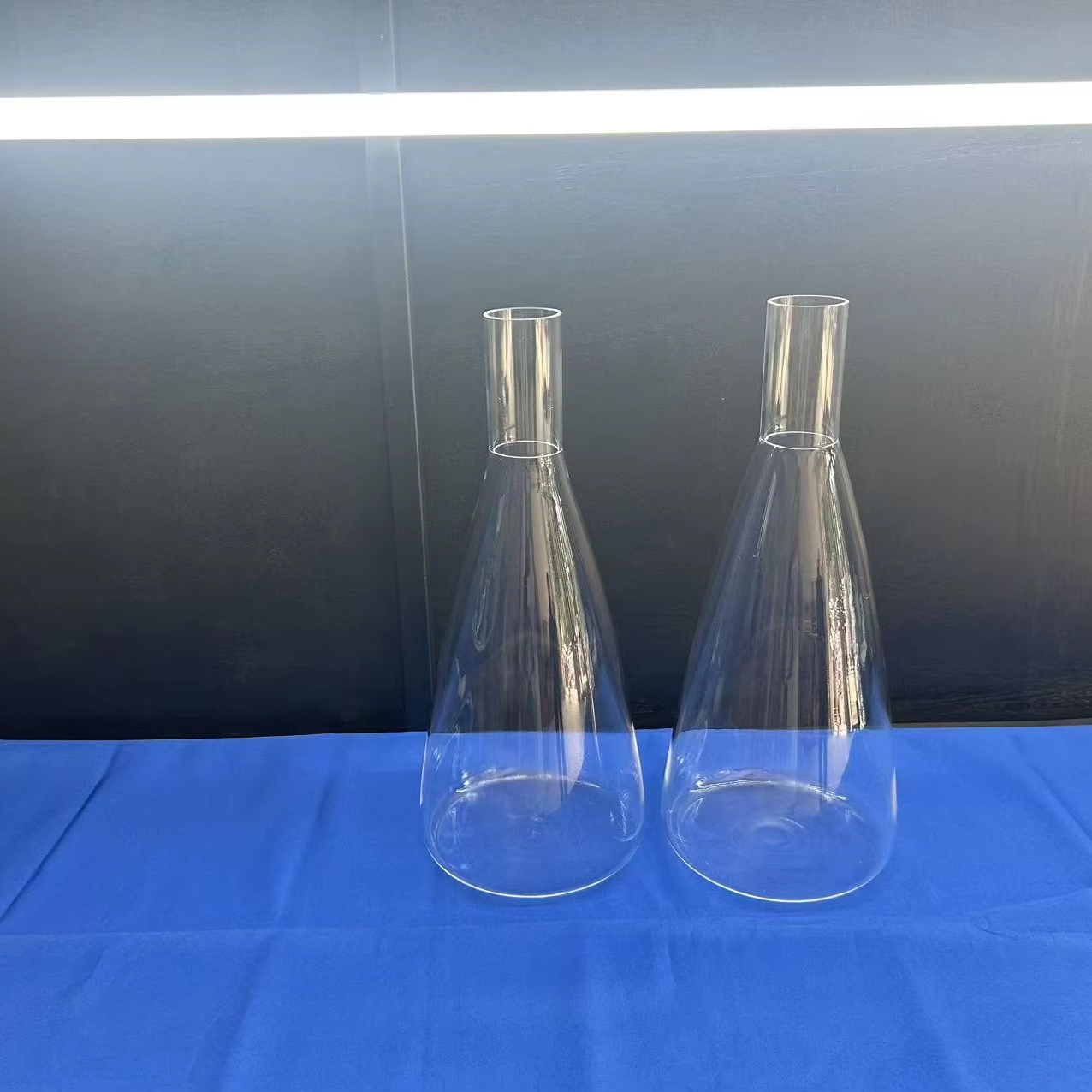
Acid-resistant fused silica boiling and reaction flasks engineered for severe thermal cycling, extreme reagent refluxing, and spectroscopy across Venetian research institutes.
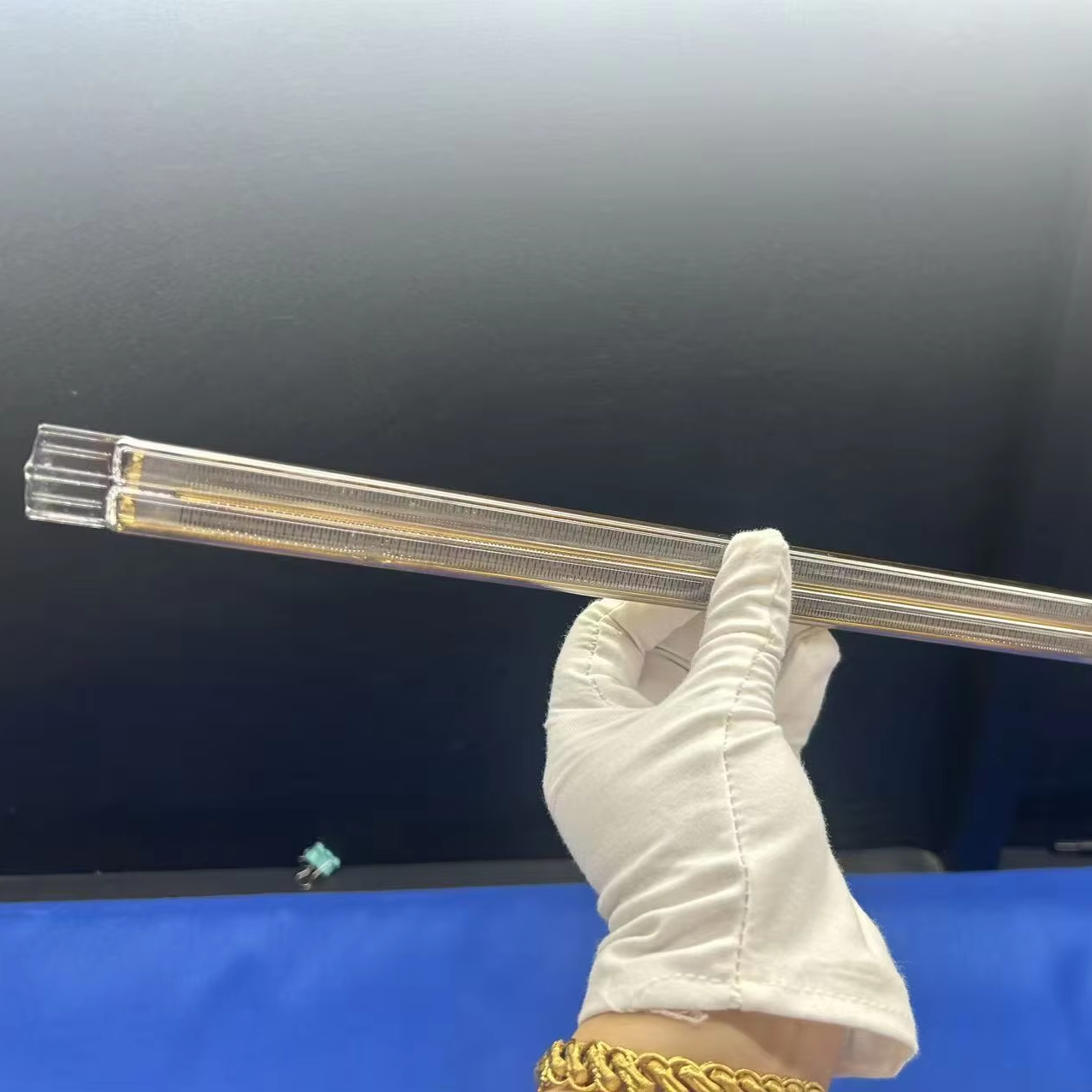
Advanced composite radiant heating elements leveraging low-OH fused quartz cylinders with nanocarbon graphene coatings for uniform infrared radiation curing.
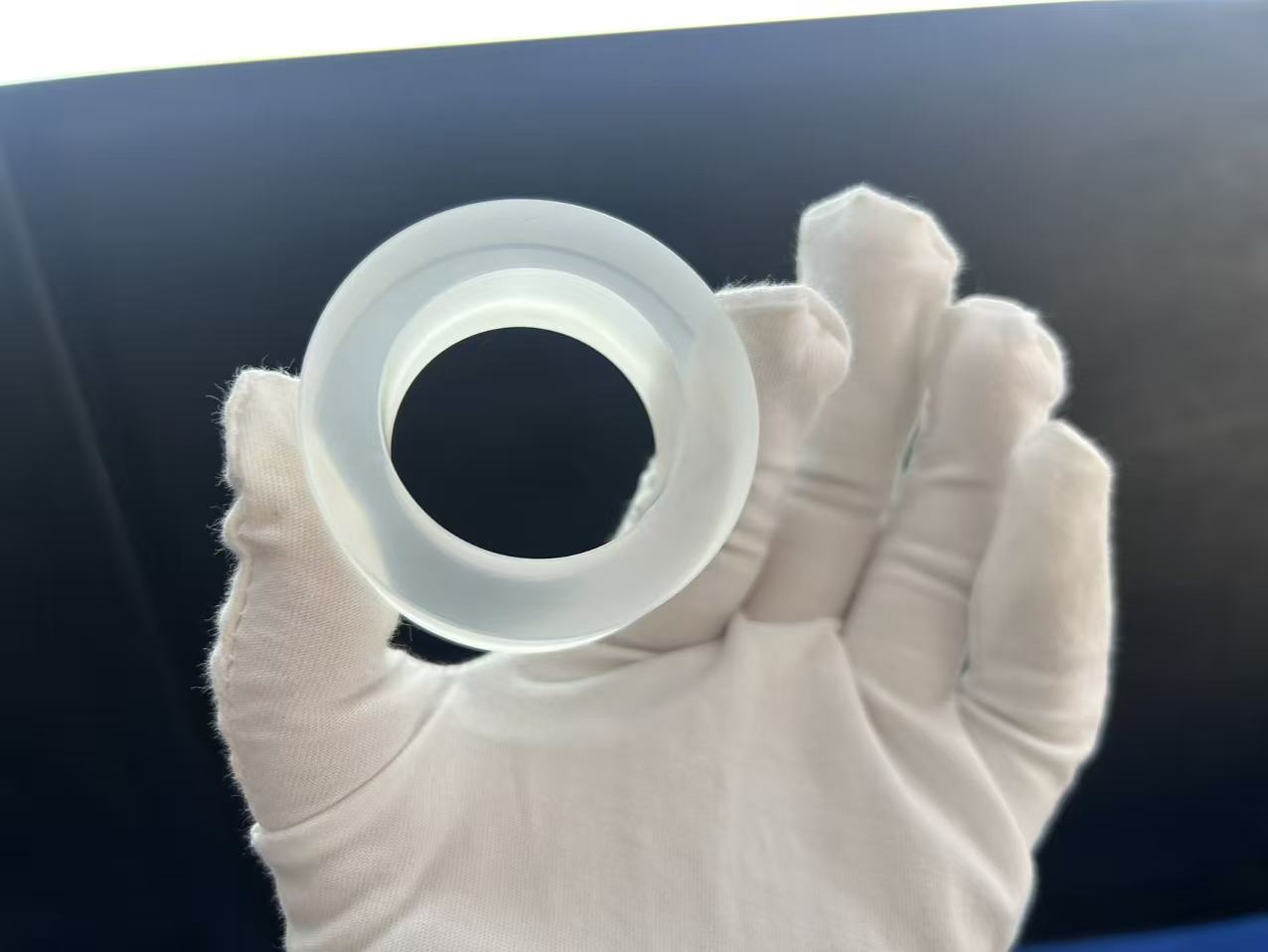
Diamond-ground and lapped quartz sealing rings, retaining spacers, and flange collars manufactured to micro-tolerances for high-vacuum and hydrothermal seals.
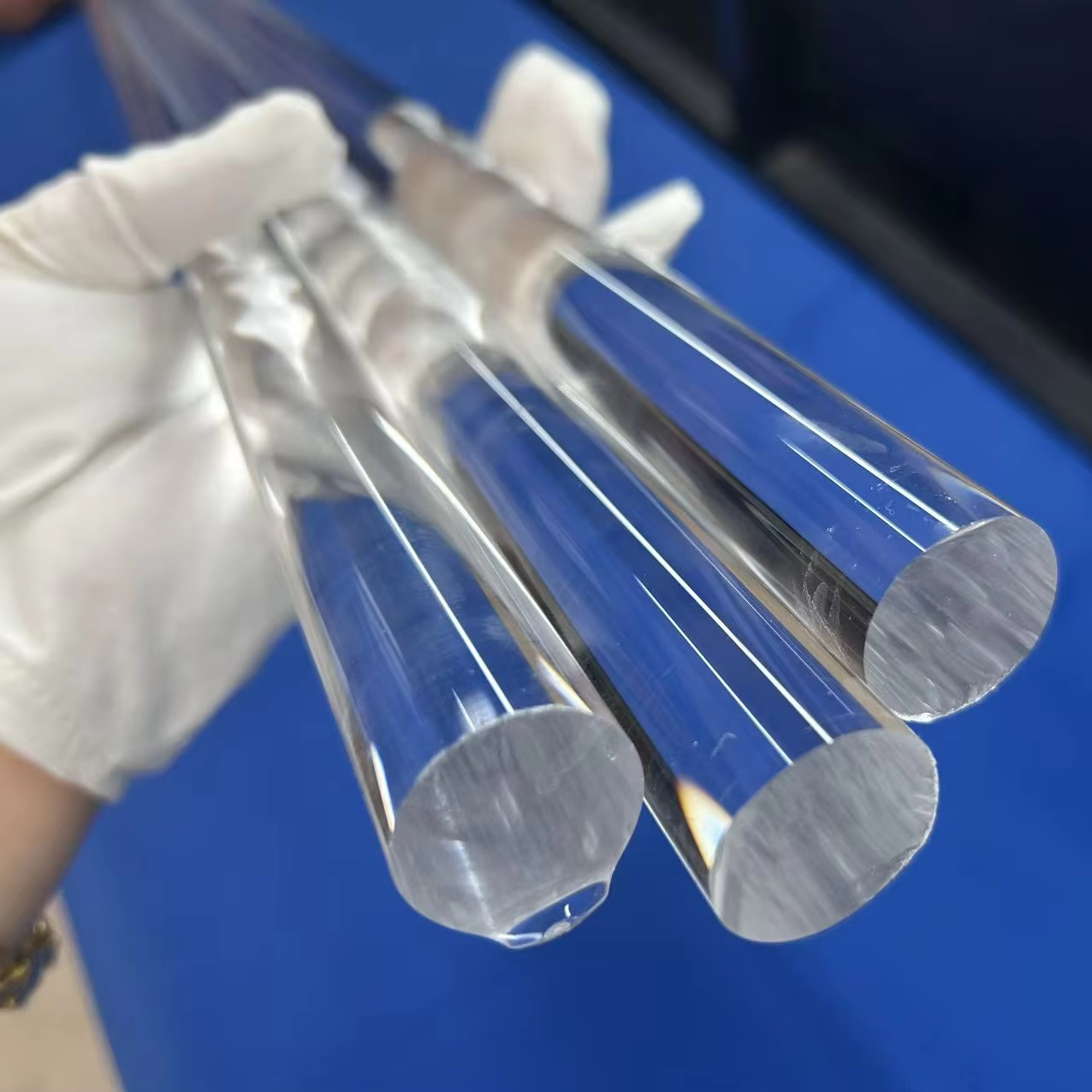
Large-diameter solid quartz ingots and round rods designed for precision core drilling, bending, optical waveguiding, and high-temp glassworking mandrels.
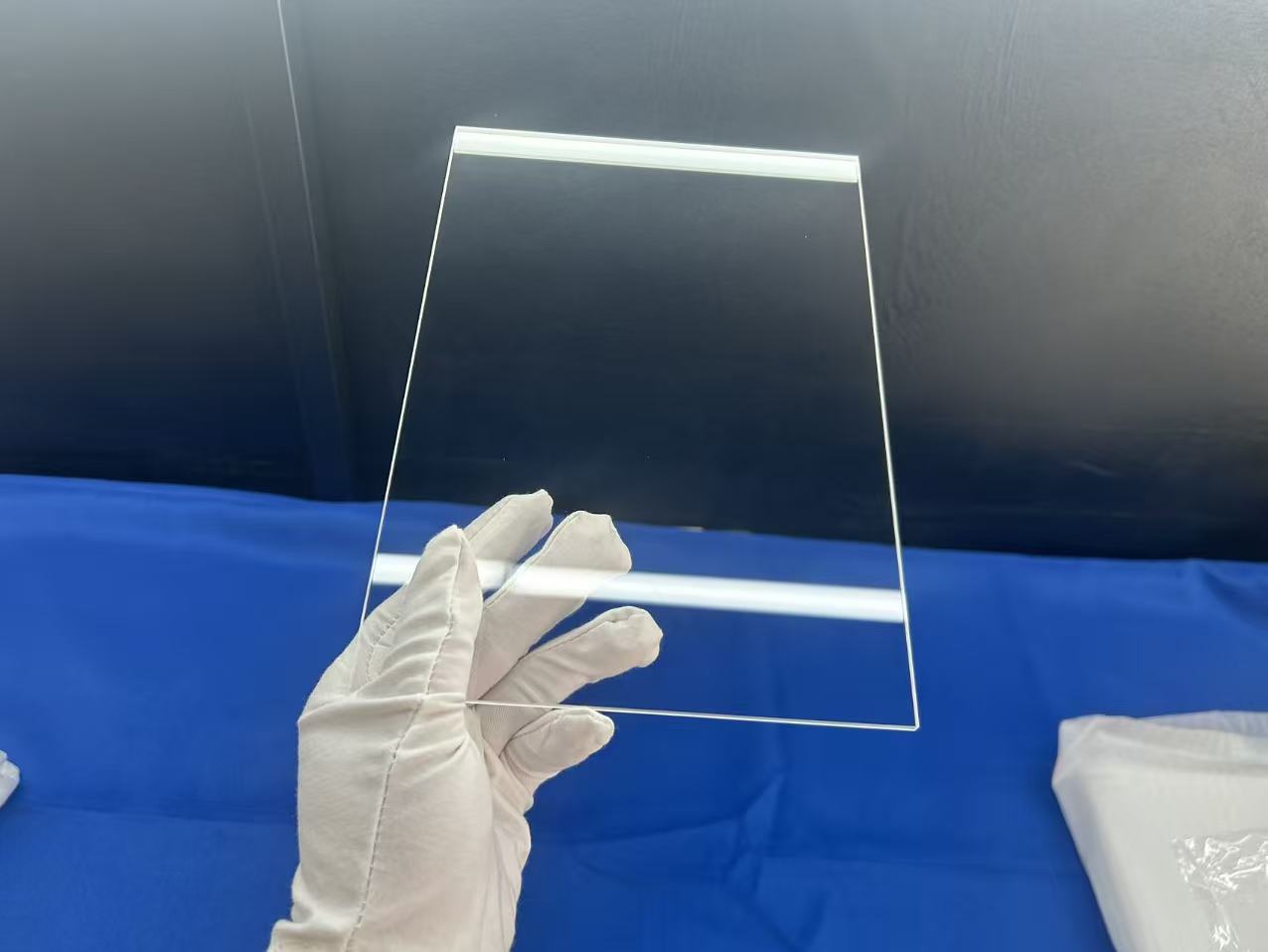
Double-side optical pitch-polished fused silica inspection plates (3mm+), resistant to laser degradation and chemical vapor erosion in harsh testing environments.
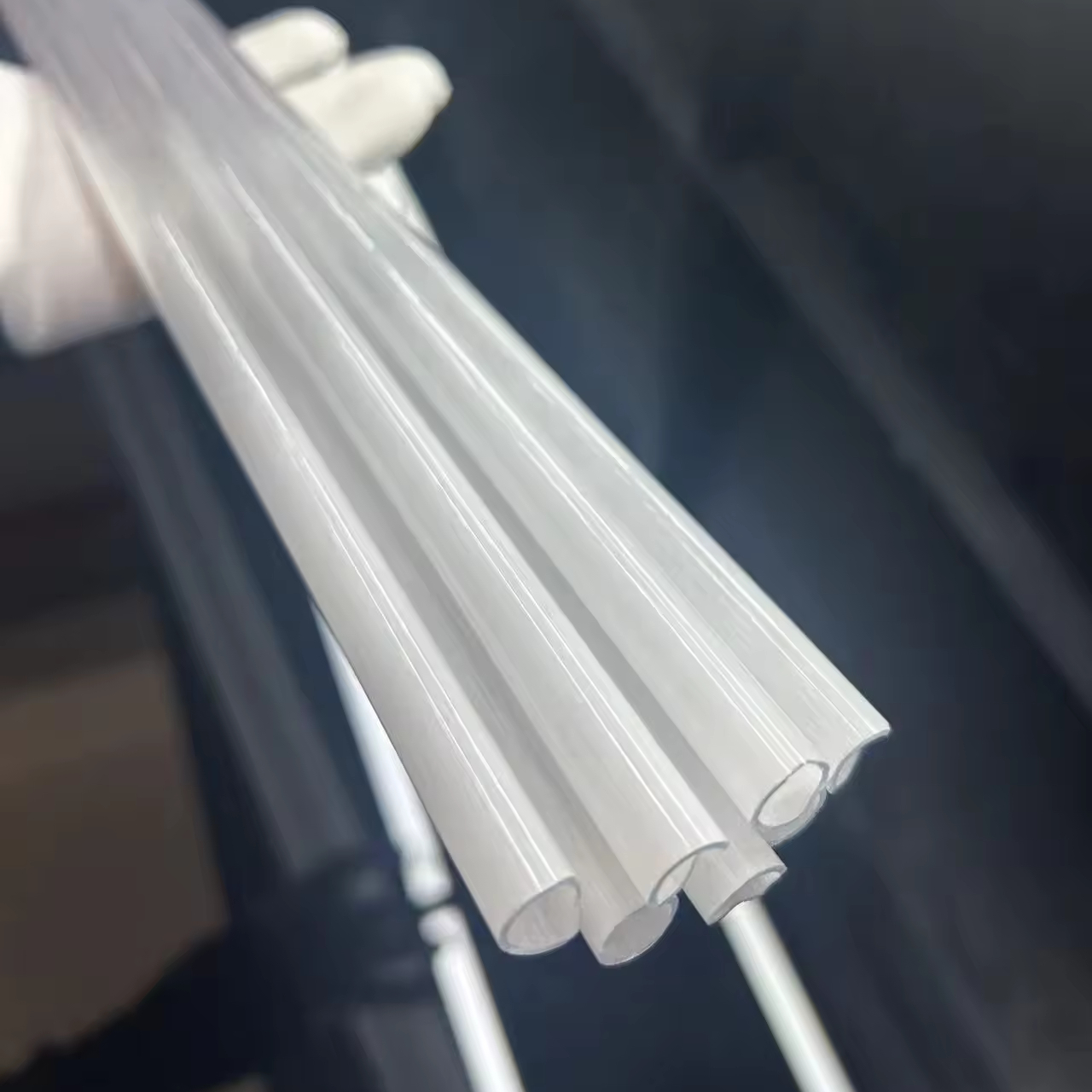
Micro-porous opaque fused silica muffle pipes delivering superior thermal insulation, high infrared scattering, and resistance to molten metal splashing.
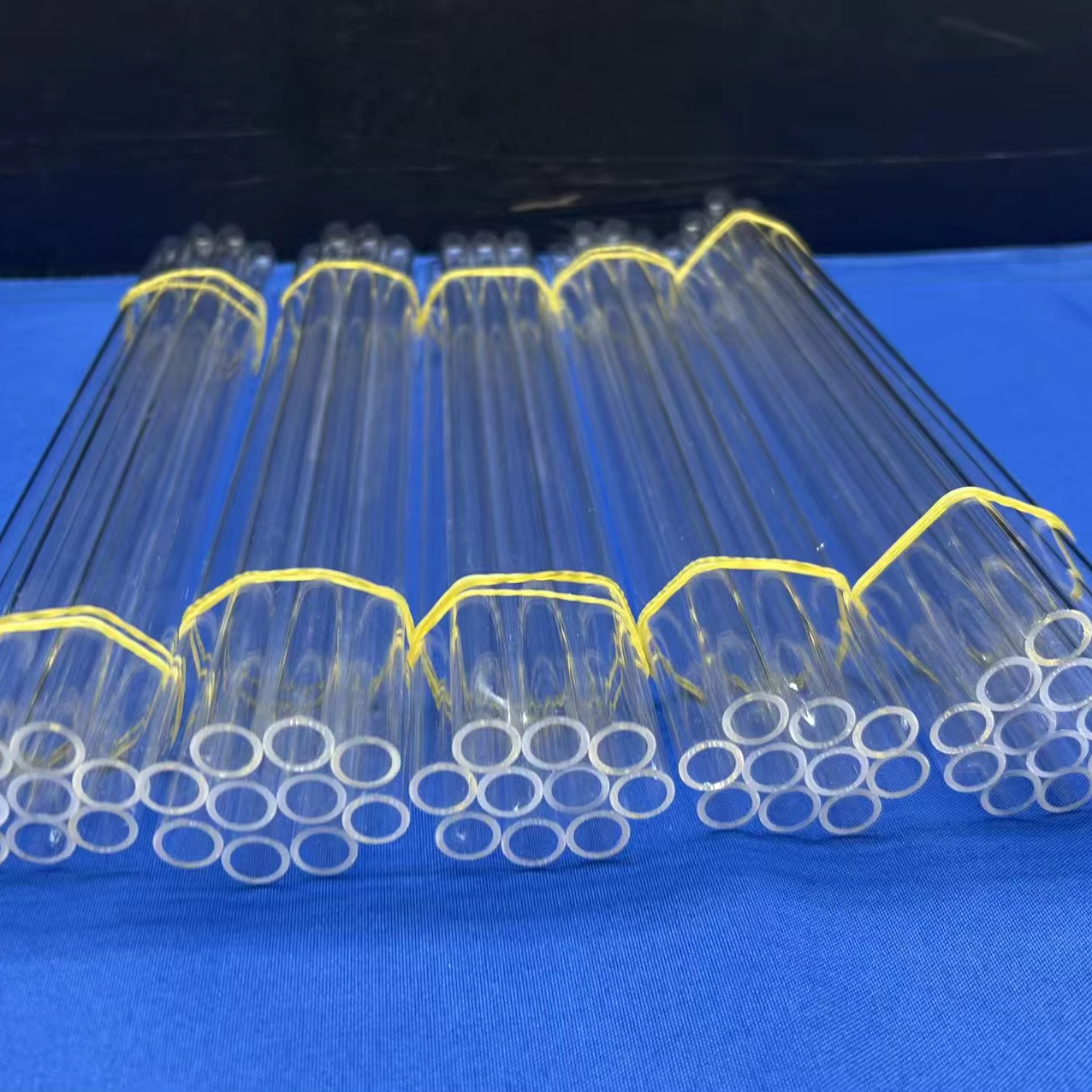
Standard and custom rimmed/thread-capped fused silica digestion tubes ensuring zero ion leaching, zero devitrification at 1000°C, and exceptional UV transparency.
Industrial quartz glass cylinders represent the pinnacle of silicon dioxide (SiO₂) engineering. Unlike conventional borosilicate or soda-lime glass, pure fused quartz exhibits an amorphous non-crystalline lattice formed by melting naturally occurring high-purity quartz crystal sand at temperatures exceeding 2000°C. In the metropolitan and industrial spheres of Venice (Venezia) and the broader Veneto region, demanding operational parameters necessitate components with an exceptionally low coefficient of thermal expansion (CTE of approximately 5.5 × 10⁻⁷ /°C between 20°C and 320°C). This gives fused quartz unmatched thermal shock resistance; a red-hot quartz cylinder heated to 1150°C can be plunged into icy water without catastrophic structural fracture or micro-crack propagation.
For technical buyers sourcing for Venice's specialized ecosystems—ranging from the island of Murano's experimental furnace workshops to the petrochemical corridors of Porto Marghera and the marine research labs of the Venice Lagoon—evaluating the hydroxyl (OH⁻) content and optical purity grade is critical. Hydroxyl concentrations dictate the cylinder's infrared transmission spectrum and softening point. Grade JGS1 (synthetic fused silica) features an almost complete absence of optical inclusions, delivering high UV transmission down to 185 nm. JGS2 (optical quality fused quartz) serves as the primary standard for optical viewports and furnace process sleeves. JGS3 (infrared-grade fused quartz) is dehydrated during oxy-hydrogen melting to suppress the fundamental 2.73 µm OH absorption band, ensuring thermal efficiency and longevity in high-temperature infrared heating tubes and vacuum furnaces.
How precision-machined quartz cylinders address the critical challenges of Venice's artisanal glassworks, coastal marine barriers, and high-tech industrial parks.
While historic Murano glassmakers are masters of soft soda-lime glasses, contemporary Venetian artisans and kiln engineers rely on fused quartz cylinders as non-contaminating internal muffle linings, burner nozzles, and structural mandrels. Fused quartz withstands continuous thermal exposure at 1100°C without sagging, preventing iron or mineral cross-contamination during the synthesis of specialized aventurine, chalcedony, and noble-metal vaporized artistic glass.
The sensitive marine ecosystem of the Laguna di Venezia and the automated infrastructure of the MOSE barrier system demand optical sensor housings that resist severe biofouling, saline erosion, and hydrostatic wave shock. Our optical quartz cylinders serve as protective viewports for submersed fluorometers, UV-absorbance turbidity meters, and LiDAR systems monitoring tidal surges and saltwater stratification.
As one of Italy's premier petrochemical and green-hydrogen hubs, Porto Marghera houses extensive fluid cracking, chemical synthesis, and photochemical research plants. Quartz glass cylinders perform as sight glasses, level gauges, and pyrolysis reaction envelopes inert to nearly all aggressive reagents—including concentrated sulfuric, nitric, and hydrochloric acids at boiling temperatures.
Advanced physics and material chemistry laboratories across Venice and Padua utilize our precision-bored quartz cylindrical plasma chambers for spectroscopy, microwave digestion, and chemical vapor deposition (CVD). Zero metallic impurities prevent phantom spectral peaks in atomic emission and UV-Vis spectroscopy systems.
Venice's historical canal transport networks, private water taxi fleets, and island municipal water facilities rely on localized ultraviolet germicidal irradiation (UVGI). Our high-transmission JGS1 and ozone-free quartz sleeves allow maximum 253.7 nm UV-C photon penetration to neutralize marine pathogens without solarization darkening.
Venice's historic palazzi encounter humidity and atmospheric salt aerosols. Specialized architectural lighting, display vitrines, and museum monitoring fixtures utilize quartz glass cylinders and tubes to achieve lifelong optical brilliance, completely impervious to micro-pitting caused by salt crystallization.
The industrial landscape of Venice is undergoing a profound transformation driven by European decarbonization mandates (Green Deal) and local environmental protection initiatives. In the Murano glass cluster, escalating natural gas prices and stringent emission caps are accelerating the shift toward all-electric and hybrid induction annealing furnaces. These modern kilns mandate ultra-pure fused quartz containment cylinders, muffle sleeves, and graphene-coated quartz heating elements capable of delivering localized radiant heating up to 1300°C with near-zero heat dissipation loss.
Concurrently, Venice's regional development plans focus heavily on climate resilience engineering. The continuous telemetry networks connected to the MOSE barrier and tidal wetland restoration projects require autonomous underwater sensor packages that can operate maintenance-free for years. Deep UV-transmitting quartz cylinders, engineered with optical ground flanged ends and Viton/Kalrez elastomer O-ring profiles, have emerged as the gold standard for sub-surface oceanographic housing units, outlasting sapphire for large aperture optics at a fraction of the component weight and procurement cost.
Review standard physical, thermal, and optical parameters to select the precise grade for your Venetian industrial or academic application.
| Property / Parameter | JGS1 (Synthetic Silica) | JGS2 (Optical Fused Quartz) | JGS3 (Infrared Fused Quartz) | Milky Translucent Quartz |
|---|---|---|---|---|
| Purity (SiO₂) | ≥ 99.999% | ≥ 99.99% | ≥ 99.99% | ≥ 99.8% |
| Spectral Transmission | 185 nm – 2500 nm (Deep UV) | 220 nm – 2500 nm (UV-Vis) | 260 nm – 3500 nm (IR-Optimized) | Diffused Infrared Scattering |
| Hydroxyl (OH⁻) Content | < 5 ppm (or custom high-OH) | ≈ 30 – 150 ppm | < 2 – 5 ppm | N/A (Opaque Microstructure) |
| Continuous Working Temp | 1150 °C | 1100 °C | 1100 °C | 1050 °C |
| Softening Point | ≈ 1730 °C | ≈ 1683 °C | ≈ 1680 °C | ≈ 1650 °C |
| Thermal Expansion (CTE) | 5.4 × 10⁻⁷ /°C | 5.5 × 10⁻⁷ /°C | 5.5 × 10⁻⁷ /°C | 5.5 × 10⁻⁷ /°C |
| Venetian Primary Use | UV sensors, Excimer optics, MOSE | Sight glasses, diffusion kilns | Infrared heating, pyrolysis tubes | Muffle insulation, burner sleeves |
Headquartered in Donghai County, Jiangsu—the global epicenter of high-purity natural silica sand—Donghai County Nivra Quartz Products Co., Ltd. combines raw-material pricing power with high-precision fabrication.
Founded in February 2019 with a dedicated technical workforce of 101–200 employees, our factory eliminates brokerage markups, controlling quartz processing from raw lump crushing to precision diamond grinding.
Our verified response rate stands at 88.89%, averaging an inquiry turnaround time of ≤5 hours. Technical drawings (PDF, CAD, STEP) are evaluated directly by quartz fabrication engineers.
Equipped with computerized CNC glass milling centers, high-temperature flame annealing lathes, optical double-sided lapping disks, and laser-guided slicing tools. We produce custom diameters from 2mm to 650mm.
Every batch undergoes laser OD/ID micrometer profiling, wall thickness concentricity audits, strain-polarimeter stress checks, and ultrasound micro-crack inspections prior to packaging.
Fragile quartz cylinders are individually wrapped with anti-static EPE foam cushions, hermetically heat-sealed against saline humidity, and cradled in heavy fumigation-free export crates for safe port transit.
Complete traceability documentation is standard: Material Certificate 3.1, RoHS, REACH declarations, and EUR-1 compliant customs invoices for smooth clearance via Italian Dogane.
Comprehensive engineering and commercial answers to streamline your custom quartz glass cylinder acquisition process.
Connect directly with our senior quartz engineering team in Donghai. Submit your engineering drawings, required dimensional tolerances, and temperature parameters for an authoritative technical review within 5 hours.