Featured Quartz Glass Cylinders & Precision Components
Custom-fabricated from semiconductor-grade fused silica (SiO₂ ≥ 99.99%). Dimensional tolerances down to ±0.05 mm, optical clarity JGS1/JGS2/JGS3, and certified thermal stability up to 1450°C.
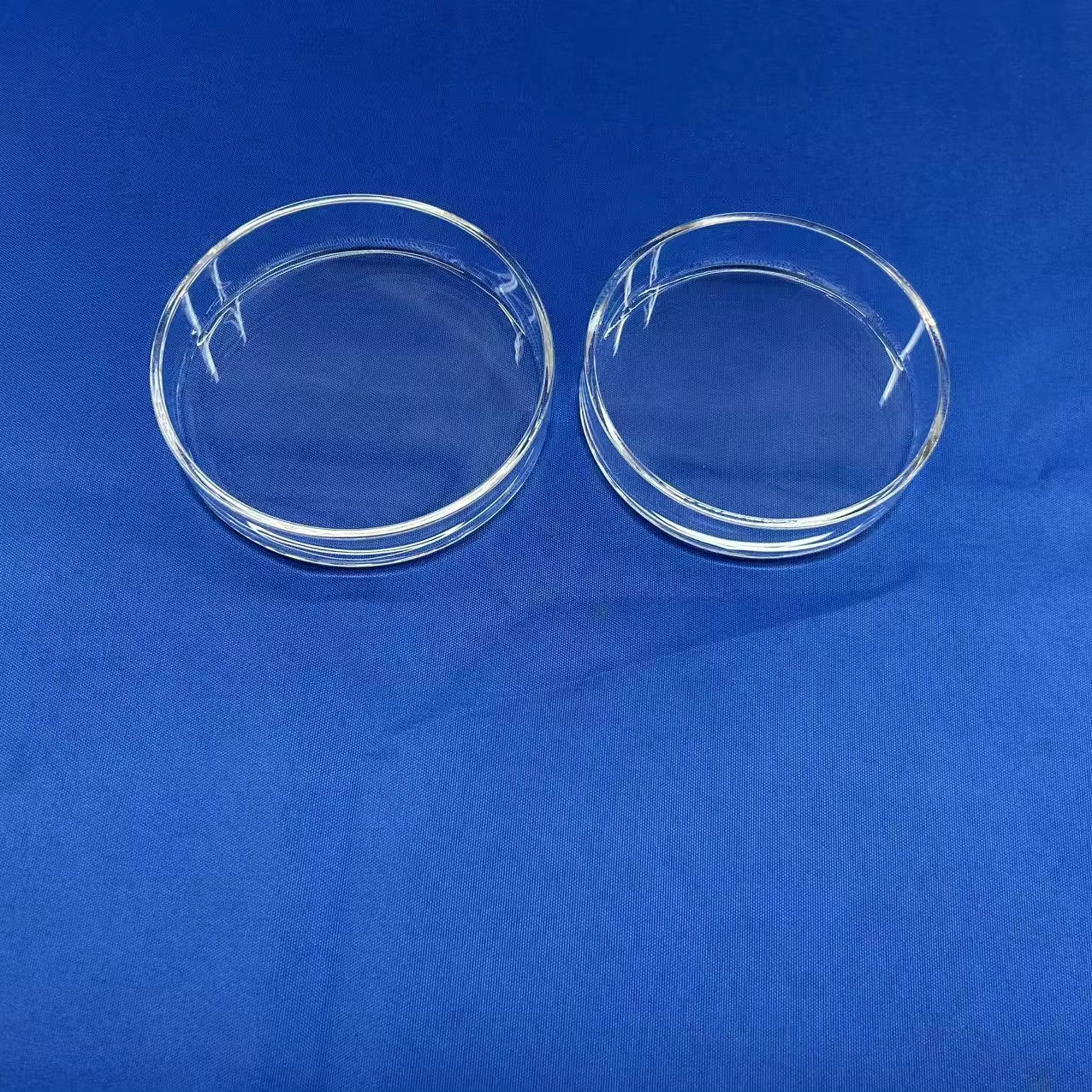
Factory Customized High-Purity Quartz Glass Petri Dishes with Lids
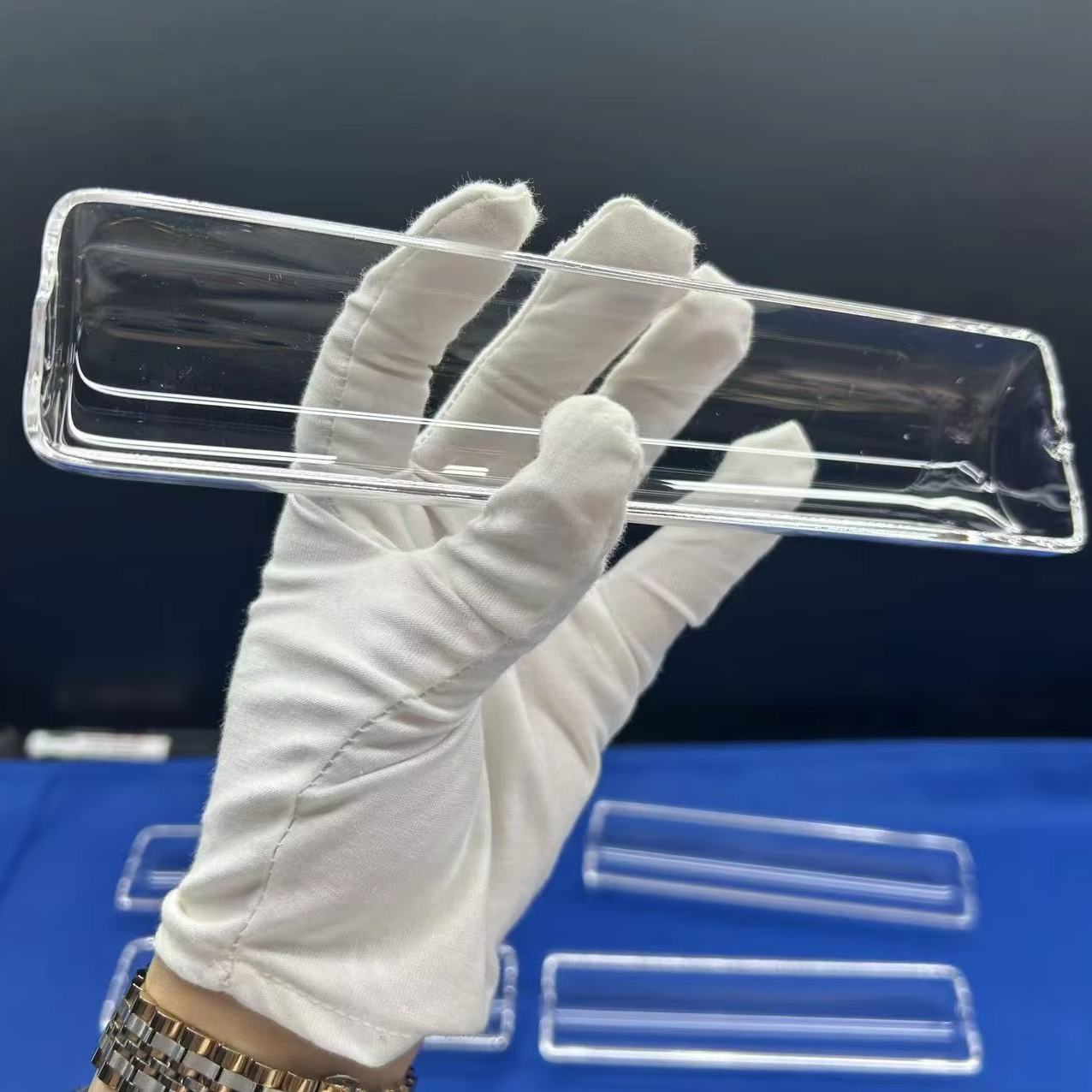
Customized Clear Fused Silica Quartz Boat Polished Clear Wafer Carrier
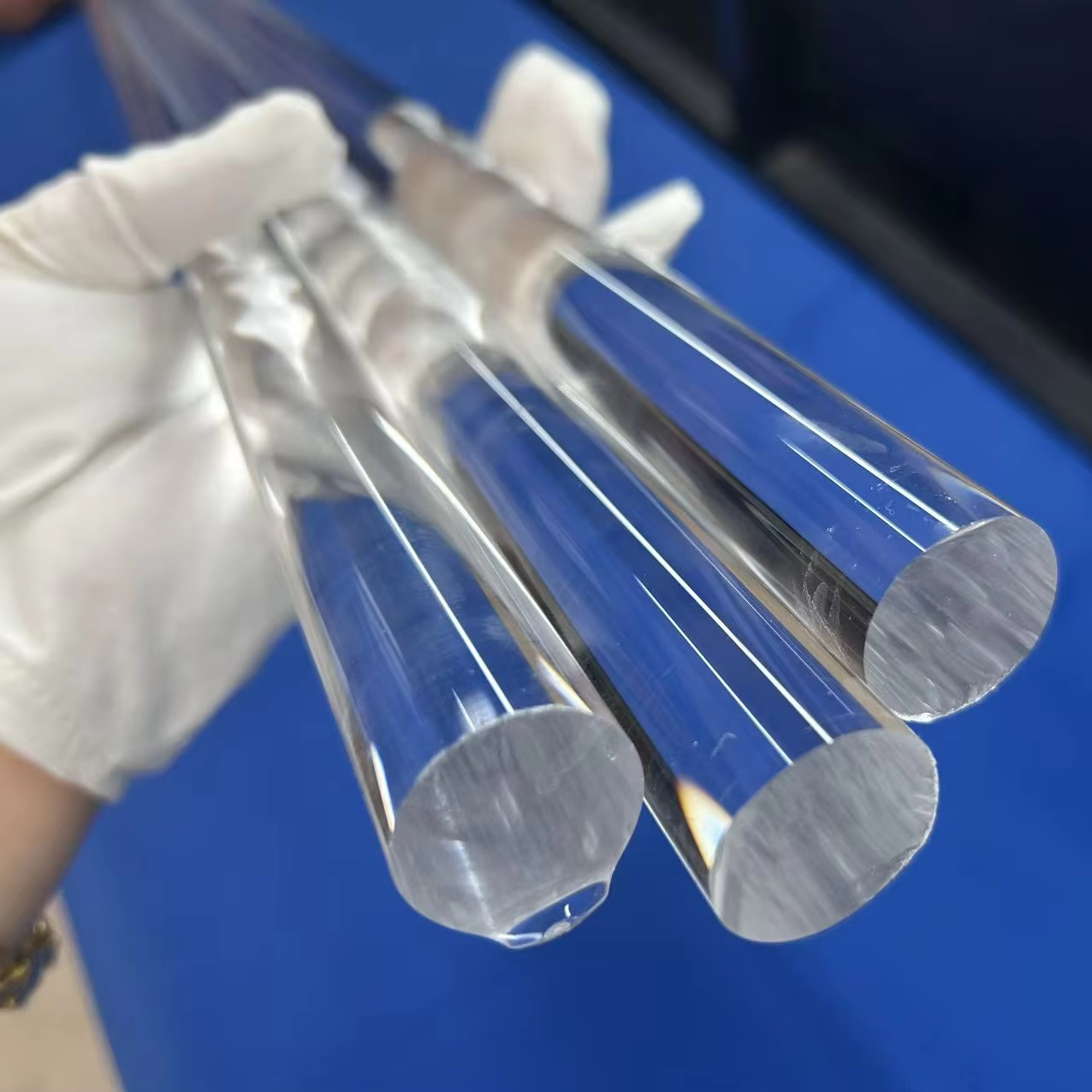
High-Purity Fused Quartz Large Diameter Round Rods & Cylinders
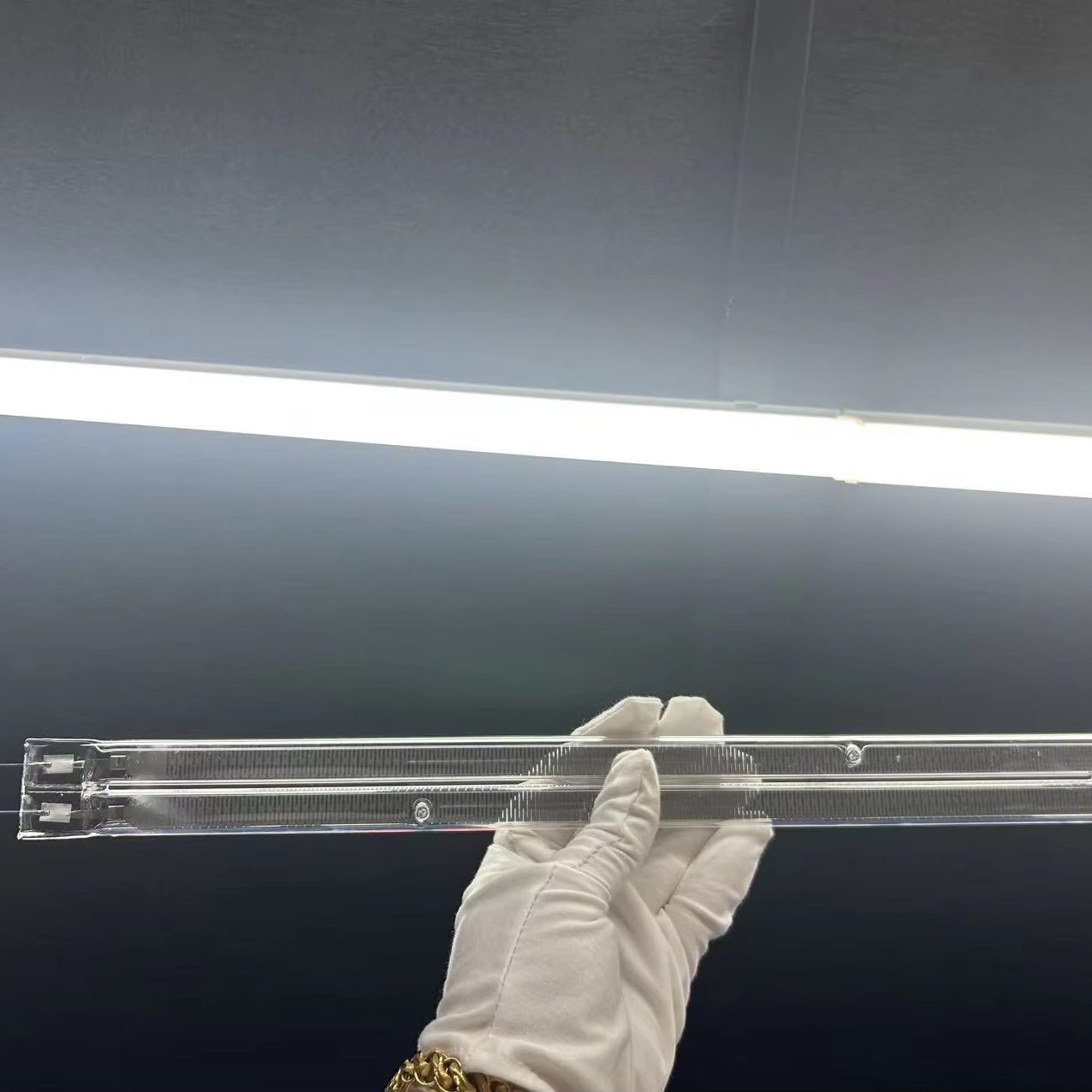
220V 700W 300mm Infrared Heating Carbon Fiber Quartz Tube
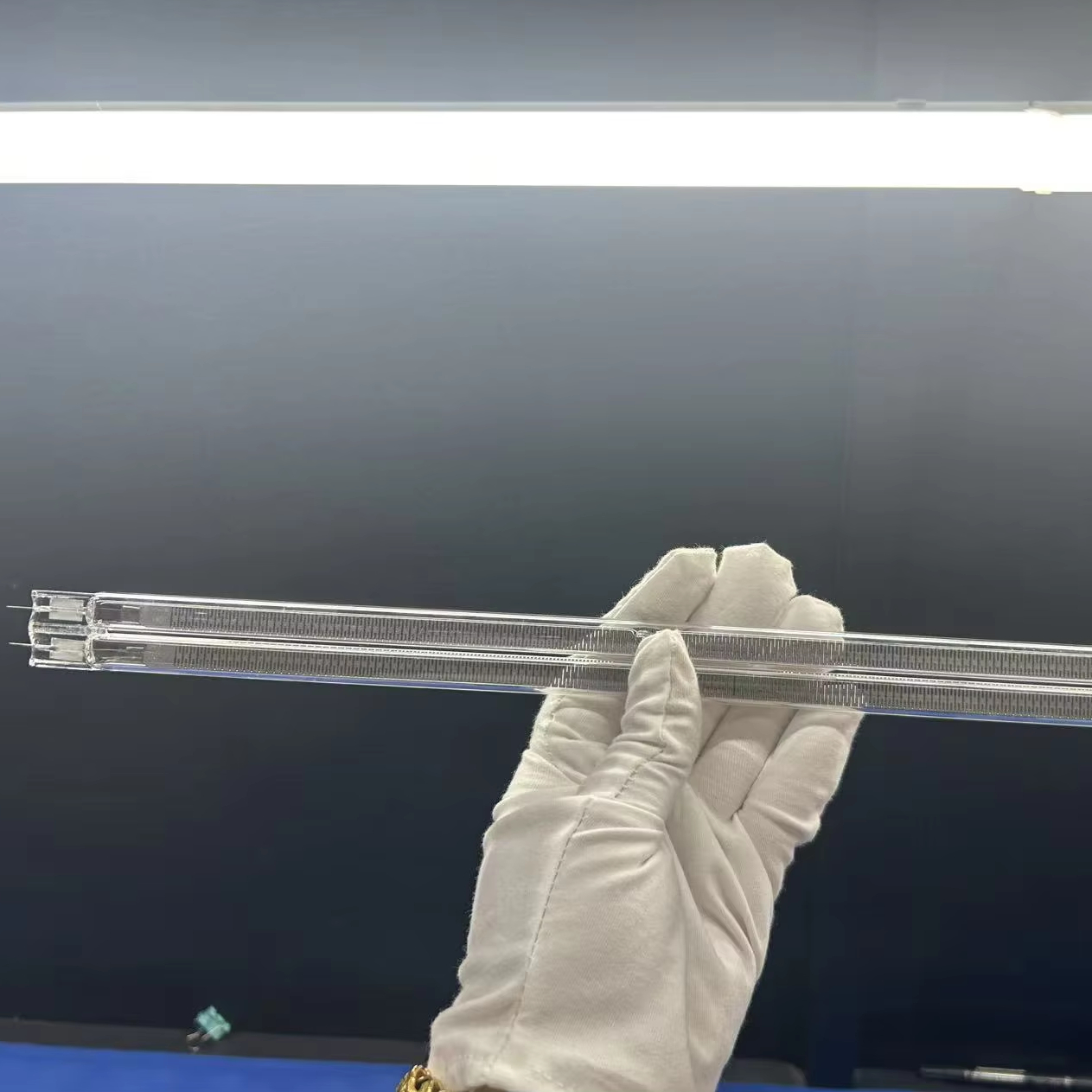
220V/380V Industrial Fast-Heating Halogen Quartz Cylinder Tube
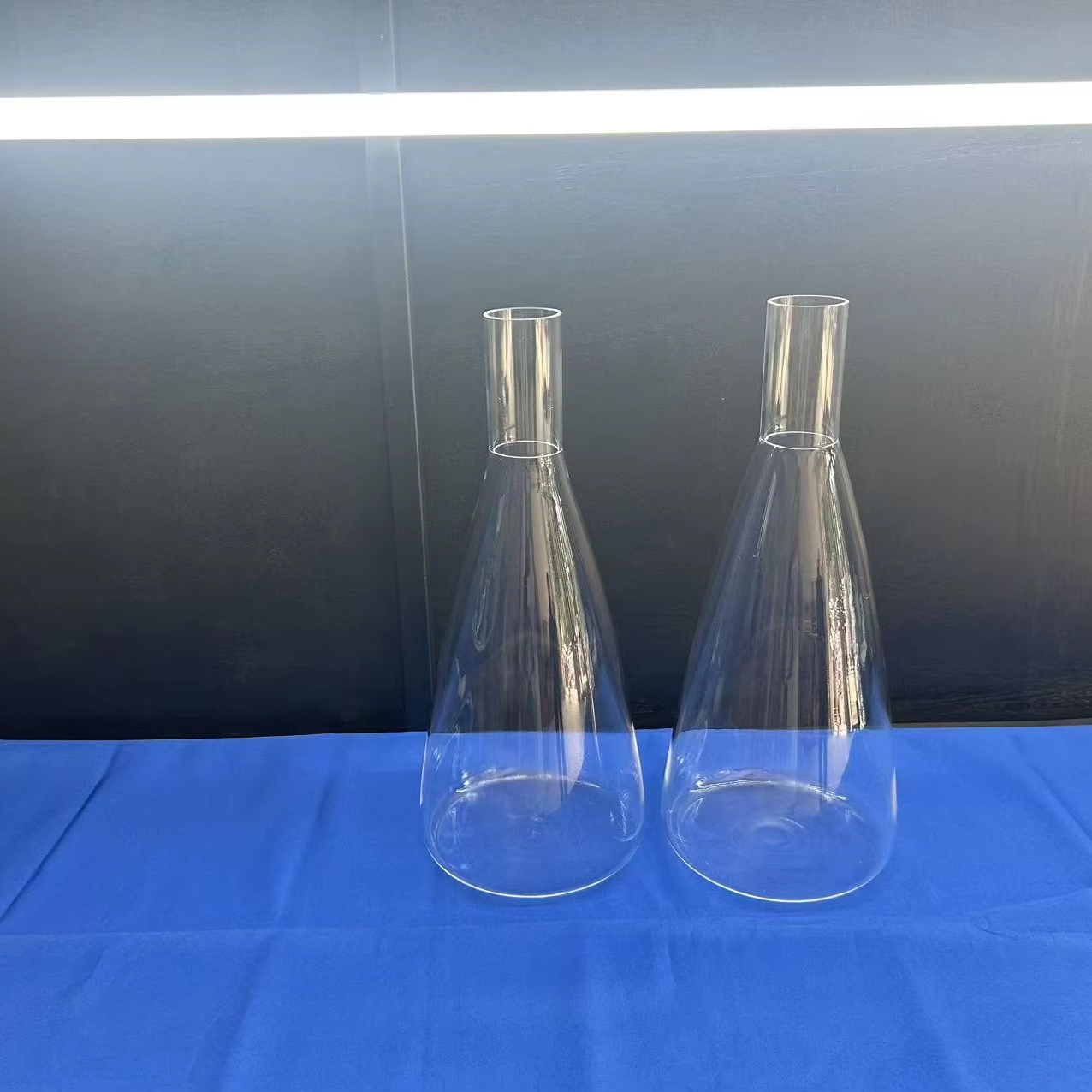
Laboratory Grade Fused Silica Boiling & Reaction Flask
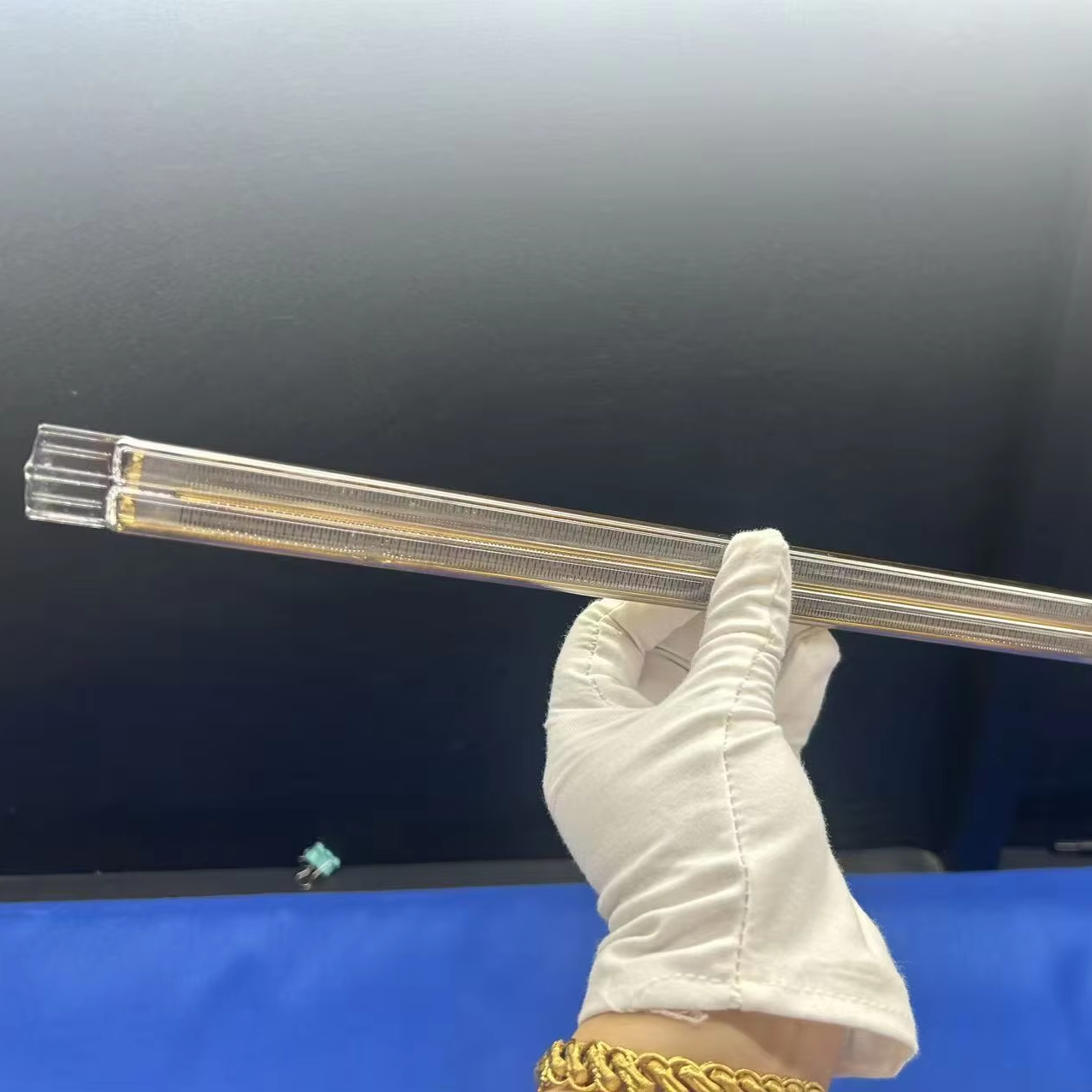
Nanotech Graphene-Coated High-Efficiency Quartz Heating Tube
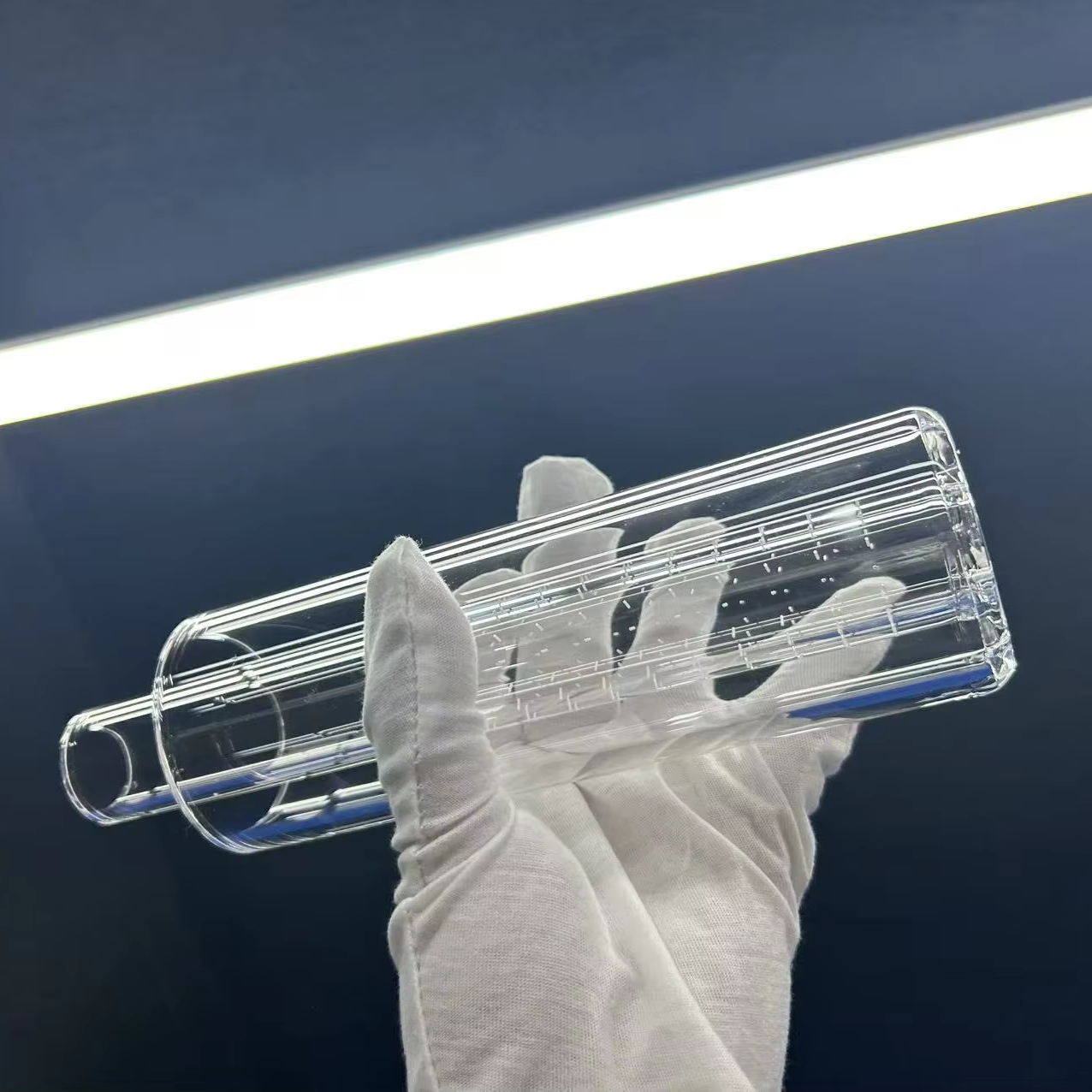
Precision Micro-Perforated Quartz Cylinder for Gas Distribution
Fused Quartz Cylinders: Material Thermodynamics & Precision Machining
A rigorous metallurgical overview for procurement managers, chemical engineers, and optical system designers in Greece.
In rigorous industrial environments across Greece—ranging from high-temperature petrochemical reactors in the Aspropyrgos-Elefsina corridor to ballast water ultraviolet disinfection reactors on merchant shipping vessels docked in Piraeus—the structural integrity of fluid conduits and sight inspection cylinders is paramount. Standard borosilicate 3.3 glass fails under extreme thermal cyclings above 500°C and suffers rapid devitrification when exposed to aggressive caustic or high-pressure steam environments. Fused quartz cylinders manufactured by Donghai County Nivra Quartz Products Co., Ltd. represent the pinnacle of vitreous silica engineering, offering an exceptional purity threshold of ≥ 99.99% SiO₂, near-zero thermal expansion, and unmatched electromagnetic transparency from deep-ultraviolet (185 nm) to mid-infrared (3500 nm).
The thermodynamic superiority of our fused silica cylinders stems from their disordered, three-dimensional tetrahedral network of silicon and oxygen atoms. Because there are no crystalline grain boundaries or interstitial network-modifying flux agents (such as sodium, calcium, or boron found in sodalime and borosilicate glasses), fused quartz exhibits an extraordinarily low coefficient of thermal expansion (α ≈ 5.5 × 10⁻⁷ /°C between 20°C and 320°C). A red-hot quartz cylinder heated to 1100°C can be immediately quenched in ice water without exhibiting micro-fractures, delamination, or catastrophic hoop-stress failure. This capability provides a decisive safety factor for Greek refineries, naval engineering systems, and concentrated solar power (CSP) receivers operating under volatile climatic fluctuations.
| Physical / Optical Property | JGS1 (Synthetic Silica) | JGS2 (Optical Grade Quartz) | JGS3 (Low-OH Infrared Quartz) | Standard Borosilicate 3.3 |
|---|---|---|---|---|
| SiO₂ Purity (%) | ≥ 99.999% | ≥ 99.99% | ≥ 99.99% | ≈ 81.0% |
| Spectral Window | 185 nm – 2500 nm (Deep UV) | 220 nm – 2500 nm (UV-Vis) | 260 nm – 3500 nm (Vis-IR) | 320 nm – 2000 nm |
| Hydroxyl (OH⁻) Content | ≥ 1200 ppm | ≤ 30 ppm – 50 ppm | ≤ 5 ppm (Water-Free) | N/A (Multi-component) |
| Softening Point (°C) | 1730 °C | 1683 °C | 1680 °C | 820 °C |
| Continuous Working Temp | 1150 °C | 1100 °C | 1100 °C | 450 °C |
| Thermal Shock Tolerance | ΔT > 1100°C (Quench Safe) | ΔT > 1000°C (Quench Safe) | ΔT > 1000°C (Quench Safe) | ΔT ≈ 150°C (Fragile) |
| Hydrostatic Burst Strength | Extremely High (Uniform Wall) | High (Annealed Fire-Cut) | High (Flame Polished) | Moderate (Wall dependent) |
For heavy-wall quartz sight glass cylinders subjected to high internal process pressures in Greek maritime and chemical processing plants, mechanical hoop stress is calculated via the classical Lamé Equation: σθ = [Pi × ri² - Po × ro² + (ri² × ro² / r²) × (Pi - Po)] / (ro² - ri²). Because fused silica boasts a compressive strength exceeding 1,100 MPa (160,000 psi), cylinders designed with sufficient wall thickness (e.g., ID 50 mm, OD 70 mm, wall thickness 10 mm) reliably sustain working pressures exceeding 40 bar, provided that the end faces are ground, planar-lapped to λ/4 flatness, and stress-annealed to prevent micro-notch tensile failures at the flange clamp interfaces.
Targeted Industrial Applications Across Greece
Engineered to resolve sector-specific operating hurdles in maritime transport, solar installations, chemical refining, and academic optics.
Maritime BWMS & Naval Engineering
With Athens and Piraeus managing the world's largest merchant shipping tonnage, compliance with the IMO Ballast Water Management Convention is mandatory. Our high-transmission JGS2 quartz sleeves shield high-output UV-C lamps (254 nm germicidal peak) within ballast water treatment systems (BWMS). They withstand saline galvanic environments, hydraulic pressure pulses up to 16 bar, and resist solarization during multi-year oceanic voyages.
Solar Thermal & CSP Receivers (Crete / Peloponnese)
Greece's Mediterranean climate provides high Direct Normal Irradiance (DNI). Concentrated Solar Power (CSP) facilities and solar thermal steam collectors across Crete and Southern Peloponnese deploy our evacuated, high-transmittance (>93% AM1.5) quartz cylinders as primary absorber envelopes. The material withstands concentrated optical fluxes and thermal cycling between blazing daytime operational peaks and cool coastal evenings.
Petrochemical Refining (Corinth & Elefsina)
Major Greek refineries along the Saronic Gulf require heavy-wall tubular sight glass cylinders and level indicators inside hydrocrackers, distillation columns, and flare lines. Our JGS2 fused quartz cylinders provide corrosion-proof monitoring of acidic hydrocarbons, sulfur compounds, and high-pressure superheated steam without experiencing surface clouding, alkaline etching, or pressure ruptures.
Photonics & Nanotechnology (FORTH / Demokritos)
Leading Greek scientific organizations, including FORTH in Heraklion, NCSR Demokritos in Athens, and the Patras Science Park, require precision quartz cylinders for Chemical Vapor Deposition (CVD), 2D material synthesis, and high-energy excimer laser experiments. We deliver custom-machined cylinders with integrated precision gas ports, KF/ISO vacuum flanges, and optical transmission tailored down to 193 nm.
Agritech & Beverage Sterilization (Thessaly / Macedonia)
Greece's premier agricultural export commodities—such as extra virgin olive oil, table olives, and premium wines—demand non-thermal processing to preserve organic polyphenols and aromas. Our ozone generation cylinders and laminar-flow UV sterilization quartz tubes allow non-chemical microbiological decontamination of liquid pipelines, compliant with stringent EU food hygiene standards (EC 1935/2004).
Infrared Curing & Packaging (Attica Industrial Zone)
Packaging machinery and thermoforming production lines situated in the Inofyta and Koropi industrial clusters rely on our twin-tube infrared quartz cylinders and carbon-fiber heating elements. Offering immediate electro-thermal responsiveness and directional gold reflectors, these cylinders reduce energy consumption by up to 35% compared to legacy metallic radiant heaters.
Greece Market Dynamics & Procurement Trends
Navigating energy transition mandates, supply chain directness, and maritime sustainability.
Greek NECP (ESEK) Driving Solar Thermal Modernization
Under the revised National Energy and Climate Plan (ESEK), Greece targets achieving over 80% renewable electricity production by 2030. This transition extends beyond standard photovoltaics into concentrated thermal storage, industrial process solar heat, and green hydrogen electrolyzers. Fused quartz cylinders are vital for high-temperature fluid isolation and pyrolytic syngas generation, sparking increased demand from EPC contractors in Athens and Thessaloniki.
Bypassing Middlemen via the Piraeus Maritime Logistics Hub
Historically, Greek technical firms procured quartz glass tubing through third-party distributors in Central or Western Europe, incurring a 40–60% middleman price markup and lengthy 8–12 week replenishment cycles. Through direct factory procurement with Nivra Quartz and seamless sea freight transit terminating directly at the COSCO-managed Piraeus Container Terminal (PCT), Greek buyers now access direct ex-factory pricing and direct engineering collaboration.
Stricter EU & IMO Environmental Audits
The expansion of the EU Emissions Trading System (EU ETS) to maritime shipping and the deployment of IMO Tier III emissions standards enforce continuous opacity, NOx/SOx optical monitoring, and enhanced ballast water sterilization across Greek-operated vessels. Sensor-grade optical quartz cylinders that resist soot deposit degradation and thermal fouling have evolved from optional upgrades into non-negotiable operational components.
Demand for Custom Tolerancing (±0.02 mm)
Standard mass-production tubing often presents ±0.5 mm outer diameter variance, creating sealing leakages in vacuum flanges and sanitary O-ring couplings. Greek OEM instrument builders increasingly demand precision CNC ground and ultrasonic bore-machined quartz cylinders with concentricity limits under ±0.05 mm, preventing pneumatic cavitation and high-pressure flange blowouts.
Why Greek Engineers Rely on Nivra Quartz
Combining Donghai's world-class silica raw material reserves with strict ISO-compliant optical fabrication.
Donghai County Heritage
Headquartered at 285 Heping East Road, Lianyungang, Jiangsu—the globally recognized quartz capital of China. With 101–200 specialized glassblowers, CNC machinists, and optical engineers, we source premium crystal silica directly at the source, eliminating raw material markups and guaranteeing raw stock chemical purity.
≤ 5h Rapid Engineering Feedback
We respect the demanding schedules of Greek engineering procurement teams. Our average inquiry reply time is under 5 hours, achieving an 88.89% responsive consultation rate. Technical CAD/STEP drawings are reviewed in-house for manufacturability, geometric dimensioning, and tolerance validation on the same business day.
Full-Chain Processing & Annealing
Our workshop integrates heavy horizontal glassworking lathes, automated CNC core drilling, continuous surface lapping, precision optical polishing, and computerized electric annealing kilns. Every finished quartz cylinder undergoes polariscopic residual stress testing to eliminate internal cleavage planes prior to shipping.
Maritime Shock-Proof Packaging
Exporting fragile high-aspect-ratio quartz cylinders across 7,000 nautical miles requires specialized crating. We utilize customized polyethylene custom-cut EPE foam cradles, vacuum moisture-barrier bagging, and reinforced fumigation-free plywood exterior crates engineered to absorb heavy sea container shock and vibration.
Frequently Asked Questions by Greek Buyers
Crucial details concerning customs clearance at Piraeus, EU VAT compliance, material certification, and logistics.
What are the import procedures, customs duties, and TARIC codes for importing quartz glass cylinders into Greece? +
How is Greek Value Added Tax (VAT / FPA) handled for corporate B2B purchases? +
What is the typical transit duration and freight method from Donghai to Greece? +
1. Air Express (DHL / FedEx / UPS): 4 to 7 business days directly to Athens, Thessaloniki, Patras, or Heraklion. Ideal for high-precision optical discs, wafer boats, or emergency replacement sight glasses.
2. Direct Air Cargo: 7 to 10 days to Athens International Airport (ATH) for consignments weighing 100 kg to 1,500 kg.
3. FCL / LCL Ocean Freight: 22 to 28 days transit from Ningbo/Shanghai port directly into Piraeus Container Terminal (PCT). This route offers optimal cost efficiency for bulk cylindrical orders, long-length diffusion tubes, and large industrial furnace components.
How do you guarantee that large diameter quartz cylinders will not arrive broken? +
Can Nivra Quartz manufacture cylinders to custom metric tolerances and engineer flanges? +
What quality documentation and material test certificates accompany orders? +
What are the minimum order quantities (MOQ) for custom vs. standard sizes? +
How do your fused silica cylinders perform against chemical corrosion in marine environments? +
What is the difference between fire-polished, ground, and optically polished cylinder ends? +
Ready to Source High-Purity Quartz Cylinders for Greece?
Consult directly with our engineering team in Donghai. Send your dimensional drawings, required optical grade, and volume requirements for a detailed quotation within 5 hours.