Featured Fused Quartzware & Precision Components
Direct-from-source precision quartz glass components engineered to survive extreme thermal cycling up to 1200°C and aggressive acid digestions without elemental leaching.
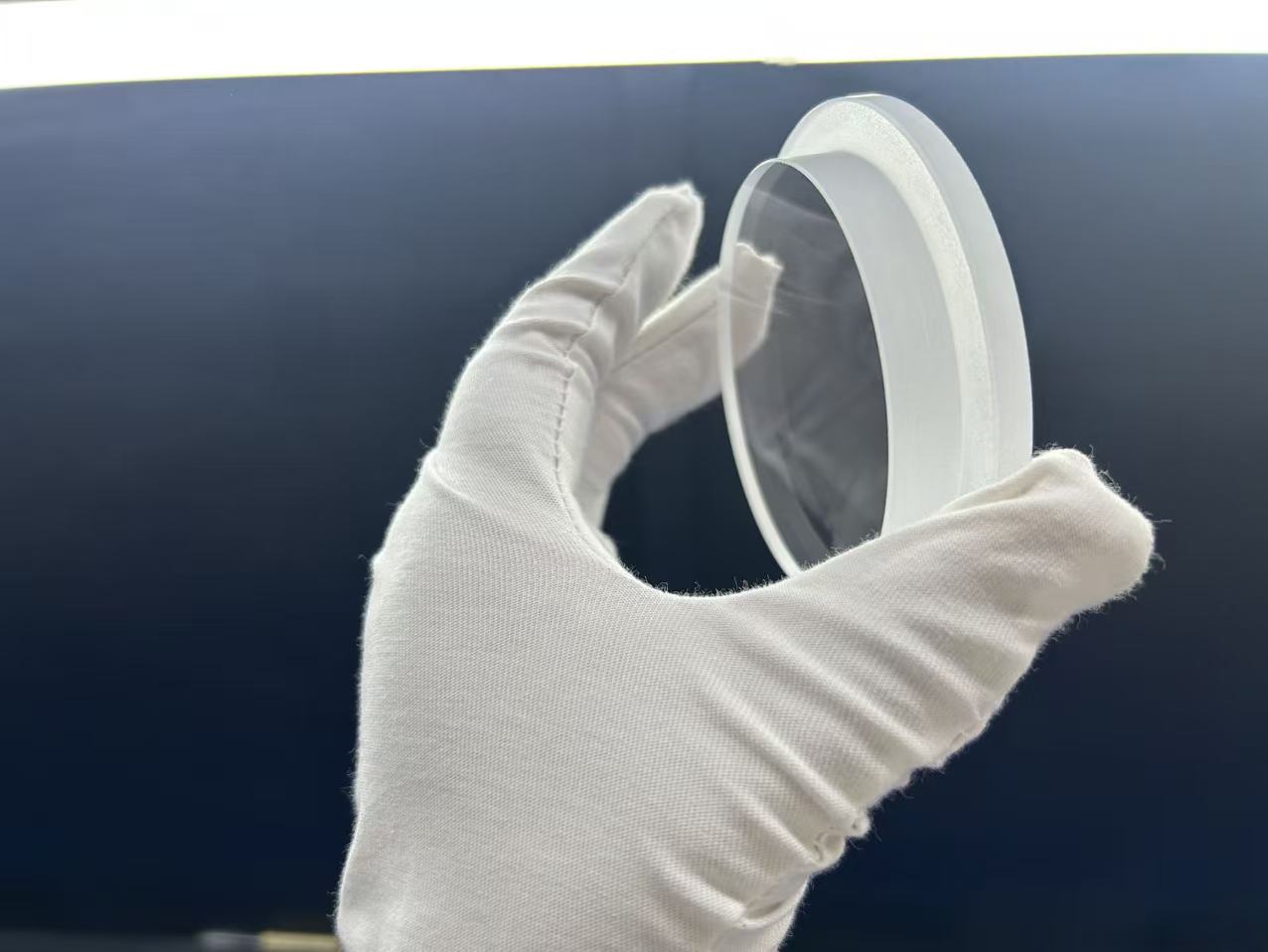
Factory-Made High-Purity Ultra-Thick Quartz Double-Layer Step Plate
Precision double-layer stepped structure. Custom cutting, chamfering, and dual-surface optical lap polishing for high-pressure autoclaves.
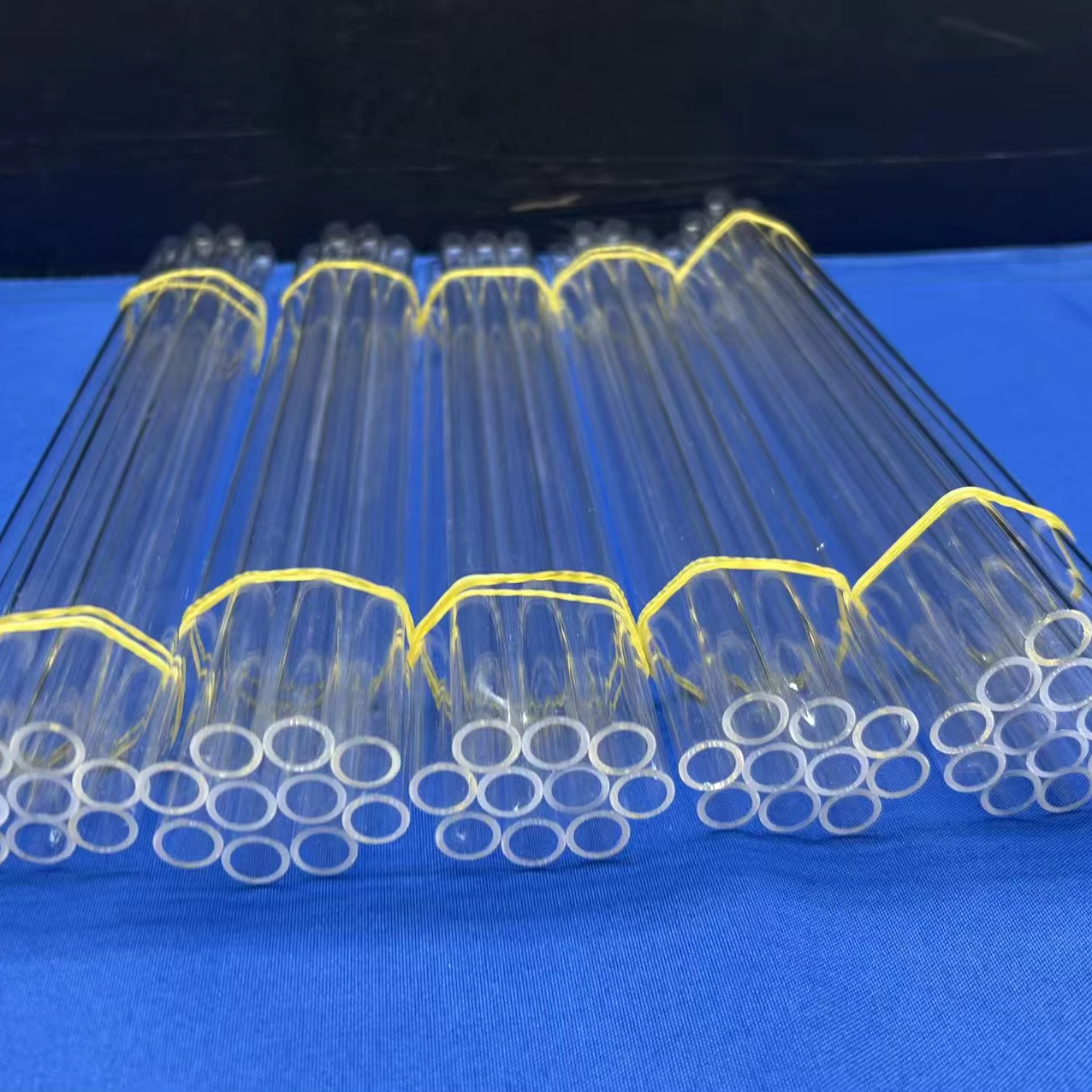
High-Purity Clear Fused Quartz Test Tube
Continuous working capacity at 1100°C. Resists instantaneous quenching from 1100°C to 20°C water without stress fracture. Heavy uniform walls.
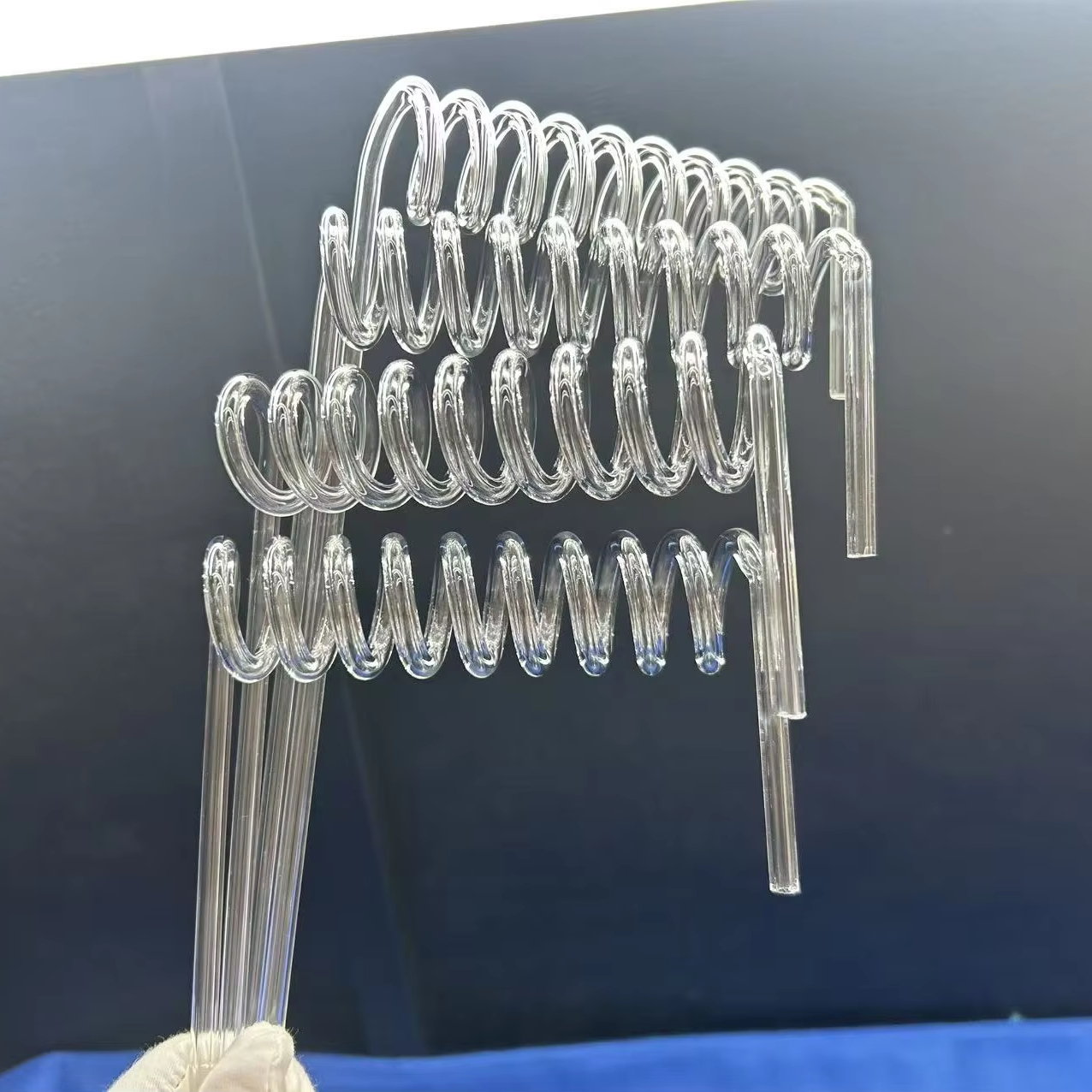
Clear Quartz Spiral Tube for Optics & Chemical Laboratory Use
Custom helical winding, condenser loops, and gas cooling manifolds. High dimensional stability for fluidic thermal exchange setups.
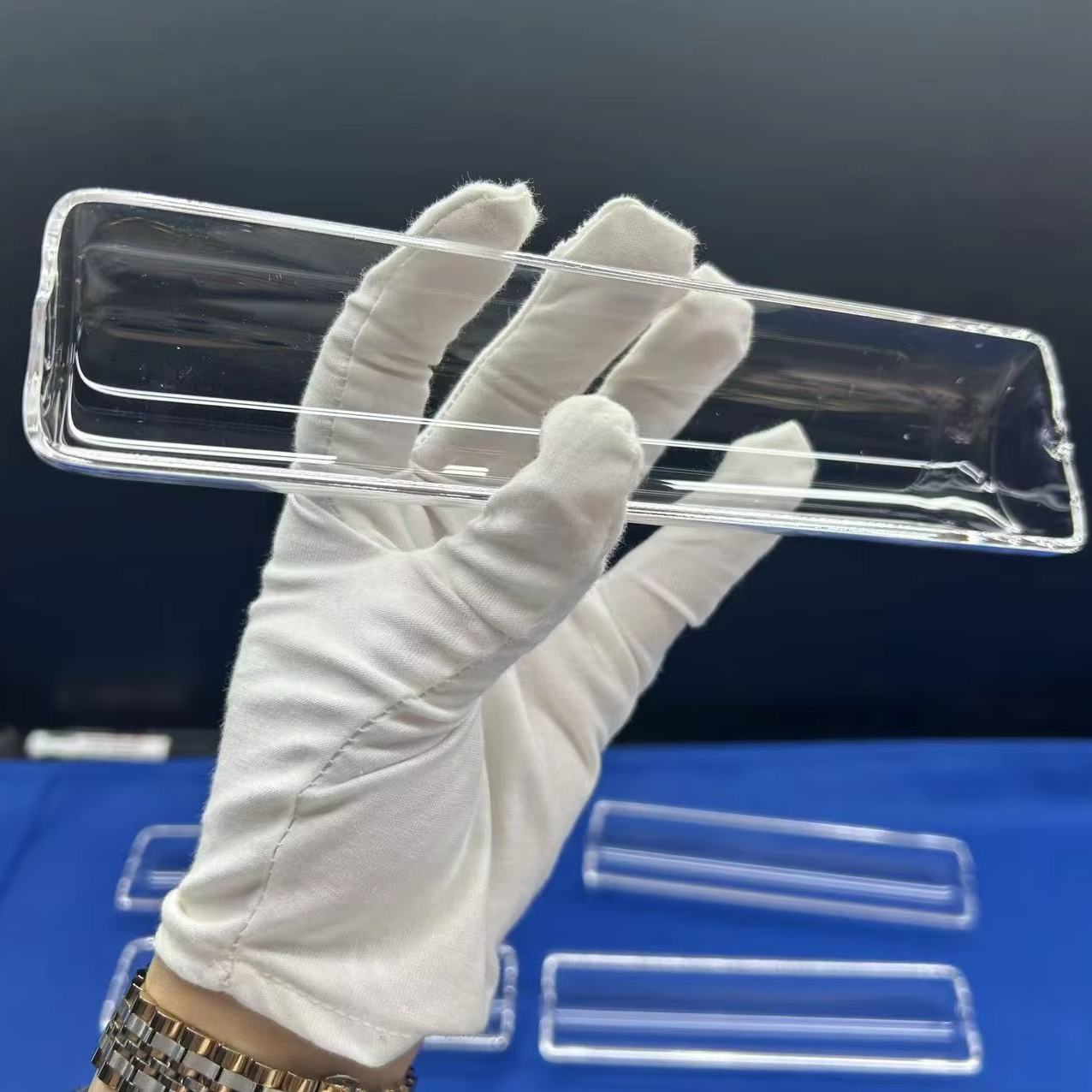
Customized Clear Fused Silica Quartz Boat & Wafer Carrier
High-precision slotted carrier for thermal diffusion and chemical vapor deposition (CVD). Zero metallic contamination, pristine fire polish.
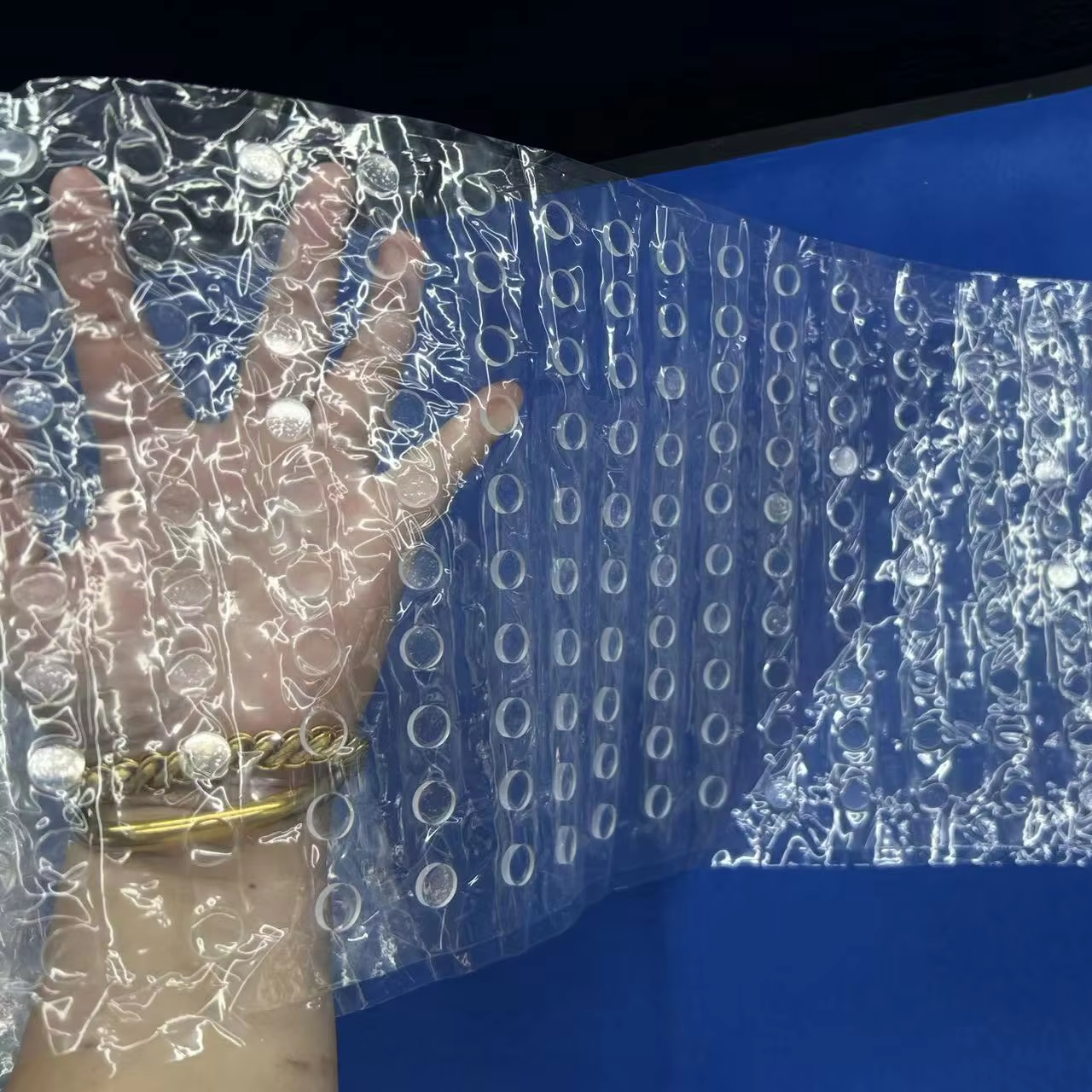
Factory-Made High-Purity Small-Size Quartz Wafer & Substrates
Available in JGS1, JGS2, and JGS3 grades. Surface roughness Ra < 0.5 nm, flatness < 1 lambda. Ideal for UV transmission windows and bio-sensors.
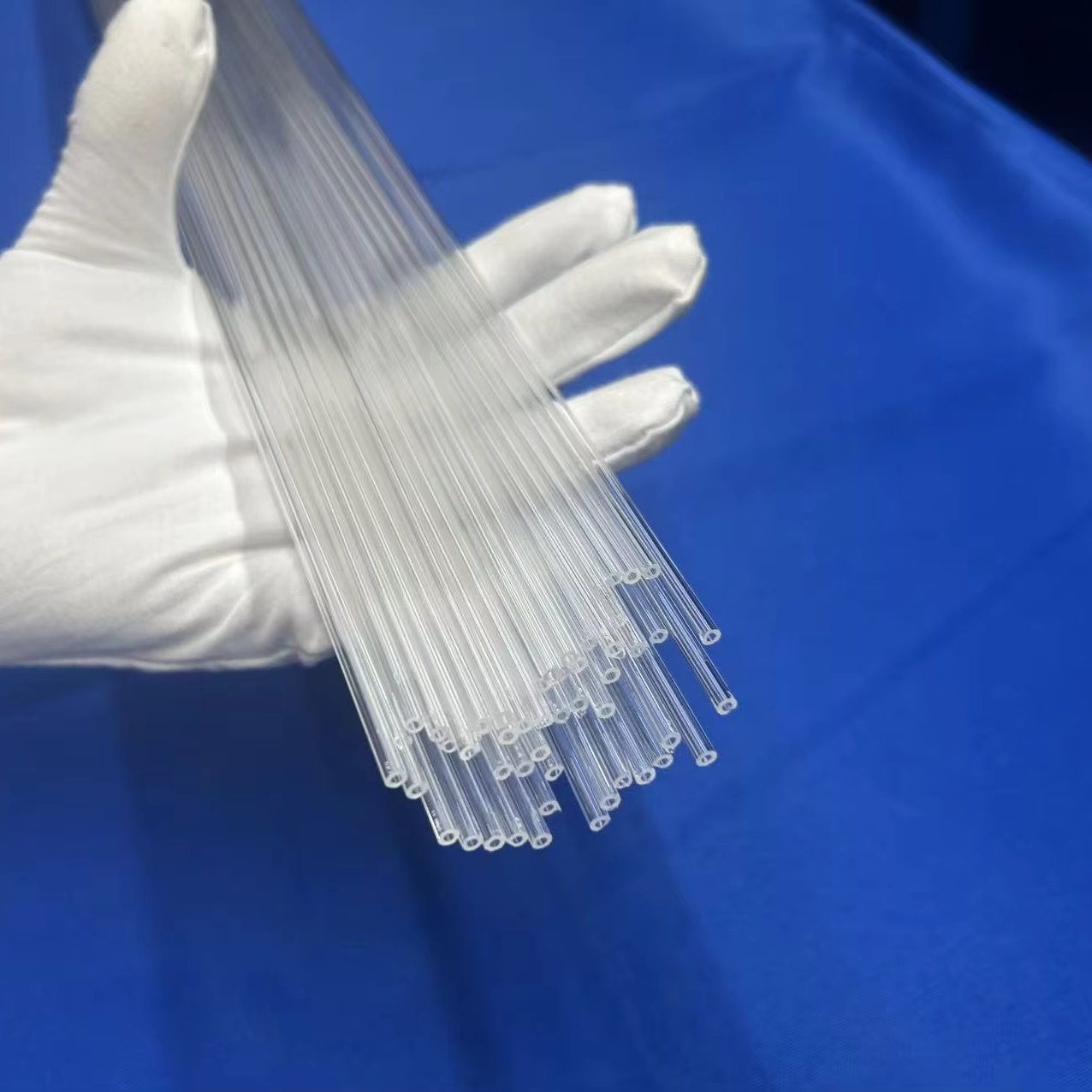
Precision Bore Capillary Quartz Glass Tubing
Microbore tolerance down to ±0.005 mm. Chemically inert for chromatography, high-temperature capillary electrophoresis, and UV fiber jackets.
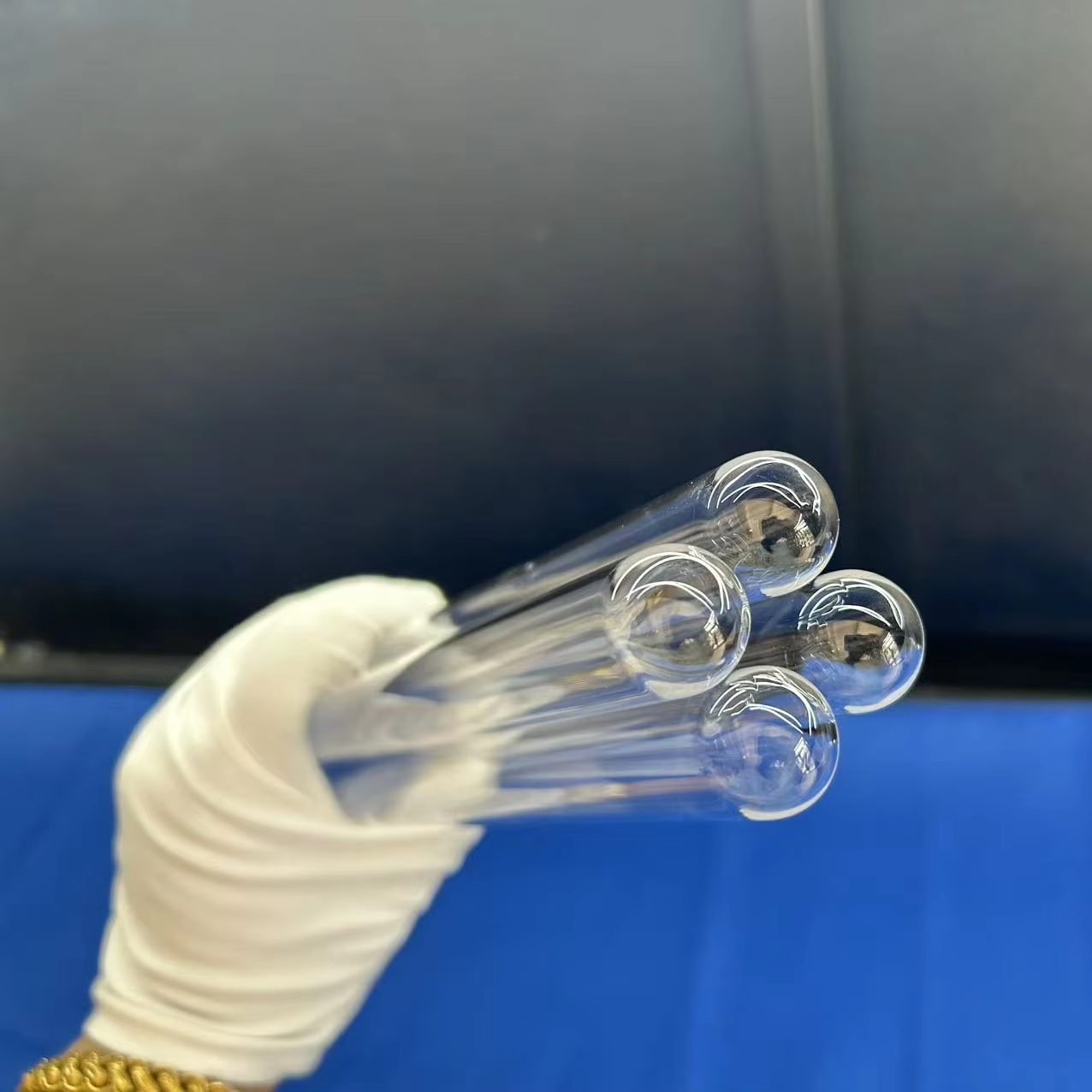
High-Purity Fused Silica Bottom Sealing Tubes (OD 20-25mm)
Flawless hemispherical or flat fused bottoms. Annealed at 1150°C to eliminate residual mechanical stress. Custom flanging and joint welding available.
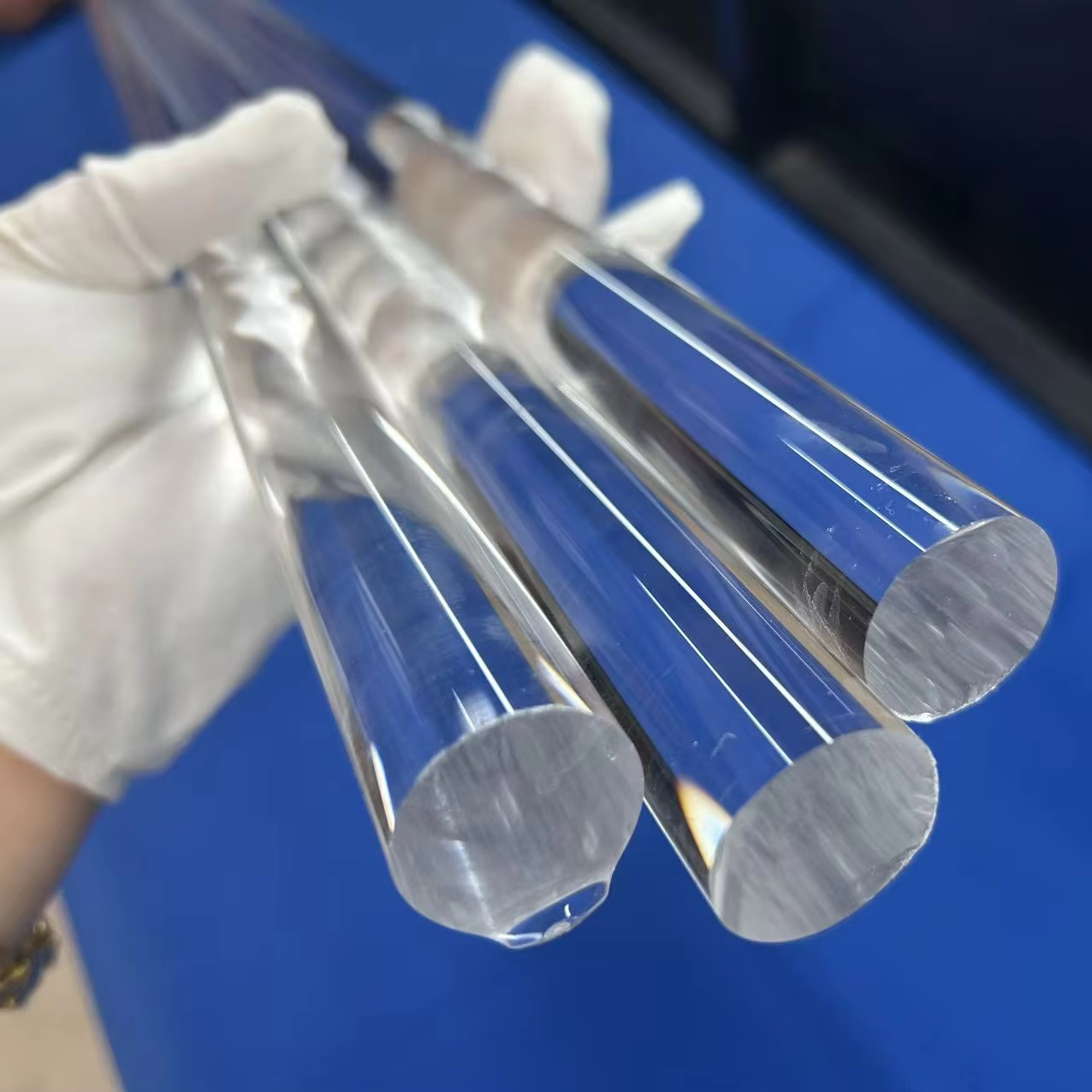
High-Purity Fused Quartz Large-Diameter Solid Round Rods
Diameters up to 100mm+. Complete fabrication capabilities including precision centerless grinding, flame polishing, hot bending, and end sealing.
Engineering Whitepaper: The Strategic Transition from Borosilicate to Fused Quartz in Greater Philadelphia's Scientific Hub
The Greater Philadelphia metropolitan region—encompassing the intense life science density of University City, the advanced cell and gene therapy (CGT) manufacturing plants at the Philadelphia Navy Yard, and the long-established chemical and pharmaceutical corridors stretching through King of Prussia, Spring House, and the Delaware Valley—represents one of the most demanding laboratory environments in North America. For research organizations and pilot-plant operations operating under strict cGMP and ISO 17025 regimes, sample purity and vessel resilience are paramount.
Historically, standard laboratory operations have relied heavily on borosilicate 3.3 glassware for everyday liquid handling. However, modern analytical techniques and high-temperature synthetic pathways have reached the physical boundaries of borosilicate glass. Borosilicate softens at approximately 820°C and contains non-trivial concentrations of sodium oxide (Na₂O ~4%), boron trioxide (B₂O₃ ~13%), and alumina (Al₂O₃ ~2%). When subjected to prolonged acid digestion (such as concentrated nitric, sulfuric, or perchloric acid mixtures) or elevated operational temperatures exceeding 450°C, borosilicate glassware begins leaching trace alkaline ions into the analyte matrix, skewing ICP-MS (Inductively Coupled Plasma Mass Spectrometry) baseline calibrations and destabilizing sensitive peptide sequences.
Nivra Quartz (Donghai County Nivra Quartz Products Co., Ltd.) engineers and exports fused quartz glass beakers (Griffin low-form, Berzelius tall-form, and jacketed reaction vessels) manufactured exclusively from ≥99.99% high-purity amorphous silicon dioxide (SiO₂). By sourcing premium natural crystalline silica from Donghai County—the globally recognized epicenter of quartz processing—we eliminate boron and alkali earth leachable elements to below sub-ppm detection levels. With an extraordinary continuous operational service threshold of 1100°C (and brief excursions to 1450°C), combined with a near-zero thermal expansion coefficient (5.5 × 10⁻⁷ /°C), our quartz beakers withstand direct flame heating, rapid furnace quenching into ice baths, and exothermic microwave synthesis without mechanical failure.
Technical Material Specification: Fused Quartz vs. Borosilicate 3.3
| Critical Engineering Metric | High-Purity Fused Quartz (Nivra Grade) | Standard Laboratory Borosilicate 3.3 | Philadelphia Laboratory Impact |
|---|---|---|---|
| Chemical Purity (SiO₂ Content) | ≥ 99.99% (Trace elements < 20 ppm) | ~ 80.5% (Contains B, Na, Al oxides) | Zero Trace Leaching in cGMP ICP-MS Assays |
| Softening Point | 1683 °C | 820 °C | Safe for high-temp ash testing & molten salt fusion |
| Max Continuous Temperature | 1100 °C | 450 °C (Devitrifies rapidly above 500°C) | Unlocks dry ashing & catalytic thermal synthesis |
| Coefficient of Thermal Expansion | 5.5 × 10⁻⁷ /°C (20°C – 320°C) | 33.0 × 10⁻⁷ /°C | Immune to Thermal Shock during fast quenching |
| UV Optical Cut-Off Threshold | Down to 185 nm (JGS1) / 220 nm (JGS2) | ~ 310 nm (Completely opaque to Deep-UV) | Allows direct UV-photolysis & photochemical reactions |
| Acid Resistance (except HF & Hot H₃PO₄) | Complete Stability (< 0.1 mg/dm² loss) | Moderate Attack under hot acid baths | Critical for aggressive environmental digestion suites |
Localized Application Scenarios in the Greater Philadelphia Market
Engineered specifically to solve the high-temperature, non-contaminating vessel requirements of Southeastern Pennsylvania's dominant industrial and academic clusters.
University City Academic & Clinical Discovery
Serving elite research labs across the University of Pennsylvania (Penn), Drexel University, and The Wistar Institute. Our quartz beakers provide unmatched baseline inertness for ultra-trace metal quantification, high-flux radiochemical assays, and deep-UV photochemical synthesis where standard borosilicate absorbs critical excitation wavelengths.
Navy Yard Cell & Gene Therapy ("Cellicon Valley")
In the Philadelphia Navy Yard's specialized CDMO facilities, cross-contamination is catastrophic. Nivra's fused silica beakers exhibit virtually zero surface porosity and zero alkali metal elution. They withstand continuous autoclave steam sterilization cycles and aggressive nitric acid clean-in-place (CIP) regimens without micro-etching.
Delaware Valley Petrochemical & Polymer QC
Spanning the industrial facilities along the Delaware River basin and Marcus Hook corridor, analytical chemists utilize our heavy-wall quartz beakers for high-temperature sulfuric acid Kjeldahl digestion, heavy hydrocarbon polymer cracking, and lithium-borate fusion assays operating continuously between 800°C and 1150°C.
Advanced Materials & Semiconductor Cleanrooms
For microelectronic packaging and thin-film pilot labs throughout Montgomery and Chester counties, our quartz beakers serve as ultra-clean wet chemical etching vessels for hydrochloric/peroxide cleans (SC-1 and SC-2), ensuring absolute resistance to thermal expansion distortion and wafer bath contamination.
Philadelphia Sourcing Trends: Laboratory Automation & Supply Chain Resilience
How regional lab managers and procurement directors in PA-NJ-DE are rethinking their laboratory glassware supply chains.
1. Automated Robotic Liquid Handling & Dimensional Precision
Laboratory automation is accelerating across Philadelphia's biopharmaceutical hubs. Automated liquid handling systems (such as Hamilton, Tecan, and PerkinElmer robots) require stringent dimensional tolerances. Hand-blown artisanal beakers with variable wall thickness cause robotic gripper jams and optical level-sensor faults. Nivra Quartz integrates CNC grinding and flame-calibration jigs to ensure beaker base flatness within ±0.05 mm and outer diameter concentricity within ±0.2 mm, ensuring seamless integration into automated workstations.
2. Compliance with Stringent USP <232> / <233> Elemental Limits
With the FDA enforcing strict limits on elemental impurities in drug substances under USP <232> and <233>, Philadelphia quality assurance directors are rejecting standard borosilicate for sample digestion vessels. Even parts-per-billion leaching of arsenic, cadmium, lead, or antimony from vessel walls invalidates batch releases. Our pure fused quartz glassware, analyzed via high-resolution ICP-MS, provides an analytically invisible vessel that guarantees regulatory data integrity during batch certification.
3. Factory-Direct Bypassing of Domestic Distributor Markups
Historically, Philadelphia institutions purchased quartzware via regional catalog distributors who add 200%–400% markups while carrying limited stock of non-standard volumes (such as 3000 mL, 5000 mL, or double-jacketed units). By partnering directly with Nivra Quartz as an experienced Chinese manufacturer and exporter, procurement offices achieve significant cost reduction, dedicated custom OEM production from CAD files, and guaranteed air delivery directly to PHL or corporate loading docks.
Engineering Capabilities of Nivra Quartz Products Co., Ltd.
Headquartered in Donghai County, Jiangsu—China's crystal and quartz capital—we combine advanced raw material access with master glassblowing craftsmanship.
Raw Material Monopoly
Directly situated at 285 Heping East Road, Lianyungang, we select only the highest purity fused silica ingots, avoiding recycled or re-melted scrap that causes micro-bubbles and devitrification seeds.
Complete Processing Chain
From raw cylindrical ingot sawing to high-temperature hydrogen-oxygen lathe flame blowing, rim bead reinforcing, spout hand-forming, optical grinding, and laser-guided graduation etching.
Shockproof Export Packaging
Every quartz beaker undergoes customized multi-layer EPE foam suspension packaging, vacuum sealing, and crating in heavy reinforced plywood to withstand transpacific air cargo transit without breakage.
Strict Annealing Protocol
All finished beakers and customized lab vessels undergo continuous computerized thermal annealing at 1150°C to permanently remove residual mechanical stresses, verified via optical polariscope testing.
Frequently Asked Questions for Philadelphia Buyers
Answers to common logistical, technical, and commercial questions asked by laboratory sourcing directors across the Delaware Valley.
What are typical transit times and freight methods to Philadelphia facilities?
For urgent laboratory requirements and sample runs, we utilize priority international air express (FedEx International Priority, DHL Express, or UPS Worldwide) delivering directly to Philadelphia International Airport (PHL) and customer loading docks in 4 to 7 business days. For bulk production orders (e.g., 500+ units or large 5000 mL to 10000 mL quartz vessels), consolidated ocean freight routes via The Port of Philadelphia (PhilaPort) or the Port of New York and New Jersey offer delivery within 25 to 35 calendar days with full customs brokerage documentation (Harmonized Tariff Schedule code 7017.10.00 for quartz laboratory glassware).
How does Nivra Quartz ensure zero breakage during international shipping?
Quartz glass is mechanically hard (Mohs 5.5–6.5) but brittle. We utilize an engineered four-tier packaging system: First, individual beakers are cleaned and sealed in anti-static polybags inside class-10,000 cleanrooms. Second, the beaker is placed in a custom-contoured high-density Expanded Polyethylene (EPE) foam enclosure that isolates rim beads and spouts from vibration. Third, foam modules are nested within heavy double-wall corrugated cartons. Finally, cartons are palletized or encased in fumigation-free ISPM-15 compliant export plywood crates. Our verified shipping damage rate to North America is under 0.15%. In the rare event of transit damage, we provide immediate free replacement upon photo verification.
Can you fabricate custom quartz beakers according to specific CAD or dimensional drawings?
Yes. Approximately 45% of our production consists of customized OEM/ODM quartzware. We fabricate custom wall thicknesses (from 1.2 mm ultra-light to 6.0 mm heavy-duty), custom height-to-diameter aspect ratios (tall-form Berzelius, flat shallow crystallizing dishes), integrated vacuum cooling jackets, ground-glass joints (standard taper 24/40, 29/42, or spherical joints), flat quartz optical bottoms for in-situ spectroscopy, and permanent ceramic or laser-etched graduation markings. Drawings may be submitted in PDF, DWG, DXF, or STEP format to our engineering desk for DFM (Design for Manufacturability) review within 5 hours.
What optical grade of quartz is utilized for beaker bodies and windows?
Standard clear laboratory beakers are produced from high-purity electrical fused quartz (JGS2 equivalent) providing superior optical clarity across the visible spectrum and transmission from 220 nm through 2500 nm. For analytical laboratories in University City conducting deep-ultraviolet photochemical reactions, excimer laser irradiation, or direct spectrophotometric monitoring below 220 nm, we fabricate custom beakers and cuvettes utilizing synthetic fused silica (JGS1 grade), which extends UV transparency down to 185 nm with zero bubble inclusions and no fluorescence.
What is your Minimum Order Quantity (MOQ) and sample prototyping policy?
To support academic spin-offs, incubators at the Pennovation Center, and early-stage biotech pilot lines, our standard catalog beakers (50 mL, 100 mL, 250 mL, 500 mL, 1000 mL, 2000 mL) have an MOQ of only 1 to 5 pieces. For specialized custom-machined or jacketed vessels requiring dedicated graphite tooling, MOQ typically starts at 2 to 5 units. Prototype samples can be manufactured, measured via coordinate measuring machines (CMM), and dispatched within 5 to 8 working days prior to authorization of mass production runs.
How does fused quartz react with concentrated acids and alkaline solutions?
Fused silica is completely inert to virtually all acids—including boiling nitric, hydrochloric, sulfuric, and aqua regia—even at extreme temperatures. The only chemical exceptions are hydrofluoric acid (HF), which rapidly attacks SiO₂ to form silicon tetrafluoride (SiF₄), and concentrated phosphoric acid (H₃PO₄) at temperatures above 150°C. For alkaline solutions (such as concentrated NaOH or KOH), fused quartz is stable at room temperature but will experience gradual surface etching at temperatures above 60°C. Our engineering team can advise on vessel longevity based on your specific chemical concentrations and operating temperatures.
Connect Directly with Our Quartz Glassblowers & Engineers
Whether you require a standard batch of Griffin beakers for a Philadelphia university laboratory or a fully custom-jacketed quartz reaction vessel built to strict tolerances, our engineering team is ready to review your specifications.
Verified 88.89% Technical Response Rate • Direct Factory Pricing • Full Quality Guarantee