USNorth America 40%DEGermanyFRFranceITItalyESSpainNLWestern Europe 20%RUEastern Europe 14%BRSouth America 11.4%SENorthern Europe 10%AUOceania 3.1%ZAAfrica 1.5%KRKoreaJPJapanUSNorth America 40%DEGermanyFRFranceITItalyESSpainNLWestern Europe 20%RUEastern Europe 14%BRSouth America 11.4%SENorthern Europe 10%AUOceania 3.1%ZAAfrica 1.5%KRKoreaJPJapan
Quartz Glass Beaker Supplier & Exporter for the Andorra la Vella Market
High-Purity Fused Quartz (SiO₂ ≥ 99.99%) Labware • Zero Leaching • Thermal Shock Tolerance to 1100°C • Direct Pyrenean Logistics for Environmental Research & Precision Spectroscopy
OEM & Precision Certified
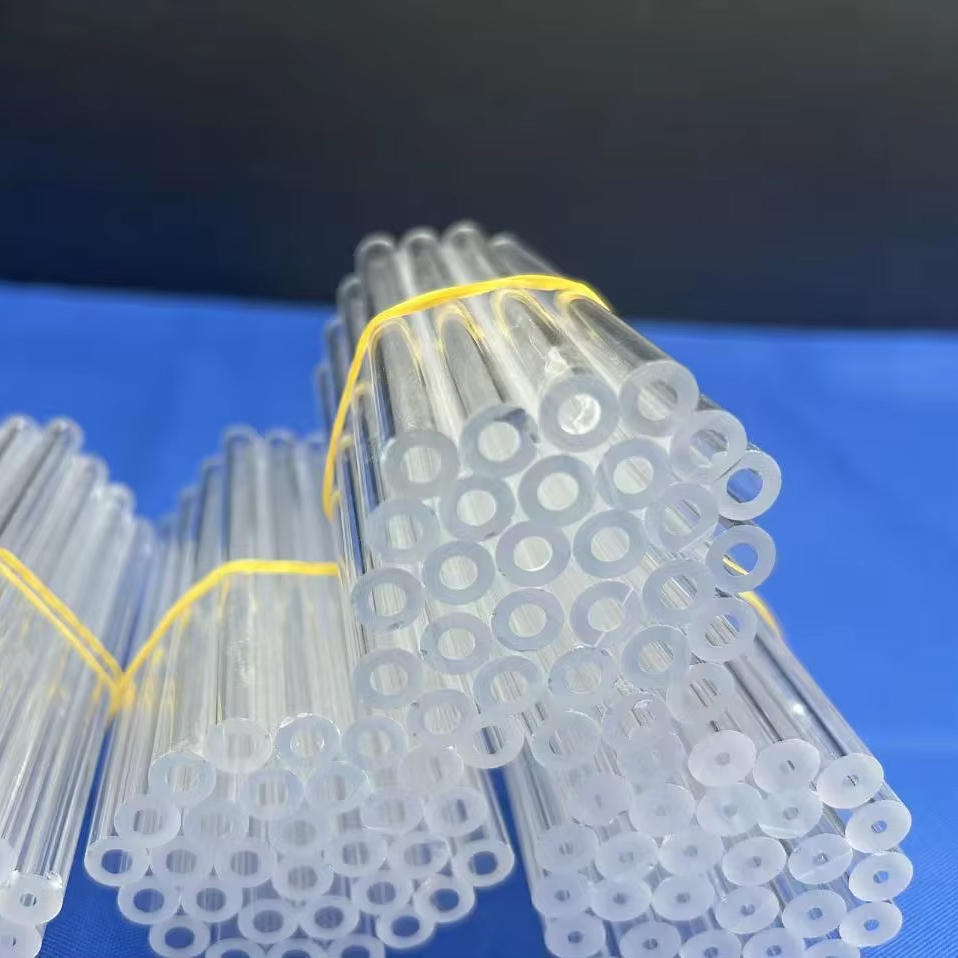
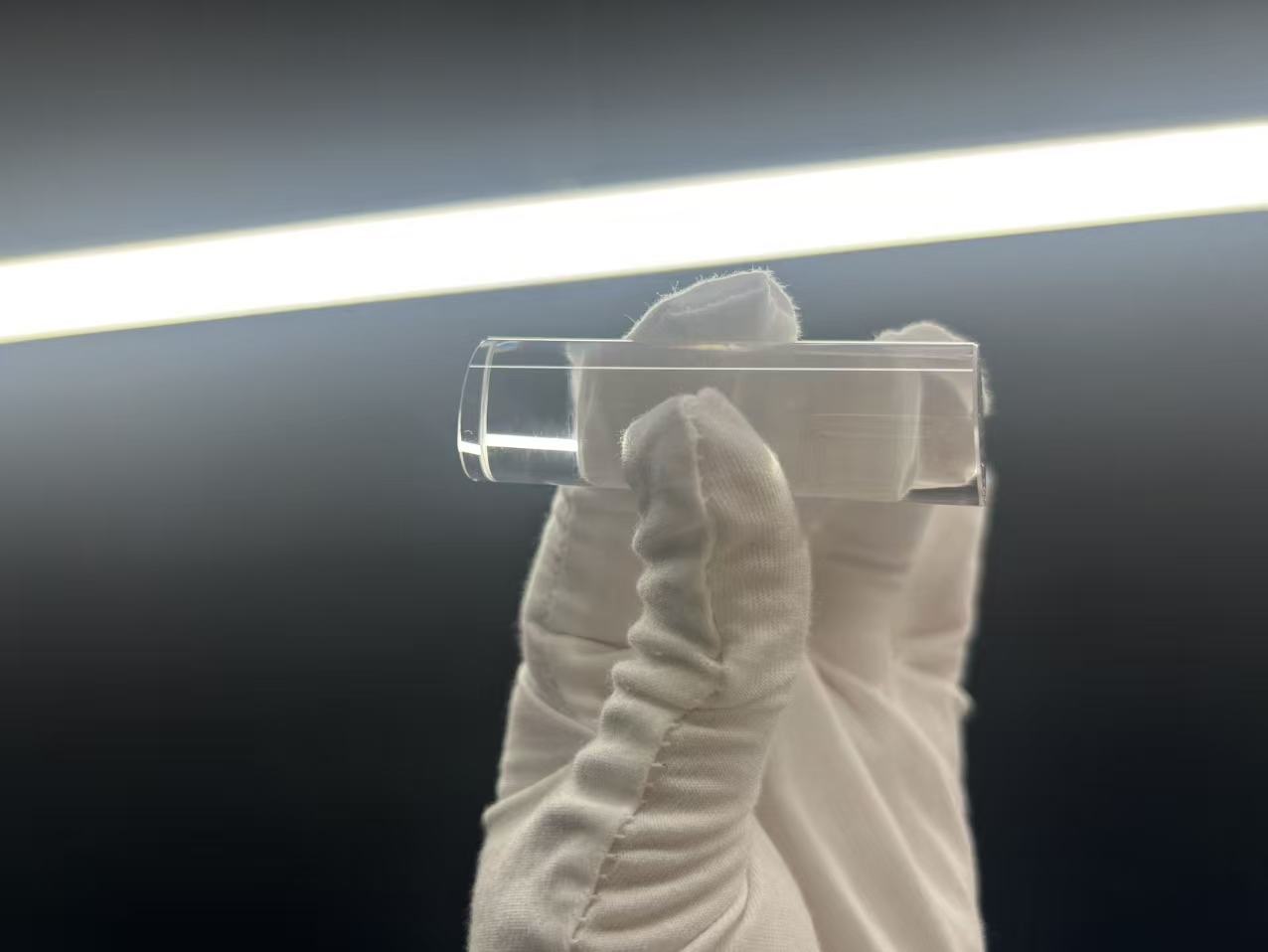
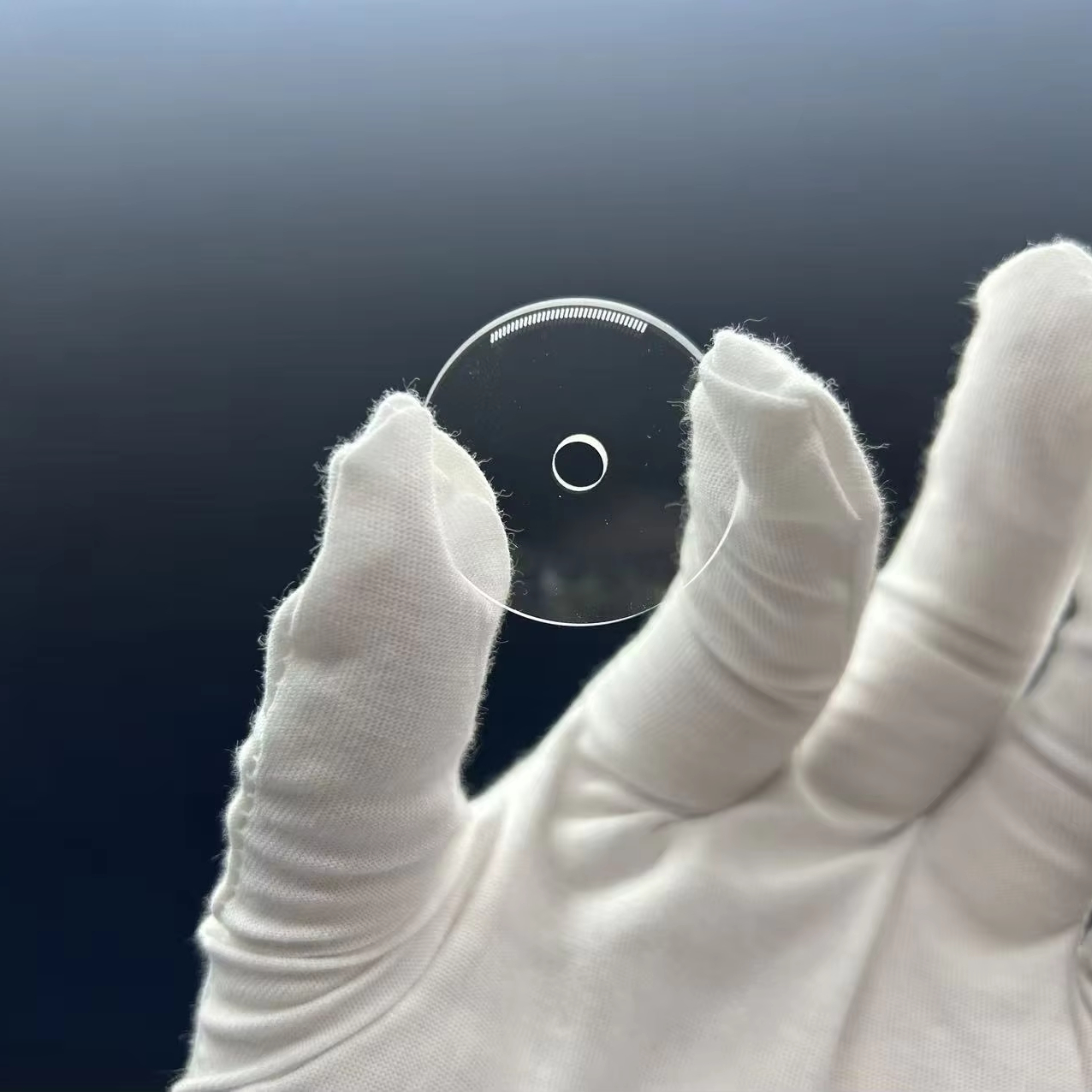
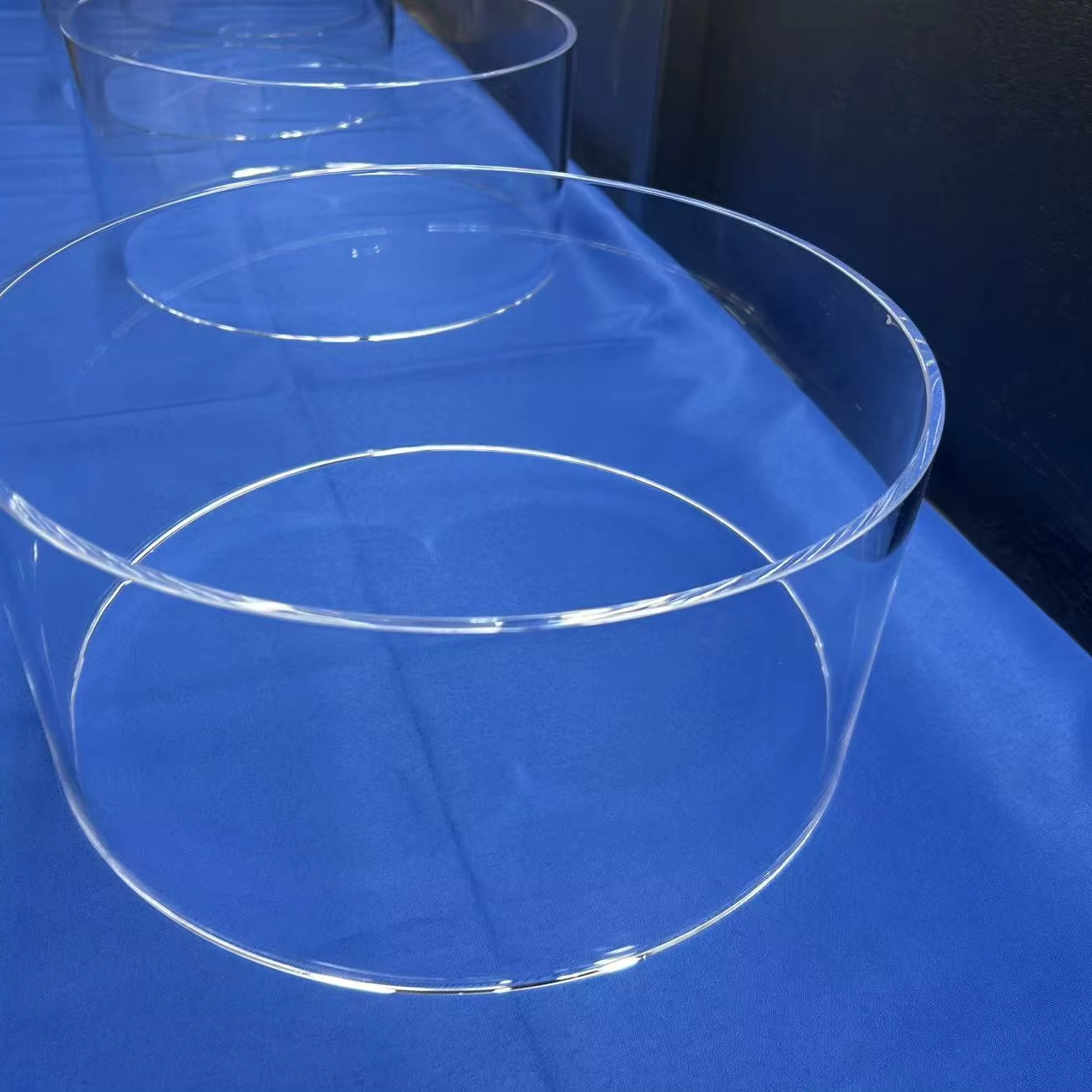
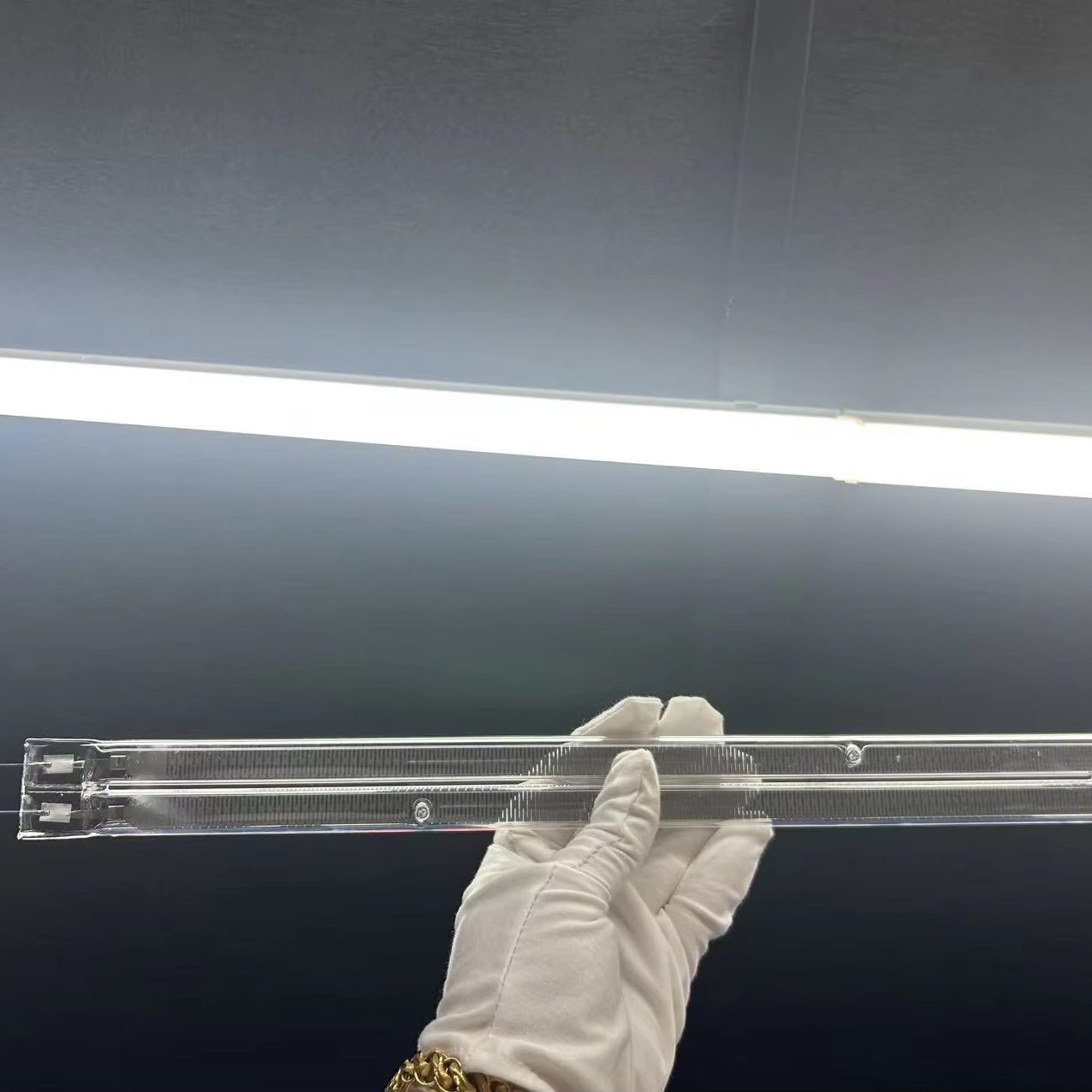
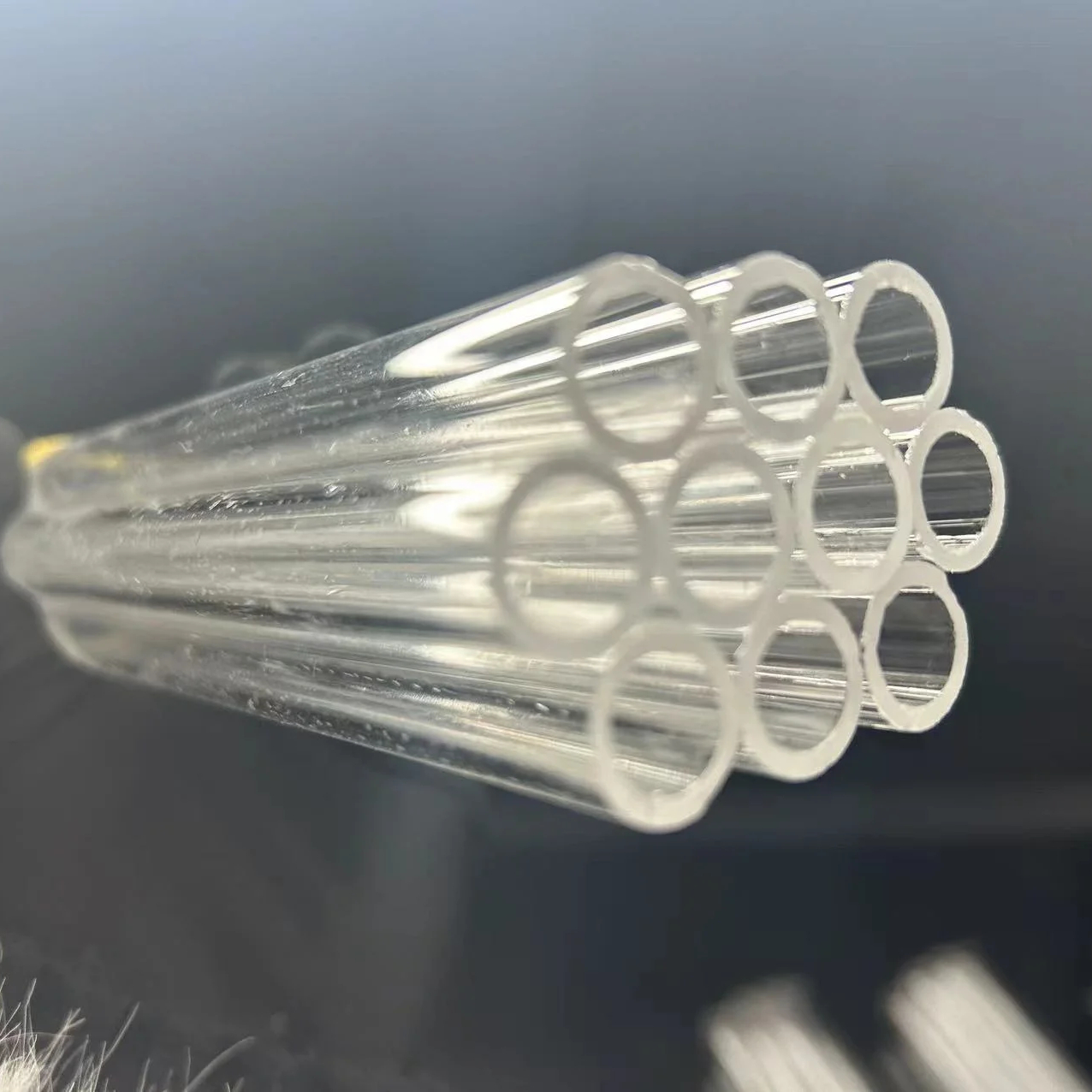
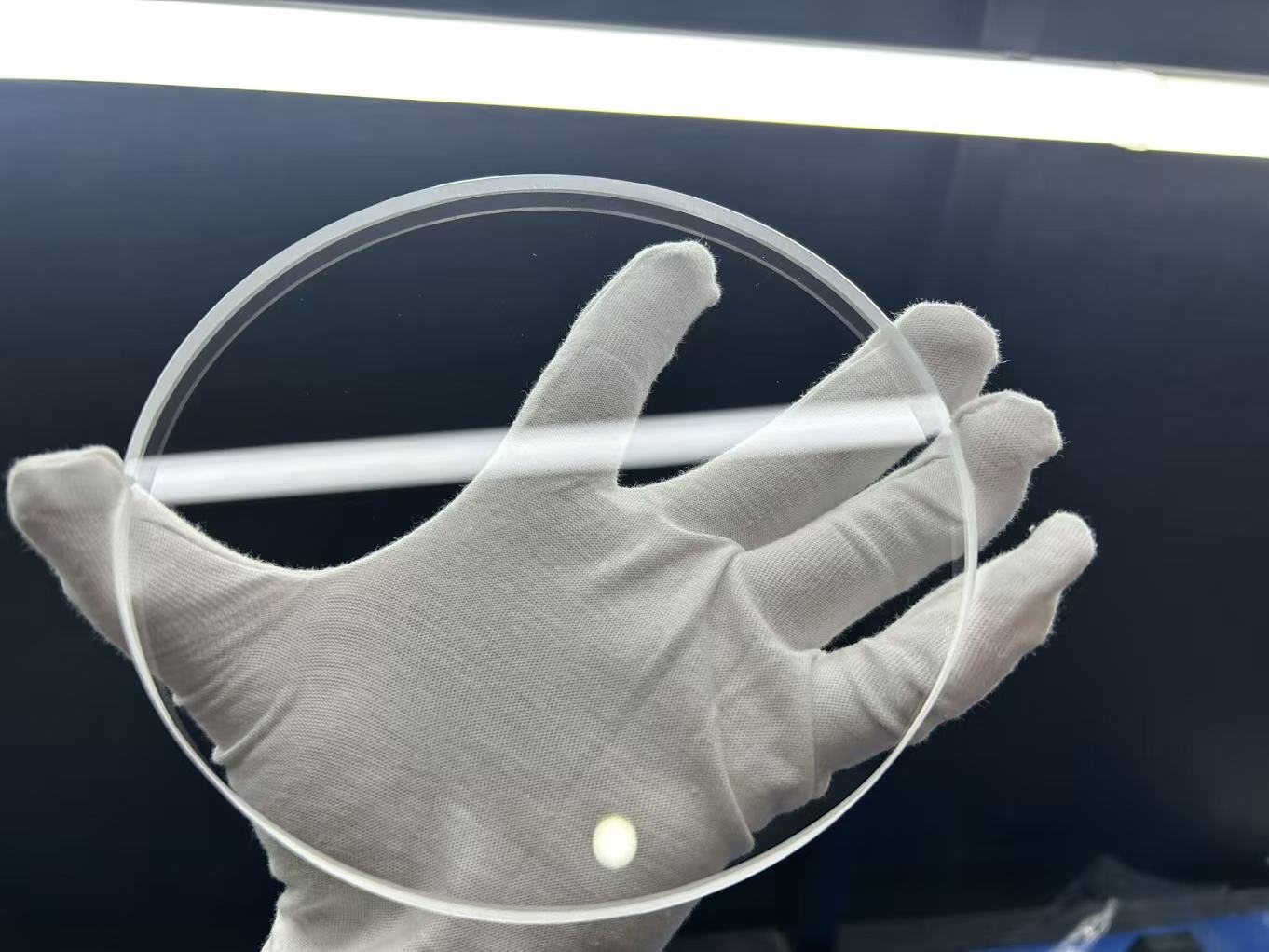
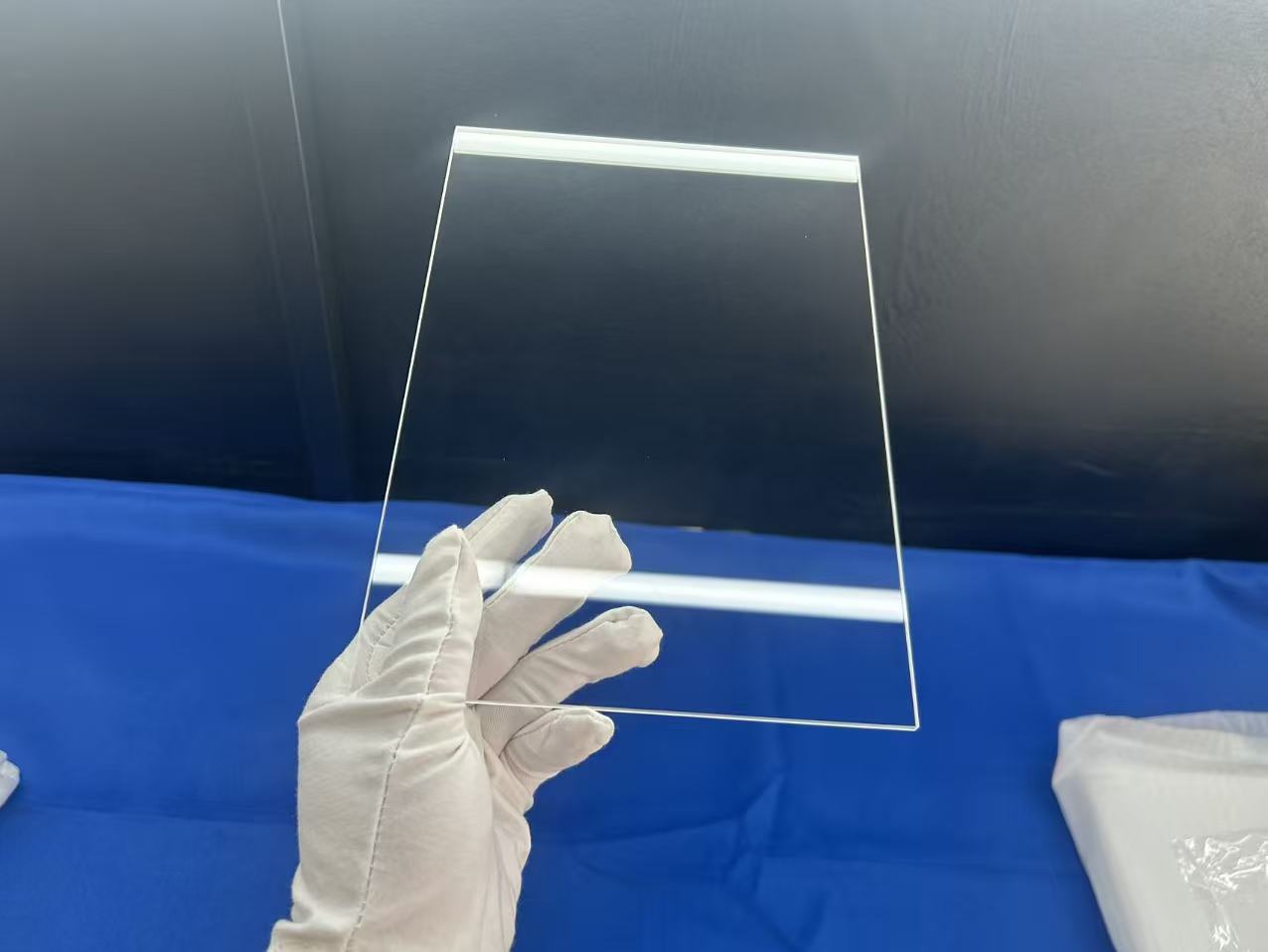
Featured Quartz Laboratory Components
Precision-manufactured in Donghai County with strict ISO standards, providing alpine research institutes and analytical testing facilities in Andorra with uncompromised thermal and optical performance.
Certified
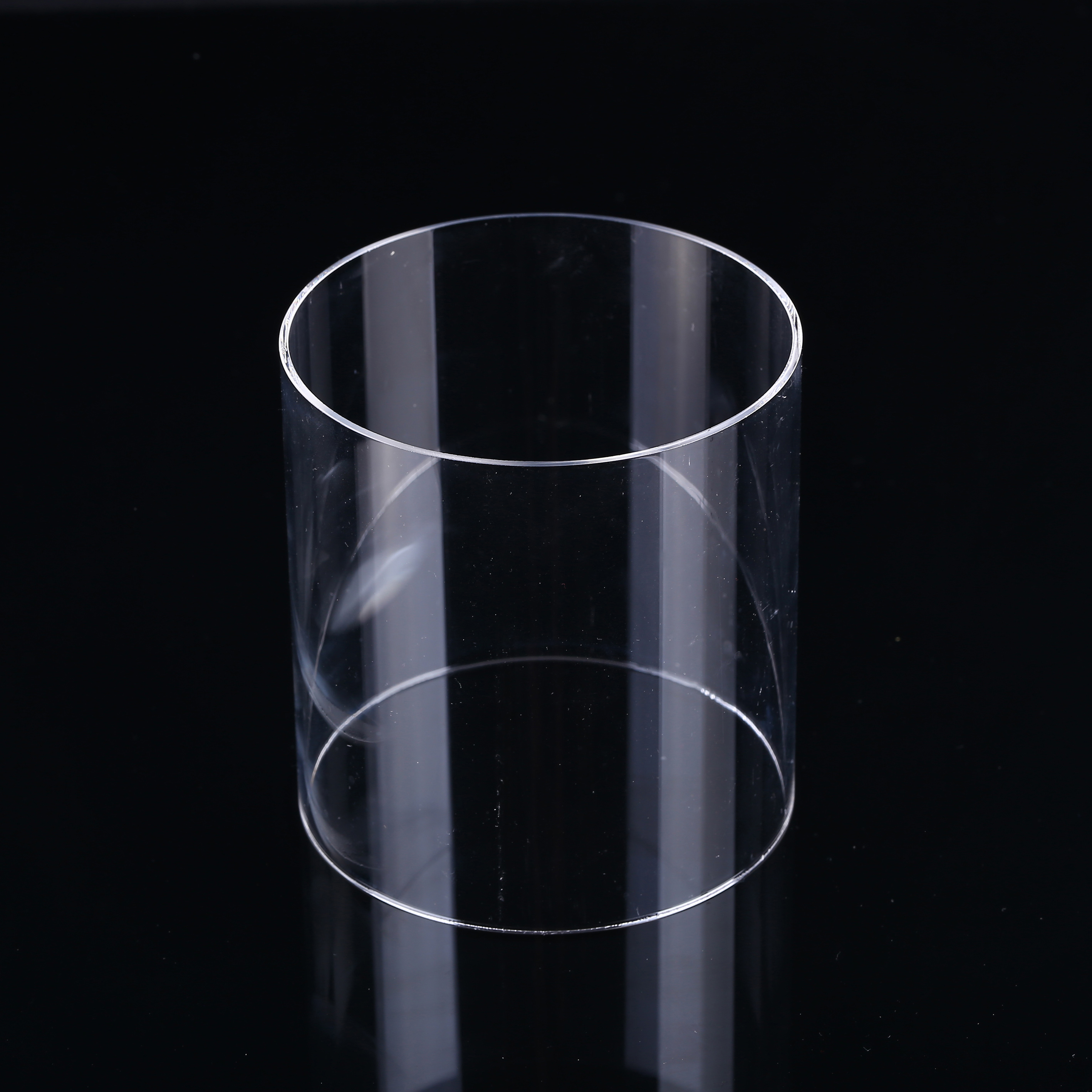
Customized Size clear Quartz Glass Tube BET Borosilicate Glass test Tube
Engineering White Paper: High-Purity Fused Quartz Beakers in High-Altitude Pyrenean Research
Procuring scientific glassware for the high-altitude geographic context of Andorra la Vella (elevation 1,023 meters) presents distinct analytical challenges. Scientific laboratories operating in the Principality of Andorra—ranging from public environmental observatories, hydrogeological sampling stations along the Gran Valira river basin, to specialized private pharmaceutical testing cleanrooms—encounter environmental and atmospheric dynamics that render conventional borosilicate 3.3 laboratory glass inadequate. Standard laboratory glass suffers from alkaline earth metal migration, a high coefficient of thermal expansion, and vulnerability to aggressive acid digests.
Donghai County Nivra Quartz Products Co., Ltd. engineers and fabricates ultra-high-purity fused quartz beakers utilizing naturally occurring, low-impurity crystalline silica sourced from China's crystalline capital in Donghai, alongside synthetic silica precursors (JGS1, JGS2, and JGS3 grades). By refining silicon dioxide (SiO₂) to purity thresholds exceeding 99.99% (4N) to 99.999% (5N), our quartz beakers exhibit near-zero network modifiers such as sodium (Na), potassium (K), calcium (Ca), and boron (B). This eliminates ionic contamination during ultra-trace inductively coupled plasma mass spectrometry (ICP-MS) and atomic absorption spectroscopy (AAS) workflows, ensuring researchers in Andorra achieve baseline data integrity that satisfies stringent European scientific protocols.
≥ 99.99%
SiO₂ Chemical Purity
1100°C
Continuous Working Temp
5.5×10⁻⁷
Thermal Expansion (/°C)
≤ 5 Hours
Engineering Response Time
Furthermore, fused quartz exhibits an exceptionally low linear coefficient of thermal expansion of 5.5 × 10⁻⁷ / °C between 20°C and 300°C. This physical property enables a Nivra Quartz beaker to endure direct quenching from 1100°C into ice-cold alpine runoff waters without structural rupture or micro-crack propagation. For field research teams stationed across Andorra la Vella, Escaldes-Engordany, and high-altitude research huts in the Comapedrosa nature park, our quartz beakers provide unmatched mechanical and thermal resilience during field digestions and rapid thermal assays.
Material Comparison: Fused Quartz vs. Standard Borosilicate 3.3 Labware
Procurement specialists in Andorra frequently evaluate whether switching from borosilicate to fused quartz warrants capital allocation. The operational lifespan of fused quartz under high-temperature chemical digests, calcination, and microwave-assisted synthesis outlasts borosilicate by more than five times. The table below outlines the core mechanical, thermal, and optical differentials:
Physical / Chemical Property
Fused Quartz Beaker (Nivra JGS2/Clear)
Standard Borosilicate 3.3 Glass
Andorra Experimental Significance
Silicon Dioxide (SiO₂) Content
≥ 99.99%
~ 80.5%
Zero leaching of boron, aluminum, or sodium ions into solutions
Continuous Service Temperature
1100 °C
450 °C
Permits high-temperature muffle furnace ashing and fusion
Maximum Short-Term Peak Temp
1450 °C
500 °C
Softening point reaches 1683°C; resists flame burners
Thermal Expansion (20–300 °C)
5.5 × 10⁻⁷ / °C
33 × 10⁻⁷ / °C
Near-zero thermal shock risk when heated over high-altitude torches
UV-C Spectral Transmission (254 nm)
> 90% (JGS1) / > 80% (JGS2)
< 5% (Opaque in UV-C)
Direct in-situ UV photochemical synthesis and photocatalysis
Acid Resistance (except HF & Hot H₃PO₄)
Class 1 (ISO 1776) - Inert
Class 1 to 2 - Subject to etching
Total resistance to boiling aqua regia and concentrated HNO₃
Hydrofluoric Acid (HF) Resistance
Slow uniform etching
Catastrophic stress cracking
Enables controlled silicate digestion in geological soil matrices
Localized Application Scenarios across the Principality of Andorra
As a specialized non-EU European microstate situated within the high Pyrenees mountain chain between France and Spain, Andorra's scientific activity focuses heavily on environmental preservation, hydrology, winter sports ecology, luxury wellness cosmetics, and pharmaceutical formulation. Below are the key domestic sectors utilizing Nivra Quartz beakers:
Alpine Hydrology & Snowpack Chemistry
Institutions such as Andorra Recerca + Innovació (AR+I) evaluate snow core samples, trace heavy metals from atmospheric deposition, and high-altitude river catchment health. Nivra Quartz beakers guarantee ultra-low trace background (sub-ppb levels) during acid digestion of permafrost and snow melt samples.
Thermal Spring & Geothermal Analysis
The Escaldes-Engordany basin and Caldea spa centers draw hot, highly mineralized thermal waters containing sulfur, sodium, and silicates. Testing these volatile mineral matrices requires non-leaching, non-porous fused quartz beakers that do not alter the dissolved ion ratios during evaporation and crystallization.
Nutraceutical & Phyto-Extraction Labs
Andorran high-value skincare, dermo-cosmetic, and botanical extraction producers isolate bioactive Pyrenean flora (Arnica montana, Leontopodium alpinum). High-boiling solvent extraction, aggressive refluxing, and rotary vacuum transfers demand precision heavy-wall quartz beakers to safeguard active compound integrity.
Market Evolution & Emerging Trends in Andorra's Laboratory Procurement
Procurement teams in Andorra la Vella are progressively migrating away from multi-tiered European distributors in Barcelona or Toulouse, opting instead for direct manufacturer relationships with established production facilities in China's quartz heartland. Key market drivers include:
1. Accelerated Adoption of Green Hydrogen & Fuel Cell Testing: As Andorra advances its national decarbonization and energy independence policies, research into proton-exchange membrane (PEM) electrolysis and high-temperature solid oxide cells (SOEC) has grown. This work requires custom quartz electrolysis reaction tanks and Jacketed Quartz Beakers engineered to handle corrosive electrochemical solutions under sustained high operating currents.
2. Rationalization of Cross-Border Import Costs (DUA / Customs): Operating outside the European Union customs zone means deliveries into Andorra require a Document Únic Administratiu (DUA) along with local Andorran indirect tax (IGI - Impost General Indirecte, typically 4.5% standard or 1% for educational/health equipment). By consolidating quartz purchases directly with Nivra Quartz, laboratories avoid compounding middleman margins from intermediaries in France and Spain, lowering overall hardware acquisition costs by 35% to 50%.
3. Stringent Laboratory Calibration Protocols: Field researchers now mandate dimensional conformity according to DIN ISO 3819 specifications, paired with permanent ceramic graduations, fire-polished pouring spouts, and certified optical transmission plots. Nivra Quartz inspects each beaker using digital optical comparators and automated polariscopes, guaranteeing zero residual anneal stress before shipment.
Located at 285 Heping East Road, Lianyungang, Jiangsu Province, Donghai County Nivra Quartz Products Co., Ltd. operates integrated workshops for cold machining, high-temperature hydrogen-oxygen flame working, and annealing.
Automated Hydrogen-Oxygen Glass Lathe Working
Precision CNC Edge Grinding & Annealing Ovens
Cleanroom Inspection, Polariscope & Export Boxing
Direct Factory Value
Eliminating distributor margins across Europe allows us to deliver certified high-purity quartz labware to Andorra at direct factory pricing without sacrificing optical or mechanical tolerances.
Rapid Engineering Support
Our multilingual engineering desk responds in ≤ 5 hours, reviewing CAD drawings (DWG, STEP, PDF) to confirm custom beaker walls, jacketed ports, and tolerances before firing.
Zero-Breakage Delivery
Each quartz beaker is vacuum shrink-wrapped, encased in custom high-density molded pearl foam, and enclosed in fumigation-free wooden crates or multi-wall corrugated containers engineered for alpine mountain freight.
Verified Quality Assurance
Maintaining an 88.89% customer response rate and a 5.0/5 verified rating on international supply platforms, each batch ships with physical dimension certifications and raw material trace element reports.
Technical & Procurement FAQ
Frequently Asked Questions for Sourcing Quartz Beakers in Andorra
Key insights addressing customs compliance, shipping transit, material grades, and practical laboratory use across the Pyrenean territory.
How does Nivra Quartz manage international freight and customs clearance into Andorra?
Since Andorra is not part of the EU customs territory, goods undergo transit either via Spain (La Seu d'Urgell border crossing) or France (Pas de la Casa). We issue comprehensive export documentation, including commercial invoices with correct HS Codes (typically 7017.10 for fused quartz laboratory glassware), packing lists, and Certificates of Origin. We partner with air-express carriers (DHL Express, FedEx, UPS) and dedicated Pyrenean freight forwarders who handle the Document Únic Administratiu (DUA) clearing process smoothly, ensuring door-to-door delivery within 5 to 8 business days.
What are the distinct advantages of quartz beakers over PTFE or PFA vessels for trace element testing?
While fluoropolymer vessels (PTFE, PFA) provide good chemical inertness, they exhibit poor thermal conductivity, are limited to working temperatures below 260°C, and are prone to creep under high vacuum or localized heating. Fused quartz withstands sustained temperatures up to 1100°C, allows direct observation of solution color changes and precipitate formation, does not adsorb volatile organic trace compounds, and can be heated over open flames or inside high-energy muffle furnaces.
What grade of fused quartz is used for Nivra Quartz beakers: JGS1, JGS2, or standard clear fused silica?
Standard laboratory beakers are produced from premium electric-fused clear silica (comparable to JGS2), which delivers high visual clarity, excellent thermal endurance up to 1100°C, and optical transmission from 220 nm in the UV range into the near-infrared spectrum. For specialized photochemical research, excimer laser irradiation, or UV-C spectroscopy synthesis below 220 nm, we fabricate custom beakers utilizing synthetic fused silica (JGS1), which provides high deep-UV transmission down to 185 nm.
Can you manufacture custom-dimensioned beakers, such as Jacketed or Heavy-Wall designs?
Yes. We routinely produce customized labware based on technical drawings or digital models. Our capabilities include low-form Griffin and tall-form Berzelius geometries from 5 ml to 10,000 ml, double-jacketed temperature control beakers with GL-14/GL-18 threaded ports, flat-flange reaction vessels, beakers with integrated quartz baffle plates, and heavy-wall variations (3.0 mm to 6.0 mm wall thickness) for vacuum de-aeration.
How should our laboratory clean and maintain quartz beakers to avoid devitrification?
To prevent premature devitrification (transformation from amorphous silica to crystalline cristobalite above 1000°C), keep the outer quartz surface free from finger grease, alkaline salts, and metal dust. Clean beakers using high-purity dilute nitric acid (10–15% HNO₃) or aqua regia, followed by thorough rinsing with deionized water (18.2 MΩ·cm) and drying in a clean, dust-free environment. Avoid touching hot quartz with bare hands, as sodium ions in perspiration catalyze surface devitrification.
What is the Minimum Order Quantity (MOQ) for institutions based in Andorra?
For standard beaker sizes (50 ml, 100 ml, 250 ml, 500 ml, 1000 ml), our Minimum Order Quantity is typically 1 to 5 pieces, facilitating convenient pilot runs and specialized research projects. For bespoke customized units requiring dedicated graphite tooling or CNC flame lathes, MOQs range from 5 to 10 pieces depending on geometry complexity. We support prototype sampling prior to larger production batches.
How do quartz beakers respond to boiling point changes caused by Andorra's alpine altitude?
At Andorra la Vella's altitude (~1,023 m), water boils at approximately 96.5°C, reducing heating times but potentially causing solvent loss during unmonitored evaporations. The low coefficient of thermal expansion of fused quartz allows researchers to apply higher thermal flux without inducing thermal stress cracking, facilitating rapid concentration cycles and stable distillation procedures under reduced ambient atmospheric pressure.
What guarantees are offered against shipping breakage during transit through the Pyrenees?
Every shipment dispatched to Andorra carries a comprehensive zero-breakage guarantee. If an item arrives compromised, simply photograph the damaged piece alongside the shipping waybill within 72 hours of arrival, and our team will fast-track an immediate replacement dispatch via priority air express at no additional charge.
Request a Direct Engineering Quote for Quartz Labware
Whether you require standard low-form quartz beakers for environmental spectroscopy or bespoke reaction glassware for high-altitude biochemical synthesis in Andorra la Vella, our engineering team in Donghai provides prompt technical evaluations and competitive direct pricing.