Featured Industrial Quartz & Laboratory Components
Engineered from high-purity natural silica sand in Donghai County with strict dimensional tolerances, high optical clarity, and extreme thermal resilience. Designed to support Makati scientific facilities and regional Philippine manufacturing corridors.
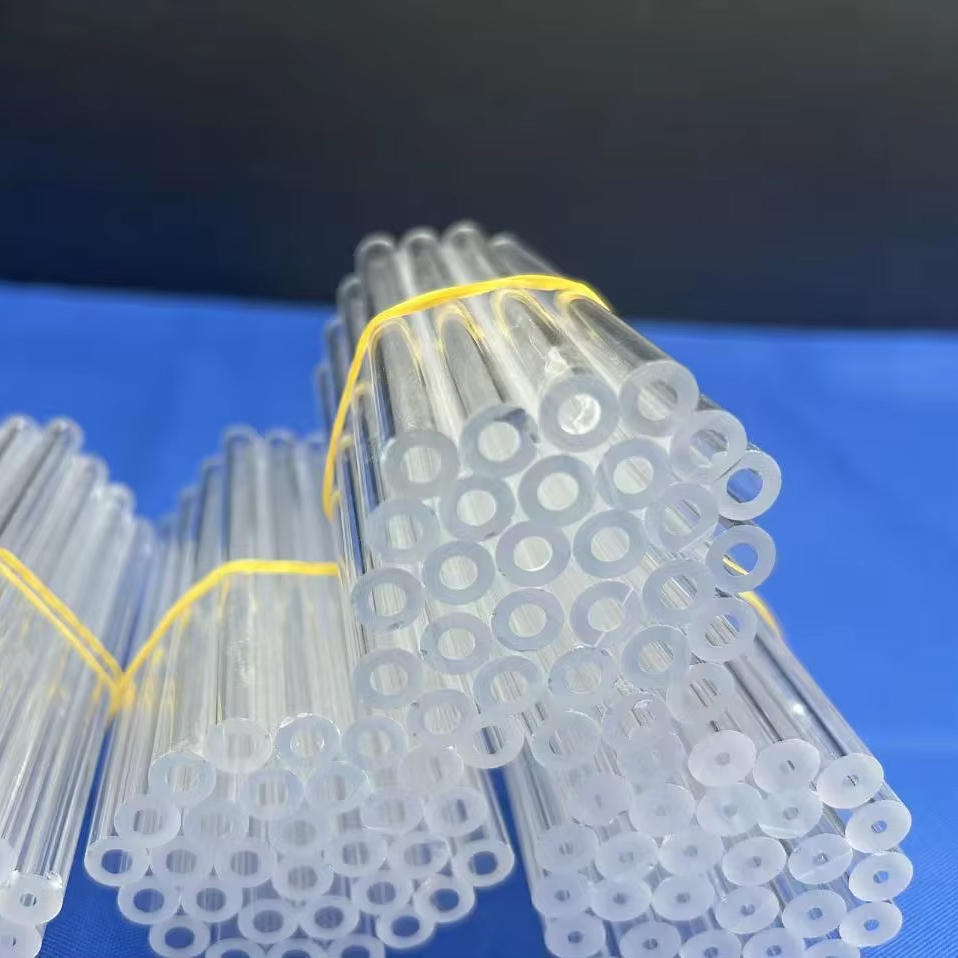
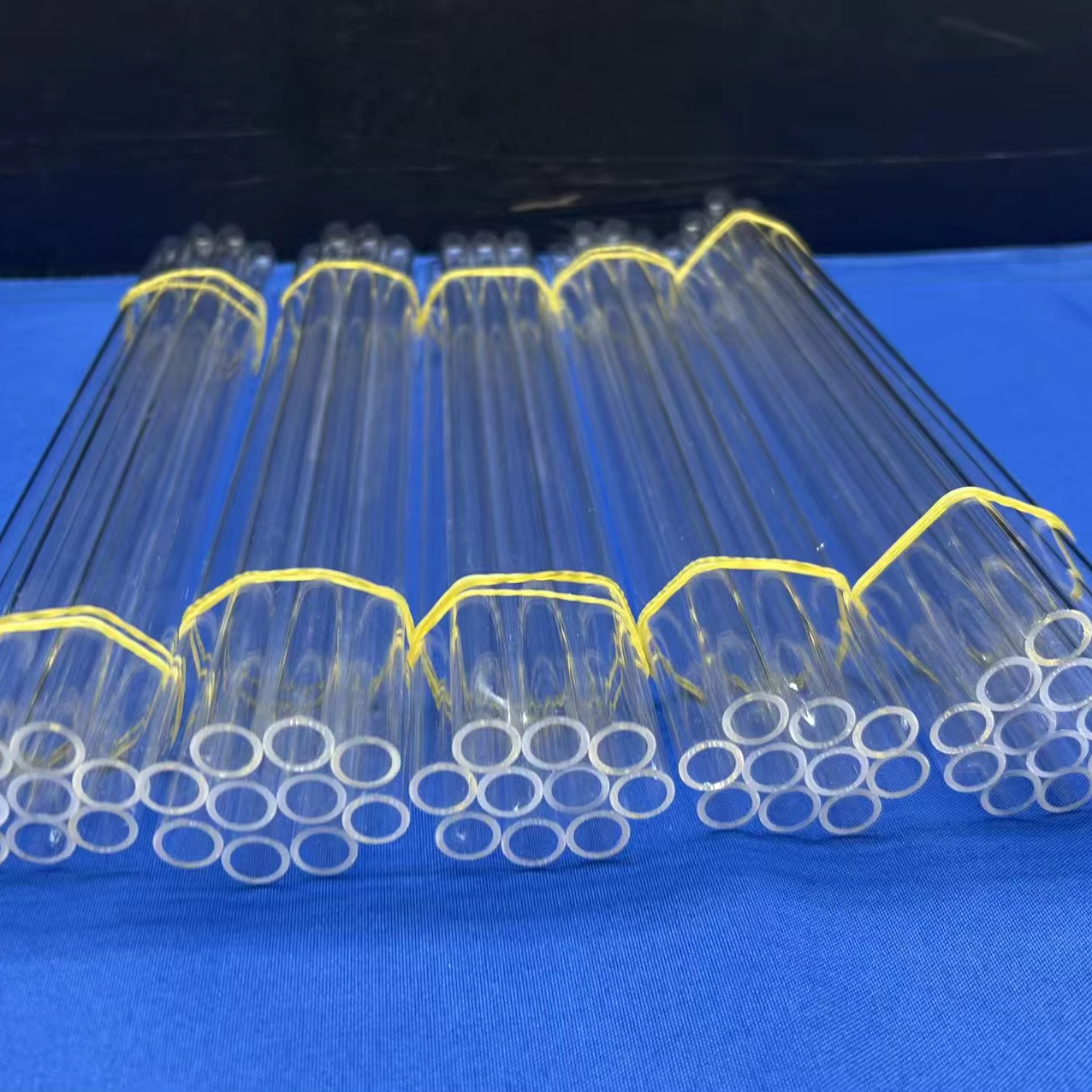
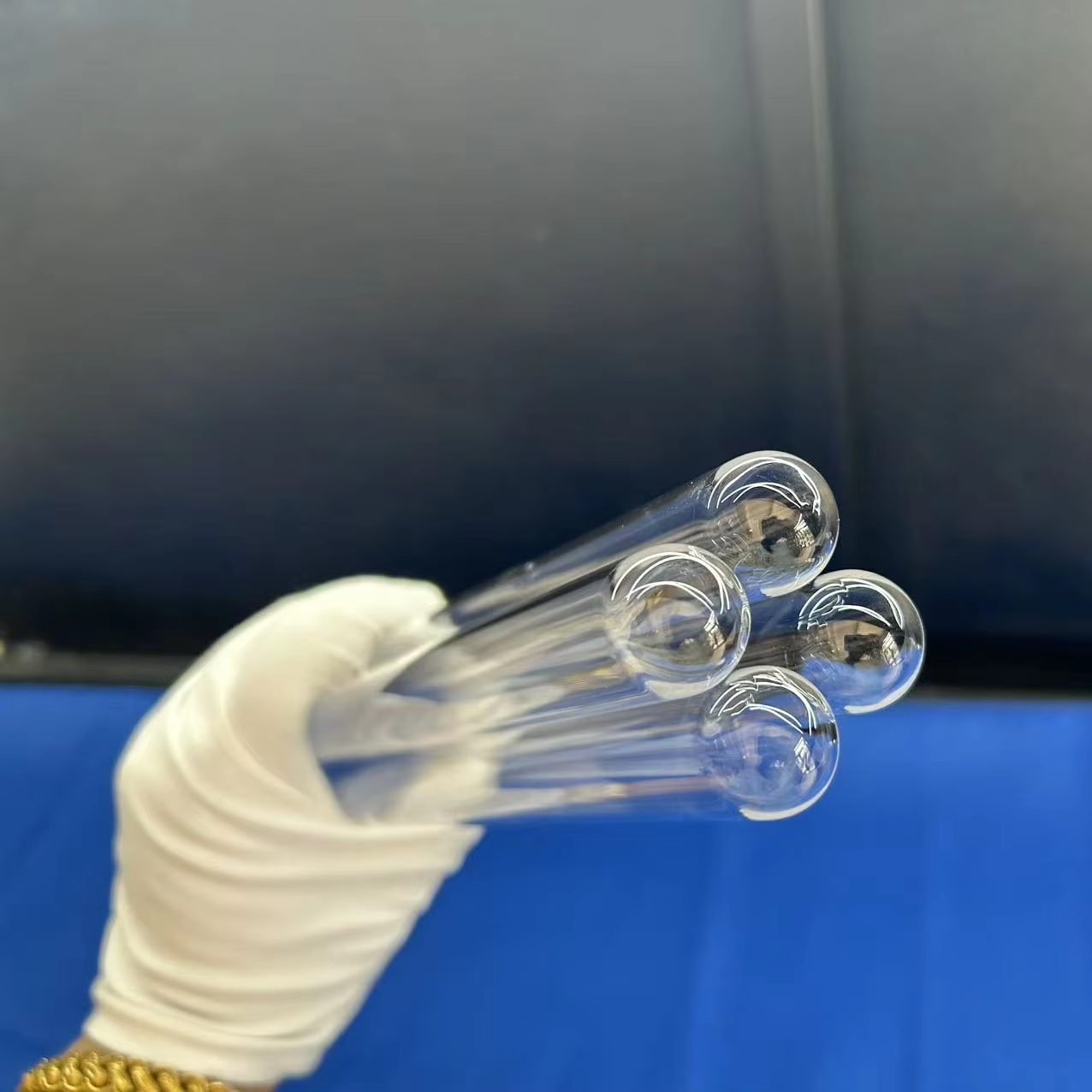
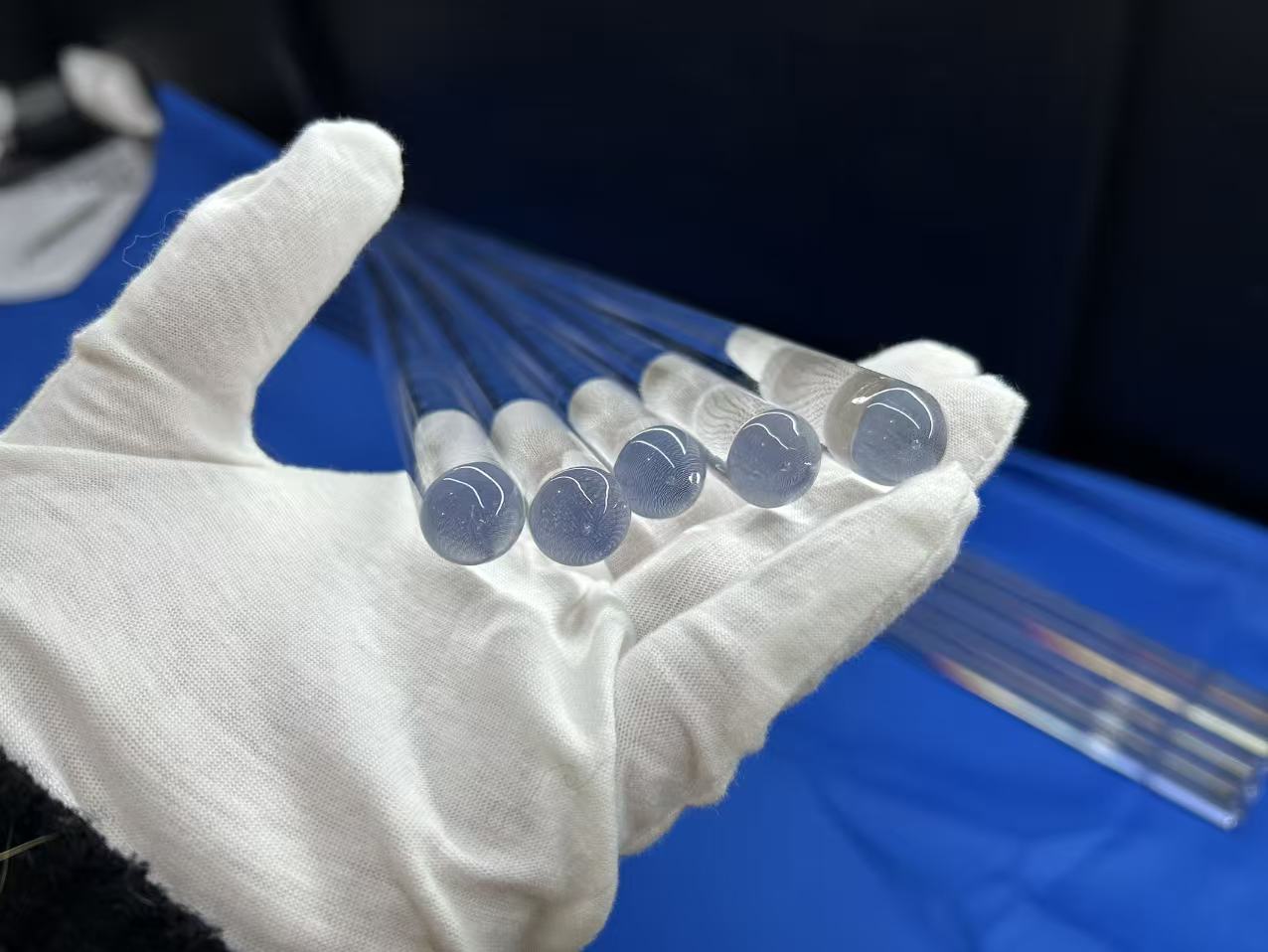
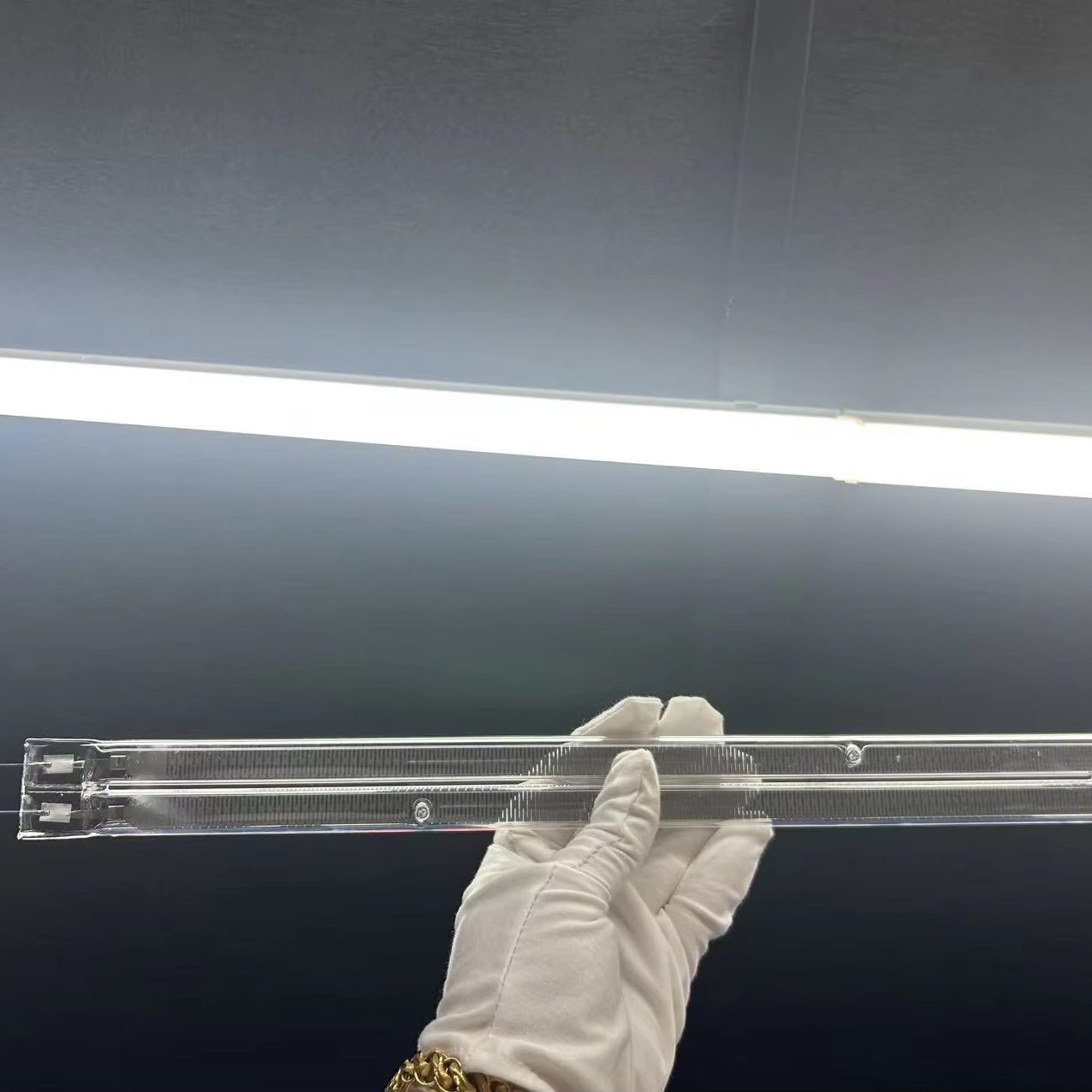
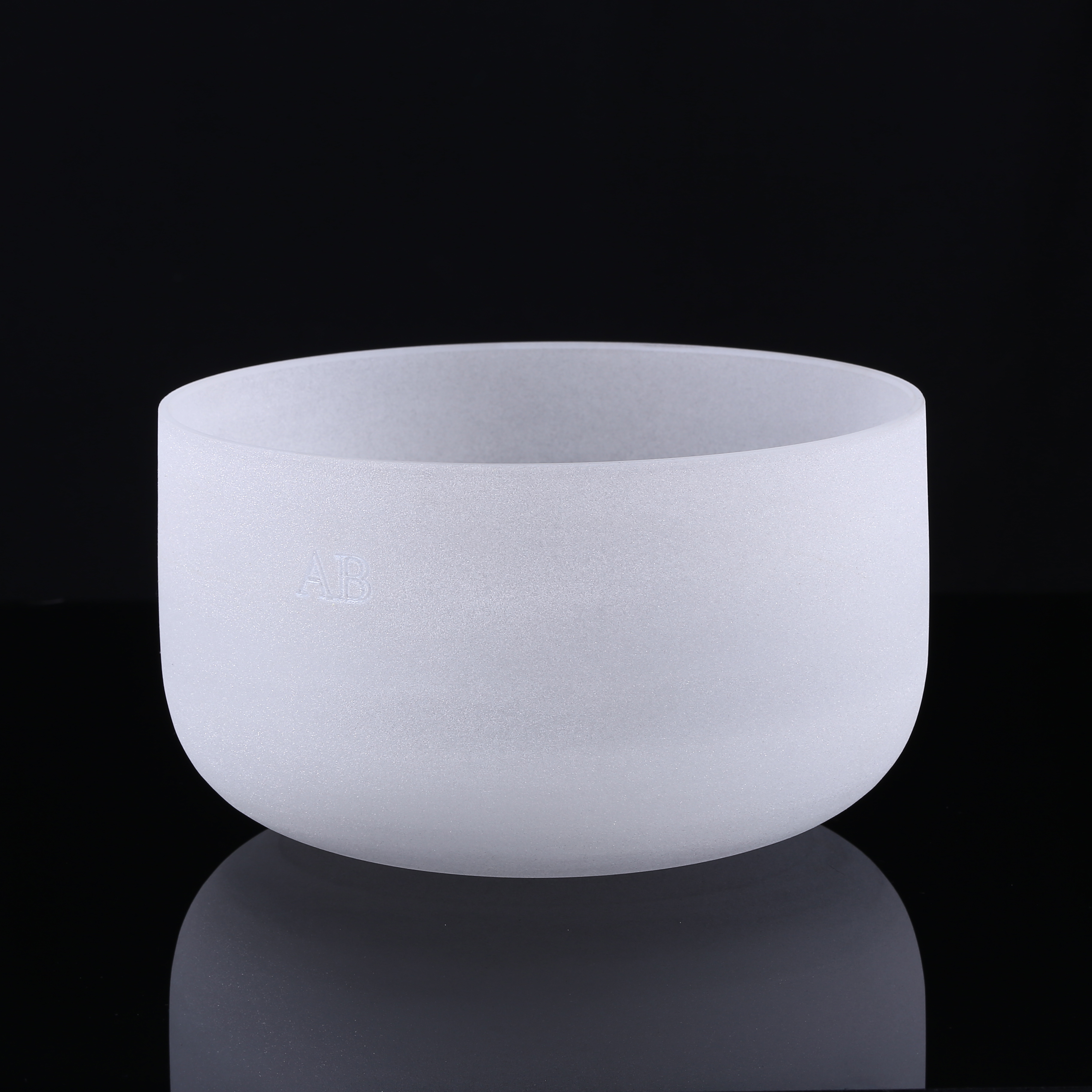
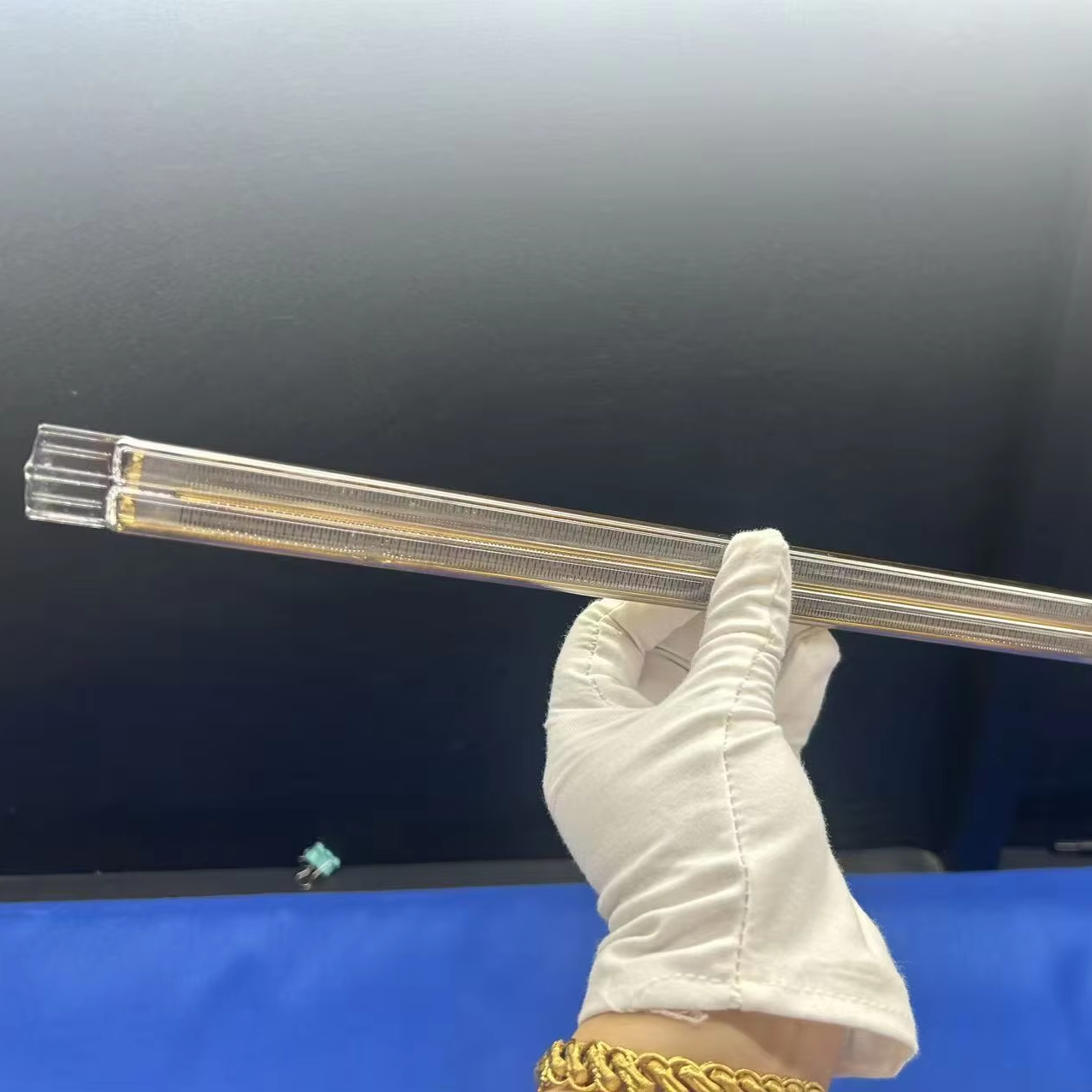
Evaluating Fused Quartz Beakers for High-Demanding Industrial Applications
In rigorous laboratory analysis, material characterization, and high-purity chemical syntheses across the Makati business and analytical district, standard borosilicate 3.3 laboratory glass frequently encounters its thermodynamic and chemical boundaries. A fused quartz glass beaker represents a critical transition from conventional multi-component silicate matrices to pure amorphous silicon dioxide (SiO₂ ≥ 99.99%). This atomic architecture yields an exceptionally low coefficient of thermal expansion, virtually eliminating structural strain induced by thermal gradients and providing profound chemical inertness against volatile acid matrices.
Comparative Material Physics: Fused Quartz vs. Standard Borosilicate 3.3
For procurement managers, chief assayers, and laboratory directors in Makati selecting fluid-containment vessels, the mechanical and thermal metrics dictate operational longevity and experimental contamination thresholds. While borosilicate glass begins structural relaxation around 500°C and experiences devitrification risks under localized burner contact, fused silica remains mechanically stable well past 1100°C.
| Physical / Chemical Property | High-Purity Fused Quartz Beaker | Borosilicate Glass 3.3 Beaker | Operational Significance for Assayers |
|---|---|---|---|
| SiO₂ Concentration | ≥ 99.99% | ≈ 81.0% | Minimizes alkali metal leaching (Na⁺, B³⁺, Ca²⁺) during digestion. |
| Coefficient of Thermal Expansion (20-300°C) | 5.5 × 10⁻⁷ K⁻¹ | 33 × 10⁻⁷ K⁻¹ | Fused quartz can be plunged from 1100°C into cold water without fracture. |
| Continuous Operating Temperature | 1100 °C | ≈ 230 °C - 260 °C | Allows direct muffle furnace ashing and high-temp boiling reactions. |
| Softening Point | 1683 °C | 825 °C | Resists sagging or wall distortion under direct torch or crucible heating. |
| Acid Resistance (Excl. HF & hot H₃PO₄) | Class 1 / Extreme Resistance | Class 1 (Degrades with trace extraction) | Enables prolonged refluxing of Aqua Regia, Perchloric, and Nitric acids. |
| UV-Vis Spectral Transmission | 190 nm – 2500 nm (JGS1/JGS2) | 310 nm – 2200 nm | Allows direct in-situ photochemical reactions and UV spectrometer monitoring. |
Trace Impurity Profiles and Elemental Cleanliness
In ultra-trace analytical laboratories—such as those operating Inductively Coupled Plasma Mass Spectrometry (ICP-MS) instruments across Metro Manila—glassware represents a prominent vector for false-positive ion detection. Borosilicate vessels continuously shed trace boron, sodium, aluminum, and iron when exposed to aggressive hot acid matrices. Nivra Quartz precision beakers utilize natural quartz crystal sands sourced from Donghai, processed through high-temperature vacuum fusion furnaces. The resulting vessel wall exhibits aggregate impurity levels below 20-30 parts per million (ppm), with heavy metals (Pb, Cd, Hg, As) at sub-ppb concentrations, ensuring absolute baseline integrity in elemental spectroscopy.
Localized Application Scenarios in the Makati Industrial Hub
Makati City stands as the preeminent financial, corporate, and technical testing nexus of the Philippines. Behind the commercial towers along Ayala Avenue, Buendia, and Chino Roces Avenue lies a sophisticated concentration of testing hubs, regional corporate tech centers, bio-pharmaceutical regulatory facilities, and engineering consultancies serving Luzon’s economic corridors.
Semiconductor & Electronics Assembly Support
While actual fabrication plants populate Laguna Technopark and Cavite EPZA, headquarters and failure analysis (FA) laboratories reside within Makati. Our fused quartz beakers and wafer containers accommodate extreme cleaning procedures involving heated Piranha solution (H₂SO₄ + H₂O₂ at 120°C) and hot inorganic strippers without clouding or surface micro-pitting.
Pharmaceutical QC & Active Pharmaceutical Ingredients (API)
Makati’s clinical trial centers and pharmaceutical regulatory laboratories follow strict Philippine FDA and cGMP validation protocols. Fused quartz Griffin beakers deliver hydrolytic surface neutrality, ensuring no alkaline ion exchange occurs during high-temperature thermal extractions, solvent distillations, and shelf-life stress testing.
Mining Exploration & Metallurgical Assays
Corporate mining offices anchored in Makati manage exploration sites throughout Mindanao and Northern Luzon. Metallurgical core sample characterization requires severe acid digestion (hydrochloric, perchloric, and nitric mixtures) at sustained elevated temperatures, where standard glassware fails from thermal fatigue.
Petrochemical Refining & Lubricant Quality Control
Downstream oil headquarters based in Makati operate specialized calibration laboratories that test crude distillates, marine bunker fuels, and high-flash synthetic lubricants. High-temperature quartz beakers ensure safe thermal boiling analysis past 400°C without risk of vessel rupture.
Environmental Testing & Water Quality Surveillance
Accredited environmental inspection agencies in the National Capital Region (NCR) regularly perform trace heavy-metal surveillance on Pasig River basins and industrial outflows. Fused silica beakers provide zero-background blank values during the mandatory acid pre-concentration stages.
Advanced University R&D & Applied Materials Sciences
Partner institutions across Greater Manila utilize our high-purity quartz vessels for solar photovoltaic research, nanostructure synthesis, and hydrothermal digestion bomb liners where exceptional thermal uniformity and structural rigidity are vital.
Procurement Dynamics & Sourcing Evolution in Metro Manila
The scientific hardware and analytical consumables marketplace in Makati is undergoing a fundamental transformation. Historically, Philippine procurement departments relied on multi-tiered trading distributors operating with extended delivery timelines (8-16 weeks) and substantial retail markups. Today, laboratory operations are adopting direct factory procurement strategies for specialized quartzware, driven by three distinct industry catalysts:
1. Stringent ISO/IEC 17025 Accreditation Requirements: The Philippine Accreditation Bureau (PAB) and international validation audits mandate lower Limits of Detection (LOD) and Limits of Quantitation (LOQ). Facilities testing exports can no longer tolerate trace sodium, calcium, or heavy metal contamination leaching from low-grade laboratory glass. Fused quartz has shifted from an occasional luxury to a baseline testing requirement.
2. Total Cost of Ownership (TCO) Over Replacement Frequency: Although standard borosilicate glassware features lower acquisition pricing, its vulnerability to thermal shock when transferred rapidly between hotplates, drying ovens, and ambient benches creates high breakage rates. A fused quartz beaker delivers an operational lifecycle exceeding five to eight times that of borosilicate in thermal digestion cycles, drastically reducing annual replacement expenditures.
3. Integration with PEZA Ecozone Supply Chains: Purchasing teams operating under Philippine Economic Zone Authority (PEZA) guidelines require clear customs documentation, tax-exempt transit capabilities, and direct manufacturer certification. Sourcing directly from certified manufacturers like Nivra Quartz provides material batch certificates, raw silica origin transparency, and strict dimensional tolerances for mechanized heating stations.
Why Makati Enterprises Partner with Nivra Quartz
Established in February 2019 in Donghai County, Jiangsu Province—the global hub for natural quartz mining and refinement—Donghai County Nivra Quartz Products Co., Ltd. combines specialized manufacturing mastery with responsive international trade logistics.
Donghai Origin Advantage
Direct local access to high-purity crystalline silica ensures superior chemical consistency, raw material price stability, and uncompromised optical grade clarity.
≤ 5h Rapid Technical Reply
With an 88.89% measured response rate, our quartz engineers review custom dimensional drawings, chemical requirements, and volume quotes in hours, not days.
5.0 / 5.0 Buyer Satisfaction
Verified international trade rating with consistent repeat procurement across North America, Europe, and Asia-Pacific industrial sectors.
Export-Grade Foam Packaging
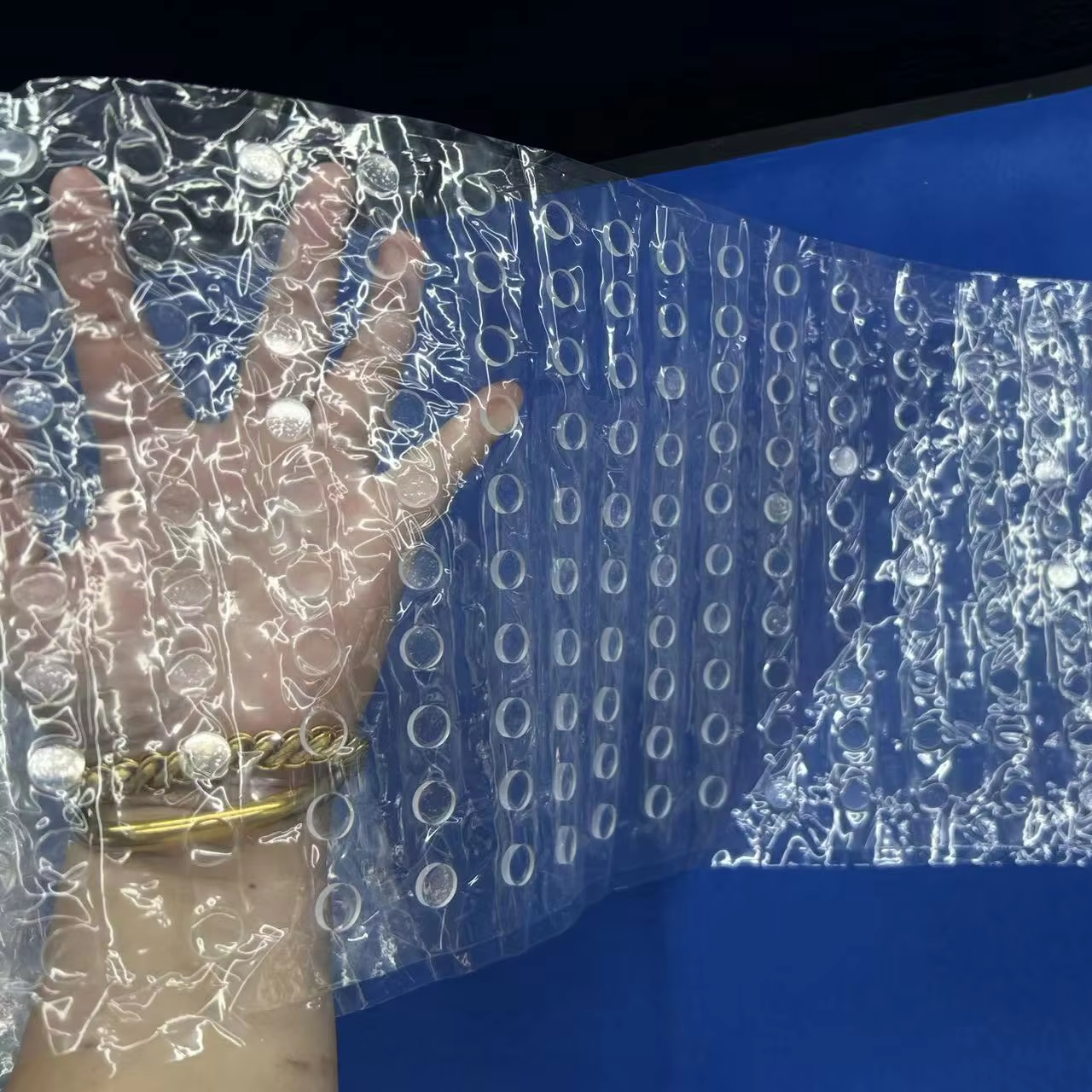
Custom multi-layer shock absorption, vacuum-sealed inner wraps, and ISPM-15 certified export wooden crates guarantee zero-breakage delivery to Manila.
Frequently Asked Questions by Local Sourcing Managers
Essential engineering, logistics, customs, and operational guidance for laboratory managers and corporate purchasers in Makati and Greater Metro Manila.
What is the standard transit time for quartz beaker orders from Donghai to Makati?
For standard catalog sizes and low-volume prototypes (5-50 pieces), dispatch occurs within 3 to 7 business days. Air express courier transit to Ninoy Aquino International Airport (NAIA) with direct delivery to Makati CBD addresses takes 4 to 6 business days. For containerized sea freight destined for the Port of Manila (MICP), shipping typically requires 10 to 14 days port-to-port.
Can Nivra Quartz accommodate custom dimensional specifications and graduations?
Yes. In addition to standard Griffin (low-form) and Berzelius (tall-form) volumes ranging from 10ml to 5000ml, we specialize in custom manufacturing. We supply precision wall thicknesses (up to 4.0mm for high-vacuum setups), specialized spout profiles, optical flat bottom polishing for hotplate thermal transfer, and high-contrast ceramic or laser-etched permanent volumetric graduations.
How do you ensure fragile quartz beakers survive international air and sea transit?
Every beaker undergoes cleanroom washing, individual polyethylene wrapping, and suspension within custom-molded high-density expanded polyethylene (EPE) foam cells. Multiple layers are enclosed in double-wall corrugated cartons and placed inside reinforced plywood cases. Our damage rate to Southeast Asian destinations remains below 0.15%, backed by immediate free factory replacement for any transit breakage.
What documentation is provided to support Philippine Bureau of Customs (BOC) clearance?
We provide comprehensive export documentation packages tailored for Philippine customs processing, including commercial invoices with harmonized system (HS) classification (HS 7017.10 for fused quartz labware), detailed packing lists, Certificates of Origin (COO), and formal material purity analysis sheets (SiO₂ content analysis) to facilitate swift BOC release.
Can quartz beakers withstand direct hydrofluoric (HF) acid exposure?
No single pure silica glass can resist hydrofluoric acid or concentrated phosphoric acid at temperatures above 150°C, as fluoride ions chemically break the silicon-oxygen bond. However, for all other mineral acids—including boiling nitric acid, concentrated sulfuric acid, aqua regia, and fuming hydrochloric acid—fused quartz exhibits unmatched stability and zero surface degradation.
What is the minimum order quantity (MOQ) for custom fabricated beakers?
Standard fused quartz beakers are stocked with low MOQs starting at 1 to 5 pieces to support university projects and analytical method development. For fully customized beakers requiring specific CNC machining, specialized side ports, or vacuum ground joints, our prototyping runs typically begin at just 10 pieces.
How should laboratory staff clean and decontaminate fused quartz beakers?
Clean fused quartz using warm 1:1 hydrochloric or nitric acid baths followed by rinsing with ultra-pure deionized water (18.2 MΩ·cm). Because fused silica has a softening point near 1683°C, beakers can be safely de-pyrogenated or baked out in high-temperature muffles at 900-1000°C without devitrification, provided the surface is free of fingerprints or alkaline salts.
Are optical transparent quartz beakers suitable for UV photochemical reactions?
Yes. When manufactured from JGS1 or JGS2 optical grade fused silica, our quartz beakers provide high ultraviolet transmittance down to 200 nm. This enables efficient photochemical degradation experiments, UV irradiation assays, and catalytic photolysis studies directly through the vessel wall without requiring open lids.
Accelerate Your Laboratory Workflow with Precision Fused Quartz
Consult directly with our engineering and procurement team for technical evaluations, custom dimensional blueprints, and competitive factory-direct pricing for the Makati market.