Precision Quartz & Silica Products for Malmö
Direct factory manufacturing of ultra-high purity fused quartz tubes, crucibles, plates, and specialized labware designed to withstand extreme thermal, chemical, and physical environments.
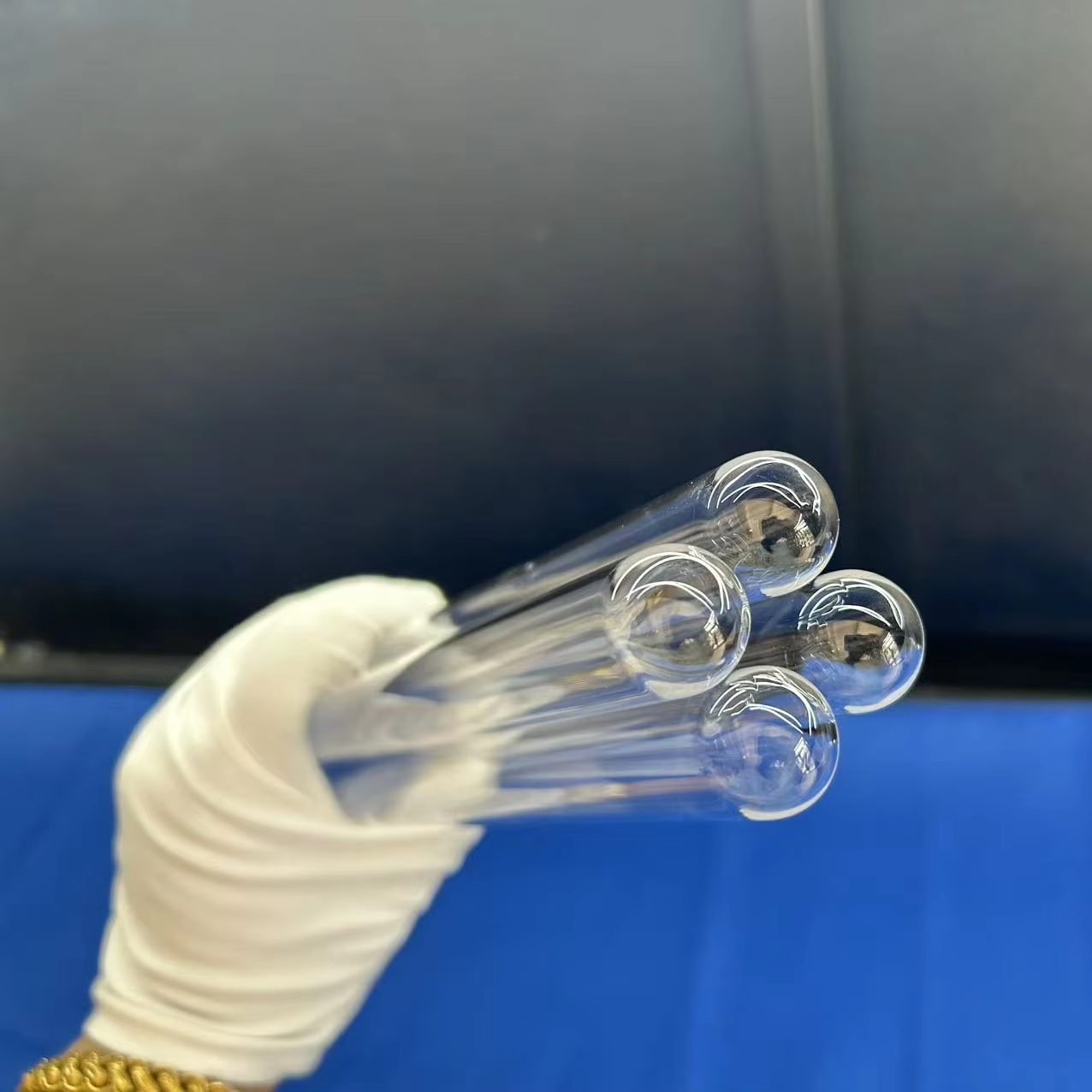
High-Purity Fused Silica Bottom Sealing Tubes
Custom diameter (20-25mm) precision cutting and flame welding services for high-temperature sealing applications in cleanrooms.
View Product Specs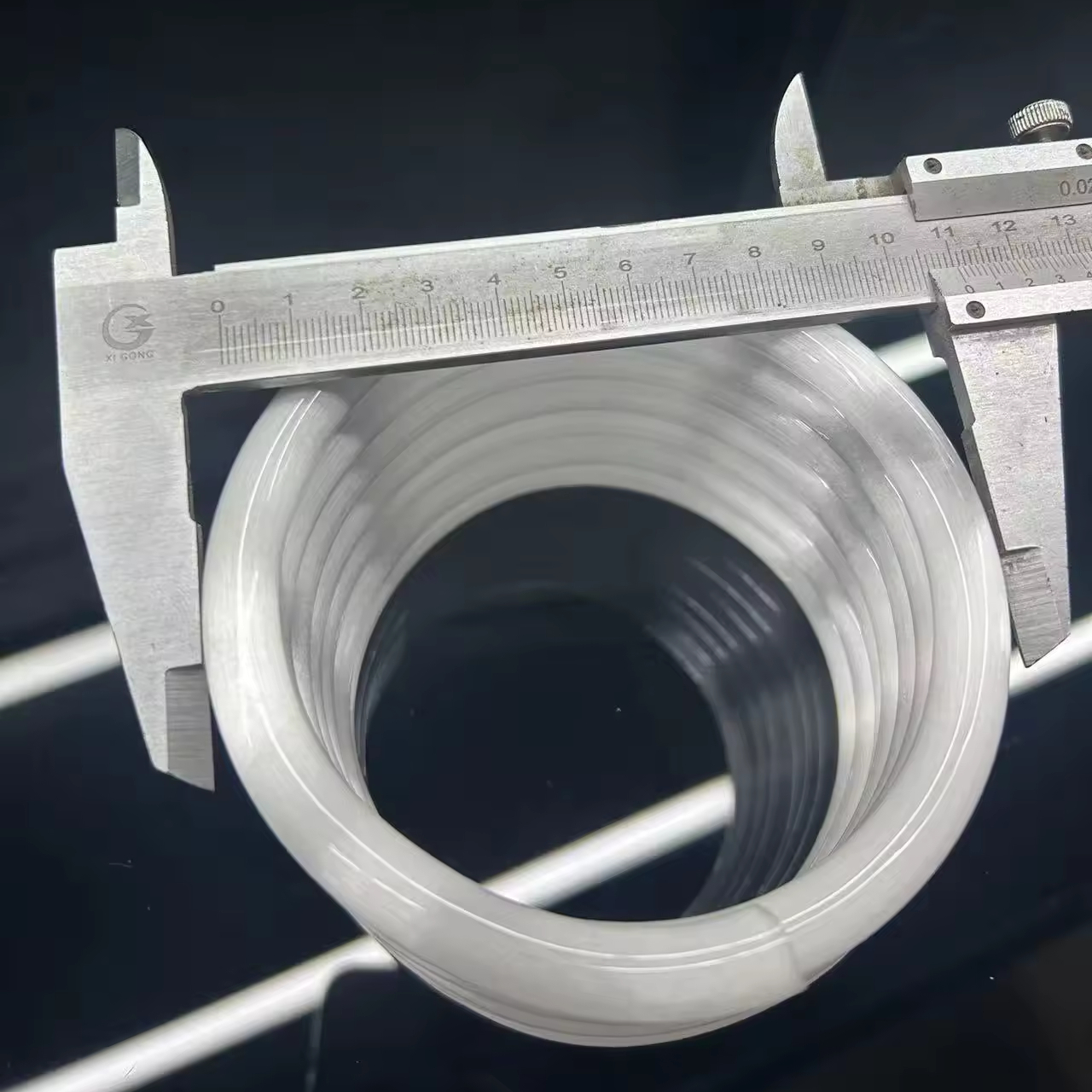
Helical Clear Quartz Glass Coil T-Tube
Engineered helical internal quartz tubes designed for rapid heat exchange, vapor condensation, and analytical distillation units.
View Product Specs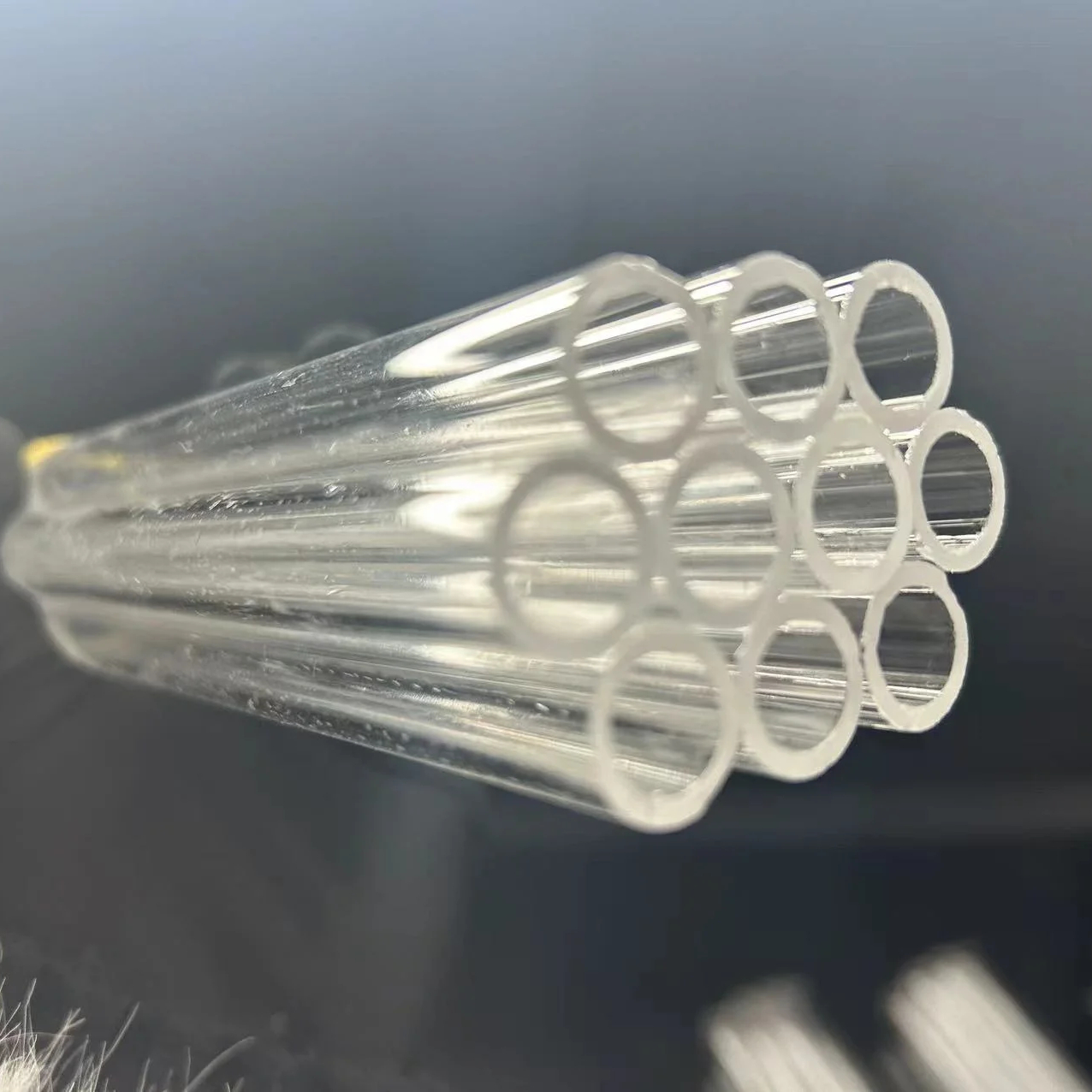
High Temperature Transparent Quartz Cylinder Tube
Ultra-clear fused quartz cylinders offering 1100°C continuous thermal tolerance and zero optical distortion for sight glasses.
View Product Specs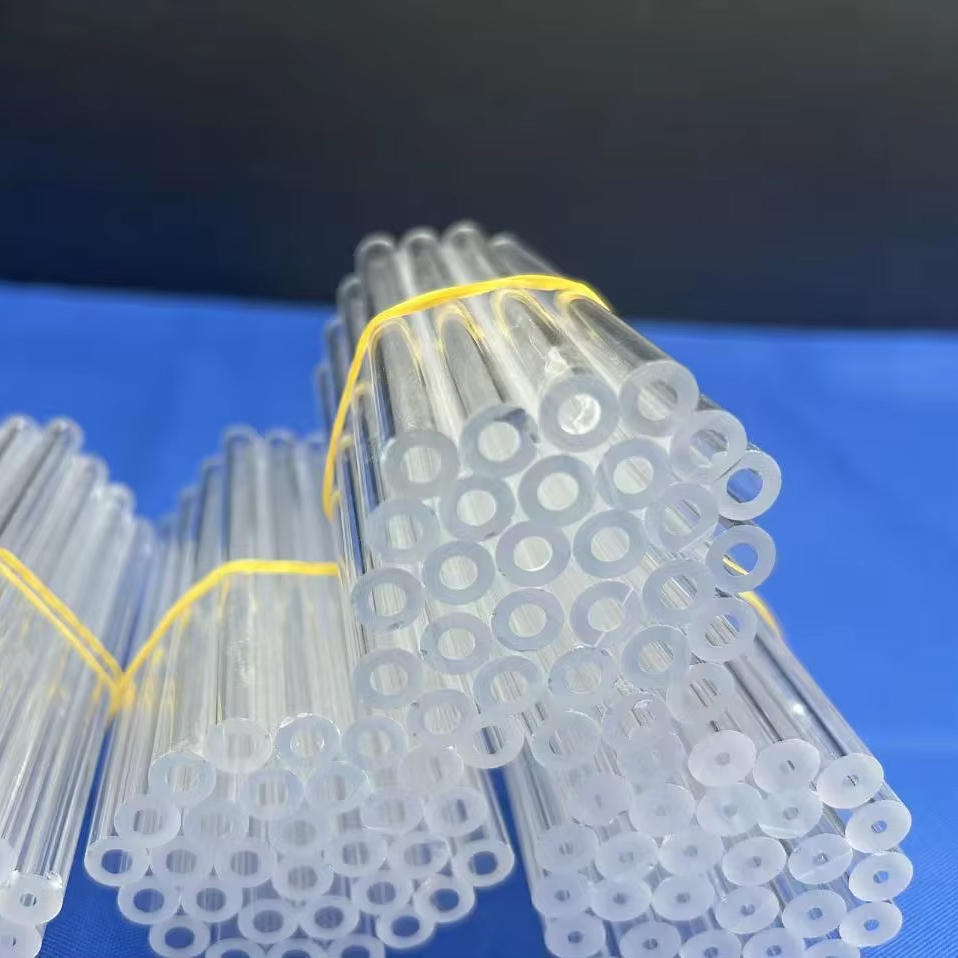
Customized Size Clear Quartz Glass BET Test Tube
Precision-bore BET sorption glass tubes crafted specifically for surface area analysis, gas adsorption, and porous material testing.
View Product Specs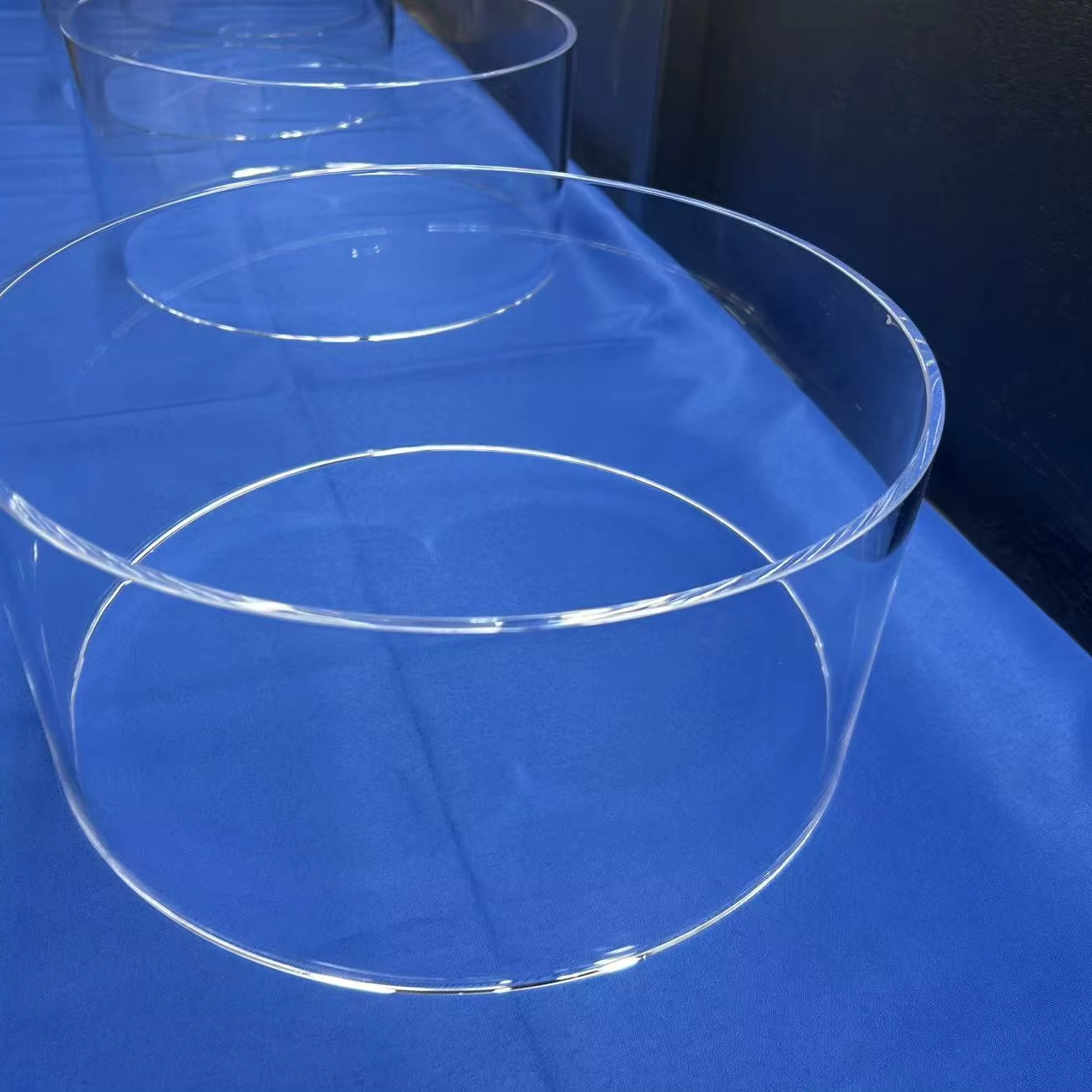
Fused Quartz Large Diameter Round Rods
Heavy-duty fused quartz rods available with custom precision cutting, bending, and fire-polishing for optical light guides and industrial furnaces.
View Product Specs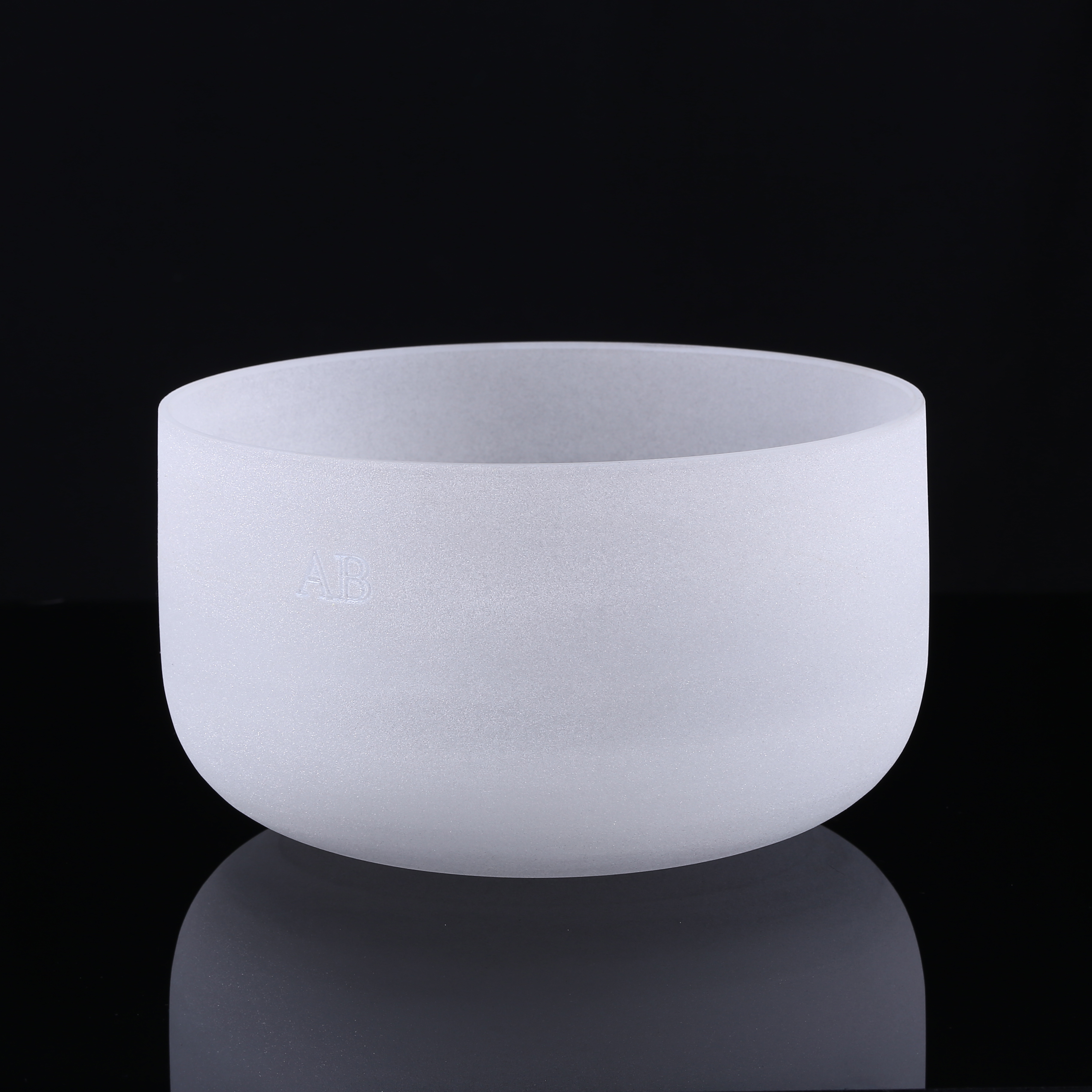
High Temperature Fused Silica Quartz Crucible
Chemical-resistant fused silica crucibles engineered for high-purity metal melting, chemical calcination, and material synthesis up to 1450°C.
View Product Specs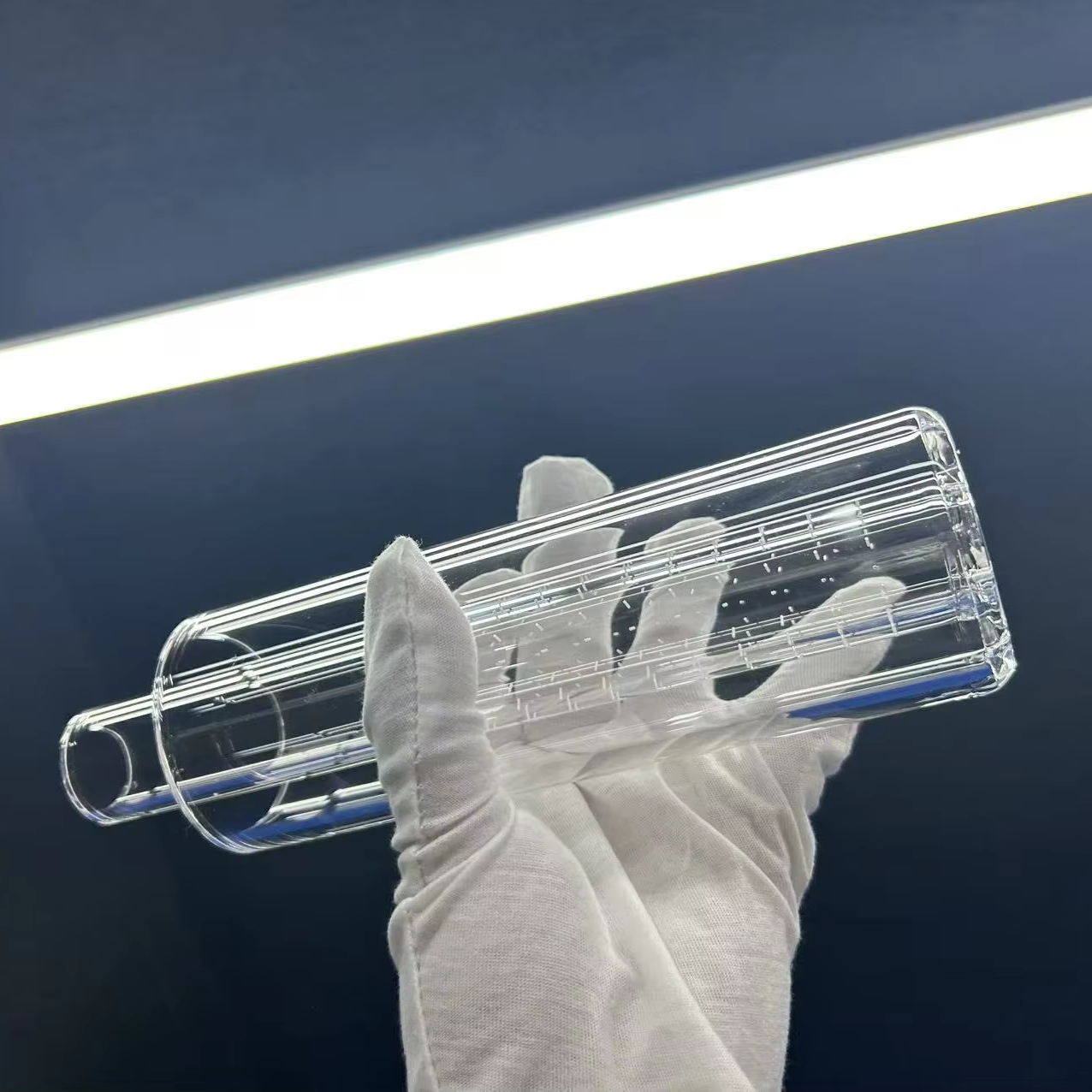
Customized Perforated Quartz Tube
CNC laser-drilled micro-perforated quartz tubes ensuring uniform gas distribution and liquid bubbling in chemical reactors.
View Product Specs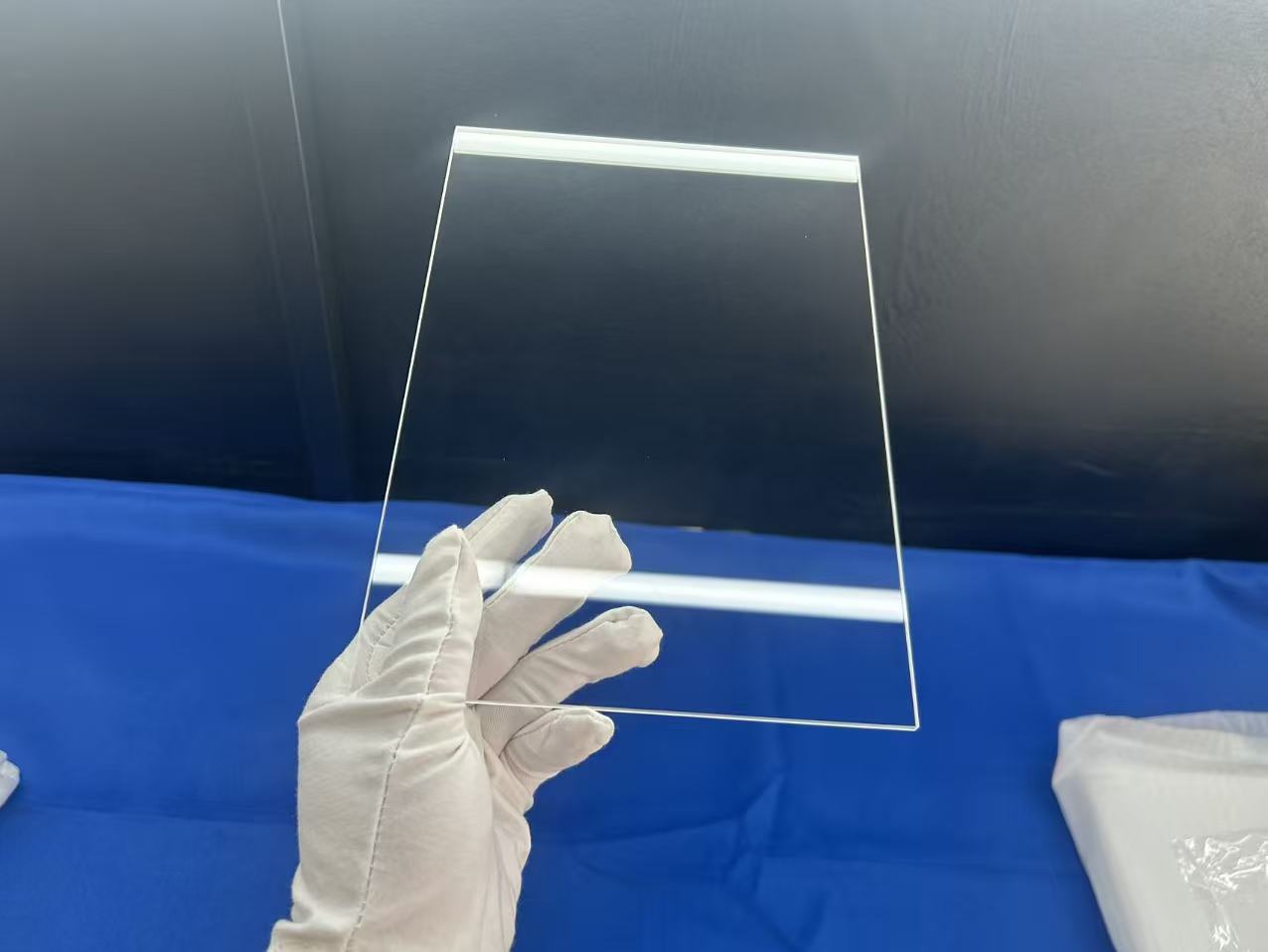
Polished High Purity Square Quartz Glass Plate
Optical-grade JGS1/JGS2 transparent quartz plates with 3mm+ thickness, flat-honed for UV spectroscopy windows and laser chambers.
View Product SpecsEngineering Whitepaper: Fused Quartz Glass Physics & Material Selection for Malmö Laboratories
As the Greater Copenhagen and Skåne innovation corridor solidifies its standing as Northern Europe's leading life science, materials science, and clean technology hub, the demand for precision laboratory apparatus has evolved beyond standard borosilicate glass. Modern chemical synthesis, biopharmaceutical processing, and advanced materials engineering in Malmö require laboratory vessels capable of resisting extreme thermal shock, maintaining structural integrity under intense atmospheric shifts, and eliminating metal ion contamination during trace analytical procedures.
When selecting a Quartz Glass Beaker Factory & Supplier for Malmö, engineering teams must evaluate physical quartz physics rather than standard catalog dimensions. Fused quartz (amorphous silicon dioxide, SiO₂) possesses fundamentally superior physical properties compared to traditional multi-component borosilicate glass (SiO₂-B₂O₃-Na₂O-Al₂O₃).
Ultra-Low Coefficient of Thermal Expansion (CTE)
Standard borosilicate glass has a thermal expansion coefficient of approximately $3.3 \times 10^{-6}/\text{K}$. By contrast, high-purity fused quartz manufactured by Donghai County Nivra Quartz Products Co., Ltd. exhibits an extraordinarily low CTE of approximately $5.5 \times 10^{-7}/\text{K}$. This means a quartz glass beaker can be heated to over 1000°C and immediately quenched in cold water without cracking or experiencing structural degradation. For rapid heating cycles in Malmö materials laboratories, fused quartz eliminates vessel failure risks.
Broad Spectrum Electromagnetic Transmittance
For optical applications, light transmission through reaction vessels is critical. While standard glass blocks ultraviolet rays below 310 nm, synthetic and high-purity clear fused quartz (JGS1 & JGS2 optical grades) provides exceptional optical clarity across a broad spectral range. Transmittance extends seamlessly from deep ultraviolet (<190 nm) through the visible spectrum into near-infrared wavelengths (>3500 nm). This makes our quartz beakers ideal for photochemical synthesis, UV curing, and spectral analysis in Malmö R&D facilities.
Fused Quartz vs. Standard Laboratory Glassware: Comprehensive Comparison
Engineering reference data comparing material grades for technical buyers and laboratory procurement teams in Sweden.
| Physical / Chemical Property | Synthetic Fused Silica (JGS1) | Clear Fused Quartz (JGS2 / Nivra Std) | Infrared Quartz (JGS3) | Standard Borosilicate 3.3 |
|---|---|---|---|---|
| SiO₂ Content Purity | > 99.999% | > 99.99% | > 99.99% | ~ 81% |
| Continuous Working Temp (°C) | 1100 °C | 1100 °C | 1100 °C | 500 °C |
| Maximum Short-Term Temp (°C) | 1450 °C | 1350 °C | 1350 °C | 600 °C |
| Coefficient of Thermal Expansion | $5.4 \times 10^{-7} /\text{K}$ | $5.5 \times 10^{-7} /\text{K}$ | $5.5 \times 10^{-7} /\text{K}$ | $3.3 \times 10^{-6} /\text{K}$ |
| UV Transmission (190-300nm) | > 90% (Deep UV Optical) | > 80% (UV-Vis Standard) | Moderate / Absorbs UV | 0% (Opaque in UV) |
| OH¯ Content (Hydroxyl) | < 5 ppm | < 30 ppm | < 5 ppm (Low-OH IR Grade) | N/A (Multi-oxide system) |
| Acid Corrosion Resistance | Exceptional (Except HF & >300°C H₃PO₄) | Exceptional (Except HF & >300°C H₃PO₄) | Exceptional (Except HF & >300°C H₃PO₄) | Moderate (Leaches alkali over time) |
Localized Application Scenarios across the Malmö & Skåne Industrial Cluster
Malmö’s strategic positioning within the Öresund region makes it a cornerstone for high-tech manufacturing, bio-pharmaceutical research, green battery development, and synchrotron radiation science. Donghai County Nivra Quartz Products Co., Ltd. supplies high-purity quartz beakers, reaction tubes, and custom quartz glass vessels tailored to the specialized workflows of these regional sectors:
Medicon Village & Bio-Pharma R&D
In life science cleanrooms across Malmö and nearby Lund, trace metal leaching from standard laboratory containers can corrupt delicate cell cultures or invalidate mass spectrometry assays. Our ultra-pure 99.99% fused silica beakers contain negligible baseline impurities (Fe < 0.2 ppm, Al < 10 ppm, Na < 1 ppm), guaranteeing zero cross-contamination during ultra-pure acid digestion and analytical sample handling.
MAX IV & ESS Beamline Auxiliaries
The MAX IV Laboratory and the European Spallation Source (ESS) represent the world's most advanced research infrastructure for materials science. We produce specialized thin-wall quartz beakers, optical sight glass plates, and ultra-high-vacuum sample holders designed to handle intense photon illumination and extreme thermal gradients without outgassing or structural optical degradation.
Cleantech & Battery Electrolyte Synthesis
Scania’s rapidly expanding clean energy and battery technology firms rely on fused quartz reaction beakers for high-temperature electrolyte synthesis and molten-salt chemistry. Operating continuously at temperatures exceeding 1000°C, quartz beakers resist aggressive chemical corrosion and preserve chemical purity during advanced energy storage experiments.
Localized Sourcing Trends: Sustainability & Quality Compliance in Skåne
Procurement departments in Sweden operate under strict environmental and quality guidelines. Modern industrial buyers in Malmö are moving away from disposable single-use labware toward durable, thermal-shock resistant quartzware that offers long operational lifespans and reduces environmental waste.
REACH & RoHS Environmental Standard Compliance
Every piece of fused quartz labware manufactured by Donghai County Nivra Quartz Products Co., Ltd. meets rigorous European environmental directives. Quartz glass is chemically inert, containing zero toxic additives, heavy metals, or hazardous plasticizers. This ensures full compliance with Sweden's environmental standards and seamless integration into ISO 14001 certified laboratory operations.
Precision OEM Customization to ISO 2768-m Tolerances
Standard off-the-shelf beakers often fail to meet the tight dimension requirements of automated robotic laboratory stations. Our factory provides direct CNC machining, laser drilling, spout modifications, micro-flange welding, and custom capacity calibrations tailored directly to your engineering CAD drawings.
Why Source From Donghai County Nivra Quartz Products Co., Ltd.?
Combining China's premier silica raw material hub with advanced precision glassblowing and rigorous quality assurance.
Direct Origin Source
Located in Donghai County, Jiangsu—widely recognized as China's silica capital—our factory leverages direct access to world-class natural rock crystal and synthetic silica resources, minimizing raw material costs while controlling silica purity.
Advanced Manufacturing
Our 101–200 skilled workforce operates state-of-the-art automatic glass lathes, CNC ultrasonic drilling machines, laser cutting systems, and high-capacity annealing ovens to deliver seamless glass welds and strain-free quartz components.
Verified Export Logistics
With an average technical inquiry response time under 5 hours (88.89% response rate) and verified export protection, we supply shock-proof, custom-foamed wooden crate packaging for damage-free transit into Malmö ports and Copenhagen airport logistics hubs.
Frequently Asked Questions (FAQ) for Malmö Procurement & Engineering Teams
Addressing technical specs, custom manufacturing lead times, and global shipping to Skåne County.
A: Fused quartz beakers can operate continuously at 1100°C and handle short-term thermal peaks up to 1450°C, with a softening point near 1683°C. Borosilicate glass begins softening around 560°C and cannot exceed 500°C in continuous operation. Furthermore, quartz exhibits virtually zero thermal expansion ($5.5 \times 10^{-7}/\text{K}$), preventing thermal shock fractures when rapidly moving between extreme temperatures.
A: Hydrofluoric acid (HF) and hot phosphoric acid must be avoided, as HF readily etches silicon dioxide. For standard cleaning, soak in dilute nitric acid or acid baths followed by rinsing with deionized water. Ensure quartz surfaces are free of alkali ions (such as sodium or potassium from fingerprints) before heating above 1000°C to prevent surface devitrification (crystallization back into cristobalite).
A: Yes. We provide full OEM/ODM engineering services. You can submit technical drawings in PDF, DWG, STEP, or IGES formats. Our engineering team evaluates wall thickness tolerances, spout geometry, handle welding, and grinding finishes, providing technical feedback within 5 hours.
A: Fragile quartzware undergoes strict multi-stage packing. Each part is cleaned, vacuum-wrapped, and embedded within custom-molded shock-absorbing EPE foam inside reinforced multi-layer cartons or fumigation-free export wooden cases. We guarantee safe arrival in Malmö, with full transit insurance coverage available.
A: For standard quartz beakers and basic tubes, MOQs start from 1 to 10 pieces to support lab prototyping. Custom-machined precision parts or specialized quartz plates typically start at 10 to 50 pieces. Sample prototypes are produced within 5–7 working days, followed by batch production based on your schedule.
A: We provide batch ICP-MS trace element impurity reports confirming $\text{SiO}_2$ purity levels exceeding 99.99%. Dimensional inspection sheets and material compliance certificates are provided upon request prior to export dispatch.
Request Custom Quartzware Specifications & Factory Direct Catalog
Connect directly with our engineering sales team to discuss custom quartz beaker dimensions, thermal tolerances, material grade selection, and factory-direct pricing for your Malmö facility.