Precision Products for High-Temperature & High-Purity Applications
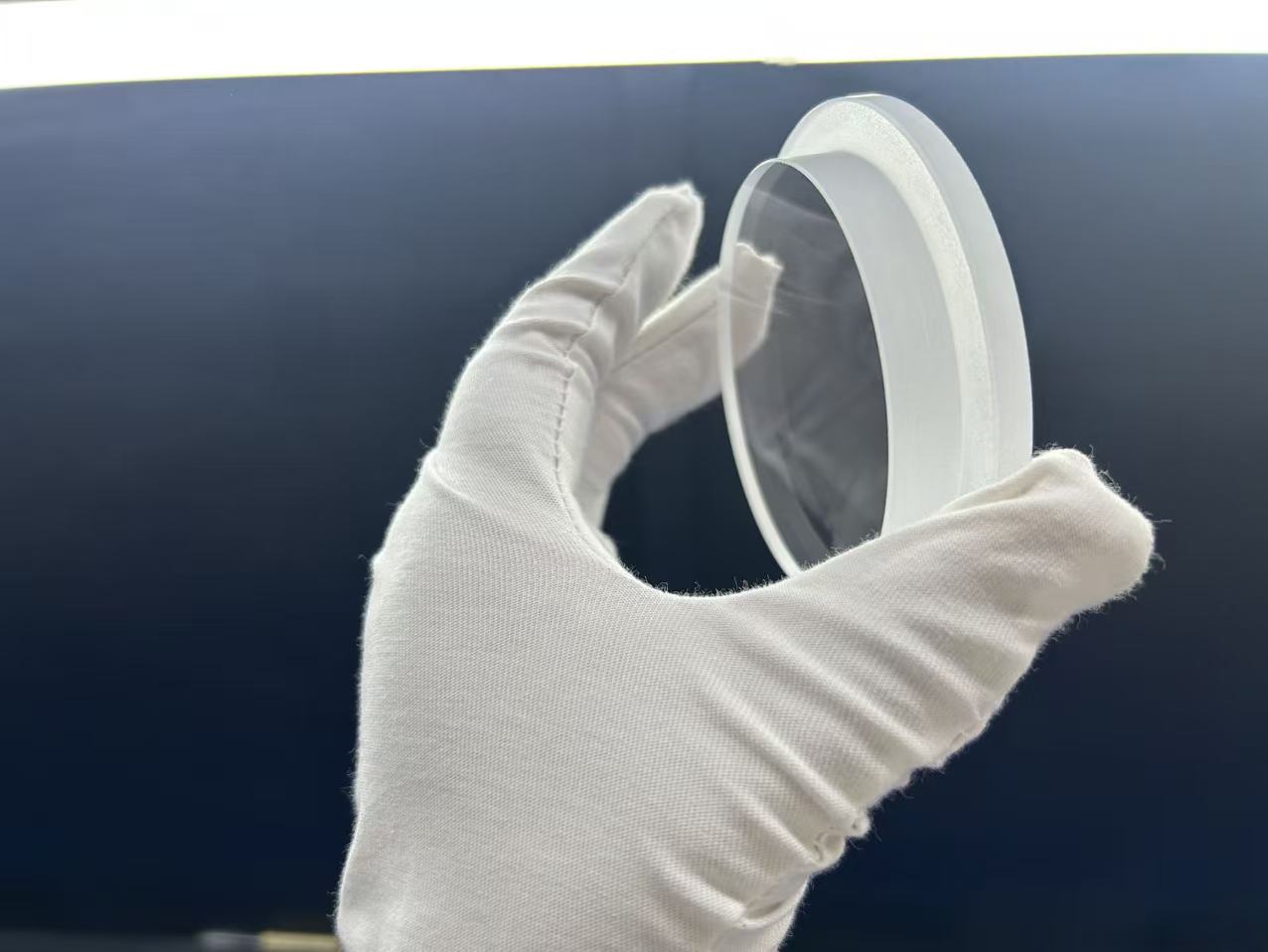
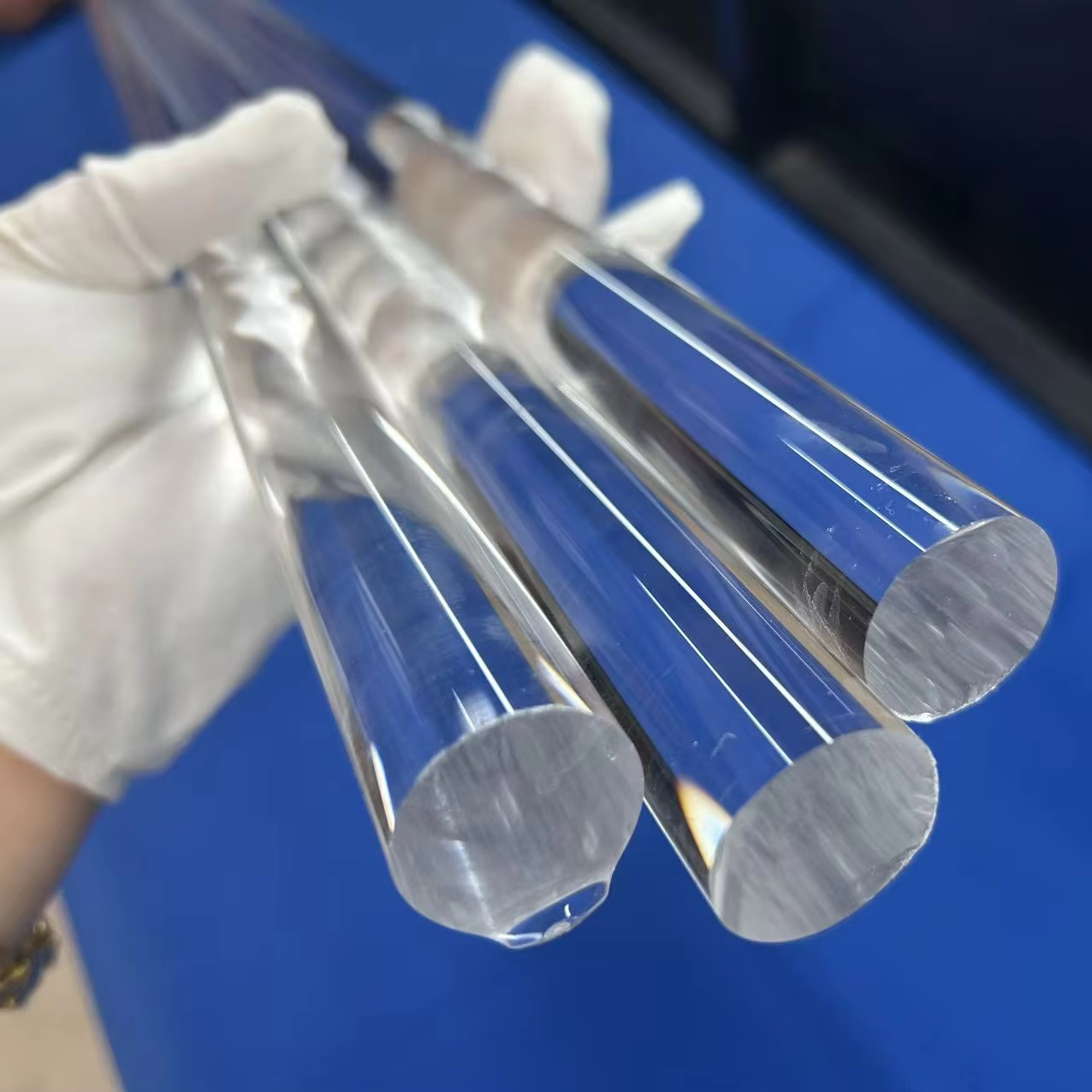
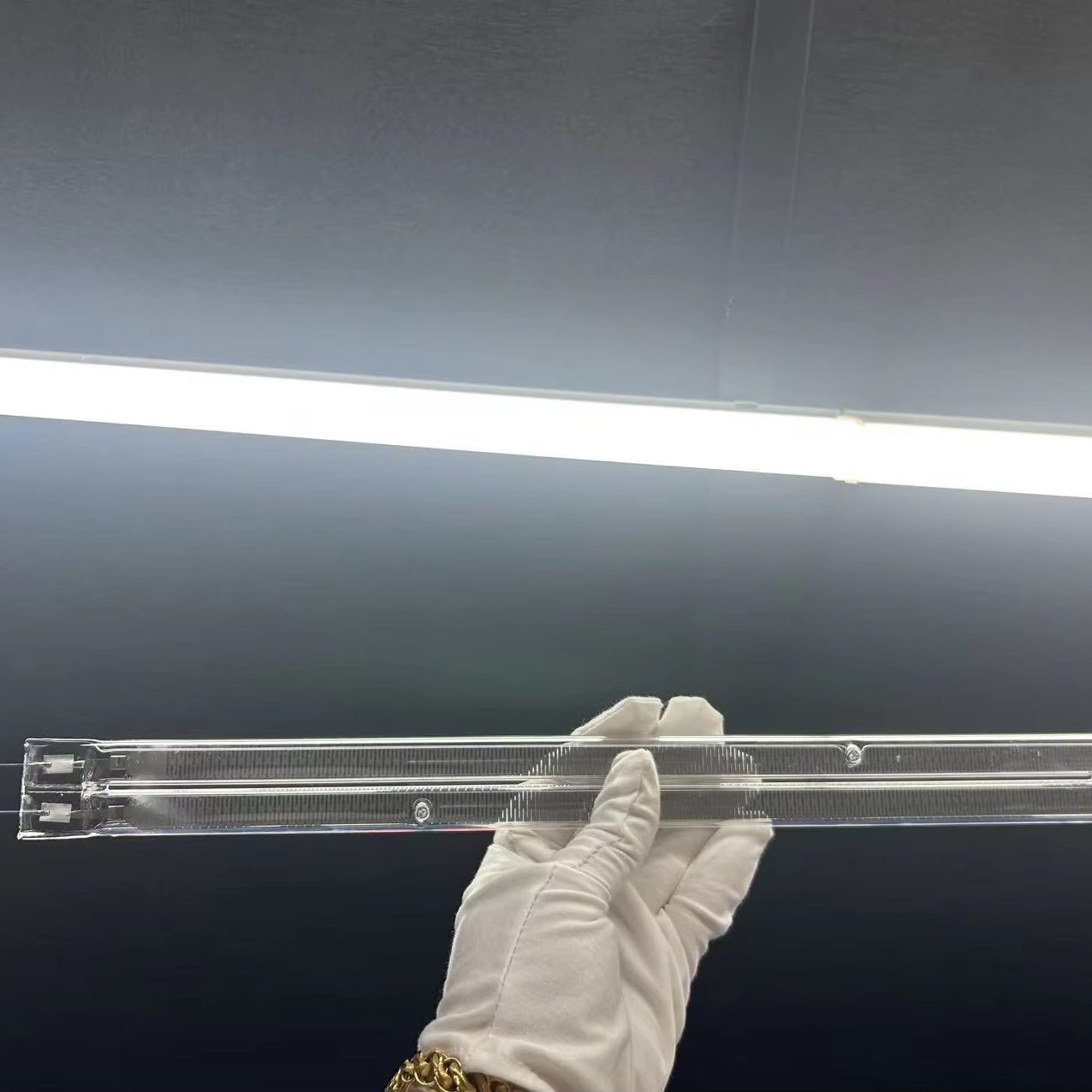
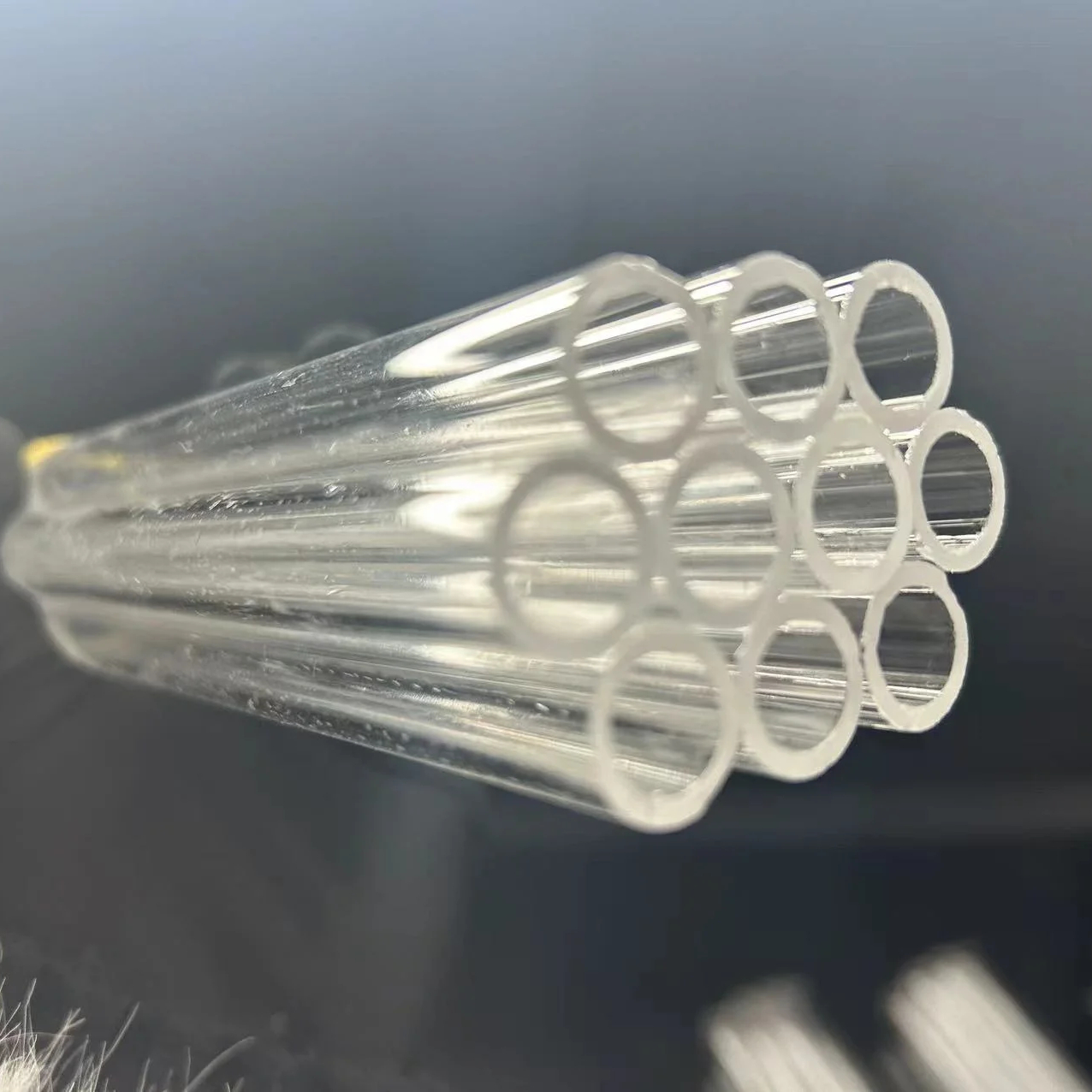
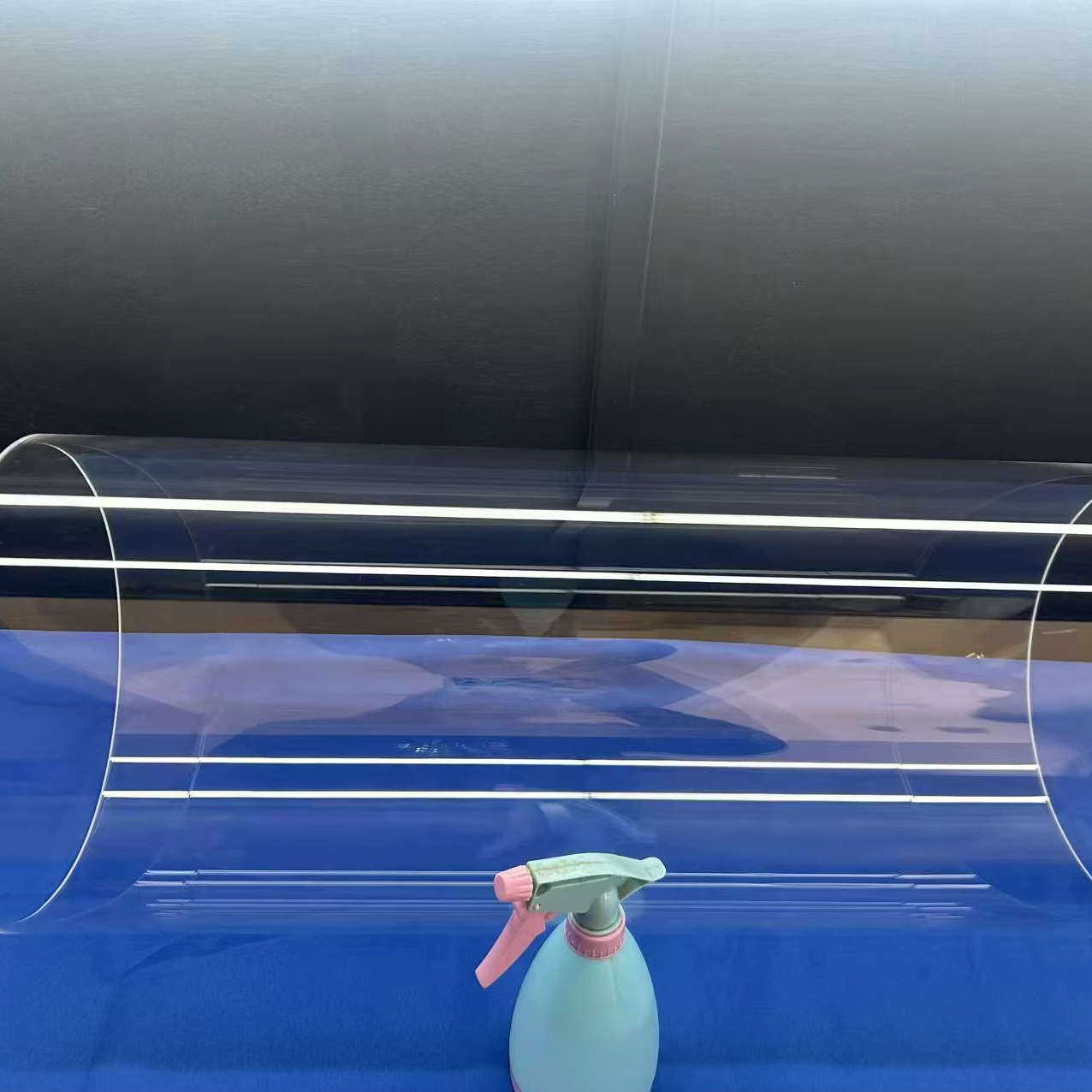
Manufactured from premium Donghai high-purity natural silica sand (≥99.99% SiO2) with zero trace metallic leaching, extreme optical clarity, and continuous 1100°C thermal stability.
Why Liepāja Chemical & Material Testing Demands Fused Quartz Beakers
Thermal Shock Immunity & Extreme Temperatures
Standard borosilicate labware expands at 3.3 × 10⁻⁶ /°C and cracks under steep thermal gradients. Our fused silica beakers exhibit an ultralow thermal expansion coefficient of 5.5 × 10⁻⁷ /°C. An engineer can heat our quartz beaker to 1150°C and drop it directly into ice-cold Baltic seawater without fracturing.
- Softening Point: 1683°C
- Annealing Point: 1180°C
- Strain Point: 1070°C
Ultra-Trace Leaching & Pure Acid Immunity
For ICP-MS, AAS, and ultra-trace metallurgical digestions conducted in Liepāja testing facilities, borosilicate releases boron, sodium, and calcium into samples. Our quartz beakers are chemically inert to concentrated Aqua Regia, Nitric Acid (HNO3), and Sulfuric Acid (H2SO4) at boiling temperatures, maintaining sub-ppb baseline blanks.
- Zero alkali extraction
- Unreactive to all halogens
- Hydrofluoric (HF) acid restriction noted
Deep UV-to-Near IR Spectral Transmission
Manufactured using optical-grade JGS1 (Synthetic Fused Silica) or JGS2 / JGS3 refined natural quartz. Our beakers feature high optical transparency across deep UV (down to 185 nm) through visible spectrum to near-infrared (up to 3500 nm), allowing simultaneous photochemical synthesis and direct spectrophotometric inspection.
- JGS1 deep UV transmission ≥90%
- Low hydroxyl (OH) options available
- Superior optical bubble-free clarity
Material Performance Matrix: Fused Quartz vs. Competing Lab Glass
| Physical / Chemical Property | Nivra Fused Quartz Beaker | Borosilicate Glass 3.3 | PTFE / PFA Teflon Beaker | Sintered Alumina (99.5%) |
|---|---|---|---|---|
| Maximum Working Temp (Continuous) | 1100°C | 450°C - 500°C | 260°C | 1600°C |
| Thermal Expansion Coeff. (20–300°C) | 0.55 × 10⁻⁶ /°C | 3.3 × 10⁻⁶ /°C | 100–120 × 10-6 /°C | 8.0 × 10⁻⁶ /°C |
| Thermal Shock Resistance (ΔT) | > 1100°C (Water Quench) | 150°C – 180°C | Moderate (Deforms) | 150°C – 200°C (Brittle) |
| Acid Resistance (Boiling Aqua Regia) | Completely Inert | Surface Micro-Etching | Inert | Slow Degradation |
| Optical Transparency (UV / Visible) | High (185nm – 2500nm) | Cuts off at <310nm | Opaque / Milky White | Completely Opaque |
| Mechanical Rigidity at 800°C | Absolute Solid Rigidity | Liquid Melting State | Decomposed (>350°C) | Rigid |
Localized Applications in the Liepāja & Kurzeme Regional Industry
Liepāja is western Latvia's premier industrial and logistics gateway. Anchored by the Liepāja Special Economic Zone (Liepājas SEZ), an ice-free seaport, and an interconnected manufacturing cluster, the city bridges heavy metal processing, chemical synthesis, clean maritime technology, and agritech. Laboratory managers and plant engineers in Liepāja utilize our quartz beakers across distinct high-demand scenarios:
1. Precision Metallurgy & Galvanic Surface Engineering
Liepāja has a profound metalworking heritage. Metal surface treating facilities, hot-dip zinc galvanizers, and precision machining workshops rely on our fused quartz beakers for high-temperature hot-acid digestion baths, stripping checks, and atomic absorption analysis of plating chemical purity where standard glass fails.
2. Maritime Energy & Baltic Environmental Testing
Marine research centers monitoring Baltic Sea coastal ecologies, port water salinity, and antifouling marine coating formulations require beakers with absolute non-porosity and zero leaching of sodium or silica ions during high-temperature water sample evaporation and heavy metal precipitation.
3. Green Synthesis & Biofuel Petrochemical QA
In the Kurzeme regional chemical cluster, bio-fuel formulation, specialty resins, and sustainable polymer pilot reactors utilize our thick-wall quartz beakers as reaction vessels. Quartz handles the violent exothermic reaction profiles of sulfuric acid-catalyzed esterification without devitrification.
4. Agritech & Grain Processing Quality Assurance
As a leading Baltic grain export harbor, Liepāja's grain inspection and agritech analytical laboratories utilize quartz glassware for Kjeldahl nitrogen digestions, trace pesticide ashing at 700°C–900°C, and soil mineral analysis, where high speed and thermal resistance improve laboratory turnaround times.
Why Baltic Procurement Teams Choose Nivra Quartz Direct
Founded in February 2019 in Donghai County, Jiangsu—the epicenter of the world's crystal and fused quartz industry—Donghai County Nivra Quartz Products Co., Ltd. combines raw material sovereignty with precision German-standard CNC machining and hot flame glassblowing.
Direct Source Factory
Situated in Donghai, we process high-purity natural silica directly into tubes, rods, crucibles, and beakers. Sourcing direct eliminates multiple European middleman margins, reducing procurement costs by up to 35-50%.
≤5 Hour RFQ Turnaround
Time difference is seamlessly bridged. Our measured international inquiry response rate is 88.89% with an average reply time under 5 hours. Liepāja engineering teams receive rapid CAD reviews and clear DFM feedback.
Full-Chain Customization
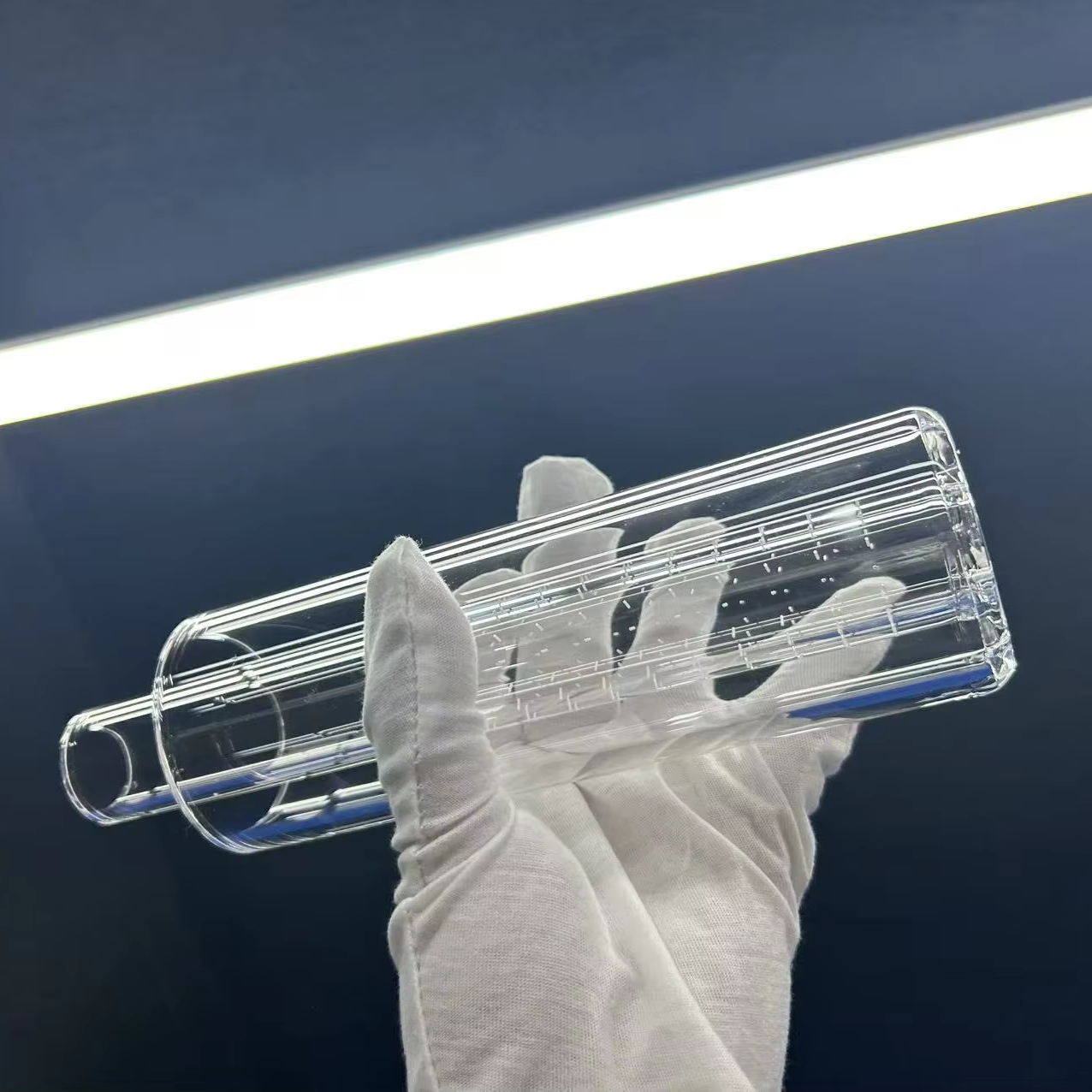
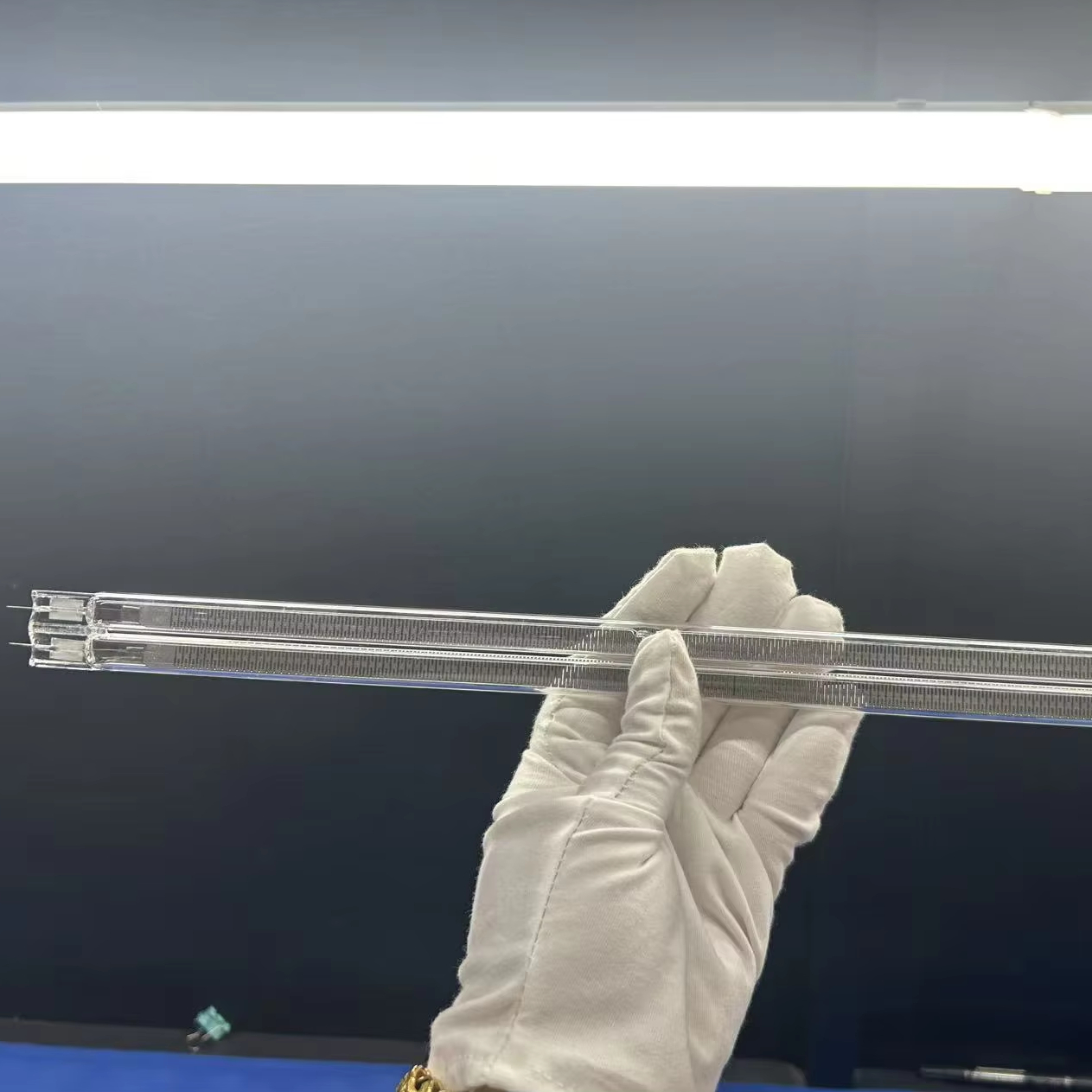
We provide precision cutting, laser drilling, surface grinding, high-vacuum optical flame fire-polishing, customized double-wall jackets, and laser-etched graduations strictly according to your DWG, STEP, or PDF drawings.
Zero-Breakage Baltic Logistics
Fragile quartz requires specialized export packaging. Each beaker is vacuum-sealed, encased in high-density customized shock-absorbing EPE foam, and packaged into reinforced wooden export crates certified for sea and air freight.
Available Quartz Glass Beaker Configurations
Standard Griffin Low-Form Quartz Beakers
Fabricated according to ISO 3819 and DIN 12331 specifications. Features a flat, flame-polished bottom, an ergonomic pouring spout, and heavy-duty reinforced lip rims. Ideal for everyday acid digestions, sample heating, and ashing furnaces.
- Capacities: 25ml, 50ml, 100ml, 250ml, 500ml, 1000ml, 2000ml, 5000ml
- Wall Thickness: 1.5mm to 4.5mm depending on diameter
- Available with or without permanent ceramic-baked graduations
Berzelius Tall-Form Narrow Quartz Beakers
Optimized for electro-gravimetric analysis, titrations, and chemical dissolutions where high surface-to-volume evaporation must be restrained. Available with or without spouts, fitting securely into heating mantles and bench-top dry baths.
- Enhanced height-to-diameter ratio (typically ~2:1)
- Minimizes acid fuming and splash hazards
- Uniform wall thickness distribution for even conduction
Double-Walled Jacketed Quartz Reaction Beakers
Engineered for precision chemical synthesis and temperature-controlled organic reactions. Equipped with GL-14/GL-18 threaded ports or ground glass quick-disconnect hose nozzles for circulating chilled brine or heated silicone thermal oil.
- Integrated thermal insulation or constant heating
- Zero stress zones at jacket weld junctions
- Customizable ports for temperature probes and condenser setups
Standard Griffin Low-Form Fused Quartz Beaker Sizes
| Nominal Capacity (ml) | Outer Diameter (OD ± 1.0mm) | Overall Height (H ± 1.5mm) | Wall Thickness (WT ± 0.3mm) | Recommended MOQ | Custom Options |
|---|---|---|---|---|---|
| 50 ml | 42 mm | 60 mm | 1.8 mm | 10 pcs | Etched graduations / Pure Flat Bottom |
| 100 ml | 50 mm | 70 mm | 2.0 mm | 10 pcs | Spout design / Heavy wall (+0.5mm) |
| 250 ml | 70 mm | 95 mm | 2.2 mm | 10 pcs | Custom spout angle / Double scale |
| 500 ml | 88 mm | 120 mm | 2.5 mm | 5 pcs | Ground stopper joint fitting |
| 1000 ml | 105 mm | 155 mm | 3.0 mm | 5 pcs | Jacketed cooling layer / Handle additions |
| 2000 ml | 132 mm | 190 mm | 3.5 mm | 2 pcs | Reinforced base / Ultra-thick wall |
| 5000 ml | 175 mm | 270 mm | 4.5 mm | 1 pc | Full custom blueprint fabrication |
Frequently Asked Questions: Sourcing Quartzware for Liepāja
What are the customs, tariffs, and shipping transit timelines to Liepāja, Latvia?
Our quartz products ship under HS Code 7017.10.00 (Laboratory, hygienic or pharmaceutical glassware, whether or not graduated or calibrated - of fused quartz or other fused silica). For rapid prototyping and urgent operational needs in Liepāja, air express (DHL, FedEx, UPS) to Riga International Airport (RIX) with bonded overland transit takes approximately 4 to 7 business days. For bulk container or project orders destined for the Liepāja Special Economic Zone, maritime container freight into the Port of Liepāja or Port of Riga typically requires 28 to 35 days. All shipments arrive with complete commercial invoices, packing lists, and Certificates of Origin (CO) for smooth customs clearance via the State Revenue Service (VID) of Latvia.
How does Nivra Quartz ensure zero breakage during international transit to the Baltic states?
Quartz glass possesses exceptional compressive strength but is susceptible to impact chipping on open lips or spouts. We implement a three-tier export packaging protocol: First, every beaker is degreased, ultrasonically cleaned in deionized water, and sealed in an anti-static dustproof envelope. Second, the product is suspended within custom-molded high-density expanded polyethylene (EPE) shockproof cellular foam with dedicated wall buffers. Third, the internal packs are loaded into heavy-duty 5-ply corrugated export cartons and sealed within rigid, fumigation-free plywood crates strapped with steel bands. In our recent verified export records spanning North America and Europe, our international transit damage rate is lower than 0.15%. In the rare event of transit damage, we provide immediate free replacements upon photo verification.
Can you apply permanent measurement graduations and custom company branding to the beakers?
Yes. Standard organic silk-screened ink burns off at temperatures exceeding 250°C. For our fused quartz beakers, we provide two specialized high-temperature graduation methodologies: Permanent Laser Etching (which mechanically alters the quartz surface without chemical binders, enduring unlimited thermal cycles up to 1200°C) or High-Temperature Vitrified Ceramic Glazing (baked at 800°C, offering sharp visual contrast for reading liquid volumes in analytical laboratories). Custom graduation volumes, milliliter increments, tare weights, and OEM corporate logos can be configured precisely to your specifications.
What is the distinction between JGS1, JGS2, and JGS3 quartz material for beaker fabrication?
JGS1 (Synthetic Fused Silica) is produced from silicon tetrachloride (SiCl4) flame hydrolysis. It contains virtually no metallic impurities (Fe < 0.1 ppm) and offers extraordinary deep-ultraviolet transmission down to 185 nm, making it the preferred choice for photochemical excitation, UV digestion, and optical sensor chambers. JGS2 (Fused Natural Quartz) is our standard grade for laboratory beakers, tubes, and plates; melted from high-grade natural crystal sand in an electric resistance furnace, it provides exceptional chemical resistance and mechanical durability from 220 nm to 2500 nm. JGS3 is an infrared-grade fused silica processed under vacuum to extract hydroxyl (-OH) groups, transmitting up to 3500 nm for thermal and IR pyrometer monitoring.
Can we submit customized technical drawings (CAD / DWG / STEP) for non-standard vessel shapes?
Absolutely. While we maintain extensive inventories of standard Griffin low-form beakers, a substantial portion of our factory production consists of tailored OEM and ODM parts. We routinely manufacture beakers with non-standard wall thicknesses (up to 8mm for extreme mechanical stress), integrated quartz sinter filters (porosities from G0 to G5), multi-neck spherical vessel conversions, flat step flanges, and welded thermocouple wells. You can share drawings in PDF, DWG, DXF, or STEP format, and our engineering team will provide a comprehensive DFM (Design for Manufacturability) review within 5 hours.
What are the strict operational precautions when using quartz beakers in industrial digestion?
Although fused quartz offers almost unmatched chemical resistance, two operational rules must be observed: First, Hydrofluoric Acid (HF) and hot concentrated Phosphoric Acid (H3PO4 > 150°C) will chemically attack and dissolve SiO2. Quartz vessels must not be used for HF digestion (where PFA/PTFE vessels are required). Second, when operating near the devitrification threshold (>1000°C), contact with alkaline salts, alkali metal dust (sodium, potassium), or bare fingerprints must be avoided, as alkali ions act as nucleation catalysts that cause transparent fused silica to convert into white, opaque crystalline cristobalite. Proper cleaning with dilute nitric acid and alcohol drying preserves optical clarity across thousands of heating hours.