Ultra Pure
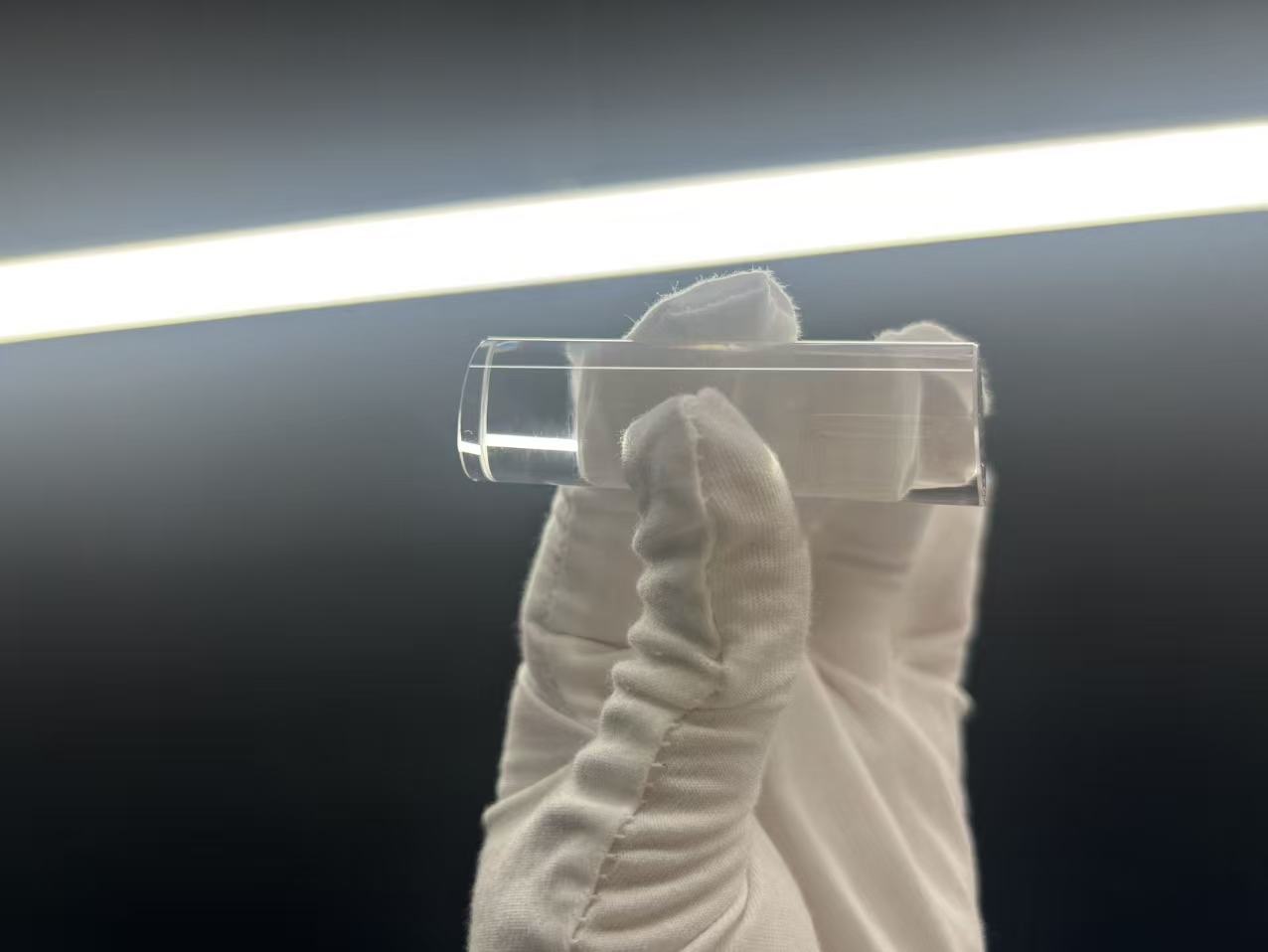
Round Head Quartz Rod
Flame Annealed
Product Details
Manufactured from ultra-pure natural quartz silica (≥99.99% SiO₂) with extreme thermal resistance up to 1450°C and ultra-low coefficient of expansion. Fully customized to European DIN/ISO tolerances.
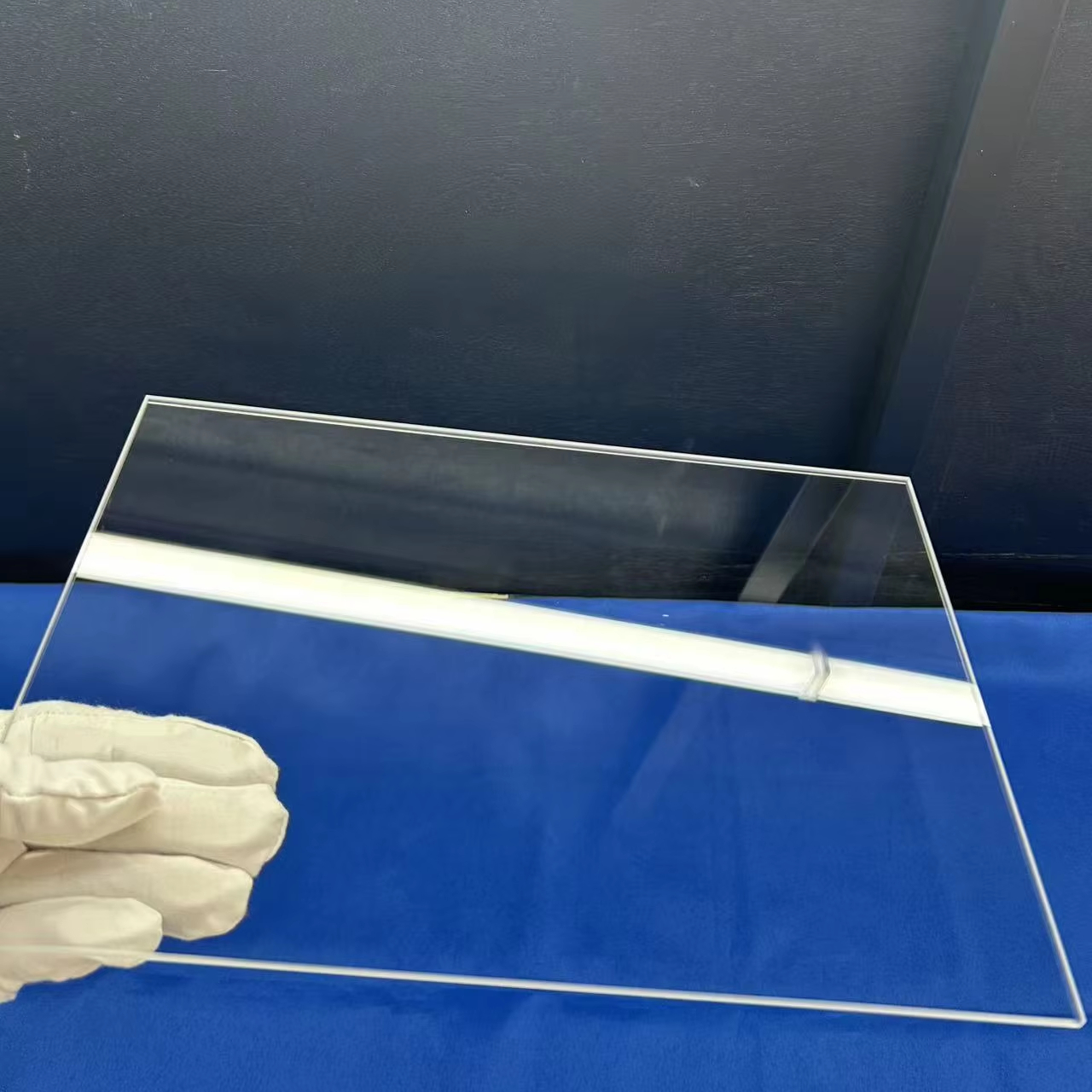
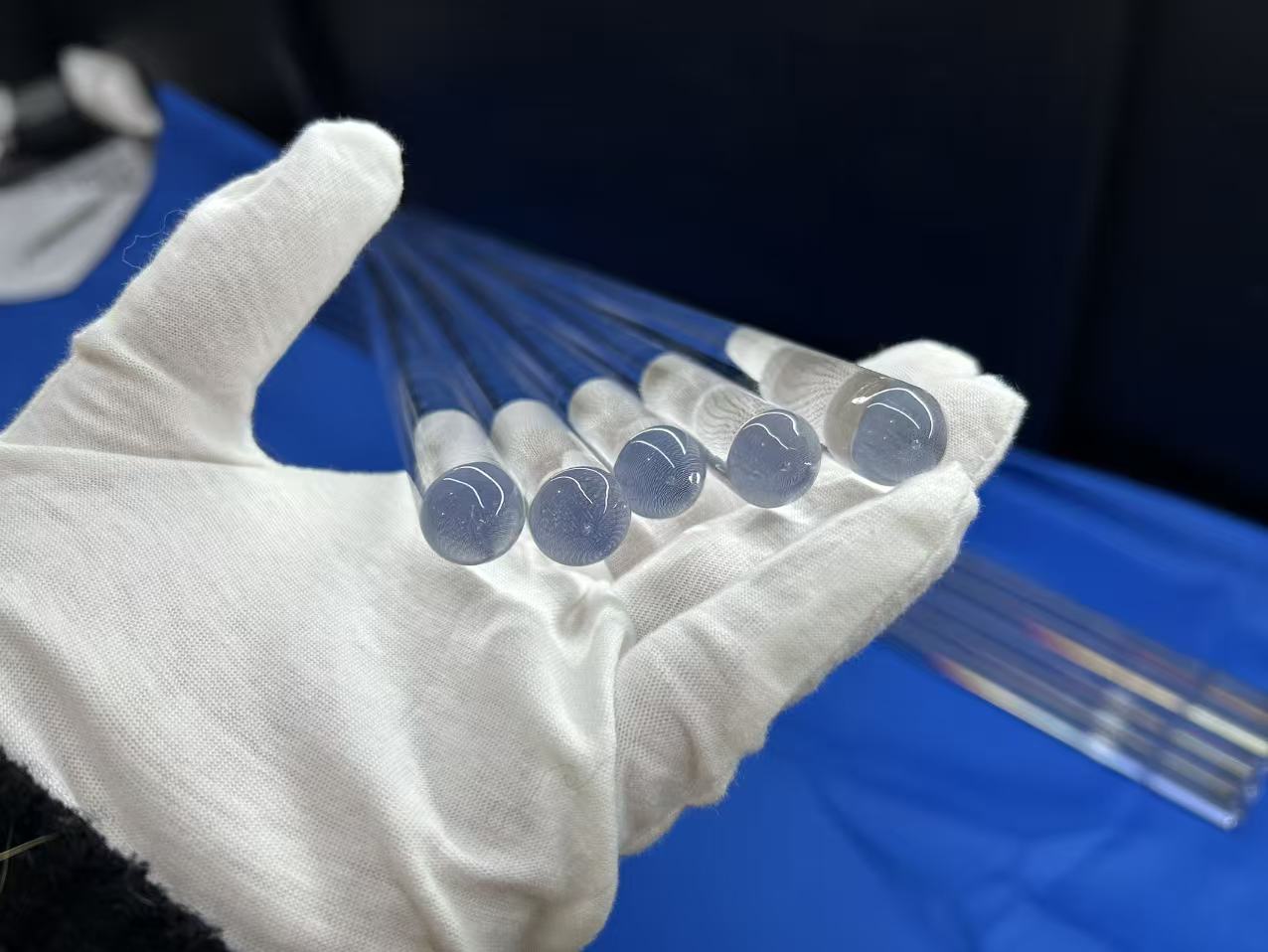
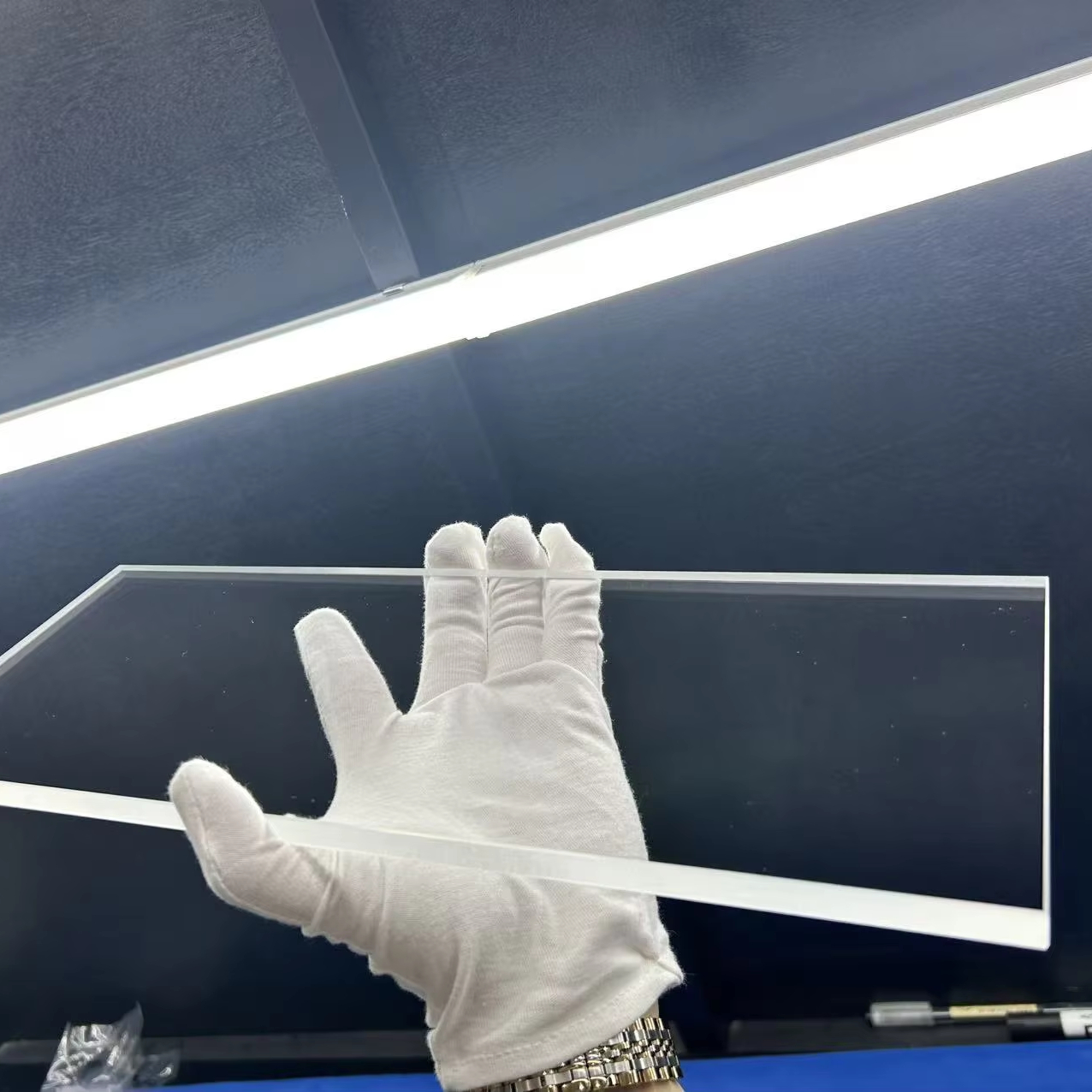
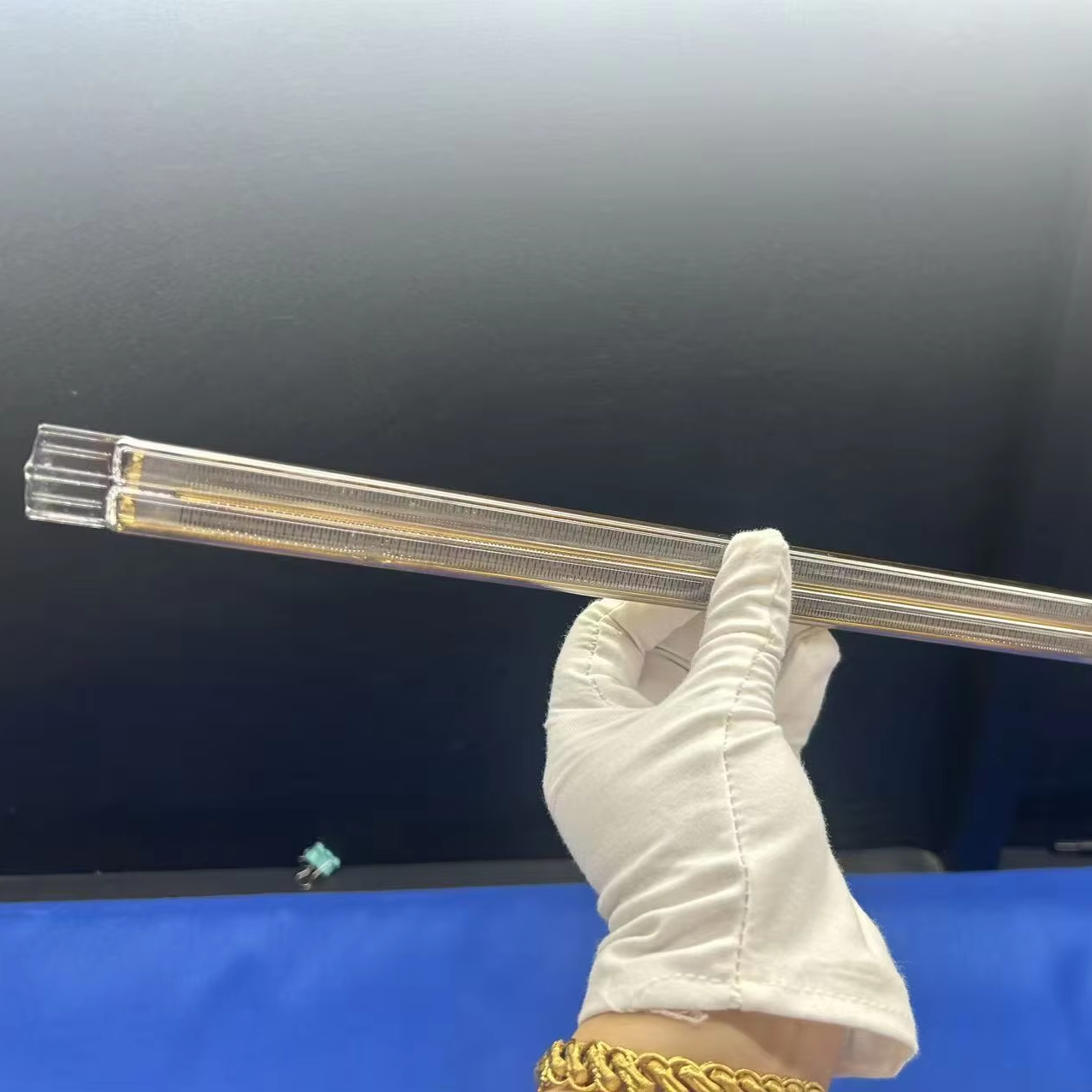
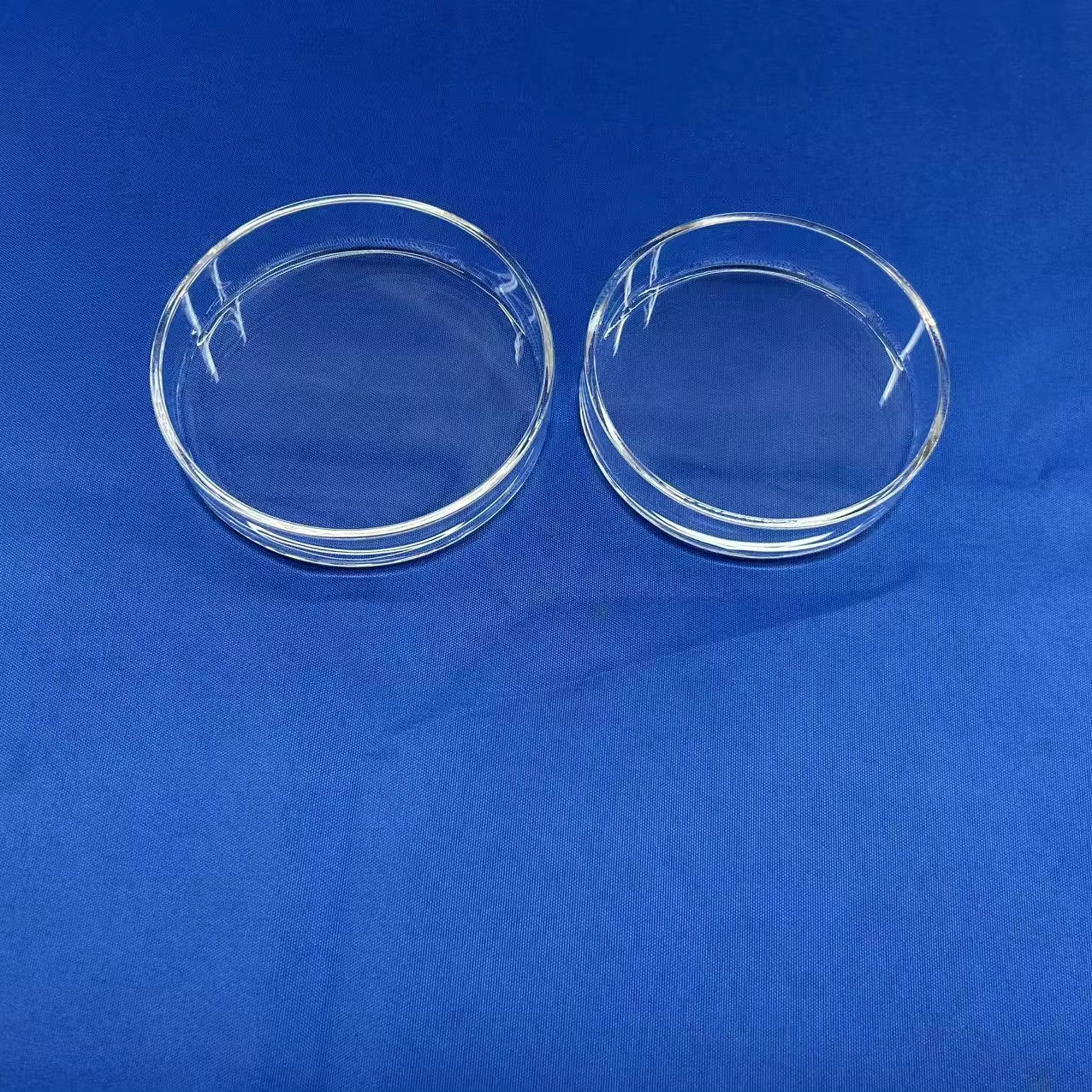
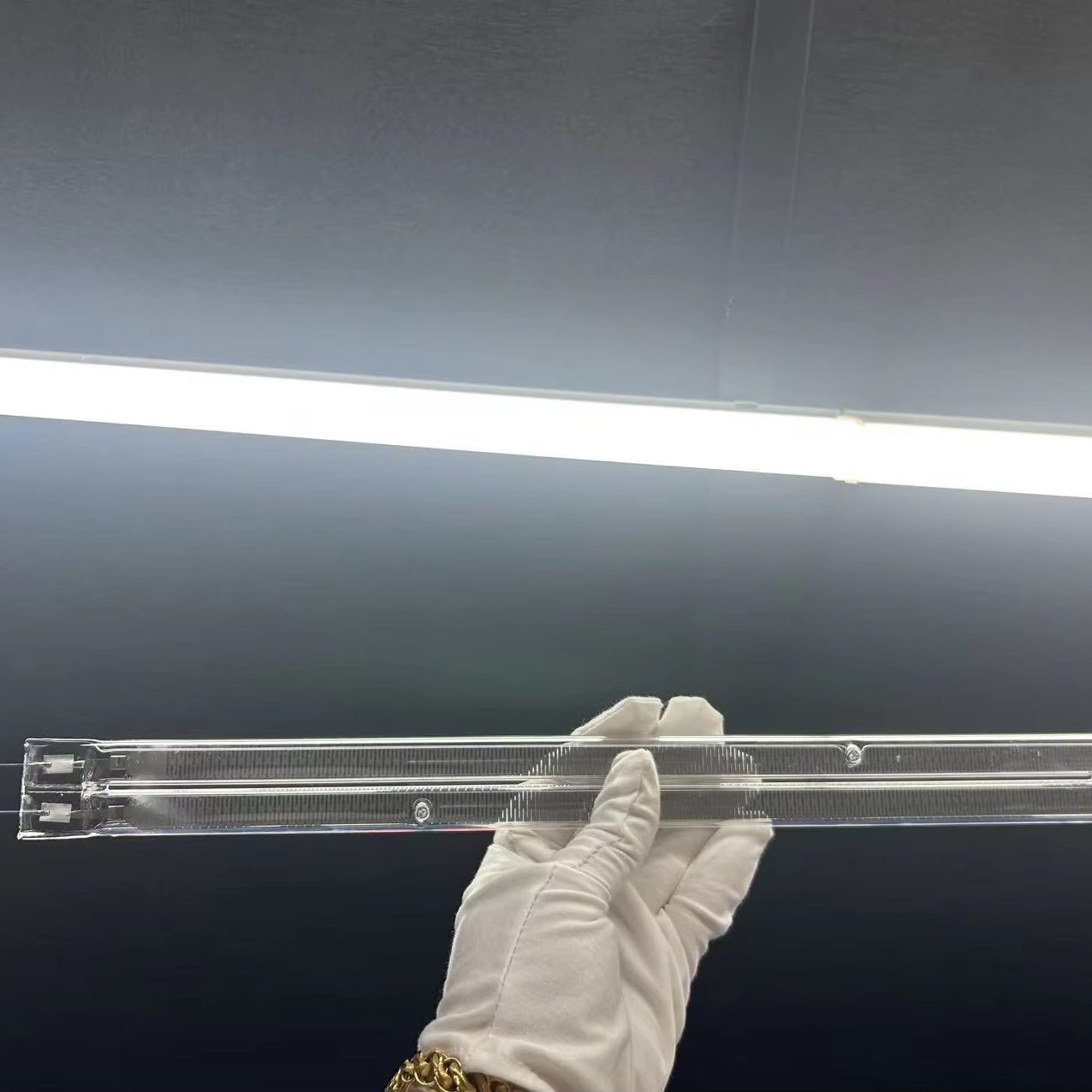
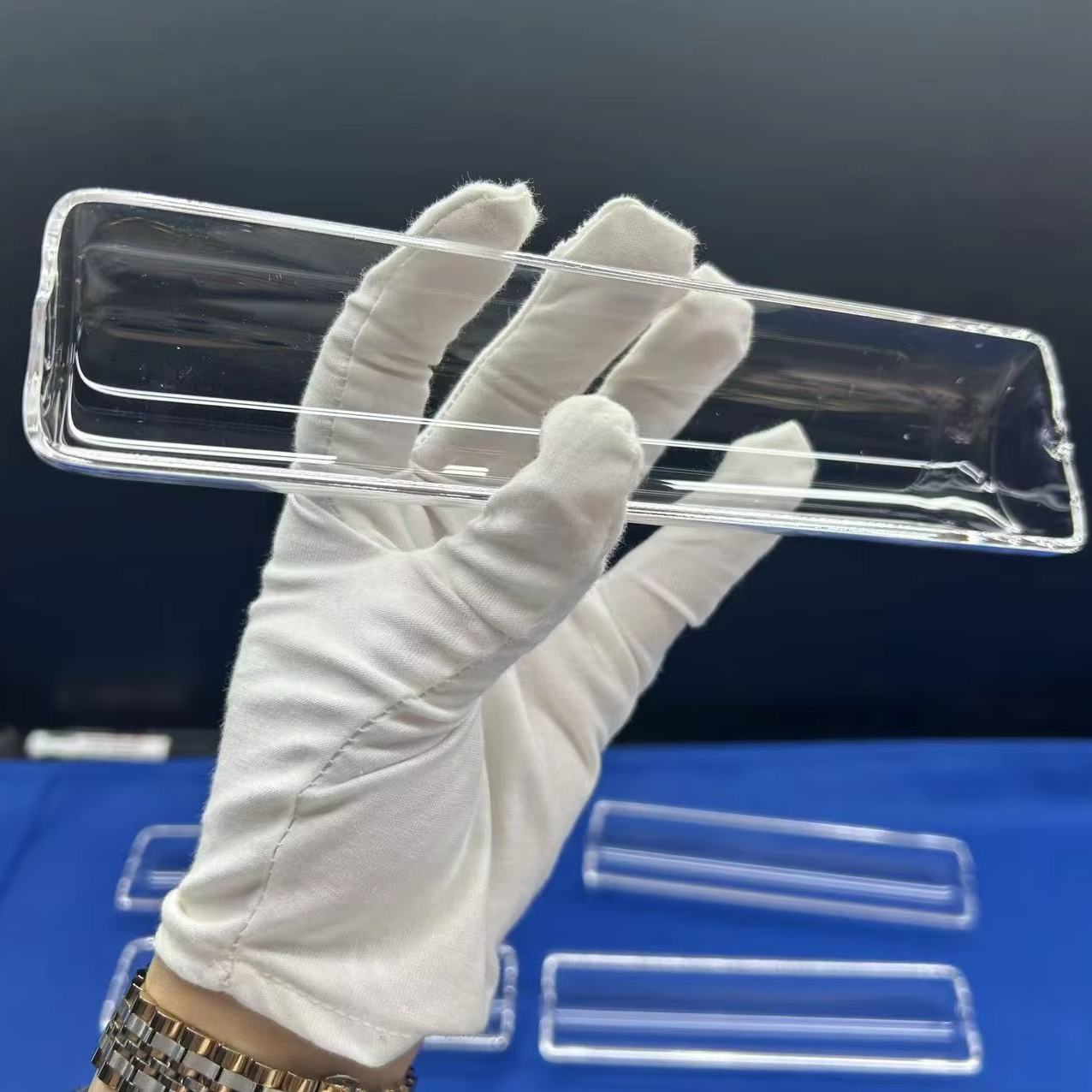
In analytical laboratories across Espoo’s Otaniemi Innovation Ecosystem—home to VTT Technical Research Centre of Finland, Aalto University, and pioneering semiconductor cleanrooms at Micronova—standard laboratory glassware frequently encounters failure thresholds. Standard borosilicate 3.3 laboratory glass, while cost-effective for generic biological titrations, begins to deform at temperatures above 500°C, exhibits significant structural softening at 820°C, and readily leaches alkali earth ions (such as sodium, calcium, and boron) into acidic aqueous solutions.
For advanced scientific processes, including trace element digestion, hydrothermal extraction, quantum substrate rinsing, and hot-wall chemical vapor deposition (CVD), high-purity fused quartz beakers serve as an indispensable baseline. Manufactured from refined silicon dioxide (≥99.99% SiO₂), fused quartz possesses a non-crystalline amorphous structure characterized by exceptionally strong silicon-oxygen covalent bonds. This atomic topology yields an extraordinarily low linear thermal expansion coefficient of 5.5 × 10⁻⁷ /°C (between 20°C and 300°C)—roughly one-sixth that of standard borosilicate glass.
Consequently, a fused quartz beaker produced by Donghai County Nivra Quartz Products Co., Ltd. can withstand an instantaneous thermal shock gradient exceeding ΔT = 1000°C. In practice, a researcher can heat a reaction solution directly to 1100°C over an open oxy-hydrogen burner and instantly quench the vessel in ice-cold liquid nitrogen or water without inducing micro-fissures, mechanical cleavage, or structural collapse.
| Physical / Chemical Property | High-Purity Fused Quartz (Nivra JGS1/JGS2) | Borosilicate Glass 3.3 (Standard Labware) | Polytetrafluoroethylene (PTFE) | Single-Crystal Sapphire (Al₂O₃) |
|---|---|---|---|---|
| Primary Chemical Composition | SiO₂ ≥ 99.99% | SiO₂ 81%, B₂O₃ 13%, Na₂O/K₂O 4% | (C₂F₄)n Fluoropolymer | Al₂O₃ ≥ 99.99% |
| Continuous Max Operating Temp | 1100 °C | 450 °C – 500 °C | 260 °C | 1900 °C |
| Short-Term Softening / Strain Point | 1683 °C (Softening Point) | 820 °C (Softening Point) | 327 °C (Melting Point) | 2040 °C (Melting Point) |
| Thermal Expansion (20–300°C) | 0.55 × 10⁻⁶ / K | 3.3 × 10⁻⁶ / K | 100–160 × 10⁻⁶ / K | 5.8 × 10⁻⁶ / K |
| Acid Resistance (Aqua Regia, HNO₃) | Impervious (Except HF & hot H₃PO₄) | Good (Leaches Boron/Sodium ions) | Exceptional | Exceptional |
| UV Optical Transmission Cut-off | 185 nm – 220 nm (Deep UV) | ~310 nm (Blocks UV-C / UV-B) | Opaque | ~200 nm |
| Trace Impurity Leaching in ICP-MS | Sub-ppb (< 0.1 ppb background) | High (ppm-level B, Na, Al leaching) | Low (Risk of PFAS / organic leach) | Negligible |
From university cleanrooms to deep-tech scale-ups in Keilaniemi, Espoo hosts Finland’s densest concentration of high-technology manufacturing. Our quartz glass beakers, processing tanks, and wafer carriers are tailored specifically to the regional technological roadmaps.
At the Micronova Centre for Micro- and Nanotechnology in Espoo, advanced MEMS sensors, silicon photonics, and compound semiconductors are developed. Our quartz beakers, etching cylinders, and quartz wafer carriers are deployed for ultra-clean wet chemical processing, RCA wafer cleans, and solvent degreasing where sodium and heavy metal ion contamination must be strictly maintained below parts-per-billion levels.
Espoo is globally recognized as the epicenter of European quantum computing development, with institutions like IQM Quantum Computers and VTT’s Kvanttinova initiative. Our optical-grade synthetic silica beakers and customized thermal crucibles play an instrumental role in etching superconducting niobium and aluminum coplanar waveguide resonators, preventing micro-void dielectric loss during qubit fabrication.
Finnish research into circular cellulose, bio-derived plastics, and green battery chemicals involves severe thermochemical dissolution. Nivra’s thick-walled quartz beakers and cylindrical digestion apparatus enable continuous processing of corrosive organic acids and high-pressure mineral leaching without container surface corrosion or leaching that would interfere with chromatographic data.
Donghai County Nivra Quartz Products Co., Ltd. executes rigorous chemical refining of raw silica rock. Our quartz products maintain a total elemental impurity footprint of less than 20 ppm across industrial lines, and below 5 ppm for high-purity microelectronics grades. Below is our verified Glow Discharge Mass Spectrometry (GDMS) trace element analysis representative of our export supply to Northern European scientific hubs.
| Element (Impurity) | Symbol | Standard High-Purity Fused Quartz (ppm) | Synthetic Fused Silica (JGS1 Grade) (ppm) | Critical Impact in Cleanroom Processing |
|---|---|---|---|---|
| Aluminum | Al | 12.0 – 16.0 | < 0.05 | Prevents p-type doping drift on silicon surfaces |
| Iron | Fe | 0.15 – 0.30 | < 0.01 | Eliminates deep-level recombination centers |
| Calcium | Ca | 0.40 – 0.80 | < 0.02 | Prevents gate oxide dielectric breakdown |
| Sodium | Na | 0.50 – 1.00 | < 0.01 | Eliminates mobile ionic charge hysteresis |
| Potassium | K | 0.40 – 0.80 | < 0.01 | Ensures high breakdown electric field stability |
| Lithium | Li | 0.10 – 0.25 | < 0.01 | Eliminates fast-diffusing light alkali ions |
| Titanium | Ti | 1.00 – 1.50 | < 0.005 | Ensures flat UV transmittance cut-off curve |
| Copper | Cu | < 0.01 | < 0.002 | Prevents metallic contamination during wet etching |
Our standard quartz glass beakers adhere to the DIN ISO 3819 dimensional envelope, offering Griffin low-form and Berzelius tall-form configurations from 5 ml to 10,000 ml capacities. Each beaker is constructed with a reinforced, flame-rounded rim that resists chipping during handling, paired with an aerodynamically contoured pouring spout engineered to prevent meniscus back-dribble when decanting concentrated mineral acids.
Additionally, for OEM equipment manufacturers and customized academic apparatus across Espoo, Nivra Quartz provides full CNC ultrasonic drilling, optical flat bottom polishing for hotplate thermal transfer efficiency, integrated quartz thermowells, ground-glass joints (standard taper NS 14/23, 29/32, or spherical ball joints), and baffled internal geometries for vortex agitation.
Founded in February 2019 in Donghai County—the world-renowned capital of natural quartz crystal and silica mining in Jiangsu, China—Nivra Quartz bridges direct factory-floor pricing with European engineering compliance.
Direct proximity to the premier silica deposits of Donghai allows us to hand-select crystalline raw feeds, keeping cost basis low and purity constant without middle-tier supply chain markups.
Staffed by 101–200 skilled glassblowers and precision machinists, our facility runs CNC grinding, robotic cutting, ultrasonic hole coring, optical polishing, and computerized electric annealing ovens.
Every welded joint, beaker spout, and custom port undergoes strict polarization strain inspection. Products receive programmable thermal cycle annealing at 1150°C to prevent residual stress fractures.
Shipments to Finland are packaged using multi-layer polyethylene shock absorption, customized vacuum-formed inner clamshells, and fumigation-free wooden export crates, backed by door-to-door insurance.
Finland’s microelectronics roadmap is undergoing an unprecedented capital expansion. Driven by the European Chips Act, the Greater Helsinki region—anchored by Espoo—is constructing state-of-the-art pilot line infrastructures to insulate the continent from foreign semiconductor fabrication vulnerabilities. Projects centered around Kvanttinova are expanding Finland's pilot cleanroom capacity for quantum components, radiofrequency (RF) chips, and MEMS devices.
This technical escalation directly influences the operational parameters demanded of quartz componentry:
1. Shift Toward Synthetic Fused Silica (Sub-ppb Regimes): Traditional fused quartz is increasingly reserved for standard furnace tubes and thermal shields, while wafer-level chemical baths and UV lithography exposure vessels require synthetic fused silica (JGS1 equivalent). Synthetic grades eliminate internal bubble inclusions, striae, and metallic clusters, delivering transmittance exceeding 90% down to deep ultraviolet (193 nm excimer wavelength).
2. Replacement of Single-Use Fluoropolymers with Quartz: While PTFE and PFA materials gained popularity for acidic baths, their low softening thresholds (260°C) and propensity to absorb trace organic impurities present major cross-contamination risks in multi-user university cleanrooms. Espoo facility managers are actively pivoting back to fused quartz vessels, which can be aggressively cleaned using hot Piranha solution (H₂SO₄ + H₂O₂) and flamed without degradation.
3. Direct-from-Manufacturer Rapid Customization: Standard laboratory catalog distributors in Northern Europe frequently impose 8 to 16-week lead times on non-standard quartz labware while charging 200% to 400% commercial premiums. Nivra Quartz enables research groups and OEM tool builders in Espoo to bypass intermediate brokerage. With an average technical response time of ≤5 hours and direct CAD-to-flame manufacturing, prototypes ship in 7 to 10 working days directly to Helsinki-Vantaa air logistics terminals.
Practical answers concerning technical specifications, Nordic customs handling, thermal cycling, and international logistics for Finnish purchasing teams.
Our fused quartz beakers possess an exceptionally low thermal expansion coefficient of 5.5 × 10⁻⁷ /°C. You can rapidly transfer our quartz vessels between hotplates operating at 1000°C and cold water or cryogenic baths without inducing thermal stress cracking. Borosilicate glass will shatter under these conditions due to its six-fold higher thermal expansion rate.
All quartz laboratory glassware ships under standard Harmonized System / TARIC code 7017.10.00.00 (Laboratory, hygienic or pharmaceutical glassware of fused quartz or other fused silica). We supply commercial invoices with precise EORI-compatible declarations, packing lists, and Certificates of Conformity (CoC) confirming material purity (≥99.99% SiO₂), fully compliant with Finnish customs (Tulli) clearance and EU REACH/RoHS environmental directives.
We utilize an engineered multi-stage packaging methodology. Each beaker or tube is wrapped in anti-static, lint-free paper, nested inside thick shock-absorbing closed-cell EPE foam, packed in rigid export-grade inner cartons, and finally placed in high-density fumigation-free plywood crates reinforced with exterior steel bands. Our international breakage rate is under 0.2%, with complete replacement guarantees provided via express courier in the rare event of transit damage.
Yes. OEM and ODM bespoke manufacturing is our primary engineering focus. Our engineers review your PDF, DWG, DXF, or 3D STEP files within 5 hours, advising on thermal expansion tolerances, wall thickness stability, flame-polishing parameters, and port integration (such as GL45 threads, KF flanges, or quartz ground sockets). Prototypes are commonly ready for dispatch within 7 to 10 business days.
High-purity fused quartz is chemically inert to almost all inorganic and organic reagents. You can safely boil concentrated nitric acid (HNO₃), hydrochloric acid (HCl), aqua regia, and piranha etch solution (H₂SO₄ + H₂O₂). The only chemical substances that attack fused silica are hydrofluoric acid (HF) at all temperatures and concentrated phosphoric acid (H₃PO₄) above 150°C. Strong alkaline solutions will cause mild surface etching only when boiling for extended intervals.
For standard Griffin and Berzelius quartz beakers, our MOQ is as low as 1 to 5 pieces for prototype testing and pilot trials. Customized quartz vessels and wafer boats generally carry an MOQ of 2 to 10 units depending on geometry. Door-to-door air freight (via DHL/FedEx/UPS directly to your facility in Espoo, Helsinki, or Vantaa) typically arrives within 4 to 6 business days after completion of fabrication.
Consult directly with Nivra Quartz's experienced thermal glassblowing engineers. We review technical drawings, offer tolerance optimization, and provide transparent factory-direct pricing for European procurement.