Featured Quartz Ware For Roman Research Laboratories
Manufactured under strict ISO-grade thermal conditioning. Certified SiO₂ purity exceeding 99.99%, thermal shock tolerance up to 1450°C, and custom CNC cold grinding available for direct import to Rome, Pomezia, and Latina.
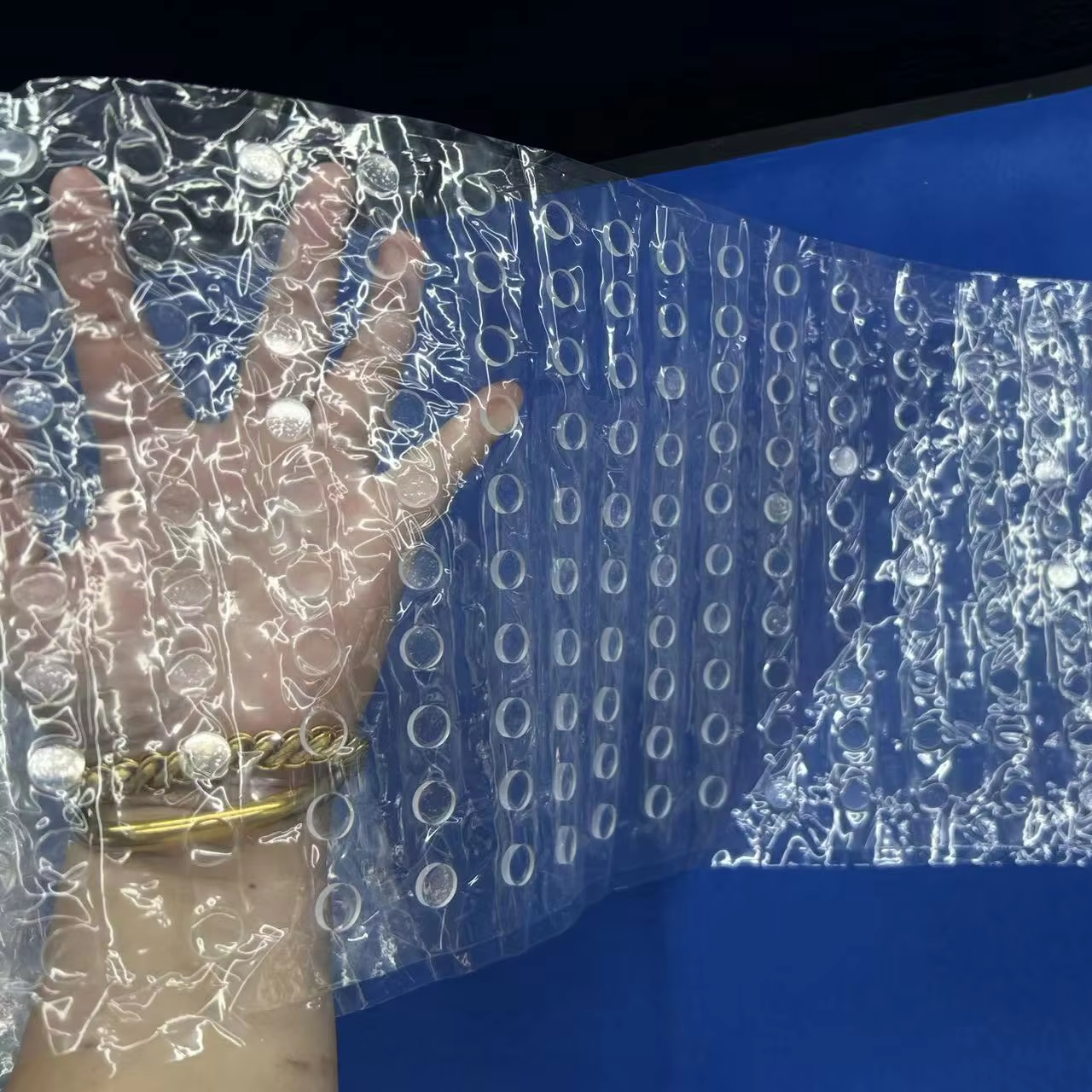
Factory-Made High-purity Small Size Quartz Wafer, Cutting & Polishing Services
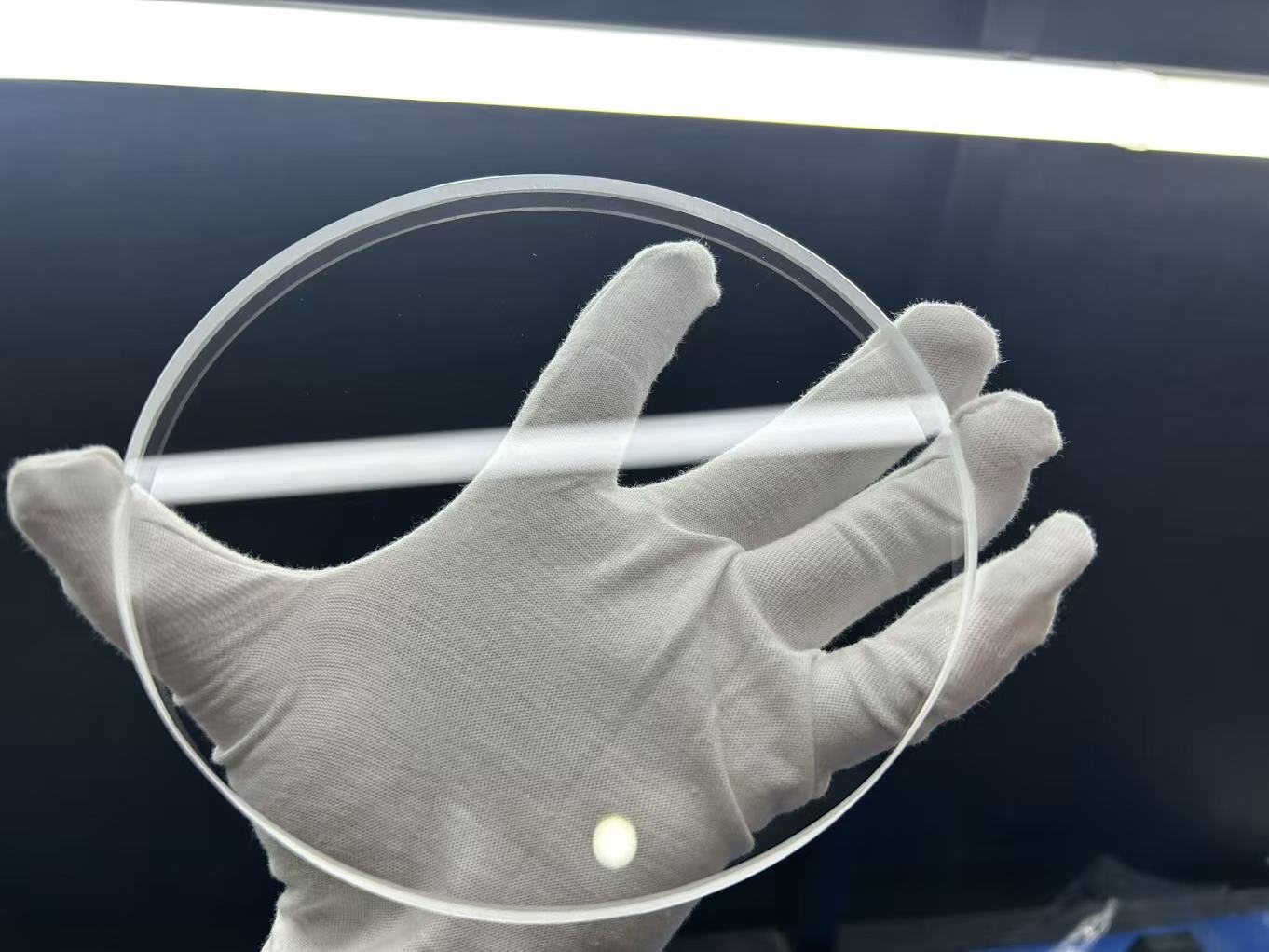
Wholesaler Customized High Quality Clear Fused Quartz Glass Sheet for Optics & PV
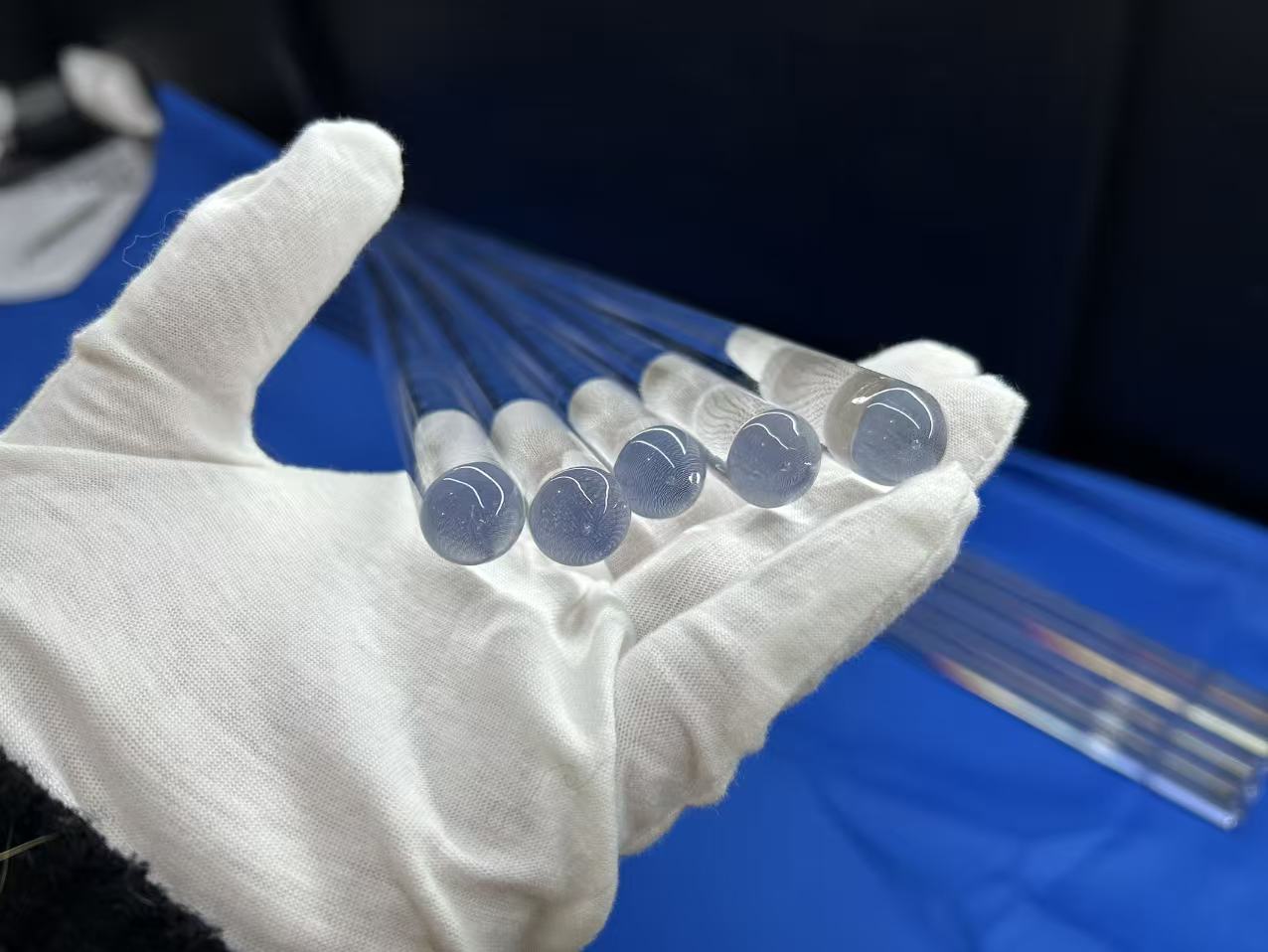
High-purity Fused Quartz Round Rods, Cutting, Welding, and Bending Services
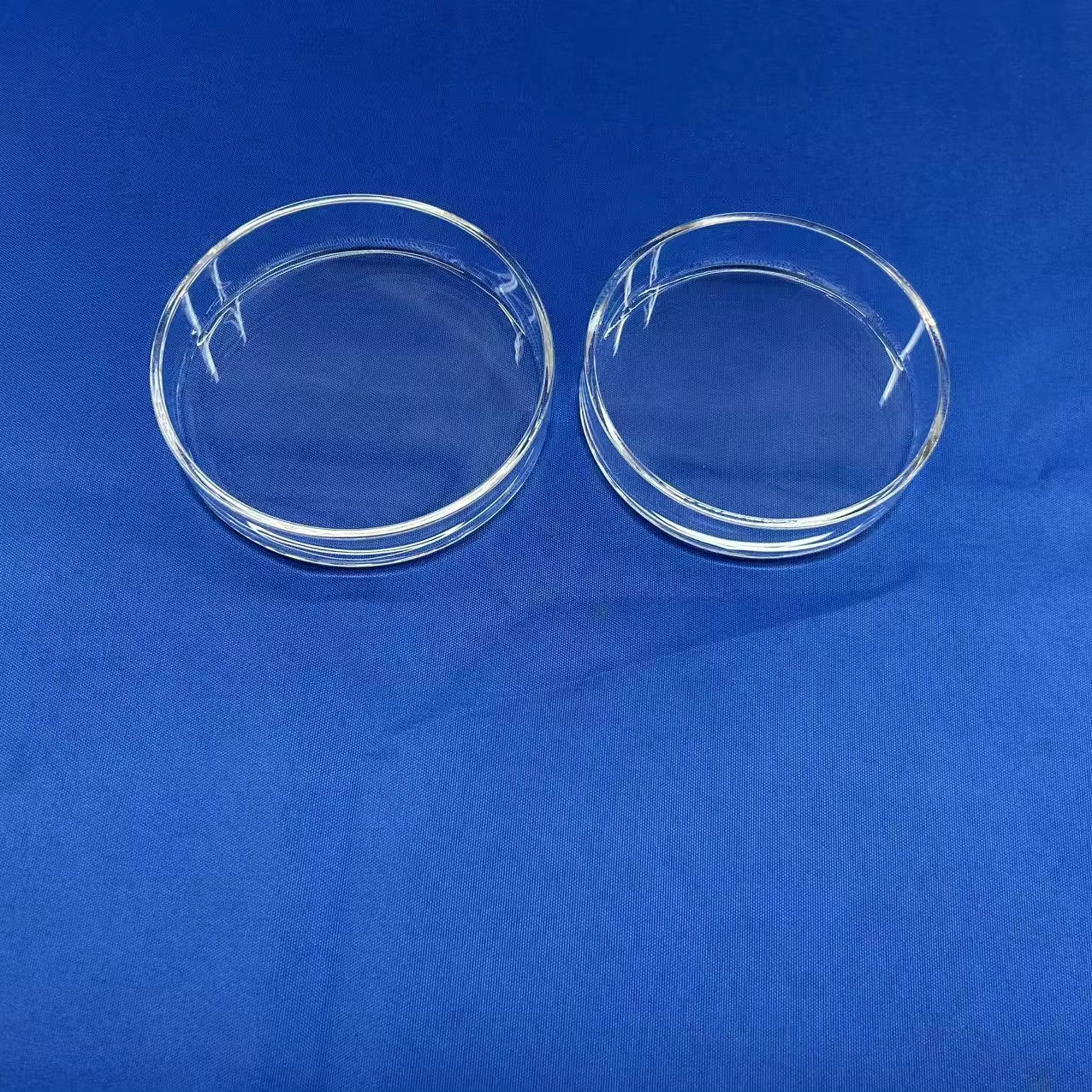
Factory Customized High-purity Quartz Glass Petri Dishes with Lids for Laboratories
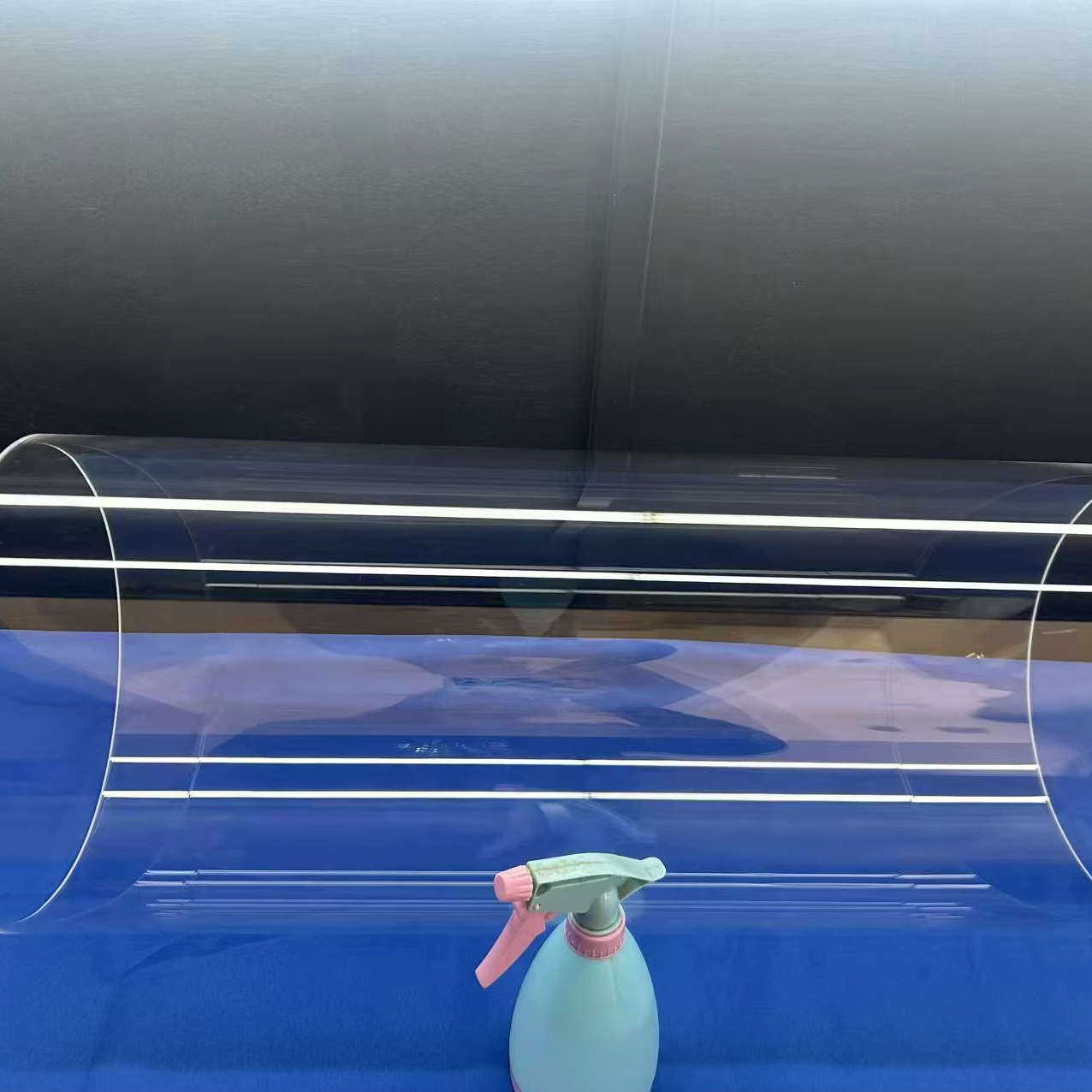
Customizable High Purity Fused Quartz Glass Tube, High Temperature Resistant
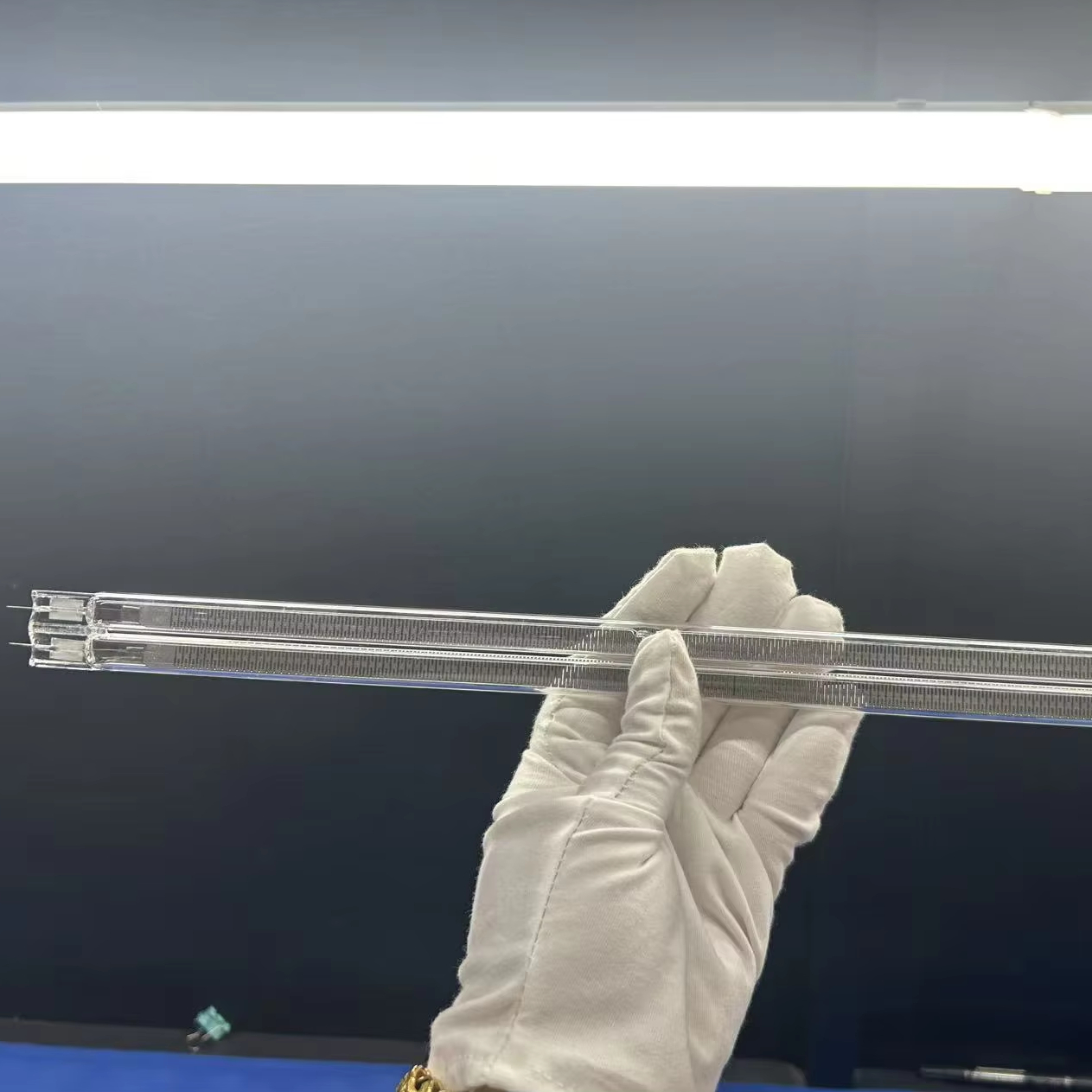
220v/380v 400mm 15*33mm Carbon Fiber Halogen Infrared Heating Quartz Tube
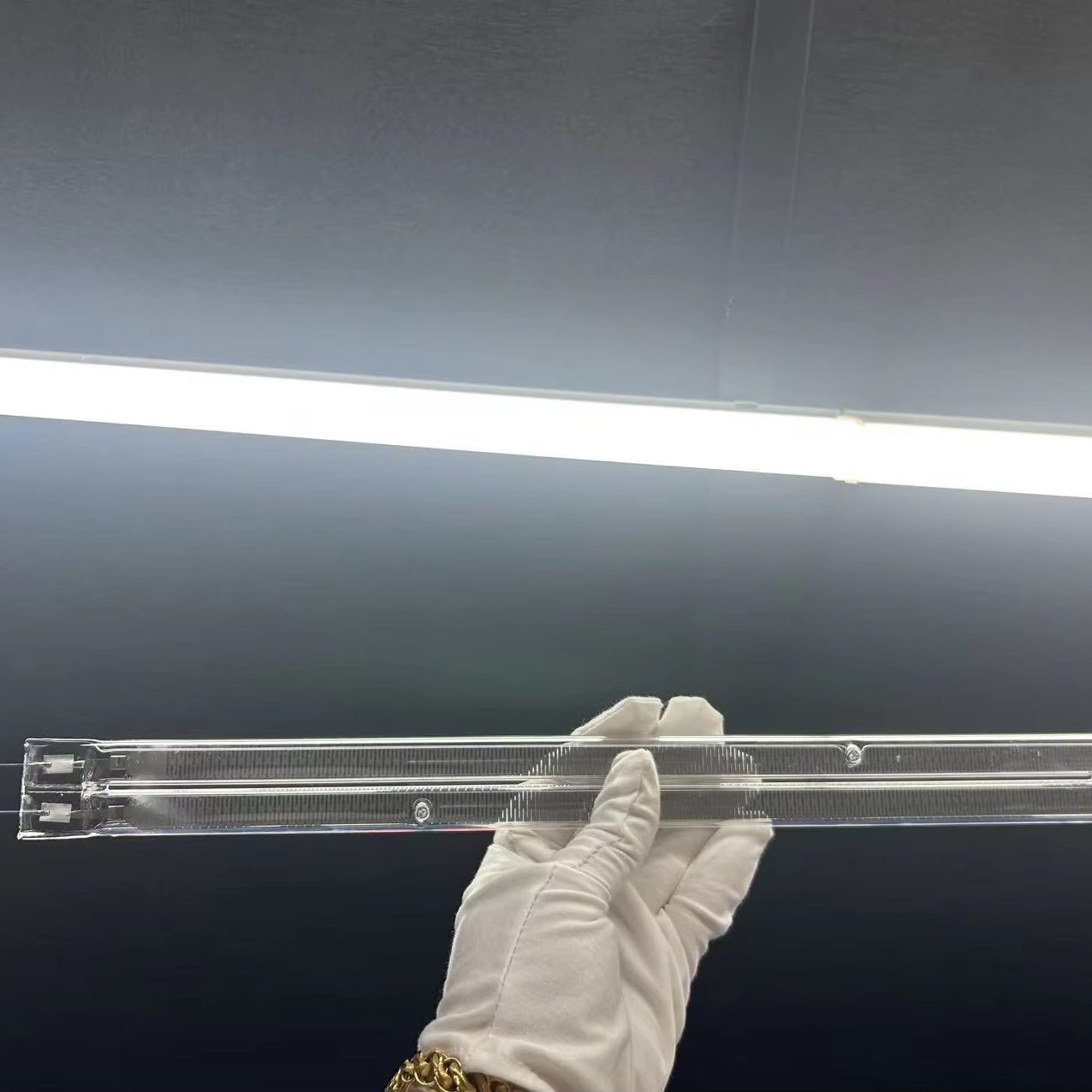
220V 700W 300MM 10mm Graphene Carbon Fiber Rapid Heating Quartz Tube
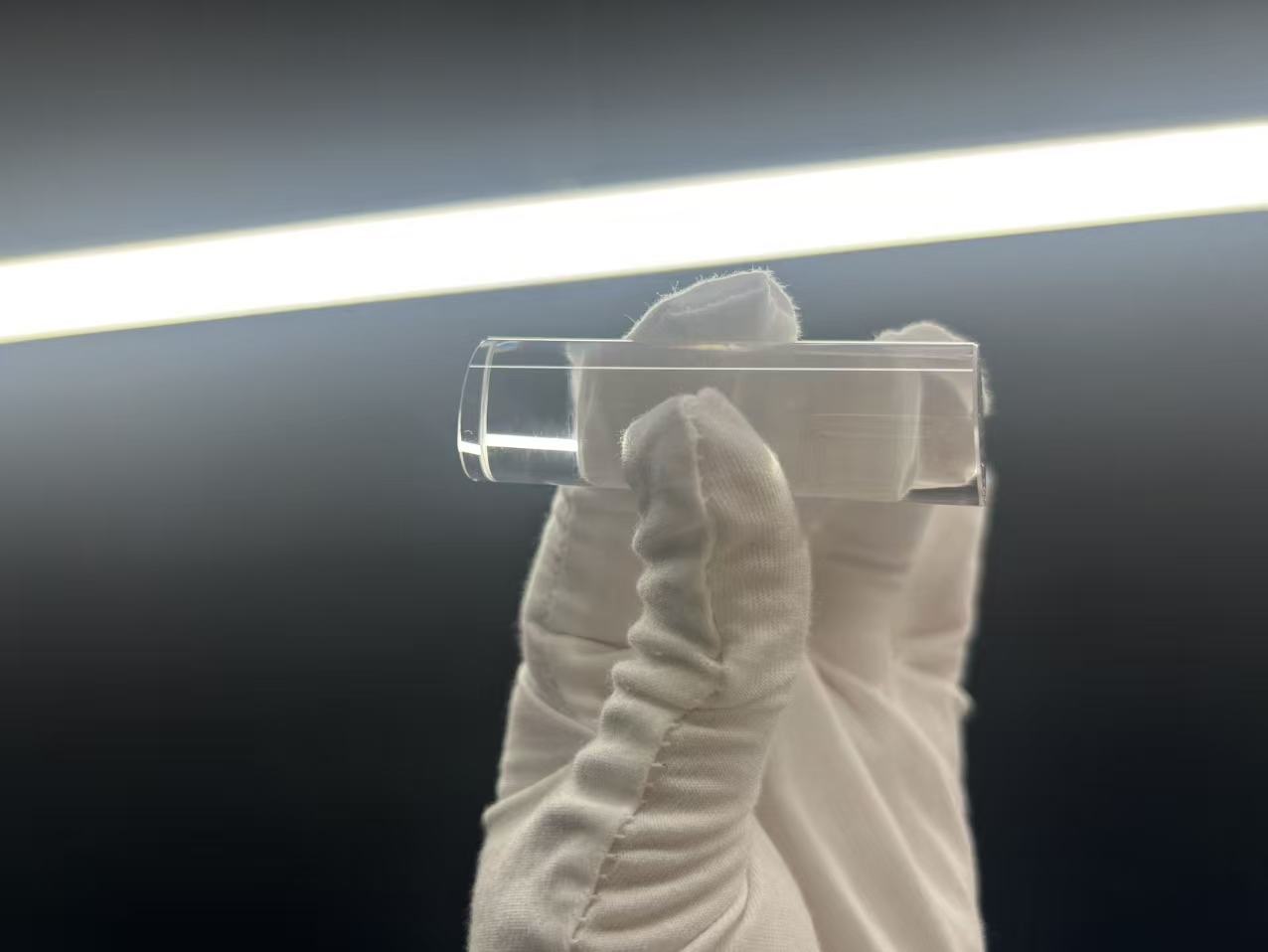
Precision Optical Round Head Quartz Stirring Rod & Light Guide Component
Engineering Integrity of Fused Quartz Beakers in High-Stakes Scientific Synthesis
Why Leading Chemical Laboratories, Pharmaceutical Formulators, and Semiconductor Cleanrooms in the Metropolitan City of Rome are Phasing Out Borosilicate Glass 3.3 for High-Purity Fused Silica.
In analytical chemistry, biochemical extraction, and high-temperature metallurgy across the Lazio region, the integrity of process vessels directly dictates experimental repeatability and elemental purity. While standard borosilicate laboratory glassware (such as Pyrex or Duran 3.3) remains common for routine educational titration, modern analytical instrumentation—specifically Inductively Coupled Plasma Mass Spectrometry (ICP-MS), Atomic Absorption Spectroscopy (AAS), and cleanroom semiconductor wafer acid digestion—demands chemical inertness and thermal resilience that standard multi-component glasses cannot deliver.
Donghai County Nivra Quartz Products Co., Ltd. serves as a direct manufacturer and specialized international exporter supplying custom, precision-fabricated fused quartz beakers, reaction crucibles, and customized glass apparatus directly to procurement officers, university laboratory managers, and industrial OEMs throughout Rome, Pomezia, Aprilia, and Castel Romano.
Thermodynamic Superiority & The Cristobalite Crystallization Boundary
Standard borosilicate glass softens around 560°C and begins plastic deformation under structural load past 500°C. In contrast, Nivra Quartz fused silica beakers exhibit a softening point of approximately 1683°C, an annealing point of 1180°C, and a strain point of 1070°C. This allows laboratory operators in Rome to conduct calcination, acid evaporations, and metallurgic reductions at sustained temperatures of 1100°C, with intermittent thermal excursions reaching 1450°C without risk of vessel slump or volumetric skew.
Crucially, our beakers are fabricated with controlled hydroxyl content ([OH⁻]), mitigating structural hydroxyl-induced devitrification into high-temperature α-cristobalite. When heating vessels containing complex mineral matrices or alkali salt fluxes, unrefined quartz glassware often experiences rapid surface hazing and micro-cracking upon cooling through the 200°C–270°C cristobalite inversion window. Through optimized thermal annealing in our Donghai processing facility, Nivra quartz labware preserves structural vitrification across extensive thermal cycle lifetimes.
| Physical & Chemical Parameter | Fused Quartz (Nivra JGS2/Clear) | Standard Borosilicate 3.3 | Alumina Ceramic (Al₂O₃ 99%) |
|---|---|---|---|
| SiO₂ Purity Content | ≥ 99.99% | ≈ 80.5% (with B₂O₃, Na₂O, Al₂O₃) | ≤ 0.1% (predominantly Alumina) |
| Continuous Working Temp (°C) | 1100 °C | 450 °C - 500 °C | 1600 °C |
| Thermal Shock Resistance (ΔT) | 1100°C → 20°C Water Quench (No Fracture) | ΔT ≈ 150°C Maximum | ΔT ≈ 200°C (Sensitive to Shock) |
| Coefficient of Thermal Expansion | 5.5 × 10⁻⁷ / °C (Virtually Zero) | 33 × 10⁻⁷ / °C | 80 × 10⁻⁷ / °C |
| Optical UV Cutoff Limit | ≈ 185 nm - 220 nm (High UV Clarity) | ≈ 310 nm (Opaque in Deep UV) | Opaque (Non-Transmissive) |
| Leaching Impurities in Trace Digestions | < 0.1 ppm background elemental trace | Significant Boron, Sodium & Aluminum leaching | Trace Aluminum & Binder release |
Elimination of Leachable Contaminants in Analytical Trace Metallurgy
In pharmaceutical quality control protocols governed by AIFA (Agenzia Italiana del Farmaco) and European Pharmacopoeia (Ph. Eur.) guidelines, heavy metal digestion profiles cannot tolerate leaching from the sample digestion beaker. Standard borosilicate contains significant molar fractions of boron oxide (B₂O₃), sodium oxide (Na₂O), and aluminum oxide (Al₂O₃). When exposed to boiling perchloric (HClO₄), nitric (HNO₃), or hydrochloric (HCl) acid mixtures, borosilicate leaches background ions that artificially skew ICP-MS baselines.
Fused silica labware produced by Nivra Quartz provides an inert contact surface, chemically resistant to virtually all mineral acids, organic solvents, and halogen complexes—with the singular exceptions of hydrofluoric acid (HF) and concentrated phosphoric acid (H₃PO₄) above 300°C. For trace element characterization in clinical samples, biological extracts, or environmental groundwater from the Tiber river basin, high-purity quartz eliminates false positive contamination vectors.
Targeted Industrial Applications In The Rome Metropolitan Area
Supplying custom fused quartz labware and thermal components engineered for the diverse scientific, industrial, and heritage preservation hubs across Lazio.
Biotech & Pharmaceutical (Pomezia - Aprilia Hub)
Lazio stands as Italy's second-largest pharmaceutical manufacturing basin. Nivra Quartz supplies high-clarity quartz reaction beakers, jacketed dissolution vessels, and distillation columns used in active pharmaceutical ingredient (API) crystallization, clean solvent recovery, and trace-purity validation.
Academic & Fundamental Research (CNR, Sapienza, Tor Vergata)
Rome's elite research ecosystem—including Sapienza Università di Roma, Università degli Studi di Roma Tor Vergata, and Consiglio Nazionale delle Ricerche (CNR)—relies on custom-dimensioned fused silica beakers, photolytic reaction cells, and high-temp quartz tubes for advanced chemical physics and nanostructure synthesis.
Microelectronics & Thin-Film Optics (Tiburtina Valley)
Technological clusters along the Via Tiburtina corridor utilize high-purity quartz beakers for aggressive silicon wafer etching baths (buffered oxide etch), acid cleaning, and photovoltaic substrate annealing setups requiring trace element exclusion.
Thermal & Plasma Physics (ENEA Casaccia)
ENEA's Casaccia Research Center requires robust fused quartz components capable of withstanding extreme thermal flux in nuclear fusion testing, solar thermal concentration, and high-temperature gas-solid equilibrium experiments without structural failure.
Heritage Science & Archaeometry (ISCR & Vatican Labs)
Rome’s conservation institutions (including the Istituto Superiore per la Conservazione ed il Restauro) use quartz beakers for micro-sample acid digestion and isotope ratio determination of classical antiquities, ensuring zero sample cross-contamination.
Environmental & Agro-Industrial Testing (ARPA Lazio)
Regional environmental agencies and regional agricultural laboratories deploy quartz digestion beakers for toxic heavy metal trace surveillance (Arsenic, Lead, Cadmium, Mercury) in soil, municipal water supplies, and food processing lines.
Procurement Trends & Supply Chain Modernization in Italy
How the National Recovery and Resilience Plan (PNRR) and modern laboratory supply chain models are reshaping how Rome-based laboratories source technical glassware.
The Italian scientific procurement landscape is experiencing profound structural transformation. Bolstered by extensive funding under the EU’s NextGenerationEU framework channeled through Italy’s Piano Nazionale di Ripresa e Resilienza (PNRR), Roman universities, state research bodies, and private biotech incubators have modernized testing infrastructures. This influx of capital has accelerated three key procurement trends:
1. Direct Factory Sourcing to Circumvent Multi-Tier Distributor Markups: Historically, Roman laboratories procured quartz glassware exclusively through third-party pan-European distributors. This intermediary model often led to 200–300% pricing markups, restricted customization capabilities, and long backorder delays for non-standard beaker volumes. Today, procurement officers leverage direct factory partnerships with specialized Chinese manufacturers in Donghai County, cutting costs while securing direct engineering communication for custom technical drawings.
2. Tightening Quality and Environmental Compliance (REACH & RoHS): Italian laboratories operate under strict European Union directives. Fused quartz imported into Italy must comply fully with EU Regulation (EC) No 1907/2006 (REACH), ensuring materials are devoid of hazardous plasticizers or restricted chemical binders. Nivra Quartz guarantees pure vitreous silica (SiO₂ ≥ 99.99%), fully exempt from hazardous substance thresholds and compliant with green laboratory certification schemes.
3. Demand for Ultra-Precise Dimensioning and Custom Geometries: Standard commercial beakers often fail to integrate seamlessly into proprietary automated reaction workstations, ultrasonic digestion manifolds, or automated robotic sample handlers. Roman laboratories increasingly issue custom CAD specifications—incorporating custom spouts, specific wall-thickness distributions (e.g., heavy-wall 3.0mm designs for structural robustness), and ground-glass quartz flanges—demanding agile OEM/ODM manufacturing turnarounds.
Manufacturing Authority & Quality Control Systems
Located at 285 Heping East Road, Lianyungang, Jiangsu—the premier global capital of crystal and quartz synthesis—our 101–200 employee facility delivers verifiable manufacturing rigor to Italian buyers.
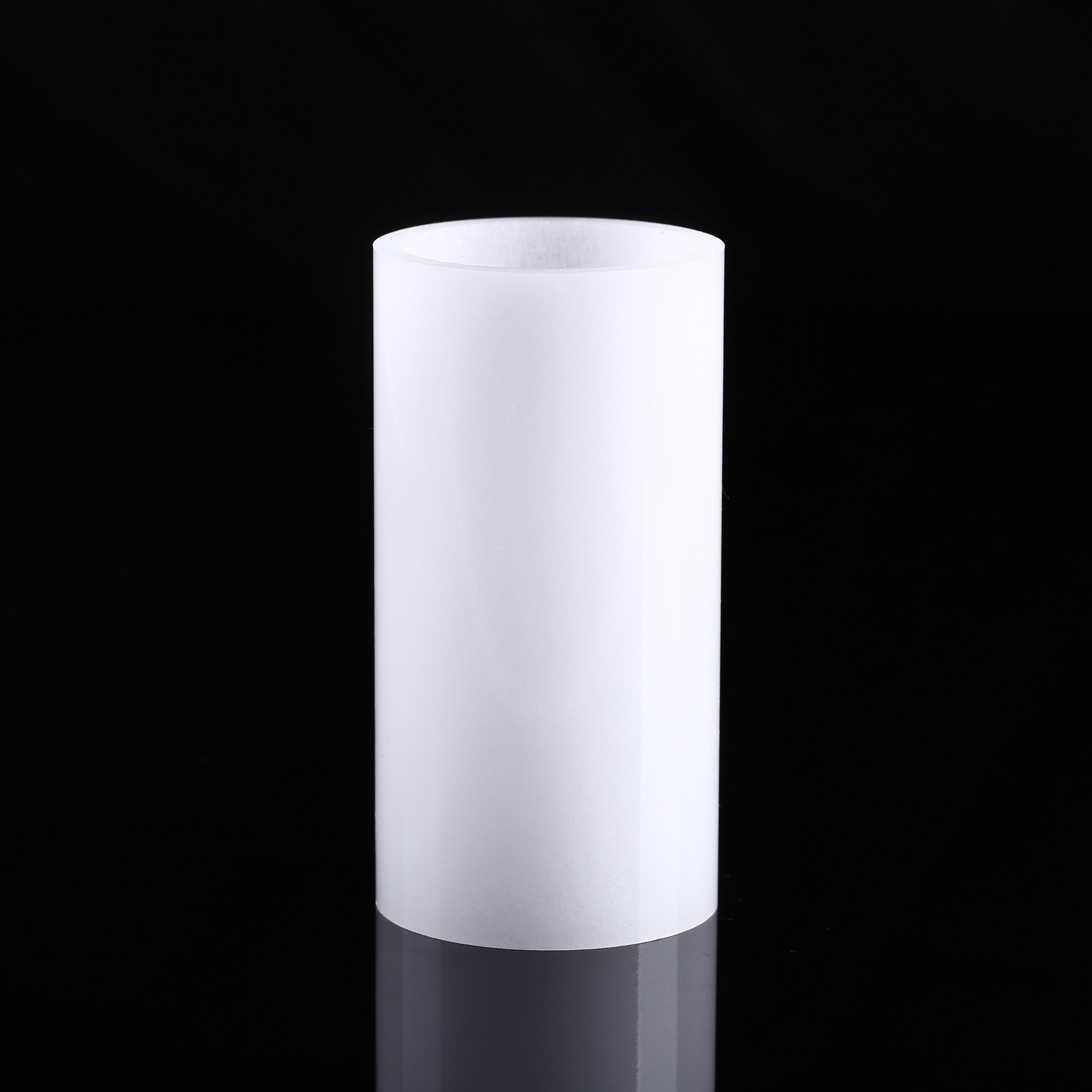
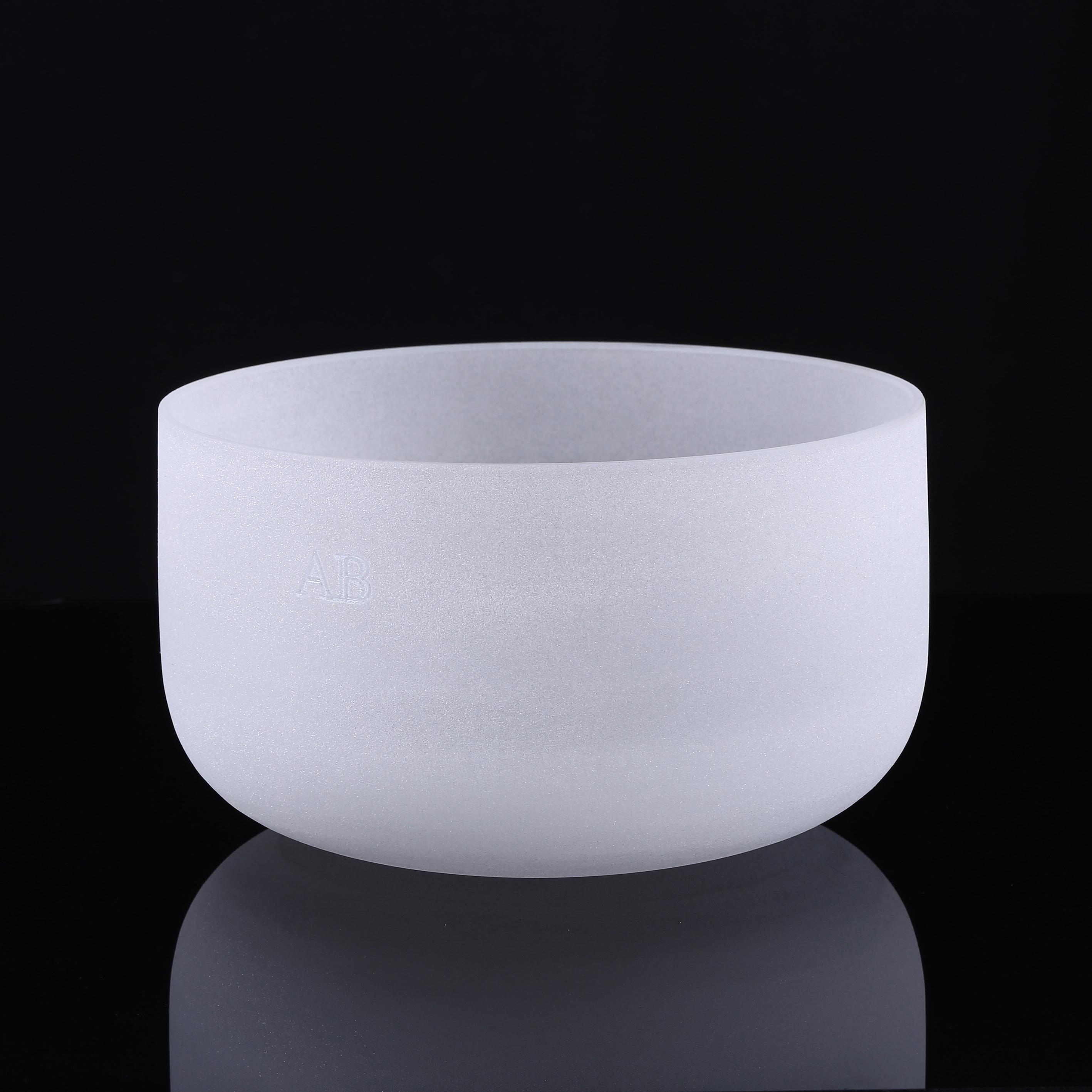
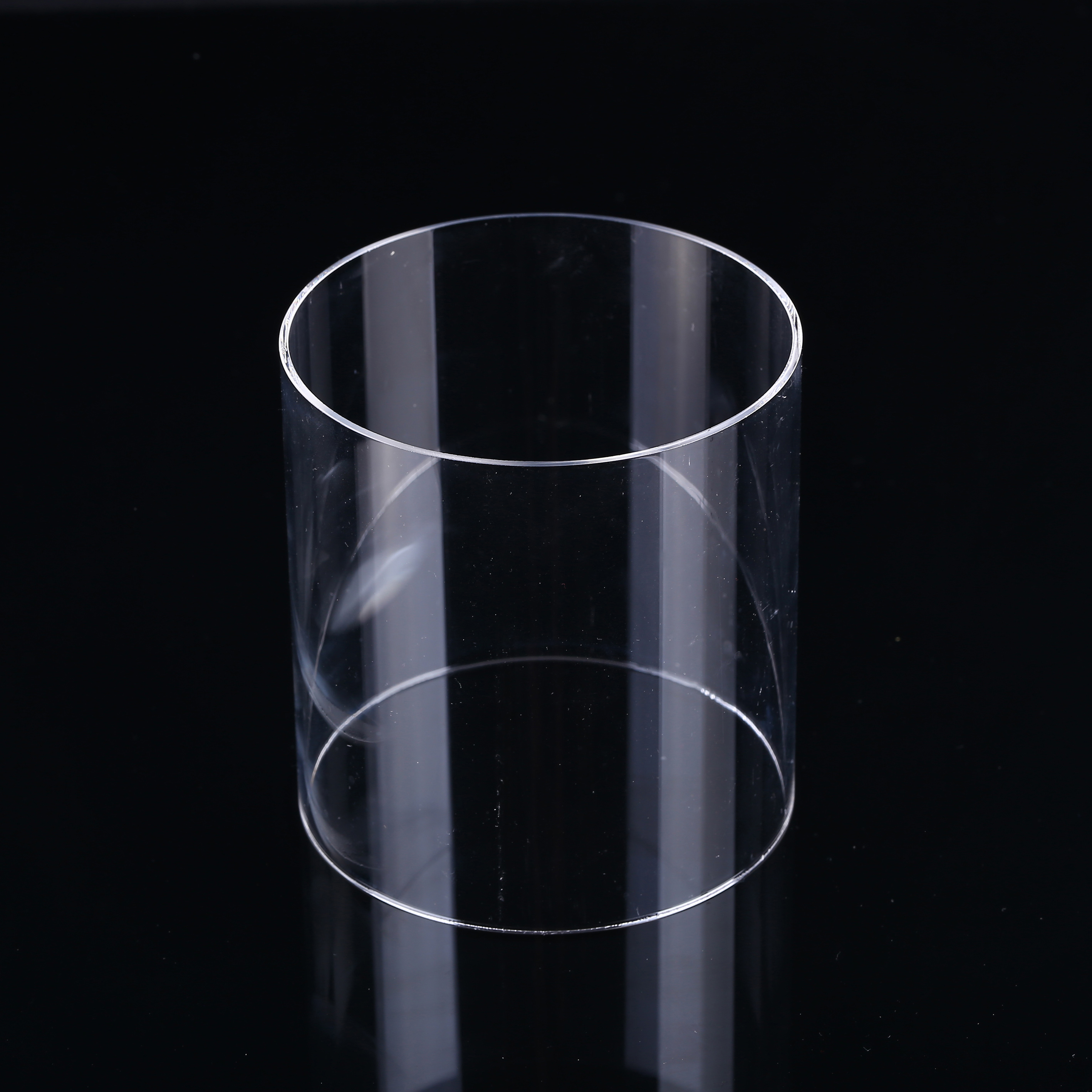
Operating under the philosophy of "Quality First, Reputation First," Nivra Quartz oversees the entire quartz fabrication continuum. We execute precision cutting, high-temperature oxy-hydrogen flame welding, rim fire-polishing, spout forming, and final stress-relief furnace annealing in-house. Our automated annealing cycles slowly cool glass through the 1150°C to 900°C critical transition zone, preventing residual internal stress lines that could lead to spontaneous thermal shattering during aggressive microwave or hot-plate digestions.
Frequently Asked Questions for Sourcing Quartz in Rome
Addressing regulatory clearance, shipping logistics to Lazio, customs duties, and product performance parameters.
How are custom quartz beakers packed to prevent transit breakage to Italy?
Every quartz beaker is individually cleaned, wrapped in static-free protective film, and encapsulated within custom high-density molded pearl foam (EPE) compartments. The cushioned units are then secured inside heavy-duty multi-wall export cartons, which are crated inside export-grade fumigation-free plywood cases with external shock-watch tilt indicators. Over 99.8% of our European shipments arrive in pristine condition via air or maritime transit.
What are the typical shipping routes and transit times to Rome and Lazio?
For urgent laboratory requirements and prototypes, air freight via FedEx, DHL, or UPS delivers door-to-door to Rome (via Leonardo da Vinci Fiumicino Airport - FCO) within 4 to 7 business days. For volume industrial consignments, consolidated sea freight via the Port of Civitavecchia or the Port of Genoa operates with an average transit time of 25 to 35 days, including customs clearance management.
What Italian customs documentation and import duties apply to quartz glassware?
Quartz labware enters Italy under HS Code 7017.10 (Laboratory, hygienic, or pharmaceutical glassware of fused quartz or other fused silica). Import consignments cleared through the Italian Customs Agency (Agenzia delle Dogane e dei Monopoli) are subject to standard EU common external tariffs (typically 3%) and Italian Value Added Tax (IVA at 22%, unless your institution possesses VAT-exempt status under academic/research exemptions). We furnish full Commercial Invoices, Packing Lists, Certificates of Conformity (CoC), and raw material purity assay sheets.
Can Nivra Quartz produce beakers according to custom technical CAD drawings?
Yes. Our engineering division works directly from PDF, DWG, DXF, or 3D STEP files. Whether your laboratory in Rome requires custom graduations, ground joint necks (e.g., standard taper 24/40, 29/32), heavy-wall reinforced bottoms, quartz baffle additions, or welded quartz sample tubes, our glassblowing and CNC cold-grinding lines accommodate tight dimensional tolerances down to ±0.1mm.
What is the difference between JGS1, JGS2, and JGS3 quartz in beaker fabrication?
JGS1 is synthetic fused silica offering extreme transmission down to the deep ultraviolet spectrum (185 nm - 2500 nm), optimal for photochemical and laser irradiation beakers. JGS2 is standard optical clear fused quartz (220 nm - 2500 nm), which represents the primary choice for 95% of laboratory reaction beakers due to its exceptional mechanical strength and thermal stability. JGS3 is infrared-grade fused quartz (260 nm - 3500 nm) with ultra-low hydroxyl content ([OH⁻] < 5 ppm), specifically selected for IR spectroscopy and high-temperature vacuum furnaces.
How should Roman laboratories clean and handle fused quartz beakers to extend service life?
Quartz labware should never be cleaned using abrasive detergents or hydrofluoric acid solutions. Standard protocol involves washing in hot nitric acid (10–20% HNO₃) baths to desorb trace metals, followed by triple rinses with 18.2 MΩ·cm deionized or Milli-Q water. When heating, avoid touching outer surfaces with bare hands, as sodium fingerprints can initiate localized surface devitrification into cristobalite when the beaker exceeds 900°C.
What is the Minimum Order Quantity (MOQ) for custom fabricated quartz beakers?
To support academic research at Sapienza, Tor Vergata, and commercial R&D pilots across Lazio, we offer flexible MOQ terms starting from just 1 to 5 pieces for custom glassblown units or oversized reaction beakers (up to 5000ml). For standard production runs (50ml, 100ml, 250ml, 500ml, 1000ml), MOQ thresholds typically begin at 10 pieces.
Request Your Custom Fused Quartz Technical Catalog & Quote
Send your CAD drawings, dimensional specifications, or annual beaker consumption volumes. Our application engineers provide manufacturability reviews and complete landed DDP Rome cost estimates within 5 hours.
Get Catalog