Featured High-Purity Fused Quartz Components
Direct factory supply from Donghai County Nivra Quartz Products Co., Ltd. Every product is calibrated for extreme thermal resilience, low hydroxyl content, and micro-tolerance applications across the Dili metropolitan sector.
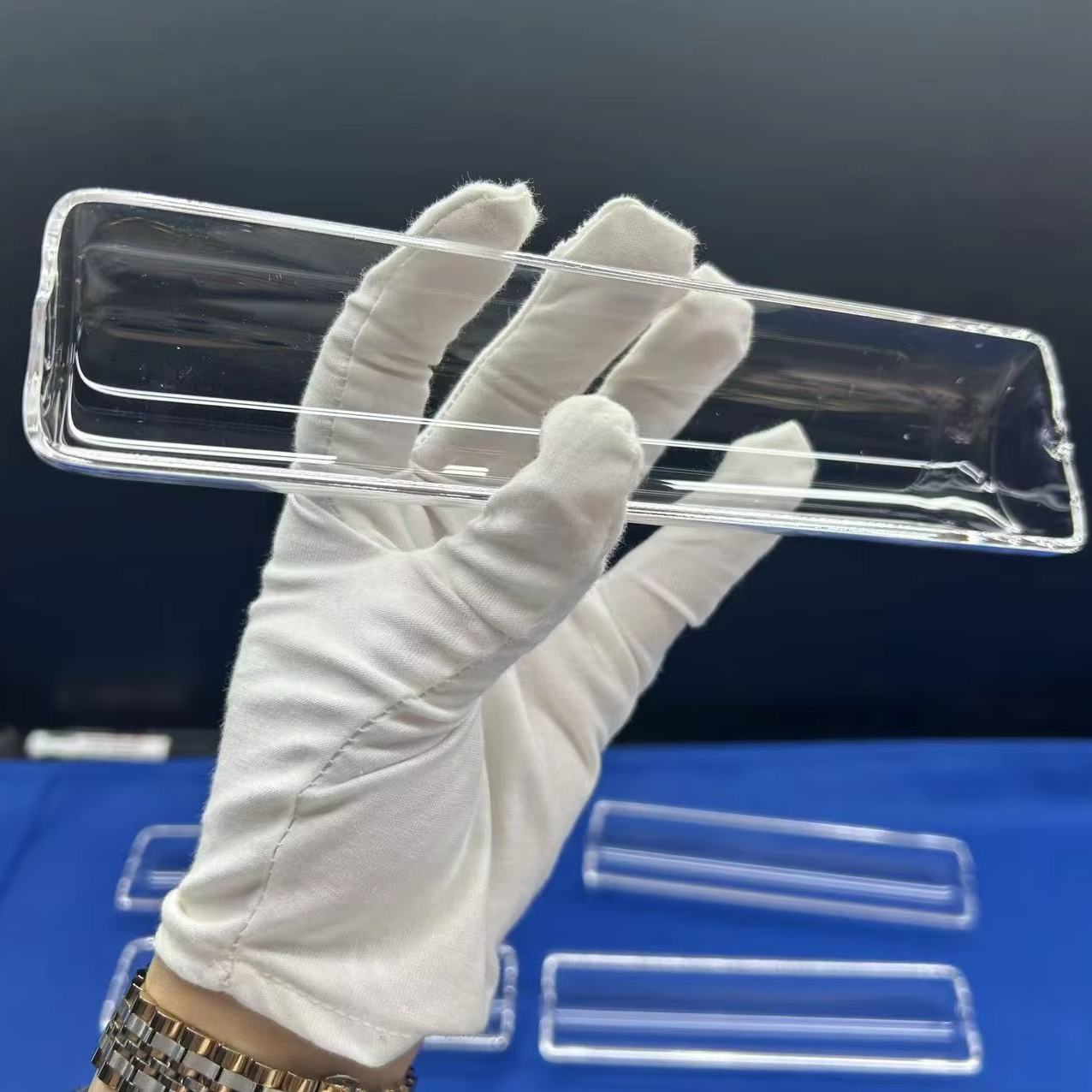
Customized Clear Fused Silica Quartz Boat Polished Clear Quartz Wafer Carrier
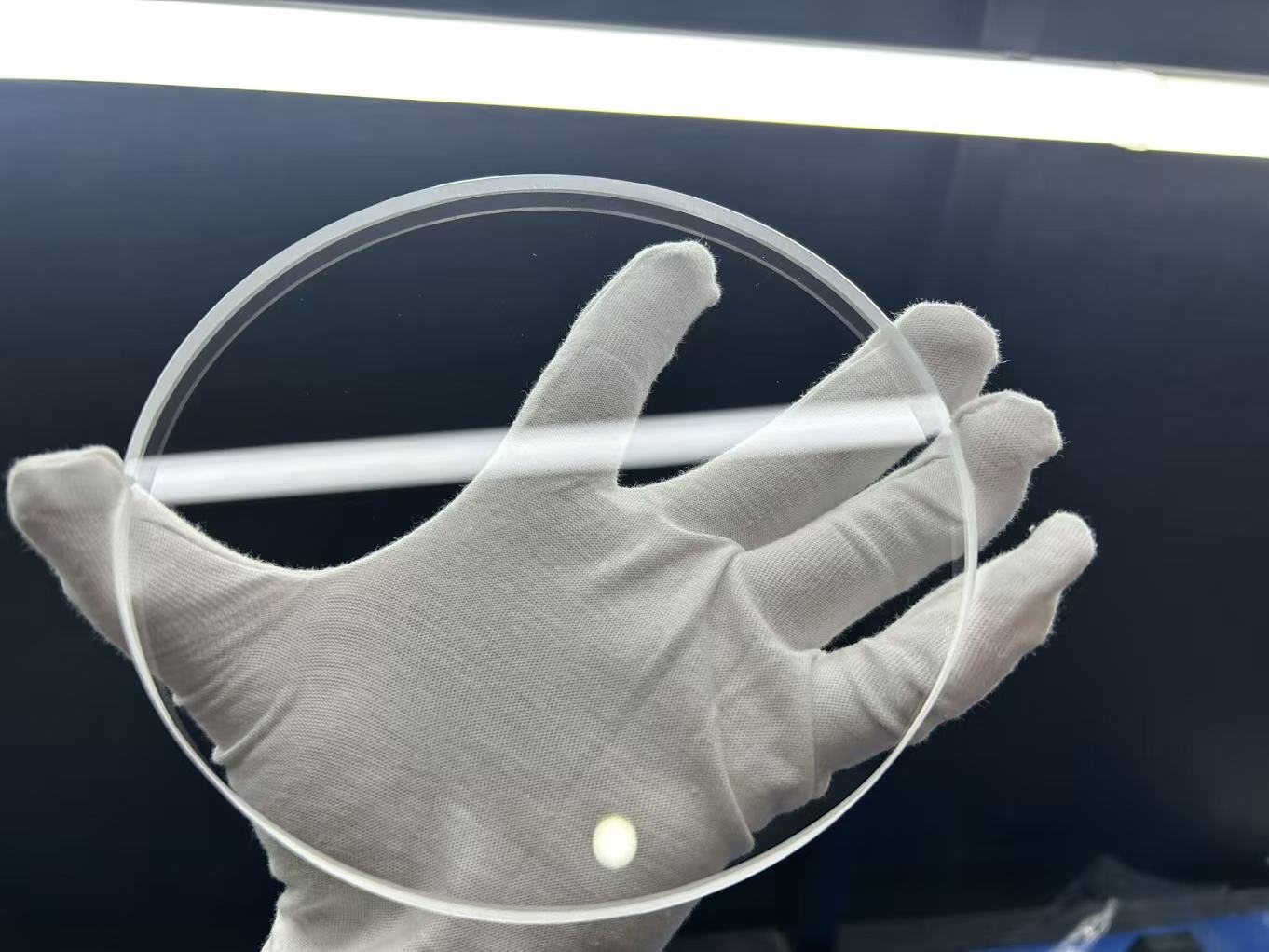
Wholesaler Customized High Quality Clear Fused Quartz Glass Sheet Custom Used in Optics and Photovoltaics
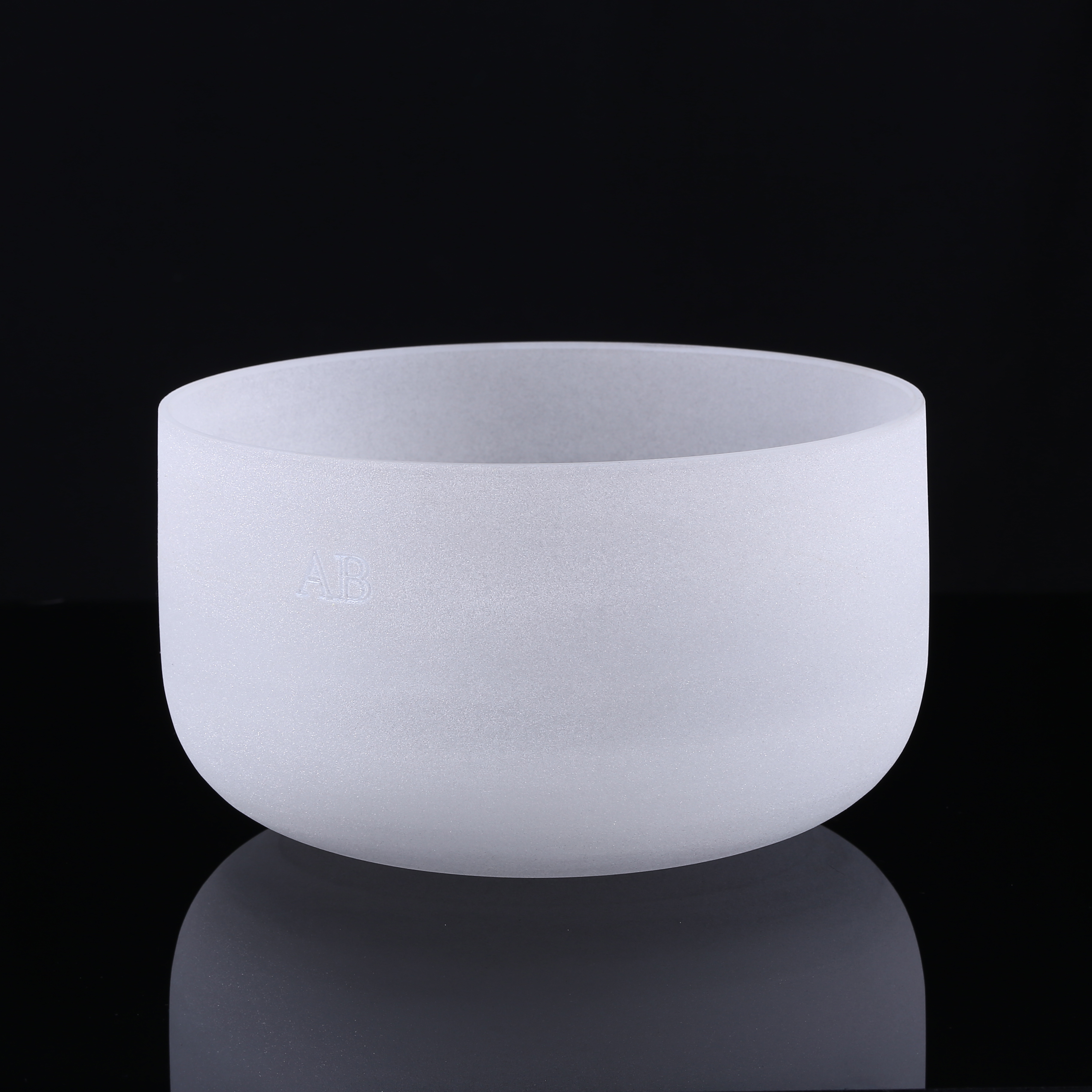
High Temperature Fused Silica Quartz Crucible
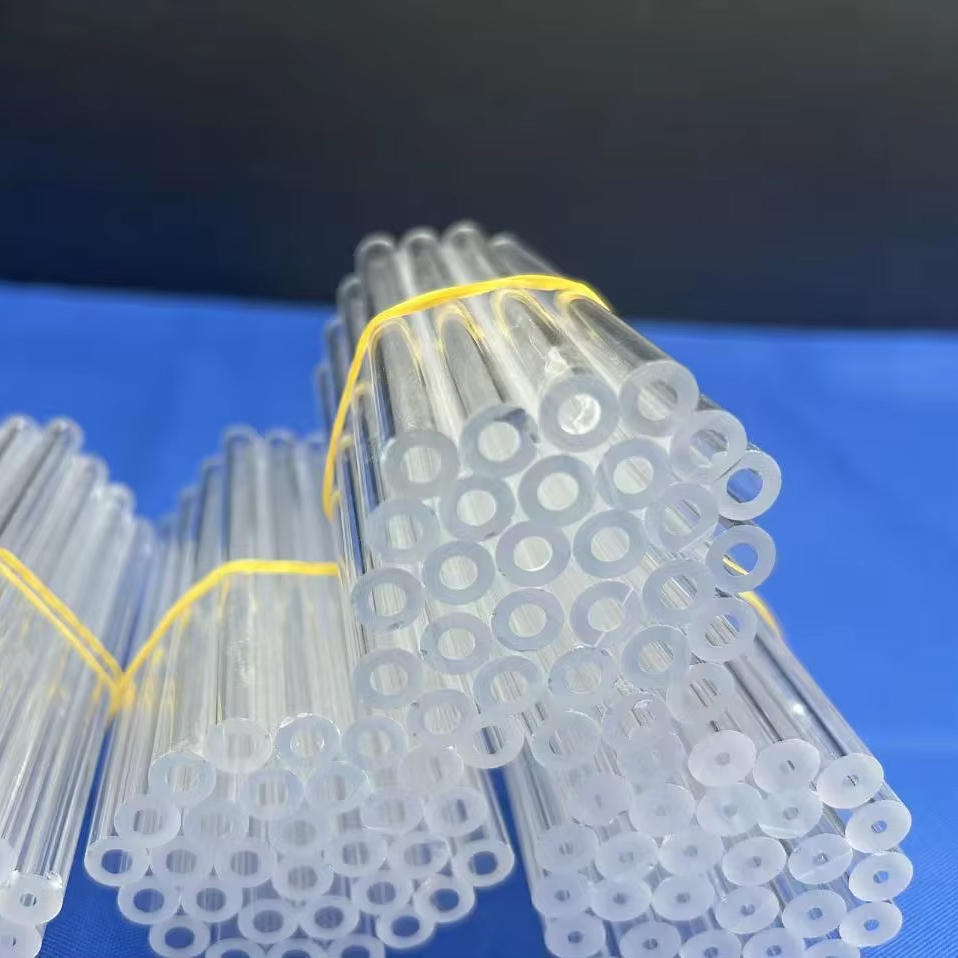
Customized Size clear Quartz Glass Tube BET Borosilicate Glass test Tube clear Quartz Glass Tube
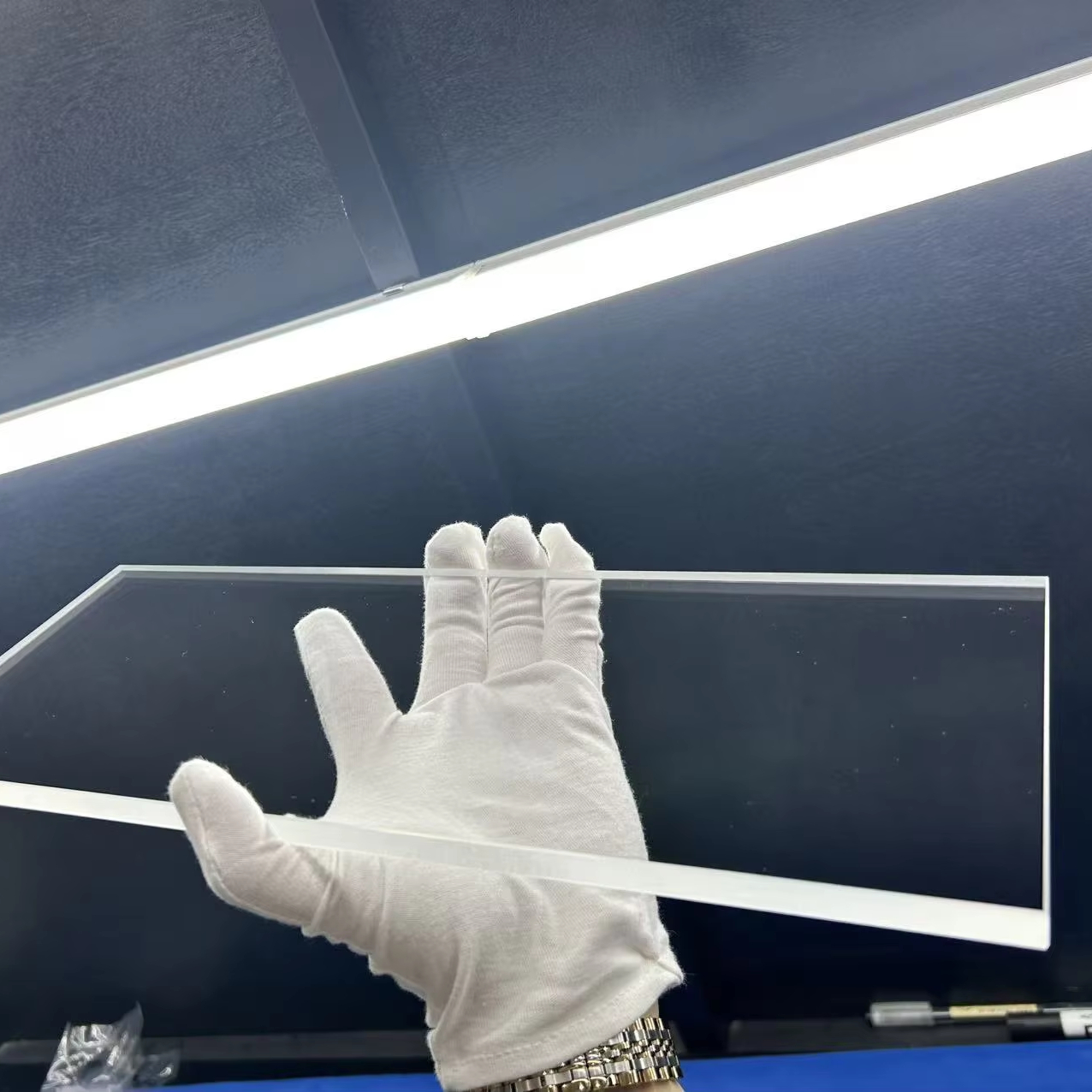
Ultra Clear High Purity Quartz Sheet
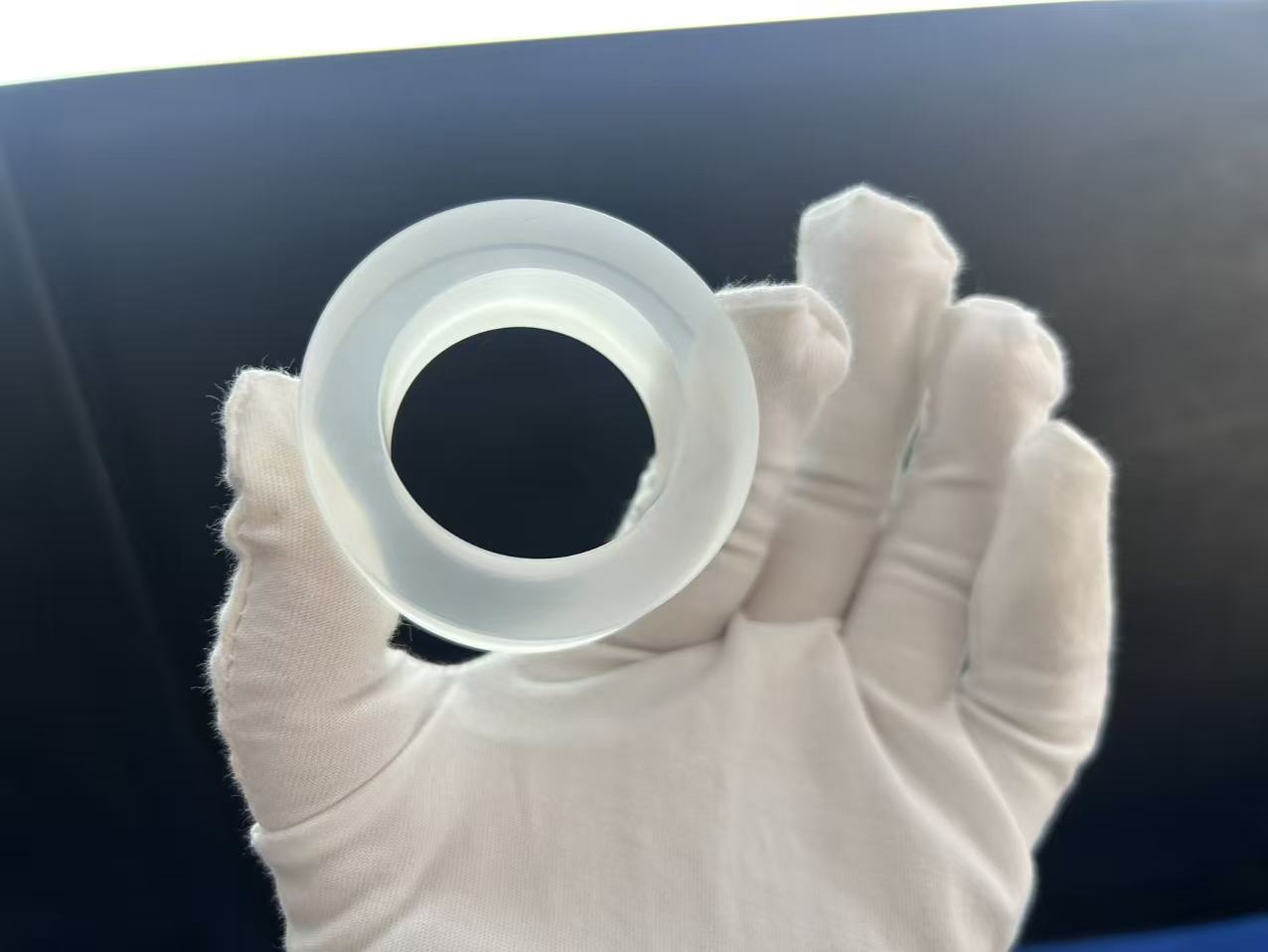
Quartz Ring
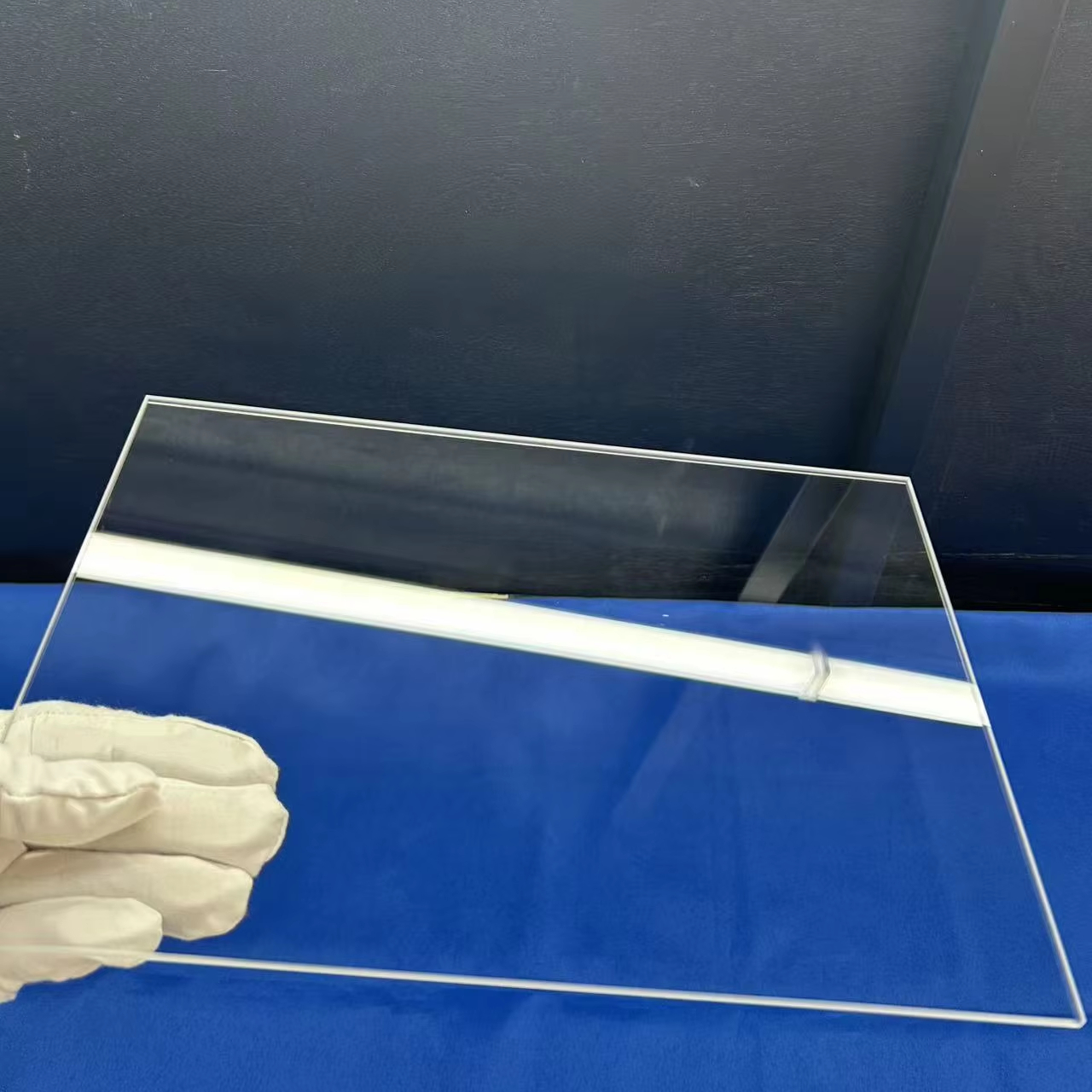
Custom Polished Purity Transparent Square Quartz Glass Clear Plate 4mm Thick for Optical Instruments Provide Welding Cutting
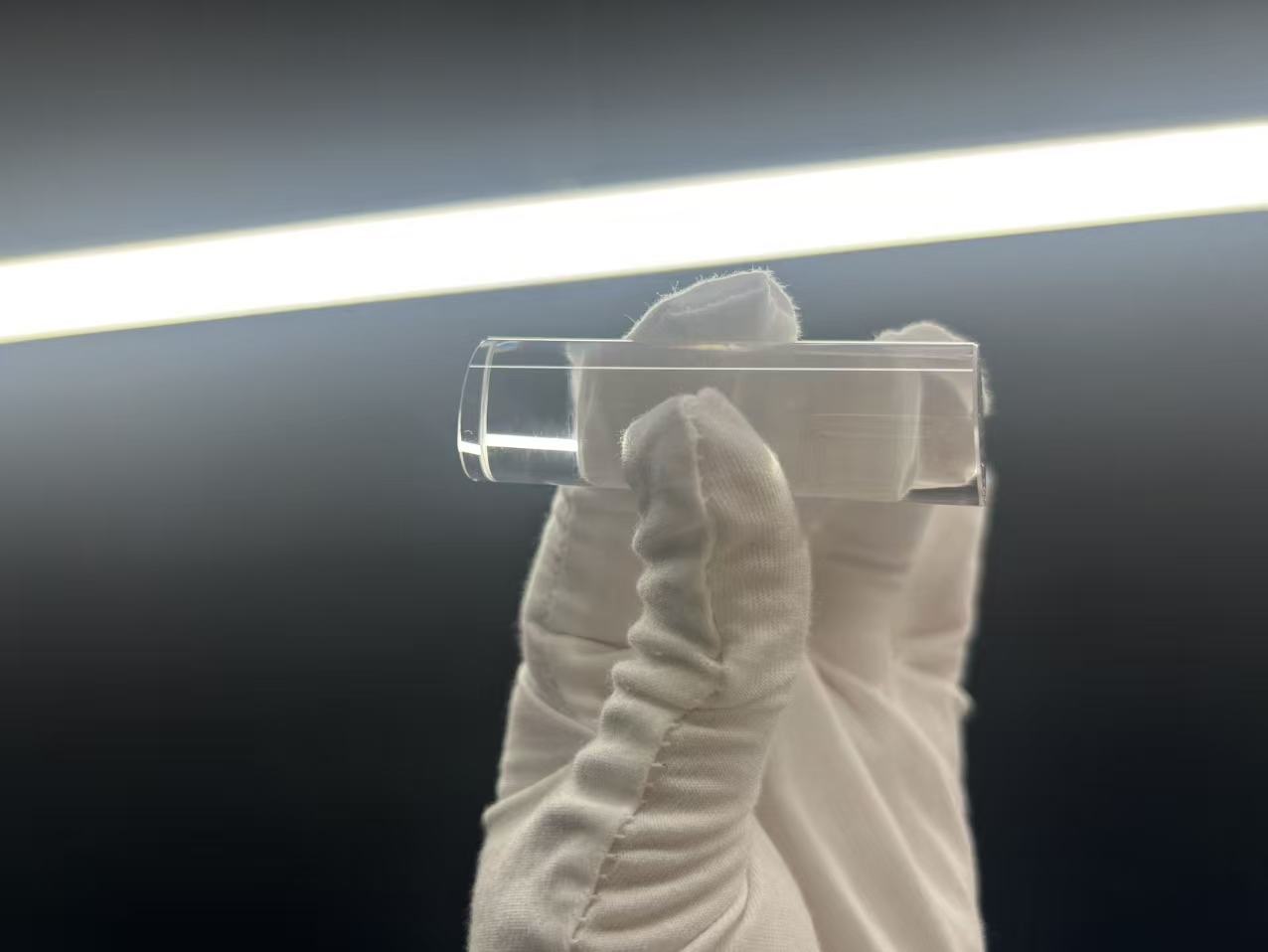
Round Head Quartz Rod
Engineering Excellence for Critical High-Temperature Processes
Bridging China's premier fused silica manufacturing hub in Donghai County with Timor-Leste’s emerging technological infrastructure, energy extraction initiatives, and academic analytical testing centers in Dili.
In high-temperature material processing, chemical vapor deposition (CVD), calcination, and hydrocarbon evaluation, furnace tubes represent the physical envelope separating ultra-pure reaction environments from thermal atmospheric degradation. For organizations and research laboratories operating in Dili, Timor-Leste, acquiring quartz furnace tubes engineered to strict industrial tolerances has historically been complicated by extended supply lines, high breakage rates, and inconsistent raw material grades.
As the international manufacturing division of Donghai County Nivra Quartz Products Co., Ltd., we deliver industrial-grade fused quartz solutions fabricated directly from the world's most concentrated natural silica deposits in Jiangsu Province. By integrating precision thermal reformation, dehydroxylation, and flame-polishing under rigorous quality management, Nivra Quartz supplies Dili’s scientific, geological, and industrial sectors with furnace tubes engineered for sustained continuous service at 1100°C and transient operations reaching 1450°C.
Localized Application Scenarios Across Dili & Timor-Leste
How high-purity quartz furnace tubes, reactor liners, and vacuum components directly support national development objectives, mineral laboratories, and industrial testing operations in Dili.
Petroleum & Energy Assay Laboratories
With the strategic evolution of the Greater Sunrise fields and onshore hydrocarbon prospects managed in Dili, high-temperature quartz combustion tubes are essential for sulfur and nitrogen determination, total hydrocarbon recovery analysis, and high-pressure pyrolysis testing without trace metal leaching.
Geological & Mineral Core Analysis
The Instituto do Petróleo e Geologia (IPG) and private exploration entities headquartered in Dili require quartz process tubes for thermal gravimetric analysis (TGA), loss-on-ignition (LOI) testing, and mineral fusion assays where molten fluxes and corrosive gases quickly degrade ordinary borosilicate alternatives.
Renewable Energy & Off-Grid Solar Testing
As Timor-Leste diversifies its energy matrix via municipal and rural solar microgrids, specialized quartz process boats, furnace diffusion tubes, and JGS2 optical plates facilitate photovoltaic wafer characterization, thermal cycling validation, and degradation research under tropical solar irradiance.
University & Scientific Research (UNTL)
At the Universidade Nacional Timor Lorosa'e (UNTL) Faculty of Engineering, Science and Technology in Hera and Dili, student and faculty researchers utilize Nivra Quartz combustion tubes, spiral condensers, and custom quartz glass vessels for chemical synthesis, metallurgy projects, and catalytic reaction studies.
Municipal Environmental & Marine Assays
Dili’s coastal ecology and groundwater monitoring initiatives demand trace-level detection of heavy metals and agricultural runoff. Fused silica tubes and quartz cuvettes provide zero baseline background contamination during UV-Vis spectrophotometry and acid digestions with concentrated nitric and perchloric reagents.
Infrastructure Materials & Clinker Testing
National infrastructure expansion—including roads, port developments at Tibar Bay, and cement production facilities—relies on high-temperature muffle and tube furnaces to verify clinker composition, free lime content, and aggregate thermal stability under exact temperature ramps up to 1350°C.
Dili Market Dynamics: Quartz Sourcing Evolution (2025–2030)
Key structural shifts influencing how laboratory managers, public agencies, and industrial contractors in Timor-Leste procure high-performance quartz glassware.
Transition to Direct Manufacturer Supply
Historically, laboratories in Dili relied on third-party trading intermediaries in Darwin, Surabaya, or Singapore, incurring 60–100% price markups and extended communication delays. Procurement officers now partner directly with primary manufacturing facilities in Donghai, securing custom engineering adaptations, factory-direct pricing, and sub-5-hour technical feedback.
Tibar Bay Deepwater Port Logistics Modernization
The opening of the modern Tibar Bay Deepwater Port has transformed freight logistics into Timor-Leste. Standardized containerization and direct regional feeder lines allow delicate, high-volume quartz tube shipments—packed in custom shock-absorbing foam crates—to bypass multi-stage handling, cutting freight breakage rates to virtually zero.
Demand for Customized Vacuum Flanged Assemblies
Rather than purchasing generic bare open-ended tubes, buyers in Dili increasingly demand turn-key fused quartz reactor tubes complete with welded KF/CF vacuum flanges, thermocouple wells, and precision ball-and-socket ground joints. This modular approach allows immediate integration into imported Japanese, European, and American tube furnaces without local torch modification.
Physical, Thermal & Chemical Performance Matrix
Empirical baseline parameters for Nivra Quartz clear fused silica furnace tubes used in thermal simulation, stress-analysis calculations, and process equipment specification.
| Property / Characteristic | Test Standard / Condition | Typical Fused Quartz Value | Operational Significance for Dili Labs |
|---|---|---|---|
| SiO₂ Purity | ICP-OES / Spectral Analysis | ≥ 99.99% | Zero heavy metal leaching during acid digests and core assays |
| Density | 20°C Archimedes Method | 2.20 g/cm³ | Lightweight structural integrity under high vacuum |
| Softening Point | Viscosity η = 10⁷.⁶ dPa·s | 1683°C | Maintains rigid geometry during high-temperature firings |
| Annealing Point | Viscosity η = 10¹³ dPa·s | 1180°C | Relieves residual internal stress accumulated during manufacturing |
| Strain Point | Viscosity η = 10¹⁴.⁵ dPa·s | 1075°C | Benchmark boundary for permanent plastic deformation |
| Coefficient of Thermal Expansion | 20°C to 300°C Dilatometry | 5.5 × 10⁻⁷ cm/cm·°C | Permits instant water quenching from 1000°C without shattering |
| Thermal Conductivity | 20°C Heat Flow Meter | 1.4 W/m·K | Excellent radial thermal uniformity across furnace hot-zones |
| Hydroxyl (OH⁻) Content | FTIR Infrared Absorption | < 15 ppm (Dehydroxylated) | Prevents tube sagging, foaming, and accelerated devitrification |
| Dielectric Strength | 20°C, 1 MHz Breakdown | 2.5 × 10⁷ V/m | Superior electrical insulation for RF-heated & induction furnaces |
| Chemical Resistance | Continuous Acid Exposure | Resists all acids (except HF & hot H₃PO₄) | Inert against concentrated aqua regia, H₂SO₄, and organic vapors |
Trace Impurity Profile (Typical Parts Per Million / PPM)
High optical clarity and extreme thermal resilience are direct functions of ultra-low trace element concentration. The table below delineates typical chemical impurity limits strictly maintained during our electric fusion and vacuum refining processes:
| Element | Aluminum (Al) | Iron (Fe) | Calcium (Ca) | Magnesium (Mg) | Sodium (Na) | Potassium (K) | Lithium (Li) | Titanium (Ti) |
|---|---|---|---|---|---|---|---|---|
| PPM Level | 12.0 – 14.0 | 0.15 – 0.25 | 0.30 – 0.50 | 0.08 – 0.12 | 0.50 – 0.80 | 0.40 – 0.70 | 0.40 – 0.60 | 0.90 – 1.10 |
Mitigating Devitrification in Dili's Humid Marine Atmosphere
Practical operating guidelines designed for engineers and lab technicians running tube furnaces in tropical coastal environments.
A primary failure mode of quartz furnace tubes operating in coastal regions such as Dili is accelerated devitrification—the solid-state phase transformation of metastable amorphous fused silica into crystalline cristobalite. Cristobalite undergoes a significant disruptive volume change (approximately 2.8%) during cooling through 200°C–270°C, causing surface micro-cracking, structural clouding, and ultimate tube fracture.
In Dili, ambient relative humidity frequently exceeds 80%, accompanied by microscopic airborne marine aerosol particles containing sodium chloride (NaCl) and potassium salts. Alkaline metals act as powerful catalytic nucleation agents. When an operator handles a quartz tube with bare hands or exposes an uncleaned tube to temperatures exceeding 1000°C, surface alkali atoms break the robust Si-O-Si siloxane bonds, catalyzing rapid crystallization.
Handling & Glove Protocols
Never touch fused quartz surfaces with bare hands. Human perspiration deposits sodium, calcium, and lipids that permanently bake into the silica lattice at 800°C+. Operators must always wear clean, lint-free nitrile or cotton inspection gloves during tube insertion and cleaning.
Pre-Firing Chemical Washing
Prior to commissioning in a high-temperature cycle, tubes should be wiped with electronic-grade isopropyl alcohol or immersed in a 5% to 10% hydrofluoric (HF) acid bath for no longer than 3–5 minutes, followed immediately by thorough cascading rinses with deionized water (resistivity > 18 MΩ·cm) and dry nitrogen drying.
Dessicated Storage Regimes
Spare tubes and boat carriers stored in Dili warehouses must remain wrapped in polyethylene film inside climate-controlled, desiccated environments. Exposure to stagnant humid coastal air results in surface silanol (Si-OH) group buildup, which lowers the silica viscosity and encourages sagging during subsequent furnace firings.
Frequently Asked Questions for Dili Quartz Buyers
Clear answers addressing shipping logistics, customs at Tibar Bay, technical customization, and material grades for procurement professionals in Timor-Leste.
What are the lead times and shipping routes for delivery to Dili and Tibar Bay Port? +
For urgent laboratory or replacement orders, express air freight (via DHL, FedEx, or specialized air cargo) delivers to Presidente Nicolau Lobato International Airport (DIL) in Dili within 5 to 9 business days following factory fabrication. For bulk institutional orders or heavy-diameter furnace tubes, containerized maritime shipments depart from Lianyungang/Shanghai Port and transit through regional consolidation hubs (Singapore or Surabaya) directly to Tibar Bay Deepwater Port, typically requiring 22 to 32 days port-to-port. All export documentation, commercial invoices, and packing declarations comply with Autoridade Tributária de Timor-Leste customs standards.
How does Nivra Quartz ensure zero breakage during multimodal international transport? +
Precision quartz tubes are susceptible to longitudinal bending stress and vibration shock during transit. Every tube manufactured for export is individually cleaned, wrapped in static-shielding protective film, inserted into high-density custom-molded polyethylene foam shells, and suspended within heavy-duty export cartons. For sea shipments and large-bore tubes (OD > 100mm), these cartons are housed within fumigation-free ISPM-15 compliant plywood crates reinforced with exterior metal corner bracing and 3-axis shock indicator sensors.
Which fused quartz grade is recommended: Clear Fused Quartz, JGS1, JGS2, or JGS3? +
For standard high-temperature tube furnaces, CVD reactors, and pyrolysis combustion setups, our standard Clear Fused Quartz (equivalent to commercial thermal grades) provides the ideal balance of chemical purity (SiO₂ ≥ 99.99%) and thermal stability up to 1100°C continuous service. If your installation involves deep-UV optical transmission or excimer laser beam guidance, JGS1 synthetic fused silica is required (transmitting down to 185 nm). For observation sight-glasses, infrared spectroscopy windows, or low-hydroxyl applications up to 3500 nm, JGS3 is specified. Our technical team can verify drawing requirements within 5 hours.
Can tubes be fabricated to non-standard diameters, with closed ends, or with welded flanges? +
Yes. Nivra Quartz maintains an extensive precision flame-working and CNC glass-machining shop in Donghai County. We routinely fabricate furnace tubes with outside diameters ranging from 3 mm to over 450 mm, wall thicknesses from 1 mm to 10 mm, and lengths up to 3000 mm. Custom configurations include round or flat closed test-tube bottoms, reduction steps, ground taper joints, quartz-to-pyrex graded seals, perforated gas distributor tubes, and welded quartz vacuum flanges (KF16 to KF50, ISO, or ANSI standards).
What is the Minimum Order Quantity (MOQ) for educational or research institutions in Timor-Leste? +
To support academic research at institutions like the Universidade Nacional Timor Lorosa'e (UNTL) and state geological surveys, we offer flexible low-volume ordering. Standard bare quartz tubes, crucibles, and labware have an MOQ as low as 1 to 5 pieces. Custom engineered components manufactured from technical CAD drawings typically start at 1 to 10 units for initial prototype validation prior to larger production runs.
How do Nivra Quartz tubes respond to unstable local power supply and rapid thermal cycling? +
Due to the exceptionally low thermal expansion coefficient of high-purity fused silica (5.5 × 10⁻⁷ /°C), our furnace tubes demonstrate virtually unmatched thermal shock resistance compared to alumina, mullite, or borosilicate tubes. If a sudden power interruption in Dili causes abrupt cooling, or if a furnace door is opened at 1000°C, the tube experiences negligible thermal stress gradient and will not fracture under normal operational conditions.
Why International Laboratories & OEM Buyers Choose Nivra Quartz
Combining natural geographic advantages, vertically integrated processing infrastructure, and an unyielding commitment to dimensional precision.
Donghai Crystal Capital Hub
Headquartered at 285 Heping East Road, Lianyungang, Jiangsu, we sit at the epicenter of China’s natural silica refining sector, guaranteeing pristine raw material purity and unmatched supply stability.
Fast Technical Turnaround
With a verified 88.89% inquiry response rate and an average response time under 5 hours, our experienced optical and furnace glassware engineers provide manufacturability reviews with minimal delay.
5.0 / 5.0 Verified Track Record
Operating with 101–200 skilled staff since February 2019, our factory is audited on-site by international inspection agencies, backing a 23% repeat order rate from North America, Europe, and Asia-Pacific.
Full In-House Machining
From CNC ultrasonic drilling, surface lapping, and centerless cylindrical grinding to glass lathe flame-welding and high-vacuum annealing ovens, all processes remain strictly within our own facility.
Procure High-Performance Quartz Furnace Tubes for Dili
Whether you require standardized clear fused replacement tubes, custom-machined flanges, or a comprehensive quartz bill of materials for industrial or university projects in Timor-Leste, our team delivers factory-direct precision with zero supply-chain risk.
Contact Us