Precision Quartz Thermal Components
Direct factory engineering solution tailored for Bitola's heavy metallurgical, analytical, and thermal processing industries.
1. Technical Whitepaper: Material Engineering of Fused Quartz Furnace Tubes
In high-temperature thermal processing, chemical vapor deposition (CVD), sintering, and analytical furnace applications, selecting the appropriate furnace tube material directly impacts thermal yield, batch repeatability, and structural longevity. Fused quartz (amorphous silicon dioxide, SiO2) stands out as an irreplaceable engineering material due to its exceptionally low thermal expansion coefficient, high dielectric strength, and superior optical clarity from deep ultraviolet to near-infrared spectrums.
When serving specialized industrial operations, such as those in Bitola and the broader North Macedonian manufacturing cluster, quartz components must endure rigorous operational cycles. Understanding the material physics behind thermal shock performance and devitrification mechanics is critical for plant managers and thermal design engineers.
Thermomechanical and Optical Specifications Matrix
To assist technical procurement officers and plant engineers in Bitola in making informed selections, the following engineering data matrix compares key physical attributes across standardized quartz material grades utilized in our furnace tubes:
| Property Parameter | JGS1 (Synthetic Fused Silica) | JGS2 (Fused Quartz / Natural) | JGS3 (Infrared Fused Quartz) |
|---|---|---|---|
| Primary Application | Deep UV Optics, Semiconductor CVD | High-Temp Furnace Tubes, Sight Glass | IR Heating Elements, Moisture-Free Tubes |
| Silicon Dioxide (SiO2) Purity | ≥ 99.999% | ≥ 99.99% | ≥ 99.98% |
| OH Content (Hydroxyl) | < 5 ppm (Low-OH options) | 150 - 200 ppm | < 5 ppm |
| Max Continuous Temp | 1100°C | 1150°C | 1200°C |
| Peak Short-Term Temp | 1300°C | 1400°C | 1450°C |
| Thermal Expansion (20-300°C) | 5.4 × 10⁻⁷ / K | 5.5 × 10⁻⁷ / K | 5.5 × 10⁻⁷ / K |
| Softening Point | 1730°C | 1683°C | 1680°C |
Key Information Gain: Devitrification Mechanics & Service Life Extension
At operating temperatures exceeding 1150°C, clear fused quartz begins its phase transition from an amorphous glass state to a crystalline structure (cristobalite), a process known as devitrification. This transformation initiates at the outer surface, promoted by trace alkali metal contaminants (sodium, potassium, calcium). Our furnace tubes undergo specialized surface passivation and flame-polishing, reducing microscopic surface defects and alkali nucleation sites. This process extends operational life by up to 35% under continuous thermal load in industrial atmospheres.
2. Localized Industrial Application Scenarios in Bitola
Bitola, recognized as a pivotal industrial and energy production engine in North Macedonia and the Pelagonia Region, presents distinct operational demands for thermal process components. From heavy power infrastructure and mining-adjacent metallurgical processing to precision regional research laboratories, furnace tubes and high-purity quartzware play a mission-critical role.
Thermal Energy & Flue Monitoring
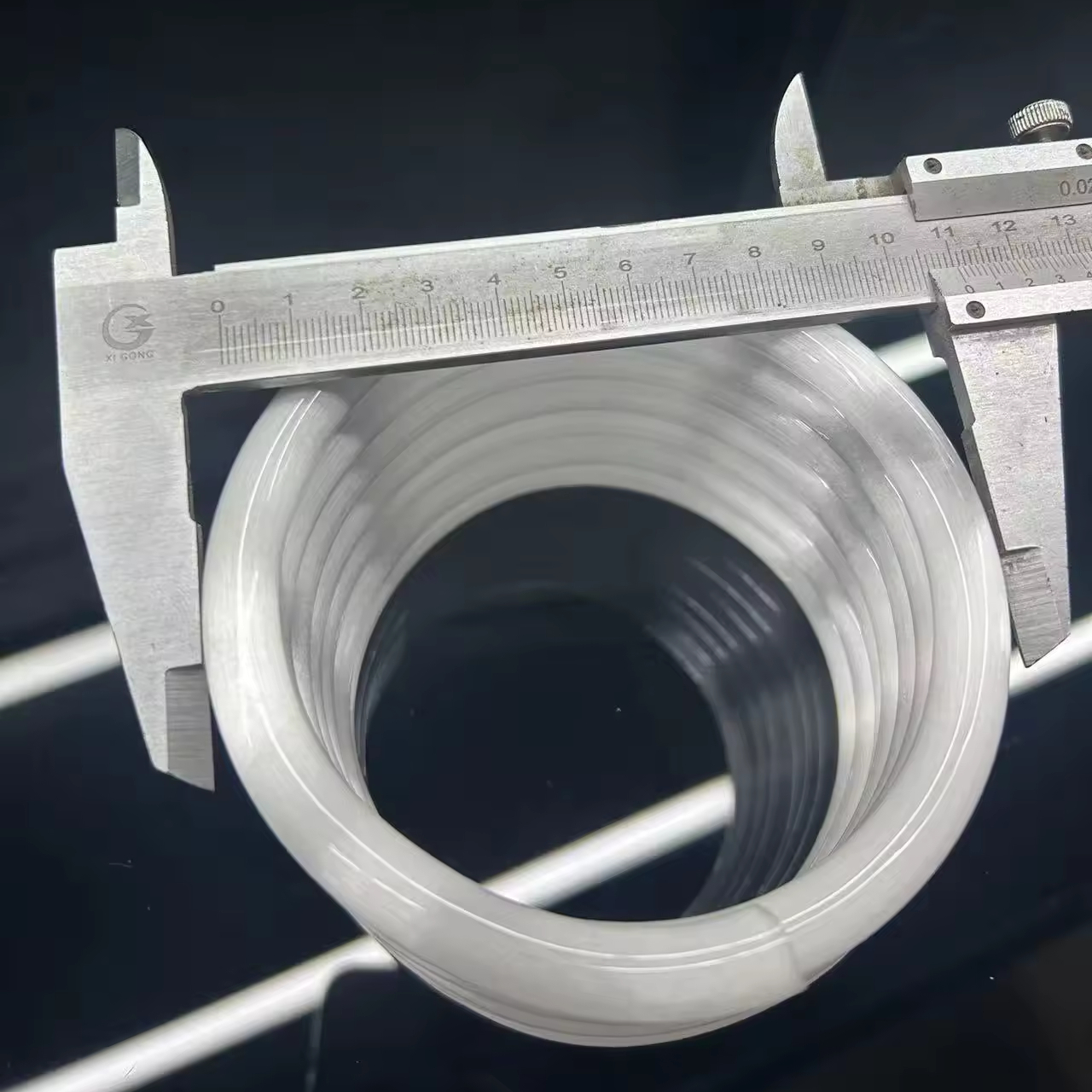
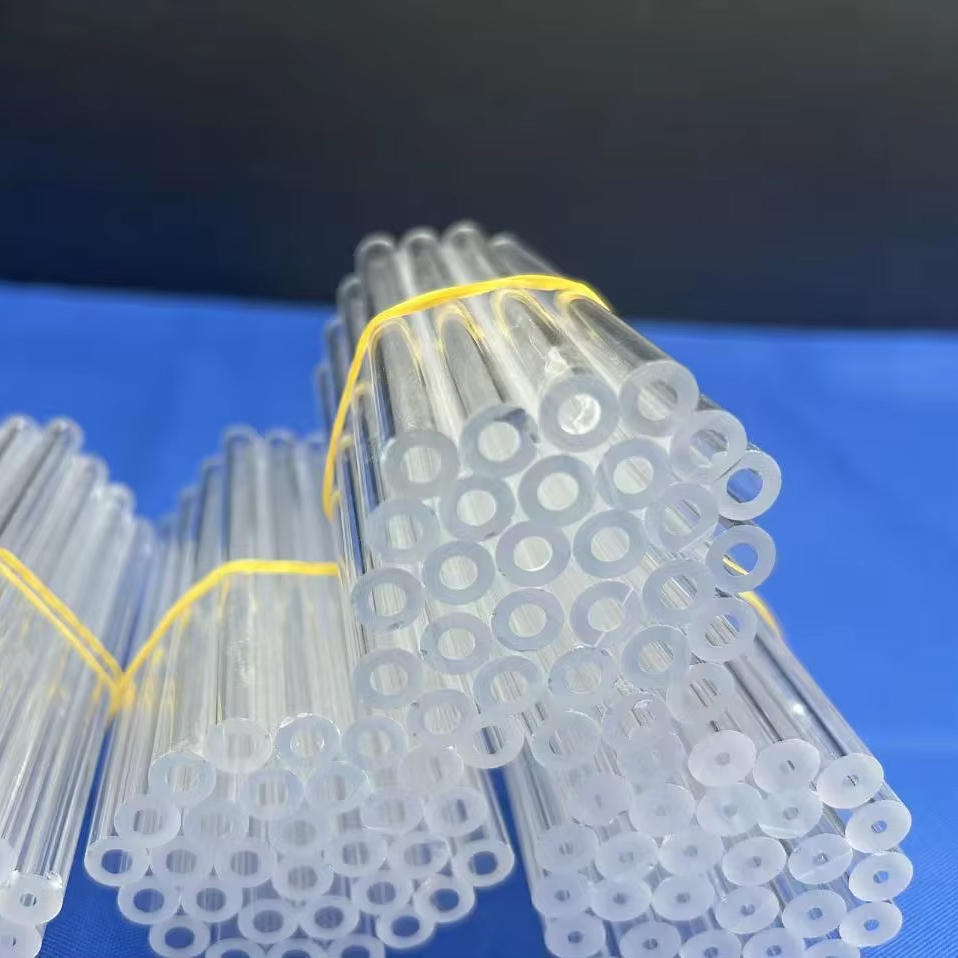
Heavy energy generation systems around Bitola require corrosion-resistant, gas-tight sampling tubes for gas analysis and high-temperature emissions monitoring. Quartz helices and custom test tubes maintain structural integrity when exposed to reactive flue gas streams and extreme thermal gradients.
Metal Processing & Smelting
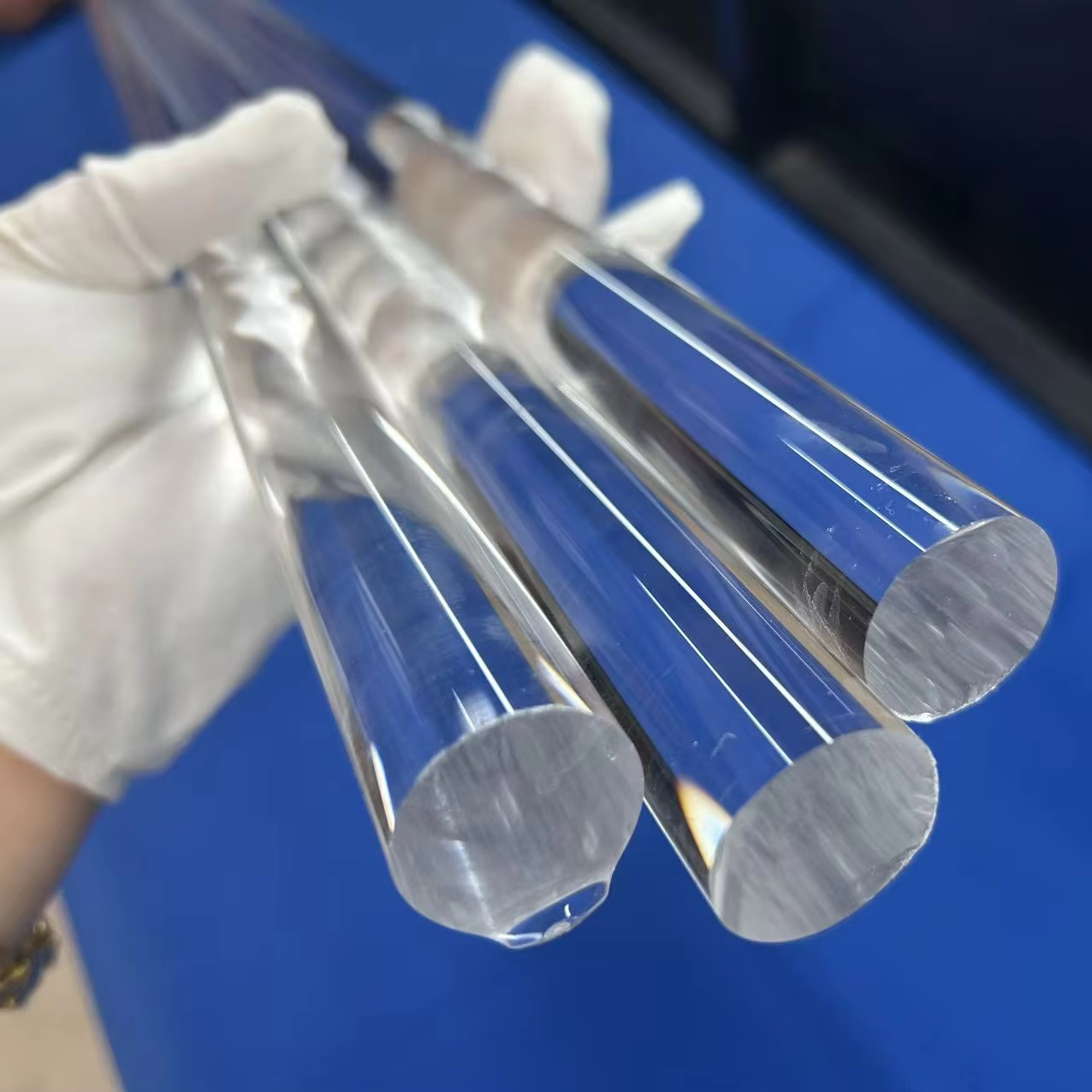
Foundries and metal processing units across Pelagonia rely on high-purity fused quartz rods, crucibles, and heavy-wall furnace tubes for thermal treatment, vacuum annealing, and precision metal alloy sampling, ensuring zero silica contamination into the melt.
Industrial Drying & Infra-Red Curing
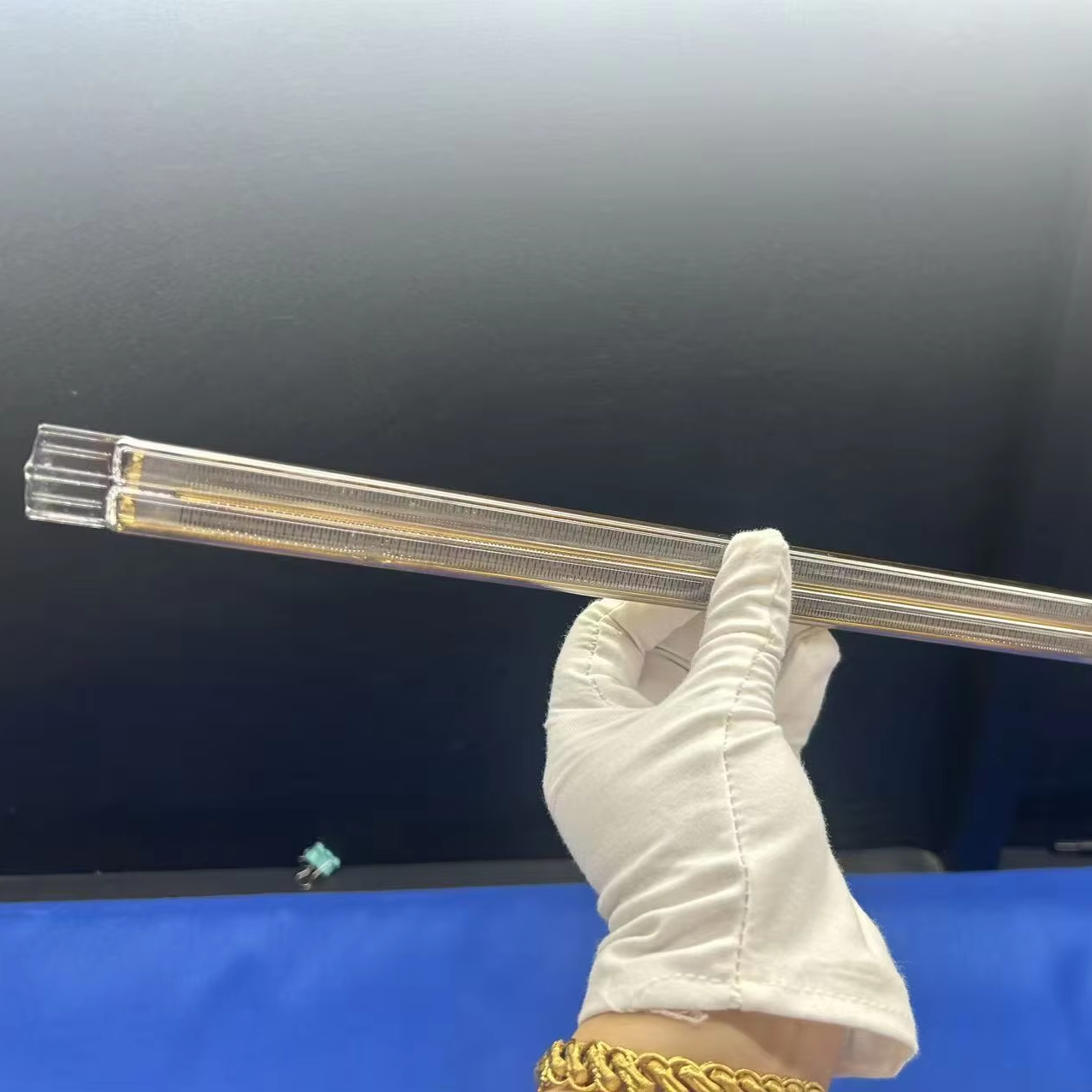
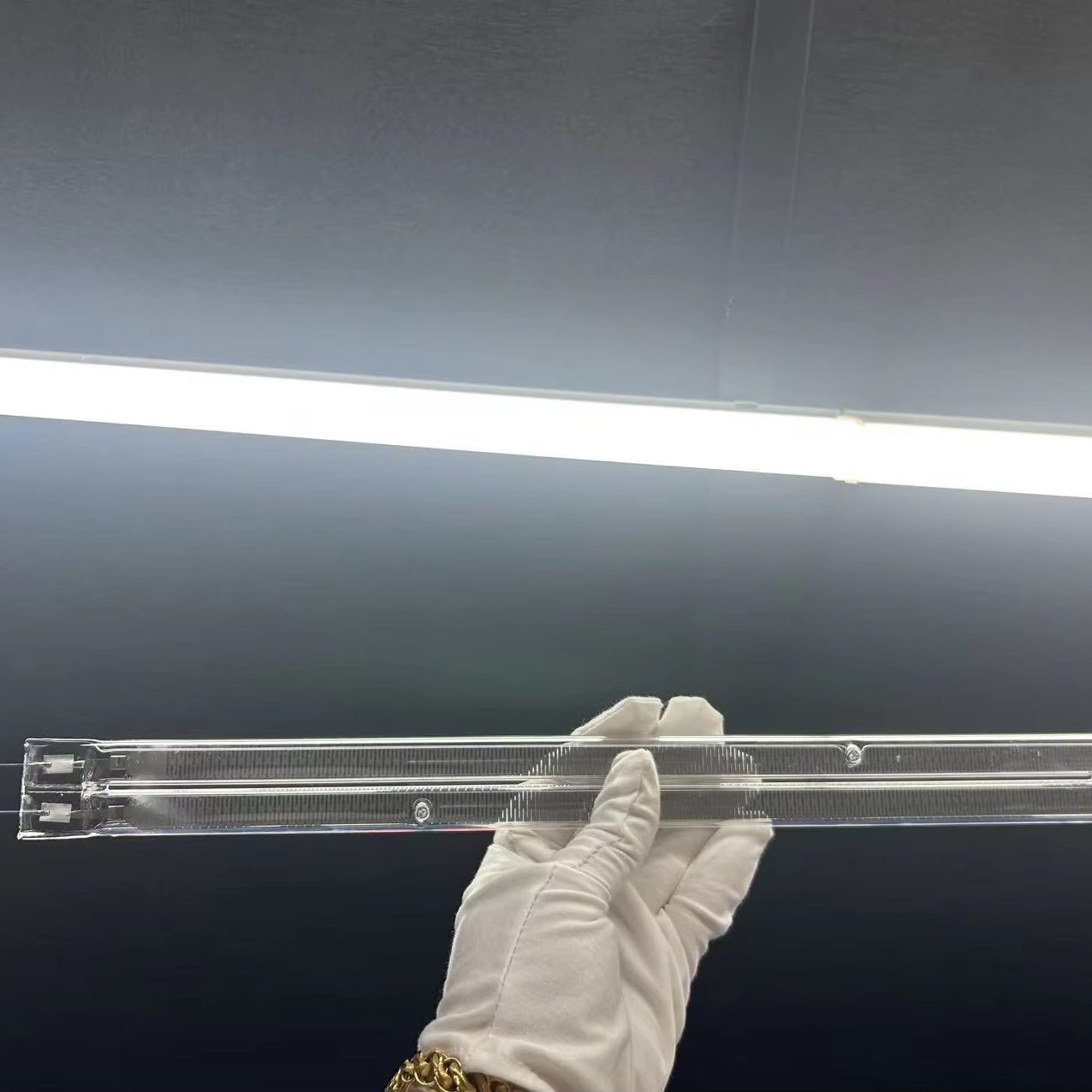
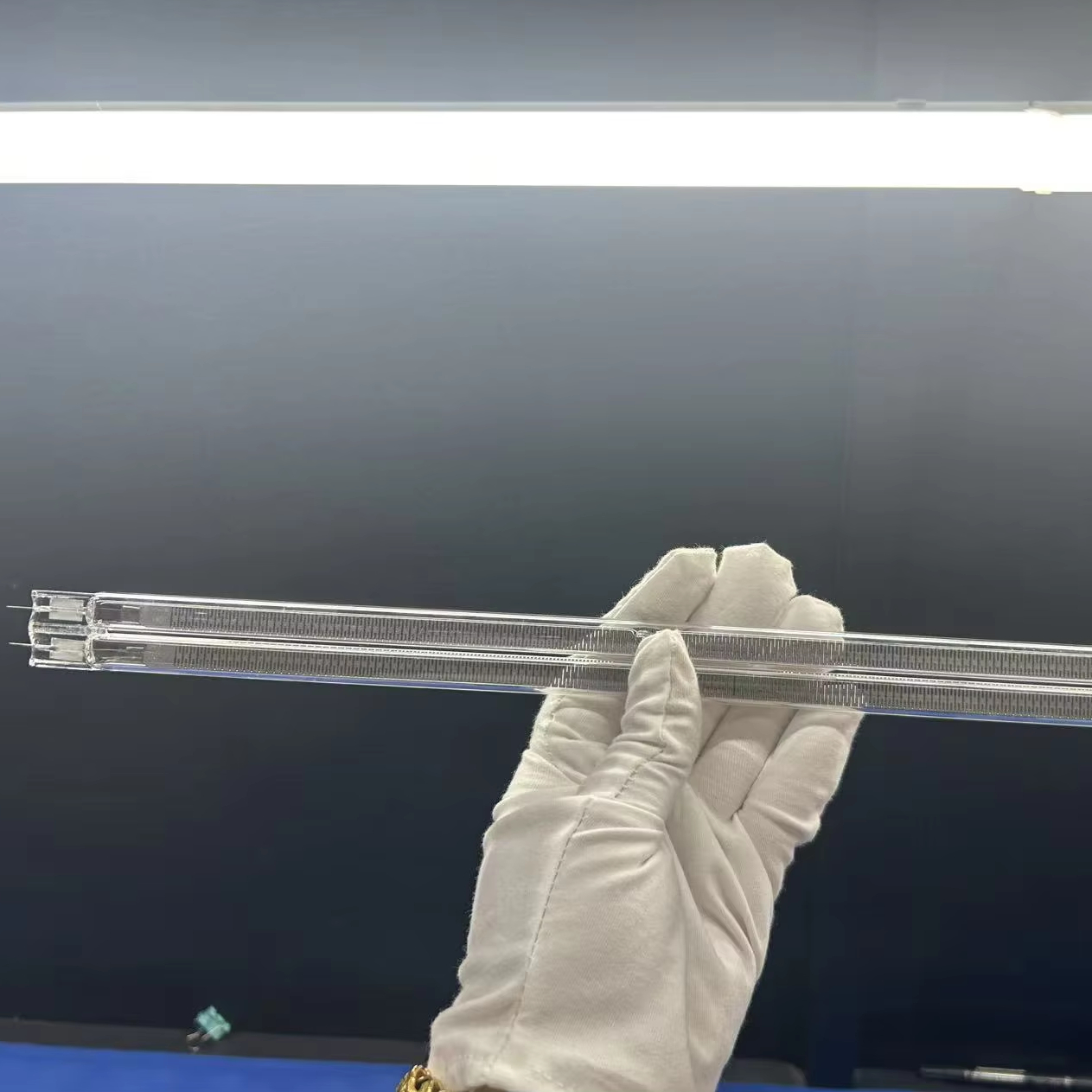
Automotive part sub-suppliers and regional textile processing plants implement rapid-response carbon fiber and graphene infrared quartz heating tubes to achieve uniform thermal profiles, reducing energy consumption and accelerating cycle times.
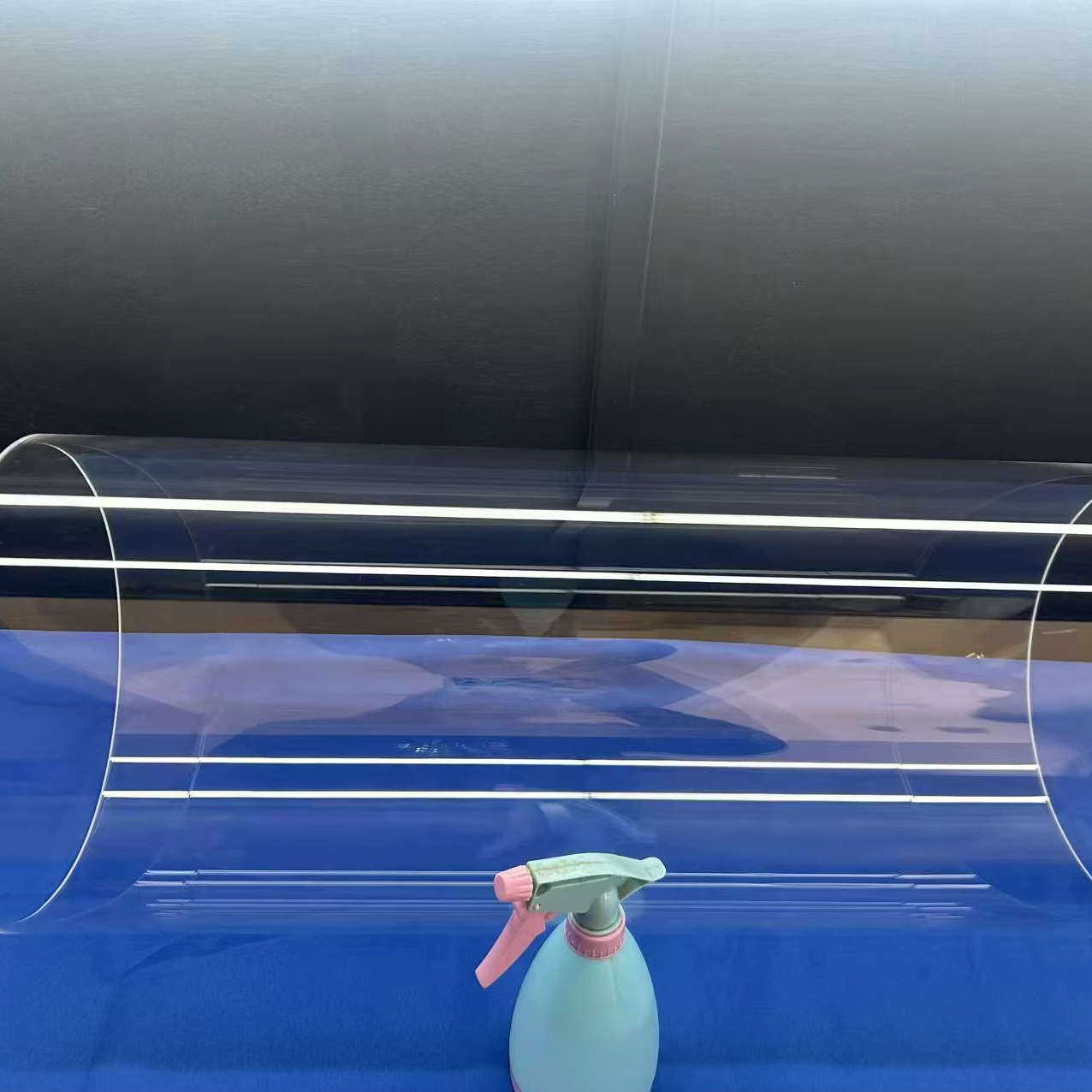
Engineers in Bitola often face challenges regarding thermal stress fractures caused by non-uniform heating inside tube furnaces. By providing precision-flanged quartz tubes with controlled wall thickness tolerances (±0.1mm to ±0.05mm), our products prevent localized hot-spots and maintain vacuum seals down to 10-5 Torr under elevated processing environments.
3. Regional Industrial Trends: Modernization & Efficiency Upgrades
As North Macedonia aligns its industrial infrastructure with European Union environmental standards and energy efficiency targets, regional enterprises in Bitola are actively upgrading legacy thermal processing assets. Three macro-trends dictate the growing demand for advanced quartz furnace tubes and heating technology:
A. Transition to Fast-Response Radiant Heating
Traditional resistive wire furnaces exhibit heavy thermal inertia, leading to high electrical overheads and prolonged ramping cycles. Bitola’s manufacturing facilities are rapidly transitioning to high-efficiency infrared heating tubes—utilizing carbon fiber, graphene coatings, and halogen emitters. These systems deliver instant heat transfer directly to the target medium, decreasing power usage by up to 30% while offering digital micro-second modulation.
B. Green Metallurgy and Material Recycling Innovations
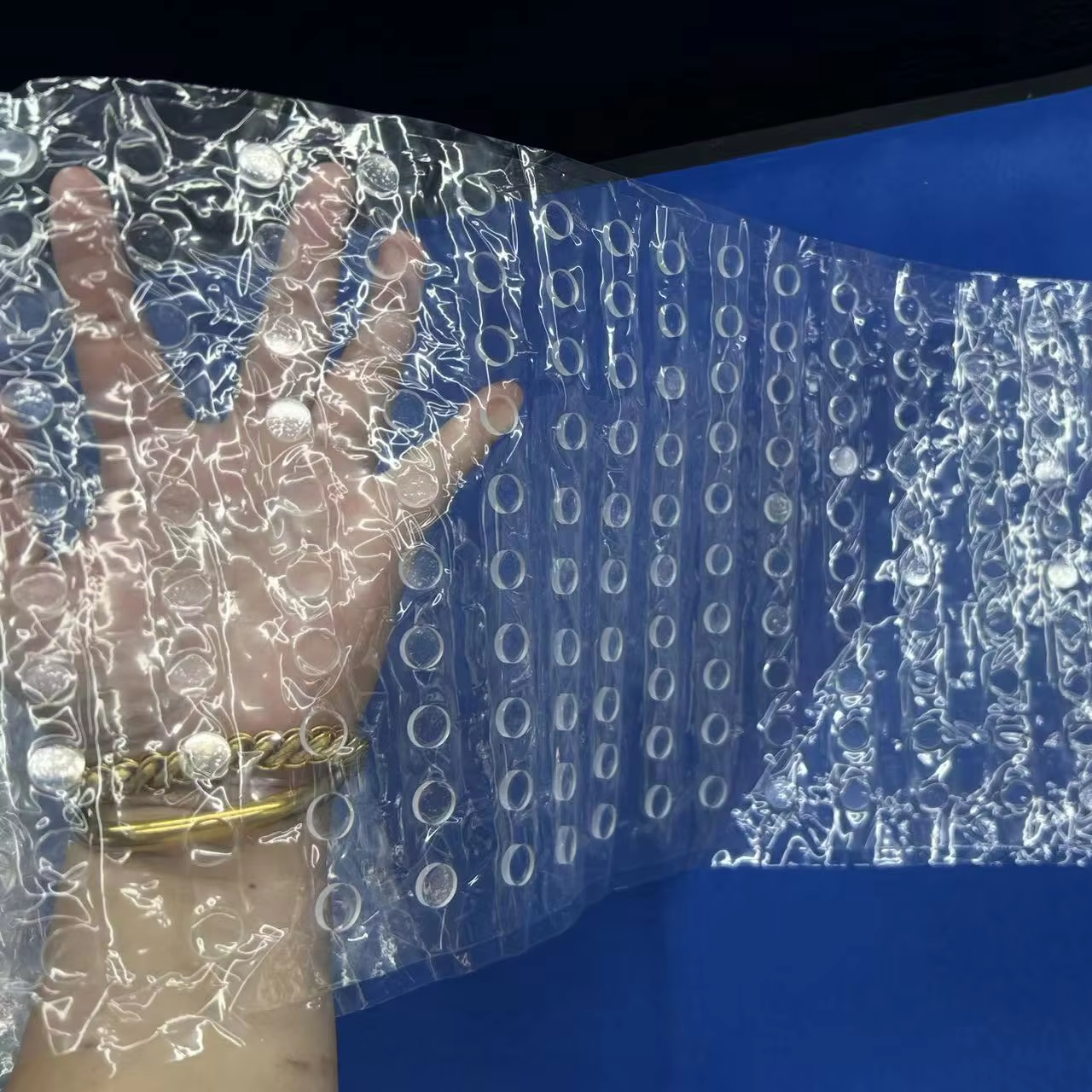
With increasing regional emphasis on circular economy practices and metal recycling, metallurgical testing laboratories in Bitola require specialized quartzware, such as helical coils, customizable high-purity reaction tubes, and polished quartz wafers for spectroscopic analysis. Quartz's total chemical inertness against harsh acids (HCl, HNO3, H2SO4) makes it the baseline standard for clean laboratory decomposition and elemental analysis.
C. High-Vacuum Sintering & Advanced Ceramic Processing
The establishment of technical industrial development zones in North Macedonia has spurred localized production of advanced technical ceramics, electronic components, and sensor housings. These processes necessitate custom large-diameter quartz tubes and ground-joint quartz flanges capable of maintaining high-vacuum purity without gas outgassing at temperatures above 1000°C.
4. Strategic Advantage: Why Bitola Industrial Buyers Partner With Us
Rooted in Donghai County—the world-renowned capital of raw quartz processing—Donghai County Nivra Quartz Products Co., Ltd. integrates direct raw material selection with advanced precision machining. For buyers in Bitola, our direct-factory model bypasses intermediary trade markups while securing strict compliance with technical drawings.
Full In-House Fabrication Chain
From glass lathe turning, CNC drilling, optical grinding, and laser cutting to manual flame welding by master glassblowers, every tube, flange, and coil is processed under one roof.
Engineered Export Packaging
Overcoming international transit risks to Bitola, our fragile glass shipments are secured inside custom-molded shock-absorbing foam boxes and heavy-duty, fumigation-free wooden crates.
Drawing-to-Part Precision
Send your PDF, DWG, or STEP files. Our engineering team reviews thermal tolerances, wall consistency, and flange seal geometries, returning detailed feedback within 5 hours.