Precision Fused Quartz Components for High-Flow Analytical Apparatus
Manufactured from ultra-high purity fused silica (≥99.99% SiO2) at our Donghai facility, providing exceptional spectral clarity from 185 nm to 3500 nm, high thermal tolerance, and resistance to aggressive HPLC mobile phases.
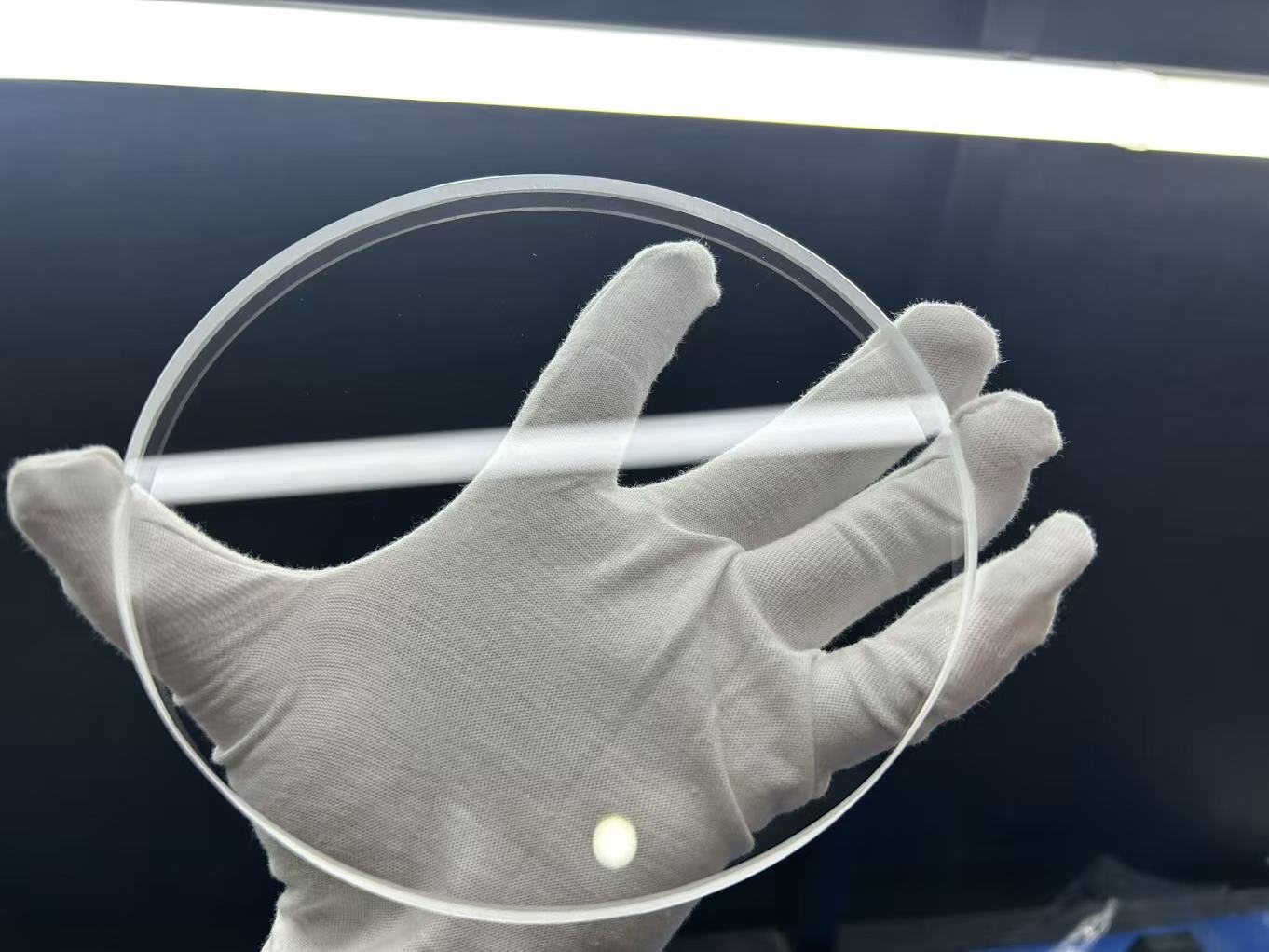
Wholesaler Customized High Quality Clear Fused Quartz Glass Sheet
Precision ground and polished optical sheets offering surface flatness of λ/4 and high UV transmission, extensively used as observation windows in custom spectrophotometric flow cells.
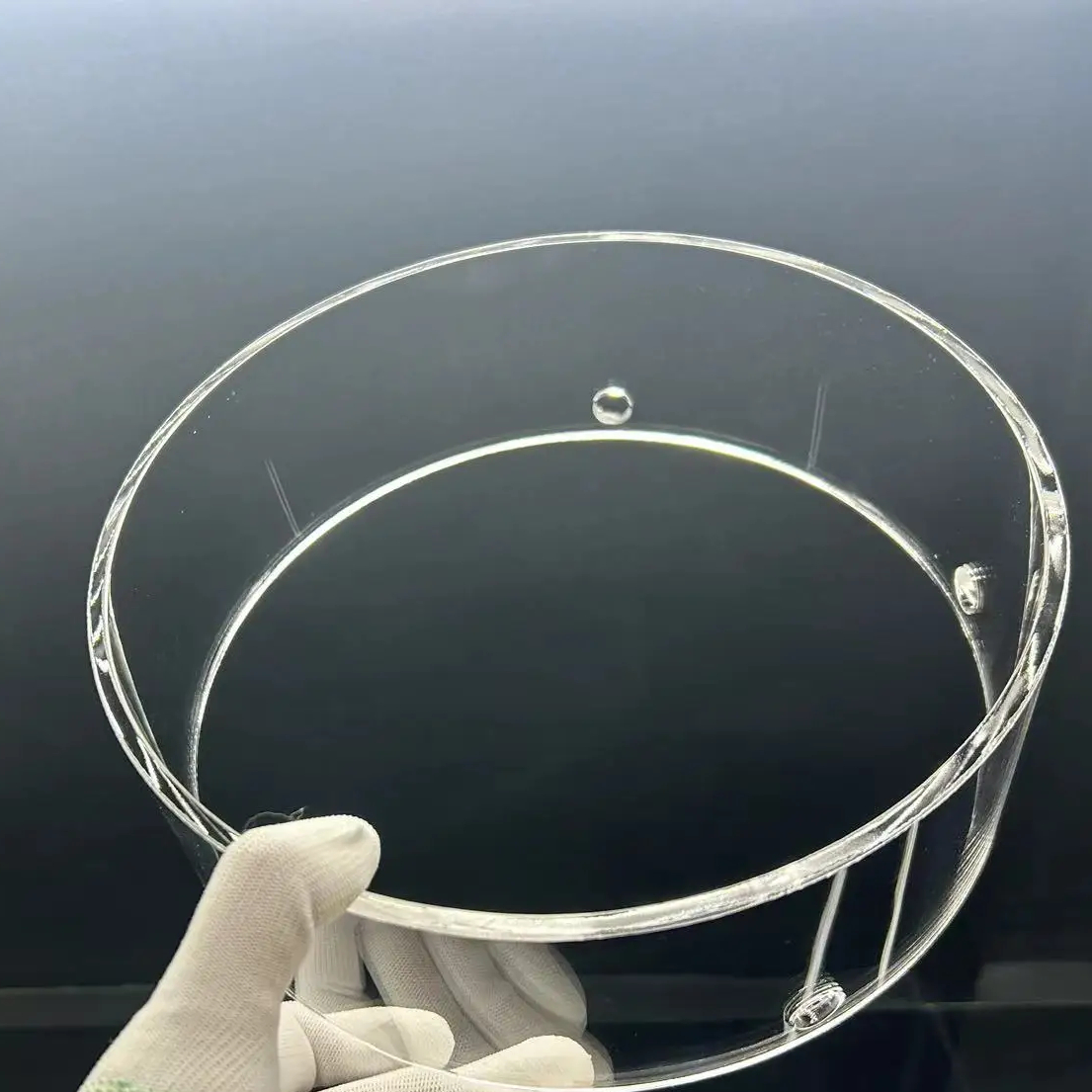
Fused Transparent Quartz Tube
Ultra-clean, bubble-free cylindrical tubing with micron-level wall-thickness concentricity. Engineered for high-pressure in-line detection conduits and UV photoreactor cells.
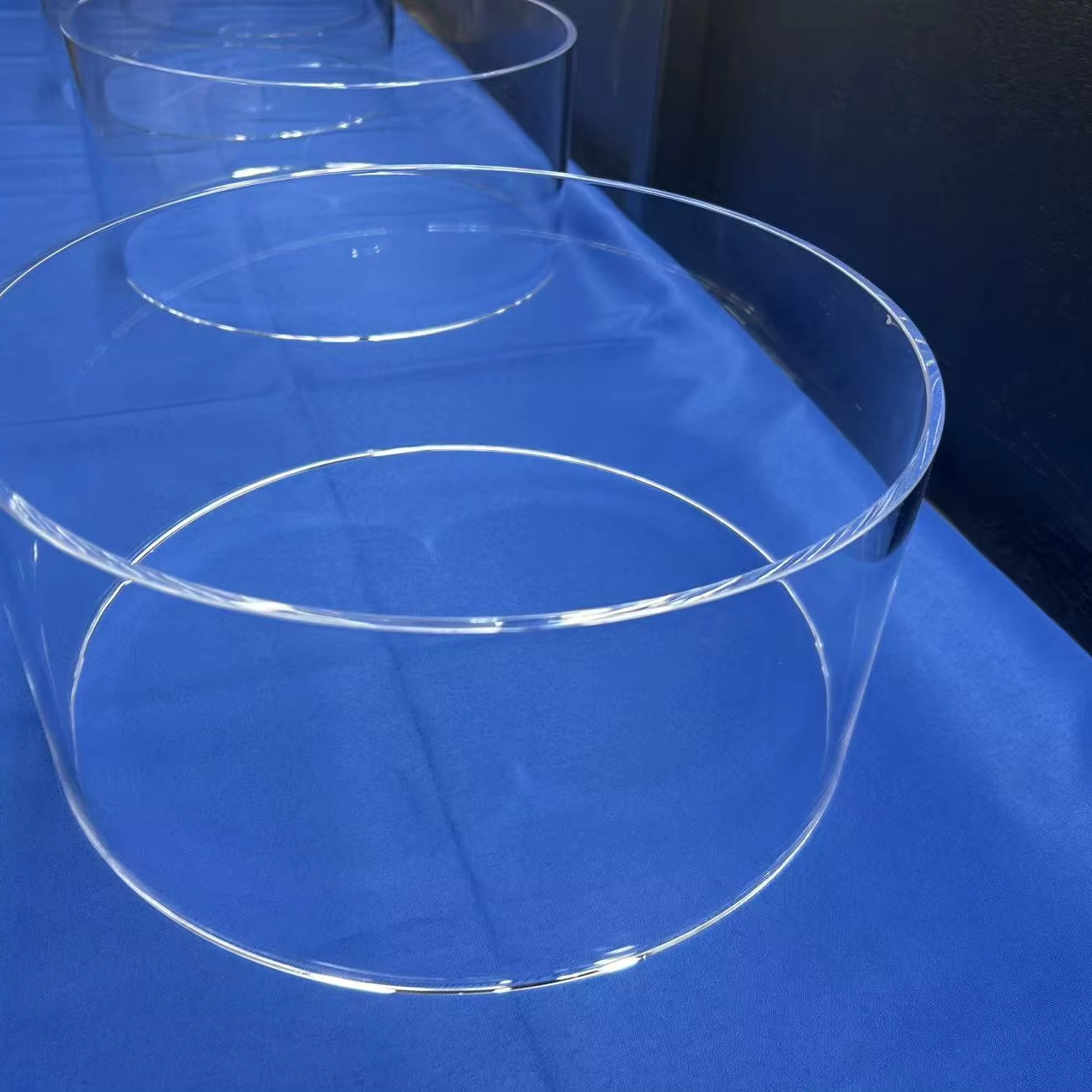
High-Purity Fused Quartz Large Diameter Round Rods
Custom cutting, welding, and bending services for raw quartz rods. Formed into optical light guides, beam condensors, and structural supports for analytical flow-through systems.
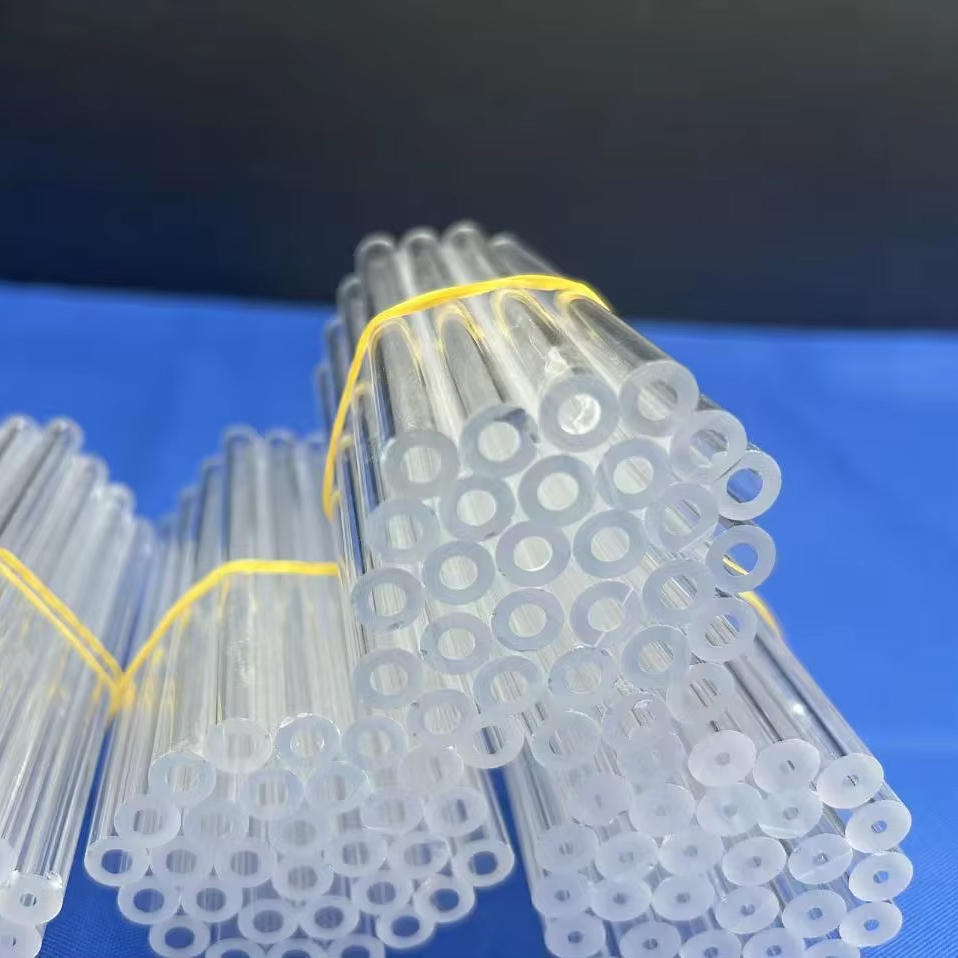
Customized Size Clear Quartz Glass Tube BET
High-precision gas adsorption and surface-area analysis cells. Built with strict thermal shock stability for temperature-programmed desorption (TPD) in petrochemical catalysis.
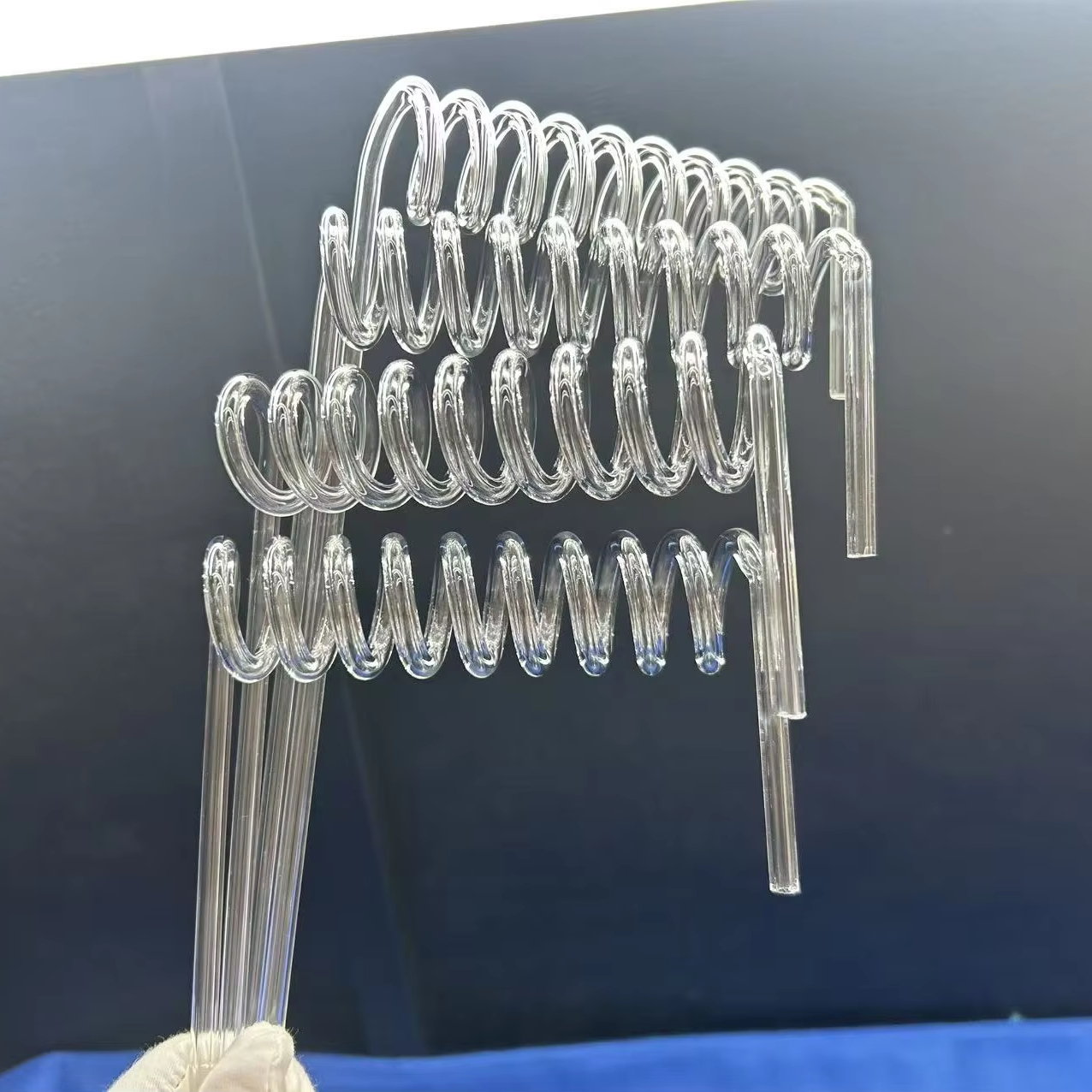
Clear Quartz Spiral Tube for Optics Laboratory Use
Helical quartz reaction coils tailored for extended residence time under continuous UV irradiation, photochemical flow synthesis, and micro-reaction kinetics.
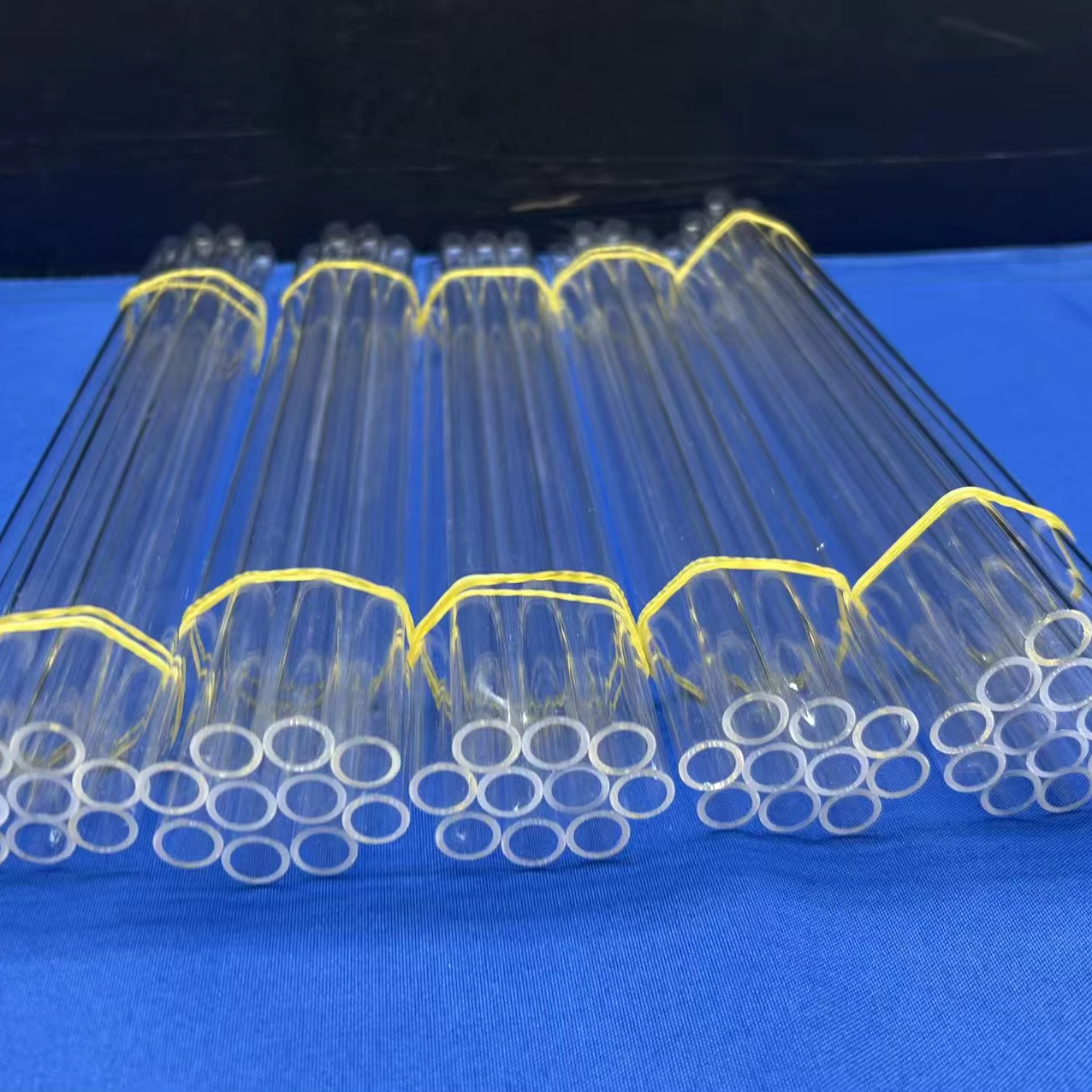
Quartz Test Tube
Heavy-walled optical-clarity test tubes for high-temperature digestions, acid mineralization, and reference standard verification in municipal water testing labs.
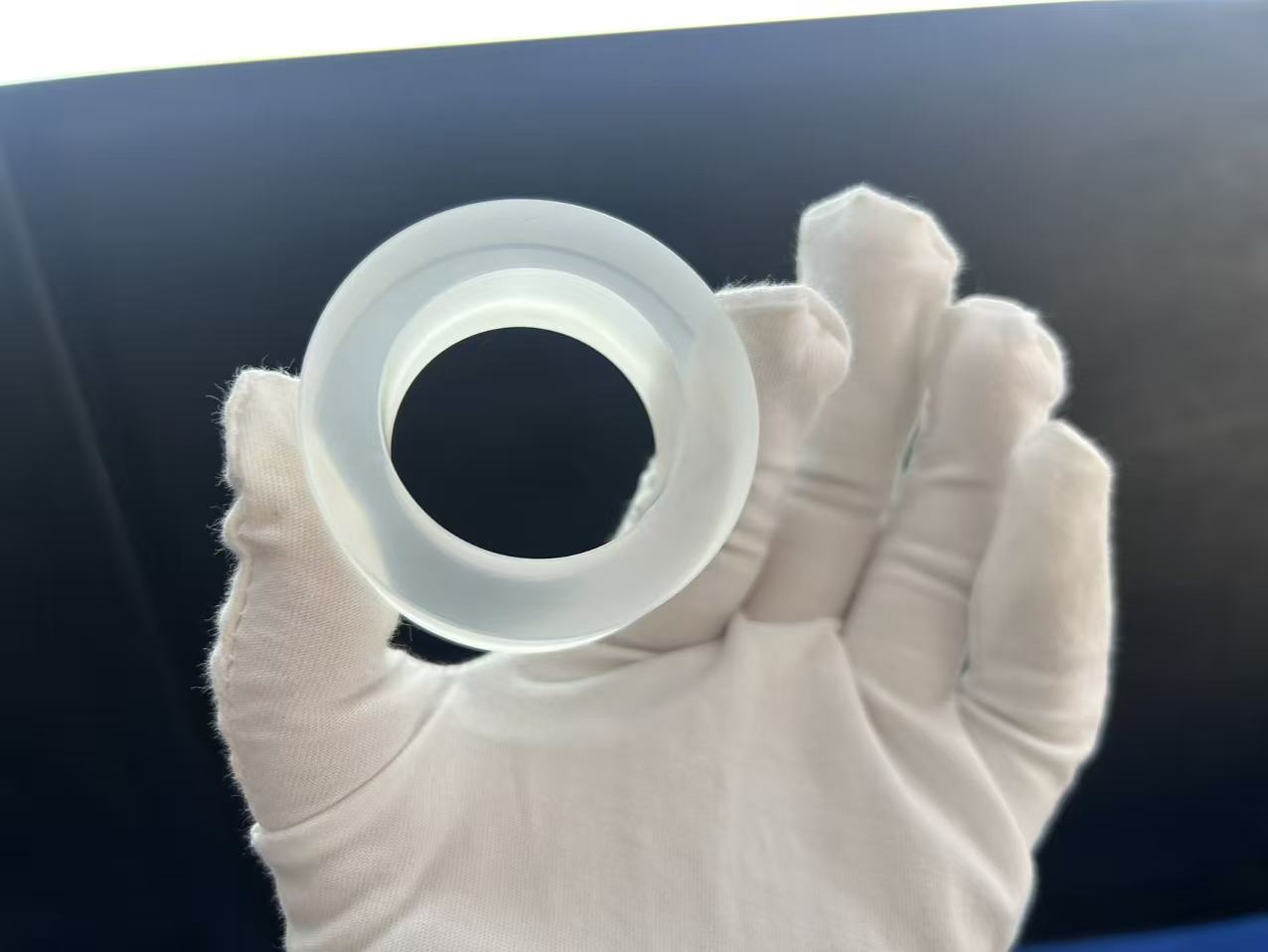
Quartz Ring
Dimensionally ground quartz spacer rings and optical cell collars with parallel tolerances within ±0.005 mm for demountable flow cell assembly.
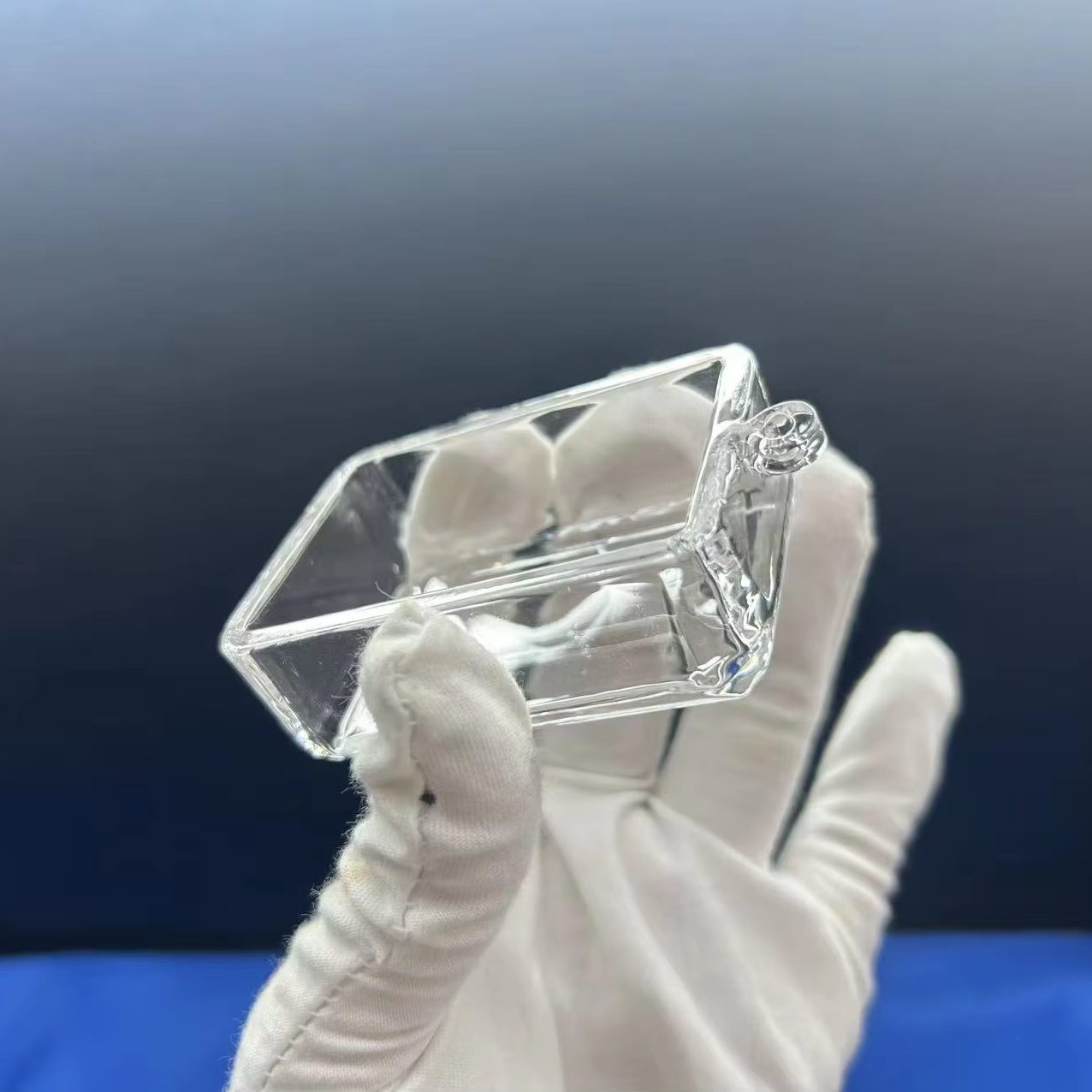
Quartz Tank
Seamless fused quartz rectangular tanks and immersion bath reservoirs, resistant to strong acids and organic solvents for automated batch sampling systems.
Engineering Precision Quartz Flow Cells for Dynamic Spectroscopy
A quartz flow cell serves as the critical optical-fluidic interface in modern continuous analysis, translating photon absorption, fluorescence, or scattering into actionable chemical concentration data.
Molecular Diffusion Bonding vs. Adhesive Sealing
Traditional multi-piece flow cuvettes rely on epoxy adhesives to join optical windows to fluid channels. Under continuous exposure to aggressive eluents like acetonitrile, methanol, or tetrahydrofuran (THF), organic glues undergo swelling, leaching chromophores that trigger persistent baseline drift in UV detectors.
Nivra Quartz utilizes direct thermal diffusion bonding (molecular fusion). Under extreme heat and compressive pressure in inert atmospheres, the quartz crystal boundaries fuse into a single monolithic block. This guarantees 100% chemical inertness, zero organic leachates, and burst pressure ratings exceeding 35 bar.
Hydrodynamic Architecture & Dead-Volume Elimination
Fluid turbulence inside analytical micro-apertures produces vortex dead-zones, leading to peak broadening, sample carry-over, and compromised chromatographic resolution. In capillary electrophoresis and micro-HPLC, dead volumes must remain below 1.5 microliters.
Our CNC ultrasonic milling and micro-flame internal polishing yield sweeping, hydrodynamic internal tapers. By maintaining laminar flow profiles ($Re < 100$), our Z-shaped and U-shaped flow geometries ensure rapid sample displacement and complete wash-out cycles between analytical runs.
Optical Window Transmission & Flatness
Accurate photometric measurements under Beer-Lambert law require precise optical path lengths ($b \pm 0.005\text{ mm}$) and ultra-flat window surfaces. Refractive distortions cause light deflection outside detector aperture arrays, compounding optical noise.
Every window undergoes double-sided pitch polishing, delivering surface roughness $Ra < 0.5\text{ nm}$, transmitted wavefront distortion $\le \lambda/4$ at 632.8 nm, and window parallelism within 10 arcseconds. Self-masking black quartz borders are integrated to suppress internal stray light reflection by over 99.2%.
High-Precision Flow Cell Deployment Across Greater Mexico City
The Metropolitan Area of the Valley of Mexico (ZMVM) houses Latin America's dense concentration of pharmaceutical manufacturing facilities, federal regulatory testing agencies, and elite scientific institutes.
1. Pharmaceutical Validation in the Tlalpan & Toluca Industrial Corridors
The pharmaceutical corridor spanning Southern Mexico City (Tlalpan, Xochimilco) through the Lerma-Toluca basin forms Mexico's biomedical core. Local manufacturers and contract research organizations (CROs) operate under rigorous COFEPRIS (NOM-059-SSA1 & NOM-073-SSA1) validation protocols.
Our quartz flow cells are integral to automated dissolution testing systems (USP Apparatus 1, 2, and 4 continuous flow-through cells) and analytical HPLC determination. Precision pathlength consistency ensures zero calibration variance across multi-bath stations, while high deep-UV transmission enables reliable detection of active pharmaceutical ingredients (APIs) at wavelengths below 210 nm.
2. Fundamental & Applied Research: UNAM, CINVESTAV, and IMP
Institutions such as the Universidad Nacional Autónoma de México (UNAM), the Centro de Investigación y de Estudios Avanzados (CINVESTAV Zacatenco), and the Instituto Mexicano del Petróleo (IMP) drive advanced photonics, catalysis, and biotechnology research.
We supply specialized micro-channel quartz flow cells designed for stopped-flow kinetic analysis, dynamic light scattering (DLS), laser-induced fluorescence (LIF), and synchrotron beamline experiments. Our ability to fabricate custom channel profiles from customer CAD/STEP drawings allows research groups to build bespoke microfluidic chips that withstand pressures up to 50 bar without delamination.
3. Basin Water Quality & Environmental Monitoring (SACMEX & CONAGUA)
Operating in an enclosed lacustrine basin, the Sistema de Aguas de la Ciudad de México (SACMEX) and CONAGUA oversee stringent wastewater effluent and drinking water monitoring programs across the Cutzamala system and the Texcoco ecological recovery zone.
Nivra Quartz supplies ruggedized, large-aperture quartz flow cells optimized for continuous Total Organic Carbon (TOC) analyzers, colorimetric nitrate detectors, and automated heavy-metal monitors. High optical transparency ensures continuous UV photolysis without solarization degradation, even under 24/7 industrial surveillance regimens.
4. Industrial Process Quality Control in Vallejo & Cuautitlán Izcalli
The Vallejo industrial hub in Azcapotzalco and the Cuautitlán logistics belt rely heavily on in-line process analytical technology (PAT) for beverages, chemical processing, personal care items, and polymeric coatings.
Our continuous-flow refractometer prisms and dual-path quartz transmission cells interface directly into hazardous or pressurized processing lines. Designed to resist rapid thermal cycling up to 1100 °C and aggressive acid-clean-in-place (CIP) regimens, these components eliminate plant downtime caused by window fogging or glass etching.
High-Altitude Degassing & Micro-Bubble Mitigation at 2,240 Meters
Operating analytical spectroscopy in Mexico City presents unique physical challenges that standard low-altitude optical cell configurations fail to address.
Barometric Pressure Shift
At CDMX's elevation of 2,240 meters, mean atmospheric pressure drops to approximately 77.0 kPa (580 mmHg), compared to 101.3 kPa at sea level. This significant drop lowers the saturation point of dissolved gases in organic mobile phases (water/methanol/acetonitrile mixtures).
Acoustic & Optical Noise
As mobile phases depressurize entering standard flow cells, micro-bubbles spontaneously nucleate on rough inner channel walls. These microscopic air pockets cause catastrophic refractive scattering, appearing as erratic spikes in baseline UV-Vis absorption readouts.
Nivra Quartz Channel Polishing
To neutralize this altitude effect, our flow cells incorporate hydrodynamic, parabolic transition funnels and micro-flame-polished interior walls ($Ra < 20\text{ nm}$). This sub-micron smoothness deprives micro-bubbles of nucleation sites, ensuring stable baselines without requiring excessive system back-pressure.
Fused Silica Selection Matrix: JGS1 vs. JGS2 vs. JGS3
Selecting the appropriate grade of optical quartz prevents premature solarization, optical drift, or excessive capital expense across spectrophotometric and laser-scattering workflows.
| Quartz Grade | Transmission Band | Hydroxyl Content ([OH]¯) | Bubble / Inclusions (DIN 58927) | Primary Industrial Application |
|---|---|---|---|---|
| JGS1 (Synthetic Fused Silica) | 185 nm – 2500 nm | < 1200 ppm (High OH) | Class 0 (Free of bubbles/striae) | Deep UV HPLC DNA/Protein 260/280nm Excimer Lasers |
| JGS2 (Optical Fused Quartz) | 220 nm – 2500 nm | < 30 ppm | Class 1 (Ultra-low inclusions) | Standard UV-Vis Spectrophotometry Dissolution Testing |
| JGS3 (Infrared Fused Quartz) | 260 nm – 3500 nm | ≤ 5 ppm (Water-Free) | Class 1 – Class 2 | FTIR Flow Cells Near-IR Petrochemical Process PAT |
| Sapphire (Single Crystal Al2O3) | 170 nm – 5500 nm | Anhydrous (Crystalline) | Zero bubble / Mohs 9 | Extreme Pressure (>100 bar) Hydrofluoric Acid Contact |
| Cell Configuration | Standard Optical Pathlength | Internal Aperture / Bore | Internal Volume Range | Operating Pressure Rating |
|---|---|---|---|---|
| Micro-Analytical Z-Cell | 10 mm (±0.005 mm) | 1.0 mm × 1.0 mm square | 8 μL – 15 μL | Up to 35 bar (Diffusion-bonded) |
| Semi-Micro Dissolution Flow Cell | 1 mm, 2 mm, 5 mm, 10 mm | 3.0 mm circular bore | 30 μL – 120 μL | Up to 10 bar |
| Fluorometric 3-Window Cell | 10 mm Excitation / 10 mm Emission | 3.0 mm × 3.0 mm | 90 μL – 250 μL | Ambient to 5 bar |
| Preparative Industrial Flow Cell | 0.1 mm, 0.2 mm, 0.5 mm | 6.0 mm wide slot | 150 μL – 800 μL | Up to 50 bar |
Analytical Nearshoring Trends Driving Laboratory Modernization
The acceleration of nearshoring in Mexico has sparked rapid capital investment in domestic quality control laboratories, medical device fabrication facilities, and localized API synthesis plants.
T-MEC / USMCA Supply Chain Integration
Under modernized rules of origin in the T-MEC framework, multinational medical device and biotechnology conglomerates are shifting advanced testing infrastructure to Mexico City and surrounding central hubs. This transition requires analytical apparatus that match US FDA and European Pharmacopoeia standards, generating sustained demand for traceable, high-precision optical flow cells.
Decoupling from Disposable Polystyrene Labware
Environmental regulations across the CDMX government (such as the ban on single-use plastics under SEDEMA guidelines) combined with strict net-zero laboratory mandates are driving laboratories away from disposable plastic cuvettes. Reusable, long-life fused quartz flow-through cells reduce micro-plastic analytical contamination while cutting operating expenses over multi-thousand sample testing campaigns.
Micro-Volume Flow & Process Analytical Technology (PAT)
Mexican pharmaceutical plants are transitioning from retrospective offline testing to real-time release testing (RTRT) utilizing in-line spectroscopy. Nivra Quartz manufactures robust industrial flow cells with PEEK and 316L stainless steel Swagelok-compatible compression fittings, allowing direct integration into commercial continuous synthesis lines.
Why Mexican Procurement Heads Source Direct from Nivra Quartz
Founded in February 2019 in Donghai County—China's historic crystal and quartz hub—Donghai County Nivra Quartz Products Co., Ltd. combines raw material supremacy with advanced CNC micro-machining.
Donghai Silicon Cluster Advantage
Our direct access to world-class high-purity natural silica sand and synthetic SiCl4 precursors enables cost structures up to 40% more competitive than domestic European or North American optical distributors, without purity compromises.
101–200 Skilled Specialists
Our workforce includes veteran glassblowers, optical polishers, and 5-axis CNC machinists. We perform precision cutting, lathe flame forming, laser drilling, and sub-nanometer planar polishing entirely in-house.
≤ 5-Hour Technical Response
Our dedicated engineering desk reviews customer drawings (PDF, DWG, STEP) and delivers manufacturability feedback, optical aperture optimization, and transparent quotation matrices within an average of 5 hours.
Zero-Breakage Export Packaging
Every optical flow cell is cleaned in cleanroom ultrasonic baths, sealed in anti-static, particulate-free vacuum enclosures, and cradled within custom CNC-cut high-density EPE foam inside reinforced export wooden cases.
Importing Quartz Labware into Mexico: Customs & Logistics Protocol
A streamlined customs clearance workflow built to interface cleanly with your Mexican Agente Aduanal and internal corporate fiscal compliance (SAT / RFC).
HS Code & Tariff Classification
Nivra Quartz products are properly classified under Mexican Customs Tariff (TIGIE) under HS Code 7017.10: Laboratory, hygienic or pharmaceutical glassware, whether or not graduated or calibrated – Of fused quartz or other fused silica. This avoids non-tariff barriers, simplifies classification reviews, and facilitates preferential import duties.
Incoterms & Air Cargo Entry Points
We routinely deliver via express air freight (DHL, FedEx, UPS) directly to Aduana del Aeropuerto Internacional de la Ciudad de México (AICM / MEX) and the modernized cargo handling center at Aeropuerto Internacional Felipe Ángeles (AIFA / NLU). Deliveries arrive in CDMX within 4 to 7 business days from dispatch.
Mexican SAT Invoicing & Documentation
Every international consignment includes itemized Commercial Invoices stating unit values in USD, detailed Packing Lists, Certificates of Analysis (COA) specifying SiO2 purity and pathlength tolerance, and Certificates of Origin. This documentation enables your customs broker to file the Pedimento de Importación A1 smoothly, supporting 16% IVA accreditation.
Frequently Asked Questions by Mexico City Procurement Teams
Direct technical and operational answers to address your engineering, quality assurance, and purchasing concerns.
Can you manufacture quartz flow cells directly from custom CAD or STEP drawings?
Yes. OEM and ODM bespoke manufacturing represents over 60% of our production volume. Mexican research institutes and OEM analytical equipment designers regularly send us 2D blueprints (PDF, DWG) and 3D solid models (STEP, IGES). Our engineering department conducts a detailed DFM (Design for Manufacturability) review within 5 hours, checking channel radii, optical face clearance, and thread mating for fluid fittings before issuing production approval drawings.
Why is fused silica (JGS1) preferred over optical borosilicate glass in CDMX laboratories?
Standard borosilicate glass experiences an optical transmission cut-off around 310–320 nm, making it unusable for critical UV detection below 300 nm (such as nucleic acids at 260 nm, aromatic amino acids at 280 nm, or small-molecule pharmaceuticals). JGS1 synthetic fused silica provides flat, >90% internal transmittance down to 185 nm. Furthermore, quartz possesses a thermal expansion coefficient ($5.5 \times 10^{-7} /^\circ\text{C}$) roughly one-sixth that of borosilicate, preventing optical path distortion under fluctuating laboratory ambient temperatures.
What are the recommended cleaning protocols to prevent window fouling in continuous flow systems?
For organic polymer contamination or protein deposition, flush the cell sequentially with 1M nitric acid (HNO3), followed by high-purity deionized water, and finally HPLC-grade isopropanol or methanol. Fused quartz is completely impervious to concentrated acids (except hydrofluoric acid) and all standard organic solvents. Never use alkaline detergents with pH > 10 at elevated temperatures, as strong bases slowly etch the polished optical surface, causing haze and baseline light scattering.
How does Nivra Quartz ensure zero transit breakage on shipments to Mexico City?
We employ a validated, multi-barrier packaging system. Individual flow cells are placed inside shock-resistant plastic cases suspended within custom-profiled, non-crosslinked high-density EPE foam. These inner units are packed into multi-wall corrugated cartons or fumigation-free solid timber export crates, designed to survive multi-axis drops and intermodal vibration during trans-Pacific flight and local courier distribution across Mexico City.
What is the typical Minimum Order Quantity (MOQ) and lead time for deliveries to Mexico?
For standard catalogue flow cells and optical tubes, our MOQ starts at just 1 piece to support laboratory trial runs, prototypes, and university research projects. For custom-machined or microfluidic diffusion-bonded flow cells, sample batches typically start at 2 to 5 pieces. Standard fabrication lead time is 10 to 18 working days, followed by 4 to 7 business days for express air transport to Mexico City (AICM or AIFA).
Are your quartz flow cells compatible with standard commercial HPLC and UV-Vis spectrophotometers?
Yes. We manufacture standard-dimension cells engineered for drop-in compatibility with major spectrophotometer and chromatography instrument holders (including 12.5 mm × 12.5 mm exterior profile with industry-standard 8.5 mm or 15 mm Z-dimension / optical beam centerlines). In-line HPLC cells feature standard 1/4-28 UNF, M6, or 10-32 Coned fluidic ports to connect seamlessly with PEEK, PTFE, or stainless-steel tubing lines.
Initiate Your Precision Quartz Project Today
Whether you require standard JGS1 analytical flow cells, high-volume replacement cuvettes for dissolution testing baths, or bespoke microfluidic quartz prototypes, our Donghai engineering team is ready to assist your Mexico City operations.