Precision Quartz Components & Analytical Glassware
Manufactured under strict ISO9001 guidelines at our Donghai facility, providing comprehensive quartzware solutions for laboratory instrumentation and industrial process pipelines in Burgas.
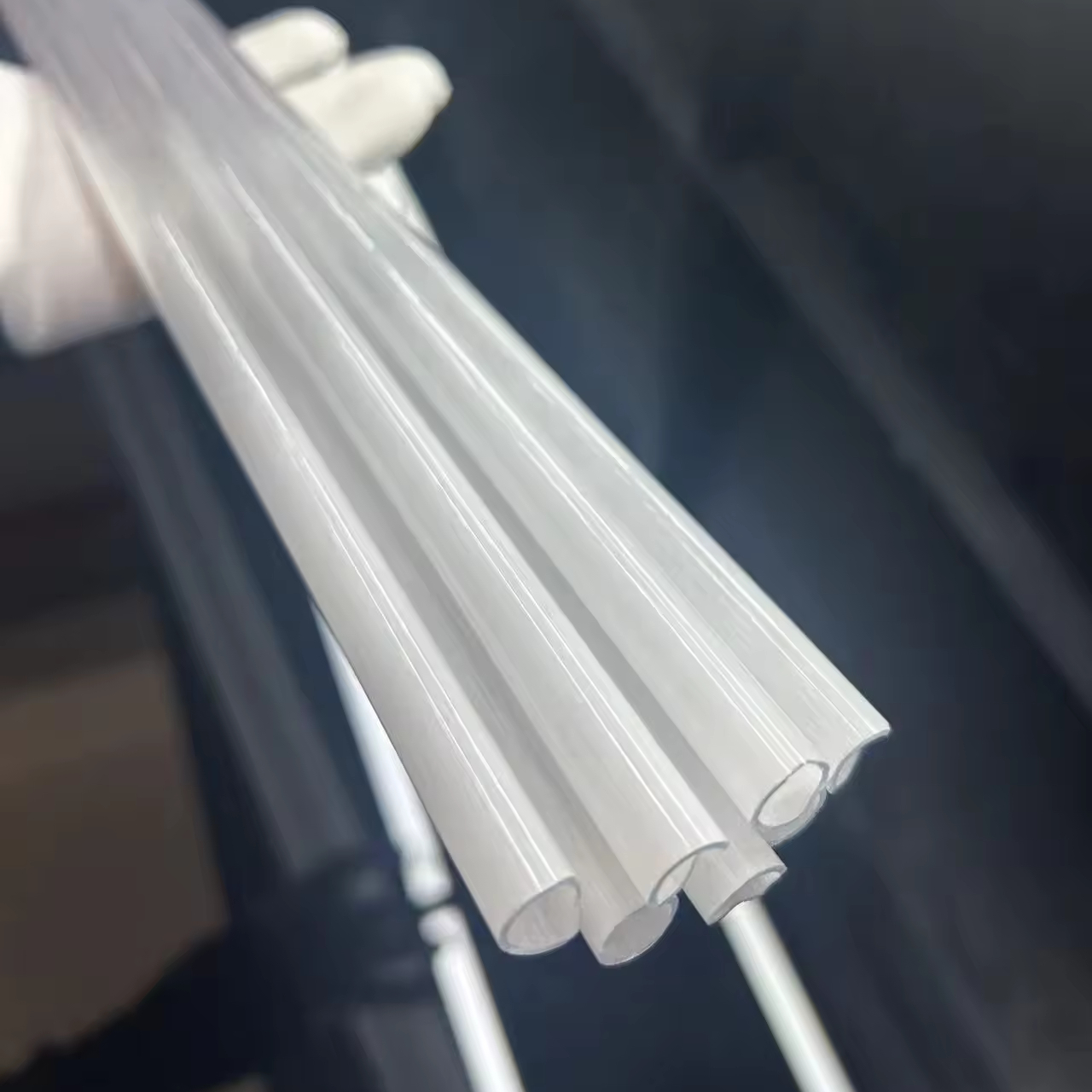
Translucent Quartz Glass Pipe Quartz Glass Sleeve Opaque Milky White Quartz Glass Tube
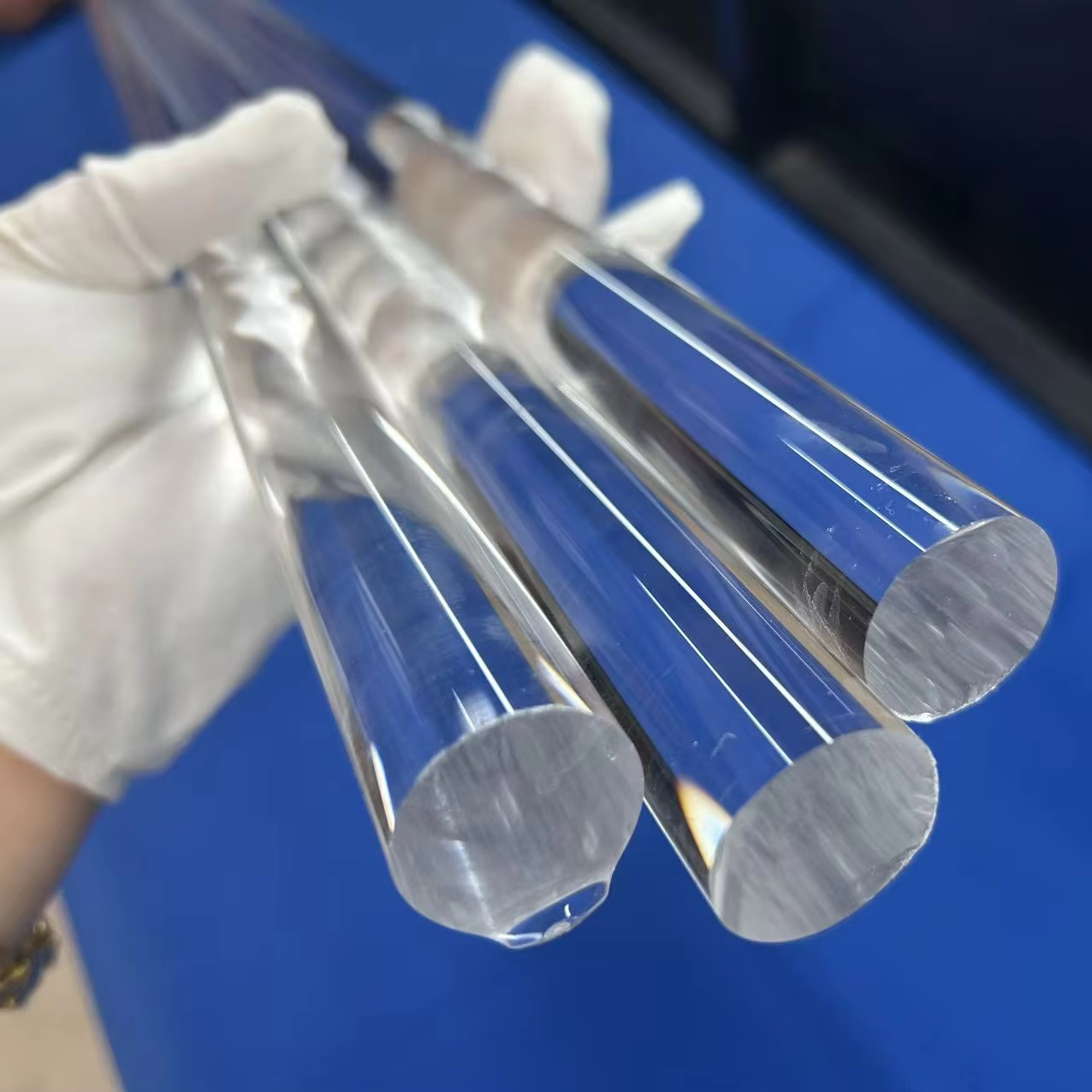
The Factory Produces High-purity Fused Quartz Large Diameter Round Rods
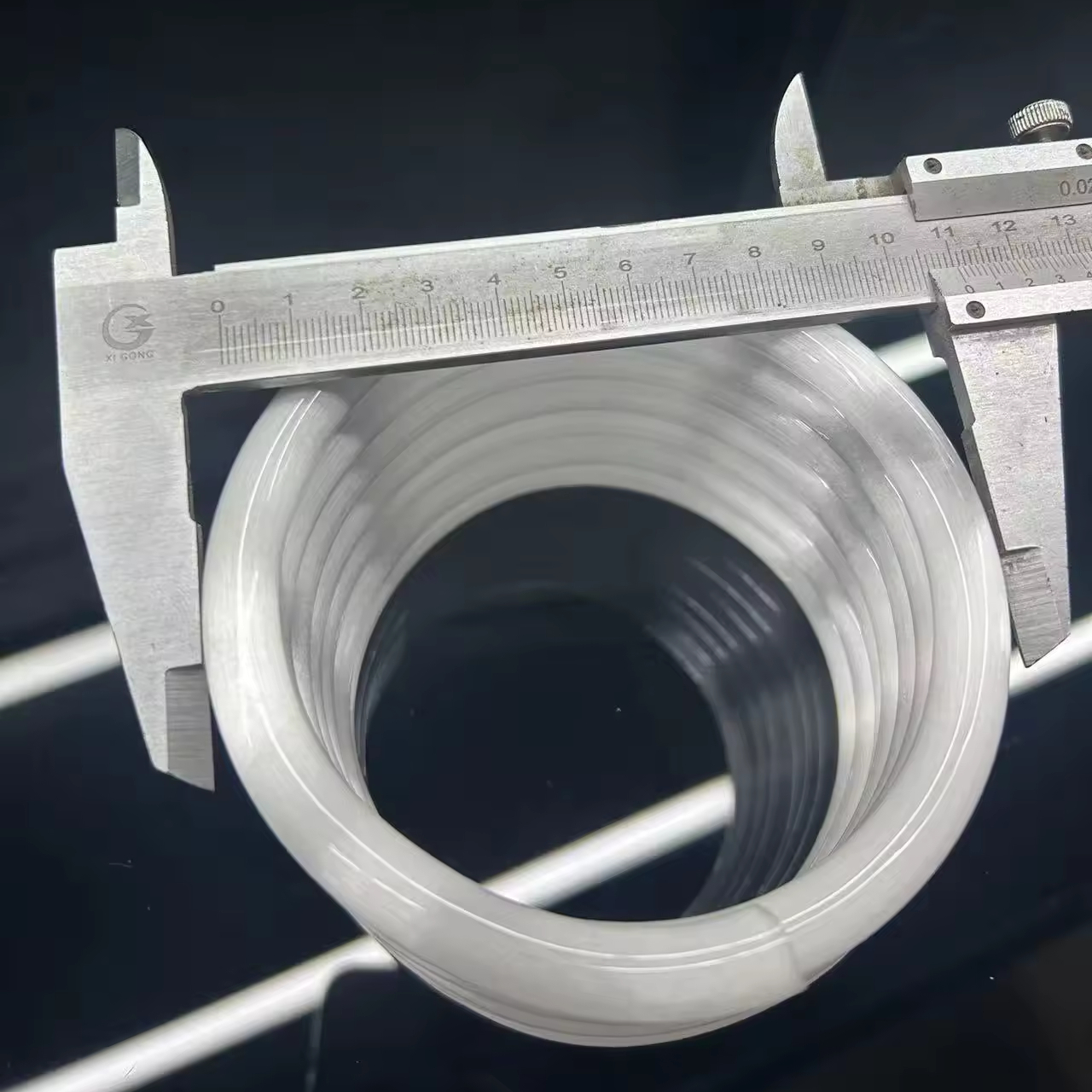
Helical Clear Quartz Glass Coil t Tube for Chemical Reaction & Heat Exchange
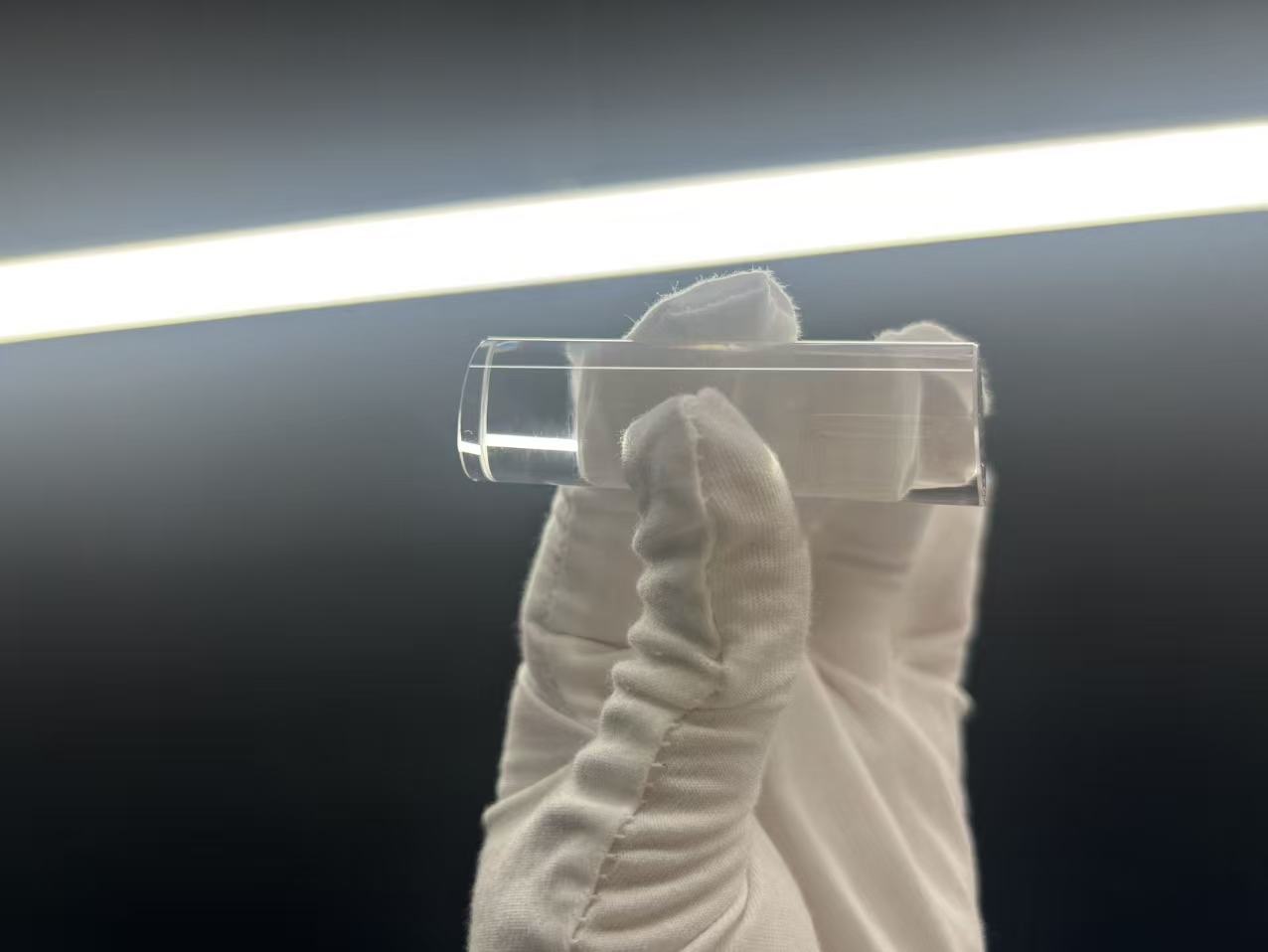
Round Head Quartz Rod for Stirring, Light Condensing & Spectroscopy
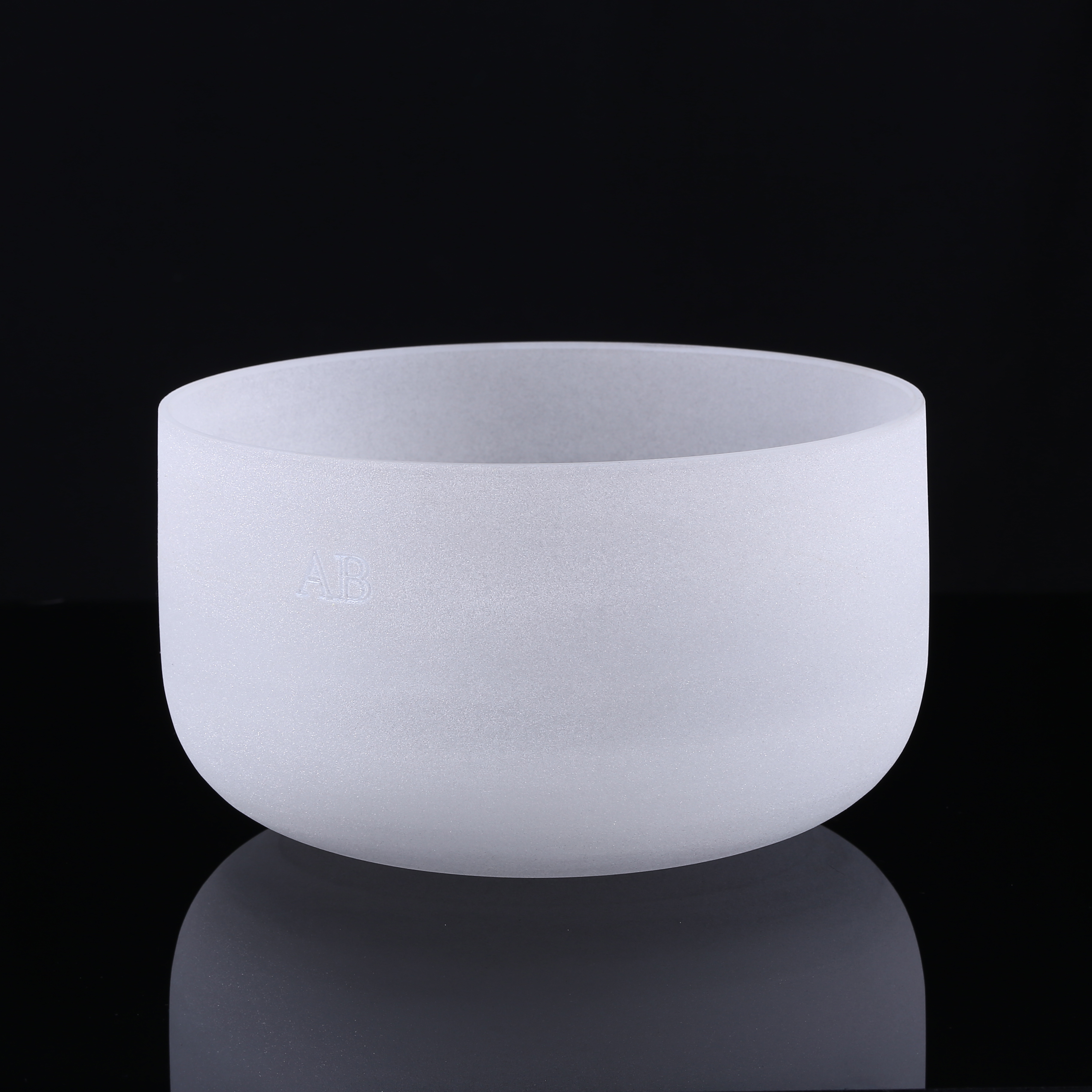
High Temperature Fused Silica Quartz Crucible for Ashing and Melting
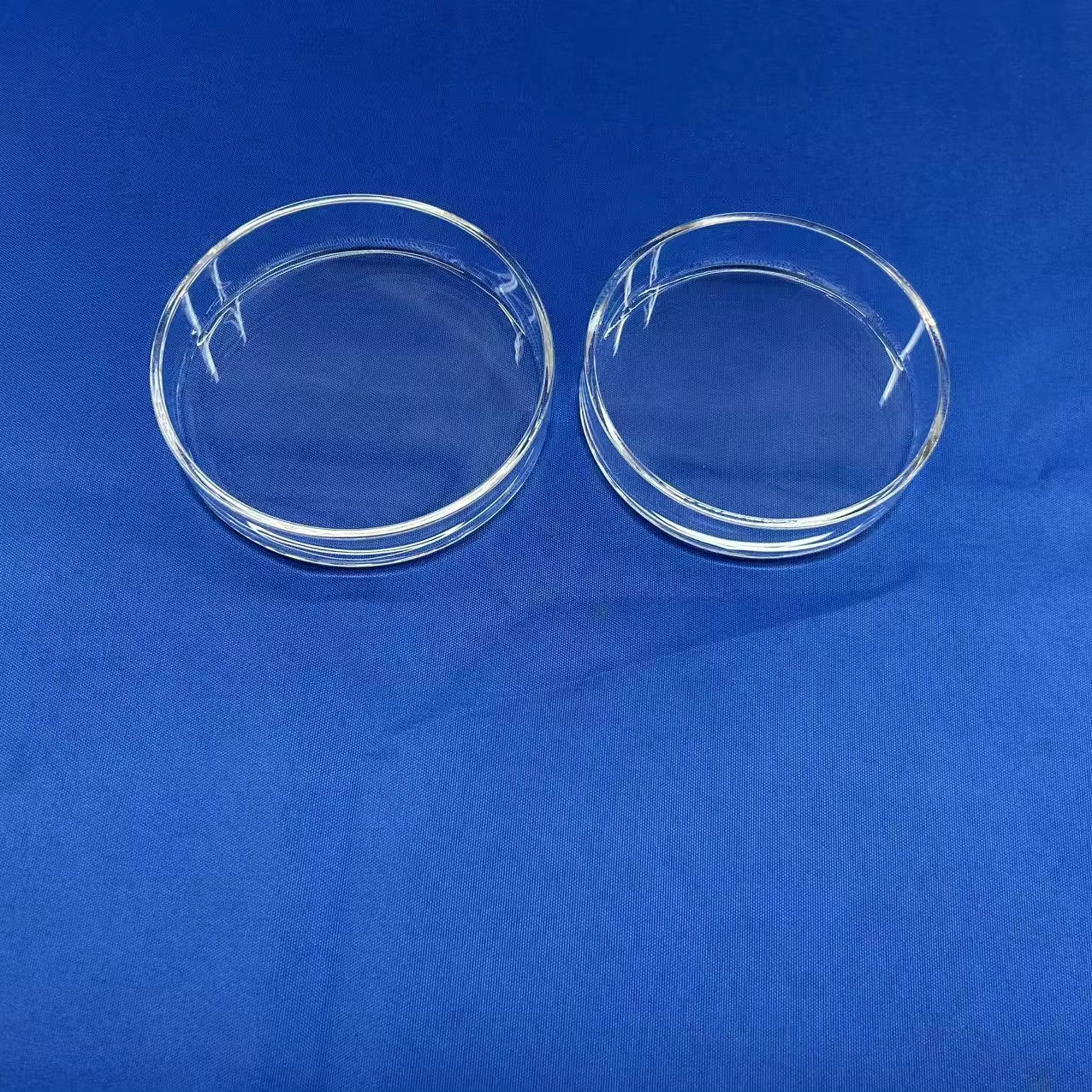
Factory Customized High-purity Quartz Glass Petri Dishes with Lids
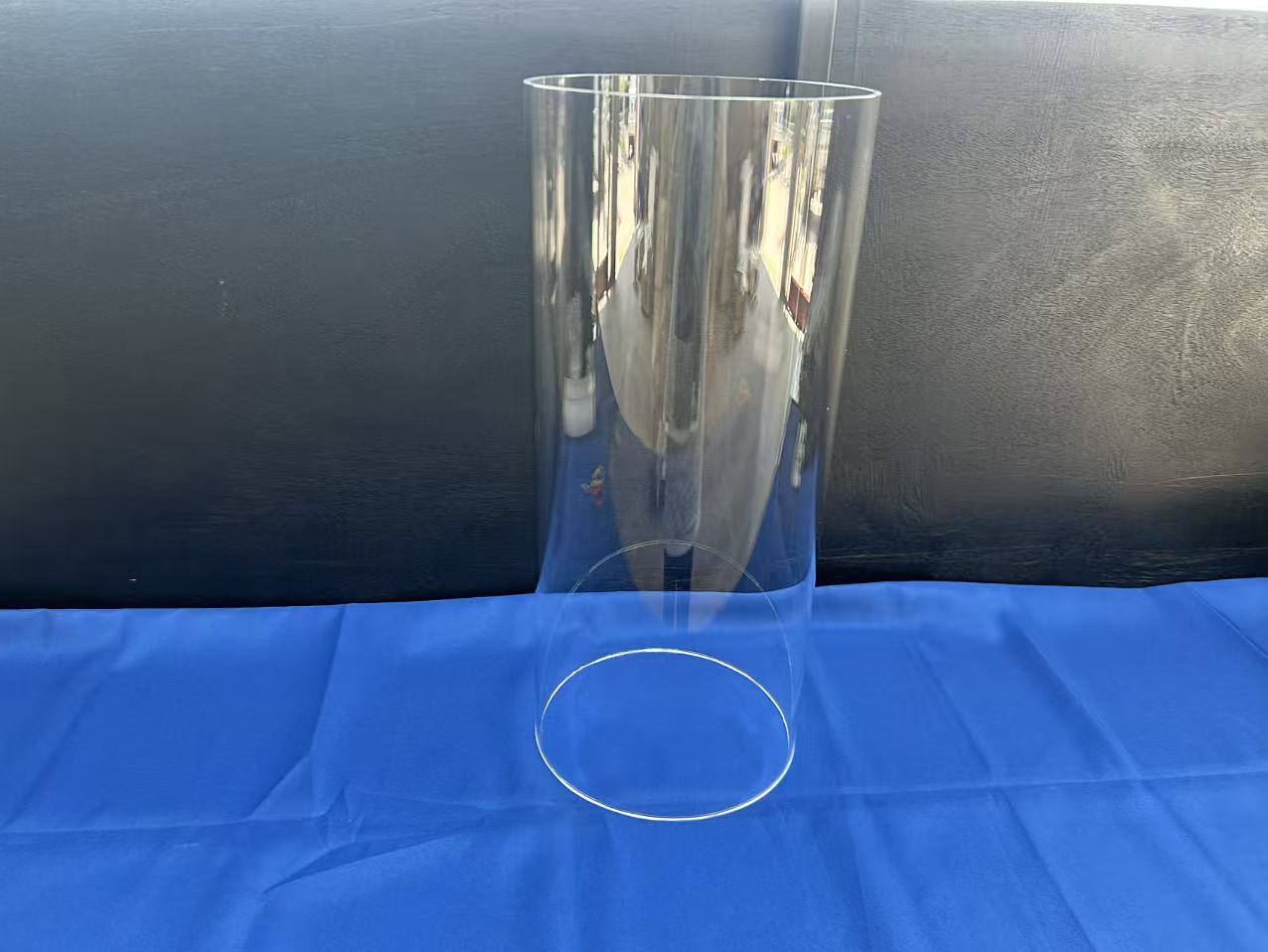
Custom Large-diameter High-purity Fused Quartz Transparent Glass Tubes
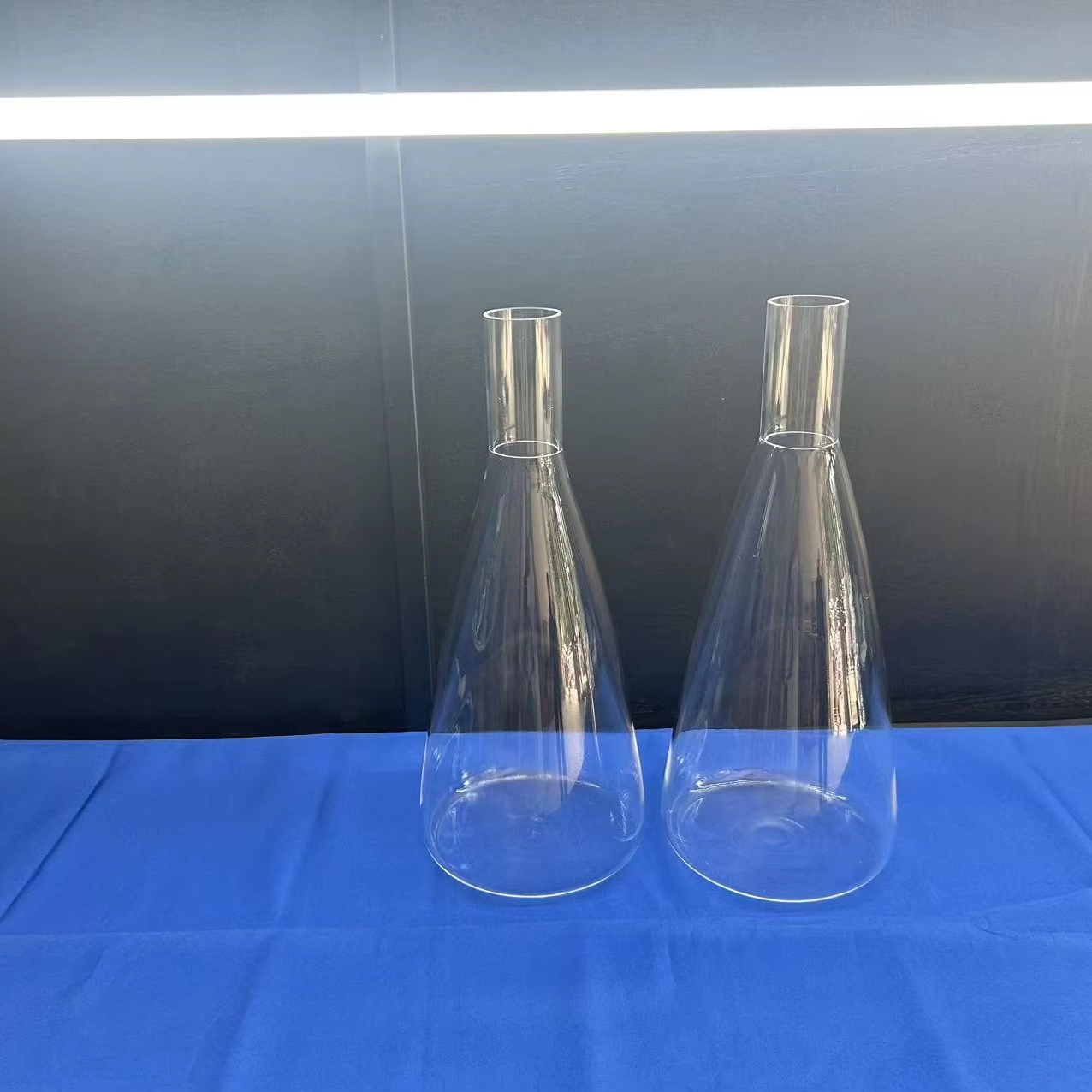
Laboratory Fused Silica Quartz Glass Flask for Extreme Chemical Resistance
1. Precision Quartz Flow Cell Engineering: Advanced Molecular Bonding vs. Adhesive Fusion
For analytical chemists, process instrumentation engineers, and industrial quality directors in Burgas, Bulgaria, selecting high-performance flow cells is critical. In spectrophotometric, fluorometric, and high-performance liquid chromatography (HPLC) applications, the integrity of the optical path cell dictates baseline stability, signal-to-noise ratio, and chemical inertness. Nivra Quartz manufactures precision flow cells utilizing adhesive-free thermal molecular fusion (optical contact diffusion bonding) rather than conventional epoxy or ultraviolet-cured adhesives.
Technical Distinction in Harsh Matrices: When measuring aromatic hydrocarbons, petrochemical solvents, and aggressive effluents in industrial facilities such as those surrounding the Burgas refinery complex, epoxy-bonded cells quickly leach organic plasticizers, discolor under UV light, and delaminate under thermal pressure. Optical molecular bonding fuses fused silica substrates at temperatures exceeding 1050°C, creating an inseparable monolithic quartz cell with zero dead volume, no chemical leeching, and burst pressure resistance exceeding 3.5 MPa.
Our manufacturing facility in Donghai County—the global center for crystal and high-purity quartz—utilizes multi-axis CNC surface grinding, optical lapping, and magneto-rheological finishing to achieve window flatness of λ/4 to λ/10 at 632.8 nm. This ensures zero optical distortion in dynamic flow systems where continuous light pass analysis occurs.
Zero Dead-Volume Geometry
Internal channel geometry is diamond-honed to eliminate flow vortices and sample carryover, ensuring instantaneous optical response in online continuous monitoring.
Optical Surface Parallelism
Flow cell optical windows maintain beam parallelism within ≤ 10 arcseconds, mitigating refractive deflection errors in high-resolution diode-array detectors (DAD).
Chemical & Thermal Resistance
Resistant to all mineral acids (except hydrofluoric and hot concentrated phosphoric acid), high concentrations of alkalis, and sudden thermal shifts from 20°C to 1100°C.
2. Material Science: Fused Silica Optical Grade Selection Matrix
A critical consideration for technical procurement teams in Burgas is matching the quartz substrate to the analytical wavelength window. Standard laboratory glass absorbs electromagnetic radiation below 320 nm, making it useless for UV spectroscopic detection. Nivra Quartz processes three distinct optical grades of fused quartz and synthetic fused silica, alongside sapphire optical windows for specialized abrasive applications.
| Quartz Grade | Material Designation | Spectral Transmission | Hydroxyl (OH) Content | Primary Burgas Industrial Application |
|---|---|---|---|---|
| JGS1 | Synthetic Fused Silica (Far UV Grade) | 185 nm – 2500 nm | ≤ 2000 ppm (Controlled) | UV-Vis Spectrophotometry, HPLC UV Detectors, Protein/DNA Purity in Biotech, Deep-UV COD Analysis. |
| JGS2 | Fused Quartz (Standard Optical UV-Vis) | 220 nm – 2500 nm | ≤ 150 ppm | Industrial Effluent Sight Flow Cells, Boiler Feedwater Silica Monitors, Marine Salinity & Turbidity Sensing. |
| JGS3 | Infrared Fused Silica (Water-Free IR Grade) | 260 nm – 3500 nm | ≤ 5 ppm (Negligible OH) | Near-Infrared (NIR) Petrochemical Octane/Hydrocarbon Stream Analyzers, Gas Absorption Cells, Pyrometric Sensors. |
| Sapphire | Monocrystalline Al2O3 | 190 nm – 5000 nm | Non-hydrated | Abrasive Slurry Flow Monitoring, High Pressure (>20 MPa) Crude Oil Pipelines, Extreme Wear Fluidics. |
For NIR hydrocarbon fraction monitoring at Burgas refineries, standard JGS1 or JGS2 quartz exhibits deep OH absorption bands around 1380 nm, 2200 nm, and 2730 nm, which can obscure spectral signatures of C-H stretching. For these specific spectral windows, Nivra Quartz manufactures flow cells with JGS3 infrared grade fused silica, delivering over 90% internal transmittance throughout the 1000 nm – 3200 nm waveband.
3. Engineering Constants of Nivra Precision Fused Quartz
Industrial process instrumentation in the Southeast Planning Region of Bulgaria requires rigorous mechanical and thermal endurance documentation. Below are the verified physical constants of our Donghai-manufactured optical fused quartz components:
| Engineering Property | Standard Metric Value | Testing Methodology / Standard | Functional Significance |
|---|---|---|---|
| Purity (Silicon Dioxide, SiO2) | ≥ 99.99% – 99.999% | ICP-OES Optical Emission Spec | Zero background fluorescence, minimal trace metal ion contamination. |
| Density (ρ) | 2.20 ± 0.02 g/cm3 | ASTM C693 | Lightweight structural integration in portable and laboratory flow instruments. |
| Coefficient of Thermal Expansion (CTE) | 5.5 × 10⁻⁷ / °C (20°C – 320°C) | Dilatometric Measurement | Extreme dimensional stability; optical path remains constant during temperature fluctuations. |
| Continuous Service Temperature | 1100 °C | Thermal Endurance Standard | Withstands clean-in-place (CIP) and steam-in-place (SIP) aggressive cycles. |
| Softening Point | 1683 °C ± 15°C | ASTM C338 | Maintains structural integrity well beyond high-temperature refinery operations. |
| Refractive Index (nd at 589.3 nm) | 1.4585 | Abbe Refractometry | Predictable optical path calculation for ray-tracing detector calibration. |
| Compressive Strength | > 1100 MPa | Hydraulic Compression ISO 7438 | Exceptional resistance to hydraulic water hammer and pipeline surges. |
Industrial Application Scenarios in Burgas & The Black Sea Basin
Burgas is Bulgaria's key maritime gateway and industrial petrochemical capital. Discover how Nivra Quartz flow cells and precision glassware support mission-critical installations across the region.
Petroleum Hydrocarbon & Fuel Quality Control
The refinery near Burgas is Southeastern Europe's largest. Continuous automated testing of fuel fractions, aromatic benzene/toluene/xylene (BTX) streams, and sulfur reduction requires continuous flow-through optical cells.
- ✓ JGS3 NIR cells for real-time octane rating
- ✓ High burst resistance for pressurized hydrocarbon lines
- ✓ Zero solvent degradation with adhesive-free fusion
Port of Burgas Ballast Water & Marine Ecology
With massive maritime freight entering the Port of Burgas, environmental regulations demand strict monitoring of invasive marine taxa, petroleum bilge traces, and dissolved organic pollutants in Burgas Bay.
- ✓ UV-fluorescence flow cells for ballast water sensors
- ✓ Black Sea salinity corrosion-proof fused quartz
- ✓ Microfluidic path lengths from 0.1 mm to 10 mm
Burgas Lakes & Wetlands Water Analytics
The natural reserves around Lake Atanasovsko, Lake Burgas (Vaya), and Lake Mandrensko require sensitive spectrophotometric detection of agricultural nitrates, phosphates, and heavy metal ions.
- ✓ JGS1 Deep-UV cuvettes for 190–220 nm nitrate bands
- ✓ Ultra-low baseline noise for trace pesticide detection
- ✓ Precision optical path lengths up to 50 mm & 100 mm
Chemical Effluent & Municipal Treatment
Industrial parks in Burgas, Kameno, and Karnobat must adhere to rigorous EU industrial emission and water framework directives before discharging treated effluent into the Black Sea catchment basin.
- ✓ Continuous online Chemical Oxygen Demand (COD) cells
- ✓ Total Organic Carbon (TOC) optical digestion tubes
- ✓ High abrasion tolerance against suspended particulates
Regulatory & Technological Trends Driving Analytical Quartz Adoption in Burgas
As Bulgaria accelerates modern industrial standards under the European Union Green Deal, industrial operators in the Burgas Southeast Economic Zone are transitioning from manual grab-sampling to Online Process Analytical Technology (PAT). Automated flow-through spectroscopy enables continuous compliance verification under the Industrial Emissions Directive (IED 2010/75/EU) and the EU Water Framework Directive (2000/60/EC).
This technological shift demands flow cells with unmatched mechanical precision. Nivra Quartz provides custom inlet/outlet threading (including standard 1/4-28 UNF, M6, and HPLC Swagelok-compatible flanged quartz fittings) directly to European instrument builders and maintenance teams servicing refineries, thermal power generation plants, and ecological laboratories across Bulgaria.
Why Burgas Engineering Teams Partner with Nivra Quartz
Founded in February 2019 in Donghai County—China's premier quartz center—our integrated manufacturing and export facilities deliver end-to-end precision optical glass fabrication.
Raw Material Source Direct
Located at the epicentre of high-purity quartz reserves in Donghai, Jiangsu, we secure raw crystal sand with SiO2 purity up to 99.999%, eliminating intermediary markups and ensuring consistent optical transmission across production runs.
Complete Machining Chain
Our 101–200 employee plant integrates computer-controlled CNC ultrasonic drilling, surface grinding, precision double-sided optical polishing, laser cutting, glass lathe blowing, and vacuum annealing ovens in-house.
Export Compliance & Safe Crating
Over 40% of shipments export to North America, and over 34% to Western and Eastern Europe. Each fragile quartz unit undergoes multi-stage ultrasonic deionized cleaning, sealed dust-free wrapping, and reinforced custom foam crating for zero breakage.
Need custom dimensions, microfluidic channels, or specialized fittings for your analytical equipment in Burgas?
Get a QuoteFrequently Asked Questions by Industrial Sourcing Teams in Burgas
Expert answers addressing technical tolerances, international shipping to Bulgaria, chemical compatibility, and optical grade selection.
For petrochemical streams containing aromatic hydrocarbons (benzene, toluene, xylenes) monitored in the near-infrared spectrum (1000 nm to 3000 nm), we specifically recommend JGS3 Infrared Optical Grade Fused Silica. JGS3 possesses virtually zero hydroxyl (-OH) radicals (≤ 5 ppm), which prevents false absorption peaks around 1380 nm and 2730 nm. For ultraviolet spectral analysis (190 nm to 380 nm), such as trace sulfur and aromatic rings detection, JGS1 Far-UV synthetic silica should be selected.
Yes. We specialize in OEM custom fabrication. Standard optical path lengths range from 0.1 mm, 0.2 mm, 0.5 mm, 1 mm, 2 mm, 5 mm, 10 mm, 20 mm, 50 mm, up to 100 mm. For microfluidic analytical devices, our CNC diamond micro-machining achieves channel widths down to 50 μm with dimensional tolerances of ± 0.005 mm. Send your DWG, STEP, or PDF engineering drawing for feedback within 5 hours.
Each quartz product undergoes ultrasonic degreasing, cleanroom vacuum sealing in antistatic barrier film, and insertion into custom-molded high-density expanded polyethylene (EPE) shock-absorptive foam. Assemblies are packaged in crush-proof corrugated export master cartons or reinforced, fumigation-free plywood shipping cases. Consignments are tracked door-to-door via DHL/FedEx Express air or consolidated marine freight into the Port of Burgas.
Because our flow cells employ high-temperature thermal molecular fusion (optical diffusion bonding) without resin or chemical adhesives, they can be repeatedly autoclaved and chemically sterilized using hot nitric acid, hydrochloric acid, organic solvents, or high-pressure steam up to 150°C (CIP/SIP) without optical window detachment, swelling, or adhesive leaching.
For standard quartz tubes, crucibles, and regular optical flow cells, our MOQ starts from just 1 to 10 pieces, accommodating rapid prototyping, pilot testing, and laboratory R&D. For high-volume automated production of specialized micro-wafers or standard cuvettes, typical MOQs are 50 to 100 pieces with tiered volume manufacturing discounts.
Yes. Every export batch is inspected for optical path accuracy, window parallelism, surface roughness (Ra < 0.5 nm for optical windows), and bubble/inclusion conformity. Upon request, we provide Material Inspection Certificates (MTC), spectrophotometer baseline UV-Vis-NIR transmission scans, and dimensional verification reports matching your quality audit standards.
Accelerate Your Analytical Operations in Burgas
Whether you require standard JGS1 spectrophotometer cuvettes, heavy-duty refinery sight glasses, or custom-engineered microfluidic flow cells for automated online sensors, Nivra Quartz delivers factory-direct precision from Donghai to your facility.