Engineered Fused Quartz Solutions for High-Precision Analytical Instrumentation
Manufactured from high-purity synthetic fused silica (JGS1) and thermal quartz glass (JGS2/JGS3). Every component is diamond-machined, optically polished, and fire-finished to meet strict European research laboratory and continuous inline production standards.
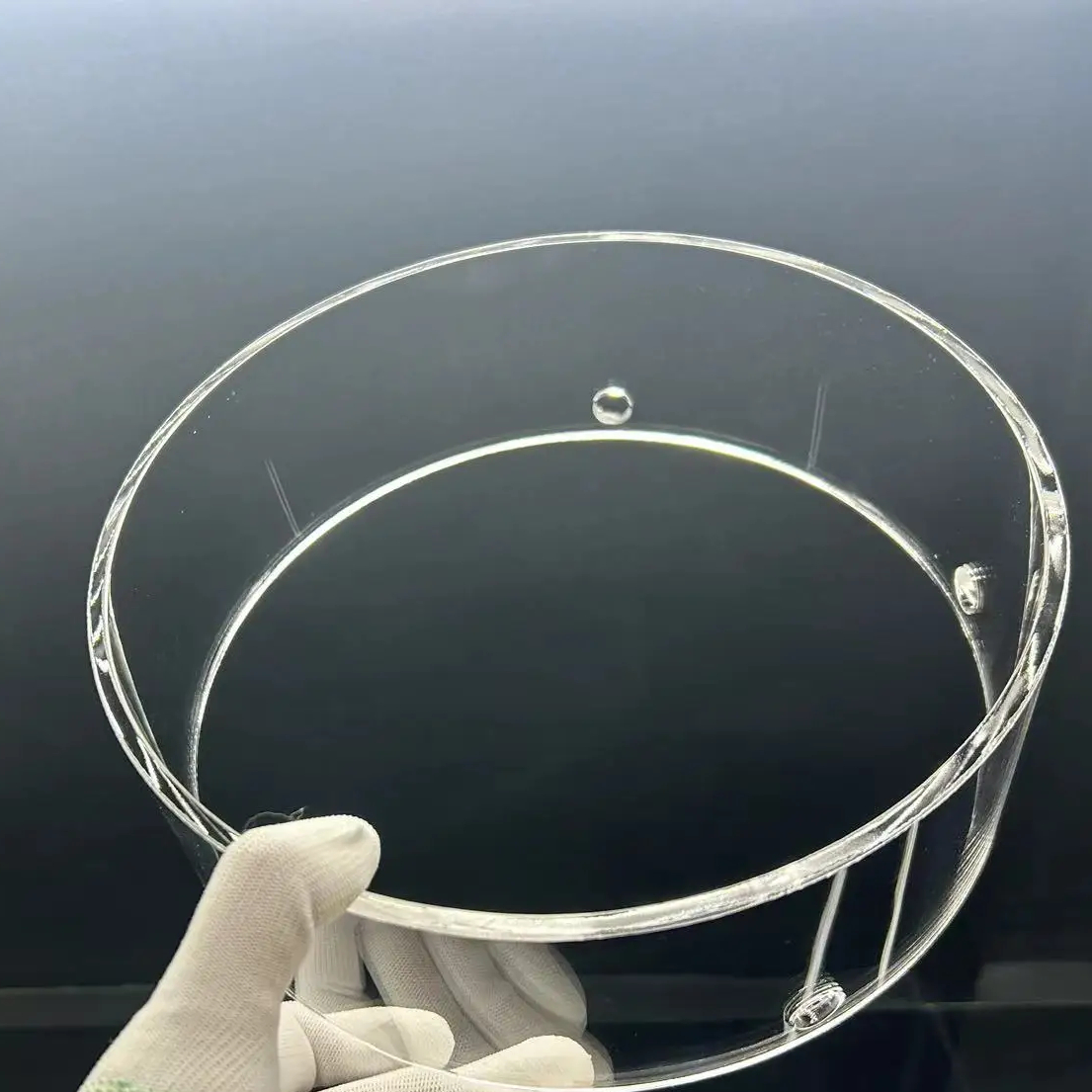
Fused Transparent Quartz Tube
High-purity SiO₂ (≥99.99%) cylindrical tubing for continuous flow-through digestion chambers, UV disinfection flow jackets, and microfluidic flow cell manifolds.
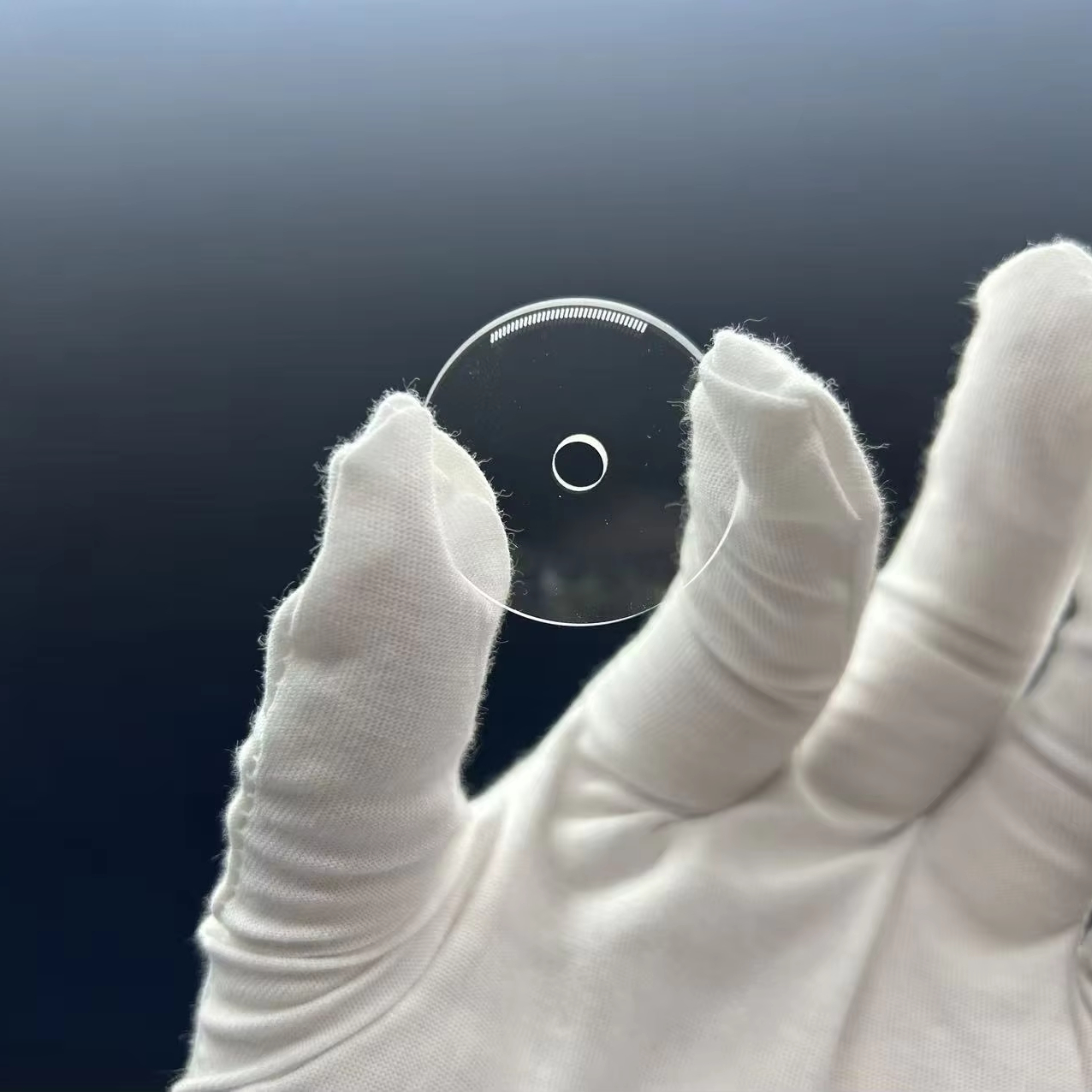
Frosted Quartz Sheet
Uniform sandblasted surface finishing for light diffusion, optical beam homogenization in flow cytometers, and cleanroom thermal observation enclosures.
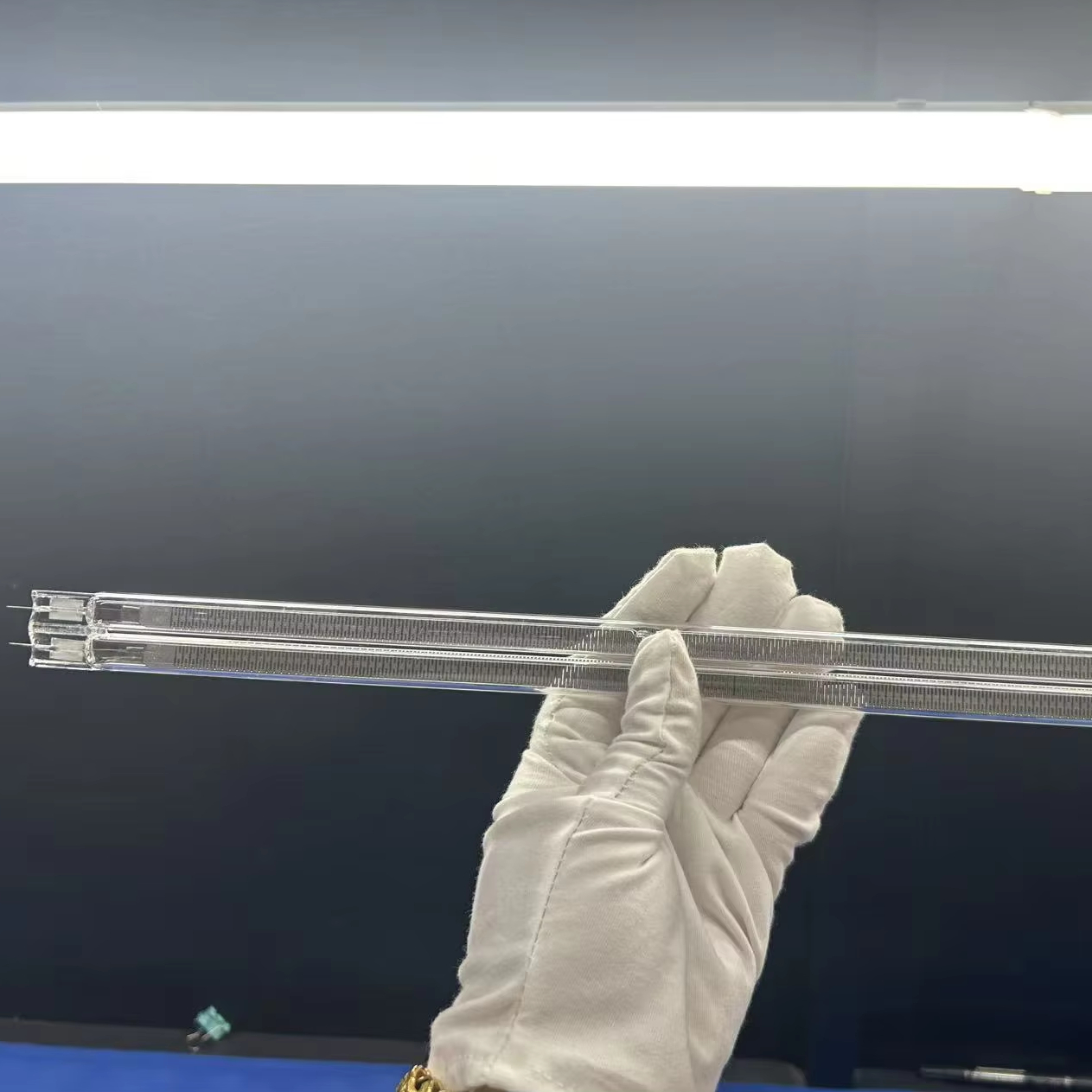
220v/380v Infrared Heating Quartz Tube (Carbon/Halogen)
Rapid thermal response emitters for temperature-controlled HPLC mobile phase pre-heaters, chemical reactor heating, and analytical evaporation systems.
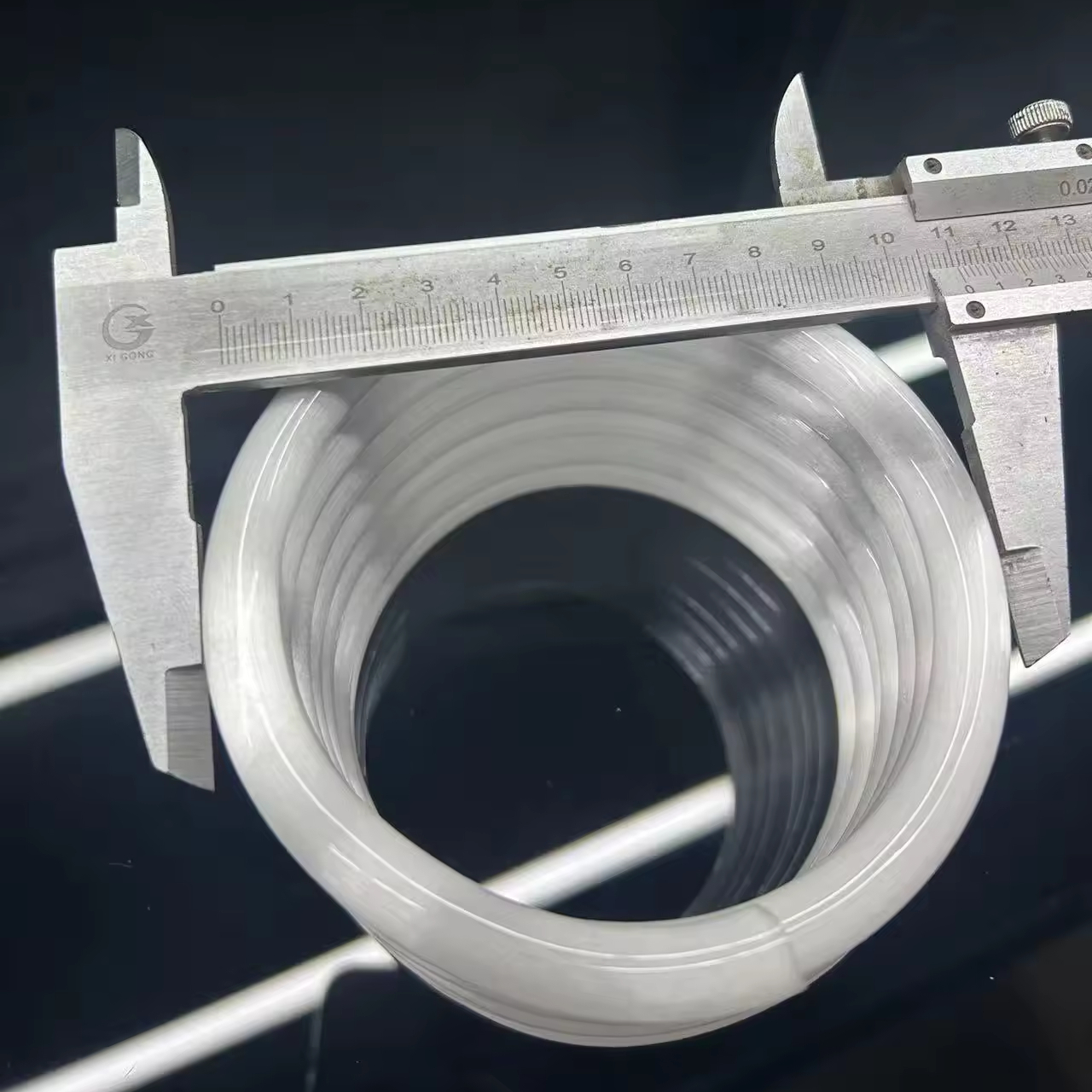
Helical Clear Quartz Glass Coil Tube
Seamless spiral geometry engineered for extended optical residence time, continuous photolytic microreactors, and high-flux photochemical synthesis.
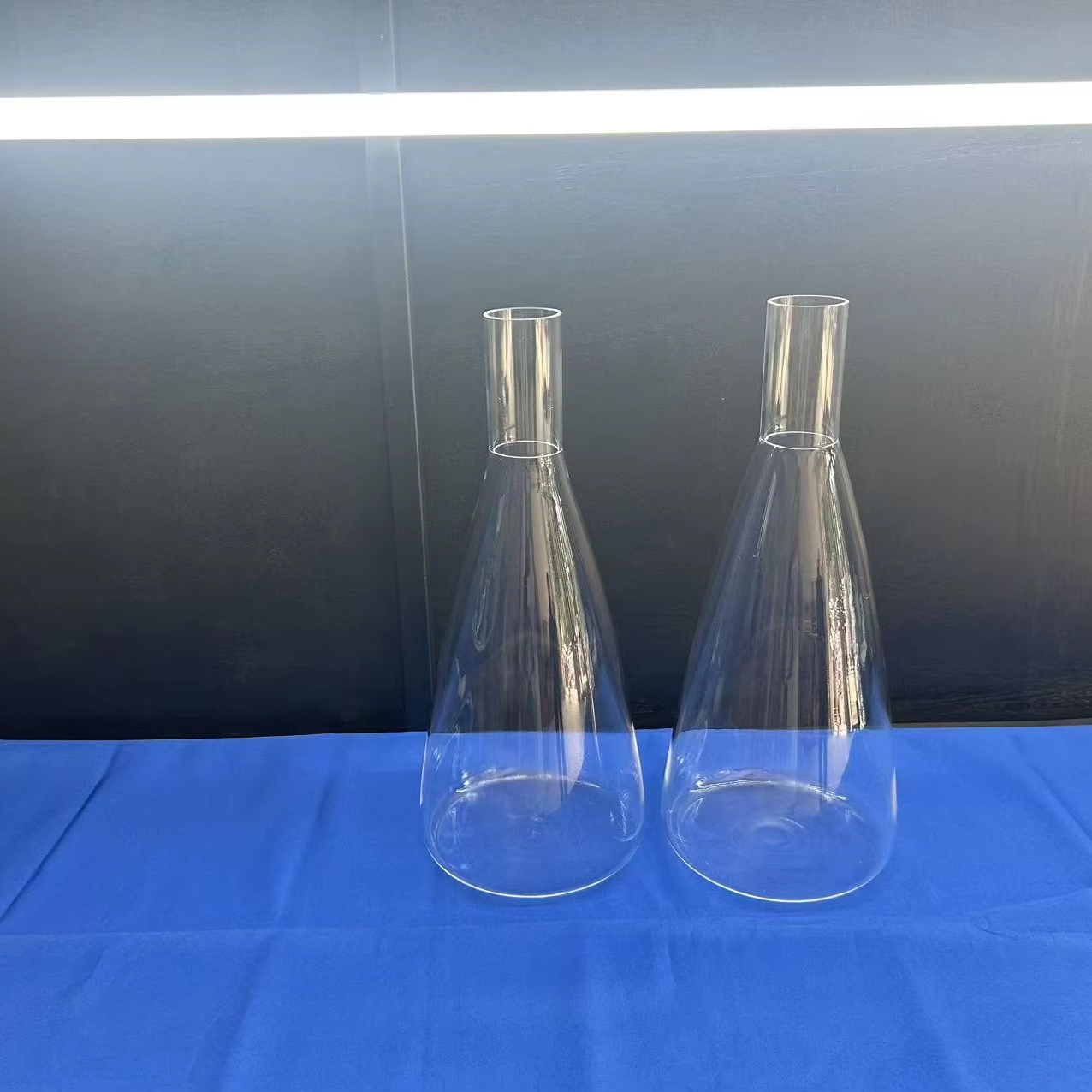
Laboratory Fused Silica Quartz Glass Flask
Extreme thermal shock resistance up to 1100°C continuous service; zero heavy-metal leaching for ultra-pure trace sample preparation and acid digestion in analytical chemistry.
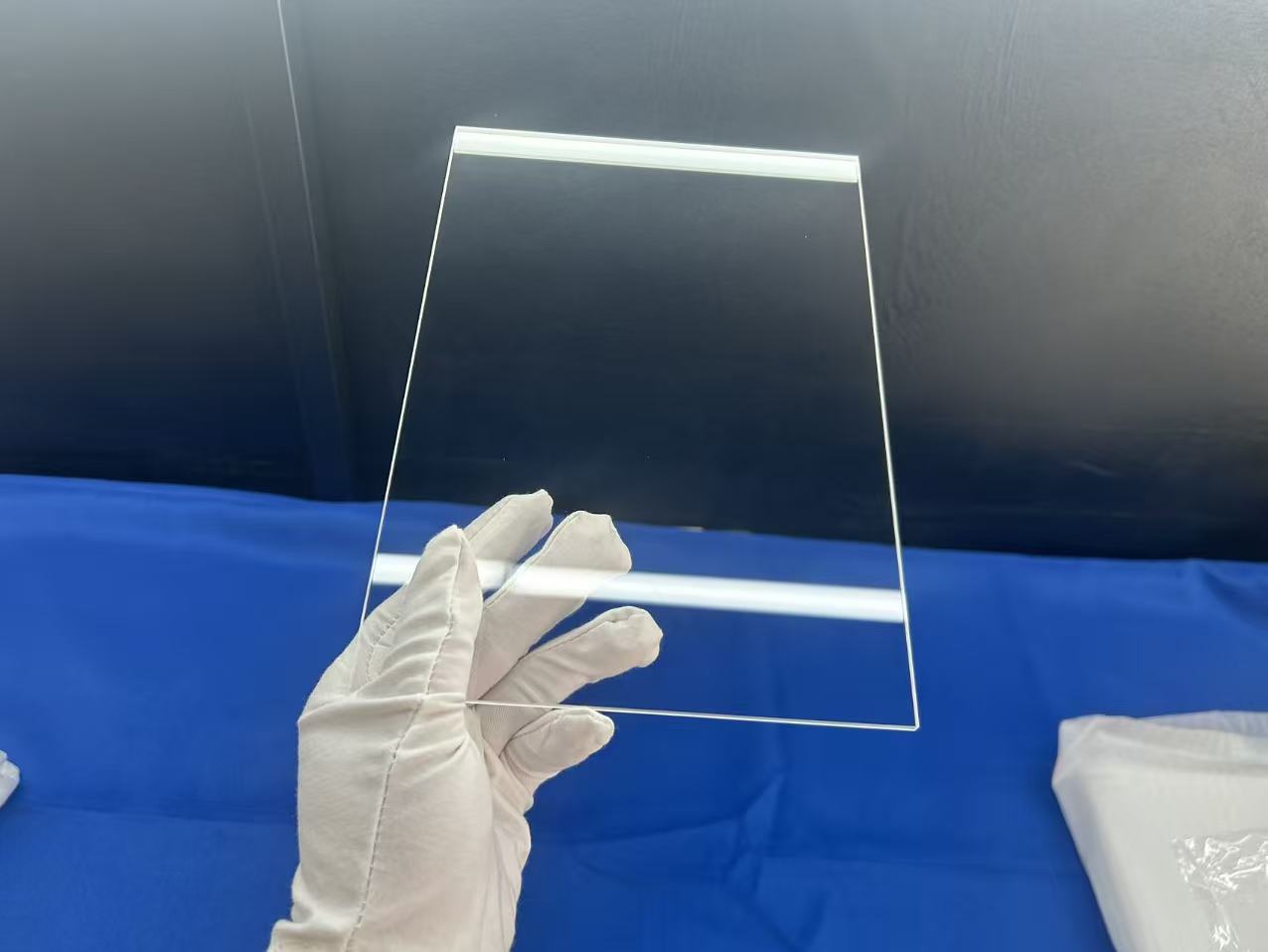
Custom Polished Square Quartz Glass Plate (3mm)
Optical wave-front distortion λ/4, laser-grade surface finish (20/10 scratch-dig). Ideal for flow cell inspection windows, laser shields, and spectroscopy apertures.
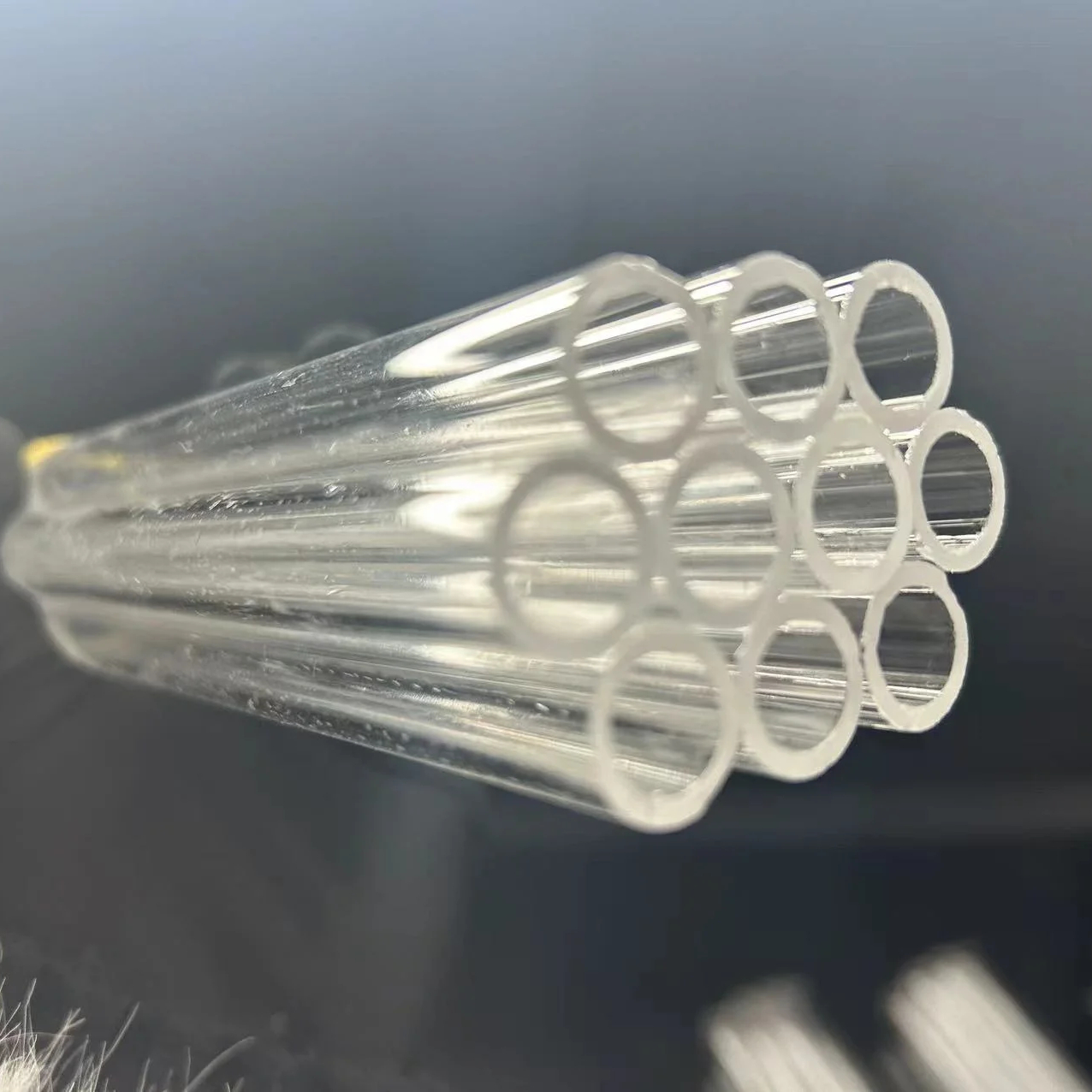
High Temperature Transparent Quartz Cylinder Tube
Heavy-wall precision bored fused quartz cylinder designed to withstand elevated hydrodynamic working pressures in continuous-flow industrial digestion and UV reactors.
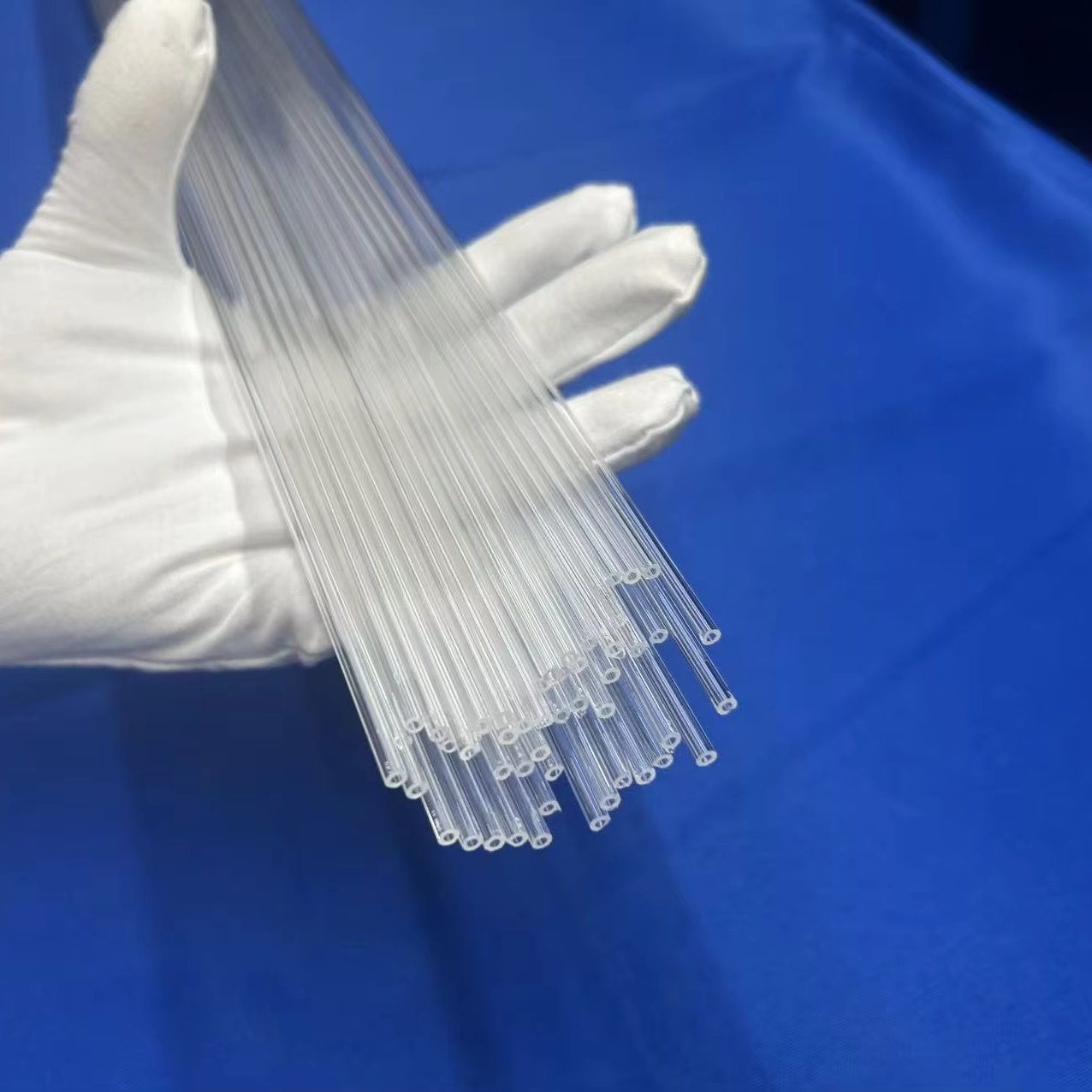
Precision Capillary Quartz Tube
Micron-scale bore tolerances (down to ±0.005mm) for capillary electrophoresis (CE), micro-aperture cytometry flow channels, and sub-microliter analytical detection cells.
Optofluidic Dynamics & Structural Integrity of Quartz Flow Cells
Continuous-flow spectrophotometry and analytical liquid chromatography demand optofluidic cells that exhibit absolute optical clarity across the ultraviolet-visible-near infrared (UV-Vis-NIR) spectrum, alongside zero chemical leaching, extreme thermal shock resistance, and micro-dimensional precision. A quartz flow cell functions as both an optical window and a micro-hydrodynamic containment vessel. In Belgrade’s accelerating research clusters—from environmental monitoring stations along the Danube-Sava confluence to high-throughput biopharmaceutical assay facilities in the Belgrade Metropolitan Area—procuring quartz flow cells with low dead-volume and high signal-to-noise ratio is critical to eliminating peak tailing, backpressure instability, and optical dispersion.
Unlike standard borosilicate glass or transparent polymethyl methacrylate (PMMA) microchips, synthetic fused silica (JGS1) delivers superior internal transmittance in the critical deep-ultraviolet region down to 185 nm, rendering it indispensable for detecting nucleic acids (260 nm), aromatic amino acids (280 nm), and trace organic contaminants. The dimensional stability of quartz, characterized by a minimal coefficient of thermal expansion (5.5 × 10⁻⁷ /°C), ensures that elevated process temperatures and violent exothermic reactions will not distort the optical path length (OPL) or cause optical birefringence.
Comparative Grade Metallurgy & Optical Spectrum Classification
The manufacturing process at Donghai County Nivra Quartz Products Co., Ltd. segregates raw quartz stock based on hydroxyl (OH⁻) radical content and impurity profiles. Selecting the incorrect quartz grade directly compromises spectrophotometric accuracy:
| Quartz Grade | Spectral Range | Typical Transmission | OH⁻ Content | Primary Industrial Application |
|---|---|---|---|---|
| JGS1 (Synthetic Silica) | 185 nm – 2,500 nm | >90% @ 200 nm, >92% visible | <10 ppm to <1 ppm | Deep-UV HPLC Detectors, Capillary Electrophoresis, Laser Induced Fluorescence (LIF) |
| JGS2 (Optical Fused Quartz) | 220 nm – 2,500 nm | >85% @ 254 nm, >90% visible | ≈ 30 – 150 ppm | General UV-Vis Spectrophotometry, Industrial Photometer Sight Glasses, Water Monitoring |
| JGS3 (Infrared Fused Quartz) | 260 nm – 3,500 nm | >90% in NIR/SWIR bands | <5 ppm | FTIR Flow Cells, Process Analytical Technology (PAT), High-Pressure Fuel Analysis |
In high-pressure liquid chromatography (HPLC) and ultra-high-performance liquid chromatography (UHPLC) systems operating in Belgrade's pharmaceutical quality control laboratories, flow cell geometry must withstand hydraulic pressures between 10 bar and 100 bar without window flexure. Nivra Quartz utilizes proprietary molecular thermal fusion bonding—fusing the quartz plates and channel boundaries at temperatures exceeding 1,200°C without adhesives or organic bonding glues. Adhesive-free direct molecular bonding eliminates solvent dissolution risks caused by mobile phases containing tetrahydrofuran (THF), acetonitrile (ACN), or trifluoroacetic acid (TFA), guaranteeing indefinite operational lifespans and zero background baseline drift.
Localized Industrial & Scientific Application Scenarios in Belgrade
Belgrade stands as the central scientific, healthcare, and industrial junction of the Republic of Serbia and South-Eastern Europe. The transition toward high-precision process analytical technologies, combined with heavy investments in environmental remediation and biomanufacturing, has created specialized operational demands for custom-engineered quartz flow cells across several key sectors:
Nuclear & Radiochemical Research
At the Vinča Institute of Nuclear Sciences, continuous radiation-hardened quartz flow cells are employed in alpha/beta/gamma liquid scintillation and spectroscopic monitoring of radiochemical isotopes where organic polymers disintegrate under ionizing radiation fields.
Biotechnology & BIO4 Campus
Belgrade's state-of-the-art BIO4 Campus integrates biomedicine, biotechnology, bioinformatics, and biodiversity. Custom sub-microliter quartz flow cells empower microfluidic cell sorting, continuous bioreactor monitoring, and automated DNA sequencing arrays.
Danube & Sava Water Quality Monitoring
Continuous environmental telemetry along the Belgrade riparian basin uses automated UV-Vis absorption flow cells to measure Total Organic Carbon (TOC), Chemical Oxygen Demand (COD), and nitrate concentrations under fluctuating turbidity and seasonal temperature drops.
Pharmaceutical Dissolution & QC
Major regional pharmaceutical producers (such as Hemofarm and Galenika) rely on flow-through cell dissolution systems (USP Apparatus 4). Zero dead-volume quartz cells eliminate bubble entrapment and hydrodynamic stagnation in long-term stability testing.
University Chemical Metrology
The University of Belgrade (Faculties of Chemistry and Physical Chemistry) requires precision cuvettes and specialized photochemical coils for kinetic spectroscopy, dynamic light scattering (DLS), and laser-induced fluorescence research.
Petrochemical & Refinery Analytics
Refineries and fuel processing corridors across Pančevo and the broader Belgrade industrial outskirts use heavy-wall, high-temperature quartz cylindrical sight tubes and NIR flow cells for continuous in-line hydrocarbon fraction monitoring.
Emerging Technology Trends in the Belgrade Analytical Equipment Market
The procurement landscape for laboratory apparatus in Belgrade has shifted significantly over the past five years. Several systemic trends dictate technical specifications and supply chain decisions:
1. Harmonization with EU Environmental Acquis (Chapter 27): As the Republic of Serbia deepens alignment with the European Union Water Framework Directive (2000/60/EC) and Industrial Emissions Directive, municipal water facilities (such as JKP Beogradski vodovod i kanalizacija) and industrial plants are upgrading from intermittent grab sampling to real-time, autonomous optical monitoring. Quartz flow cells installed in inline multiparameter sondes must operate maintenance-free for months, requiring anti-fouling geometries, scratch-resistant optical finishes, and integrated ultrasonic or chemical cleaning access.
2. Transition to Microfluidics and Capillary-Scale Flow: Research laboratories across Belgrade are aggressively optimizing analytical workflows to minimize reagent consumption. Traditional standard 10 mm path length rectangular macro-flow cells (internal volumes > 500 µL) are being replaced by micro-aperture quartz flow cells with internal sweep volumes down to 0.5 µL and path lengths calibrated to 1 mm, 2 mm, or 5 mm. Minimizing internal dead-volumes through tapered inlet and outlet geometries eliminates micro-vortices and guarantees genuine laminar flow profiles (Reynolds number $Re < 100$).
3. Regional Centralization of Biotech Production: Belgrade's establishment as a biotechnology corridor for the Western Balkans accelerates demand for OEM-customized quartz parts. Equipment manufacturers seeking bespoke quartzware require rapid prototyping from initial DWG or STEP files to functional prototypes within 10 business days, bypassing costly Western European distributor markups without sacrificing dimensional accuracy.
Why International Engineers Choose Donghai County Nivra Quartz Products Co., Ltd.
Headquartered in Donghai County, Lianyungang, Jiangsu—the premier crystal and quartz processing hub of China—Donghai County Nivra Quartz Products Co., Ltd. operates an integrated fabrication and export infrastructure. Established in February 2019, our company maintains an enterprise workforce of 101 to 200 skilled glass technicians, CNC machinists, and optical metrology inspectors. We do not act as intermediaries; we manufacture directly from fused quartz ingots to finished, cleanroom-packaged micro-optical cells.
Integrated Processing Chain
From core drilling, precision wire sawing, CNC multi-axis milling, flame fire-polishing to multi-stage optical lapping. Full control ensures absolute surface flatness ($\lambda/4$) and tight tolerances ($\pm0.005$ mm).
5-Hour Engineering Feedback
Our rapid-response technical engineering desk maintains an average quotation and feasibility review time of ≤ 5 hours with a verified response rate of 88.89% for global engineering inquiries.
Adhesive-Free Thermal Fusion
Our quartz flow cells utilize molecular direct thermal fusion, eliminating epoxy adhesives and silicon sealants. Guaranteed zero chemical elution, resisting 100% pure organic solvents and extreme thermal cycles.
Secure Export Packing to Serbia
Every individual cell is acid-cleaned, ultrasonically degreased, packed in anti-static, shock-absorbing custom polyurethane foam, and crated in export-grade, fumigation-free timber for zero-breakage international transit.
Procurement FAQ: Sourcing Precision Quartz Flow Cells in Belgrade
What are the customs and import procedures for shipping quartz flow cells to Belgrade, Serbia?
Shipments exported from our factory to Belgrade are typically cleared through the Customs Administration of the Republic of Serbia (Uprava Carina) under Harmonized System (HS) Code 7017.10.0000 (Laboratory, hygienic or pharmaceutical glassware, whether or not graduated or calibrated - of fused quartz or other fused silica). We supply full international export documentation including Commercial Invoices, Packing Lists, Certificates of Conformity (CoC), and Material Inspection Reports. Serbian businesses or academic research faculties can receive door-to-door delivery via DHL, FedEx, or air freight forwarders directly into Belgrade Nikola Tesla Airport (BEG), with standard customs clearing times ranging from 24 to 72 hours.
How do I determine whether my application requires JGS1, JGS2, or JGS3 quartz?
The decision rests on your operating optical wavelength band:
- JGS1 (Synthetic Fused Silica): Essential if your detection system works in the deep-UV spectrum between 185 nm and 250 nm (e.g., oligonucleotide analysis, peptide bonds, nitrate detection at 206 nm, UV laser fluorimetry). It exhibits negligible bubble inclusion and zero fluorescence under 254 nm excitation.
- JGS2 (Optical Fused Quartz): Recommended for standard laboratory UV-Vis instruments operating from 220 nm to 2,000 nm, providing a cost-effective solution with excellent structural stability.
- JGS3 (Infrared Fused Quartz): Necessary if your instrumentation conducts Fourier Transform Infrared (FTIR) spectroscopy up to 3,500 nm, as it has low hydroxyl (OH⁻) content that prevents deep water-absorption bands at 2,720 nm.
Can Nivra Quartz manufacture flow cells directly from custom CAD files or proprietary laboratory drawings?
Yes. OEM and ODM custom manufacturing represent over 60% of our daily production volume. Serbian engineering teams and laboratory directors can submit engineering designs in PDF, DWG, DXF, or 3D STEP format. Our engineering team reviews the hydrodynamic channel profiles, connection port threading (e.g., standard 1/4-28 UNF flat-bottom HPLC fittings or M6 metric capillary interfaces), surface finish specifications, and optical window tolerances, providing formal feedback and quotes within 5 hours.
How do you prevent micro-bubbles from lodging inside the optical detection path?
Bubble entrapment is the primary cause of baseline spike noise in spectrophotometric flow monitoring. Nivra Quartz eliminates internal fluid stagnation by designing internal chambers with hydrodynamically tapered transitions (typically 15° to 30° internal chamber angles) rather than abrupt square interior steps. Additionally, our fire-polished internal flow surfaces reduce wall shear friction, allowing mobile phases to sweep micro-bubbles cleanly out of the optical window aperture even under minimal flow velocity (e.g., 0.1 mL/min).
What is your Minimum Order Quantity (MOQ) and sample verification lead time?
To support academic research institutes at the University of Belgrade and prototype engineering trials, our MOQ for custom standard quartz flow cells and custom glassware starts at 1 to 5 pieces. Prototyping typically requires 7 to 12 working days depending on CNC milling and optical lapping complexity. Mass production runs are typically completed within 2 to 3 weeks, followed by express air shipping to Belgrade in 4 to 6 business days.
How are fragile optical components protected against damage during long-haul transport to Serbia?
We implement a multi-tier protective packaging protocol. Each optical quartz flow cell is individually encased in a high-density, custom-molded EVA/Polyurethane foam capsule inside a sealed, dust-free plastic enclosure. These capsules are nested inside double-wall corrugated export cartons, which are then reinforced with shock-absorption edge protectors or crated in fumigation-free plywood boxes. Our historical breakage rate on international shipments to European destinations is less than 0.1%.
Optimize Your Optofluidic Systems in Belgrade Today
Whether you require standard JGS1 spectrophotometer flow cells, high-temperature quartz reaction vessels, micro-bore capillary assemblies, or fully customized OEM prototypes, our engineering department will evaluate your dimensional drawings within 5 hours.