Engineered Fused Quartz Products & Components
Manufactured from high-purity natural quartz crystals (SiO₂ ≥ 99.99%) in Donghai County, China. Verified for zero ionic leaching, thermal shock durability up to 1450°C, and custom mechanical dimensions.
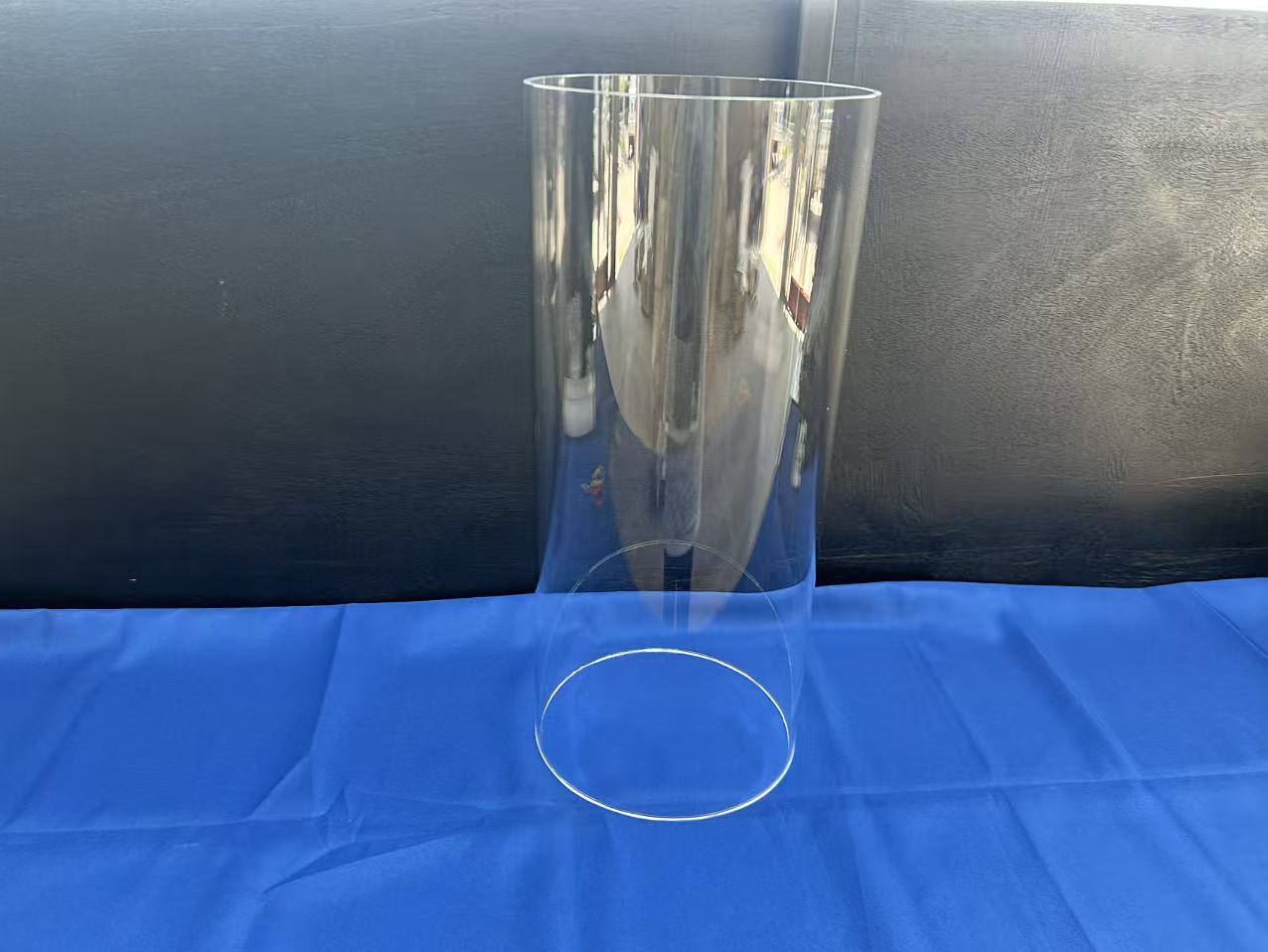
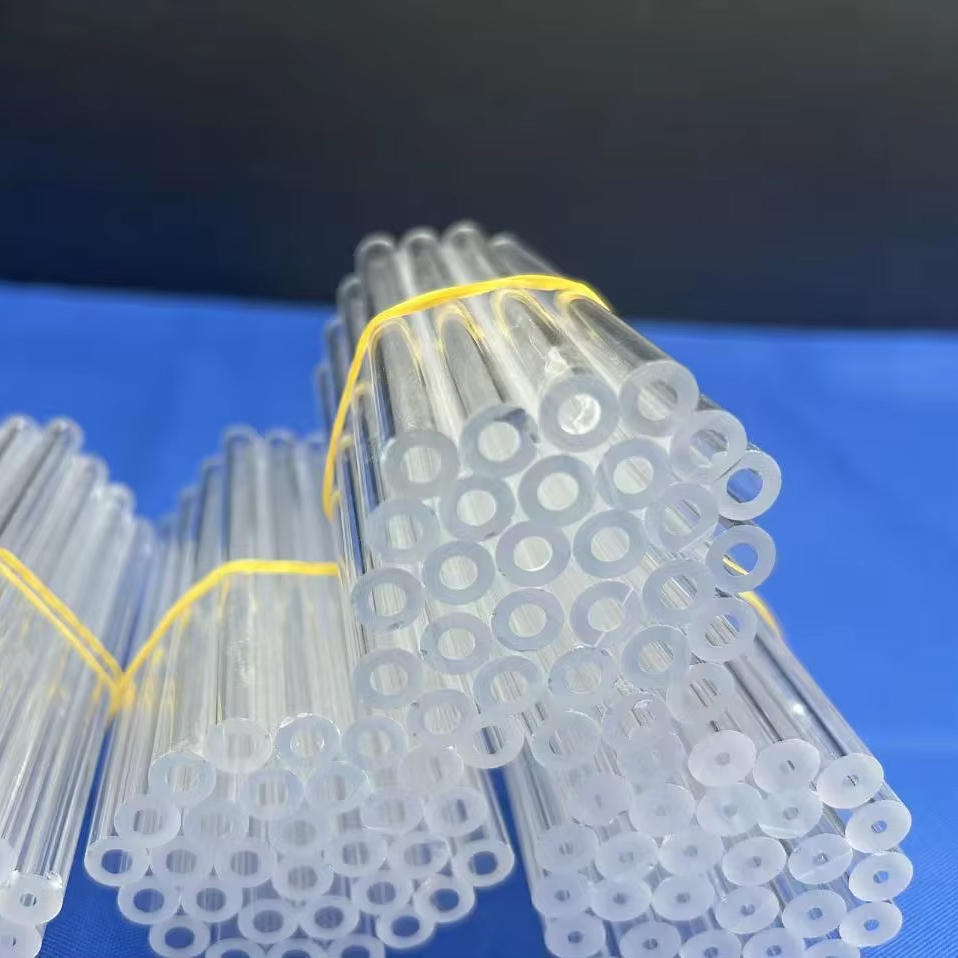
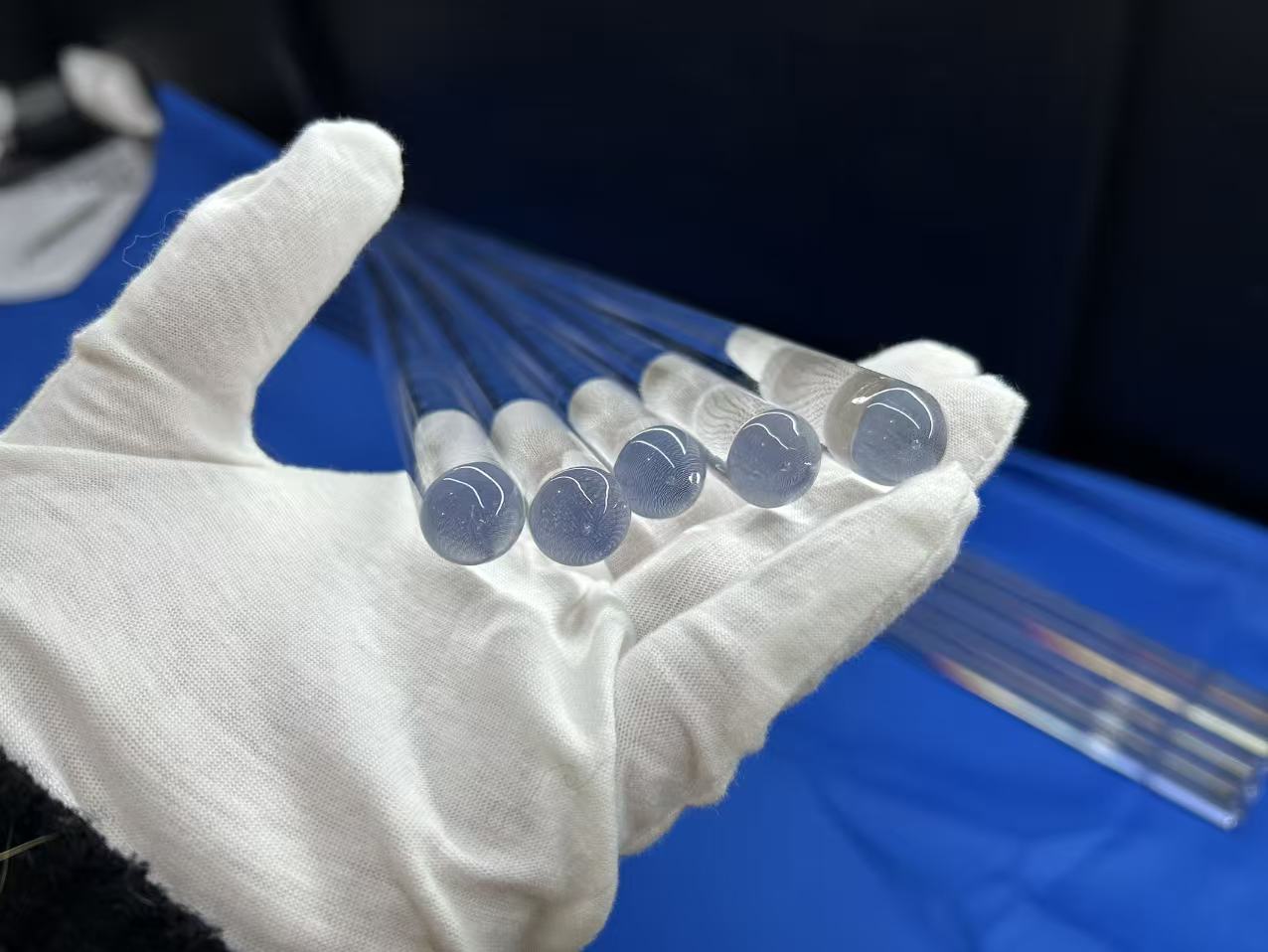
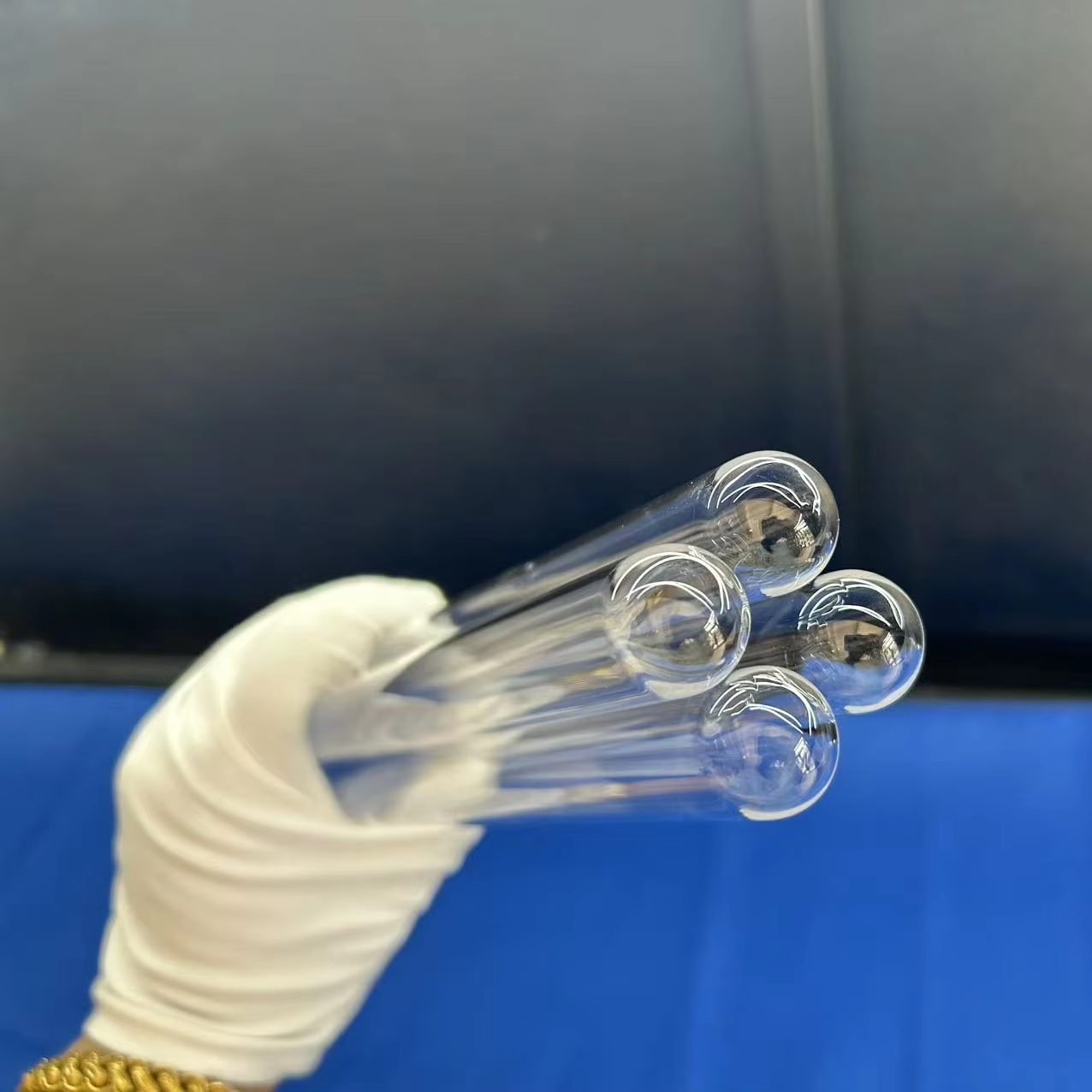
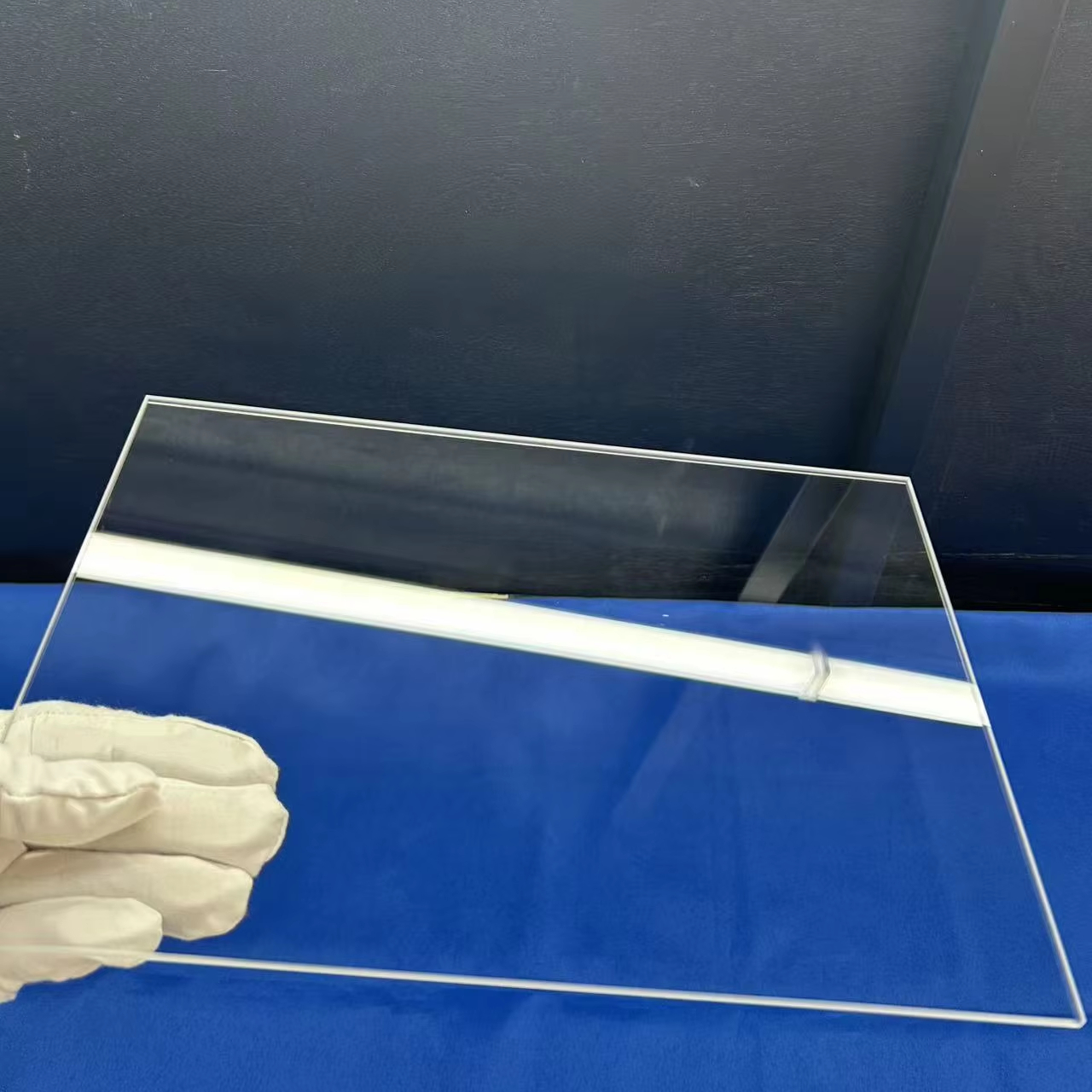
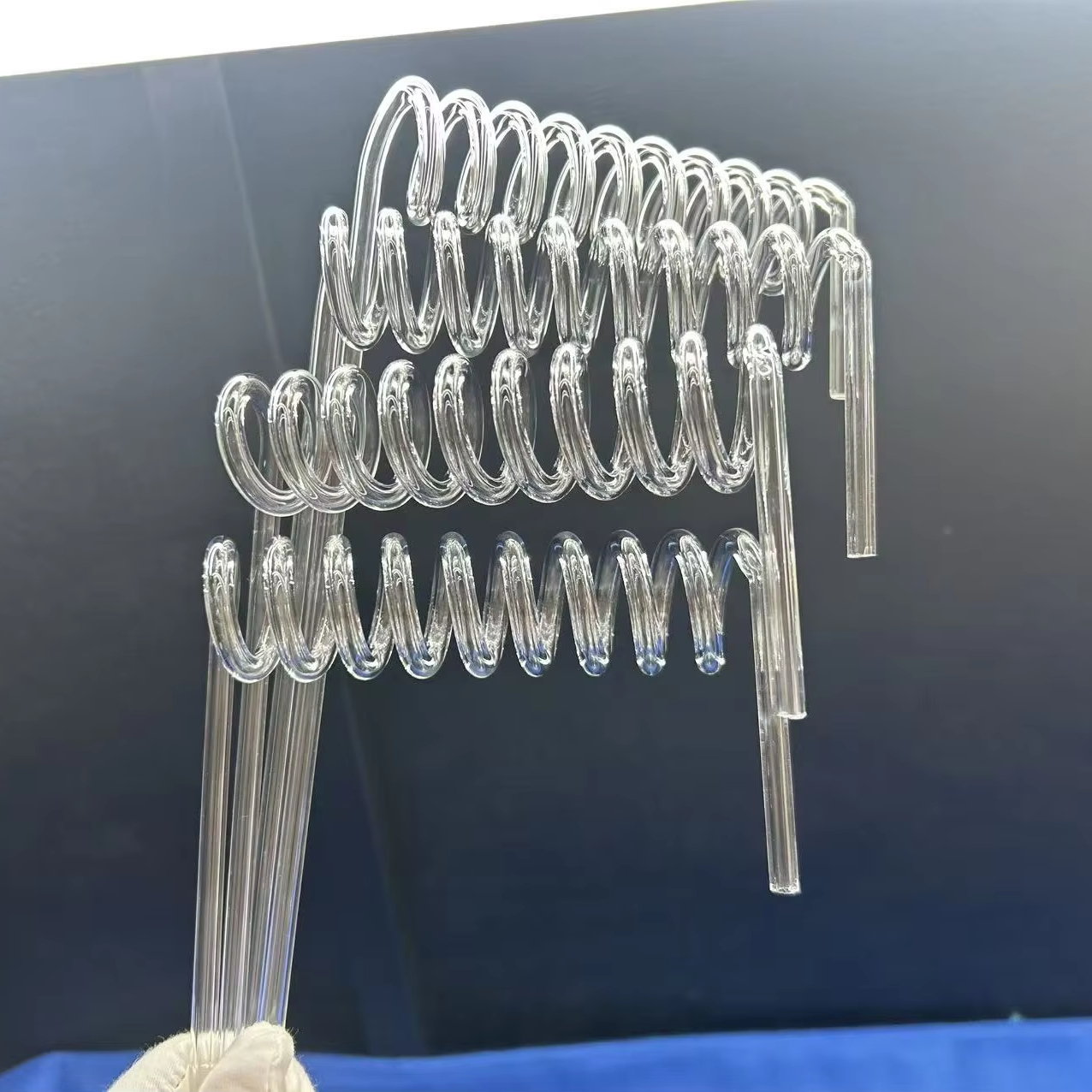
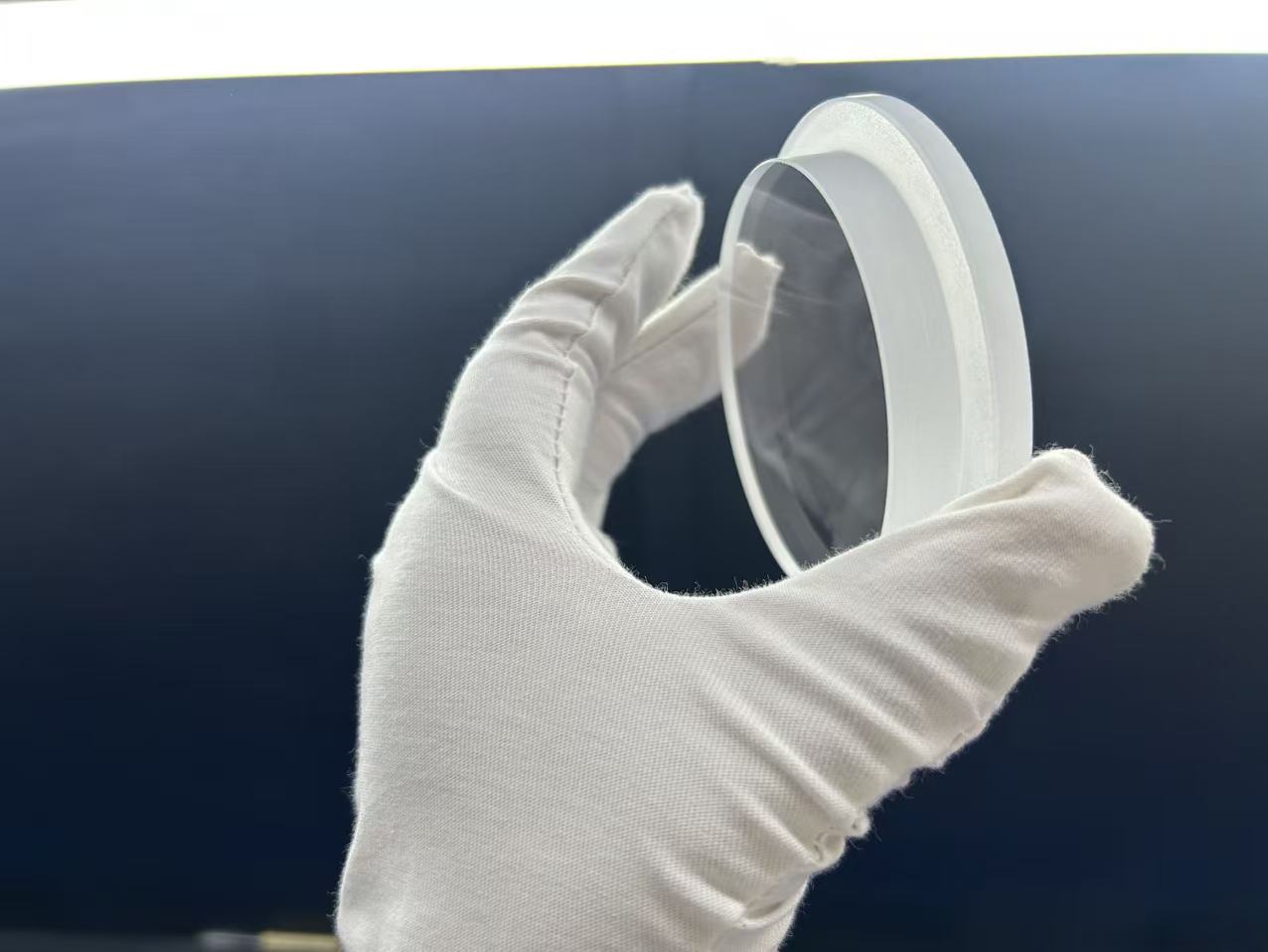
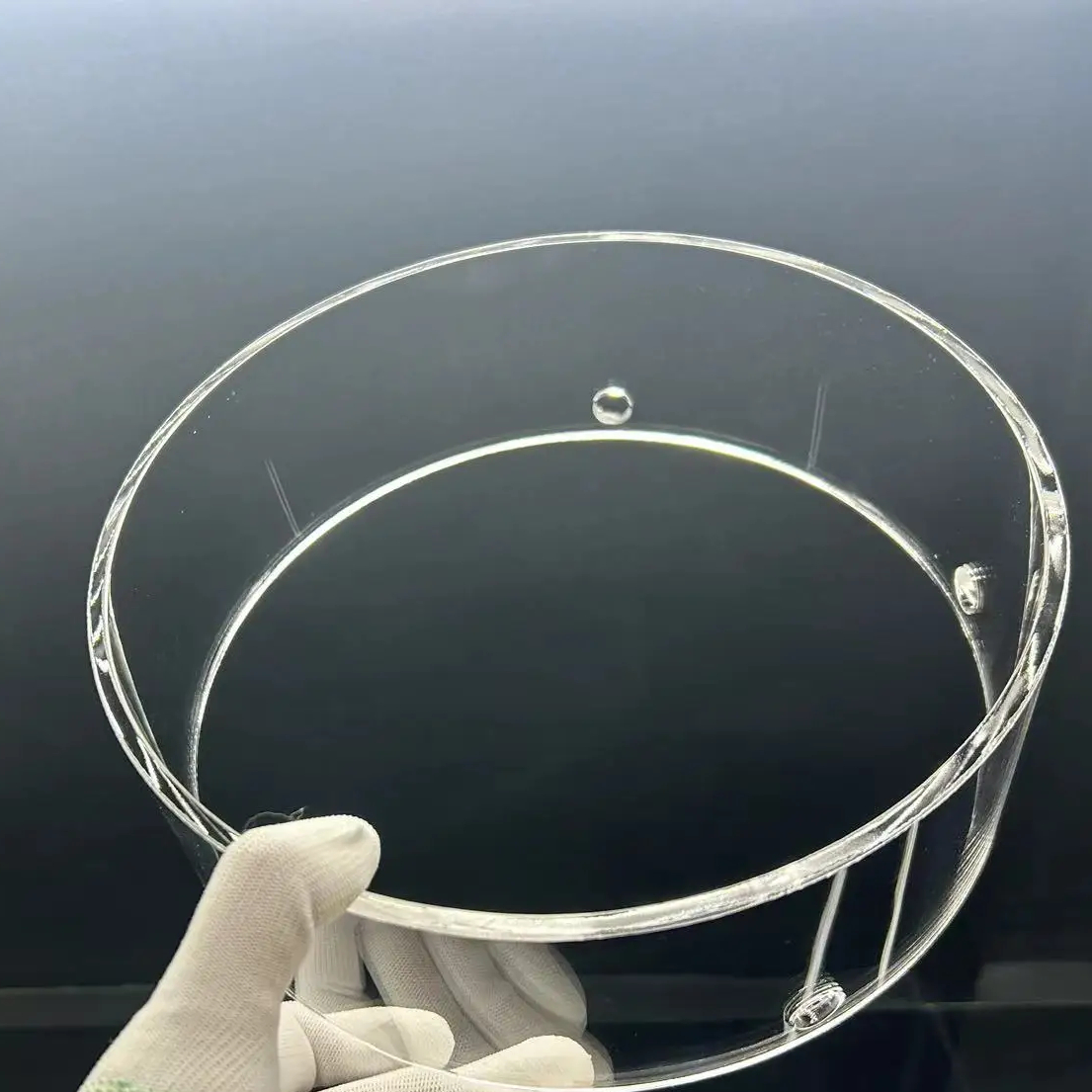
The Electrochemical Imperative: Why Vitreous Quartz Replaces Traditional Thermoplastics in Modern Surface Finishing
In high-precision electronics fabrication, automotive mechatronics, and specialized galvanic electroplating, surface contamination measured in parts per billion (ppb) can compromise entire production runs. As Moldovan manufacturing aligns with strict European Union standards under the EU-Moldova Deep and Comprehensive Free Trade Area (DCFTA), the traditional reliance on polyolefin (Polypropylene, Polyethylene) and fluoropolymer (PTFE, PVDF) wet process tanks is undergoing a systematic engineering transition.
While fluoropolymers offer acid tolerance, they are subject to organic plasticizer leaching, thermal creep, and structural warping under continuous electrolytic current loads and thermal cycling. Vitreous fused silica quartz (SiO₂ purity ≥ 99.99%) provides an absolute crystalline-glass barrier with practically zero thermal expansion (5.5 × 10⁻⁷ /°C), impervious dielectric breakdown resistance (>25–40 kV/mm), and unmatched resistance to aggressive chemistries such as hot aqua regia, piranha etch (H₂SO₄ + H₂O₂), and concentrated nitric acid mixtures.
Donghai County Nivra Quartz Products Co., Ltd. specializes in engineering monolithic and precision flame-welded quartz electrolytic cleaning tanks tailored to custom dimensional constraints, integrating internal weir cascades, ultrasonic transducer ports, and electrode carrier rails directly into the quartz body.
Localized Industrial Applications in the Republic of Moldova
Moldova’s industrial growth clusters across Free International Economic Zones demand robust, clean-room certified process vessels. Discover how our quartz electrolytic cleaning tanks support domestic manufacturing.
Automotive Electronics & Wiring Harnesses
Within the ZEL Bălți (Free Economic Zone Bălți) and regional supplier plants in Strășeni and Orhei, tier-1 automotive component manufacturers employ electrolytic degreasing tanks for micro-terminal strip preparation, sensor pin deoxidization, and solderability enhancement without base metal leaching.
High-Precision Galvanic Electroplating
Specialized finishing facilities around Chișinău Industrial Hub utilize clear quartz tanks for precious metal electroplating (gold, platinum, rhodium) onto micro-contacts. Transparent polished quartz walls allow optical real-time monitoring of bubble detachment and meniscus formation during anodic dissolution.
Semiconductor & Optoelectronic R&D
Research divisions at the Technical University of Moldova (UTM) and specialized optical research labs implement Nivra Quartz square cleaning baths for wafer degreasing, ultrasonic piranha acid stripping, and electrochemical chemical-mechanical polishing (CMP) pad cleaning.
Biomedical Sensor & Microfluidics Fabrication
Medical device instrumentation startups in Moldova’s emerging medical-tech parks rely on trace-metal-free quartz vessels for cleaning titanium implant fixtures, electrode array passivations, and microfluidic channel degreasing where sodium or boron extraction from borosilicate glass is strictly intolerable.
Electrolytic Tank Material Comparison: Quartz vs. Alternative Substrates
A rigorous engineering benchmark detailing mechanical, electrical, and thermal parameters for plant managers and procurement engineers.
| Performance Attribute | Fused Quartz (Nivra JGS1/JGS2) | Borosilicate 3.3 Glass | PTFE / Fluoropolymers | Titanium (Grade 2) |
|---|---|---|---|---|
| SiO₂ / Material Purity | ≥ 99.99% SiO₂ | ~80% SiO₂ (B₂O₃ ~13%, Na₂O ~4%) | Fluorocarbon Polymer | Ti ≥ 99.2% |
| Max Continuous Temperature | 1100°C | 450°C | 260°C | 400°C |
| Thermal Shock Resistance | ΔT > 1000°C (Quench to 20°C Safe) | ΔT ~ 100°C | Medium (Subject to creep) | High (Metallic) |
| Electrical Resistivity (Ω·cm) | > 10¹⁸ (Exceptional Insulator) | ~ 10¹⁵ | > 10¹⁸ | Conductive (Requires lining) |
| Trace Ionic Leaching | Zero ionic migration; ppb-level inertness | Leaches Boron, Sodium, Potassium | Trace organic plasticizers / oligomers | Metal ion contamination risk |
| Optical Transparency | > 90% (Deep UV through Near-IR) | ~ 88% (Visible spectrum only) | Opaque / Milky translucent | Completely Opaque |
Moldova Market Trajectory: Technological Shifts in Wet-Process Metallurgy
Analyzing key structural drivers shaping equipment procurement and trade relationships across Eastern Europe.
Harmonization with EU Ecological & RoHS Directives
As Moldovan enterprises expand bilateral supply contracts with OEMs in Germany, Austria, and Romania, manufacturing standards require strict compliance with EU RoHS 3 and REACH regulations. Vitrified fused quartz tanks contain no hazardous flame retardants, phthalates, or heavy-metal stabilizers, ensuring complete compliance during environmental site audits.
Integration of High-Frequency Ultrasonic Agitation
Modern electrolytic degreasing in Chișinău's microelectronic assemblies relies heavily on synchronized megasonic and ultrasonic transducer frequencies (40 kHz to 1 MHz). Fused quartz demonstrates an ultra-low acoustic damping coefficient, transferring cavitation shockwaves efficiently directly to the substrate surface without tank wall erosion.
Nearshoring of Automotive Sensor Assembly
Supply chain reconfigurations post-2022 have accelerated industrial investments into Moldova’s special economic enclaves. Automotive sensor makers now require localized pilot lines equipped with rapid-prototyping quartz baths featuring CNC-drilled electrode mountings, overflow barrages, and built-in RTD sensor wells.
Nivra Quartz: Verified Manufacturing Credentials from Donghai, China
Headquartered in China's quartz capital, Donghai County Nivra Quartz Products Co., Ltd. combines raw material sovereignty with precision CNC cold-machining and master glassblowing craft.
Established Facility
Over half a decade of specialized B2B export fabrication for semiconductor and labware buyers worldwide.
Skilled Personnel
Experienced technical artisans, precision CNC glass-machinists, and bilingual application engineers.
Rapid Inquiry Turnaround
Engineering drawing feasibility checks and quotation deliveries within 5 hours, boasting an 88.89% response rate.
Verified Buyer Rating
Alibaba on-site audited premises with flawless export performance records and zero-breakage packaging standards.
Frequently Asked Questions by Sourcing Engineers in Moldova
Addressing freight logistics, customs protocols, dimensional customization, and operational handling.
How are fragile quartz electrolytic tanks protected during intercontinental transit to Moldova?
Every quartz electrolytic tank undergoes multi-stage protective packing engineered specifically for intermodal transport. First, the tank is vacuum-sealed in anti-static, moisture-barrier polyethylene to prevent ambient dust contamination. The unit is then suspended inside custom-molded, high-density closed-cell EPE (Expanded Polyethylene) foam cut specifically to the vessel's geometric contours, absorbing up to 50G impacts. This inner core is enclosed in heavy-duty corrugated export cartons and placed inside an exterior, ISPM-15 compliant fumigation-free plywood crate with integrated shockwatch and tiltwatch indicators. Shipment to Moldova proceeds either via expedited air freight directly into Chișinău International Airport (RMO) or multimodal sea freight via the Port of Constanța (Romania) or Giurgiulești Free International Port (Danube route), followed by direct bonded truck delivery.
Can Nivra Quartz produce custom rectangular tanks with internal baffles and drain fittings from 3D CAD models?
Yes. Approximately 75% of our electrolytic tanks are bespoke designs manufactured strictly to customer-supplied DWG, DXF, or STEP/IGES files. We operate 5-axis CNC diamond ultrasonic machining centers that precisely grind and bevel quartz plate edges, drill precision port holes for fluid circulation, mill O-ring sealing grooves, and flame-fuse custom drain petcocks, overflow spouts, or quartz flange mounts. Our master flame welders use hydrogen-oxygen torches to achieve full-penetration, bubble-free hermetic seams that maintain 100% structural integrity under repetitive thermal ramping.
What is the distinction between JGS1, JGS2, and standard clear fused quartz for electrolytic tanks?
The choice between JGS1, JGS2, and clear fused silica depends on process chemistry and monitoring requirements. JGS1 is synthetic fused silica synthesized from silicon tetrachloride, delivering extreme deep-ultraviolet transmission (down to 185 nm) and near-zero bubble/inclusion content, ideal for photochemical and excimer-laser coupled electrolytic baths. JGS2 is melted from high-grade natural crystal quartz, providing superior optical clarity throughout the UV-visible range (220 nm to 2500 nm), which represents our primary standard for precision electrolytic tanks. For conventional thermal heating baths without optical inspection requirements, our standard semiconductor-grade clear fused quartz offers identical chemical inertia, continuous 1100°C thermal durability, and cost optimization.
How do quartz tanks behave under high DC voltages during electrolytic cleaning and anodizing?
Fused quartz is among the most formidable solid electrical insulators known to materials science. It possesses a volume resistivity exceeding 10¹⁸ Ω·cm at 20°C and maintains electrical insulation even at elevated operating temperatures (over 10¹⁰ Ω·cm at 500°C). Its dielectric breakdown strength ranges between 25 and 40 kV/mm depending on wall thickness. When conducting high-current electro-cleaning or high-voltage micro-arc oxidation, the tank itself acts as an absolute non-conductive barrier, eliminating stray current leakage, hazardous ground faults, and cathodic side reactions that plague lined metal or carbon-impregnated vessels.
What documents and quality inspection certificates are provided with shipments to Moldova?
To facilitate swift customs clearance under Moldovan Customs and European regulatory requirements, each consignment is accompanied by an authenticated Certificate of Conformity (CoC), an ICP-OES chemical purity analysis report certifying SiO₂ content and ppb limits for trace elements (Fe, Al, Ti, Ca, Mg, Na, K), and a 3D coordinate measuring machine (CMM) dimensional inspection sheet validating tolerances against your CAD drawings. For specialized applications, spectral spectrophotometer transmission curve charts and stress birefringence optical reports are available on request.
What is the standard Minimum Order Quantity (MOQ) and sample lead time for prototype validation?
Understanding that precision engineering requires prototype verification before high-volume plant adoption, our MOQ for customized quartz electrolytic cleaning tanks starts at just 1 to 2 units. Standard prototyping lead times range from 7 to 12 working days following final engineering CAD sign-off, with mass production runs typically completing within 15 to 25 working days. We maintain dedicated inventory of pre-cut semiconductor plates and tubes in Donghai to support urgent prototyping timelines.
Accelerate Your Wet-Bench Performance with Nivra Quartz
Whether you require a standard rectangular cleaning vessel or a complex, multi-chamber quartz electrolytic bath with custom heating wells and sparging lines, our engineering team in Donghai provides technical consultations within 5 hours.