Specialized Fused Quartz Components for Nordic Research & Industry
Direct-from-factory thermal, optical, and laboratory quartzware engineered to strict European dimensional tolerances (ISO 2768-m) with verified purity exceeding 99.99% SiO₂.
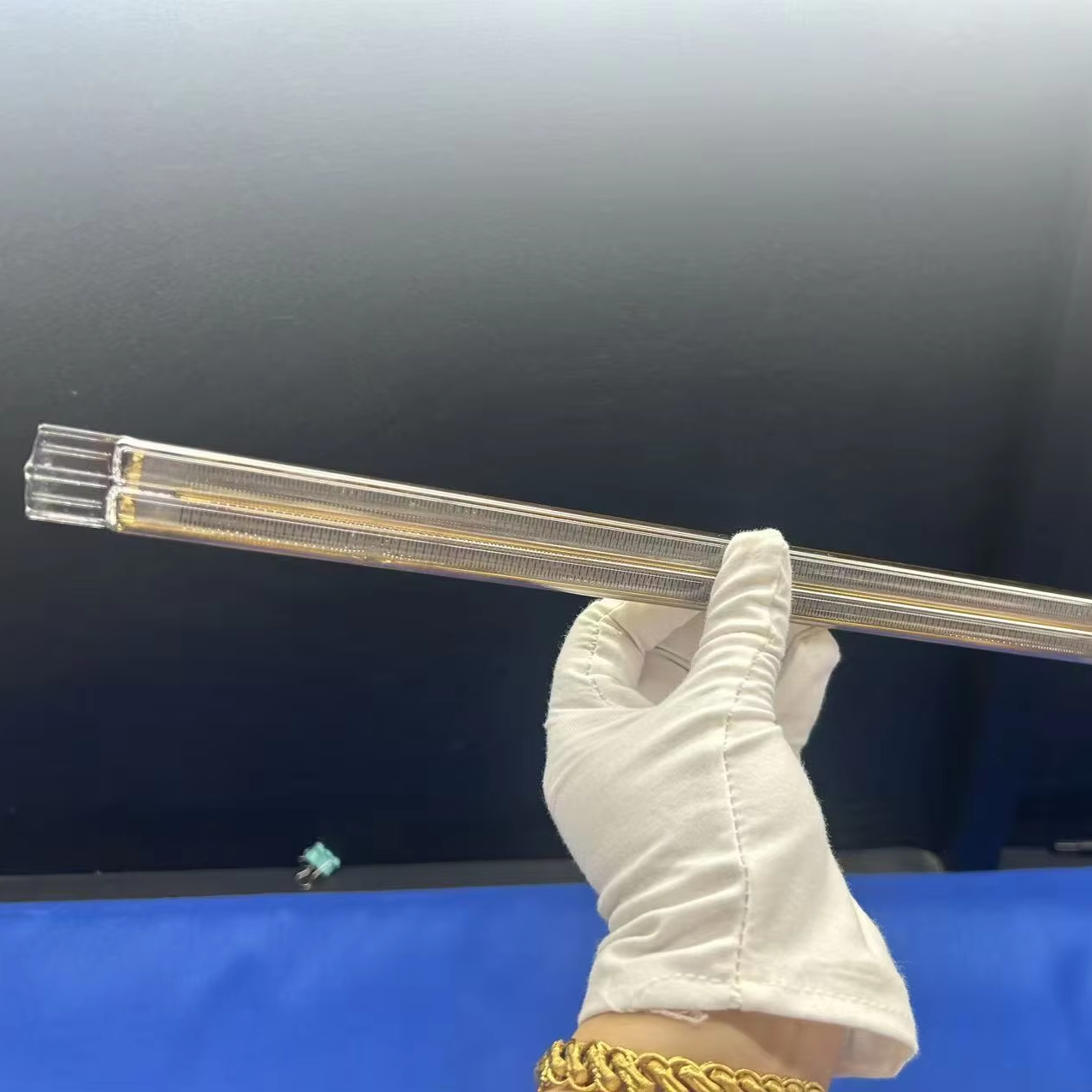
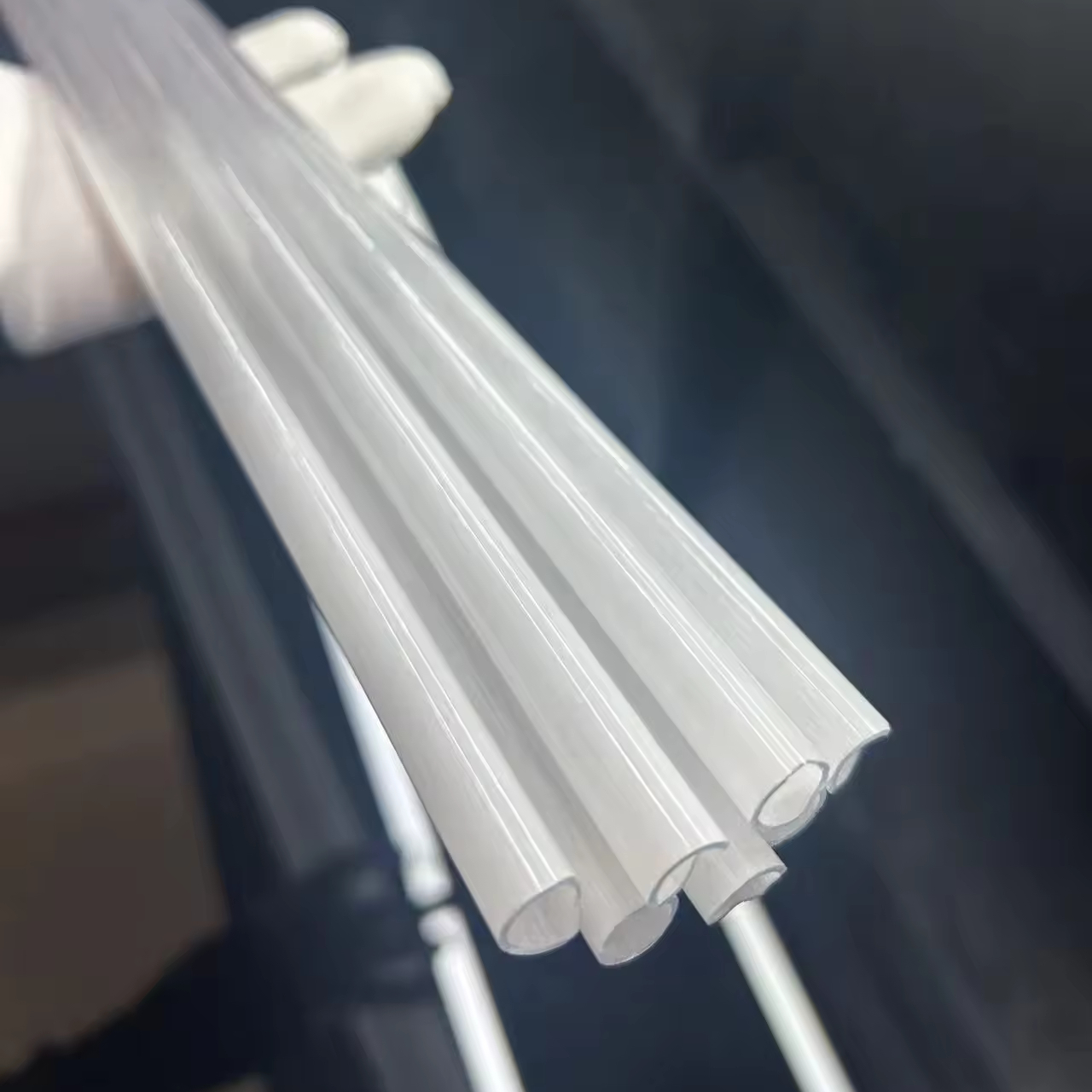
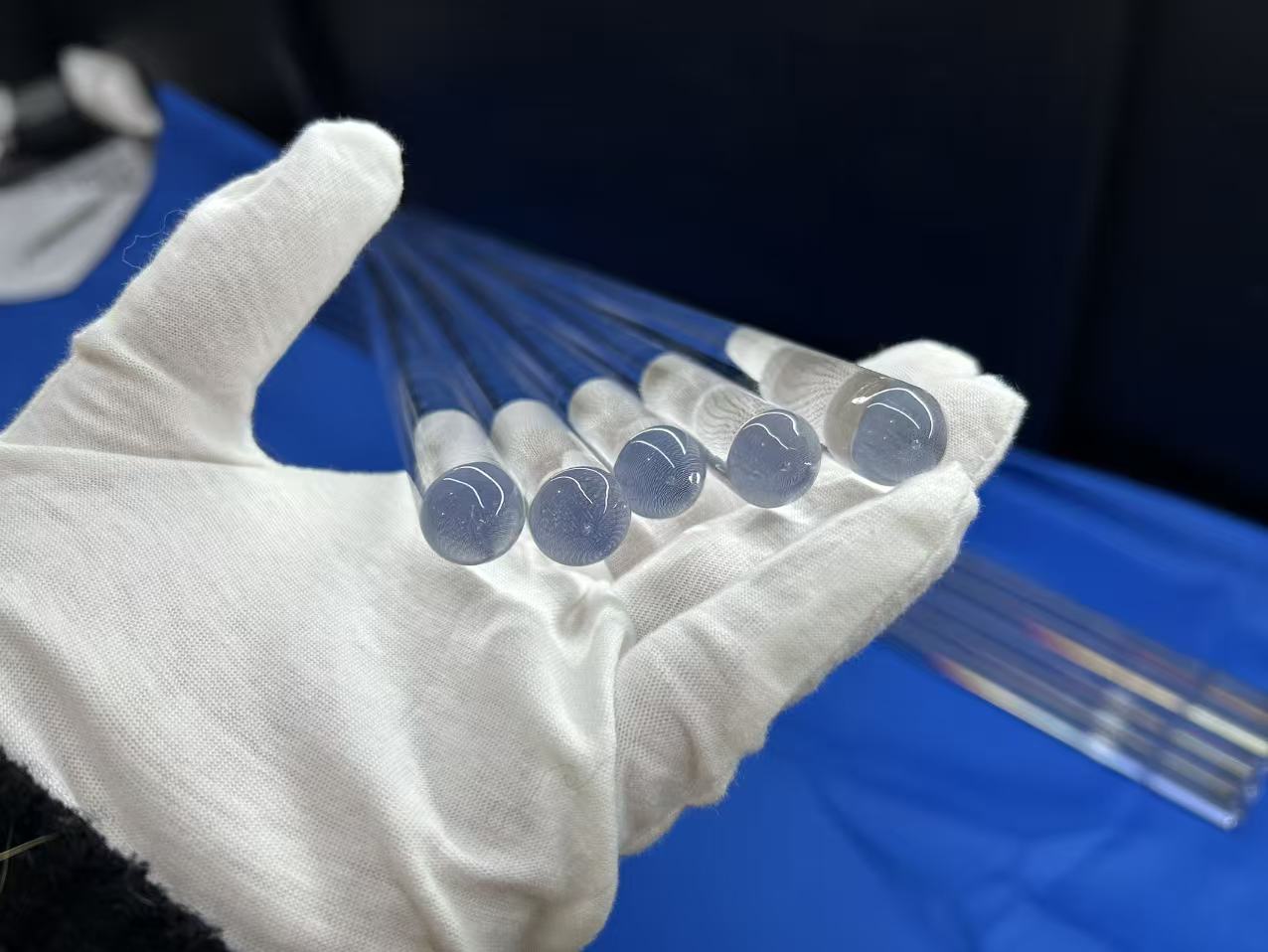
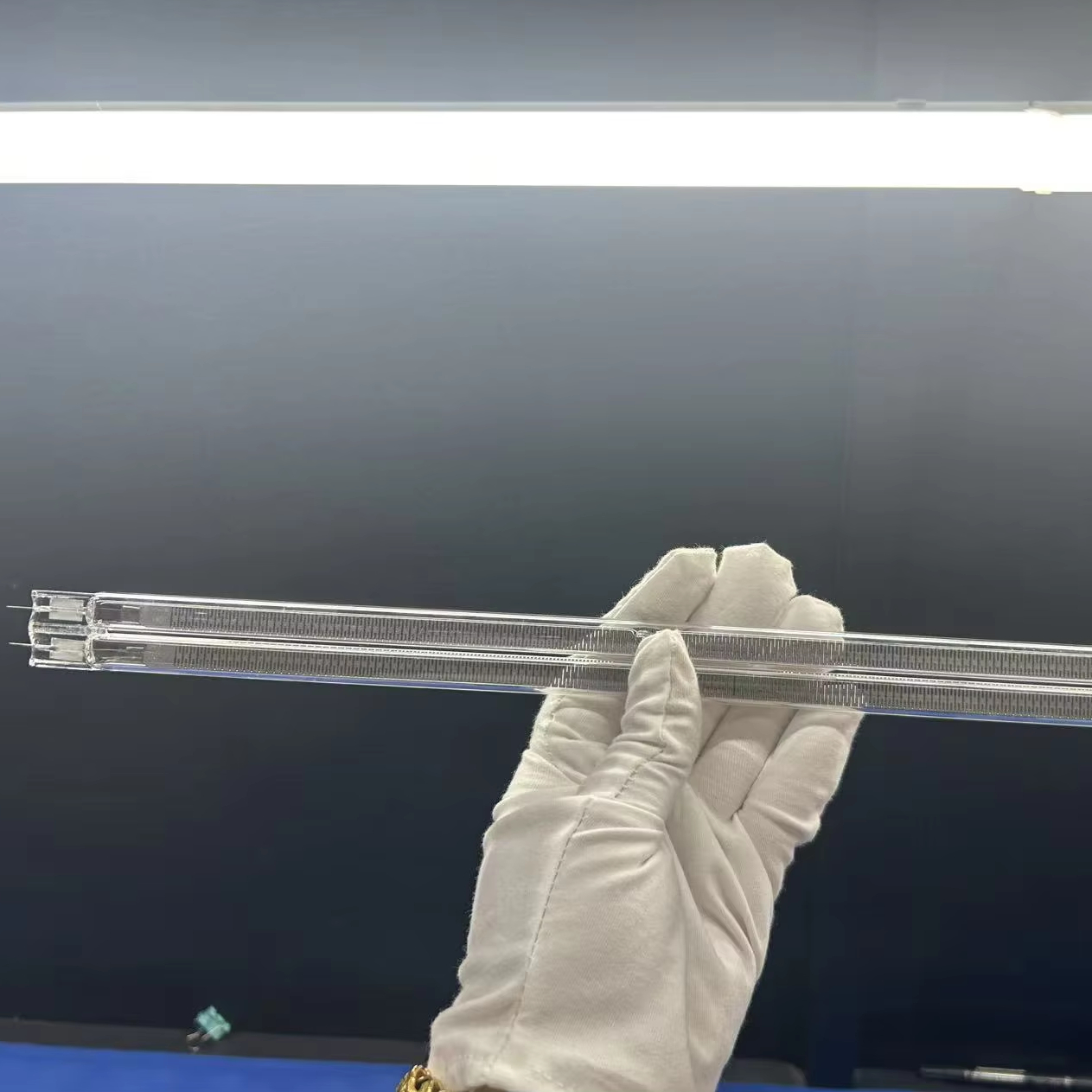
High-Purity Fused Quartz Crucible Manufacturing for the Uppsala Tech Corridor
A rigorous metallurgical overview of raw material refinement, thermal resistance dynamics, and precision glassworking capabilities tailored for Sweden's premier scientific ecosystem.
Precision Material Synthesis at Source
Operating directly from Donghai County, Jiangsu — the world's epicenter of natural quartz refinement and synthetic silica synthesis — Donghai County Nivra Quartz Products Co., Ltd. (operating with 101–200 technical personnel) engineers high-density fused quartz crucibles and laboratory glassware specifically designed to withstand the rigorous demands of Scandinavian research facilities and commercial tech hubs.
For high-tech procurers in Uppsala, selecting crucible vessels capable of withstanding prolonged thermal stress without devitrification or chemical leaching is paramount. Our crucibles undergo electric-arc fusion at temperatures exceeding 2000°C, transforming pure quartz crystal sand into a homogeneous amorphous structure. This ensures an extremely low coefficient of thermal expansion (5.5 × 10⁻⁷ /°C between 20°C and 300°C), allowing our vessels to be quenched from 1100°C directly into cold water without micro-fracturing or dimensional loss.
Whether intended for the growth of single-crystal silicon via the Czochralski (CZ) method, high-temperature calcination of novel battery precursors, or precious metal refining at Uppsala Science Park, our vessels guarantee zero ionic contamination. Total alkali metal impurities (Na, K, Li) are maintained under strict limits (≤ 1.5 ppm combined), preventing crystal lattice defects during critical semiconductor and photonic doping sequences.
Strict Quality Traceability for Swedish Buyers
Procurement teams at Uppsala University and Swedish industrial laboratories require verifiable batch tracking and full compliance with European Union material safety standards. Nivra Quartz integrates rigorous chemical spectrometry (ICP-MS) and laser interferometry across every production phase. Every batch exported to the European Union complies with EU RoHS Directive 2011/65/EU and REACH (EC 1907/2006) mandates, ensuring zero hazardous contaminants.
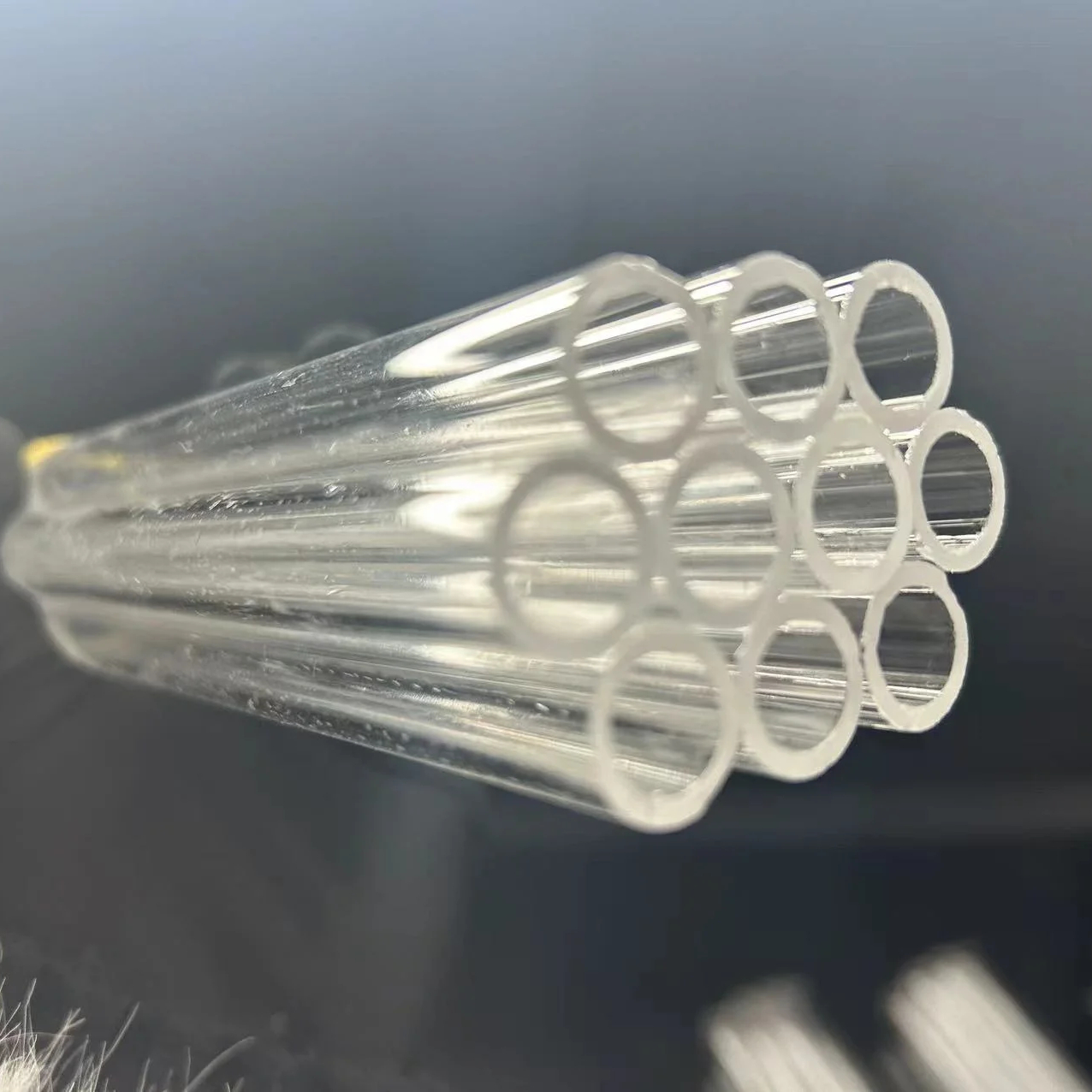
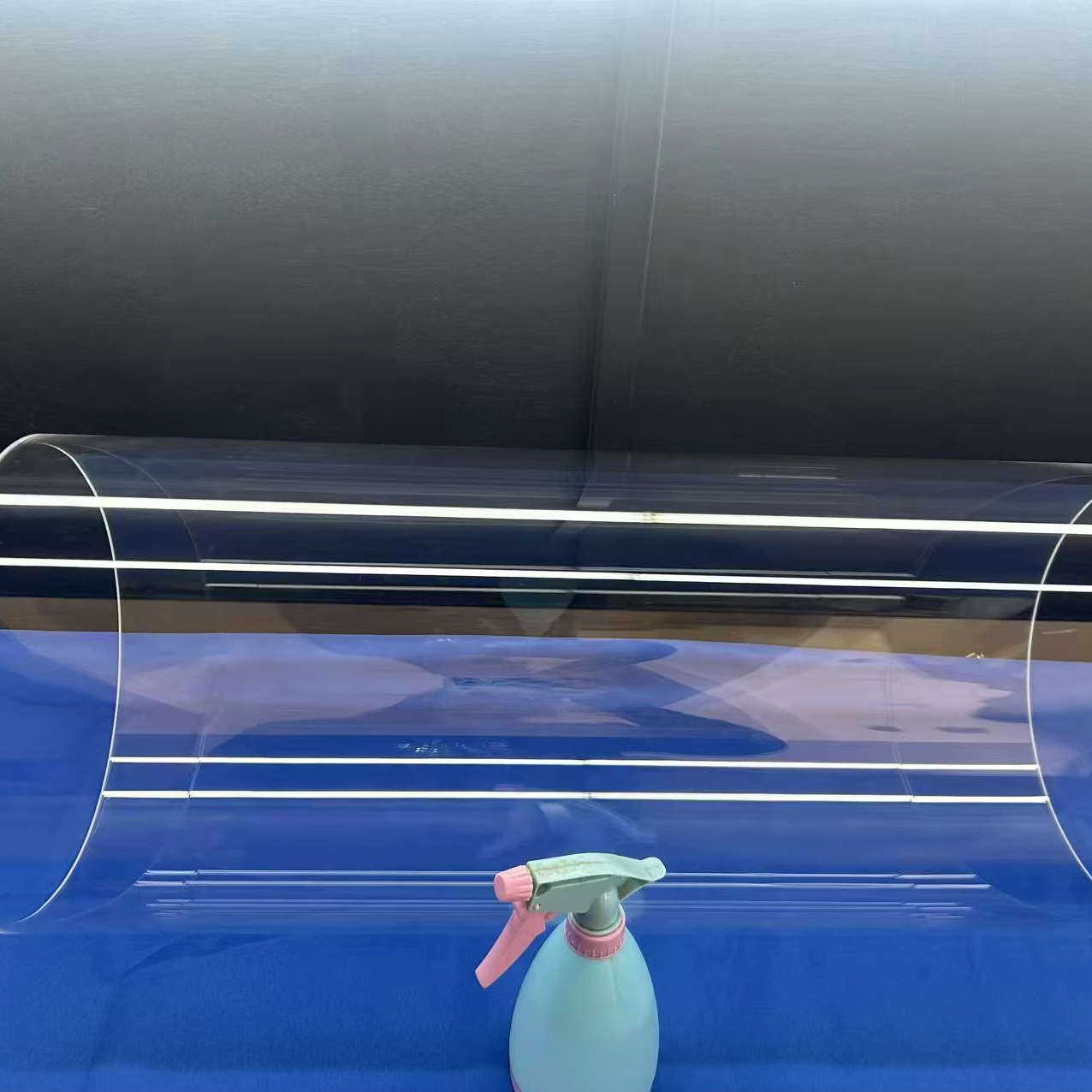
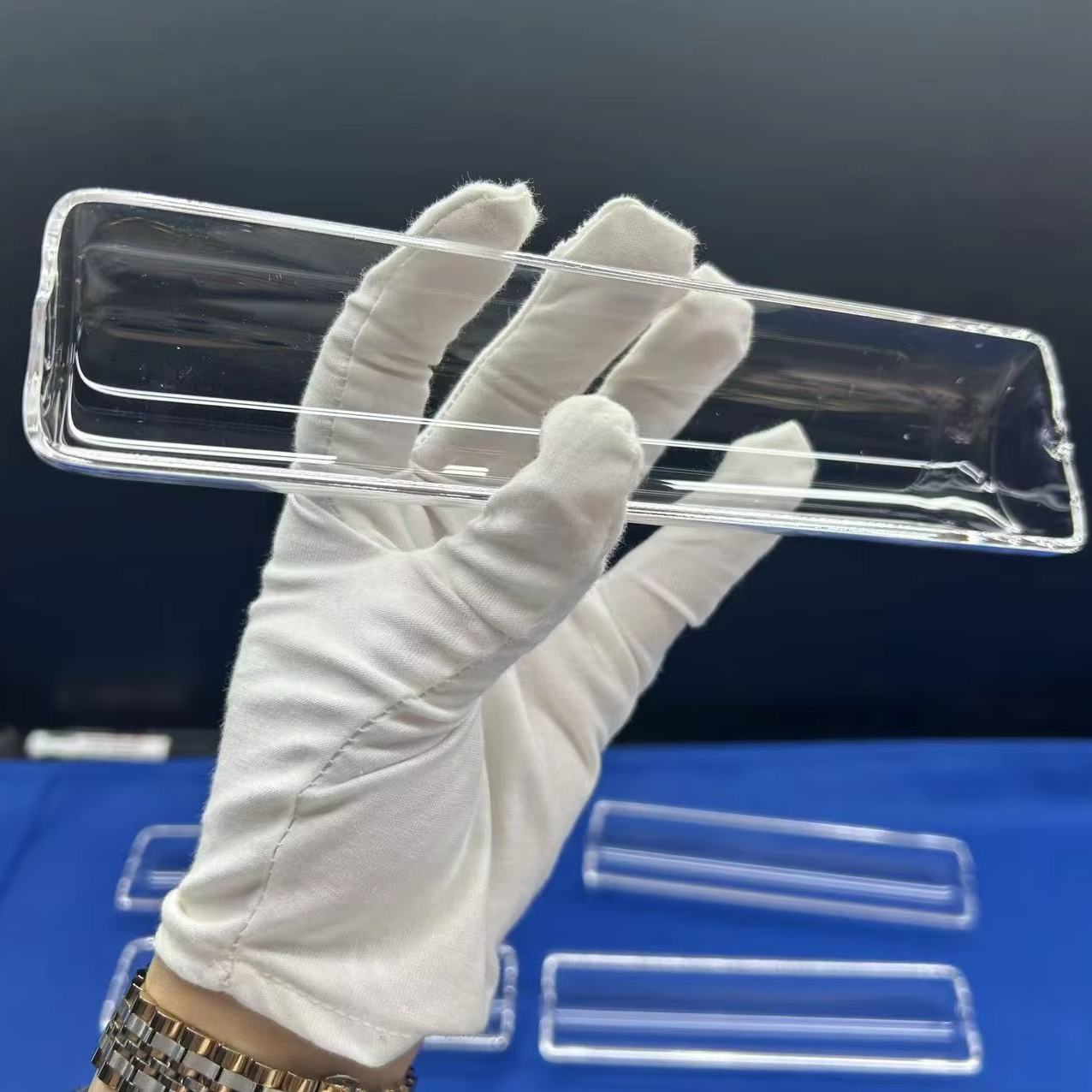
Our automated glass-forming lathes, CNC diamond core drills, and ultrasonic abrasive machining enable tight dimensional tolerances down to ±0.05 mm for specialized custom flanges, custom quartz square cylinder electrolytic cleaning tanks, and slotted wafer carriers. Transparent fused quartz, translucent milky opaque silica, and synthetic UV-grade fused silica (JGS1) can be specified depending on whether maximum thermal insulation, optical clarity, or deep-UV transmissivity is demanded.
Comparative Chemical & Physical Properties of Nivra Quartzware
Verified technical parameters comparing standard clear fused quartz, opaque thermal crucibles, and optical-grade synthetic fused silica.
| Property / Parameter | High-Purity Clear Quartz | Opaque Fused Silica Crucible | Synthetic Fused Silica (JGS1) |
|---|---|---|---|
| SiO₂ Purity Level | ≥ 99.99% (4N) | ≥ 99.95% (3.5N) | ≥ 99.999% (5N) |
| Hydroxyl (OH⁻) Content | < 30 ppm (Thermal Grade) | < 50 ppm | < 5 ppm / > 1200 ppm (Grade Spec) |
| Continuous Working Temp | 1100 °C | 1150 °C | 1150 °C |
| Short-Term Peak Temp | 1450 °C | 1500 °C | 1500 °C |
| Softening Point | 1683 °C | 1695 °C | 1710 °C |
| Thermal Expansion (20–300°C) | 5.5 × 10⁻⁷ / °C | 5.4 × 10⁻⁷ / °C | 5.2 × 10⁻⁷ / °C |
| Optical Spectral Window | 260 nm – 2500 nm | Diffused / Thermal Barrier | 185 nm – 2500 nm (Deep UV) |
| Density | 2.20 g/cm³ | 2.15 – 2.18 g/cm³ | 2.20 g/cm³ |
| Primary Uppsala Applications | Diffusion tubes, cleanroom beakers | Metal melting, battery calcination | Spectroscopy cuvettes, laser optics |
Crucible & Quartzware Deployment in Uppsala's Research Clusters
Engineered to solve real-world high-temperature, contamination-sensitive processing bottlenecks across Uppsala's leading scientific and industrial hubs.
Ångström Cleanroom Semiconductor R&D
Uppsala University’s Ångström Laboratory features world-class cleanrooms requiring high-purity quartz wafer carriers, customized boats, and furnace diffusion liners. Nivra quartz ensures ultra-low ionic leaching, preventing heavy metal degradation during delicate silicon and gallium nitride (GaN) microfabrication.
Next-Gen Battery Precursor Sintering
With Sweden spearheading European green battery innovation, researchers in Uppsala develop advanced solid-state and sodium-ion cathodes. Our fused silica crucibles provide the thermal resilience and chemical non-reactivity required for high-temperature calcination and lithium salt synthesis up to 1300°C.
Life Science & Spectroscopic Analytics
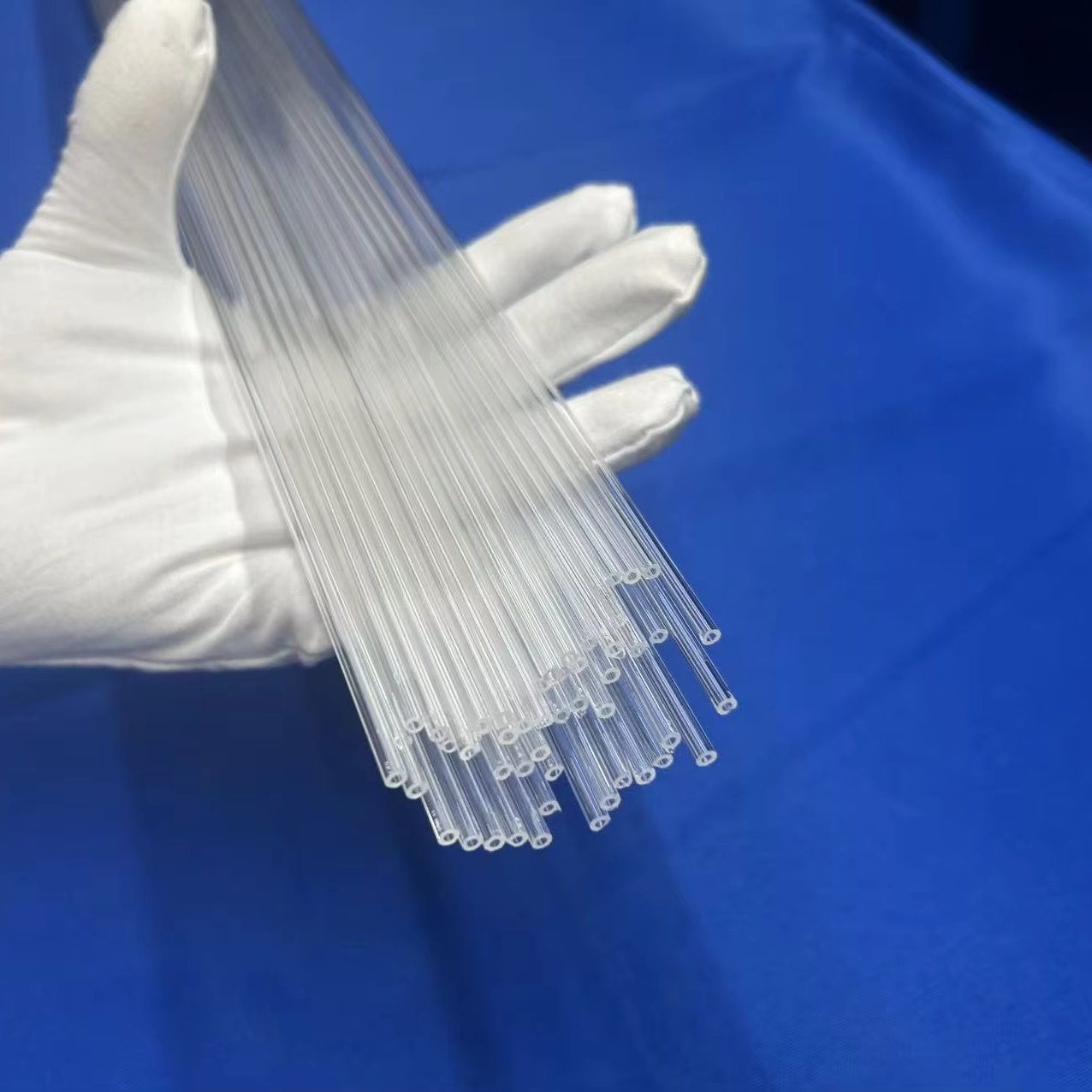
Uppsala’s biomedical and biopharma clusters (BMC & SciLifeLab) rely on our precision capillary quartz tubes and optical cuvettes for deep-UV spectrophotometry, capillary electrophoresis, and analytical chromatography, achieving over 90% transmission across the 200–400 nm waveband.
Czochralski (CZ) Crystal Growth
Fabricated for single-crystal ingot pulling, our large-diameter fused quartz crucibles deliver exceptional dimensional uniformity, smooth bubble-free inner walls, and zero thermal distortion during prolonged melting runs under vacuum or protective argon atmospheres.
Rapid Thermal Annealing (RTA) Systems
Integrated with our carbon fiber and halogen infrared heating tubes, Nivra quartz furnace chambers provide high infrared penetration, exceptional mechanical strength under vacuum, and rapid heat ramp-up rates required by advanced metallurgy laboratories.
Photovoltaic & Thin-Film Solar Research
Uppsala is home to pioneering CIGS and perovskite tandem solar research. Our ultra-clear quartz substrates and protective reaction vessels maintain absolute chemical inertness during selenium, sulfur, and halide vapor deposition processes.
Emerging Technology Trends Shaping Quartz Procurement in Sweden
How the green transition, fossil-free metallurgy, and microelectronics sovereignty are reshaping material requirements across the Uppsala-Stockholm technology corridor.
1. Decarbonized Metallurgy & Fossil-Free R&D
Sweden's transition toward fossil-free steel (HYBRIT initiatives) and emission-free superalloys has stimulated localized research in hydrogen-plasma reduction and electrical induction melting. Uppsala research centers require quartz crucibles capable of operating in pure hydrogen and reduced inert gas environments without structural embrittlement or surface foaming.
Our specialized hydroxyl-controlled (low-OH) fused quartzware eliminates hydroxyl release at high temperatures (>1000°C), preventing process gas poisoning and premature silica devitrification into cristobalite.
2. Circular Sourcing & Supply Chain Resiliency
Swedish procurement officers increasingly evaluate suppliers based on end-to-end supply chain transparency, scrap reduction, and total ownership lifecycle. Nivra Quartz supports circular laboratory economies by providing custom repair, re-flanging, and fire-polishing services for high-value quartz process chambers and long tubes.
By working directly with an established Chinese source in Donghai rather than intermediary distributors, Swedish institutions reduce intermediate transit overhead while securing factory-direct warranty backing and replacement batch consistency.
Why Uppsala Procurement Engineers Partner with Nivra Quartz
Combining Donghai’s raw mineral abundance with international export precision and engineering accountability.
Donghai Epicenter Advantage
Situated in Donghai County — China's recognized crystal and quartz capital — Nivra Quartz secures high-grade crystal sand directly at source. This guarantees uninterrupted supply, stable pricing, and raw material purity verification before processing begins.
Full In-House Processing Line
Our 101–200 employee facility operates state-of-the-art diamond saw cutting, precision CNC cylindrical grinding, dual-side optical lapping, flame lathe forming, hot bending, and electric annealing ovens. No sub-contracting risk means absolute control over tolerance and delivery schedule.
Verified Export Reliability
Boasting a certified 5.0/5.0 buyer satisfaction rating, an 88.89% inquiry response rate, and an average engineering review time under 5 hours. We have dispatched hundreds of specialized consignments across Northern Europe with zero freight damage.
Frequently Asked Questions for Uppsala Technical Buyers
Addressing crucial inquiries regarding international delivery to Sweden, customs clearance, drawing tolerances, and operational longevity.
Request Your Customized Quartz Technical Specification & Catalog
Connect directly with Nivra Quartz's technical engineering department. Submit your 2D/3D CAD drawing, material grade requirements, or target operating environment for rapid technical validation and quote within 5 hours.