Featured Quartz Components & Crucible Assemblies
Precision-manufactured from high-purity natural silica sand in Donghai County. All geometries support strict tolerance matching and custom machining for regional and international OEM integrations.
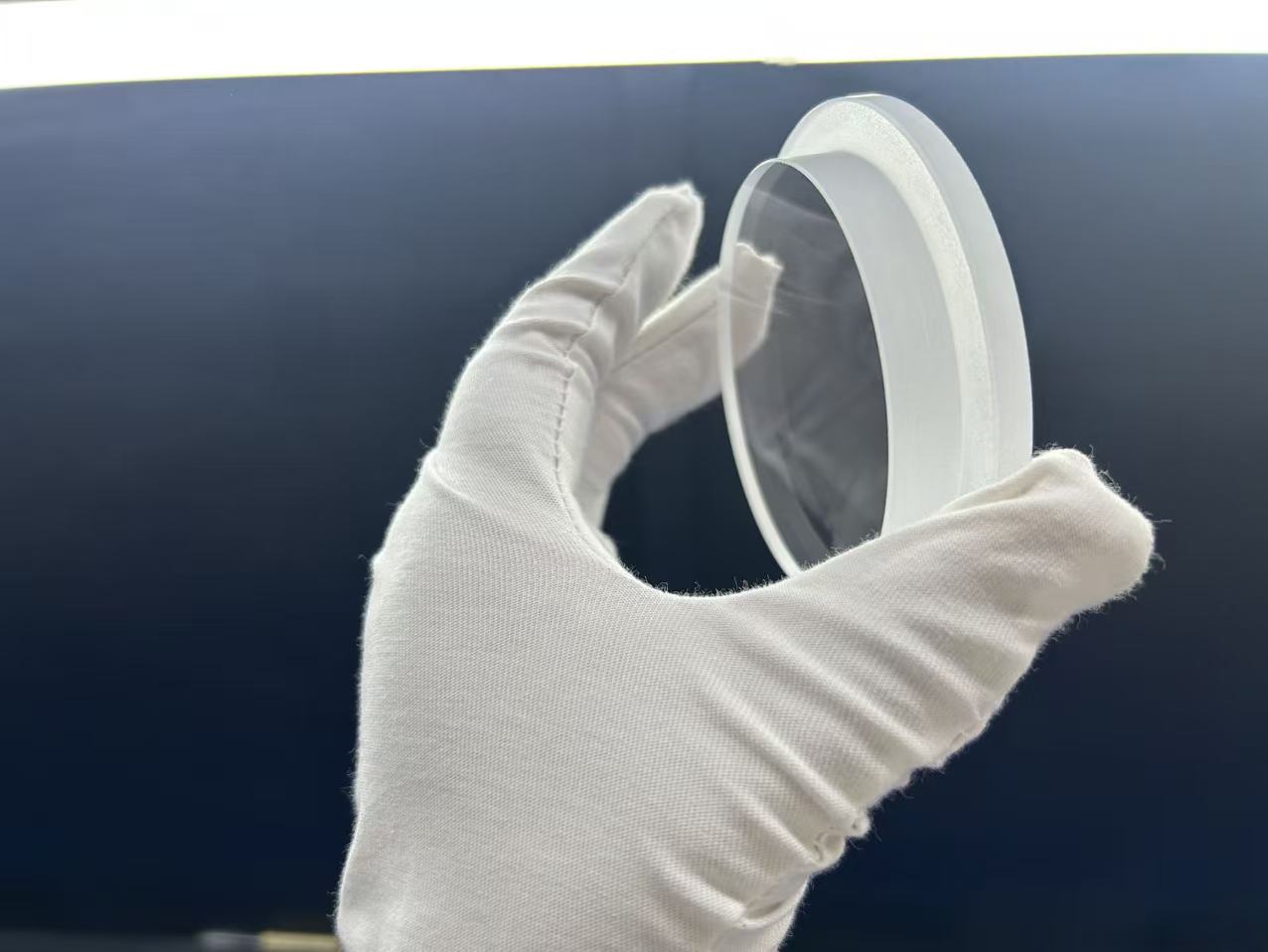
High-Purity Ultra-Thick Double-Layer Step Plate
Diamond CNC surface grinding, optical flame edge finishing, and precision step routing for sealed thermal vessels.
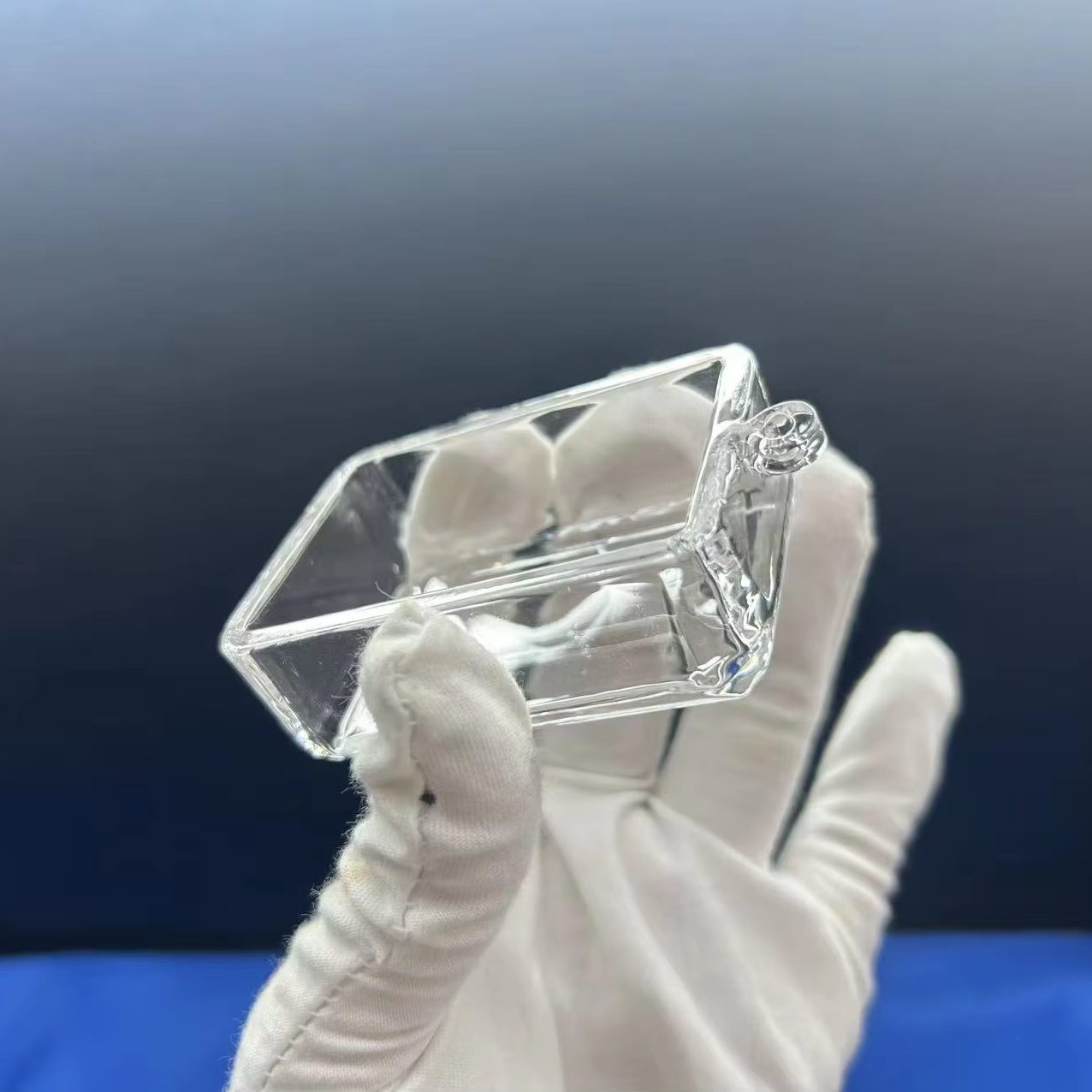
Seamless Fused Silica Quartz Chemical Tank
Hydrofluoric/acid-resistant cleaning bath engineered for ultrasonic agitation and semiconductor wafer rinsing.
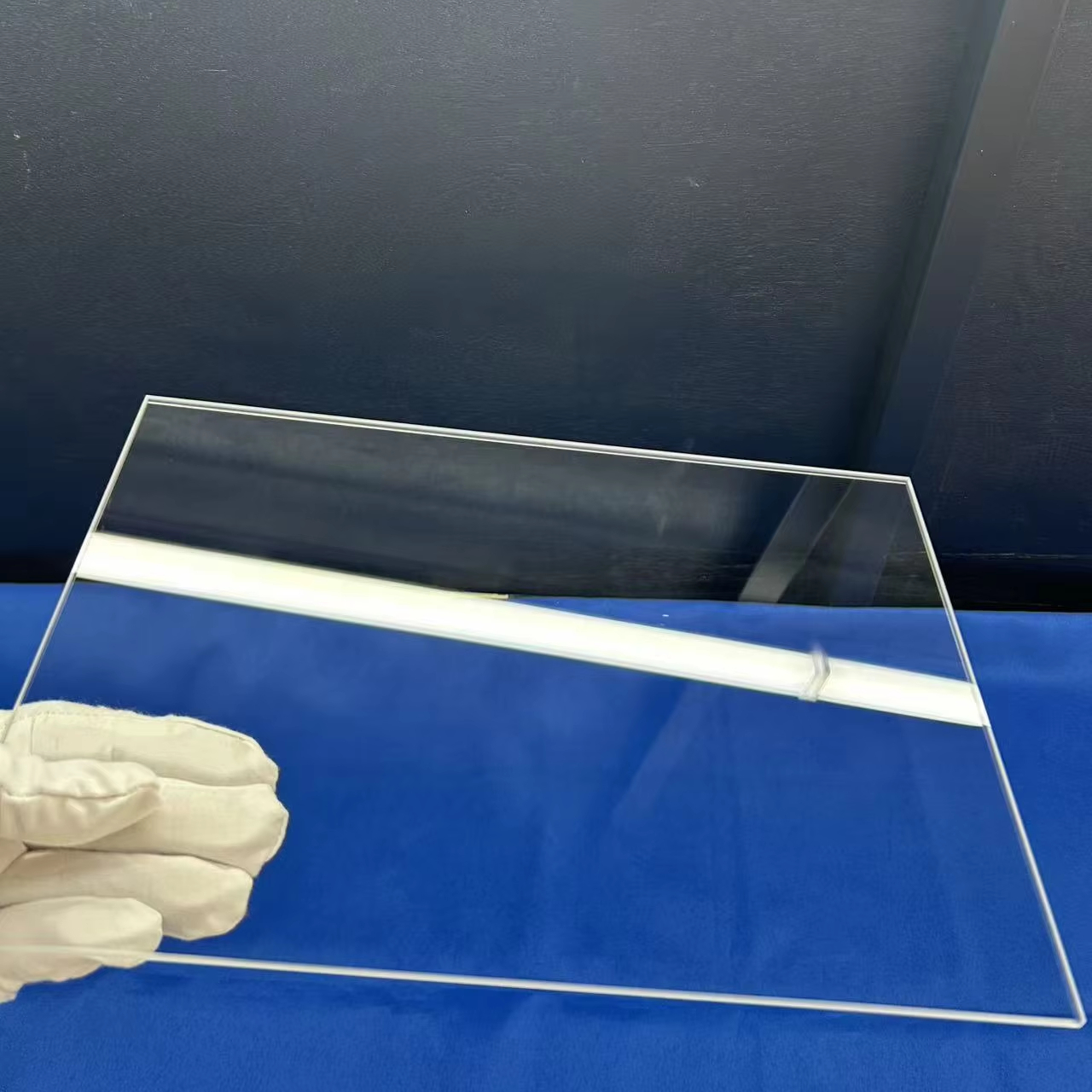
Optical Square Quartz Plate (4mm Thick)
Double-sided optical polishing (λ/4 surface accuracy) with ultra-low thermal distortion for inspection viewports.
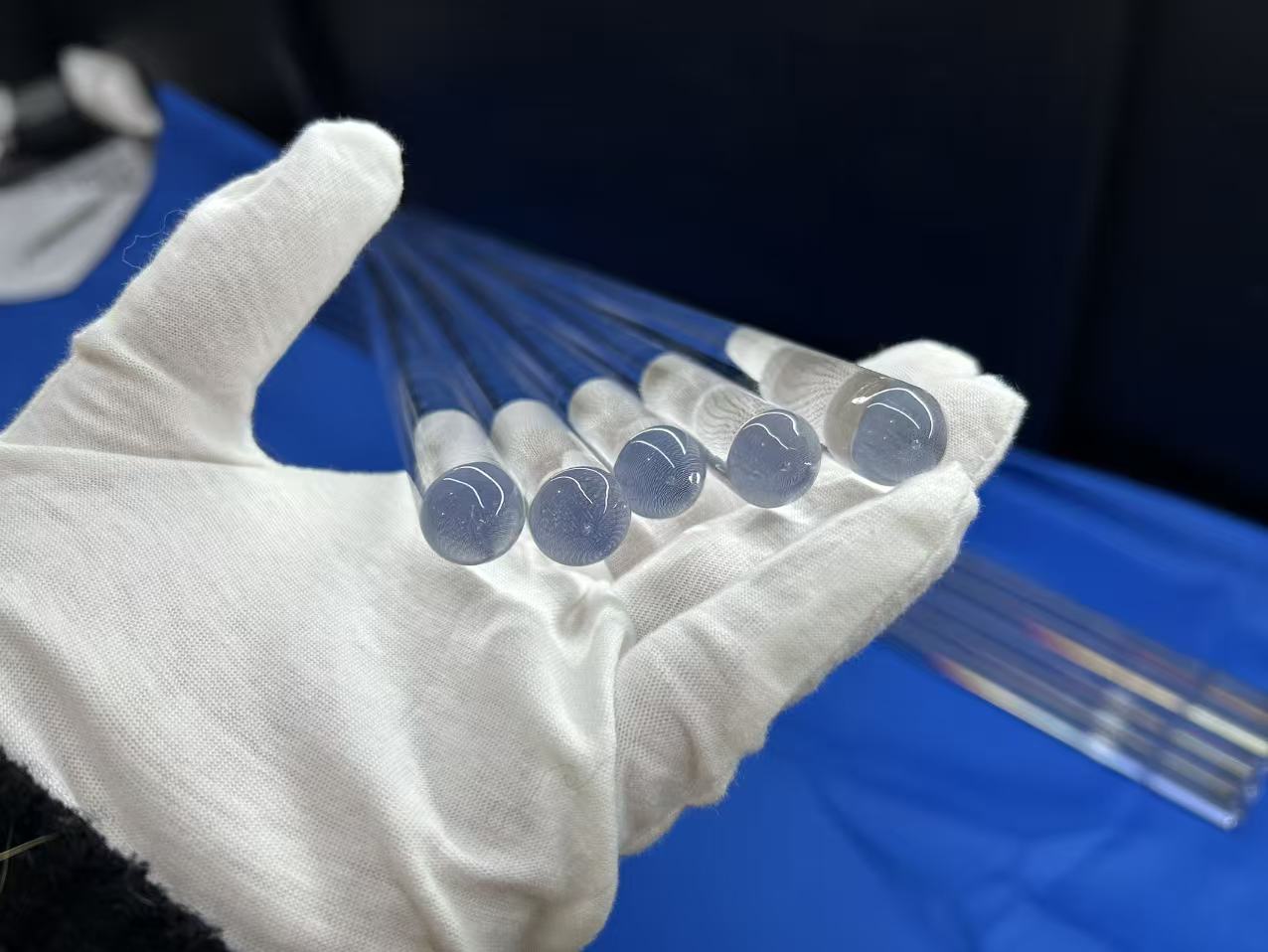
High-Purity Fused Quartz Solid Round Rods
High structural rigidity, thermal shock tolerance up to 1200 °C, offering precision cutting, welding, and bending.
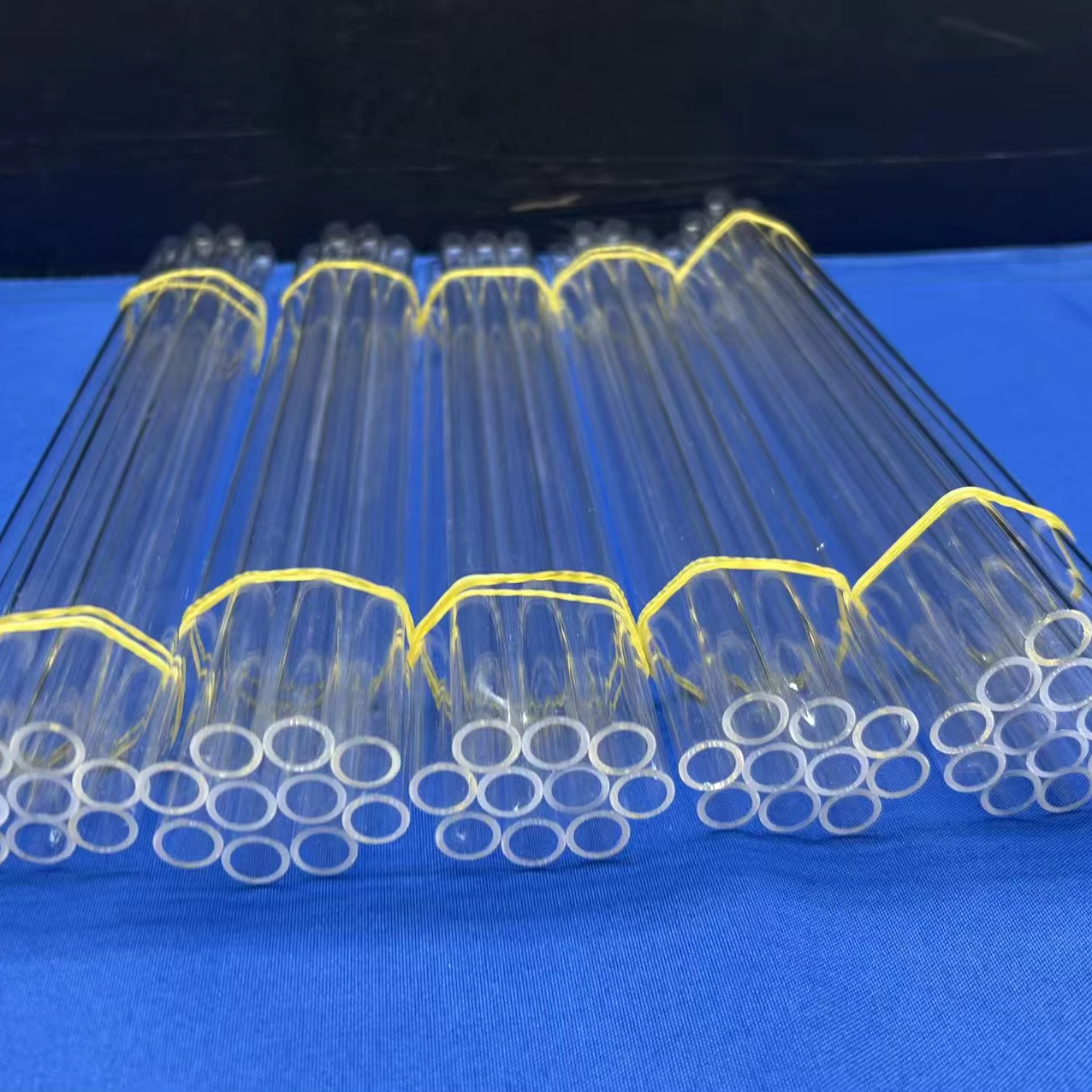
Heavy-Duty Thermal Fused Quartz Test Tube
Annealed flame-worked test tubes for aggressive chemical digestion, spectral clarity, and molten salt reactions.
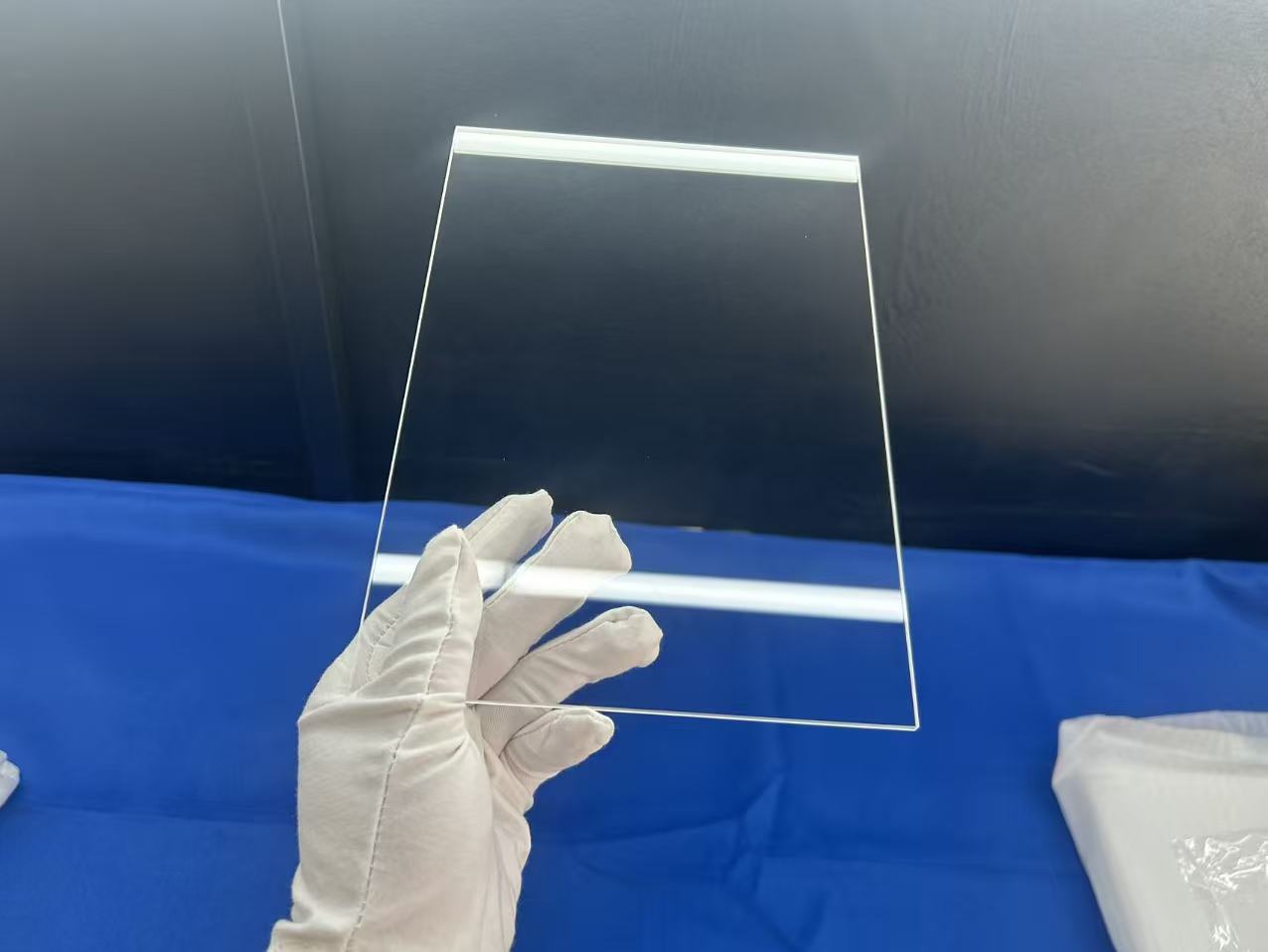
Precision Optical Square Quartz Plate (3mm)
Calibrated thickness tolerance of ±0.05mm, precision chamfered borders, optimized for deep UV and laser windows.
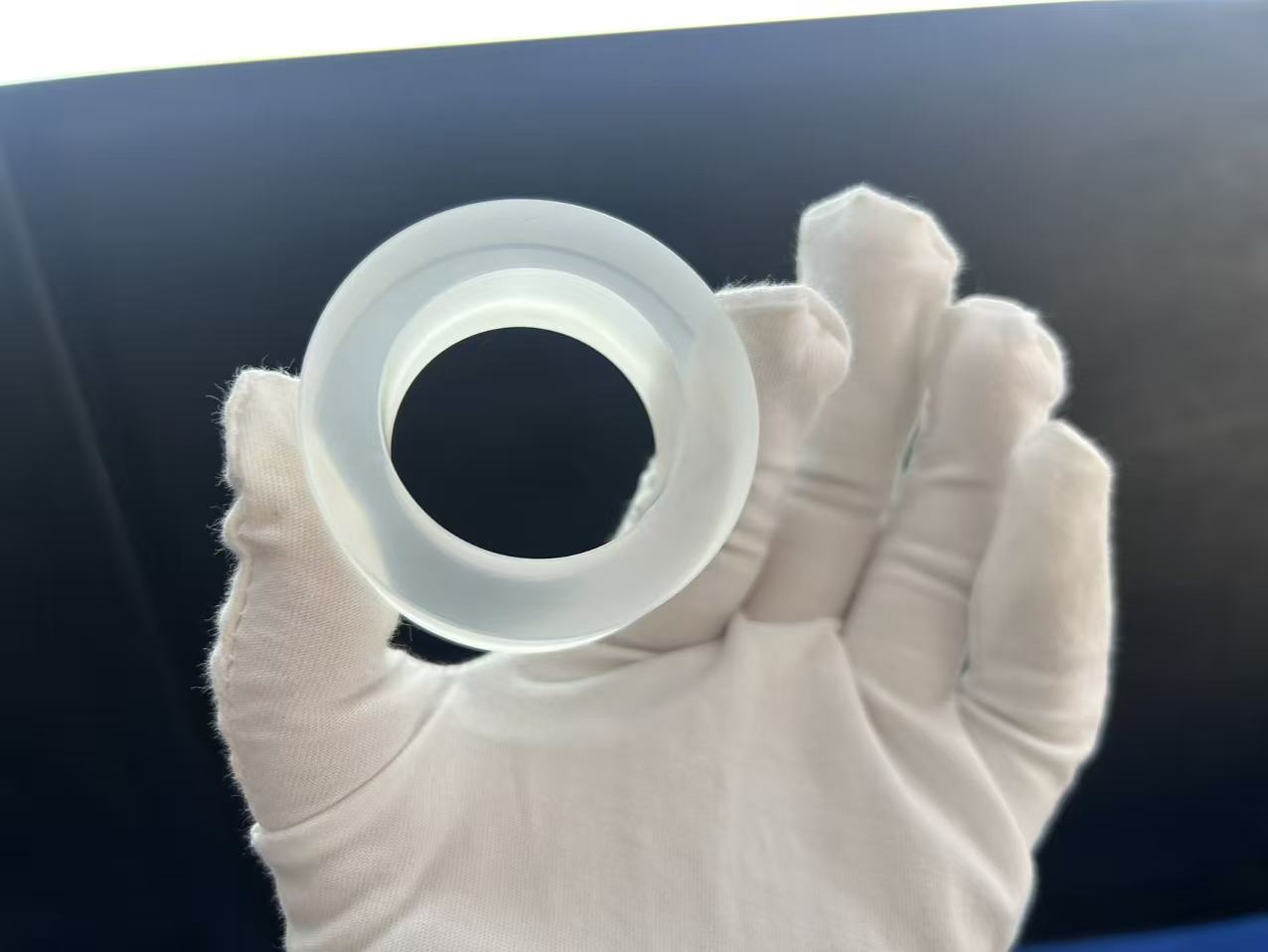
High-Purity CNC Ground Quartz Thermal Ring
Crucible support collars and semiconductor chamber seals engineered to resist radial expansion and thermal fatigue.
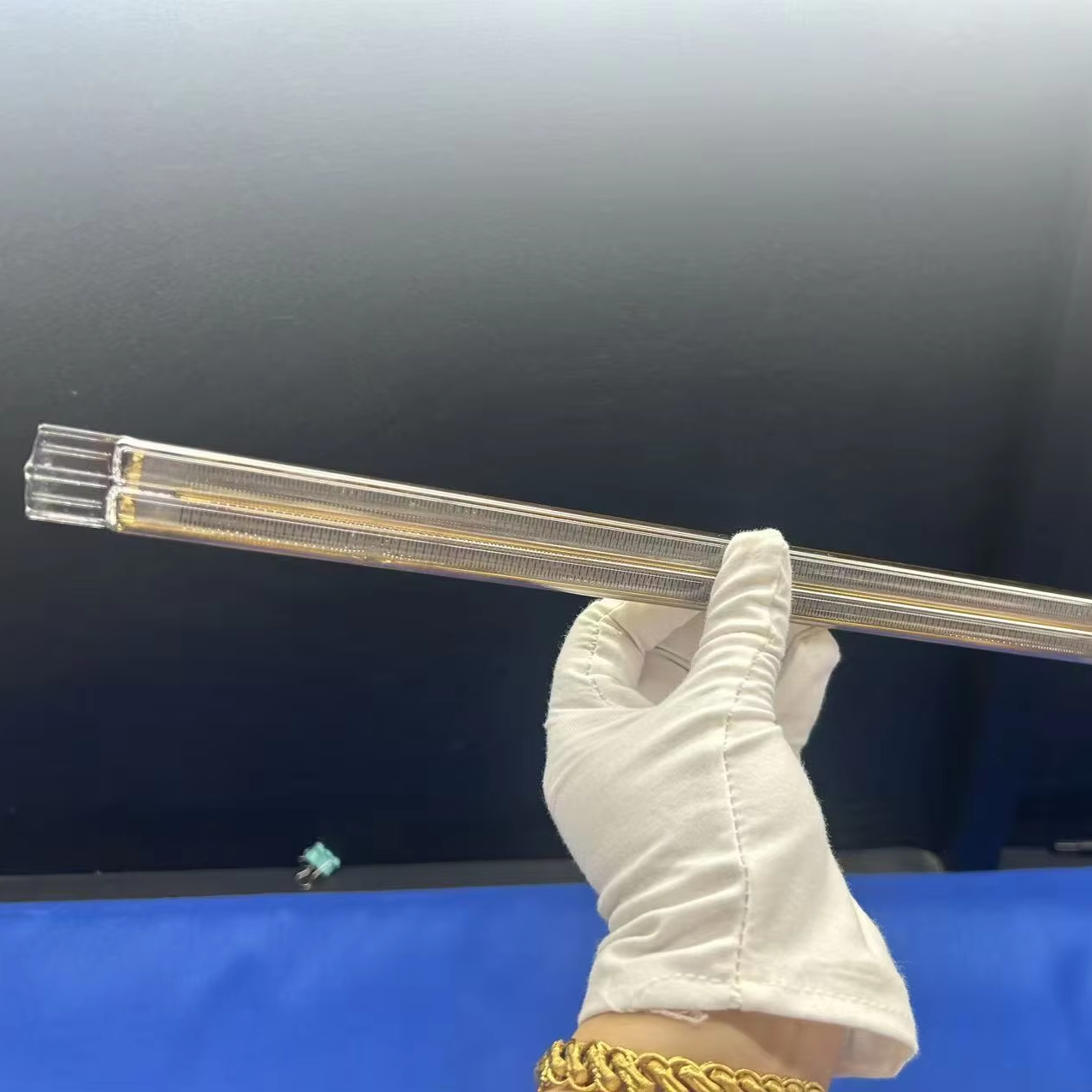
Graphene-Coated Quartz Thermal Heating Tube
High-efficiency electrothermal conversion with fast radiant ramp-up and exceptional infrared thermal transfer.
Vitreous Silica Crucible Dynamics in Thermal Metallurgy & Ingot Pulling
An authoritative engineering assessment of structural phase transformations, alkali metal containment, and microstructural resilience under continuous high-temperature loads.
In high-temperature metallurgy, compound semiconductor synthesis, and photovoltaic Czochralski (CZ) monocrystalline crystal growth, the quartz crucible is not merely an inert container—it is a critical thermodynamically active vessel. Fused quartz crucibles are subjected to severe operating regimes where temperatures consistently exceed 1400 °C in inert or vacuum atmospheres over extended run times. Meeting these conditions requires a rigorous balance of trace purity, inner-wall bubble morphology, and resistance to high-temperature devitrification.
Manufactured by melting exceptionally high-purity natural silica or synthetic silicon precursors (SiO₂ ≥ 99.995%) through electric-arc centrifugal fusion, our quartz vessels exhibit an extraordinarily low linear coefficient of thermal expansion (α ≈ 5.5 × 10⁻⁷ /°C from 20 °C to 1000 °C). This microstructural stability gives them unmatched thermal shock resistance, allowing our products to endure rapid thermal quenching and cyclical heating without cracking or structural deformation.
Sub-PPM Alkali Trace Limits
Elements like Lithium (Li), Sodium (Na), and Potassium (K) catalyze premature cristobalite devitrification. Nivra enforces aggregate alkali levels < 1.2 ppm to ensure extended structural integrity at temperatures exceeding 1350 °C.
Controlled Cristobalite Growth
During continuous ingot pulling, controlled crystallization on the outer wall builds a thin, uniform cristobalite layer. This structural skin enhances mechanical creep resistance and prevents crucible buckling under molten silicon loads.
Dual-Layer Arc Fusion
Our centrifugal arc furnace produces a dense, bubble-free vitreous inner layer fused directly to a micro-porous, opaque outer matrix. The bubble-free contact boundary eliminates gas burst inclusions into molten metals.
For industrial operations in the Split market and across the Mediterranean-Adriatic region, sourcing directly from high-purity processing centers like Donghai County, China, resolves supply constraints for specialized high-temperature vessels. Whether applied in specialized split-tube laboratory furnaces, induction melting furnaces for Dalmatian maritime alloys, or academic research across Croatian material institutes, selecting the proper grade between translucent arc-fused silica, clear flame-blown fused quartz, and synthetic JGS1/JGS2 quartz ensures strict process predictability and minimal contamination.
Industrial & Research Applications in the Split Regional Market
How high-purity quartz crucibles, optical observation viewports, and custom quartzware integrate into the Dalmatian industrial corridor and broader European high-tech value chains.
Maritime Electronics & Sensor Optics
Shipbuilding, naval instrumentation, and subsea sensors in Split demand scratch-proof, high-pressure sight glasses and JGS2 optical quartz discs with minimal index dispersion.
Specialty Metallurgy & Alloy Foundry
Foundries across Central and Coastal Croatia utilize fused quartz crucibles and casting boats for vacuum induction melting (VIM) of non-ferrous and precious metal alloys without carbon contamination.
Photovoltaic Pilot Lines & Thin-Film R&D
As Southern Europe expands solar cell engineering, our high-density quartz tanks and diffusion furnace quartz tubes serve as clean-room vessels for etching, cleaning, and chemical vapor deposition (CVD).
University & Environmental Analytics
The University of Split, Institute of Oceanography and Fisheries, and analytical laboratories rely on Nivra quartz cuvettes, digestion test tubes, and distillation flasks for marine biogeochemical trace analysis.
Emerging Sourcing Trends for the Split & European Quartz Market
Key industry shifts defining procurement strategies for industrial manufacturing hubs along the Adriatic corridor.
01. Shift to Origin-Direct Procurement
European buyers are moving away from regional third-party resellers to eliminate unnecessary markups. Sourcing directly from certified Donghai production hubs reduces lead times for custom drawings while preserving detailed traceability.
02. Stricter Bubble & Inclusions Tolerances
Modern vacuum thermal processes cannot tolerate micro-bubbles near the crucible wall. Buyers in the Split market increasingly specify Grade A bubble classes (< 0.1 mm diameter) to eliminate pinhole leaks during continuous runs.
03. Consolidating Quartz & Sapphire Lines
Engineering procurement teams seek suppliers capable of managing fused silica tubes, machined quartz step plates, and sapphire optical windows simultaneously, streamlining cross-border audits and technical compliance under a single supplier.
Fused Quartz vs. Fused Silica vs. Sapphire: Comparative Engineering Data
Use this reference matrix to match material properties to your process chemistry, operational temperatures, and optical requirements.
| Material Type / Grade | SiO₂ / Al₂O₃ Purity | Max Continuous Temp | Transmission Range | Hydroxyl [OH] Content | Optimal Industrial Use |
|---|---|---|---|---|---|
| Arc-Fused Quartz Crucible | ≥ 99.995% | 1150 °C (1450 °C peak) | Translucent / Opaque | < 30 ppm | Solar Ingot Growth, Silicon Casting, Induction Melting |
| Clear Fused Quartz (JGS2) | ≥ 99.99% | 1100 °C | 220 nm – 2500 nm | < 150 ppm | Sight Glasses, Step Plates, Furnace Tubes, Flanges |
| Synthetic Fused Silica (JGS1) | ≥ 99.999% | 1100 °C | 185 nm – 2500 nm | < 1200 ppm | Deep UV Optics, Laser Windows, Precision Lithography |
| Infrared Fused Quartz (JGS3) | ≥ 99.99% | 1100 °C | 260 nm – 3500 nm | < 5 ppm | IR Heating Lamps, Pyrometry Windows, Thermal Shields |
| Single Crystal Sapphire | ≥ 99.99% Al₂O₃ | 1900 °C | 190 nm – 5000 nm | N/A | High-Wear Instrumentation, Marine Pressure Viewports |
Donghai County Nivra Quartz Products Co., Ltd.
Your direct manufacturing and engineering partner located in Donghai County, Lianyungang, Jiangsu — China’s Crystal & Quartz Capital.
Origin Direct Sourcing
Founded in 2019, operating within China's largest raw silica mining and refining cluster, keeping materials pure and pricing competitive.
Full In-House Machining
Our workforce of 101–200 skilled operators runs CNC grinding, diamond wire slicing, precision flame-polishing, and controlled annealing.
≤5-Hour Engineering Reply
Rapid engineering turnaround with an 88.89% inquiry response rate, providing technical reviews on CAD/STEP drawings within hours.
Export Logistics Protection
Serving North America (40%), Western Europe (20%), and Eastern Europe (14%) with custom shock-proof foam crates built for long-haul shipping.
Frequently Asked Questions: Sourcing Quartz Crucibles for Split
Clear, engineering-driven answers to common questions on material grades, thermal shock performance, tolerances, and export shipping to European ports.
What distinguishes Nivra's quartz crucibles from ordinary laboratory ceramics?
Our quartz crucibles are produced from high-purity natural silica sand (SiO₂ ≥ 99.995%) through electric arc fusion. Unlike alumina or silicon carbide ceramics, high-purity fused silica provides complete chemical inertness to molten silicon and precious metals, an exceptionally low coefficient of thermal expansion, and near-zero contamination risks for high-temperature semiconductor processing.
How do you prevent devitrification during continuous high-temperature cycles?
Devitrification (transformation of amorphous vitreous silica into crystalline cristobalite) is accelerated by surface contamination—particularly alkali metals like Na, K, and Li. Nivra cleans every vessel in high-concentration acid baths followed by ultra-pure deionized water rinses, maintaining aggregate alkali impurities below 1.2 ppm to ensure continuous thermal stability up to 1150 °C (and short-term performance up to 1450 °C).
What dimensional tolerances can you hold on custom-machined quartz parts?
For CNC-milled parts such as stepped plates, ground rings, and custom sight windows, we maintain standard tolerances of ±0.05 mm, with precision tolerances down to ±0.01 mm on optical components upon request. Surface flatness can be controlled down to λ/4, and edge chamfers are flame-polished to remove micro-fractures.
How are fragile quartz items protected during shipping to Split, Croatia?
We use custom shock-absorbing EPE foam molds tailored to each part's outer dimensions, sealing products inside heavy-duty corrugated cartons or fumigation-free wooden export crates. Fragile optical faces are protected with static cling films. We coordinate multimodal shipments to the Port of Split or regional airports with verified low-damage logistics carriers.
What is the typical Minimum Order Quantity (MOQ) for custom parts?
For standard products, our MOQ starts at just 1 to 10 pieces, making prototype validation straightforward. For custom CNC machined plates, specialized crucibles, or test tubes, we accommodate low-volume initial runs so your team can test form, fit, and thermal compliance before moving to volume production.
Can you support custom drawings in CAD, STEP, or PDF formats?
Yes. Our engineering department works directly with .DWG, .DXF, .STEP, .IGES, and dimensioned PDF engineering drawings. We review wall thicknesses, flame transitions, and machining tolerances within 5 hours, offering manufacturability feedback and price quotations quickly.
Ready to Engineer Your Quartz Thermal Components?
Consult with our quartz fabrication engineers today. Whether you need standard crucible stock, custom-welded chemical cleaning tanks, or tight-tolerance optical quartz windows for the Split market, our team provides fast technical reviews and dependable factory pricing.