Featured Quartz Products & Custom Fabrication Solutions
From single-piece prototyping to containerized production, every optical disc, wafer, and high-temperature quartz tube meets stringent international DIN and ASTM specifications.
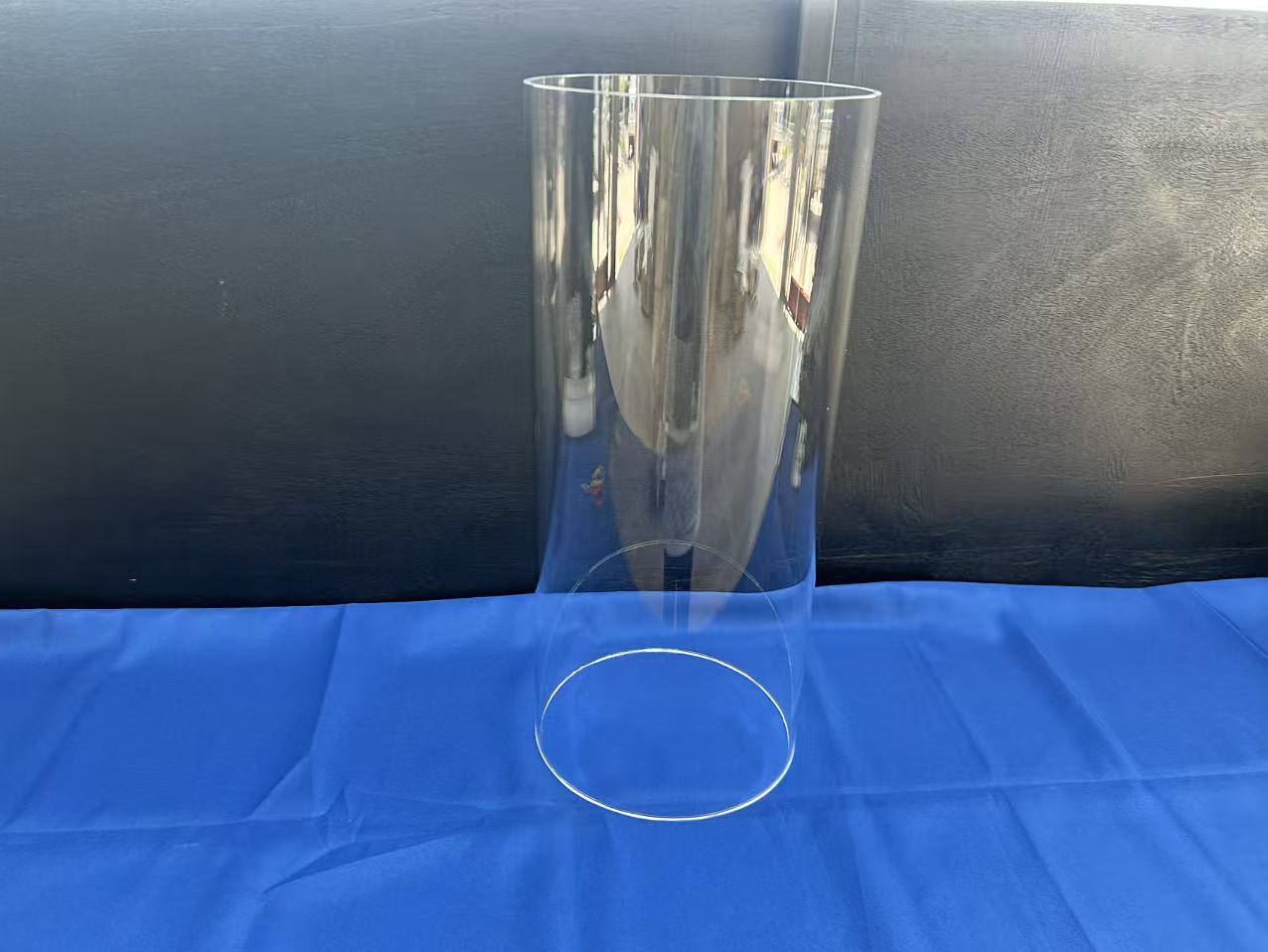
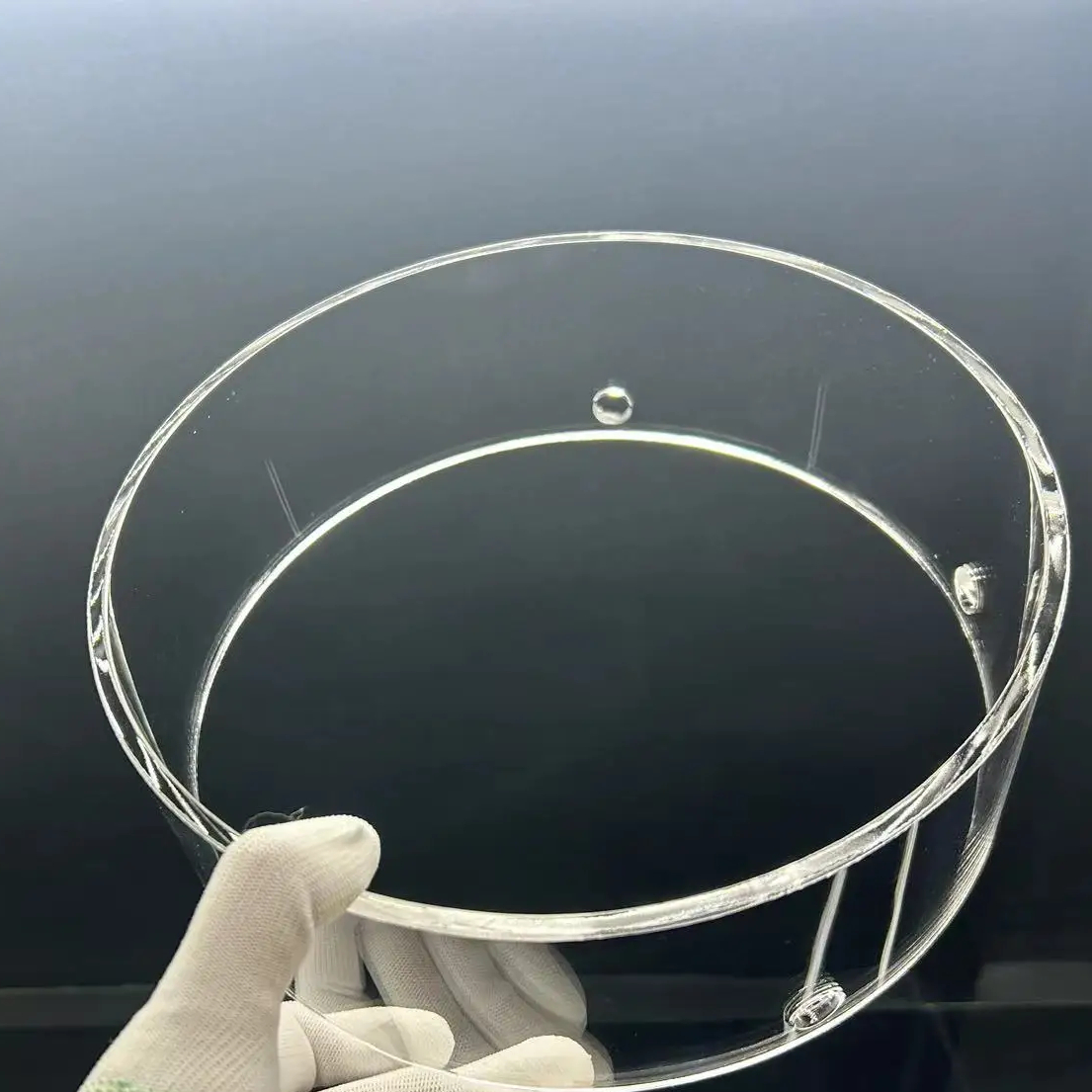
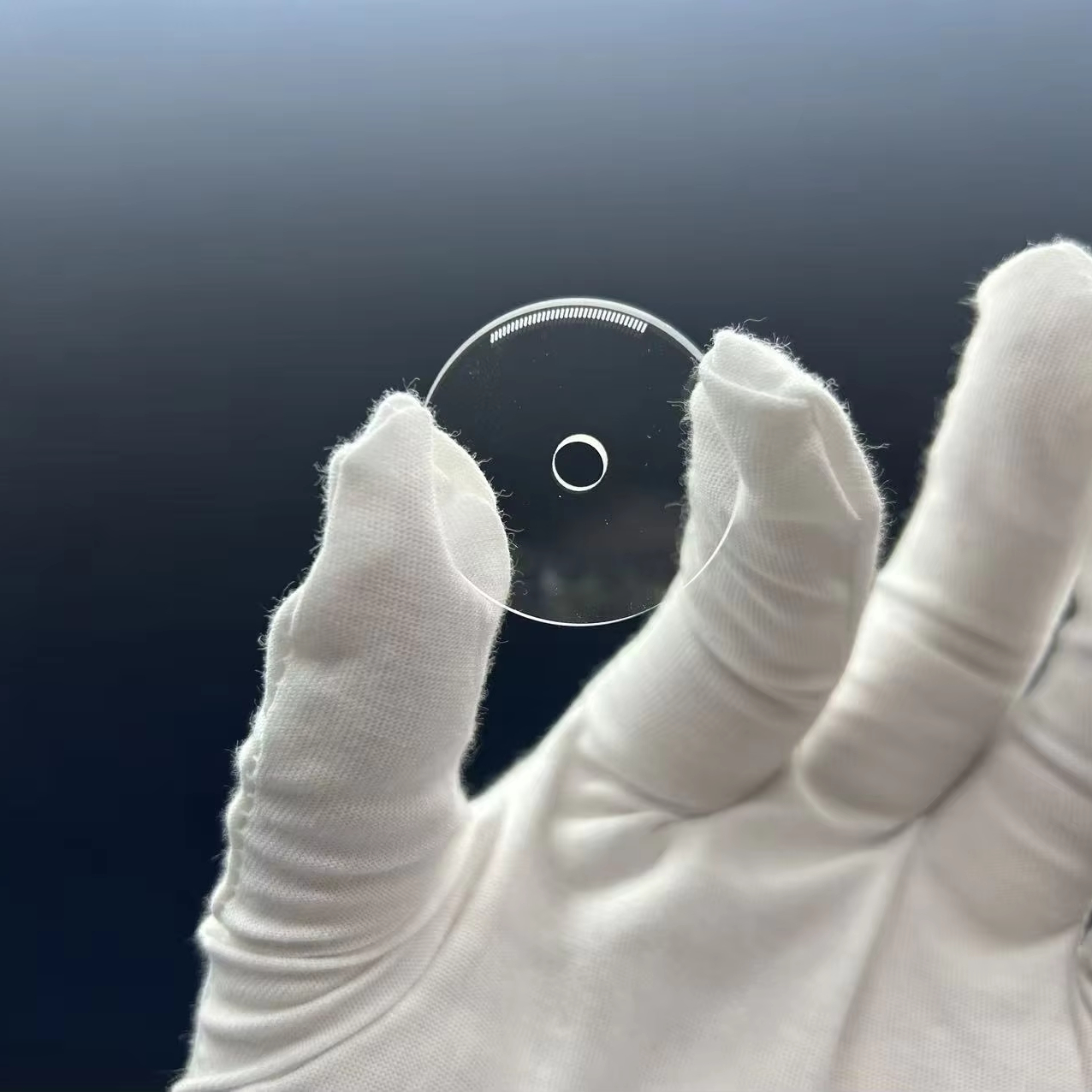
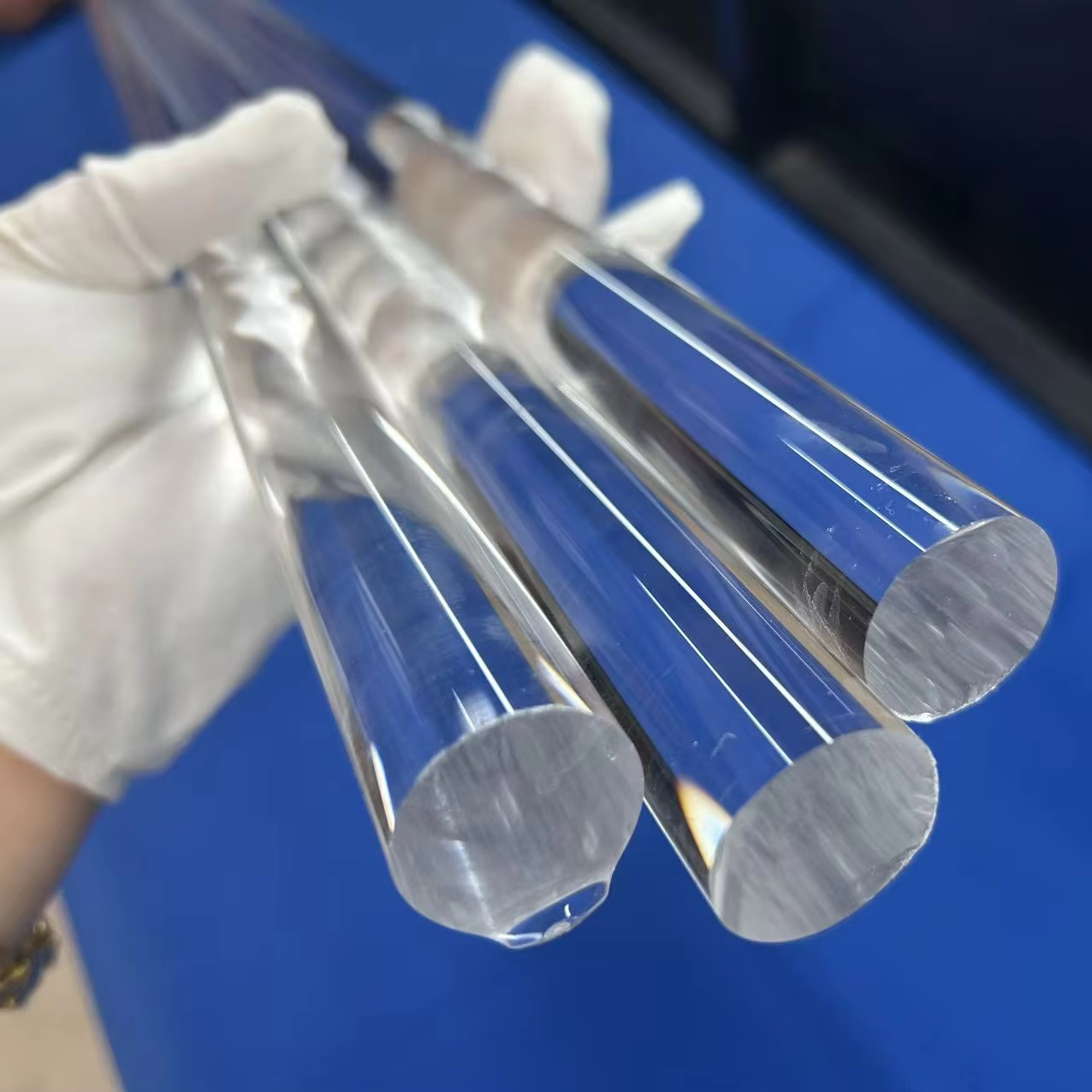
Engineering Synthesis: Fused Silica vs. Natural Fused Quartz for Optomechanical Applications
Polished quartz discs serve as foundational optomechanical elements where conventional borosilicate glasses fail catastrophically due to thermal shock, structural de-vitrification, or broad-spectrum UV/IR attenuation. Donghai County Nivra Quartz Products Co., Ltd. leverages the unique mineral richness of Donghai County—China's recognized quartz capital—to produce synthetic fused silica and natural fused quartz discs optimized specifically for the operational stresses of Southeast European heavy industries.
When engineering optical observation viewports, laser windows, and sensor substrates for the Bosnia and Herzegovina market, understanding the structural differences between grade JGS1, JGS2, and JGS3 is critical for ensuring component longevity and optical fidelity:
"Selecting the proper optical quartz grade eliminates unnecessary procurement over-expenditures while preventing operational optical degradation caused by hydroxyl absorption bands or deep-UV solarization."
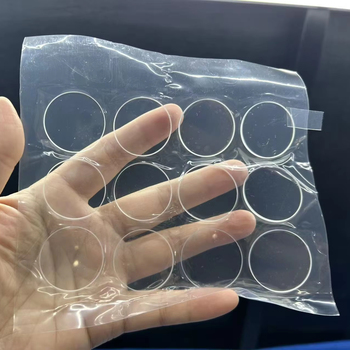
Comprehensive Physical, Optical, and Thermal Properties of Polished Quartz Discs
Verified ISO 9001 Standard| Physical / Thermal Parameter | Standard Fused Silica (JGS1) | Optical Fused Quartz (JGS2) | Infrared Fused Quartz (JGS3) |
|---|---|---|---|
| Primary Optical Transmission Range | 185 nm – 2,500 nm (Deep UV to Vis) | 220 nm – 2,500 nm (Standard Optical) | 260 nm – 3,500 nm (Low-OH Infrared) |
| Silicon Dioxide (SiO₂) Purity | ≥ 99.999% (Synthetic SiCl₄ synthesis) | ≥ 99.99% (Donghai natural crystal) | ≥ 99.99% (Electro-fused vacuum melt) |
| Hydroxyl (OH⁻) Ion Concentration | High (approx. 800 – 1200 ppm) | Medium (approx. 150 – 200 ppm) | Ultra-low (< 5 ppm, eliminating 2.73μm dip) |
| Coefficient of Thermal Expansion (CTE) | 5.5 × 10⁻⁷ /°C (20°C to 320°C) | 5.5 × 10⁻⁷ /°C (20°C to 320°C) | 5.4 × 10⁻⁷ /°C (20°C to 320°C) |
| Maximum Continuous Operating Temperature | 1,100°C (Short-term up to 1,350°C) | 1,100°C (Short-term up to 1,450°C) | 1,150°C (Short-term up to 1,450°C) |
| Softening Point / Annealing Point | 1,683°C / 1,140°C | 1,683°C / 1,140°C | 1,710°C / 1,160°C |
| Surface Roughness (Double-Sided CMP) | Ra < 0.5 nm (Super-polished optical) | Ra 0.8 nm – 1.2 nm (Precision lapped) | Ra < 1.0 nm (IR Spectroscopic grade) |
| Scratch-Dig (MIL-PRF-13830B) | 10-5 or 20-10 (Laser-quality finish) | 40-20 or 60-40 (Industrial viewport) | 40-20 (IR Thermal imaging window) |
| Wavefront Distortion (Transmission Flatness) | λ/4 to λ/10 per 25mm @ 632.8 nm | λ/2 to 1λ per 25mm @ 632.8 nm | λ/2 per 25mm @ 632.8 nm |
Industrial Application Scenarios across Bosnia and Herzegovina
As Bosnia and Herzegovina intensifies the modernization of its heavy metallurgical heritage and expands clean-energy infrastructure, precision polished quartz discs perform vital operational roles across specialized municipal and regional hubs.
Metallurgical Blast Furnaces & Foundries in Zenica
Zenica's long-established steelmaking and rolling mills operate blast furnaces and electric arc furnaces generating temperatures above 1,300°C. Polished quartz discs installed as optical pyrometer sight glasses withstand continuous thermal radiation and airborne slag splatter without shattering. Their negligible coefficient of thermal expansion prevents thermal stress fractures during high-pressure furnace blowback.
Chemical & Thermal Power Processing in Tuzla
Tuzla's cluster of industrial chemical plants and thermal power facilities relies on JGS2 and JGS3 quartz discs for sight-level gauges on high-pressure steam boilers and acid reaction vessels. With near-total chemical immunity to sulfurous acid, hydrochloric acid, and organic solvents, fused quartz sight glasses maintain optical clarity where standard alkali-silicate glasses cloud and erode within weeks.
Hydropower Diagnostics along Neretva & Vrbas
Turbine bearing housings and lubrication filtration networks in hydroelectric plants (such as Jablanica, Grabovica, and Bočac) require real-time dielectric particle monitoring. Precision-ground quartz discs provide transparent, high-pressure boundary barriers for laser particle-counters, ensuring continuous operational monitoring of turbine oil without deflection or pressure failure.
University R&D & Applied Physics in Sarajevo
Institutes such as the University of Sarajevo (UNSA) and the University of Banja Luka use our JGS1 UV synthetic fused silica discs for optical spectroscopy, laser beam attenuation flats, and vacuum chamber viewports. With transmission down to 185 nm, these discs enable deep-ultraviolet photochemical analysis and precision optical alignment.
Pharmaceutical Bioprocessing & Photometrics
Bosnia's expanding pharmaceutical sector requires inert, non-leaching contact components. Polished quartz discs installed in spectrophotometer flow-through cuvettes and inline sanitary pipeline viewing windows comply with rigorous European pharmacopeia standards, withstanding steam sterilization (autoclaving at 134°C) without surface hazing.
Urban Air Quality & Emission Monitoring
Urban valley topography in Sarajevo, Zenica, and Tuzla requires intensive monitoring of particulate matter (PM2.5, PM10) and SO₂ emissions. UV-grade fused silica discs are integrated into optical absorption spectrometers and LIDAR systems, delivering consistent refractive accuracy in harsh outdoor winter conditions.
B2B Procurement Trends Shaping Bosnia and Herzegovina's Industrial Supply Chain
Procurement managers and plant engineers across Bosnia and Herzegovina are actively restructuring their advanced materials supply chains. Historically dependent on secondary European distributors located in Germany, Austria, or Italy—who rebrand and mark up precision quartz components by 35% to 65%—Bosnian industrial enterprises are rapidly shifting toward direct-from-manufacturer sourcing.
This strategic transition is driven by three macro trends:
-
•
Alignment with EU Harmonized Standards: As Bosnia and Herzegovina progresses in its European Union candidate status, industrial procurement strictly demands compliance with CE marking, EN 10204 3.1 material certificates, and RoHS/REACH environmental directives for raw quartz materials.
-
•
Mitigation of Energy Plant Downtime: Unplanned outages in power-generating units (e.g., Kakanj, Stanari) due to sight glass failure result in massive revenue losses. Plant engineers now specify double-side polished fused silica with verified Ra < 0.5 nm to eliminate micro-crack stress concentrations.
-
•
Supply Chain Nearshoring & Digital Traceability: Direct engineering review via STEP/CAD files and expedited air cargo directly into Sarajevo International Airport (SJJ) allows local manufacturers to reduce procurement lead times from 14 weeks to under 18 business days.

Donghai County Nivra Quartz Products Co., Ltd.
Founded in February 2019 in Donghai County, Jiangsu—the premier raw quartz melting center of Asia—our facility combines integrated mineral sourcing, automated CNC optical machining, and dedicated export logistics serving the European market.
Source Advantage
Located directly at the Donghai raw material hub, eliminating raw crystal supply constraints and intermediary markups.
Precision Machining
Equipped with 4-axis CNC ultrasonic milling, double-sided planetary polishing (Ra < 0.5 nm), and fire-polishing workshops.
Fast Technical Response
Dedicated engineering team ensuring ≤ 5 hours response time and an 88.89% customer inquiry conversion rate.
Export Packaging
Custom shock-absorbing EPE multi-layer foam and fumigation-free wooden crates guarantee zero-breakage international transit.
Frequently Asked Questions for Buyers in Bosnia and Herzegovina
Essential customs, technical tolerances, freight routing, and financial guidance for industrial buyers, procurement specialists, and university laboratories across BiH.
What customs HS codes, tariffs, and VAT (PDV) apply when importing quartz discs into Bosnia and Herzegovina?
Polished quartz discs and fused silica optical elements typically enter Bosnia and Herzegovina under HS Code 7002.31.00.00 (Tubes of fused quartz or other fused silica) or HS Code 7006.00.90.00 (Glass of heading 70.03, 70.04 or 70.05, bent, edge-worked, engraved, drilled, enamelled or otherwise worked) and HS Code 9001.90.00.00 for optical lenses and unmounted optical elements. Standard customs duties generally range from 0% to 5% depending on specific end-use exemptions, alongside the standard Bosnia and Herzegovina Value Added Tax (PDV) of 17% administered by the Indirect Taxation Authority (Uprava za indirektno oporezivanje - UIO BiH). Nivra Quartz provides commercial invoices, packing lists, and Certificates of Origin (COO) to facilitate smooth clearance at Sarajevo, Gradiška, or Halilovići customs terminals.
What are the primary logistics corridors for fragile quartz shipments to Bosnia and Herzegovina?
For urgent prototype batches and high-value optical discs under 100 kg, we utilize priority air express (DHL, FedEx, or air cargo via Turkish Cargo / Austrian Cargo) landing directly at Sarajevo International Airport (SJJ), with transit times averaging 5 to 7 business days from dispatch. For larger industrial quantities (furnace viewports, quartz tubes, or bulk crucibles), consolidated ocean freight routes ship via the Mediterranean to the Port of Ploče (Croatia)—the historical maritime gateway for Bosnia and Herzegovina—or the Port of Rijeka, followed by bonded truck transit through the Corridor Vc route directly to Zenica, Tuzla, or Sarajevo.
How does Nivra Quartz ensure zero breakage during intercontinental transit?
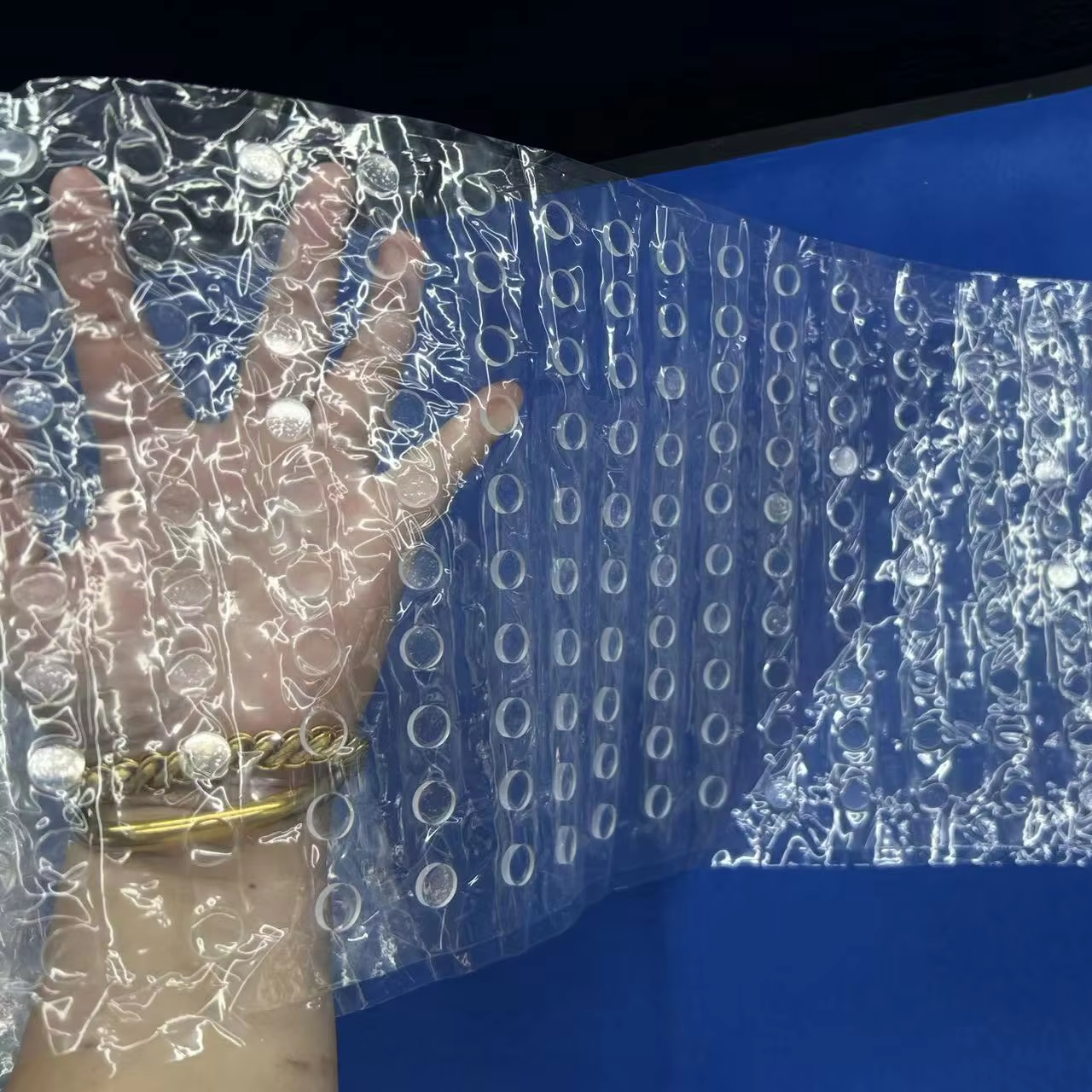
Every polished quartz disc undergoes class-10,000 cleanroom ultrasonic cleaning and is vacuum-sealed in dust-free PE blister packaging or interleaved with lens tissue paper to prevent surface friction and scratching. Components are then nested in custom-molded, high-density expanded polyethylene (EPE) shock-absorbing foam inserts within inner rigid boxes. Final shipments are secured inside export-grade, five-ply corrugated master cartons or customized fumigation-free plywood crates reinforced with exterior steel banding and tilt/shock sensor indicators.
Can we order small prototype quantities for university research or pilot plant trials?
Yes. We support university laboratories, academic physics departments, and industrial R&D groups with minimum order quantities (MOQ) as low as 1 to 10 pieces for standard polished discs and custom-dimensioned test flats. For small batch prototypes, our engineering department reviews your STEP, DWG, or PDF technical drawings to provide rapid DFM (Design for Manufacturability) analysis, pricing, and sample fabrication schedules within 5 hours.
What dimensional tolerances and surface finishes can your facility achieve on quartz discs?
Our computerized double-sided lapping and chemical-mechanical polishing (CMP) machinery consistently maintains diameter tolerances to ±0.02 mm, thickness tolerances down to ±0.01 mm, parallelism to < 10 arcseconds, and transmitted wavefront distortion of λ/4 to λ/10 per 25 mm at 632.8 nm. Surface quality meets military optical specifications MIL-PRF-13830B at 20-10 or 10-5 scratch-dig for laser optics, with surface roughness verified via white-light optical profilers at Ra < 0.5 nm.
Are material inspection certificates and transmission spectrophotometer data provided?
Every export shipment includes comprehensive quality assurance documentation: an EN 10204 3.1 Mill Test Certificate (MTC) stating SiO₂ purity (≥ 99.99%), trace elemental impurities (Fe, Al, Ti, Ca, Mg, Na in ppm), optical transmission curve data across the 190 nm–3,200 nm spectrum measured on PerkinElmer spectrophotometers, and dimensional verification reports from our coordinate measuring machines (CMM).