USNorth America 40%DEGermanyFRFranceITItalyESSpainNLWestern Europe 20%RUEastern Europe 14%BRSouth America 11.4%SENorthern Europe 10%AUOceania 3.1%ZAAfrica 1.5%KRKoreaJPJapanUSNorth America 40%DEGermanyFRFranceITItalyESSpainNLWestern Europe 20%RUEastern Europe 14%BRSouth America 11.4%SENorthern Europe 10%AUOceania 3.1%ZAAfrica 1.5%KRKoreaJPJapan
Semiconductor & Photonic Grade Fused Silica
Perforated Quartz Tube Suppliers & Exporters serving the Kuala Lumpur market
Custom CNC micro-drilled fused silica manifolds, high-purity thermal process tubes, and laminar diffusion reactors delivering certified 99.99% SiO₂ precision across Selangor, Klang Valley, and Greater Malaysia industrial corridors.
Engineering Fundamentals of Perforated Quartz Tubes
A comprehensive examination of dimensional tolerance control, perforation thermal dynamics, and structural reliability under aggressive fluidic regimes.
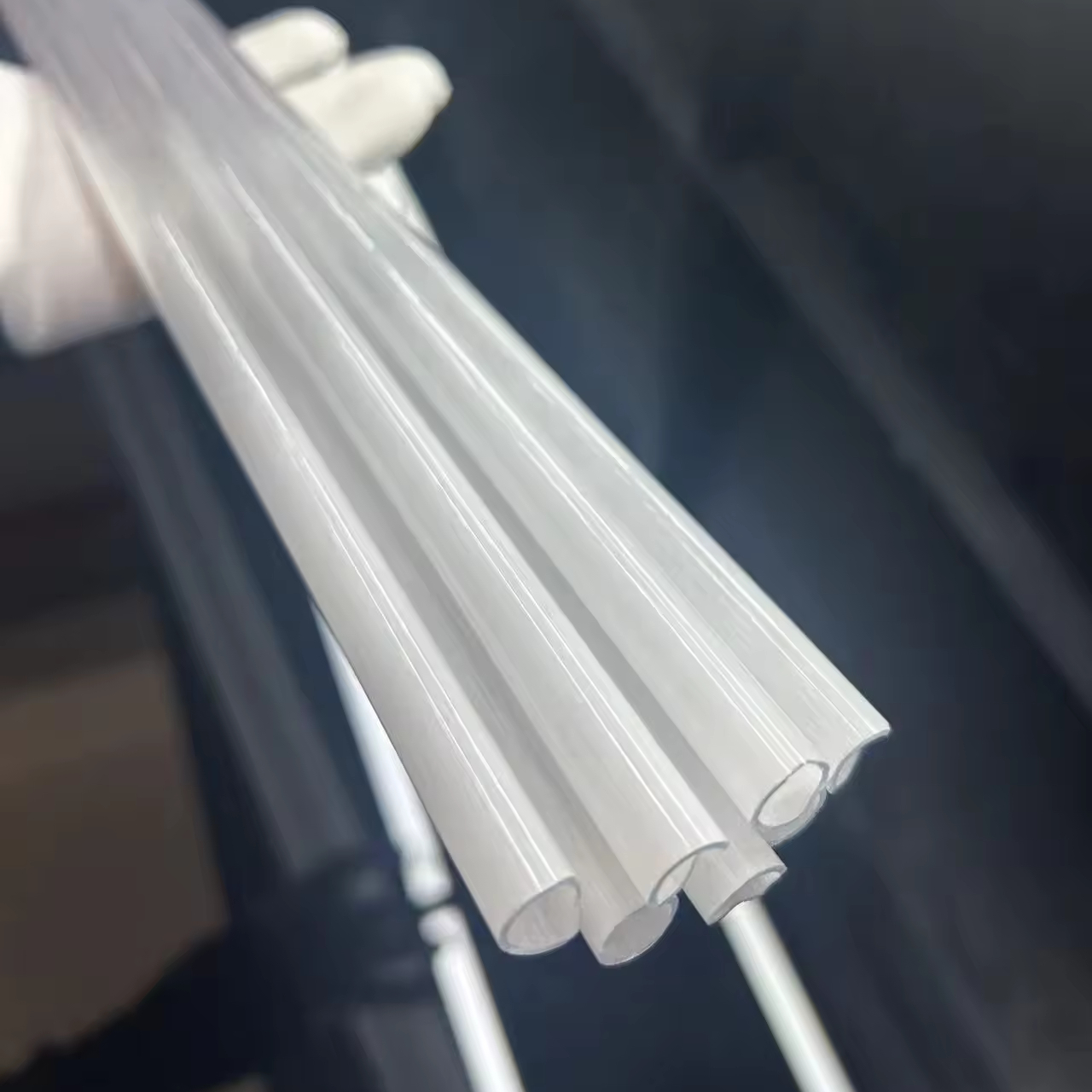
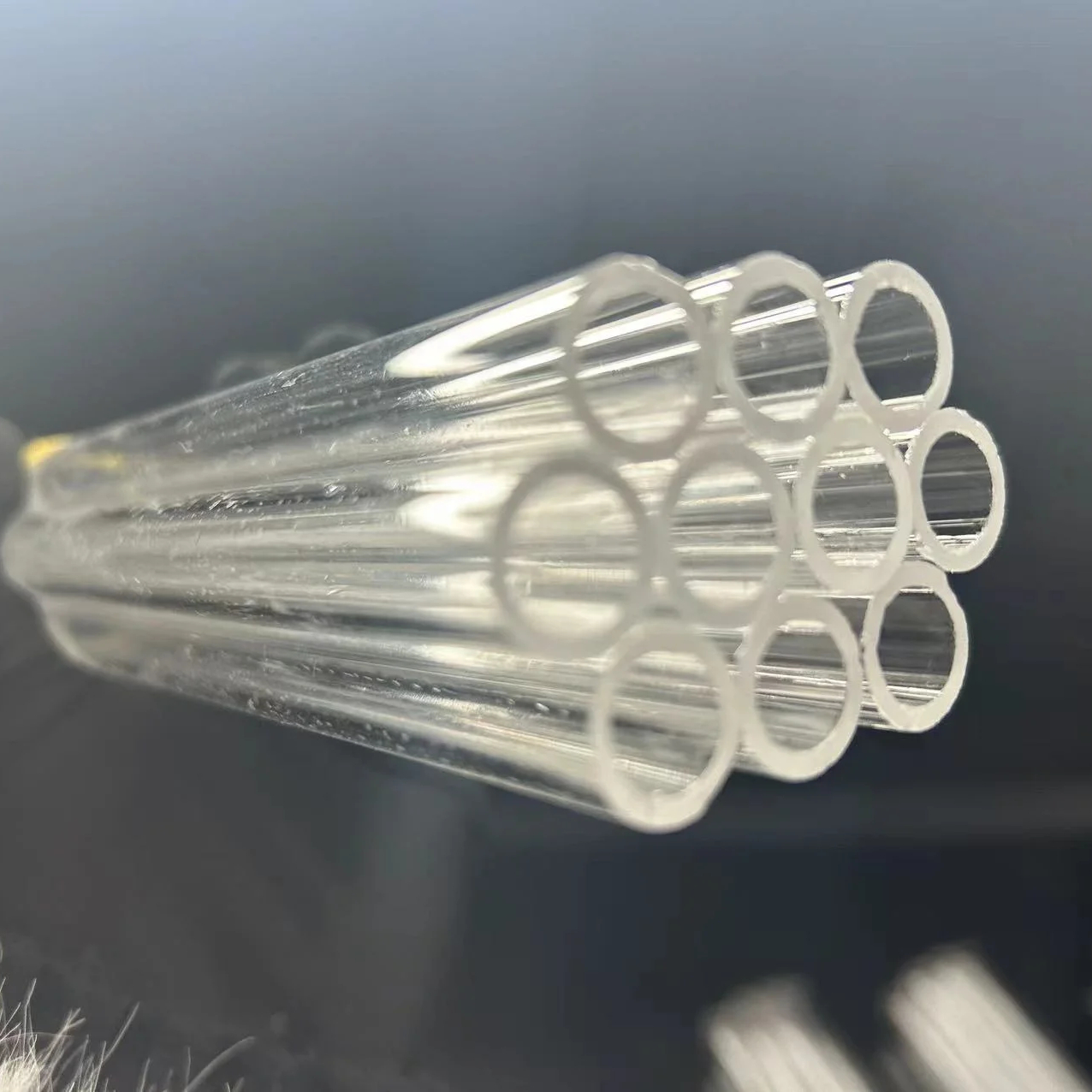
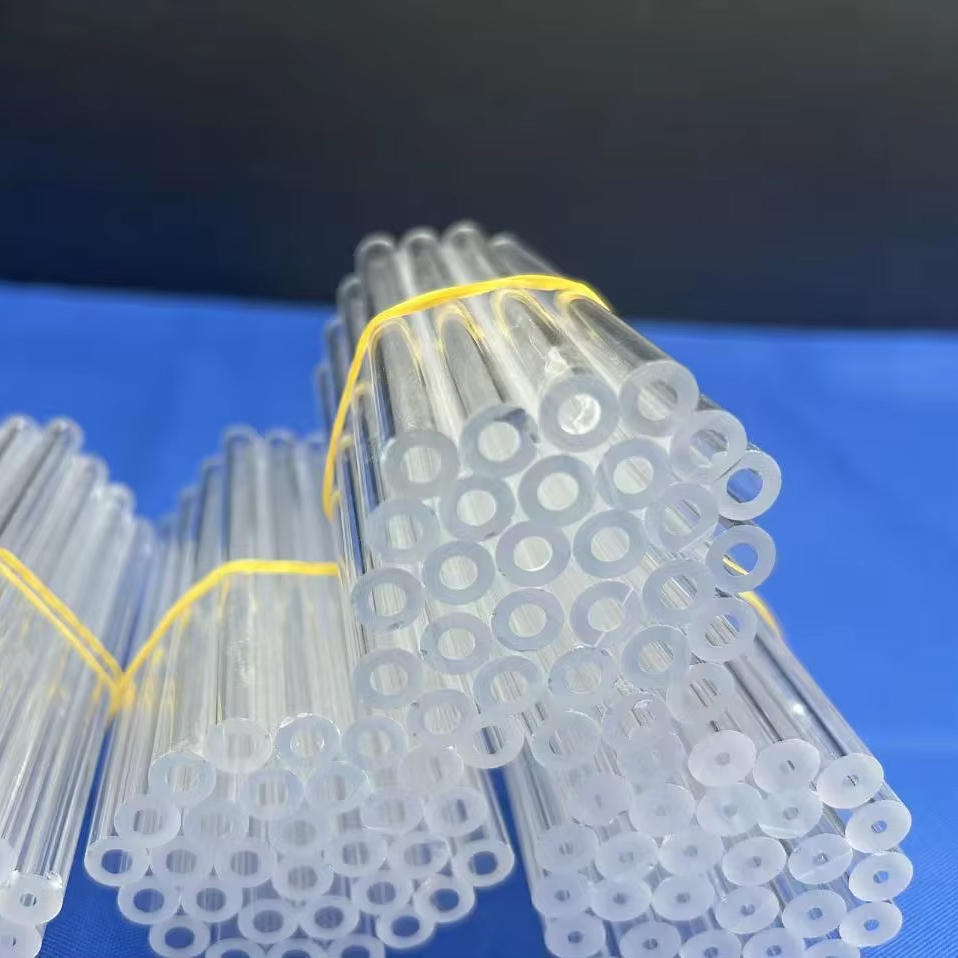
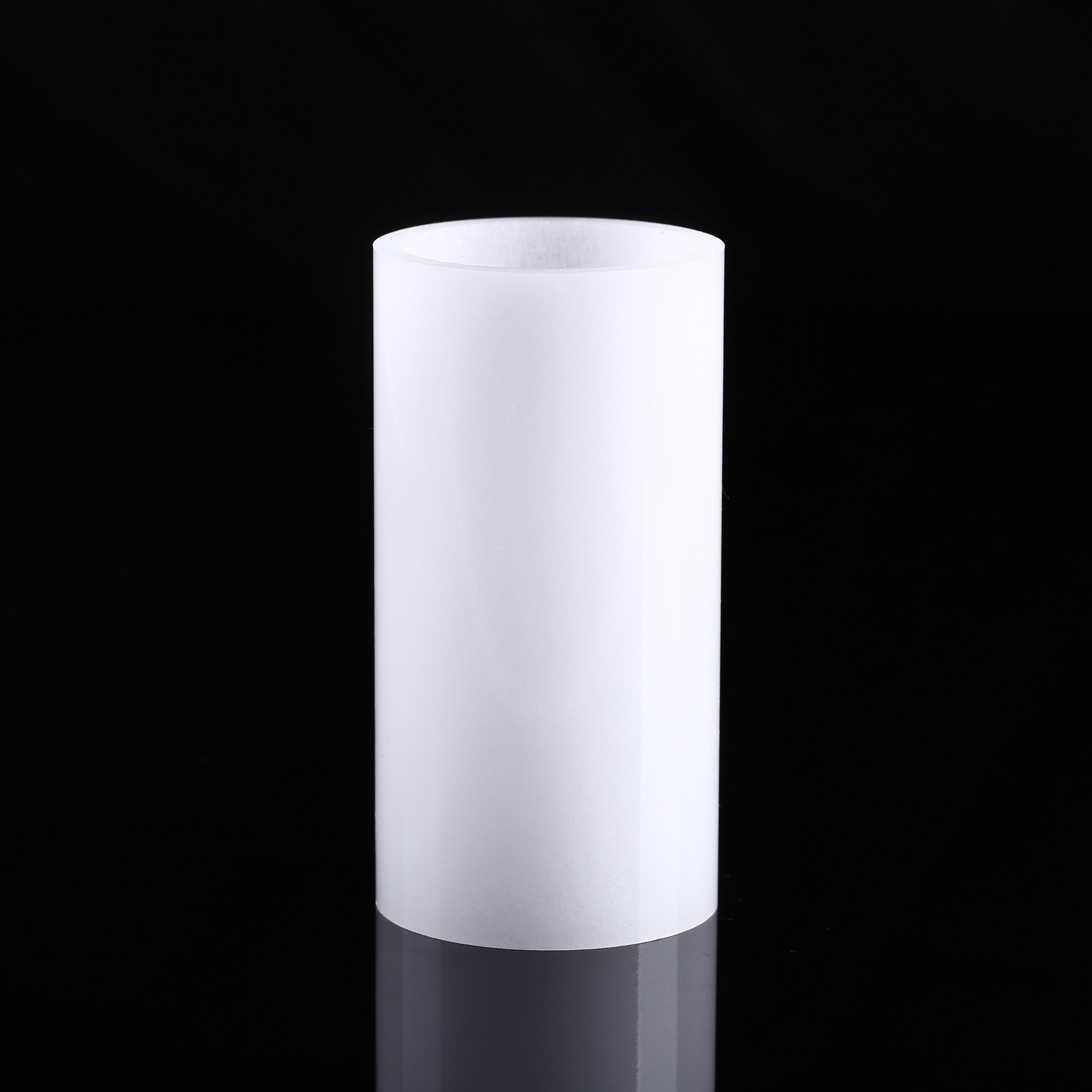
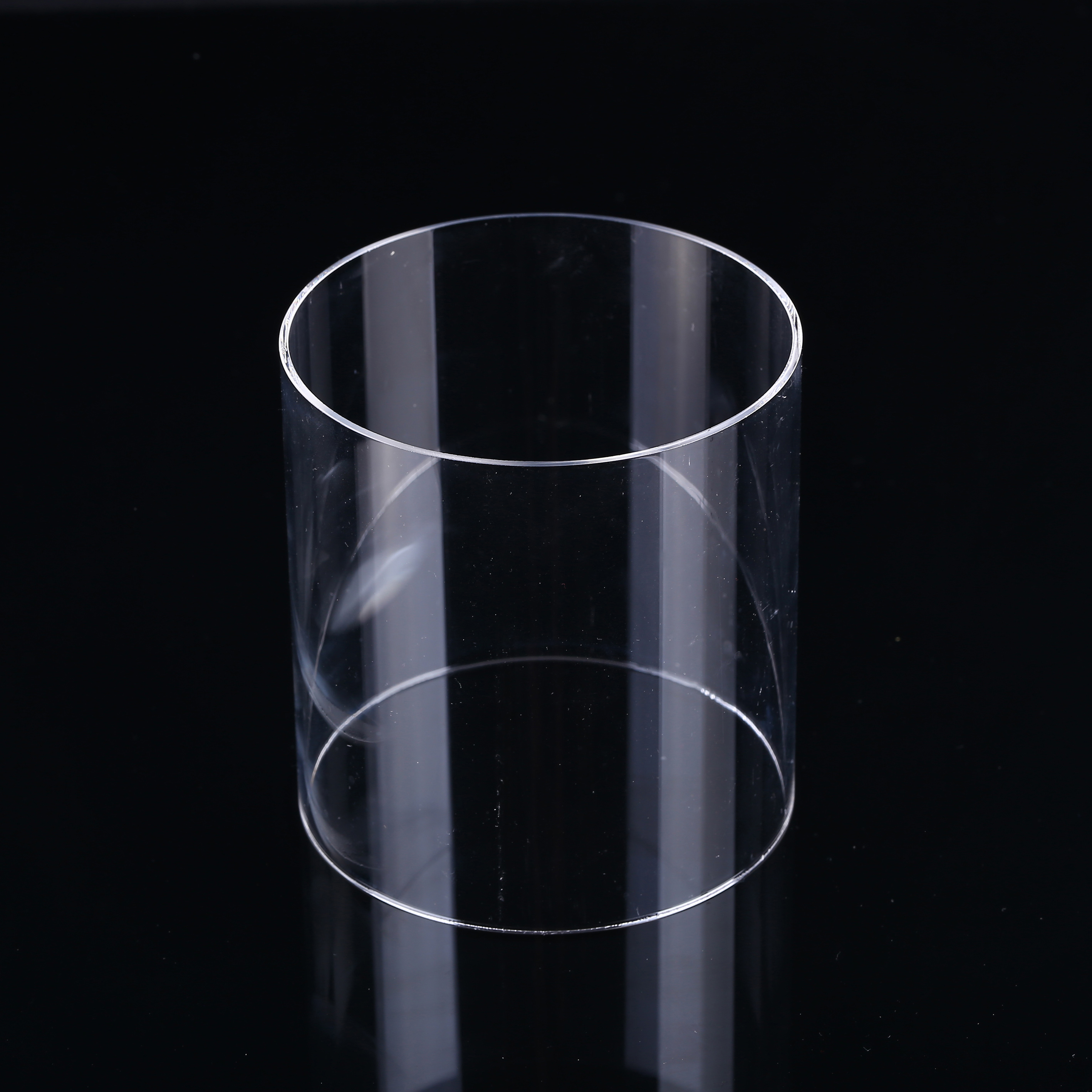
In high-temperature semiconductor processing, fluidized-bed catalytic cracking, and advanced photochemical oxidation reactors, the perforated quartz tube serves as a critical boundary component. Unlike standard clear fused silica tubing, perforated quartz tubes feature precisely arrayed micro-apertures designed to distribute process gases (such as Silane, Phosphine, Oxygen, Ozone, or Argon) uniformly across an isothermal process chamber. Delivering structural longevity and uniform flow distribution demands advanced material purity, specialized drilling kinetics, and strict mitigation of mechanical stresses.
Critical Engineering Principle: Every mechanical aperture introduced into a high-purity fused silica tube acts as a localized stress concentrator. Standard mechanical drilling introduces subsurface micro-fissures and chipping along the borehole rim. Under continuous cyclic thermal loading at 1100°C—or sudden thermal quenching—these micro-cracks propagate, leading to catastrophic brittle failure. Nivra Quartz applies proprietary laser micro-machining or ultrasonic rotary drilling combined with secondary flame fire-polishing to eliminate micro-notches, raising allowable cyclic strain limits by over 300%.
CNC Ultrasonic Diamond Core Drilling
Operates at 20–40 kHz acoustic excitation coupled with diamond-impregnated core tools. This low-force technique prevents macroscopic edge fracturing, enabling hole diameters from 0.5 mm to 12.0 mm with aspect ratios exceeding 10:1 while preserving borehole perpendicularity.
Ultrafast Picosecond Laser Ablation
For micro-apertures below 0.3 mm (300 microns), picosecond UV laser pulses cold-ablate the SiO₂ lattice without generating a heat-affected zone (HAZ). This guarantees non-tapered hole geometry, zero spatter, and pristine orifice roundness across complex radial tube contours.
Thermal Re-Annealing & Fire Polishing
Following perforation, tubes undergo full thermal annealing at 1150°C to 1215°C to relieve residual mechanical hoop stresses. Micro-flame glazed apertures heal trace surface cleavage steps, resulting in a smooth vitreous edge capable of withstanding severe thermal shock.
From an aerodynamic standpoint, the flow discharge coefficient ($C_d$) across the perforated tube wall is dictated by orifice roundness, entrance edge chamfer, and wall thickness uniformity. When gas injectors operate under laminar diffusion regimes, uneven hole diameters create flow imbalances across the tube's longitudinal axis. Nivra Quartz guarantees an orifice diametrical tolerance of ±0.02 mm and pitch-to-pitch hole positional accuracy of ±0.05 mm across lengths up to 2500 mm.
Industrial Ecosystem Integration
Perforated Quartz Applications in Kuala Lumpur & Klang Valley
Supplying critical process components to high-technology manufacturing clusters in Selangor, Petaling Jaya, Shah Alam, and Cyberjaya.
The Greater Kuala Lumpur metropolitan area and the broader state of Selangor represent Malaysia’s economic engine, hosting sophisticated semiconductor packaging hubs, advanced chemical synthesis facilities, solar cell module plants, and state-of-the-art academic laboratories. Our perforated quartz tubes serve mission-critical roles in multiple localized operating environments:
Semiconductor & OSAT Packaging
Serving cleanrooms in Shah Alam, Subang Hi-Tech Industrial Park, and Cyberjaya. Used as chemical vapor deposition (CVD) gas distribution wands, wafer carrier purge tubes, and atmospheric diffusion injectors where trace metal contamination (<0.1 ppm Fe, Cu, Ni) is non-negotiable.
Photovoltaic Cell Processing
Integrated into phosphorus oxychloride (POCl₃) liquid dopant diffusion furnaces and plasma-enhanced CVD systems across Selangor’s solar manufacturing belt. Perforated tubes ensure uniform sheet resistance ($R_s$) across silicon wafer surfaces.
Advanced Wastewater & AOP Reactors
Water purification and industrial effluent plants along the Langat and Klang River basins deploy our perforated quartz sleeves in Advanced Oxidation Processes (AOP). High transmission at 185nm and 254nm maximizes photochemical hydroxyl radical generation.
Oleochemical & Palm Refining R&D
Utilized by industrial research centers and analytical laboratories in Petaling Jaya and Bangi. Resists volatile organic acids, fatty acid distillation vapours, and aggressive halogenated reagents during continuous pyrolysis and fractionation experiments.
Strategic Supply Line to Kuala Lumpur via Port Klang & KLIA Air Logistics
Logistical reliability is critical for fragile precision quartzware. Nivra Quartz operates an established multimodal export pipeline directly connecting our manufacturing workshops in Donghai County (via Lianyungang and Qingdao ports) to Port Klang (Northport & Westports) with average maritime transit windows of 9 to 12 days. For critical prototype validation or emergency equipment maintenance, direct express air freight to Kuala Lumpur International Airport (KLIA Cargo Hub) delivers orders in 48 to 72 hours.
Under the ASEAN-China Free Trade Area (ACFTA), Malaysian industrial importers can leverage our provision of authenticated Form E Certificates of Origin, securing 0% preferential import tariffs on qualifying quartz glass products (Harmonized Tariff HS Code: 7002.31.00), minimizing total landing landed procurement costs.
Port Klang Direct ShippingKLIA Air Express ClearanceACFTA Form E (0% Import Duty)SST Exemption SupportShock-Isolated Export Packaging
Macroeconomic Analysis
Malaysian Market Trends: National Semiconductor Strategy (NSS)
How government initiatives and supply chain localization are driving the demand for high-spec quartzware across ASEAN.
Malaysia is undergoing a generational transformation in its industrial landscape. Driven by the National Semiconductor Strategy (NSS) and the New Industrial Master Plan 2030 (NIMP 2030), the nation is actively pivoting from low-margin assembly and testing towards high-value front-end fabrication support, advanced packaging (heterogeneous integration, wafer-level packaging, 2.5D/3D stacking), and power semiconductor fabrication (SiC and GaN technologies). These advanced process nodes impose severe requirements on thermal processing components.
Historically, Malaysian engineering teams relied on regional trading houses, which added 35% to 60% markups and imposed lead times of 8 to 14 weeks. Today, Malaysian procurement teams in Kuala Lumpur and Selangor are adopting direct factory sourcing models. By partnering directly with Nivra Quartz, engineering procurement divisions achieve:
Direct Engineering Alignment
CAD-to-CAD collaboration directly with our manufacturing floor. Engineering teams send STEP, DWG, or PDF drawings and receive DFM (Design for Manufacturability) analysis within 5 hours, reducing revision cycles from weeks to hours.
Batch-to-Batch Purity Assurance
Every shipment is accompanied by raw material ICP-MS chemical purity reports certifying total heavy metal impurities <15 ppm, with alkali metal concentrations (Na, K, Li) maintained below 1.0 ppm to avoid wafer contamination during thermal diffusion.
Agile Low-Volume Prototyping
With an MOQ of just 1 to 10 pieces for custom perforated tubes, research universities (such as Universiti Malaya and Universiti Teknologi Malaysia) and pilot plants can test custom perforation patterns without prohibitive capital tooling investments.
Engineering Reference Data
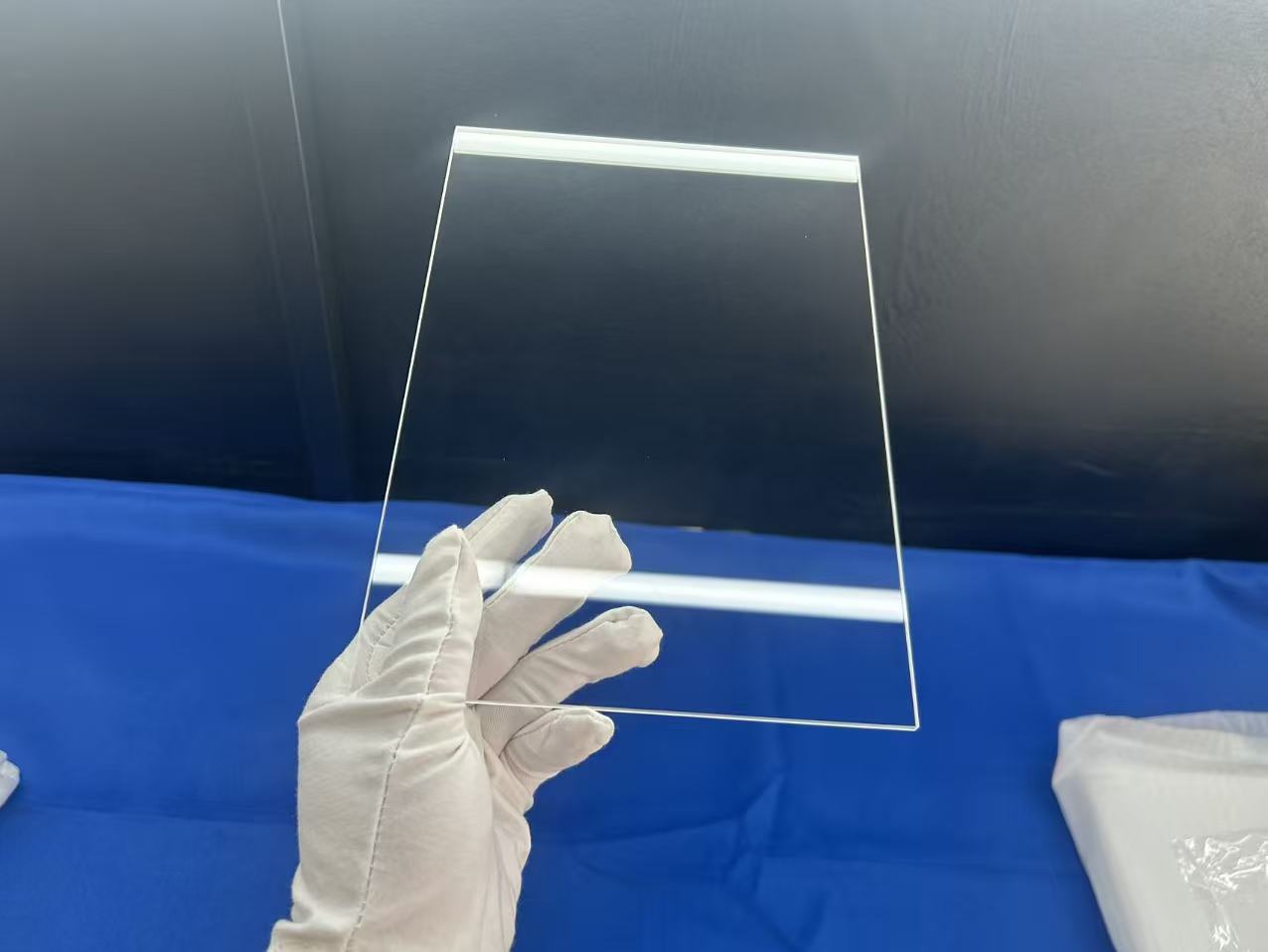
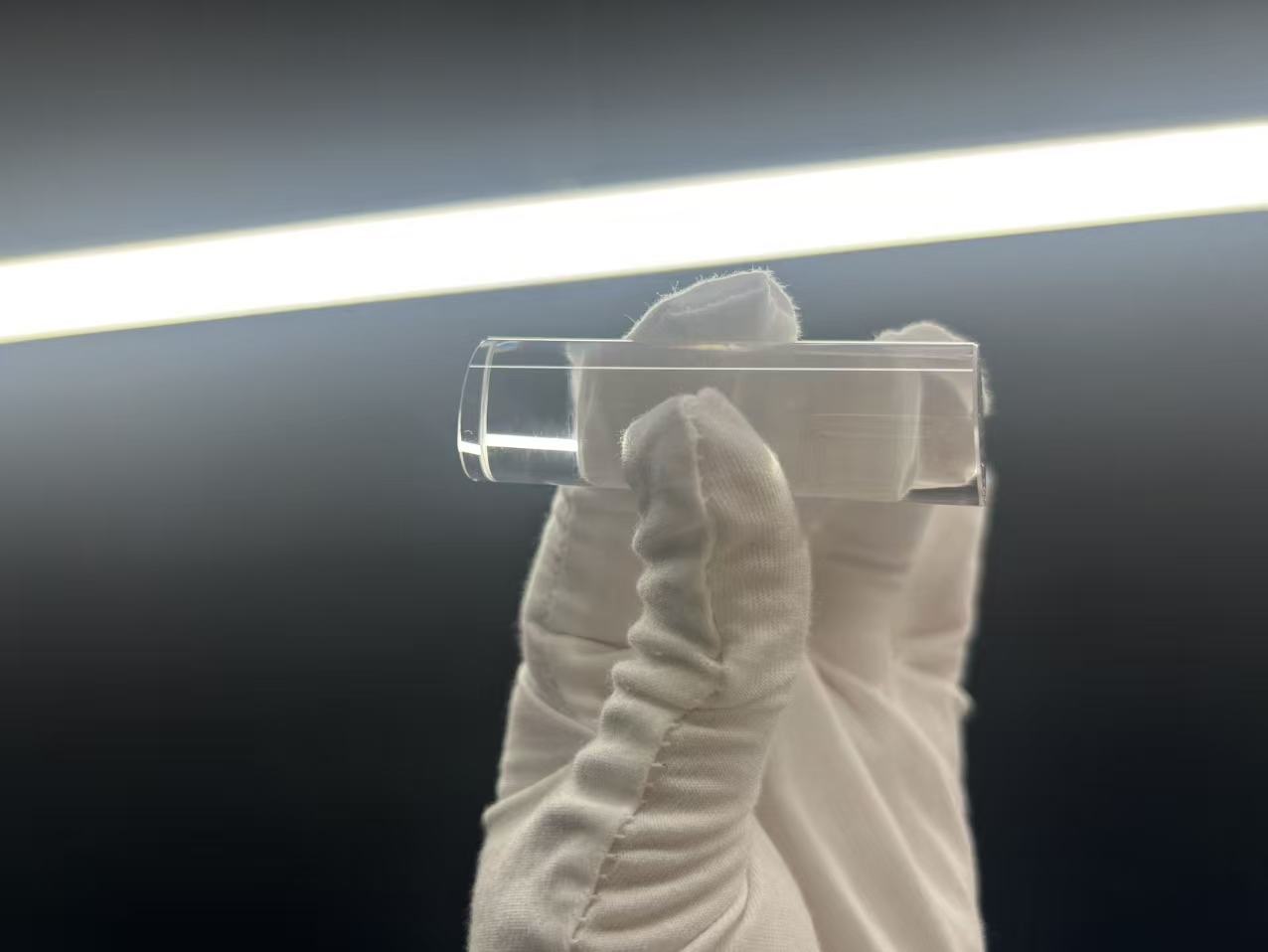
Material Specifications & Optical Grade Comparison
Evaluate thermodynamic limits and spectral transmission characteristics to select the ideal silica substrate for your application.
Physical / Chemical Property
High-Purity Fused Quartz (Standard)
JGS1 (Synthetic Fused Silica)
JGS2 (Optical Grade Silica)
JGS3 (Low-OH Infrared Silica)
SiO₂ Purity Ratio
≥ 99.99%
≥ 99.9999%
≥ 99.995%
≥ 99.99%
Spectral Transmission Band
260 nm – 2500 nm
185 nm – 2500 nm (Deep UV)
220 nm – 2500 nm (UV-Vis)
260 nm – 3500 nm (Broad IR)
Hydroxyl (OH⁻) Concentration
< 30 ppm
> 1200 ppm
< 150 ppm
< 5 ppm
Continuous Operating Temp
1100 °C
1050 °C
1100 °C
1150 °C
Maximum Short-Term Temp
1450 °C
1350 °C
1450 °C
1450 °C
Thermal Expansion (20–300°C)
5.5 × 10⁻⁷ /°C
5.4 × 10⁻⁷ /°C
5.5 × 10⁻⁷ /°C
5.5 × 10⁻⁷ /°C
Dielectric Constant (1 MHz)
3.75
3.80
3.78
3.75
Recommended Applications
Furnace TubingCVD Injectors
Excimer LasersUV Water Disinfection
Optical ViewportsSight Glasses
IR Heating LampsPyrometry
Thermal stability is one of the most critical properties of fused silica. Due to its exceptionally low thermal expansion coefficient ($5.5 \times 10^{-7} /^\circ\text{C}$), a perforated quartz tube heated to 1100°C can be immediately plunged into ice water without micro-fracturing or structural failure. However, prolonged operation above 1150°C in atmospheres containing trace alkali metals (such as sodium vapor or potassium salts) initiates surface devitrification—the irreversible phase transformation from amorphous vitreous silica to crystalline cristobalite. Cristobalite undergoes a sharp 2.8% volume change around 220°C, causing micro-spalling during cool-down. Nivra Quartz provides proprietary surface dealkalization and acid passivation treatments to delay devitrification kinetics under heavy thermal loads.
Combining local raw crystal resources with cleanroom precision processing and international export standards.
Engineered in China’s Quartz Capital
Founded in February 2019, Donghai County Nivra Quartz Products Co., Ltd. operates from a manufacturing and export complex at 285 Heping East Road, Lianyungang, Jiangsu. Donghai County supplies over 70% of China’s high-purity natural silica feedstock, giving us direct access to high-grade crystalline quartz without middleman markups.
Employing between 101 and 200 skilled operators and glassblowing technicians, our workshops house multi-axis CNC glass lathes, ultrasonic drilling units, high-temperature resistance vacuum annealing furnaces, and high-precision optical lapping lines. Every production batch is inspected on-site using coordinate measuring machines (CMM) and UV-Vis-NIR spectrophotometers to ensure precise conformance to customer drawings.
Alibaba On-Site Audited Facility
ISO 9001 Compliant Quality System
5.0 / 5.0 Global Export Track Record
What are the import duty rates and HS codes for importing perforated quartz tubes into Malaysia?
Perforated fused quartz tubes typically enter Malaysia under Harmonized System (HS) Code 7002.31.0000 (Tubes of fused quartz or other fused silica) or 7017.10.0000 (Laboratory, hygienic or pharmaceutical glassware of fused quartz or fused silica). Under the ASEAN-China Free Trade Agreement (ACFTA), goods accompanied by a valid Form E Certificate of Origin issued by Chinese customs qualify for a 0% preferential import duty. While standard Sales and Service Tax (SST) of 10% generally applies at customs clearance, manufacturers possessing MIDA (Malaysian Investment Development Authority) manufacturing exemptions or operating within Free Commercial Zones (FCZ) such as Port Klang or Bayan Lepas can claim statutory duty exemptions.
What is the minimum hole diameter and maximum aspect ratio you can achieve in quartz tubes?
Using picosecond laser ablation, we can drill micro-orifices as small as 0.15 mm (150 microns) in tube walls up to 1.5 mm thick. For ultrasonic diamond drilling, standard hole diameters range from 0.8 mm to 25.0 mm, with a practical hole depth-to-diameter aspect ratio of up to 8:1 without taper distortion. Hole diameters, pitch tolerances, and circumferential stagger patterns are manufactured strictly to customer-provided CAD drawings.
How do you protect fragile, long quartz tubes during international shipment to Port Klang?
Export packaging is engineered to eliminate flexural stress and vibration resonance during container handling. Each perforated quartz tube is ultrasonically cleaned, degreased, and sealed in cleanroom polyethylene sleeving. It is then embedded within custom-contoured, high-density expanded polyethylene (EPE) shock-absorbent foam blocks inside reinforced, multi-wall corrugated cartons. For maritime transport or air cargo to Port Klang or KLIA, these cartons are secured inside export-certified, fumigation-free plywood crates reinforced with exterior steel banding, desiccants, and Tip-N-Tell / Drop-N-Tell impact monitors.
Can your perforated quartz tubes operate in corrosive acid environments (e.g., HCl, HNO₃, H₂SO₄)?
Yes. Fused silica offers unmatched chemical resistance against nearly all industrial acids, including concentrated Hydrochloric Acid (HCl), Nitric Acid (HNO₃), and Sulfuric Acid (H₂SO₄), even at elevated temperatures up to 800°C. The only exceptions are Hydrofluoric Acid (HF), which rapidly dissolves the SiO₂ matrix, and concentrated Phosphoric Acid (H₃PO₄) above 150°C. Strong alkaline solutions (NaOH, KOH) will also slowly etch fused quartz at temperatures above 100°C.
What CAD / drawing file formats do you accept for custom manufacturing quotes?
Our engineering department works directly with 3D CAD models including STEP (.stp), IGES (.igs), and SolidWorks (.sldprt) formats, as well as 2D vector drawings in AutoCAD (.dwg, .dxf) and dimensioned PDF formats. Please specify key parameters such as outer diameter (OD), inner diameter (ID), wall thickness, total length, hole pattern/pitch, hole diameter tolerance, surface finish (fire-polished or ground), and intended operating temperature.
What is the standard production and shipping lead time to Peninsular Malaysia?
Standard fabrication lead times for custom CNC-machined and perforated tubes run between 7 and 15 working days, depending on order quantity and perforation density. Shipping transit via ocean freight from Lianyungang / Qingdao to Port Klang takes approximately 9 to 12 days. For urgent maintenance or prototyping orders, DHL/FedEx air express delivers directly to corporate facilities in Kuala Lumpur, Petaling Jaya, or Cyberjaya within 3 to 5 business days from factory dispatch.
How do we prevent devitrification of quartz tubes during prolonged furnace runs?
To maximize service life above 1000°C: (1) Ensure operators handle quartz components wearing clean, lint-free cotton or nitrile gloves, as human perspiration contains sodium chloride (NaCl), which acts as a powerful devitrification catalyst. (2) Prior to high-temperature heating, clean tubes with a 5% to 10% deionized water and nitric/hydrochloric acid solution, followed by an ultra-pure DI water rinse and thorough drying. (3) Maintain a clean furnace atmosphere free from vaporized metal dust and alkali halides.
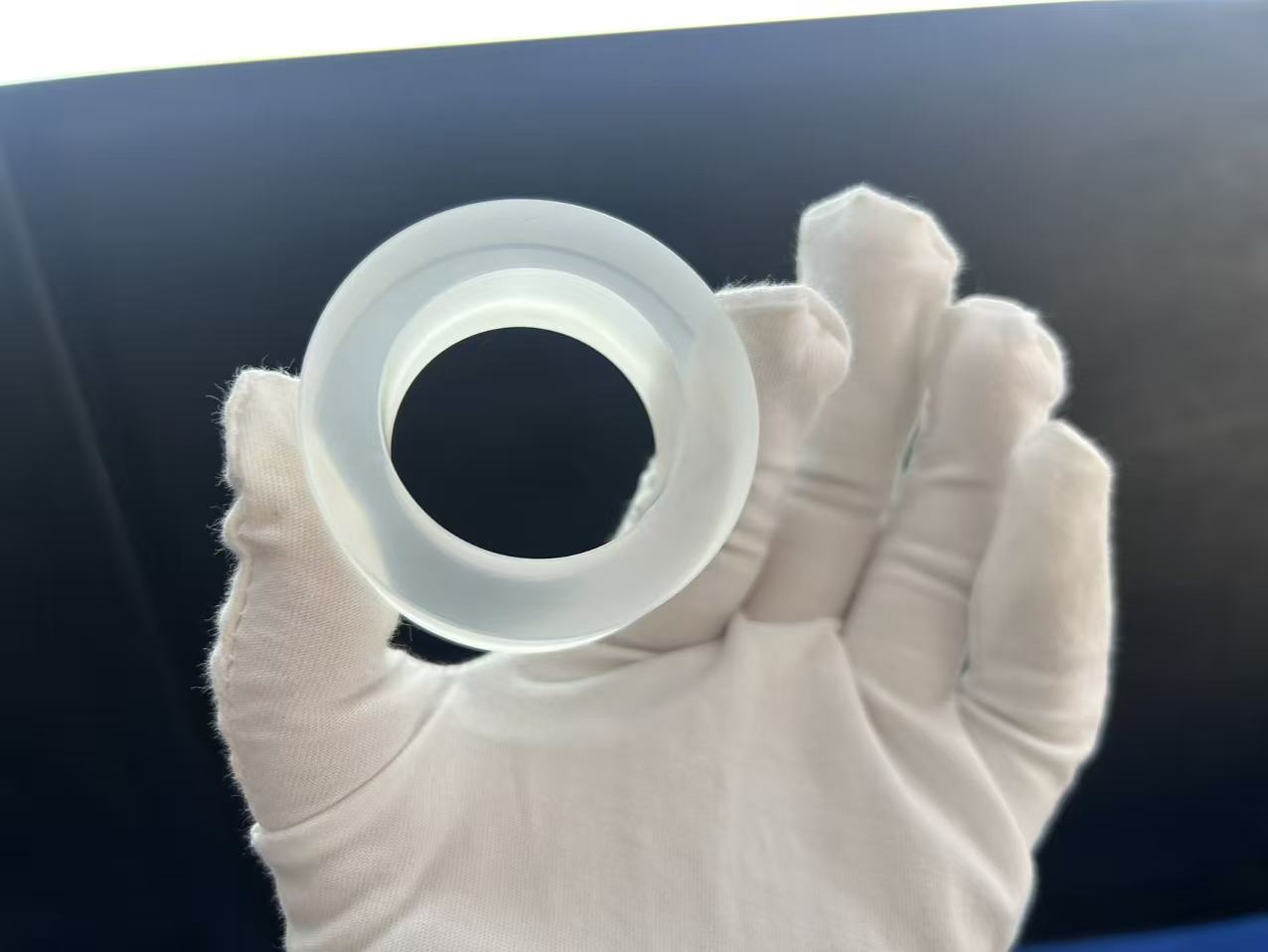
Can you supply customized quartz flanges, end-caps, or ground ball-joints welded to the tubes?
Yes. Nivra Quartz provides full-scope quartz glassblowing and fabrication services. We routinely weld standard NW/KF vacuum flanges, CF flanges, threaded quartz joints, ground spherical ball-and-socket connections, and precision spiral cooling jackets directly to perforated or smooth quartz tubes. All welded joints undergo post-weld annealing to eliminate thermal stress and guarantee helium leak rates below $1 \times 10^{-9}\ \text{mbar}\cdot\text{L/s}$.