Featured Optical Quartz Windows & Substrates for Poznań Engineers
From deep ultraviolet synthetic fused silica (JGS1) to high-temperature thermal observation discs and custom CNC machined rods, explore our production line shipped direct to Poznań, Tarnowo Podgórne, and Swarzędz industrial clusters.
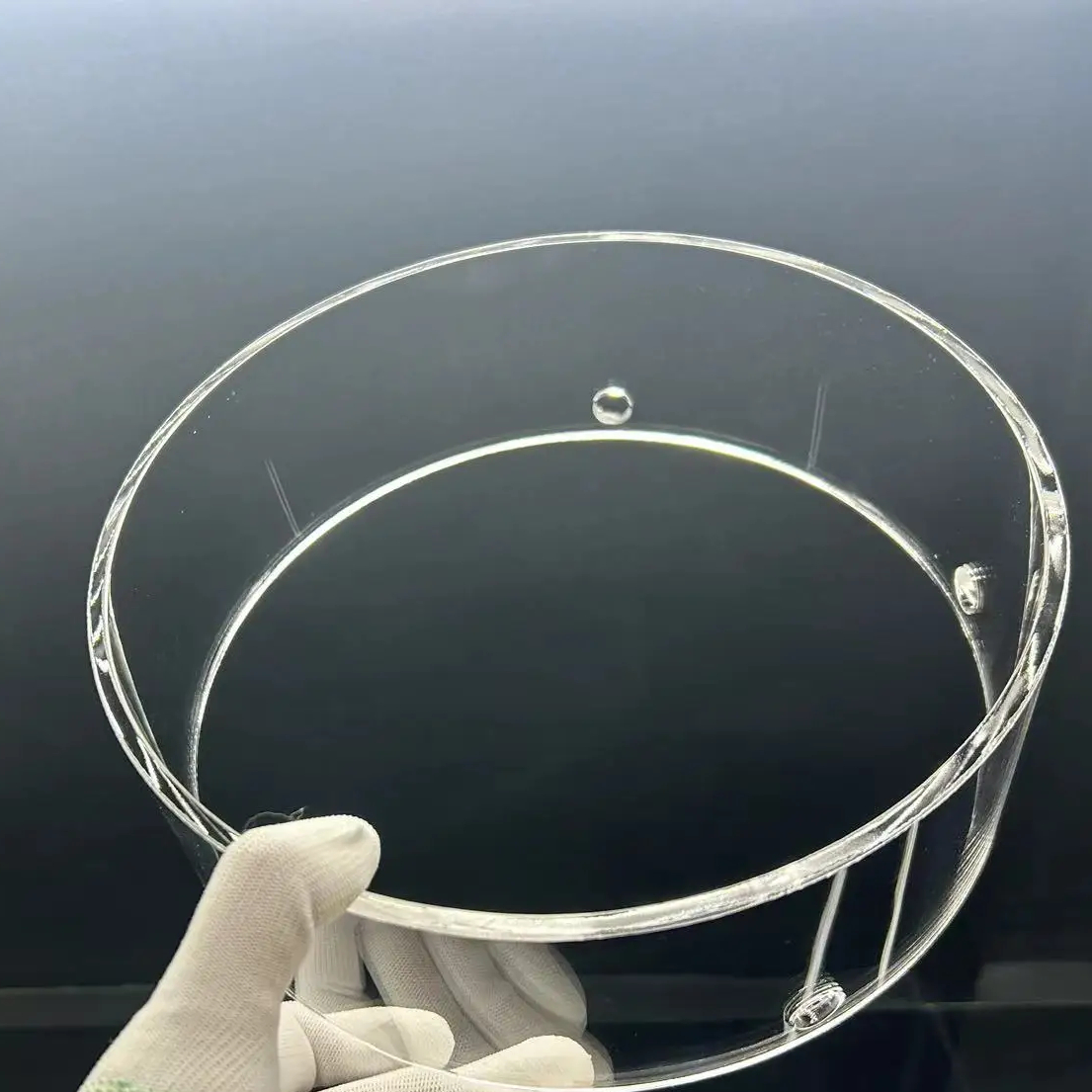
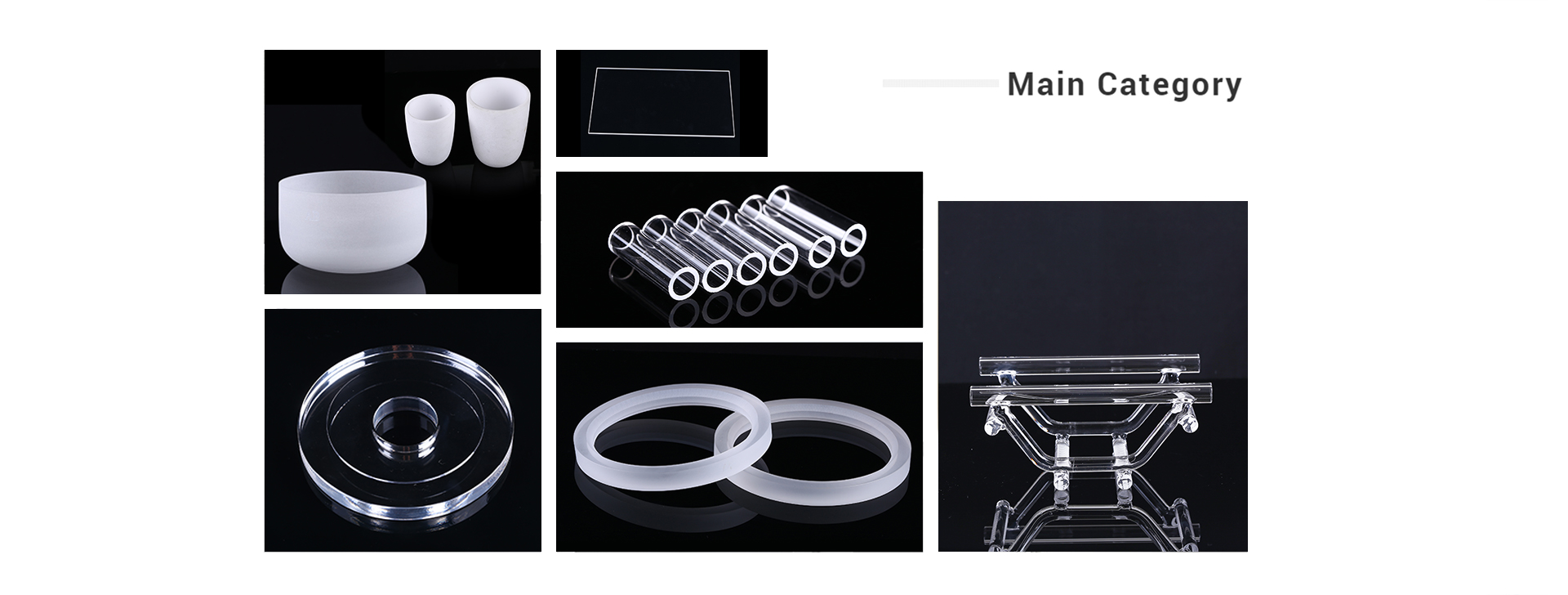
Fused Transparent Quartz Tube
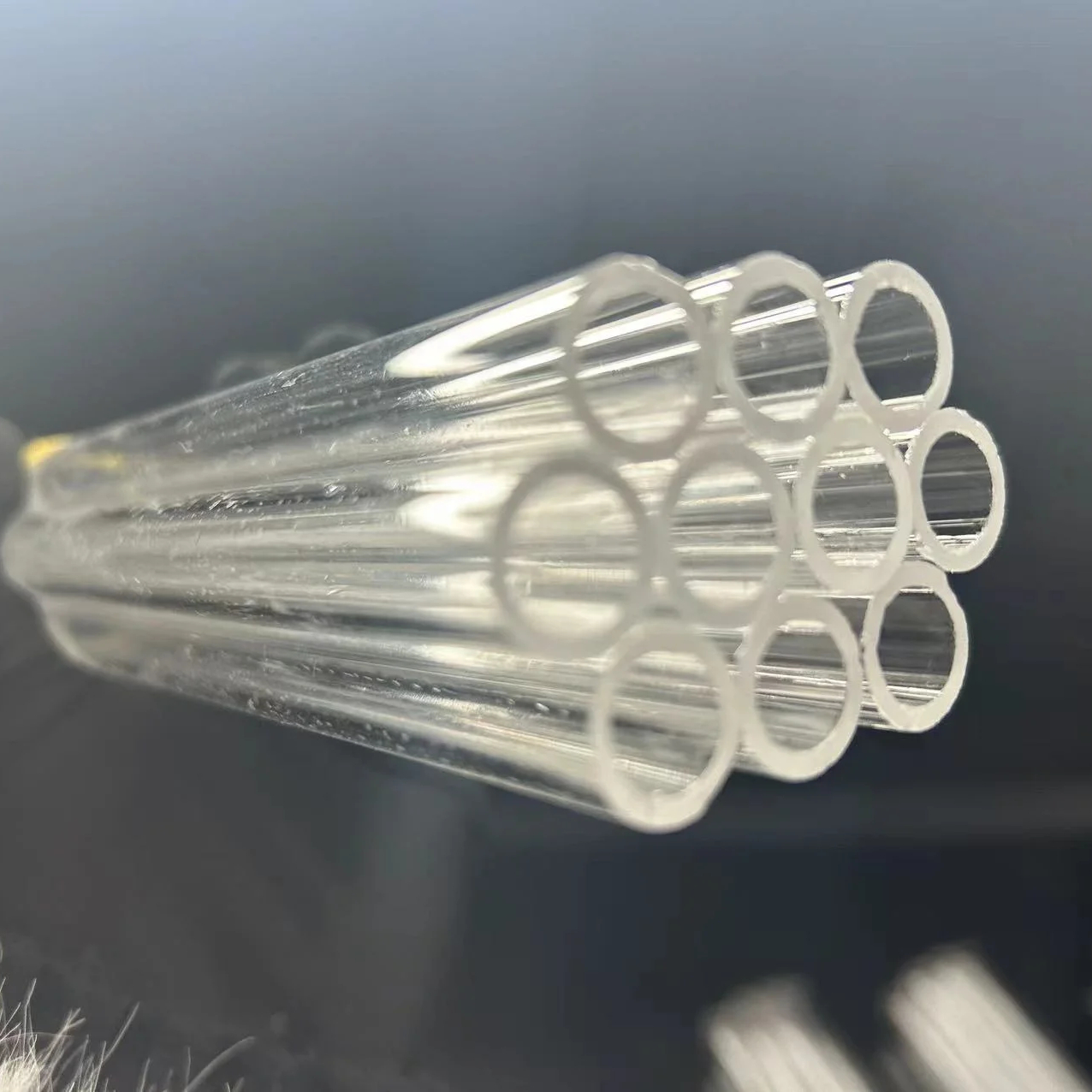
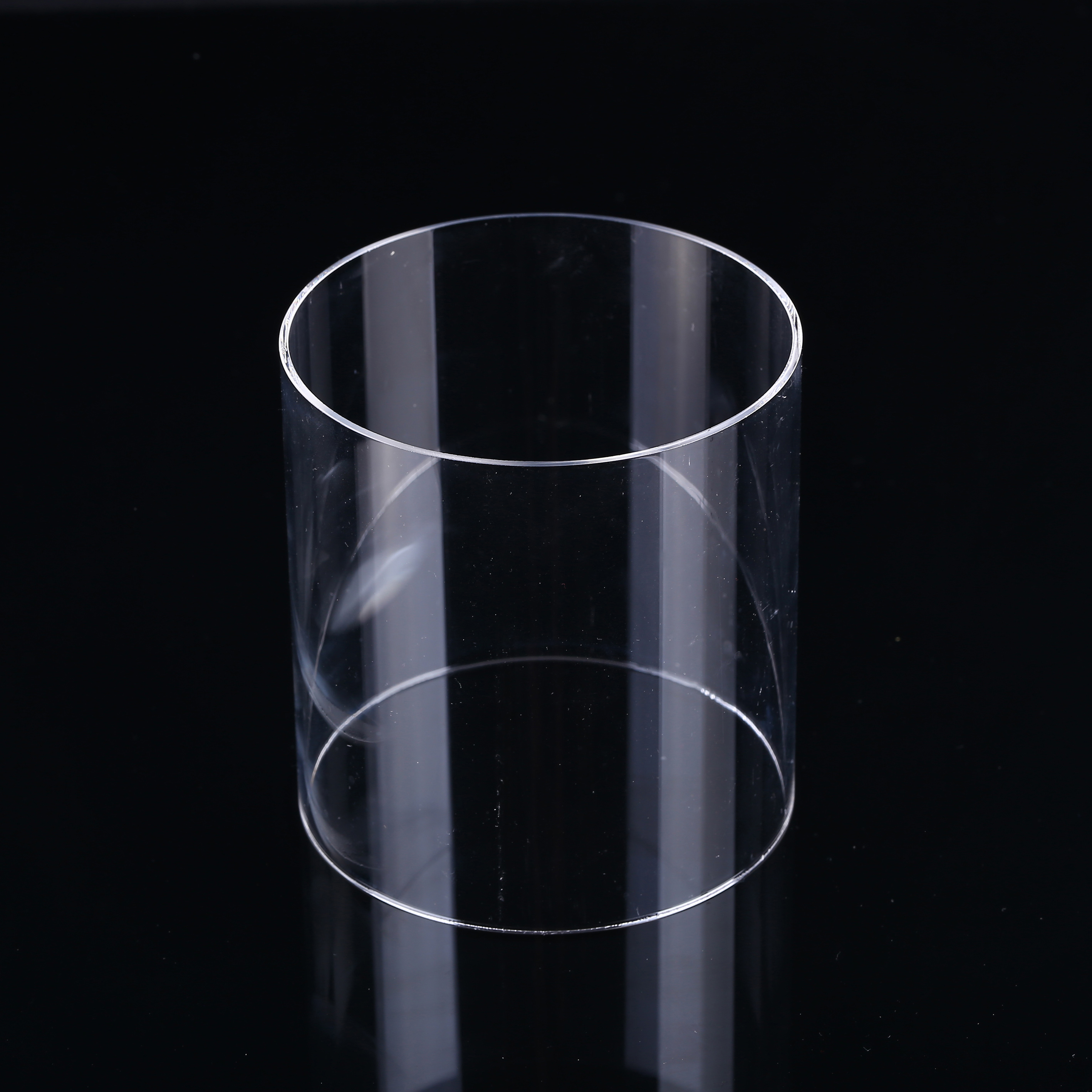
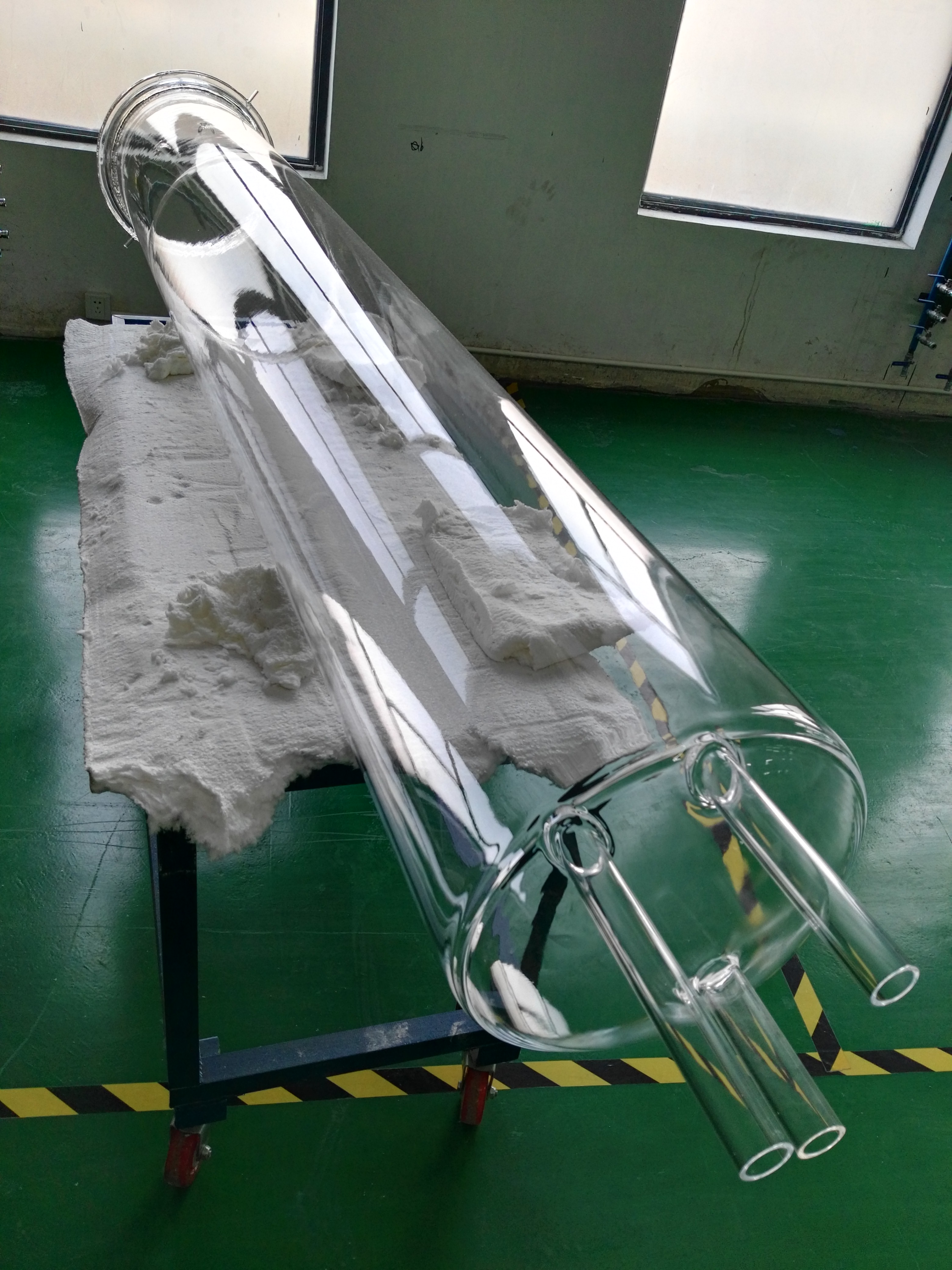
High Temp Transparent Quartz Cylinder Tube Clear Glass
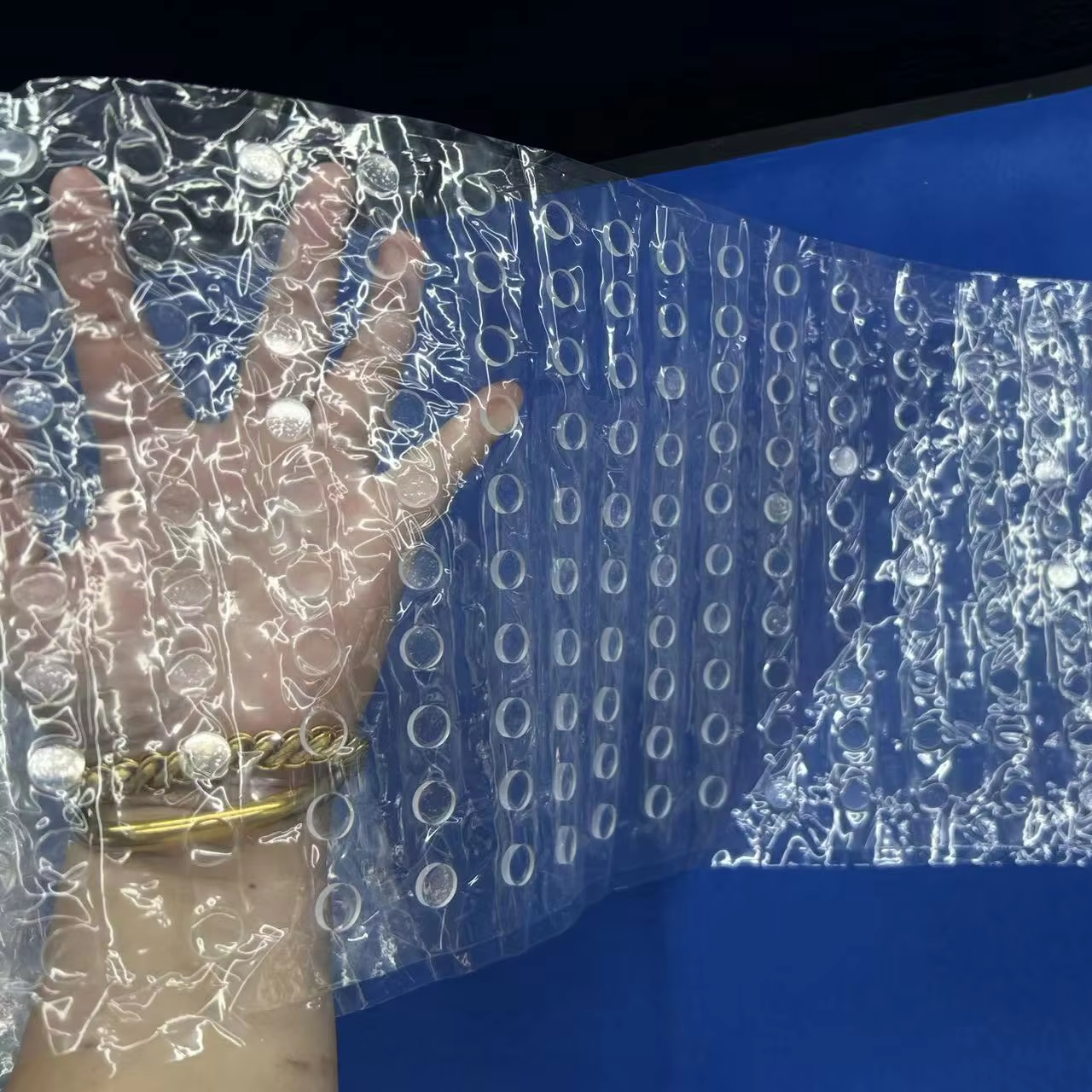
Factory High-Purity Small Size Quartz Wafer & Window
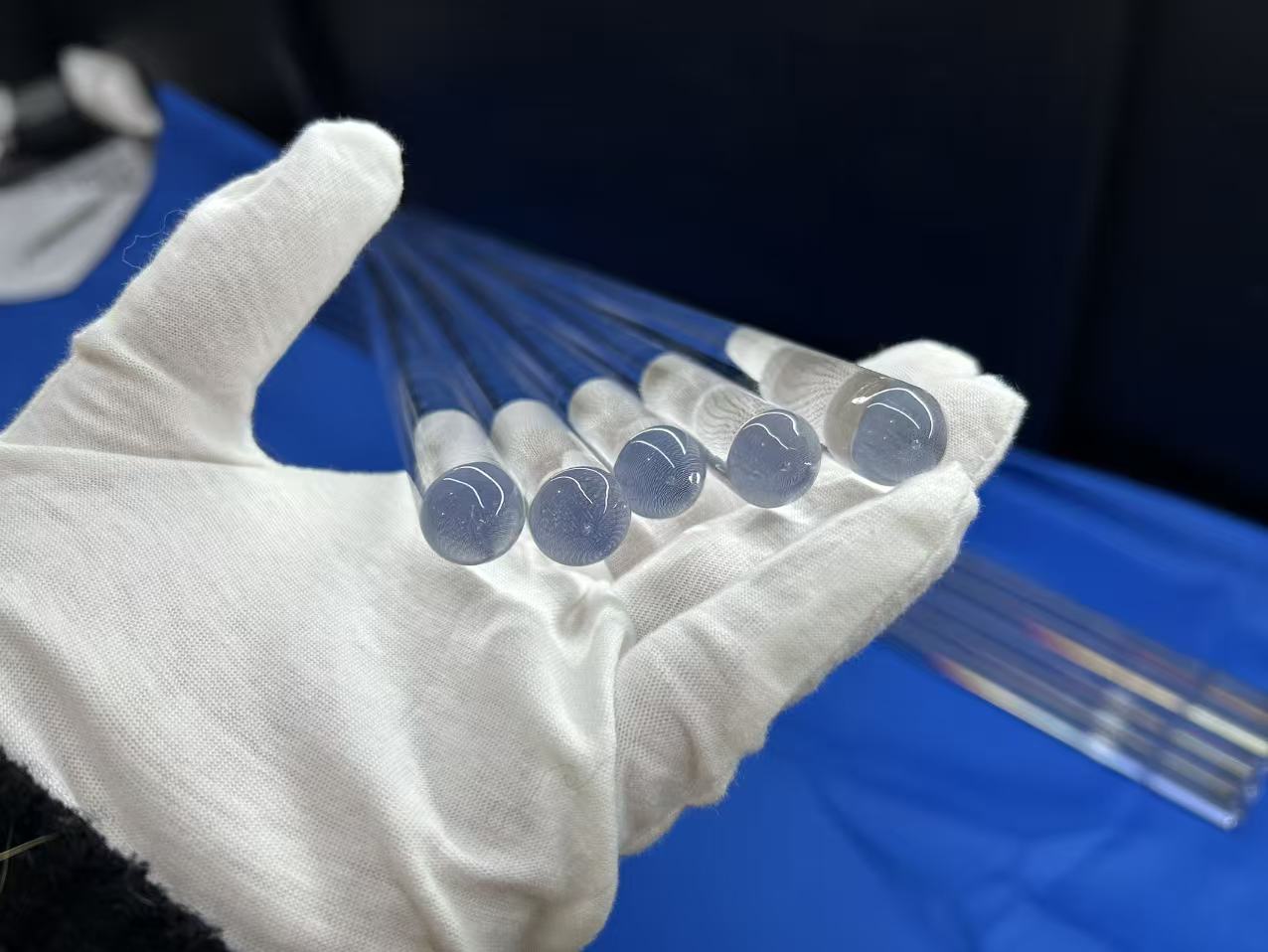
High-Purity Fused Quartz Round Rods & Light Guides
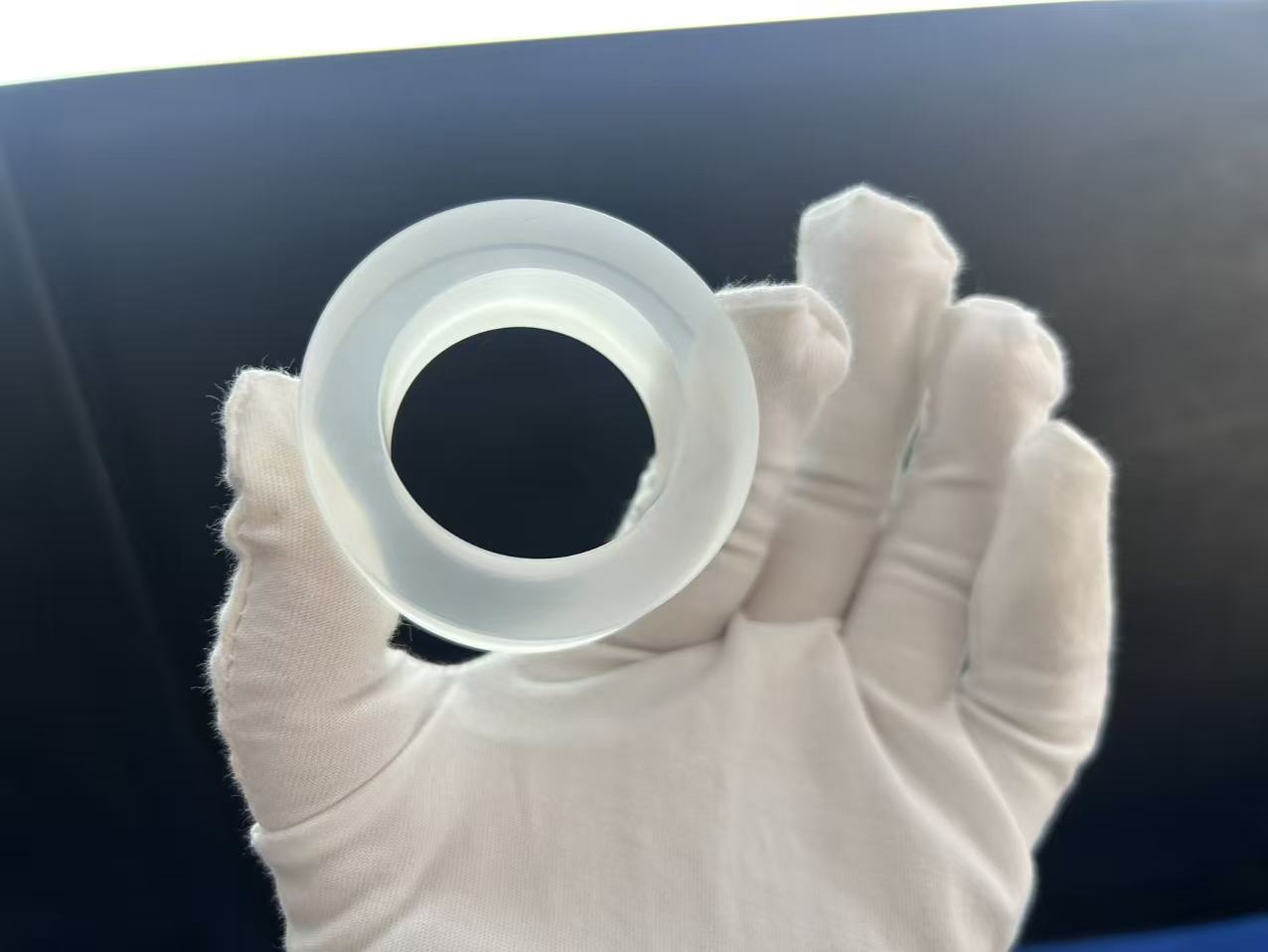
High-Precision Machined Quartz Retaining Ring
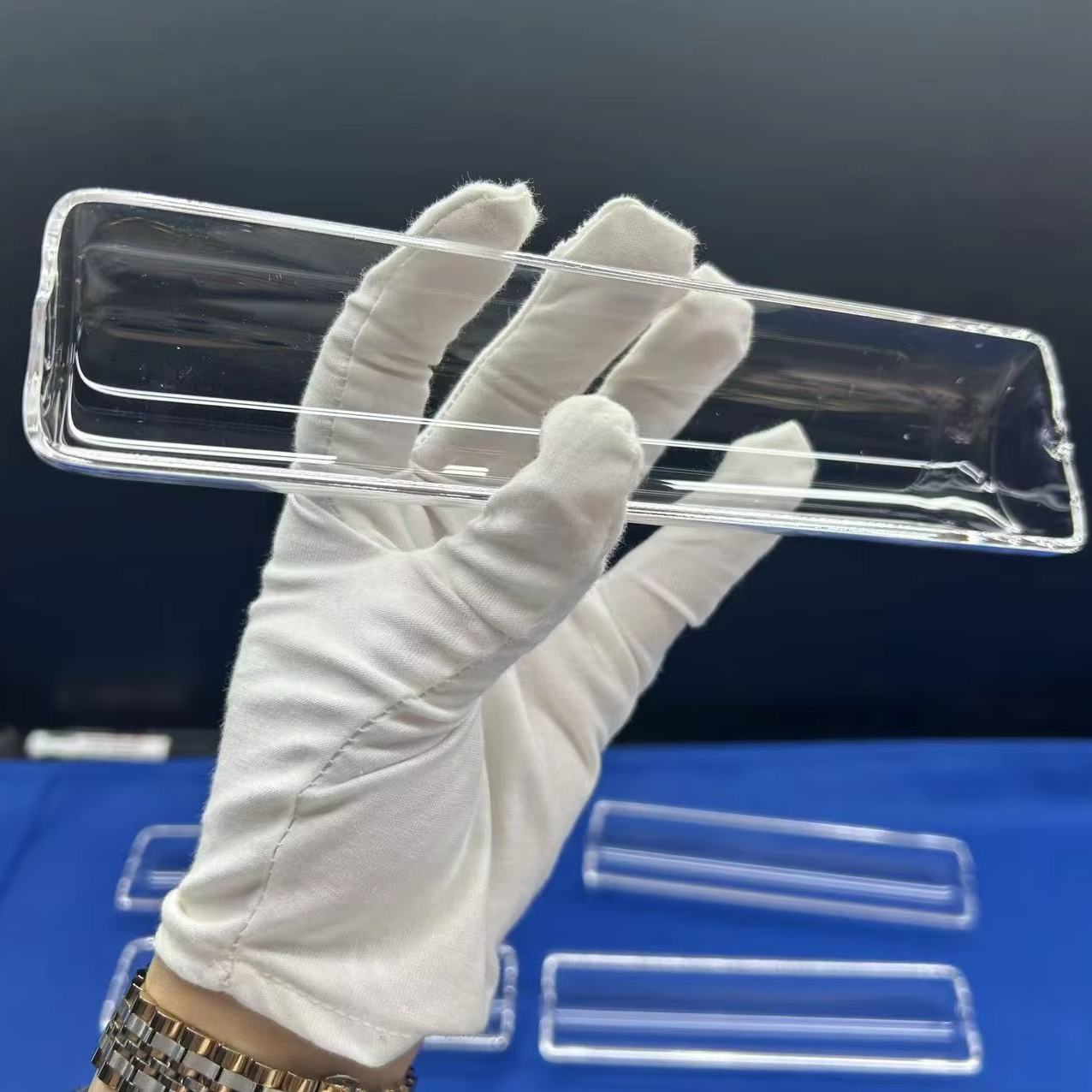
Customized Clear Fused Silica Quartz Wafer Carrier Boat
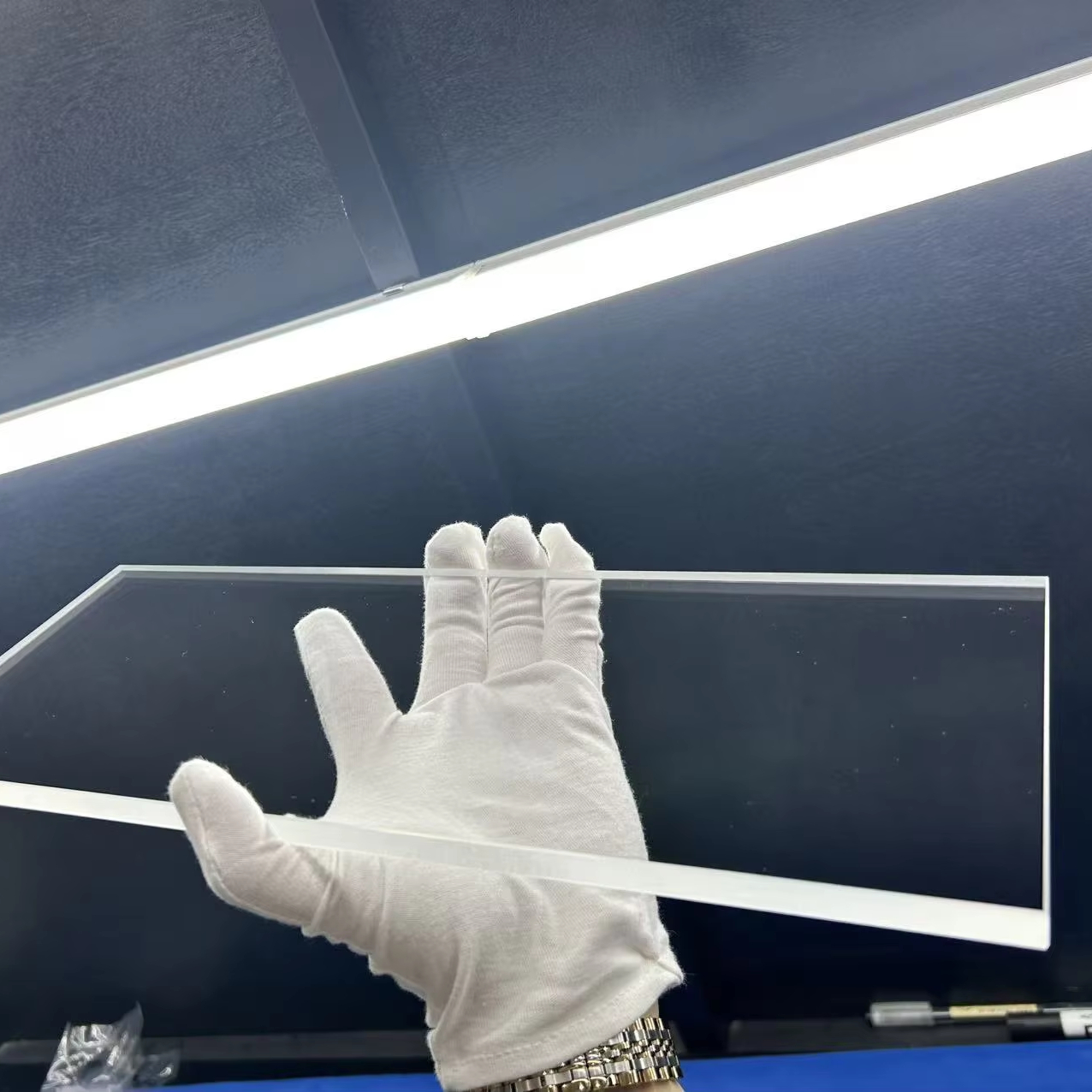
Ultra Clear High Purity Optical Quartz Sheet
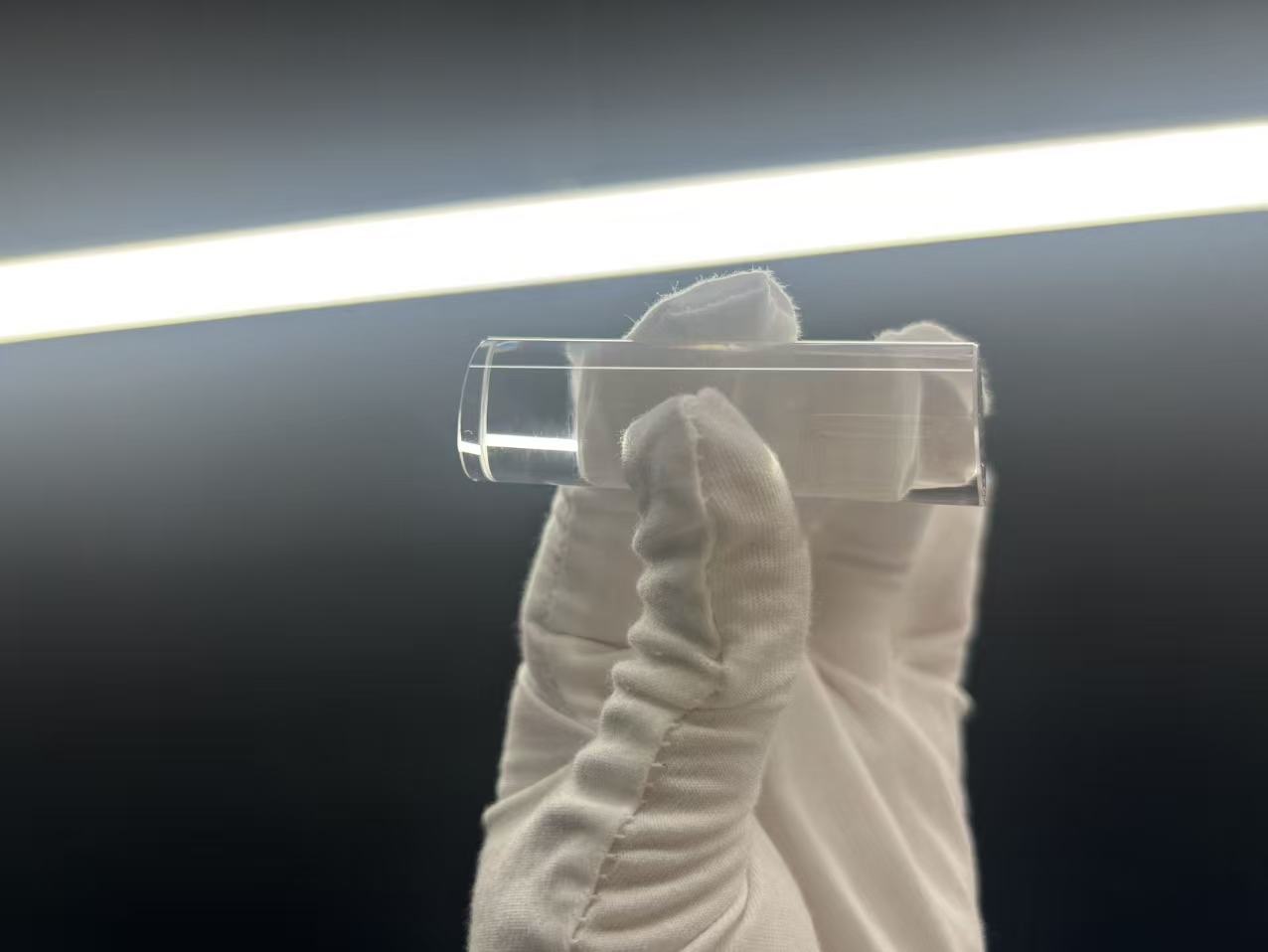
Precision Round Head Quartz Glass Rod & Probe
Optical Quartz Window Substrates: JGS1 vs JGS2 vs JGS3
Choosing the exact optical quartz window substrate determines transmission efficiency, laser-induced damage threshold (LIDT), and thermal shock resistance. Nivra Quartz manufactures precision flat optics matching Poznań's exact photonic and mechanical requirements.
For optical engineers in Poznań specializing in industrial fiber laser cutting, semiconductor mask inspection, or ultraviolet fluorescence spectroscopy, selecting between Synthetic Fused Silica (JGS1) and Natural Fused Quartz (JGS2/JGS3) is the pivotal parameter governing optical performance. Fused silica represents an amorphous silicon dioxide synthesized via chemical vapor deposition (typically vapor-phase hydrolysis of SiCl&sub4;), yielding extreme chemical purity with practically zero metallic inclusions (< 1 ppm total trace metals). Conversely, natural fused quartz is produced by electrically melting high-purity natural quartz crystal sand from our Donghai deposits, giving it exceptional mechanical hardness and high temperature stability at lower commercial unit cost.
When specifying protective sight windows for multi-kilowatt fiber lasers operating at 1064 nm or 1070 nm across sheet metal fabrication plants in Greater Poland (Wielkopolska), bulk absorption must be curtailed below 3 ppm/cm to prevent thermal lensing. Thermal lensing shifts the beam waist, ruining cutting focus and destroying the protective cover slide. By controlling hydroxyl ion ([OH⁻]) concentrations and employing double-sided pitch or chemical-mechanical polishing (CMP), our optical quartz windows guarantee minimal beam distortion and withstand power densities exceeding 10 J/cm² at 1064 nm (20 ns pulse).
| Substrate Grade | Transmission Band | Typical [OH⁻] Content | Refractive Index (n_d @ 587.6 nm) | Laser Damage Threshold (LIDT) | Primary Industrial Use in Poland |
|---|---|---|---|---|---|
| JGS1 (Synthetic UV Silica) | 185 nm – 2500 nm | > 1200 ppm (High OH) | 1.4585 | > 15 J/cm² @ 355 nm / 1064 nm | Excimer lasers, UV curing, medical fluorescence, UAM physics labs |
| JGS2 (Optical Fused Quartz) | 220 nm – 2500 nm | 150 – 200 ppm | 1.4584 | > 8 J/cm² @ 1064 nm | Industrial laser cutting head cover slips, inspection sight glasses |
| JGS3 (IR Fused Silica) | 260 nm – 3500 nm | < 5 ppm (Water-free) | 1.4584 | > 10 J/cm² @ 2100 nm / 2940 nm | Mid-wave IR spectroscopy, high-temp vacuum furnace windows |
| Commercial Clear Fused | Visible – Near IR | Variable (∼ 100 ppm) | 1.4580 | Thermal Shock Resistant | Flanged process sight ports, semiconductor diffusion tube end caps |
Localized Application Scenarios in Poznań & Greater Poland
How our precision optical quartz windows power key regional industrial hubs, research facilities, and advanced manufacturing operations in and around Poznań.
High-Power Fiber Laser Cutting
Serving sheet metal fabricators and CNC machinery builders in Tarnowo Podgórne and Swarzędz. Our dual-sided BBAR (Broadband Anti-Reflective) coated quartz cover slides (1064 nm, R < 0.2%) prevent spatter damage to delicate collimating and focusing optics inside 6kW–30kW cutting heads.
Academic Spectroscopy & Quantum Physics
Custom JGS1 UV optical windows and precision parallel discs engineered for researchers at Politechnika Poznańska (Poznań University of Technology) and Adam Mickiewicz University (UAM) for Raman spectroscopy, laser pump-probe systems, and deep-UV fluorescence analysis.
Industrial Furnaces & Chemical Process Ports
Heavy industrial boiler sight glasses, vacuum brazing chambers, and petrochemical processing observation windows throughout Wielkopolska. These windows resist severe thermal shock (ΔT > 1000°C quench) and withstand aggressive acidic vapours without etching or loss of clarity.
Biomedical & Pharmaceutical Analytics
Supplying biotech incubators at the Poznań Science and Technology Park (PPNT) with fire-polished optical cuvettes, ultra-thin quartz coverslips (0.15 mm thickness), and spectrophotometer viewports displaying zero auto-fluorescence under 254 nm and 365 nm excitation wavelengths.
Industrial Trends Driving Optical Quartz Window Demand in Poznań (2025–2030)
How automation, higher laser output power, and European nearshoring are transforming procurement protocols across Poland's manufacturing capital.
Surge in 20kW+ Fiber Laser Cutting Systems
Metal fabrication subcontractors around Poznań's logistics arteries (Głogowska, A2 highway corridor) are upgrading from legacy CO&sub2; and low-wattage fiber lasers to ultra-high-power 20kW–30kW systems. These units require optical quartz windows featuring total bulk absorption below 2.5 ppm and surface cleanliness conforming to Class 100 cleanroom assembly to prevent explosive dielectric breakdown.
Direct Factory Sourcing vs European Distributors
Supply chain managers in Poznań are actively circumventing intermediary European optics catalog vendors whose markups range between 200% and 400%. Direct-to-manufacturer cooperation with Nivra Quartz delivers verified OEM pricing, customized mechanical tolerances (±0.02 mm), and express DHL/FedEx DAP delivery directly to factory gates in Wielkopolska within 5–7 business days.
Strict Traceability & RoHS/REACH Compliance
With Poland strictly enforcing EU industrial directives, every shipment of optical quartz components destined for Poznań includes comprehensive material certs (Certificates of Conformity, Zygo surface interferometry reports, and spectrophotometer transmission scans from 185 nm to 3500 nm), mitigating compliance risk for OEM exports.
Why European Procurement Teams Trust Nivra Quartz
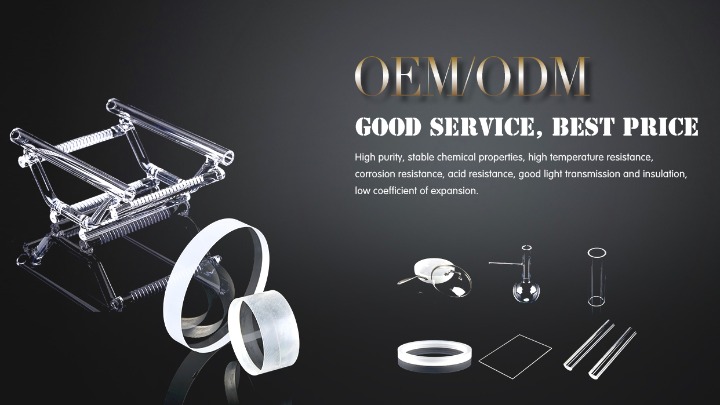
Headquartered in Donghai County — China's crystal and quartz capital — Donghai County Nivra Quartz Products Co., Ltd. combines raw mineral control with precision optical CNC machining.
Integrated Donghai Manufacturing
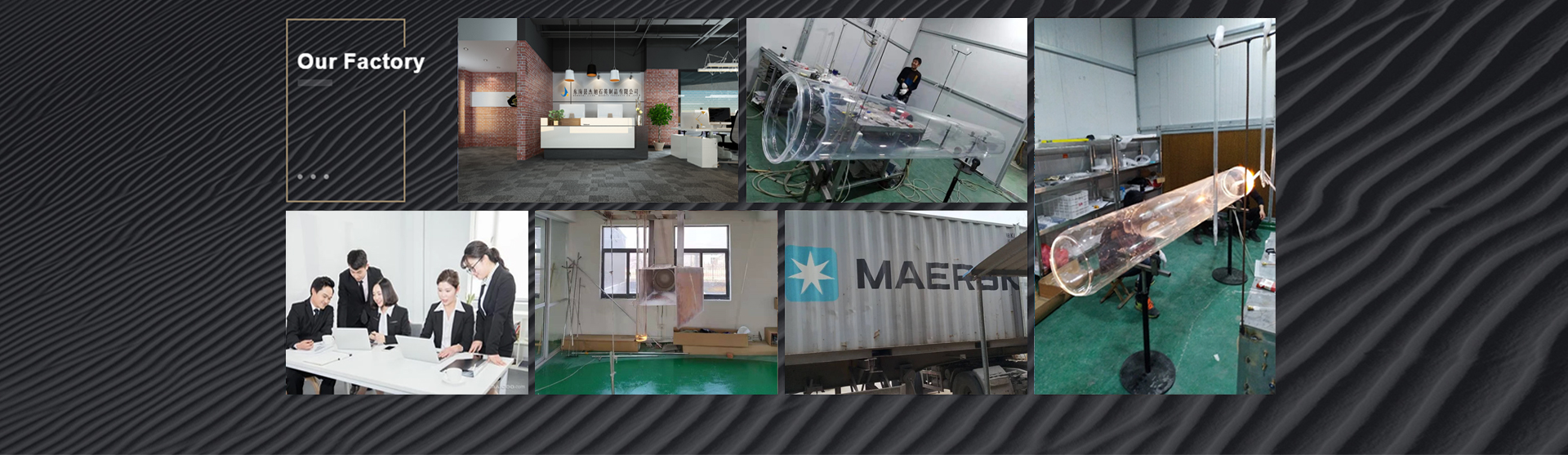
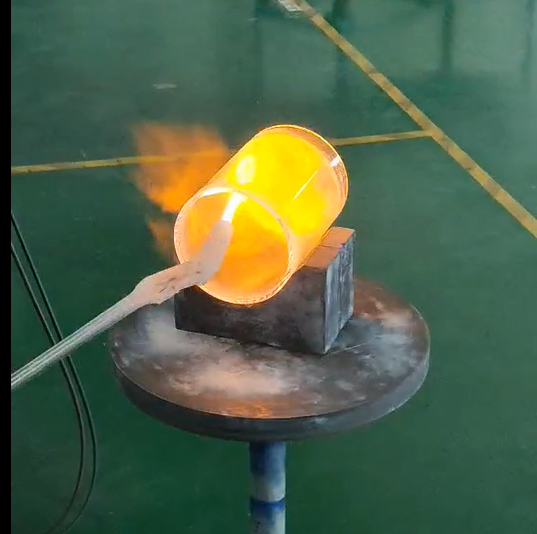
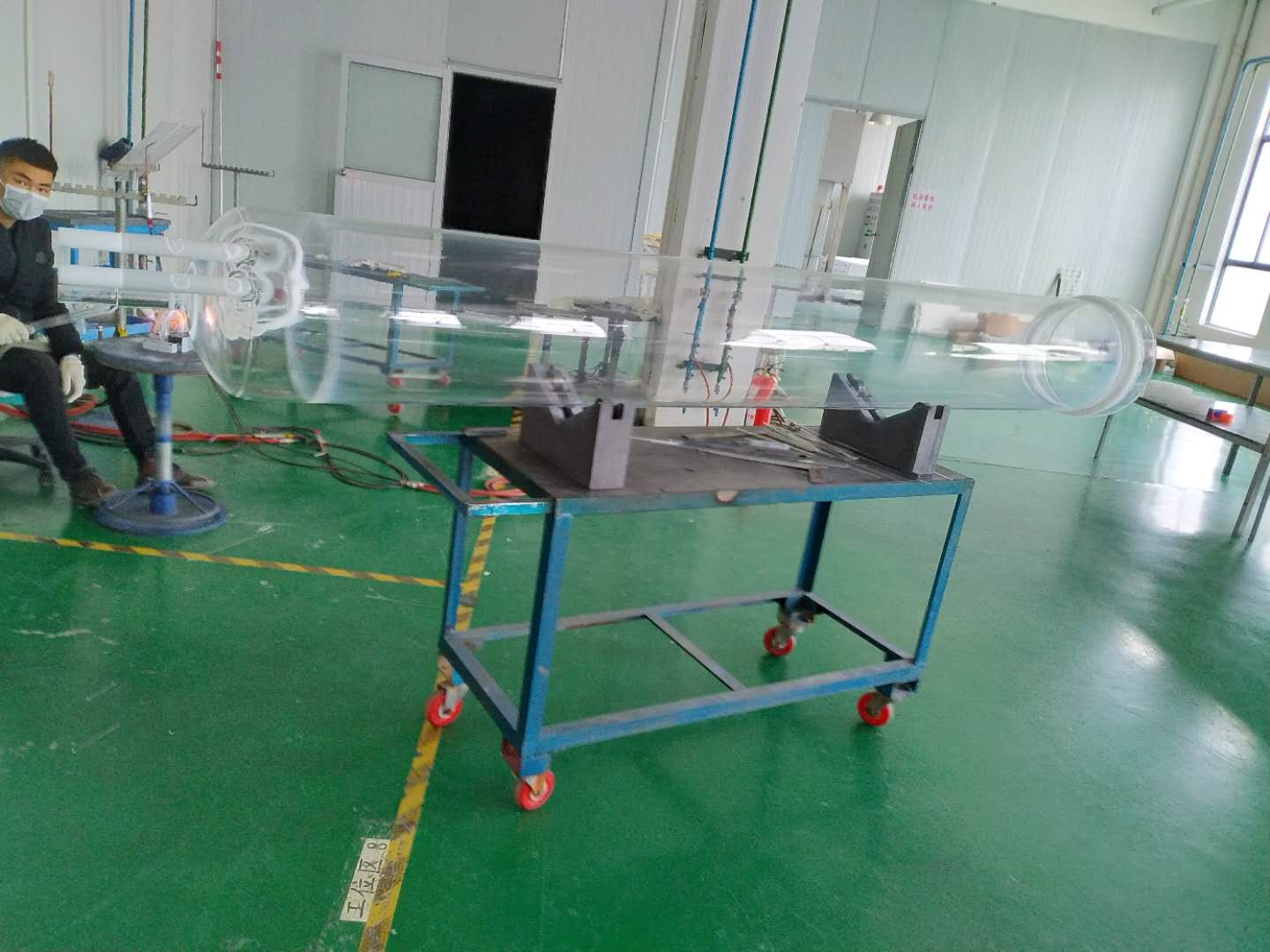
Operating at 285 Heping East Road, Lianyungang, Jiangsu, our facility houses 101–200 skilled craftsmen and technicians. We execute every production step in-house: diamond core drilling, ultrasonic CNC milling, double-sided optical lapping, precision flame annealing, and Class 100 ultrasonic cleaning.
5-Hour Rapid Engineering SLA
Poznań technical directors and procurement officers receive detailed DFM (Design for Manufacturability) analysis, tolerance feasibility assessments, and binding quotation matrices within 5 hours. Over 88.89% of inquiries are answered within this benchmark window.
Zero-Breakage Export Crating
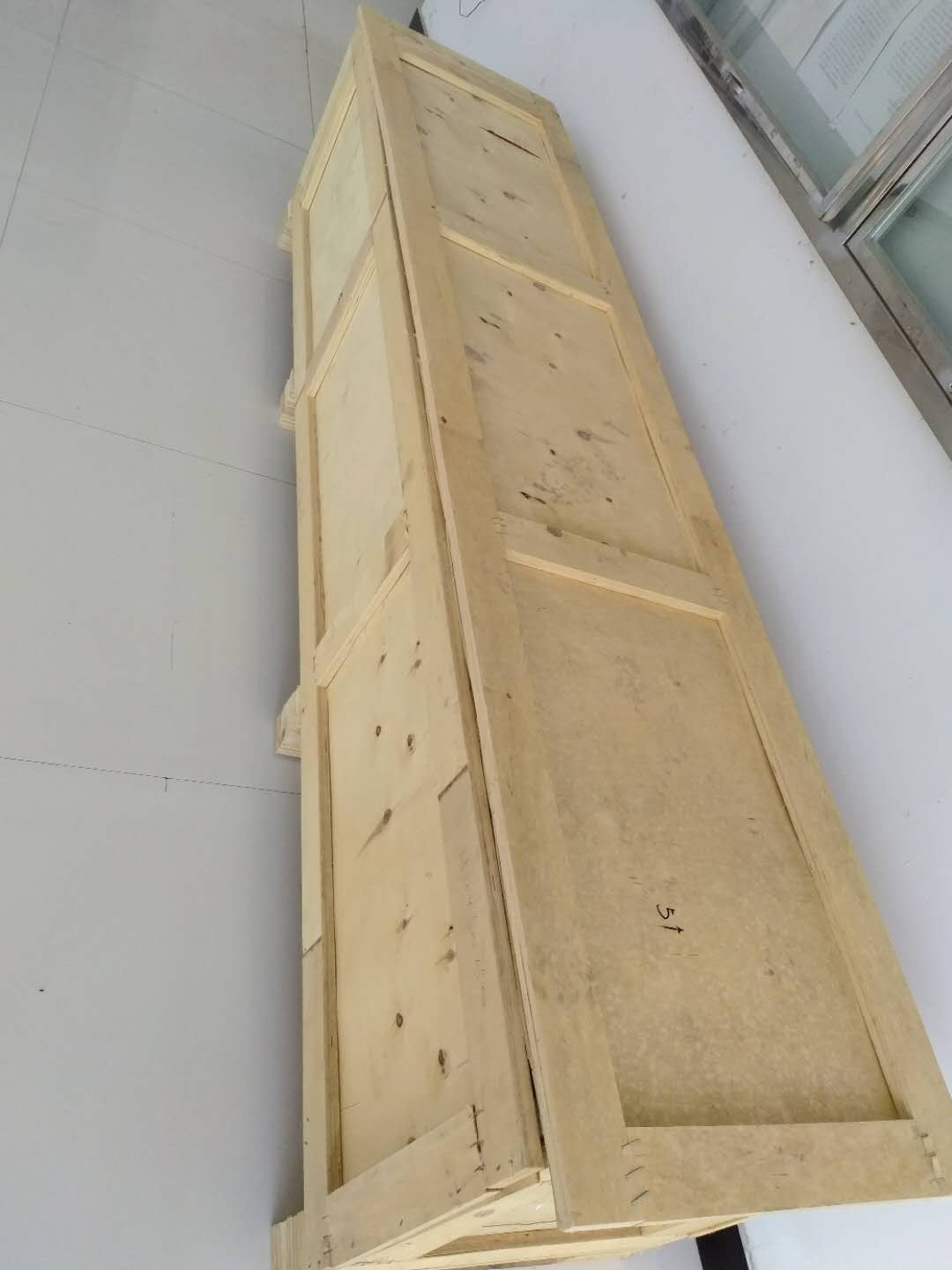
Fragile optical windows, oversized diffusion tubes, and ultra-thin discs are safeguarded in custom vacuum clamshell blisters, anti-static moisture barriers, high-density shock-absorbing EPE foam, and fumigation-free export wooden cases. We guarantee 100% safe arrival in Poznań.


Third-Party Factory Verification & Quality Documents
Frequently Asked Questions by Poznań Sourcing Managers
Addressing import duties, custom technical tolerances, laser damage threshold testing, and logistics to Poland.
What are the exact differences between JGS1, JGS2, and JGS3 quartz window grades?
JGS1 is a high-purity synthetic fused silica created via vapor chemical hydrolysis. It transmits deeply into the ultraviolet range down to 185 nm without solarization, making it the benchmark for UV excimer laser optics, semiconductor lithography, and medical fluorescence analysis in Poznań laboratories. JGS2 is fused from natural quartz crystals; it transmits efficiently across the ultraviolet and visible spectrum (220 nm – 2500 nm) and is widely used for industrial laser protective windows, sight glasses, and pyrometer ports. JGS3 is an infrared-grade fused silica synthesized to be virtually free of hydroxyl ([OH⁻] < 5 ppm), eliminating the strong hydroxyl absorption band at 2730 nm (2.73 µm) and maintaining optimal optical transmission up to 3500 nm for IR pyrometry, IR spectroscopy, and military optronics.
Can you produce custom optical quartz windows according to CAD/STEP technical drawings?
Yes. Over 70% of our production for European clients consists of OEM/ODM custom components. We work directly from PDF, DWG, DXF, and 3D STEP files. Our CNC machining centers and 5-axis ultrasonic shaping equipment accommodate circular discs, rectangular plates, stepped bevels, drilled sensor apertures, polished notches, and cylindrical curvatures. Dimensional tolerances can be held to ±0.02 mm, with surface parallelism < 10 arcseconds and wedge angles controlled to customer specification.
What surface quality and flatness standards do you provide for laser optics?
We manufacture optics conforming to both US MIL-PRF-13830B (Scratch-Dig) and European ISO 10110 standards. For high-power laser applications (fiber lasers, Nd:YAG, UV DPSS), we provide laser-grade polish of 10-5 or 20-10 Scratch-Dig, with surface roughness (Ra) < 0.5 nm RMS achieved through pitch polishing and CMP. Optical transmission flatness can be certified at λ/4 to λ/10 per inch at 632.8 nm (He-Ne laser) verified via Zygo interferometry, with test reports included in your consignment.
How are import customs, Polish VAT (23%), and EU Tariffs handled for shipments to Poznań?
Optical quartz windows typically clear under TARIC / HS Code 7006.00.90 (worked glass) or 9001.90.00 (unmounted optical elements). Shipments dispatched to Poznań (via Poznań-Ławica Airport POZ or Frankfurt/Warsaw hubs via DHL/FedEx) clear through Polish customs seamlessly. If your enterprise is registered for VAT in Poland (NIP number with PL prefix), the 23% VAT is handled through standard import accounting procedures (Art. 33a of the Polish VAT Act for deferred VAT settlement). We provide comprehensive commercial invoices, packing lists with net/gross weights, and Certificates of Origin.
What are the thermal limits and thermal shock parameters of your fused quartz windows?
Clear fused quartz exhibits an exceptionally low thermal expansion coefficient of approximately 5.5 × 10⁻⁷ / °C between 20°C and 320°C. This near-zero expansion gives it unmatched thermal shock survivability: an optical quartz window can be heated to 1100°C and dropped directly into ice water without micro-fracturing. Continuous working temperature is rated at 1100°C, with short-term excursion limits reaching 1450°C before approaching the softening point of 1683°C.
What is the typical lead time and Minimum Order Quantity (MOQ) for Polish clients?
For standard dimensions (e.g., Ø25.4 mm × 3 mm, Ø30 mm × 5 mm, Ø50 mm × 5 mm) or laser protective cover slides (D30×1.5, D37×7), we maintain pre-polished blanks in stock with dispatch within 48–72 hours. For custom CNC geometries, lead time is typically 10–14 working days. Our MOQ is highly accessible: prototype batches start from 1 to 5 pieces for research facilities, while volume OEM production runs scale up to 10,000+ pieces with progressive tier discounts.
Accelerate Your Photonics Project in Poznań
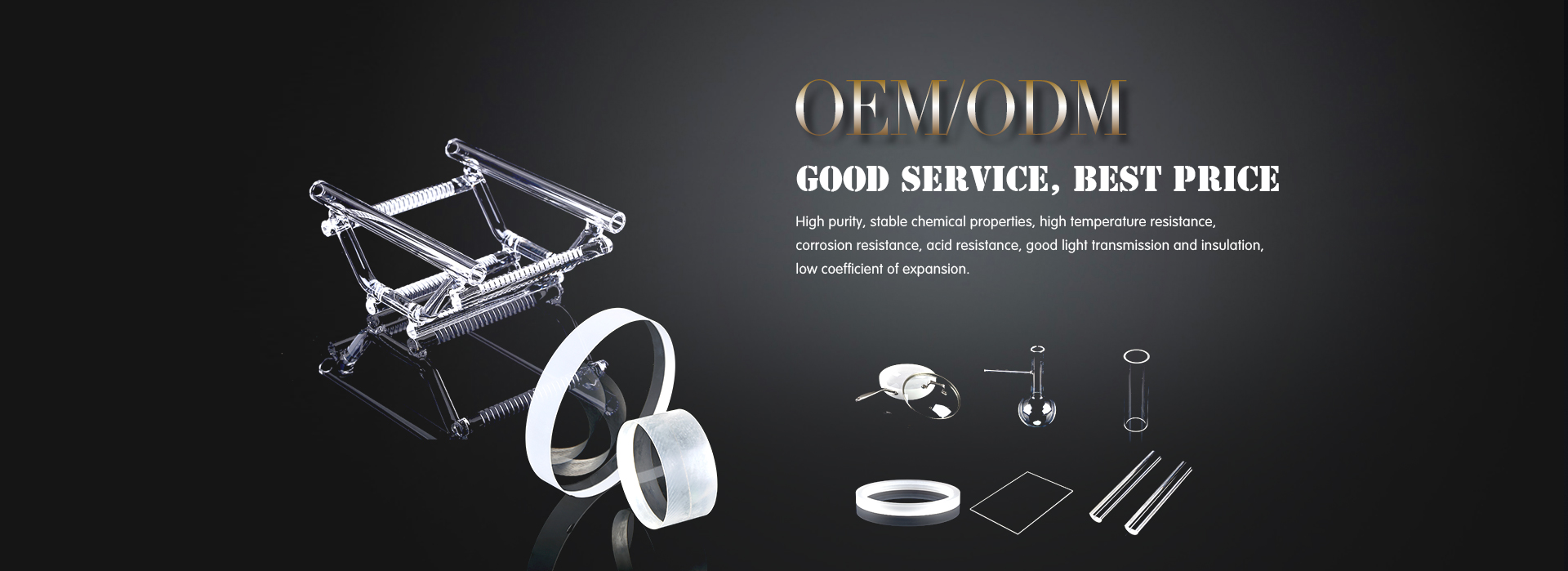
Direct factory pricing from Donghai, technical grade verification (JGS1/JGS2/JGS3), and custom drawing reviews completed within 5 hours. Experience dependable quartz optics manufacturing with zero-breakage delivery to Greater Poland.