Precision Quartz Components for George Town Industry
Engineered to withstand rigorous wafer fabrication, deep-ultraviolet lithography, and high-temperature thermal cycling in Malaysia's premier semiconductor manufacturing corridor.
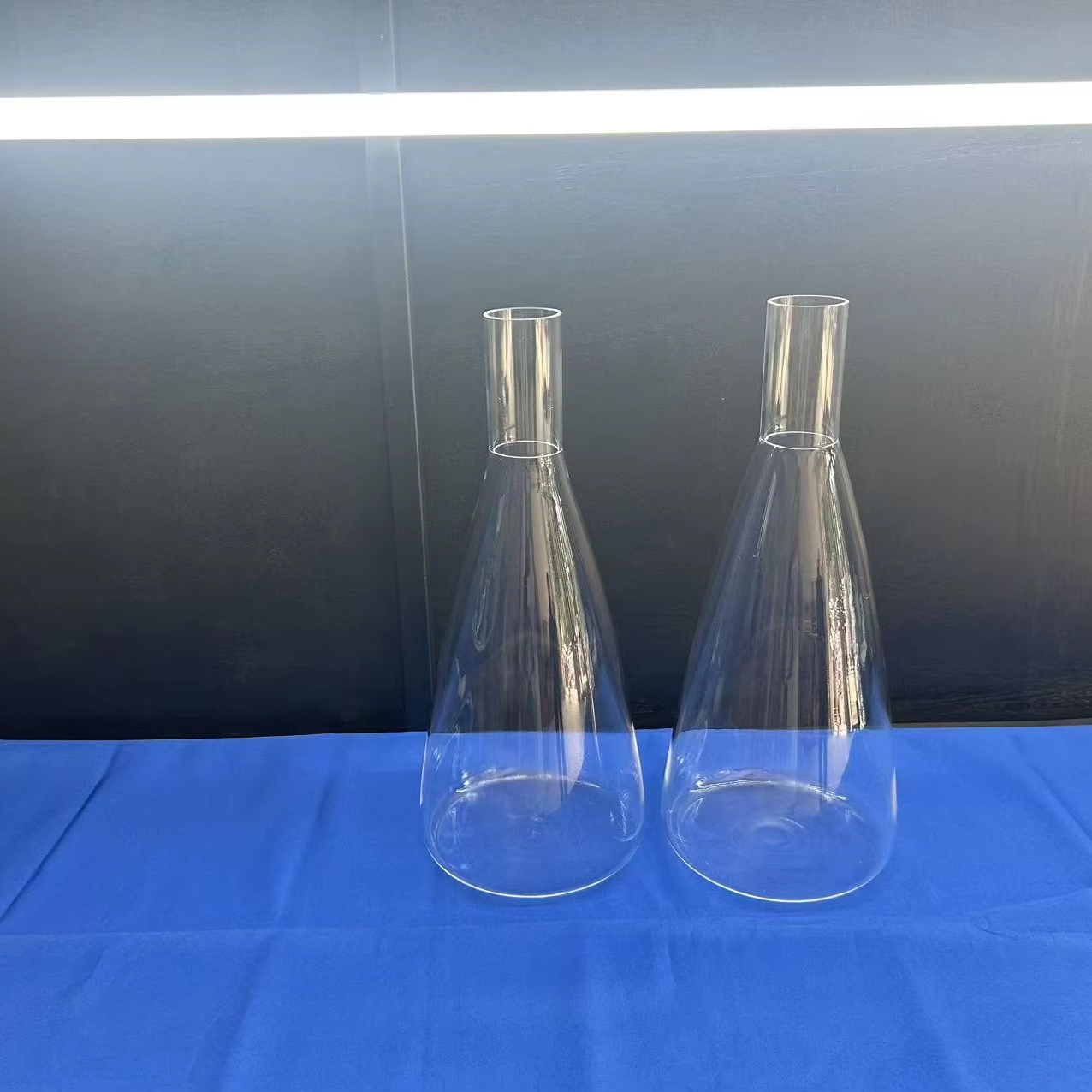
Laboratory Fused Silica Quartz Glass Flask
High-purity chemical testing vessel offering extreme resistance to thermal shock and strong acid leaching in fab testing labs.
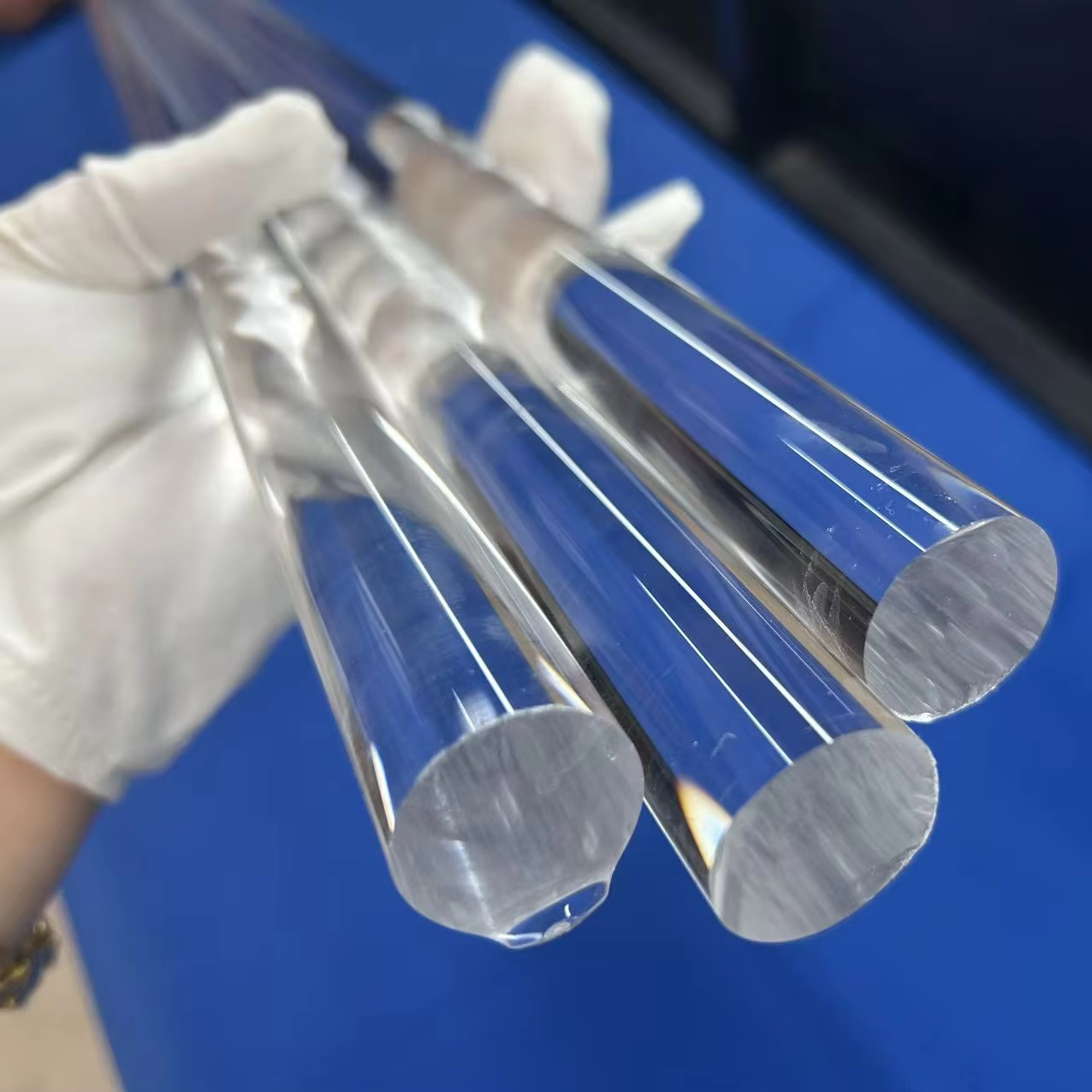
High-Purity Fused Quartz Large Diameter Round Rods
Custom cutting, flame-polishing, welding, and bending services for heavy-duty furnace structural tooling.
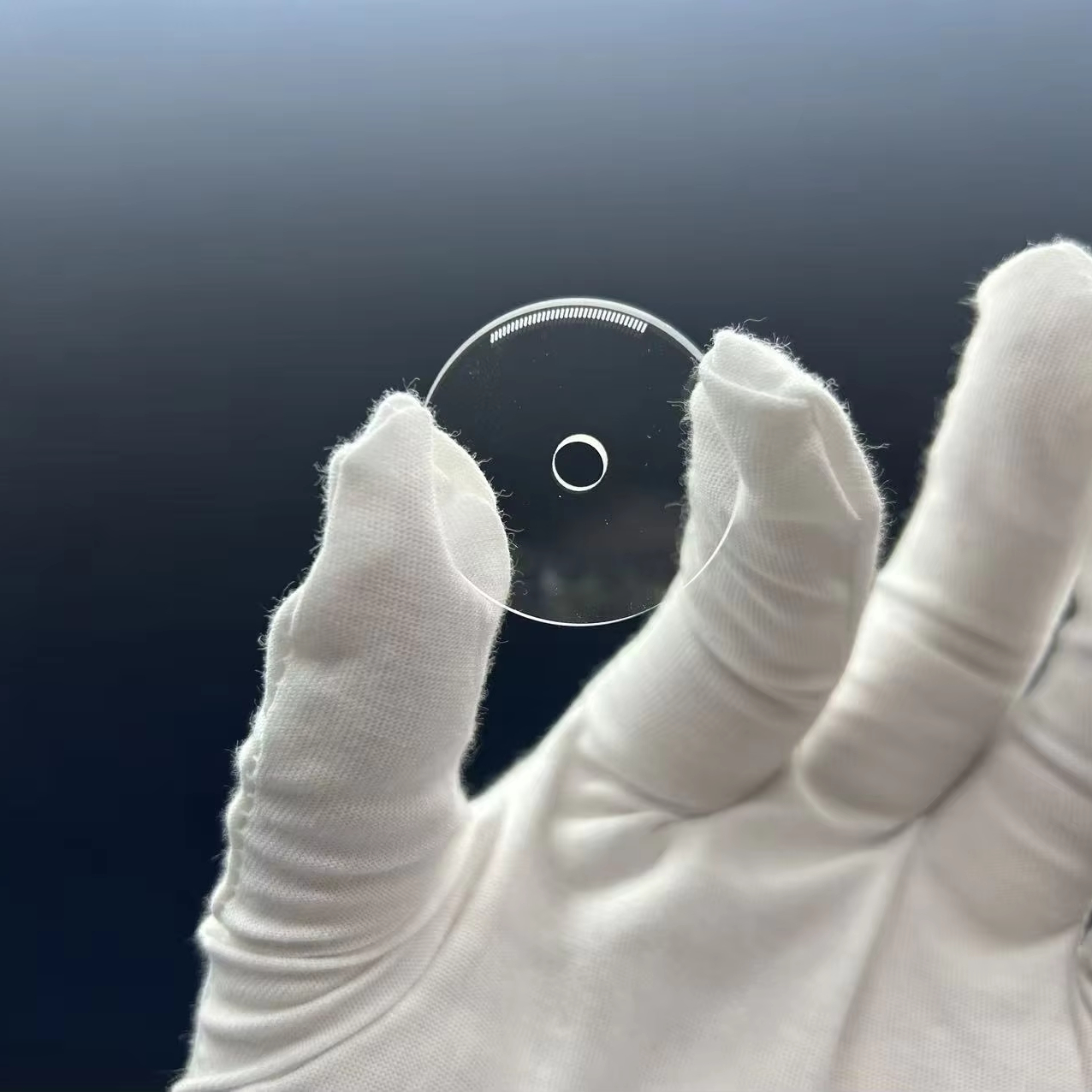
Frosted Quartz Sheet
Surface-treated sandblasted and frosted quartz plates engineered for uniform illumination diffusion and plasma chamber shielding.
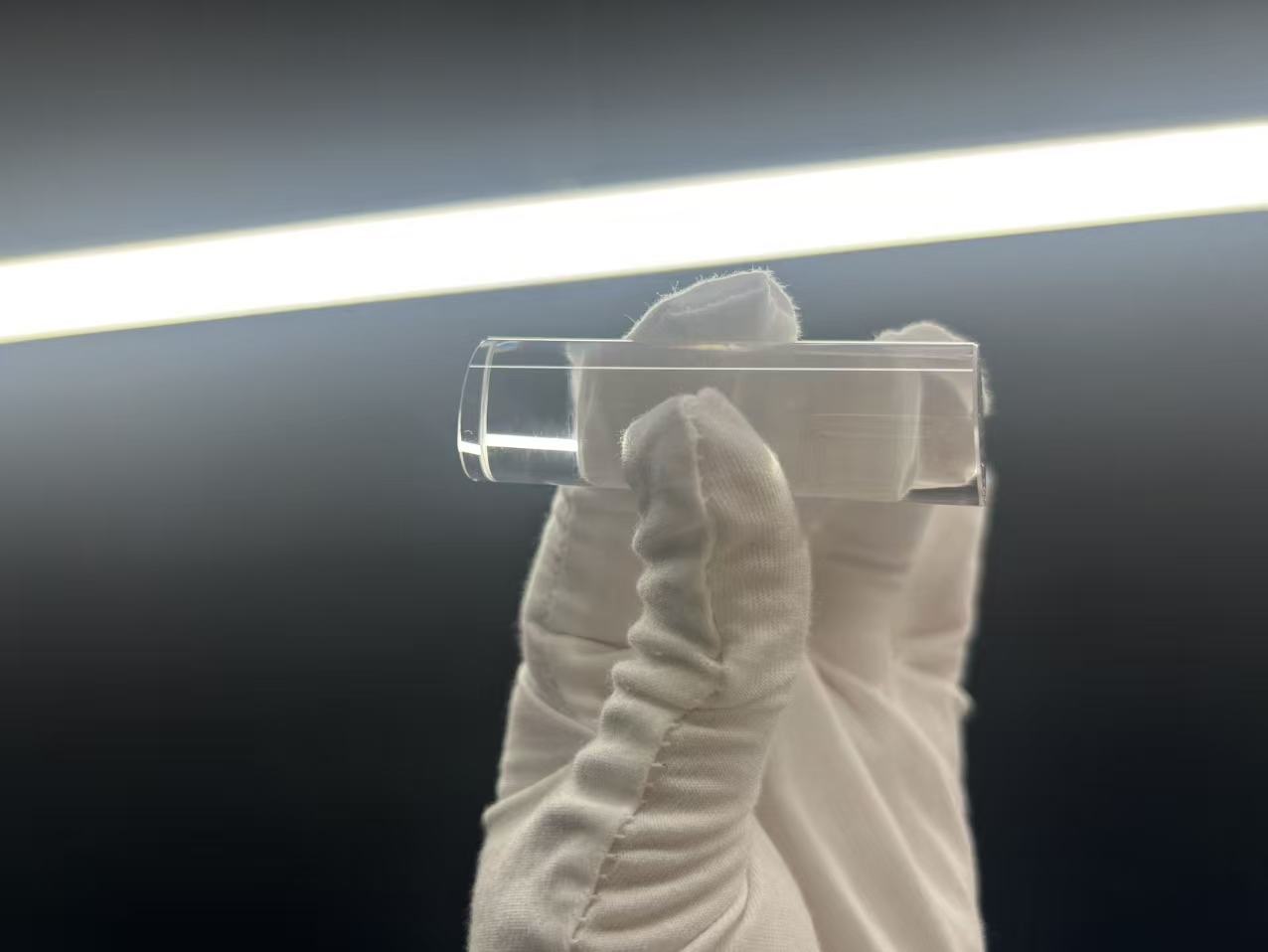
Round Head Quartz Rod
Precision rounded-end handling pins and optical quartz pushers for wafer guide fixtures and cleanroom assembly racks.
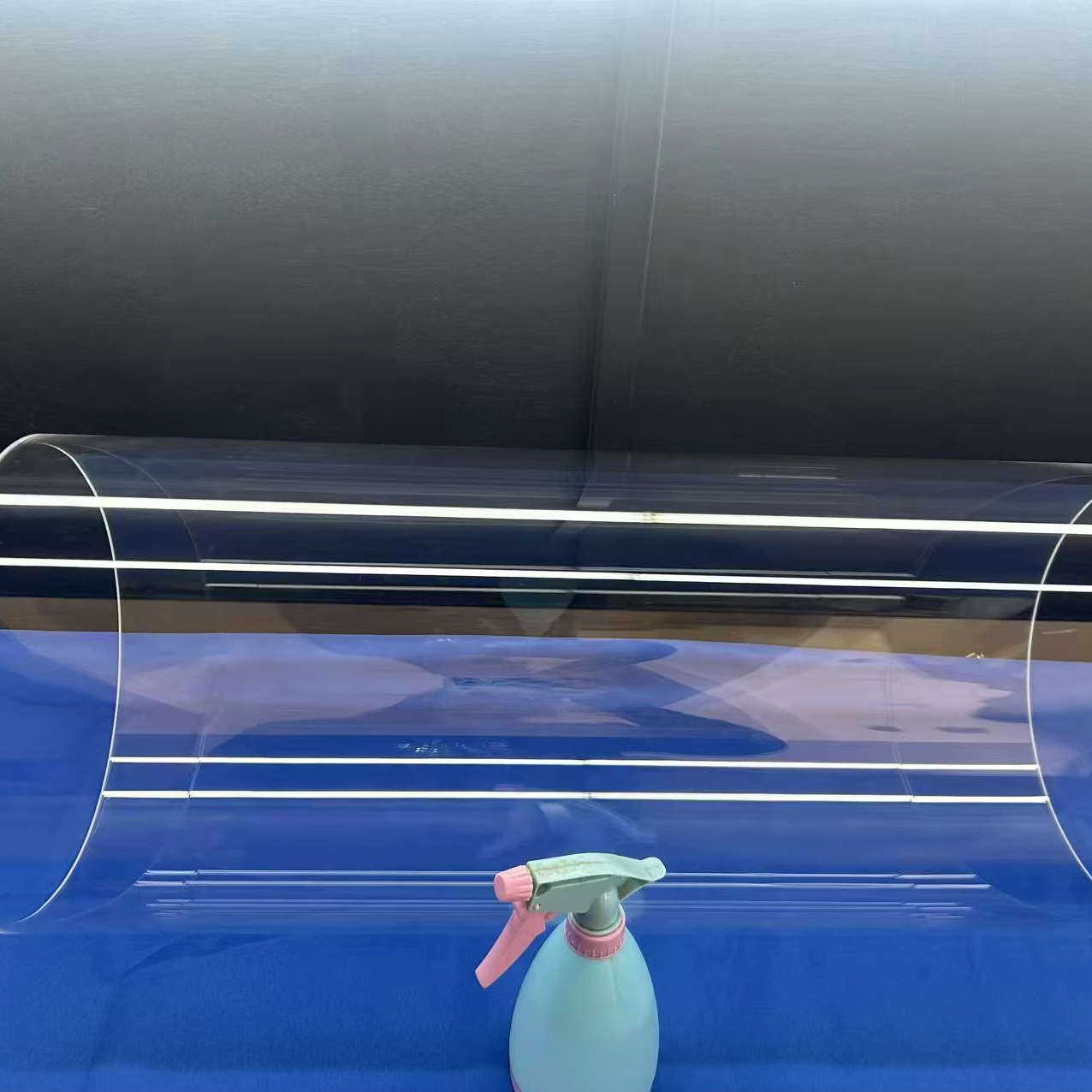
Customizable High Purity Fused Quartz Glass Tube
High-temperature resistant furnace process tubes with working limits up to 1450°C and ultra-low thermal expansion.
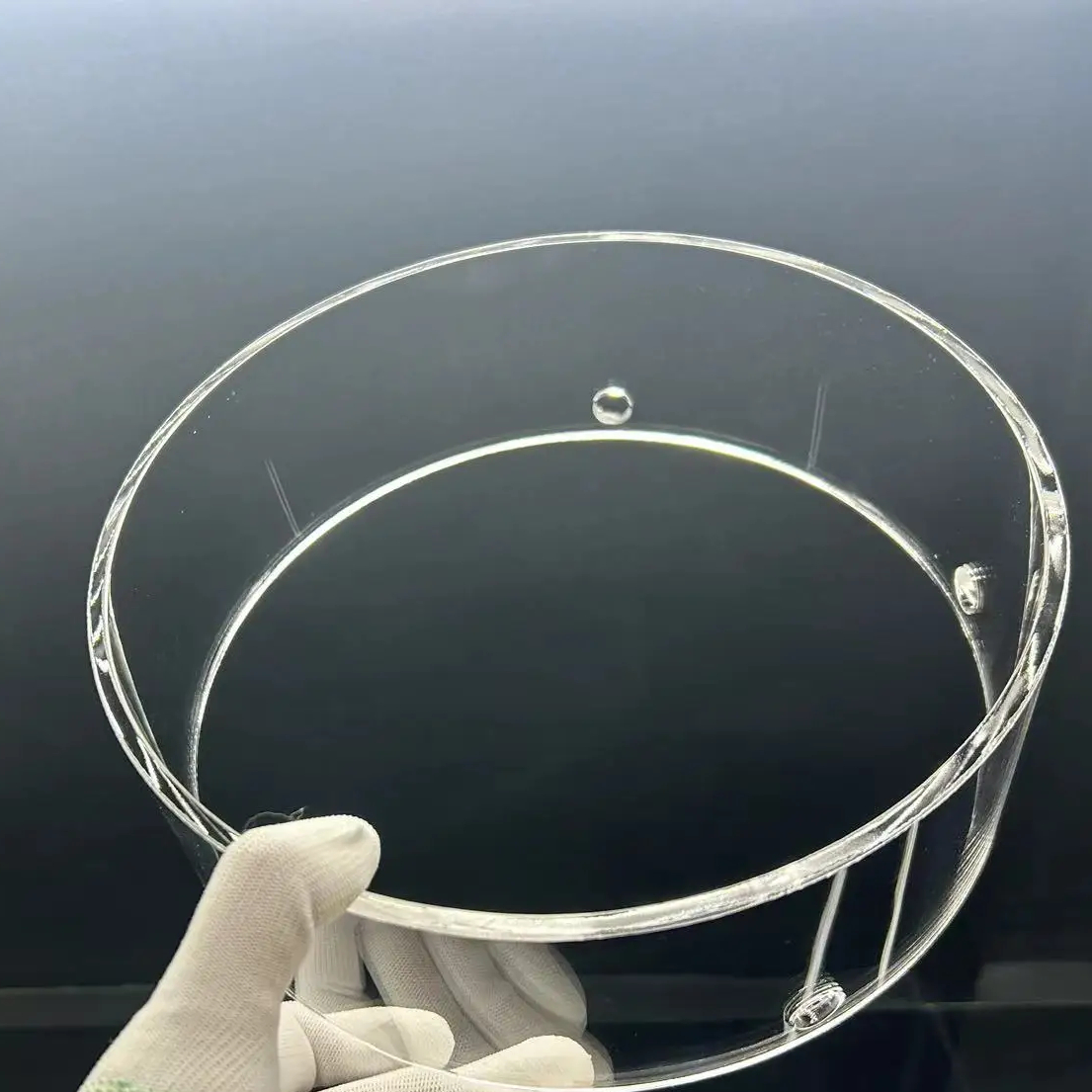
Fused Transparent Quartz Tube
Ultra-clear UV transmission tubing for photochemical curing, water treatment sterilizers, and optical laser sight ports.
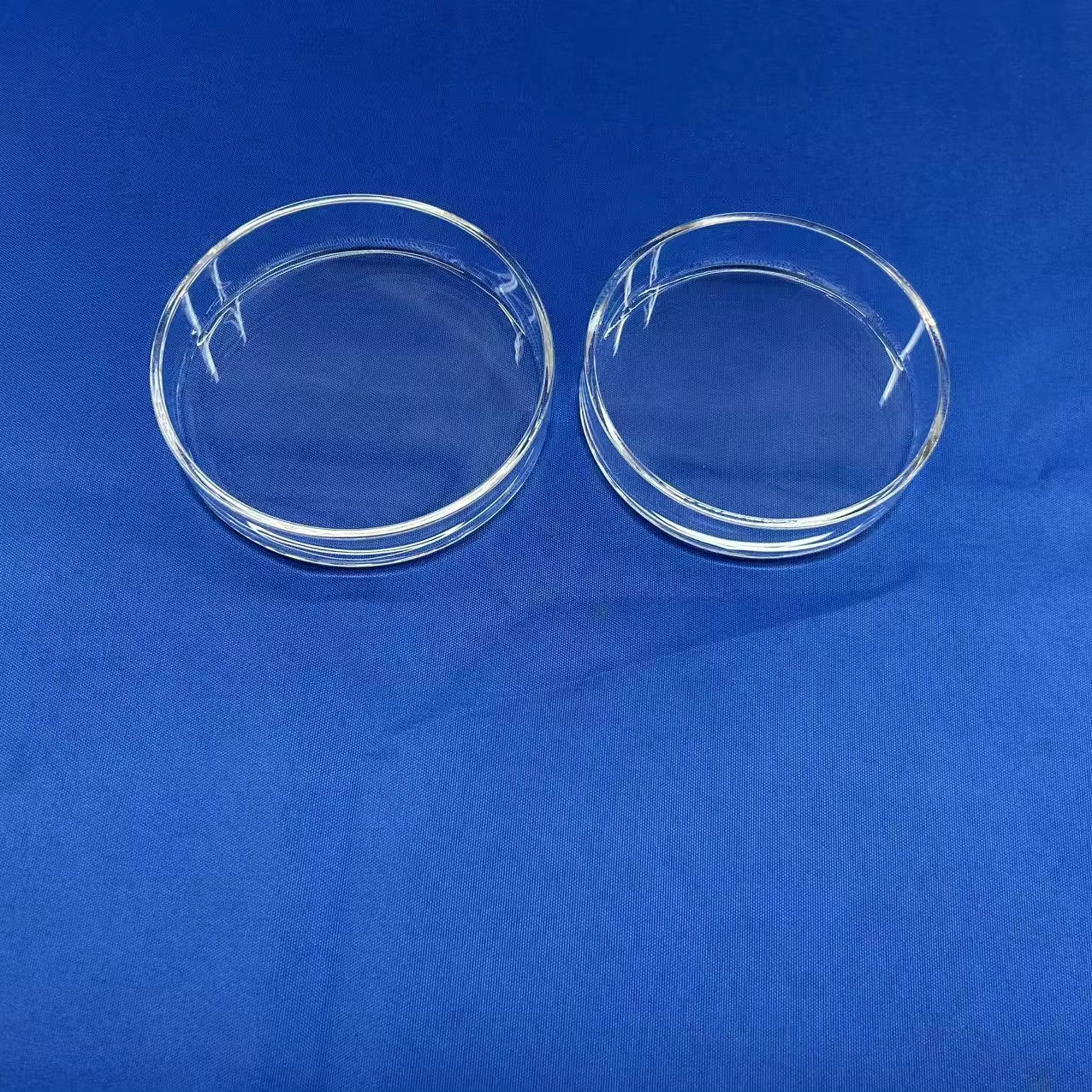
High-Purity Quartz Glass Petri Dishes with Lids
Non-autofluorescent cell cultivation and chemical analysis dishes built for high-temperature biological and medical applications.
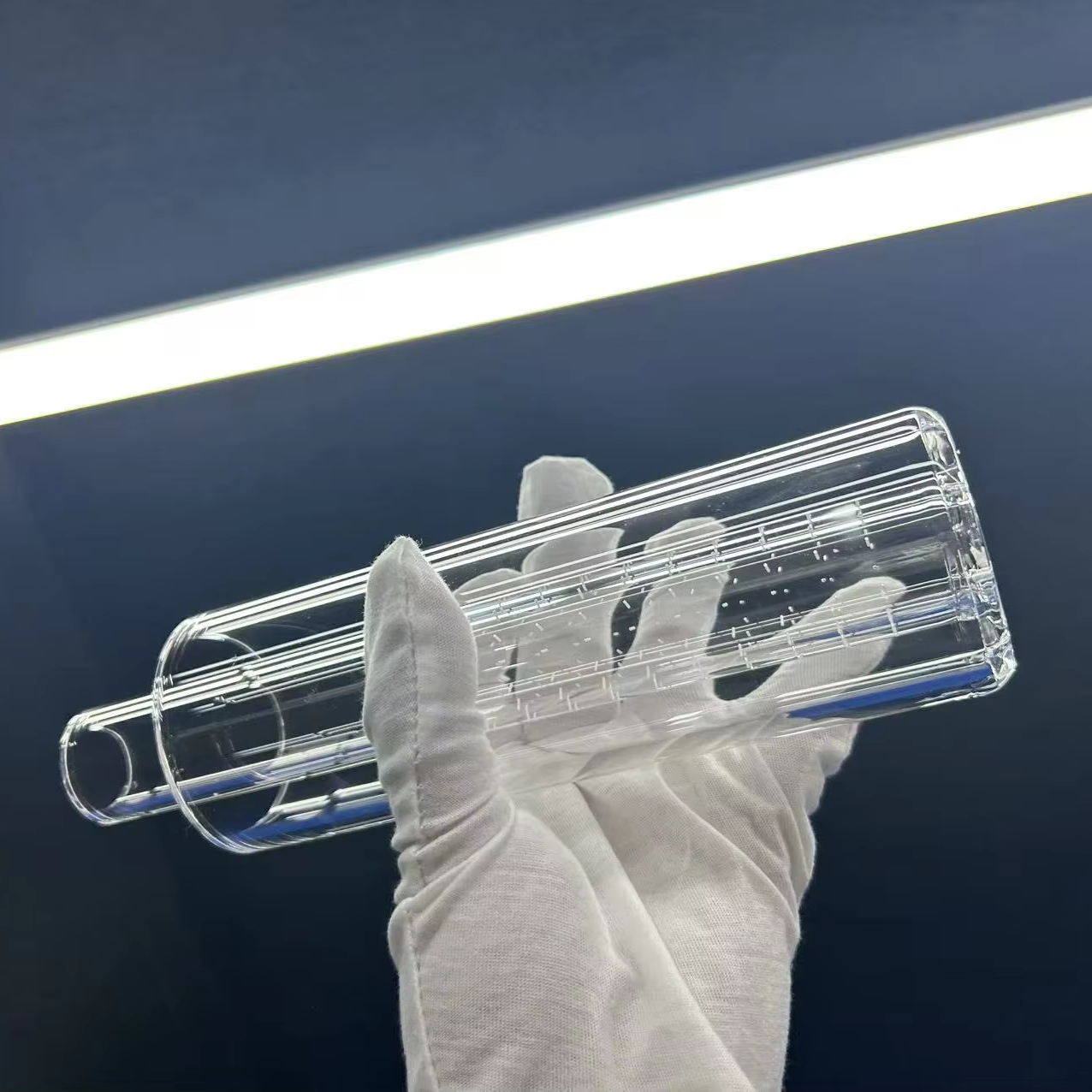
Customized Perforated Quartz Tube
CNC laser-drilled gas injector tubes for precision chemical vapor deposition (CVD) and LPCVD process uniformity.
Material Science & Optical Quartz Engineering for Penang's Tech Belt
A comprehensive examination of synthetic fused silica (JGS1) and natural optical quartz (JGS2/JGS3) plate fabrication for high-precision industrial applications in George Town and greater Penang.
Fundamental Crystallography & Purity Profiles
In high-density electronics and photonic manufacturing, optical quartz glass plates represent an irreplaceable class of materials. Unlike common soda-lime or borosilicate glasses, quartz glass is composed almost entirely of silicon dioxide (SiO₂) in an amorphous (non-crystalline) vitreous state. For engineering teams operating across the Bayan Lepas Free Industrial Zone and the Batu Kawan Industrial Park (BKIP), the choice of optical quartz plate manufacturer determines process repeatability, transmission efficiency across deep-ultraviolet (DUV) wavelengths, and thermal survival under continuous 1100°C furnace conditions.
Our manufacturing facility, located in Donghai County—the global epicenter for raw quartz mining and refining—leverages high-purity natural silica sand (99.99% purity) as well as synthetic silicon tetrachloride (SiCl₄) gas precursors to achieve chemical purity levels exceeding 99.999% (5N). At this atomic threshold, trace transition metal contaminations such as iron (Fe), titanium (Ti), copper (Cu), and chromium (Cr) are restricted below 0.1 parts per million (ppm). This chemical isolation prevents the formation of optical color centers, ensuring zero solarization and zero absorption defects when exposed to intensive excimer laser radiation or short-wavelength UV curing lamps.
“For automated optical inspection (AOI) stages, laser lithography alignment blanks, and wafer-level packaging in George Town, mechanical flatness below λ/4 and minimal internal stress birefringence (≤5 nm/cm) are mandatory to prevent wavefront aberration during sub-micron metrology.”
Depending on the spectral and thermal profile of the target application, three primary optical quartz plate classifications are manufactured and dispatched to George Town procurement desks:
1. JGS1 Synthetic Fused Silica (Far UV Grade): Synthesized via flame hydrolysis of chemical halides, this grade is completely free of natural mineral bubbles and crystalline inclusions. It delivers exceptional optical transmittance from 185 nm to 2500 nm, making it the industry standard for 193 nm ArF and 248 nm KrF photolithography windows, excimer laser optics, and micro-electromechanical systems (MEMS) substrate carriers.
2. JGS2 Optical Fused Quartz (Standard UV-Vis Grade): Produced by electric fusion of ultra-pure natural quartz crystal under inert atmospheres, JGS2 provides stellar optical transparency across the visible spectrum (220 nm to 2500 nm). It is universally employed for inspection sight glasses, wafer thermal processing viewports, and cleanroom vacuum chamber observation covers.
3. JGS3 Infrared Fused Quartz (Low-OH IR Grade): Manufactured via specialized vacuum electro-fusion methods that effectively strip hydroxyl (-OH) radicals down to ≤2 ppm. By removing the critical 2.73 μm absorption band, JGS3 permits high-efficiency transmission across the extended infrared band (260 nm to 3500 nm), serving infrared pyrometry, thermal imaging inspection, and CO₂ laser optical systems.
| Physical / Optical Property | JGS1 Synthetic Fused Silica | JGS2 Optical Fused Quartz | JGS3 Low-OH Infrared Quartz | Borosilicate Float Glass |
|---|---|---|---|---|
| Transmission Spectrum Range | 185 nm – 2,500 nm (DUV-Vis) | 220 nm – 2,500 nm (UV-Vis) | 260 nm – 3,500 nm (Vis-IR) | 320 nm – 2,000 nm (Limited) |
| Hydroxyl (-OH) Content | Typically ≤1,200 ppm (or <10 ppm) | Typically ≤150 – 200 ppm | ≤2 – 5 ppm (Water-Free) | N/A (Complex Oxide) |
| Coefficient of Thermal Expansion (CTE) | 5.5 × 10⁻⁷ / °C (20–320°C) | 5.5 × 10⁻⁷ / °C (20–320°C) | 5.5 × 10⁻⁷ / °C (20–320°C) | 33 × 10⁻⁷ / °C |
| Maximum Working Temp (Continuous) | 1,100 °C | 1,100 °C | 1,150 °C | 450 °C |
| Short-Term Annealing Point | 1,215 °C | 1,200 °C | 1,220 °C | 560 °C |
| Refractive Index (nd @ 589.3 nm) | 1.4585 | 1.4585 | 1.4585 | 1.5230 |
| Surface Quality / Polish Standard | 20/10 or 40/20 Scratch-Dig | 40/20 or 60/40 Scratch-Dig | 60/40 Scratch-Dig | Commercial 80/50 |
| Dielectric Constant (ε @ 1 MHz) | 3.75 | 3.75 | 3.75 | 4.6 – 6.0 |
Integration in George Town & Penang's Manufacturing Hubs
How precision optical quartz plates support the specialized engineering needs of Northern Malaysia's high-tech manufacturing corridor.
Advanced Semiconductor Packaging (OSAT)
Penang handles over 8% of global semiconductor back-end assembly. In high-density flip-chip and fan-out wafer-level packaging (FOWLP) facilities within the Bayan Lepas Free Industrial Zone:
- Temporary wafer bonding & debonding (TBDB) support plates.
- High-transmittance UV laser debonding release carrier windows.
- Zero-thermal-drift carriers during thermosonic flip-chip bonding.
- Plasma-resistant dielectric spacers for wafer-level molding tools.
Automated Optical Inspection (AOI) Systems
George Town is an international engineering hub for advanced test and metrology equipment manufacturers located across Batu Kawan Industrial Park:
- Scratch-free, bubble-class-0 stage plates for high-speed camera scanning.
- Anti-reflective (AR) coated quartz plates minimizing internal reflections.
- Wavefront distortion < λ/4 across large apertures (up to 600 mm).
- Dimensional stability under prolonged LED and laser illumination exposure.
Plasma Etch & Epitaxy Furnace Windows
Front-end wafer processing, compound semiconductor fabs, and silicon carbide (SiC) epitaxy lines across the Northern Corridor Economic Region (NCER):
- Viewports resistant to chlorine and fluorine-based reactive ion etching.
- Continuous exposure integrity in high vacuum systems (≤10⁻⁶ Torr).
- Infrared pyrometry observation windows (JGS3 low-OH material).
- Thermal shock survival when shifting between 20°C and 1100°C instantly.
Medical Diagnostics & Bio-Photonics
George Town's expanding medtech cluster requires ultra-clean optical consumable components for clinical and laboratory instrumentation:
- Fluorescence-free spectrophotometer base plates and microfluidic covers.
- Extreme biocompatibility with no leachables into biochemical assays.
- Full optical clarity for laser-induced fluorescence (LIF) detection.
- Autoclavable quartz components capable of indefinite sterilization cycles.
Photovoltaic & Green Energy Manufacturing
Perak and Penang solar cell assembly operations utilize high-purity quartz plates throughout high-efficiency cell manufacturing lines:
- High-transmittance quartz cover plates for UV crosslinking laminators.
- Furnace baffle plates and thermal shields in PERC & TOPCon diffusion.
- Chemical resistance against hot phosphoric acid and RCA cleaning chemistries.
- Ultra-low iron contamination protecting carrier lifetimes.
Laser Micro-Machining & Optics Enclosures
Precision tooling suppliers in Prai and Butterworth rely on custom CNC-machined optical quartz plates for laser workstations:
- Protective laser debris windows for fiber, Nd:YAG, and UV laser heads.
- Custom edge beveling, countersunk screw mounting holes, and steps.
- High laser-induced damage threshold (LIDT > 10 J/cm² @ 1064 nm).
- Exceptional dimensional tolerance (±0.02 mm) via precision CNC grinding.
The George Town Market: Sourcing Evolution & Dynamics
Why Tier-1 assembly facilities and fab subcontractors in Penang are restructuring their optical quartz supply chains toward direct manufacturer relationships.
1. Direct Manufacturer Procurement Replacing Regional Intermediaries
Historically, semiconductor packaging and optoelectronic firms in Penang acquired fused silica and quartz plates through multi-tiered Singaporean or European trading entities. This historical route introduced markups of 40% to 75% alongside communication delays for custom drawings. Today, engineering teams in Bayan Lepas and Batu Kawan interface directly with our Donghai manufacturing engineering staff. Direct CAD review (STEP/DWG formats), rapid prototype turnaround within 5 to 7 days, and factory-direct pricing have made direct supply chain integration the operational standard across Penang.
2. Transition to Advanced Packaging (2.5D/3D Heterogeneous Integration)
With Penang solidifying its position as Malaysia's leader in advanced semiconductor packaging, the physical demands placed on quartz carrier plates have increased significantly. High-density interconnects, micro-bumping, and temporary wafer bonding require carrier plates with total thickness variation (TTV) under 2 μm and warp under 15 μm across an 8-inch or 12-inch profile. Our double-sided planetary chemical mechanical polishing (CMP) processes provide sub-nanometer surface roughness (Ra < 0.5 nm), preventing void formation during adhesive bonding.
3. Cleanroom Compliance & Particulate Risk Mitigation
In automated cleanrooms operating under ISO Class 4 and Class 5 (Federal Standard 209E Class 10 and 100), incoming particulate contamination represents an acute yield threat. Standard commercial export packaging is no longer acceptable for George Town cleanroom loading docks. Our packaging protocol involves ultrasonic multi-stage deionized water cleaning, hot pure nitrogen drying, and double vacuum-sealed anti-static cleanroom bag packaging inside custom-molded EVA protective enclosures.
4. Resilient Air-Cargo Transit to Penang International Airport (PEN)
Logistical agility is paramount for Penang's production lines where down-time costs accrue hourly. Located with direct highway links to major international cargo hubs, our dispatch infrastructure supports door-to-door express delivery to Bayan Lepas facilities within 72 to 96 hours via Penang International Airport (PEN). For volume consignments, consolidated sea-air freight through Swettenham Pier or the North Butterworth Container Terminal (NBCT) offers cost-optimized predictability.
Why Leading George Town Enterprises Partner with Nivra Quartz
Integrated manufacturing capabilities from Donghai County—the crystal and quartz capital of China—delivering unmatched precision, capacity, and commercial value.
Geographic Raw Material Advantage
Headquartered in Donghai County, Jiangsu, we possess direct vertical access to premium high-purity natural silica sand mines. This localized integration insulates Penang buyers from global supply fluctuations while maintaining strictly competitive factory-direct unit pricing.
Full-Chain CNC Fabrication
Equipped with 5-axis CNC ultrasonic machining centers, multi-wire precision slicing, continuous thermal annealing furnaces, and high-speed laser cutting, we execute complex geometries, micro-hole drilling, edge beveling, and internal cavity routing down to ±0.01 mm.
Rigorous Optical Quality Control
Every optical plate undergoes strict batch verification: Zygo laser interferometers for surface flatness and wavefront transmission, PerkinElmer spectrophotometers for UV-Vis-NIR spectral curves, and polariscopes to verify residual stress ≤5 nm/cm.
Rapid Engineering Responsiveness
With an engineering team dedicated to international accounts, inquiries receive complete review within 5 hours. We supply comprehensive dimensional inspection reports (CMM), raw material certificates of analysis (COA), and RoHS/REACH compliance documentation with every shipment.
Frequently Asked Questions: Sourcing for George Town & Malaysia
Practical procurement insights addressing customs, compliance, shipping, and engineering specifications for Malaysian industrial buyers.
What are the lead times and shipping modes for delivery into George Town, Penang?
For standard dimension optical quartz plates or prototype test samples, manufacturing typically requires 5 to 8 business days. High-volume customized batch orders (500 to 5,000+ pieces) require 15 to 20 working days. For shipping to Penang:
Express Air Cargo: Routed directly to Penang International Airport (PEN) via DHL/FedEx or dedicated air freight charters with transit times of 3 to 5 days, ideal for urgent line maintenance and urgent NPI runs.
Ocean Freight: Shipped to the North Butterworth Container Terminal (NBCT) or Port Klang with inland transport to Penang, requiring approximately 12 to 16 days—providing the lowest per-unit landed cost for routine volume consumables.
How are Malaysian import duties, Sales & Service Tax (SST), and customs codes handled?
Optical quartz plates and fused silica substrates are classified under HS Code 7002.32 (tubes/bars of quartz or fused silica) or 7006.00 / 7017.10 (quartz laboratory, hygienic, or optical glassware whether or not worked). Under Malaysia's tariff structure, many high-tech components are eligible for zero or reduced import duties.
Furthermore, enterprises holding Licensed Manufacturing Warehouse (LMW) status or operating within the Bayan Lepas Free Industrial Zone (FIZ) or Batu Kawan Industrial Park are generally eligible for complete Sales & Service Tax (SST) exemptions on manufacturing raw materials and capital tooling. We issue fully compliant commercial invoices, packing lists with net/gross weights, and Certificates of Origin (Form E or Standard CO) to facilitate expedited Malaysian Customs clearance.
What surface flatness and optical finish tolerances can your factory guarantee on quartz plates?
Through our double-sided chemical mechanical planarization (CMP) and precision optical lapping lines, we manufacture to the following rigorous engineering standards:
• Surface Roughness (Ra): < 0.5 nm (5 Å) for laser-grade synthetic fused silica, and < 1 nm for standard optical inspection plates.
• Surface Flatness: λ/4 to λ/10 per 25 mm aperture @ 632.8 nm helium-neon laser wavelength.
• Parallelism / Wedge: ≤ 10 arcseconds (standard) or down to ≤ 3 arcseconds upon specialized request.
• Surface Quality (MIL-PRF-13830B): 20/10 Scratch-Dig for laser and lithography applications; 40/20 or 60/40 for standard sight glasses and vacuum viewports.
How do you package fragile optical plates to ensure zero transit breakage and cleanroom suitability?
Every optical plate undergoes automated ultrasonic multi-tank solvent and DI water washing before entering an ISO Class 6 cleanroom enclosure. Each piece is individually wrapped in lint-free lens paper, encased in static-dissipative vacuum packaging, and housed within high-density laser-cut EVA foam trays.
Outer shipments are secured inside export-grade, fumigation-free reinforced plywood cases equipped with dynamic shock indicators (DropWatch / ShockWatch) and tilt monitors. Over our history of international shipments across North America, Europe, and Southeast Asia, our zero-defect arrival rate exceeds 99.8%.
Can you provide custom CNC machining, beveling, holes, and optical coatings?
Yes. We operate advanced ultrasonic CNC machines tailored specifically for high-hardness, brittle quartz glass. We routinely produce custom step-plates, rounded corners, polished chamfers, countersunk mounting perforations, and vacuum O-ring groove milling according to customer-supplied DWG, DXF, or STEP files.
Additionally, we supply custom vacuum-deposited thin-film optical coatings, including broadband anti-reflective (BBAR) coatings, single-wavelength V-coatings (e.g., 248 nm, 355 nm, 532 nm, 1064 nm), high-reflection dielectric mirrors, and conductive Indium Tin Oxide (ITO) shielding layers.