Featured Optical & Fused Quartz Components for Irish Enterprise Buyers
Manufactured to ISO 9001:2015 and DIN ISO 10110 optical standards with custom CNC slicing, surface polishing (λ/10 wavefront error), and cleanroom packaging.
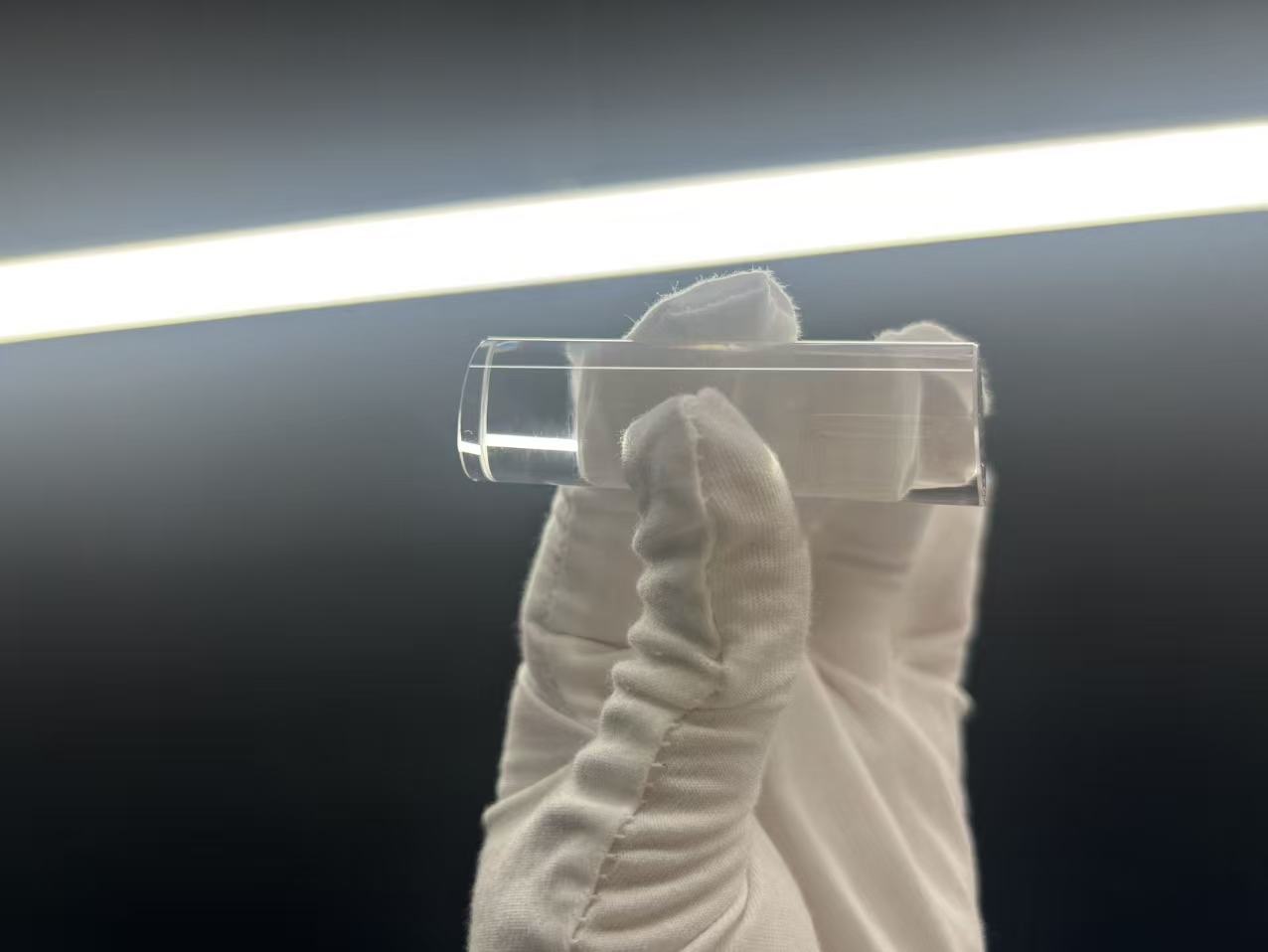
Round Head Quartz Rod
Precision rounded dome-head quartz rods designed for light transmission, optical stirring guides, and aggressive acid immersion reactors.
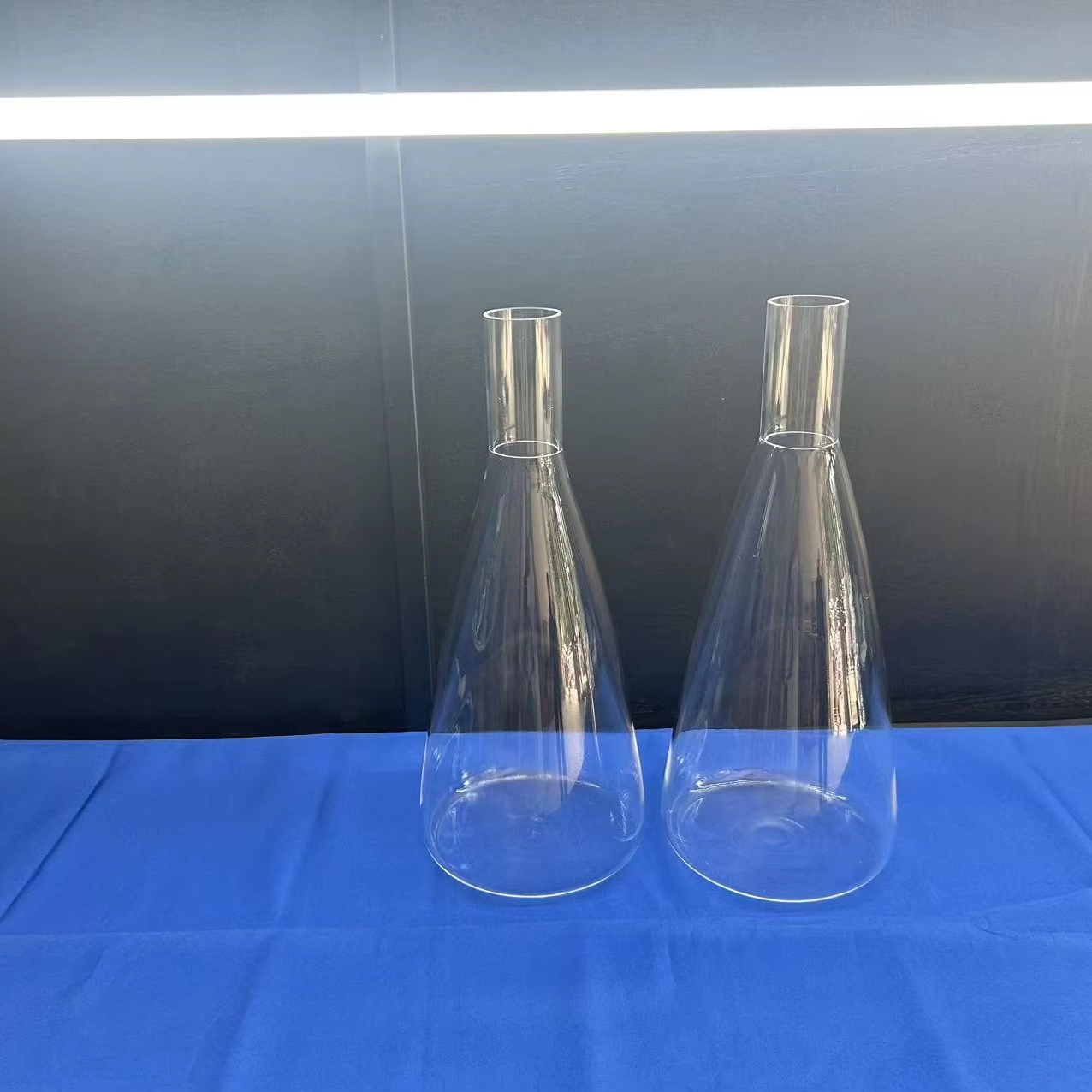
Laboratory Fused Silica Quartz Glass Flask
High-purity chemical distillation flasks engineered with zero thermal expansion for severe cryogenic to high-heat acid syntheses.
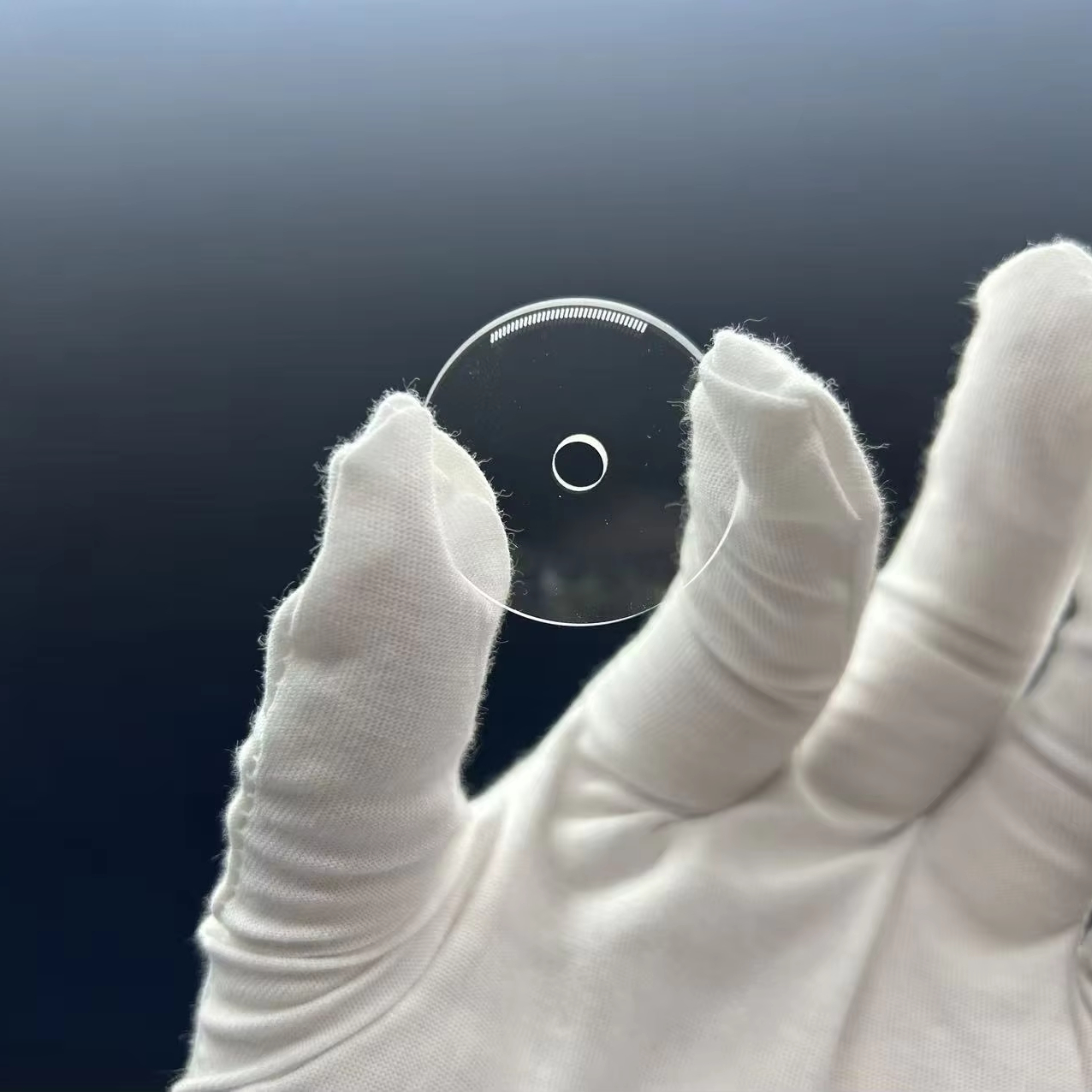
Frosted Quartz Sheet
Single or double-side sandblasted quartz plates providing uniform light homogenization and anti-glare backlighting for cleanroom inspection.
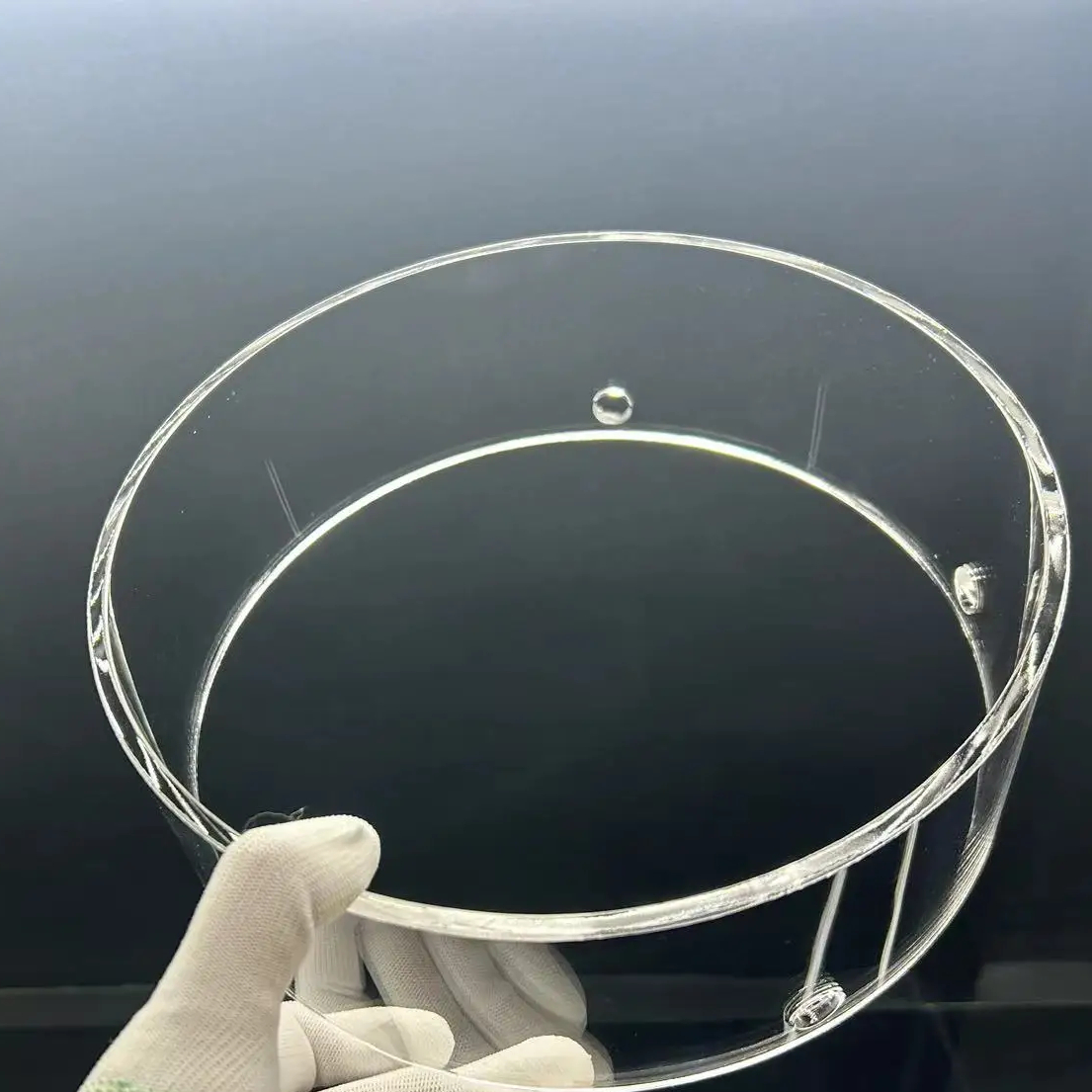
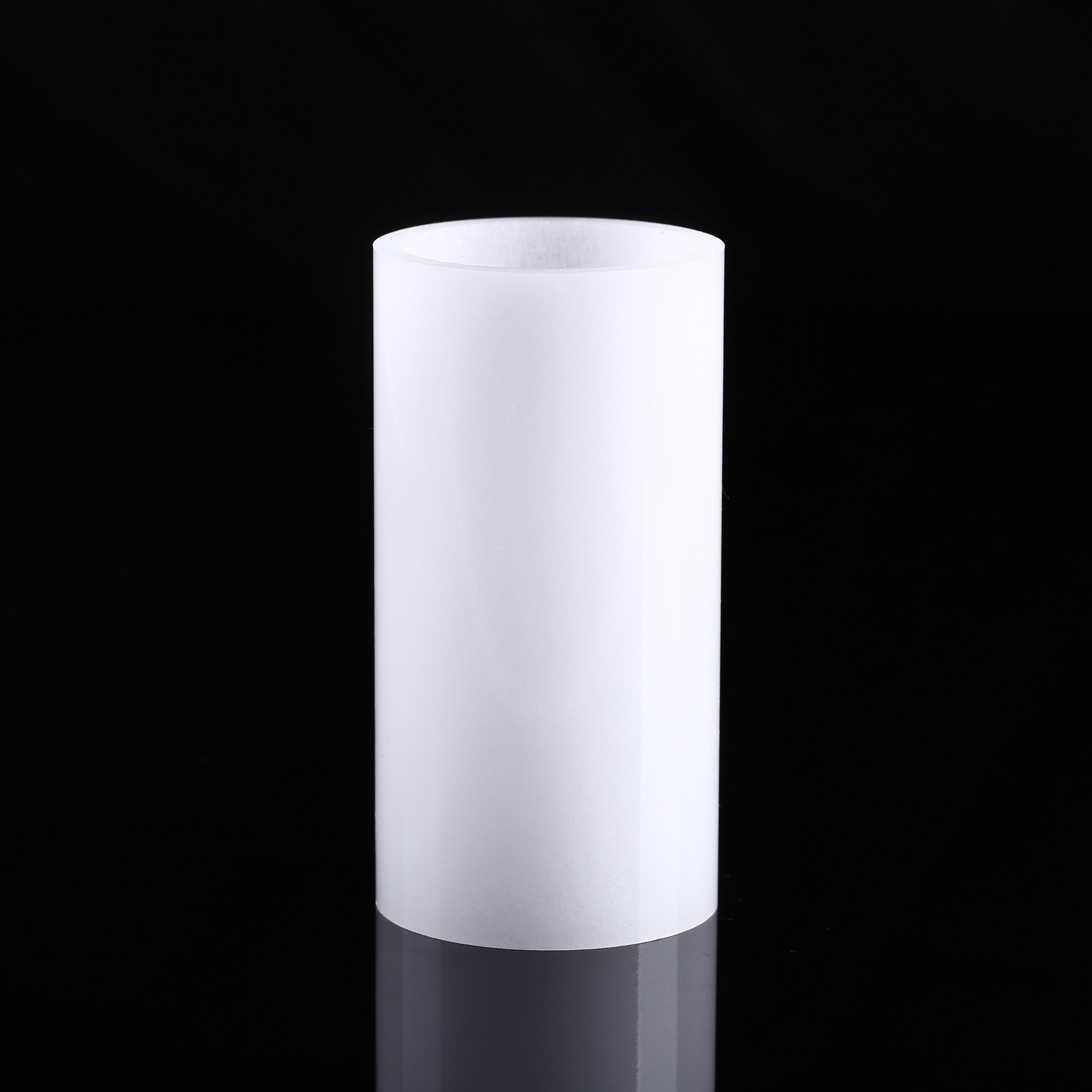
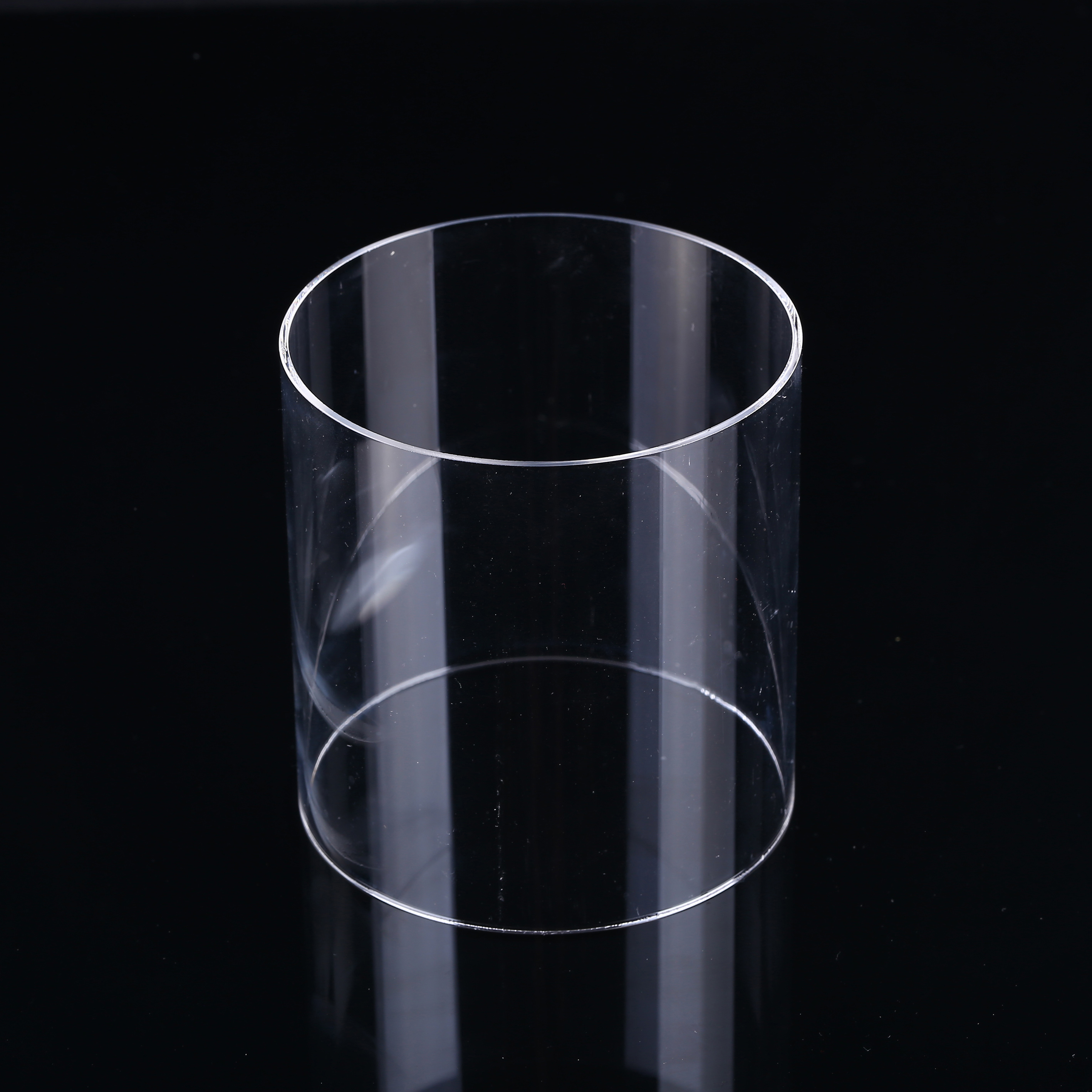
Fused Transparent Quartz Tube
Ultra-clean, bubble-free fused silica furnace tubing supporting high-temperature diffusion, oxidation, and LPCVD processes in sub-micron fabs.
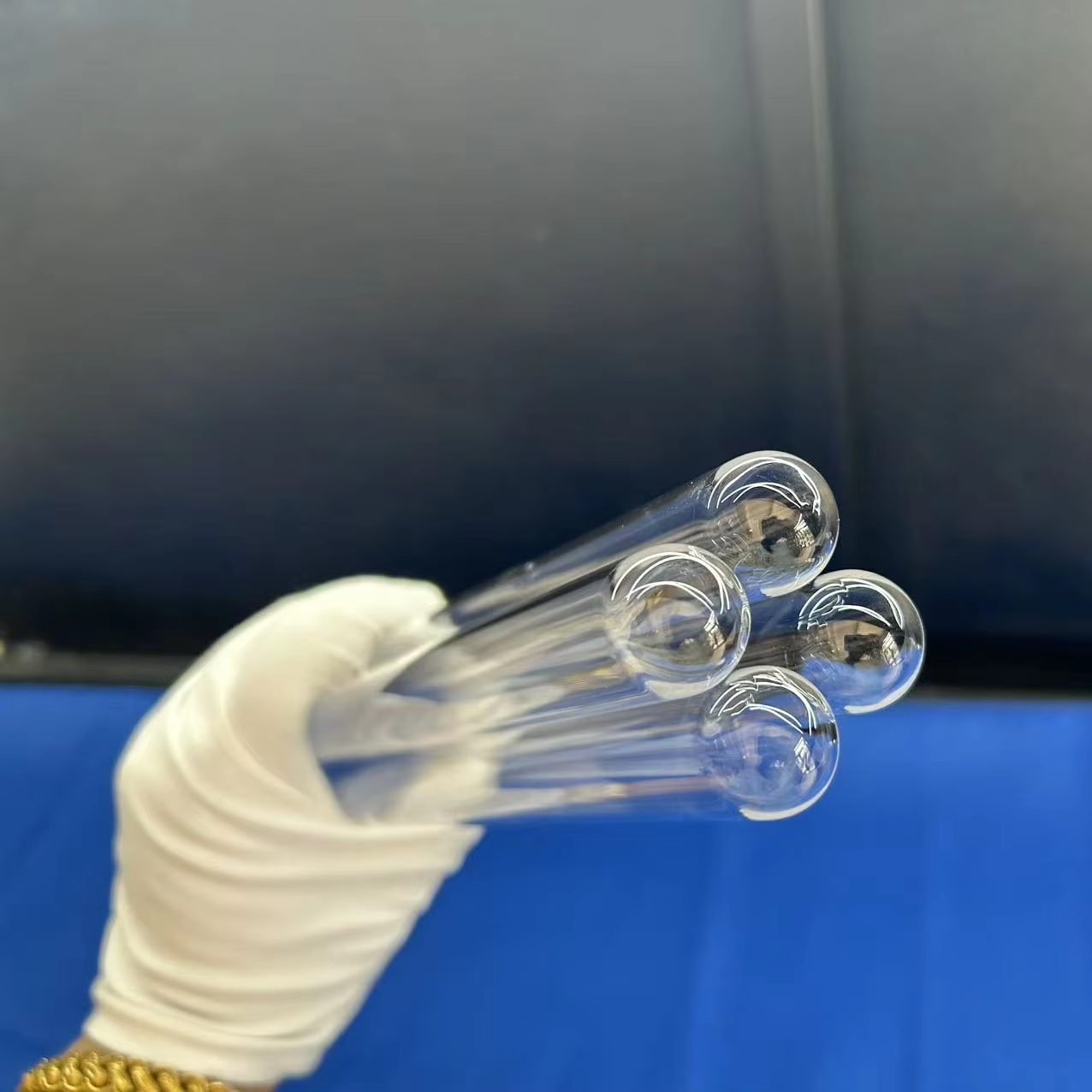
High-Purity Bottom Sealing Fused Silica Tube
OD 20-25mm precision sealed reaction tubes with optical-flat round bottoms, offering helium-leak-tested integrity for thermal analysis.
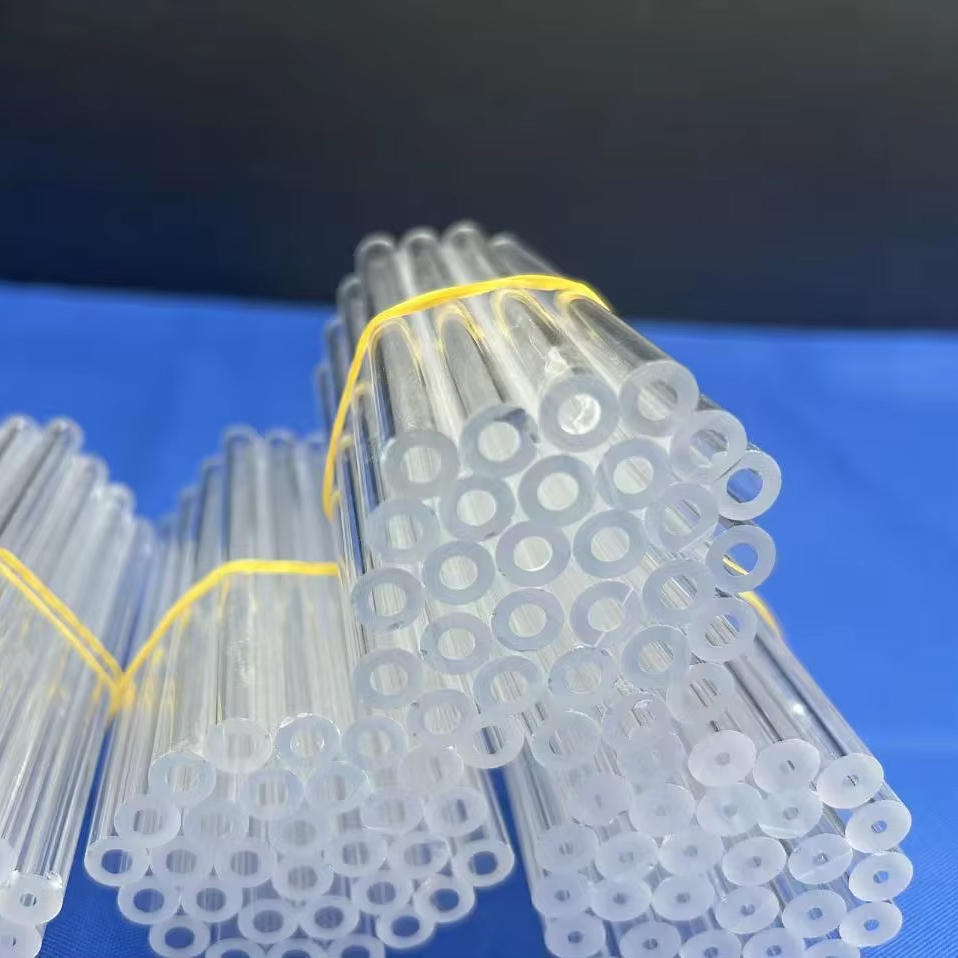
Custom Clear Quartz BET Test Sample Tube
Calibrated dimensional tolerance quartz sample analysis tubes designed for automated nitrogen gas sorption and BET porosity analyzers.
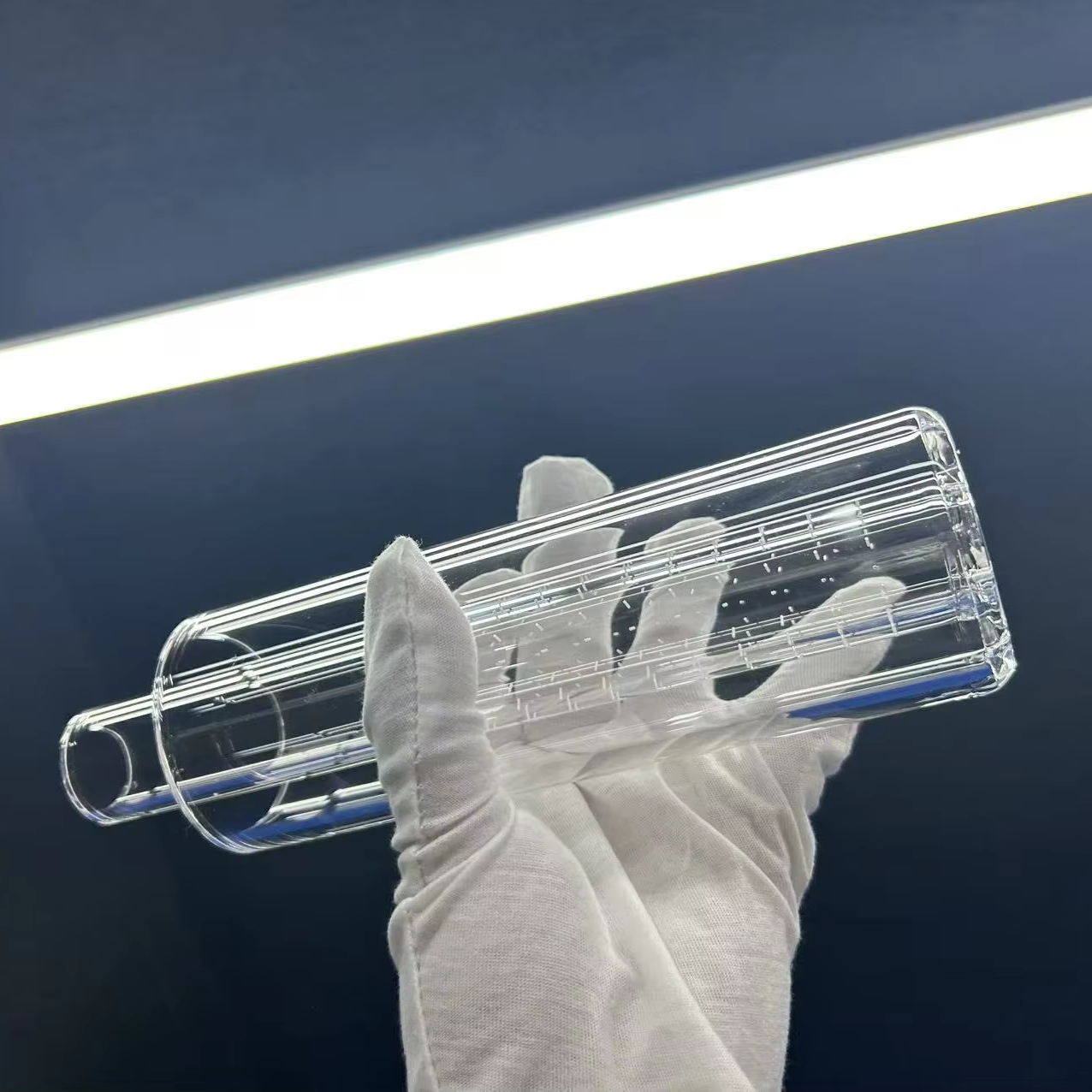
Customized Perforated Quartz Tube
Laser micro-drilled quartz showerhead gas distribution manifolds providing laminar purge flow in high-temperature semiconductor chambers.
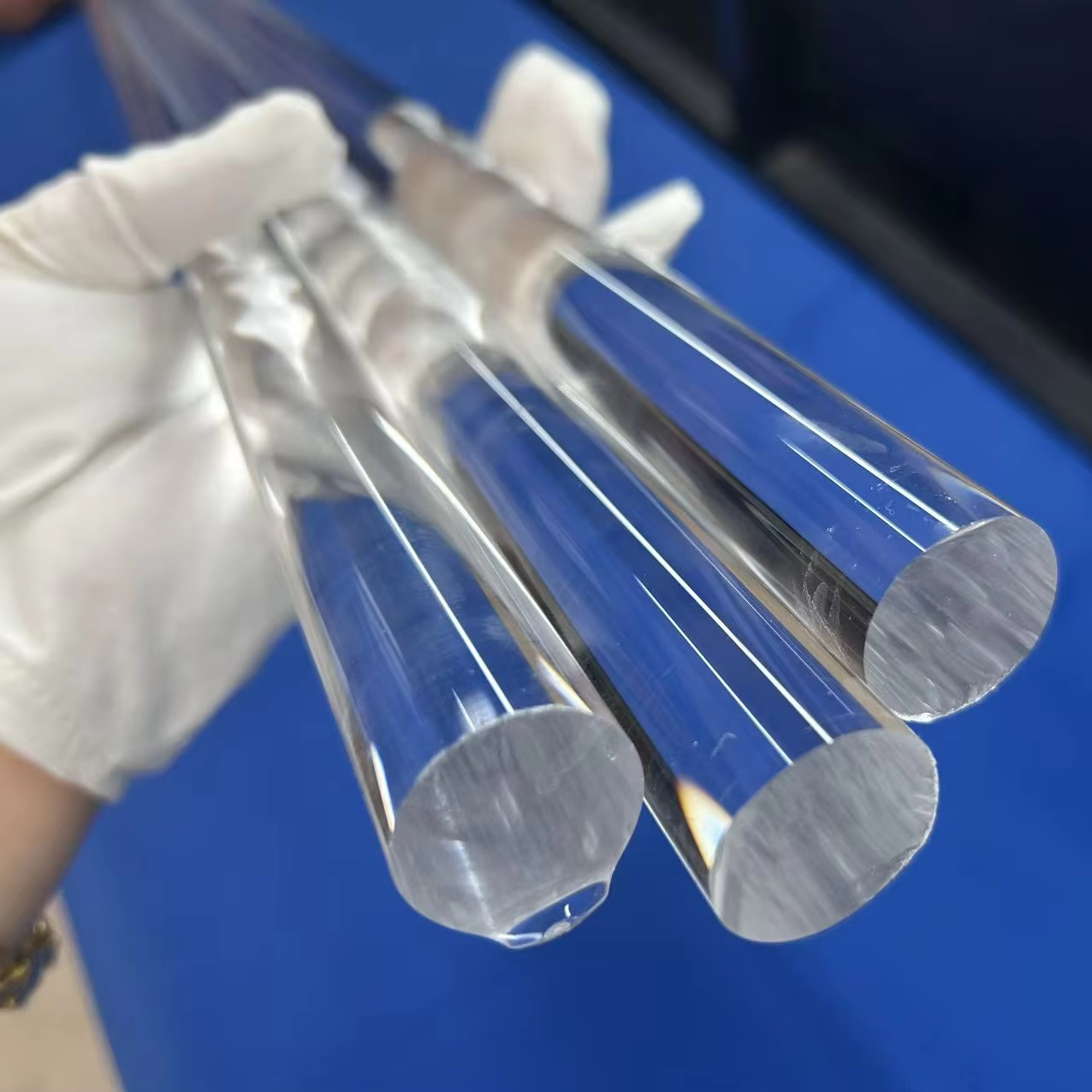
Large Diameter Fused Quartz Heavy Rods
High-homogeneity optical ingots and round core rods supporting custom cutting, lathe-bending, and precision fiber drawing preforms.
Engineering Optical Quartz Glass Plates: Optical Physics & Grade Selection
Navigating material criteria for Irish photonics labs, optical instrument manufacturers, and wafer fabrication cleanrooms.
In high-precision optical engineering, optical quartz glass plates represent the ultimate substrate when conventional borosilicate (BK7/B270) or soda-lime glass succumbs to thermal degradation, optical phase distortion, or chemical clouding. Fused quartz and fused silica consist of pure silicon dioxide ($SiO_2$) in an amorphous, non-crystalline solid matrix. The absence of long-range crystalline order, combined with tight covalent silicon-oxygen bonding, delivers unique physical constants: an extremely low coefficient of thermal expansion ($5.5 \times 10^{-7}/\text{K}$), broad-spectrum transmission ranging from the deep ultraviolet ($185\text{ nm}$) to the mid-infrared ($3500\text{ nm}$), and outstanding chemical resistance against virtually all mineral acids, excluding hydrofluoric and hot phosphoric acids.
A frequent point of confusion among procurement engineers is distinguishing between Synthetic Fused Silica and Fused Natural Quartz. While both exhibit a chemical composition of $\ge 99.99\%$ $SiO_2$, their manufacturing pathways yield profoundly different optical behaviors:
1. JGS1 (Synthetic Fused Silica / Excimer Grade): Fabricated through chemical vapor deposition (gas-phase hydrolysis of high-purity silicon tetrachloride $SiCl_4$ in an oxygen-hydrogen flame). This grade features negligible metallic trace impurities ($<1\text{ ppm}$ total metals), zero gas bubbles or inclusions (Class 0 under DIN ISO 10110-3), and exceptional internal transmittance in the Deep Ultraviolet (DUV) range down to $185\text{ nm}$. It exhibits practically no fluorescence under UV excitation and demonstrates superior laser-induced damage thresholds (LIDT), making it the mandatory standard for excimer lasers ($193\text{ nm}$ ArF, $248\text{ nm}$ KrF), photolithography stepper optics, and fluorescence microscopy windows.
2. JGS2 (Optical Fused Quartz / UV-Visible Grade): Produced by melting naturally occurring high-purity crystalline quartz sands under oxy-hydrogen or electric flame refining. JGS2 exhibits outstanding transmission across the UV-visible-near IR spectrum ($220\text{ nm} - 2500\text{ nm}$). It retains exceptional mechanical rigidity and thermal resilience (continuous working temperature of $1100^\circ\text{C}$, short excursions to $1450^\circ\text{C}$). It is the industry standard for high-temperature furnace viewports, plasma etching chamber viewports, spectrophotometer windows, and solar simulator covers.
3. JGS3 (Electrically Fused Silica / Infrared Grade): Synthesized by melting natural quartz in a vacuum or high-temperature electric furnace with dry gas purging. By stripping out the hydroxyl radical content ($[OH^-] \le 5\text{ ppm}$), JGS3 completely eliminates the deep optical absorption dip at $2.73\,\mu\text{m}$. It achieves uniform, crystal-clear infrared transmission up to $3500\text{ nm}$, serving thermal imaging lenses, infrared pyrometer sight glasses, CO2 laser beam expanders, and optical sensor substrates for harsh marine telemetry.
| Property Parameter | JGS1 (Synthetic DUV) | JGS2 (Optical Quartz) | JGS3 (Infrared Low-OH) | Corning 7980 / Suprasil Equivalent |
|---|---|---|---|---|
| Primary Optical Range | 185 – 2500 nm | 220 – 2500 nm | 260 – 3500 nm | 190 – 2200 nm |
| Hydroxyl ($OH^-$) Content | 800 – 1200 ppm | 150 – 200 ppm | ≤ 5 ppm | ≈ 1000 ppm |
| Refractive Index ($n_d$, 587.6 nm) | 1.45846 | 1.45850 | 1.45840 | 1.45847 |
| Abbe Number ($V_d$) | 67.8 | 67.8 | 67.9 | 67.8 |
| Thermal Expansion (20-300°C) | $5.5 \times 10^{-7} / \text{K}$ | $5.5 \times 10^{-7} / \text{K}$ | $5.5 \times 10^{-7} / \text{K}$ | $5.2 \times 10^{-7} / \text{K}$ |
| Softening Point (°C) | ≈ 1585 °C | ≈ 1683 °C | ≈ 1710 °C | ≈ 1600 °C |
| Fluorescence (at 254 nm) | Virtually None | Low / Slight Violet | Low / Trace | None |
| Primary Target Application | Excimer & DUV Lasers, Microscopy | UV/Vis Spectroscopy, Viewports | IR Imaging, Gas Sensors | Precision Semiconductor Steppers |
Sub-Surface Damage and Chemical-Mechanical Planarization (CMP): At Nivra Quartz, all optical quartz glass plates are produced under class-certified planetary double-sided grinding and chemical-mechanical planarization (CMP). Standard precision flat stock achieves a surface roughness $Ra \le 0.5\text{ nm}$ with scratch-dig specifications of 20/10 or 10/5 per MIL-PRF-13830B. Optical parallelism can be maintained under $\le 5\text{ arcseconds}$ and transmitted wavefront distortion controlled to $\lambda/10$ at $632.8\text{ nm}$, eliminating optical aberrations across beam-splitter plates, high-energy laser windows, and photolithography reticle blanks.
Serving Ireland's Leading High-Technology & Manufacturing Ecosystems
Precision engineered quartzware delivered to critical fabrication, life sciences, and academic clusters throughout the Republic of Ireland.
Semiconductor Fabs: Kildare & Greater Dublin
Located adjacent to County Kildare (Leixlip) and Dublin's silicon manufacturing belts, our optical quartz plates, wafer boats, and plasma etch quartz showerheads support extreme ultraviolet (EUV) peripheral tools, LPCVD furnaces, and automated optical wafer inspection systems.
MedTech & Biomedical Devices: Galway & West Coast
Galway is a premier European medical technology hub. We supply medical laser manufacturers and diagnostic kit designers with optical-flat JGS1 quartz beam steering plates, laser diode protective viewports, and non-thrombogenic microfluidic quartz wafer substrates.
Biopharmaceutical In-line PAT: Cork & Sligo
Ireland produces large shares of global active pharmaceutical ingredients (APIs). Our ultra-chemically inert quartz flow cell plates and UV spectrophotometry sight-glasses support in-line Process Analytical Technology (PAT), clean-in-place (CIP) steam sterilization, and protein spectroscopy.
Advanced Photonics Research: Cork (Tyndall) & Dublin (TCD)
Partnering with Irish academic and industrial photonics programs, such as Tyndall National Institute and Trinity College Dublin, supplying JGS1 and JGS3 custom prisms, optical flats (λ/20), laser cavity plates, and high-energy laser damage resistant optical components.
Market Dynamics Shaping Optical Quartz Glass Procurement in Ireland
Key economic, technical, and regulatory shifts directing supply chain strategies for Irish engineering leaders.
Expansion of Sub-3nm Semiconductor Capacity
Driven by multi-billion euro fab expansions in County Kildare under the European Chips Act framework, demand for ultra-clean fused silica components with zero metal contamination (<0.1 ppb) is increasing rapidly. Quartz components must guarantee zero chemical outgassing during high-temperature thermal annealing and etching cycles.
Adoption of Continuous Flow Bioprocessing
Ireland's biopharma sector is rapidly transforming from batch reactors to continuous flow manufacturing. In-line UV-Vis absorption spectroscopy demands optical quartz flow cell plates that survive repeated caustic ($NaOH$) washdowns and extreme thermal sanitization cycles without optical transmission loss.
Direct Factory Sourcing & Supply Chain Resilience
Irish procurement specialists are mitigating Tier-1 distributor markups by developing direct relationships with integrated manufacturers located in quartz resource centers like Donghai County, slashing prototype-to-production lead times by 35% to 50% via express air routes to Dublin Airport (DUB).
Donghai County Nivra Quartz Products Co., Ltd. Advantage
Raw material integration, precision cold CNC milling, optical polishing, and cleanroom annealing under one certified facility.
Located in the Heart of China's Silicon Capital
Founded in February 2019 at 285 Heping East Road, Lianyungang, Jiangsu, Nivra Quartz operates directly within Donghai County—globally recognized as the crystal and raw quartz refining epicenter. With 101–200 skilled craftsmen and engineers, our vertically integrated plant handles everything from high-purity natural silica sand selection to robotic CNC edge chamfering, laser drilling, and laser interferometer optical wavefront inspection.
- Verified Trade History: 43+ verified international bulk shipments valued at over US$40,000 within recent trading windows, holding a verified 5.0/5.0 buyer satisfaction score.
- Rapid Engineering Support: Average response time strictly under 5 hours (88.89% inquiry response rate) with direct DFM (Design for Manufacturability) CAD reviews for STEP, DWG, and PDF blueprints.
- Zero-Risk Breakage Packaging: Double-vacuum sealed cleanroom wrapping, custom form-fitted PE foam cushioning, and reinforced anti-shock plywood crating specifically optimized for intercontinental air freight to Ireland.
Frequently Asked Questions for Irish Sourcing Managers & Engineers
Clear, unambiguous answers addressing logistics, customs, material certification, and dimensional tolerances for delivery into Ireland.
How do shipments clear Irish Customs (Revenue Commissioners) and what are typical lead times?
Shipments to Ireland generally arrive via express air (DHL/FedEx/UPS) into Dublin Airport (DUB) within 5–7 business days from dispatch, or via sea freight to Dublin Port / Port of Cork for volume production lots (25–32 days). Fused quartz optical plates are classified under HS Code 7006.00 (glass of heading 7002, 7003, 7004 or 7005, bent, edgeworked, engraved, drilled, enamelled or otherwise worked) or 7017.10 (laboratory, hygienic or pharmaceutical glassware of fused quartz or other fused silica). All shipments include commercial invoices, packing lists with net/gross weights, and Certificate of Origin (COO) to facilitate smooth customs clearance under Irish Revenue and EU import regulations.
What mechanical tolerances and optical surface figures can Nivra Quartz guarantee?
Our CNC machining and precision double-side polishing lines routinely produce custom dimensional tolerances of ±0.05 mm on length and width, with thickness tolerances held within ±0.02 mm. For demanding optical flats, we can provide surface flatness down to λ/10 (≈63 nm) per 100 mm diameter, optical parallelism ≤ 5 arcseconds, and surface roughness Ra ≤ 0.5 nm (cleanroom CMP grade). Each precision batch is supplied with an optical inspection report and spectrophotometer transmission curve upon request.
Should our design specify JGS1, JGS2, or JGS3 for scientific instruments?
Specification depends on operating wavelength and operating environment. If your application involves Deep UV laser transmission (e.g., 193 nm, 248 nm, 266 nm), UV fluorescence spectroscopy, or semiconductor lithography reticles, specify JGS1. If you require cost-effective, high-transmittance optical windows for visible and near-infrared applications (300 nm to 2000 nm) or furnace viewports up to 1100°C, choose JGS2. If your equipment uses infrared sensors or mid-wave IR spectroscopy (up to 3.5 μm) without water absorption dips at 2730 nm, specify low-OH JGS3.
How does Nivra Quartz ensure zero transit damage for fragile optical components?
We apply specialized cleanroom multi-layer protective methods: each polished quartz plate is wrapped in lint-free protective film or optical tissue, vacuum-sealed in moisture-barrier bags to avoid particulate deposition, placed into CNC-routed high-density EVA shock-damping foam slots, and crated inside heavy-gauge, multi-layer corrugated cartons or custom-built ISPM-15 compliant export plywood crates with corner drop-shock reinforcements.
What is the Minimum Order Quantity (MOQ) for custom prototypes vs. production lots?
We welcome rapid research prototypes from universities (such as Trinity, UCD, UCC, and UL) and engineering startups with an MOQ as low as 1 to 5 pieces for customized quartz plates, tubes, or cuvettes. For high-volume wafer discs and standardized rectangular optical viewports, order quantities scale smoothly to 1,000+ pieces with progressive tier-pricing.
Are your fused quartz materials compliant with EU REACH and RoHS environmental standards?
Yes. All fused quartz and fused silica glass products manufactured by Nivra Quartz consist of 99.99%–99.999% amorphous silicon dioxide ($SiO_2$) and are strictly inorganic. They are completely free of lead, cadmium, mercury, hexavalent chromium, PBBs, or PBDEs, fully adhering to EU Directive 2011/65/EU (RoHS 3) and Regulation (EC) No 1907/2006 (REACH). Material Safety Data Sheets (MSDS) and RoHS declarations are delivered with every initial supply agreement.
Accelerate Your Optical Quartz Sourcing for Ireland
Send your custom technical drawings (PDF, DWG, DXF, or STEP) or request standard catalog dimensions. Our senior engineering team in Donghai County will review manufacturability, recommend optimal quartz grades, and furnish a formal quotation within 5 hours.