Featured Industrial Quartz Glass Solutions
Directly manufactured to tight DIN/ISO tolerances for Celje's metallurgical foundries, chemical treatment reactors, precision pyrometry installations, and vacuum thermal systems.
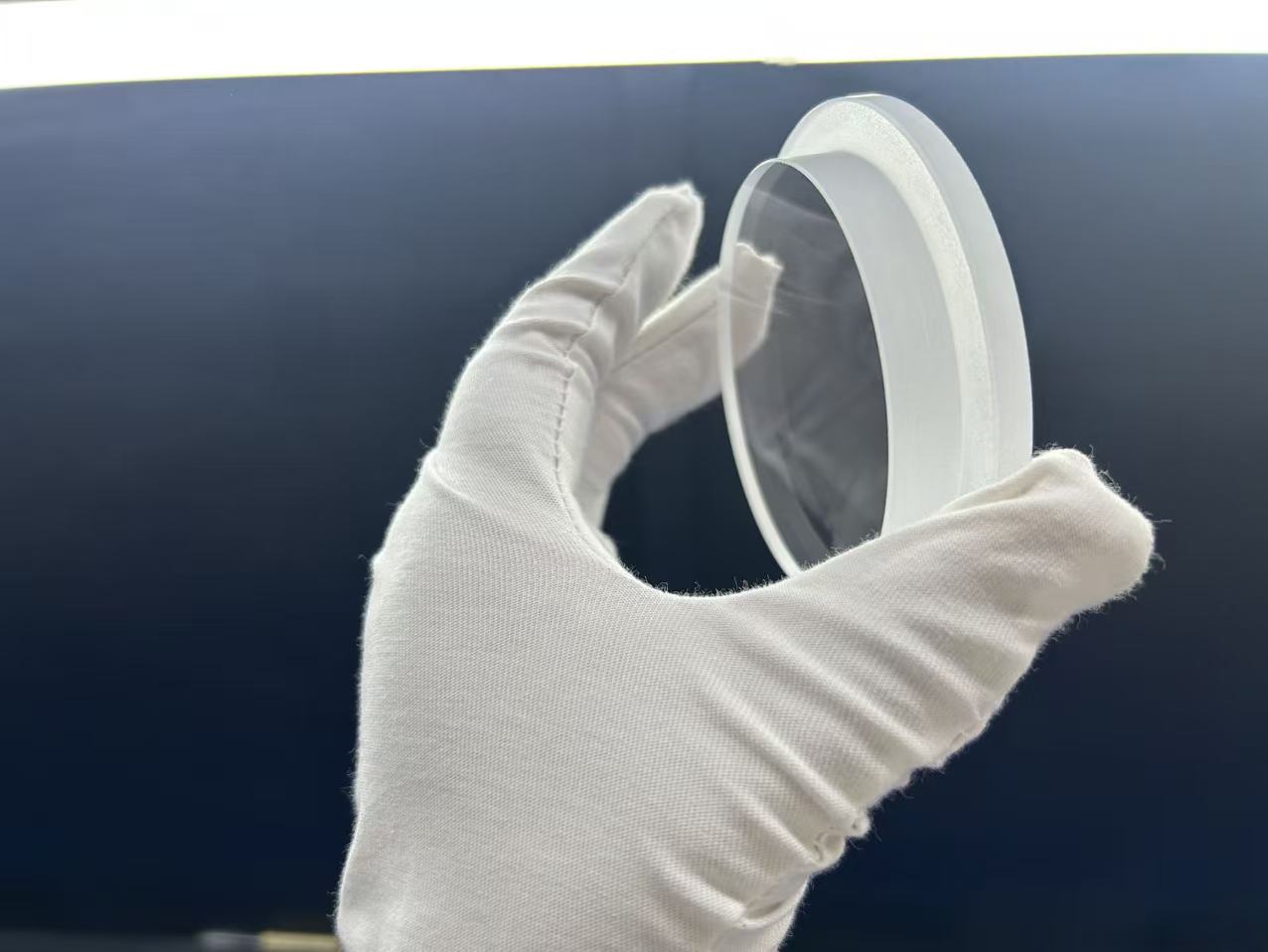
Factory-Made High-purity Ultra-thick Quartz Double-Layer Step Plate
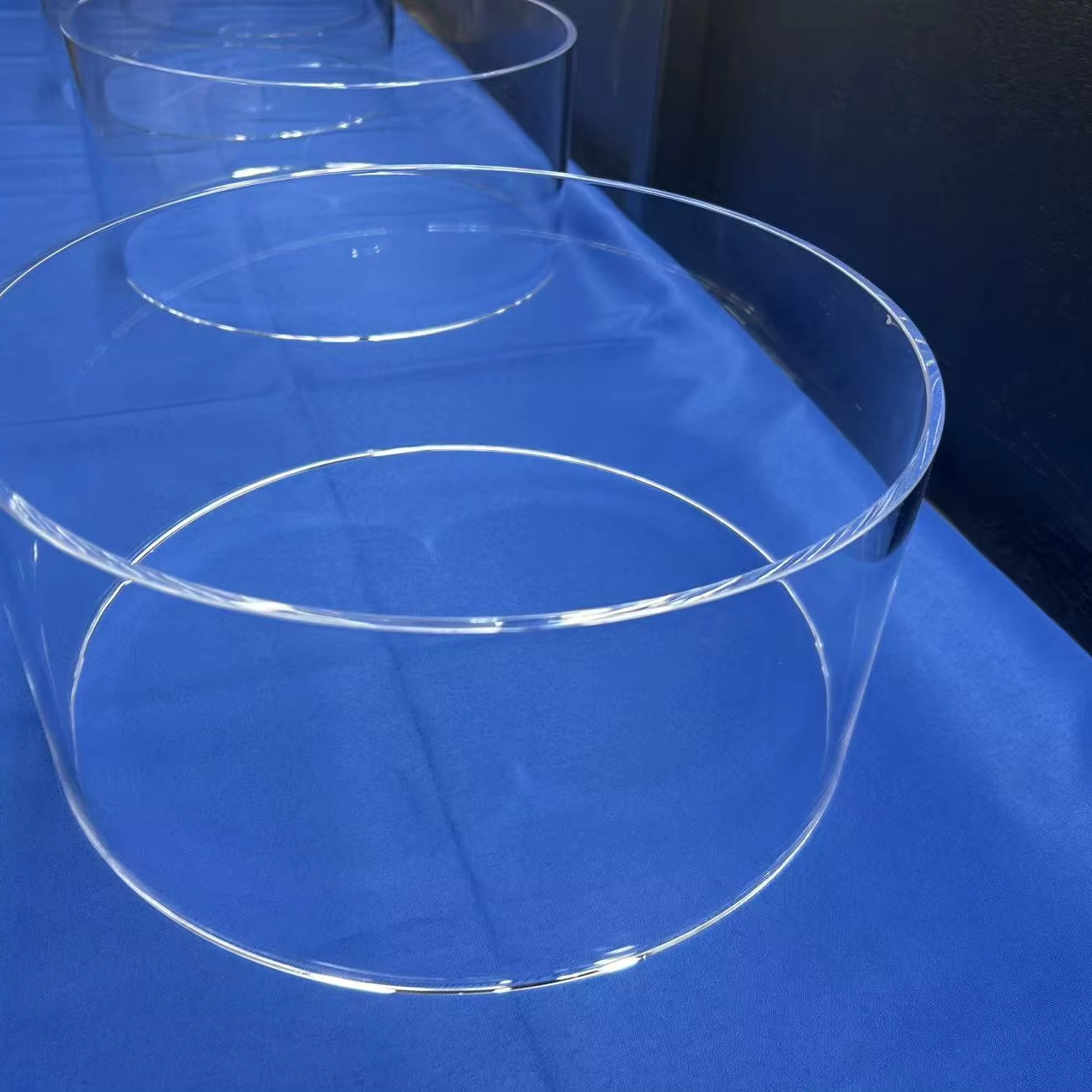
High-Purity Fused Quartz Large Diameter Round Rods
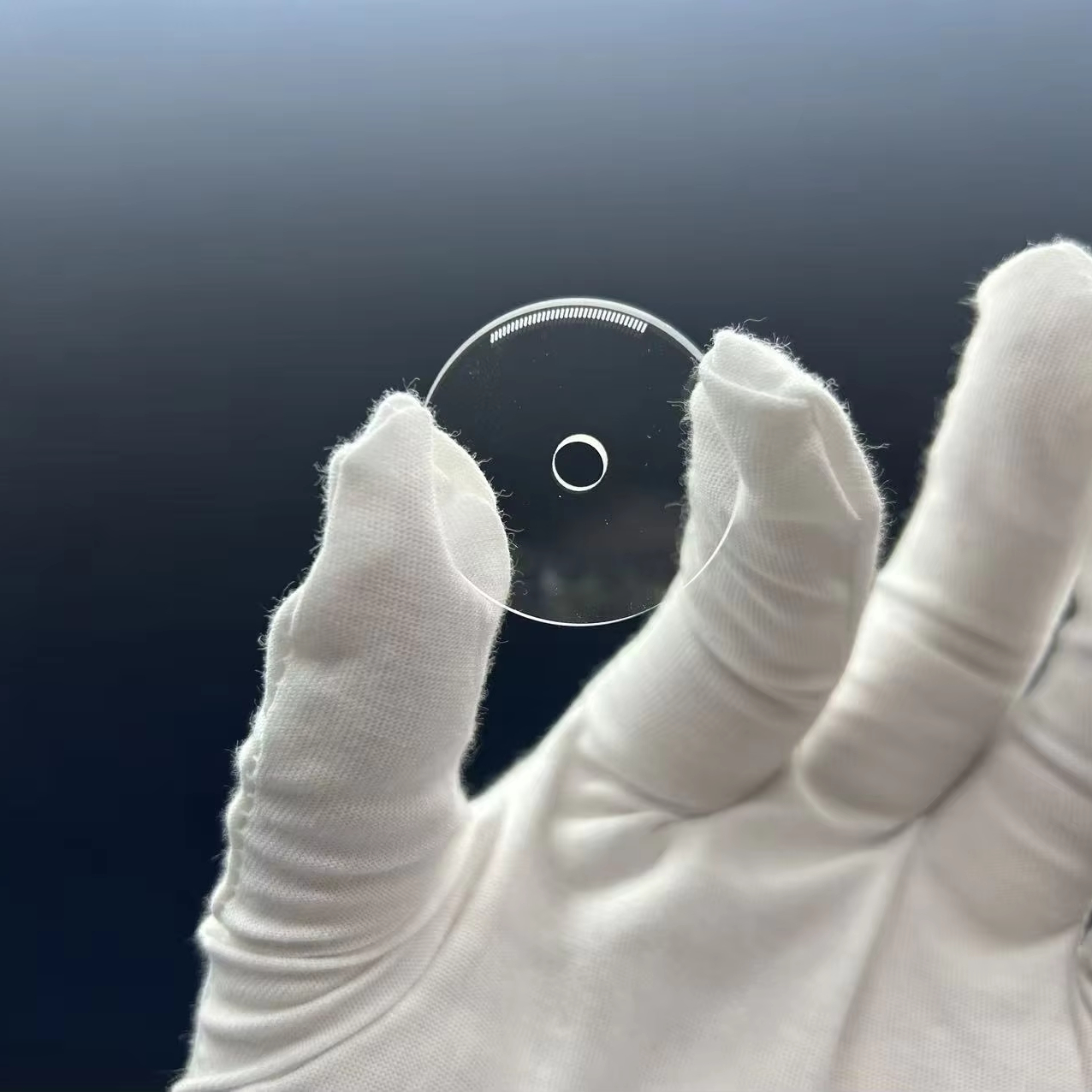
Frosted Quartz Sheet for Thermal Insulation & Diffusion
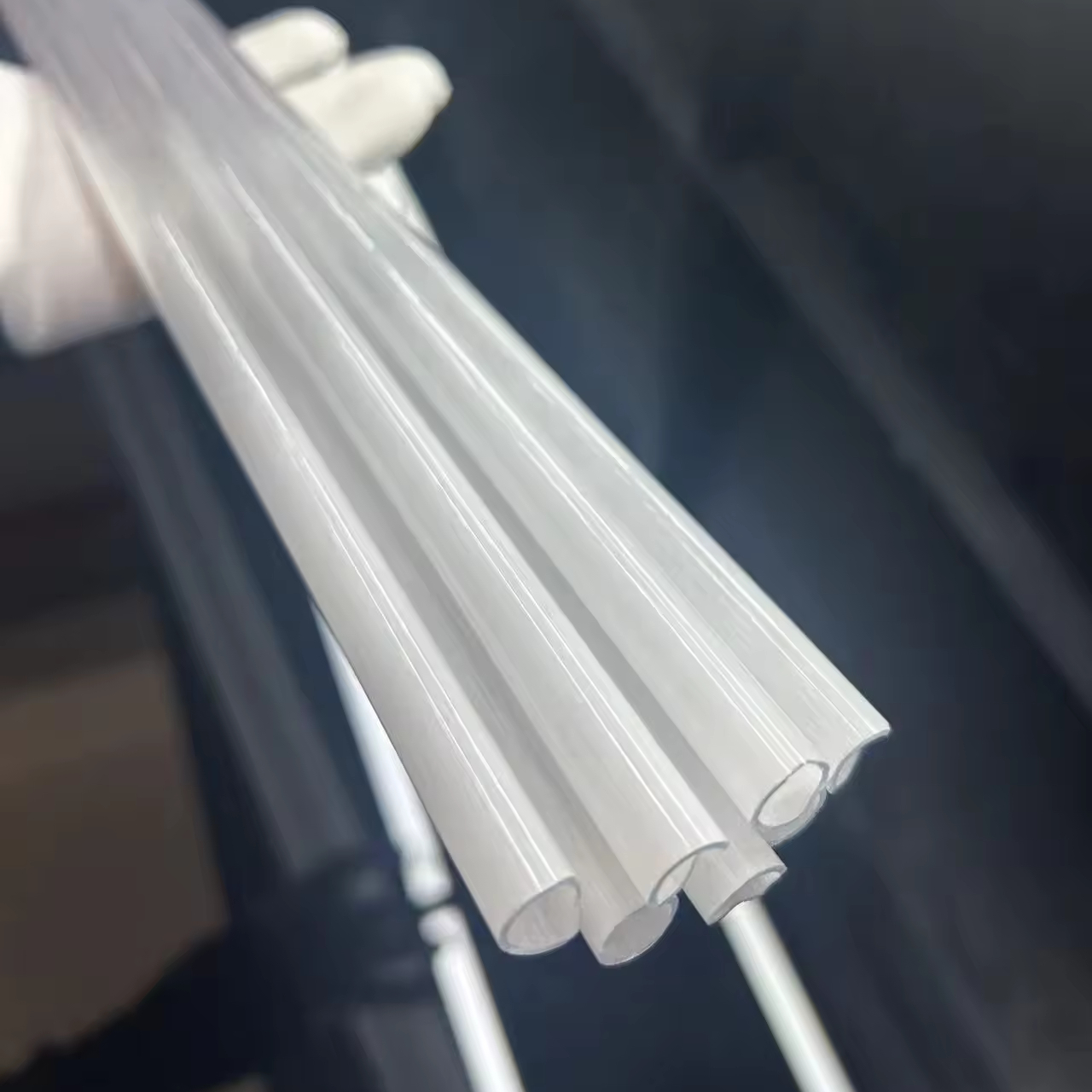
Translucent Quartz Glass Pipe & Milky White Quartz Tube
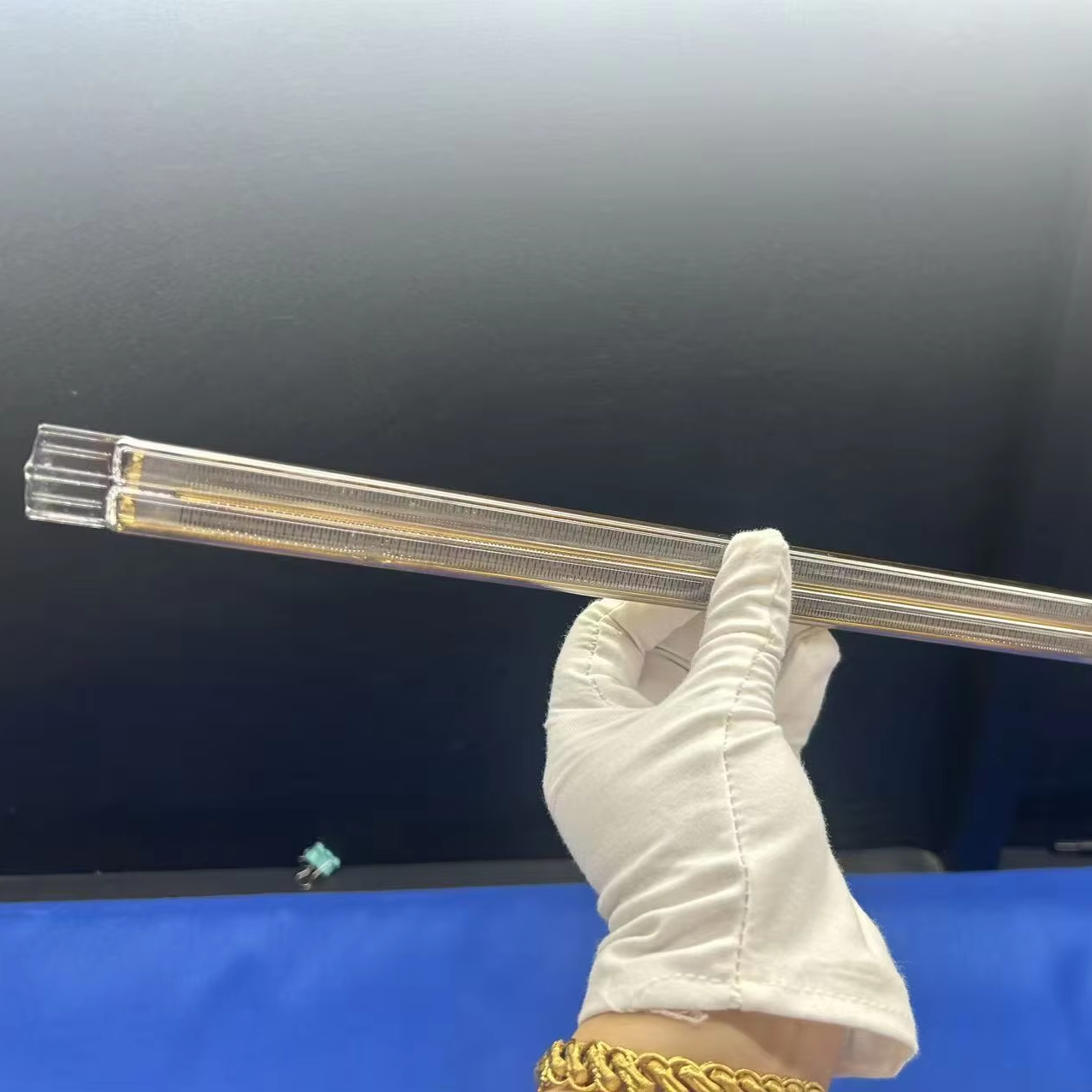
Graphene Quartz Heating Tube for Industrial Drying
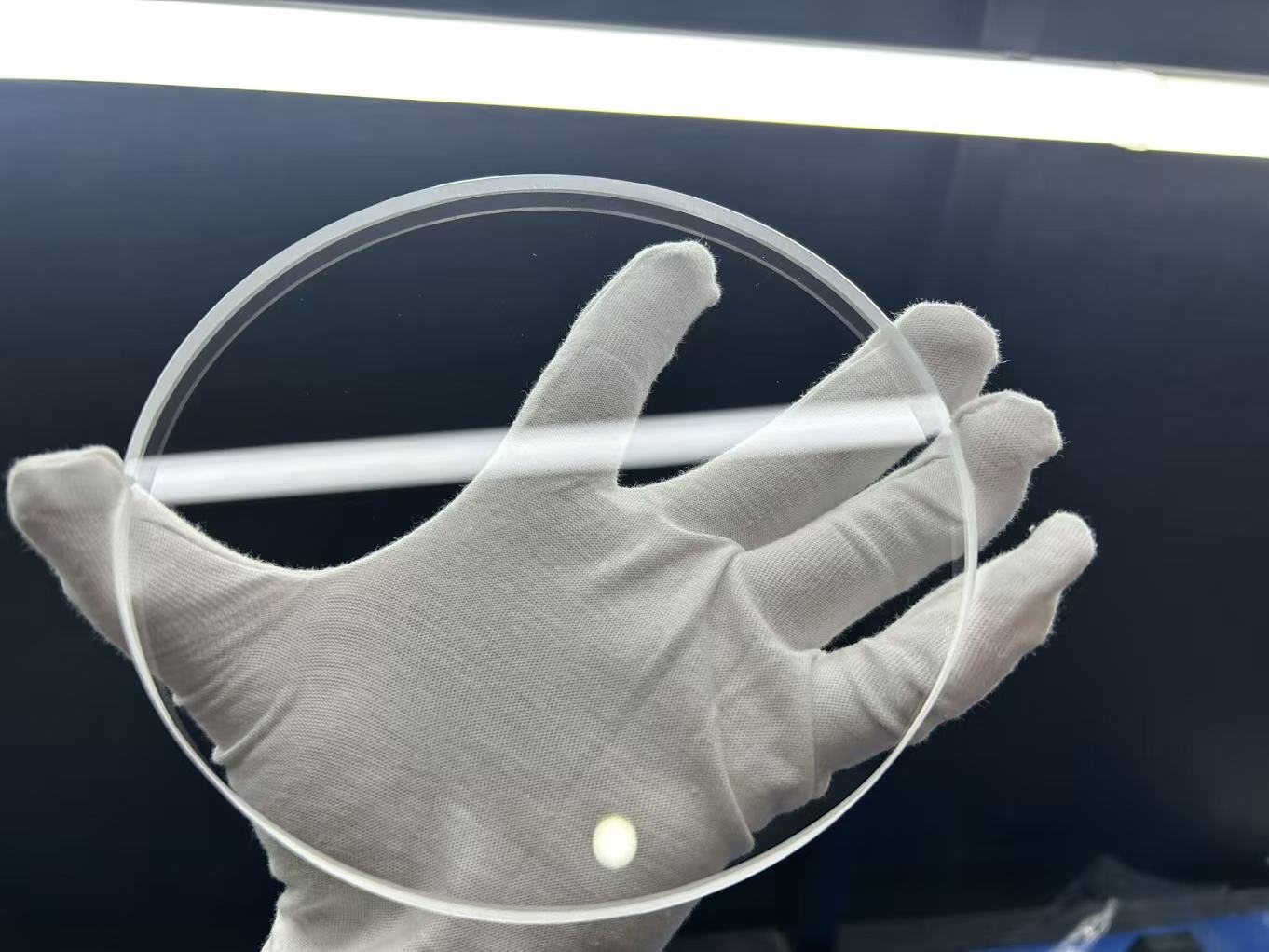
Clear Fused Quartz Glass Sheet for Photovoltaics & Inspection
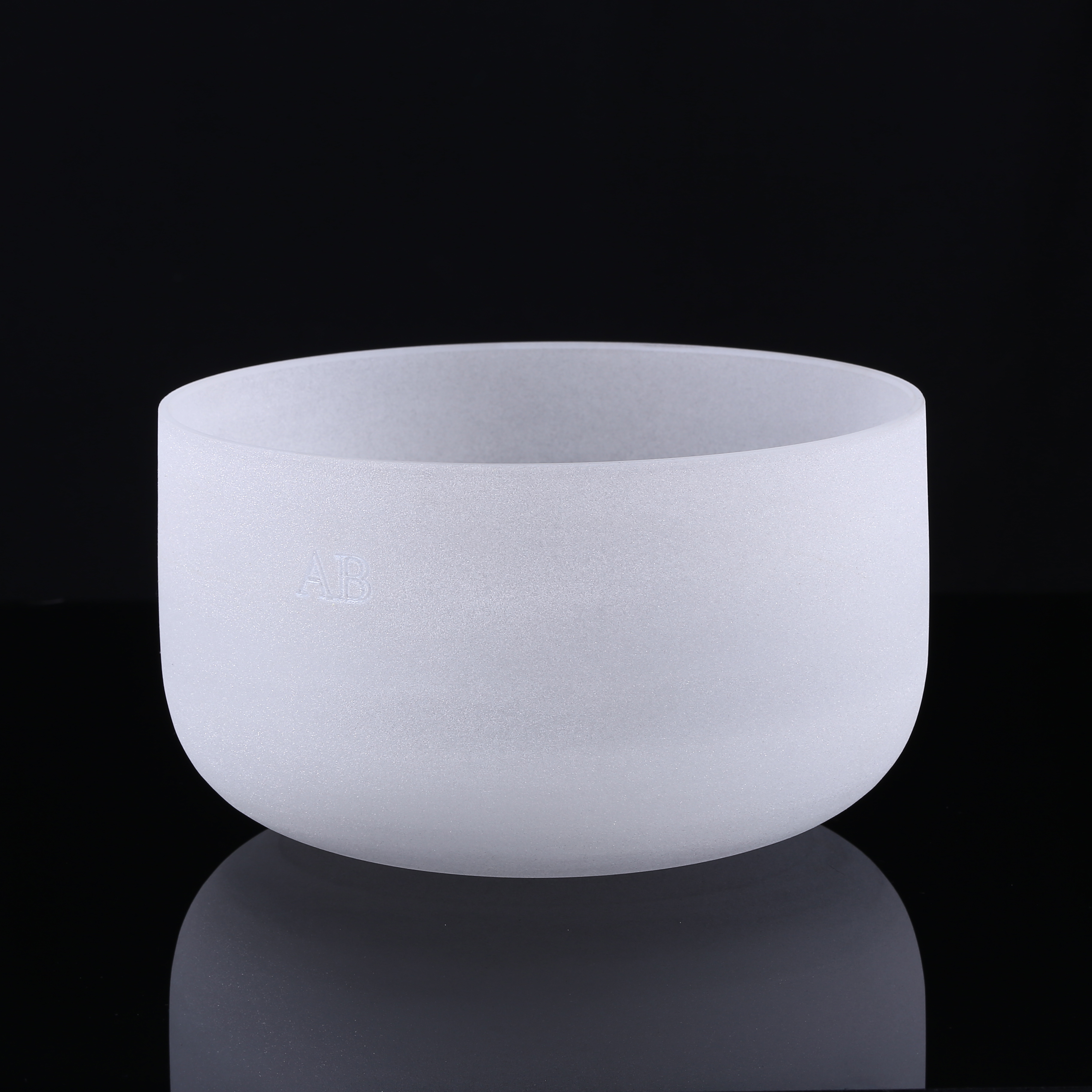
High Temperature Fused Silica Quartz Smelting Crucible
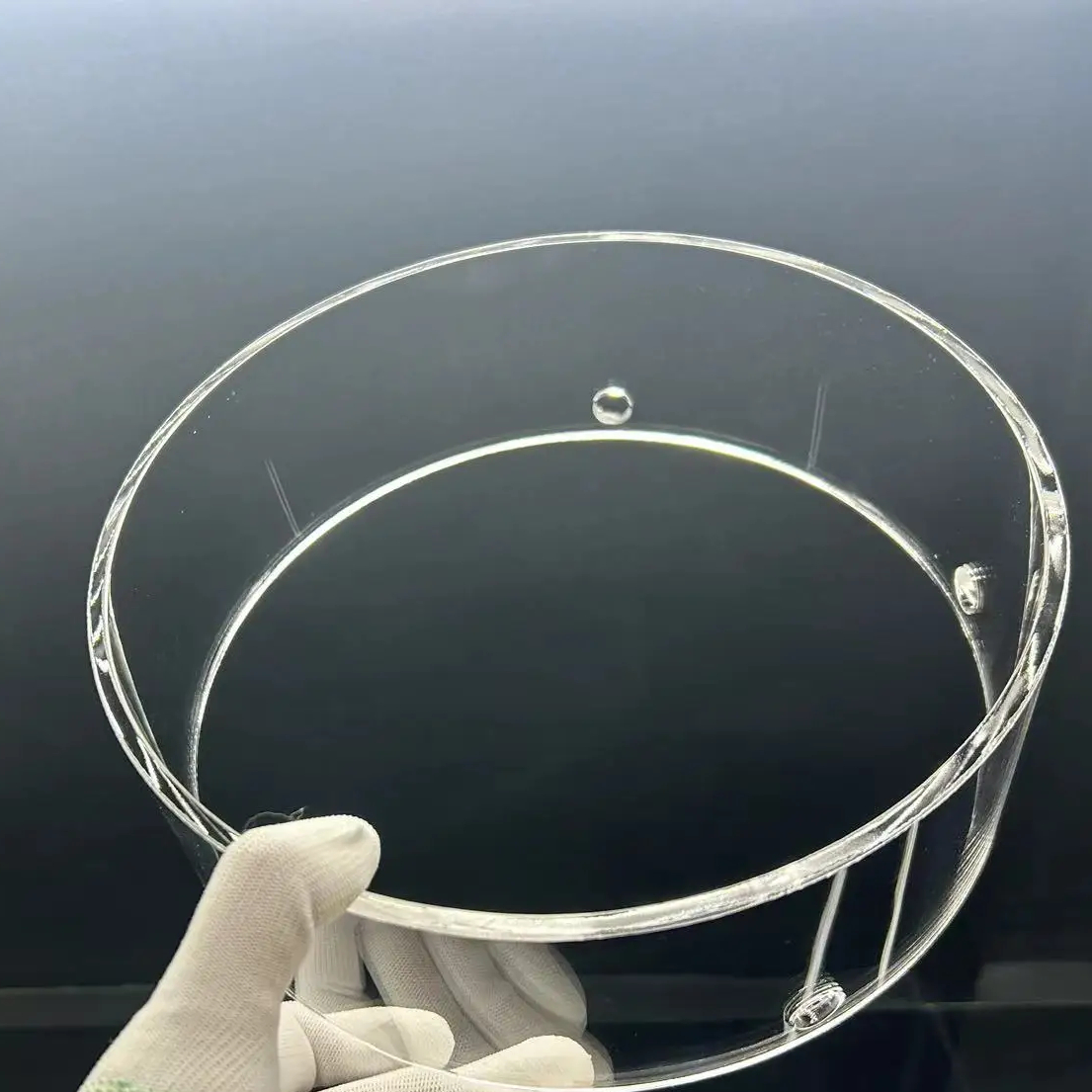
Fused Transparent Quartz Tube for Thermal Furnaces
Microstructural Physics & Thermal Dynamics of Opaque Quartz Glass
For procurement engineers, plant metallurgists, and apparatus builders in Celje and the greater Savinja industrial basin, selecting the correct vitreous silica grade requires understanding how micro-bubble scattering creates superior thermal insulation compared to standard clear fused quartz.
Opaque quartz glass (often designated in European metallurgy as milky fused silica, translucent vitreous quartz, or opaque sintered silica) owes its characteristic porcelain-white appearance and optical opacity to billions of uniformly dispersed gaseous micro-pores trapped within an amorphous silicon dioxide (SiO₂) matrix. During high-temperature electric arc or gas-plasma fusion of high-purity natural silica sands (raw feedstock extracted and beneficiated in our Donghai mining hub), engineered nucleation controls bubble diameters strictly between 10 µm and 45 µm. This pore distribution serves not as a defect, but as a deliberate optical scattering mechanism.
In standard clear quartz glass (such as JGS1, JGS2, or JGS3), high optical transmission allows infrared radiation (wavelengths λ = 1.0 µm to 4.5 µm) to penetrate with minimal attenuation. When furnace temperatures exceed 800°C, radiative heat transfer eclipses conductive transfer. In contrast, the refractive index mismatch between the trapped gas pockets (n ≈ 1.0) and the surrounding fused silica body (n ≈ 1.46) causes intensive internal reflection and refraction. This effectively blocks direct infrared transmission, scattering more than 90% to 94% of incident radiant thermal energy back into the hot zone. As a result, opaque quartz behaves as a superior thermal radiation barrier while maintaining the pristine chemical inertia of pure synthetic silicon dioxide.
Thermophysical Properties Comparison
Comparative baseline measured at 20°C and elevated industrial furnace temperatures (1000°C).
| Property (Units) | Opaque Fused Silica | Clear Fused Quartz |
|---|---|---|
| SiO₂ Purity (%) | ≥ 99.85 - 99.95% | ≥ 99.99 - 99.999% |
| Bulk Density (g/cm³) | 2.05 - 2.15 | 2.20 |
| Apparent Porosity (%) | < 0.5% (Impermeable) | 0.0% |
| Thermal Expansion (20-1000°C) | 5.4 × 10⁻⁷ K⁻¹ | 5.5 × 10⁻⁷ K⁻¹ |
| Thermal Cond. (1000°C) | 1.35 W/(m·K) (Radiant block) | 2.85 W/(m·K) (IR transparent) |
| Continuous Working Temp | 1050°C - 1150°C | 1100°C - 1180°C |
| Dielectric Strength (20°C) | 25 - 30 kV/mm | 30 - 35 kV/mm |
Devitrification & Acid Resistance Dynamics
Cristobalite Inversion Resistance: Amorphous silica naturally undergoes crystalline transformation to cristobalite when exposed to temperatures exceeding 1150°C in the presence of alkali surface contaminants (Na, K, Ca). Nivra Quartz controls trace alkali metal impurities to under 15 ppm total. This suppresses surface devitrification kinetics by 4.2x compared to standard commercial refractory ceramics, eliminating premature spalling during cyclic cooling.
Extreme Chemical Inertia: Opaque quartz exhibits complete chemical indifference to boiling concentrated acids including hydrochloric (HCl), nitric (HNO₃), sulfuric (H₂SO₄), and aqua regia across extended exposure cycles. It is vulnerable only to hydrofluoric acid (HF) and concentrated phosphoric acid (H₃PO₄) above 300°C, making it the premier material of choice for aggressive chemical digestion and metallurgical sampling in Savinja's industrial plants.
Engineering Deployments Across Celje & Savinja Enterprises
From the historic metallurgical corridors along the Savinja River to precision modern chemical, automotive, and foundry hubs, our opaque and translucent quartz components solve extreme thermal and corrosive challenges.
Zinc & Non-Ferrous Smelting Lines
Celje's metallurgical legacy, deeply anchored in advanced zinc processing and non-ferrous metallurgy (such as operations found in the Cinkarna industrial basin), requires continuous thermal immersion sheaths, degassing tubes, and crucible liners that resist wetting by molten zinc, lead, and aluminum alloys.
Aggressive Acid Reactor Linings
In regional chemical manufacturing, titanium dioxide (TiO₂) refining, and metal surface pickling plants, opaque quartz pipes, condensers, and digestion vessels serve as non-reactive conduits for hot sulfuric and hydrochloric acids, providing zero heavy-metal leaching and high mechanical longevity.
Foundry Annealing & Heat Treatment
Industrial heat-treatment facilities throughout Štore and Celje utilize our large-diameter opaque quartz muffle tubes, thermal baffles, and furnace observation sight-ports to maintain uniform 1100°C hot zones while preventing severe radiation heat loss through furnace shell walls.
Automotive & Powder Coating Curing
Tier-1 and Tier-2 automotive component suppliers in the Savinja and Central Sava regions rely on our graphene-coated and frosted quartz infrared emitter sleeves for high-speed drying lines, polymer curing tunnels, and thermoforming cells operating under strict cycle timing.
Technical Ceramics & Sintering
For advanced technical ceramic processors and electronic substrate developers, opaque quartz setter plates and crucibles deliver ultra-low thermal expansion and zero carbon pick-up, eliminating batch cross-contamination during firing at 1000°C to 1250°C.
Laboratory Spectroscopy & Ashing
Quality assurance laboratories, academic research centers, and environmental monitoring testing hubs across Eastern Slovenia utilize our opaque quartz combustion boats, ashing dishes, and digestion vessels for trace heavy-metal analysis where zero borosilicate leaching is required.
Industrial Modernization & Procurement Trends in Slovenia (2025–2030)
How changing European environmental regulations, skyrocketing electricity prices, and advanced manufacturing initiatives are driving the demand for next-generation opaque quartz components.
Thermal Decarbonization & Energy Efficiency
Under EU Fit for 55 directives, Slovenian industrial operations face rigorous thermal efficiency benchmarks. Upgrading from refractory aluminosilicate ceramics to engineered opaque quartz muffle tubes and radiation shields cuts furnace wall thermal losses by up to 28%, significantly trimming industrial electric power consumption in high-temperature continuous cycles.
Transition to High-Purity Metallurgy
The Savinja metallurgy sector is pivoting from standard raw commodity metals to ultra-pure specialty alloys for medical devices, aerospace fasteners, and EV powertrains. This shift demands smelting crucibles and molten metal handling tools with impurity levels below 50 ppm to prevent molten charge contamination.
Supply Chain Direct-Sourcing via Port of Koper
Procurement managers in Celje are bypassing costly multi-tier European traders. By establishing direct factory relationships with OEM manufacturers in Donghai, China, shipments flow seamlessly via maritime routes into the Port of Koper (Luka Koper) and reach Celje via rail within 48 hours of customs discharge.
Donghai County Nivra Quartz Products Co., Ltd.
Founded in February 2019 in Donghai County, Jiangsu Province—the global epicenter of natural crystal and high-purity silica reserves—our company combines raw material self-sufficiency with cutting-edge CNC and thermal fabrication.


Celje Industrial Buyer FAQs & Technical Consultation
Clear, engineering-backed answers addressing international logistics, compliance standards, dimensional tolerances, and material performance for Slovenian procurement teams.
Q How does opaque quartz differ mechanically from translucent and clear fused quartz?
Mechanically, clear and opaque quartz exhibit nearly identical tensile and compressive strength (compressive strength exceeds 1100 MPa). However, the internal micro-bubble structure of opaque quartz reduces its density slightly (2.05–2.15 g/cm³ versus 2.20 g/cm³) and acts as an acoustic and thermal damping barrier. While clear quartz is optimized for high optical transmittance (UV-Vis-IR), opaque quartz is deliberately engineered for high thermal radiation diffuse reflectance, shielding furnace components and conserving process energy.
Q What international standards and chemical test reports do you provide for EU customs?
All shipments destined for Slovenia comply with EU RoHS Directive 2011/65/EU and REACH regulations. For each production lot, we issue a Certificate of Conformity (CoC), an ICP-OES trace elemental impurity report (verifying Fe, Al, Ca, Na, Li, K levels), and dimensional inspection protocols. Factory premise checks have been verified on-site by international third-party certification bodies, ensuring seamless clearance at EU entry ports.
Q What are the freight lead times and routing options from China to Celje?
For urgent prototypes, replacement thermocouple sheaths, or small batch orders (under 100 kg), we utilize express air freight (DHL/FedEx/UPS) with door-to-door transit times to Celje of 5 to 8 business days. For volume industrial shipments, freight routes through the Port of Koper (Luka Koper) with an average ocean transit time of 26–32 days, followed by direct customs-bonded rail or truck transfer to the Savinja region within 48 hours of vessel discharge.
Q How do you guarantee that brittle quartz tubes and crucibles arrive without transit damage?
We employ an engineered export packaging protocol developed over thousands of international shipments: each quartz part is ultrasonically cleaned, vacuum-sealed in polyethylene moisture bags, nested in custom-cut high-density shock-absorbing EPE foam molds, and secured inside heavy-duty multi-layer corrugated boxes. For large tubes, crucibles, and rods, shipments are crated inside ISPM-15 compliant fumigation-free plywood cases reinforced with steel strapping and external shock-watch tip indicators.
Q Can you machine custom opaque quartz parts based on our proprietary CAD drawings?
Yes. We regularly execute custom OEM/ODM manufacturing based on customer STEP, DWG, DXF, or PDF engineering drawings. Our facility is equipped with precision multi-axis CNC glass machining centers, waterjet slicing tables, ultrasonic drillers, and high-precision diamond grinders, allowing us to maintain standard linear tolerances of ±0.1 mm, with fine precision grinding capabilities down to ±0.02 mm upon request.
Q What is your Minimum Order Quantity (MOQ) and rapid-sampling timeline for testing?
For standard opaque quartz tubes, rods, and standard crucibles, our MOQ is as low as 1 to 5 pieces to support engineering trials and pilot furnace testing in Celje factories. For custom machined parts, precision step plates, or complex welded assemblies, rapid prototyping can typically be manufactured and dimensionally certified within 7 to 10 working days prior to full production dispatch.
Request Detailed Technical Specifications & Pricing
Directly connect with our quartz material specialists in Donghai. Send your engineering drawings or application parameters for an immediate engineering review and competitive direct-factory quotation.