Export-Grade Quartz Components for Honduran Industry
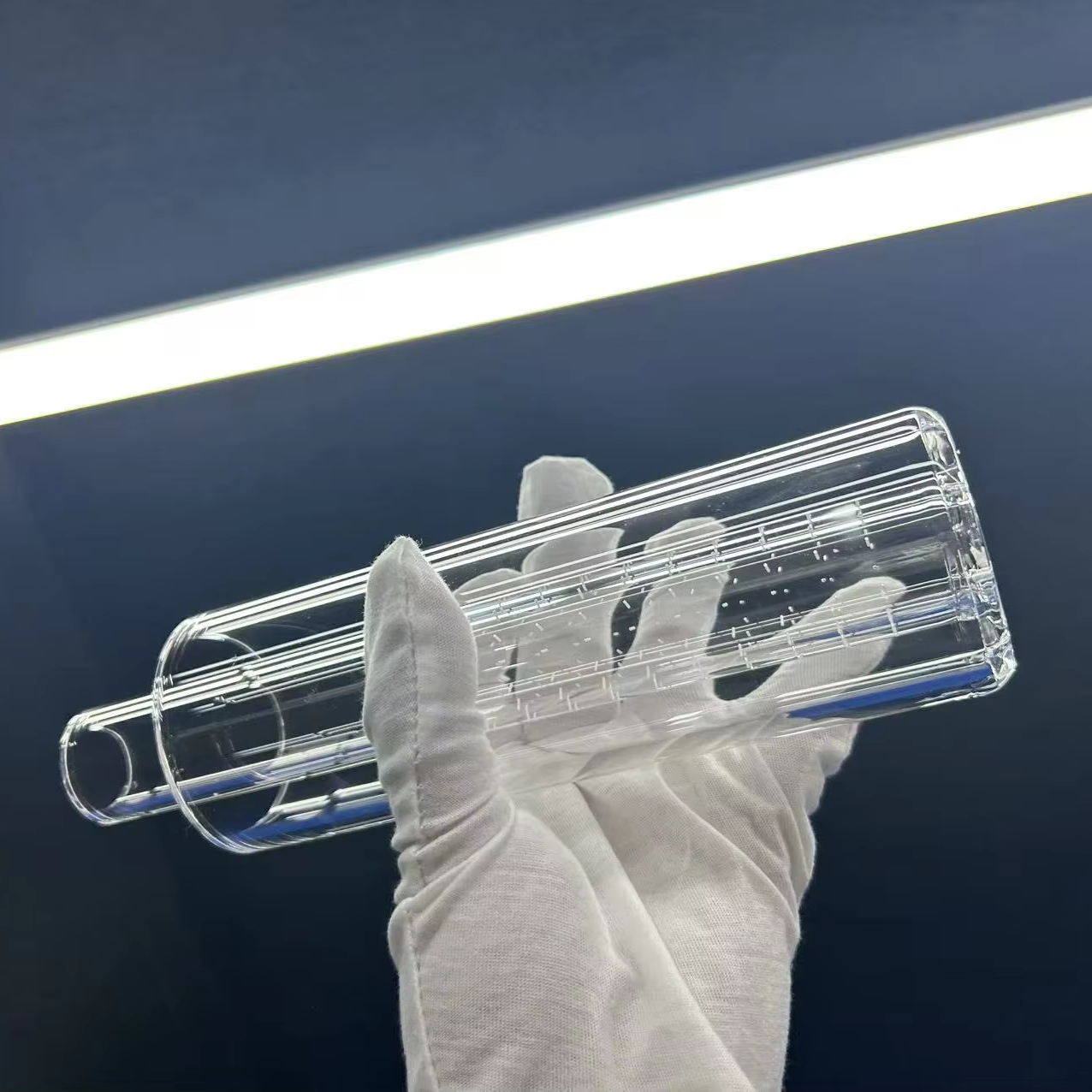
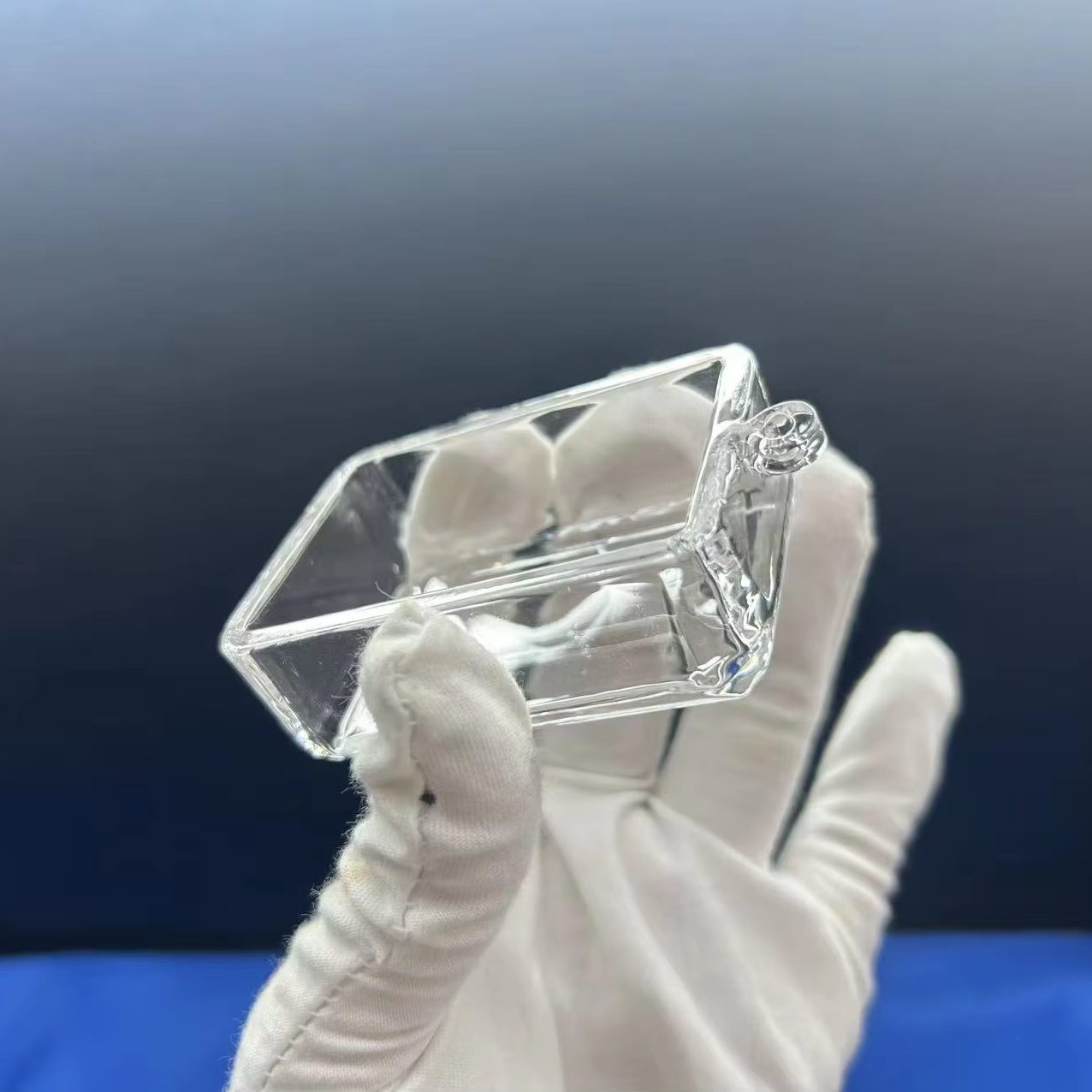
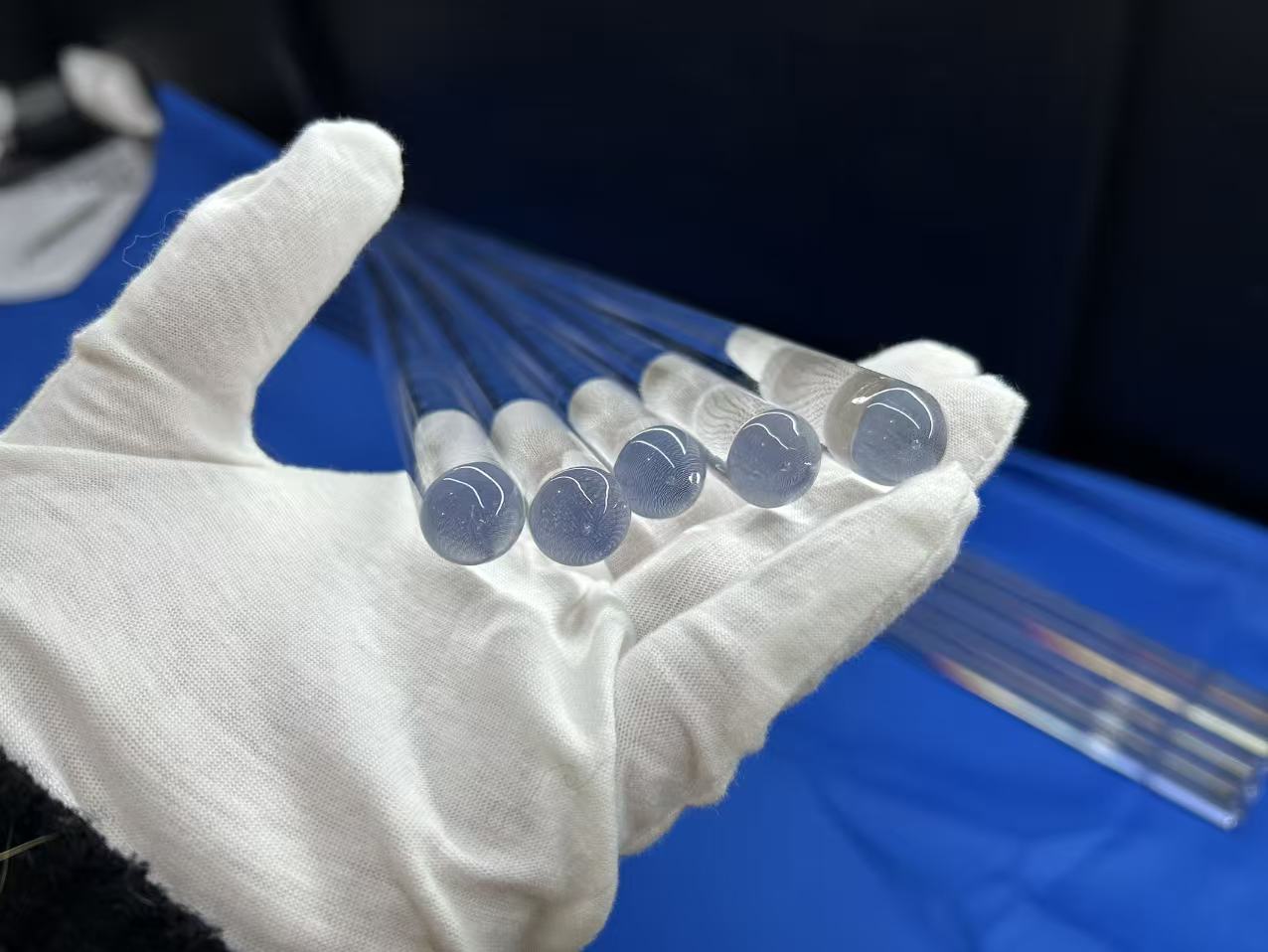
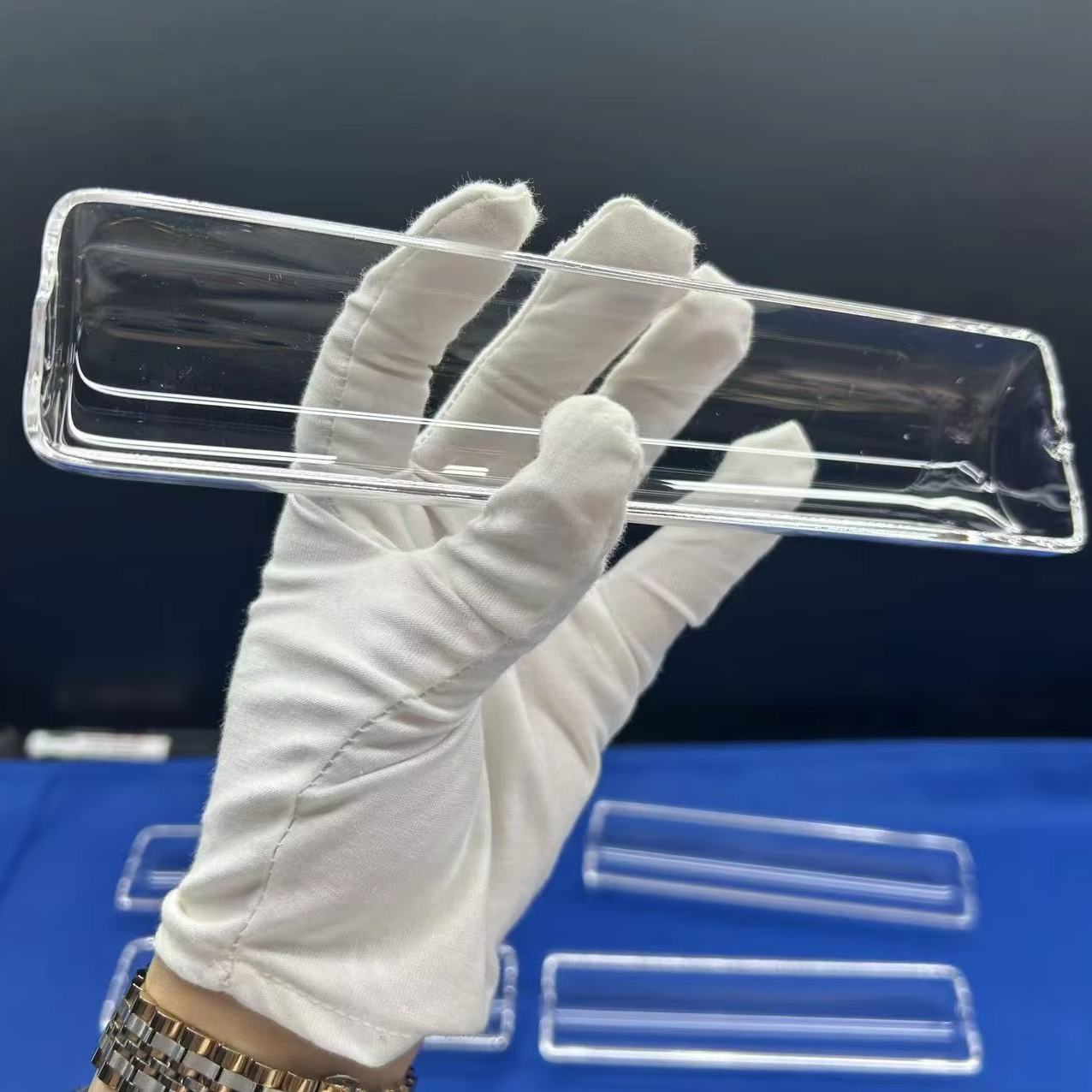
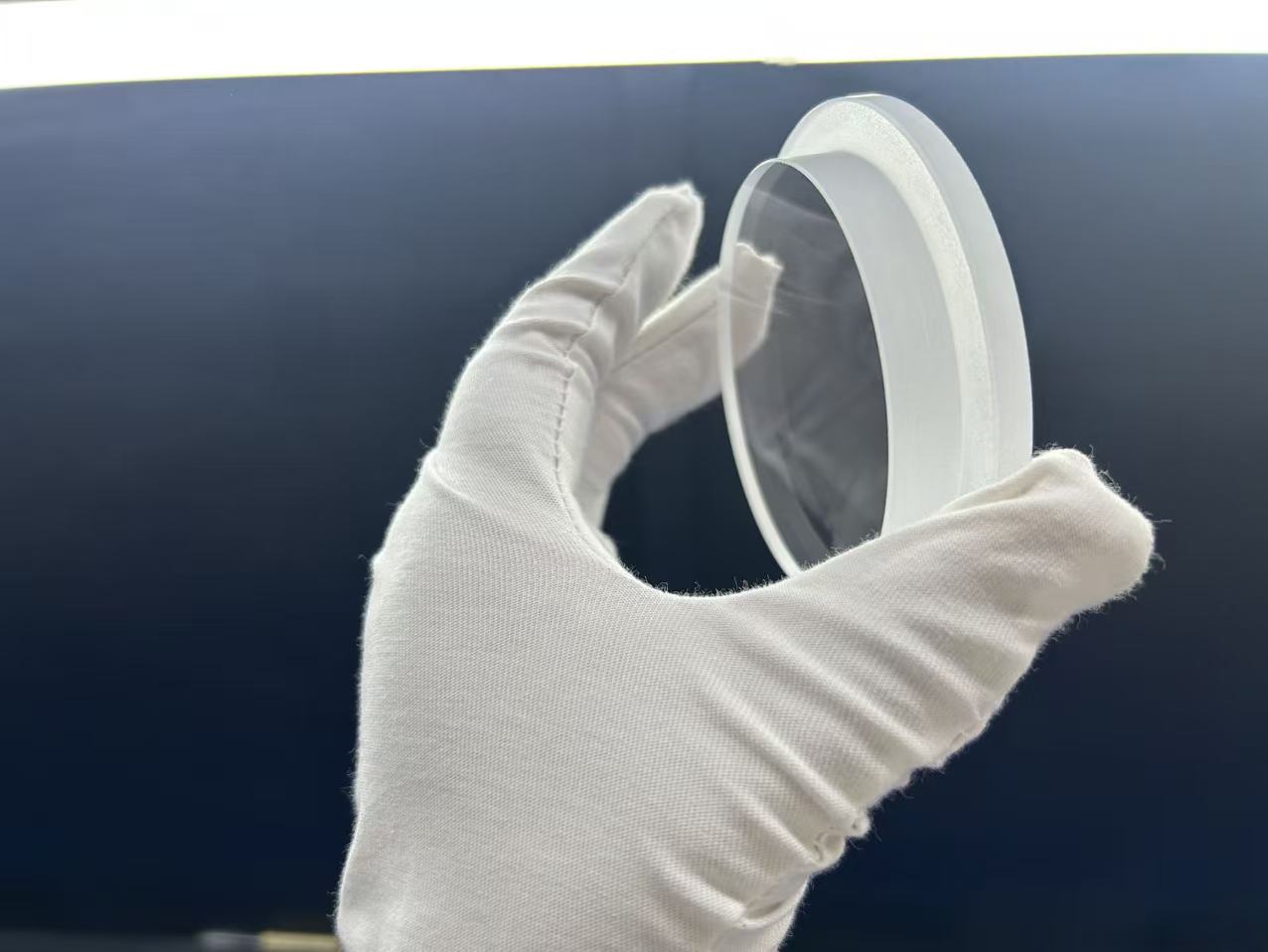
Manufactured from semiconductor-grade raw silica sand with tightly controlled dimensional tolerances, custom edge profiles, and zero contamination risks.
Thermodynamics & Microstructure of Opaque Fused Silica
Understanding why opaque (milky / translucent) fused quartz delivers unmatched thermal shielding, diffuse infrared reflection, and thermal shock resistance compared to conventional clear quartz in heavy industrial systems.
The Micro-Bubble Scattering Phenomenon
Opaque quartz glass is synthesized through the high-temperature electric arc or gas-oxygen fusion of ultra-pure natural silica ($SiO_2 \ge 99.98\%$). The defining optical opacity—giving it a pure milky or porcelain-like visual appearance—is achieved through the controlled, homogeneous entrapment of microscopic, enclosed gas pores (predominantly 5 to 50 μm in diameter).
While transparent quartz glass transmits up to 90% of incident infrared radiation straight through the material from 0.8 μm to 3.5 μm, opaque quartz scatters and diffuses thermal radiation across all vectors. The encapsulated bubbles act as refractive interfaces that prevent direct radiant heat transfer, converting the material into a high-performance thermal radiation insulator while ensuring uniform secondary blackbody radiation emission.
Furthermore, because the matrix remains amorphous silicon dioxide with an exceptionally low thermal expansion coefficient ($\approx 5.5 \times 10^{-7} /^\circ\text{C}$), opaque quartz exhibits phenomenal thermal shock resilience: it can be heated to 1100°C and instantaneously quenched in ice water without catastrophic spalling or micro-cracking.
- Infrared Scattering: Up to 85% diffuse reflectance of near-to-mid infrared radiation.
- Zero Open Porosity: Complete imperviousness to gas permeability ($< 1 \times 10^{-9}\text{ mbar}\cdot\text{l/s}$).
- Exceptional Acid Resistance: Chemically inert against all inorganic acids except $HF$ and hot $H_3PO_4$.
- Enhanced Structural Rigidity: Increased resistance to thermal sagging in large-span furnace muffles.
Engineering Integration Across Key Economic Sectors
Honduras presents rigorous operational demands ranging from coastal humidity and maritime logistics to intense thermal and corrosive mineral refining conditions. Our opaque and fused quartz assemblies are engineered to perform in these primary hubs.
Mining Assay & Smelting
Assay laboratories analyzing precious polymetallic ores (gold, silver, zinc, and lead) require opaque quartz crucibles, cupels, and combustion tubes that withstand molten litharge (lead oxide) fluxes and extreme thermal cycling without sample contamination.
Agro-Industrial Thermal Drying
Sugar mills (Ingenios Azucareros), palm oil processing refineries, and high-grade coffee bean dehydrators deploy opaque quartz radiant heater sheaths. The opaque structure eliminates localized hot-spot scorches by dispersing infrared heat evenly across organic matter.
Geothermal Power Wells
Geothermal power plants tap aggressive subterranean fluids laden with hydrogen sulfide ($H_2S$) and dissolved silica. Opaque quartz thermocouple protection sheaths safeguard downhole electronic sensors against extreme pressure, moisture, and high salinity.
Maquiladora & Chemical Baths
Light manufacturing, electroplating facilities, and textile wet-processing factories within the Honduran Free Zones (ZONAS LIBRES) install opaque quartz electric immersion heater sleeves for boiling acid anodizing, degreasing, and passivating baths.
Emerging Trends in Honduran Industrial Sourcing
A closer look at how modern industrialization, free trade modernization under CAFTA-DR, and clean energy mandates are driving the transition to advanced fused silica products.
1. Decarbonization & Electric IR Upgrades
As Central American industrial corporations face heightened energy costs and carbon audits, conventional gas-fired drying tunnels in food processing and textile finishing are being replaced with high-efficiency electric infrared modules. Opaque quartz tubes serve as the critical radiant core, translating electrical power into long-wave and medium-wave infrared radiation with up to 30% thermal energy efficiency gains.
2. Direct Manufacturer Procurement • Nearshoring
Supply chain shocks have highlighted the cost burden of purchasing through secondary brokers in North America. Honduran procurement executives in San Pedro Sula and Tegucigalpa are increasingly transitioning to direct manufacturer agreements with China's quartz heartland—Donghai County—securing customized dimensional tolerances while eliminating 25% to 40% distributor markups.
3. Rigorous Quality Certification • ISO Compliance
Exporting finished goods from Honduras to global markets under international phytosanitary and mechanical standards demands strict traceability. Industrial facilities are discarding contaminated ceramic refractories that shed particulate matter, adopting ultra-clean fused silica and opaque quartz components that eliminate batch degradation and process downtime.
Opaque Quartz vs. Alternative High-Temperature Materials
Empirical technical comparison to help plant managers and mechanical engineers select the ideal grade for severe thermal and chemical operating parameters.
| Property Parameter | High-Purity Opaque Quartz | Clear Fused Quartz (JGS2) | High-Alumina Ceramic (99% Al₂O₃) |
|---|---|---|---|
| $SiO_2 / Al_2O_3$ Purity | ≥ 99.98% $SiO_2$ | ≥ 99.99% $SiO_2$ | ≥ 99.0% $Al_2O_3$ |
| Bulk Density | 2.06 – 2.15 g/cm³ (due to micro-bubbles) | 2.20 g/cm³ | 3.90 g/cm³ |
| Max Continuous Temperature | 1100°C | 1150°C | 1600°C |
| Thermal Shock Delta ($\Delta T$) | > 1000°C (Quenchable in cold water) | > 1000°C (No fracture) | approx. 200°C – 250°C (Prone to cracking) |
| Direct IR Transmission (1.0 – 3.0 μm) | ≤ 15% (Diffuse scattering > 80%) | > 90% (Direct beam pass-through) | 0% (Opaque ceramic absorption) |
| Coefficient of Thermal Expansion | $5.5 \times 10^{-7} /^\circ\text{C}$ | $5.5 \times 10^{-7} /^\circ\text{C}$ | $8.0 \times 10^{-6} /^\circ\text{C}$ |
| Chemical Attack Resistance | Immune to $H_2SO_4, HNO_3, HCl$ at boiling | Immune to most acids (except $HF$) | Degrades in strong acidic / alkaline melts |
Donghai County Nivra Quartz Products Co., Ltd.
Founded in February 2019 in Donghai County, Jiangsu Province—globally acknowledged as China's crystal and quartz manufacturing capital—Nivra Quartz has developed into an integrated manufacturing and export powerhouse with 101–200 skilled specialists.
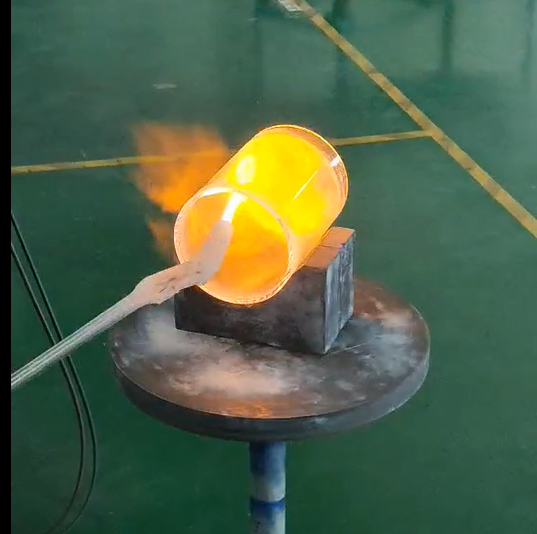
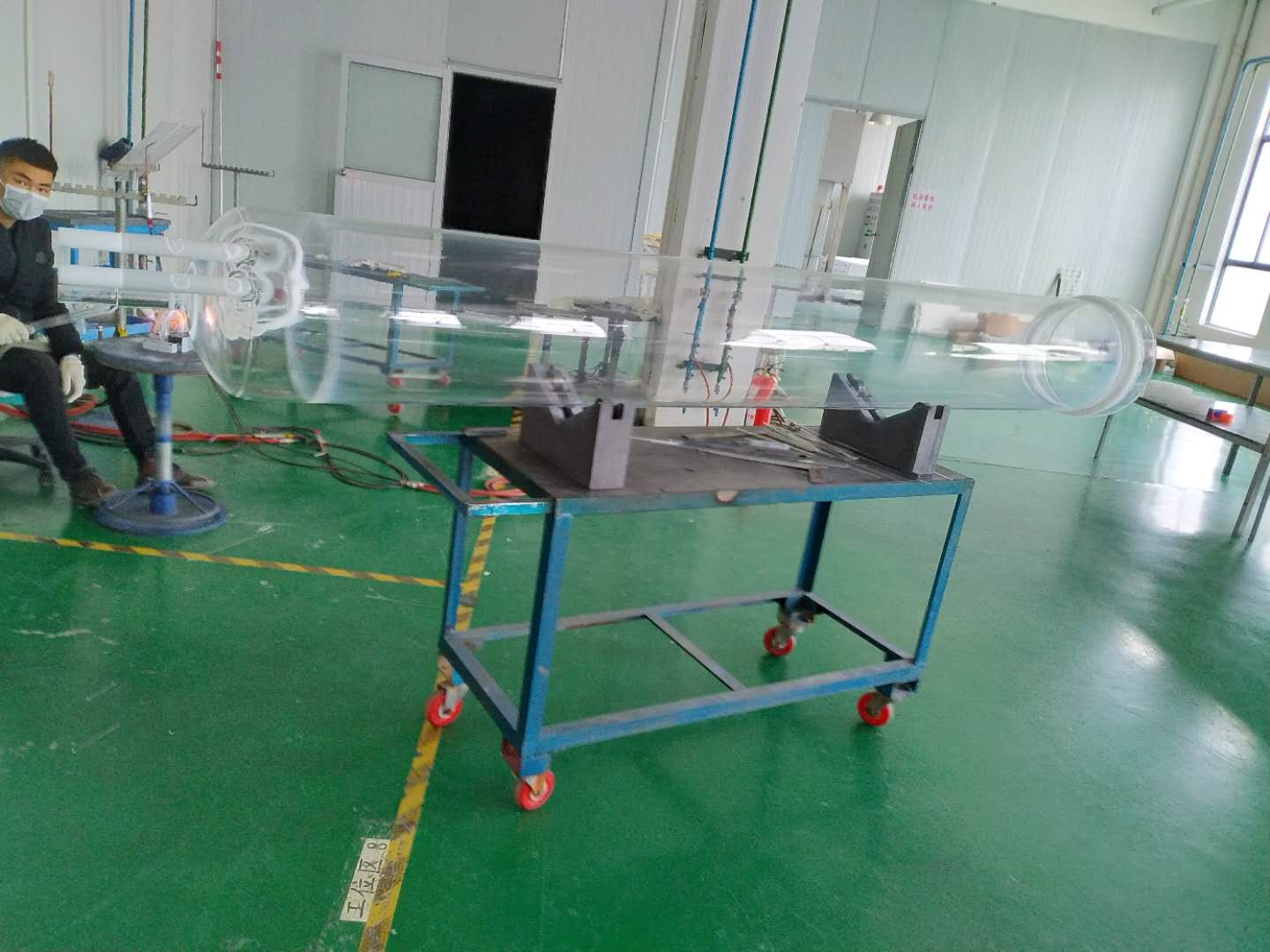
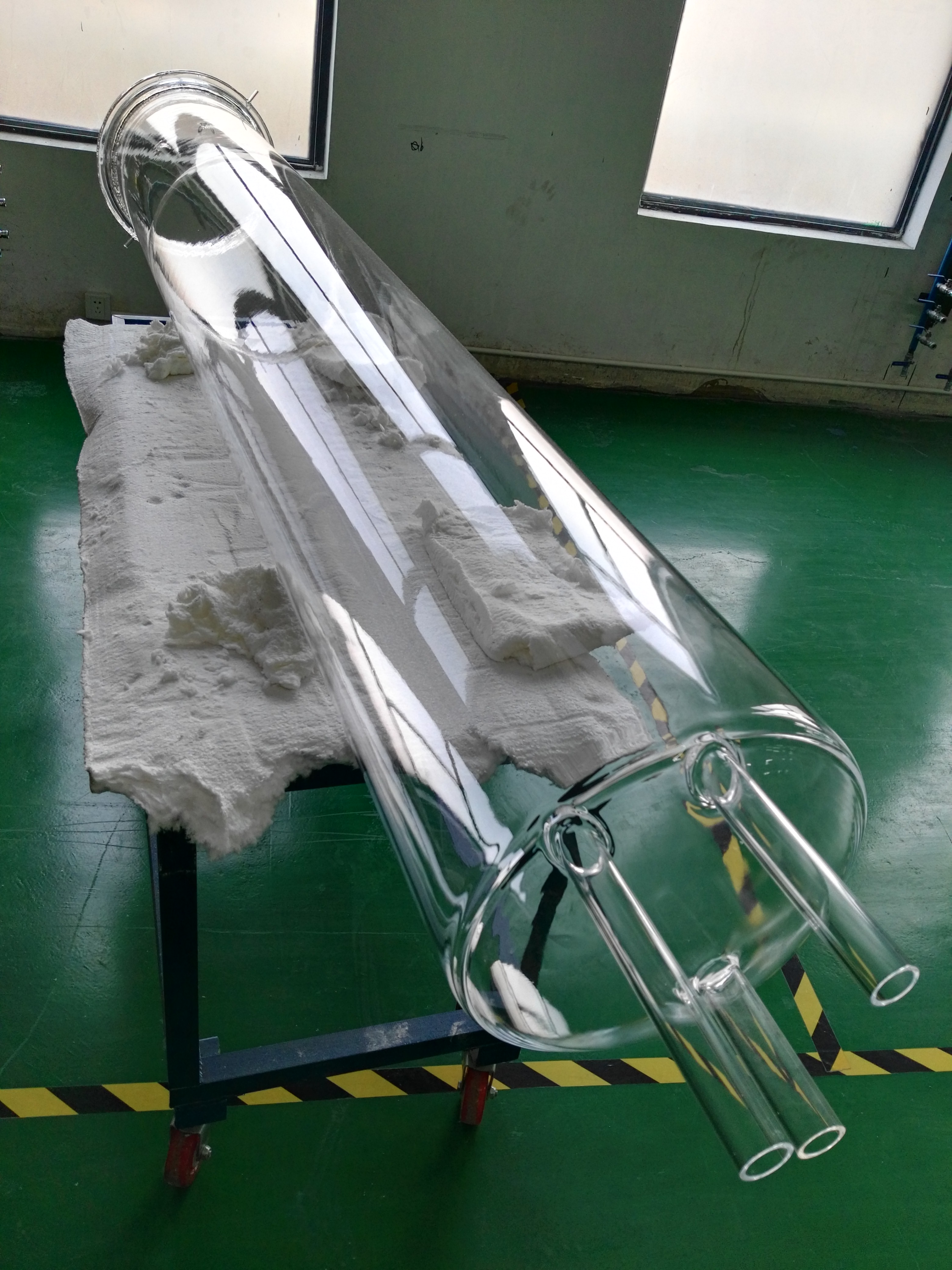
We operate end-to-end CNC diamond turning, ultrasonic drilling, precision quartz fire-welding, lathe-forming, and thermal annealing chambers. Every batch intended for international export to Central American destinations undergoes rigorous optical clarity grading, dimensional verification via digital coordinate measuring machines (CMM), and specialized shock-proof vacuum crating.
Frequently Asked Questions by Honduran Buyers
Real-world insights addressing logistical protocols, import tariffs, customs clearance, and product handling in Honduras.
What logistics routes and ports are used for shipping quartz products to Honduras?
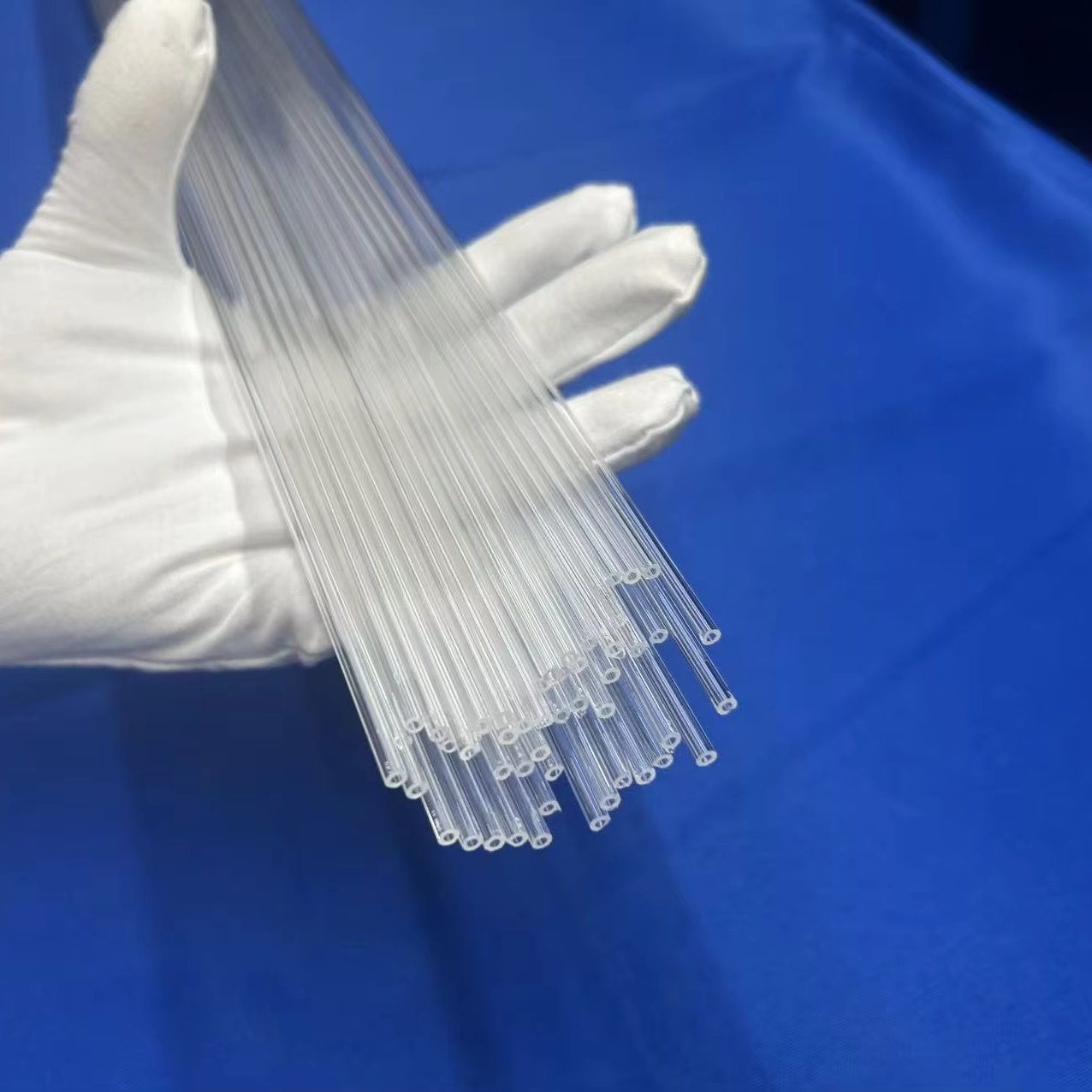
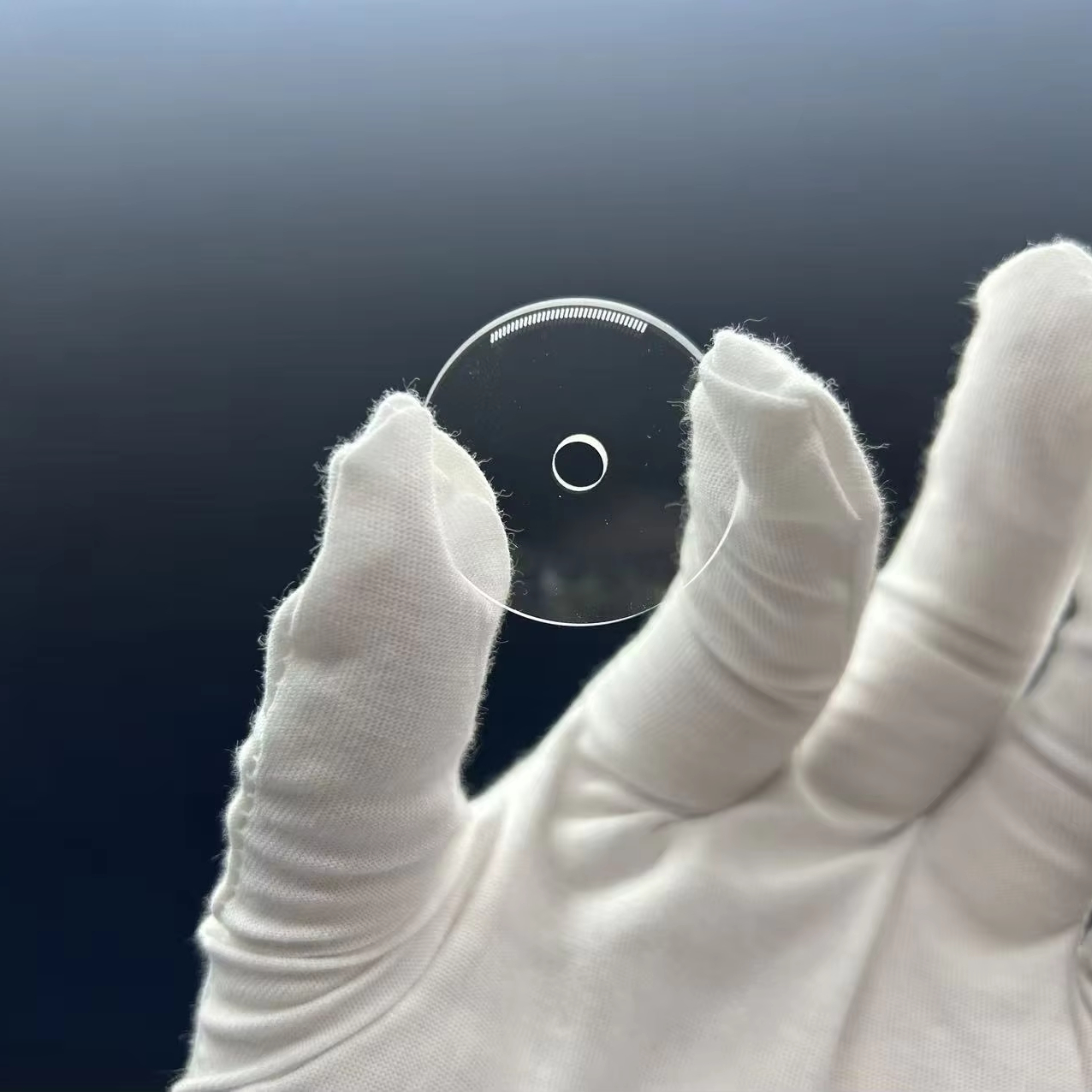
For maritime container shipments (FCL or LCL), our export route departs from Qingdao or Shanghai ports to Puerto Cortés, the premier deep-water container terminal in Honduras. Typical ocean transit takes approximately 28 to 35 days. For high-priority prototypes, replacement capillary tubes, or optical wafers, we utilize direct express air freight (DHL, FedEx, UPS) arriving at Ramón Villeda Morales International Airport (SAP) in San Pedro Sula or Toncontín / Palmerola International Airport (XPL) near Tegucigalpa within 5 to 7 business days.
How does Nivra Quartz ensure zero breakage during long ocean transit to Central America?
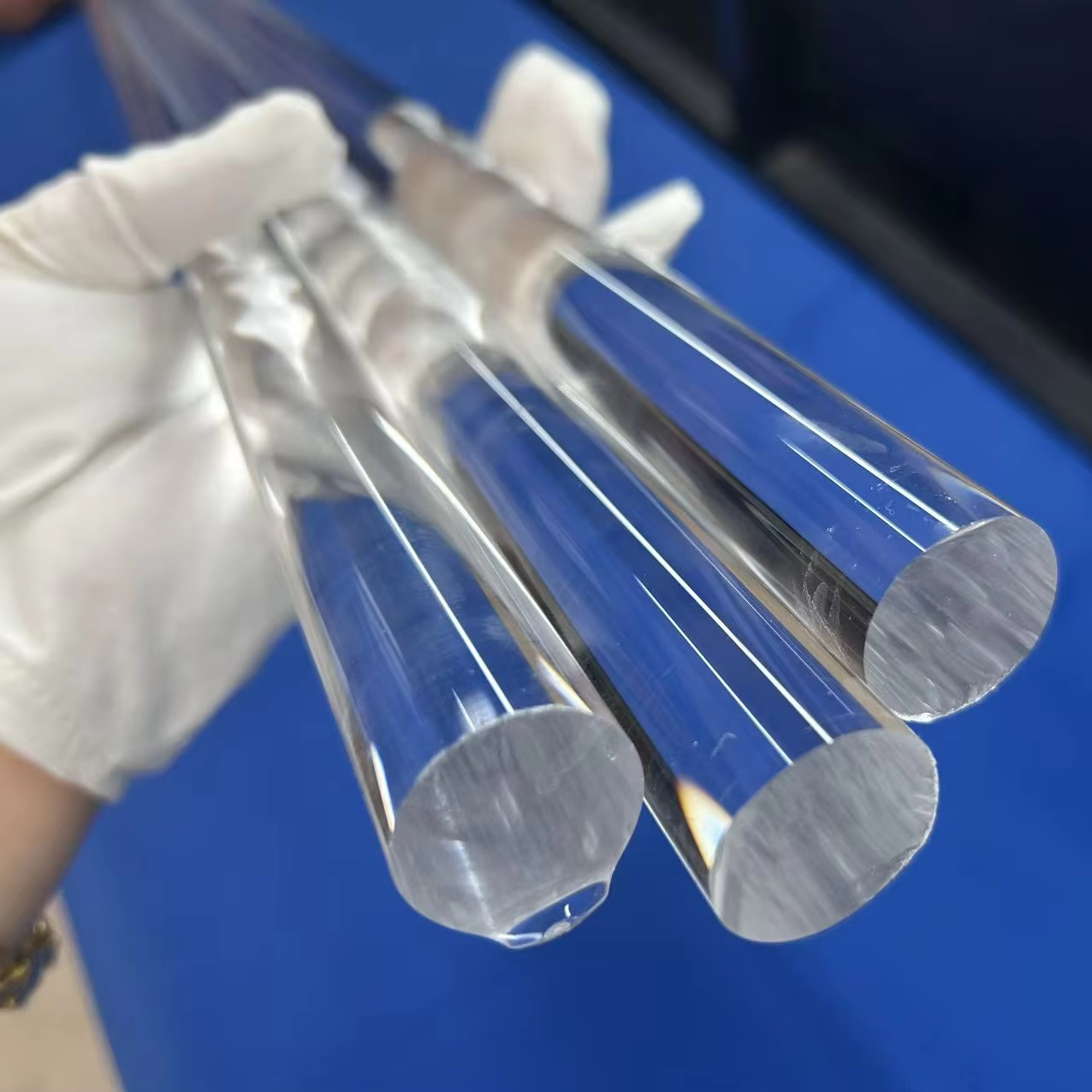
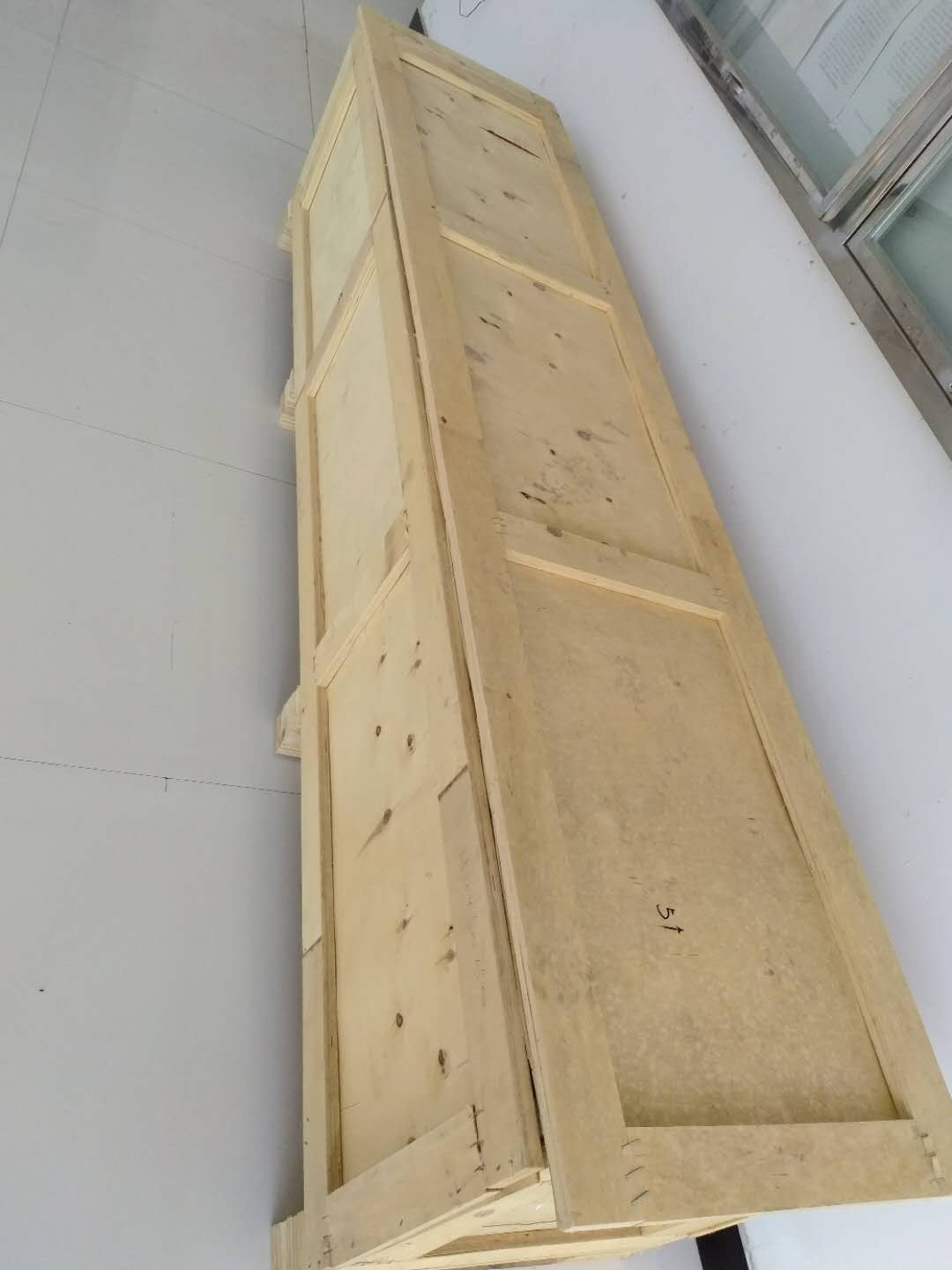
We implement a strict 4-layer packaging standard designed specifically for trans-oceanic shipping. Each component is thoroughly ultrasonic-cleaned, vacuum-sealed in moisture-barrier PE film with desiccant pouches to combat tropical maritime humidity, individually enclosed in high-density custom-cut shock-absorbent EPE foam, and encased within heavy-gauge, fumigation-free ISPM-15 compliant plywood crates. Long rods and tubes are secured along their continuous axes with vibration-dampening cradles to prevent flexural resonance breakage.
What import documentation is provided for Honduran Customs (Administración Aduanera de Honduras)?
We supply a complete export documentation dossier to streamline clearance through Aduanas de Honduras, including: Certified Commercial Invoices with clear HS Code classifications (typically under HS 7002.31 for tubes, 7017.10 for laboratory glassware, or 7020.00 for industrial quartz articles), Packing Lists detailing net/gross weights and crate dimensions, Bills of Lading (B/L) or Airway Bills (AWB), and Certificate of Origin (CO). If your business operates within a Zona Libre (ZOLI) or under the temporary import regime (RIT), we format our invoices accordingly to assist your tax and duty exemption procedures.
What is the technical difference between opaque quartz and sandblasted frosted clear quartz?
This is a critical distinction for thermal engineers. Frosted quartz is made by mechanically sandblasting or chemically etching the surface of an ordinary clear quartz sheet or tube. The opacity is merely surface-deep; internal infrared transmission remains largely transparent, and prolonged high temperatures can cause the etched micro-fissures to prematurely devitrify. In contrast, opaque quartz possesses a micro-bubble cellular structure distributed homogeneously through the entire wall thickness. It provides genuine volumetric infrared diffusion, superior thermal insulation, and maintains structural integrity throughout years of continuous 1000°C+ service.
Can Nivra Quartz produce custom quartz components from our engineering drawings?
Yes. OEM and ODM fabrication to client specifications is our core business. We accept engineering files in PDF, DWG, DXF, STP, and STEP formats. Our technical engineering division reviews drawing tolerancing, wall thickness consistency, thermal relief geometry, and machine tool paths, typically returning an exhaustive manufacturability assessment and quotation within 5 hours.
What is your Minimum Order Quantity (MOQ) for industrial clients in Honduras?
To support prototyping, research initiatives, and emergency plant maintenance, standard catalog items such as clear/opaque quartz tubes, standard tanks, and crucibles have an MOQ as low as 1 to 5 pieces. Highly customized CNC machined step plates or specialized wafer carriers typically have an initial batch MOQ of 10 to 50 pieces, with pre-production sample approval available prior to full production runs.
How does opaque quartz handle caustic acid exposure in Honduran mining laboratories?
Opaque quartz represents one of the most chemically inert refractory materials in industrial existence. It is impervious to hydrochloric acid ($HCl$), nitric acid ($HNO_3$), sulfuric acid ($H_2SO_4$), aqua regia, and organic solvents across all concentrations and boiling temperatures. The only chemical compounds that attack fused silica are hydrofluoric acid ($HF$) and concentrated phosphoric acid ($H_3PO_4$) when heated past 300°C. In gold/silver fire assay flux melting, it offers significantly extended service life compared to standard fireclay crucibles.
Looking for High-Purity Opaque Quartz Parts in Honduras?
Whether you require custom infrared heating tubes for an agro-industrial processing plant, acid-resistant tanks for manufacturing, or mineral assay crucibles delivered to Puerto Cortés, our engineering team is ready to assist with rapid drawing evaluations and direct factory pricing.