High-Purity Clear & Opaque Quartz Solutions
Engineered to withstand continuous temperatures up to 1100°C and thermal shocks exceeding 1000°C. Standard catalog geometry and custom CNC flame-worked assemblies available for immediate deployment across Austrian production lines.
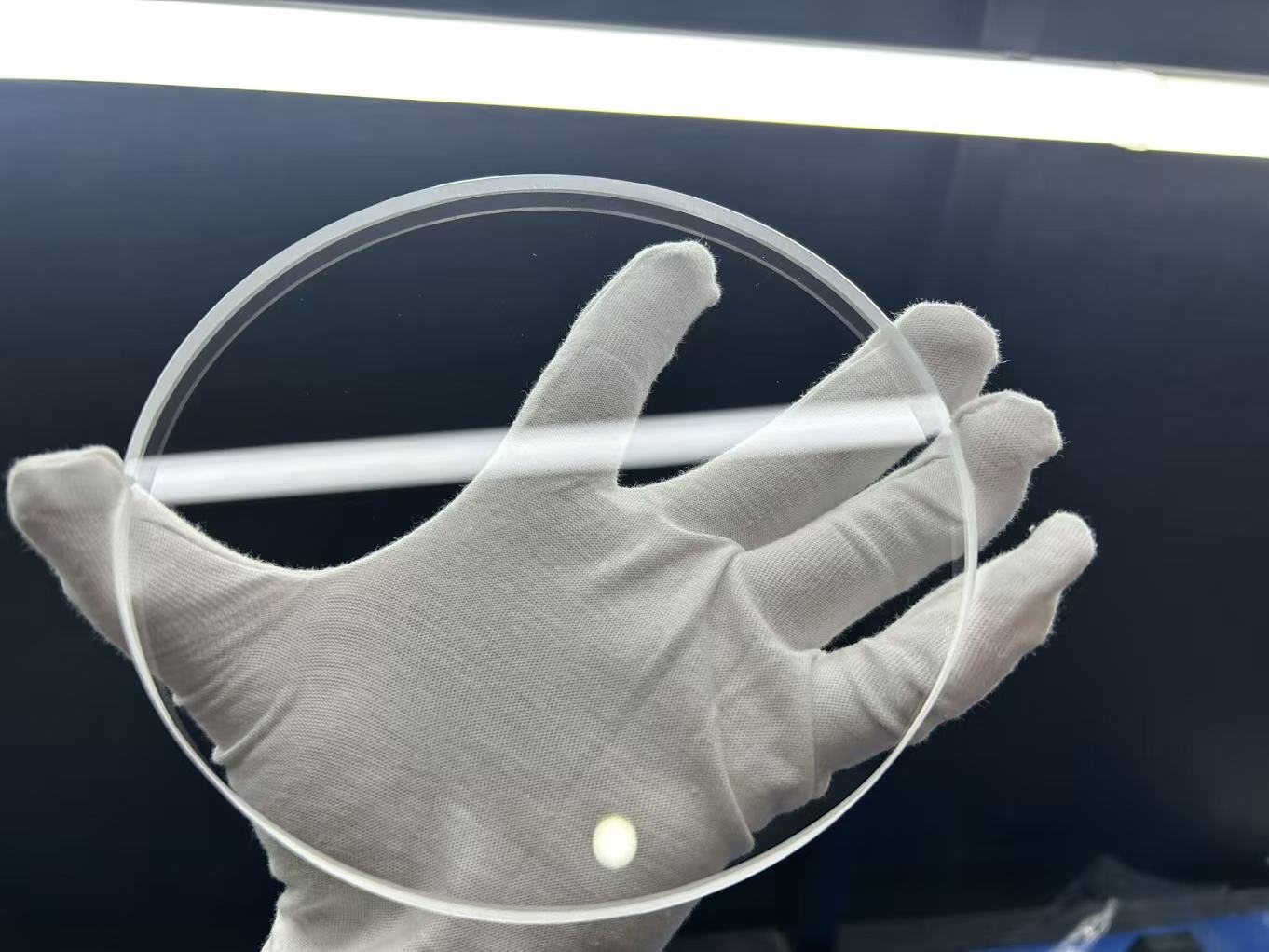
Wholesaler Customized High Quality Clear Fused Quartz Glass Sheet Custom Used in Optics and Photovoltaics
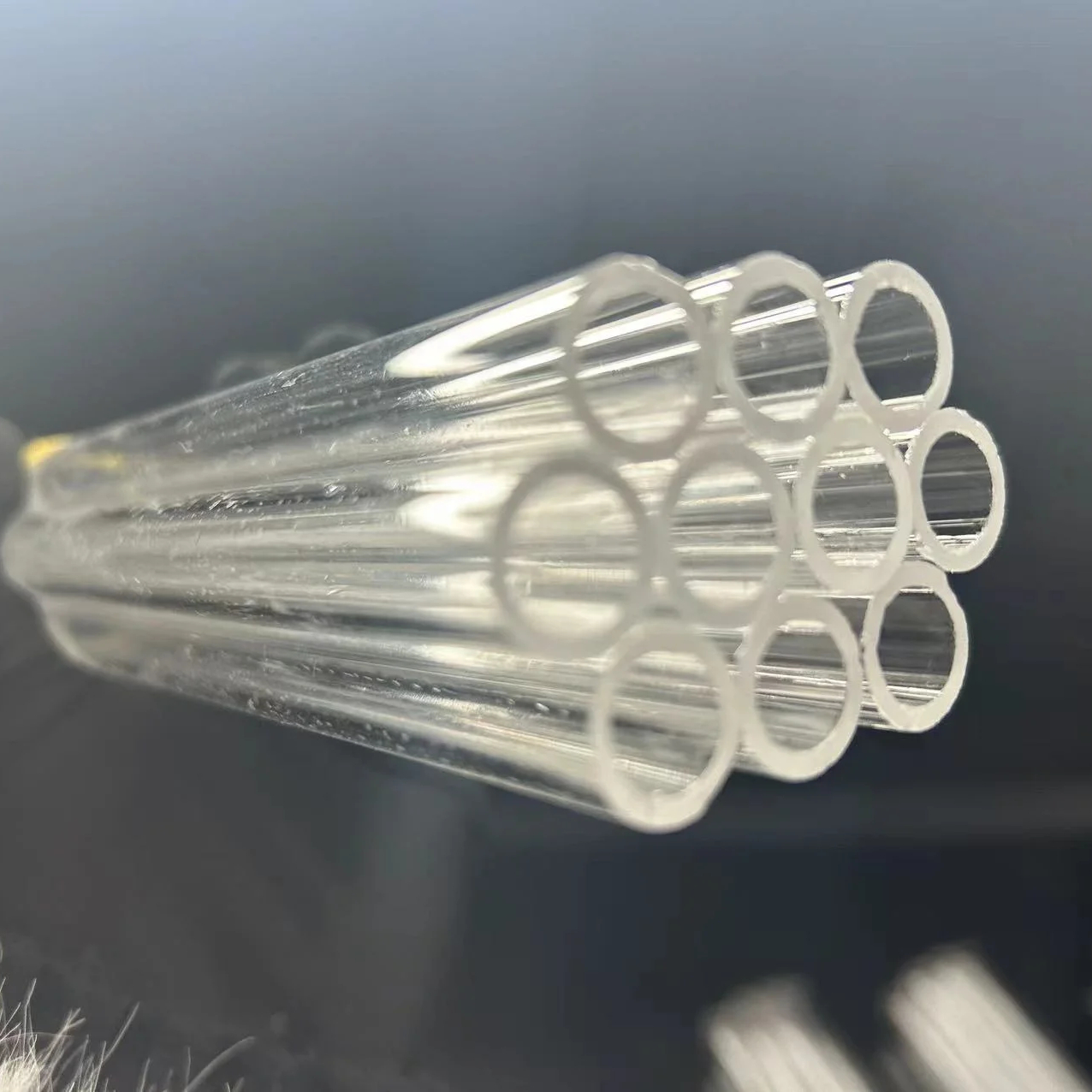
High Temperature Transparent Quartz Cylinder Tube Clear Quartz Tube Glass with Professional Manufacturer Quartz Tube
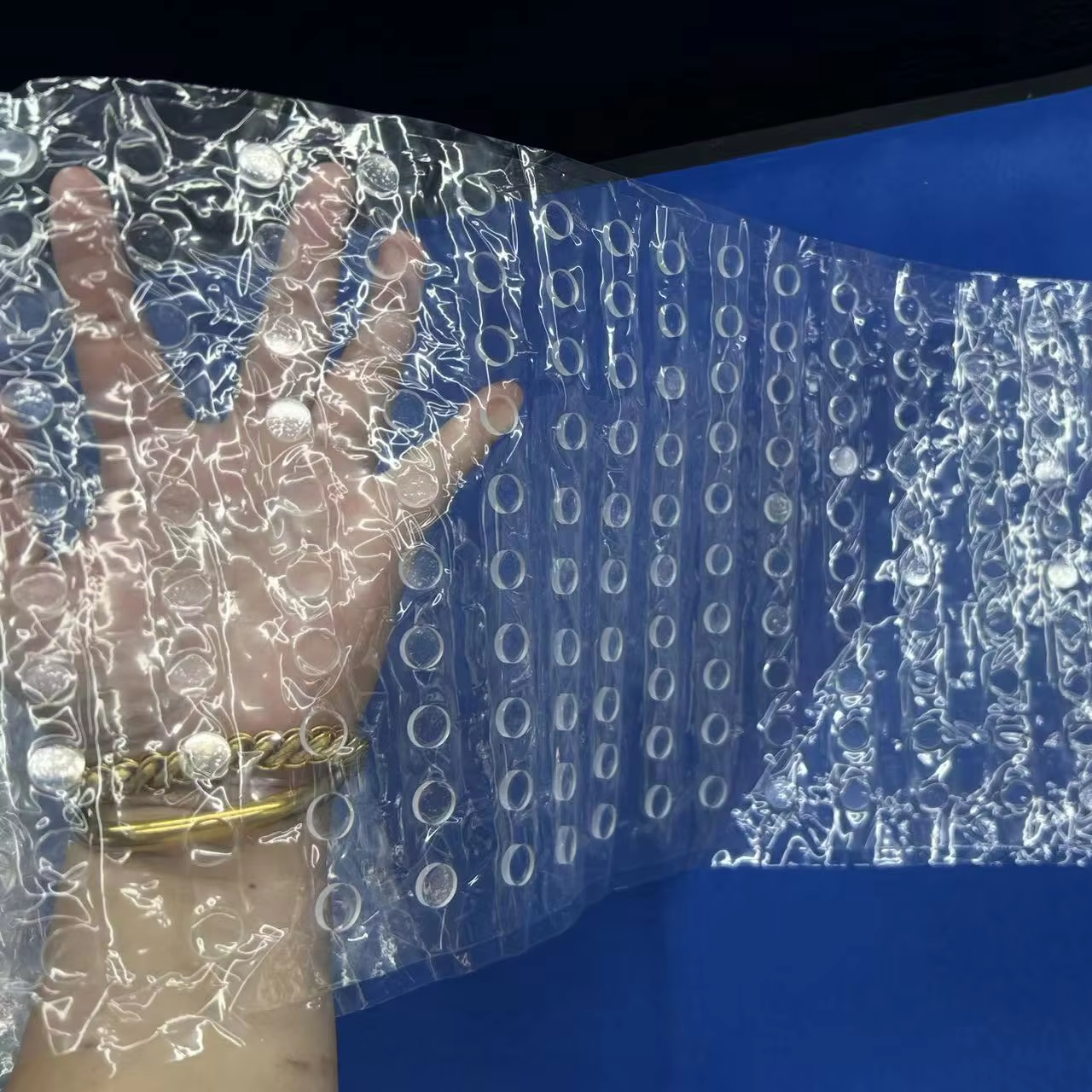
Factory-Made High-purity Small Size Quartz Wafer, Provide Cutting and Polishing Services
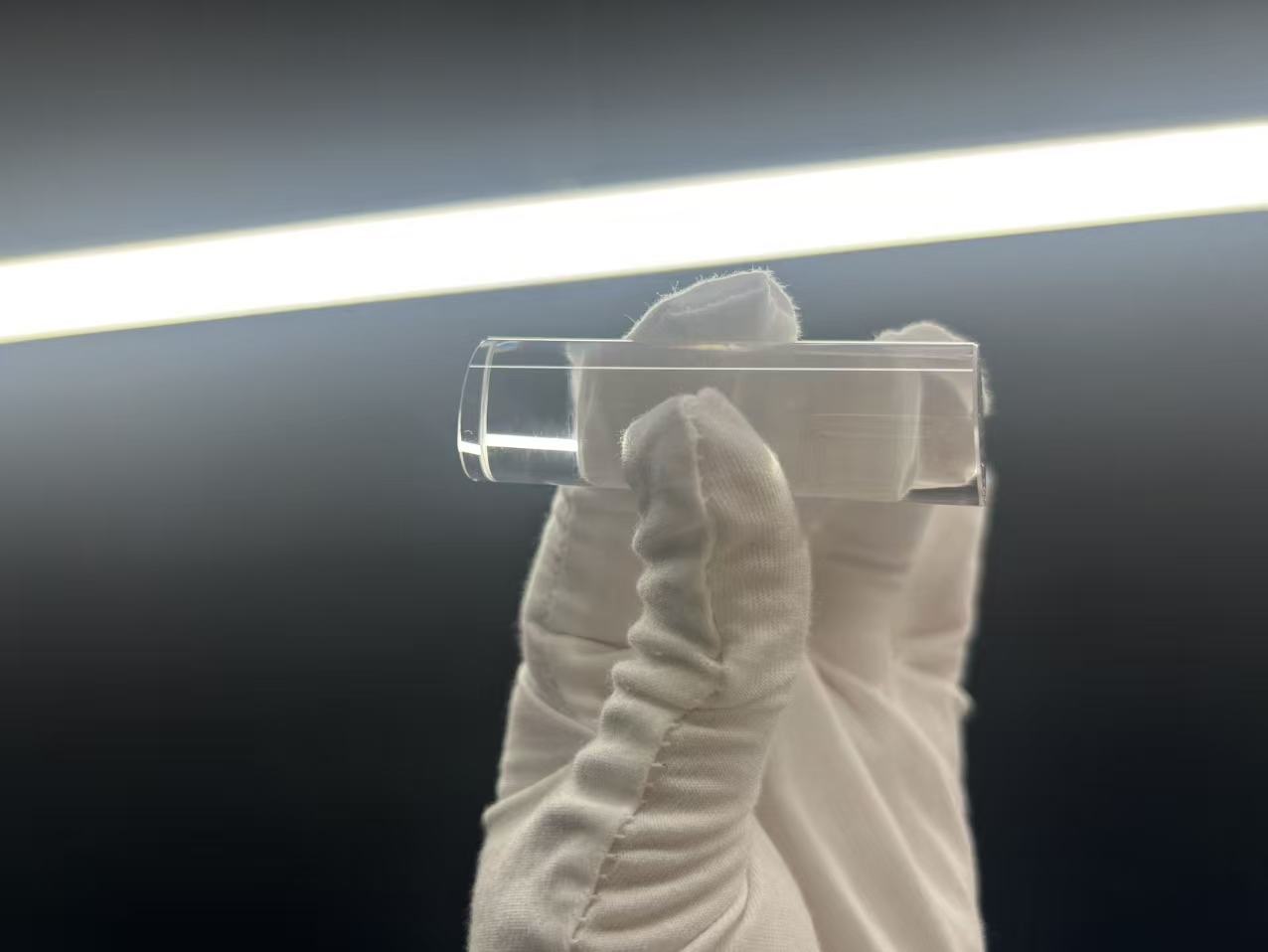
Round Head Quartz Rod for Process Agitation and Semiconductor Fixturing
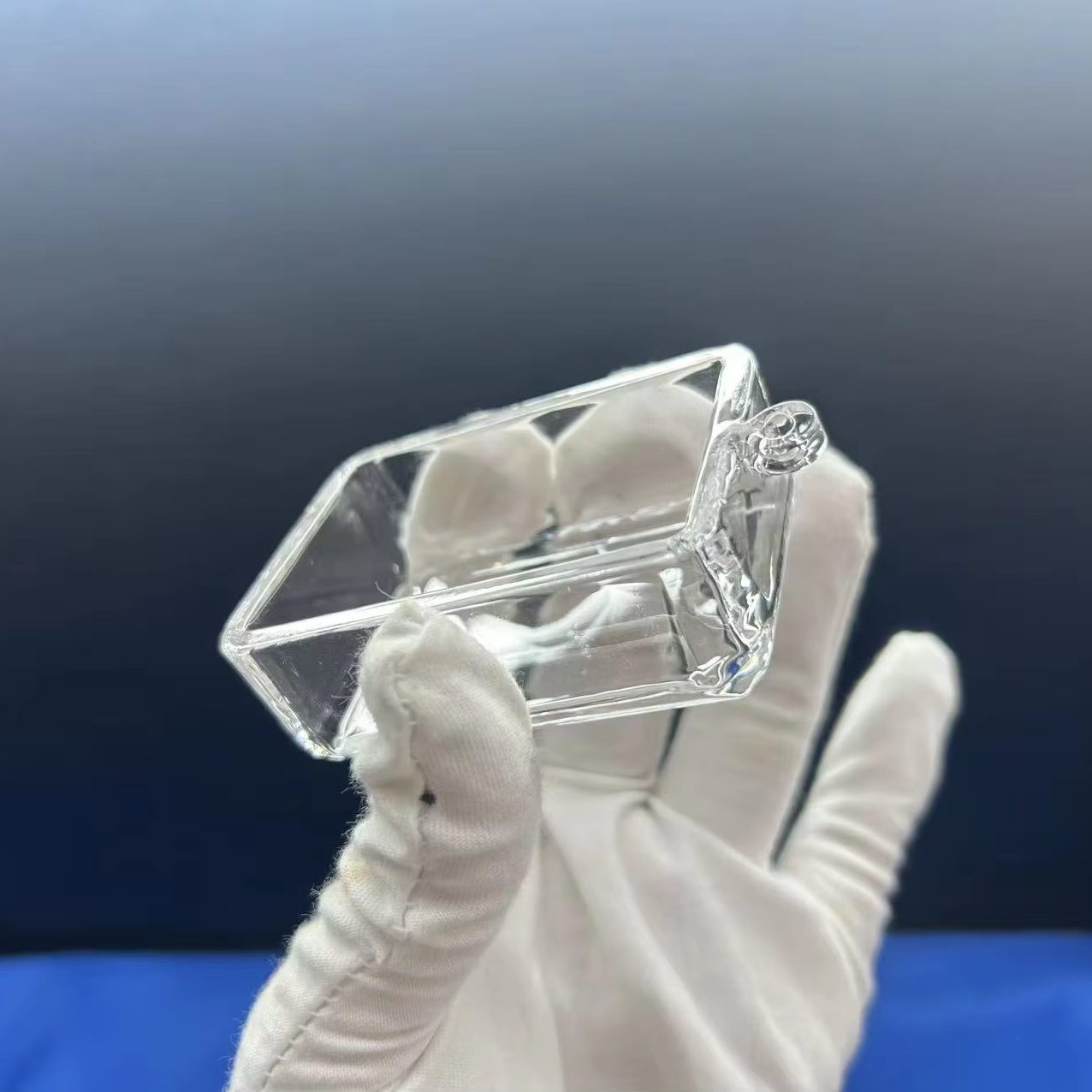
Custom High-Purity Seamless Welded Quartz Tank for Chemical Cleaning
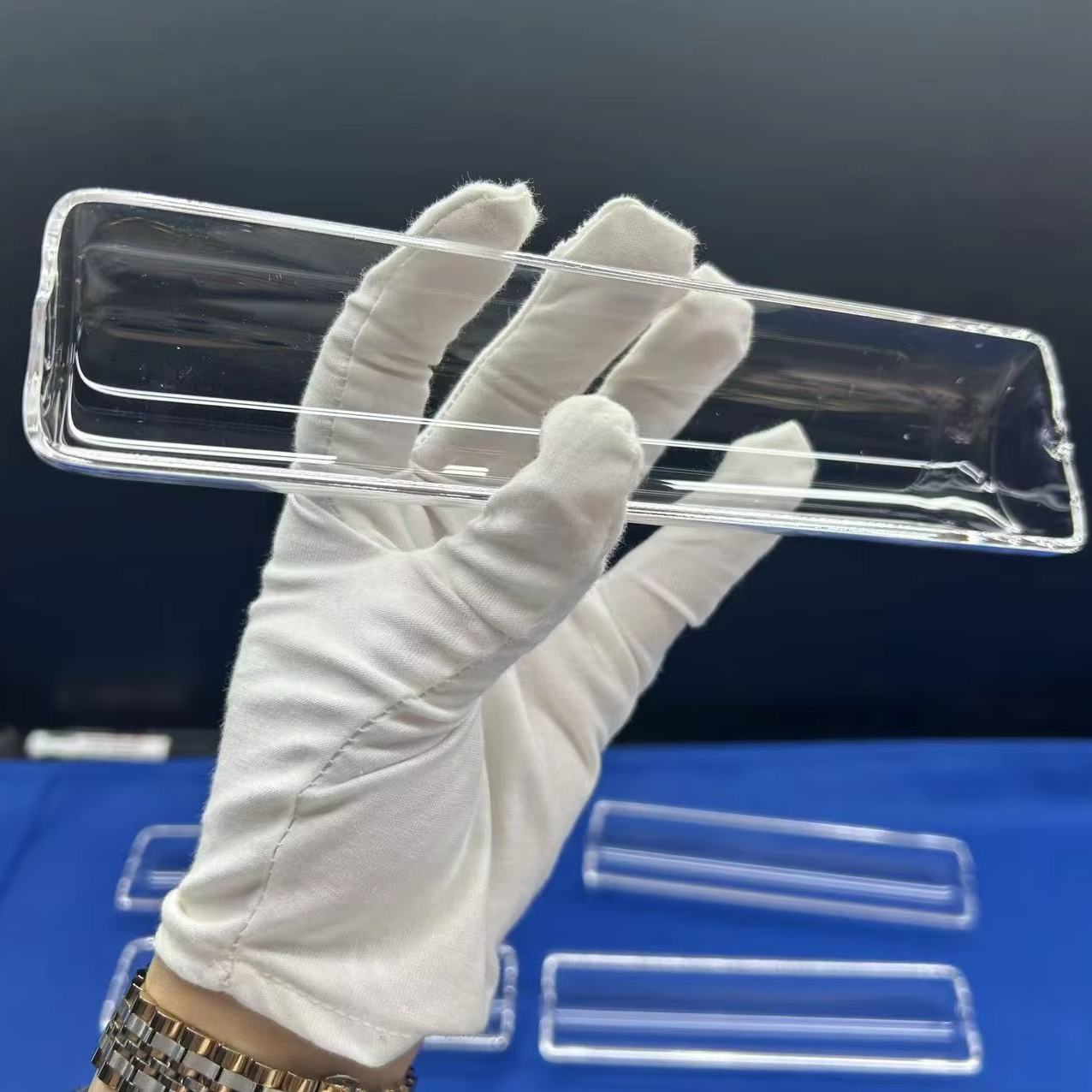
Customized Clear Fused Silica Quartz Boat Polished Clear Quartz Wafer Carrier
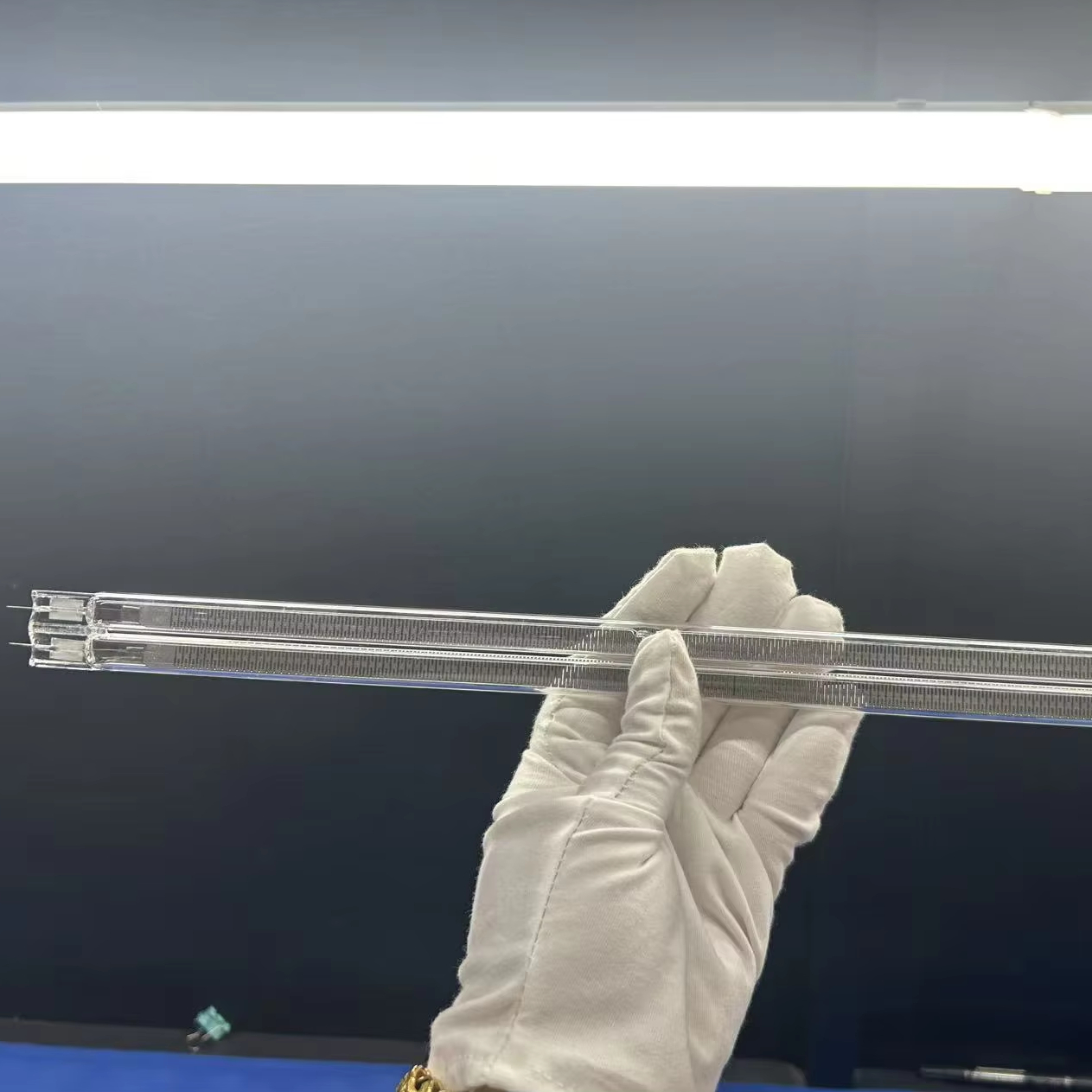
220v/380v 400mm 15*33mm Diameter Infrared Heating Tube Carbon Fiber/Halogen Tube for Fast Heating Equipment
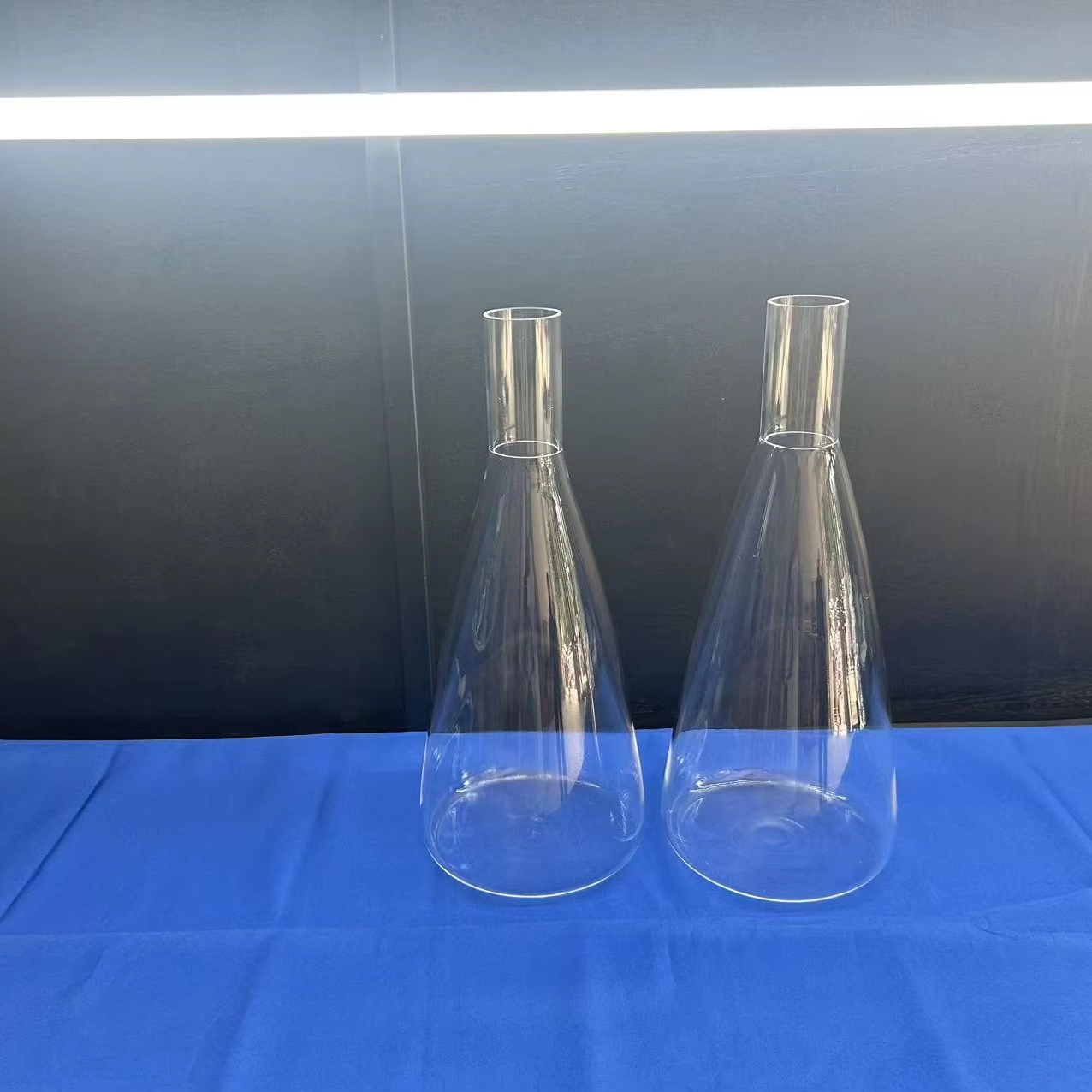
Laboratory High-Precision Fused Silica Quartz Glass Reaction Flask
Opaque Fused Silica: The Science of Diffuse Reflection & Thermal Insulation
A comprehensive examination of micro-bubble morphology, infrared radiation scattering, and thermo-mechanical behavior in demanding European thermal and chemical processing environments.
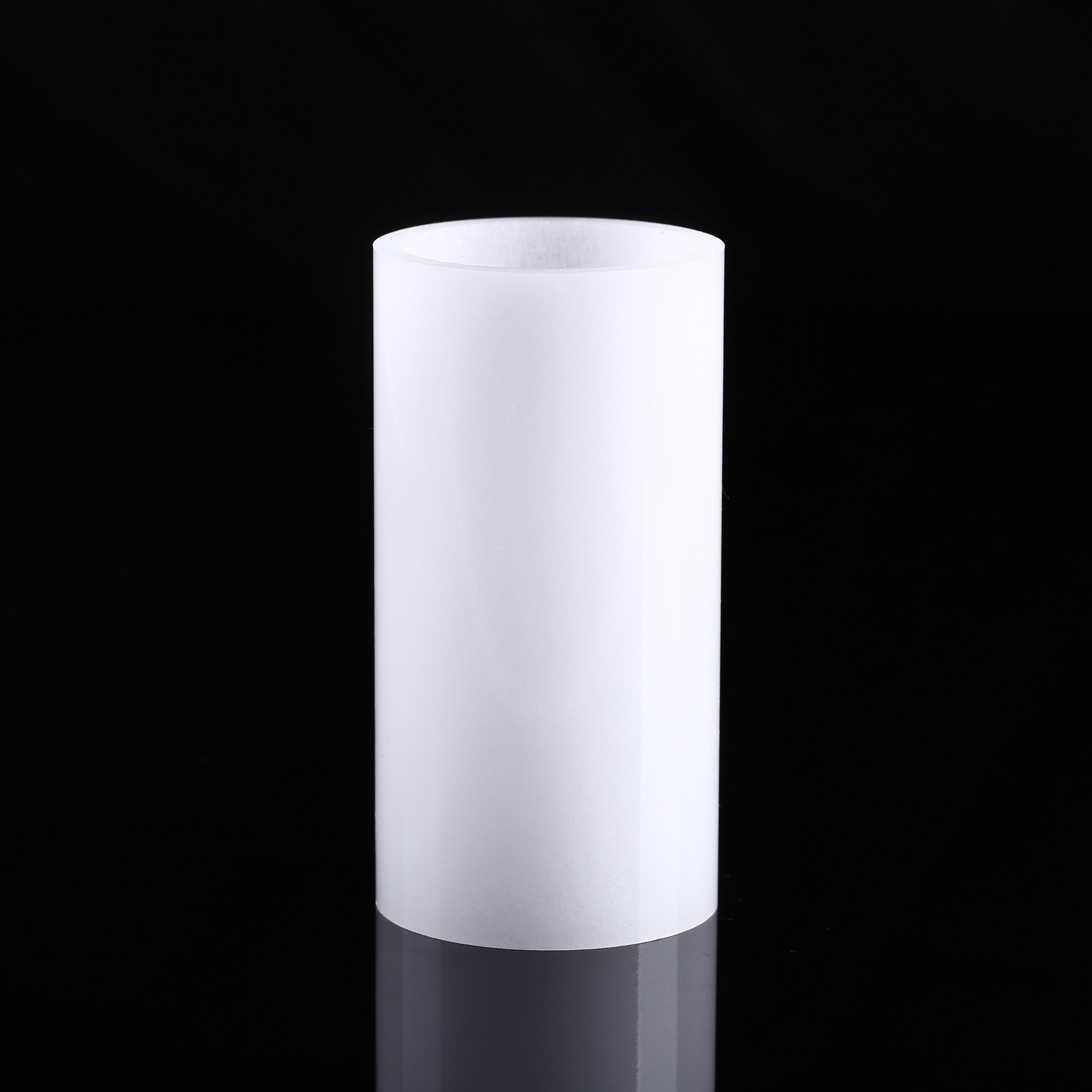
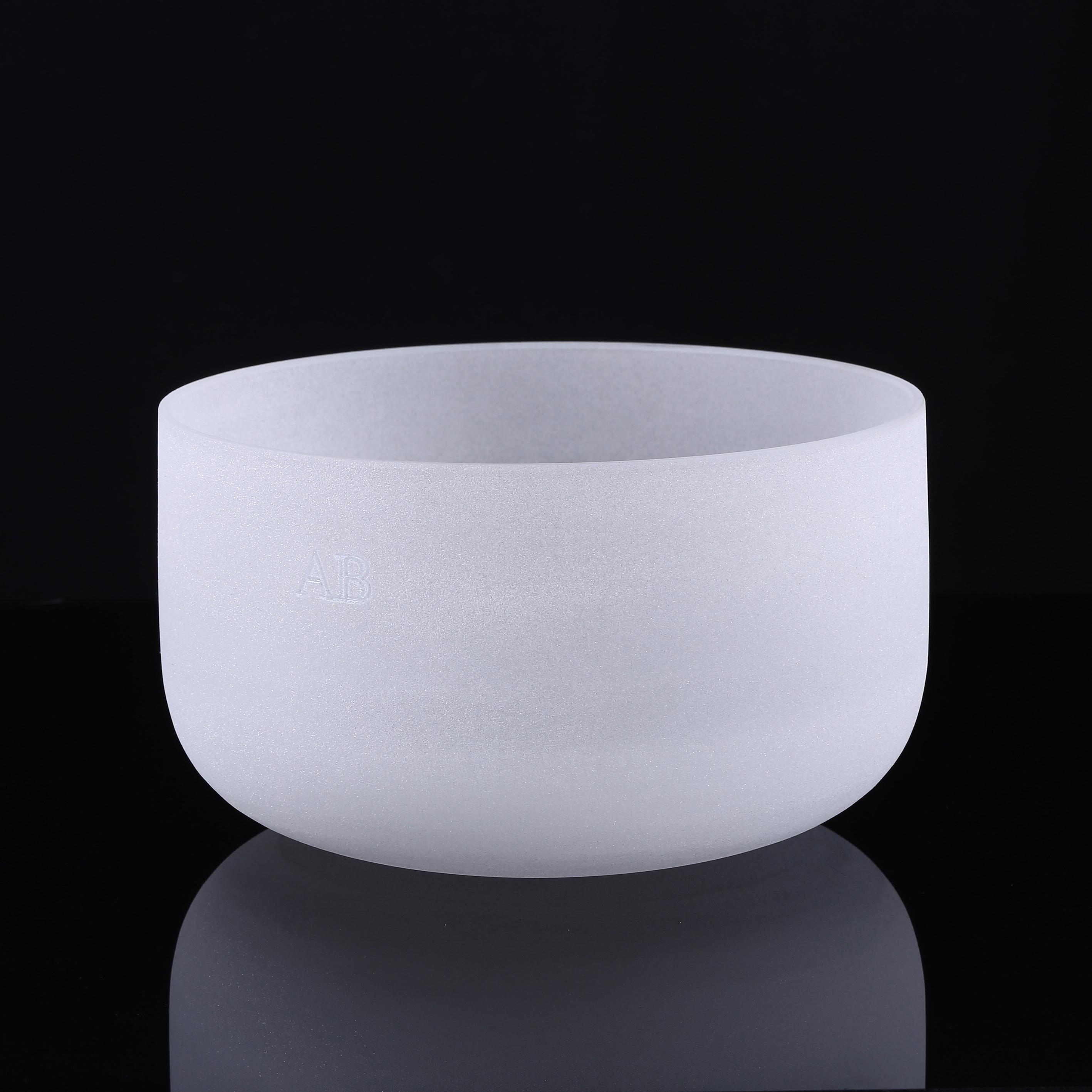
In modern industrial thermal engineering, Opaque Quartz Glass (often referred to as milky quartz, translucent fused silica, or sintered vitreous silica) serves a completely distinct technological role from its transparent, fire-polished counterpart. While optical clear quartz excels at broad-spectrum photon transmission from 185 nm deep-UV up to near-infrared wavelengths, opaque quartz glass is deliberately engineered with a dense, homogeneous network of microscopic gas-filled micro-pores (typically measuring between 5 and 50 microns in diameter). These micro-pores act as internal optical refraction and scattering interfaces.
When high-intensity infrared radiation (wavelengths λ = 1.0 µm to 5.0 µm) impinges on opaque quartz, rather than transmitting straight through the material matrix, the radiant energy undergoes multiple internal Mie and Rayleigh scatterings. This micro-structural phenomenon yields a diffuse reflectance rate exceeding 88% to 92% across critical thermal infrared bands. Consequently, opaque quartz exhibits an apparent thermal conductivity significantly lower than transparent fused silica (roughly 0.8 to 1.1 W/(m·K) compared to 1.4 to 1.8 W/(m·K) at elevated temperatures of 800°C to 1100°C), making it the premier material for thermal barriers, furnace heat baffles, heat shields, crucible pedestals, and diffusion furnace entrance collars.
Despite its micro-porous optical properties, superior opaque quartz maintains the exact same chemical purity (SiO₂ content ≥ 99.98% to 99.99%) and crystallographic resilience as premium clear quartz glass. Manufactured primarily via high-purity natural crystal sand fusion in electric resistance arc or gas-plasma furnaces, it possesses an ultra-low coefficient of thermal expansion (CTE ≈ 5.5 × 10⁻⁷ /°C). This allows components to undergo extreme thermal shock—such as instantaneous quenching from 1150°C down to 20°C in ambient water—without structural micro-cracking, crazing, or catastrophic failure.
| Material Classification | SiO₂ Purity (%) | Apparent Density (g/cm³) | Softening Point (°C) | Thermal Shock (ΔT) | Primary Industrial Role in Austria |
|---|---|---|---|---|---|
| Opaque Fused Quartz (Milky) | ≥ 99.98% | 2.06 – 2.18 | 1680 °C | > 1100 °C to cold water | Thermal insulation shields, radiant furnace baffles, melting crucibles |
| JGS1 Synthetic Fused Silica | ≥ 99.999% | 2.20 | 1730 °C | > 1150 °C | Deep-UV photolithography, excimer laser optics, sensor windows |
| JGS2 Optical Clear Fused Quartz | ≥ 99.99% | 2.20 | 1683 °C | > 1100 °C | Cleanroom sight glasses, semiconductor boats, chemical reaction tubes |
| JGS3 Low-OH Infrared Quartz | ≥ 99.99% | 2.20 | 1680 °C | > 1100 °C | High-output IR heating lamps, analytical spectroscopy chambers |
| Technical Alumina (99.5% Al₂O₃) | N/A (<0.1%) | 3.85 – 3.92 | 2050 °C | ≈ 200 °C (Poor) | Wear components, ceramic isolators (vulnerable to thermal shock) |
Precision Applications Across Austria's Manufacturing Hubs
From the Carinthian microelectronics cluster to Styrian pyrometallurgy and Upper Austrian chemical apparatus engineering, our custom fused quartz solutions power mission-critical European industrial processes.
Villach & Carinthia: Semiconductor Fab
Within Southern Austria's Silicon Alps cluster, power microelectronics (SiC and GaN power switches) demand opaque quartz thermal barrier rings and multi-wafer diffusion carriers. Our low-trace-metal quartz boats ensure zero heavy-metal cross-contamination during LPCVD and dry thermal oxidation at temperatures above 1050°C.
Styria & Graz: Advanced Metallurgy
Leoben and Graz host Europe's premier metallurgical research and industrial tooling clusters. Opaque fused silica crucibles, bottom-pour nozzles, and thermal furnace viewports withstand aggressive molten superalloys, specialty steels, and induction sintering without chemical dissolution or thermal spalling.
Linz & Upper Austria: Chemical & PV
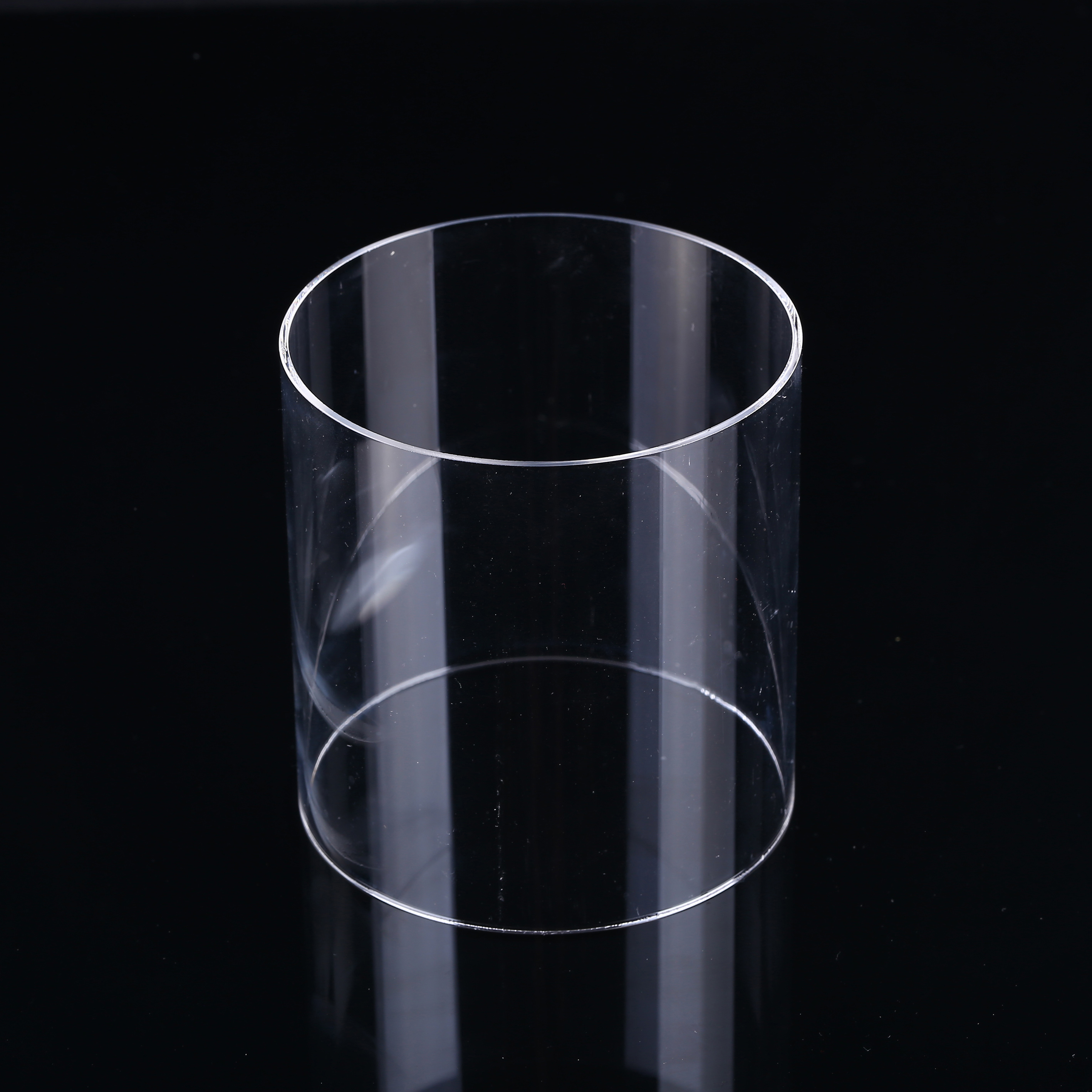
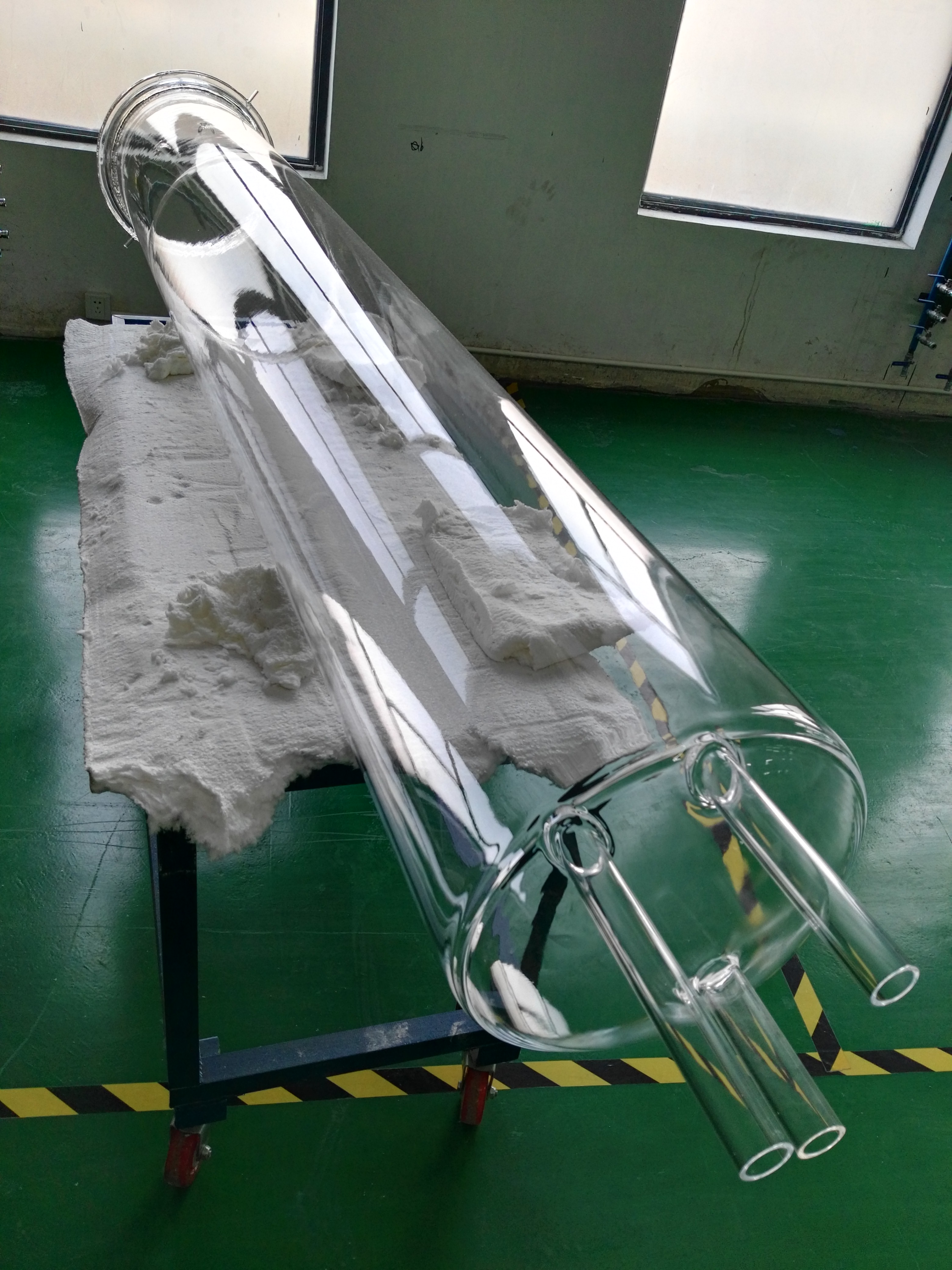
The Linz-Wels industrial belt utilizes our large-diameter transparent reaction cylinders, acid-resistant quartz tanks, and dual-wall condenser apparatus for corrosive acid handling, fine chemical synthesis, and next-generation photovoltaic thin-film deposition lines.
Vienna: Research & Quantum Physics
Serving world-class cleanrooms at TU Wien, university laboratories, and biotech institutes across the Vienna metropolitan area. We provide ultra-precise optically polished quartz discs (JGS1), spectroscopy cuvettes, and specialized glass reaction vessels manufactured with tight tolerances down to ±0.02 mm.
Emerging Procurement Trends in the Austrian Industrial Quartz Sector
How European cleanroom expansions, supply-chain risk mitigation, and stringent EU regulatory standards are reshaping supplier selection for technical ceramics and fused silica.
Austrian original equipment manufacturers (OEMs), precision optics integrators, and semiconductor wafer fabs are currently operating under unprecedented market dynamics. Driven by the European Chips Act and widespread industrial electrification, procurement managers across Austria are transitioning from legacy regional distributors toward direct factory partnerships that offer greater agility, certified materials, and customized engineering support.
1. Thermal Decarbonization and Electrification: As heavy industrial heating processes in Austria transition from fossil gas to high-efficiency electric infrared systems, demand for high-output quartz heating elements—including carbon fiber, halogen, and graphite emitters encased in low-OH fused silica—has surged by more than 35% year-over-year. These systems achieve near-instantaneous thermal ramp rates while reducing energy waste in automotive curing and industrial drying ovens.
2. Tightened Cleanroom Trace-Contaminant Thresholds: In the sub-28nm semiconductor domain and advanced power electronics fabrication (SiC MOSFETs) around Villach, wafer processing teams can no longer tolerate alkali metal leaching (Sodium < 0.5 ppm, Potassium < 0.5 ppm, Lithium < 0.2 ppm). Opaque and clear quartz parts must be accompanied by comprehensive Glow Discharge Mass Spectrometry (GDMS) or Inductively Coupled Plasma Mass Spectrometry (ICP-MS) purity documentation to ensure zero vapor contamination inside hot-wall diffusion chambers.
3. Dual-Source Supply Resilience & Lead-Time Optimization: Long lead times (often 18 to 26 weeks) from traditional domestic European glassmakers have severely bottlenecked Austrian maintenance, repair, and overhaul (MRO) schedules. By partnering with direct manufacturing specialists possessing extensive raw crystal reserves in Donghai County, Austrian enterprises reduce delivery cycles to 2–4 weeks via direct air freight into Vienna Schwechat (VIE) or consolidated sea-rail routes through the Port of Koper and Hamburg.
Direct Donghai Factory Heritage Serving Global Industry
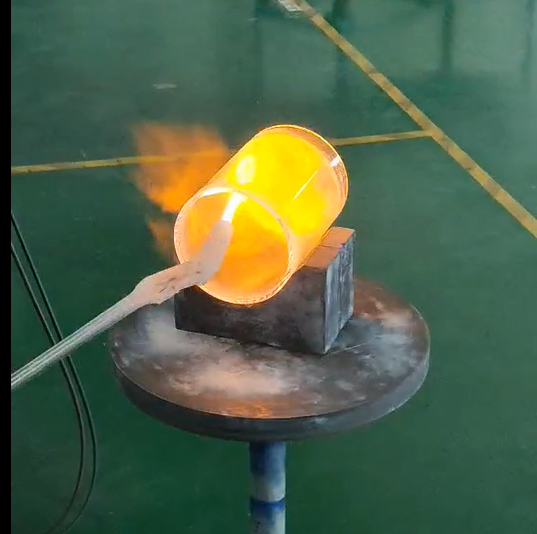
Operating from the world's crystal and quartz capital, Donghai County Nivra Quartz Products Co., Ltd. combines raw material mastery with advanced CNC machining, precision flame polishing, and stringent European export standards.
Integrated Raw Material Supply
Situated in Donghai County, China's premier silicon refining hub, we source premium grade quartz sand directly at the source. This ensures total control over trace elements, raw crystal density, and pricing stability without intermediate markups.
Stringent DIN / ISO Quality Control
Every manufactured batch undergoes strict dimensional verification using coordinate measuring machines (CMM), optical surface interferometry, and high-temperature stress-relief annealing to guarantee zero residual structural micro-strains.
Zero-Damage Export Packaging
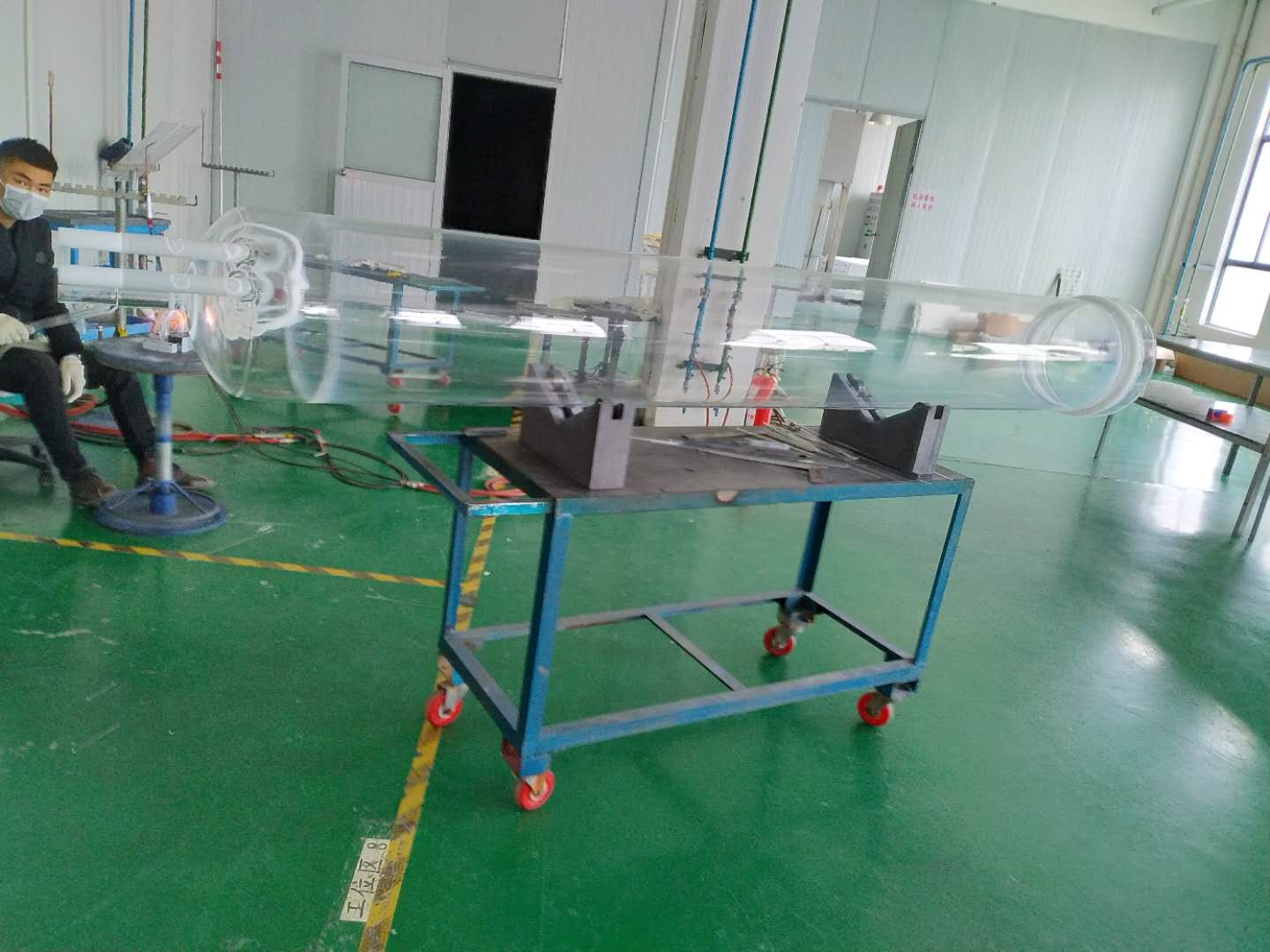
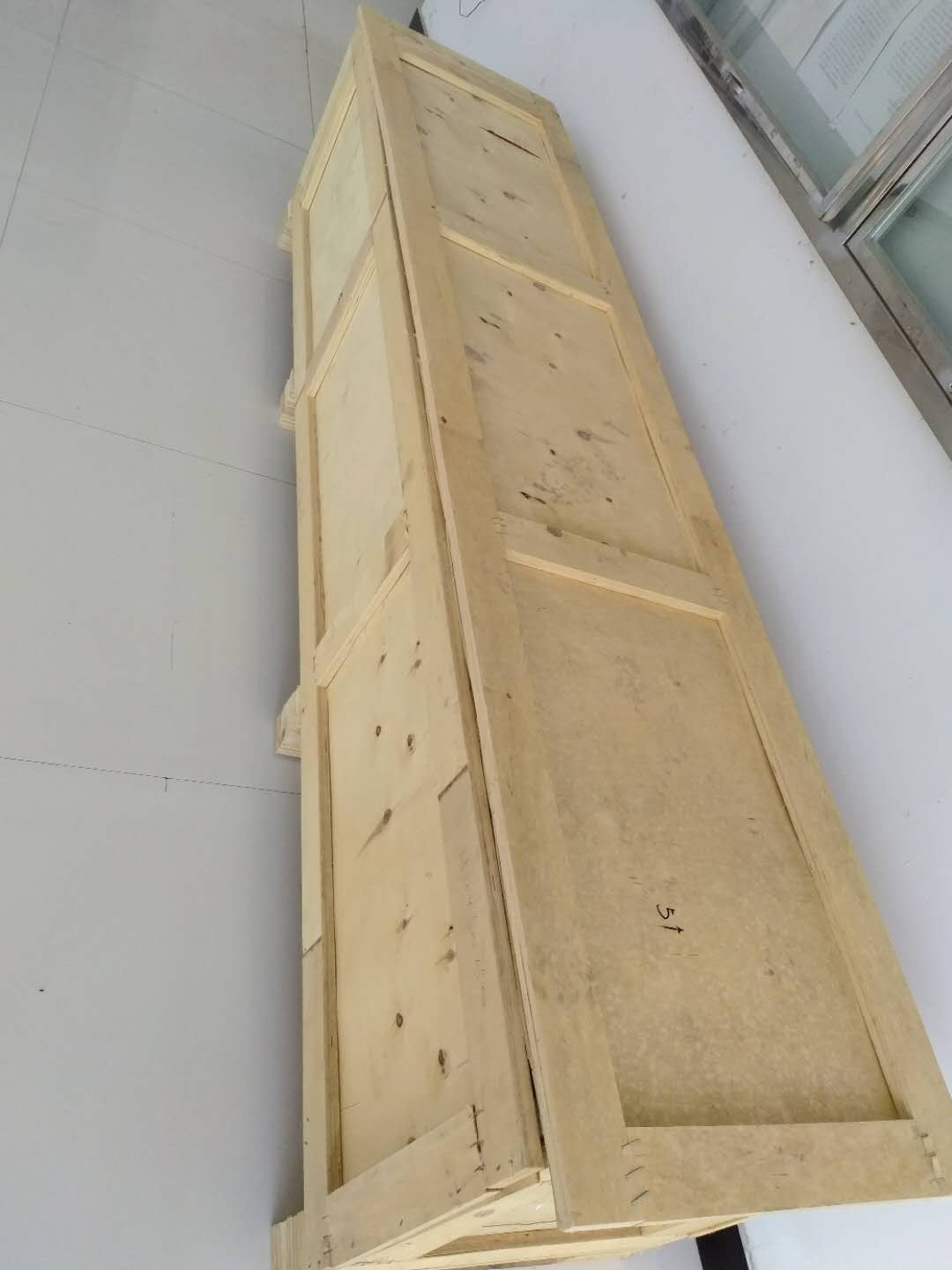
Fragile quartz cylinders, wafers, and tanks are degreased, ultrasonically cleansed, shrink-wrapped in cleanroom foil, and secured in custom shock-absorbing closed-cell EPE foam within ISPM-15 certified fumigated wooden crates designed for European air & intermodal transit.
Third-Party Verified Enterprise Licensure & Testing Audits
Frequently Asked Questions by Austrian Technical Buyers
Practical answers covering international logistics, customs clearance, drawing tolerances, chemical certification, and bespoke production parameters.
What are the standard shipping routes and transit times to Vienna, Linz, or Graz?
For expedited prototype samples, emergency cleanroom replacements, or precision optical discs, we utilize direct express air freight (DHL / FedEx / air cargo into Vienna International Airport VIE) with typical door-to-door transit times of 4 to 7 working days. For bulk production orders (such as furnace tubing or heavy melt crucibles), we offer consolidated sea-rail shipping via the Port of Koper (Slovenia) or Port of Hamburg, reaching Austrian distribution centers in 28 to 34 days with full customs tracking.
Are your quartz glass components compliant with EU REACH and RoHS regulations?
Yes. Fused quartz is composed of pure silicon dioxide (SiO₂ ≥ 99.99%) and is inherently an inorganic, vitrified substance that contains zero heavy metals, zero lead (Pb), zero cadmium (Cd), zero mercury (Hg), and no hexavalent chromium. Our products are fully compliant with EU Regulation (EC) No 1907/2006 (REACH) and Directive 2011/65/EU (RoHS). Material Declaration Certificates and third-party laboratory ICP testing sheets are provided with shipment documentation.
Can you fabricate complex custom components from European CAD/STEP drawings?
Absolutely. Our engineering department routinely works with PDF, DXF, DWG, STEP, and IGES file formats adhering to ISO 2768-m (or finer) general tolerance standards. We possess 4-axis and 5-axis CNC ultrasonic milling, high-precision grinding lathes, laser cutting machines, and automated flame-welding lathes capable of fabricating complex slotted wafer carriers, flanged reaction vessels, and spiral condenser coils.
How does opaque quartz differ from ceramic alumina in thermal shock resistance?
While high-purity alumina ceramics (Al₂O₃) have a higher softening temperature, they possess a relatively high coefficient of thermal expansion (CTE ≈ 8.0 × 10⁻⁶ /°C), making them vulnerable to catastrophic cracking when subjected to rapid temperature changes. Opaque fused silica features an ultra-low CTE (5.5 × 10⁻⁷ /°C)—more than 14 times lower than alumina. This allows our opaque quartz to survive instant cycling between 1100°C and room temperature without micro-fracturing.
What is the Minimum Order Quantity (MOQ) for non-standard or bespoke quartzware?
We maintain highly flexible production scheduling. For prototype components, custom scientific glassware, or specialized wafer boat designs, our MOQ starts at just 1 to 5 pieces. For standardized optical discs, transparent sight glass wafers, or small test vessels, our typical MOQ is 10 to 50 pieces. Full sample inspection reports are issued prior to volume shipment.
How do you guarantee that quartz tubes arrive undamaged without transit micro-cracks?
Transit risk mitigation is integral to our factory operations. Every quartz tube or rod is inspected for surface flaws under polarized light, cleaned, and wrapped in dust-free PE film. It is then suspended in high-density pre-formed EPE foam channels that neutralize lateral bending stress and acceleration impacts. The package is sealed within multi-layer export corrugated boxes or steel-banded, fumigation-free plywood crates compliant with Austrian customs import guidelines.
What customs classification (TARIC / HS Code) applies to imports into Austria?
Fused quartz and optical silica goods entering Austria from outside the European Union typically fall under HS Subheading 7002.31 (Tubes of fused quartz or other fused silica), 7002.20 (Rods), 7006.00 (Glass plates curved, bevelled, engraved), or 7017.10 (Laboratory, hygienic or pharmaceutical glassware of fused quartz). Our export logistics team provides compliant commercial invoices, packing lists, and certificates of origin for swift clearance via Austrian customs authorities.
Can you provide custom surface finishes like ground, fine-ground, and fire-polished?
Yes. We deliver tailored surface treatments depending on application requirements. For vacuum sealing flanges, we achieve optical flat lapping with surface roughness Ra < 0.2 µm. For diffusion tubes and visual sight ports, complete transparent fire polishing is performed using hydrogen-oxygen torches. For infrared diffusion elements or opaque quartz baffles, controlled matte sandblasted or micro-sintered raw surfaces are available to maximize diffuse reflection.
Connect Directly with Our Quartz Engineering Team
Whether you require prototype technical assistance, rapid quotation against technical drawings, or volume contract pricing for Austrian delivery, our specialists respond within 5 hours with detailed engineering feedback.