Ultra-High Purity SiO₂ Matrix
Technical Engineering Response
Continuous Thermal Endurance
Verified B2B Global Rating
Precision Quartz Components for Advanced Manufacturing
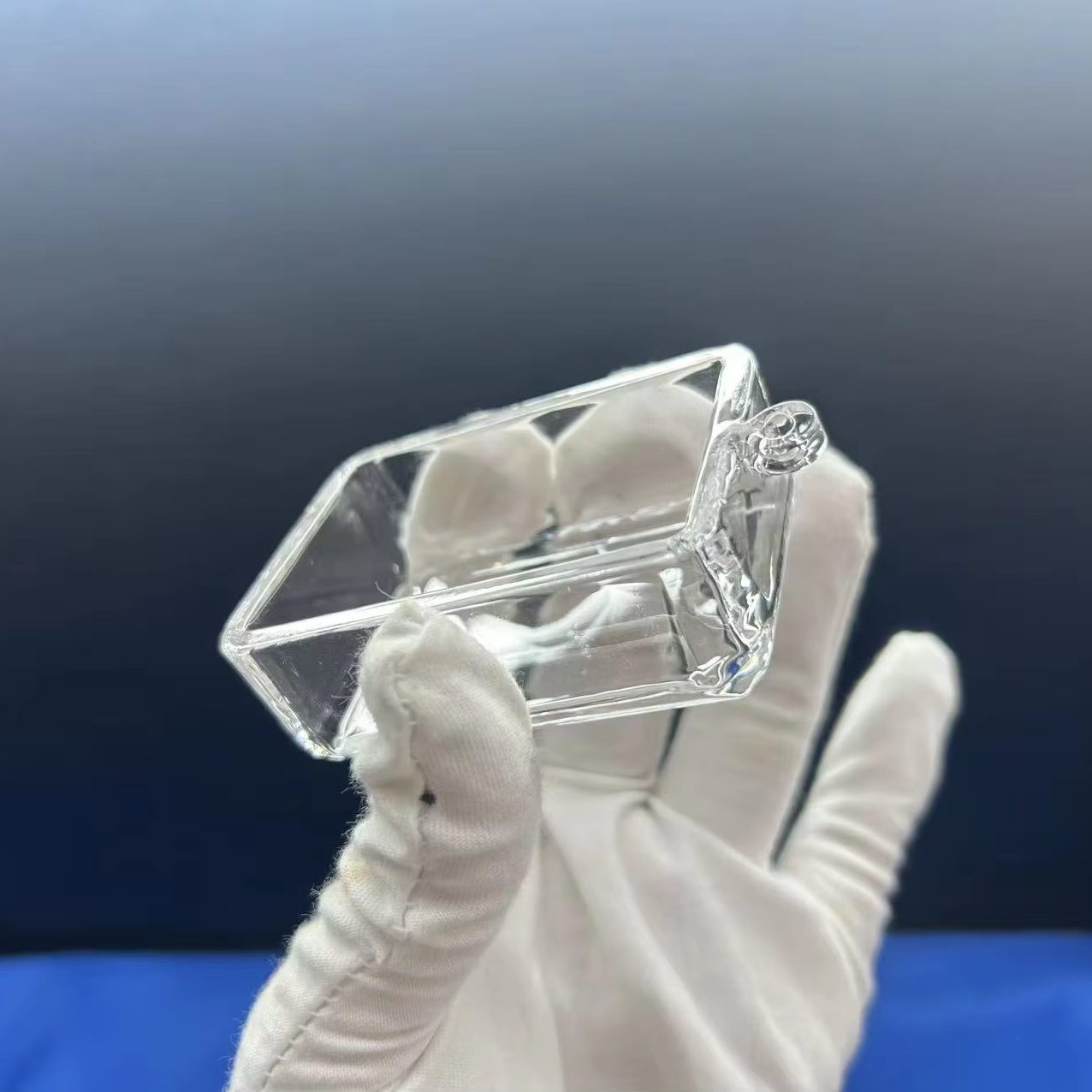
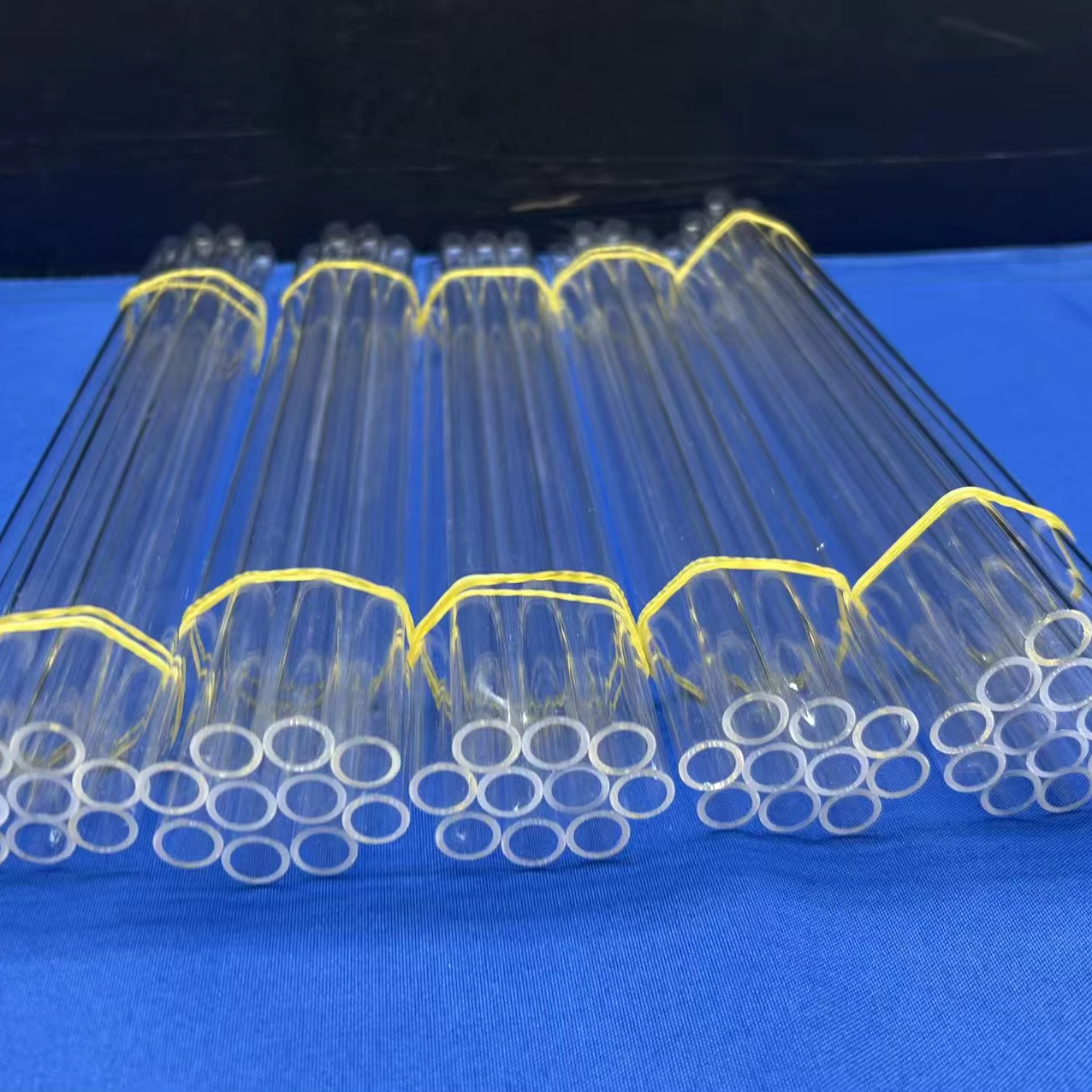
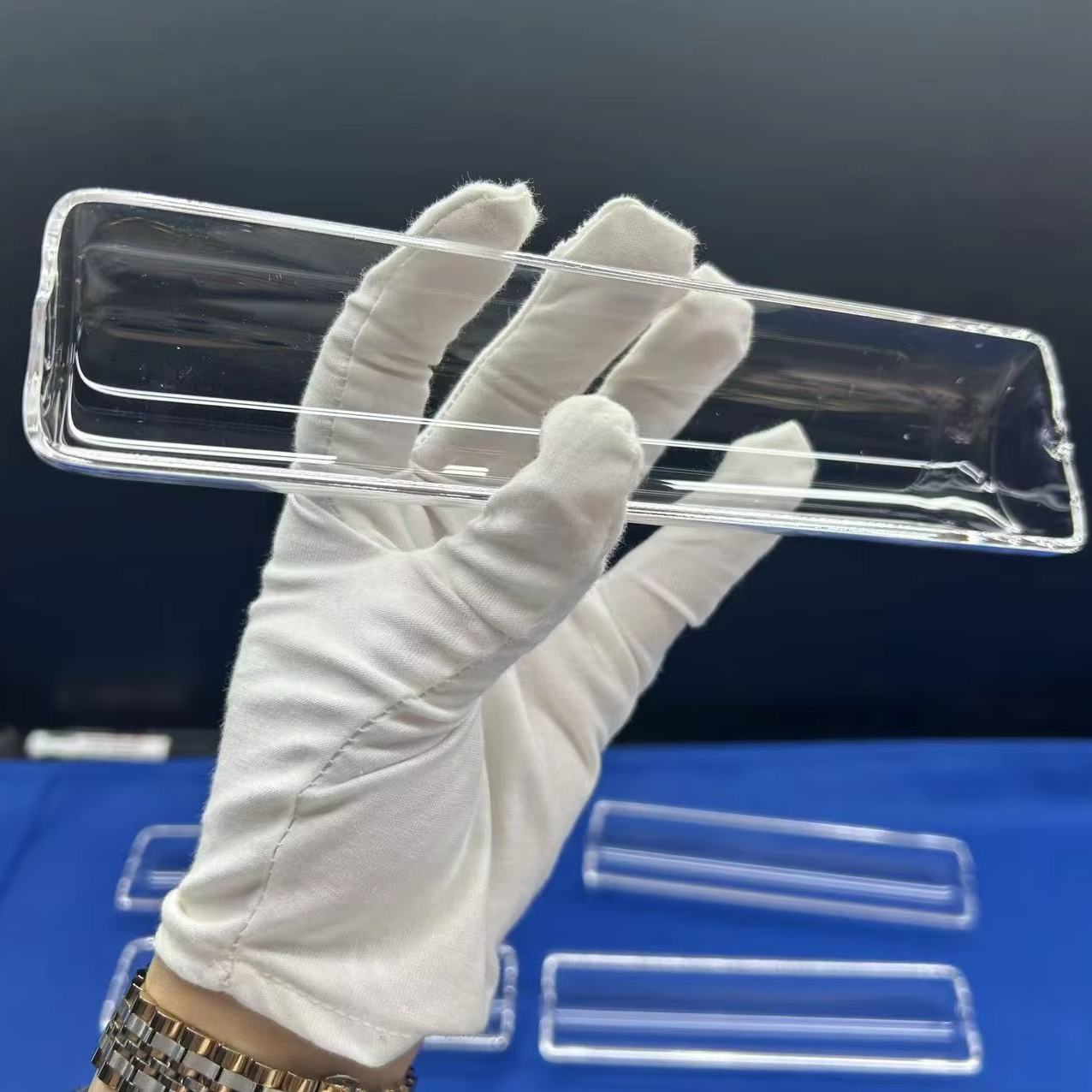
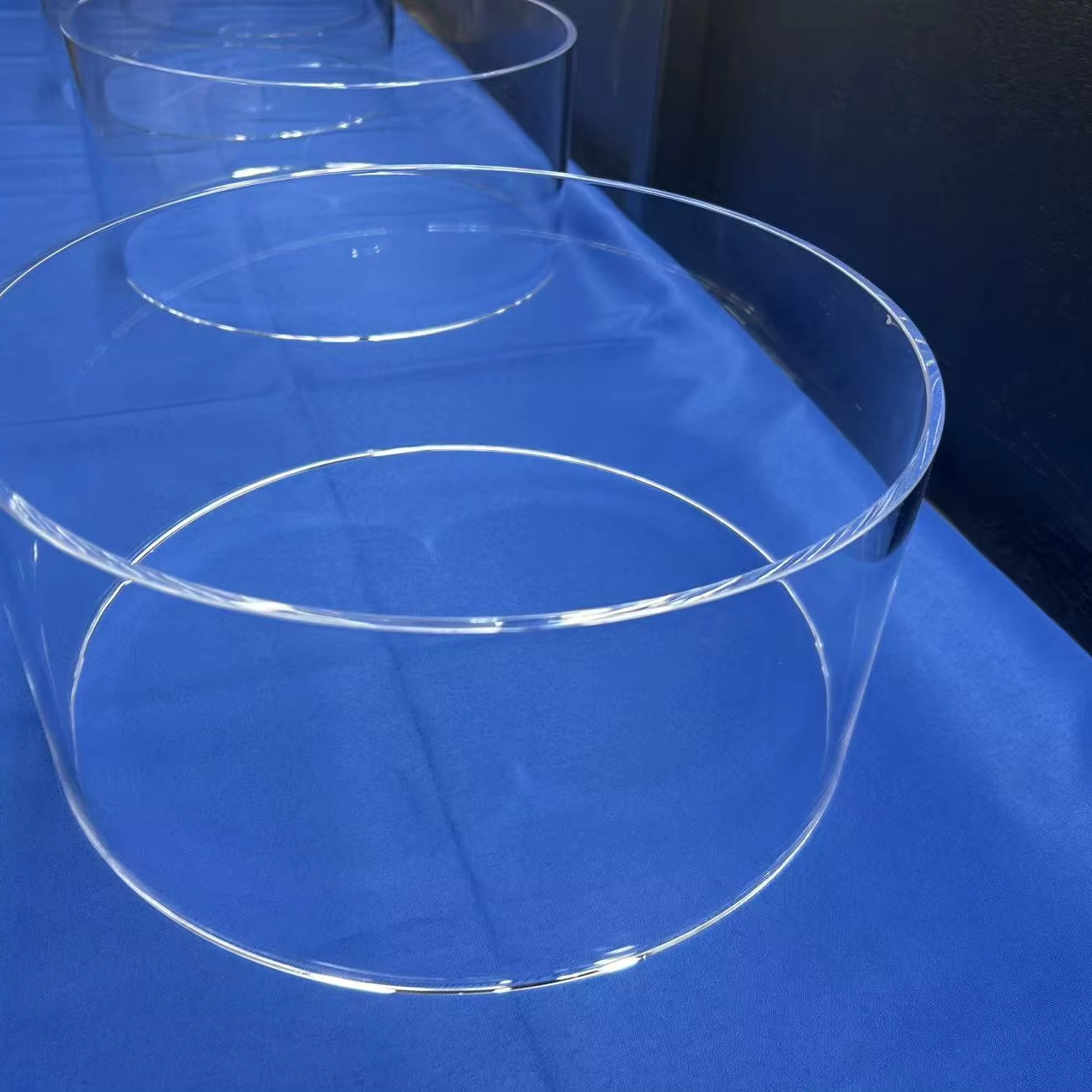
Manufactured from top-tier raw synthetic silica and crystal sand in Donghai, then polished and fabricated to micro-tolerances for Japanese automotive, semiconductor, and research facilities.
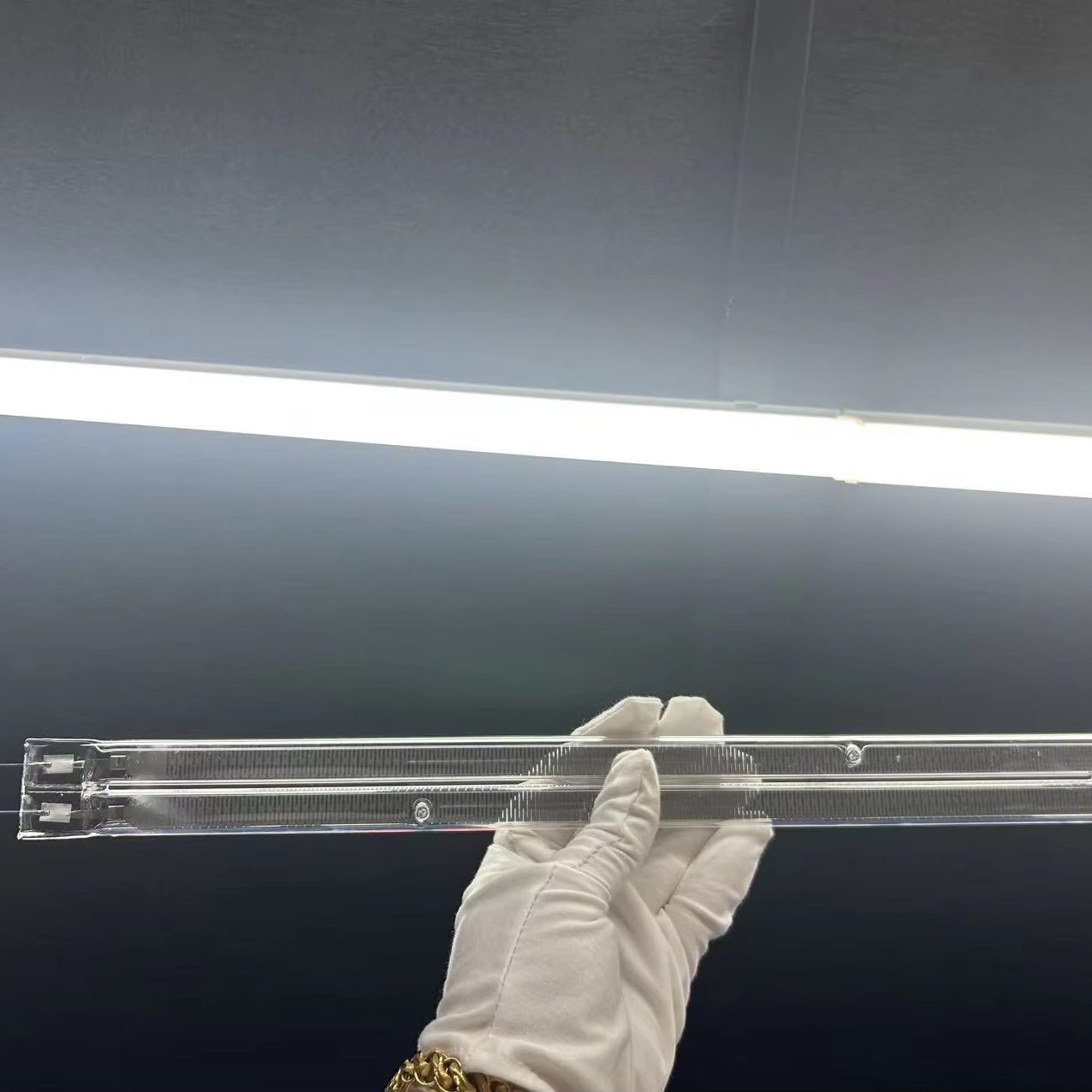
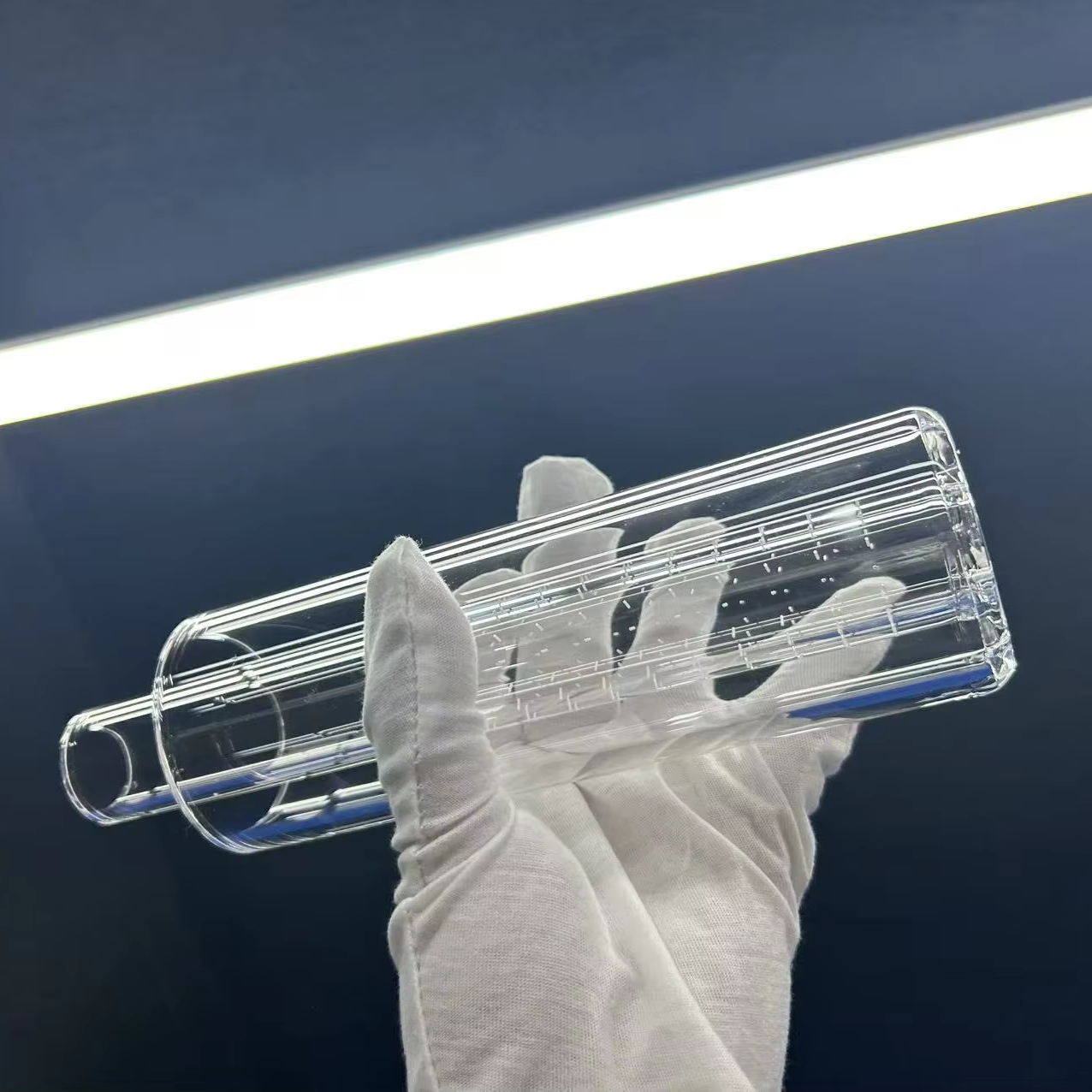
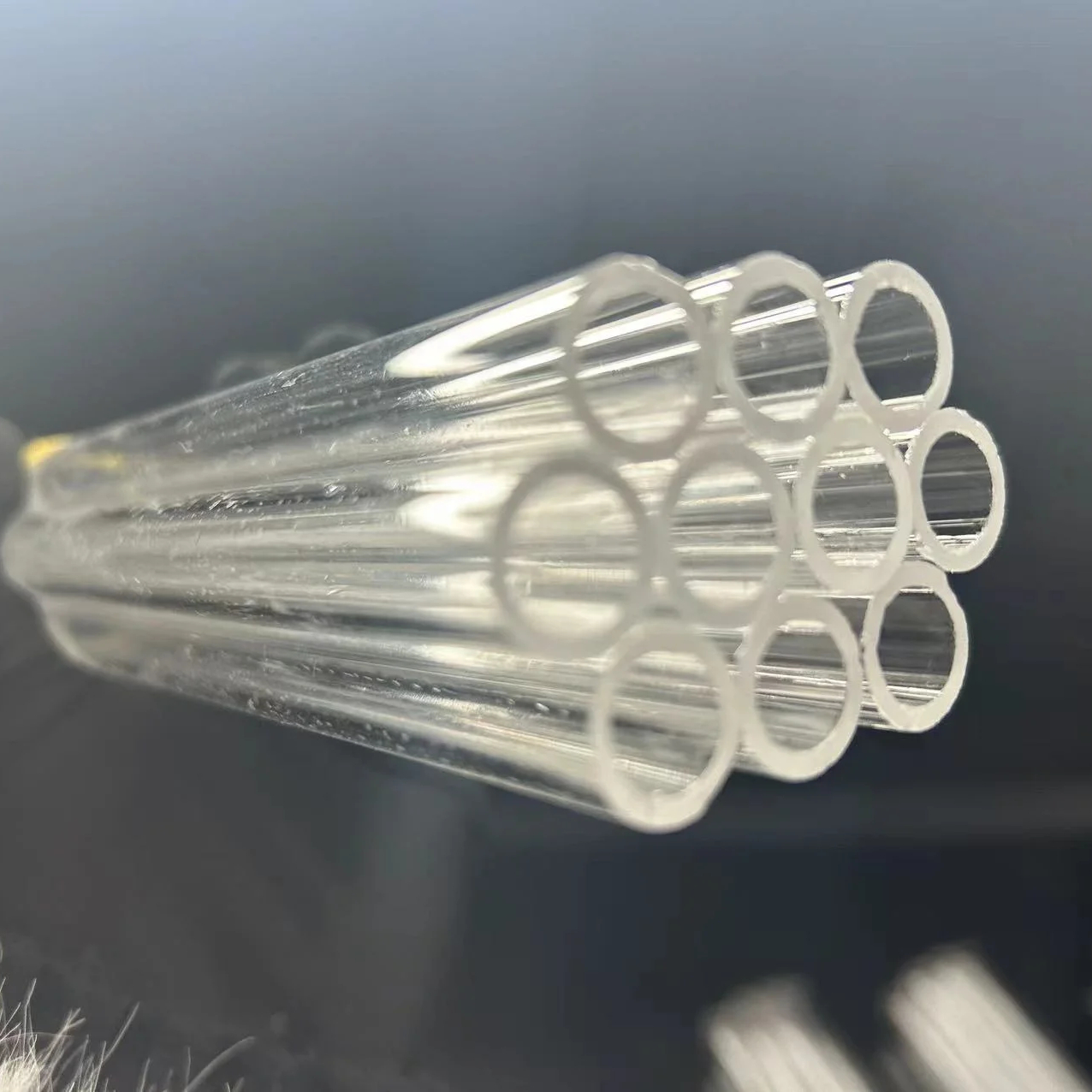
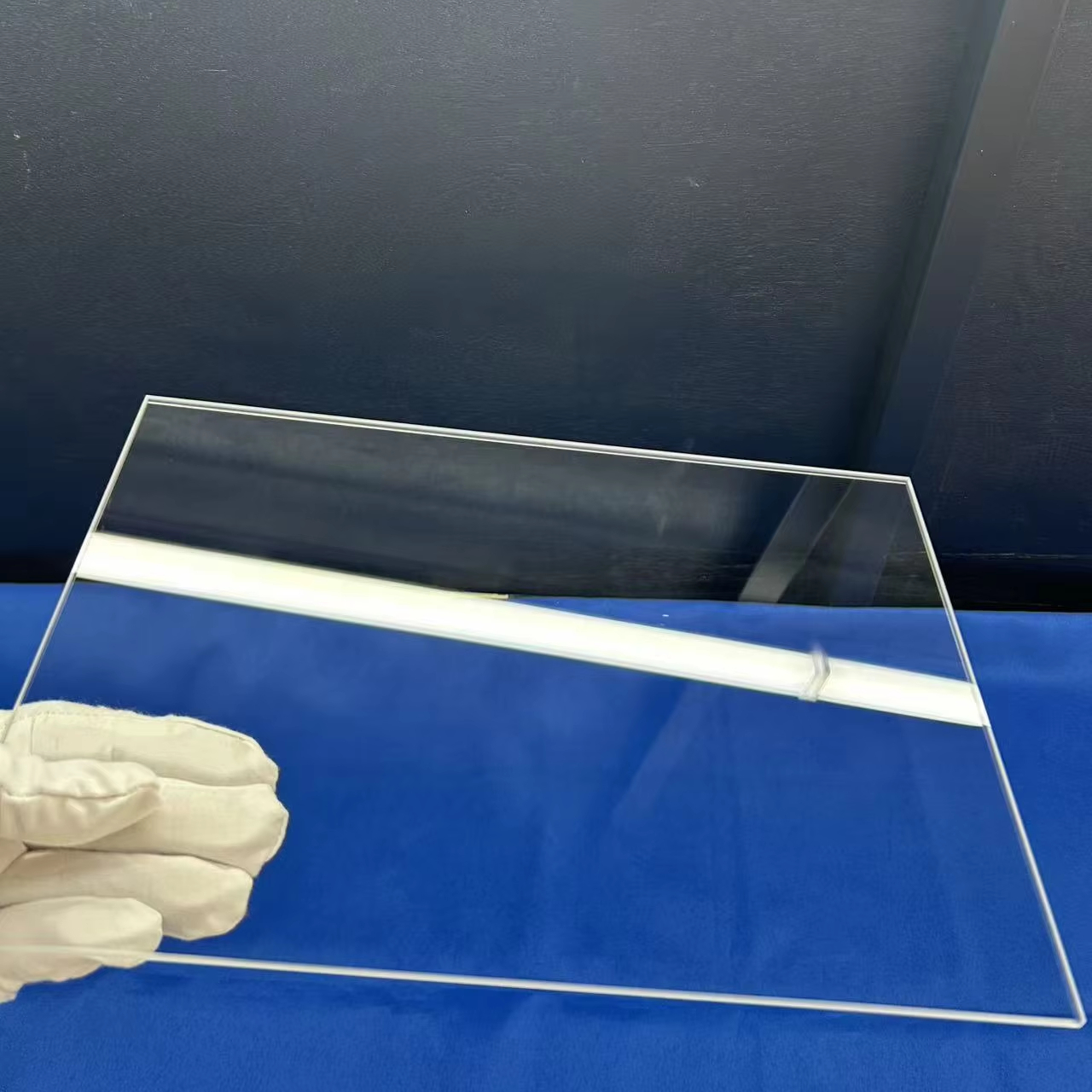
Technical Whitepaper: Engineering High-Purity Fused Quartz Discs for Greater Nagoya
The Greater Nagoya metropolitan area, anchoring the wider Chukyo Industrial Zone (comprising Aichi, Gifu, and northern Mie prefectures), represents Japan's preeminent manufacturing powerhouse. Producing roughly 40% of the country's transportation machinery and commanding world-leading capabilities in robotics, power semiconductor packaging, and aerospace systems, industrial operators in Nagoya hold non-negotiable standards for material integrity. Within this demanding industrial matrix, the precision fused quartz disc functions not merely as passive sight glass or basic substrate, but as a critical mission-enabling component subject to punishing mechanical stresses, high-intensity plasma bombardments, and aggressive thermal cycling.
As an established export-oriented manufacturer headquartered in Donghai County, China—the global epicenter of raw silica refinement—Donghai County Nivra Quartz Products Co., Ltd. (Nivra Quartz) bridges world-class raw quartz material synthesis with high-end Japanese engineering protocols. This technical guide outlines the physics, machining tolerances, spectroscopic grades, and deployment parameters governing OEM/ODM quartz discs fabricated specifically for precision manufacturing clusters throughout Aichi Prefecture.
Optical Grade Delineation: JGS1 vs. JGS2 vs. JGS3 Spectroscopy Dynamics
A frequent root cause of premature component failure or measurement drift in Japanese optoelectronic installations is the misapplication of quartz grades across disparate electromagnetic spectra. Fused silica and fused quartz exhibit divergent transmission envelopes, hydroxyl ion ($OH^-$) radical concentrations, and bubble classifications that determine their optical stability:
| Optical Grade | Material Origin | Spectral Transmission | Hydroxyl ($OH^-$) Content | Primary Nagoya Industrial Use Case |
|---|---|---|---|---|
| JGS1 (Synthetic Fused Silica) | Synthetic $SiCl_4$ Vapor Hydrolysis | 185 nm – 2,500 nm (Deep DUV / UV-VIS) | > 800 – 1200 ppm | Excimer laser optics, semiconductor photolithography, UV spectrometer viewports. |
| JGS2 (Optical Grade Fused Quartz) | Refined Natural Quartz Crystal | 220 nm – 2,500 nm (Standard UV / Optical) | < 30 – 150 ppm | Automotive vision LiDAR test windows, plasma etching observation ports, pyrometry. |
| JGS3 (Infrared Fused Silica) | Electric Vacuum Fused Silica | 260 nm – 3,500 nm (Broad IR Transmission) | < 2 – 5 ppm (Water-Free) | Laser processing optics, IR pyrometry windows, thermographic inspection sight glasses. |
For applications such as DUV lithography alignment sensors in Kariya's electronic module plants, JGS1 is indispensable due to its total absence of absorption bands at 248 nm and 193 nm, alongside an internal transmission ($T_i$) exceeding 99.8% per 10 mm path length. Conversely, when designing high-temperature inspection viewports for automotive induction furnaces in Toyota City, JGS3 prevents thermal radiation blind spots by eliminating the classic 2.73 μm absorption dip typical of water-containing silicas.
Sub-Nanometer Precision Metrology & Mechanical Tolerancing
Japanese procurement engineers operating under stringent Quality Management Systems (QMS) enforce micro-geometric specifications that exceed standard commercial glass processing thresholds. Nivra Quartz supports these tight parameters through dedicated double-sided planetary lapping (SpeedFam and LapMaster systems) paired with continuous in-line metrology:
- Surface Flatness (Wavefront Distortion): Controlled from $\lambda/2$ down to $\lambda/10$ @ 632.8 nm helium-neon laser test wavelength, measured via Zygo Verifire laser Fizeau interferometry.
- Surface Roughness ($Ra$): Optical-polish finishes achieving $Ra \le 0.3\text{ nm}$ to $0.5\text{ nm}$ verified through Atomic Force Microscopy (AFM), eradicating micro-scratches that could act as nucleation points for laser-induced breakdown under gigawatt pulse loads.
- Parallelism & Wedge Angle: Standard discs maintained within $\le 30\text{ arcseconds}$; precision wedged laser windows machined down to $\le 10\text{ arcseconds}$ to eliminate back-reflection interference.
- Edge Geometry & Chamfering: CNC-ground C-chamfers ($0.2\text{ mm} \times 45^\circ$) or pencil-edge profiling to mitigate edge chipping during automated pick-and-place robotics handling.
Tailored Applications Across Greater Nagoya's Key Sectors
Precision-matched fused quartz discs solving thermal, chemical, and optical bottlenecks for tier-1 suppliers and high-tech manufacturing corridors across the Tokai region.
Automotive Sensor & LiDAR Covers
Supplied to tier-1 automotive suppliers in Toyota City and Kariya. High-transmittance JGS2/JGS1 discs serve as protective front-facing windows for 905 nm and 1550 nm time-of-flight (ToF) automotive LiDAR units, delivering high scratch resistance (Mohs 6.5) and low thermal expansion.
Power Semiconductor Etch Viewports
Deployed in SiC/GaN cleanroom facilities across Aichi and Mie. These ultra-clean, high-purity quartz discs function as viewports and plasma shielding plates, withstanding high RF power densities and aggressive chlorine/fluorine gas chemistry without spalling or micro-cracking.
Aerospace & Turbine Sight Glasses
Engineered for aircraft composite testing and turbine engine development hubs in Komaki and southern Nagoya port areas. Operating at continuous temperatures of 1100°C, these discs withstand differential pressures up to 5 MPa during high-enthalpy gas combustion monitoring.
High-Power Laser Cutting Optics
Custom protective cover discs for multi-kilowatt fiber and $CO_2$ laser cutting machinery fabricated in the Tokai industrial belt. Featuring ultra-low bulk absorption and damage thresholds exceeding $10\text{ J/cm}^2$ @ 1064 nm (10 ns pulse), safeguarding internal collimation systems.
Regional Sourcing Trends in the Aichi & Tokai Corridor (2025–2030)
How Nagoya's pivot toward next-generation mobility and microelectronics is driving shifts in quartz glass procurement models.
SiC/GaN Power Modules Sourcing
The Chukyo region's massive investment in 800V automotive powertrains requires high-yield epitaxy and high-temperature diffusion furnaces. Procurement teams are moving away from multi-tiered trading companies toward direct OEM factory partnerships capable of furnishing low-alkali, ultra-flat quartz disc substrates with zero trace metallic contamination ($Fe, Cu, Ni < 0.1\text{ ppm}$).
Dual-Sourcing & Total Cost Optimization
In response to persistent energy surcharges and localized processing bottlenecks in domestic Japanese optical shops, Japanese production directors are qualifying specialized high-volume Chinese processors. Sourcing from Nivra Quartz allows Japanese OEMs to slash component lead times from 14 weeks to 2–3 weeks while preserving identical JIS conformance.
Hermetic Optical Window Sealing
Demand is surging for metallized quartz discs and stepped glass windows that facilitate direct fluxless brazing to Kovar or aluminum sensor enclosures. Our integrated processing facility provides perimeter sputtering (Cr/Ni/Au coatings) to ensure reliable hermetic seals ($< 1 \times 10^{-9}\text{ mbar}\cdot\text{l/s}$ helium leak rate) under harsh winter automotive conditions.
Enterprise Strengths & Manufacturing Reliability
Leveraging deep industrial roots in China's quartz capital to serve global high-technology hubs with zero compromise on quality.
Raw Material Advantage
Situated in Donghai County, Jiangsu, we access world-class natural crystal deposits and high-purity synthetic silicas directly. Eliminating raw material markups allows us to deliver superior value to overseas buyers.
Rapid Technical Feedback
Our average inquiry response turnaround is under 5 hours, backed by an 88.89% verified platform response rate. Technical and drawing clarifications (PDF/DWG/STEP) are resolved rapidly by qualified production engineers.
Comprehensive Metrology
Operating a dedicated workforce of 101–200 employees, our factory utilizes spectrophotometers, laser interferometers, coordinate measuring machines (CMM), and optical polariscopes to eliminate internal stress and micro-defects.
Clean Export Packaging
Components are ultrasonic-cleaned, vacuum-sealed in double antistatic cleanroom bags, and packed in customized shock-absorbing foam within non-fumigation wooden export crates to ensure flawless transit to Chubu/Nagoya.
Frequently Asked Questions by Japanese Procurement Teams
Clear, technical, and commercial answers addressing common engineering inquiries when sourcing quartz discs for the Chukyo industrial region.
Can Nivra Quartz deliver discs conforming to JIS B 7440 and ISO 10110 standards?
Yes. We regularly supply Japanese engineering contractors with optics fabricated strictly to ISO 10110 and equivalent JIS specifications. Drawing callouts for surface imperfection codes (Scratch-Dig 20-10 or 10-5 per MIL-PRF-13830B), wavefront deformation ($\lambda/4$ or $\lambda/10$), and bubble inclusion categories (DIN 3140 / ISO 10110-3 Class 0) are verified via calibrated interferometry and darkfield inspection before packaging. Comprehensive Inspection Test Certificates (3.1 inspection reports) are provided with every production batch.
How does your thermal shock resistance compare with borosilicate glass (e.g., Tempax)?
Fused quartz exhibits an extraordinarily low Coefficient of Thermal Expansion (CTE) of approximately $5.5 \times 10^{-7}/\text{°C}$ across the 20°C to 300°C range—nearly an order of magnitude lower than borosilicate 3.3 glass ($33 \times 10^{-7}/\text{°C}$). Consequently, a Nivra quartz disc heated to 1100°C can be dropped into ice water without structural failure or micro-fracturing. This makes our discs the premier choice for sight glasses in metal casting, furnace observation, and rapid thermal annealing (RTA) equipment across Aichi Prefecture.
What is your typical lead time and shipping route to the Nagoya industrial area?
For custom prototype discs (1 to 20 pieces), standard lead time is 7 to 10 working days. Production volume orders (100 to 5,000 pieces) typically ship in 2 to 3 weeks. Urgent consignments ship via air freight directly into Chubu Centrair International Airport (NGO) in Nagoya, clearing customs and delivering in 48–72 hours via DHL/FedEx. High-volume containerized shipments ship directly from Lianyungang or Shanghai port directly to the Port of Nagoya, offering reliable sea freight transit times of 3 to 5 days.
Can you execute complex CNC edging, hole drilling, and stepped profiles on quartz discs?
Yes. Our CNC machining department utilizes multi-axis diamond-tool milling, ultrasonic rotary machining, and waterjet cutting. We regularly manufacture stepped quartz discs (flanged viewports), countersunk mounting holes, inner/outer concentric beveling, and perimeter laser marking (alphanumeric QR codes or serialized batch tracking). Diameter tolerances can be held to $\pm 0.02\text{ mm}$, and center thickness down to $\pm 0.01\text{ mm}$ upon request.
What is the difference between synthetic fused silica and natural fused quartz in cost and function?
Natural fused quartz (JGS2) is melted from pure natural crystalline quartz sand. It delivers exceptional thermal resistance, broad optical clarity, and remarkable mechanical stability at an economical cost—making it standard for 80% of industrial viewport and furnace window applications. Synthetic fused silica (JGS1), produced via chemical synthesis, offers virtually zero trace metal impurities (sub-ppb levels) and exceptional deep-UV transmission down to 185 nm without solarization. Synthetic silica carries a higher raw material price, recommended primarily for precision UV optics, excimer laser windows, and wafer-level semiconductor metrology.
How do you mitigate chipping and breakage risks during international export transit?
Fragile optical components demand engineered transport solutions. Every polished quartz disc undergoes ultrasonic wash cycles to remove abrasives, followed by inspection in a laminar flow cleanroom. Discs are individually secured in cleanroom-grade lens paper or protective gel-boxes, wrapped in high-density polyethylene antistatic cushioning, and cradled within form-fitting polyurethane foam inserts. Exterior cartons are palletized or housed in rigid, reinforced plywood export crates designed to absorb multi-axis handling impacts and sea freight vibrations.
Require Custom Quartz Discs for Your Nagoya Facility?
Send your CAD drawings, dimensional specifications, or tolerance requirements directly to our engineering desk. We provide formal quotations, DFM manufacturability feedback, and material test certificates with rapid turnaround.