Featured Quartz Glass & Sintered Component Series
High-purity fused silica solutions tailored for extreme heat, chemical filtration, and optical accuracy in Linz industrial applications.
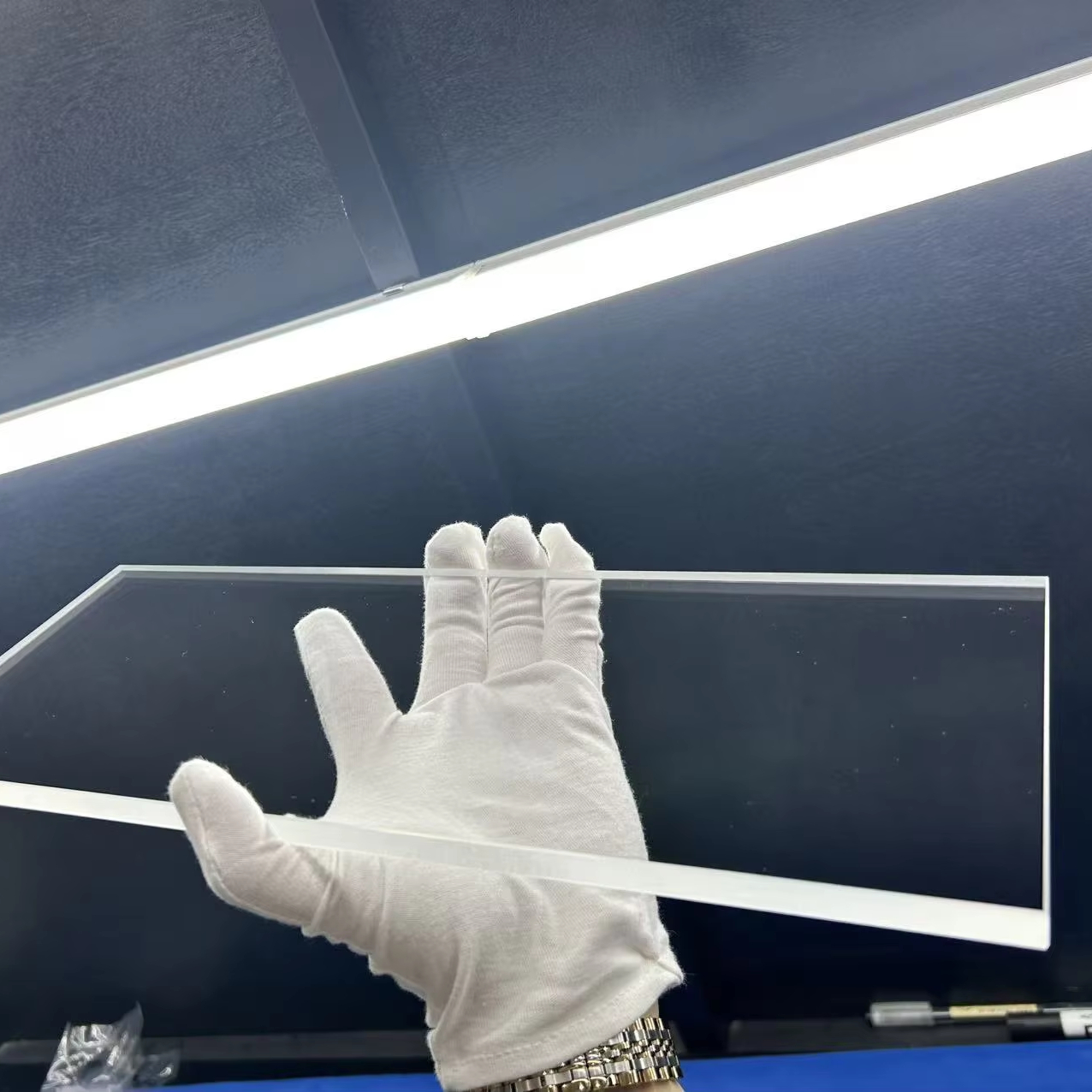
Ultra Clear High Purity Quartz Sheet
View Details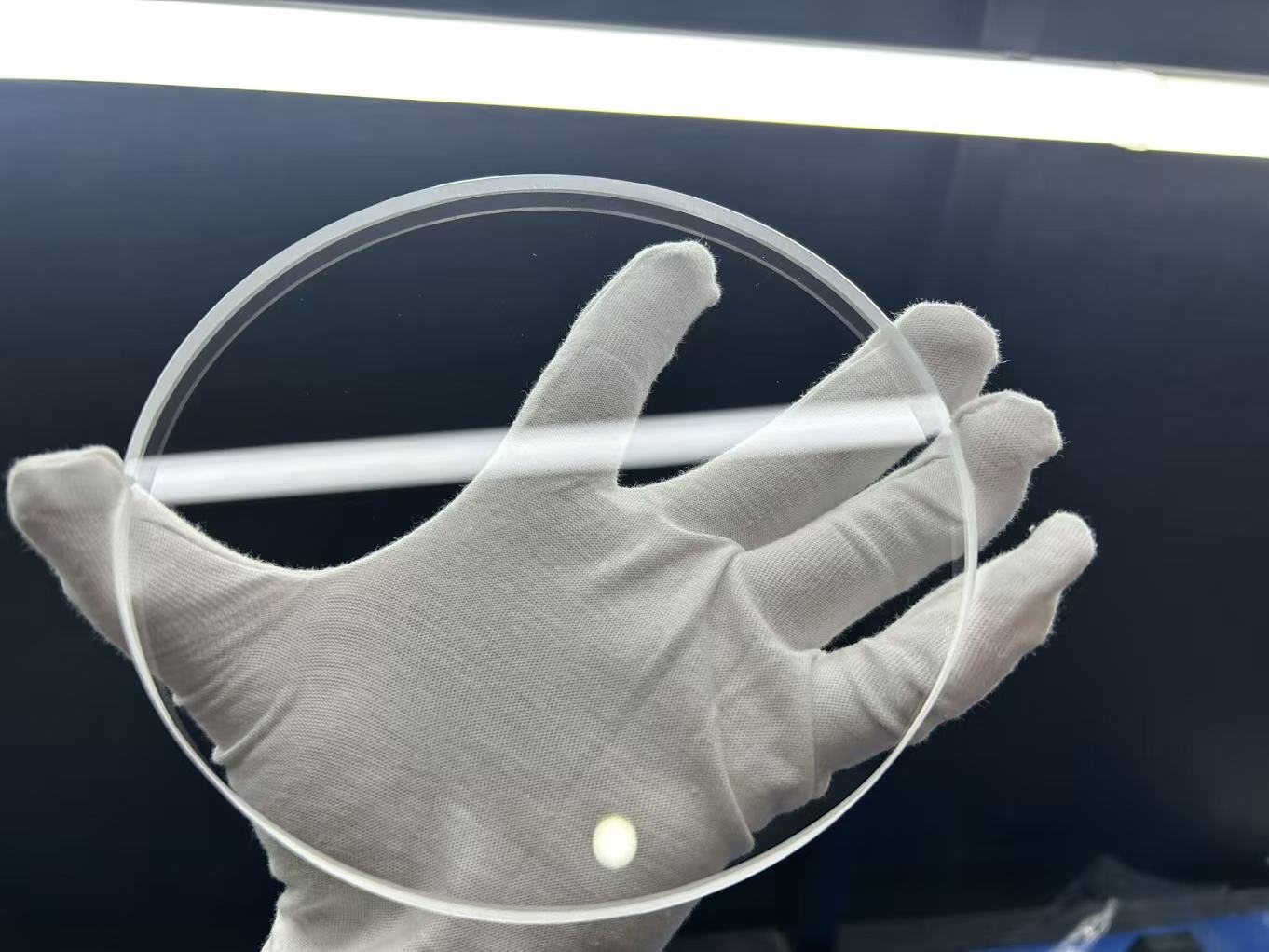
High Quality Clear Fused Quartz Sheet for Optics & PV
View Details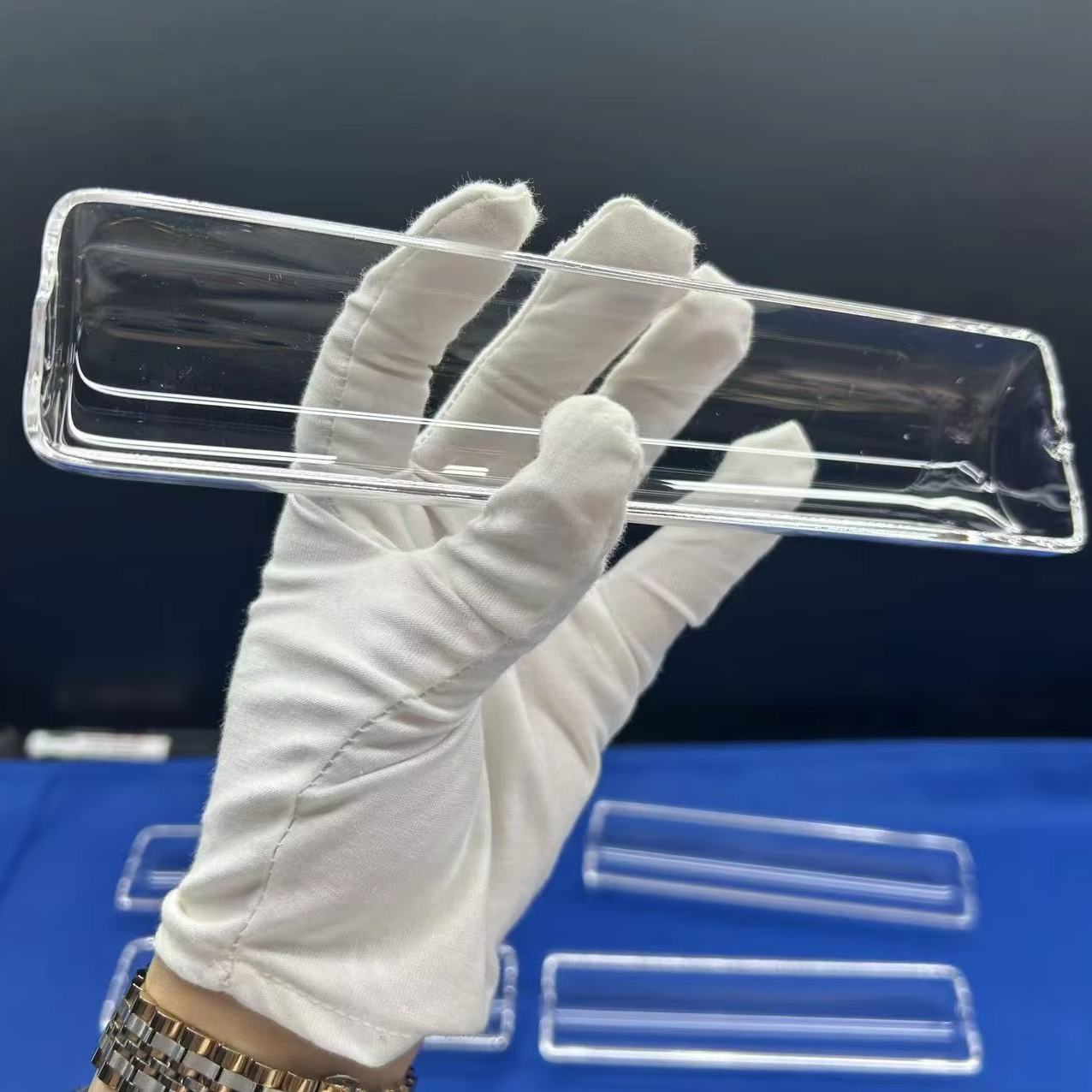
Customized Polished Fused Quartz Wafer Carrier Boat
View Details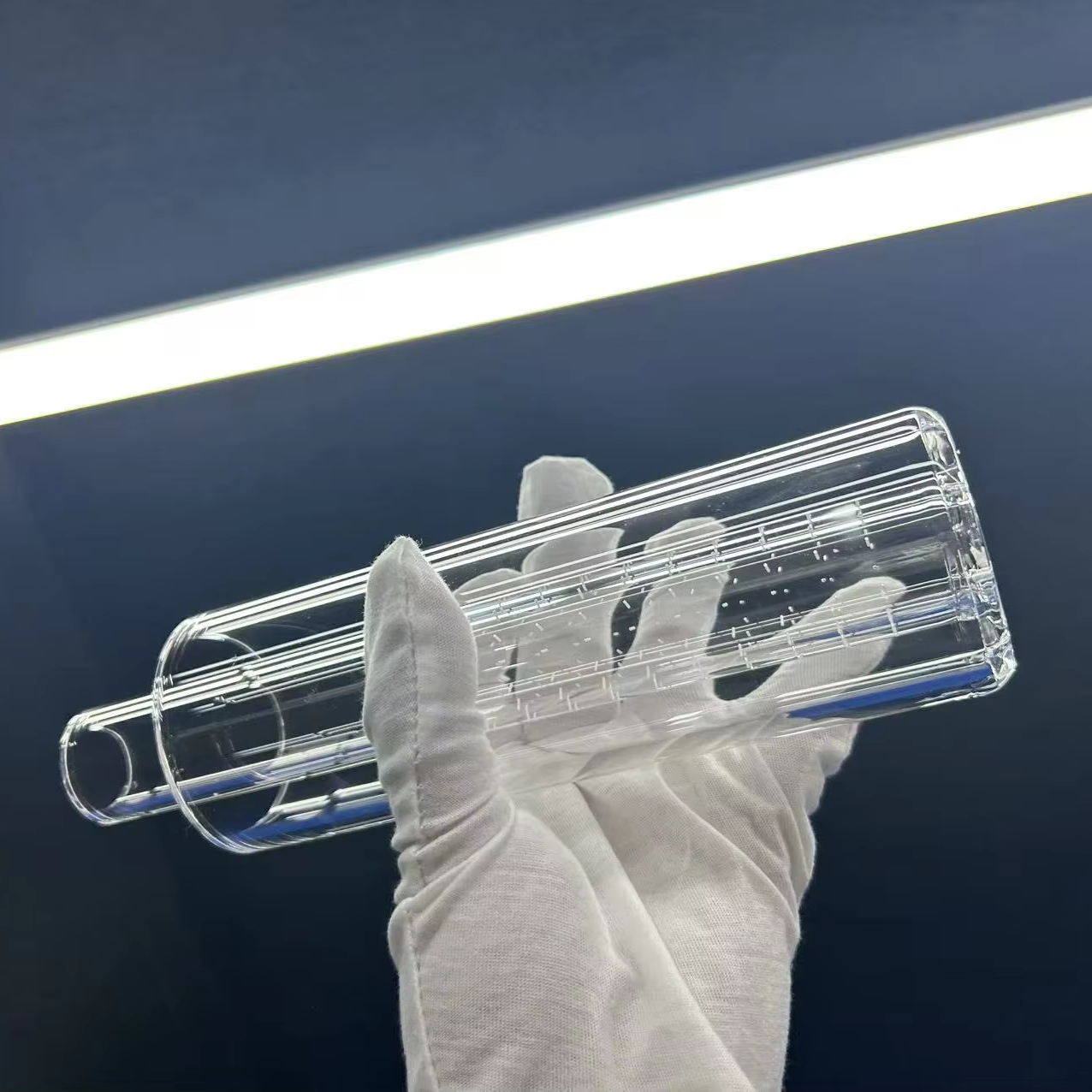
Customized Perforated Quartz Tube for Gas Diffusion
View Details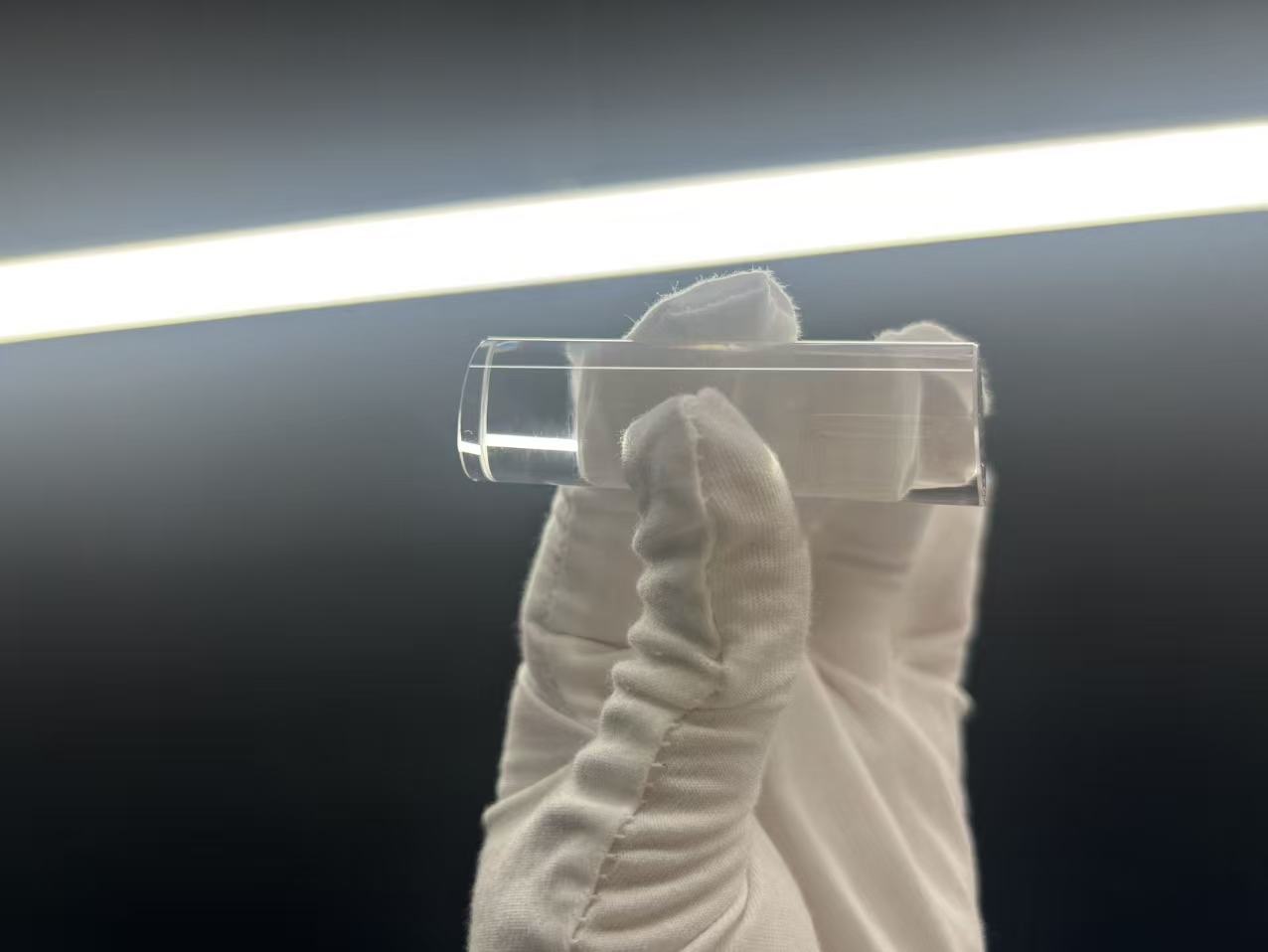
High Temperature Round Head Quartz Rod
Send an Inquiry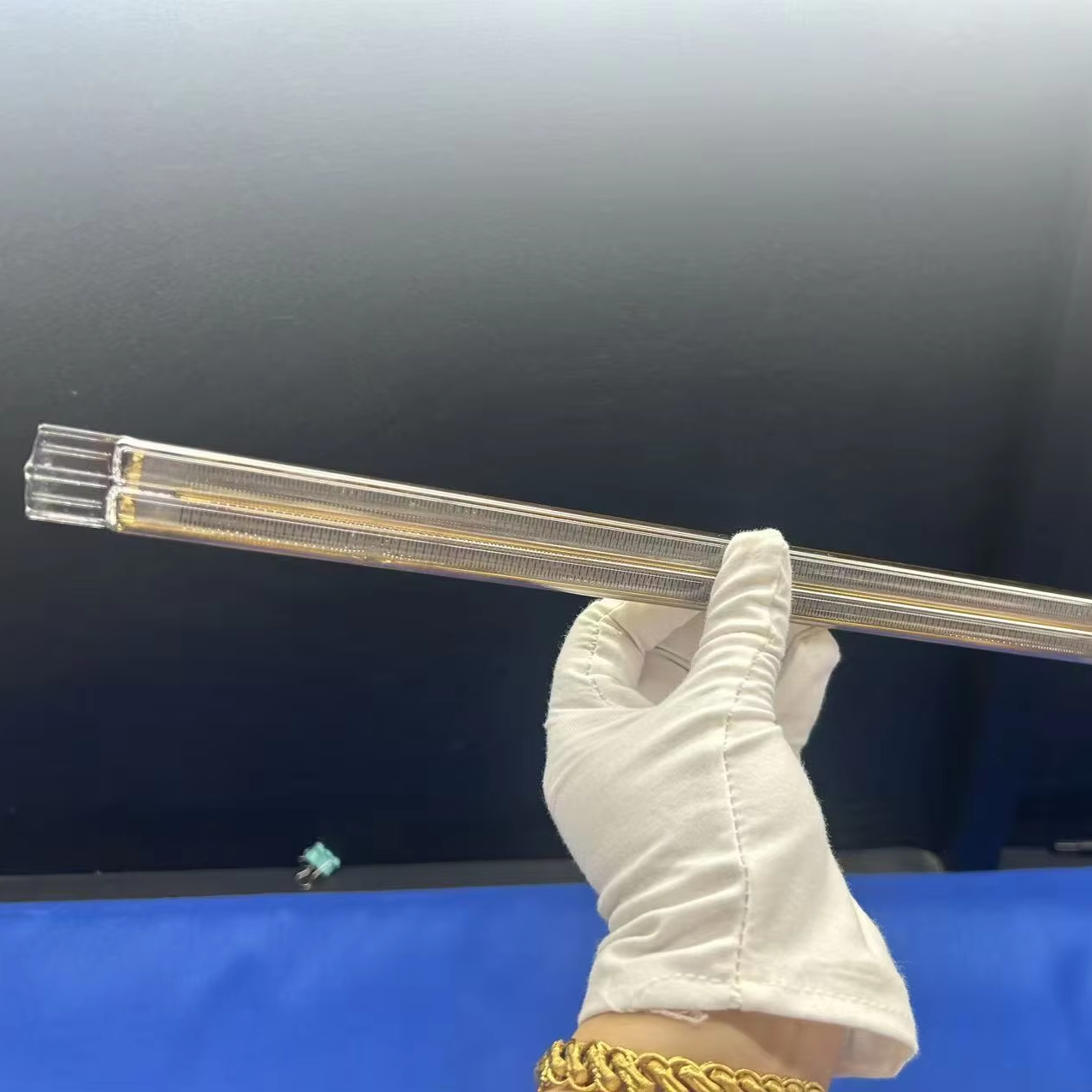
Industrial Graphene Quartz Heating Tube
Send an Inquiry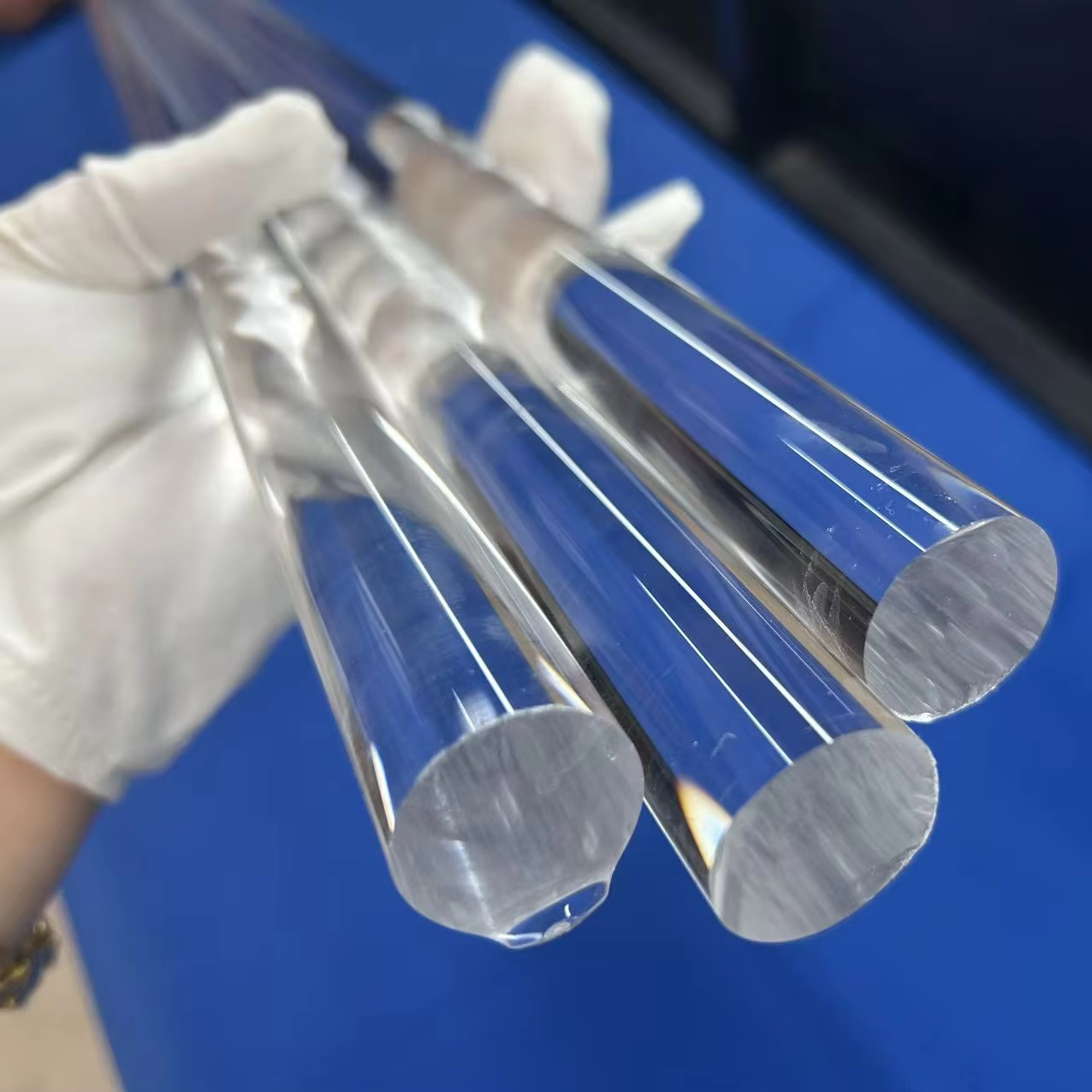
High-Purity Large Diameter Quartz Rod Fabrication
View Details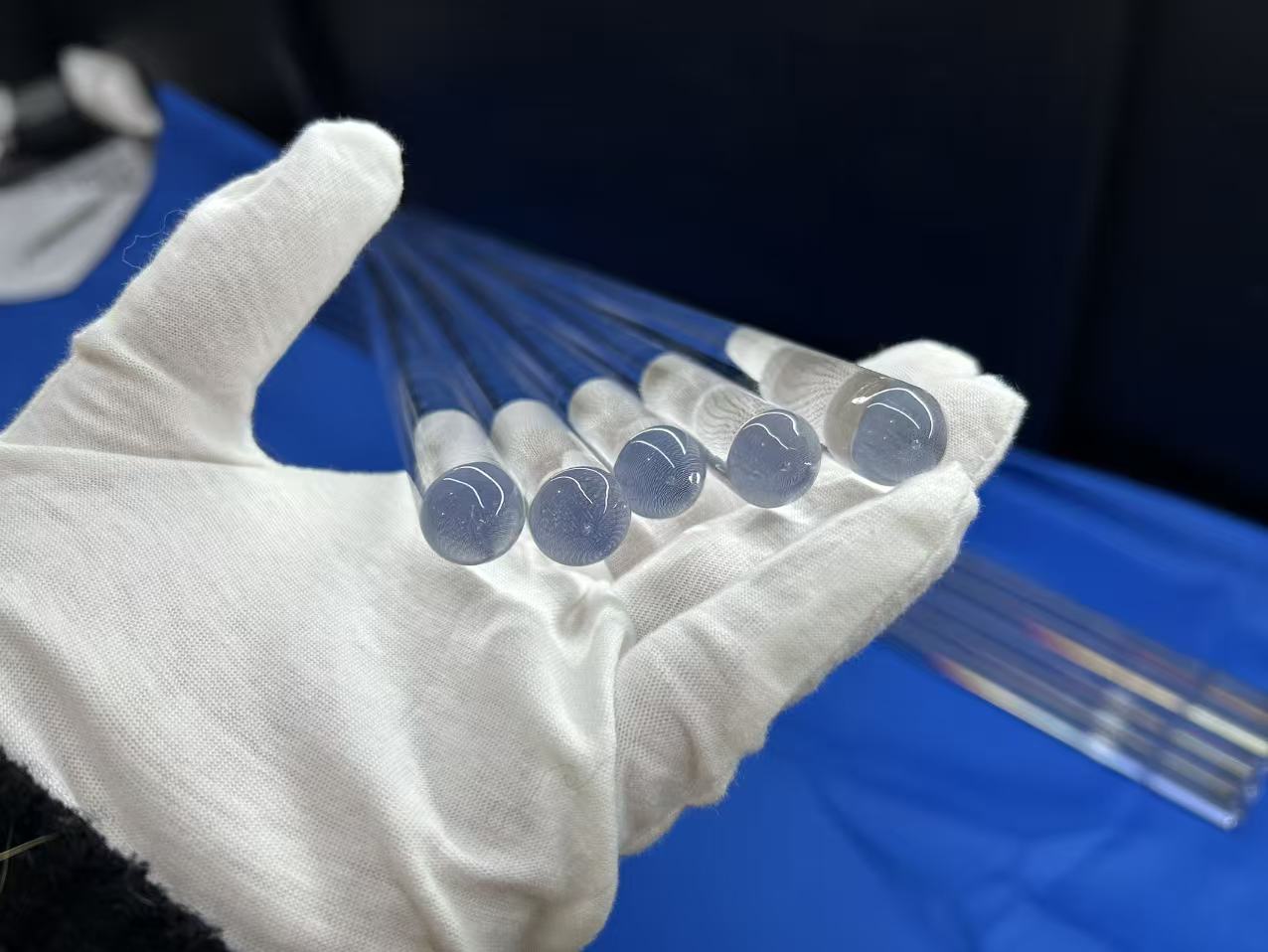
Fused Quartz Rods (Cutting, Welding, & Bending)
View DetailsArchitectural Engineering of Porous Quartz Glass (Sintered Fused Silica)
Porous quartz glass—frequently designated in industrial spectroscopy and microfluidics as sintered quartz frits or fused silica porous discs—represents a specialized material synthesis. Unlike standard transparent fused quartz formed via complete thermal melting above 1700°C, porous quartz is manufactured via controlled thermal sintering of high-purity synthesized silicon dioxide grains (99.99% SiO₂). This solid-state diffusion process joins adjacent quartz particles at their contact points without collapsing the interstitial void network, producing an interconnected open-cell structure with uniform pore diameters.
For industrial procurement teams across Linz and Upper Austria, selecting the appropriate porous quartz component requires balancing gas permeability, physical filtration efficiency, liquid bubble point pressure, and structural integrity. The synthesized quartz matrix retains all fundamental thermomechanical virtues of solid quartz glass: an exceptionally low coefficient of thermal expansion (5.5 × 10⁻⁷ /°C), severe thermal shock resistance, and total chemical immunity against concentrated organic acids, halogens, and aggressive solvent systems (excluding hydrofluoric acid and hot phosphoric acid).
Controlled Pore Size Classifications
Our OEM manufacturing facility precision-classifies sintered porous quartz into standardized porosity bands (ISO 4793 compliant). Pore size distributions range from coarse gas sparging matrices to ultra-fine analytical media:
- P160 / Class G0: Pore sizes 160 – 250 µm (Coarse gas filtration, heavy liquid distribution)
- P100 / Class G1: Pore sizes 100 – 160 µm (Gas dispersion, liquid filtration, support bases)
- P40 / Class G2: Pore sizes 40 – 100 µm (Preparative gas washing, analytical filtration)
- P16 / Class G3: Pore sizes 16 – 40 µm (Analytical suction filtration, fine gas aeration)
- P10 / Class G4: Pore sizes 10 – 16 µm (Micro-particle collection, mercury diffusion barriers)
- P1.6 / Class G5: Pore sizes 1.6 – 4 µm (Ultra-fine aerosol traps, bio-fluid extraction)
Fluid Dynamics & Darcy's Permeability
In process equipment, flow rate through a porous quartz filter plate follows Darcy's Law for viscous fluid flow through isotropic porous media:
Where Q represents volumetric flow rate, k is the specific permeability coefficient of the quartz frit, A is functional cross-sectional area, ΔP is differential pressure across the disc, µ is fluid dynamic viscosity, and L is disc thickness. Our custom manufacturing controls volumetric porosity (30% to 55% void fraction) to yield predictable fluidic resistance across high-temperature gas delivery circuits.
Porous Quartz Applications across Linz & Upper Austria Industry Hubs
Linz is Upper Austria's industrial powerhouse, bridging heavy metallurgy, chemical innovation along the Danube, advanced mechatronics, and semiconductor equipment manufacturing.
Semiconductor & Wafer Tooling
Within the Linz mechatronics tech corridor and surrounding Upper Austrian wafer equipment manufacturers, porous quartz discs serve as micro-diffuser plates in plasma etching (CVD/ALD) chambers and high-purity chemical cleaning tanks. Their high thermal stability prevents thermal warping, while zero ionic contamination ensures semiconductor-grade processing.
Chemical Process & Gas Sparging
Situated in the Chemical Park Linz along the Danube, chemical synthesis plants utilize porous quartz gas bubble diffusers (spargers) to introduce corrosive gas streams—such as chlorine, hot ozone, or hydrogen chloride—into liquid reactants. Quartz’s total chemical inertness eliminates metal ion leaching and catalyst poisoning.
Metallurgical High-Temp Analysis
Synergizing with Voestalpine’s advanced steel manufacturing and metallurgy R&D centers in Linz, porous quartz crucible inserts and combustion filter plates are deployed in high-temperature carbon/sulfur elemental analyzers operating continuously above 1200°C without devitrification or structural failure.
Environmental & Stack Gas Monitoring
Austrian environmental monitoring instrumentation suppliers integrate custom cylindrical porous quartz filter cartridges into continuous emission monitoring systems (CEMS). These cartridges filter fine particulate matter out of hot flue gas streams sampled from industrial incinerators and power stations across Central Europe.
Laser & Photonic Sensor Housings
Research labs at Johannes Kepler University Linz (JKU) and private photonic developers utilize optical-grade porous silica matrices as light-scattering reference elements, phase-shifting substrates, and specialized fluidic sensor windows where refractive index matching is critical.
Pharmaceutical Analytical Cuvettes
Bio-analytics facilities in Upper Austria leverage custom quartz cuvettes featuring sintered porous filter dividers to separate protein precipitates during UV-Vis spectrophotometric analysis, benefiting from quartz's deep UV transmission down to 190 nm.
Linz & Central European Porous Quartz Market Trends (2025–2030)
The demand for high-performance porous quartz glass components across Linz and the wider Austrian industrial landscape is undergoing accelerated transformation. Procurement officers and plant engineers are shifting sourcing strategies based on several key regional macro-trends:
1. Green Steel & Hydrogen Transition
As Linz transitions toward decarbonized steel production (H2FUTURE initiatives), industrial oxygen and hydrogen gas lines require specialized gas diffusion barriers that withstand extreme high temperatures without gas contamination. Sintered porous quartz components are replacing traditional metallic sintered discs in high-purity hydrogen electrolysis testbeds due to zero oxidation risk.
2. Semiconductor Supply Chain Localization
With major European semiconductor investments driving growth across Austria and Southern Germany, Linz-based tier-2 equipment suppliers require rapid OEM/ODM prototyping of custom quartz boats, perforated tubes, and porous showerheads. Standard off-the-shelf catalog parts no longer suffice for proprietary wafer manufacturing tools.
3. Precision Filtration in Circular Chemical Economy
Chemical processing operations along the Danube are implementing strict micro-pollutant capture protocols. High-purity sintered quartz frits with G4 and G5 pore size gradations are increasingly specified for aggressive solvent filtration, allowing complete chemical cleaning via concentrated acid baths and thermal calcination—a feat impossible with polymer filters.
4. Demand for Total Traceability & Material Certification
European quality standards (ISO 9001, RoHS, REACH) require Linz buyers to demand full raw material chemical assays. Sourcing transparent and porous quartz directly from specialized manufacturers in Donghai—China’s premier quartz hub—with comprehensive spectral and dimensional quality control (QC) certificates provides the optimal balance of competitive pricing and strict compliance.
Porous vs. Solid Fused Quartz Specification Matrix
Compare physical, thermal, and mechanical parameters to verify material selection for your specific Linz engineering project.
| Technical Parameter | Sintered Porous Quartz Glass | Clear Fused Quartz (JGS2 Grade) | Synthetic Optical Quartz (JGS1) |
|---|---|---|---|
| Chemical Purity (SiO₂) | ≥ 99.99% | ≥ 99.99% | ≥ 99.999% |
| Bulk Density | 1.0 – 1.5 g/cm³ (Depending on porosity) | 2.20 g/cm³ | 2.201 g/cm³ |
| Volumetric Porosity | 30% – 55% | 0% (Hermetic) | 0% (Hermetic) |
| Max Working Temp (Continuous) | 1100 °C | 1100 °C | 1200 °C |
| Max Working Temp (Short-Term) | 1300 °C | 1450 °C | 1500 °C |
| Thermal Expansion (20-300°C) | 5.5 × 10⁻⁷ /°C | 5.5 × 10⁻⁷ /°C | 5.4 × 10⁻⁷ /°C |
| Spectral Transmission Range | Translucent / Light-Scattering | 220 nm – 2500 nm (UV-Vis-IR) | 185 nm – 2500 nm (Deep UV) |
| Chemical Resistance | Resists acids (except HF & H₃PO₄ >300°C) | Resists acids (except HF & H₃PO₄) | Resists acids (except HF & H₃PO₄) |
Why Linz Buyers Partner with Donghai County Nivra Quartz
Direct factory production from China's quartz capital, delivering uncompromised custom fabrication and swift global delivery to Austria.
Donghai Raw Material Hub
Founded in 2019 in Donghai County, Jiangsu—the globally recognized capital of natural crystal and silica reserves—Donghai County Nivra Quartz Products Co., Ltd. controls raw quartz selection at the source, guaranteeing minimal bubble inclusions and exceptional purity levels for all porous and solid quartz lines.
In-House Precision Machining
With 101–200 specialized glass Technicians, our plant operates advanced CNC glass-milling lathes, ultrasonic drilling rigs, laser glass cutters, precision surface grinders, and flame-polishing stations. We translate complex CAD/STEP drawings into high-tolerance quartz components with exact dimensional repeatability.
Rigorous European QC & Audit
Every lot undergoes 100% dimensional CMM inspection, optical purity testing, and bubble point pore verification. Verified on-site by international inspection bodies, our operating principle is simple: Quality First, Reputation First.
Rapid < 5-Hour Response
Our dedicated international engineering desk operates with a measured 88.89% inquiry response rate and average initial response time under 5 hours. Linz procurement managers receive rapid feasibility reviews and competitive formal quotations.
Breakage-Free Global Packaging
Fragile porous and solid glass products are cleaned, wrapped in static-free vacuum packaging, encased in customized shock-absorbing PE foam, and secured inside fumigation-free wooden export crates designed specifically for air cargo or ocean freight to Austria.
Low MOQ & Prototype Flexibility
We support prototype development for Linz engineering firms, offering low Minimum Order Quantities (MOQs starting from 1 to 10 pieces for custom items) before committing to full-scale OEM batch manufacturing.
Local Buyer FAQ: Sourcing Porous Quartz Glass in Linz
Answers to common engineering and procurement inquiries regarding material grades, tolerances, custom manufacturing, and Austrian delivery.
How do I specify the correct pore size (porosity class) for gas sparging vs liquid filtration?
For gas sparging in chemical reactors, Class G1 or G2 (40–160 µm) is recommended to create uniform micro-bubbles without causing excessive backpressure. For analytical liquid filtration, Class G3 or G4 (10–40 µm) effectively captures fine precipitate particles. If your application in Linz requires custom fluid dynamics calculations, our engineering team can adjust sintering grain sizing to match your target flow rates and pressure drops.
What are the thermal shock limits of porous quartz discs compared to solid quartz glass?
Solid fused quartz can survive rapid water quenching from 1100°C to room temperature due to its low thermal expansion coefficient (5.5 × 10⁻⁷ /°C). Porous quartz shares this identical low expansion rate; however, because of its interconnected pore structure, localized thermal gradients can induce localized stress. We recommend heating and cooling porous quartz discs gradually (< 15°C/min) when used above 800°C to maximize component lifespan.
Can you fuse a porous quartz disc into a solid quartz glass tube or flange?
Yes. OEM fusion of sintered porous discs inside solid clear fused quartz cylinders (fritted tubes/funnels) is one of our primary core competencies. Our glassblowers precision-weld the porous perimeter directly to the inner wall of high-purity JGS2 or JGS3 quartz tubes, forming a leak-tight, monolithic assembly suitable for high-vacuum and high-temperature gas processing tools.
What chemical cleaning protocols should be used to clear clogged porous quartz frits?
Because fused quartz is chemically unreactive with most acids, clogged porous filters can be regenerated by soaking in hot aqua regia, concentrated nitric acid (HNO₃), or chromic acid washing solutions to digest organic or metallic deposits. Follow acid baths with thorough rinsing in deionized water and dry in a clean vacuum oven at 150°C. Do not use hydrofluoric acid (HF) or strong hot alkaline solutions, as they will dissolve the quartz sinter necking.
How are standard lead times handled for shipping to industrial zones in Upper Austria (Linz)?
Standard prototype orders are manufactured within 7 to 12 working days upon CAD drawing sign-off. Bulk OEM production runs typically require 2 to 3 weeks. Express air shipping to Linz Airport (LNZ) or door-to-door courier delivery (DHL/FedEx/TNT) to your Linz facility takes 4 to 7 business days. Sea freight via European ports (such as Hamburg or Rotterdam with rail transport to Linz logistics terminals) is available for large-volume industrial equipment orders.
Can I submit DWG, STEP, or PDF drawings for custom OEM quartz fabrication?
Yes. We accept standard engineering file formats including STEP, IGES, DWG, DXF, and vectorized PDF files. Our technical team evaluates key tolerances, edge beveling, surface finish requirements (polished vs ground), and structural feasibility, providing formal feedback and quotation within 5 hours.
Request Your Custom Porous Quartz Component Quote
Partner with an authoritative quartz manufacturer trusted across Europe. Submit your technical drawings, target dimensions, or porosity specifications today for rapid engineering evaluation.