High-Purity Fused Quartz & Precision Plates
Direct manufacturing compliance with JIS, DIN, and SEMI dimensional standards. Explore our high-transmittance, thermal-resistant components tailored for high-demand thermal processes.
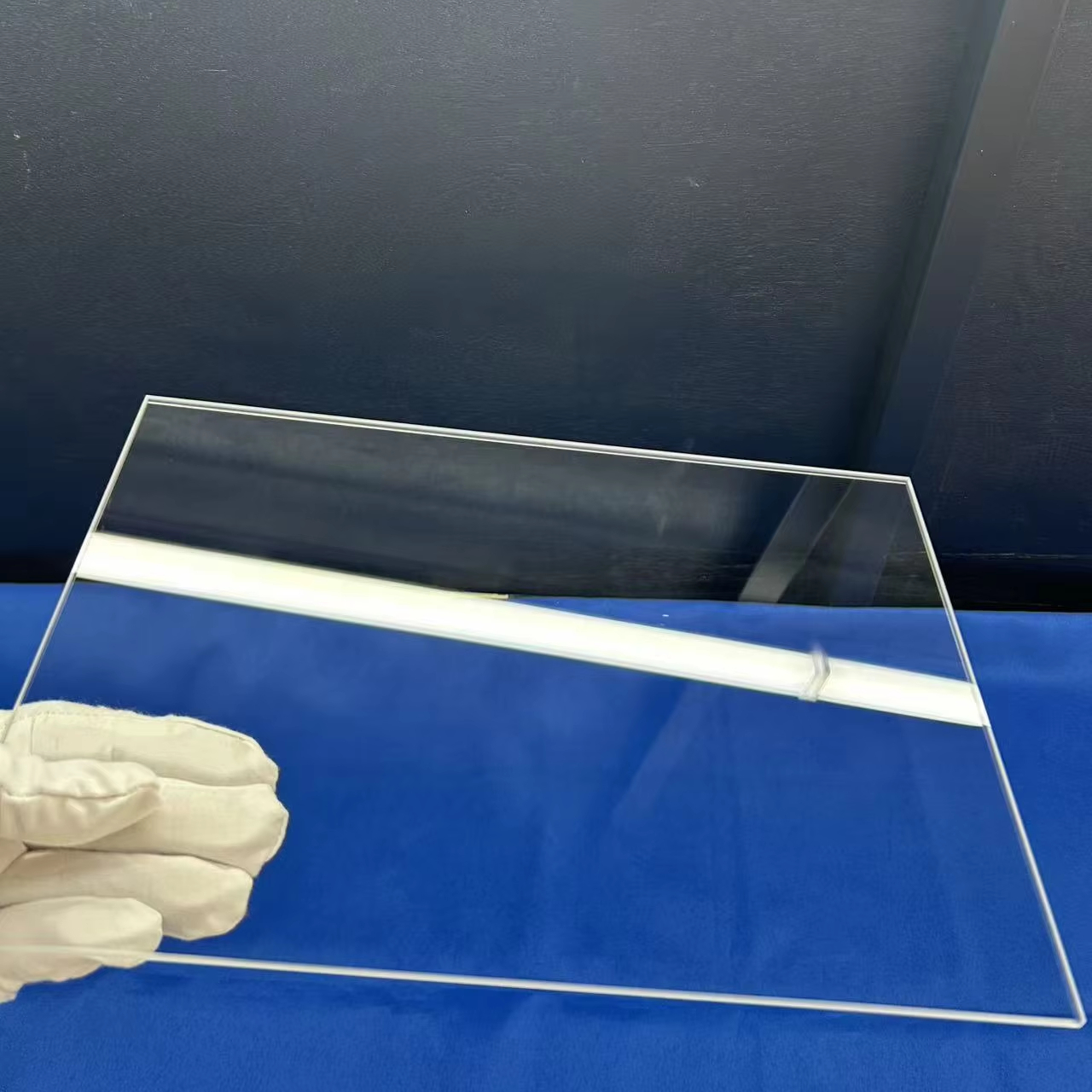
Custom Polished Transparent Square Quartz Plate (4mm)
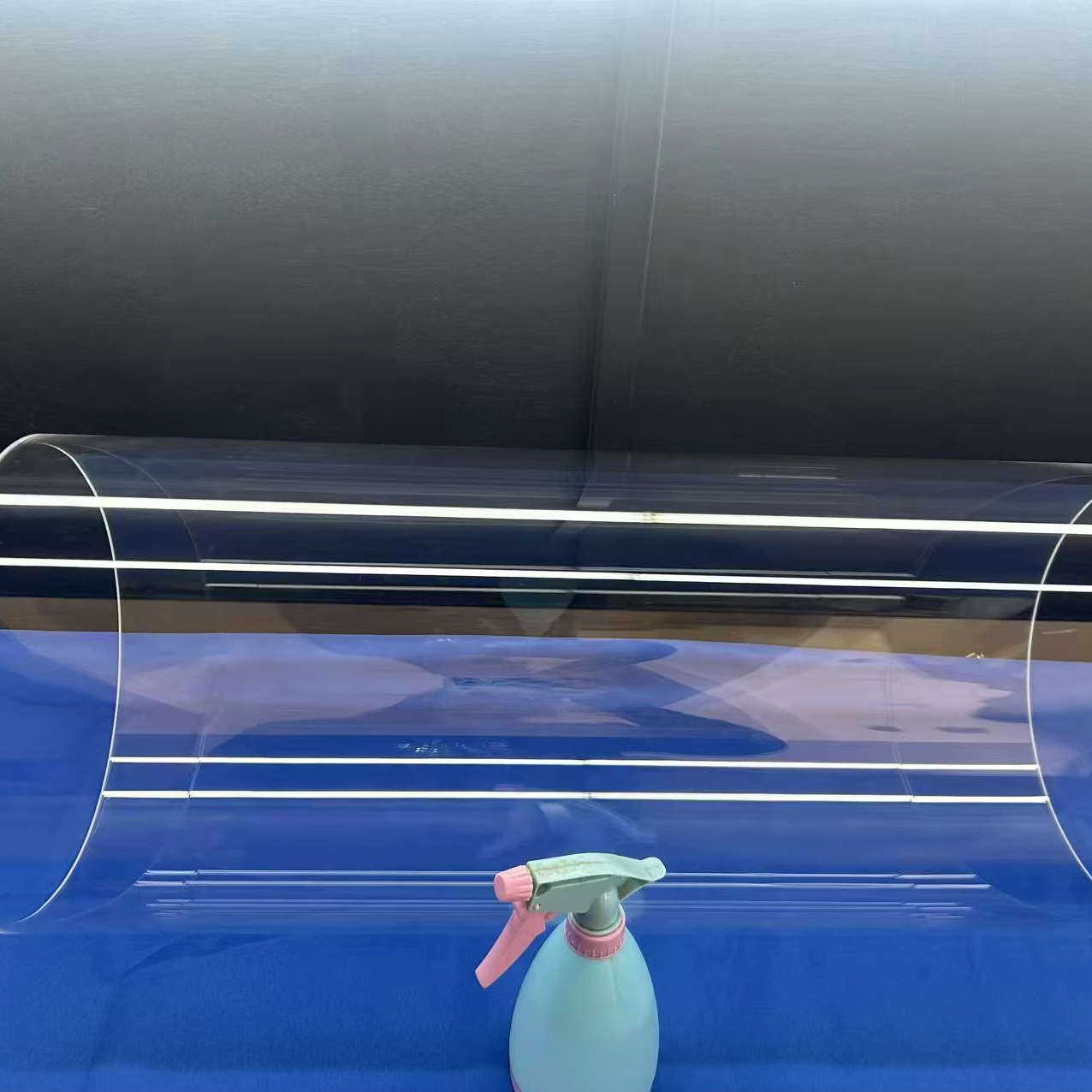
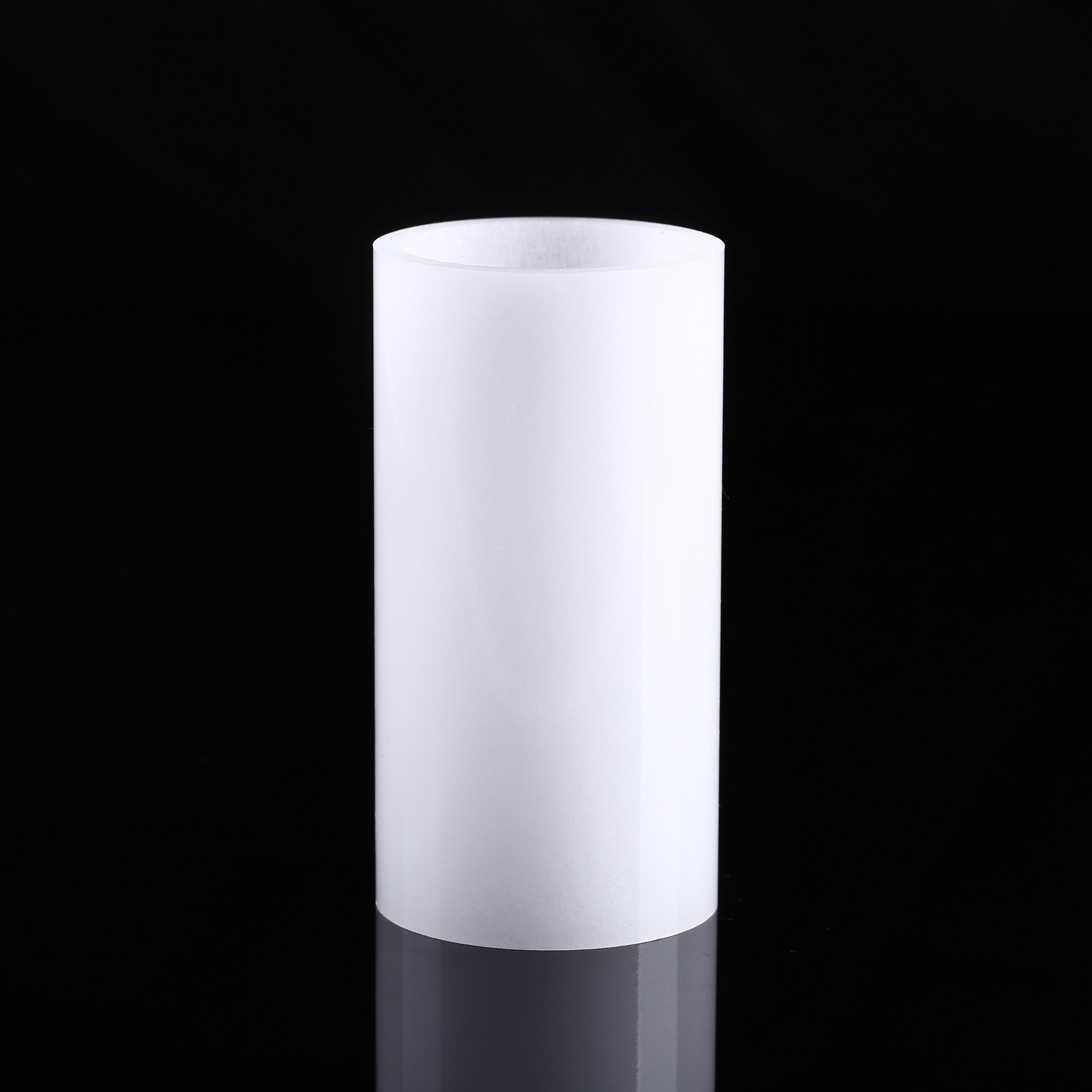
High-Purity Fused Quartz Glass Tube (High-Temp)
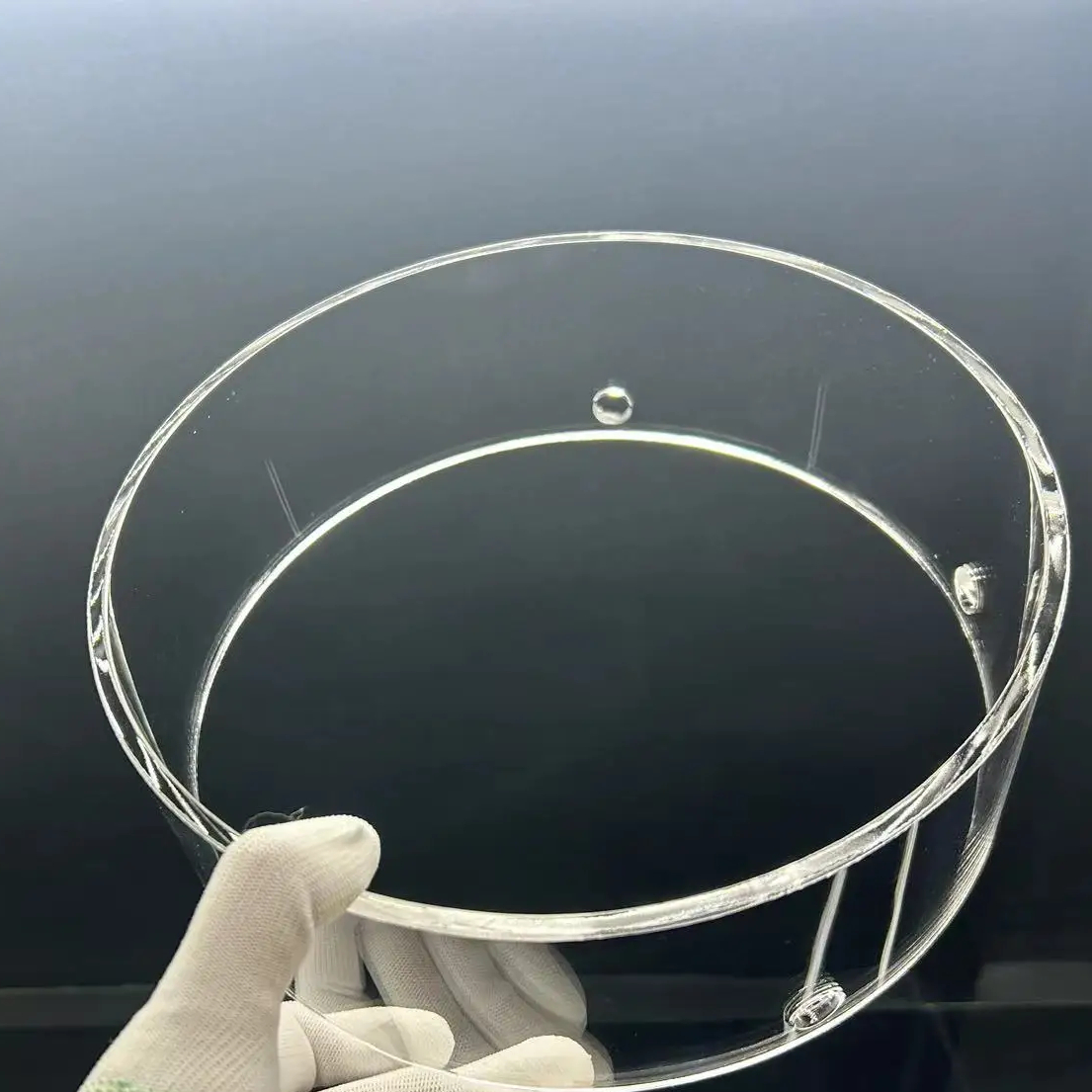
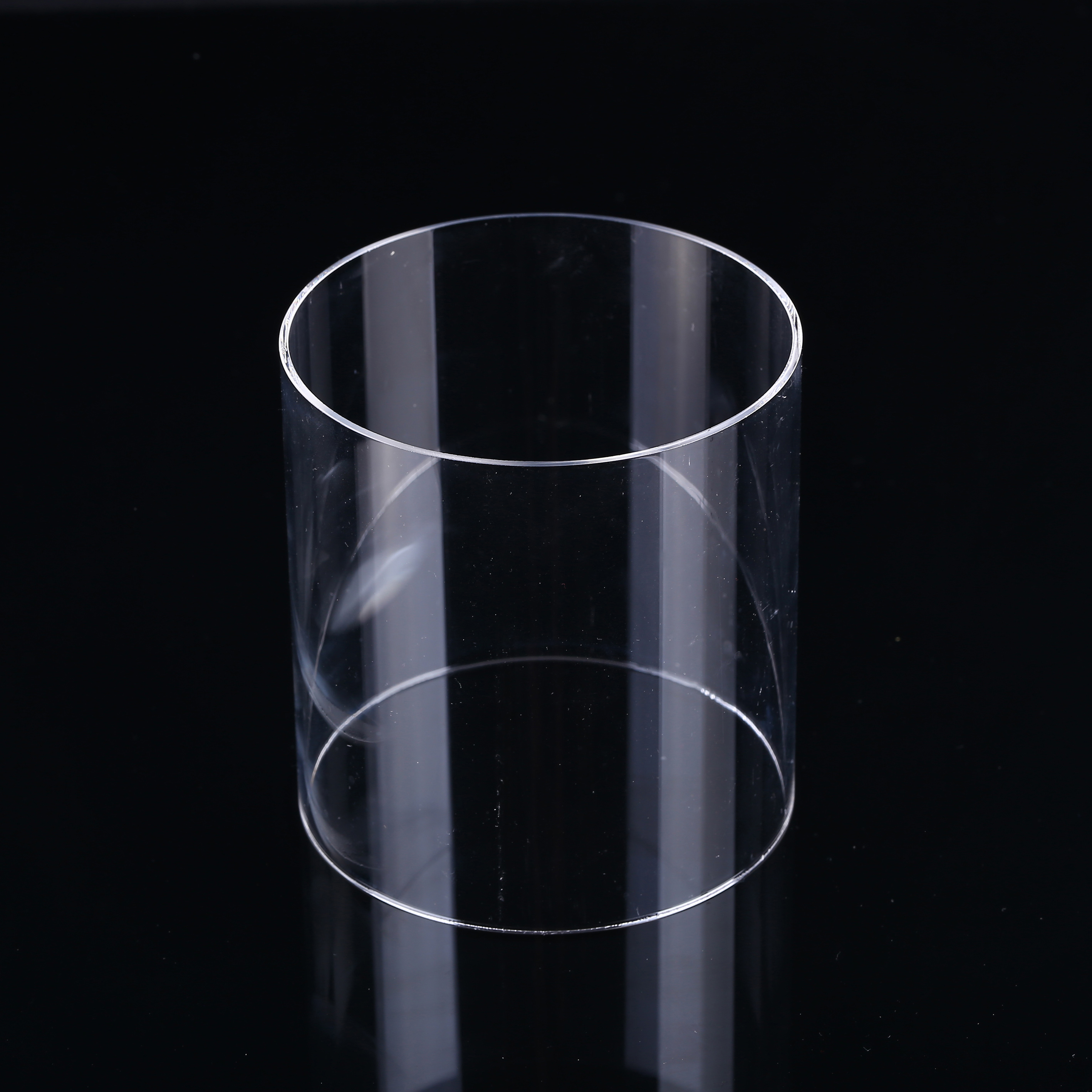
Fused Transparent High-Clarity Quartz Tube
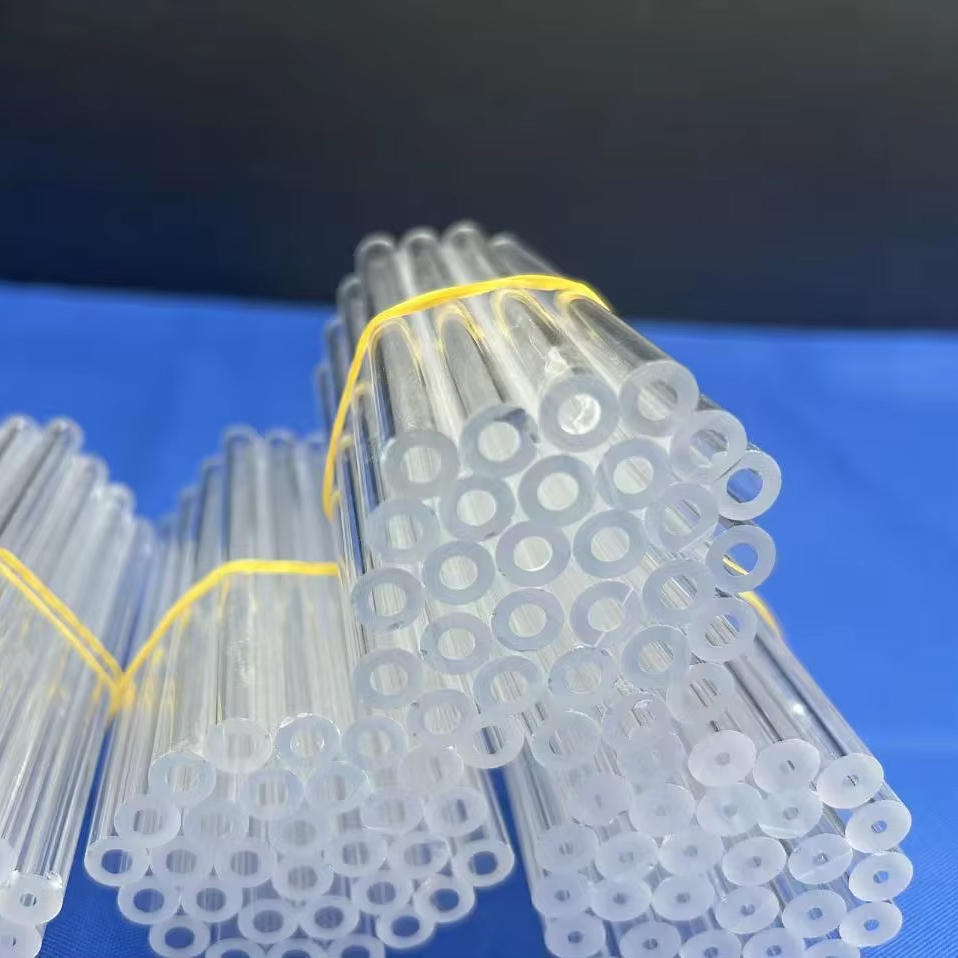
Clear Quartz BET Analysis Glass Tube
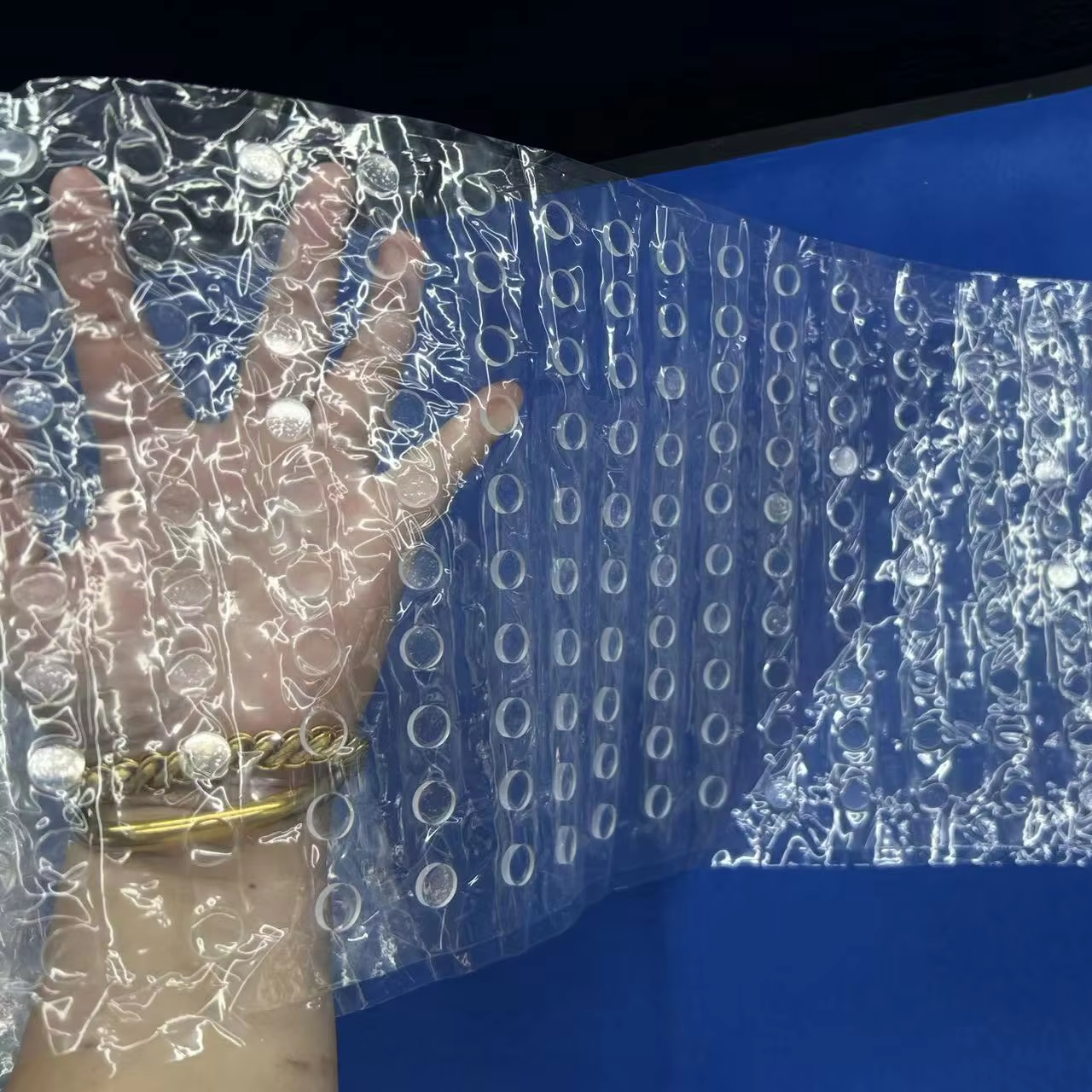
Precision Micro-Wafer & Quartz Disc Substrate
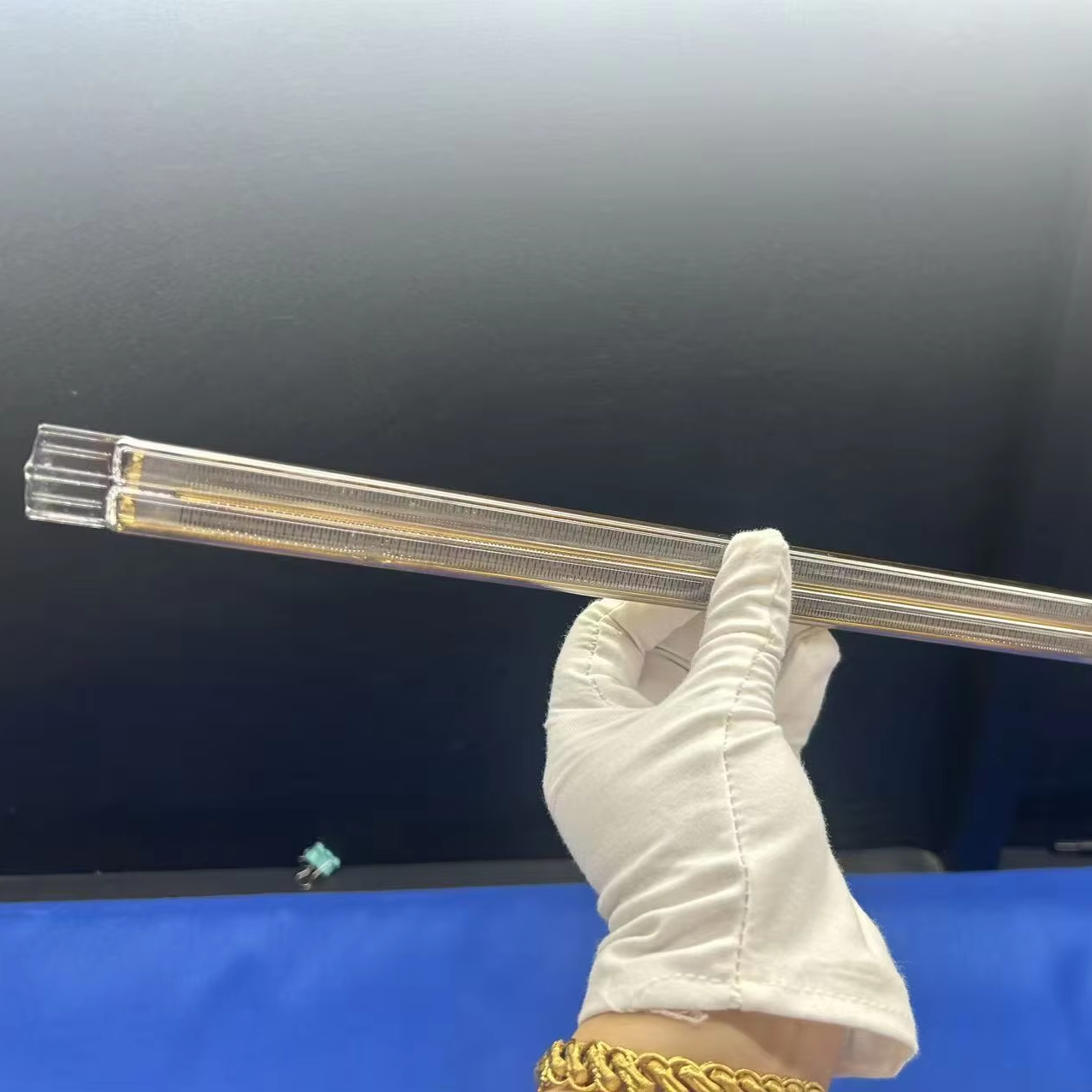
Infrared Graphene Composite Quartz Heating Tube
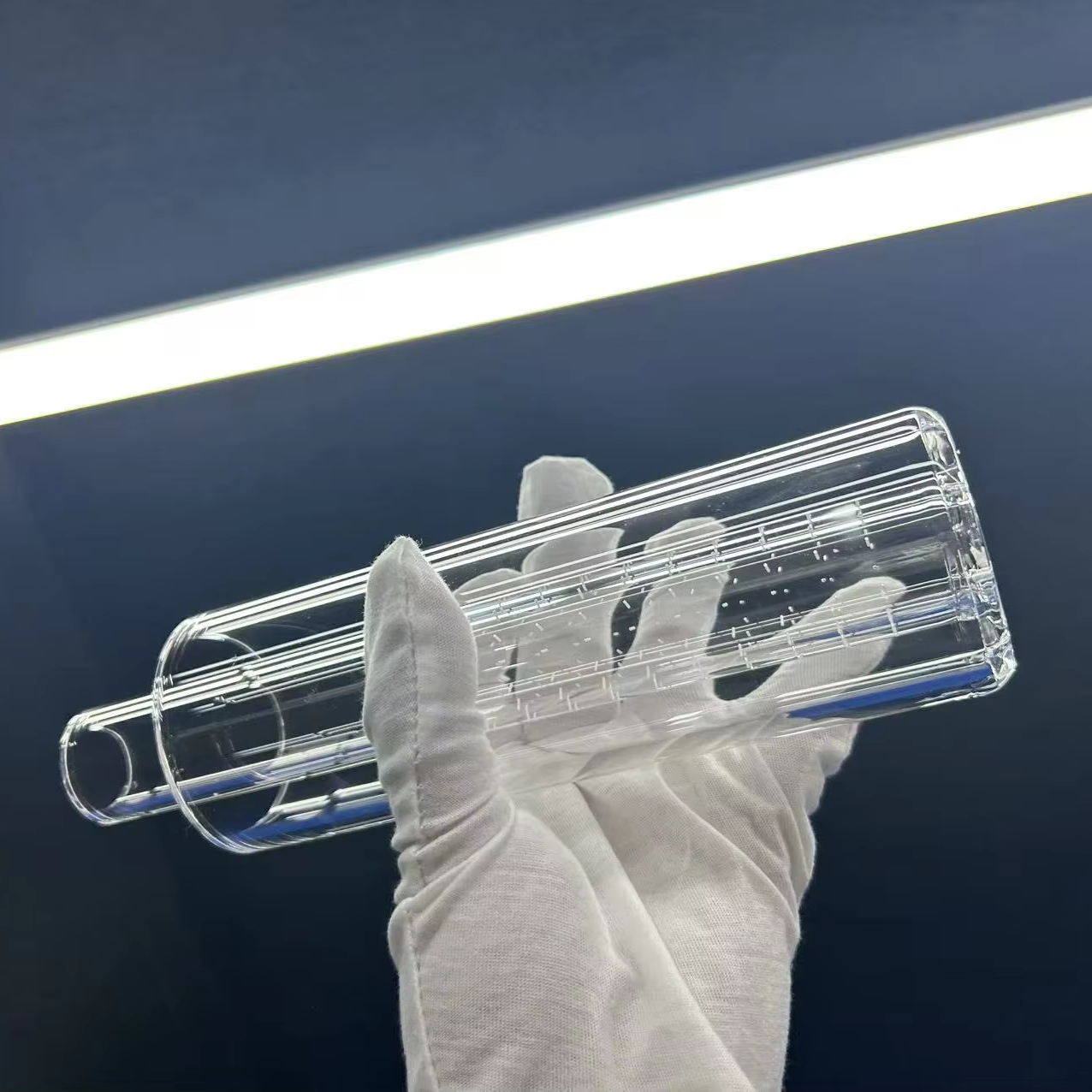
Precision Perforated Quartz Tube / Manifold
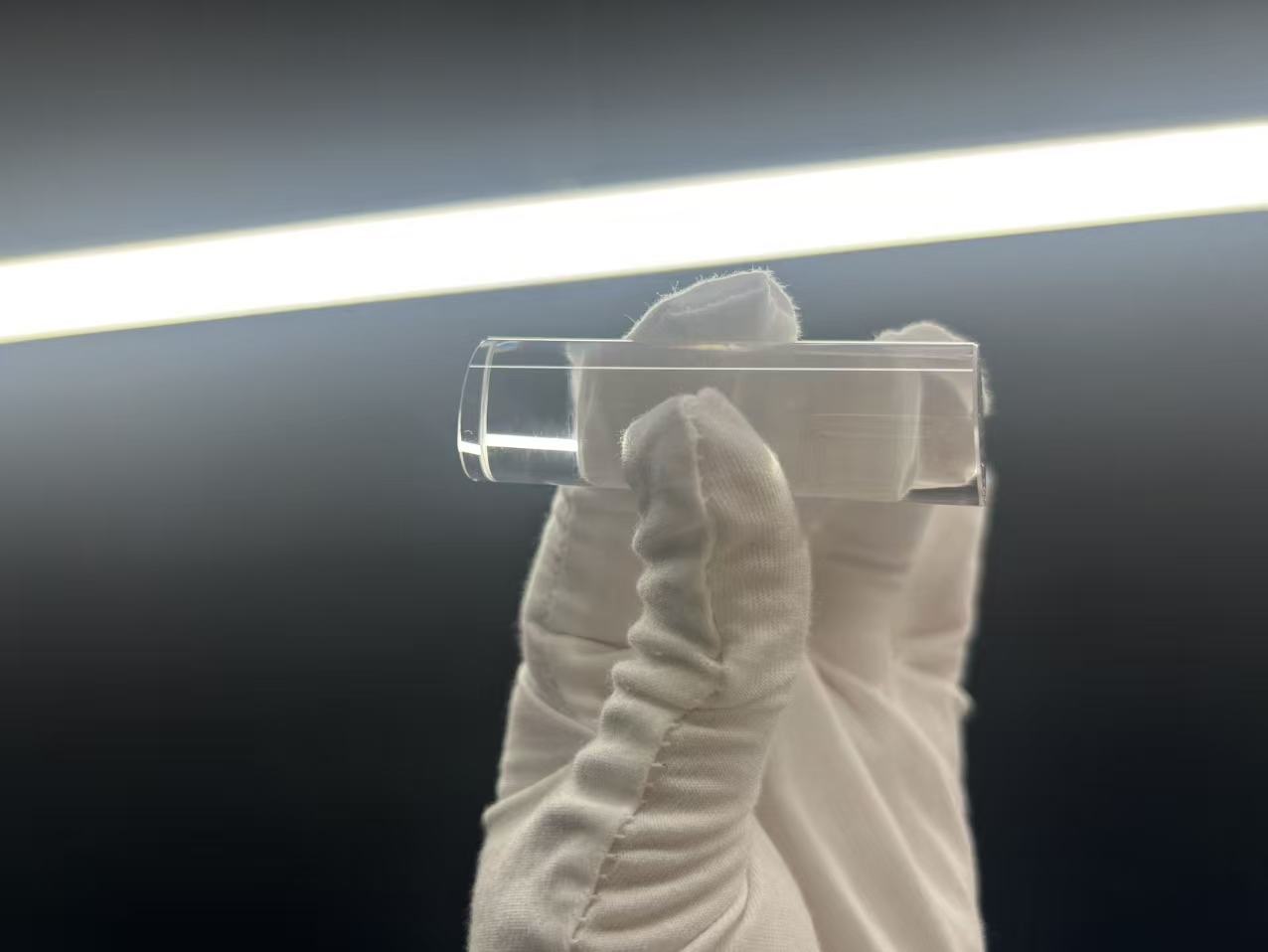
Solid Round Head Fused Quartz Guide Rod
Perforated Quartz Plate Architecture: Micro-Machining, Chemical Resistance & Sub-Millimeter Hole Pitch Accuracy
A comprehensive examination of thermo-mechanical behavior, hole perforation dynamics, and surface edge stability for Kawasaki’s precision semiconductor, chemical processing, and optical sectors.
Thermal & Dimensional Mechanics
Clear fused quartz possesses an ultra-low coefficient of thermal expansion (CTE) of approximately 5.5 × 10⁻⁷ /°C between 20°C and 300°C. In high-heat reactor chambers, this characteristic prevents thermal shock warping and dimensional distortion.
- Continuous operating temperature: ~1100 °C
- Peak short-duration service: ~1450 °C
- Softening deformation threshold: 1683 °C
- Negligible thermal gradient stress across hole arrays
Ultrasonic CNC vs. Laser Perforation
Processing thousands of micro-holes across a 300mm quartz disc requires eliminating micro-cracking and subsurface damage. We employ two distinct machining paradigms based on engineering design criteria:
- Ultrasonic Diamond Core Trepanning: Ideal for hole diameters Ø 1.0mm to 30mm with no Heat Affected Zone (HAZ).
- Picosecond UV Laser Drilling: Capable of micro-orifices down to Ø 0.15mm with pitch tolerances held to ±0.015mm.
- Chemical Etching Deburring: HF acid rounding removes latent stress points on hole edges.
Chemical Purity & Plasma Resistance
In corrosive plasma etch and wet cleaning processes (Piranha, SPM, SC-1, SC-2), fused quartz maintains superior resistance. Low alkali trace concentrations mitigate ion migration in wafer environments.
- Alkali metals (Na, K, Li) controlled under 1.5 ppm
- Transition elements (Fe, Cu, Ni) below detectable thresholds
- High dielectric breakdown: ~25–40 kV/mm at 20°C
- Zero heavy metal contamination in GaN/SiC processing
| Perforated Plate Parameter | JGS1 (Synthetic Silica) | JGS2 (Optical Fused Quartz) | JGS3 (Infrared Low-OH) | Industrial Electric Fused |
|---|---|---|---|---|
| Primary Application | Deep-UV Photolithography, Excimer | Gas Showerheads, Sight Windows | IR Sensors, High-Temp Pyrometry | Chemical Carrier Plates, Baffles |
| SiO₂ Purity Grade | ≥ 99.999% | ≥ 99.99% | ≥ 99.98% | ≥ 99.95% |
| Transmission Spectrum | 185 nm – 2500 nm | 220 nm – 2500 nm | 260 nm – 3500 nm | Visible – Near Infrared |
| Hydroxyl (OH⁻) Content | < 1200 ppm (or Low-OH synthetic) | < 150 – 200 ppm | < 5 ppm (Near-Zero) | < 30 ppm |
| Min. Perforation Orifice (Ø) | 0.10 mm (Laser Trepanned) | 0.25 mm (CNC / Laser) | 0.50 mm (Ultrasonic Drill) | 0.80 mm (Diamond Core) |
| Surface Parallelism / Flatness | < 3 Arcseconds / λ/4 | λ/2 to 1λ per 100mm | Within 0.05 mm across plate | Within 0.10 mm across plate |
Precision Applications in Kawasaki’s Core Technology Zones
Kawasaki stands as a cornerstone of Japan's heavy industry and cutting-edge advanced R&D. Discover how our custom OEM perforated quartz plates fulfill the critical process demands of local manufacturers and laboratories.
Semiconductor Wet Etching & RCA Cleaning Tanks
In Kawasaki's coastal chemical plants and semiconductor wet benches, perforated quartz plates serve as submerged diffusion plates and wafer boat supports. These perforated quartz bottom plates ensure laminar acid flow (HF, H₂SO₄, H₂O₂) while preventing chemical erosion, fluid dead zones, and particle build-up.
CVD & Plasma Etch Gas Distribution Showerheads
Advanced thin-film deposition tools built by precision engineering firms in Kawasaki rely on our custom CNC perforated discs as gas distribution showerheads. Featuring hundreds of micro-orifices with uniform 0.02mm pitch tolerances, they achieve uniform precursor gas distribution across 200mm and 300mm silicon wafers at temperatures reaching 950°C.
Biochemical Synthesis & Photonic Sensors
Kawasaki's King SkyFront open innovation hub demands analytical quartz micro-porous support plates for continuous flow microreactors and chromatography filtration. High optical transmittance (JGS1 grade down to 185nm) allows simultaneous in-situ UV-Vis spectroscopy during catalytic synthesis.
Kawasaki & Greater Tokyo Bay Regional Sourcing Trends
Analyzing key structural shifts in high-purity quartz component procurement across Kanagawa Prefecture's industrial landscape.
Shift to Wide-Bandgap (SiC & GaN) Processing
Power electronics manufacturers in Kawasaki are aggressively scaling Silicon Carbide (SiC) and Gallium Nitride (GaN) epitaxy. These processes run at extreme temperatures (exceeding 1200°C) with reactive chloride gases, phasing out conventional alumina and low-grade quartz in favor of ultra-high-purity, fire-polished perforated fused silica discs.
Decarbonization & Green Hydrogen Reforming
The Kawasaki Carbon Neutral Industrial Complex initiative drives local petrochemical plants to integrate catalytic plasma reactors and green hydrogen cracking testbeds. Perforated quartz plates are increasingly specified as porous catalyst bed supports due to their thermal stability, chemical inertness, and zero iron poisoning risk.
Demand for Dual-Shore Agile Supply Chains
Kawasaki procurement managers are increasingly mitigating single-source bottlenecks by establishing direct OEM/ODM relationships with primary quartz manufacturing facilities. Partnering with suppliers capable of delivering both small-batch custom prototyping and volume-scale manufacturing provides necessary stability for next-generation equipment builds.
Enterprise Strengths & Factory Capabilities
Headquartered in Donghai County, China's quartz heartland, Nivra Quartz combines raw material cost advantages with precision engineering verified by international inspection bodies.
Donghai Raw Quartz Advantage
Sourcing directly from world-class quartz ore reserves minimizes raw material costs while securing high SiO₂ purity (99.99%+).
5-Hour Engineering Response
With an 88.89% inquiry response rate, our engineering team reviews your DXF/STEP drawings within 5 hours, providing DFM feedback.
Complete In-House Machining
Equipped with 5-axis CNC grinding, ultrasonic core drilling, picosecond laser cutting, optical polishing (Ra < 0.5nm), and cleanroom annealing.
Verified Export Reliability
Maintaining a 5.0/5 verified rating with zero-breakage export packaging: shock-absorbing foam, vacuum wrapping, and reinforced wooden crates.
Kawasaki Buyer Frequently Asked Questions (FAQ)
Addressing engineering specifications, quality control, international logistics, and order quantities for Japanese industrial buyers.
How do you prevent micro-cracking and chipping on perforated quartz plate hole edges?
Micro-cracking is mitigated through dual-step machining. We utilize high-frequency ultrasonic vibration trepanning with fine-grain diamond core tools under constant deionized coolant flush. Following drilling, plates undergo precision acid etching (HF/HNO₃ deburring) to dissolve latent subsurface fractures and eliminate stress risers, followed by thermal vacuum annealing at 1150°C. For gas showerhead applications, edges can be fire-polished to produce smoothly rounded hole perimeters.
Can you fabricate custom perforated plates compliant with Japanese Industrial Standards (JIS R3204)?
Yes. Our engineering production conforms to JIS R3204 (Fused Quartz Glass) regarding visual bubble classification, inclusion limits, and chemical purity. We supply detailed dimensional inspection reports using Coordinate Measuring Machines (CMM) and optical profilometry to ensure your custom hole patterns, countersinks, and outer diameters align with your engineering tolerances.
What is the achievable aspect ratio and minimum hole diameter for laser perforated quartz?
For picosecond UV laser perforation, the minimum standard hole diameter is 0.15mm with an aspect ratio of up to 8:1 (e.g., Ø 0.25mm through a 2.0mm thick plate). For diamond ultrasonic mechanical drilling, hole diameters typically range from Ø 0.8mm to Ø 50mm with aspect ratios exceeding 15:1. Hole pitch tolerances can be consistently maintained within ±0.02mm across full 300mm diameter plates.
How are fragile perforated quartz plates packaged for direct shipment to Kawasaki factories?
Perforated plates are particularly susceptible to shock due to internal stress distribution. Each component undergoes multi-stage ultrasonic deionized cleaning, double-bagging in anti-static Class 1000 cleanroom packaging with high-purity nitrogen purging, followed by suspension in custom CNC-cut high-density EPE foam cradles. Shipments are packed in reinforced, fumigation-free plywood export cases fitted with dynamic Impact Indicator labels (ShockWatch/TiltWatch).
What is the Minimum Order Quantity (MOQ) and lead time for pilot R&D orders in Kawasaki?
We welcome low-volume prototypes and New Product Introduction (NPI) orders with an MOQ of just 1 to 5 pieces for custom perforated plates. Rapid prototyping lead times typically take 7 to 12 working days from final CAD drawing sign-off. High-volume production runs are supported with scheduled batch deliveries to align with your production schedule.
How do you verify material purity and ensure zero contamination for cleanroom equipment?
Every raw material ingot batch is validated via Inductively Coupled Plasma Mass Spectrometry (ICP-MS) to confirm alkali and transition metal impurity profiles. We provide Material Test Reports (MTR) and Optical Transmission Certificates covering 190nm to 3000nm upon request with every delivered batch.
Ready to Engineer Your Custom Perforated Quartz Plate?
Connect directly with our senior quartz technical specialists. Share your CAD drawings (DWG, DXF, STEP, or PDF) for immediate manufacturability feedback, thermal analysis, and competitive factory-direct pricing within 5 hours.