Engineered Fused Quartz & Optical Solutions
Direct from our manufacturing facility in Donghai County to the industrial hubs of Darkhan-Uul. Each quartz optical element is manufactured against rigorous international mechanical, geometric, and thermal tolerance standards.
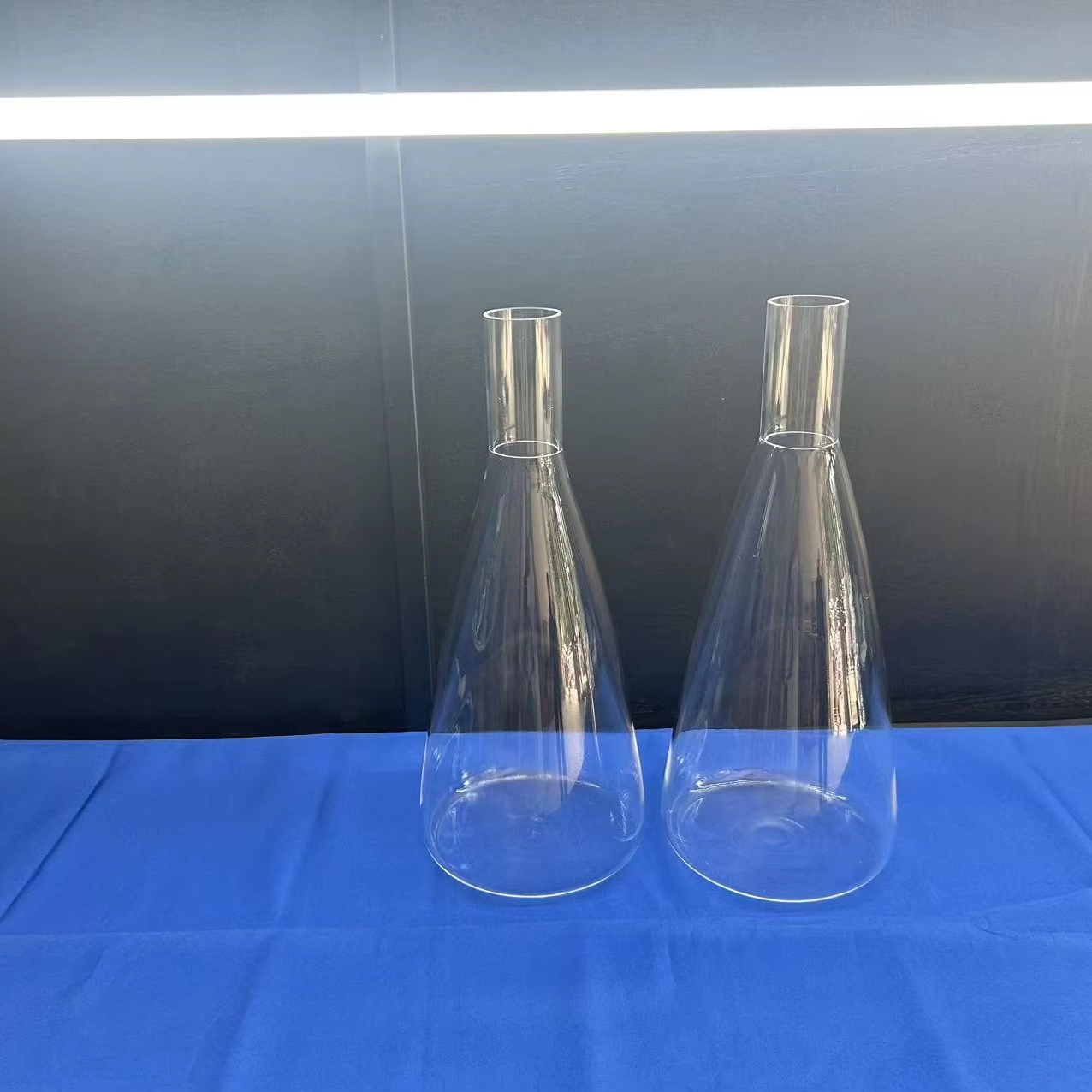
Laboratory Fused Silica Quartz Glass Flask
Product Details & Specs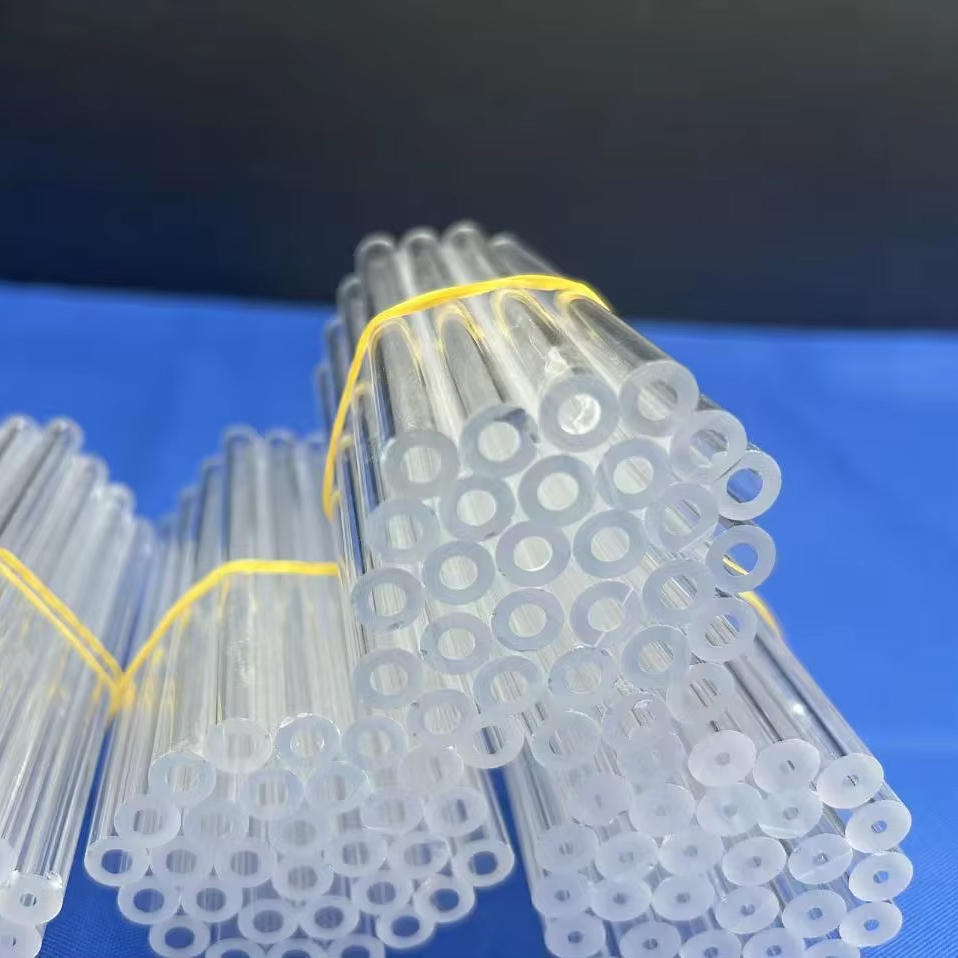
Customized Size Clear Quartz Glass Tube BET Borosilicate Glass Test Tube
Product Details & Specs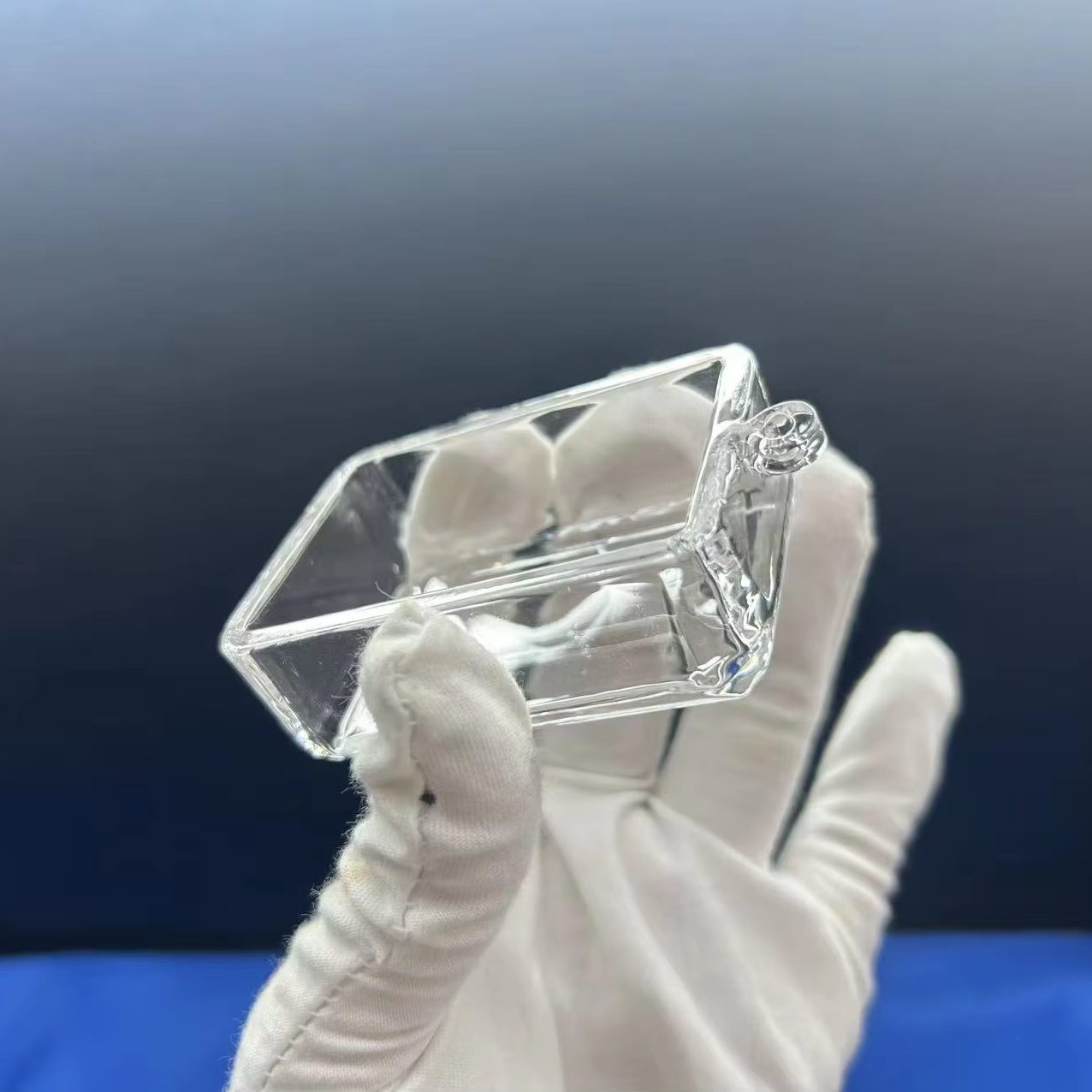
Heavy-Duty Welded Optical Quartz Tank
Product Details & Specs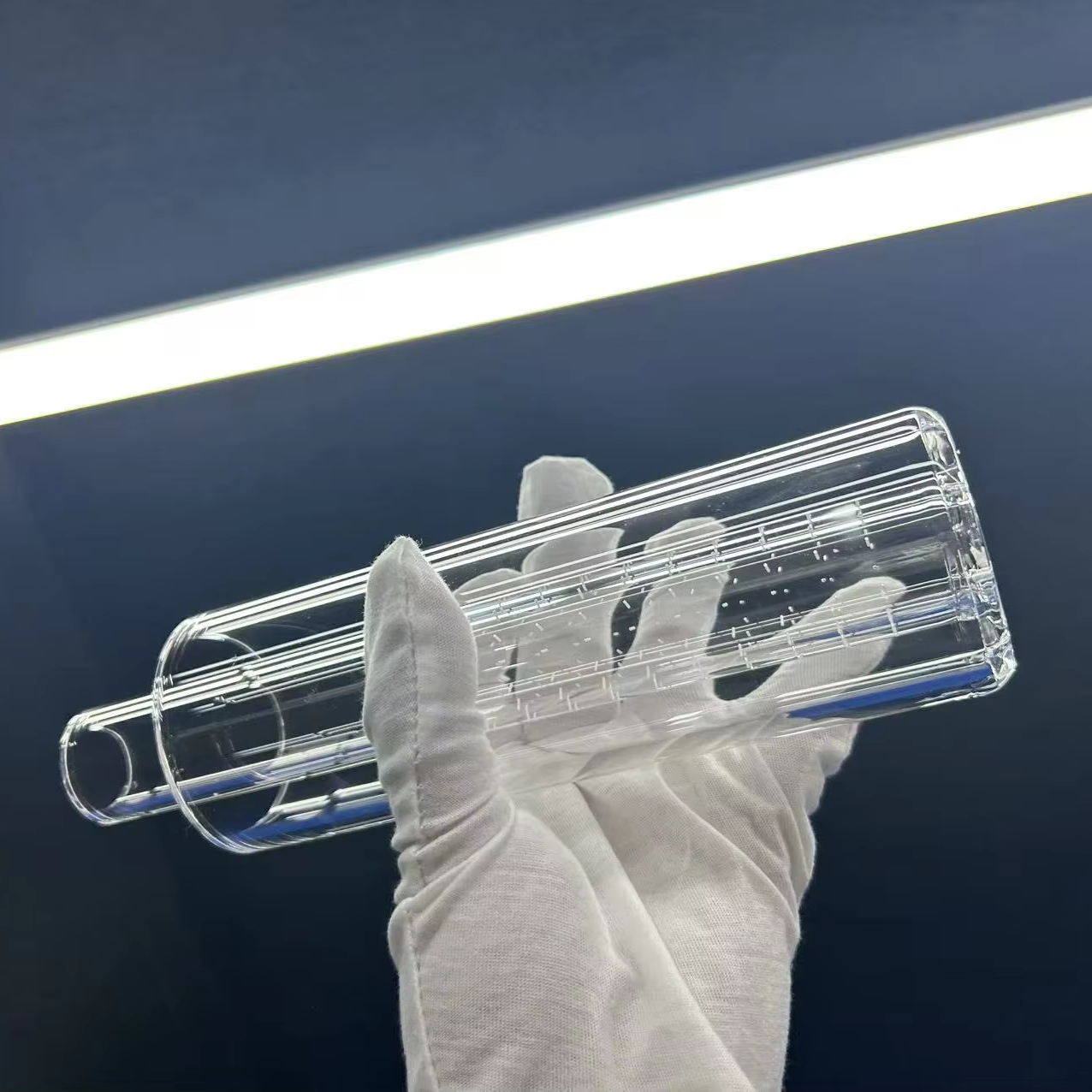
Customized Perforated Quartz Tube
Product Details & Specs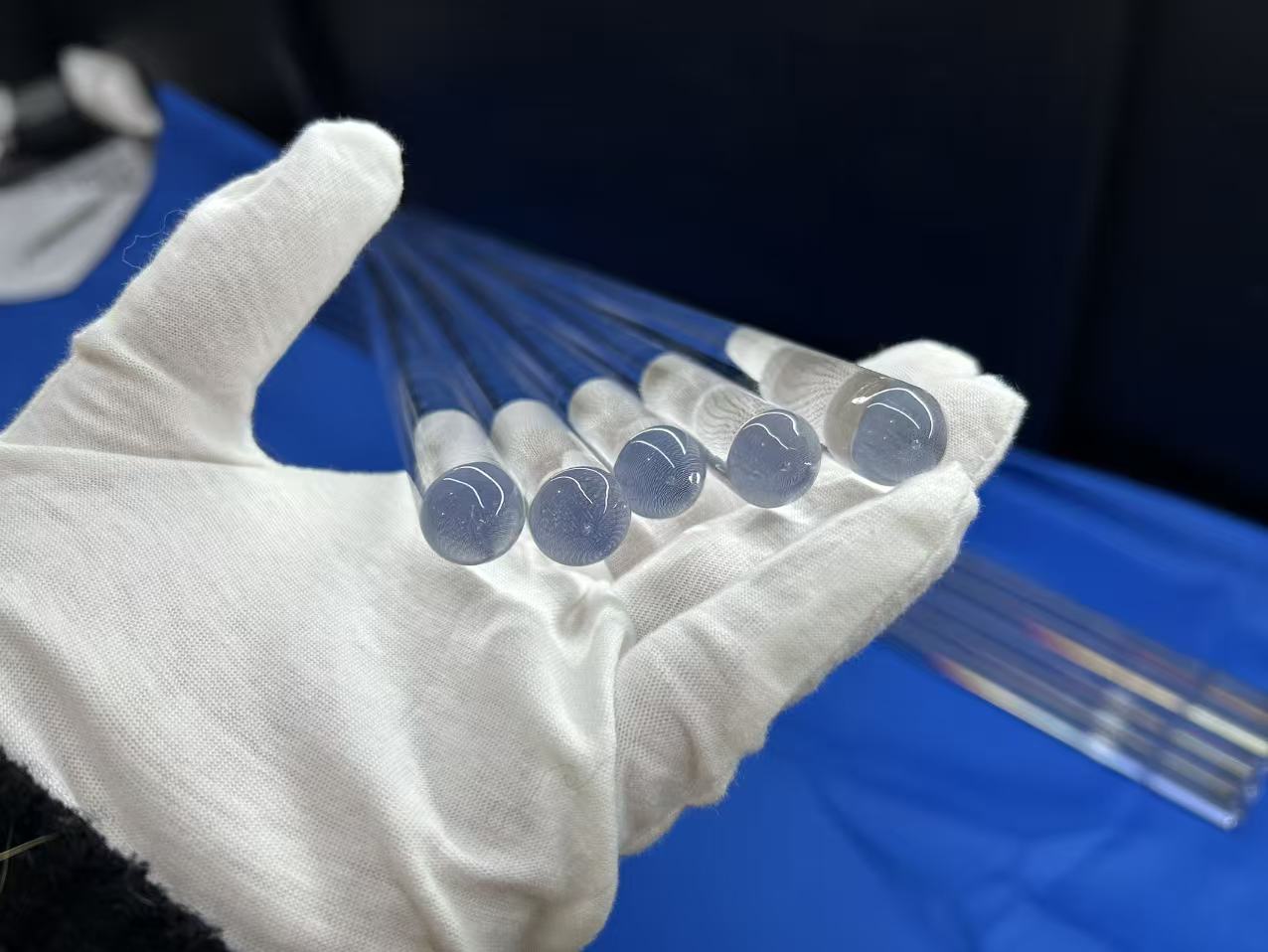
High-Purity Fused Quartz Round Rods (Cutting, Welding & Bending)
Product Details & Specs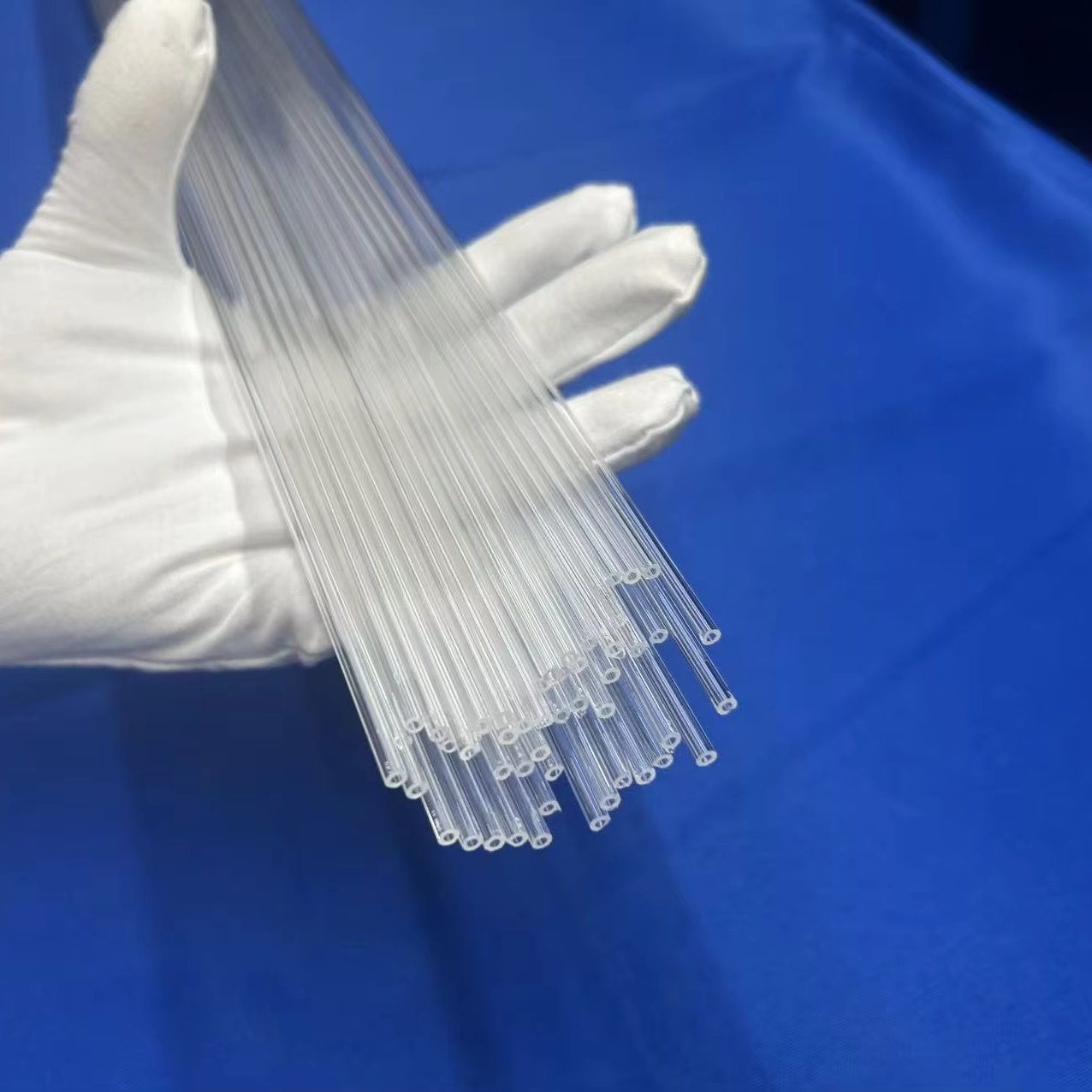
Ultra-Precision Capillary Quartz Tube
Product Details & Specs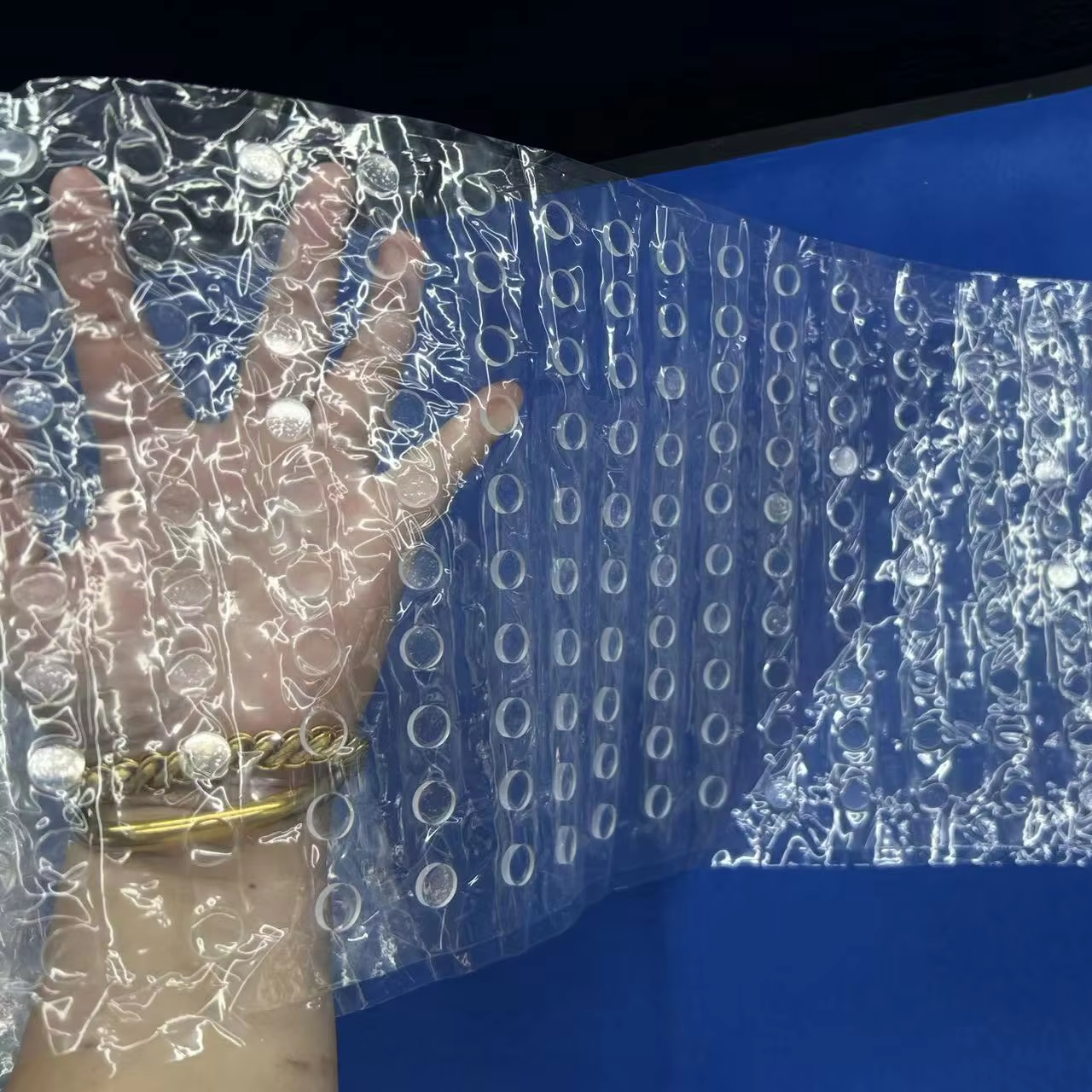
High-Purity Small Size Quartz Wafer & Viewport Disc
Product Details & Specs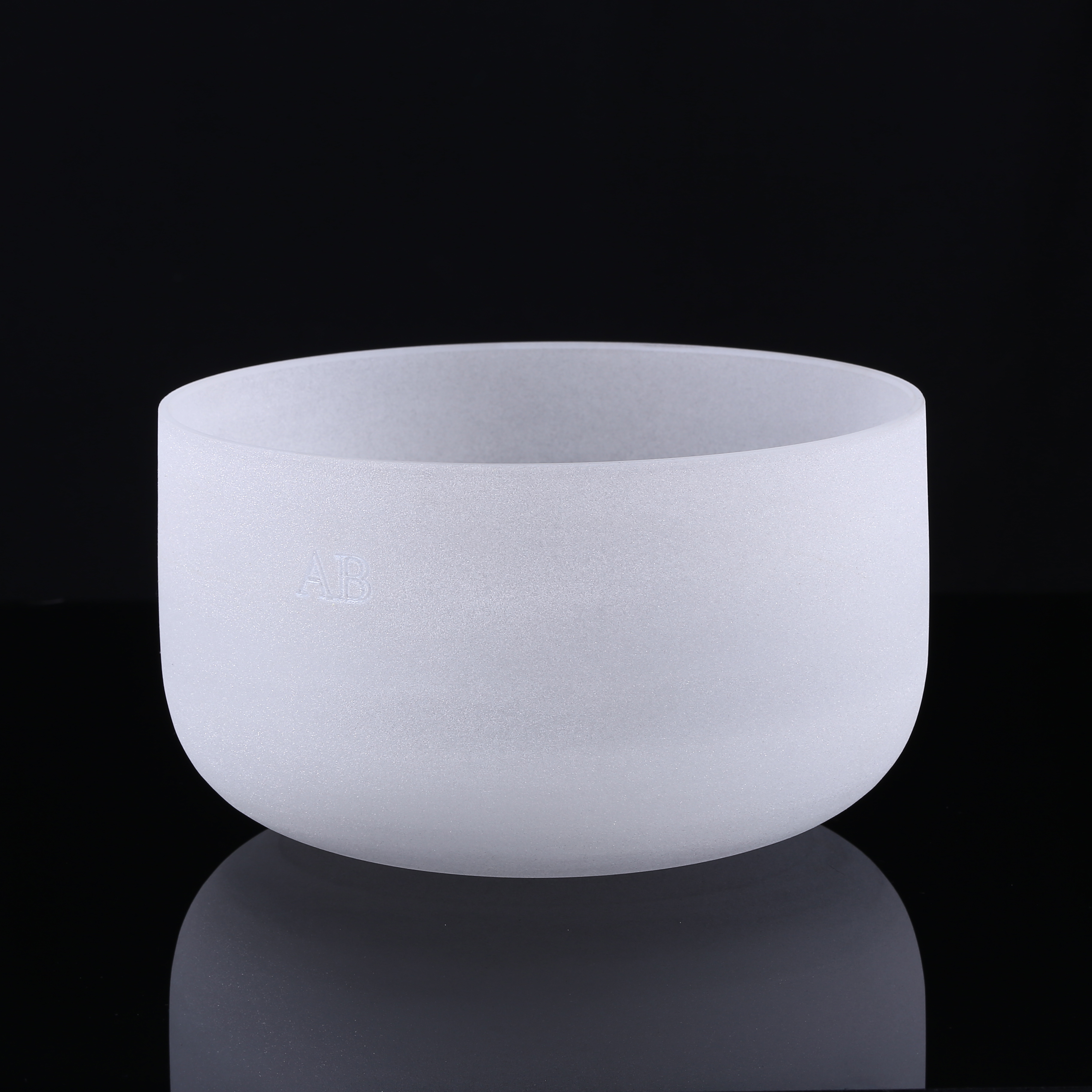
High Temperature Fused Silica Quartz Crucible
Product Details & SpecsThe Physics of Infrared Fused Quartz Windows in Sub-Zero Industrial Environments
Darkhan serves as the manufacturing, metallurgy, and heavy-industry backbone of Northern Mongolia. Designing optical sight glasses and pyrometric windows for this unique geographical zone presents extreme thermodynamic and optical challenges.
Extreme Thermal Gradient Resilience
In the industrial corridors of Darkhan, ambient winter temperatures drop routinely to -40°C. In contrast, the interior chambers of metallurgical blast furnaces, electric arc melting vessels, and thermal power plant combustion chambers operate at 1150°C to 1450°C. This establishes a localized thermal gradient ($\Delta T$) exceeding 1200°C across a single quartz window pane. Standard borosilicate sight glasses experience catastrophic failure under these stresses due to their thermal expansion coefficient ($\approx 3.3 \times 10^{-6}/\text{K}$). High-purity fused quartz manufactured by Nivra Quartz features a near-zero thermal expansion coefficient of $5.5 \times 10^{-7}/\text{K}$, eliminating micro-fracture propagation caused by sudden cyclic blasts of freezing continental winds against pressurized viewing ports.
OH- Radical Minimization for IR Pyrometry
Optical pyrometry and radiometric thermography (such as FLIR or Raytek monitoring systems) require accurate, unimpeded spectral transmission in the Near-Infrared (NIR) and Short-to-Mid Wavelength Infrared (SWIR/MWIR) spectral corridors. Traditional fused quartz syntheses retain molecular hydroxyl groups ($\text{OH}^-$), creating deep optical absorption bands at $1.38\,\mu\text{m}$, $2.22\,\mu\text{m}$, and an aggressive attenuation trough at $2.73\,\mu\text{m}$. For Darkhan's continuous casting plants and smelting operations, our OEM JGS3 infrared optical quartz windows are chemically vacuum-treated to depress $\text{OH}^-$ concentrations below $2\,\text{ppm}$, ensuring high broadband transmission up to $3500\,\text{nm}$ without false temperature readings.
Mathematical Derivation of Viewport Thickness for Darkhan Industrial Pressure Vessels
To prevent catastrophic mechanical burst failures on pressurized reactors and steam boilers, Nivra Quartz calculates minimum window thickness ($t$) utilizing the formula: $t = d_m \cdot \sqrt{\frac{P \cdot C}{4 \cdot \sigma_{\text{allow}}}}$, where $d_m$ represents the unsupported diameter, $P$ is design overpressure, $C$ is the mounting clamping safety factor (typically 1.5 to 1.8), and $\sigma_{\text{allow}}$ is the allowable tensile bending stress for high-purity fused quartz ($48\,\text{MPa}$ with an engineering safety factor of 7). Our technical team verifies each custom viewport against DIN 7080 and ASTM C158 standards before precision CNC slicing.
Industrial Deployment Across Darkhan-Uul Operations
Precision quartz optical windows operate as the critical sensory barrier across four primary sectors within the Darkhan region.
Darkhan Metallurgical Plant (DMP)
Electric Arc Furnaces (EAF) and Ladle Refining Furnaces (LRF) demand robust JGS2/JGS3 sight glasses for slag-line monitoring, optical level sensing, and scrap-melt progression. Custom flanges with metallized rim seals ensure gas-tight containment against toxic CO emissions and hot slag splatters.
Darkhan Thermal Power Plant (TPP)
High-pressure pulverized coal utility boilers utilize our infrared fused silica sight ports for automated burner flame scanners and infrared gas emission pyrometry. The windows endure constant abrasive fly-ash impingement while maintaining clean optical transmission for boiler safety control loops.
Mining & Calcination Facilities
Rotary kilns and iron ore concentrate autoclaves operating along the Sharyn Gol and Darkhan mining logistics line incorporate Nivra Quartz high-pressure optical circular discs. These allow visual and spectroscopic monitoring of mineral slurry leaching reactions at continuous temperatures up to 1100°C.
Technical Specifications: Fused Quartz Optical Grades
Select the optimal quartz grade to balance spectral transmission range, mechanical load tolerance, and project budget.
| Property Parameter | JGS1 (Synthetic Silica) | JGS2 (Fused Quartz) | JGS3 (Infrared Fused Quartz) |
|---|---|---|---|
| Usable Transmission Spectrum | 185 nm – 2500 nm (Deep UV) | 220 nm – 2500 nm (UV-VIS) | 260 nm – 3500 nm (Extended IR) |
| Hydroxyl ($\text{OH}^-$) Concentration | ≤ 1200 ppm (Hydrated) | ≤ 150 – 200 ppm | ≤ 2 – 5 ppm (Water-Free IR) |
| Softening Point | 1730 °C | 1683 °C | 1680 °C |
| Continuous Working Temperature | 1150 °C | 1100 °C | 1100 °C |
| Short-Term Max Temperature | 1450 °C | 1400 °C | 1400 °C |
| Thermal Expansion (20°C–300°C) | $5.4 \times 10^{-7} / \text{K}$ | $5.5 \times 10^{-7} / \text{K}$ | $5.5 \times 10^{-7} / \text{K}$ |
| Surface Quality (Scratch-Dig) | 20/10 or 40/20 Optical Finish | 40/20 or 60/40 Industrial Finish | 40/20 or 60/40 IR Measurement |
| Primary Darkhan Use-Case | UV Spectrophotometry Labs | Standard Sight Glass & Tubes | High-Temp Thermal Imaging & Pyrometry |
Emerging Technology Trends in Darkhan's Heavy Industries
Technological modernizations across Mongolia's northern economic cluster are accelerating demand for high-specification optical interfaces.
Transition to Automated Non-Contact Radiometric Monitoring
Industrial operations in Darkhan are rapidly upgrading from manual, uncooled visual viewports to automated dual-wavelength infrared pyrometric systems. Legacy analog observation ports exposed line operators to radiant furnace heat and blowback risks. Modern automated installations rely on custom-machined JGS3 quartz discs housed in water-cooled stainless or Inconel flanges. These assemblies transmit uninterrupted sensor telemetry directly to SCADA systems, preventing thermal runaway and optimizing furnace energy expenditure during severe -40°C sub-zero ambient cold drafts.
Stricter Industrial Safety & Pressure Containment Directives
Aligned with revised Mongolian National Standards (MNS) and international occupational safety protocols in metallurgical production, plants in Darkhan-Uul are aggressively replacing brittle, non-tempered soda-lime inspection ports with precision double-annealed fused quartz. Nivra Quartz supports this compliance transition by subjecting every pressure viewport to simulated hydrostatic pressure loads and laser interferometric surface profiling, ensuring zero internal striations, micro-bubbles, or structural stress risers.
Why Global Procurement Teams Choose Nivra Quartz
Operating from Donghai County—the crystal and quartz processing capital of China—Nivra Quartz combines raw material supremacy with advanced fabrication precision.
Donghai Raw Material Purity
Our strategic manufacturing base in Donghai County gives us direct access to world-class natural crystal deposits and high-purity granular quartz. Every melt achieves SiO₂ purity ≥ 99.99%, eliminating metallic element inclusions (Fe < 0.2 ppm, Al < 8 ppm) that cause optical darkening or thermal devitrification at 1100°C.
Comprehensive In-House Fabrication
With 101–200 specialized personnel, our workshop handles wire-saw slicing, CNC cylindrical edging, ultrasonic drill perforation, double-sided optical polishing (CMP), and hydrogen-oxygen flame torch fusion. We maintain dimensional tolerances down to ±0.02 mm and surface flatness down to λ/4.
Rapid Engineering Consultation
Our engineering support maintains an 88.89% verified response rate with replies delivered within 5 hours. We analyze client technical drawings across DWG, DXF, STEP, or PDF formats, confirming material thermal suitability, pressure limits, and chemical resistance before production kickoff.
Frequently Asked Questions for Darkhan Buyers
Practical technical, logistical, and commercial answers for cross-border engineering teams sourcing quartz components.
Q: Which quartz grade is required for infrared pyrometer observation ports?
A: For radiometric cameras operating in the 1.0 µm to 3.5 µm infrared band (such as optical thermal imagers in Darkhan steel mills), JGS3 is strictly required. Standard JGS2 or commercial quartz exhibits strong hydroxyl (OH⁻) absorption troughs around 2.73 µm, which will distort temperature readings by up to 150°C. JGS3 keeps hydroxyl content under 5 ppm, guaranteeing flat, predictable spectral transmission.
Q: How do your quartz windows survive Darkhan's -40°C winter temperatures during furnace operation?
A: Fused silica features one of the lowest coefficients of thermal expansion on Earth ($5.5 \times 10^{-7}/\text{K}$). This delivers a thermal shock parameter ($R$) allowing our windows to withstand rapid localized temperature differentials of over 1100°C without mechanical rupture. A window heated to 1000°C can be plunged into icy water without fracturing.
Q: What cross-border freight routes are used from Donghai to Darkhan?
A: Cargo is packaged in custom, high-density shock-absorbing EPE foam within reinforced, fumigation-free export wooden cases. Shipments travel via expedited rail freight through the Erenhot (China) to Zamyn-Üüd (Mongolia) corridor, proceeding directly on the Trans-Mongolian Railway line north to Darkhan Station freight customs depot. Express air-freight via Ulaanbaatar (Chinggis Khaan International Airport) is also available for emergency outages.
Q: Can you fabricate non-standard shapes, bolt-holes, and beveled sealing edges?
A: Yes. Our CNC 5-axis machining centers routinely produce circular sight glasses, rectangular inspection panes, step-cut sight glasses, counter-bored bolt holes, and 45° beveled chamfers designed to mate directly with DIN 28120, DIN 7080, and ASME B16.5 flange housings.
Q: What are your minimum order quantities (MOQ) for custom prototypes?
A: For custom-machined sight windows, crucibles, and tubes, our standard prototyping MOQ starts at just 1 to 10 pieces. This allows Darkhan plant maintenance engineers to conduct thermal profiling, optical calibration, and fitting tests before issuing high-volume annual supply agreements.
Q: How is optical clarity and geometric tolerance verified prior to dispatch?
A: Every production batch undergoes spectrophotometric transmission verification across UV, VIS, and IR wavelengths, surface roughness inspection via contact profilometer (achieving Ra < 0.5 nm when optical polish is specified), and optical strain polariscope inspection to confirm zero residual annealing stress.
Upgrade Your Darkhan Facility With Precision Quartz
Submit your operating parameters, CAD drawings, or dimensional requirements. Our technical sales engineering team will evaluate thermal tolerances, pressure margins, and optical transmission windows within 5 hours.