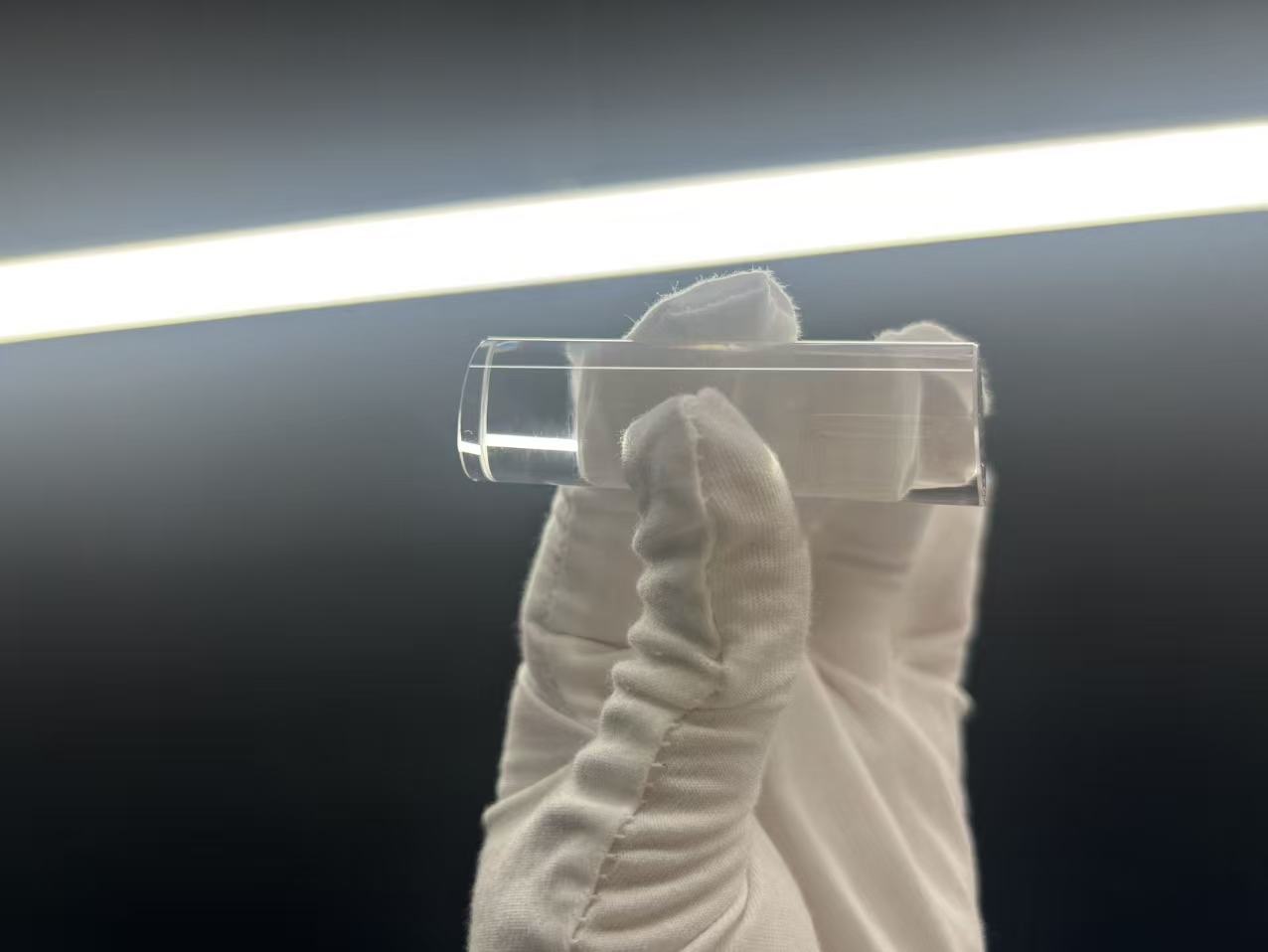
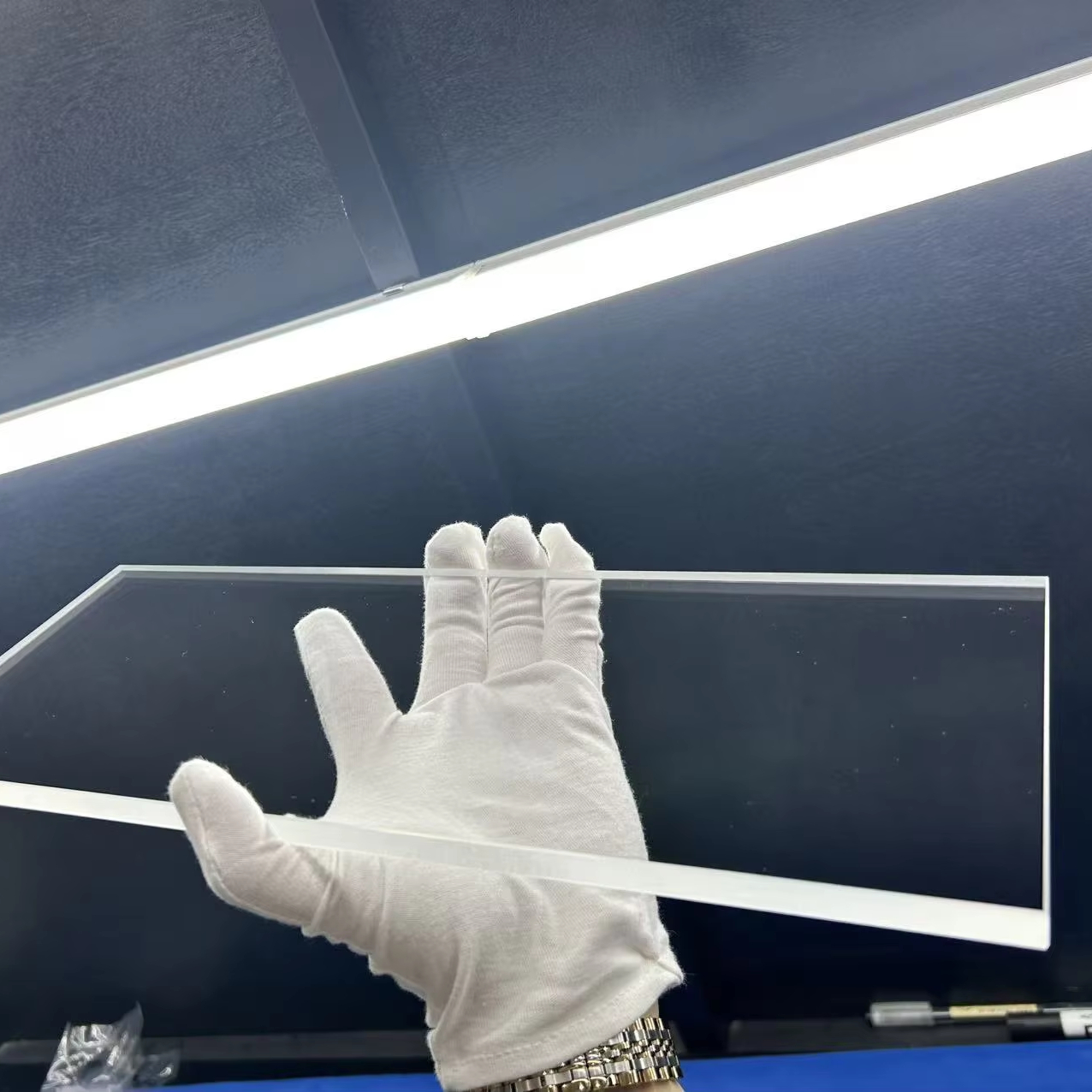
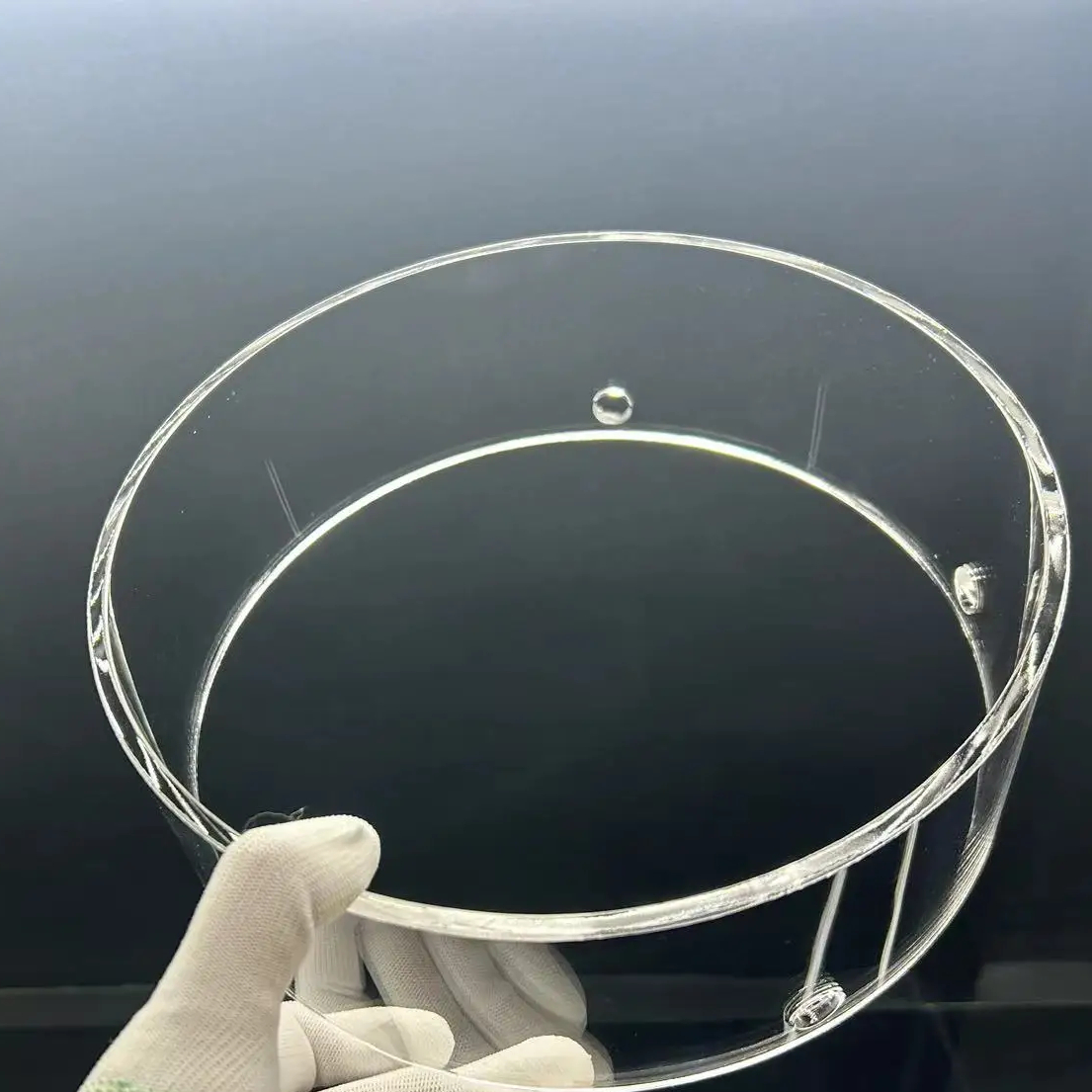
Customizable High Purity Fused Quartz Glass Tube High Temperature Resistant
Ultra-low thermal expansion quartz tubing designed for continuous operating environments up to 1100°C and transient peaks of 1450°C.
Consolidated factory-direct shipments to the Commonwealth of the Bahamas. Every batch is rigorously certified for thermal shock tolerance, deep optical clarity, and low trace-metal impurities.
Ultra-low thermal expansion quartz tubing designed for continuous operating environments up to 1100°C and transient peaks of 1450°C.
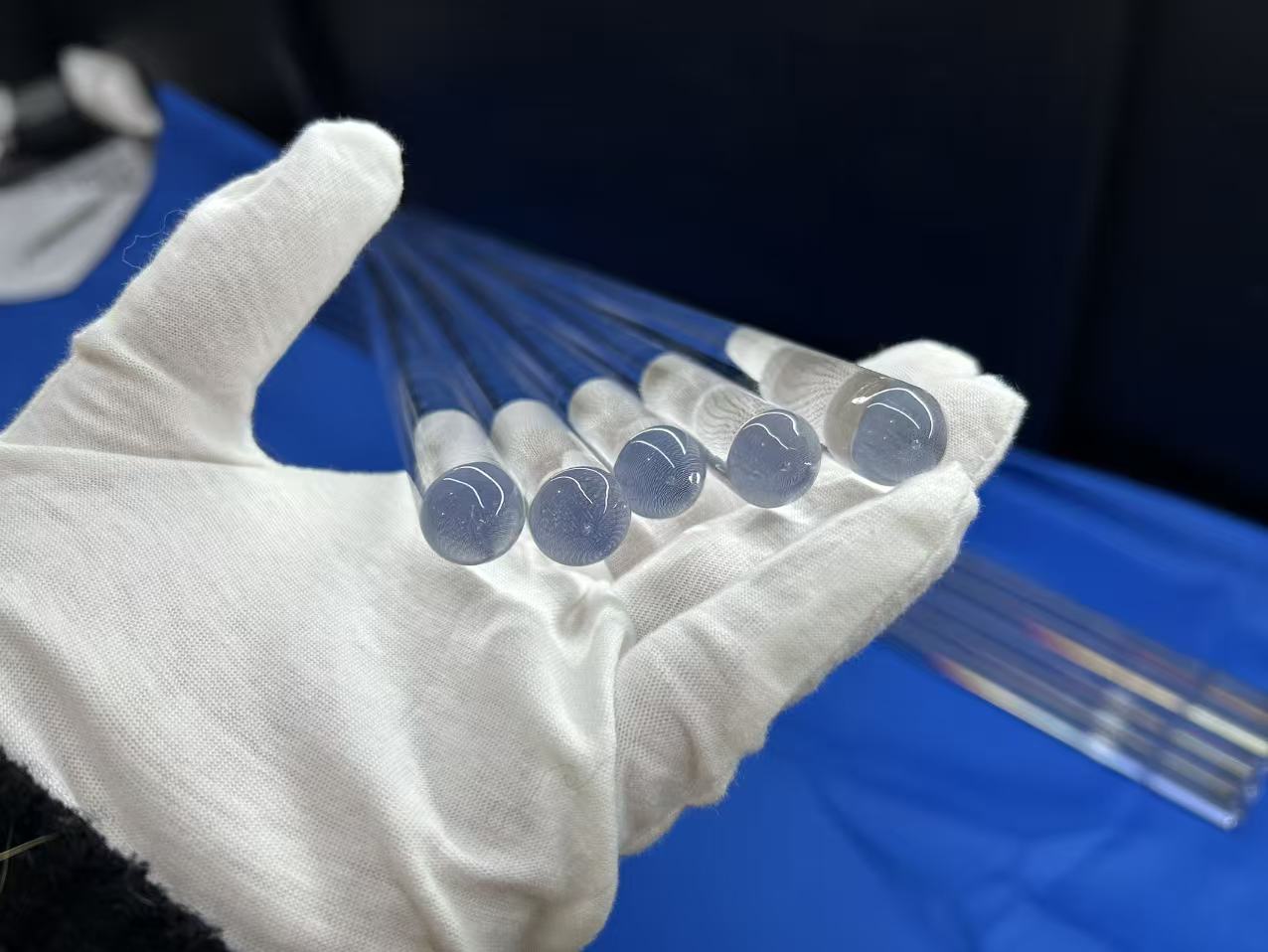
Precision-drawn solid quartz cylindrical ingots and rods with custom diamond CNC milling, flame forming, and ground optical end-faces.
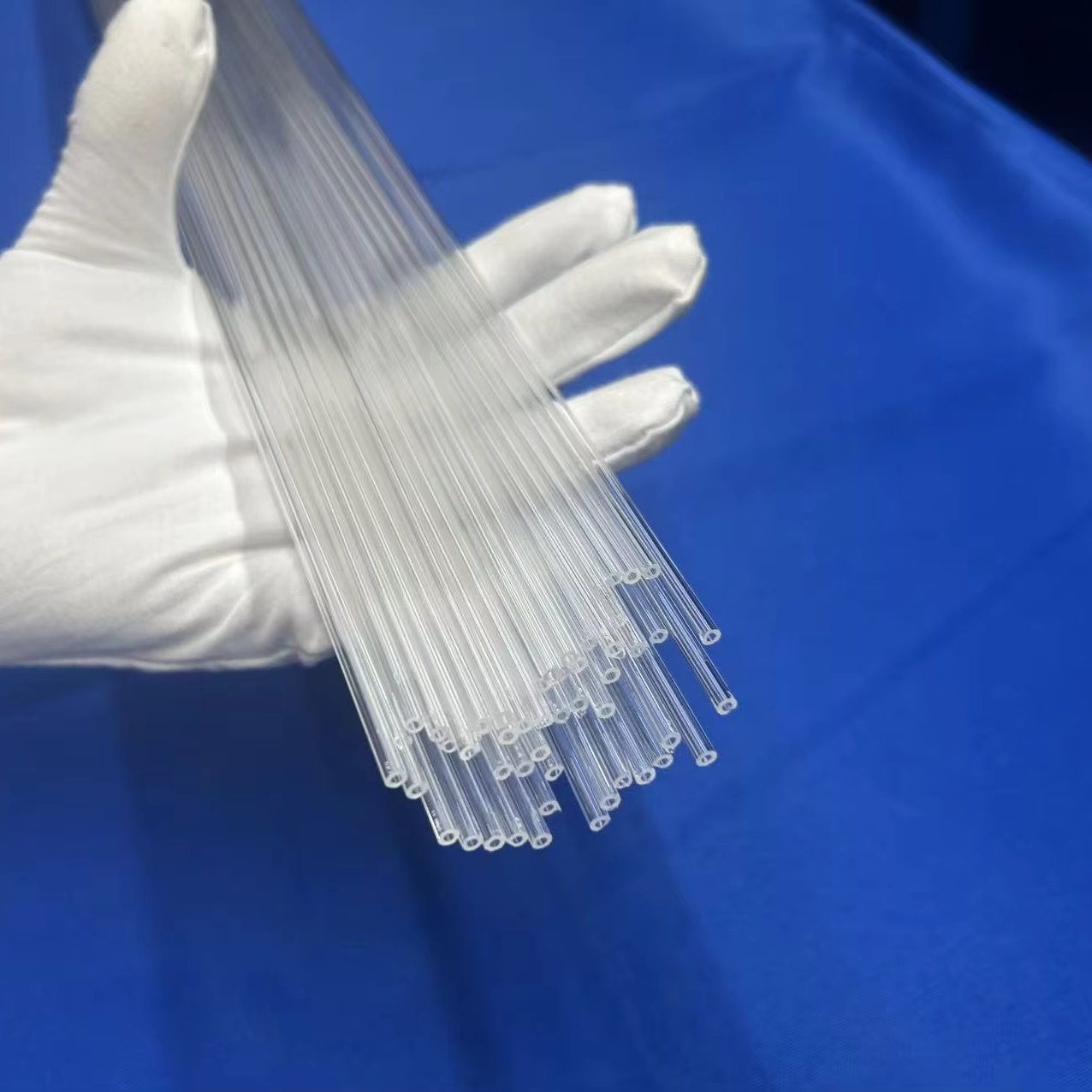
Ultra-fine bore precision silica capillaries tailored for chromatography, gas distribution, marine analytical telemetry, and chemical microreactors.
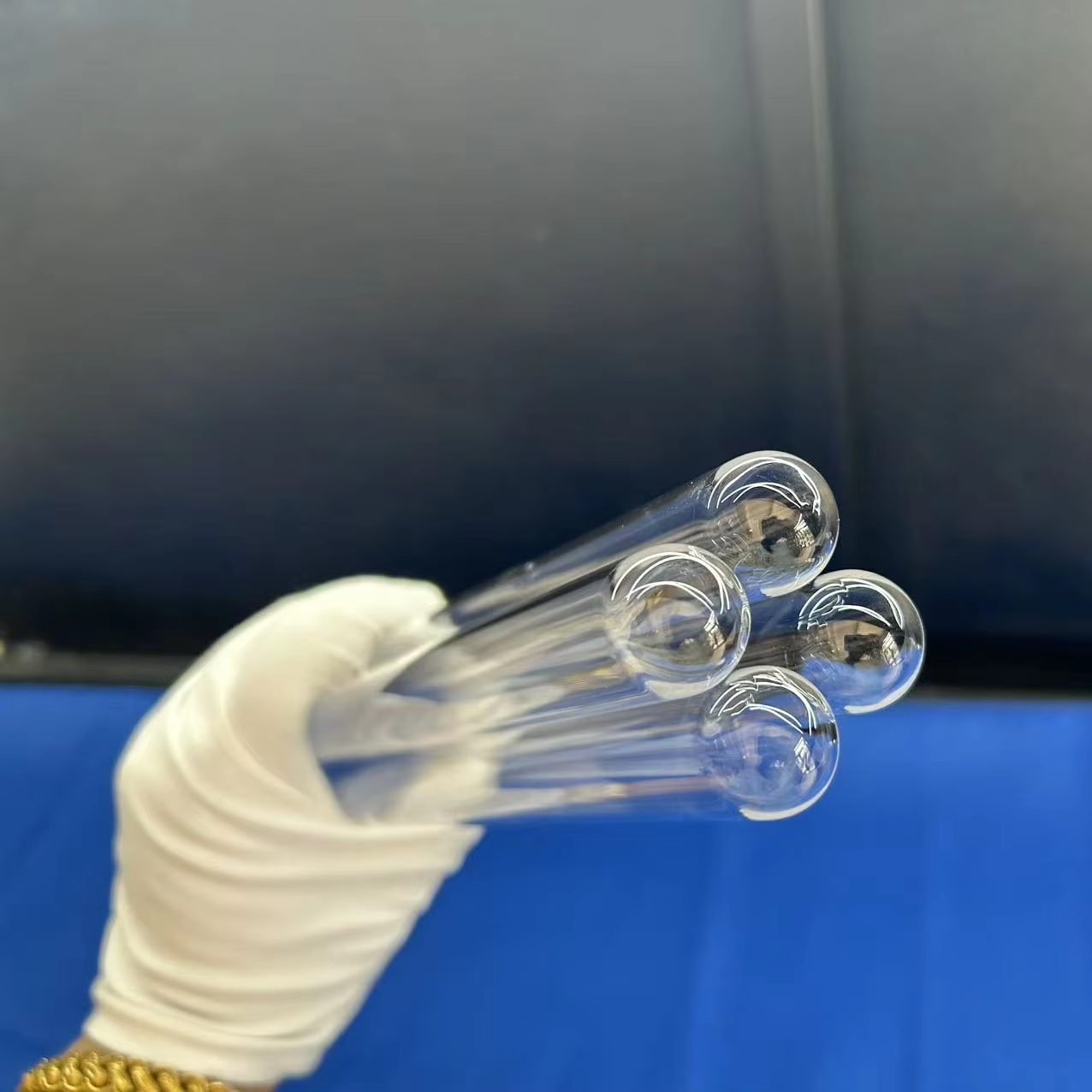
Hermetically sealed bottom test crucibles and reaction tubes featuring uniform wall thickness, high pressure containment, and zero devitrification.
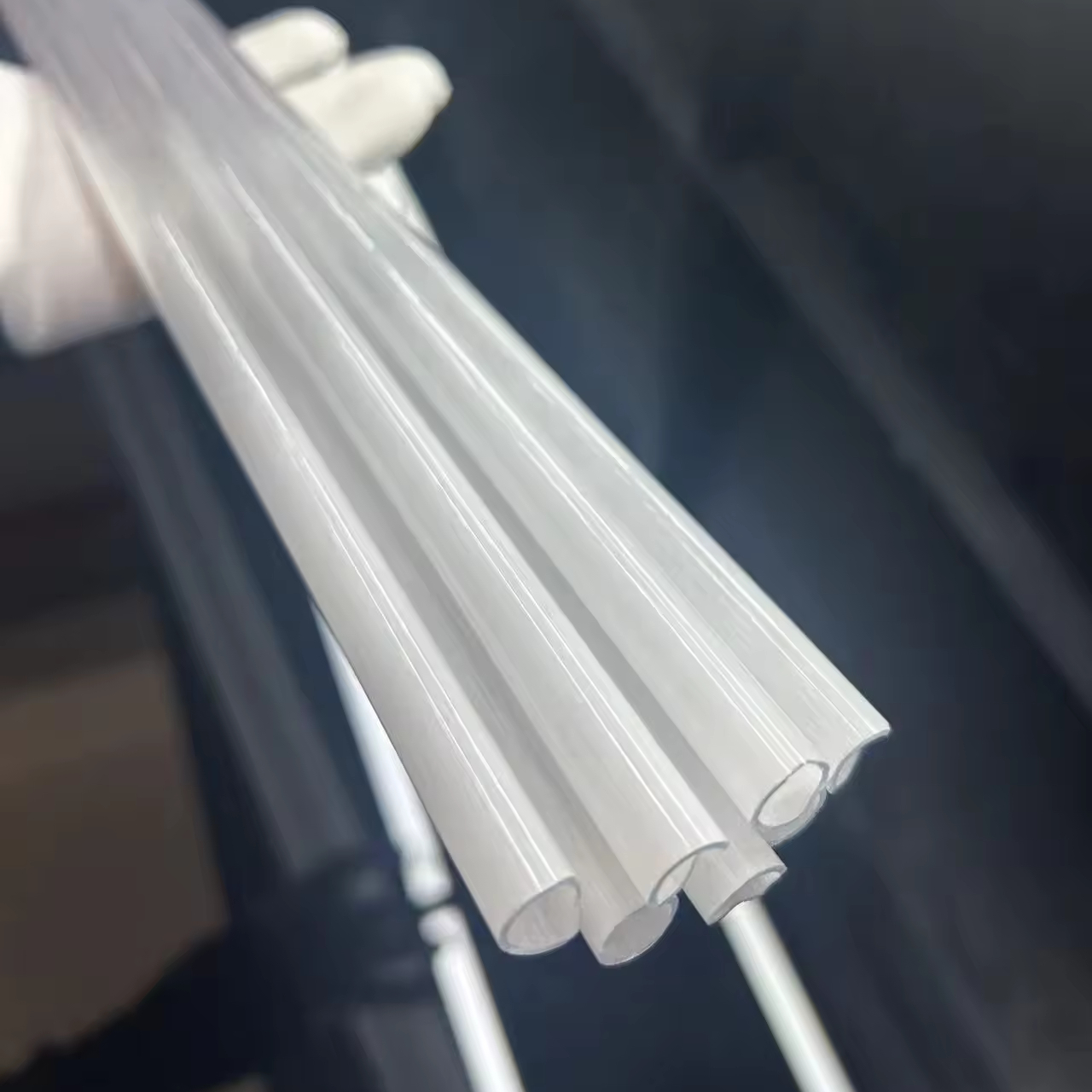
Micro-bubble diffused opaque silica piping offering superior thermal insulation, infrared diffuse scattering, and corrosive exhaust resistance.
Hemispherical dome and hemispherical polished tip quartz plungers designed for chemical stirring, optical focusing light guides, and fluid sensors.
Double-sided optically polished synthetic silica substrate window with 92% broadband transmission from 185nm UV up to 2500nm Near-Infrared.
Heavy-gauge standard clear fused quartz pipe engineered for photochemical water purifiers, germicidal sanitizers, and CVD reactor tubes.
The Commonwealth of the Bahamas, characterized by subtropical archipelago geography, exhibits one of the world's most aggressive surface environmental profiles for optical materials, subsea sensory instrumentation, and photovoltaic clean energy components. The combination of year-round high ultraviolet radiation (UV Index consistently reaching 11–12+), ambient high-salinity aerosols (coastal NaCl and MgCl₂ micro-droplets), and rapid diurnal squall events introduces severe thermal and mechanical stresses.
Under these conditions, standard optical materials such as borosilicate, soda-lime, or lower-tier commercial glassware rapidly experience surface solarization, hydrolytic leaching, micro-pitting, and catastrophic thermal cracking. Soda-lime glasses contain modifier alkali ions (Na⁺, K⁺, Ca²⁺) that diffuse toward the glass surface in humid maritime conditions, reacting with airborne carbonic and sulfurous compounds to leave opaque crusts. In contrast, amorphous synthetic fused silica (SiO₂ purity ≥ 99.999%) manufactured by Nivra Quartz features a tightly bonded tetrahedral SiO₄ network completely devoid of network-modifying fluxes.
With an extraordinarily low thermal expansion coefficient of 5.5 × 10⁻⁷ /°C, our fused silica blocks can withstand an abrupt thermal plunge from 1100°C into ice water without structural degradation. In outdoor Bahamian installations, where concentrated solar collectors or high-wattage UV ballast modules reach intense operating temperatures right before tropical cloudbursts, our fused silica remains crack-free and optically isotropic.
Nivra Quartz addresses the distinct procurement requirements of Bahamian enterprises, naval research facilities at Andros Island, environmental monitoring outposts, and luxury marine fabrication yards across New Providence and Grand Bahama. By controlling the complete supply chain from raw crystalline quartz refining in Donghai to 5-axis ultrasonic CNC milling, we deliver fused silica blocks with striae-free 3D homogeneity, low stress birefringence (≤ 5 nm/cm), and exceptional chemical resistance against sea-salt degradation.
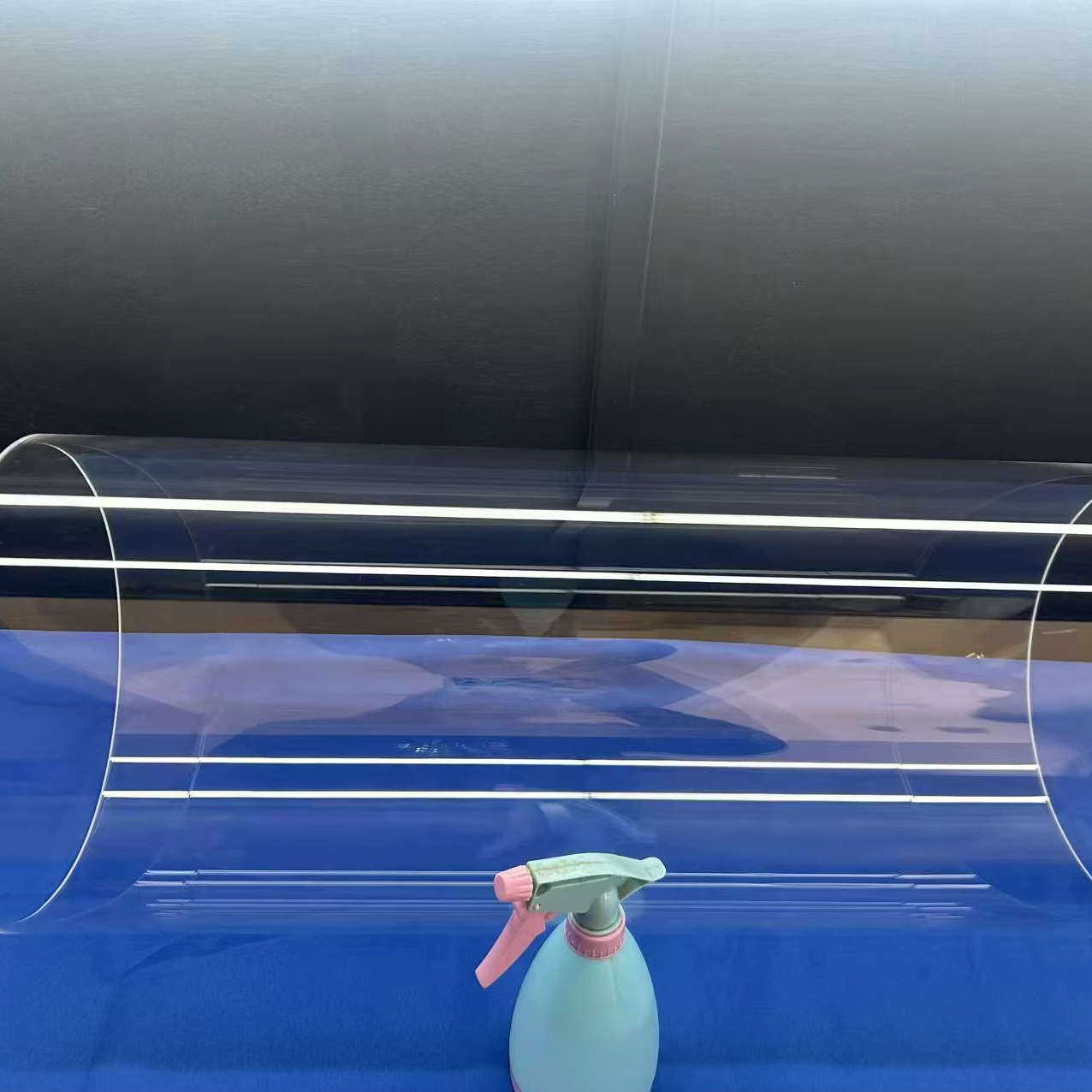
From naval acoustic-optical research at the Tongue of the Ocean to desalination arrays in the Family Islands, our fused silica blocks provide durable structural integrity.
The Tongue of the Ocean (TOTO)—a deep oceanic trench separating Andros and New Providence—serves as a primary global hub for hydroacoustic and deep-sea testing. Autonomous underwater vehicles (AUVs), bathymetric LiDAR scanners, and underwater research submersibles require thick, precision-ground fused silica observation viewports capable of resisting hydrostatic pressures exceeding 600 bar without optical distortion or compressive shear fracture.
Freshwater scarcity throughout the Out Islands requires heavy reliance on seawater reverse osmosis (SWRO) plants. To eliminate marine microbial pathogens and breakdown chloramines without hazardous chemical dosing, modern Bahamian municipal desalination facilities deploy high-intensity amalgam UV disinfection channels. Our JGS1 fused silica blocks and sleeves safeguard UV lamps against high-salinity corrosive brine while maintaining 90%+ 254nm irradiation efficiency.
With the Bahamas aggressively moving toward National Energy Policy renewable targets, solar thermal research installations across Grand Bahama and Abaco require secondary optical concentrators and heat receiver blocks. Fused silica blocks transmit broadband solar flux without solarizing, channeling high solar concentrations into thermochemical reactors with total immunity to sea-air salinity weathering.
Leading institutions such as the Cape Eleuthera Institute and the Perry Institute for Marine Science rely on high-precision analytical spectroscopy to monitor coral calcification, oceanic acidification, and mangrove micro-nutrients. Nivra Quartz manufactures custom OEM fused silica spectrophotometer cuvettes, absorption blocks, and flow-through optical windows with sub-micron surface polish to prevent measurement noise.
Nassau and Freeport service thousands of international superyachts and custom exploration vessels annually. Superyacht builders and marine retrofitters specify our custom-beveled fused silica blocks for underwater hull illumination ports, swimming pool floor viewing panels, and high-temperature galley insulation windows that must conform to Lloyd's Register and ABS maritime structural safety standards.
Hurricane warning networks and atmospheric lidar stations operated throughout the Caribbean require ultra-clear, abrasion-resistant optical windows. Airborne sand, coral dust, and salty precipitation quickly abrade polymer windows. Our high-hardness (Mohs 6.5) fused silica blocks retain clarity under severe weather, protecting optical transceivers.
Empirical engineering data validated by laser interferometry, mass spectrometry, and thermal cycling audits. Formulated to streamline OEM design approvals.
| Physical Parameter | Engineering Value | Testing Metric |
|---|---|---|
| Chemical Formula / Structure | Amorphous SiO₂ | XRD Crystallography |
| Density (at 20°C) | 2.201 ± 0.005 g/cm³ | Archimedes Method |
| Refractive Index (nD at 589.3nm) | 1.45846 | V-Block Refractometer |
| Coefficient of Thermal Expansion | 5.5 × 10⁻⁷ /°C (20–320°C) | Dilatometer Analysis |
| Thermal Conductivity (at 20°C) | 1.38 W/(m·K) | Laser Flash Diffusivity |
| Softening Point | 1683 ± 10°C | Fiber Elongation Point |
| Annealing Point | 1215 ± 10°C | ASTM C336 Standard |
| Compressive Strength | 1150 MPa | Hydraulic Load Cell |
| Tensile Strength (Design Limit) | 48 - 50 MPa | 4-Point Bending Test |
| Mohs / Knoop Hardness | 6.5 Mohs / 580 kg/mm² | Indentation Hardness |
| Grade Classification | Transmission Band | Typical Industrial Utility |
|---|---|---|
| JGS1 (Synthetic UV) | 185 nm – 2500 nm | Deep UV laser windows, water photolysis, micro-optics |
| JGS2 (Optical Quartz) | 220 nm – 2500 nm | Observation blocks, sight glasses, solar mirrors |
| JGS3 (Low-OH IR Grade) | 260 nm – 3500 nm | Infrared inspection ports, thermal sensors, spectroscopy |
| Trace Iron (Fe) | < 0.2 ppm (JGS1) | Eliminates green tint, maximizes high-power transmission |
| Trace Aluminum (Al) | < 0.5 ppm (JGS1) | Preempts devitrification at continuous 1100°C loads |
| Trace Alkali (Na, K, Li) | < 0.3 ppm combined | Guarantees low dielectric loss & high electrical isolation |
| Hydroxyl (OH⁻) Content | JGS1: < 1200 ppm / JGS3: < 5 ppm | Customized for specific UV or IR absorption thresholds |
| Surface Quality / Flatness | 20/10 Scratch-Dig; λ/4 to λ/10 | Double-side planetary mechanical polishing |
Founded in 2019 in Donghai County—China's crystal capital—we combine direct raw material reserves with high-precision manufacturing to ensure supply reliability for the Caribbean.
Positioned directly at China's quartz epicentre, Nivra Quartz maintains direct access to ultra-pure silica sand, eliminating middlemen and offering competitive price-performance across large-volume block blanks.
Our 101–200 staff production plant operates 5-axis CNC machining centers, precision diamond-wire wire saws, surface grinders, and planetary optical polishers that maintain mechanical tolerances down to ±0.01 mm.
With a 5.0/5 verified buyer evaluation rating, every block undergoes polarimeter stress tests, spectrophotometer transmittance verification, and rigorous bubble-inclusion mapping according to ISO 10110.
Long-haul maritime shipping to the Caribbean requires protection. We utilize vacuum-sealed desiccated barrier films, high-density polyethylene impact cradles, and ISPM-15 export wooden crates to eliminate transit damage.
Targeted answers addressing technical specifications, Caribbean freight logistics, customs protocols, and mechanical performance parameters.
Borosilicate glass contains between 4% and 8% alkali fluxes (sodium and potassium oxides). In warm, high-salinity marine environments like the Bahamas, sodium ions on the glass surface exchange with atmospheric and aquatic hydrogen ions, accelerating chemical weathering and micro-cracking. Over time, high solar UV radiation turns borosilicate brownish or solarized, which impairs optical transmission.
Synthetic fused silica (JGS1) is composed of 99.999% pure amorphous SiO₂ with zero alkali flux. It is completely inert to seawater, produces no chemical leaching, and features a thermal expansion coefficient ten times lower than borosilicate, preventing fracture under sudden Caribbean tropical downpours.
We routinely manage export logistics for international buyers across North America and the Caribbean basin. Orders bound for the Bahamas typically ship via ocean freight to the port of Nassau (Prince George Wharf / Arawak Cay) or Freeport Container Port in Grand Bahama, often transshipping via Miami or Port Everglades, Florida.
For urgent engineering prototypes, we provide express air courier (DHL, FedEx, UPS) directly to Lynden Pindling International Airport (NAS) or Grand Bahama International Airport (FPO). We provide complete commercial invoices, packing lists with Harmonized System (HS) code 7002.31 / 7002.39 (Fused Quartz / Fused Silica), certificates of origin, and clean bills of lading to ensure swift processing by Bahamas Customs.
Our CNC diamond machining and grinding centers deliver tolerances down to ±0.01 mm on precision optical prisms and ±0.05 mm on large structural blocks (up to 500 mm × 500 mm × 300 mm). We offer diverse surface finishes ranging from fine diamond ground (Ra 0.8–1.6 µm) to laser-grade optical polish (Ra < 0.005 µm / 20-10 Scratch-Dig).
Edge configurations can be ground with custom safety chamfers, protective 45° bevels (0.2 mm to 3.0 mm width), or custom O-ring sealing grooves engineered to interface with marine-grade 316L stainless steel or titanium underwater pressure enclosures.
Heavy cross-section fused silica ingots often suffer from pinholes and micro-bubbles if melting temperatures and gas evacuations are not tightly controlled. Nivra Quartz manufactures optical-grade blocks using vacuum electro-fusion and vapor axial deposition processes that eliminate micro-porosity.
Each block is inspected via cross-polarization stress analyzers and dark-field laser scattering. We classify our material in accordance with ISO 10110-3 (Bubble Class 0 to 1), guaranteeing that optical paths for subsea lenses, lasers, and inspection windows remain completely free of striae and scatter centers.
Yes. While standard synthetic silica (JGS1) is optimized for the deep ultraviolet spectrum (185–2500 nm) and retains high hydroxyl content (OH⁻ ≈ 800–1200 ppm), we manufacture low-OH electrically fused silica (JGS3) with hydroxyl levels below 5 ppm.
JGS3 material eliminates the intense fundamental absorption band at 2.73 µm, delivering high transmission across the infrared band up to 3.5 µm. This is suited for Bahamian environmental agencies tracking dissolved organic hydrocarbons and thermal signatures in oceanographic field equipment.
We provide flexible OEM/ODM manufacturing. For custom optical blocks and prototyping runs, our MOQ starts at 1 to 5 pieces, allowing research facilities and maritime contractors to validate geometries before committing to volume production.
Standard lead times for custom CNC machined blocks are typically 10 to 15 business days following technical drawing approval. Our engineering team provides manufacturability feedback within 5 hours, accompanied by rapid CAD/STEP model validation.
Quartz and silica glass are vulnerable to surface impact and vibration fatigue during maritime freight. Each piece is ultrasonically cleaned, individually wrapped in scratch-free optical lens tissue, and vacuum-sealed in heavy-gauge polyethylene bags containing activated silica gel desiccant packs.
The components are cushioned inside multi-density, shock-absorbing EPE foam cutouts within rigid corrugated inner boxes, which are then packed inside fumigation-free plywood export cases reinforced with corner brackets and anti-tipping indicators.
JGS1 is synthetic fused silica made from silicon tetrachloride (SiCl₄), offering deep-UV transmittance and high purity. It is the gold standard for high-intensity UV lamps, laser optics, and micro-lithography. JGS2 is optical-grade fused quartz refined from natural quartz crystals; it provides high transparency across visible wavelengths, ideal for sight glasses, solar collectors, and standard viewports.
JGS3 is infrared-grade fused silica formulated with low water (OH) content, transmitting cleanly through the infrared spectrum up to 3500 nm without thermal absorption bands. For outdoor tropical deployment in the Bahamas, JGS2 provides balanced cost-efficiency for visible sight applications, whereas JGS1 is recommended when high UV-C transmittance or maximum solarization resistance is required.
Send your dimensional drawings (PDF, DWG, DXF, or STEP) along with required purity grades, optical tolerance limits, and delivery deadlines. Our Donghai engineering team will review manufacturability and provide an itemized quote within 5 business hours.