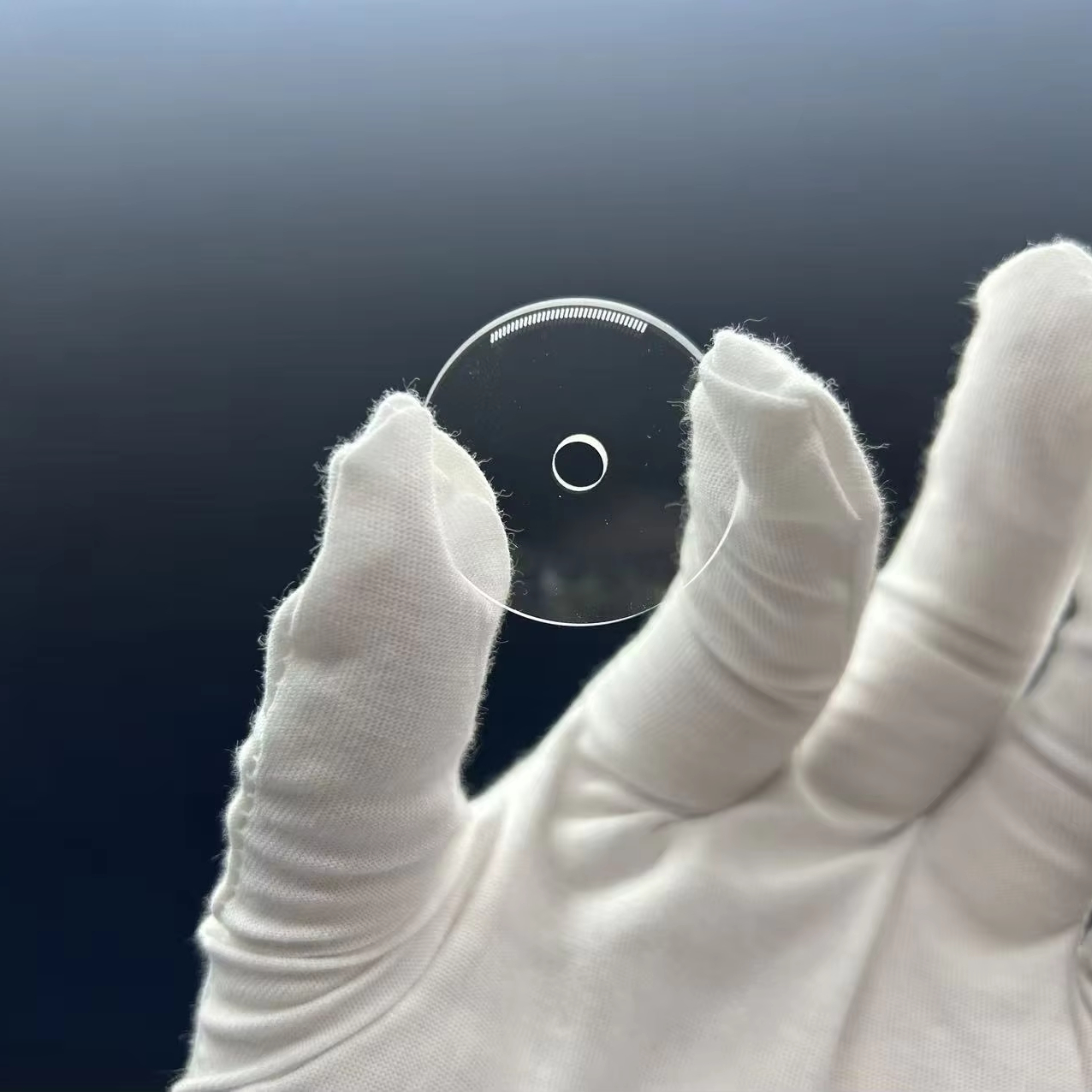
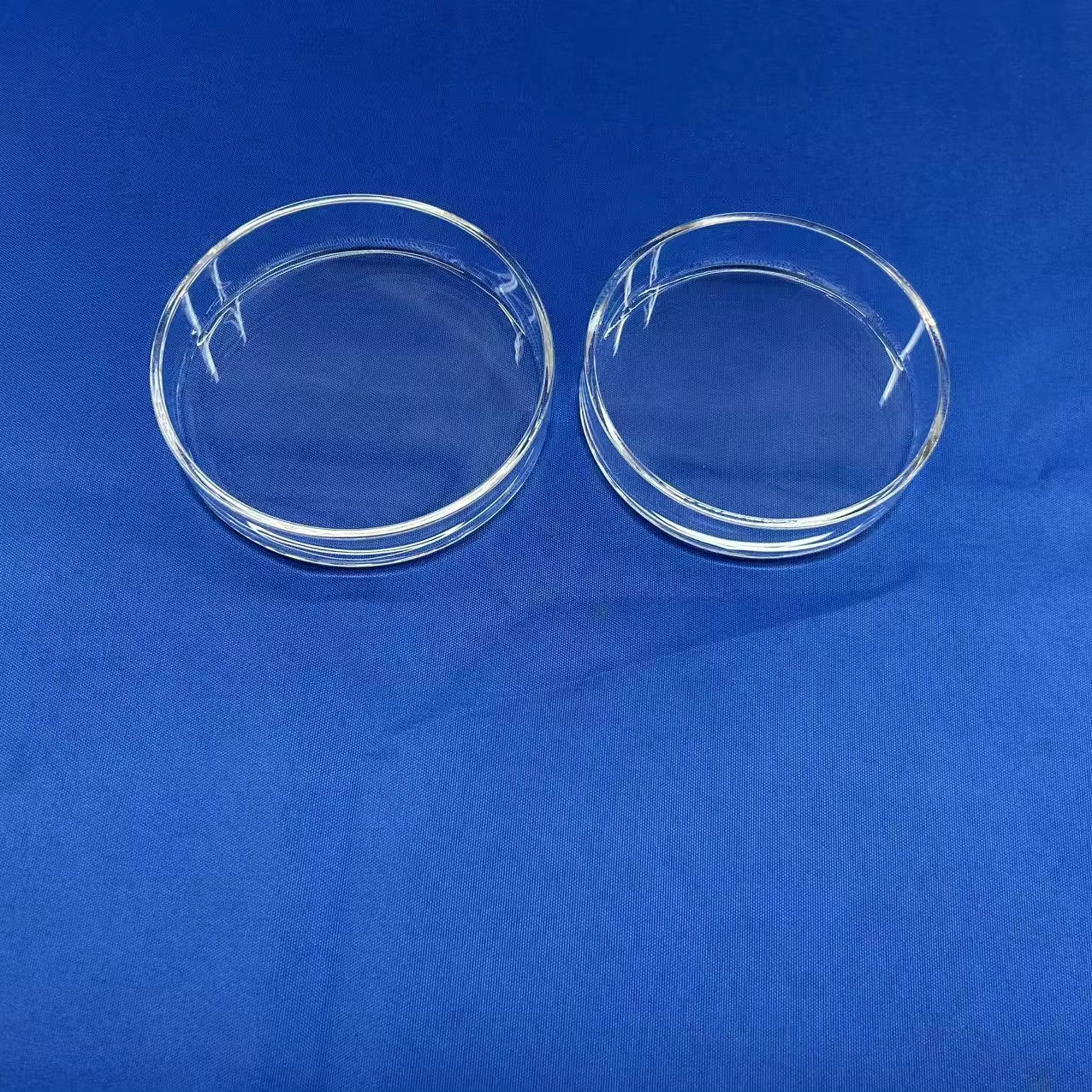
High-Purity Quartz Glass Petri Dishes with Lids
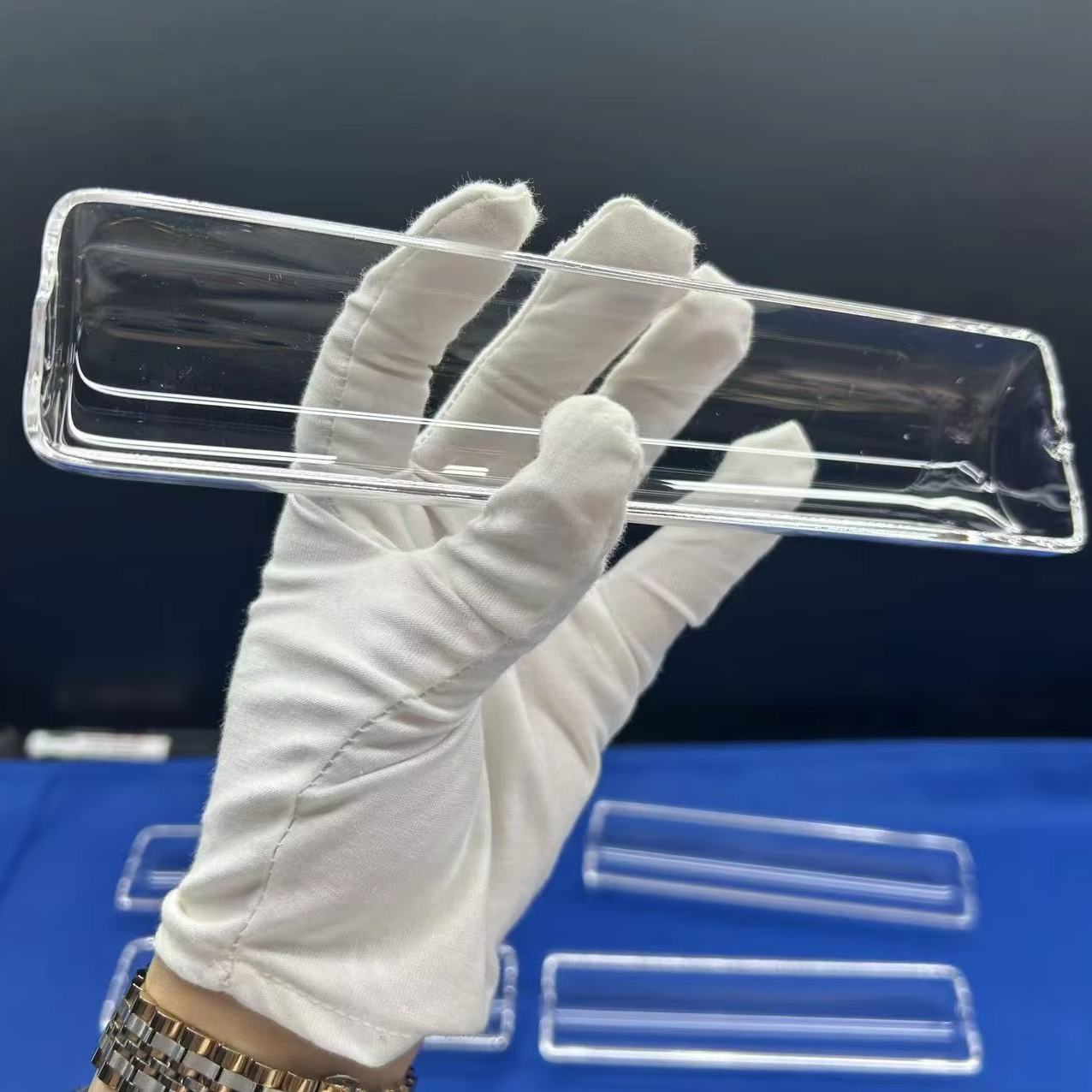
Non-reactive, chemically inert fused silica petri dishes built for biological assay, pharmaceutical crystallization, and medical research equipment.
Technical Specs →Direct from our Donghai County manufacturing base: fabricated to tight dimensional tolerances (±0.01 mm), optically polished, and annealed for low-stress optical and thermal operations.
Non-reactive, chemically inert fused silica petri dishes built for biological assay, pharmaceutical crystallization, and medical research equipment.
Technical Specs →
Uniform sandblasted or chemical-etched surfaces for controlled optical beam dispersion, furnace heat baffles, and semiconductor etching stages.
Technical Specs →
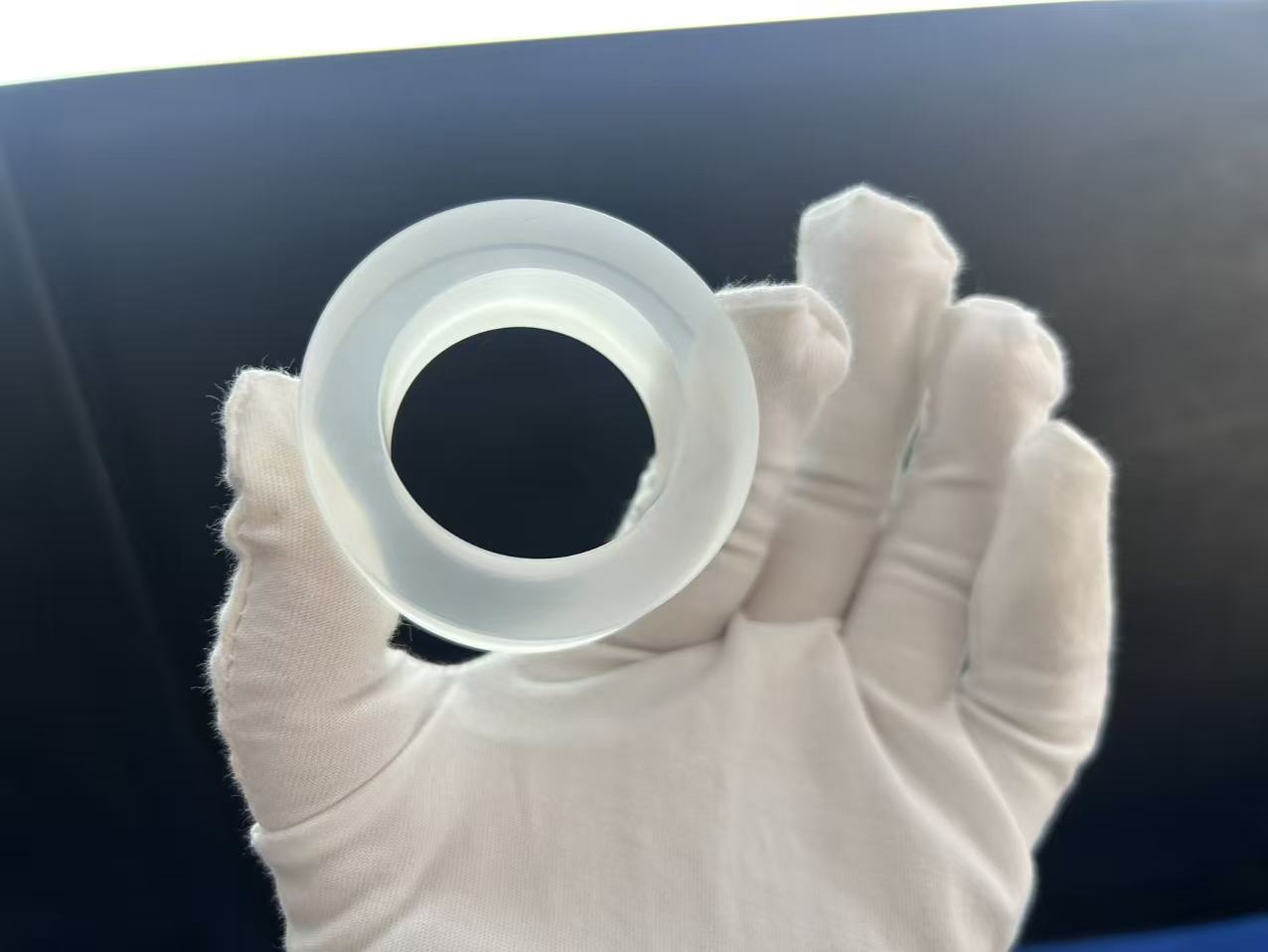
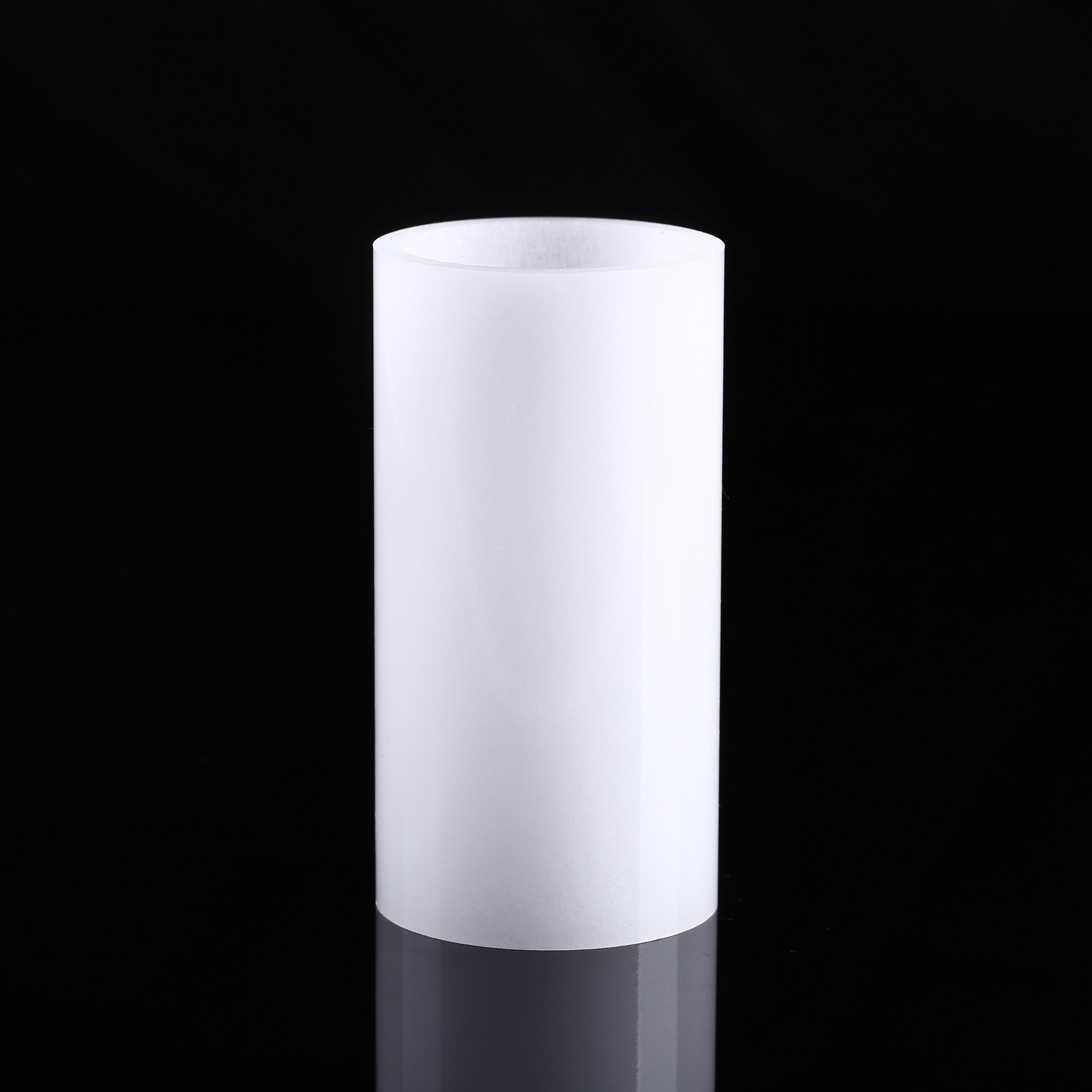
Dimensional containment rings, plasma chamber viewports, and thermal insulation spacers with micron-level ID/OD tolerances.
Technical Specs →
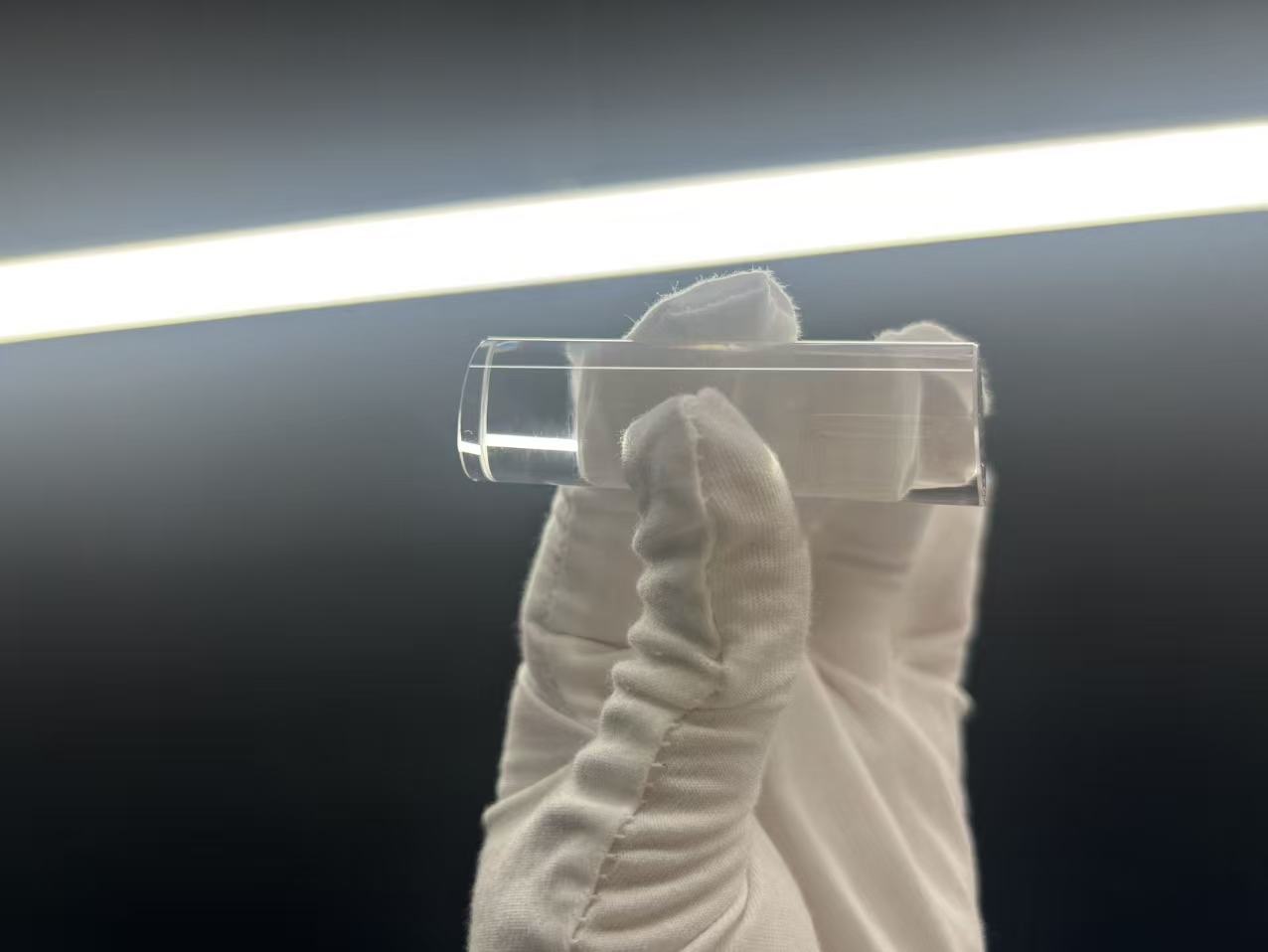
Fire-polished hemispherical lenses and cylindrical light delivery rods for spectrophotometry, pyrometry sensors, and chemical stirring.
Technical Specs →
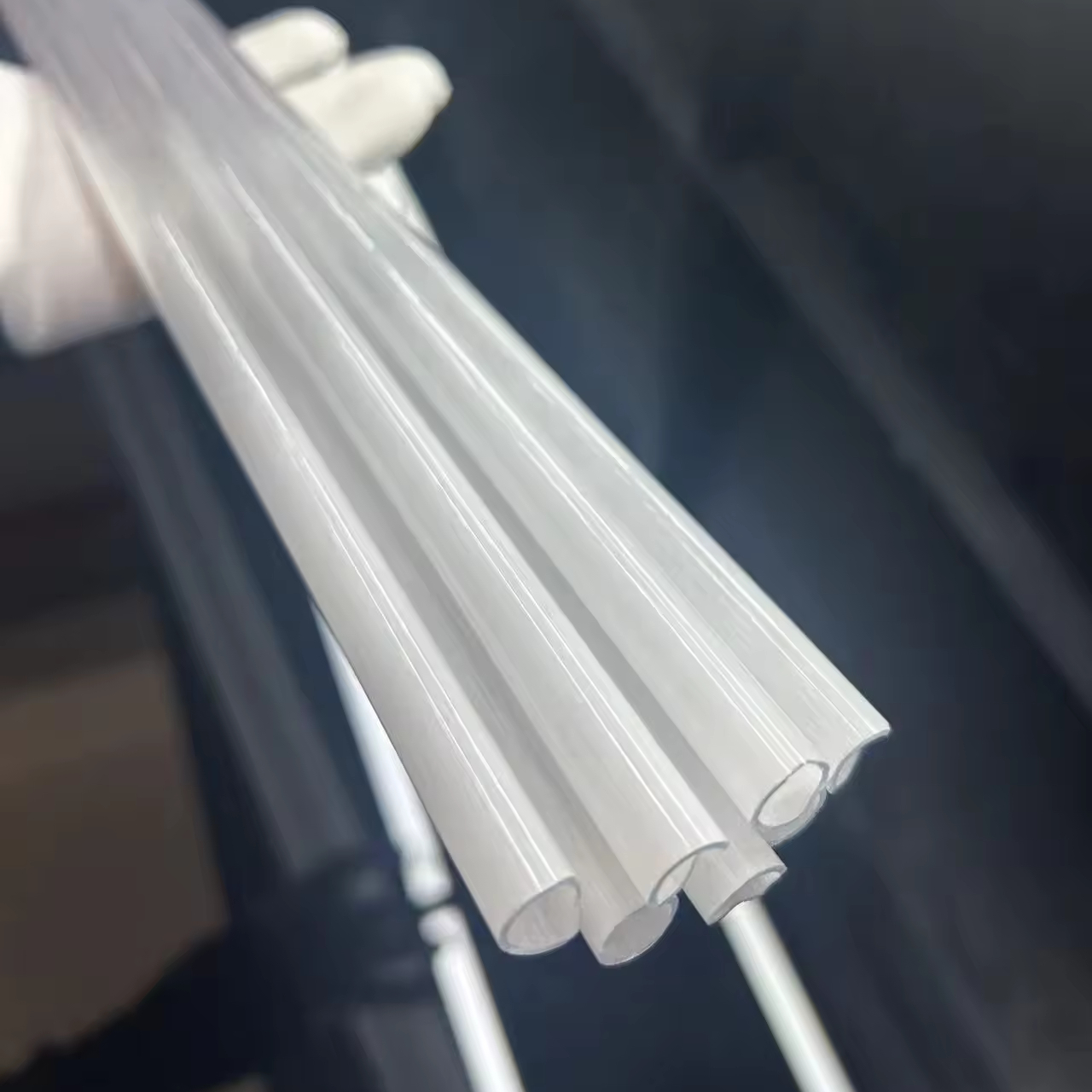
Micro-porous structure providing superior infrared insulation, thermocouple protection, and industrial furnace thermal barrier tubes.
Technical Specs →
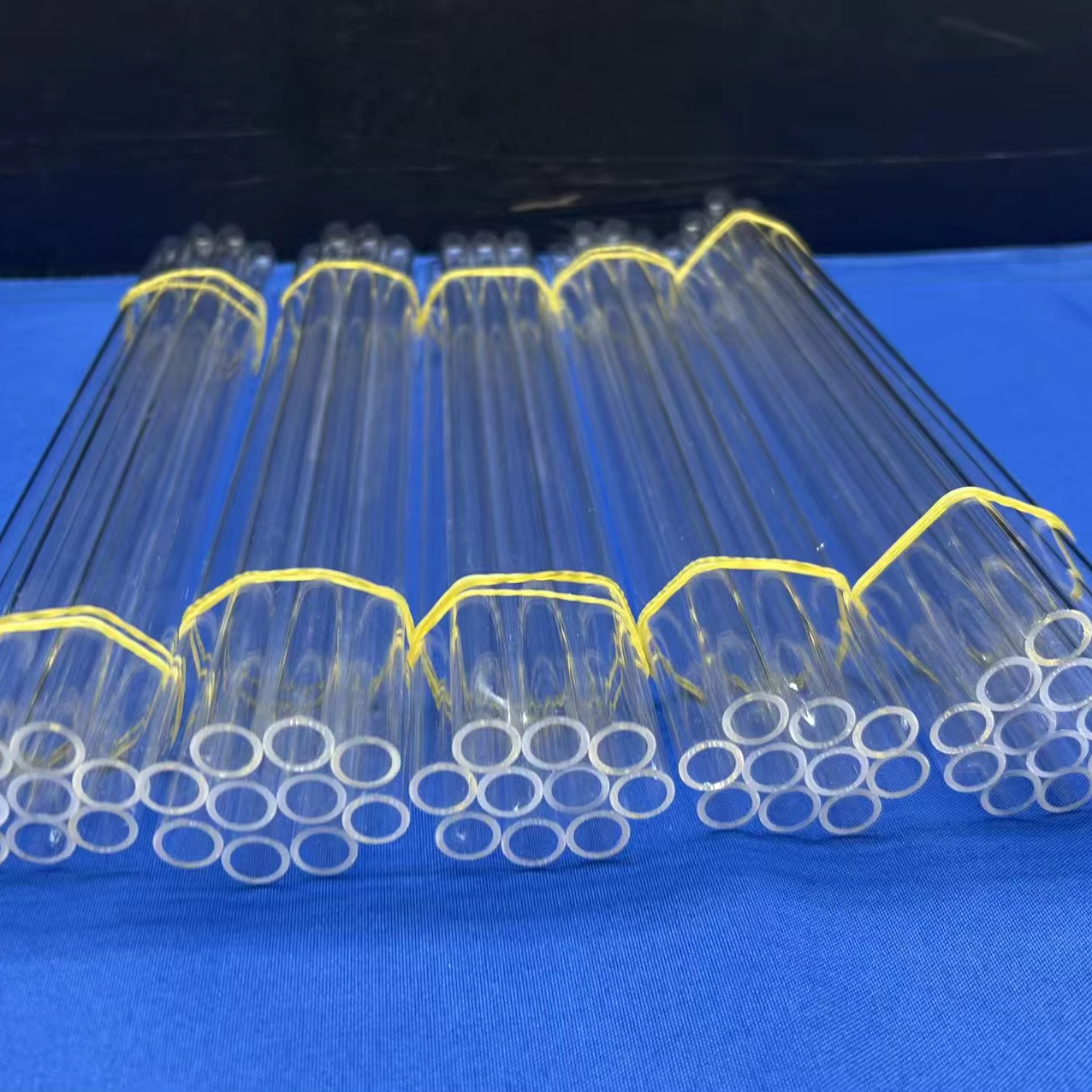
Extreme thermal shock resistance; ideal for acid digestion, high-temperature synthesis, and centrifuge applications across biotech labs.
Technical Specs →
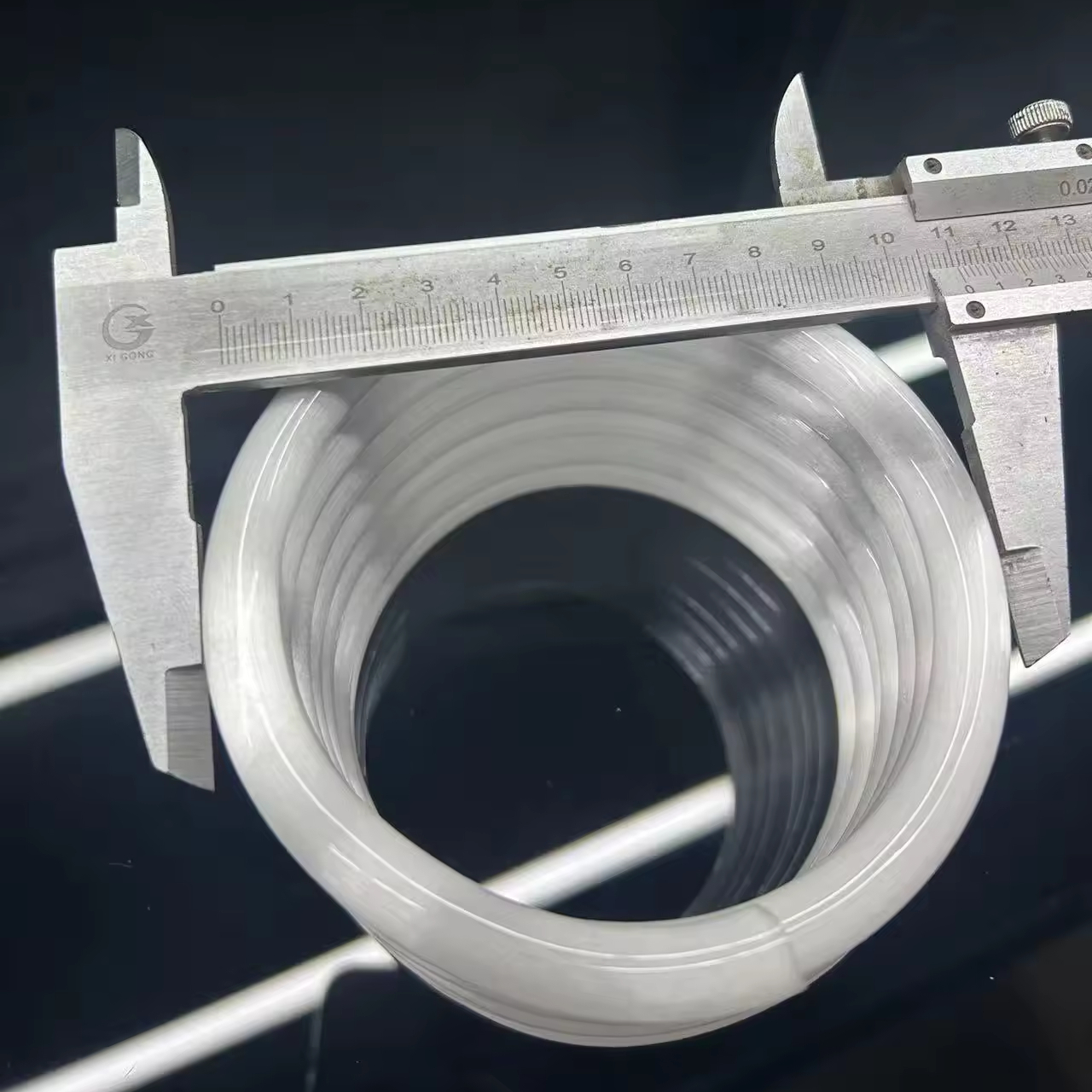
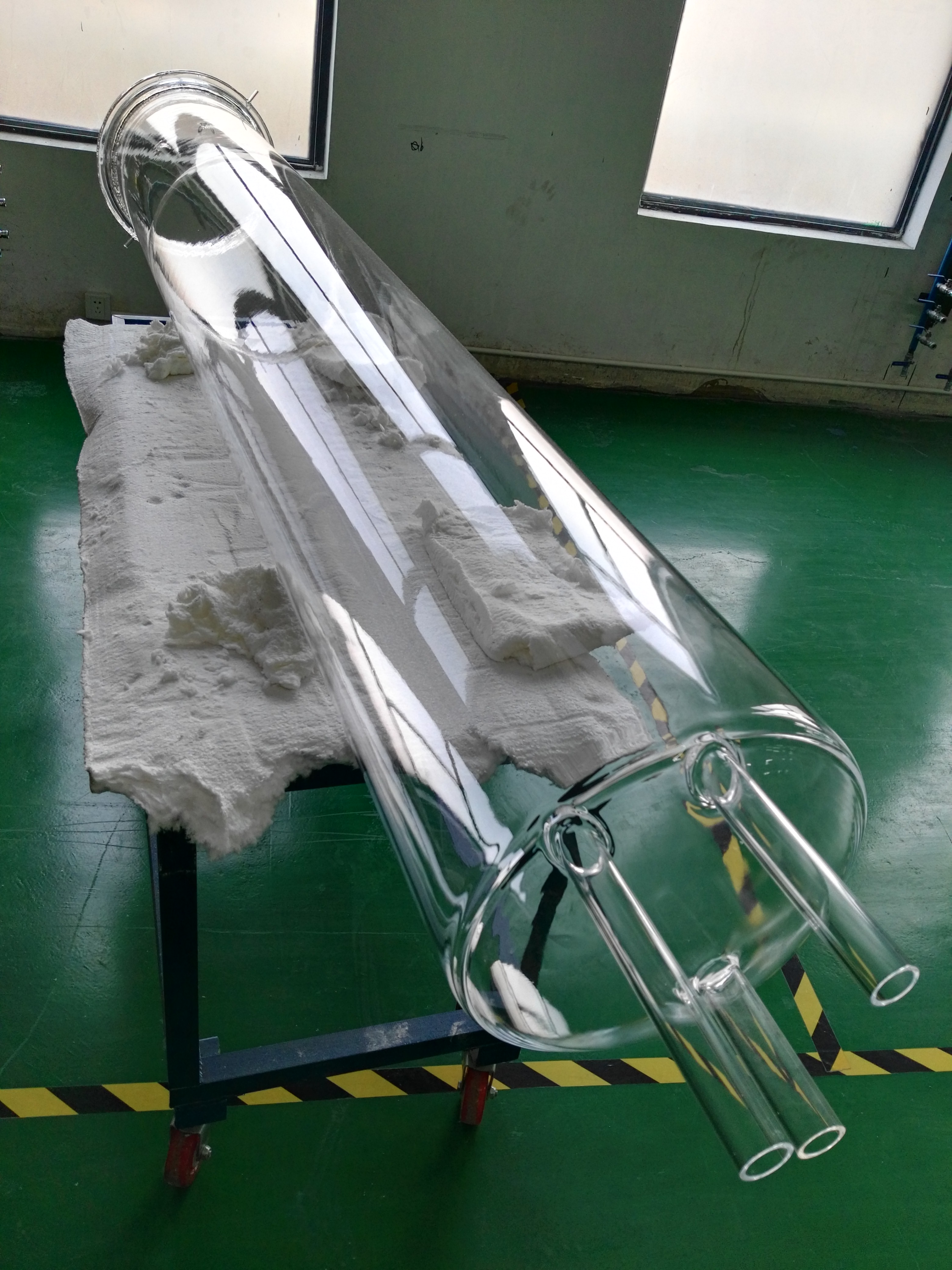
Precision-wound spiral heat exchanger coils for semiconductor slurry heating, photochemistry, and aggressive acid distillation systems.
Technical Specs →
Slot-milled carrier boats for 2-inch to 8-inch silicon, SiC, and sapphire wafers used in LPCVD, diffusion, and oxidation furnaces.
Technical Specs →Why precision fused silica block manufacturing dictates the performance limits of high-power laser systems, UV photolithography, and quantum optical cavities.
Unlike standard borosilicate or optical crown glasses, fused silica (amorphous silicon dioxide, SiO₂) exhibits an exceptionally low thermal expansion coefficient of approximately 5.5 × 10⁻⁷ / °C across the 20°C to 320°C regime. This grants our customized blocks virtually complete immunity to thermal shock, preventing wavefront distortion and catastrophic fracture in high-flux laser beam steering, extreme UV stepper optics, and vacuum chamber viewing ports.
At our Donghai facility, we produce thick monolithic fused silica blocks, cuboids, prisms, and stepped reference flats through proprietary electric vacuum fusion and hydrogen-oxygen vapor deposition. Our JGS1 synthetic grades feature hydroxyl (OH⁻) concentrations controlled below 5 ppm or tailored for deep-UV (185 nm to 260 nm) laser transmission without solarization or color-center formation.
| Grade | Synthetic / Natural | Spectral Band | OH Content |
|---|---|---|---|
| JGS1 | Synthetic Fused Silica | 185 nm – 2500 nm (DUV-VIS) | < 5 – 20 ppm |
| JGS2 | Refined Natural Quartz | 220 nm – 2500 nm (UV-NIR) | ≈ 150 – 200 ppm |
| JGS3 | Water-Free Fused Silica | 260 nm – 3500 nm (VIS-IR) | < 2 ppm |
| High-Purity 4N8 | Semiconductor Grade | Wide Spectrum / Thermal | Variable |
*All optical blocks undergo Zygo laser interferometric inspection to certify wavefront distortion below λ/10 @ 632.8 nm with stress birefringence ≤ 5 nm/cm.
| Property Parameter | SI Metric Value | Test Standard / Engineering Relevance |
|---|---|---|
| Chemical Purity (SiO₂) | ≥ 99.995% (Synthetic ≥ 99.9999%) | ICP-MS verified; prevents atomic level laser absorption and phase degradation |
| Density (ρ) | 2.203 ± 0.005 g/cm³ | ASTM C693; high structural mass stability for precision optomechanical fixturing |
| Mohs Hardness / Knoop | 5.5 – 6.5 Mohs / 522 kg/mm² | Abrasion-resistant for micro-machined fluidic channels and Baltic marine optics |
| Coefficient of Thermal Expansion | 5.5 × 10⁻⁷ K⁻¹ (20°C to 300°C) | Ultra-low drift in cryogenic quantum optical stages and high-power laser mounts |
| Softening Point / Annealing Point | 1683°C / 1120°C | Continuous operation at 1100°C; intermittent thermal ceiling of 1450°C |
| Dielectric Strength (@ 20°C) | 25 – 40 kV/mm | Exceptional dielectric isolation for high-voltage plasma etch and RF power systems |
| Refractive Index (nd @ 587.6 nm) | 1.45846 | Dispersion formula Abbe Number Vd = 67.8; predictable chromatic performance |
| Stress Birefringence (Internal) | ≤ 4 – 10 nm/cm (Custom ≤ 2 nm/cm) | Precision polarimetric testing for laser beam splitters, waveplates, and polarizers |
From the quantum research clusters in Lyngby and Nørrebro to Medicon Valley’s biopharma corridors, our fused silica components fulfill strict Scandinavian industrial requirements.
Copenhagen is globally recognized as a cradle of quantum research, anchored by the Niels Bohr Institute (University of Copenhagen) and the Technical University of Denmark (DTU Nanolab). Our synthetic JGS1 fused silica blocks and polished optical flats serve as substrates for cryogenic cavity quantum electrodynamics (cQED), photonic wave-guides, and low-absorption laser splitters operating under ultra-high vacuum (≤ 10⁻¹⁰ mbar).
Bridging Eastern Denmark and Southern Sweden, Medicon Valley hosts pharmaceutical giants (such as Novo Nordisk, Genmab, and Zealand Pharma) requiring non-fluorescing, chemically inert fused silica flow blocks. Our custom micro-drilled quartz blocks and deep-UV transparent optical windows enable precision HPLC detector flow-cells, laser-induced fluorescence (LIF), and sterile nucleic acid synthesis channels.
Denmark’s ambitious Power-to-X (PtX) electrolysis programs and offshore wind power installations in the Kattegat and North Sea demand robust sensing optics. We supply thick quartz sight glasses, multi-axis prisms for Doppler wind-measuring LIDAR systems, and high-pressure fused silica viewports that resist maritime salt spray, corrosive gases, and intense thermal gradients in green hydrogen production.
Key technical shifts dictating how Danish procurement engineers evaluate fused quartz and silica OEM suppliers over the next decade.
Danish quantum photonics and extreme-ultraviolet (EUV) micro-lithography instrumentation are pushing surface roughness tolerances from standard Ra ≤ 1 nm down to super-polished Ra ≤ 0.2 nm (2 Å). This eliminates light scatter in laser gyro systems, advanced high-numerical-aperture objectives, and cavity ring-down spectroscopy (CRDS). Nivra Quartz employs chemical-mechanical polishing (CMP) with colloidal silica to deliver scratch-dig 10-5 surfaces across bespoke silica blocks.
Rather than assembling multiple quartz sheets using optical bonding adhesives that fail under extreme UV or chemical solvents, Copenhagen engineers increasingly demand monolithic subtractive machining. Utilizing 5-axis ultrasonic CNC diamond tooling, Nivra Quartz machines complex 3D internal cavities, manifold conduits, fluidic reservoirs, and blind counterbores directly out of solid fused silica blocks, preserving material integrity and absolute pressure tightness.
Nordic engineering enterprises prioritize supply chain sustainability under the EU Corporate Sustainability Due Diligence Directive (CSDDD). Danish buyers require comprehensive documentation for RoHS 3 (EU 2015/863), REACH SVHC declaration, and conflict-mineral-free certification. As an established direct manufacturer in Donghai County, Nivra Quartz offers complete batch traceability from raw silica crystal lode to final crated optical blocks.
The flourishing startup ecosystem across Copenhagen Science City and DTU Science Park demands agile, low-volume pilot batches (1 to 5 pieces) during feasibility testing, followed by frictionless scale-up to thousand-unit runs. Nivra Quartz supports zero-penalty low-MOQ rapid sampling with rapid engineering review turnarounds (within 5 hours), ensuring Scandinavian R&D teams stay ahead of product development sprints.
Combining world-class raw quartz geological advantages in Donghai with advanced CNC fabrication, cleanroom inspection, and dedicated international trade logistics.
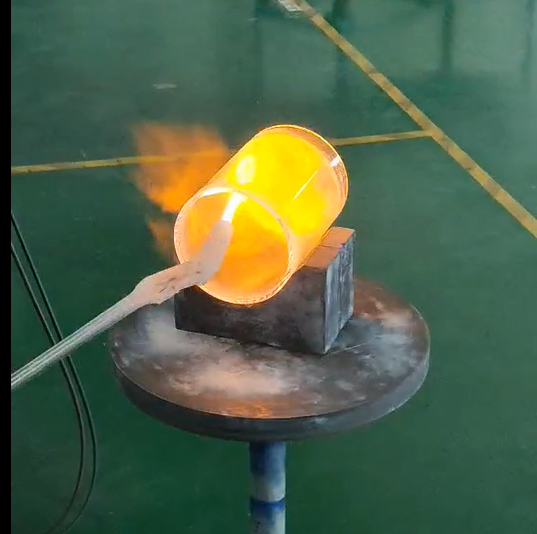
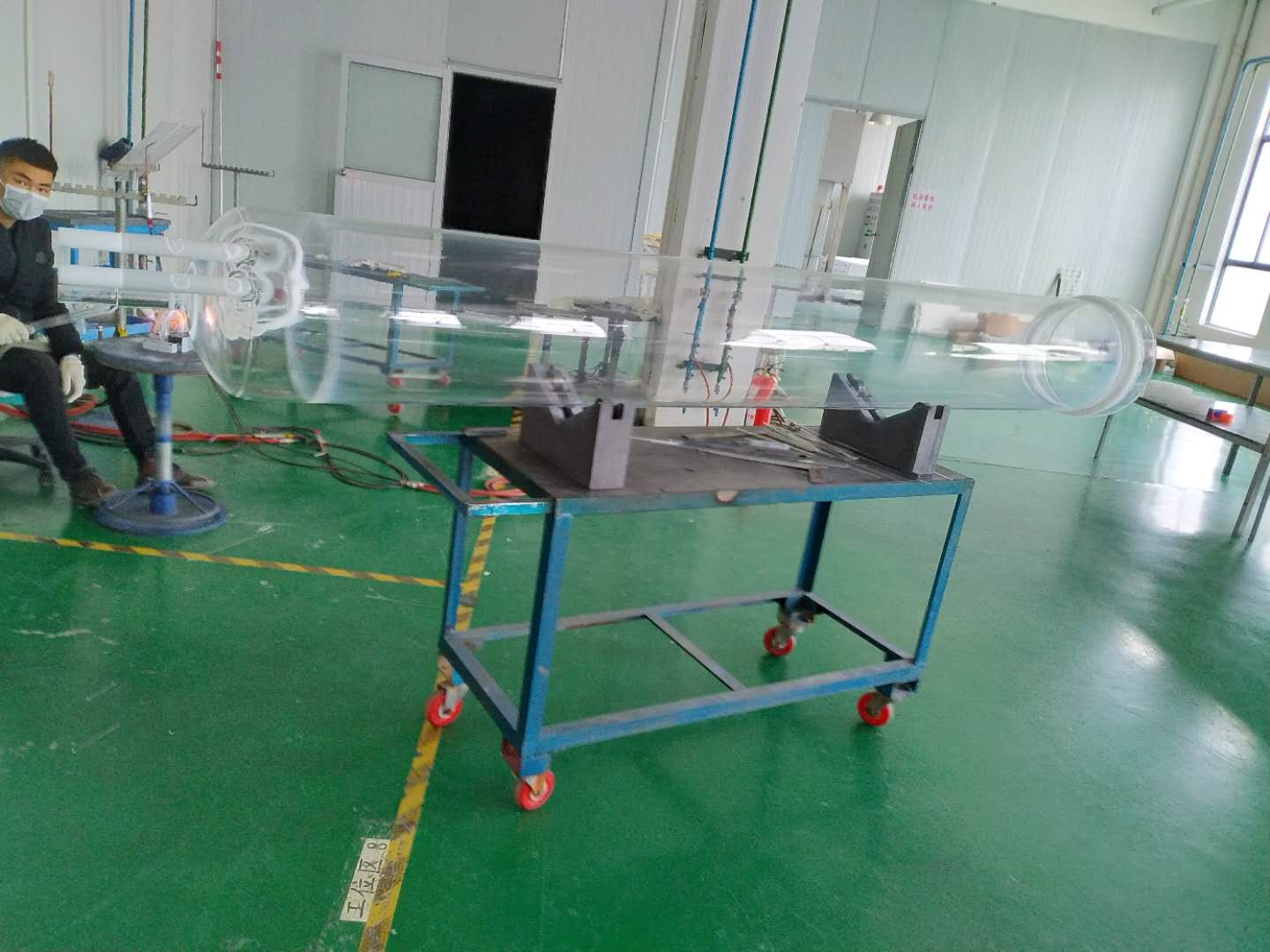
We execute ingot slicing, precision cylindrical grinding, 5-axis CNC ultrasonic core drilling, optical double-sided lapping, flame polishing, and thermal annealing inside our verified 285 Heping East Road plant. No third-party outsourcing risks.
Every customized fused silica block undergoes coordinate measuring machine (CMM) dimensional verification, polarization stress analysis (≤ 5 nm/cm optical path difference), and laser spectrophotometer transmission testing from 185 nm to 3500 nm.
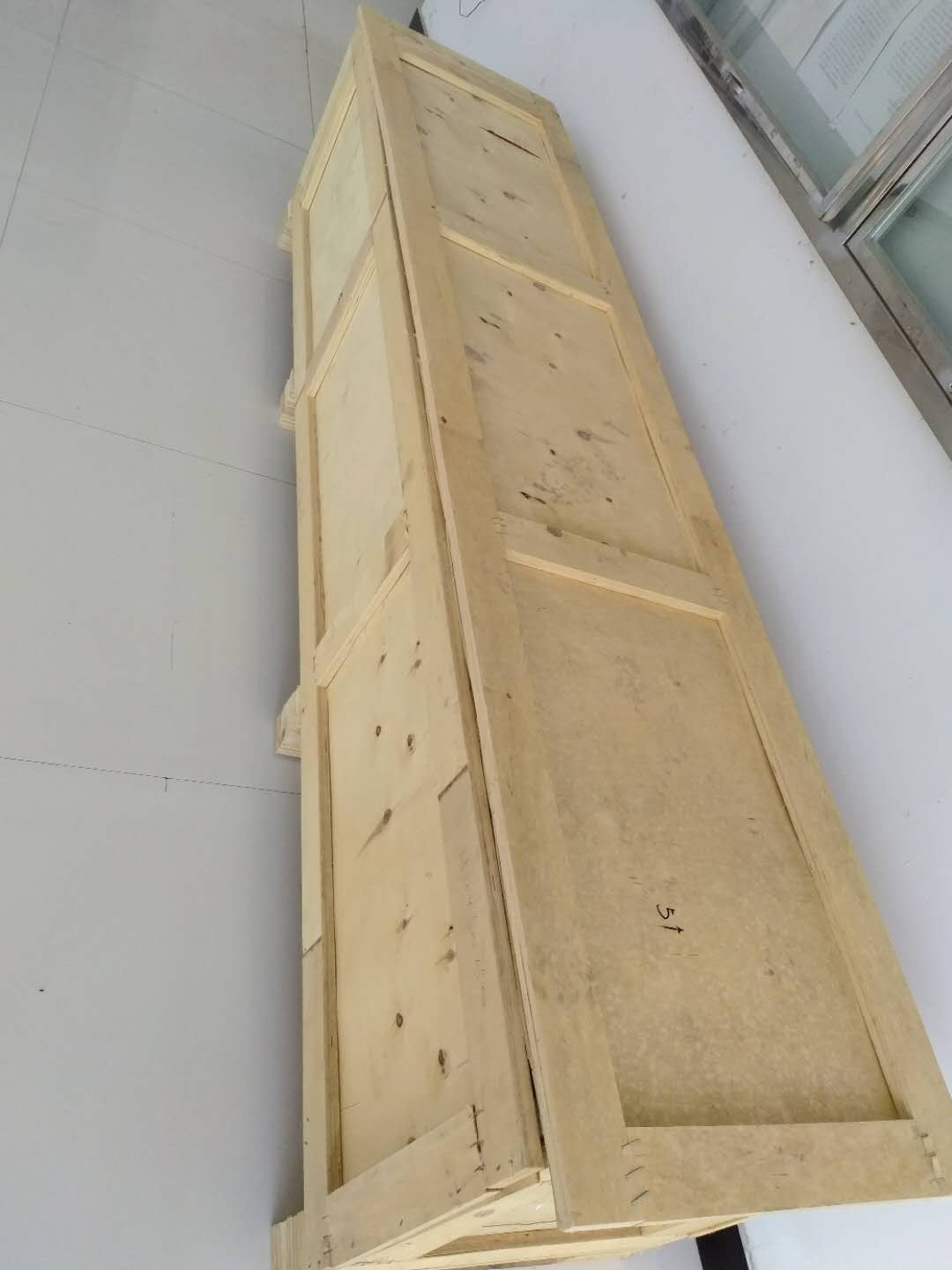
Every single block is ultrasonically degreased, multi-layer vacuum sealed in dust-free PE bags, nested inside custom cut high-density closed-cell EPE foam, and packed into international export-grade plywood crates to guarantee zero transit breakage to Copenhagen.
Specific details regarding logistics to Zealand, EU customs clearance, tolerance capabilities, and material compliance for Greater Copenhagen buyers.
We provide streamlined air and sea freight logistics directly to Greater Copenhagen (København) and Region Hovedstaden. For time-sensitive R&D prototyping or urgent replacement components, we ship via priority air express (DHL Express, FedEx, UPS) directly to Copenhagen Airport (CPH - Kastrup) with door-to-door transit times of 4 to 7 business days. For larger production volumes or heavy crucibles/furnace tubes, ocean freight to Port of Copenhagen (CMP - Copenhagen Malmö Port) or Port of Aarhus takes approximately 28 to 35 days. We furnish full export commercial invoices, packing lists, HS Code classifications, and certificates of origin for flawless clearance through Danish Customs (Toldstyrelsen).
Yes. All our fused silica and fused quartz materials consist of high-purity amorphous silicon dioxide (SiO₂ purity ≥ 99.99% for natural grades, ≥ 99.9999% for synthetic JGS1). They are completely free of hazardous substances restricted under EU RoHS Directive 2011/65/EU and its amendment (EU) 2015/863 (RoHS 3). Furthermore, our products are completely chemically inert, containing no Substances of Very High Concern (SVHC) exceeding 0.1% w/w as designated under EU REACH Regulation (EC) No 1907/2006. Full Declaration of Conformity (DoC) certificates are provided with every batch.
Utilizing high-precision CNC 5-axis ultrasonic machining centers, continuous wire electrical discharge machining (EDM) adapted for dielectric ceramics, and double-sided planetary optical lapping, we routinely achieve dimensional tolerances of ±0.01 mm (±10 μm) on critical dimensions, with custom high-precision runs down to ±0.005 mm. For optical surfaces, our surface flatness capabilities reach λ/10 to λ/20 @ 632.8 nm, parallelism ≤ 5 arc-seconds, and surface roughness down to Ra ≤ 0.2 nm (2 Å) with MIL-PRF-13830B scratch-dig ratings of 10-5 or 20-10.
Selection depends on your working spectral band and optical power density:
• JGS1 (Synthetic Fused Silica): Essential for Deep-UV (DUV) applications down to 185 nm, excimer lasers (193 nm, 248 nm), high-intensity UV lithography, and fluorescence-free optical flow cells. It has virtually no metallic impurities (< 0.1 ppm Fe, Ti).
• JGS2 (Fused Quartz): The industry workhorse for optical sight glasses, viewport covers, UV-visible spectroscopy (220 nm to 2500 nm), and furnace observation windows. Excellent optical transmission at lower cost.
• JGS3 (Infrared Grade): Water-free fused silica specifically dehydroxylated to eliminate the absorption band at 2730 nm (OH⁻ < 2 ppm). Ideal for mid-IR lasers, thermal imaging sensors, pyrometry, and high-temperature broadband applications up to 3500 nm.
Absolutely. We actively partner with university laboratories (such as DTU and KU), MedTech incubators, and specialized optical instrumentation OEMs across Denmark. We have no punishing minimum order financial barriers: standard prototype fused silica blocks, stepped plates, or bespoke test tubes can be ordered in quantities as low as 1 to 5 pieces. Once prototypes are validated, our 101–200 employee facility seamlessly scales up to high-volume production batches of tens of thousands of units with guaranteed batch-to-batch repeatability.
Thick silica blocks can harbor severe residual internal stresses from thermal fusion, leading to optical distortion and mechanical failure during precision cutting. To eliminate this, all our fused silica ingots undergo an extended multi-day fine annealing thermal cycle in computer-controlled electric resistance furnaces, cooling at rates ≤ 2°C per hour through the transformation range (1120°C down to 950°C). Every finished block is inspected using cross-polarizing polariscopes, guaranteeing residual stress birefringence of ≤ 5 nm/cm (or ≤ 2 nm/cm upon custom specification).
Send your 2D/3D CAD drawings (STEP, DWG, PDF) along with optical tolerance, surface finish, and quantity specifications. Our experienced optical engineers reply within 5 hours with technical feedback, DFM advice, and a transparent quotation.