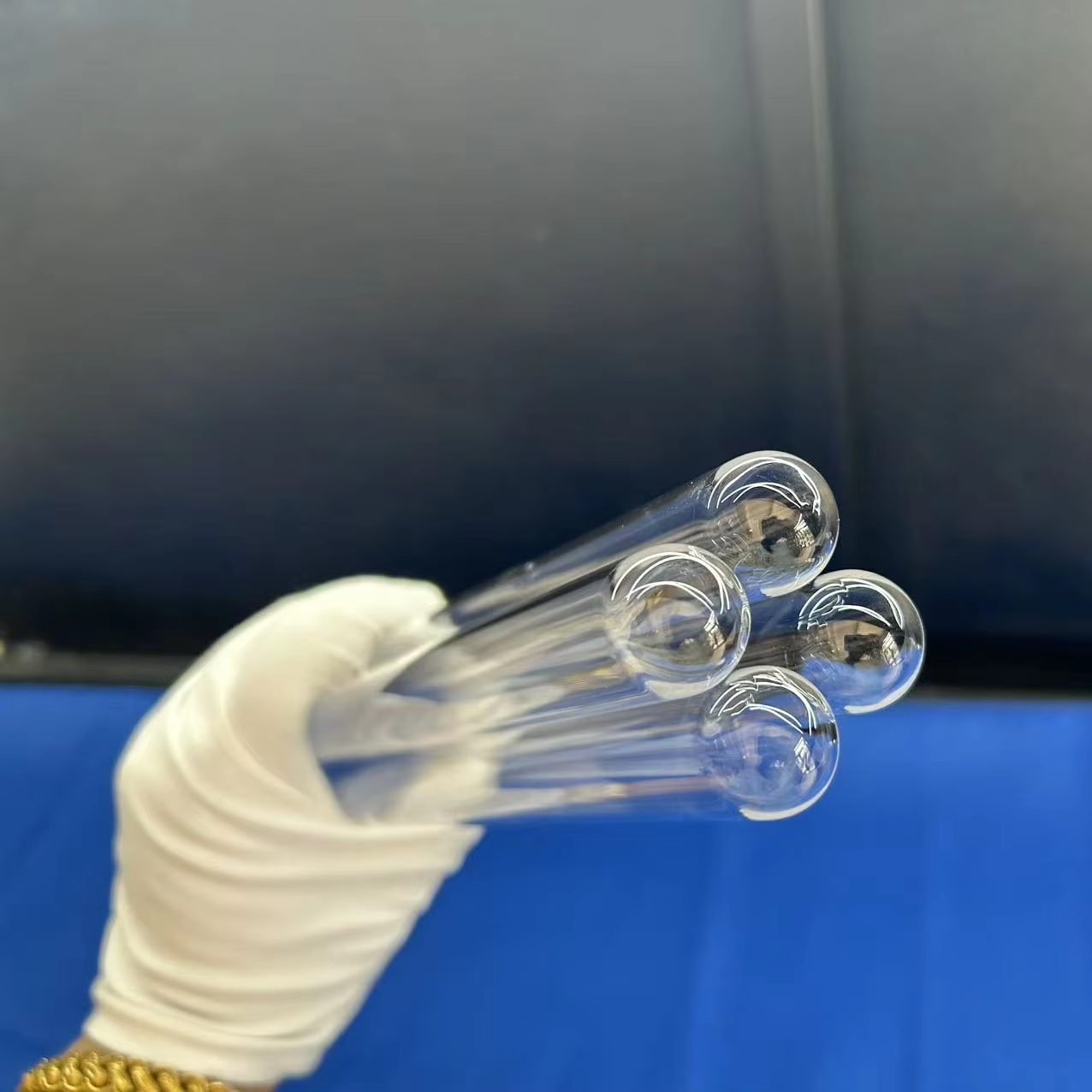
Catalog Overview
High-Purity Quartz Stock & Custom Components for Kraków
Direct from our Donghai facility: 99.99%+ SiO₂ ingots, vacuum furnace tubes, wafer blanks, and precision laboratory quartzware engineered for rigorous thermal and optical benchmarks.
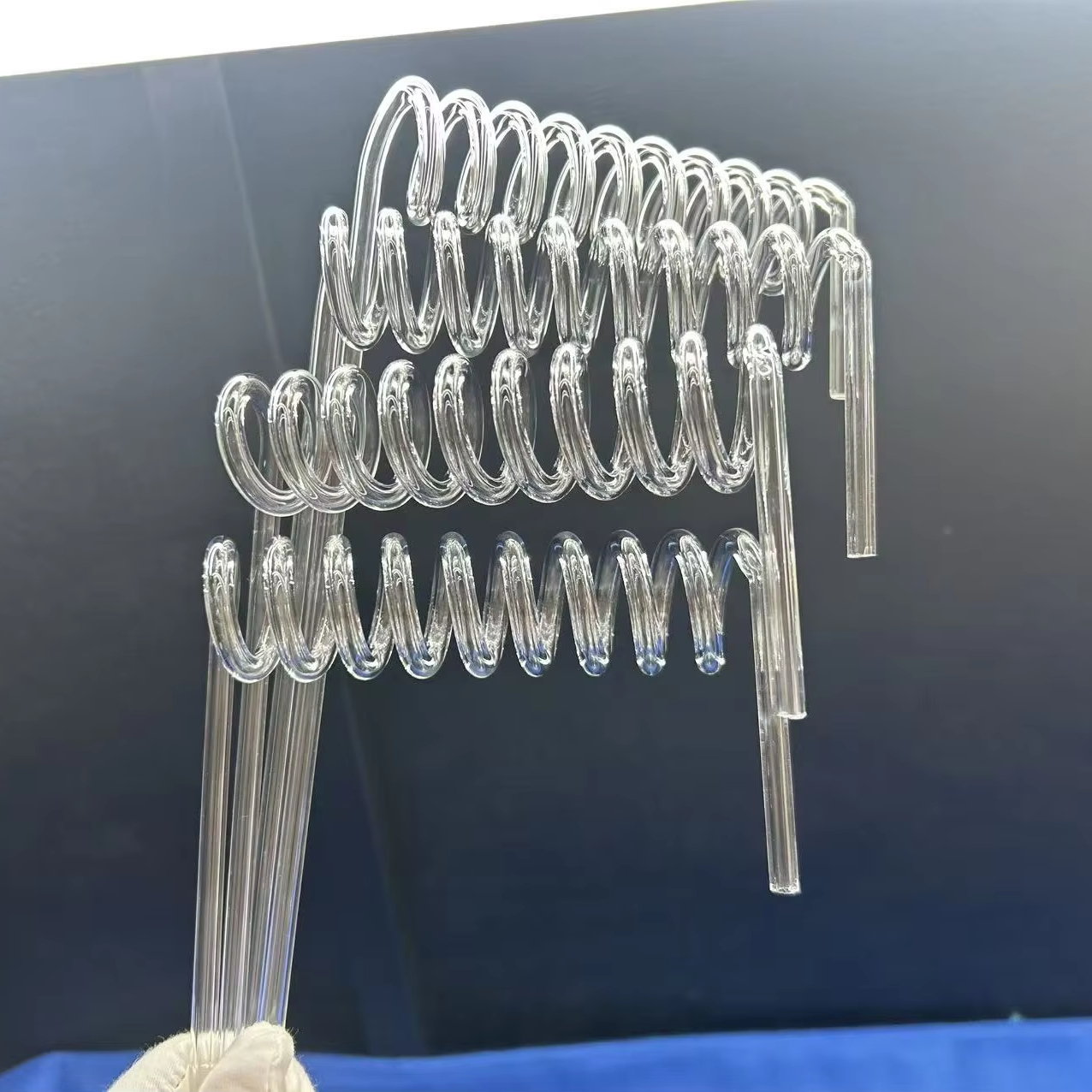
Clear Quartz Spiral Tube for Optics Laboratory Use with Moulding and Bending Services
View Specifications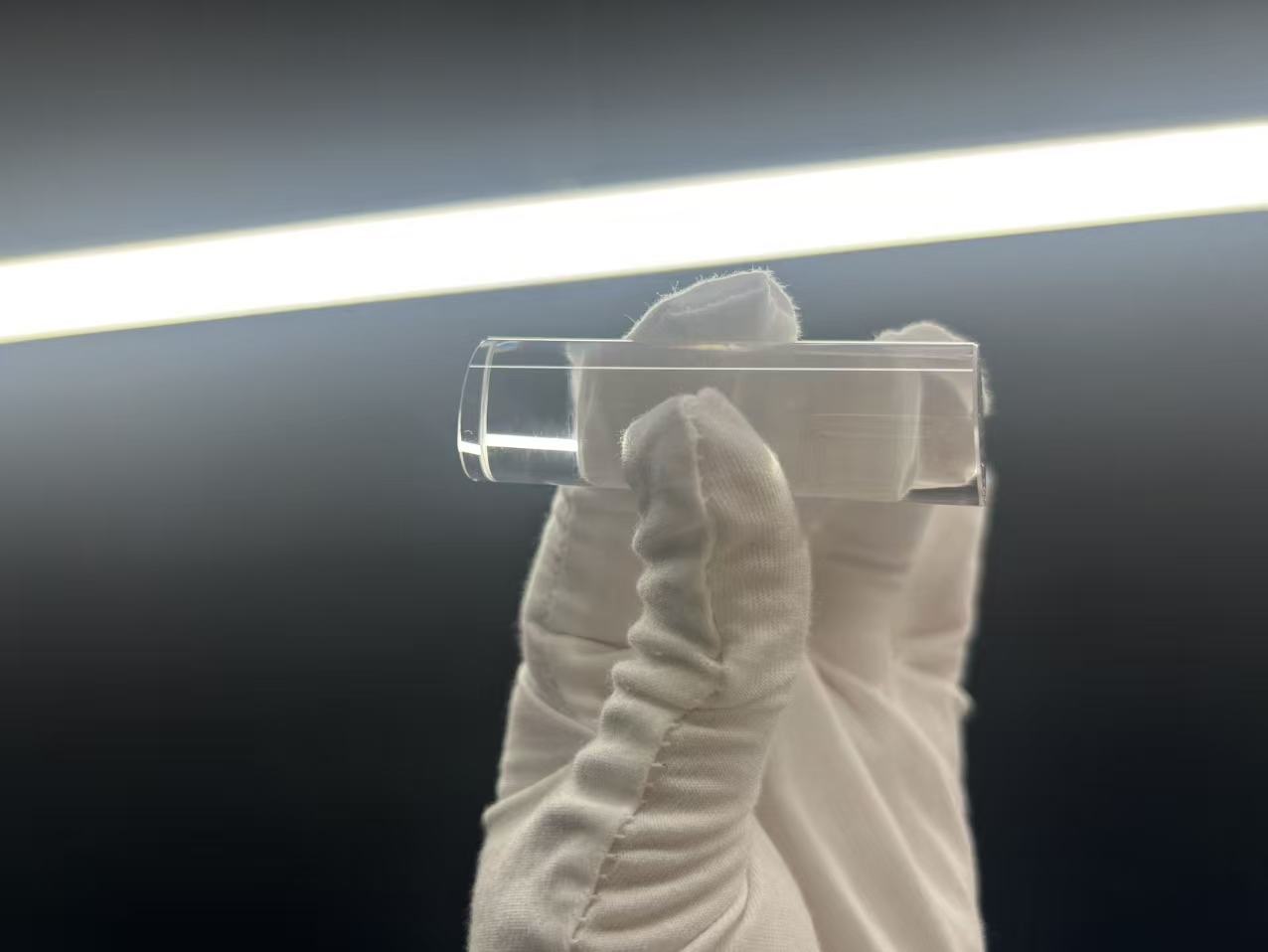
Round Head Quartz Rod
View Specifications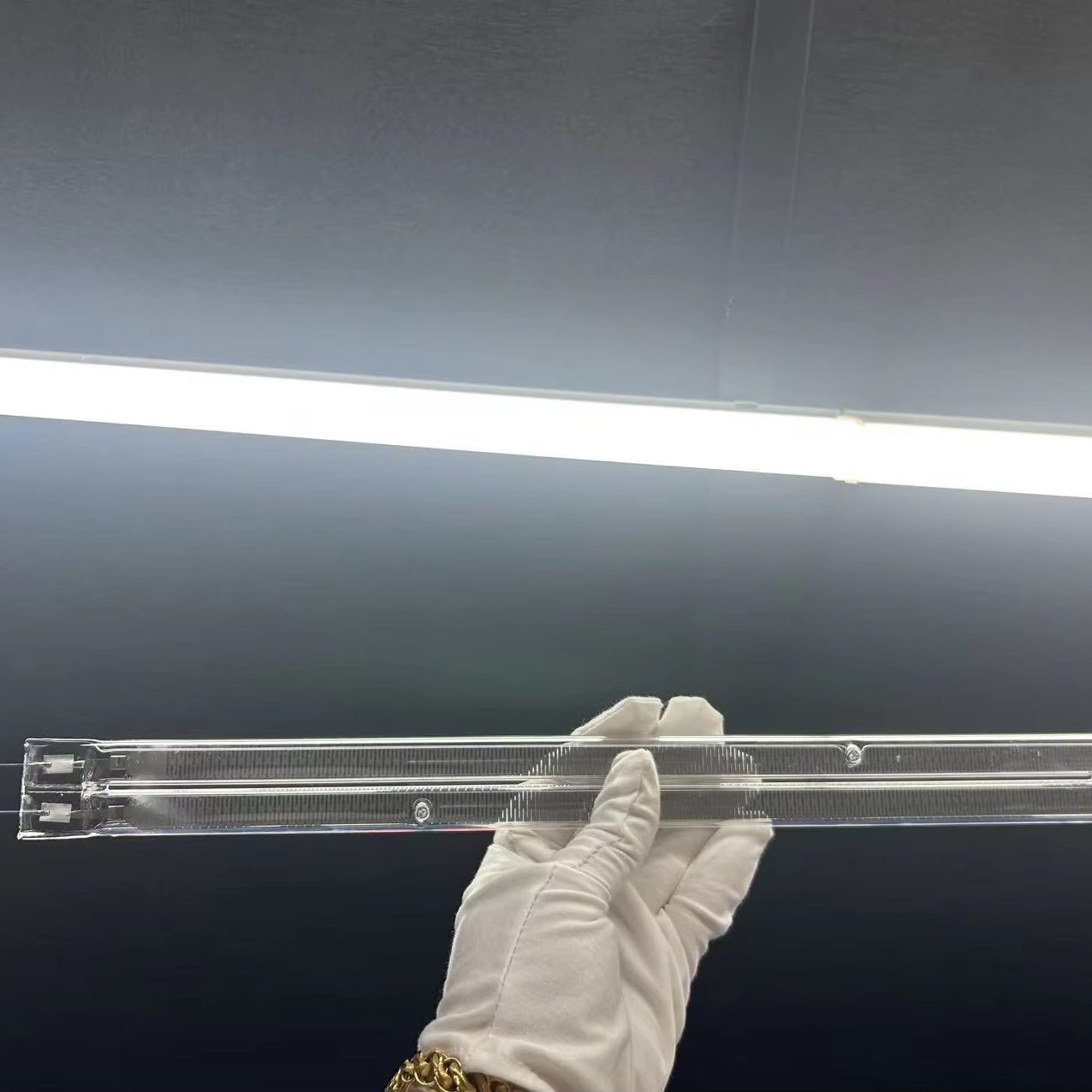
220V 700W 300MM 10mm Diameter Infrared Heating Tube Carbon Fiber/halogen Tube/graphene Tube
View Specifications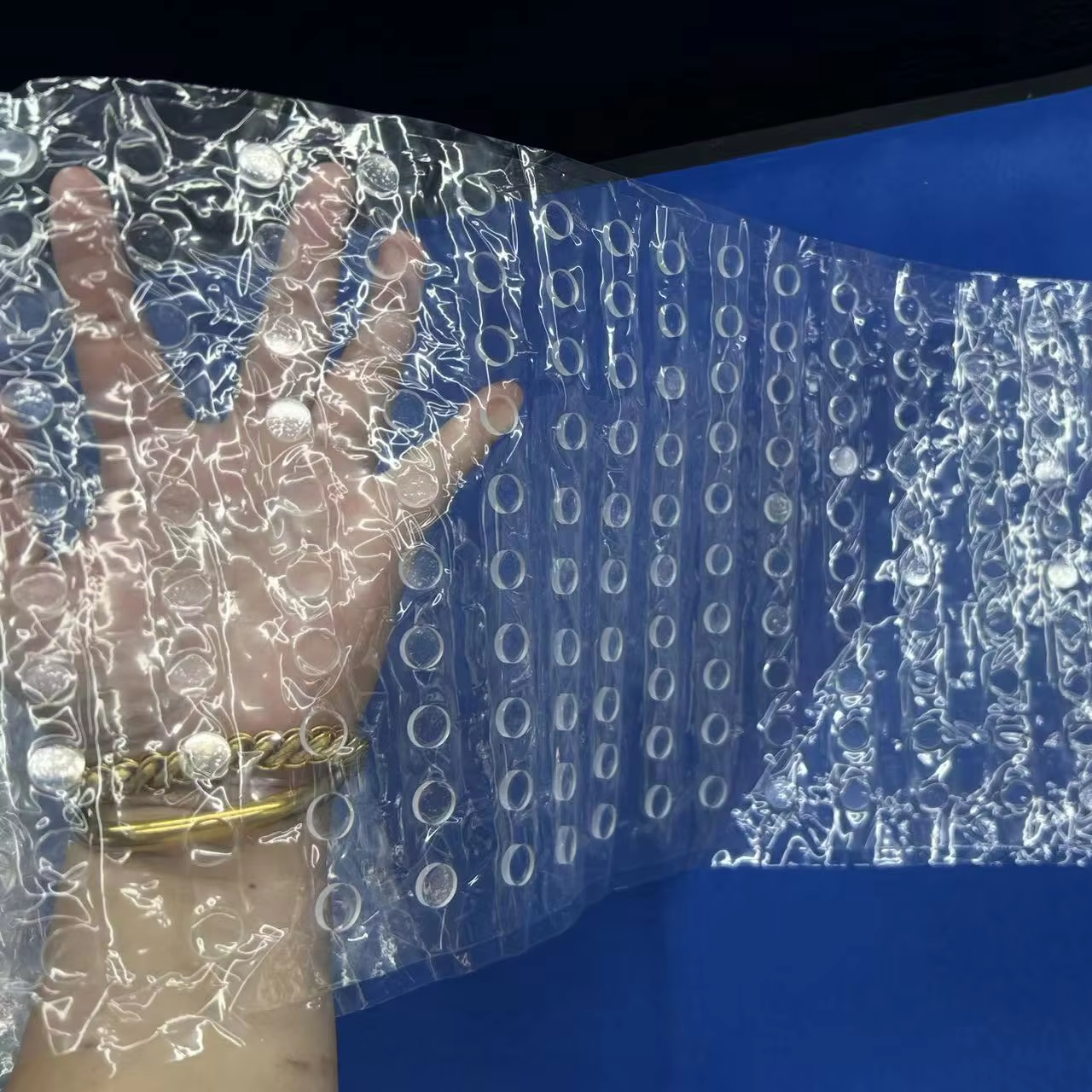
Factory-Made High-purity Small Size Quartz Wafer, Provide Cutting and Polishing Services
View Specifications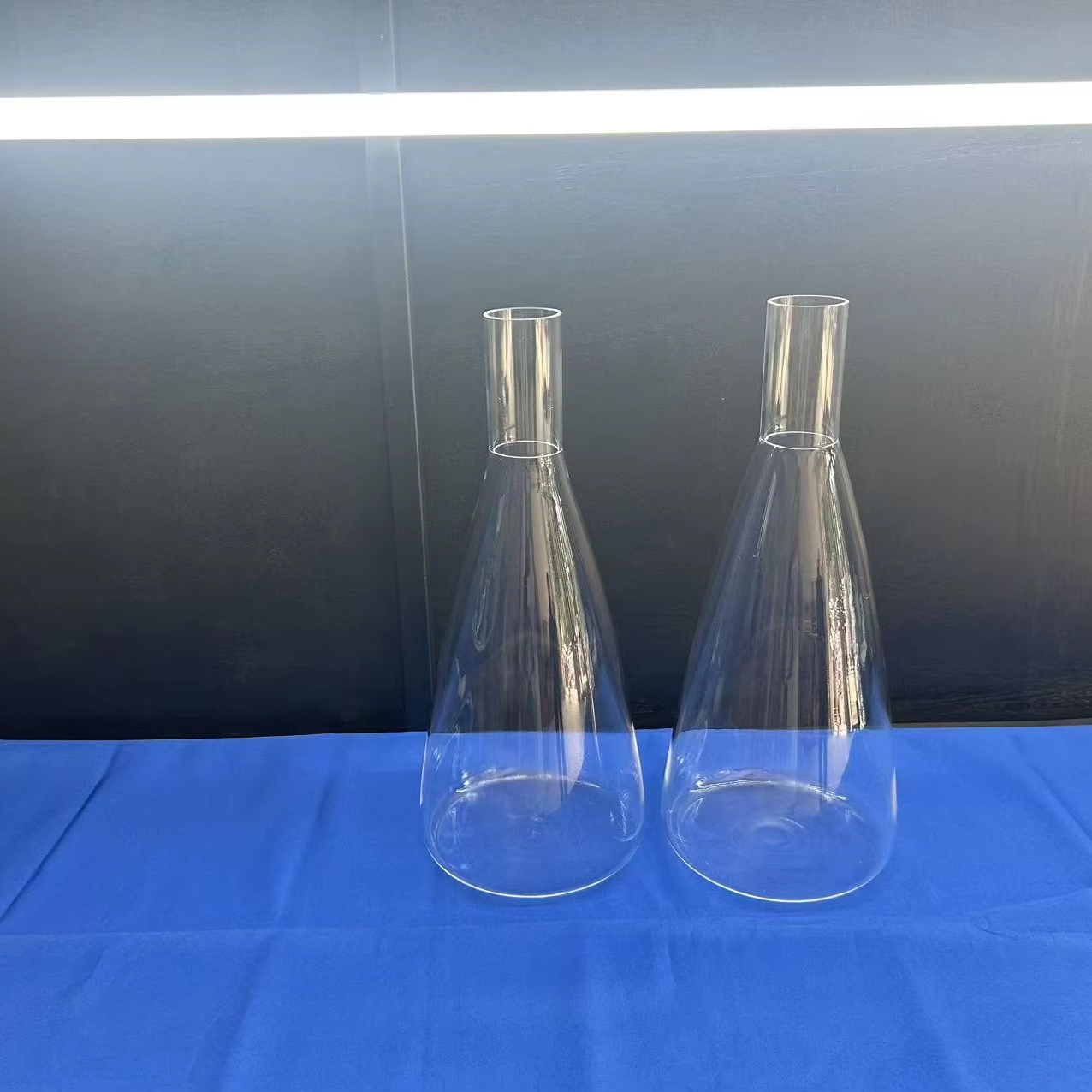
Laboratory Fused Silica Quartz Glass Flask
View Specifications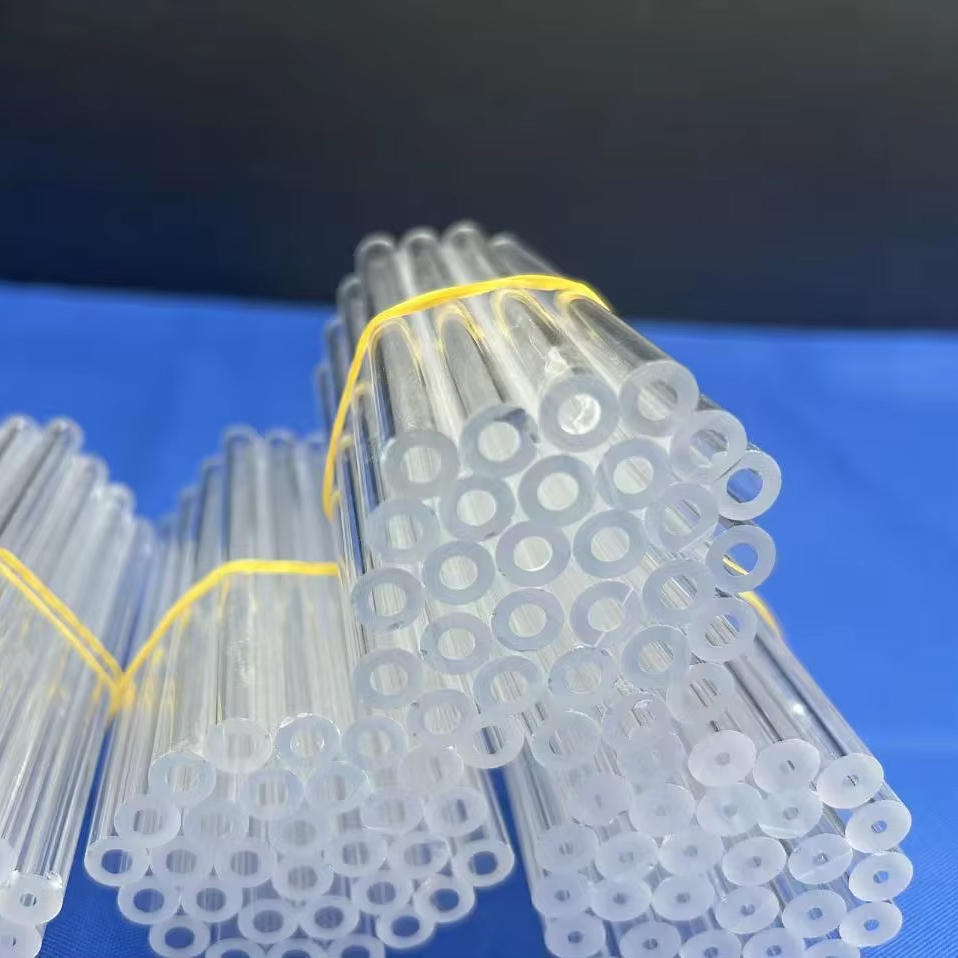
Customized Size Clear Quartz Glass Tube BET Borosilicate Glass Test Tube Clear Quartz Glass Tube
View Specifications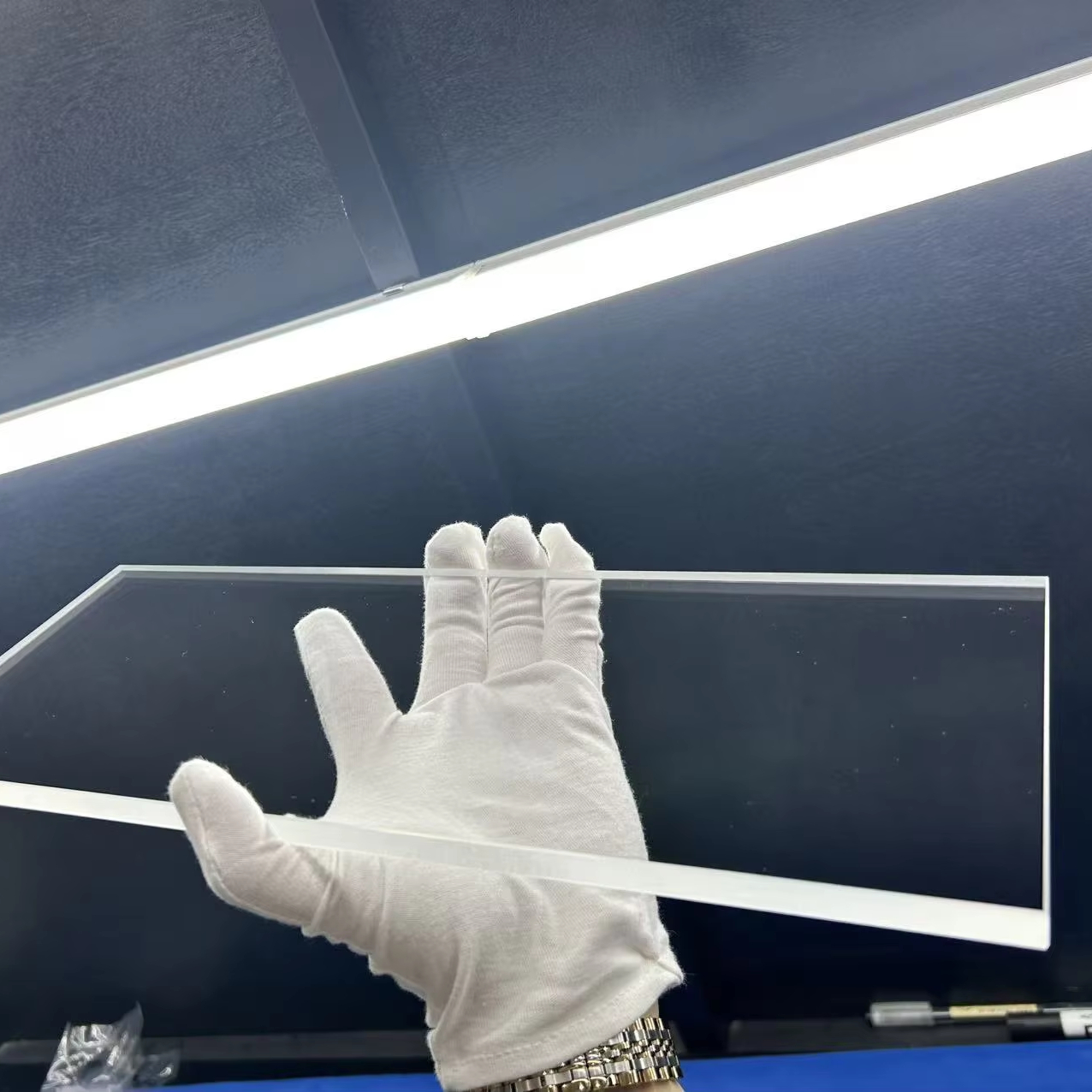
Ultra Clear High Purity Quartz Sheet
View Specifications
Technical Whitepaper
Fused Quartz Ingot Synthesis & Optical Metallurgy for Advanced Sourcing
Deep-tier analysis of thermodynamic properties, hydroxyl absorption kinetics, and material grades required for advanced industrial integration across Lesser Poland.
Material Genesis: Electrically Fused Natural Quartz vs. Synthetic Fused Silica (CVD)
In high-precision manufacturing, selecting the right raw quartz ingot establishes the boundary condition for all downstream thermal stability, UV transmission, and mechanical tolerances. As an established OEM/ODM factory located in Donghai—the historic epicenter of silica processing—Donghai County Nivra Quartz Products Co., Ltd. supplies the Kraków research and industrial marketplace with raw, semi-finished, and finished quartz boules produced under strict batch control.
Fused quartz ingots synthesized from natural pegmatitic quartz crystalline sands via electric vacuum fusion achieve exceptional high-temperature resistance, with softening points reaching 1683 °C and strain points up to 1075 °C. For deep ultraviolet applications (193 nm to 266 nm), such as excimer laser optics or lithography componentry utilized in university cleanrooms across Kraków, Nivra produces synthetic fused silica (JGS1 grade) via chemical vapor deposition of silicon halides. This method achieves near-zero metallic impurities (<0.1 ppm Fe, Al, Cu) and eliminates micro-bubble inclusions (Class 0 according to DIN 3140).
| Quartz Grade | Transmission Bandwidth | Hydroxyl [OH⁻] Content | Bubble / Inclusions (ISO 10110) | Primary Industrial Application |
|---|---|---|---|---|
| JGS1 (Synthetic Fused Silica) | 185 nm – 2500 nm (Deep UV to VIS) | 800 – 1200 ppm (High OH) | Class 0 (Free from visible bubbles) | UV Excimer Optics, Photolithography Mask Substrates, DUV Laser Cavities |
| JGS2 (Fused Natural Quartz) | 220 nm – 2500 nm (UV to NIR) | 100 – 200 ppm (Medium OH) | Class 1–2 (Extremely sparse striation) | Diffusion Furnace Liners, Epitaxial Windows, Sensor Sight Glasses |
| JGS3 (Anhydrous Fused Silica) | 260 nm – 3500 nm (Extended IR) | < 5 ppm (Water-free) | Class 0–1 (No IR absorption dip at 2.73 µm) | CO₂ Laser Optics, Pyrometer Windows, Space Sensor Systems, Thermal Sensors |
| Semiconductor Crucible Grade | Broadband Translucent / Clear | < 30 ppm | Controlled micro-bubble layer for insulation | Photovoltaic Silicon Ingot Pulling (CZ), Polycrystalline Directional Solidification |
Thermal Shock Immunity
Characterized by an exceptionally low Coefficient of Thermal Expansion (CTE: 5.5 × 10⁻⁷ / °C between 20 °C and 320 °C), our fused quartz ingots can withstand instantaneous water quenching from 1100 °C without internal fracturing, micro-crack formation, or structural fatigue.
Laser-Grade Homogeneity
Manufactured using multi-axis high-temperature annealing regimens, our optical ingots exhibit minimal refractive index gradients (Δn ≤ 2–4 × 10⁻⁶) and stress birefringence residual values below 5 nm/cm, ensuring zero beam distortion in Kraków photonics laboratories.
Chemical Inertness & Purity
Our raw boules are unreactive against almost all acids (including aggressive aqua regia, sulfuric acid, and nitric compounds at boiling temperatures), dissolve only in concentrated hydrofluoric acid, and resist devitrification even through extended 1200 °C thermal cycles.
Local Ecosystem Integration
Precision Quartz Applications in the Kraków & Małopolska Ecosystem
Enabling cutting-edge industrial productivity, synchrotron research, and microelectronics prototyping across Kraków Technology Park and academic institutions.
AGH & Academic Physics R&D
AGH University of Krakow and Jagiellonian University spearhead advanced research in crystallography, superconductivity, and physical chemistry. Our precision-ground fused silica ingots, cuvettes, and round-headed quartz rods serve as unreactive substrate holders, optical reaction vessels, and high-temp vacuum ampoules.
Synchrotron Beamline Optics
At the National Synchrotron Radiation Centre SOLARIS in Kraków, beamline end-stations require extreme vacuum (UHV) viewport flanges and ultra-low scatter fused silica windows. Nivra provides JGS1 synthetic blanks polished to surface roughness Ra < 0.5 nm and scratch-dig 10/5.
Kraków Technology Park (KTP)
Electronics prototyping firms and clean-tech startups operating under the Polish Investment Zone within KTP leverage our custom OEM quartz carriers, furnace liners, and bottom-sealing reactor tubes for low-pressure chemical vapor deposition (LPCVD) and diffusion processes.
Industrial Thermal & Glass Plants
Across the industrial corridor between Kraków, Skawina, and Katowice, specialized metallurgy, glass annealing, and photovoltaic cell lines use our 220V 700W carbon-fiber infrared rapid-heating tubes to generate rapid, clean, and energy-efficient thermal fields without secondary contamination.
Strategic Horizon
Regional Sourcing Trends: Poland's Microelectronics Acceleration
Macroeconomic and technical market forces driving demand for high-purity quartz ingots across Southern Poland.
The European Chips Act & Poland's Emergence as a Semiconductor Corridor
With massive multibillion-euro investments entering Poland's semiconductor packaging and fabrication ecosystem (such as major assembly and test facilities near Wrocław and expanded wafer-processing initiatives in Silesia and Lesser Poland), local supply chains face rigorous component purity mandates. Fused quartz is the silent foundation of this transition: everything from wafer carriers, quartz boats, and furnace diffusion process tubes to high-temperature bell jars must meet strict purity levels (>99.995%) to prevent metallic migration into silicon lattices.
Kraków’s strategic location along the A4 motorway connecting Katowice’s heavy industrial manufacturing zone with Rzeszów’s Aviation Valley makes it an ideal logistical and R&D pivot. Regional procurement managers are shifting away from intermediate European optical resellers who introduce up to 40% distribution markups. Instead, they are establishing direct technical supply agreements with certified Chinese manufacturers like Nivra Quartz, where source ingot manufacturing, CNC milling, precision annealing, and flame processing are unified under one roof.
Moreover, the green transition and expanding photovoltaic research across Polish scientific institutions demand larger-diameter quartz ingots (up to 450 mm OD) and high-density crucibles capable of enduring extended multi-day directional solidification processes without structural devitrification or thermal sag.
Verified Capability
Why Kraków Engineers & Buyers Choose Nivra Quartz
Combining Donghai’s raw mineral advantages with modern precision CNC manufacturing, comprehensive batch documentation, and fast international delivery.
101–200 Skilled Specialists
Founded in February 2019 in Donghai County (China’s quartz crystal capital), our enterprise maintains a dedicated workforce of 101–200 glassblowers, optical engineers, and CNC machinists who transform raw quartz boules into micron-accurate components.
Full OEM/ODM Drawing Precision
We work directly from customer CAD files (STEP, DWG, DXF, or PDF blueprints). Whether your Kraków laboratory needs custom slot spacing on semiconductor quartz boats or tight ground tolerances on custom flanges (±0.02 mm), we verify manufacturability before production.
≤5-Hour Engineering Feedback
Our export customer service team delivers a verified 88.89% inquiry response rate, with average quotation turnaround under 5 hours. Kraków project managers receive direct technical validation, material data sheets, and DFM reviews without time-zone delay.
Procurement Knowledgebase
Frequently Asked Questions for Sourcing Quartz in Kraków
Detailed guidance covering customs duties, EU chemical safety, thermal thresholds, and shock-resistant international shipping to Poland.
What customs classification (TARIC / HS Code) applies when importing fused quartz ingots to Poland?
Fused quartz in its unworked, boule, or ingot state typically clears customs under HS Code 7002.10.00 (quartz or other fused silica in balls, rods or tubes unworked) or 7002.31.00. When machined into specific laboratory apparatus, HS Code 7017.10.00 (laboratory, hygienic or pharmaceutical glassware of fused quartz) applies. Under the EU common customs tariff, raw and semi-finished silica typically carries a 0% to 3% third-country duty rate, alongside standard Polish VAT (23%). Nivra provides full commercial invoices, packing lists with net/gross weights, and Certificate of Origin (COO) documentation to guarantee frictionless clearance through Polish customs checkpoints (such as Kraków-Balice Airport or Małaszewicze rail depot).
How do JGS1, JGS2, and JGS3 fused quartz grades differ in transmission and performance?
JGS1 is synthetic fused silica synthesized from silicon tetrachloride via chemical vapor deposition. It offers outstanding transmission in the deep-UV spectrum (transmittance > 90% at 200 nm), making it the primary choice for laser lithography, UV curing, and DUV spectroscopic windows. JGS2 is melted from high-grade natural crystal sand; it maintains excellent transmission across 220 nm to 2500 nm, making it the industry standard for observation windows, diffusion tubes, and thermocouple protection sheaths. JGS3 is produced using electric vacuum furnace melting with dedicated dehydration, resulting in an ultra-low hydroxyl content (<5 ppm); it eliminates the characteristic 2.73 µm water absorption band, making it the ideal substrate for infrared sensors, pyrometry viewports, and high-energy thermal imaging optics.
What are the continuous and maximum operational temperature thresholds for your quartz ingots?
Clear fused quartz manufactured by Nivra can operate continuously at temperatures up to 1100 °C without structural deformation. For transient or short-term thermal cycles, components can withstand temperatures up to 1450 °C. The softening point is approximately 1683 °C, while the annealing point is 1215 °C. To prevent devitrification (surface crystallization to cristobalite), parts exposed to temperatures above 1000 °C must remain strictly free of surface alkali contaminants (such as fingerprints or sodium salts) and should be stored in clean, humidity-controlled conditions.
Can you fabricate finished optical flats or wafers directly from custom raw ingot dimensions?
Yes. Beyond supplying raw cylinders and rectangular ingots, Nivra operates an extensive internal machining workshop. We perform inner and outer diameter wire sawing, multi-axis CNC profiling, ultrasonic core drilling, chemical-mechanical polishing (CMP), and double-sided lapping. We regularly provide Kraków customers with optical wafers polished to surface roughness Ra < 0.5 nm, optical flatness of λ/4 or λ/10 per inch, and laser-grade scratch-dig specifications down to 20/10.
What is the standard Minimum Order Quantity (MOQ) for custom prototypes destined for Polish R&D labs?
We actively support university research, pilot lines, and specialized equipment builders throughout Lesser Poland. For custom quartz tubes, crucibles, flasks, and large-diameter ingots, our MOQ is as low as 1 to 10 pieces. For smaller CNC-machined discs, sapphire windows, or quartz wafers, production runs typically start at 20 to 50 pieces. We welcome rapid prototype validation orders prior to volume OEM mass production contracts.
How do you prevent transit micro-fractures and breakage during shipping to Kraków?
Brittle optical and silica glass shipments require multi-barrier protection. Each quartz ingot or machined part is ultrasonically degreased, sealed in dust-free antistatic polyethylene sleeves, and suspended inside high-density expandable polyethylene (EPE) closed-cell foam shock mounts. Shipments are packed into heavy-duty corrugated export boxes or custom-built, fumigation-free plywood crates reinforced with exterior metal banding. For fragile elongated tubes and spiral structures, internal rigid suspension tubes prevent bending-moment damage during air freight (via KRK Airport) or sea-rail intermodal container transit.
Do your fused quartz products comply with EU RoHS, REACH, and critical chemical safety regulations?
Yes. Nivra fused quartz is composed of pure silicon dioxide (SiO₂ ≥ 99.99%) without any added heavy-metal stabilizers, arsenic, lead, or toxic fluxing compounds. All delivered quartzware is fully compliant with EU Directive 2011/65/EU (RoHS 2.0) and Regulation (EC) No 1907/2006 (REACH). Material test reports detailing trace metallic concentrations (ppm levels of Fe, Al, Ca, Mg, Ti, Cu) by Inductively Coupled Plasma Mass Spectrometry (ICP-MS) are provided upon request.
What is the standard production and delivery lead time for orders delivered to Małopolska?
Standard diameter raw ingots, plain tubes, and stocked polished discs ship within 3 to 7 business days. Custom CNC-milled parts, bottom-sealing tubes, or flame-welded process vessels typically require 12 to 18 business days for tooling, fabrication, annealing, and optical inspection. Express air shipments (via DHL, FedEx, or UPS direct to Kraków) take 4 to 6 business days, while cost-effective consolidated air-cargo or rail-freight alternatives arrive within 16 to 22 business days.
Ready to Source High-Purity Fused Quartz for Your Kraków Facility?
Whether you require raw JGS1/JGS2 ingots, specialized vacuum furnace tubes, or precision optical blanks, our engineers provide complete manufacturability reviews and competitive factory-direct quotations within 5 hours.
Send an Inquiry