Thermal Grade
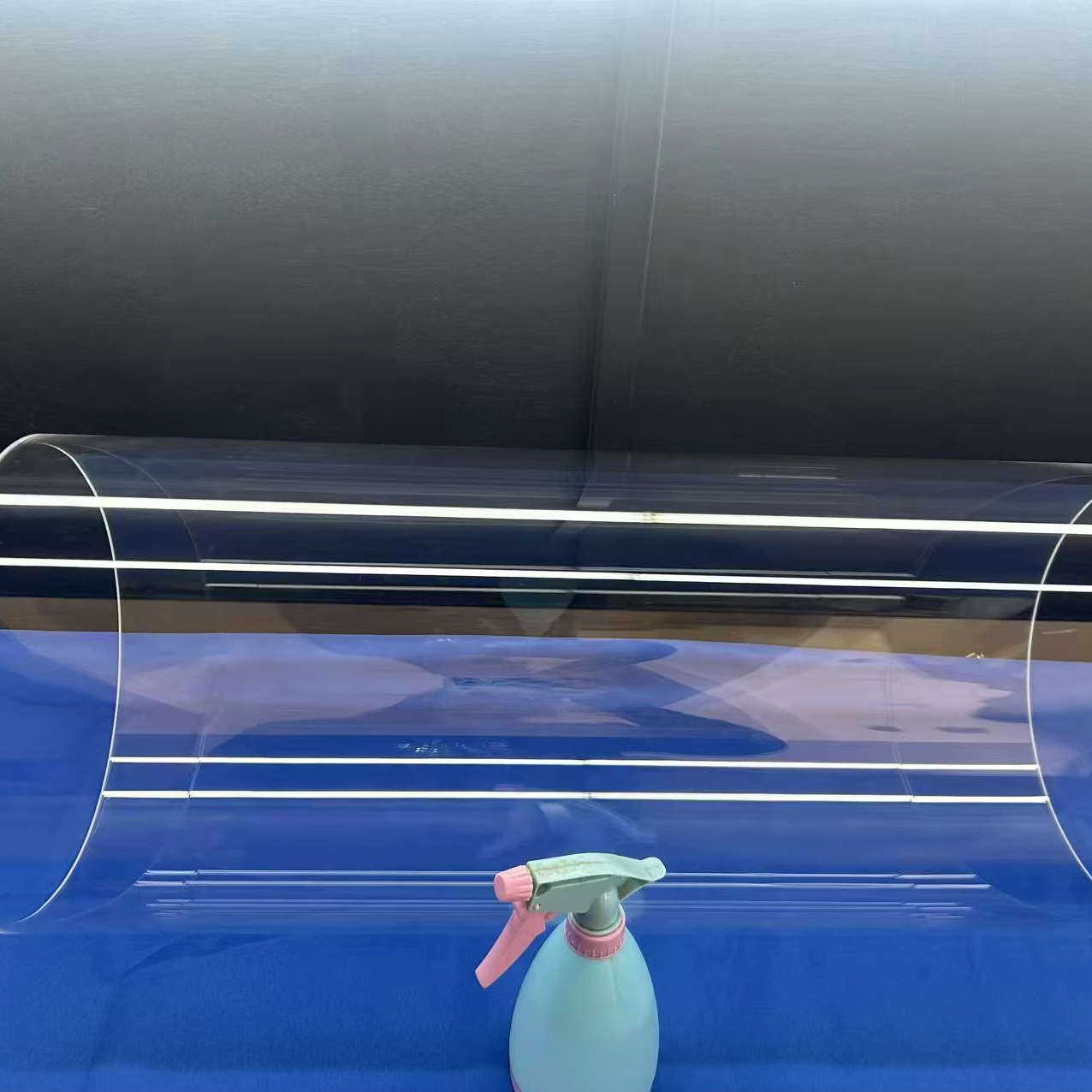
Customizable High Purity Fused Quartz Glass Tube High Temperature Resistant
Tolerance: ±0.05mm
View Details →
Precision engineered products manufactured from high-purity natural silica sand (≥ 99.99% SiO&sub2;). Fully compatible with European vacuum furnaces, chemical processing, and microfabrication standards.
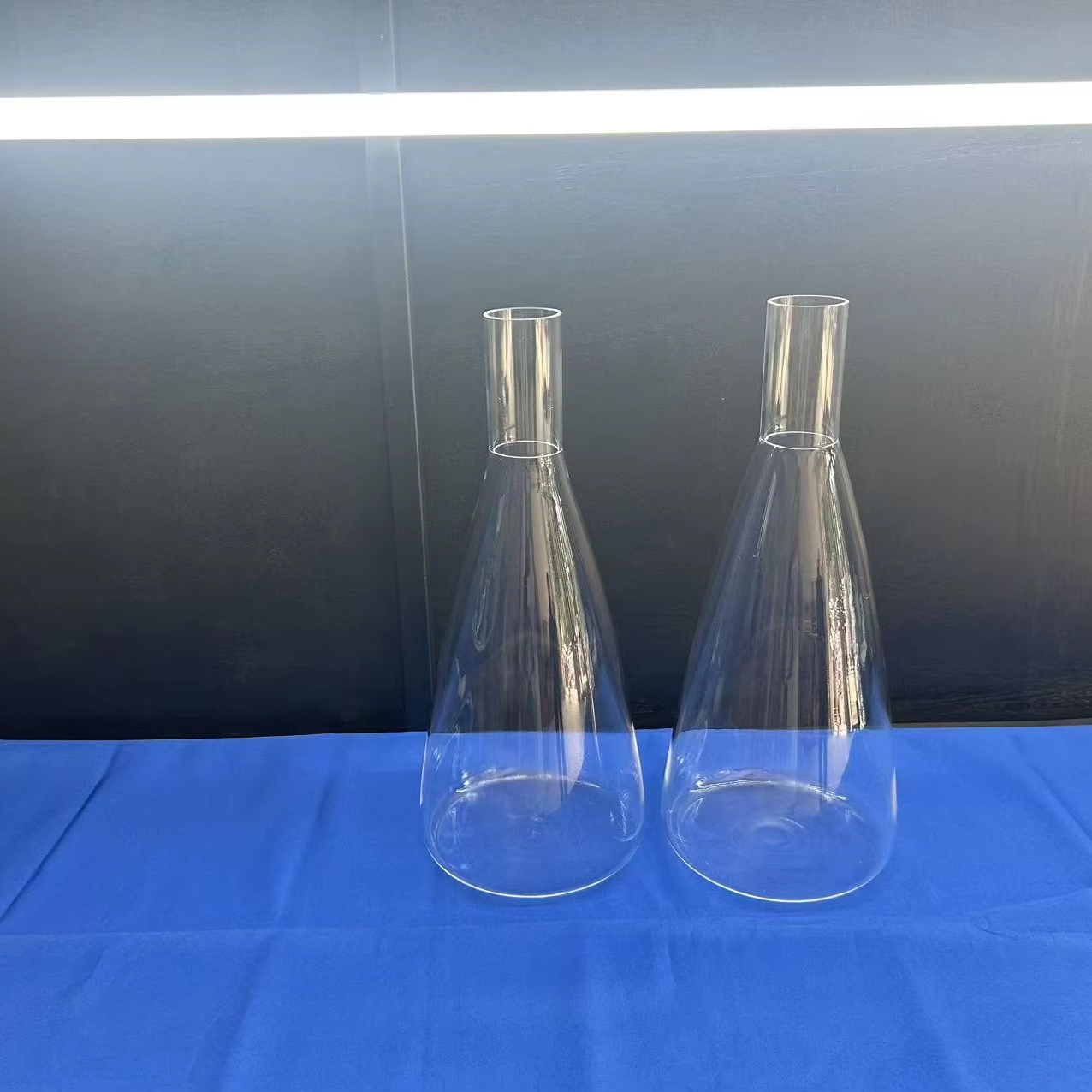
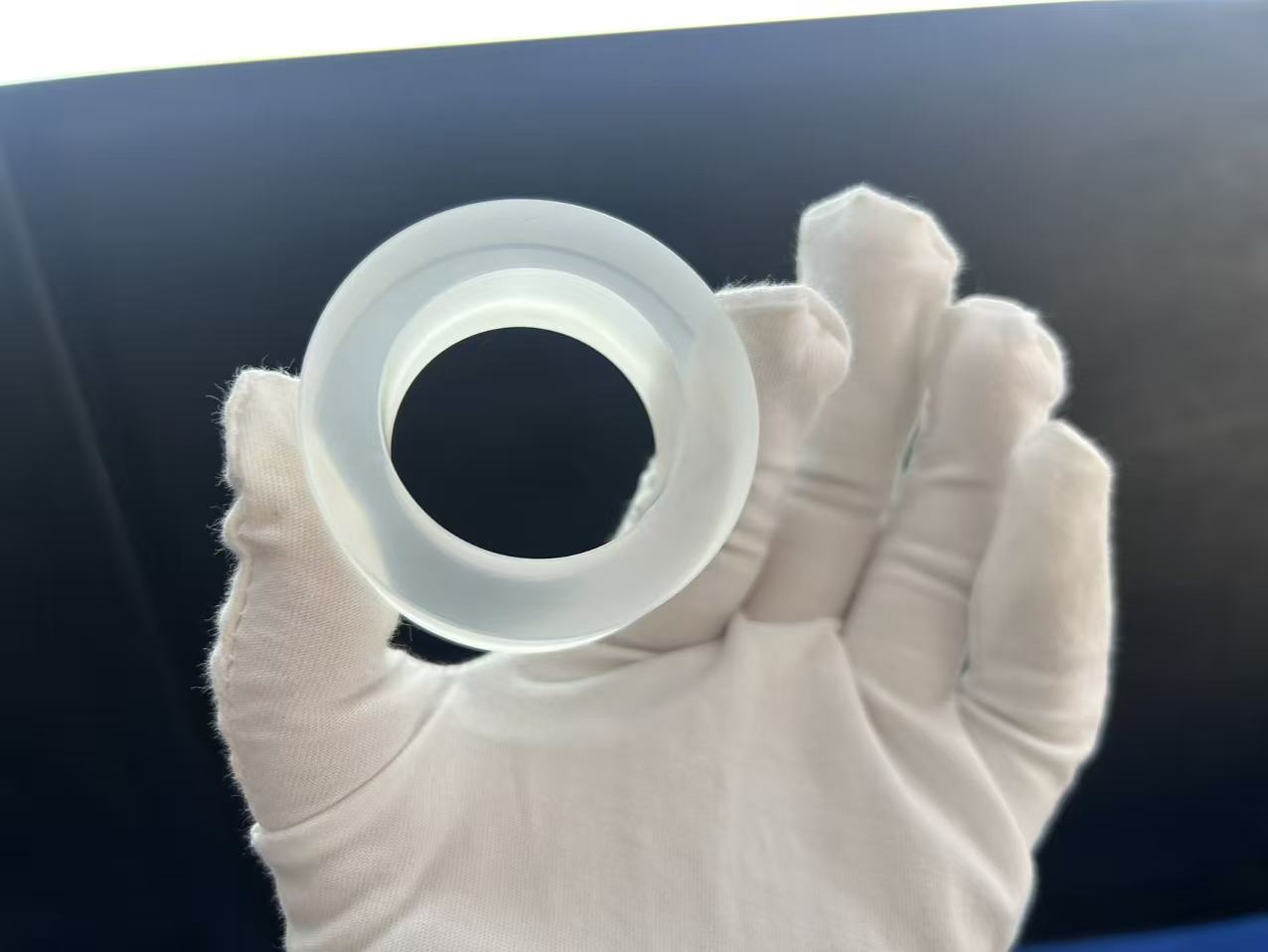
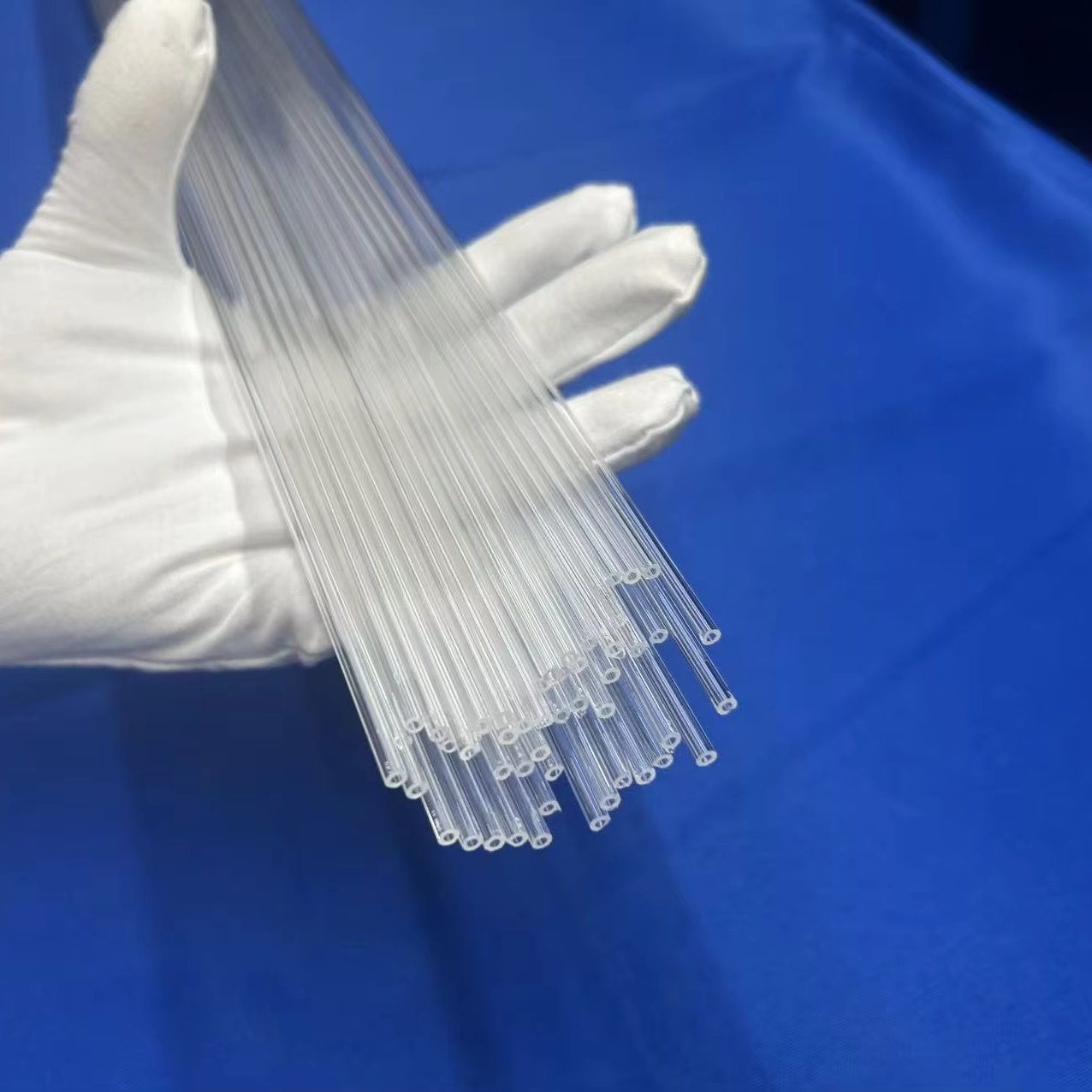
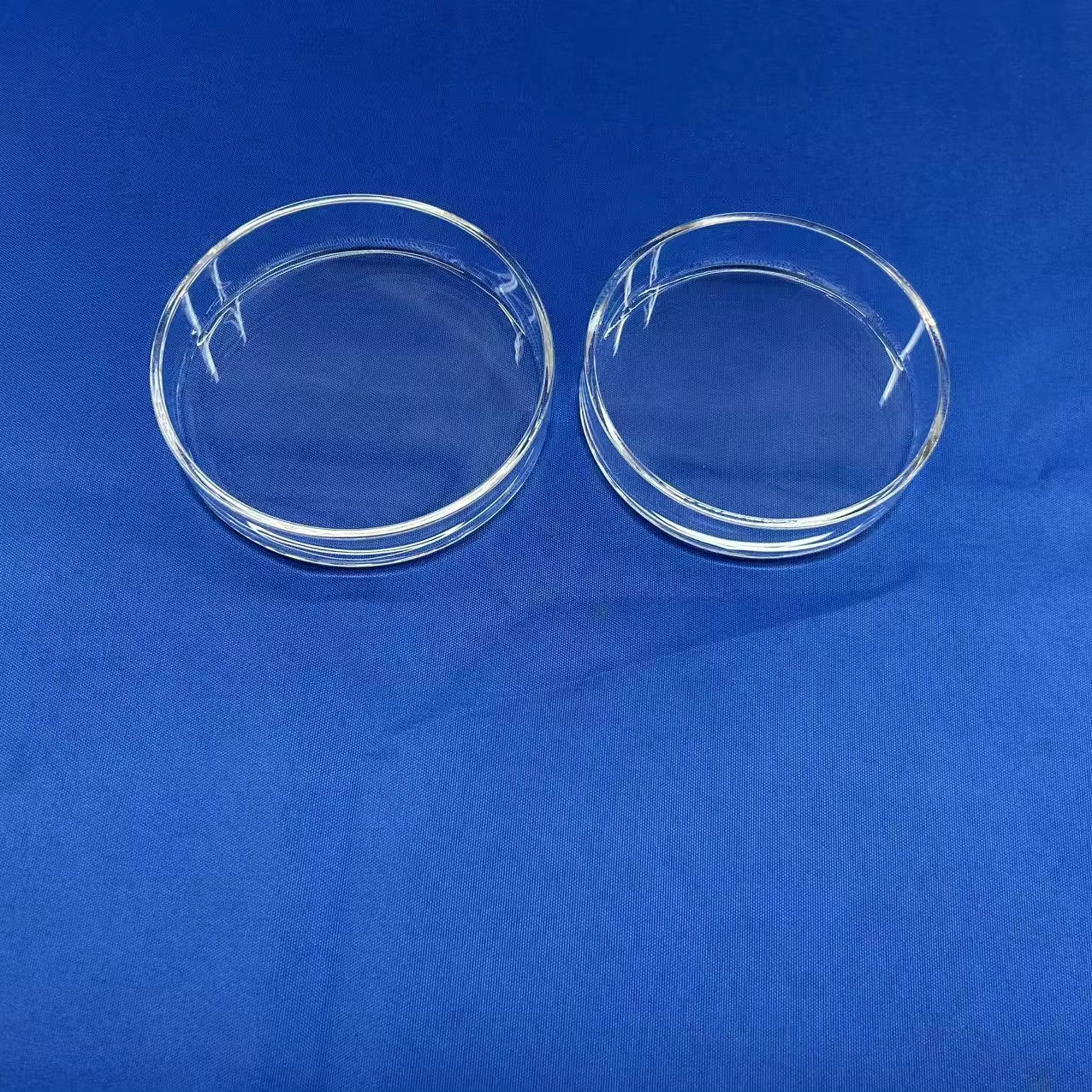
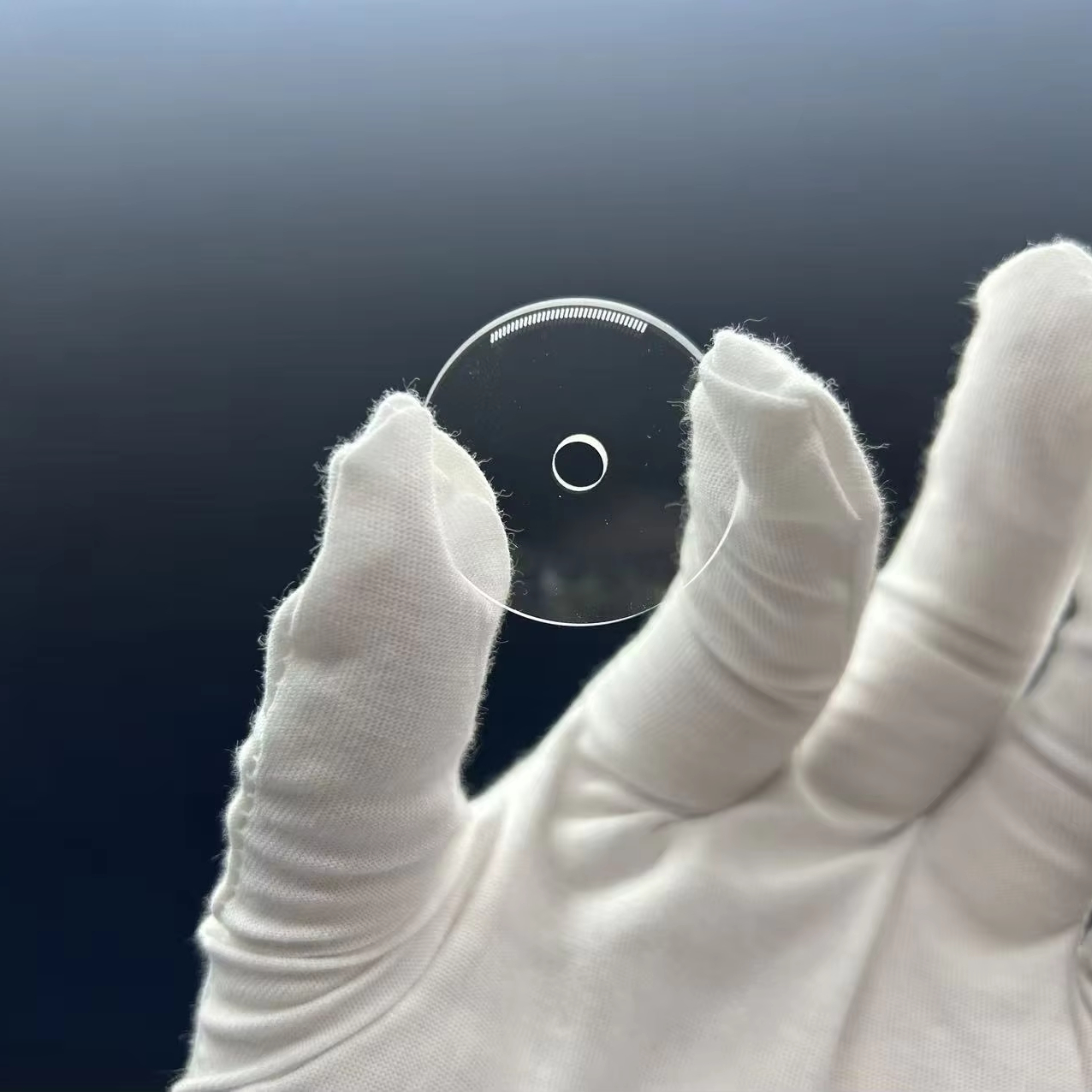
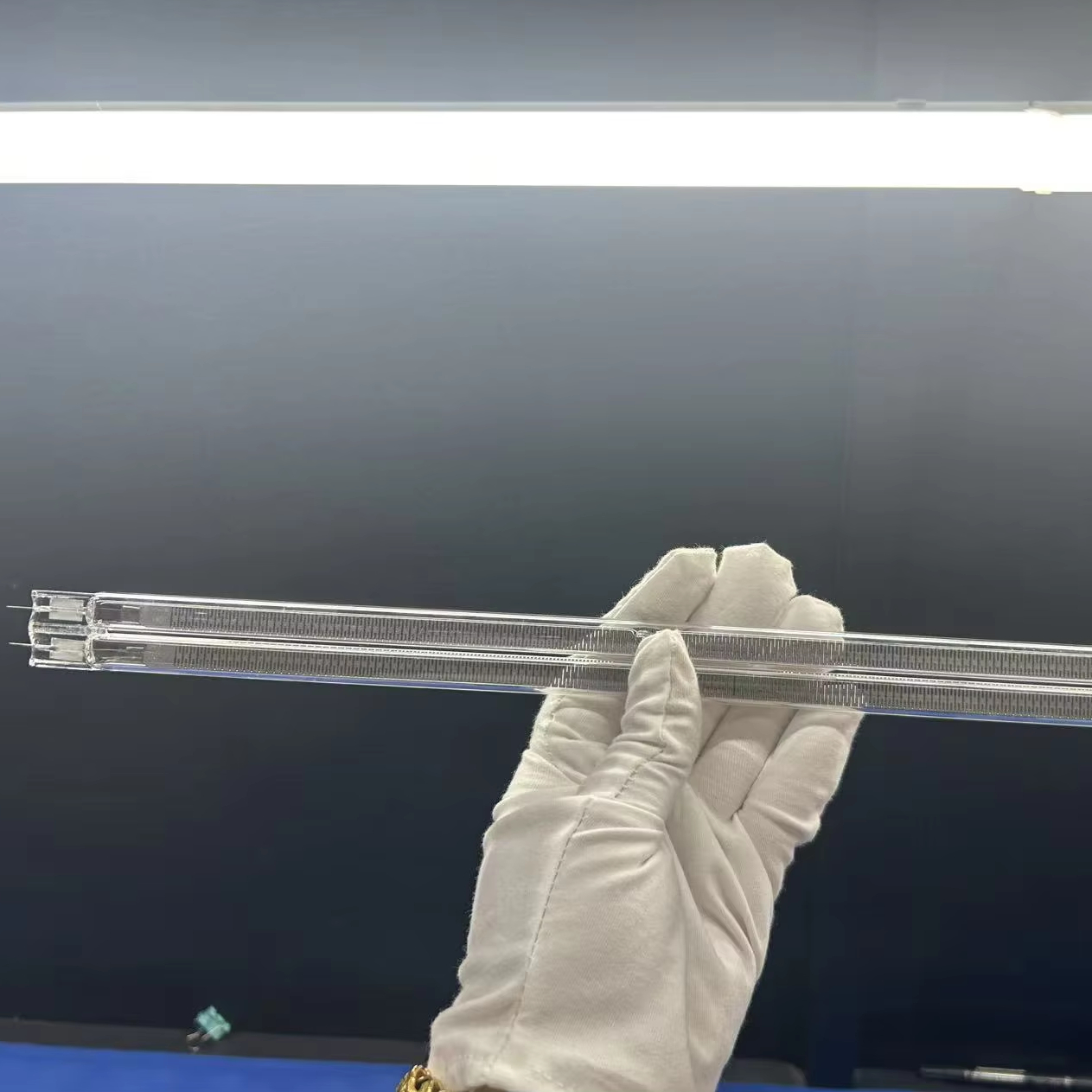
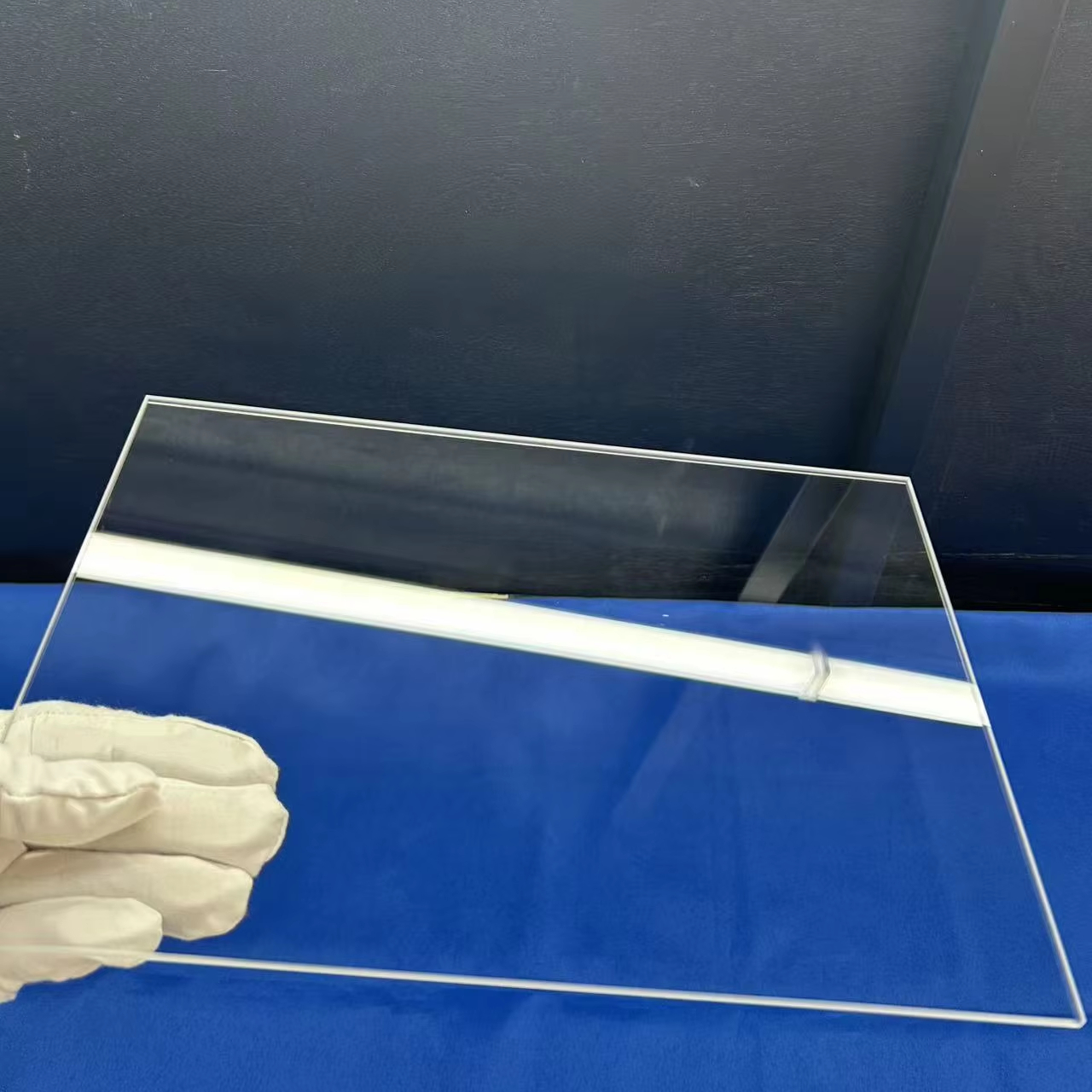
In high-temperature thermal synthesis, advanced metallurgy, and directional solidification, the choice of vessel material directly dictates batch purity and thermal efficiency. Milky quartz crucibles, also scientifically designated as opaque fused silica crucibles, are engineered by fusing refined high-purity natural silica sand through a specialized electric arc fusion process. Unlike transparent vitreous quartz, milky quartz is characterized by a dense, uniformly distributed matrix of enclosed micro-bubbles (typically ranging between 20 μm to 80 μm in diameter).
These microscopic voids produce total internal reflection and severe Mie scattering of incident electromagnetic radiation. This scattering yields two profound mechanical and thermodynamic advantages crucial for European industrial processing:
At temperatures exceeding 1000°C, thermal radiation accounts for more than 90% of total heat transfer. The micro-bubble morphology traps infrared wavelengths, decreasing the effective thermal conductivity through the crucible wall and providing exceptional thermal insulation that prevents temperature gradients within the melt.
With an ultra-low linear thermal expansion coefficient of approximately 5.5 × 10⁻⁷ /°C between 20°C and 1000°C, fused silica experiences negligible volumetric expansion. The micro-porous structure acts as a continuous mechanical stress buffer, absorbing thermal strain and preventing catastrophic thermal shock fractures during rapid cooling cycles.
When subjected to prolonged exposure above 1150°C, fused quartz naturally undergoes crystallization into cristobalite. The high purity (>99.99% SiO&sub2;) and controlled surface density of our opaque crucibles retard the nucleation and growth velocity of cristobalite spherulites, significantly extending the service life of the crucible.
For procurement teams and materials engineers in the Brussels capital region, selecting the correct crucible structure ensures process reliability. Standard clear quartz vessels often allow excessive radiant heat leakage and localized hot spots, whereas milky quartz maintains a homogenous, diffused thermal field throughout molten baths—making it indispensable for high-temperature synthesis, calcination, and silicon crystal pulling.
Positioned at the logistical and administrative center of the European Union, the Brussels-Capital Region and its surrounding industrial corridors require specialized refractory vessels certified to European standards.
Collaborating with the research triangle spanning Brussels universities (ULB, VUB) and neighboring nanoelectronics clusters in Leuven (IMEC), our opaque crucibles provide contamination-free containment for high-temperature diffusion, crystal synthesis, and silicon dopant melting.
Belgium’s rich heritage in non-ferrous metallurgy and circular recycling (centered along the Brussels-Antwerp-Olen industrial axis) relies on milky quartz crucibles for melting gold, platinum-group metals (PGMs), and high-entropy alloys without chemical slag attack or crucible dissolution.
Supporting Belgian clean-tech initiatives aligned with the EU Net-Zero Industry Act, our large-diameter milky quartz crucibles serve as the baseline vessel for directional solidification casting of solar-grade polysilicon and tandem perovskite-silicon precursor synthesis.
Specialized chemical laboratories throughout Wallonia and the Brussels canal zone utilize our opaque crucibles for ash determination, rare-earth catalyst activation, and solid-state electrolyte battery powder sintering, ensuring zero ionic leaching.
Procurement managers and supply chain directors across Belgium are navigating a rapidly shifting geopolitical and regulatory landscape. With Brussels serving as the headquarters of EU industrial policy, the following market forces govern the acquisition of high-purity quartz refractories:
As Europe targets a 20% global semiconductor market share by 2030, downstream component purity has become critical. Belgian fabs and research pilot lines demand documented trace metal purity (<15 ppm total impurities, with Fe < 0.5 ppm) to guarantee defect-free crystal growth.
The EU Green Deal and Carbon Border Adjustment Mechanism (CBAM) are incentivizing procurement teams to choose high-durability crucibles. Thermal-efficient milky crucibles reduce furnace power consumption by up to 14% compared to low-grade cast ceramics.
To mitigate intermediate markup from European distributors, Belgian industrial buyers are increasingly establishing direct OEM relationships with primary factories in Donghai, securing lower unit costs and custom tolerances directly from the source.
Furthermore, compliance with European chemical legislation—notably Regulation (EC) No 1907/2006 (REACH) and the RoHS Directive (2011/65/EU)—is non-negotiable. Nivra Quartz guarantees that all raw materials are 100% natural, synthetic-binder-free quartz crystals, accompanied by full material declaration sheets and EORI-compliant commercial documentation for seamless clearance through Antwerp Port and Brucargo (Brussels Airport).
Comparative empirical data contrasting our high-purity milky fused quartz crucibles against clear fused silica, sintered high-alumina, and silicon carbide refractories.
| Performance Parameter | Milky Quartz (Opaque Fused Silica) | Clear Fused Quartz (JGS2/JGS3) | High-Alumina (99.7% Al&sub2;O&sub3;) | Reaction Bonded SiC |
|---|---|---|---|---|
| SiO&sub2; / Base Purity | ≥ 99.99% | ≥ 99.995% | 99.7% Al&sub2;O&sub3; | SiC + Free Si |
| Density (g/cm³) | 2.05 – 2.15 (Bubble Matrix) | 2.20 | 3.90 – 3.96 | 3.05 – 3.15 |
| Max Continuous Temp (°C) | 1100 – 1150 °C | 1100 °C | 1600 °C | 1380 °C |
| Short-Term Peak Temp (°C) | 1450 °C | 1450 °C | 1750 °C | 1500 °C |
| Softening Point (°C) | ≈ 1683 °C | ≈ 1683 °C | N/A (Crystalline) | Decomposes |
| Thermal Expansion (20-1000°C) | 5.5 × 10⁻⁷ /°C (Ultra-Low) | 5.5 × 10⁻⁷ /°C | 8.0 × 10⁻⁶ /°C (High) | 4.5 × 10⁻⁶ /°C |
| Thermal Shock Resistance | Outstanding (Water Quench Proof) | Excellent | Poor to Moderate | Moderate |
| Thermal Radiation Attenuation | Superior (Diffuse Mie Scattering) | Poor (High IR Transmittance) | Moderate | Opaque (High Absorption) |
| Acid Resistance (Except HF/H&sub3;PO&sub4;) | Complete Inertness | Complete Inertness | Attacked by Strong Acids | High Chemical Stability |
| Trace Impurity (Typical PPM) | Al | Fe | Ca | Mg | Na | K | Li | Ti | Total Impurity |
|---|---|---|---|---|---|---|---|---|---|
| Standard Milky Grade | 12.5 | 0.35 | 0.45 | 0.12 | 0.80 | 0.65 | 0.25 | 1.10 | < 18.0 ppm |
| Ultra-High Purity Solar Grade | 7.2 | 0.18 | 0.25 | 0.05 | 0.30 | 0.25 | 0.10 | 0.65 | < 10.0 ppm |
Founded in February 2019 in Donghai County, Jiangsu Province—globally acknowledged as the premier crystal and quartz manufacturing capital of China—Nivra Quartz combines direct raw material access with state-of-the-art thermal fusion and precision machining infrastructure. Operating with an experienced workforce of 101–200 specialists, our production facility houses multi-axis CNC glass lathes, diamond grinding stations, automated circular electric arc crucible fusion chambers, and class-10,000 cleanroom inspection benches.
Every crucible destined for the European market is manufactured under strict internal quality management protocols. Our premises have undergone thorough on-site verification by Alibaba.com and third-party testing organizations, guaranteeing complete operational transparency and commercial dependability.


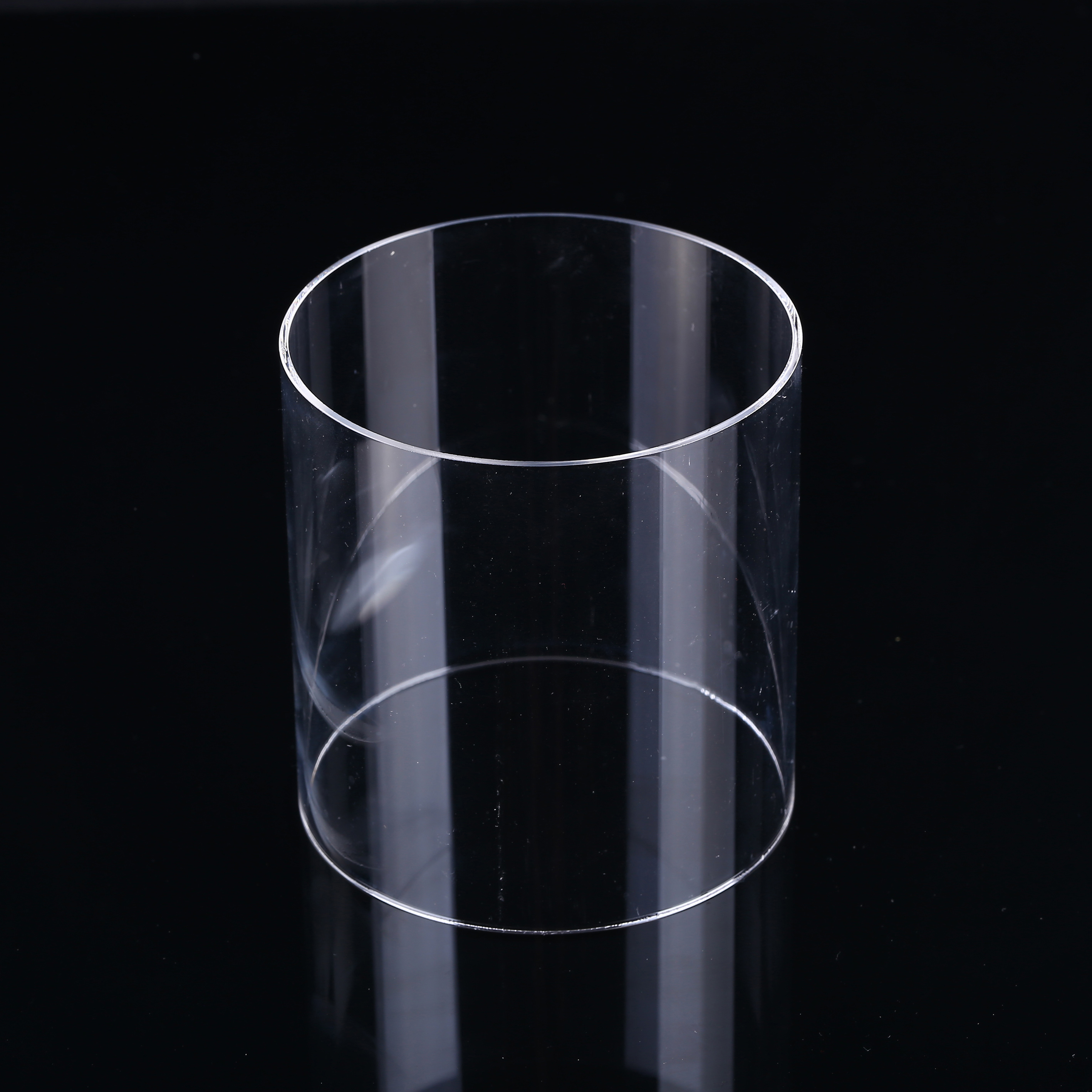
We execute custom fabrications from your 2D/3D technical drawings (CAD, DWG, PDF, STEP), accommodating custom rim bevels, flat bottoms, round bottoms, pouring spouts, and wall thicknesses up to 25 mm.
Each crucible undergoes ultrasonic acid leaching (HF/HCl) to strip surface metal contamination, followed by DI water cascading rinse (18.2 MΩ·cm) and vacuum-sealed double-PE bag packaging.
With an average inquiry response turnaround of under 5 hours (88.89% measured response rate), engineering teams receive DFM (Design for Manufacturability) analysis and quotation without delays.
Export orders are shock-mounted in high-density polyethylene (EPE) custom foam tooling inside reinforced, fumigation-free wooden crates, guaranteeing 100% intact delivery via air or maritime freight.
Clear, direct answers regarding European customs clearance, technical specifications, MOQ requirements, and thermal handling protocols.
Shipments to the Brussels-Capital Region are dispatched under Incoterms 2020 rules (FOB, CIF, or DDP). For rapid prototype testing and urgent laboratory replenishments, we utilize dedicated air freight to Brussels Airport (Brucargo - BRU) with transit times of 4–7 business days via DHL/FedEx/TNT. For volume production batches, sea freight clears customs through the Port of Antwerp-Bruges, traveling by bonded trucking to your Brussels facility within 25–32 days. All export documentation includes correct TARIC customs classification codes (typically 7017.10.00 for fused quartz laboratory and industrial glassware) to ensure immediate clearance.
The primary difference lies in the optical transmission and microscopic bubble structure. Clear fused quartz (such as JGS1, JGS2, and JGS3) has zero internal porosity and offers high optical transmission from UV to infrared wavelengths. In contrast, milky quartz crucibles contain thousands of micro-bubbles per cubic centimeter that disperse and diffuse radiative thermal energy. This makes milky quartz ideal as a thermal insulator, preventing hot spots and reducing energy loss in high-temperature furnaces, whereas clear quartz allows direct infrared radiation to pass through.
Yes. Our quartz products consist of high-purity inorganic silicon dioxide (≥ 99.99% SiO&sub2;) fused from natural quartz sand without organic binders, plasticizers, or toxic additives. They are completely exempt from REACH registration requirements under Annex V of Regulation (EC) No 1907/2006 (substances occurring in nature, minerals, and natural glasses). Furthermore, heavy metal contents (lead, mercury, cadmium, hexavalent chromium) are well below the limit thresholds established by Directive 2011/65/EU (RoHS).
To maximize crucible lifespan and avoid cristobalite transformation: (1) Avoid touching the crucible surface with bare hands; skin oils contain alkali salts (sodium, potassium) that accelerate devitrification into cristobalite above 1000°C. Always handle with clean cotton or lint-free cleanroom gloves. (2) Keep furnace atmospheres dry; hydroxyl ions (OH−) accelerate crystallization. (3) When cooling down, transition rapidly through the critical 200°C–300°C threshold where cristobalite undergoes a destructive 2.8% volumetric contraction from β-cristobalite to α-cristobalite.
For standard dimension crucibles, our MOQ is as low as 1 to 10 pieces, allowing research institutes, universities (ULB/VUB), and pilot facilities to evaluate material performance without heavy initial commitments. For custom designs requiring dedicated molds or CNC programming, sample batches of 2 to 5 units are produced for dimensional and thermal sign-off prior to volume manufacturing.
We implement a triple-barrier packaging standard. Each crucible is first cleaned and placed in an anti-static, dust-free sealed polyethylene sleeve. It is then encased within a custom-molded Expanded Polyethylene (EPE) foam shock block engineered to withstand 50G impacts. Finally, units are packed into heavy-duty corrugated export boxes and palletized inside reinforced, plywood cases compliant with ISPM-15 international phytosanitary standards.
Whether you require standard opaque melting crucibles, precision cut tubes, or bespoke technical quartz components built to your exact STEP/CAD files, our engineering team in Donghai is ready to review your specifications.