Precision Fused Quartz Product Portfolio
Direct from Donghai’s ISO-certified smelting facilities to the industrial hub of Thessaloniki. Explore our flagship high-temperature and analytical fused silica components.
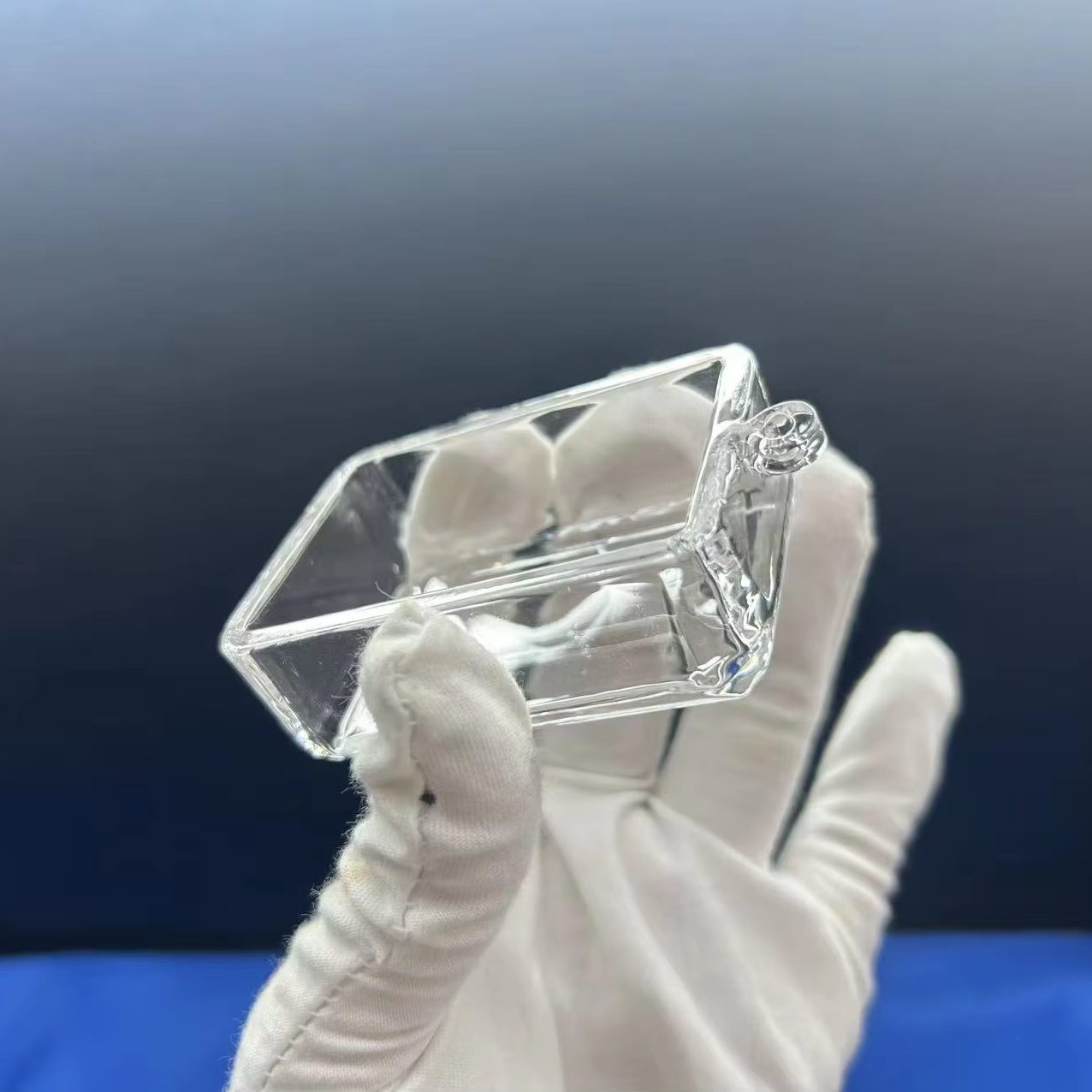
Quartz Tank
Welded high-purity fused silica bath for acid leaching, semiconductor wafer wet etching, and high-temperature electrolytic processes.
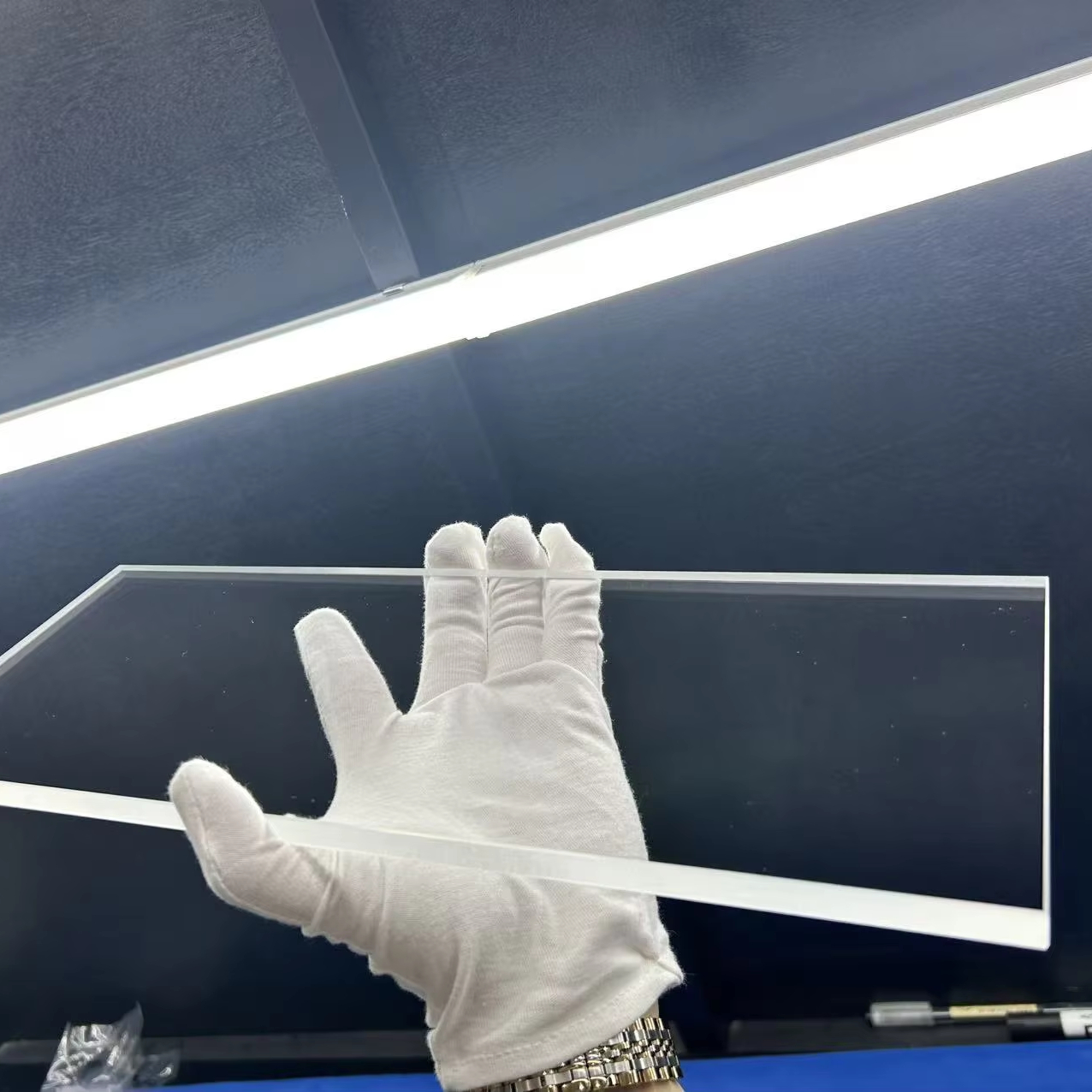
Ultra Clear High Purity Quartz Sheet
Optical grade JGS1/JGS2 flat silica windows with >92% deep-UV transmission, exceptional parallelism, and minimal bubble inclusions.
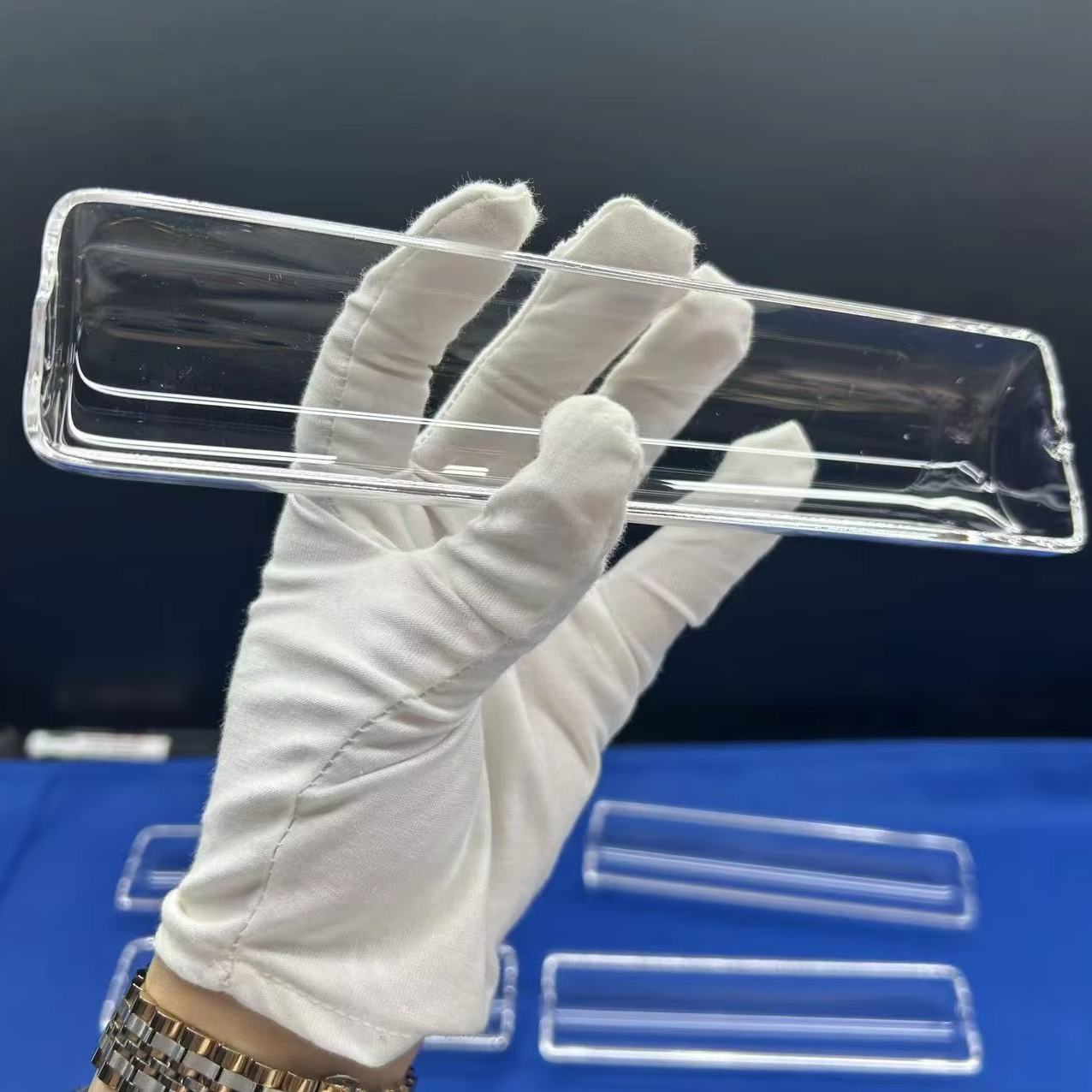
Customized Clear Fused Silica Quartz Boat
High-capacity slotted wafer carrier for high-temperature diffusion furnaces, LPCVD processing, and thermal annealing up to 1250°C.
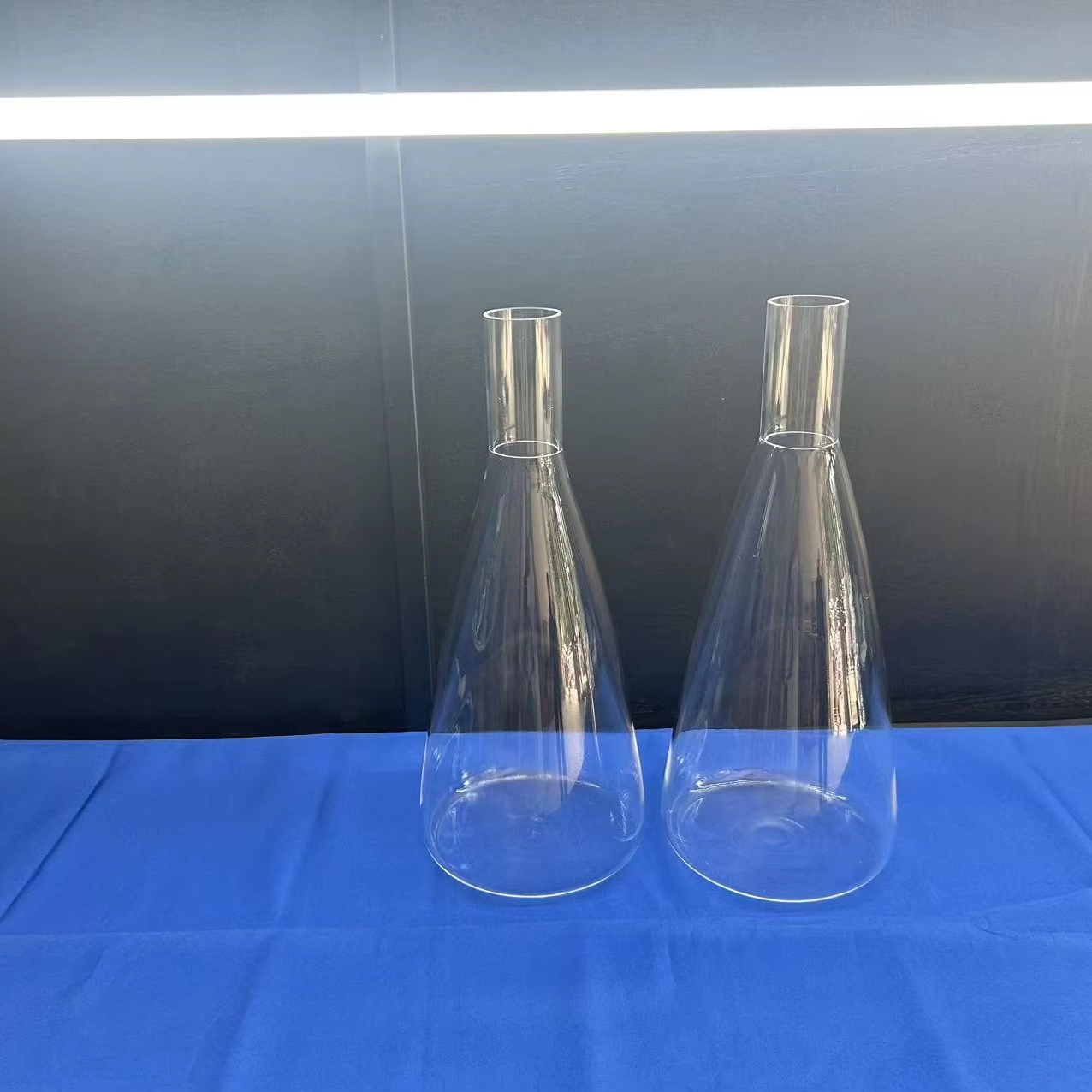
Laboratory Fused Silica Quartz Glass Flask
Heavy-wall boiling and volumetric boiling flasks engineered to resist continuous 1100°C operation, thermal shock, and aggressive acid media.
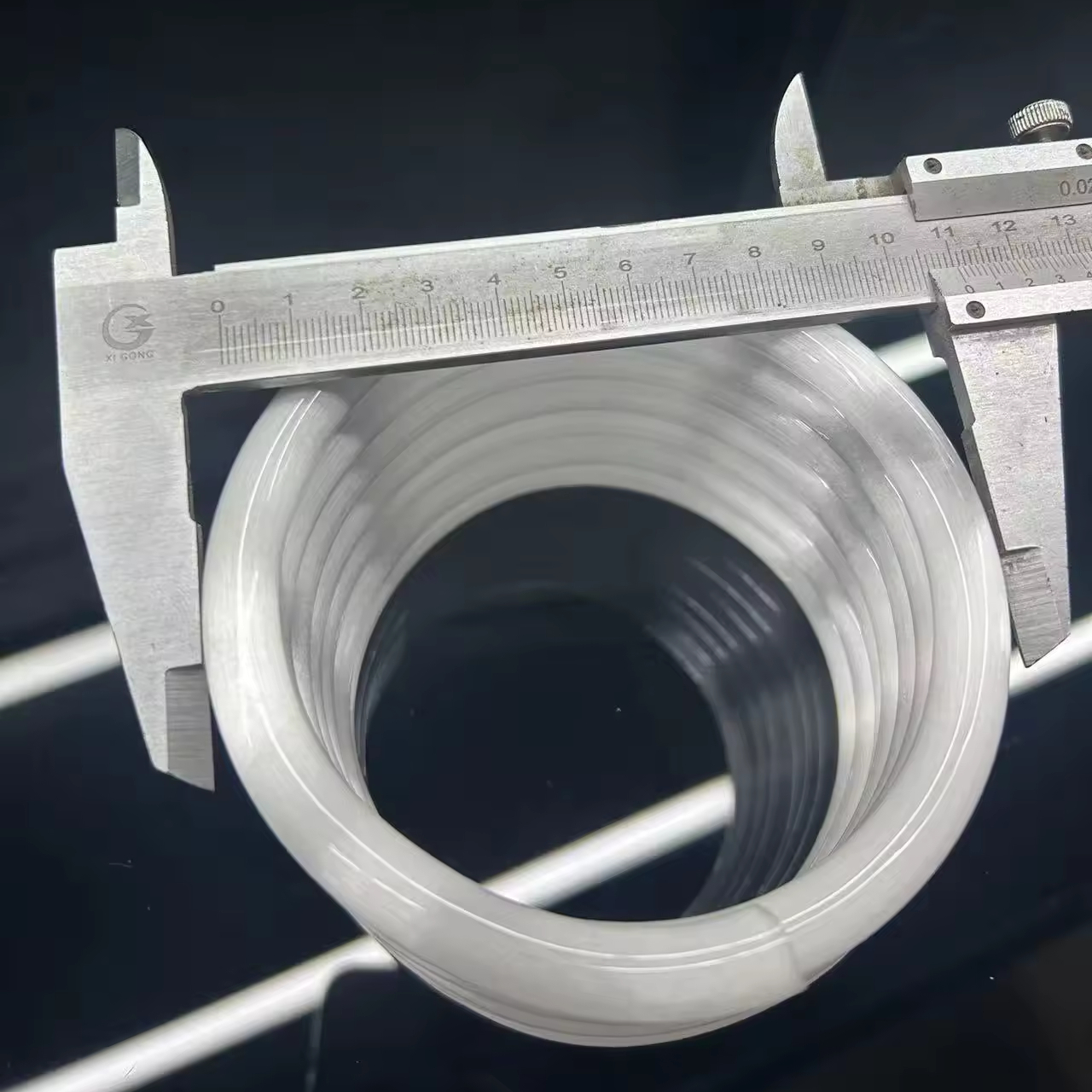
Helical Clear Quartz Glass Coil Tube
Precision flame-formed helical condensation coils for fractional distillation, rapid vapor condensing, and corrosive fluid cooling systems.
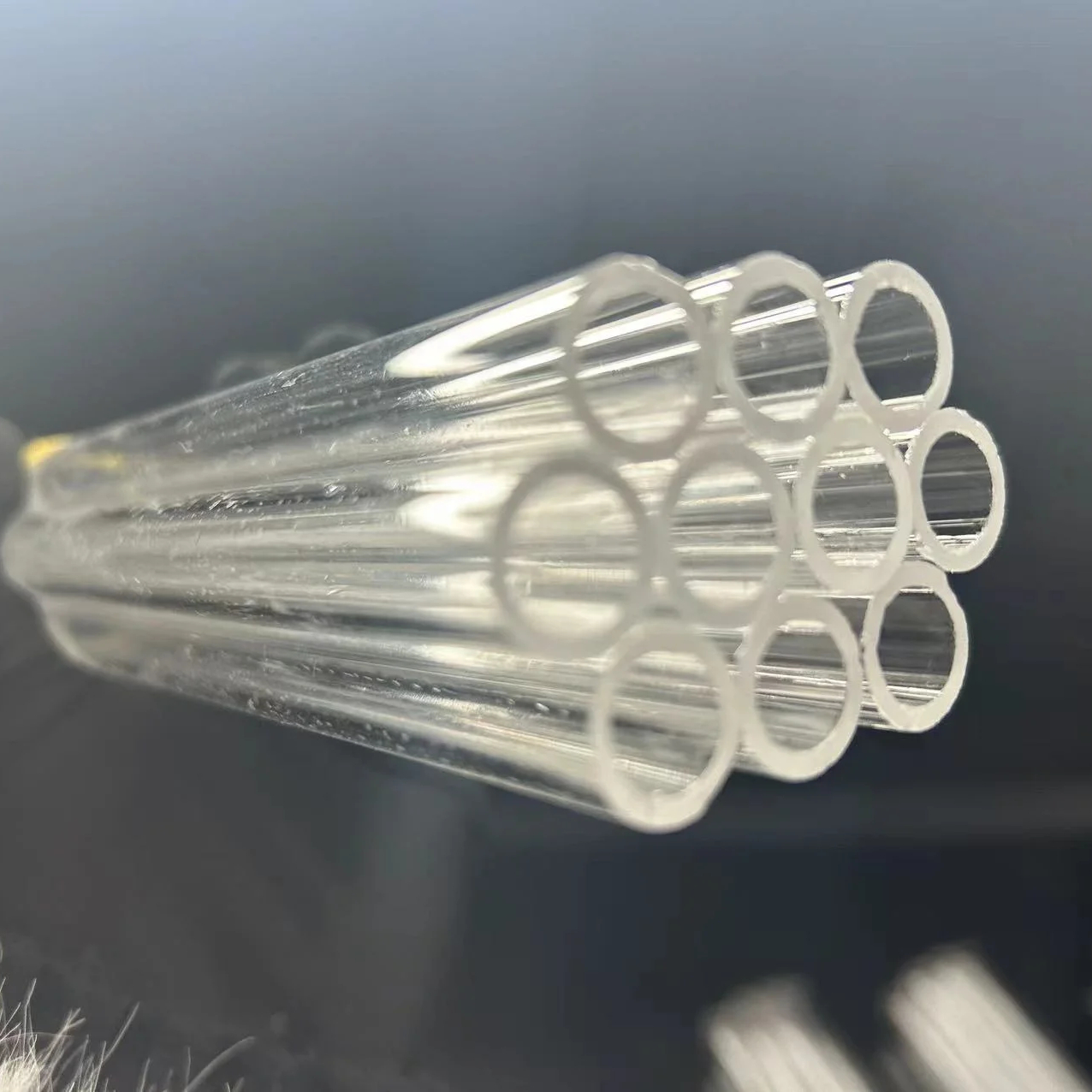
High Temperature Transparent Quartz Tube
Continuous-cast clear quartz cylinder tubes up to 450mm OD. Low hydroxyl content, ideal for tubular muffle furnaces and semiconductor processing.
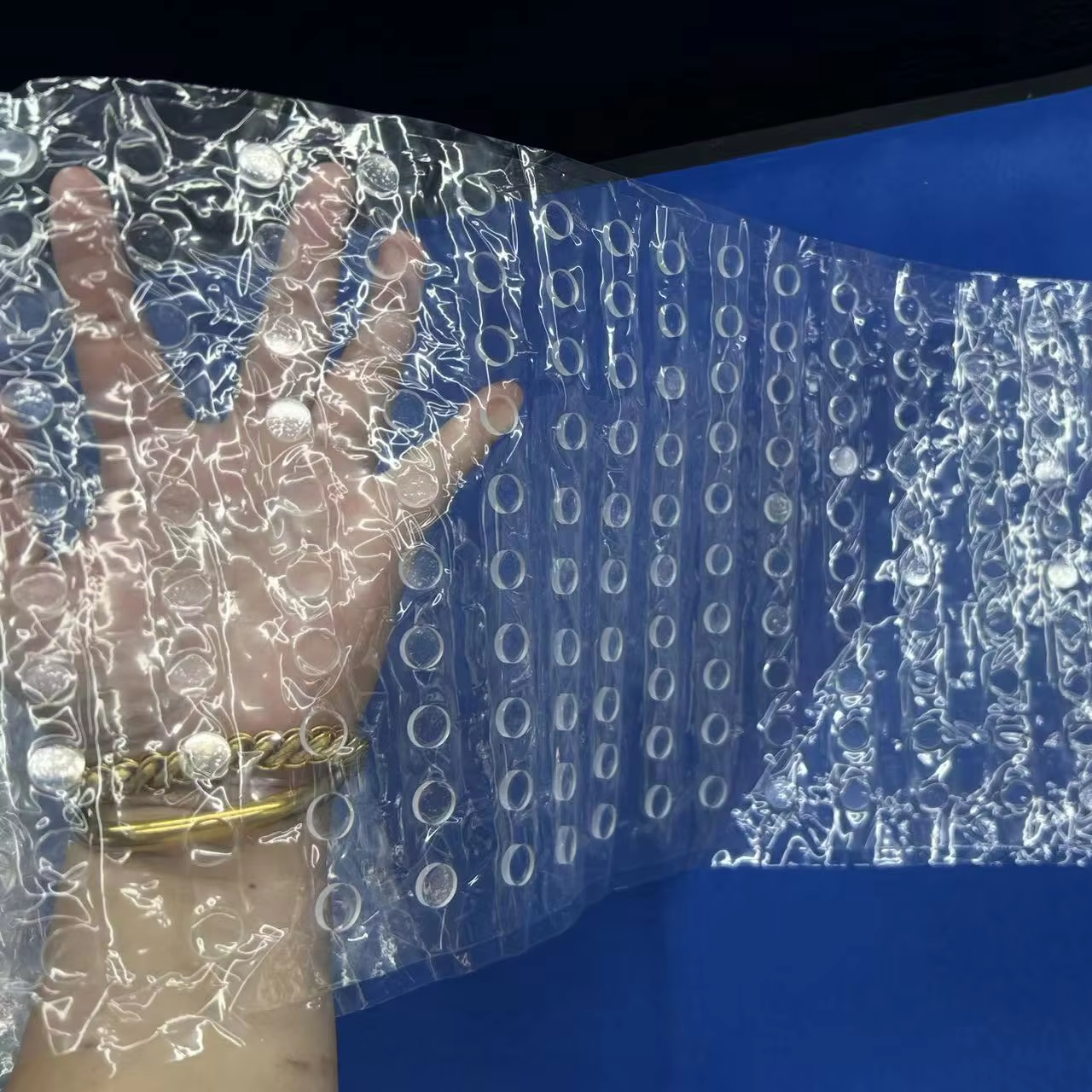
Small-Size High-Purity Quartz Wafer
Double-side chemo-mechanically polished (CMP) synthetic and natural quartz substrates for microfluidics, MEMS, and optical sensor windows.
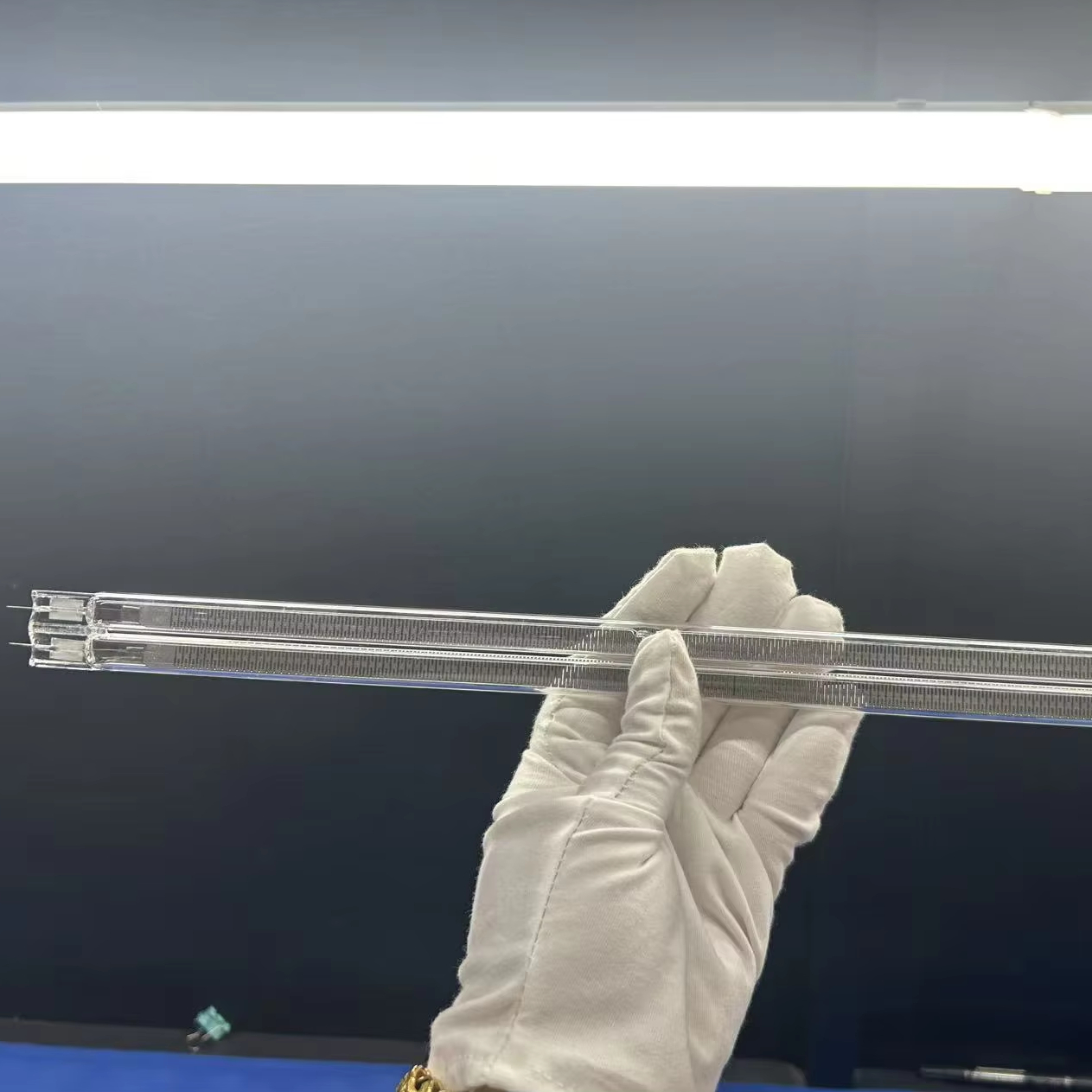
Infrared Halogen / Carbon Heating Tube
220V/380V rapid-response infrared thermal emitter encased in fused quartz for thermoforming, curing paint, and metallurgical heating units.
Technical Whitepaper: Thermodynamics & Metallurgy of Milky Quartz Crucibles
An authoritative engineering analysis for foundries, crystal pullers, and analytical chemists in the Central Macedonia region.
1. Microstructural Morphology: Why "Milky" Fused Silica Outperforms Clear Quartz in Thermal Insulation
In high-temperature metallurgy and photovoltaic crystal growth, the thermal radiation profile of a crucible is paramount. While clear fused quartz (vitreous silica) exhibits high transmission across the infrared spectrum (transmitting up to 90% of radiant heat between 0.2 µm and 3.5 µm), milky quartz crucibles (opaque fused silica) are engineered to achieve an engineered micro-bubble distribution.
During the electric arc centrifugal fusion process at our Donghai facility, high-purity natural silica sand is fused at temperatures exceeding 2000°C. Controlled gas entrapment creates an internal density of 10&sup5; to 10&sup6; enclosed micro-voids per cubic centimeter, with bubble diameters calibrated between 5 and 50 micrometers. These micro-voids act as omnidirectional refractive and reflective interfaces. Rather than allowing radiant heat to pass unimpeded into furnace cold zones, the opaque matrix scatters incoming infrared wavelengths through diffuse back-scattering.
This phenomenon reduces the apparent thermal conductivity ($\lambda$) to roughly 1.30 – 1.55 W/(m·K) at elevated temperatures, maintaining an extraordinarily uniform melt temperature. For silicon ingot synthesis, continuous bronze casting, and precious metal assaying in Thessaloniki’s metallurgical centers, this thermal barrier mitigates localized hot spots, curtails refractory coil stress, and dramatically enhances molten bath thermal equilibrium.
2. Cristobalite Transformation & Devitrification Kinetics
Fused silica is thermodynamically metastable at standard atmospheric pressure. When exposed to temperatures above 1150°C, amorphous silica begins a phase transition toward crystalline β-cristobalite, which transforms into α-cristobalite upon cooling through the 200°C – 275°C inversion window accompanied by a catastrophic 2.8% volumetric contraction. This phase shift is the primary cause of thermal cracking in inferior crucibles.
Our milky quartz crucibles suppress premature devitrification through extreme chemical purification. By refining raw pegmatite quartz to minimize alkali cations (Na+, K+, Li+ < 1.5 ppm combined), we prevent these elements from acting as network disruptors that nucleate cristobalite growth. As a result, our crucibles support sustained metallurgical campaigns at 1200°C to 1450°C without spalling, surface flaking, or structural wall collapse.
| Property Parameter | Milky Fused Silica (Opaque) | Clear Fused Quartz (JGS2) | High-Alumina Ceramic (99% Al₂O₃) |
|---|---|---|---|
| SiO₂ Purity Level | ≥ 99.99% (Donghai Natural) | ≥ 99.995% | N/A (Al₂O₃ ≥ 99.0%) |
| Bulk Density (g/cm³) | 2.06 – 2.18 | 2.20 – 2.21 | 3.85 – 3.95 |
| Coefficient of Thermal Expansion (CTE) | 5.4 × 10⁻⁷ / °C (20–1000°C) | 5.5 × 10⁻⁷ / °C | 8.0 × 10⁻⁶ / °C |
| Continuous Operating Temp | 1150 °C | 1100 °C | 1600 °C |
| Short-Term Max Working Temp | 1450 °C | 1350 °C | 1750 °C |
| Thermal Shock Resistance | Extreme (1200°C to 20°C Water Quench) | Extreme | Moderate (Sensitive to shock) |
| Infrared Radiation Mechanism | Diffuse Scattering & Reflective Barrier | Direct Radiation Transmission | Absorption & Conductive Radiation |
| Reactivity with Molten Acidic Slag | Chemically Inert | Chemically Inert | Prone to Acid Attack |
3. Slag Resistance & Metallurgical Compatibility
Unlike graphite crucibles which contaminate non-ferrous melts with unwanted carbon pick-up, or clay-graphite crucibles which introduce binder ash and iron impurities, opaque milky quartz crucibles provide an inert contact interface for high-purity melts. Fused silica is resistant to all mineral acids (including $HNO_3$, $H_2SO_4$, and $HCl$) except hydrofluoric ($HF$) and concentrated phosphoric ($H_3PO_4$) at elevated temperatures. When melting copper alloys, silver, gold, and polysilicon, our crucibles form an impenetrable meniscus that facilitates slag detachment and minimizes crucible wall erosion.
Localized Industrial Applications in Thessaloniki & Northern Greece
Central Macedonia represents the manufacturing engine of Northern Greece. Here is how our milky quartz crucibles integrate into the regional industrial ecosystem.
Sindos Industrial Area (BI.PE. Sindos) Foundries
As Greece’s largest manufacturing park, Sindos hosts non-ferrous casting plants, copper alloy extruders, and precision brass foundries. In high-frequency induction furnaces, milky quartz crucibles prevent conductive short-circuits while providing diffuse thermal shielding that protects water-cooled copper induction coils from radiant overheating.
Photovoltaic & Silicon Ingot Crystallization
Aligned with Greece’s National Energy and Climate Plan (NECP) pushing regional solar capacity, Northern Greek research parks and component fabricators utilize our large-diameter opaque quartz crucibles for directional solidification of multicrystalline and quasi-monocrystalline silicon ingots with low oxygen contamination.
AUTH & CERTH Scientific Research
The Aristotle University of Thessaloniki (AUTH) - specifically the Laboratory of Metallurgy and Advanced Materials - and the Centre for Research and Technology Hellas (CERTH) rely on our ultra-pure quartz crucibles and labware for high-temperature calcination, catalyst synthesis, and green hydrogen material validation.
Precious Metal Refining & Assaying
Northern Greece has a rich tradition of goldsmithing, jewelry fabrication, and e-waste recycling. Assay laboratories throughout Thessaloniki utilize our opaque fused silica crucibles for fire assaying and gold/silver induction smelting, where zero metal absorption into vessel walls is an absolute prerequisite.
Thermal Energy Storage & Ceramic Sintering
With Thessaloniki emerging as an energy innovation corridor, local thermal battery developers require vessels capable of handling molten nitrate and carbonate salts at 600°C – 900°C. Our milky quartz crucibles resist corrosive salt attack and severe thermal cycling without micro-fissuring.
Cross-Border Balkan Metallurgical Distribution
Positioned at the crossroads of Corridor X and Via Egnatia, Thessaloniki industrial supply merchants utilize our bulk supply model to distribute refractory crucibles onward to foundries and metallurgical processors in North Macedonia, Bulgaria, and Serbia.
Strategic Procurement Trends: Navigating Thessaloniki's Industrial Shift
How supply chain reconfiguration and EU carbon-reduction mandates impact industrial quartz procurement.
1. Thessaloniki Port (ThPA S.A.) as the Balkan Maritime Gateway
The ongoing expansion of the 6th pier at the Port of Thessaloniki has transformed maritime logistics for Central and Southeastern Europe. Procurement teams in Thessaloniki are pivoting away from expensive Western European distributors who tack on 40–60% middleman markups for imported Chinese fused quartz. By executing direct factory-to-port shipments (via COSCO, MSC, and Ocean Alliance container loops calling directly at Thessaloniki Port), regional foundries secure direct ex-factory pricing, custom dimensional tolerances, and dependable buffer inventories.
2. Decarbonization and Electrification of Northern Greek Melting Facilities
Under EU ETS (Emissions Trading System) compliance mandates, metal casters in Central Macedonia are phasing out legacy fossil fuel-fired burners in favor of electric arc and induction furnaces. Electric induction requires crucibles with ultra-low dielectric loss and exceptional thermal insulation to reduce kilowatt-hour consumption per ton of melt. Milky quartz crucibles fulfill both prerequisites: an electrical resistivity exceeding $10^{18} \ \Omega\cdot\text{m}$ at room temperature ($>10^6 \ \Omega\cdot\text{m}$ at 1000°C) and low radiative thermal bleed.
3. Direct Engineering Partnerships via CAD/STEP Integration
Standard catalog crucibles often lead to poor fitment in custom furnace assemblies. Modern industrial buyers in Thessaloniki now demand supplier agility: the ability to submit 3D STEP/DWG drawings and receive finished prototypes within 15–20 business days. Nivra Quartz bridges this technical gap with automated flame lathing, custom mold fabrication, and ultrasonic CNC profiling.
Thessaloniki B2B Procurement FAQ
Clear, direct answers addressing import logistics, quality verification, and high-temperature performance for regional buyers.
What is the typical shipping transit time and customs clearance process for Thessaloniki Port?
How do milky quartz crucibles perform under sudden thermal shock in induction casting?
Can Nivra Quartz produce custom crucible geometries according to our foundry's CAD drawings?
What impurity certification is supplied with each production lot?
How are fragile fused quartz crucibles packed to prevent maritime breakage?
What is your Minimum Order Quantity (MOQ) and sample policy for Greek enterprises?
Why Sourcing Directly From Nivra Quartz Delivers High Strategic Value
Combining Donghai’s world-renowned raw quartz abundance with modern manufacturing discipline and global trade support.
Donghai Quartz Heartland
Located at 285 Heping East Road, Lianyungang, Jiangsu — the crystal capital of China. Direct access to raw silica ensures unmatched material control and pricing stability.
101–200 Technical Personnel
Our dedicated workforce spans furnace technicians, optical polishers, flame glassblowers, and mechanical engineers dedicated to rapid turnarounds.
Strict On-Site Verification
Premises independently inspected and verified by third-party audit companies and Alibaba.com. 5.0/5 verified client satisfaction rating with an 88.89% response rate.
≤ 5-Hour Response Window
Our international engineering team reviews technical inquiries, drawings, and quotation requests with prompt, expert feedback tailored to European time zones.
Manufacturing Infrastructure & Quality Control Protocol
Every step of production — from raw sand preparation to cleanroom optical inspection — is governed by strict ISO-aligned manufacturing standards.
At our Donghai facility, we maintain automated electric fusion arc furnaces capable of fabricating crucibles from 2 inches up to 36 inches in diameter. High-precision laser wall-thickness scanning verifies uniform mass distribution across the crucible belly and knuckle zones, eliminating localized thin points that could induce premature failure during melt agitation.
Prior to crate packing, all crucibles undergo an ultrasound wash in deionized water (18.2 MΩ·cm) to strip particulate contamination, followed by high-intensity light darkfield inspection to ensure zero surface micro-fracturing or unauthorized devitrified nuclei.
Accelerate Your High-Temperature Sourcing in Thessaloniki
Whether you are planning an induction furnace modernization at Sindos, undertaking high-purity silicon research at AUTH, or procuring laboratory quartzware for regional distribution, our engineers are ready to assist. Submit your technical parameters or CAD drawings today.