High-Purity Quartz Vessels & Thermal Processing Hardware
Manufactured in our Donghai production facility with high-grade silica sand, precision diamond grinding, and flame polishing. Ready for direct dispatch to Yokohama and Tokyo distribution terminals.
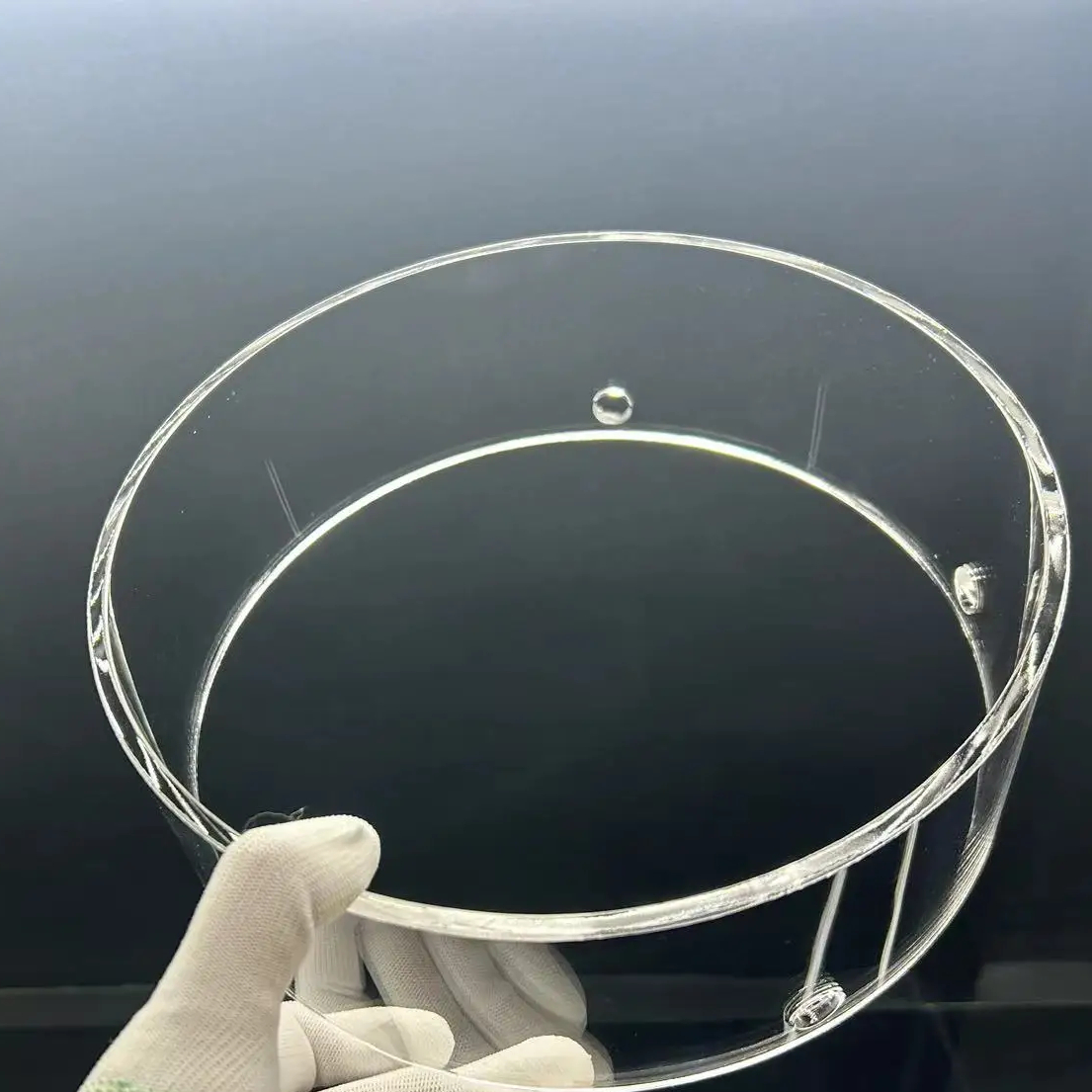
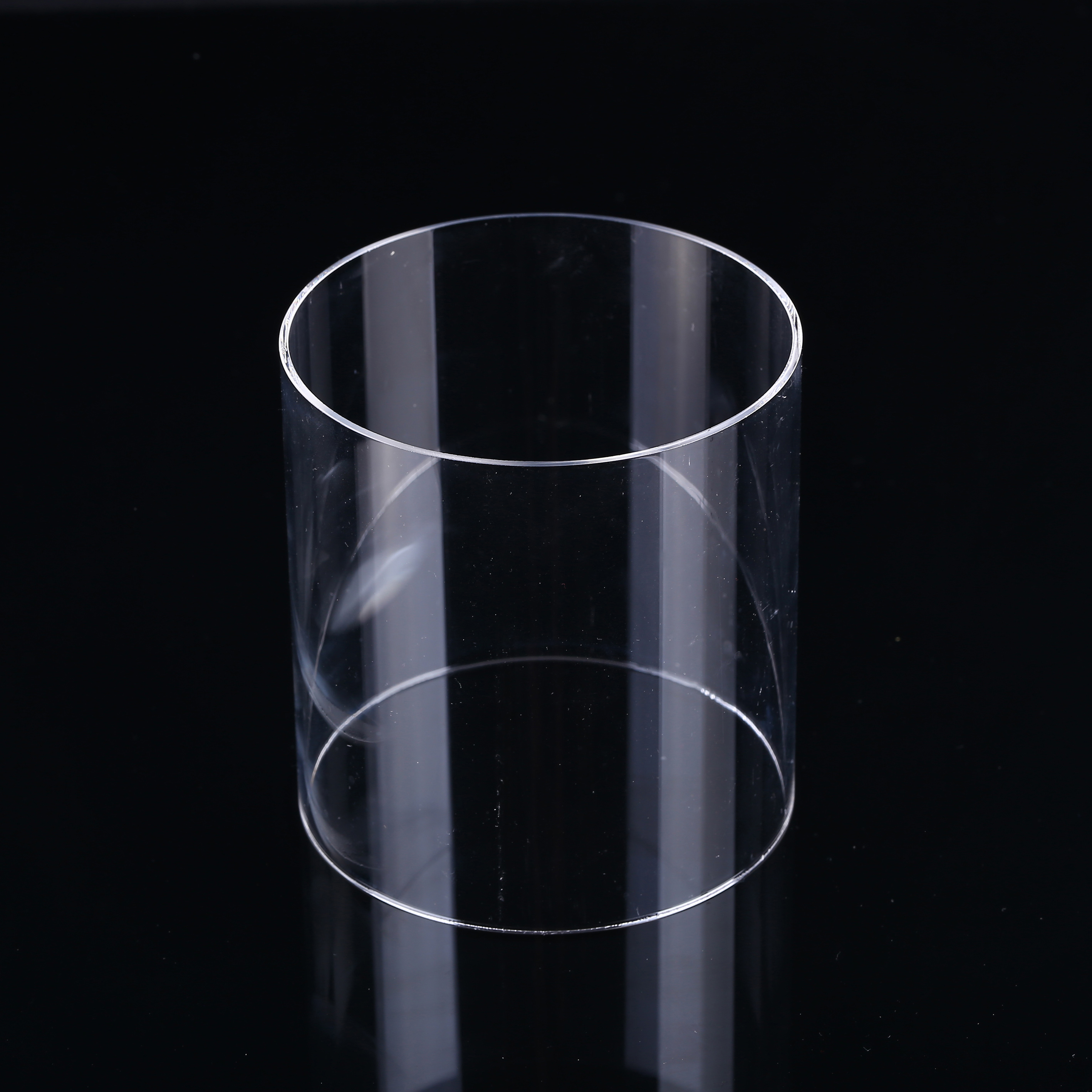
Fused Transparent Quartz Tube
Optically transparent, high-temperature furnace tubes designed for diffusion, LPCVD, and oxidation processes with superior thermal stability.
View Specifications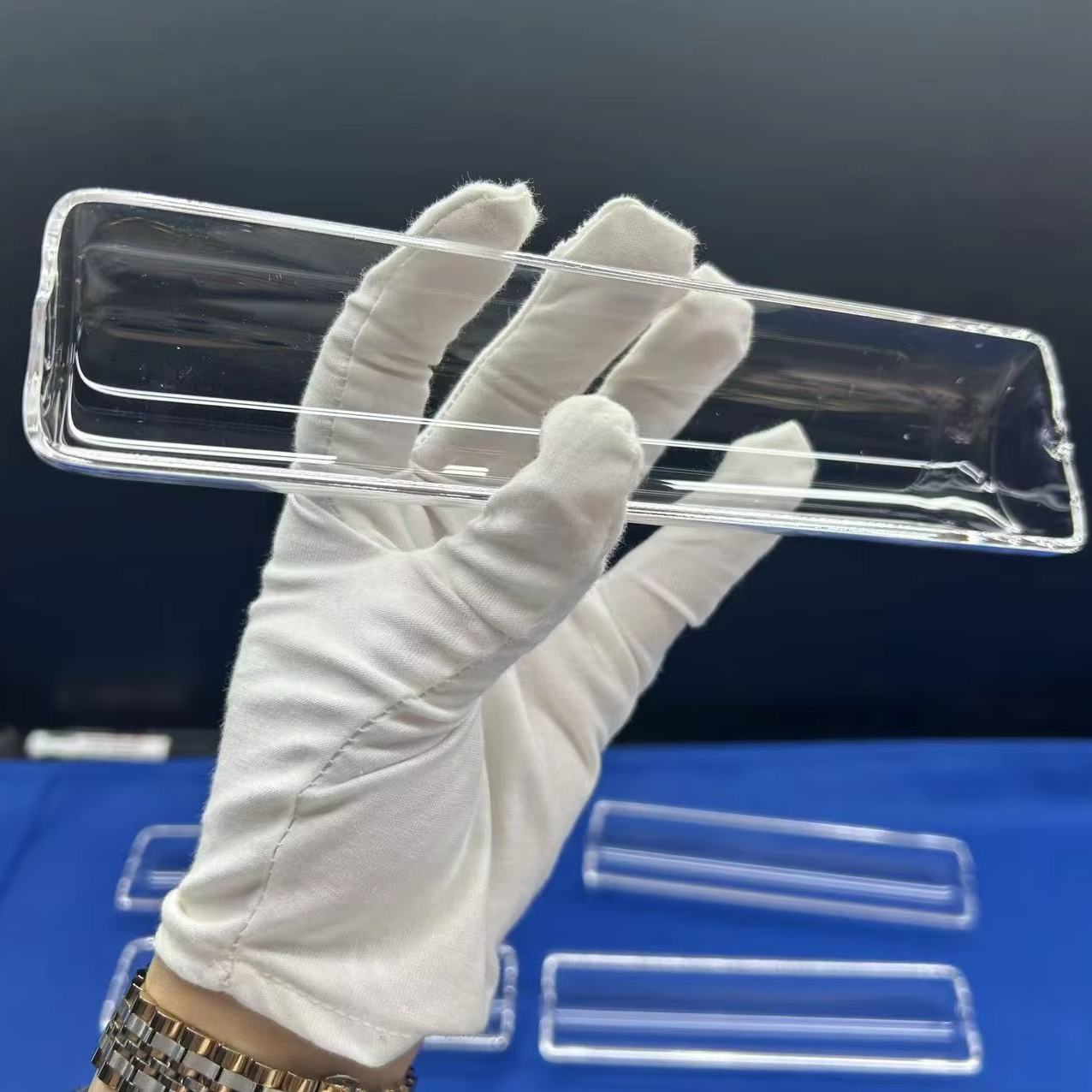
Customized Clear Fused Silica Quartz Boat Polished Clear Quartz Wafer Carrier
Precision slotted wafer carriers with slot-pitch accuracy down to ±0.05 mm, engineered to prevent silicon wafer warp in cleanroom batch processing.
View Specifications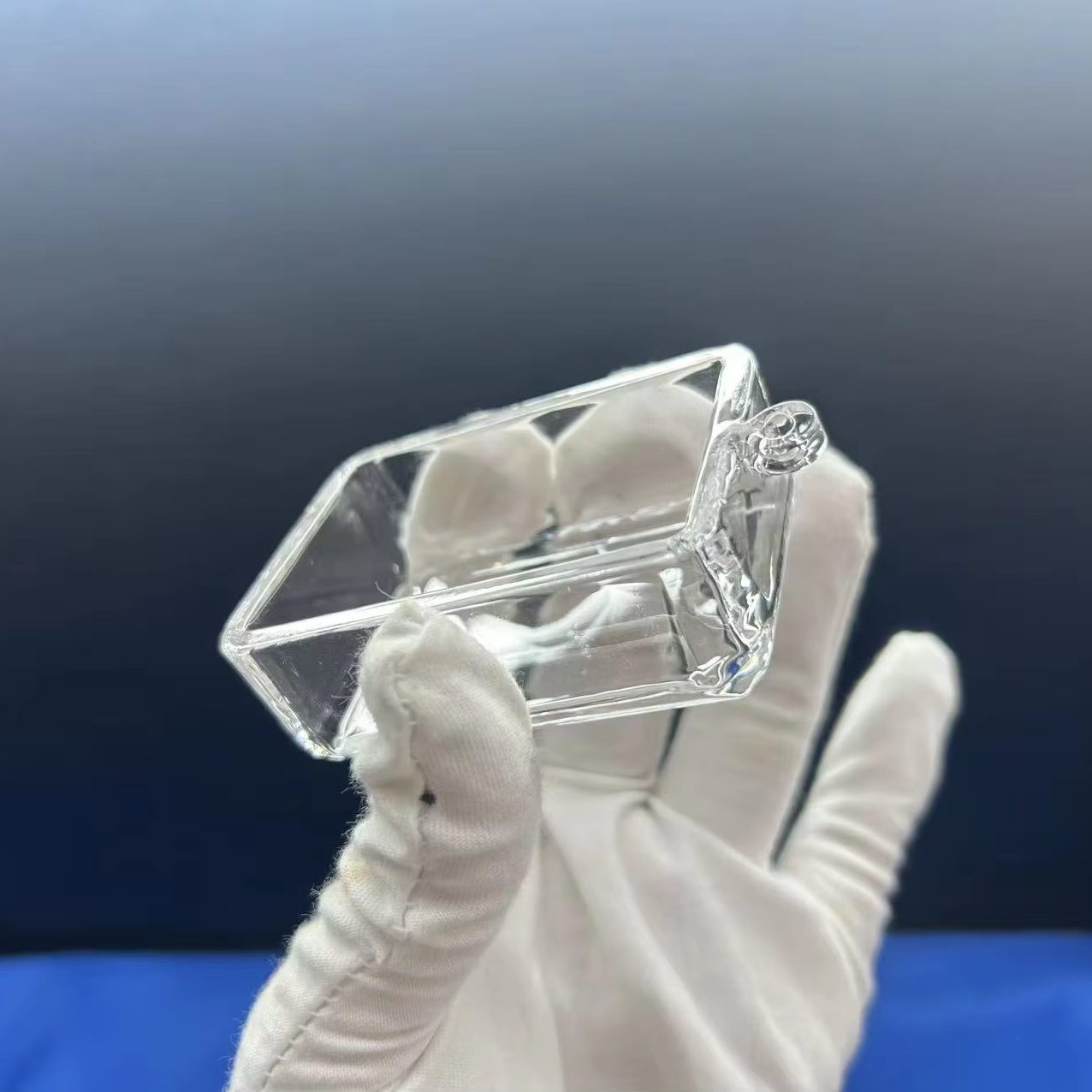
Quartz Tank
Seam-welded high-purity electrolytic and acid bath cleaning tanks, resistant to aqua regia, hydrochloric acid, and aggressive wet chemistry reagents.
View Specifications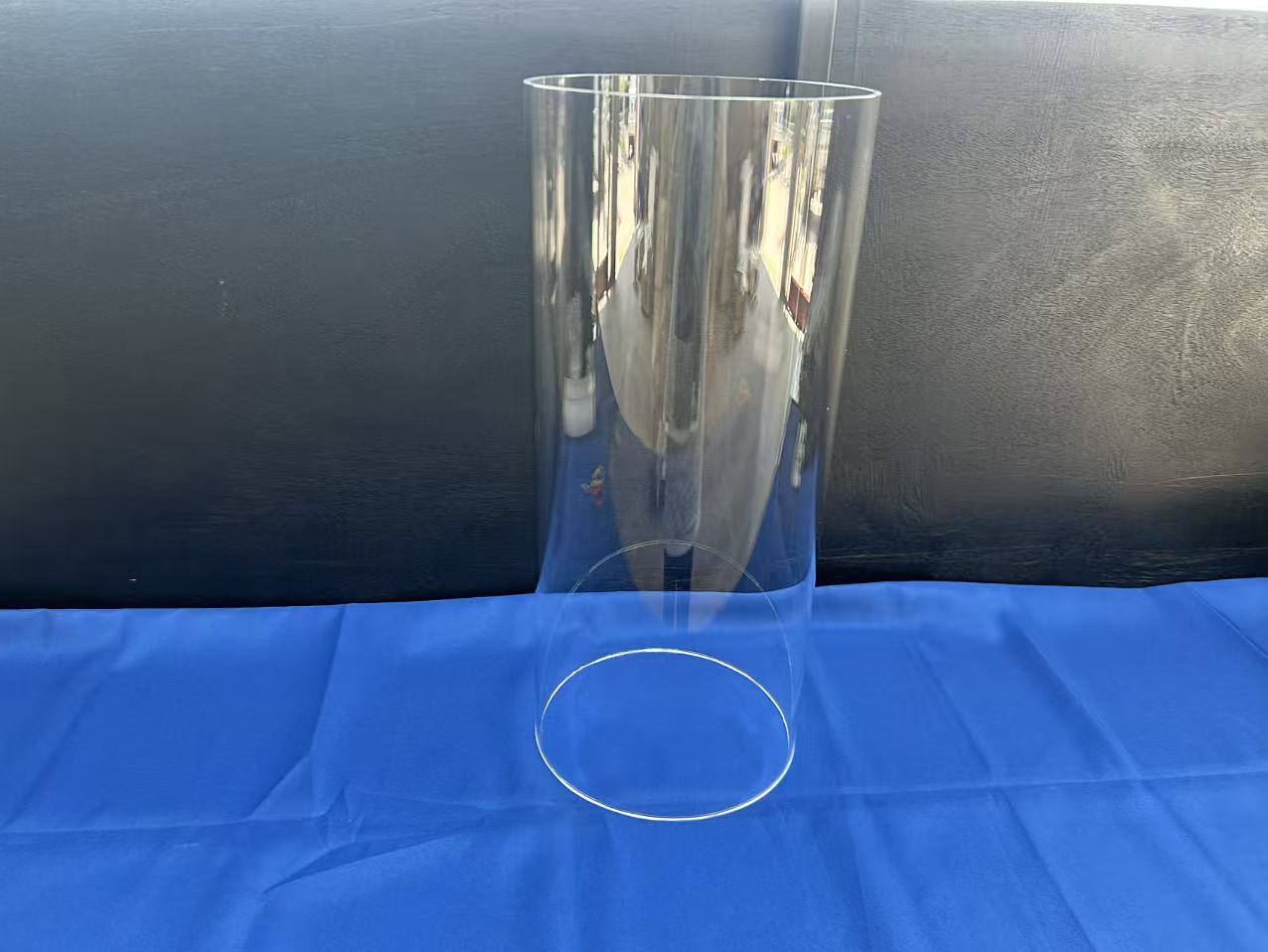
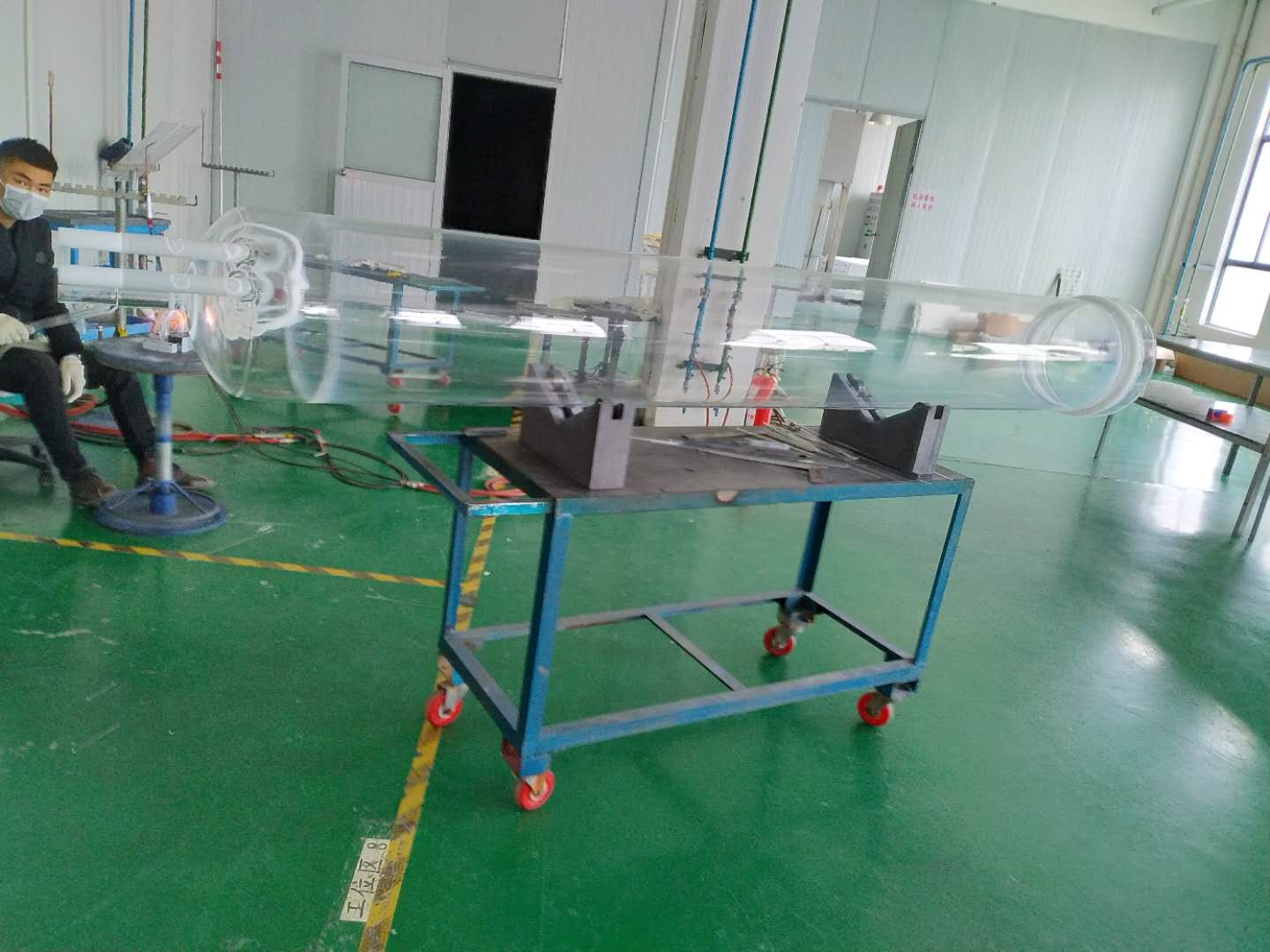
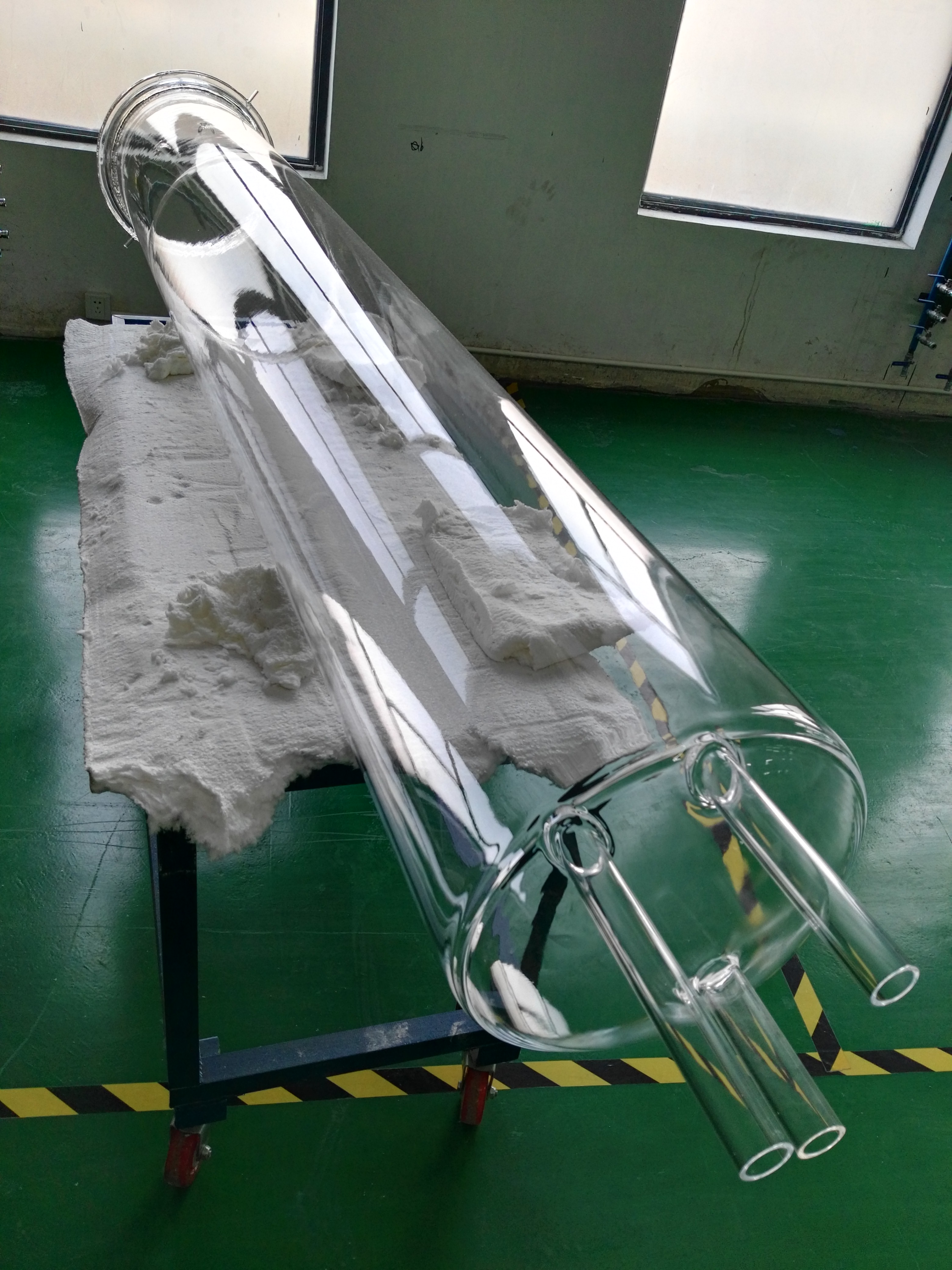
Custom Large-Diameter High-Purity Fused Quartz Transparent Glass Tubes
Heavy-wall, large-diameter fused quartz process cylinders up to 450 mm OD, complete with customized flange welding and edge beveling.
View Specifications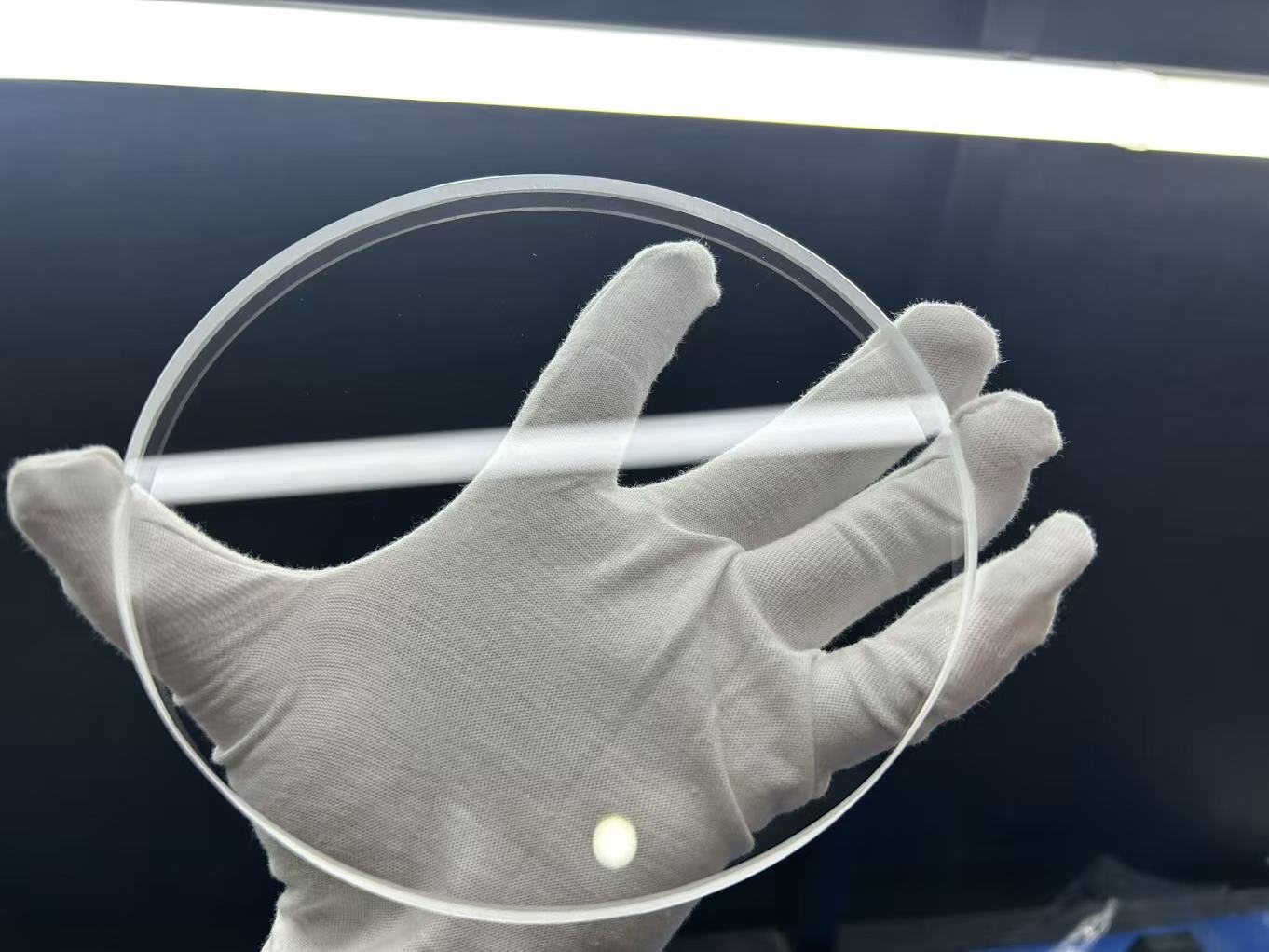
Wholesaler Customized High Quality Clear Fused Quartz Glass Sheet
Optical grade JGS1 / JGS2 polished quartz viewing windows and substrate plates offering extreme UV-to-IR spectrum transmittance.
View Specifications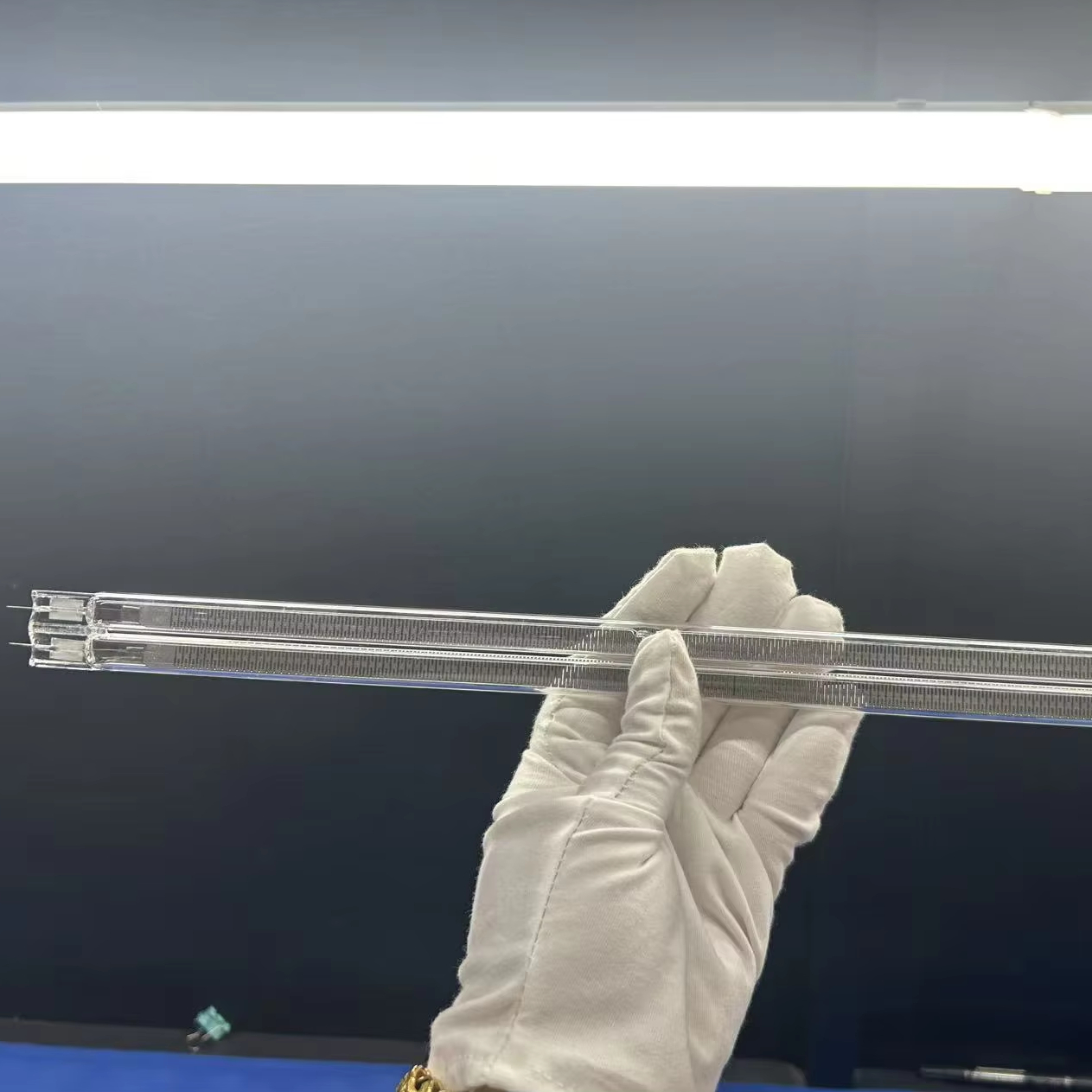
220v/380v 400mm 15*33mm Diameter Infrared Heating Tube
High-efficiency carbon fiber and halogen infrared heating elements engineered for cleanroom drying chambers and rapid thermal processing equipment.
View Specifications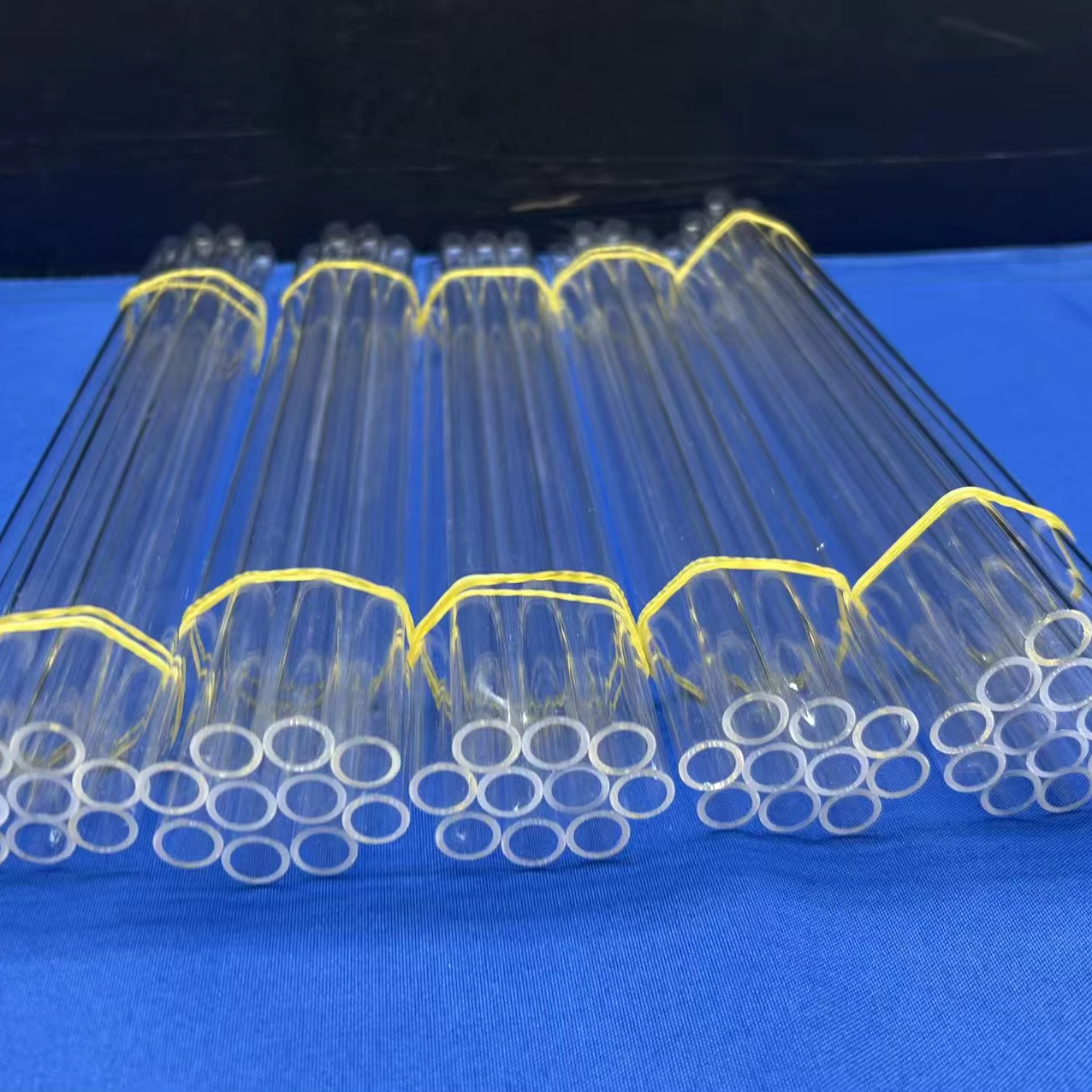
Quartz Test Tube
Annealed high-purity laboratory test tubes resistant to thermal shock, suitable for sample digestion, high-temperature fusion, and spectral analysis.
View Specifications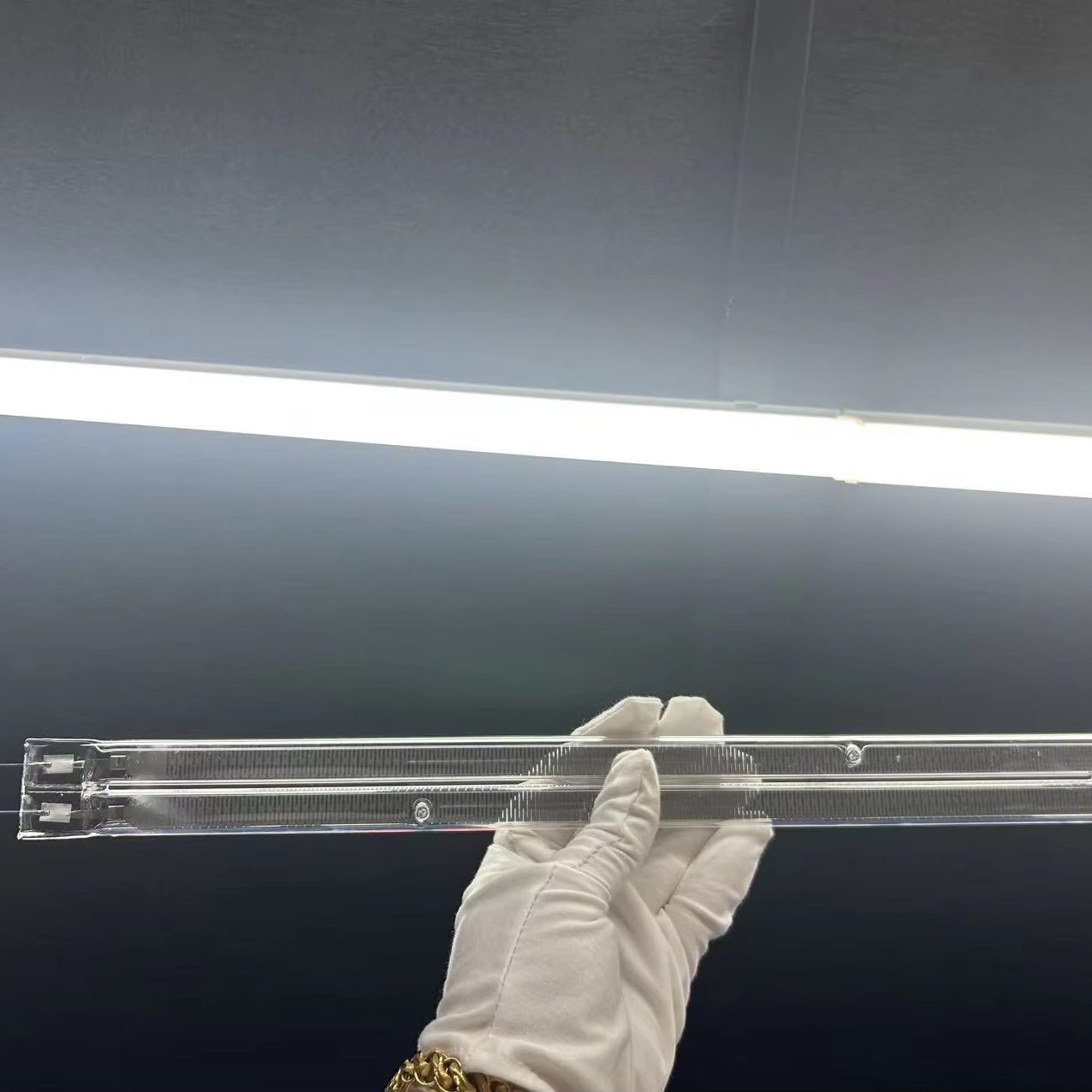
220V 700W 300MM 10mm Diameter Infrared Heating Tube
Precision rapid-response graphene-coated quartz infrared emitter, providing instantaneous thermal response for fast heating industrial equipment.
View SpecificationsPhysics, Microstructure & Thermal Kinetics of Milky Quartz Crucibles
Why modern semiconductor Czochralski (CZ) pulling and compound metallurgy demand micro-bubble-engineered opaque fused silica over transparent quartz.
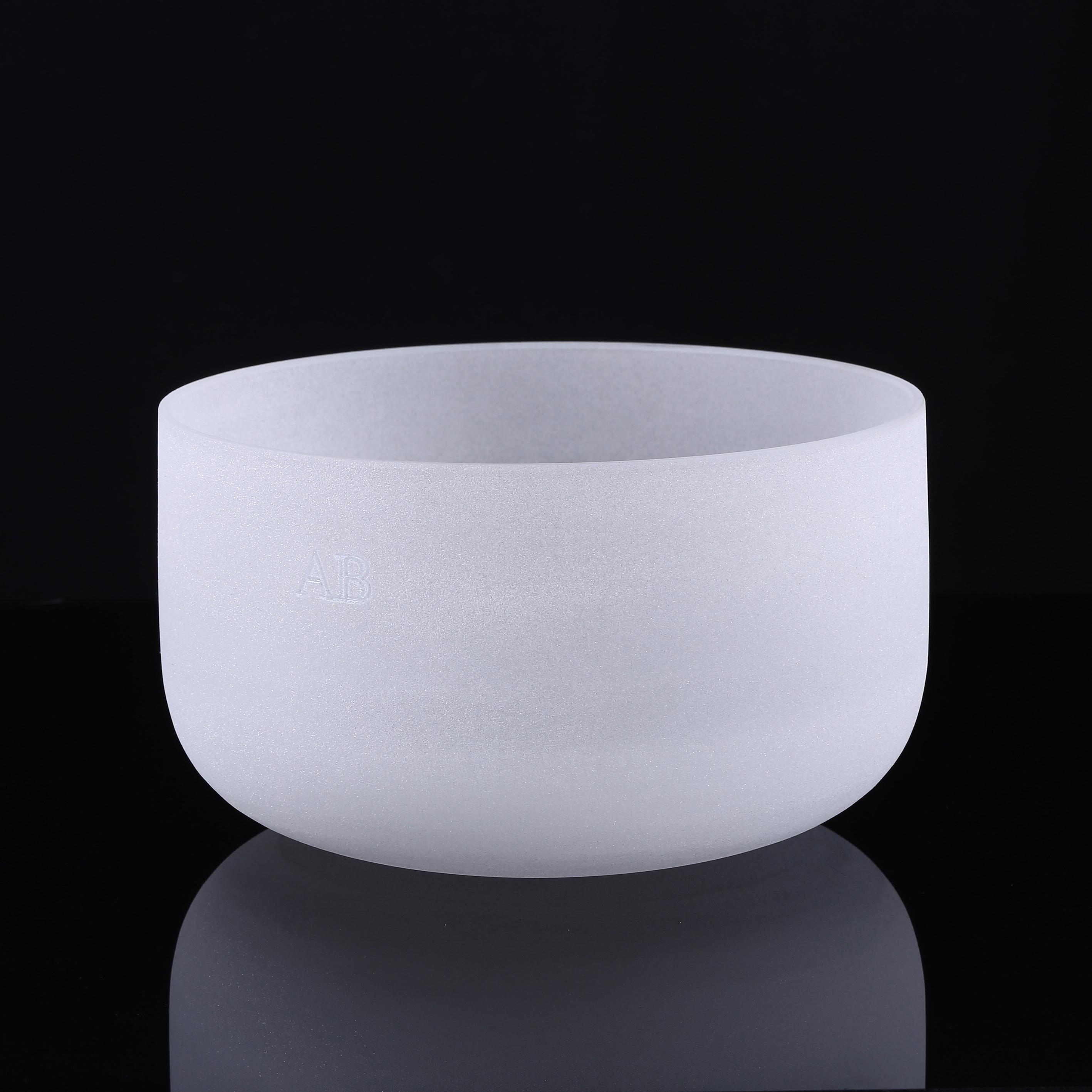
In high-temperature metallurgy and monocrystalline silicon crystal growth, the mechanical and thermal integrity of the containment vessel dictates both yield efficiency and melt stoichiometry. Milky quartz crucibles (also referred to across Japanese industrial standards as opaque vitreous silica or arc-fused bubble-matrix crucibles) differ radically from standard transparent quartz glass. While clear quartz is prized for optical transmission and direct infrared radiation throughput, milky quartz is intentionally engineered with a controlled micro-bubble matrix dispersed throughout its outer wall.
This micro-bubble layer consists of hundreds of thousands of microscopic enclosed voids, typically ranging between 20 to 50 micrometers in diameter. These micro-voids act as diffuse internal mirrors. Rather than allowing infrared radiant heat from heating mantles or graphite susceptors to transmit directly through the crucible wall, the bubble matrix creates intense multiple Rayleigh scattering and internal thermal reflection. The macroscopic consequence is a marked drop in apparent thermal conductivity, effectively creating an isotropic thermal insulation blanket that eliminates localized hot spots.
For semiconductor fabs and silicon ingot manufacturers in the Kanto region, this thermal buffering prevents the premature devitrification (crystallization of amorphous SiO₂ into cristobalite) that compromises structural integrity. Under continuous operational temperatures surpassing 1,400 °C, clear quartz tubes and vessels soften rapidly. In contrast, the engineered composite structure of our milky quartz crucibles—incorporating a densely fused, bubble-free inner transparent glaze over a micro-porous opaque outer substrate—delivers exceptional viscous creep resistance.
The chemical purity requirements mandated by Tokyo-based microelectronics manufacturers require ultra-trace analysis of impurity elements. The inner surface of the crucible directly contacts molten silicon at 1,420 °C—a temperature where molten silicon acts as an aggressive universal solvent. Any alkali metals (Li, Na, K) present in the silica wall accelerate cristobalite nucleation, which leads to peeling, flaking, and structural collapse. Furthermore, transition metals such as Fe, Cu, and Ni degrade the carrier lifetime of the resulting silicon wafers.
At Donghai County Nivra Quartz Products Co., Ltd., we utilize high-purity natural silica sand sourced from Donghai—recognized globally as the silica capital of China—processed via an advanced electric arc centrifugal fusion method. Under rotational centrifugal acceleration, the outer envelope captures gaseous micro-bubbles while the inner crucible surface is subjected to temperatures exceeding 2,000 °C, fusing into an ultra-dense, bubble-free transparent lining that achieves an aggregate SiO₂ purity of ≥ 99.995%.
This dual-layer structure guarantees two critical performance metrics: an ultra-pure, non-contaminating contact barrier for the liquid melt, combined with a thermally resistant outer body that absorbs mechanical stresses during thermal cycling. Whether processing large 28-inch to 32-inch diameter solar-grade ingots or precision 12-inch electronic-grade silicon crystals for Tokyo semiconductor foundries, our milky quartz crucibles consistently deliver extended service lifespans and minimized crucible breakdown risks.

High-Precision Industrial Scenarios Across Greater Tokyo
From the R&D corridors of Kawasaki and Yokohama to the advanced manufacturing clusters of Chiba, Saitama, and Western Tokyo, our quartz solutions meet strict Japanese fabrication criteria.
Czochralski (CZ) Silicon Wafer Ingot Pulling
Crucial for semiconductor wafer producers in the Kanto industrial belt. Our milky quartz crucibles withstand sustained 1,420 °C silicon melt pools for over 120 hours without wall sagging or significant oxygen dissolution, supporting high single-crystal yields for 200 mm and 300 mm wafer substrate casting.
Compound Semiconductor (GaN & SiC) Epitaxy
In Atsugi and Tsukuba research institutes focusing on next-generation wide bandgap power electronics, our high-purity crucibles and opaque quartz thermal shrouds serve as inert liners during sublimation and high-pressure chemical vapor deposition, eliminating metallic cross-contamination.
Precision Optical Glass & Laser Host Melting
Tokyo's legacy precision optics manufacturers require inert melting pots for fluorophosphate and rare-earth-doped laser glasses. The dense, bubble-free inner surface of our crucibles prevents refractory stone formation and striae in sensitive optical melts.
Vacuum Induction Melting (VIM) of Superalloys
Used by aerospace metallurgical firms along Tokyo Bay for small-batch titanium, nickel-based superalloy, and precious metal casting. The exceptional thermal shock resistance of milky quartz allows rapid heating cycles from ambient temperature to 1,500 °C without catastrophic spalling.
Photovoltaic Ingot Casting & Polysilicon Sintering
Supports clean energy initiatives across Eastern Japan. Large-format square and cylindrical opaque quartz crucibles provide consistent thermal insulation envelopes during multi-crystalline directional solidification and fluid-bed polysilicon granule preparation.
Advanced Technical Ceramics Sintering
Serving precision electronics component manufacturers in Gunma and Saitama. Our crucibles act as unreactive sintering saggers and boats for high-purity barium titanate capacitors, piezoceramics, and ferrite magnetic cores requiring zero chemical leaching at 1,300 °C.
Comparative Performance & Impurity Purity Limits
Comprehensive elemental trace profile verified via Inductively Coupled Plasma Mass Spectrometry (ICP-MS) alongside thermal-physical properties comparison.
| Property Parameter | Milky / Opaque Fused Silica (Nivra) | Standard Clear Fused Quartz | Synthetic Fused Silica (JGS1) | Alumina Ceramic (Al₂O₃ 99.7%) |
|---|---|---|---|---|
| Base Density (g/cm³) | 2.08 – 2.18 (Micro-porous) | 2.20 | 2.20 | 3.90 |
| Thermal Conductivity (W/m·K at 20°C) | 0.85 – 1.05 (High Insulation) | 1.38 | 1.38 | 30.0 |
| Thermal Expansion (20–1000°C) | 5.4 × 10⁻⁷ /°C | 5.5 × 10⁻⁷ /°C | 5.2 × 10⁻⁷ /°C | 8.0 × 10⁻⁶ /°C |
| Maximum Working Temp (Continuous) | 1,150 °C (Vacuum up to 1,450 °C) | 1,100 °C | 1,150 °C | 1,600 °C |
| Thermal Shock Resistance | Extreme (Water quench from 1100°C) | High | Extreme | Moderate to Poor |
| Acid Resistance (except HF / H₃PO₄) | Excellent (> 99.9% insoluble) | Excellent | Excellent | Moderate |
| Typical Purity Index | ≥ 99.995% SiO₂ | ≥ 99.99% SiO₂ | ≥ 99.999% SiO₂ | ≥ 99.7% Al₂O₃ |
| Trace Impurity Element (ppm) | Al | Fe | Ca | Mg | Na | K | Li | Cu | Ti |
|---|---|---|---|---|---|---|---|---|---|
| Nivra High-Purity Arc Grade | ≤ 8.00 | ≤ 0.15 | ≤ 0.40 | ≤ 0.10 | ≤ 0.30 | ≤ 0.30 | ≤ 0.10 | ≤ 0.01 | ≤ 1.00 |
| Standard Commercial Grade | 15.0 – 25.0 | 0.80 – 1.50 | 1.20 – 2.50 | 0.50 – 1.00 | 1.50 – 3.00 | 1.50 – 2.50 | 0.50 – 1.20 | 0.08 – 0.20 | 2.50 – 5.00 |
Tokyo & Greater Kanto Sourcing Trends in High-Temp Quartz
Strategic alignment with Japan's semiconductor roadmap, green transformation (GX), and resilient supply chains.
The manufacturing and technical landscape across Japan is experiencing an aggressive renaissance driven by the Ministry of Economy, Trade and Industry (METI) Semiconductor Strategy. High-capital projects in Kumamoto, Hokkaido, and throughout the legacy R&D ecosystems of Kanagawa, Yamanashi, and Tokyo have created unprecedented demand for reliable, ultra-pure thermal consumables. Milky quartz crucibles represent a critical bottleneck consumable: without consistent crucible supply, silicon ingot growth lines face prohibitive downtime.
At the same time, Japanese industrial procurers are navigating stringent decarbonization targets under the national Green Transformation (GX) initiative. Conventional silicon pulling processes lose enormous amounts of electrical energy through radial heat dissipation in water-cooled furnace walls. By selecting our micro-bubble engineered milky quartz crucibles, furnace operators achieve superior thermal insulation, directly translating into 6% to 11% reductions in power consumption per pulling run. This directly lowers Scope 2 emission footprints across Japanese fab operations.
Supply chain security is another major factor for Tokyo-based corporate purchasing teams. Geopolitical volatility and raw material bottlenecks have prompted Japanese buyers to de-risk single-source dependencies. Located in Donghai County, Jiangsu Province—just 45 kilometers from the international deep-water port of Lianyungang—Nivra Quartz provides an ultra-reliable direct logistics corridor.
Shipments depart weekly from Lianyungang or Qingdao Port directly to Tokyo Bay and the Port of Yokohama with a transit duration of merely 3 to 5 days. For urgent prototype evaluations or small-batch custom research hardware, express air freight from nearby Lianyungang/Nanjing directly to Tokyo Narita or Haneda Airport guarantees delivery within 72 hours of production sign-off. This geographical proximity eliminates the weeks-long logistics delays associated with Western European or North American quartz fabricators.
Why Leading Procurement Teams Partner With Nivra Quartz
Combining Donghai's world-class raw silica resources with dedicated precision machining, in-house quality control, and rapid export capability.
Silica Capital Origin (Donghai)
Founded in February 2019 at 285 Heping East Road, Donghai County, Lianyungang, our company operates at the heart of China's quartz capital. Direct upstream raw sand integration guarantees uncompromised SiO₂ feedstock purity and raw material pricing advantages passed directly to clients.
≤ 5-Hour Technical Response
We maintain an audited inquiry response rate of 88.89% with an average reply time within 5 hours. Our bilingual engineering team reviews CAD/STEP drawings, tolerance bounds, and thermal specifications instantly, aligning perfectly with Tokyo business hours.
Audited Manufacturing & Quality System
Employing 101–200 skilled operators, our facility has been verified on-site by Alibaba and international third-party certification authorities. Every crucible and tube batch undergoes dimensional laser verification, polariscopic stress inspection, and cleanroom acid leaching before release.
Full-Spectrum Custom Fabrication
Beyond standard crucibles, our in-house glass lathe capabilities include CNC slotting, precision hole drilling, ultrasonic cleaning, optical fire-polishing, and complex quartz assembly welding according to your exact mechanical blueprints.
Breakage-Proof Export Packaging
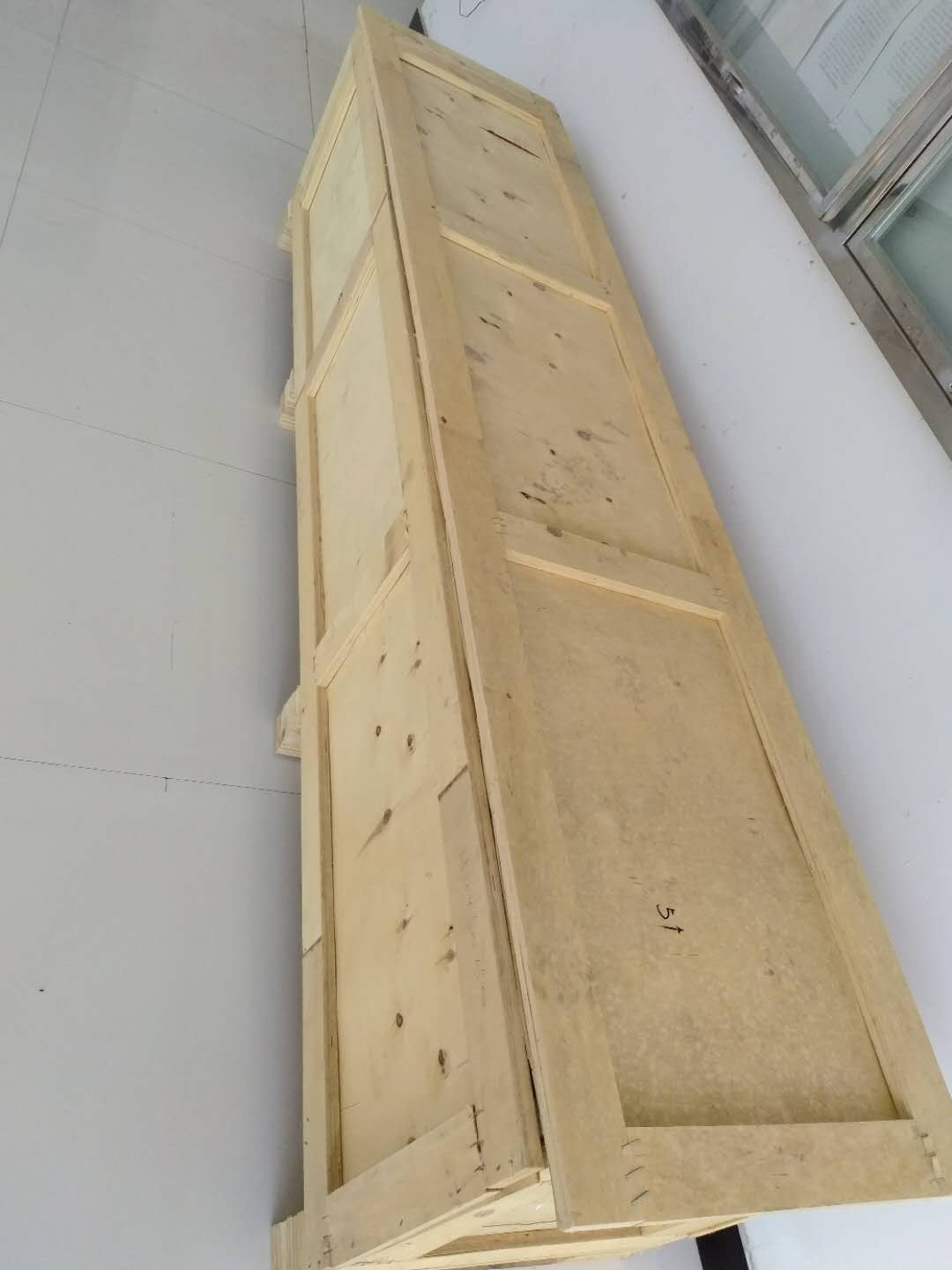
Exporting to over 30 countries with 40% export share in advanced western markets. Fragile quartz components are hermetically sealed in multi-layer PE bags, immobilized in custom molded shock-absorbing foam, and crated inside reinforced export plywood boxes.
Proven Reorder Rate & 5.0 Rating
With a verified 23% buyer repeat order rate and a flawless 5.0/5.0 buyer satisfaction score across product quality, shipping punctuality, and after-sales service, we provide Tokyo procurement directors with absolute supply assurance.
Tokyo Procurement Officer Technical FAQ
Direct technical answers addressing Japanese industrial compliance, dimensional precision, devitrification risks, and sea-freight customs clearing into Tokyo ports.
How does your milky quartz crucible performance align with JIS standards?
Our milky quartz crucibles fully comply with Japanese Industrial Standards (JIS R3216 for fused quartz and silica glass wares) as well as SEMI dimensional guidelines. We control wall thickness tolerances within ±0.3 mm and outer diameter variances within ±0.5 mm for crucibles up to 24 inches. We supply comprehensive dimension inspection reports, surface roughness profiler logs (Ra ≤ 0.2 µm on the inner polished glaze), and batch-level ICP-MS certificates verifying trace metals meet Japanese microelectronics purity expectations.
What measures are taken to prevent cristobalite devitrification during extended pulling?
Devitrification is primarily triggered by alkali metal catalysts (Li, Na, K) or surface contamination under elevated temperatures (> 1,200 °C). We combat this by maintaining strict raw material washing protocols in Donghai to suppress total alkali metals to < 0.7 ppm aggregate. Furthermore, our electric arc fusion finishes with an ultra-smooth, vitrified inner surface free of micro-cracks or particulate inclusions that could act as cristobalite nucleation sites during 100+ hour continuous heating cycles.
How do you handle shipping logistics, customs, and fragile protection to Tokyo or Yokohama?
We routinely manage export declarations and logistics under CIF Tokyo, CIF Yokohama, or DDP terms directly to your factory dock. Products are wrapped in dust-free cleanroom wrapping, enveloped in contoured multi-density polyethylene foam, and secured in heat-treated, fumigation-free solid timber crates equipped with tip-n-tell tilt and shock indicators. Maritime transit from Lianyungang or Qingdao to Tokyo Bay takes 3–5 days, with zero historical maritime breakage over 40+ documented transpacific shipments.
What are the minimum order quantities (MOQ) for custom-dimensioned crucibles?
For standard catalogue sizes (such as 14", 16", 18", 22", 24", and 28" outer diameters), the minimum order quantity starts as low as 1 to 2 pieces to facilitate validation testing and qualification in your crystal pullers. For bespoke non-standard crucibles, flat-bottom melting vessels, or customized quartz tanks requiring custom graphite forming tooling, our prototype MOQ typically starts at 5 to 10 units, transitioning smoothly into high-volume contract pricing upon qualification.
Can you supply crucibles with custom rim geometries or drilled thermo-well ports?
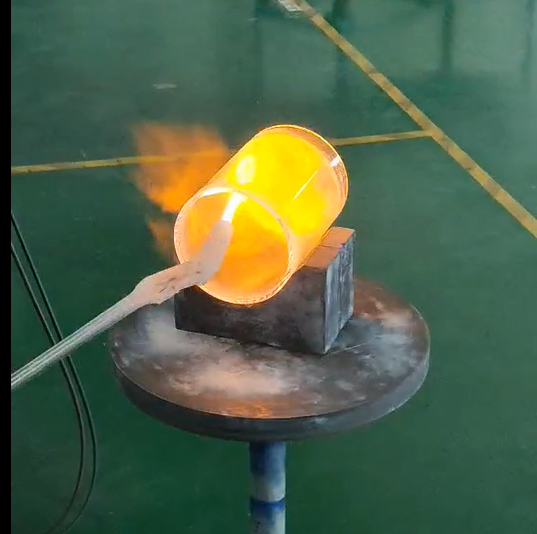
Yes. Our CNC ultrasonic machining and diamond grinding center can produce chamfered rims, flat-ground flanges, custom lip cutouts for pouring spouts, and drilled base or sidewall blind holes for pyrometer sight tubes and thermocouple sheaths. All machined edges undergo proprietary thermal fire-polishing to anneal mechanical micro-stresses and prevent micro-chipping during operational handling.
What is the lead time from CAD drawing sign-off to delivery in Tokyo?
Upon receipt of your STEP/CAD drawing, our engineering team issues a formal DFM (Design for Manufacturability) review within 5 hours. Standard production time for customized crucibles is typically 10 to 15 business days. Express maritime shipping to Tokyo Port takes approximately 4 days, while priority air courier delivery (via Narita) is completed within 48 to 72 hours from factory dispatch.
Accelerate Your High-Temperature Quartz Supply Chain
Whether you require standard opaque crucibles for 300 mm silicon crystal growth, tailored quartz wafer carriers, or specialized furnace liners delivered to your facility in Tokyo or Kanagawa, our technical engineers are ready to assist with full DFM feedback and competitive direct pricing.