Precision Fused Quartz & Industrial Laboratory Components
Engineered for high-temperature resilience (≥1100°C continuous), profound chemical inertness in marine saline atmospheres, and ultra-high transmittance across deep-UV, visible, and infrared spectra.
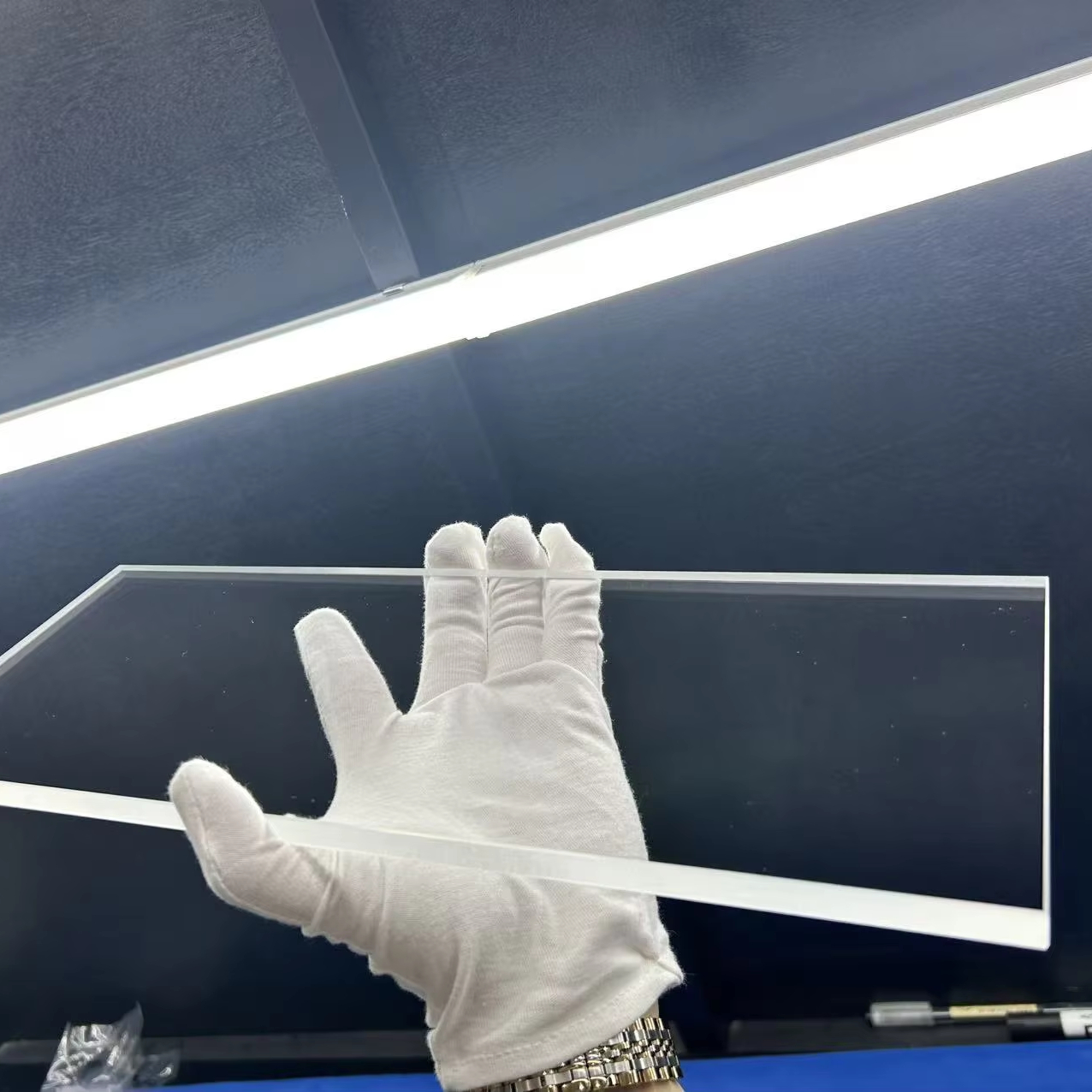
Ultra Clear High Purity Quartz Sheet
Ultra-clear synthetic fused silica optical sheet with 99.999% SiO2 purity, exceptional flatness (λ/4), and wide-band UV-IR transmittance for marine analytical sensors.
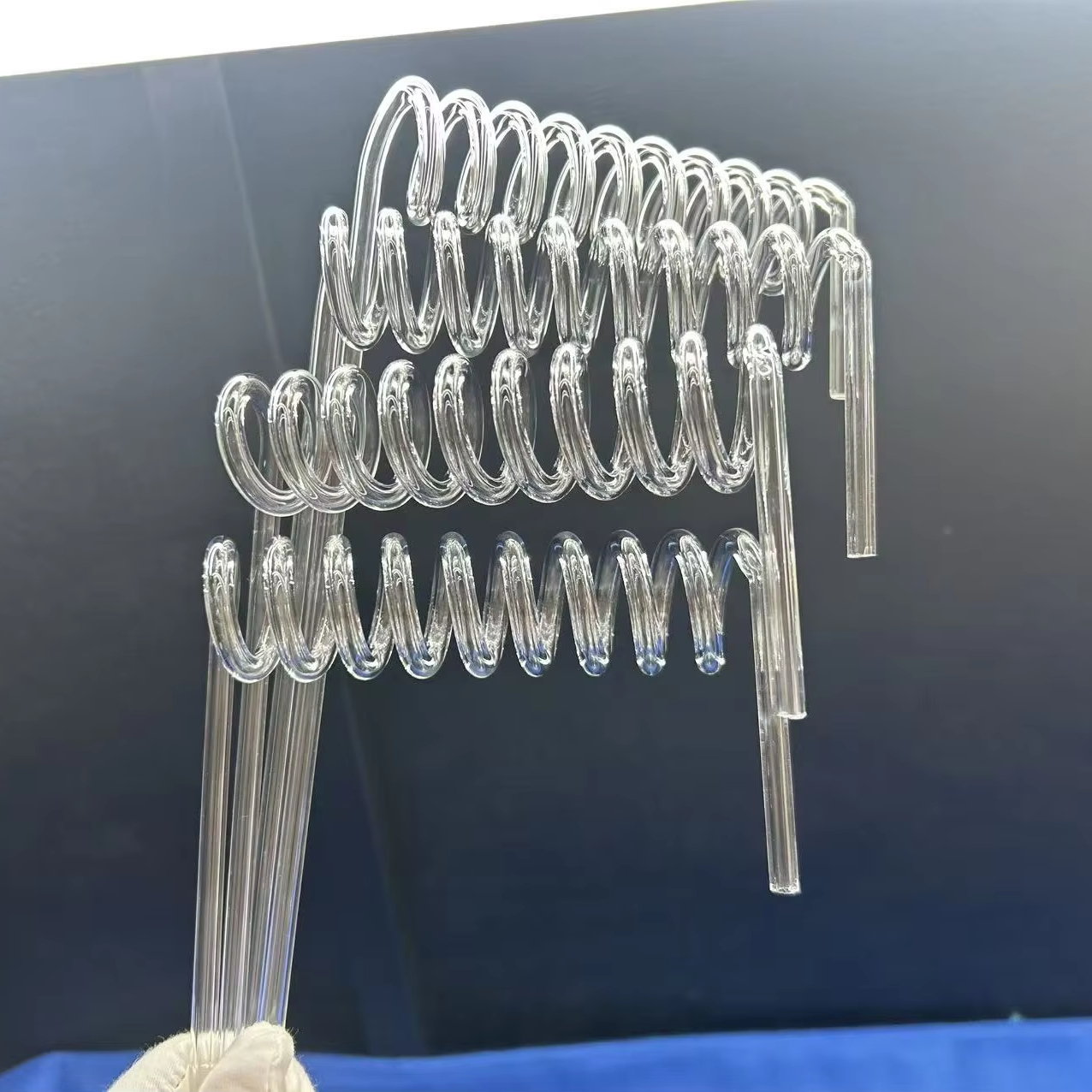
Clear Quartz Spiral Tube for Optics Laboratory Use with Moulding and Bending Services
Custom coiled quartz heat exchangers and optical gas reaction tubes, offering rapid thermal transfer and zero leaching for marine fuel testing laboratories.
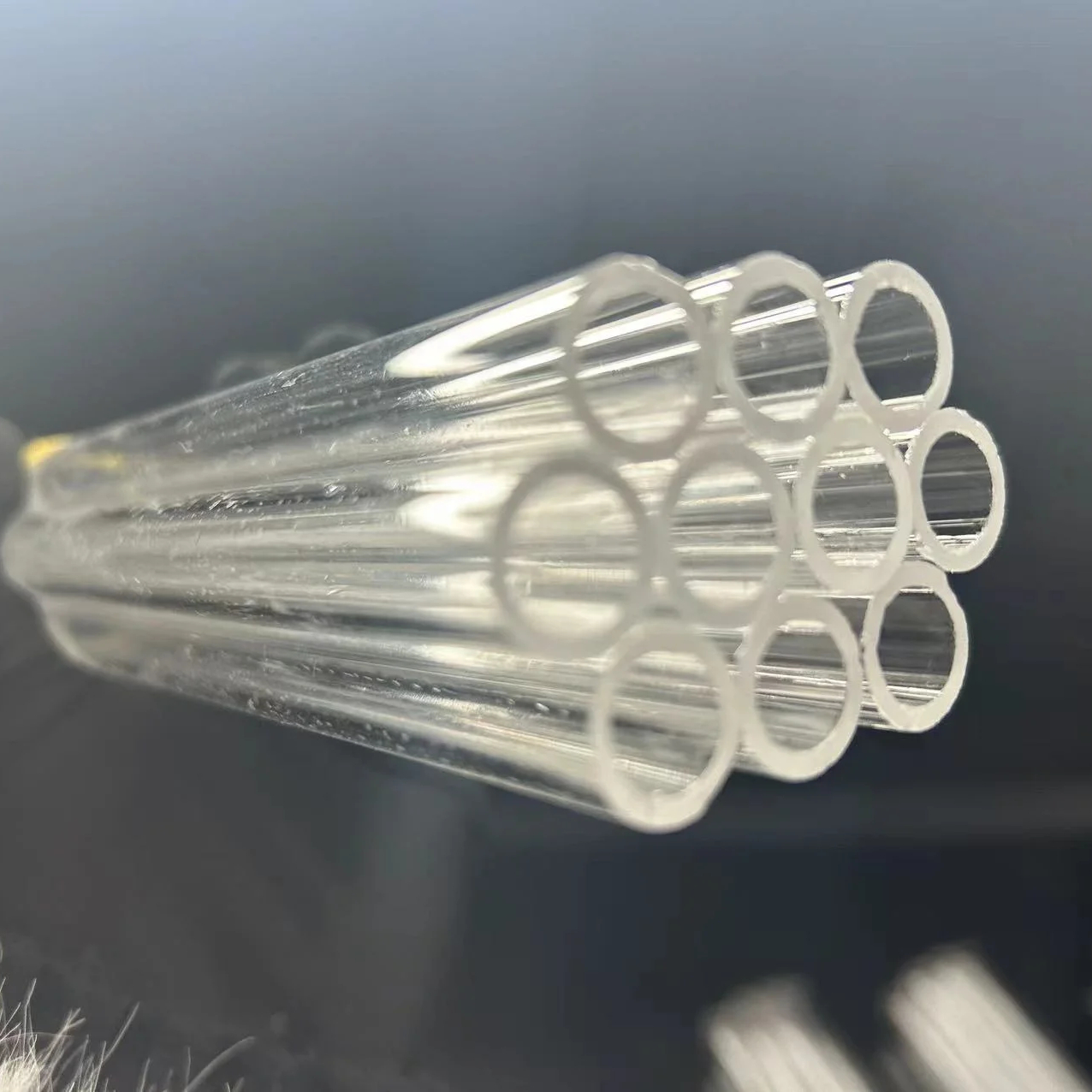
High Temperature Transparent Quartz Cylinder Tube Clear Quartz Tube Glass
Heavy-wall quartz sight cylinders resisting up to 1450°C peak thermal shock; custom cut and edge-fire polished for high-pressure marine boiler observation.
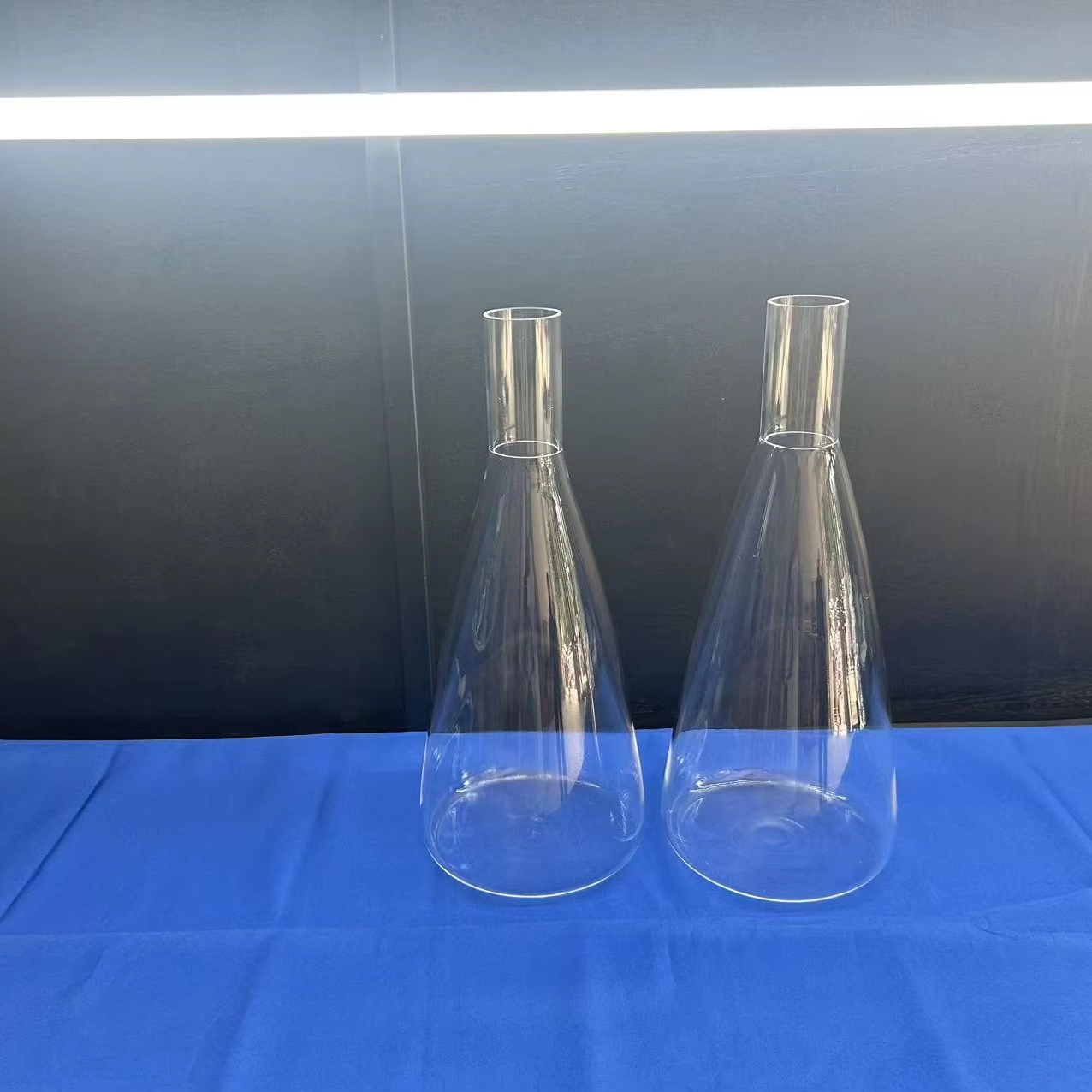
Laboratory Fused Silica Quartz Glass Flask
Heavy-duty fused silica boiling flasks tailored for high-temperature acid digestions, petrochemical distillation testing, and severe maritime saline analysis.
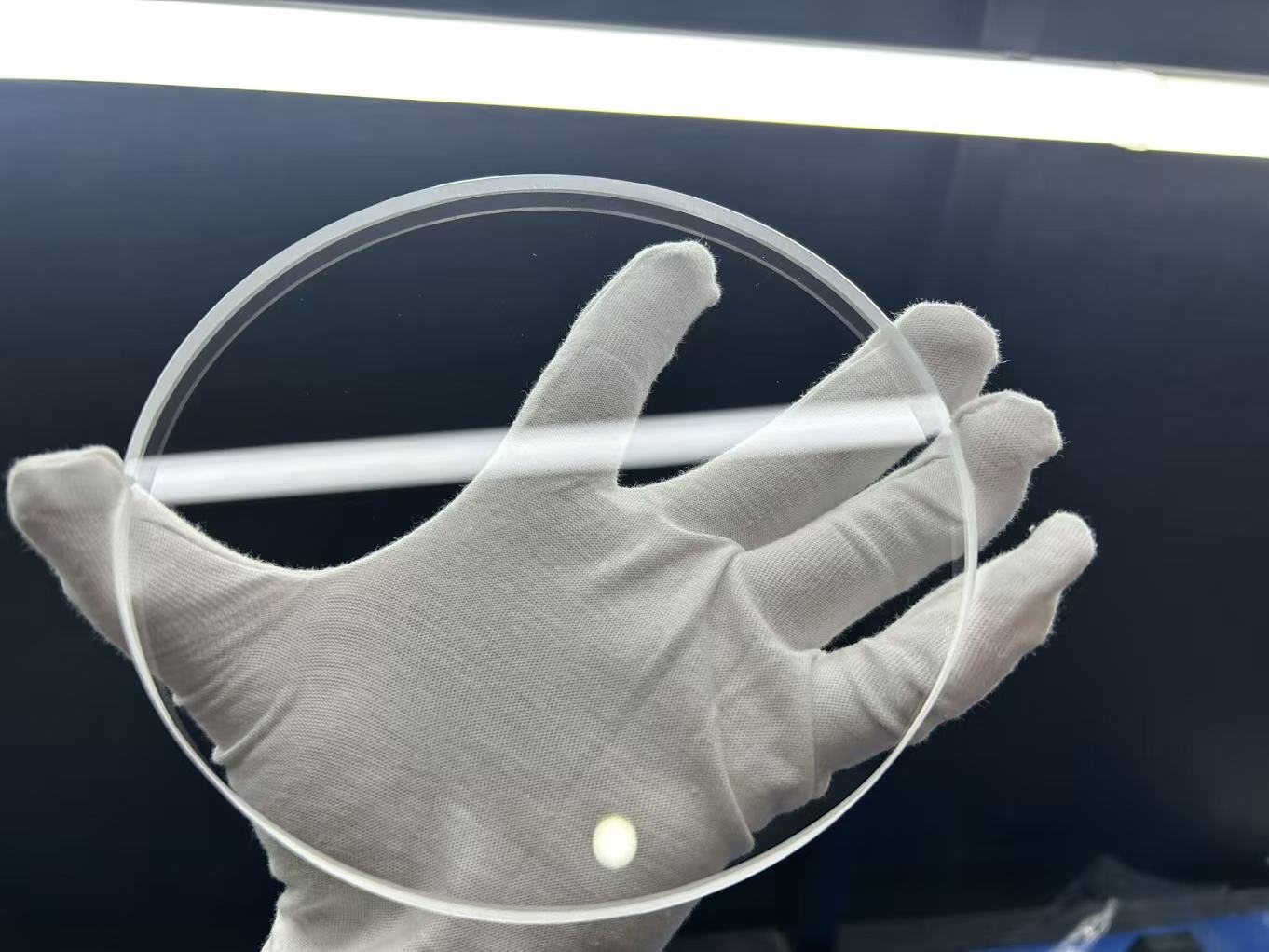
Wholesaler Customized High Quality Clear Fused Quartz Glass Sheet
Precision-ground optical windows with high laser damage threshold and >92% transmission across the visible-to-infrared spectrum for industrial inspection ports.
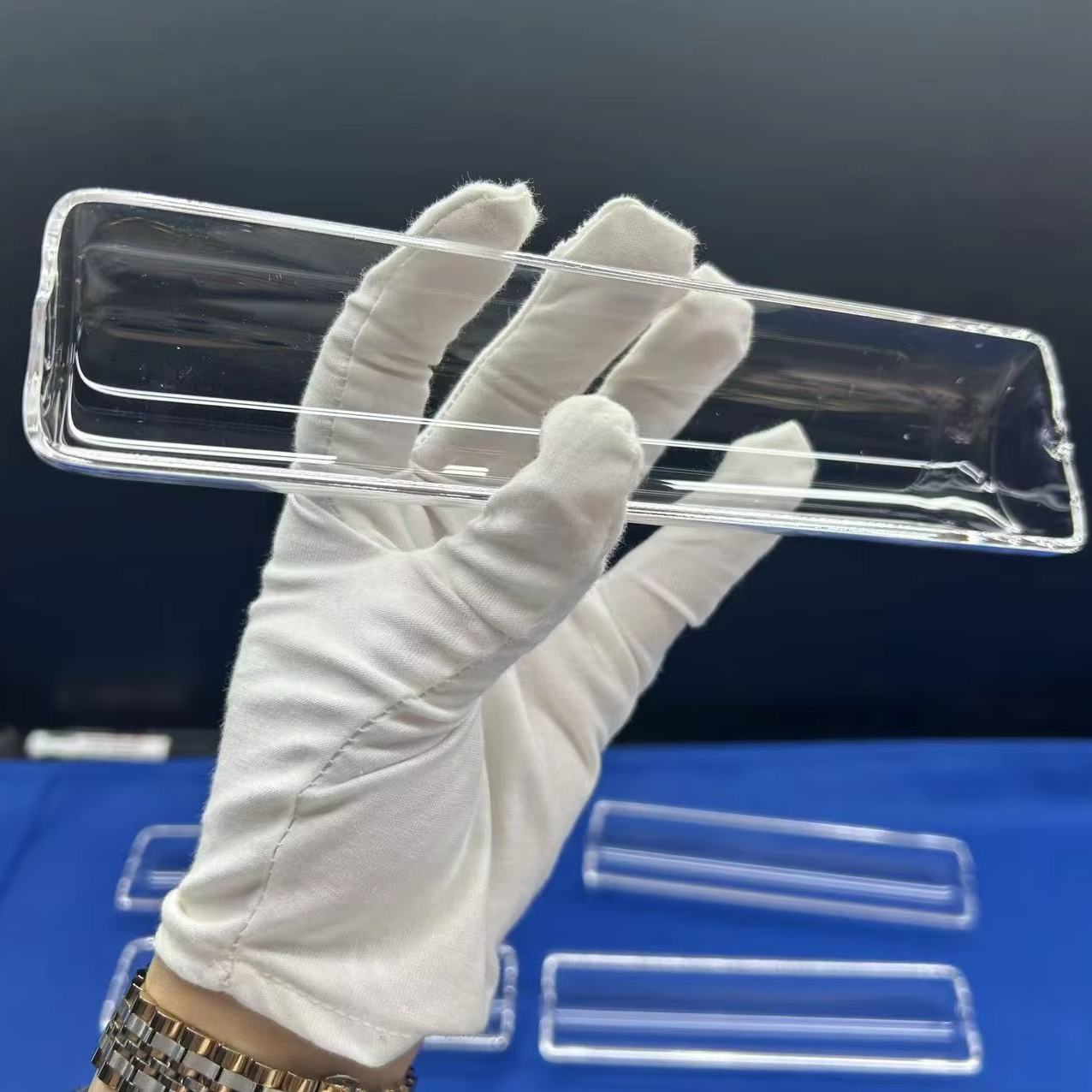
Customized Clear Fused Silica Quartz Boat Polished Clear Quartz Wafer Carrier
High-purity quartz wafer carriers and boats engineered for high-temperature diffusion, thermal oxidation, and chemical vapor deposition processes with zero metal contamination.
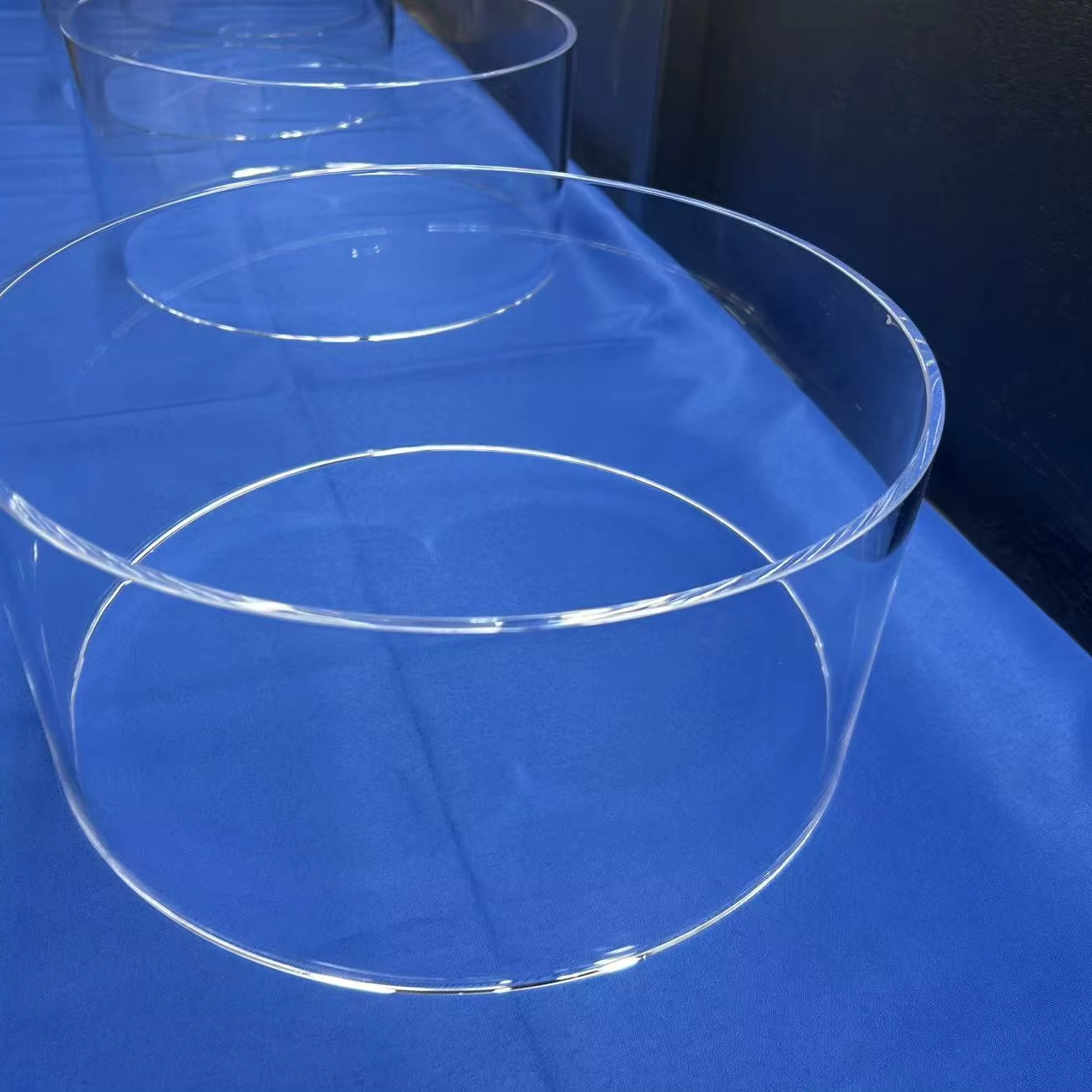
High-Purity Fused Quartz Large Diameter Round Rods Cutting Welding & Bending
Solid quartz light guides, insulating rods, and structural furnace supports processed with ultrasonic precision machining and fire-polished finishes.
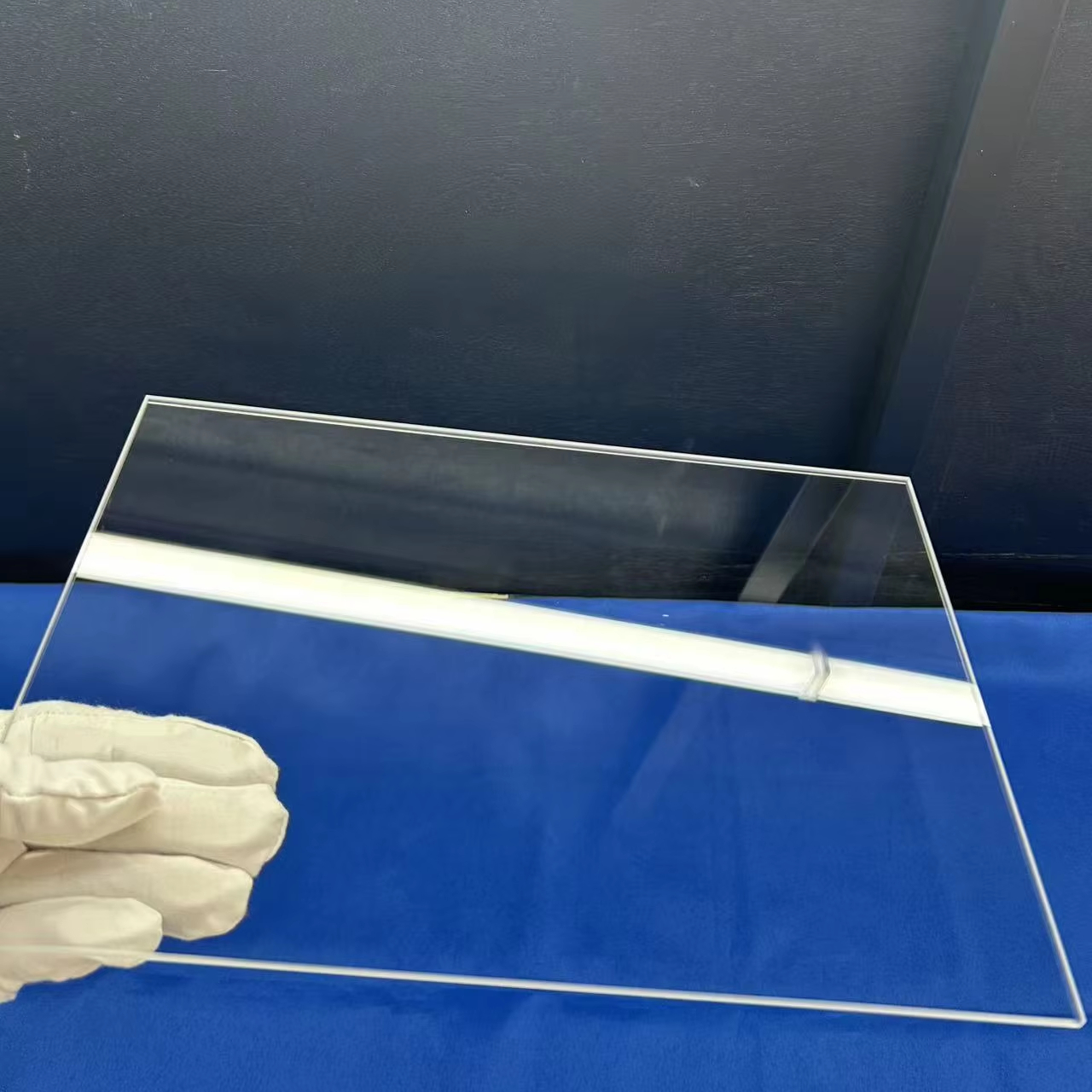
Custom Polished Purity Transparent Square Quartz Glass Clear Plate 4mm Thick
Surface roughness Ra < 0.5 nm, double-sided 40/20 scratch-dig polished IR quartz plates for marine pyrometric viewports and FLIR inspection housings.
Optical Physics & Hydroxyl (OH) Attenuation in Infrared Fused Quartz Windows
In modern industrial diagnostics, infrared thermography and optical pyrometry represent indispensable methods for continuous condition assessment. However, deploying optical viewports in coastal manufacturing, marine vessel propulsion units, and petrochemical hubs like Rijeka presents critical physical challenges. When standard commercial silica glass is subjected to mid-infrared wavelengths, intense optical attenuation occurs due to fundamental molecular vibrational absorption bands of bonded hydroxyl groups (≡Si-OH).
Specifically, fundamental stretching modes of hydroxyl radicals manifest strong absorption peaks at 2.73 μm, accompanied by significant overtones at 2.22 μm and 1.38 μm. For optical inspection systems operating in the Short-Wave Infrared (SWIR, 1.0–3.0 μm) and Mid-Wave Infrared (MWIR, 3.0–5.0 μm) spectral envelopes—critical for monitoring boiler flame temperatures, turbine exhaust manifolds, and high-voltage switchgear—conventional high-OH quartz blindfolds thermographic cameras. Nivra Quartz resolves this fundamental limitation by utilizing vacuum electro-fused synthetic precursors to synthesize JGS3 grade Low-OH Infrared Quartz. By driving residual hydroxyl content down below 5 ppm (and custom batches ≤2 ppm), our JGS3 infrared windows provide flat, uninterrupted transmittance exceeding 85% all the way through to 3.5 μm, enabling true thermal signature detection free from water-band distortion.
| Physical / Optical Property | JGS3 IR Fused Quartz (Nivra) | JGS1 Synthetic UV Silica | JGS2 Industrial Fused Quartz | Sapphire Crystal (Al2O3) | Borosilicate 3.3 Glass |
|---|---|---|---|---|---|
| Useful Spectral Transmission | 260 nm – 3,500 nm (IR Optimal) | 185 nm – 2,500 nm (Deep UV) | 220 nm – 2,500 nm (General) | 200 nm – 5,000 nm (Broadband) | 350 nm – 2,000 nm (Limited) |
| Hydroxyl [OH-] Concentration | < 5 ppm (Low-OH Water Free) | > 1,200 ppm (High-OH) | 30 – 150 ppm (Mid-OH) | 0 ppm (Anhydrous Lattice) | Not applicable (Multicomponent) |
| Continuous Max Working Temp | 1100 °C | 1050 °C | 1100 °C | 1600 °C | 450 °C |
| Thermal Shock Resistance (ΔT) | > 1000 °C (Instant Quench) | > 1000 °C | > 1000 °C | ~ 150 °C | ~ 120 °C |
| Thermal Expansion (20–300°C) | 5.5 × 10⁻⁷ /°C | 5.4 × 10⁻⁷ /°C | 5.5 × 10⁻⁷ /°C | 5.8 × 10⁻⁶ /°C | 3.3 × 10⁻⁶ /°C |
| Refractive Index (nd @ 589 nm) | 1.458 | 1.458 | 1.458 | 1.768 | 1.473 |
| Mohs Surface Hardness | 6.0 – 6.5 | 6.0 – 6.5 | 6.0 – 6.5 | 9.0 | 5.5 |
Beyond spectral transmittance, structural integrity under explosive internal chamber pressure dictates viewport engineering. For pressure-retaining sight glasses installed across the Kvarner Gulf maritime fleet and chemical distillation towers, Nivra calculates nominal thickness using modified Timoshenko clamped circular plate mechanics:
t = (D / 2) × √[ (1.06 × P × SF) / σ_allowable ]
Where t is minimum plate thickness, D represents the unsupported aperture diameter, P corresponds to the operating system pressure, SF signifies the mandatory safety factor (typically 8 to 10 for manned maritime engine rooms per DNV and Croatian Register of Shipping - CRS codes), and σ_allowable denotes the ultimate tensile flexural yield strength of vitreous silica (~48 MPa). This meticulous mechanical design guarantees that every inspection window delivered to the Rijeka industrial basin withstands both steady hydrostatic pressure and abrupt operational water-hammer surges.
Infrared Quartz Applications in Rijeka's Maritime & Industrial Basin
Rijeka functions as the crown jewel of Croatia’s maritime logistics, naval engineering, and energy corridors. Our specialized quartz components are calibrated for the unique operational realities of the Northern Adriatic coastline.
INA Urinj Refinery & Petrochemical Furnaces
Situated in Kostrena, the Urinj Oil Refinery operates high-severity delayed coking, atmospheric distillation, and catalytic cracking units. Combustion efficiency and tube skin temperatures require continuous non-contact pyrometry. Nivra’s JGS3 sight windows permit unhindered IR monitoring at 3.9 μm through heavy refractory walls while resisting hot sulfur dioxide (SO2) vapors and localized furnace spikes reaching 1150°C.
Viktor Lenac & 3. Maj Shipyard Overhauls
Naval retrofitting at Viktor Lenac (Martinšćica Bay) and 3. Maj relies heavily on condition-based maintenance (CBM). To eliminate electrical arc flash risk during class inspections (CRS, Lloyd’s, BV), switchboards are equipped with Nivra infrared inspection windows. Surveyors perform FLIR thermography under full electrical load through sealed, IP67-rated quartz viewports without exposing technicians to live marine busbars.
Krk LNG Terminal (Omišalj) Cryogenic Regasification
Located on the neighboring Island of Krk directly across Rijeka Bay, the FSRU LNG Croatia terminal handles volatile methane transitions from −162°C cryogenic liquid to gaseous transmission state. Optical Gas Imaging (OGI) cameras utilizing Nivra’s anti-reflective IR quartz viewports allow continuous monitoring of high-pressure vaporizers and valve skids, spotting fugitive fugitive VOC and hydrocarbon emissions instantly.
Port of Rijeka (Brajdica & Zagreb Deep Sea)
Container handling cranes (STS) and automated logistics substations along the Kvarner shoreline face constant saline fog corrosion and vibrations. Standard polycarbonate sight windows fog and degrade within months. Nivra’s chemically resilient fused silica windows maintain flawless optical clarity against marine salt crusting, ensuring automated thermal sensors detect overheating crane motors and transformer bushings 24/7.
University of Rijeka (RITEH) Applied Research
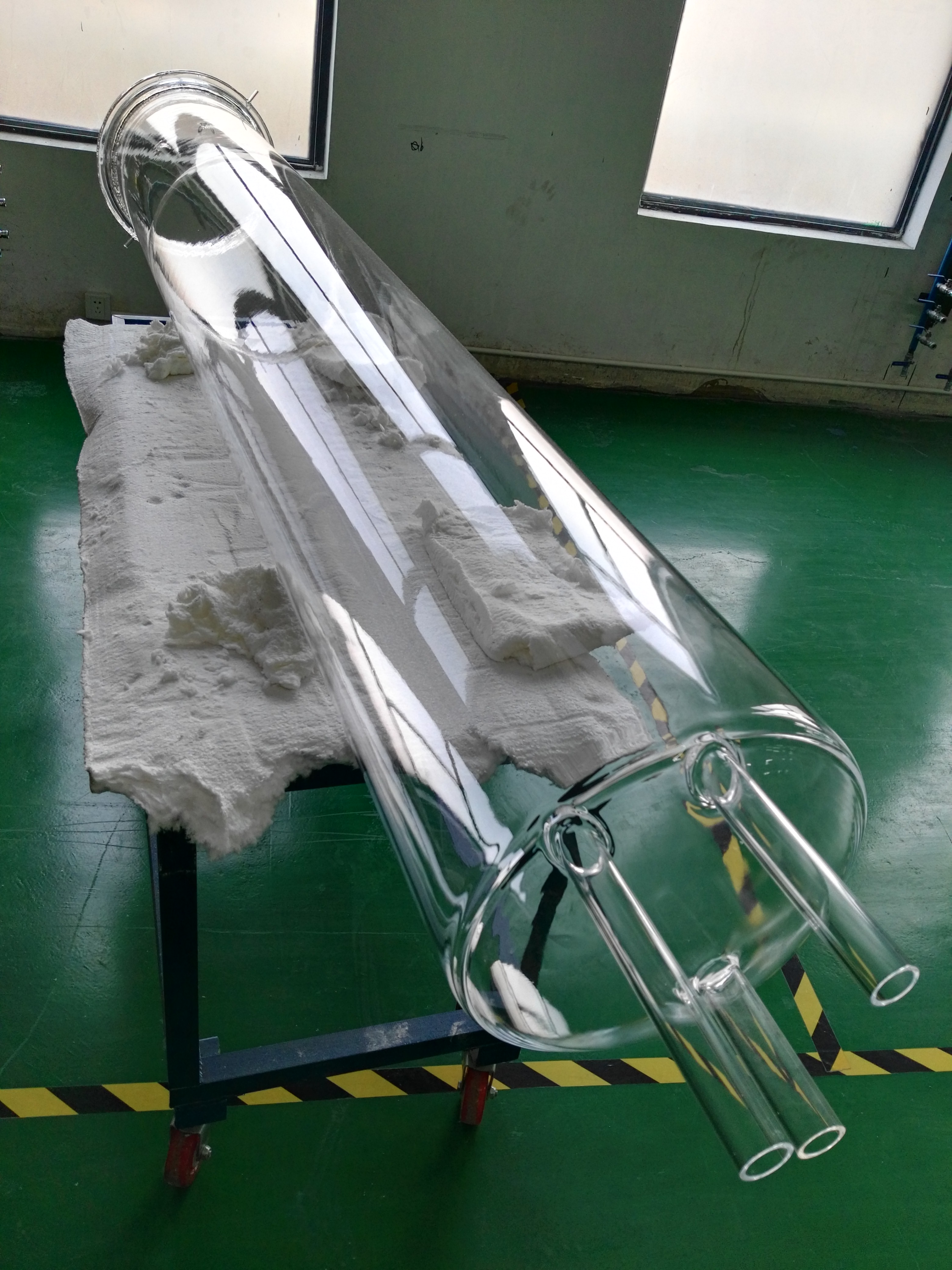
The Faculty of Engineering (RITEH) and the Center for Advanced Computing and Modelling utilize custom optical-grade fused silica plates, cuvettes, and specialized flanged spiral tubes for advanced fluid dynamics, laser-induced fluorescence, and thermodynamic propulsion combustion research, requiring sub-nanometer surface roughness and precision laser parallelism.
Emerging Technology Trends Across the Northern Adriatic Industrial Axis
Macroeconomic investments and environmental regulations are reshaping how procurement engineers and plant asset managers in Primorje-Gorski Kotar County specify industrial viewport optics.
Maritime Green Transition & Dual-Fuel Retrofits
As EU Emissions Trading System (EU ETS) mandates hit Adriatic shipowners, vessels operating through Rijeka are retrofitted with dual-fuel methanol and LNG engines. These propulsion plants burn at radically higher combustion chamber temperatures, obsoleting conventional tempered soda-lime observation glass and driving 100% replacement with high-purity JGS3 fused quartz.
Fixed Continuous Industrial IoT Thermography
Periodic handheld thermographic camera rounds are increasingly displaced by fixed, networked IR sensors mounted directly behind sealed quartz windows. This is particularly prevalent in Rijeka's unmanned transformer vaults and critical pumping stations, demanding optical windows with stable transmission across years of continuous solar and thermal radiation exposure.
Bypassing Intermediary Stockists for Direct Factory OEM
Supply chain volatility across Western Europe has prompted Croatian procurement managers to bypass secondary distribution layers. Direct collaboration with specialized primary manufacturers like Nivra Quartz slashes lead times by 35% and guarantees material traceability through certified raw ingot batch assay sheets.
Harsh Environment Anti-Reflective Optical Coatings
Rijeka’s combination of high humidity, coastal salt crystallization, and industrial particulates necessitates hard broadband anti-reflective (BBAR) diamond-like coatings. Nivra provides custom multi-layer coatings tuned to 2–4 μm that boost total infrared transmission from 85% to >94% while providing a wipeable, hydrophobic outer boundary.
Frequently Asked Questions: Sourcing Infrared Quartz in Rijeka
Direct technical answers addressing international customs, classification compliance, mechanical tolerances, and logistics delivery directly to Croatian industrial job sites.
What exact grade of fused quartz is required for MWIR thermal cameras in Rijeka facilities? +
For standard FLIR, Testo, or Optris thermal cameras operating in the Mid-Wave Infrared (MWIR, 3.0 to 5.0 μm) and Short-Wave Infrared (SWIR, 1.0 to 3.0 μm), you must specify JGS3 grade Low-OH Infrared Quartz. Standard optical quartz (JGS1 or JGS2) contains chemically bonded hydroxyl ions that cause massive transmission dips at 2.2 μm and 2.73 μm, rendering thermal cameras inaccurate. JGS3 quartz manufactured by Nivra limits hydroxyl content to ≤5 ppm, preserving over 85% transmissivity through 3500 nm, making it the premier cost-effective alternative to expensive polycrystalline sapphire.
How are import customs duties and logistics handled when shipping to Croatia? +
All quartz optical plates, tubes, and sight glasses are exported under standardized harmonized HS/TARIC codes: 7002.31.00 (Tubes of fused quartz) and 7006.00.90 (Glass plates, discs, and windows of fused silica, whether or not worked). Shipments arriving directly at the Port of Rijeka (Luka Rijeka) or Zagreb Airport (ZAG) via DHL/FedEx Express clear Croatian Customs (Carinska uprava) with standard EUR import VAT and minimal bilateral industrial duties. Nivra Quartz provides complete Commercial Invoices, Packing Lists with net/gross tare weights, Certificates of Origin, and raw material purity test certificates for frictionless single-day customs clearance.
Can Nivra manufacture custom flanged viewport assemblies per DIN 28120 / DIN 7080? +
Yes. We regularly supply Croatian shipbuilders, boiler manufacturers, and refinery contractors with custom-machined round and rectangular quartz sight glasses built strictly to European standards (DIN 7080 for circular sight glasses and DIN 7081 for liquid level gauge glasses), as well as ASME B16.5 flange mating dimensions. We accommodate specialized beveling, step cuts, bolt-hole drilling via ultrasonic CNC machining, and polished edge radii that eliminate notch stress concentrations during high-torque bolt down.
How does fused quartz resist the corrosive marine atmosphere of the Kvarner Gulf? +
Unlike standard soda-lime or borosilicate glasses, high-purity fused silica is virtually pure silicon dioxide (>99.99% SiO2). It possesses zero alkali ions (such as sodium, calcium, or boron) in its amorphous tetrahedral network. Consequently, it is completely immune to leaching, salt fog pitting, surface weathering, and clouding caused by Adriatic sea spray, chlorine aerosols, or acidic sulfur emissions from marine exhausts. The only chemicals capable of etching fused quartz are hydrofluoric acid (HF) and concentrated phosphoric acid at sustained temperatures exceeding 150°C.
What surface flatness, parallelism, and scratch-dig tolerances does your factory deliver? +
For precision laser and analytical applications at the University of Rijeka or optical instrument OEMs, Nivra Quartz maintains double-sided optical polishing benches achieving surface flatness of λ/4 to λ/10 per 25 mm diameter at 632.8 nm. Surface quality is inspected according to MIL-PRF-13830B standards, offering commercial grade 60/40 or precision laser grade 20/10 and 10/5 scratch-dig. Wedge parallelism can be held tighter than 30 arc seconds, with edge dimensional tolerances down to ±0.05 mm.
What packaging protections are implemented to prevent breakage during international transit? +
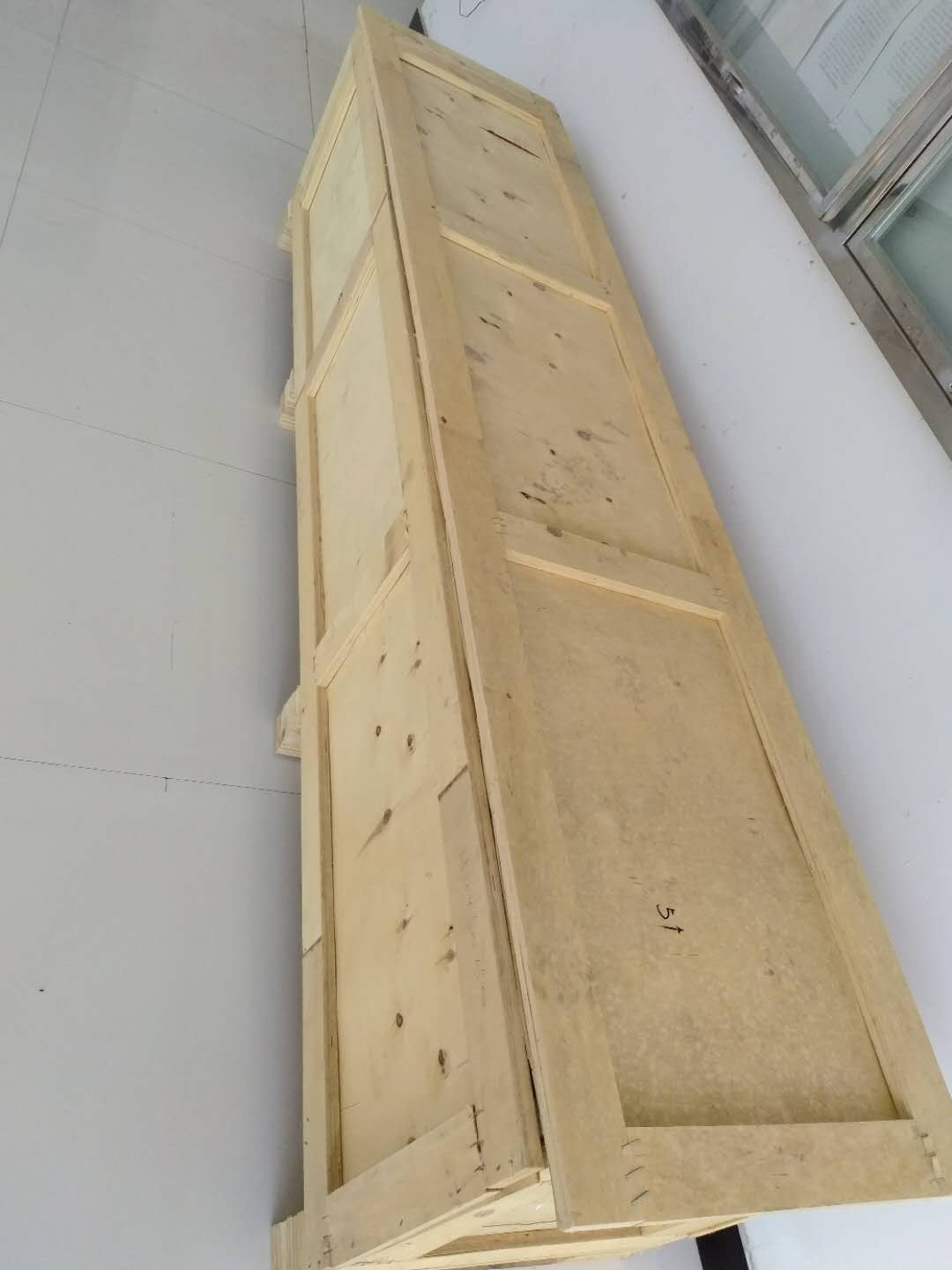
Exporting brittle optical components requires specialized shock-mitigation protocols. Every individual quartz window is ultrasonic-cleaned, vacuum-sealed in anti-static dust-free polyethylene film, and nestled within custom-molded high-density EVA shock-absorbing foam. These internal packs are cradled inside impact-resistant double-corrugated export cartons, which are subsequently encased within reinforced, IPPC-certified fumigation-free solid plywood crates. Our comprehensive breakage rate for long-haul maritime and air deliveries to Southern and Eastern Europe remains under 0.05%.
Nivra Quartz: World-Class Manufacturing Pedigree
Headquartered in Donghai County, Jiangsu—the internationally recognized crystal and quartz capital of China—Donghai County Nivra Quartz Products Co., Ltd. delivers direct factory capabilities to European procurement buyers.
Primary Raw Material Advantage
Our geographic location in Donghai provides exclusive access to high-purity natural silica sand reserves and cutting-edge synthetic gas purification infrastructure, guaranteeing ≥99.99% SiO2 baseline chemistry at structurally competitive factory pricing.
Full-Spectrum Machining Fleet
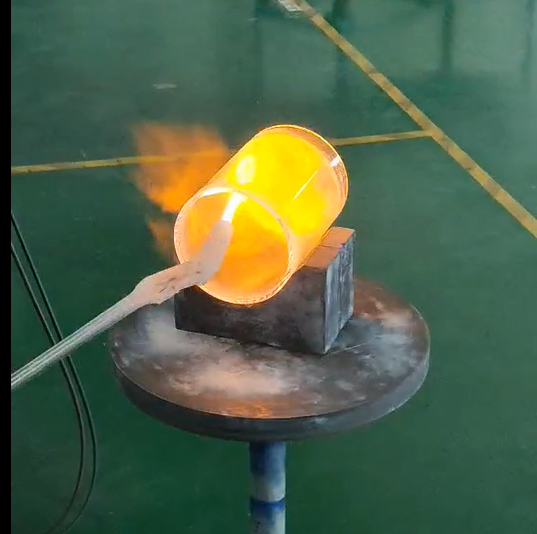
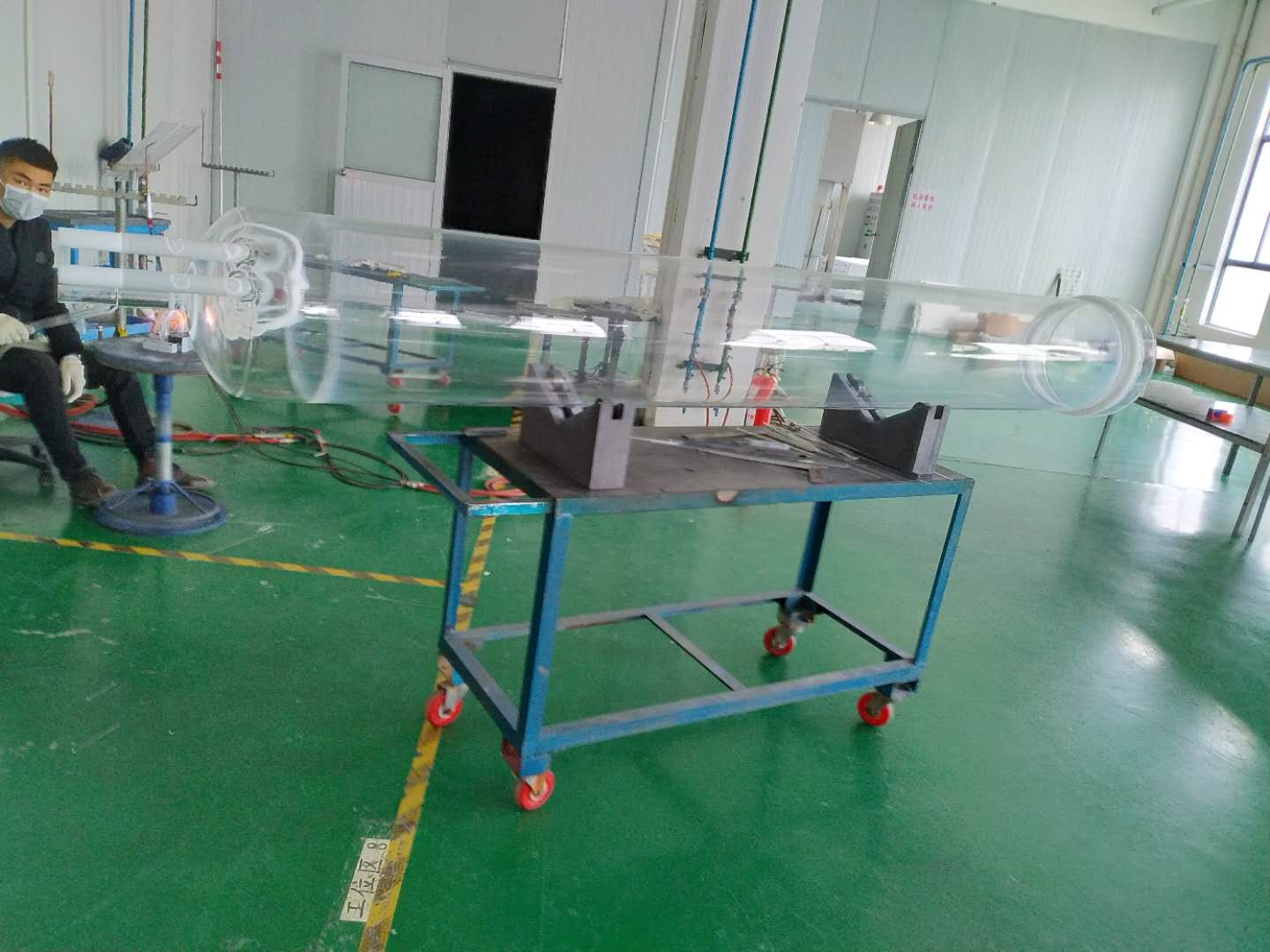
Operating with 101–200 skilled glassblowing and precision CNC technicians, our workshop houses 5-axis ultrasonic CNC milling centers, automated double-sided optical lapping platforms, laser cutting tables, and cleanroom annealing ovens that relieve all internal residual mechanical stress.
Independent Verification
Our production premises at 285 Heping East Road, Lianyungang, have been strictly verified on-site by international inspection bodies. Comprehensive enterprise qualification documents, business licenses, and material spectrophotometer reports are made fully accessible to client engineering teams.
Verified Rapid Response & Support
We bridge the time zone gap between China and Croatia with an audited average inquiry response time of under 5 hours (88.89% verified response rate). Engineering CAD reviews (STEP, DWG, DXF) are returned with manufacturability feedback within one business day.
Official Verification & Compliance Accreditations
Full audit reports, spectrometer transmission curves, and corporate registration files available for institutional procurement audits.
Equip Your Rijeka Project with Engineered Quartz Optics
Whether you require standard JGS3 infrared sight glass discs for refinery pyrometry, custom flanged boiler windows for shipyard retrofits, or high-purity quartz labware, our engineering team provides direct factory quotations within 5 hours.