Engineered Quartz Products & Components for Advanced Systems
Direct factory production from Donghai County Nivra Quartz Products Co., Ltd. Every item is cut, ground, flame-polished, and verified to tight tolerances (±0.05 mm) to support critical laboratory apparatus, thermal reactors, and semiconductor processing.
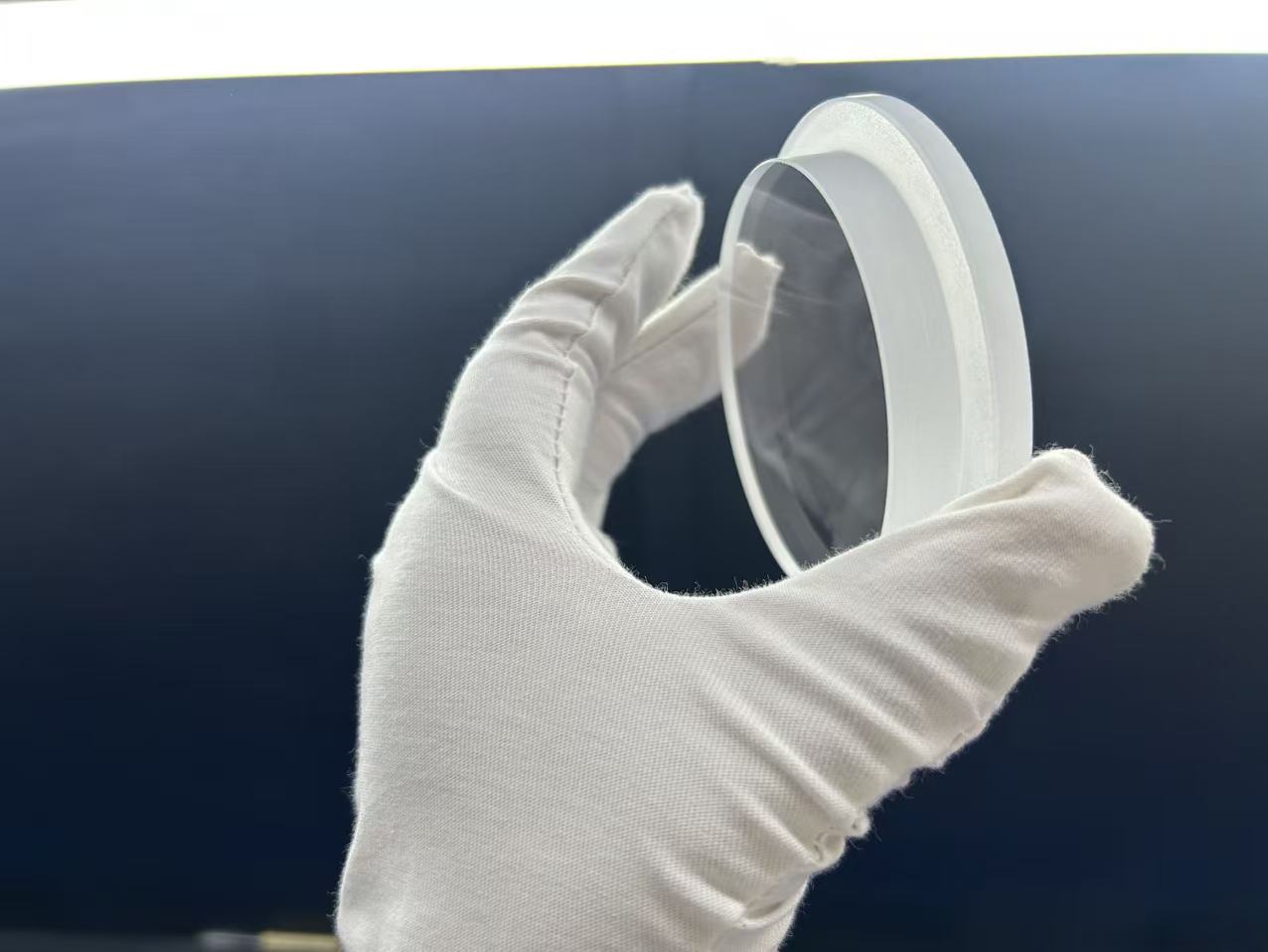
Factory-Made High-purity Ultra-thick Quartz Double-Layer Step Plate
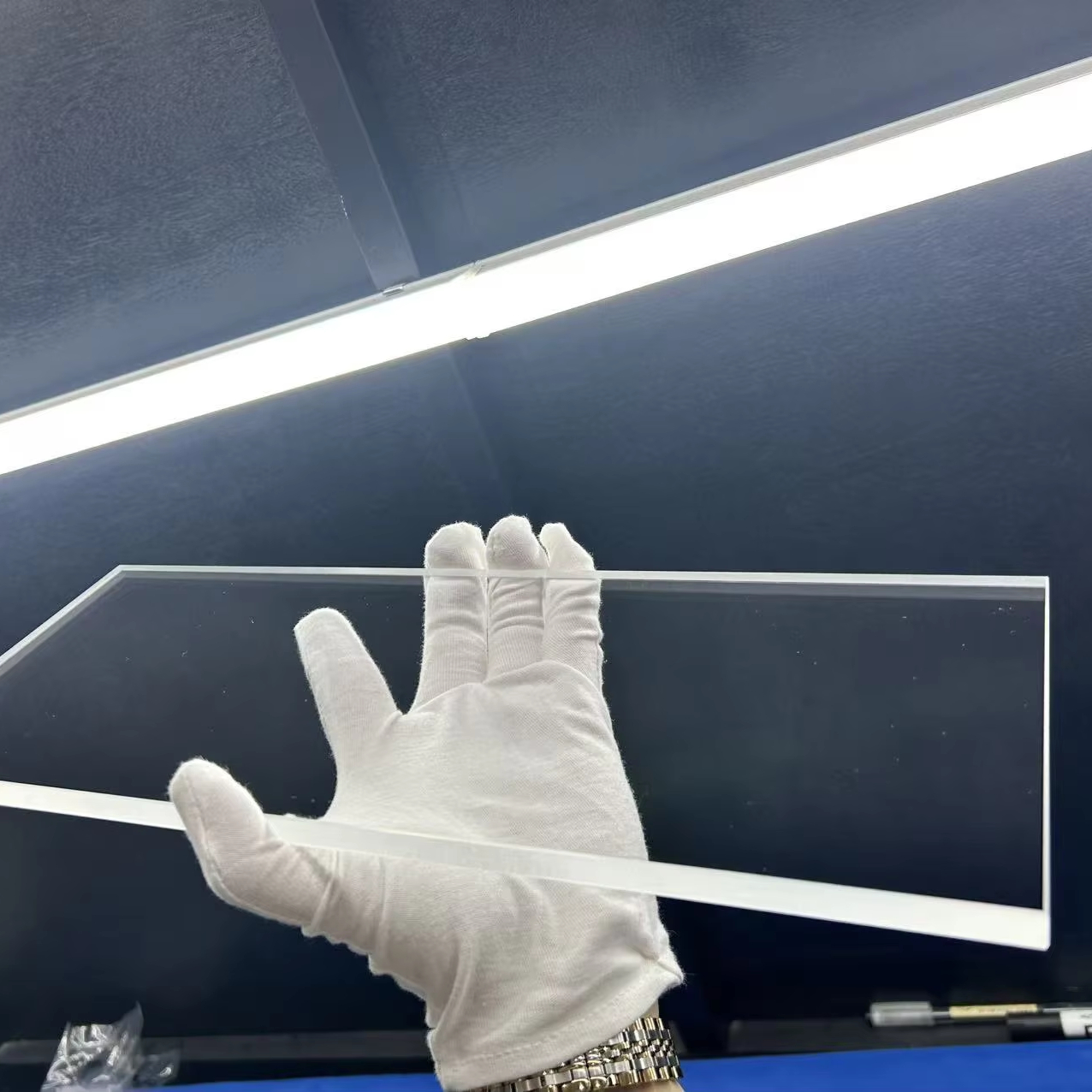
Ultra Clear High Purity Quartz Sheet
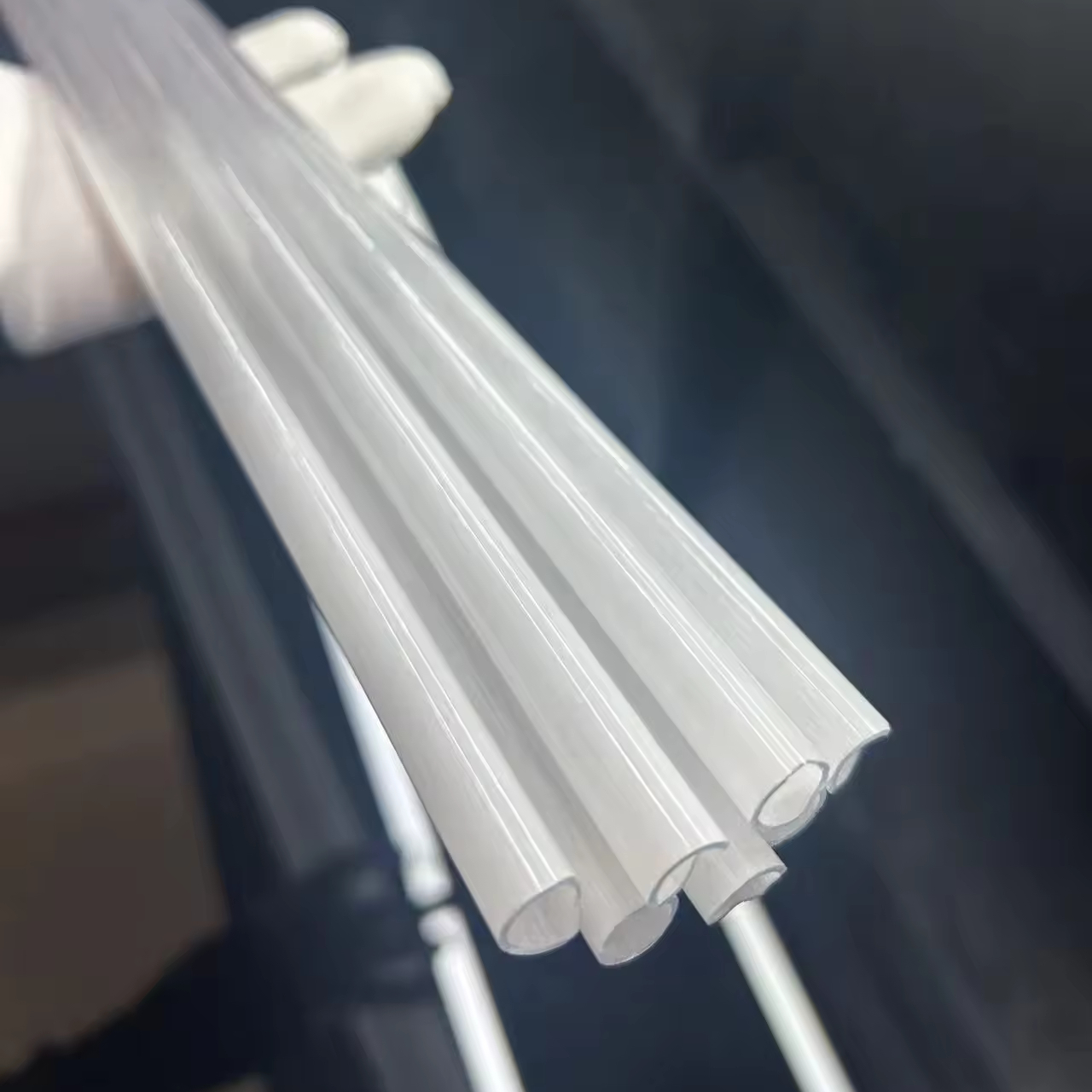
Translucent Quartz Glass Pipe & Milky White Sleeve
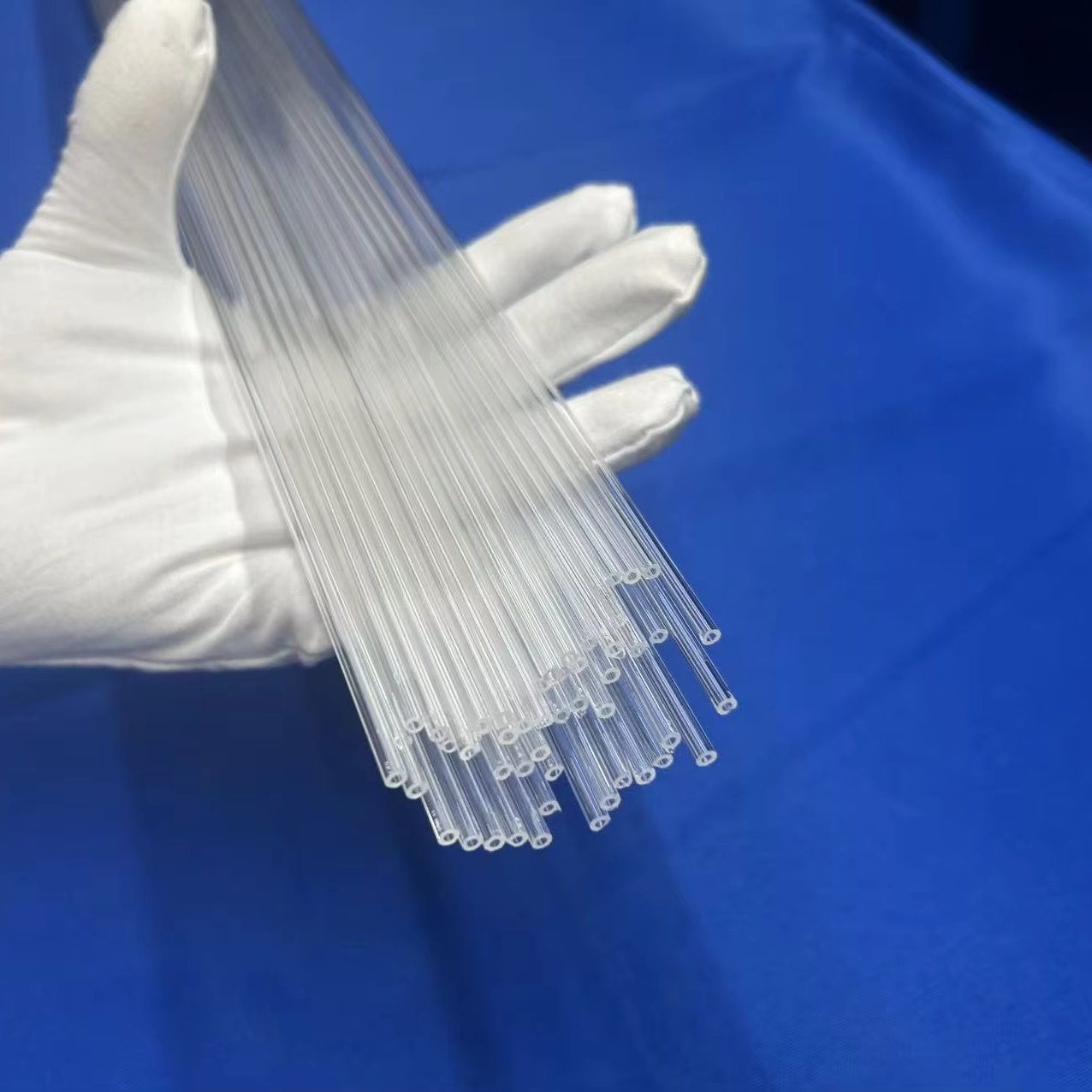
Capillary Quartz Tube for Precision Chromatography
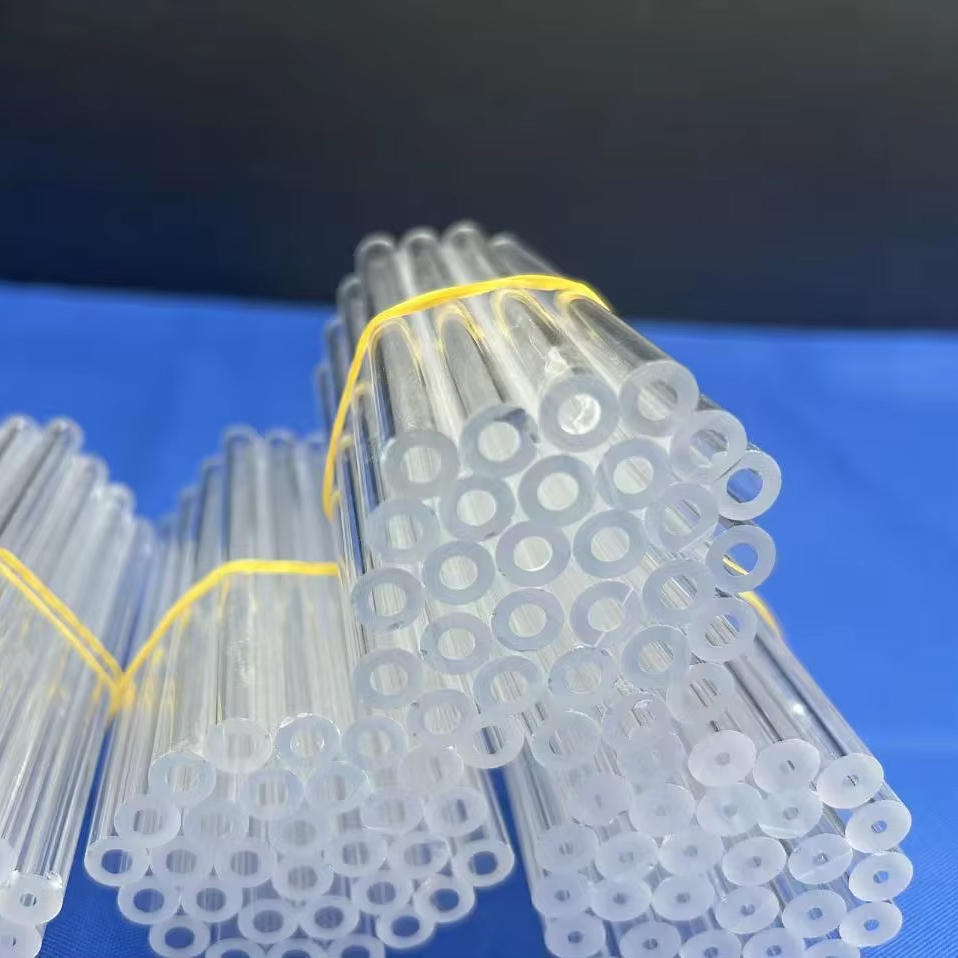
Customized BET Clear Quartz & Borosilicate Sample Cell
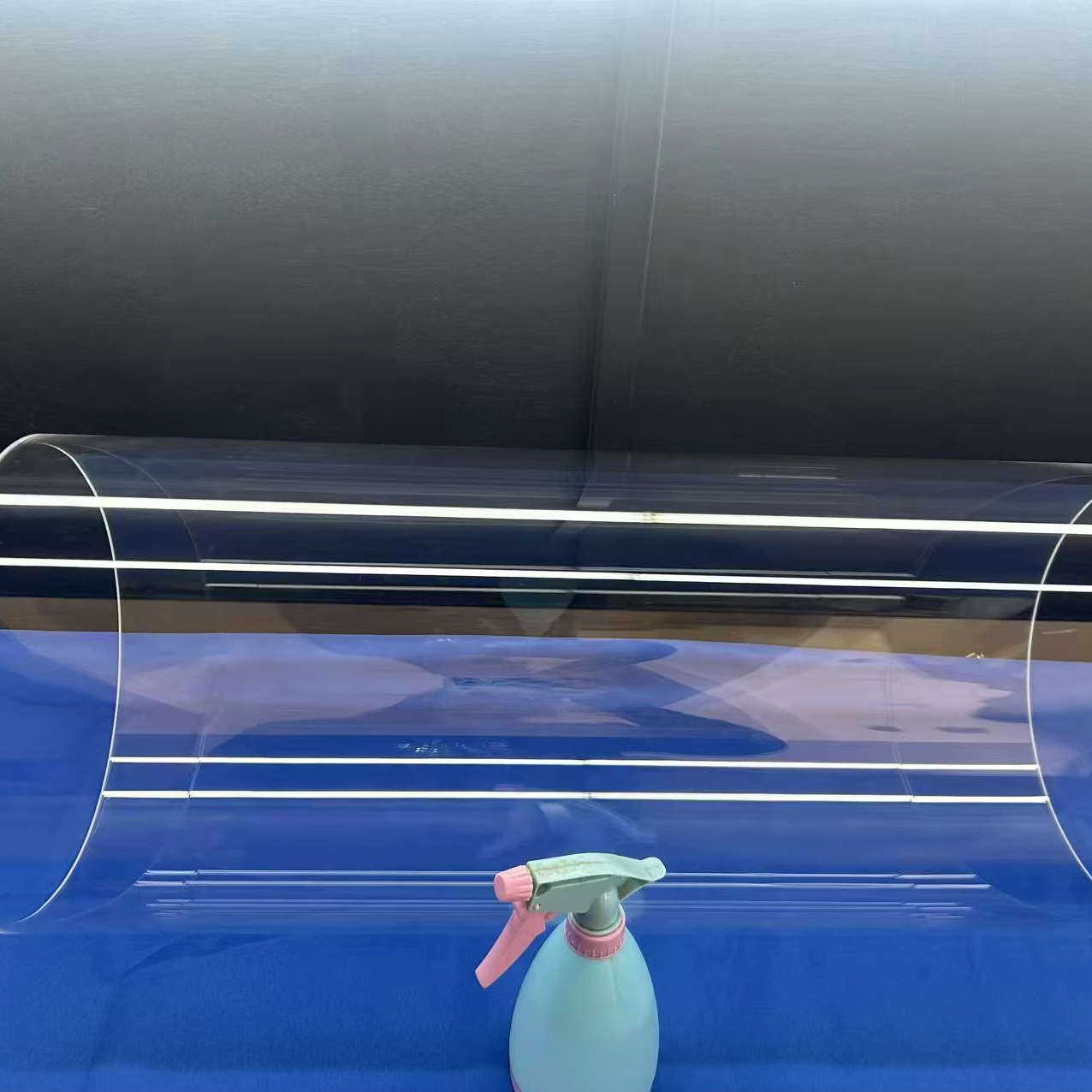
Customizable High Purity Fused Quartz Glass Tube
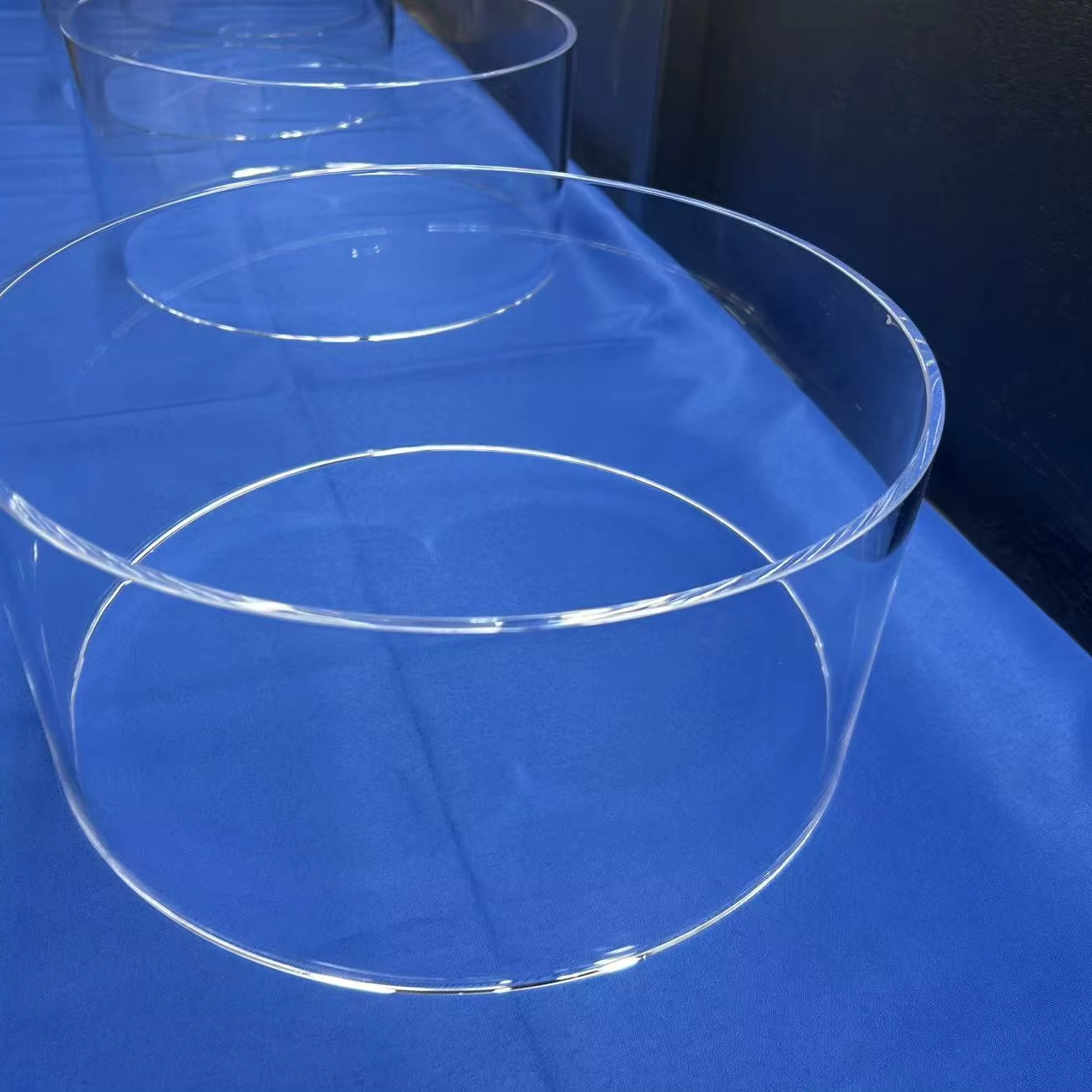
Large Diameter Fused Quartz Rods & Fabrications
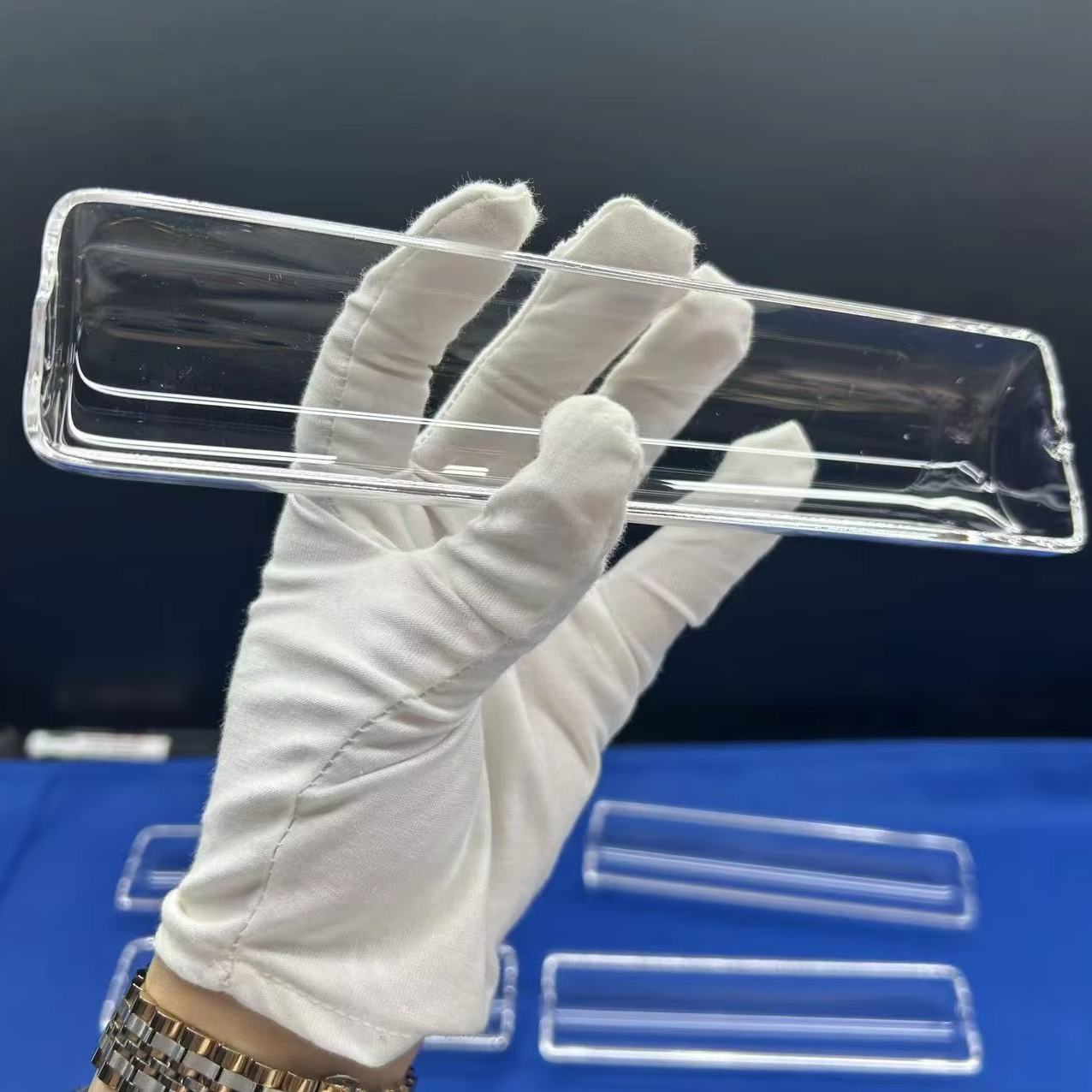
Customized Clear Fused Silica Quartz Boat / Carrier
Thermodynamic Mechanics and Material Synthesis of Amorphous Industrial Quartz Wool
Industrial quartz wool consists of non-woven, randomly oriented, pure vitreous silica (amorphous SiO₂ ≥ 99.99%) micro-filaments. Unlike standard borosilicate glass wool or aluminosilicate ceramic wool, genuine quartz wool is synthesized without chemical binders, starches, or resinous adhesives. It delivers absolute chemical inertness, high thermal shock resilience, and near-zero devitrification up to continuous temperatures of 1100°C.
Filament Micro-Architecture and Thermal Conductivity: Nivra Quartz wool is manufactured by high-temperature oxy-hydrogen flame drawing of high-purity natural rock crystal quartz tubes and rods originated in Donghai County. The resulting fiber diameters are carefully classified into standard grades: Microfine (1.5 to 3.5 μm), Standard (4.0 to 9.0 μm), and Coarse (9.0 to 15.0 μm). The interlaced curly fiber matrix traps microscopic stagnant air pockets, suppressing convective thermal transfer.
Because the thermal conductivity of vitreous silica filaments is exceptionally low (κ ≈ 0.040 W/m·K at 200°C, rising to only 0.165 W/m·K at 800°C), our quartz wool serves as an ideal thermal barrier in compact combustion tubes, catalyst reaction tubes, and cryogenic storage flanges where space-constrained radial insulation is paramount.
Crystalline Stability and Cristobalite Suppression: Standard ceramic wools degrade in reactive acidic atmospheres, while ordinary glass fibers soften below 600°C. Quartz wool maintains its amorphous elasticity across repeated thermal cycling from −200°C to +1150°C. Vitreous silica only begins its sluggish polymorphic inversion to crystalline α-cristobalite above 1150°C. By minimizing alkali trace metal impurities (Na < 0.5 ppm, K < 0.5 ppm, Li < 0.2 ppm), Nivra Quartz delays nucleation kinetics, safeguarding the wool against embrittlement and fiber dusting during sustained industrial operation.
Furthermore, because the product contains zero organic binders, it guarantees zero outgassing, zero carbon smoke, and zero moisture condensation during initial thermal bake-out in cleanroom vacuums or analytical gas chromatography analyzers.
| Physical / Thermal Metric | Fused Quartz Wool (Nivra Grade A) | Ceramic Alumino-Silicate Wool | Standard E-Glass Wool |
|---|---|---|---|
| Chemical Purity (SiO₂ Content) | ≥ 99.99% | 45% – 55% (Bal. Al₂O₃) | 52% – 56% (Alkali Borosilicate) |
| Continuous Service Ceiling | 1100°C (2012°F) | 1050°C – 1200°C | 500°C – 550°C |
| Softening Point | 1683°C | 1760°C | 840°C |
| Coefficient of Thermal Expansion (20–300°C) | 5.5 × 10⁻⁷ /°C | 5.0 × 10⁻⁶ /°C | 8.5 × 10⁻⁶ /°C |
| Resistance to Hydrofluoric & Phosphoric Acid | Attacked by HF, hot H₃PO₄; resists all others | Moderate acid leaching | Decomposes in acidic solutions |
| Organic Binder Content / Outgassing Loss | 0.00% (Cleanroom Bake-Out Ready) | 1.0% – 5.0% Binder presence | 3.0% – 8.0% Phenolic resin |
| Dielectric Constant (ε) at 1 MHz | 3.75 (Ultra-low microwave absorption) | 5.5 – 6.2 | 6.1 – 6.5 |
Quartz Wool Deployment Across Kingston's Advanced Industrial Nodes
Positioned along the St. Lawrence Seaway and Highway 401 advanced manufacturing belt, Kingston, Ontario stands as a critical junction for clean energy storage, clean-tech metallurgical pilot plants, Queen's University material research institutes, and chemical instrumentation.
Clean Battery Metallurgy & Cathode Pilot Lines
Eastern Ontario has emerged as an EV battery materials epicenter. During rotary kiln calcination and pilot hydrometallurgical leaching of lithium, nickel, and cobalt, our low-iron, high-purity quartz wool serves as non-reactive thermal seals and thermal filtration plugs that eliminate transition-metal cross-contamination.
Queen's University Innovation Park R&D
Advanced research groups in chemical engineering and laser photonics at Queen's University depend on binder-free quartz wool for packing tubular quartz catalytic reactors, high-temperature gas chromatography injection liners, and high-vacuum optical cryostats requiring zero outgassing.
Clean-Tech Syngas & Pyrolysis Reactors
Kingston clean-technology innovators developing continuous biomass valorization and waste-to-hydrogen pyrolyzers utilize high-bulk quartz wool mats to filter corrosive hot tar condensates and particulates up to 950°C without degradation from organic acids or chlorine vapors.
Specialty Aluminum & Alloy Heat Treatment
Advanced metal sheet rolling facilities and regional aluminum recyclers utilize custom-die-cut quartz wool gaskets and quartz burner tubes to manage extreme thermal gradients during continuous coil annealing and melt furnace door insulation without toxic off-gas.
Semiconductor & Optoelectronic Epitaxy
High-brightness LED, optical fiber preform, and sensor fabrication laboratories in the Kingston-Ottawa corridor implement high-density quartz felt as baffle insulation inside CVD/MOCVD chambers, ensuring low dielectric dissipation and trace contaminant barriers.
Environmental Testing & Stack Gas Analysis
Industrial stack testing companies across the Great Lakes waterway install silanized quartz wool inside particulate sampling thimbles and EPA Method 5 trains to capture sub-micron particulates at flue temperatures exceeding 400°C without tare-weight distortion.
Strategic Sourcing Trends in Kingston's Industrial Manufacturing Corridor
Kingston's strategic industrial positioning between Toronto, Montreal, and Ottawa makes it a hotbed for specialized processing facilities that require agile, low-lead-time refractory quartz components. Understanding local supply dynamics is critical for plant managers and procurement officers.
1. Electrification and Critical Mineral Transformation
The push across Eastern Ontario to develop battery cathode precursor active materials (pCAM) has placed immense pressure on furnace component purities. Ceramic blankets containing trace alumina and iron oxide can leach impurities during high-temperature gas purges. Kingston specifiers are increasingly standardizing on pure fused quartz wool with <10 ppm total heavy metals, ensuring zero cross-contamination in battery pilot calcining furnaces.
2. Canadian Environmental Protection Act (CEPA) & Indoor Safety
With stringent Ontario workplace safety regulations regarding airborne refractory ceramic fibers (RCFs) and crystalline silica exposure (O. Reg. 490/09), plant engineers are actively phasing out carcinogenic ceramic wools. Nivra Quartz wool fibers have a mean diameter controlled between 4 to 9 μm, staying above the respirable alveolar deposition cutoff (<3 μm) while avoiding bio-persistent binders that emit volatile organics during furnace commissioning.
3. High-Frequency Heating and Low Dielectric Footprints
Microwave plasma pyrolysis and induction sintering pilot plants in Kingston demand insulating materials that do not absorb RF energy. Fused quartz wool displays a vanishingly small loss tangent (tan δ < 0.0001 at 1 GHz) compared to alumina or zirconia ceramics. This enables clean energy transmission directly into the target feedstock while protecting surrounding vessel walls.
4. Direct OEM Factory Partnerships vs. Third-Party Resellers
Traditional procurement through North American catalog distributors often involves 300% markups and 12-week lead times for custom-formed quartz parts. Kingston research engineers and procurement heads are partnering directly with integrated manufacturers like Nivra Quartz, unlocking custom CNC machining, tailored wool densities, and express air delivery cleared through Toronto Pearson (YYZ) or Montreal Trudeau (YUL) in under 7 business days.
Precision Factory Capacity • Nivra Quartz Engineering Center
Located in Donghai County, Jiangsu—the crystal and quartz capital of China—Donghai County Nivra Quartz Products Co., Ltd. operates integrated hot-drawing, CNC grinding, and certified cleanroom processing facilities serving worldwide OEMs.
Vertical Raw Material Control
By sourcing our quartz crystal directly within Donghai County, we retain total control over trace element content. Our automated chemical scrubbing, multi-stage acid washing, and oxy-hydrogen fusion yield high-purity ingots with SiO₂ purity ≥ 99.99%. Every production batch is spectrographically analyzed for alkali and heavy metal content before drawing.
Comprehensive Export Packaging
Fragile quartz components, tubes, and wool are subjected to cleanroom vacuum packing in anti-static polyethylene liners, followed by shock-absorbent custom foam enclosures inside heavy-duty, fumigation-free export crates. Our damage-free international arrival rate exceeds 99.8% across shipments to North America, Western Europe, and Asia.
Kingston Industrial Quartz Wool Procurement FAQ
Direct answers to the most common technical, logistics, and compliance questions asked by engineers, laboratory specifiers, and procurement teams in Ontario, Canada.
What makes fused quartz wool superior to high-silica and ceramic wool in high-temperature catalyst tubes?
Can you supply custom pre-cut quartz wool discs, cylindrical plugs, or die-cut gaskets for Kingston reactors?
How does Nivra Quartz handle Canadian customs clearance, tariffs, and shipping into Eastern Ontario?
What are the recommended packing density and temperature limits for gas filtration applications?
Do your quartz products comply with ASTM, ISO, and REACH standards?
What is the minimum order quantity (MOQ) and lead time for pilot-scale Kingston projects?
Request an Engineering Quotation for Your Kingston Facility
Connect directly with our senior quartz fabrication engineers. Send your operating temperatures, gas compositions, dimensional drawings (DWG, STEP, or PDF), or desired wool density for a full technical evaluation and commercial quotation within 5 hours.