Featured High-Temperature Quartz Components for Tampere Labs & Fabs
Direct manufacturer stock and precision-welded fused silica assemblies with micron-level dimensional tolerances, extreme heat endurance up to 1450°C, and certified raw material purity (≥ 99.99% SiO2).
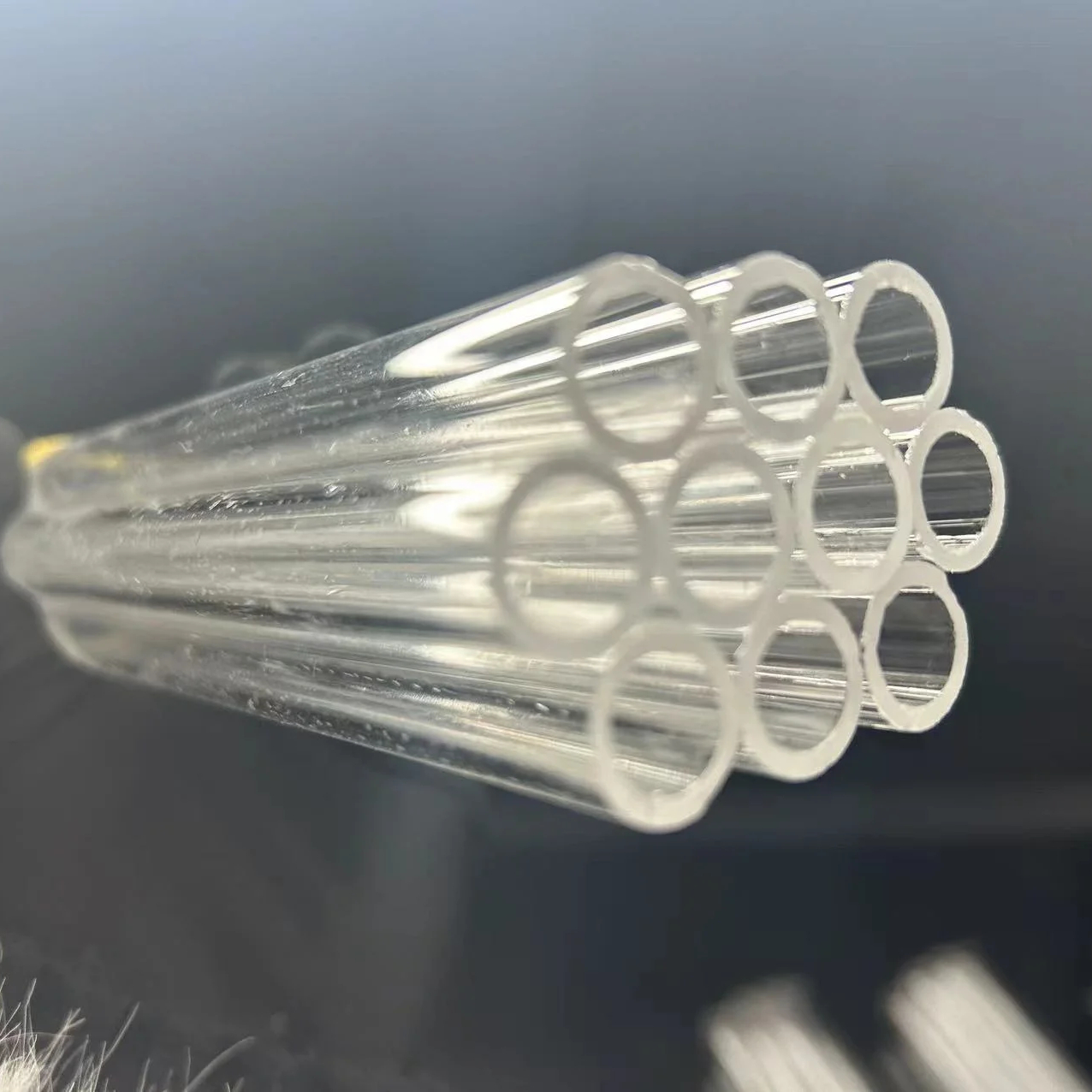
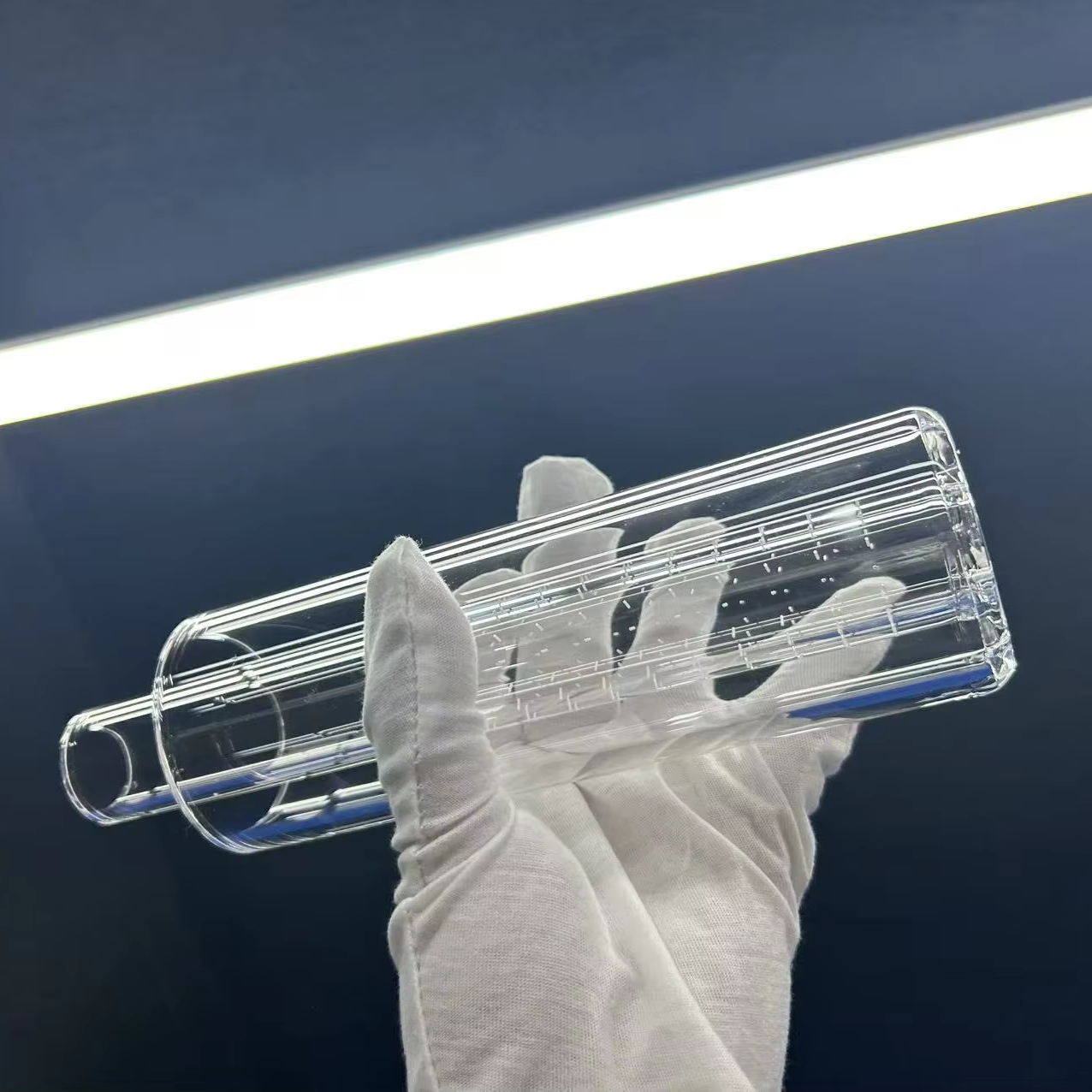
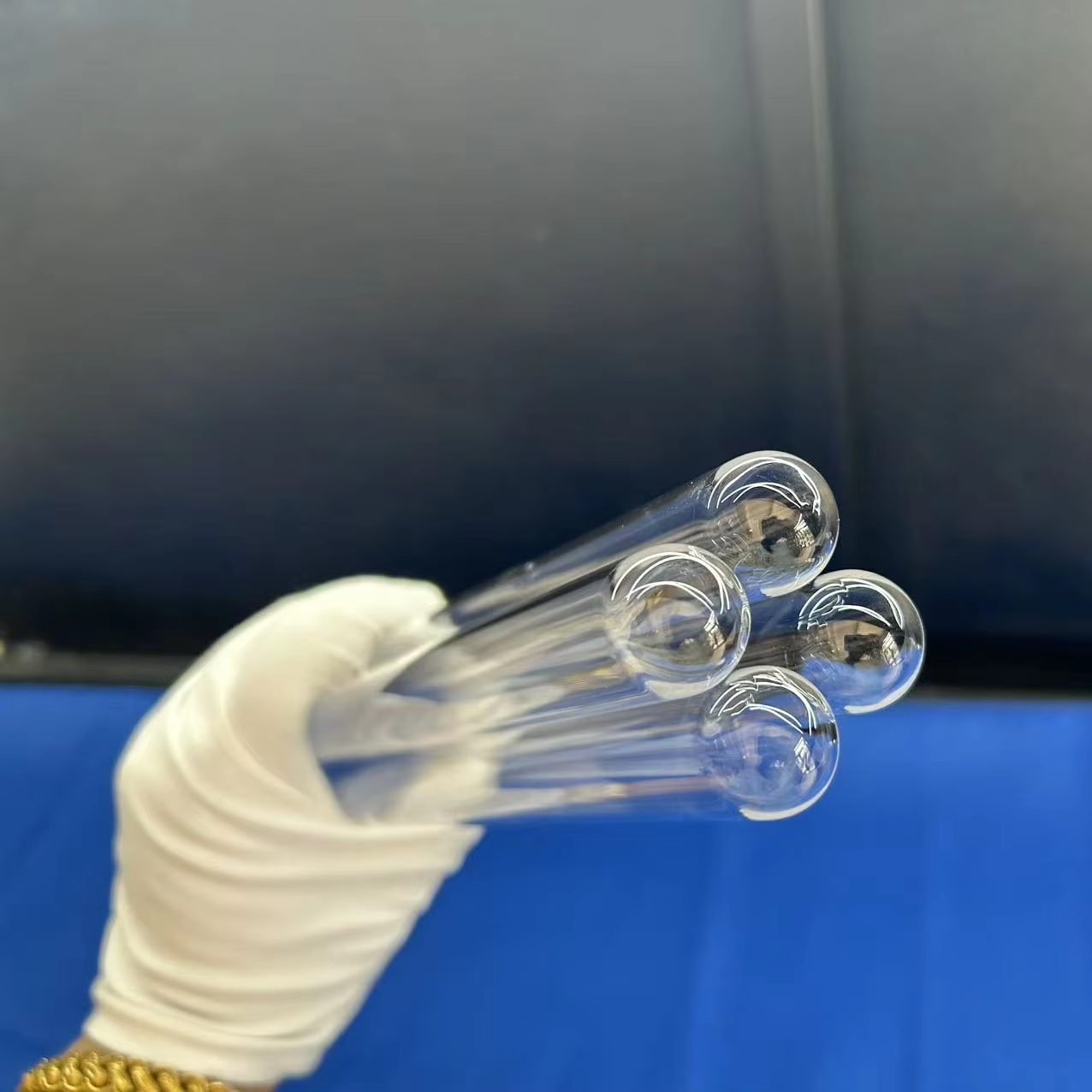
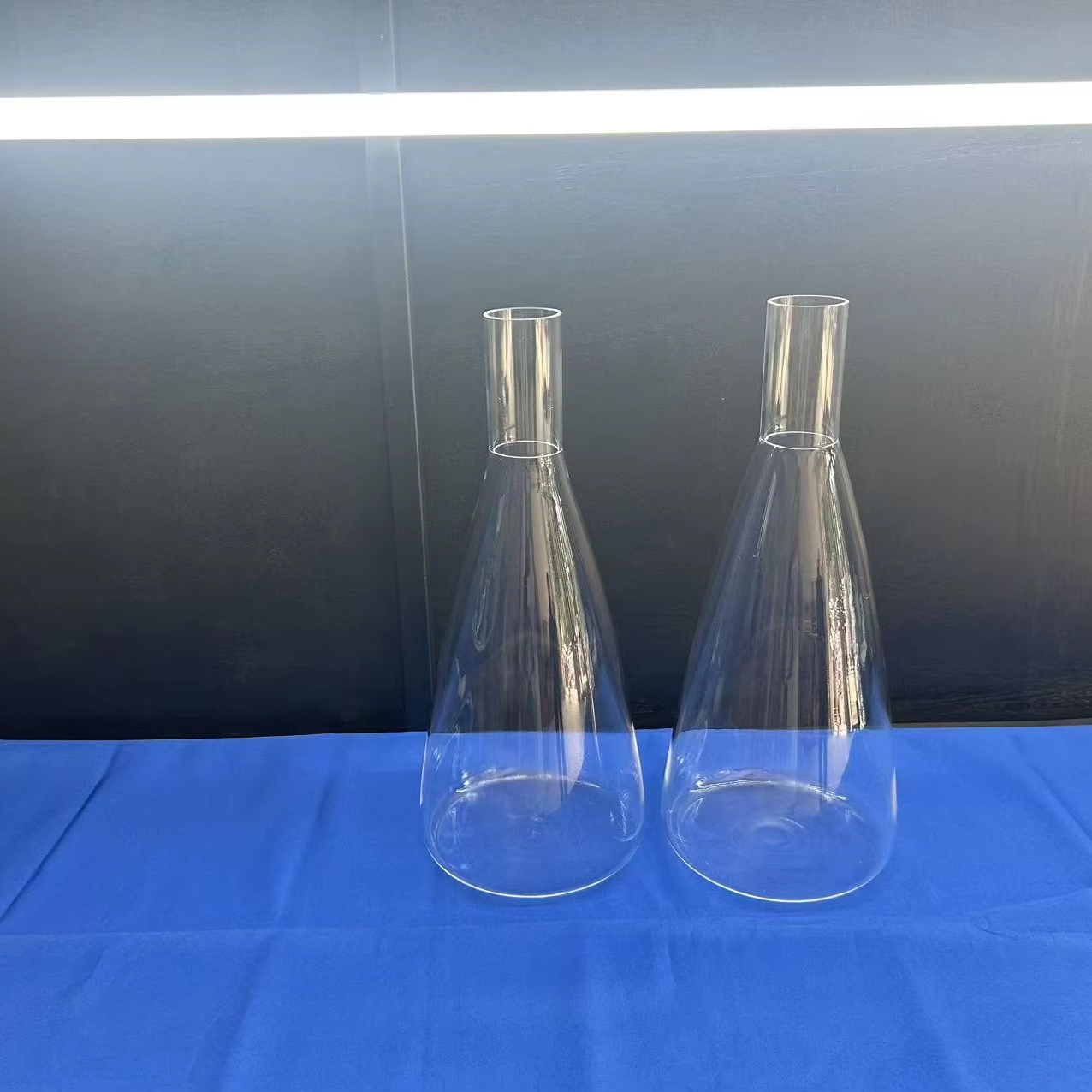
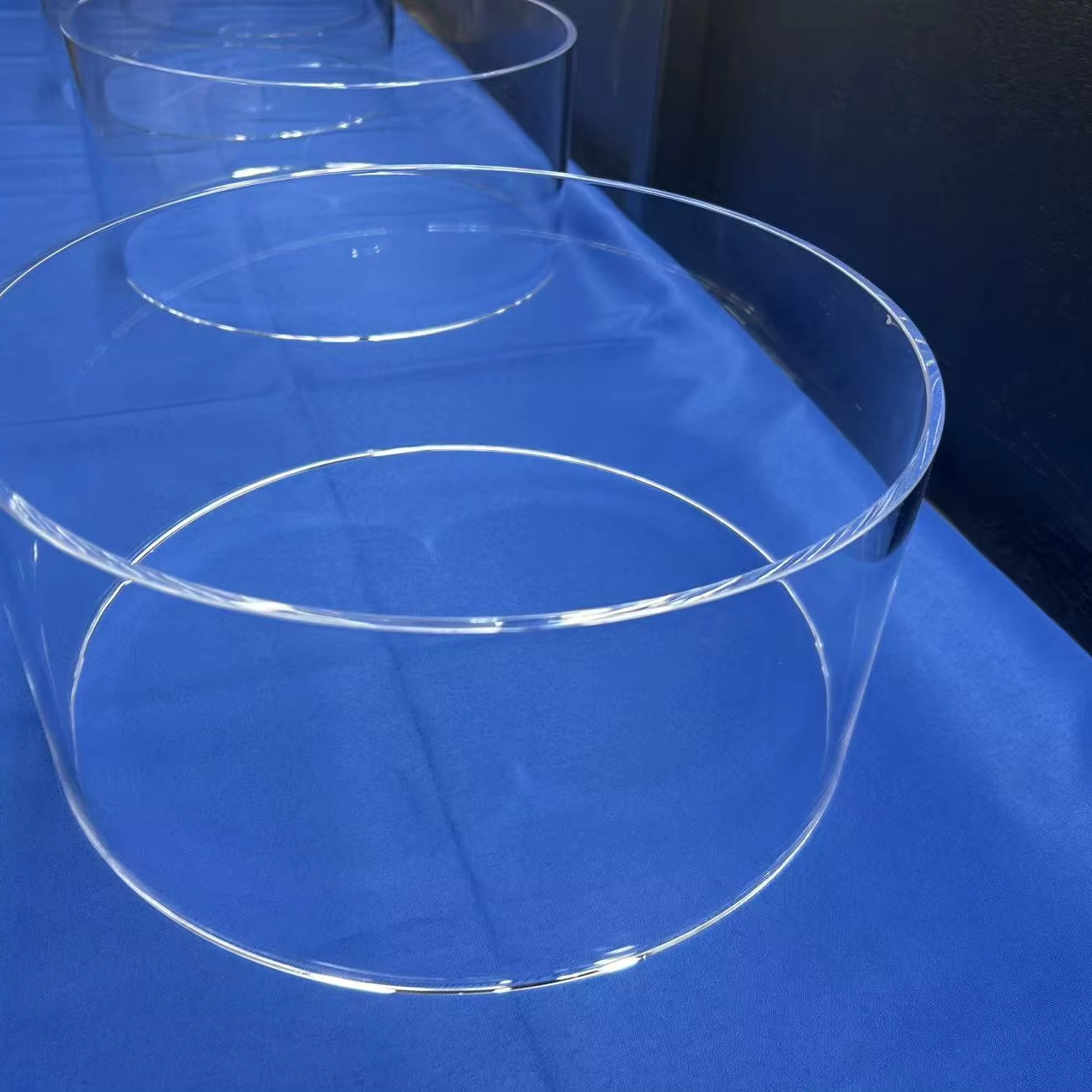
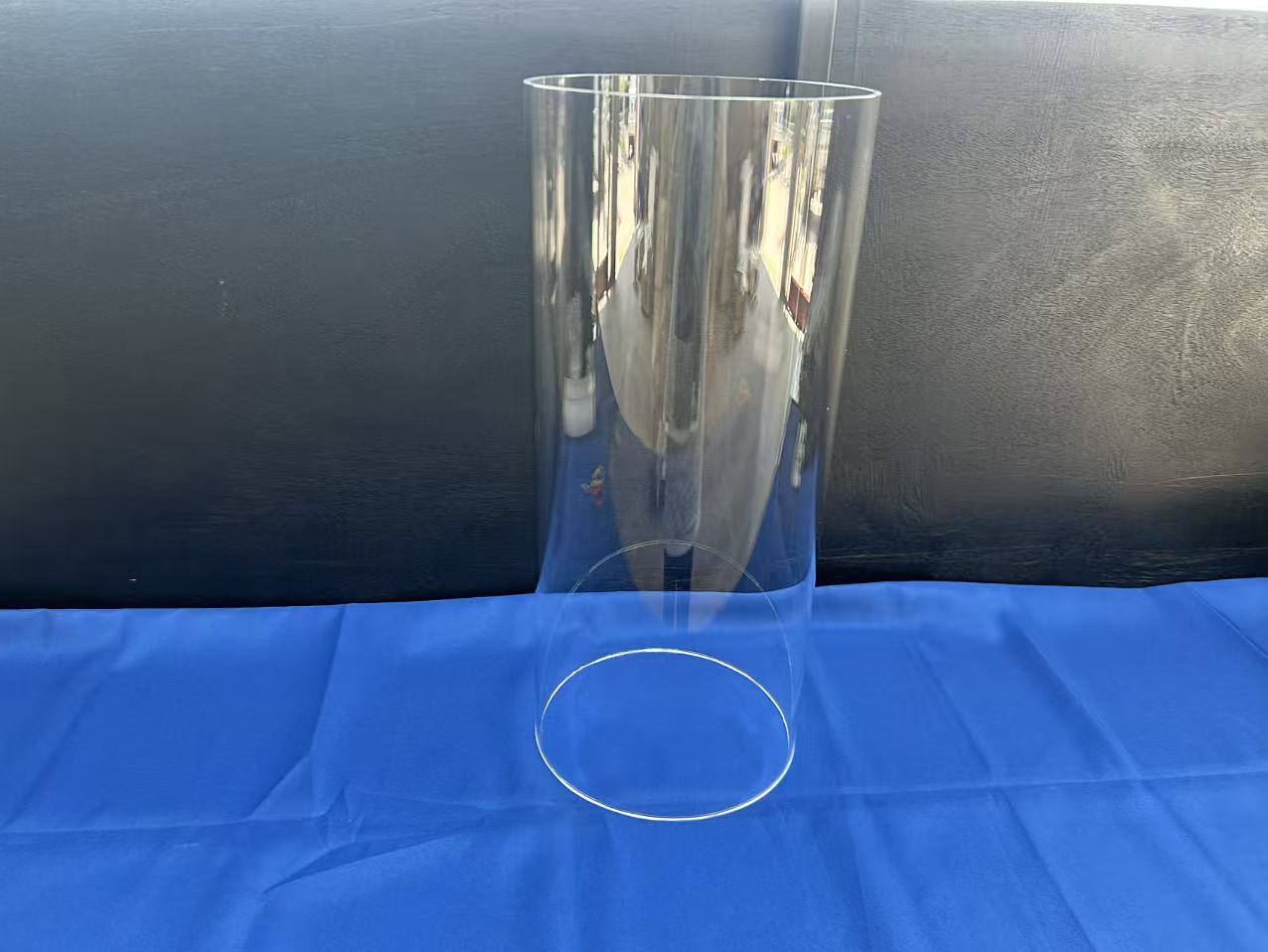
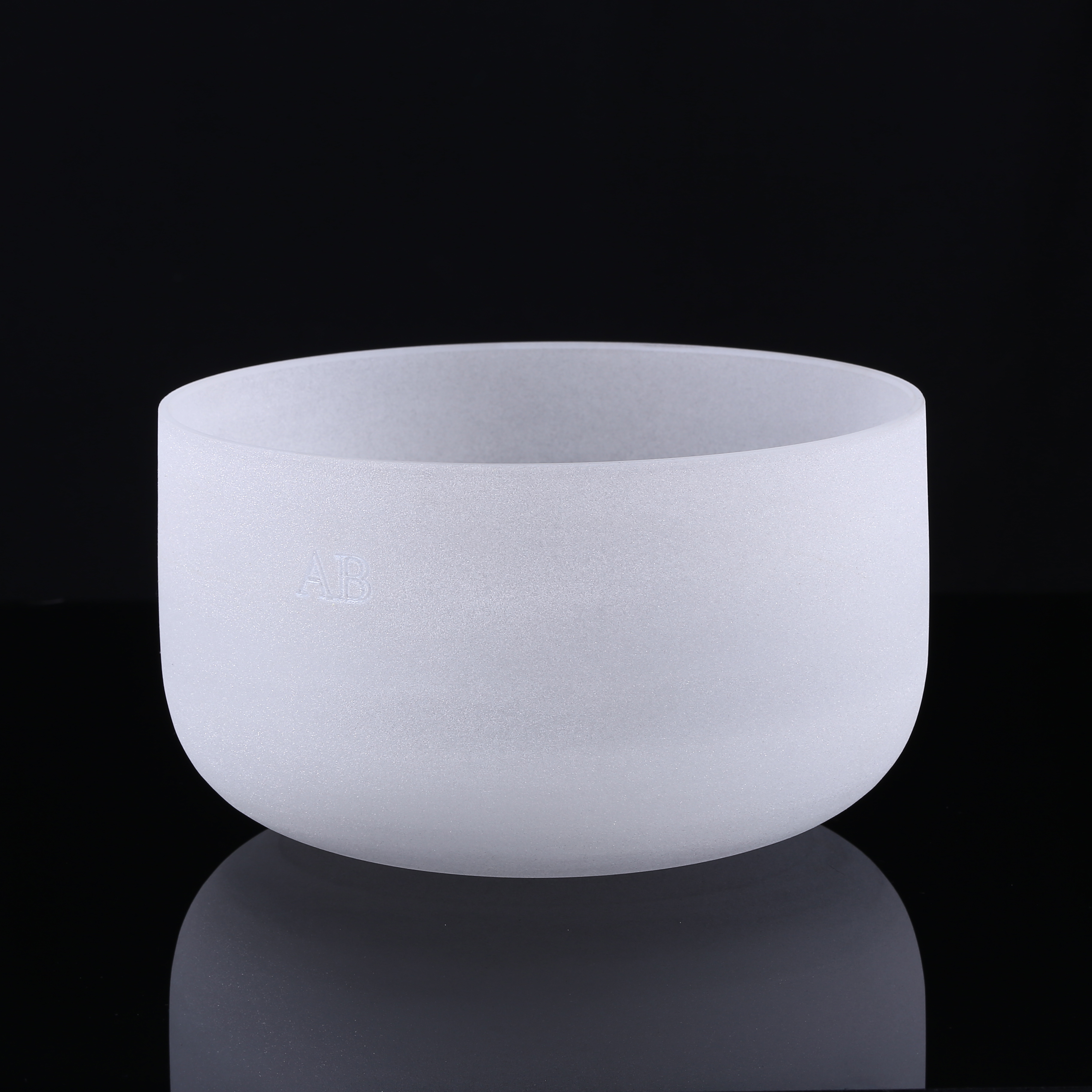
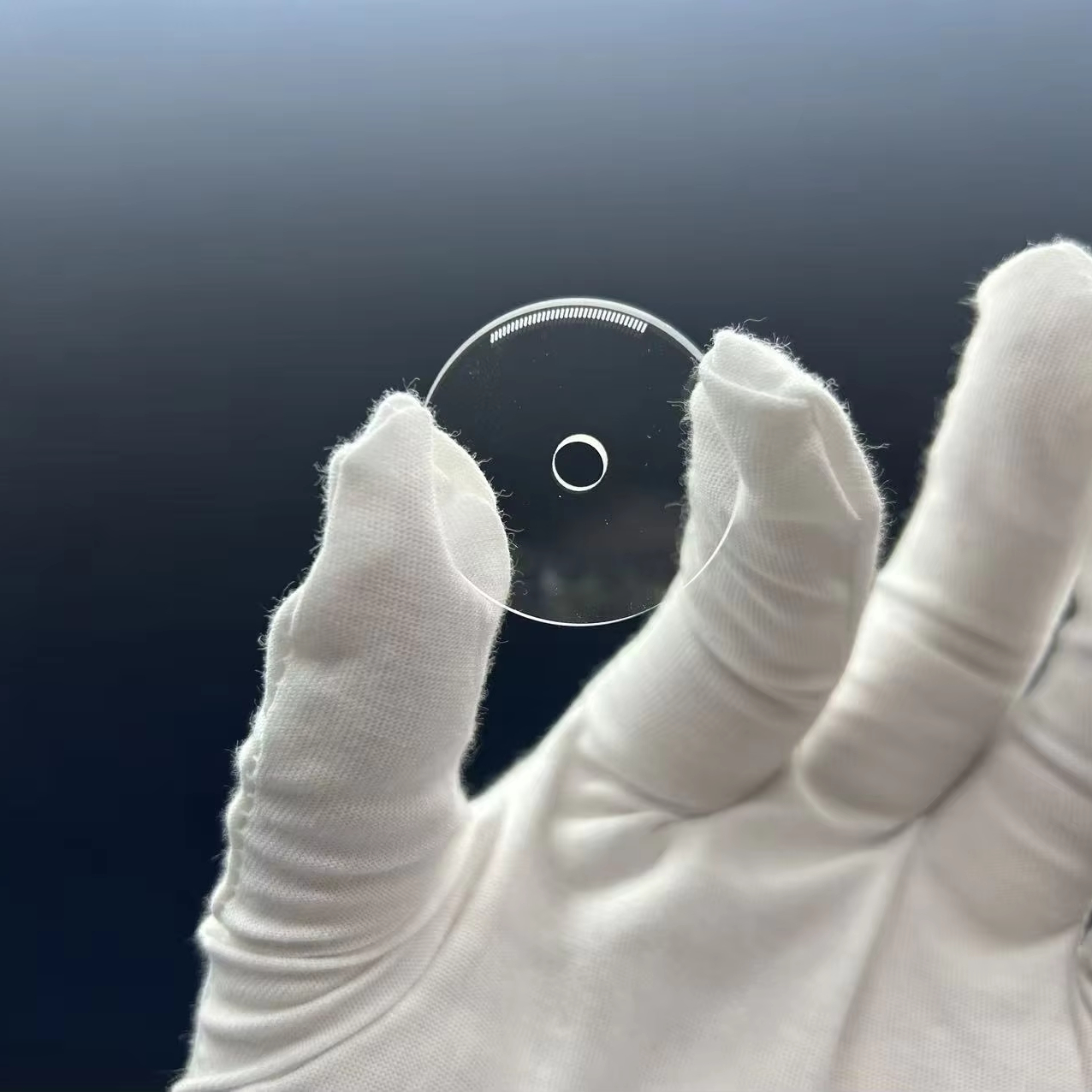
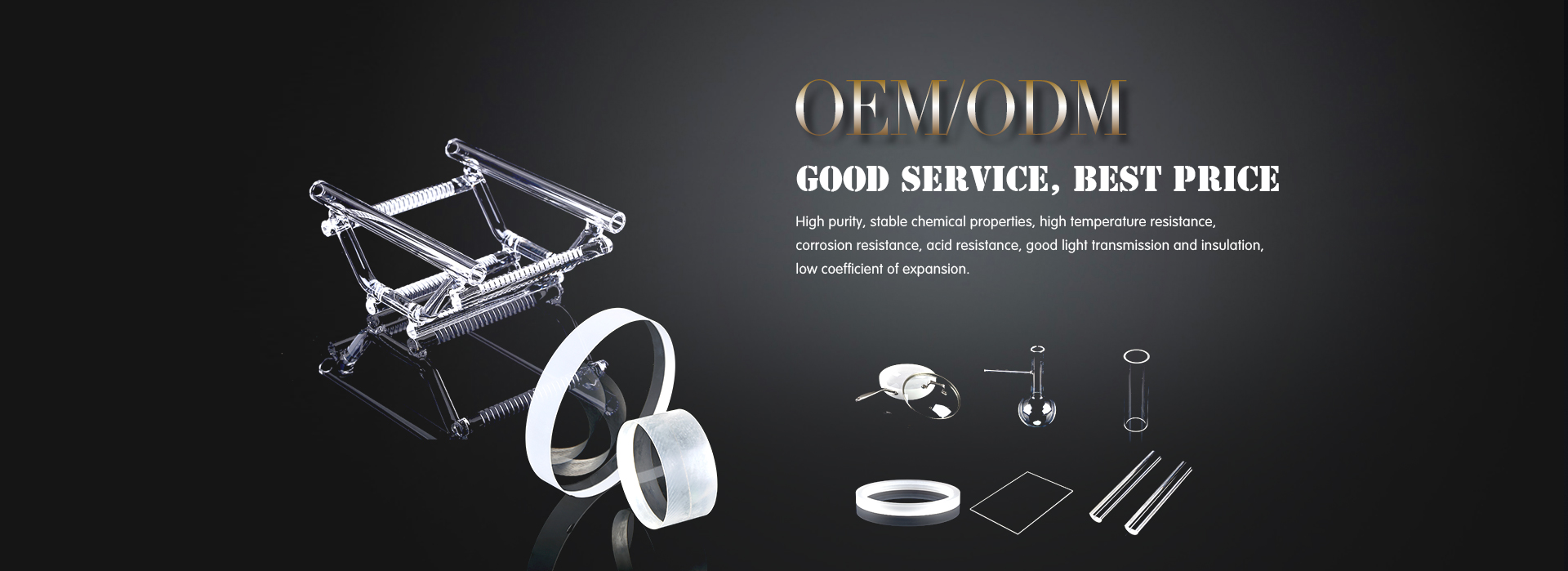
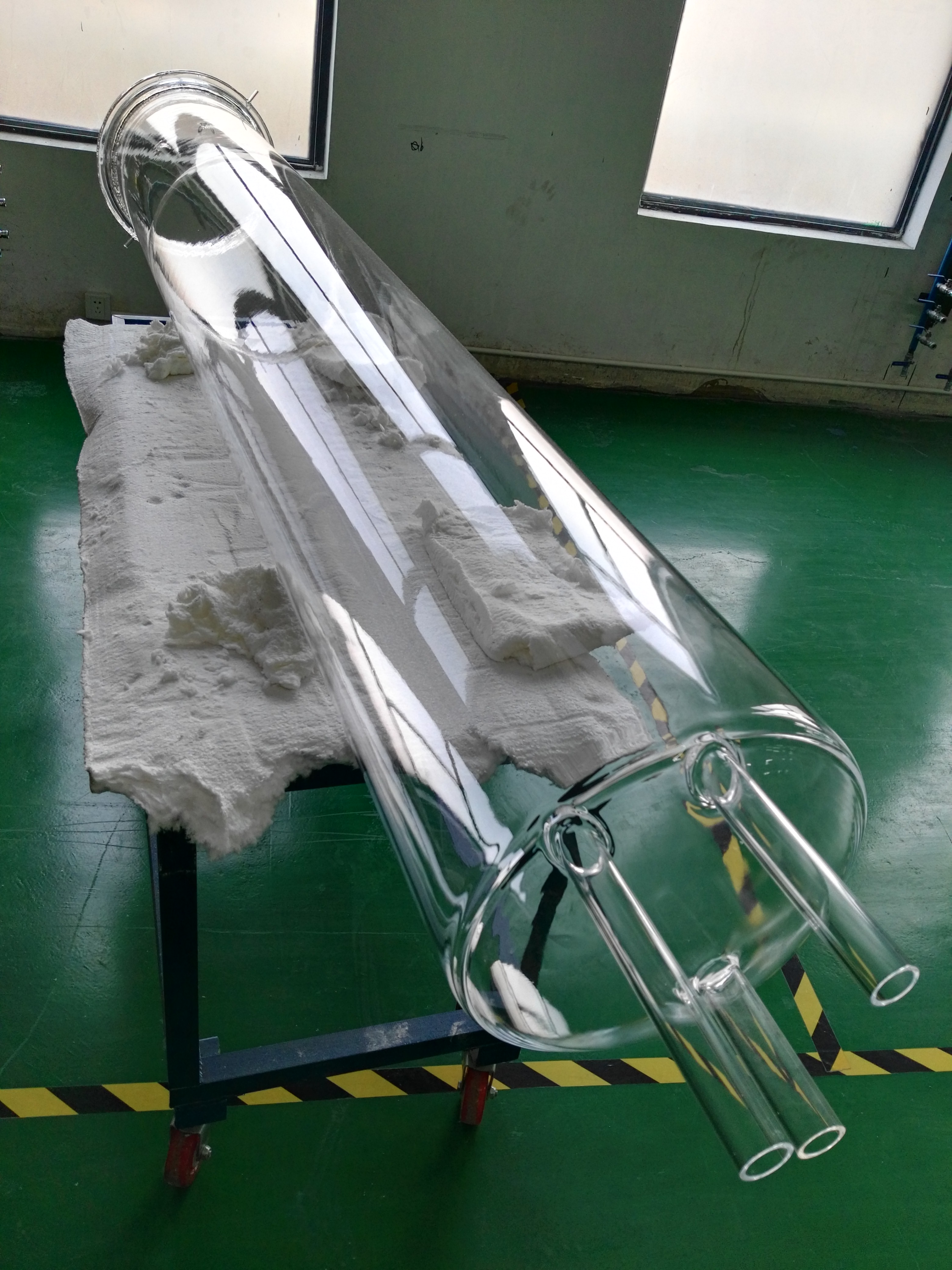
The Role of Fused Silica Bell Jars in High-Vacuum and Thermal Processing
In advanced thin-film epitaxy, physical vapor deposition (PVD), plasma-enhanced chemical vapor deposition (PECVD), and rapid thermal processing (RTP), the physical enclosure dictates the purity ceiling of the entire processing system. Fused quartz bell jars serve as the transparent, chemically inert, and thermally unyielding barrier between aggressive atmospheric gradients and high-vacuum reaction envelopes.
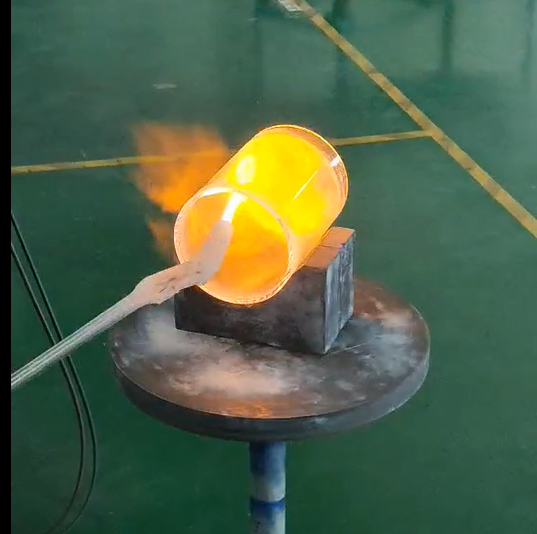
Manufactured from high-purity natural silica sand (≥ 99.99% SiO2) refined in Donghai County—the global center for crystal and quartz synthesis—our bell jars undergo intense hydrogen-oxygen flame lathe fusing, automated wall thickness profiling, stress-relieving annealing cycles up to 1215°C, and CNC optical lip grinding. This ensures that when deployed in deep-vacuum regimes (< 10-6 mbar) and subjected to severe thermal cycling exceeding 1150°C, the structural integrity remains uncompromised by devitrification or thermal deformation.
Powering Pirkanmaa's Quantum, Laser & Semiconductor Infrastructure
Tampere has solidified its standing as Northern Europe's vanguard in optoelectronics, compound semiconductors (III-V materials), and photonic system integrations. Our quartz bell jars and ultra-pure processing hardware directly interface with the technical workflows of research institutes and industrial fabrication facilities throughout the Pirkanmaa region.
Hervanta Photonics & III-V Epitaxy
The Tampere photonics ecosystem—anchored around the Hervanta campus, research labs, and spin-off laser diode manufacturers—demands process tubes and bell jars with ultra-low iron and alkali impurity profiles (< 0.1 ppm). Fused silica prevents outgassing during high-temperature organometallic vapor-phase epitaxy (MOVPE) and molecular beam epitaxy (MBE) degassing stages.
Atomic Layer Deposition (ALD) Vessels
Originating in Finland, ALD technology requires exceptionally uniform thermal profiles and chemical resistance against corrosive metal precursor pulses (such as trimethylaluminum and halogen gases). Our bell jars feature flame-polished internal surfaces to mitigate precursor adsorption and particle shedding across thousands of alternating precursor cycles.
High-Vacuum Sintering & Thermal Brazing
Advanced machinery workshops across Tampere, Kangasala, and Nokia rely on quartz bell jars for inductive cold-wall vacuum furnaces. The material's low coefficient of thermal expansion (5.5 × 10⁻⁷/°C) permits immediate quenching and rapid thermal cycles without crack formation or micro-fissuring at sealing flanges.
Plasma Ashing & Reactive Ion Etching
For MEMS sensor fabrication and cleanroom wafer stripping, our dome-ended quartz jars offer superior plasma erosion longevity. Fabricated with zero bubble inclusions in critical RF transmission zones, electromagnetic energy couples efficiently into the reaction zone without local dielectric heating.
Optical Fiber Preform Fabrication
Finnish specialty glass developers leverage our custom oversized silica bell jars and jackets during modified chemical vapor deposition (MCVD) and soot deposition phases, requiring tight concentricity (±0.15 mm) and high mechanical stiffness under localized torch traversing.
R&D Pilot Lines & University Research
Supporting academic and spin-off prototypes with low Minimum Order Quantities (MOQ starting from 1 unit), enabling materials science labs in Tampere to iterate specialized reactor geometries, sensor feedthrough ports, and multi-angle viewing windows without prohibitive tooling charges.
Evolution of High-Temperature Quartz Demand in Finland's Industrial Hub
Driven by the European Chips Act, Nordic green technology initiatives, and Tampere's expanding leadership in compound semiconductor chip manufacturing, quartz procurement requirements are transforming rapidly.
Transition to Low-Hydroxyl (Low-OH) Synthetics
Standard electrically fused quartz contains residual hydroxyl groups (10-30 ppm OH-), which can trigger infrared absorption bands around 2.73 μm and accelerate structural sagging above 1100°C. Tampere fabs are increasingly mandating low-OH (< 5 ppm) or JGS3 optical-grade fused silica for bell jars operating in continuous vacuum furnace regimes.
Direct CAD-to-Flame CNC Customization
Procurement teams at Tampere technology centers are eliminating standardized catalog bell jars in favor of customized geometry: integrating tangential gas inlet nozzles, laser-drilled thermocouple wells, quick-clamp ISO-KF/NW flanges, and customized ground flat rims directly into single-piece monolithic quartz bells.
Supply Chain Resilience & Lead-Time Optimization
Due to geopolitical supply chain shifts, Nordic manufacturers cannot tolerate 16-to-24-week delivery horizons. With our integrated supply chain in Donghai and factory-direct air logistics dispatching directly into Tampere-Pirkkala (TMP) or Helsinki-Vantaa (HEL), production and delivery timelines are compressed down to 2-4 weeks.
Fused Silica & Quartz Bell Jar Technical Reference Guide
Precision selection between synthetic fused silica (JGS1), optical quartz (JGS2), and infrared furnace quartz (JGS3) ensures optimal mechanical strength, spectral transmission, and thermal stability under deep vacuum.
| Physical / Chemical Property | Test Standard / Value | Operational Significance for Tampere Fabs |
|---|---|---|
| Chemical Composition | SiO2 ≥ 99.99% (High Purity Grade) | Prevents metal ion contamination (Fe < 0.2ppm, Cu < 0.05ppm, Al < 15ppm) |
| Continuous Working Temperature | 1100°C (1373 K) | Stable operation during prolonged diffusion, ashing, and annealing recipes |
| Maximum Short-Term Peak Limit | 1450°C (1723 K) | Resists thermal spikes during rapid flash lamp sintering or induction bursts |
| Annealing Point & Softening Point | 1215°C / 1683°C | Full stress relief via programmable furnace annealing eliminates hoop stress |
| Thermal Expansion Coefficient (20-300°C) | 5.5 × 10⁻⁷ cm/cm·°C | Virtually immune to thermal shock; withstands cold gas injection at 1000°C |
| Dielectric Strength (20°C, 1MHz) | 2.5 × 10⁷ V/m | Ideal electrical isolation in RF plasma reactors and microwave CVD domes |
| Hydroxyl (OH-) Concentration | < 5 ppm (JGS3) to < 180 ppm (Standard) | Minimizes structural bubble formation and optimizes IR thermal transmission |
| Dimensional Tolerances (CNC Machining) | Wall thickness: ±0.15mm; Flange flatness: ≤ 0.03mm | Ensures hermetic vacuum seal with Viton, Kalrez, or metal O-rings |
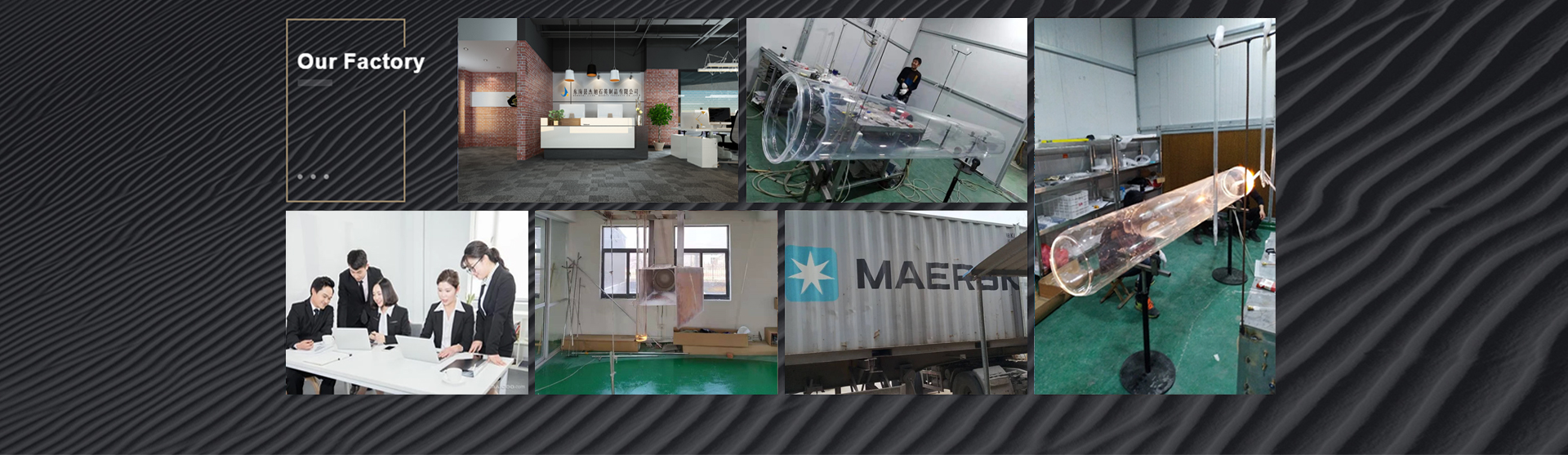
Inside Donghai County Nivra Quartz Products Co., Ltd.
Founded in February 2019 in Donghai County, Lianyungang, Jiangsu—the epicenter of China's crystal and fused quartz industry—we combine raw material integration with precision CNC cold-processing and high-temperature flame glassblowing. Our premises have been independently audited and verified on-site by third-party inspection agencies.
Factory-Direct Purity & Value
Operating from the quartz capital of China eliminates secondary distribution markups. With our raw material sorting, high-temperature arc furnace synthesis, and in-house cutting workshops, Finnish buyers capture maximum value without compromising on metallurgical clarity or chemical purity.
Complete Processing Chain
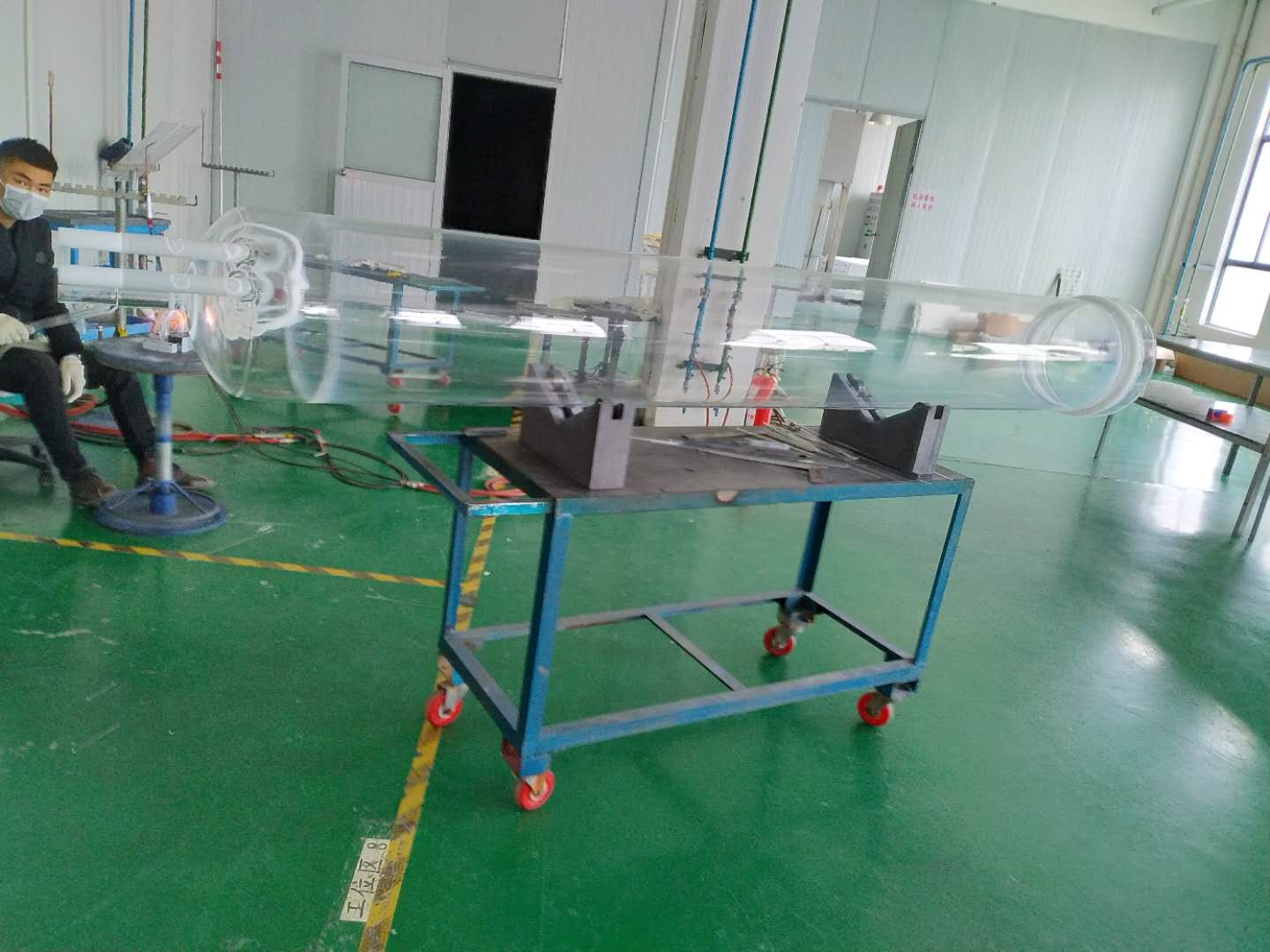
Our facility spans raw tube drawing, computerized 5-axis CNC diamond grinding, edge profiling, high-precision flame lathe welding, ultrasonic batch de-ionized water washing, and annealing furnaces ensuring complete internal stress elimination before packing.
Verified Export Track Record
Exporting across North America (40%), Western Europe (20%), Eastern Europe (14%), and Northern Europe (10%). We maintain a measured 88.89% customer inquiry rate, average technical feedback in under 5 hours, and a 23% repeat reorder rate with verified 5.0/5.0 reviews.
Audited Compliance & Qualification Documents
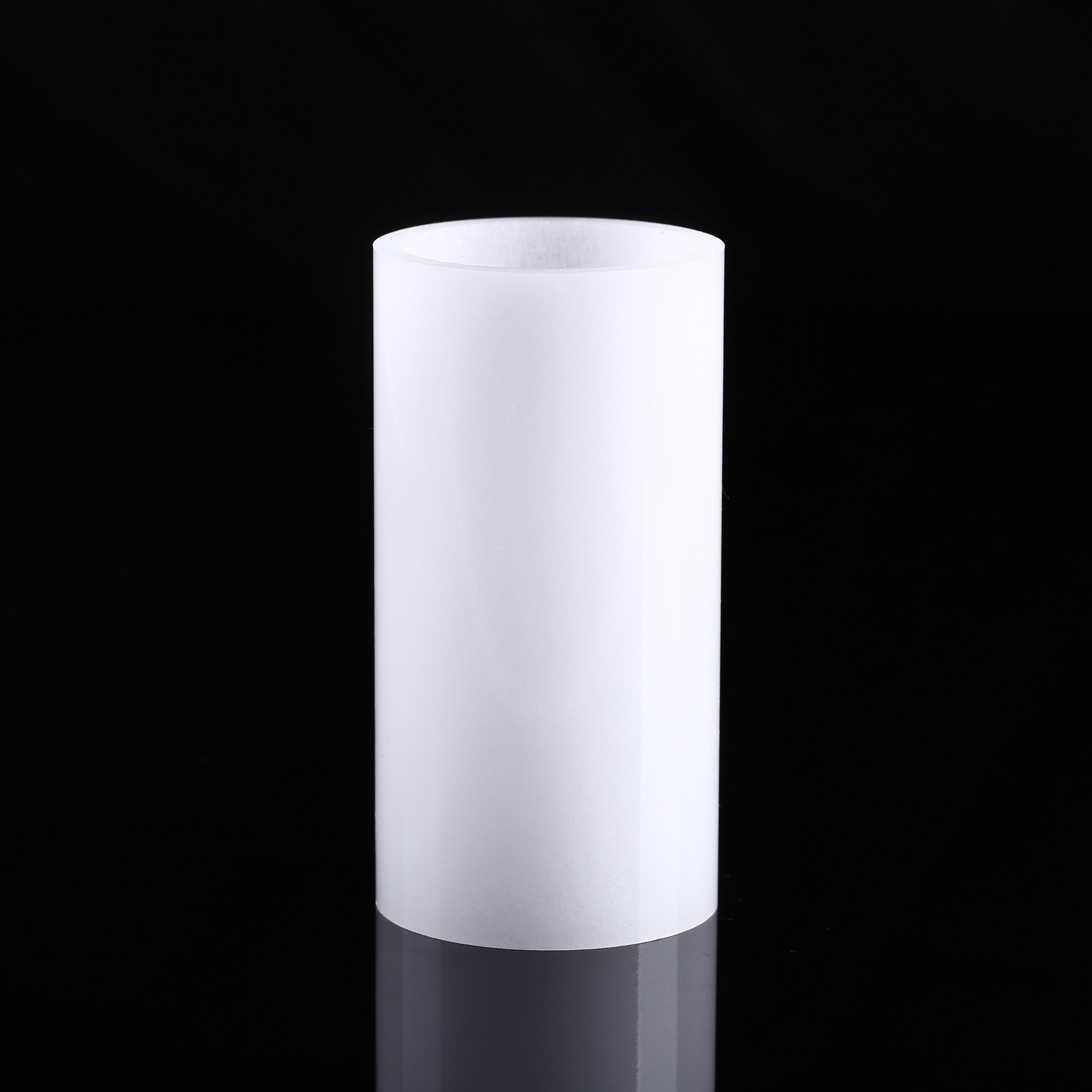
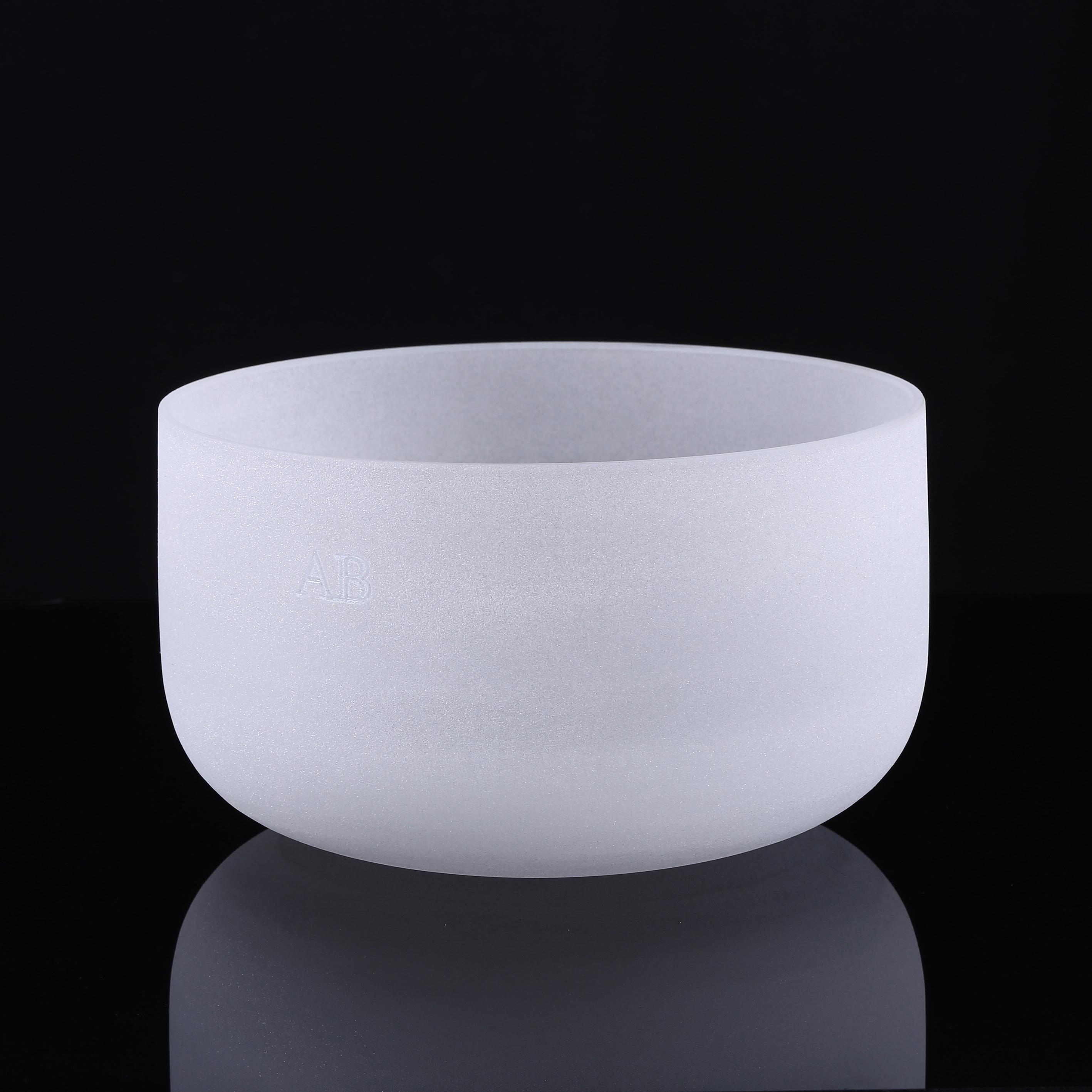
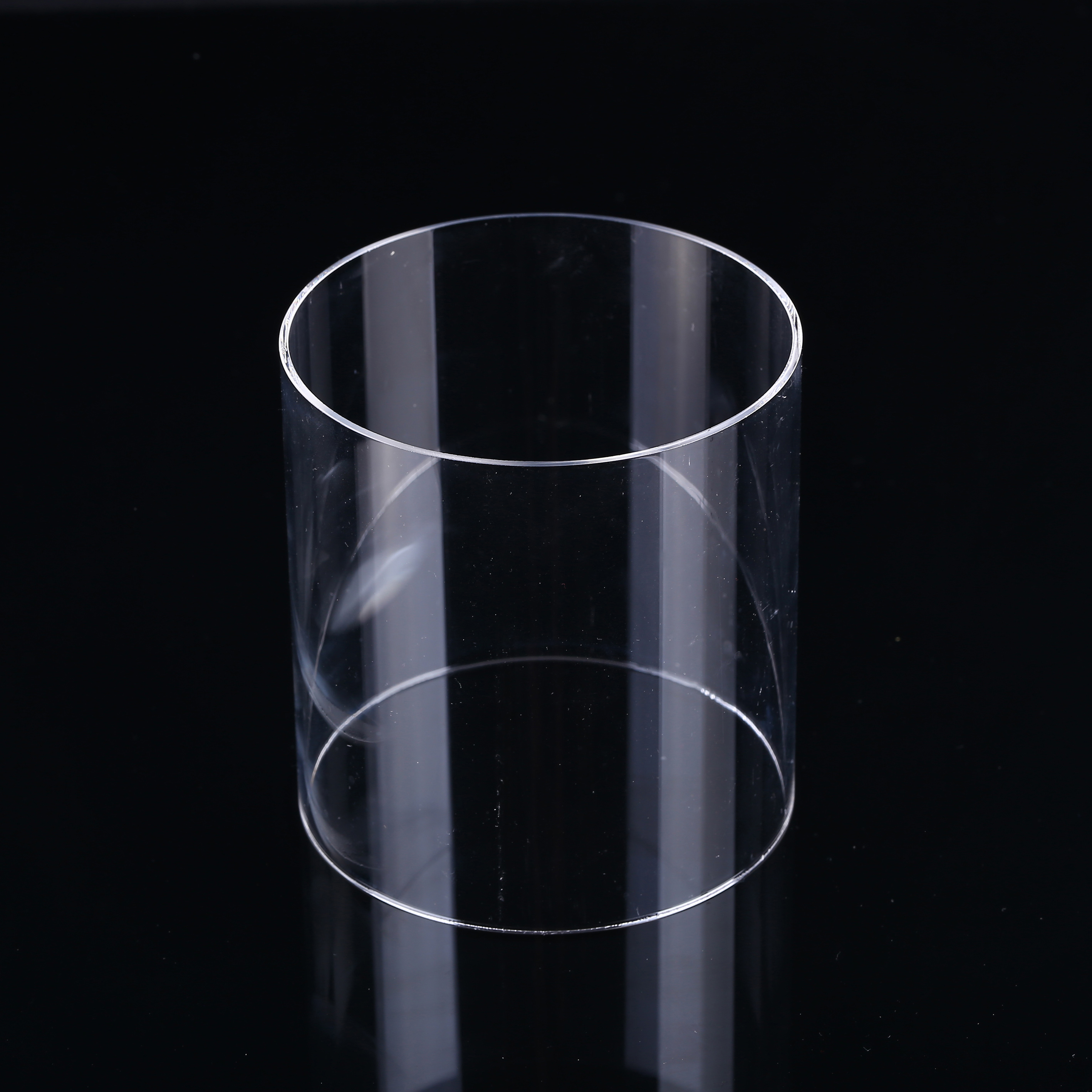
Our business licenses, export certifications, and raw material purity test sheets are available for due diligence review.
Frequently Asked Questions by Tampere Procurement Engineers
Everything you need to know about material selection, vacuum integrity, logistics to Finland, and cleanroom compatibility.
What are the critical distinctions between JGS1, JGS2, and JGS3 quartz for bell jar construction?
JGS1 (Synthetic Fused Silica): Produced synthetically via SiCl4 gas phase hydrolysis. It exhibits extreme ultraviolet transparency (down to 185 nm), zero bubble content, and no trace metallic impurities. Ideal for deep-UV photochemical processes, excimer laser windows, and critical optical research in Hervanta laboratories.
JGS2 (Fused Natural Quartz): Melted from natural crystal grains using a hydrogen-oxygen flame. It covers the UV-visible range (220–2500 nm). Excellent mechanical and thermal resistance, making it the industry-standard economic choice for thermal oxidation chambers, wafer bell jars, and sight glasses.
JGS3 (Infrared Grade Fused Quartz): Melted under electrical vacuum furnace conditions with extremely low hydroxyl content (< 5 ppm). It provides broad spectral transmission stretching from 260 nm to 3500 nm without the 2.73 μm OH absorption dip. Essential for infrared vacuum heating and high-temperature vacuum sintering where thermal radiation must pass through uninhibited.
What continuous and peak operating temperatures can these quartz bell jars endure without devitrification?
Under standard atmospheric conditions or high vacuum, our clear fused silica bell jars withstand continuous operation at 1100°C (1373 K) and short-duration thermal excursions up to 1450°C (1723 K). The softening point is approximately 1683°C.
Devitrification (cristobalite crystal growth) primarily occurs above 1150°C if the quartz surface is contaminated by alkali metals (sodium, potassium) or fingerprint grease. We recommend strict cleanroom handling, wearing powder-free nitrile gloves, and periodic 5% HF (hydrofluoric acid) surface etching followed by ultra-pure de-ionized water rinsing to maximize service lifespan.
How is vacuum integrity and sealing flange flatness guaranteed for deep-vacuum applications?
Our bell jar flanges undergo specialized diamond-wheel surface lapping and optical-flat inspection. Flange bottom flatness is maintained within ≤ 0.03 mm (30 μm) across diameters up to 500 mm.
Depending on your chamber baseplate arrangement, we supply precision fire-polished bevels, ground flat sealing surfaces for Viton/FKM gaskets, or integrated O-ring grooves. Every vacuum bell jar is subjected to helium mass spectrometer leak testing (< 1 × 10⁻⁹ mbar·l/s) prior to export approval.
Can you produce bell jars directly from customer CAD drawings (STEP, DWG, DXF)?
Yes. OEM/ODM customization represents over 70% of our production volume. Send your PDF, STEP, DWG, or DXF files to our engineering team. We accommodate custom heights, domed or flat-top crowns, side gas feedthrough ports (NW/KF flanges, Swagelok quartz-to-metal transitions), thermocouple wells, and optical inspection windows.
Our engineering office typically provides complete manufacturability reviews and dimensional quotation feedback within 5 hours.
What are the lead times and shipping packaging solutions for delivery to Tampere, Finland?
Standard prototypes and customized bell jars require a manufacturing lead time of 7 to 15 business days. Rapid air dispatch reaches Tampere-Pirkkala Airport (TMP) or Helsinki-Vantaa (HEL) via DHL, FedEx, or dedicated air-freight forwarders in 4 to 6 transit days.
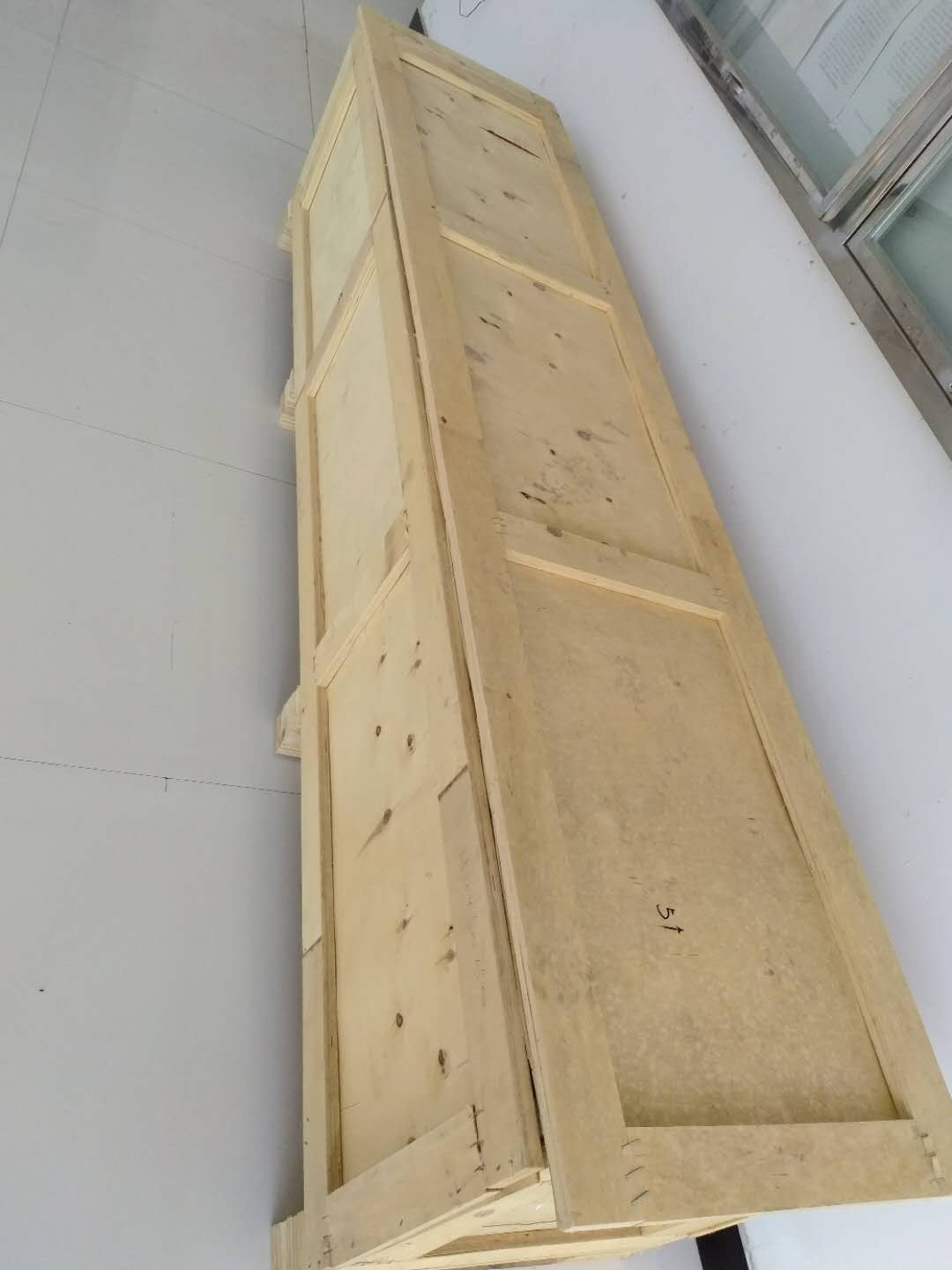
Fragile quartz shipments feature custom-molded high-density polyethylene (EPE) shock-absorbing foam enclosures inside export-standard, fumigation-free plywood crates. Each crate includes ShockWatch impact and TiltWatch orientation indicators to ensure pristine condition upon arrival at your Finnish facility.
What is the Minimum Order Quantity (MOQ) for custom university and research prototypes?
Our MOQ for custom quartz bell jars and complex fabricated glassware starts at 1 piece. We actively support university laboratories, research spin-offs, and early-stage hardware incubators across the Pirkanmaa district before transitioning into serialized pilot runs.
How does fused quartz perform against corrosive ALD and PECVD etching chemistry?
Fused quartz demonstrates complete chemical passivity against practically all acids, including concentrated hydrochloric (HCl), sulfuric (H2SO4), and nitric acid (HNO3), even at elevated process temperatures.
The only chemical reagents that etch SiO2 are hydrofluoric acid (HF) and hot concentrated phosphoric acid (H3PO4 > 150°C), as well as strong alkaline hydroxide solutions at prolonged high temperatures. For fluorine-based plasma chamber cleanings (such as NF3 or CF4 plasmas), we recommend controlling chamber temperatures and utilizing thick-walled quartz designs (≥ 5–8 mm) to provide prolonged erosion margins.
What documentation and compliance certifications accompany overseas orders into the EU?
Every industrial delivery is accompanied by:
- Certificate of Conformance (CoC) verifying dimensional tolerances;
- Raw material spectroscopic purity assay and trace impurity breakdown (ppm);
- EU RoHS and REACH compliance statements (lead, mercury, and halogen-free);
- Complete export customs documentation (commercial invoice, packing list, air waybill) for streamlined Finnish customs clearance.