Engineered Fused Quartz & Silica Solutions Ready for Deployment
Tested under rigorous European optical and thermal standards, our portfolio delivers exceptional structural homogeneity, thermal shock resistance, and sub-ppm trace metal purity for Munich procurement teams.
Technical Whitepaper: Material Thermodynamics & Synthesis of High-Purity Fused Silica
In microelectronics, optical quantum devices, and precision thermal engineering across Munich and the wider Bavarian region (Silicon Bavaria), material selection at the atomic level determines the operational boundary of the end application. Fused silica powder (—also commercially referred to in German engineering registries as Quarzgutmehl or amorphous silicon dioxide powder—) represents an amorphous non-crystalline phase manufactured through the electro-thermal or oxy-hydrogen gas fusion of high-grade natural quartz rock originating from selected deposits in Donghai. The resulting molten silica undergoes hyper-quenched solidification to preclude crystal nucleation, yielding an isotropic amorphous structure with a network of corner-sharing $[\text{SiO}_4]^{4-}$ tetrahedra.
The distinct mechanical, dielectric, and thermal performance characteristics of Nivra Quartz high-purity silica products hinge upon minimizing defect densities and controlling residual trace impurities. Total chemical purity strictly surpasses ≥99.99% (4N) up to 99.999% (5N), with critical network-modifying cations (Al, Fe, Ti, Ca, Mg, Na, K, Li) held below sub-ppm thresholds. For high-frequency semiconductor packaging (Epoxy Molding Compounds - EMC), our low-alpha particle fused silica powder grades exhibit uranium and thorium decay signatures under 0.001 counts/cm²/hour, effectively eradicating soft error rates (SER) in sensitive automotive ECUs and high-performance microchips fabricated near Munich.
| Material Parameter | Physical / Chemical Value | Standard Test Protocol | Industrial Relevance for Munich R&D |
|---|---|---|---|
| SiO₂ Content | ≥ 99.99% to 99.998% | ICP-OES / GDMS Validation | Ensures baseline purity for cleanroom semiconductor processing |
| Density (ρ) | 2.20 ± 0.02 g/cm³ | DIN EN ISO 1183-1 | Lightweight dimensional stability for precision optical mirrors |
| Coefficient of Thermal Expansion (CTE) | 5.5 × 10⁻⁷ / K (20°C to 320°C) | Dilatometry (DIN 51045) | Immunity to rapid thermal cycling in plasma etching & laser optics |
| Dielectric Constant (ε) | 3.75 at 1 MHz / 25°C | IEC 60250 | Ultra-low signal dissipation for 5G/6G RF substrate fillers |
| Softening Point / Annealing Point | 1683°C / 1215°C | ASTM C338 / DIN ISO 7884 | Structural integrity during high-temperature wafer diffusion furnaces |
| Particle Size Distribution (D50) | 0.5 μm up to 120 μm (Customized) | Laser Diffraction (ISO 13320) | Tailored rheology for electronic potting and investment casting slurries |
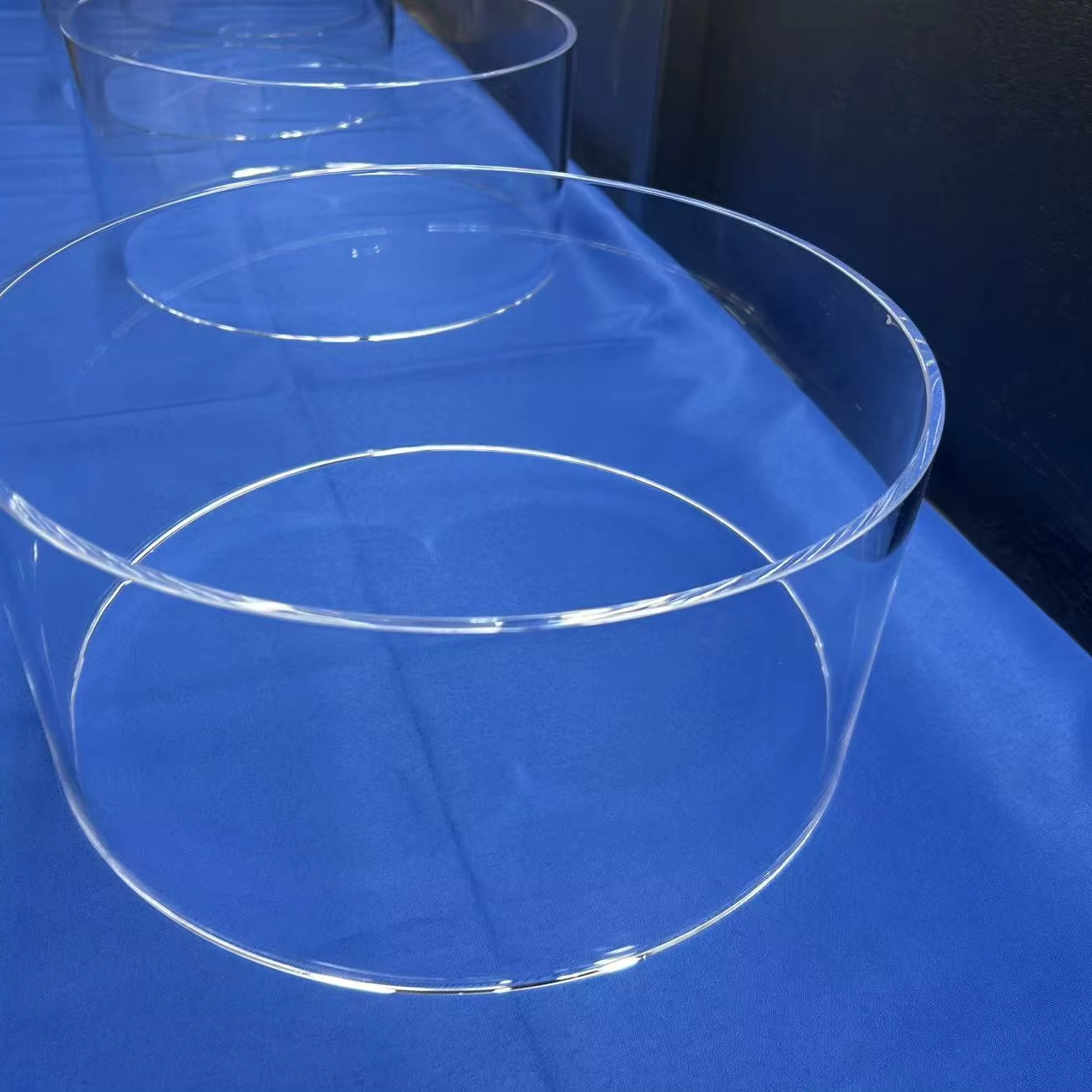
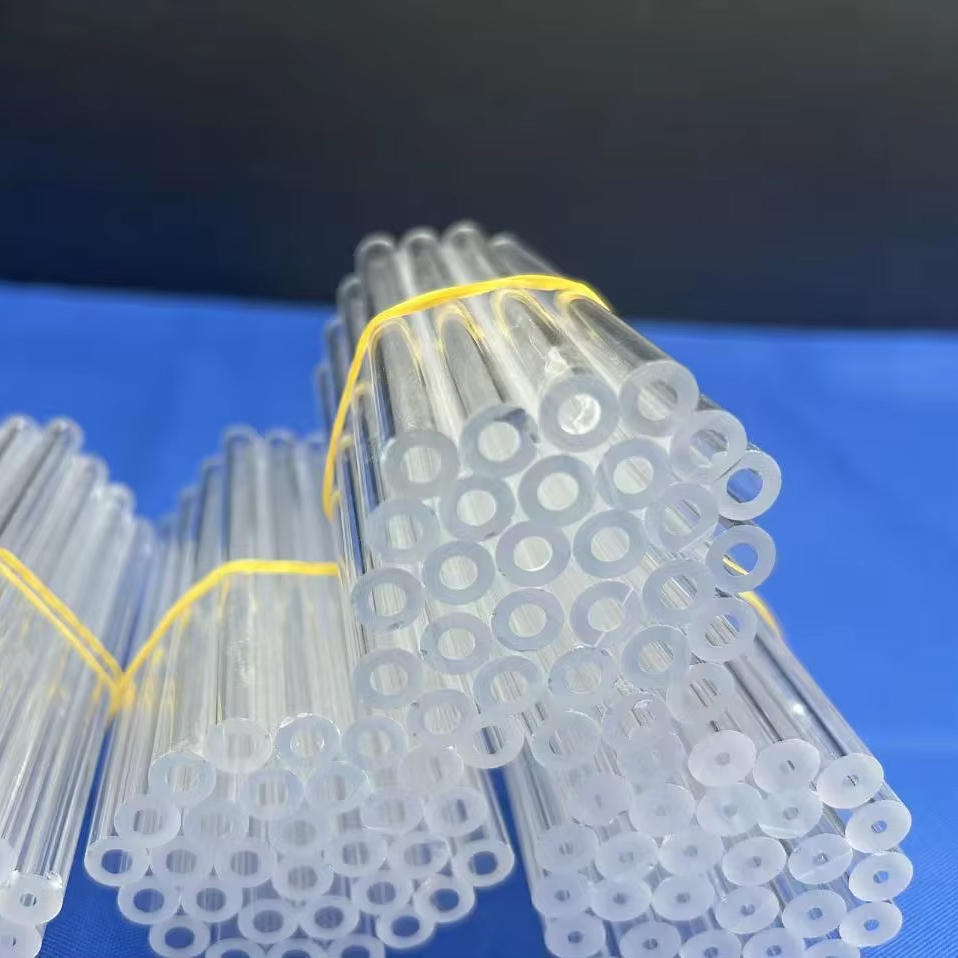
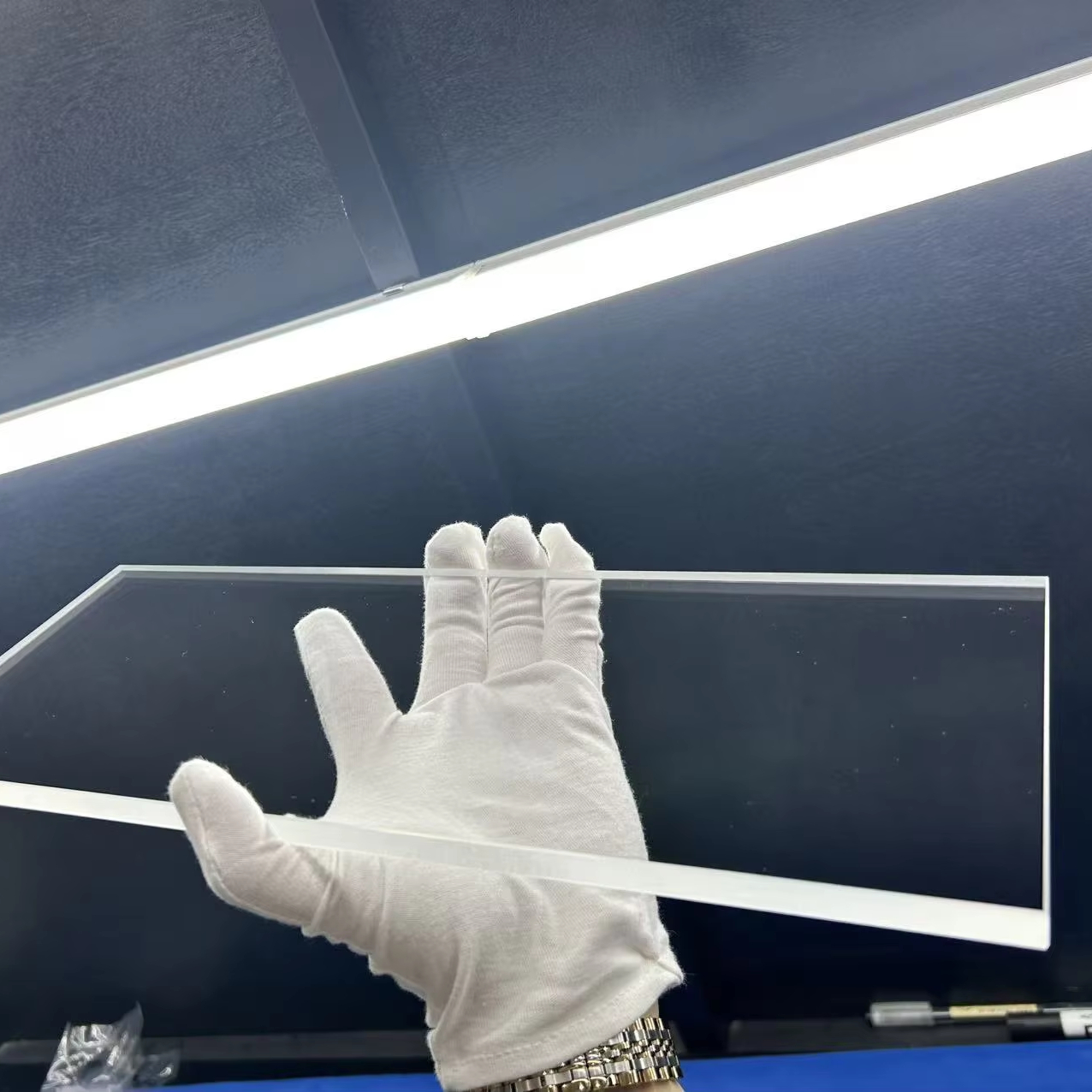
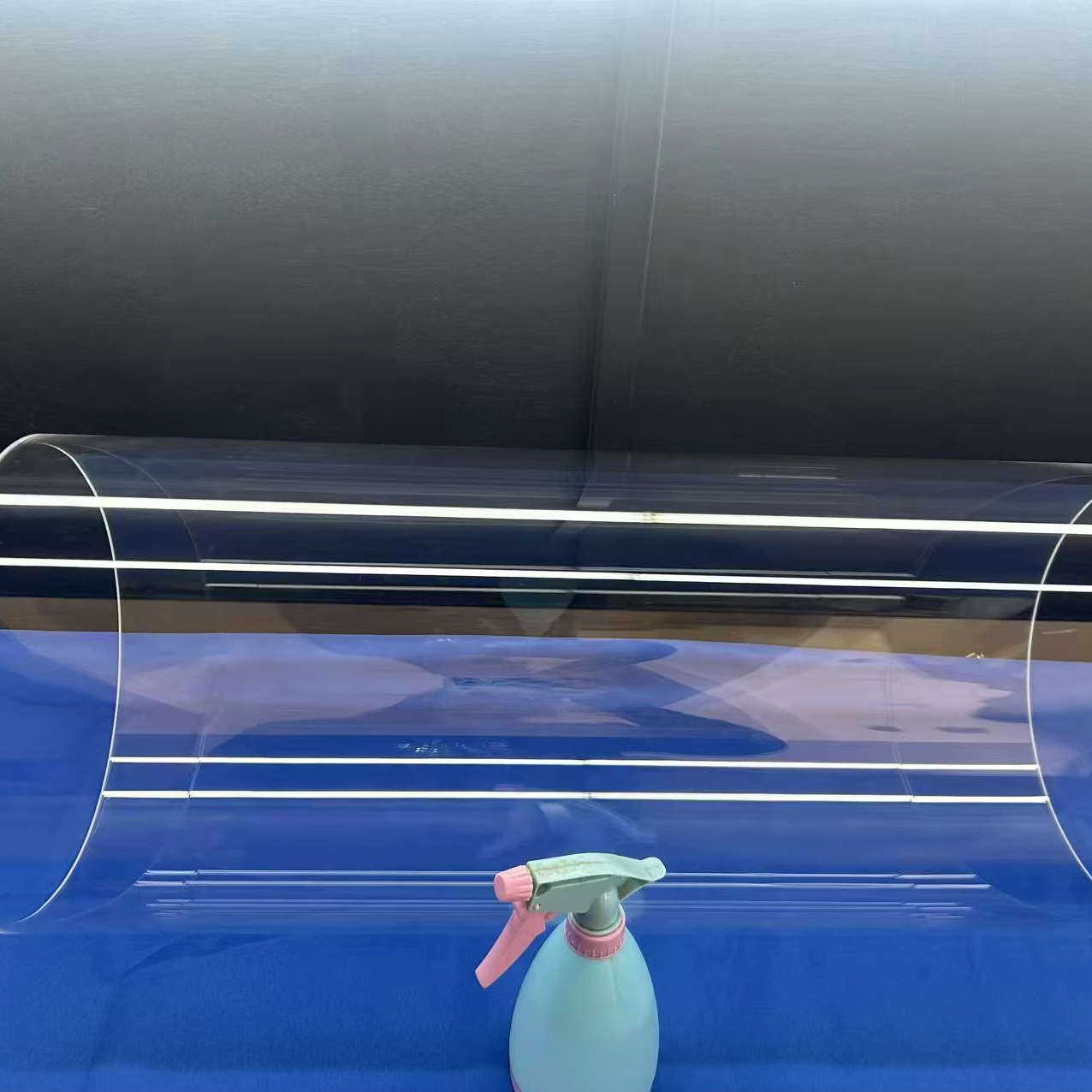
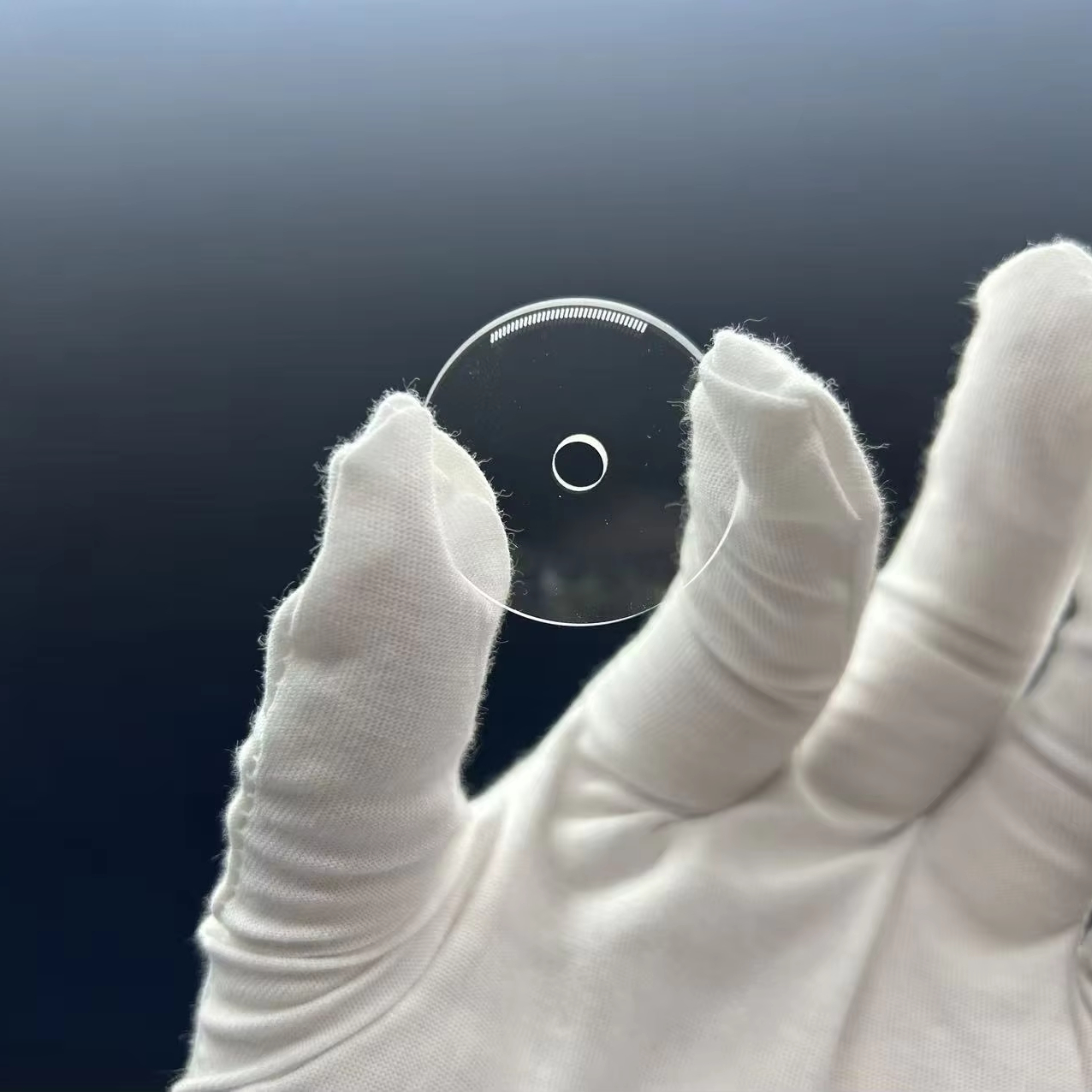
For fabricated fused quartzware—including our precision tubes, laboratory cuvettes, reaction crucibles, and optical discs—the OH (hydroxyl) ion equilibrium is rigorously modulated during sintering. For vacuum ultraviolet (VUV) and excimer laser applications prevalent in Martinsried and Garching research clusters, our JGS1 synthetic fused silica guarantees transmission spanning from 185 nm without deep-UV solarization. Conversely, for high-temperature sensor tubes and furnace sleeves exposed to 1100°C continuous workloads, our low-OH JGS3 infrared-grade quartz avoids de-vitrification and swelling, providing prolonged campaign lifespans in industrial thermal systems.
Engineered for Munich’s Key Industrial & Scientific Ecosystems
From the microelectronics hubs around Neubiberg and Garching to the automotive engineering belts of Greater Munich and Ingolstadt, Nivra Quartz materials resolve critical physical and thermal limitations.
Semiconductor & Power Electronics
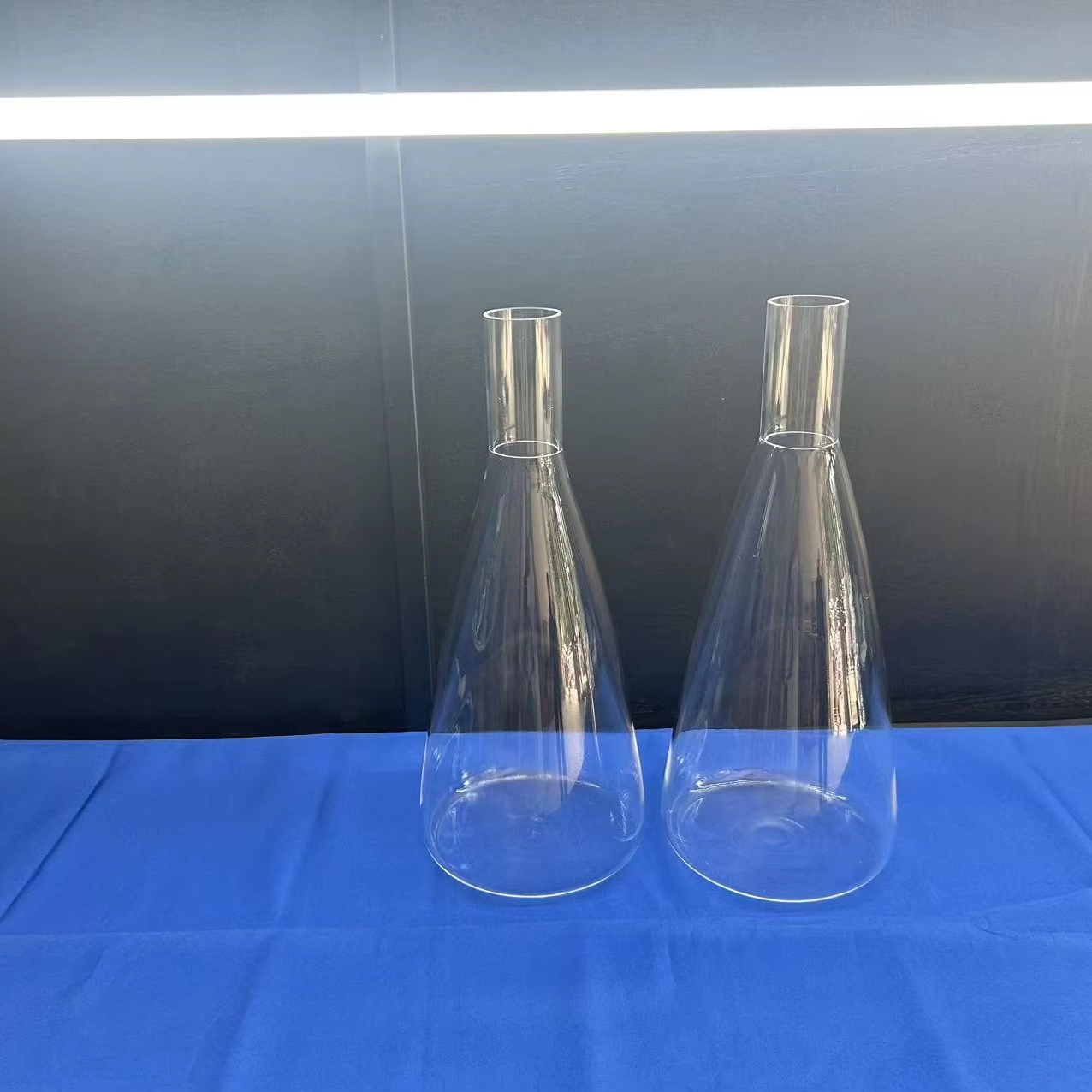
Munich hosts major European design and manufacturing facilities for silicon power semiconductors and GaN/SiC wide-bandgap architectures. Our high-purity fused silica powder functions as a critical anti-warpage micro-filler in Epoxy Molding Compounds (EMC) and Underfills. Furthermore, our customized diffusion quartz tubes, slotted wafer boats, and etching bell jars maintain sub-ppb elemental cleanliness, completely insulating wafers from heavy metal poisoning during rapid thermal processing (RTP) and atomic layer deposition (ALD).
Photonics, Laser Systems & Quantum Labs
Bavaria represents a global vanguard in photonic engineering, anchored by the Munich Quantum Valley, Max Planck Institutes, and leading industrial laser manufacturers. Nivra Quartz supplies high-homogeneity JGS1 optical windows, polished quartz disks, and laser debris shields engineered for excimer (193 nm, 248 nm) and fiber laser (1064 nm) processing lines. With minimal wave-front distortion, internal bubble-free classification, and high laser damage threshold (LDT), our materials survive gigawatt-level peak pulses without optical breakdown.
Automotive E-Mobility & Battery Safety
Along the Munich-Ingolstadt industrial corridor, premium automotive tier-suppliers accelerate high-voltage electric drivetrain innovations. Micronized fused silica powder serves as a high-performance functional filler in high-voltage battery pack potting resins and thermal interface materials (TIM). Due to its low thermal expansion and superior breakdown voltage (>30 kV/mm), our silica powder guarantees structural flame-retardant barriers, mitigating thermal runaway risks in next-generation 800V automotive architectures.
Aerospace Turbine Casting & Refractory
The aerospace manufacturing corridor surrounding Munich (e.g., MTU Aero Engines and aerospace propulsion centers in Ottobrunn) necessitates world-class investment casting (Feinguss). Our ultra-pure fused silica flour and aggregates provide the ideal structural skeleton for ceramic foundry slurries. With zero phase transformation up to 1200°C, these molds resist spalling, eliminate thermal shock cracks during superalloy pouring, and facilitate effortless chemical leaching with minimal residual core residue.
Biomedical Diagnostics & Analytical Labware
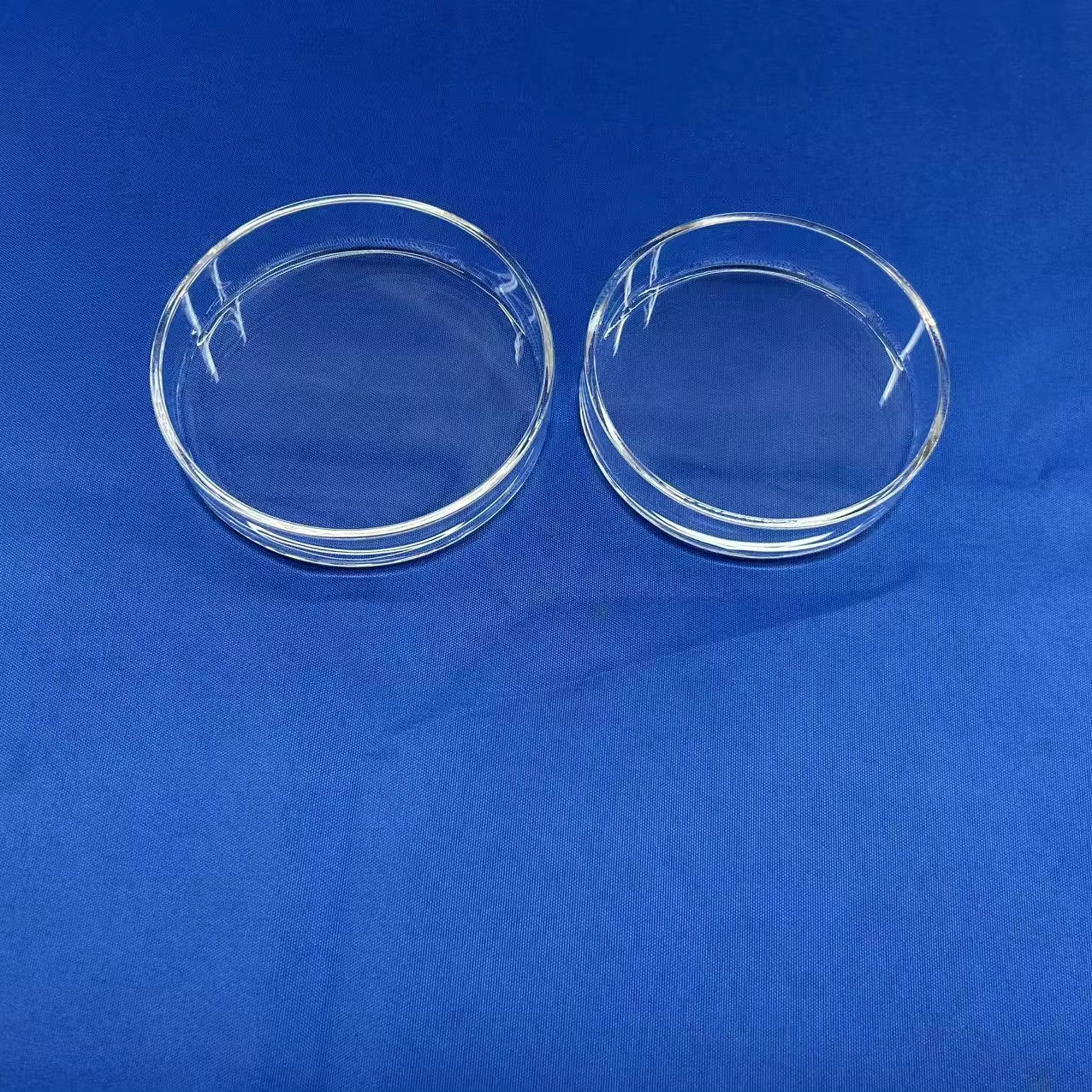
Martinsried’s biotech campus and Munich’s university medical laboratories demand uncompromised spectral accuracy. Nivra Quartz precision quartz cuvettes, petri dishes, and flasks provide optical transparency down to 190 nm, enabling deep UV spectrometry, PCR thermal cycling, and high-purity chemical reagent synthesis. Our glassware features non-leaching, biologically inert surface properties impervious to concentrated acids, ensuring zero trace-element contamination in molecular research.
Photovoltaics & Solar Cell Manufacturing
Bavaria remains Germany’s leading solar expansion state, with research and pilot lines driving TOPCon, HJT, and perovskite tandem cells. We supply high-volume fused quartz crucibles and reaction tubes capable of withstanding the aggressive conditions of high-temperature phosphorus/boron diffusion, providing uniform thermal profiles, preventing wafer slipping, and reducing replacement frequencies in round-the-clock commercial fabrication lines.
Localized Strategic Trends Shaping Fused Silica Procurement in Munich (2025–2030)
Industrial procurement protocols in Munich are evolving rapidly under German national supply chain legislation (Lieferkettensorgfaltspflichtengesetz - LkSG), European Green Deal initiatives, and the European Chips Act. Technical purchasers, materials engineers, and QA directors across Southern Germany are actively redefining how critical raw materials and customized quartz hardware are vetted and integrated. Key strategic macro-trends include:
1. Rigorous Trace Metal & Halogen Caps
As German electronics designers transition toward sub-3nm chip packaging and 800V automotive silicon, allowable impurity tolerances are shifting from parts-per-million (ppm) to parts-per-billion (ppb). Bavarian buyers strictly mandate lot-by-lot Inductively Coupled Plasma Mass Spectrometry (ICP-MS) certificates verifying negligible sodium, iron, and potassium levels, as alkali-ion migration constitutes a leading cause of long-term gate oxide dielectric breakdowns.
2. Carbon Footprint & Regulatory Conformance
Compliance with EU REACH regulations (EC 1907/2006), RoHS 3 (EU 2015/863), and prospective PFAS restrictions is mandatory for Munich supply chains. Nivra Quartz guarantees pure, synthetically refined and naturally fused silicon dioxide completely free of toxic heavy metals, phthalates, and perfluorinated additives, with complete Material Safety Data Sheets (MSDS) and declarations conforming to DIN EN ISO standards.
3. Dual-Sourcing & Direct-to-Factory Procurement
Geopolitical turbulence and European energy price escalations have led Munich’s procurement departments away from intermediary trading firms. Direct partnerships with fully integrated manufacturing plants in Donghai County allow Bavarian enterprises to achieve 25–40% cost optimization while maintaining immediate technical control over customized CAD drawings, fast-turn prototyping, and guaranteed scheduled delivery into Munich-Riem logistics hubs.
Why Bavarian Engineering Leaders Partner with Nivra Quartz
Combining Donghai County’s premier mineral reserves with advanced multi-axis CNC fabrication, flame processing, and rigorous quality inspection protocols.
Donghai Origin Advantage
Headquartered at 285 Heping East Road, Lianyungang, in the heart of China’s crystal capital. Direct access to prime high-purity natural silica deposits guarantees consistent base material quality and stable price architecture unaffected by market speculation.
Full Processing Chain
101–200 skilled operators executing precision cutting, 5-axis CNC diamond milling, laser slicing, optical mechanical polishing, flame torch welding, high-temperature annealing, and cleanroom vacuum packaging completely under one roof.
Verified Quality System
Legally verified and on-site inspected facility. 100% laser interferometry for optical components and spectrophotometric verification (190 nm – 3500 nm). Every single order is accompanied by dimensional inspection sheets and material purity documentation.
Engineered Shockproof Logistics
Zero-breakage international shipping protocol tailored for fragile quartz. Each component is cushioned in high-density bespoke EPE foam, moisture-sealed, and packaged in fumigation-free reinforced wooden crates with tilt/impact monitoring sensors.
Frequently Asked Questions by Munich Procurement & Engineering Teams
Direct answers addressing technical parameters, DIN/ISO standards, logistics timelines, and import compliance for German buyers.
What particle size distribution (PSD) and morphology options are available for fused silica powder?
Nivra Quartz manufactures both angular (crushed and precision jet-milled) and spherical (flame-synthesized) fused silica powder. Sizing spans from sub-micron grades (D50 ≈ 0.5–1.5 μm) up to coarse aggregate distributions (D50 ≈ 45–120 μm). Laser diffraction analysis (Malvern Mastersizer following ISO 13320) confirms ultra-narrow spans with customized control over top-cut D97/D99 to prevent agglomeration in precision automotive underfills, dental composites, and electronic encapsulants.
How does Nivra Quartz ensure compliance with German and EU chemical safety standards (REACH / RoHS)?
All fused silica powder and fabricated quartz components supplied by Nivra Quartz consist of 100% synthetic or refined amorphous silicon dioxide (CAS No. 60676-86-0 / 7631-86-9). Our materials are fully compliant with EU Regulation (EC) No 1907/2006 (REACH) and do not contain substances listed in the Candidate List of Substances of Very High Concern (SVHC). Furthermore, all products comply with RoHS Directive 2011/65/EU and its amendment (EU) 2015/863, with SGS/RoHS test reports supplied with commercial delivery documentation.
Can custom quartz laboratory instruments and furnace tubes be manufactured directly from Munich CAD/STEP files?
Yes. Our engineering division operates advanced CAD/CAM software capable of processing native STEP, IGES, DWG, and high-resolution PDF engineering drawings. We routinely produce custom high-tolerance prototypes and serial production batches with dimensional tolerances down to ±0.05 mm and angular tolerances within ±30 arcseconds. Design reviews and manufacturability feedback (DFM) are returned to Bavarian engineering teams within 5 hours of inquiry submission.
What are the typical logistics lead times and customs handling arrangements for deliveries into Munich?
We provide multiple flexible Incoterms including DAP, DDP, CIF, and FOB. Standard sample orders or urgent air shipments arrive at Munich Airport (MUC) via DHL Express or FedEx Priority within 5 to 7 business days. Bulk industrial orders of fused silica powder or crated production quartzware are routed via Hamburg/Rotterdam or overland rail freight into Munich-Riem Intermodal Terminal within 22 to 32 days, fully cleared through German customs with pre-filed TARIC documentation.
What criteria differentiate JGS1, JGS2, and JGS3 quartz plates for optical applications?
Selection depends directly on the spectral operating band. JGS1 is synthetic fused silica offering superior transmission in the deep ultraviolet range (185 nm – 2500 nm), free of bubbles and inclusions, making it the choice for photolithography, UV optics, and laser mirrors. JGS2 is standard optical fused quartz with transmission from 220 nm to 2500 nm, commonly specified for industrial sight glasses, spectrometer windows, and protective covers. JGS3 is an infrared-optimized quartz with an ultra-low hydroxyl (OH ≤ 2–5 ppm) content, preventing the 2.73 μm absorption dip and transmitting effectively up to 3500 nm.
What is your Minimum Order Quantity (MOQ) and sample verification protocol for Munich OEMs?
We understand that qualification cycles in German automotive, medical, and semiconductor supply chains require rigorous pre-series validation. Therefore, we support low MOQs: starting from 1 to 5 pieces for custom fabricated tubes, crucibles, and labware, and 25 kg to 100 kg for custom fused silica powder grain sizes. First Article Inspection (FAI) reports and material test certificates (DIN EN 10204 3.1) are furnished alongside prototype samples prior to volume production sign-off.
Accelerate Your Project with Precision-Grade Fused Silica
Whether you require custom particle size distributions for semiconductor molding compounds, precision optical windows for laser systems, or high-temperature furnace tubes delivered to Munich or the surrounding Bavarian tech region, our engineering team is ready to analyze your technical specifications.
Contact Us