Featured Precision Fused Silica & Quartz Components
Explore our flagship, industrial-grade fused quartz and synthetic fused silica products engineered for extreme thermal shock resistance, ultra-high optical transparency, and micro-precision tolerances. Designed for OEM machinery, optical systems, and specialized high-temperature processing environments.
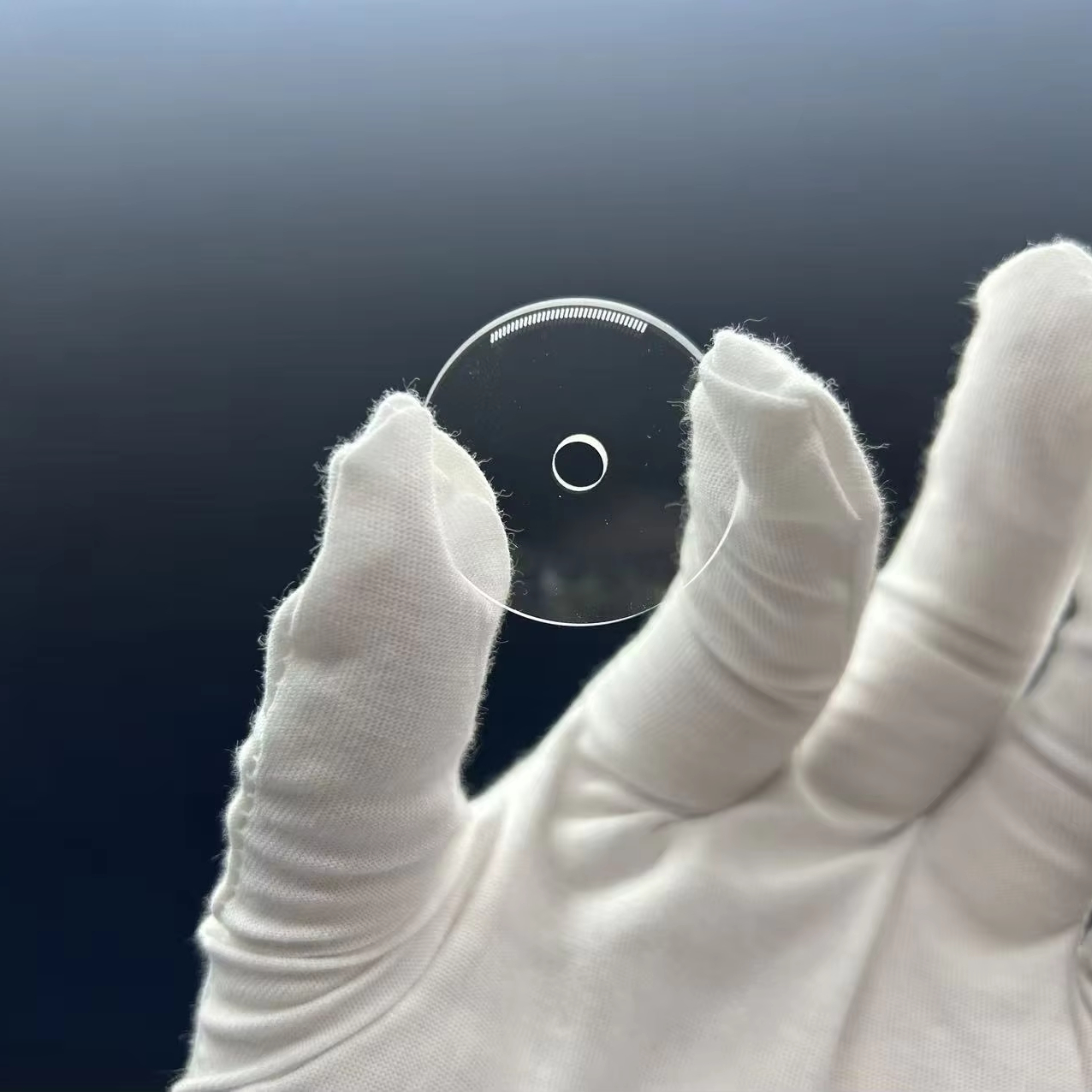
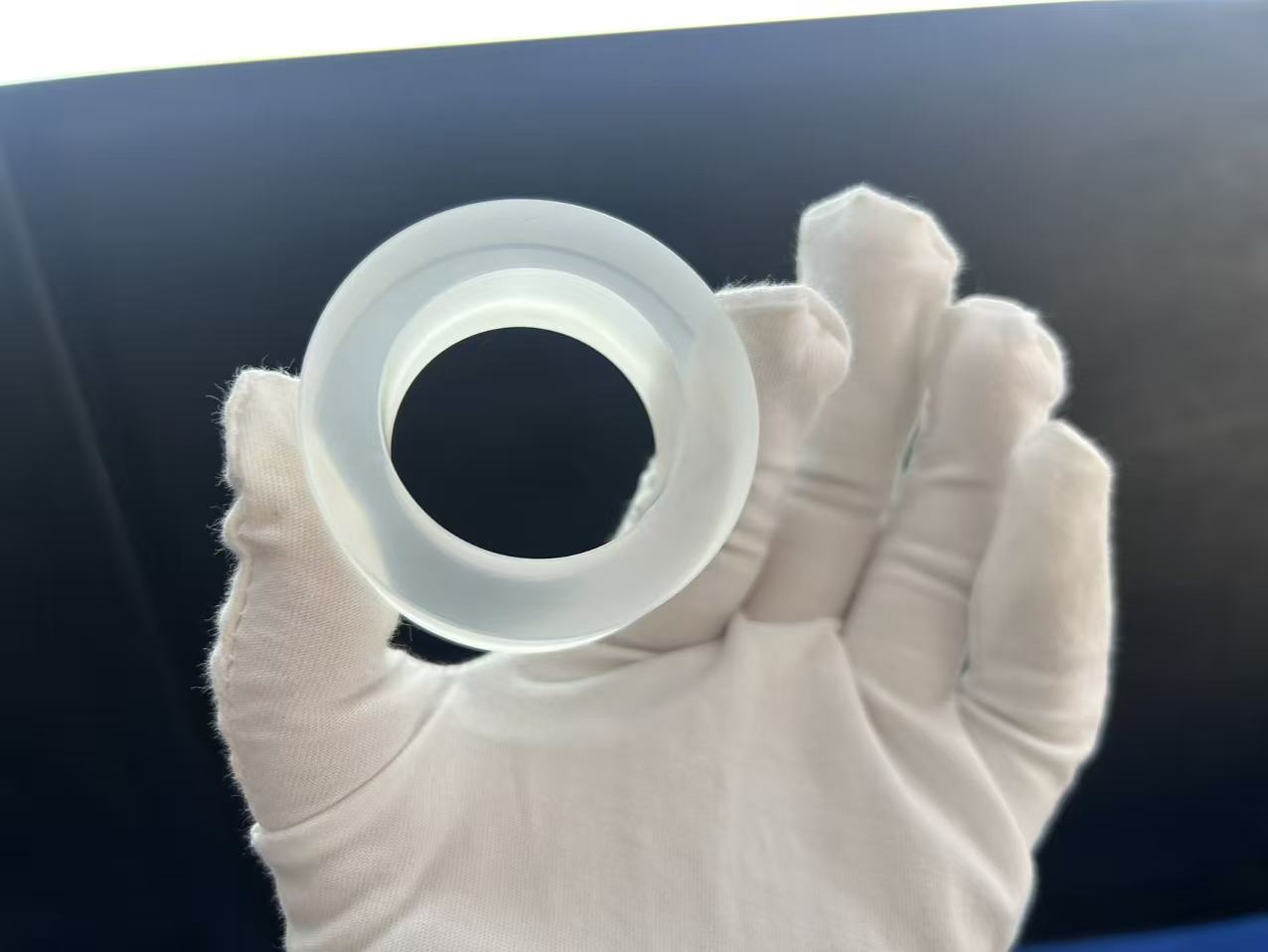
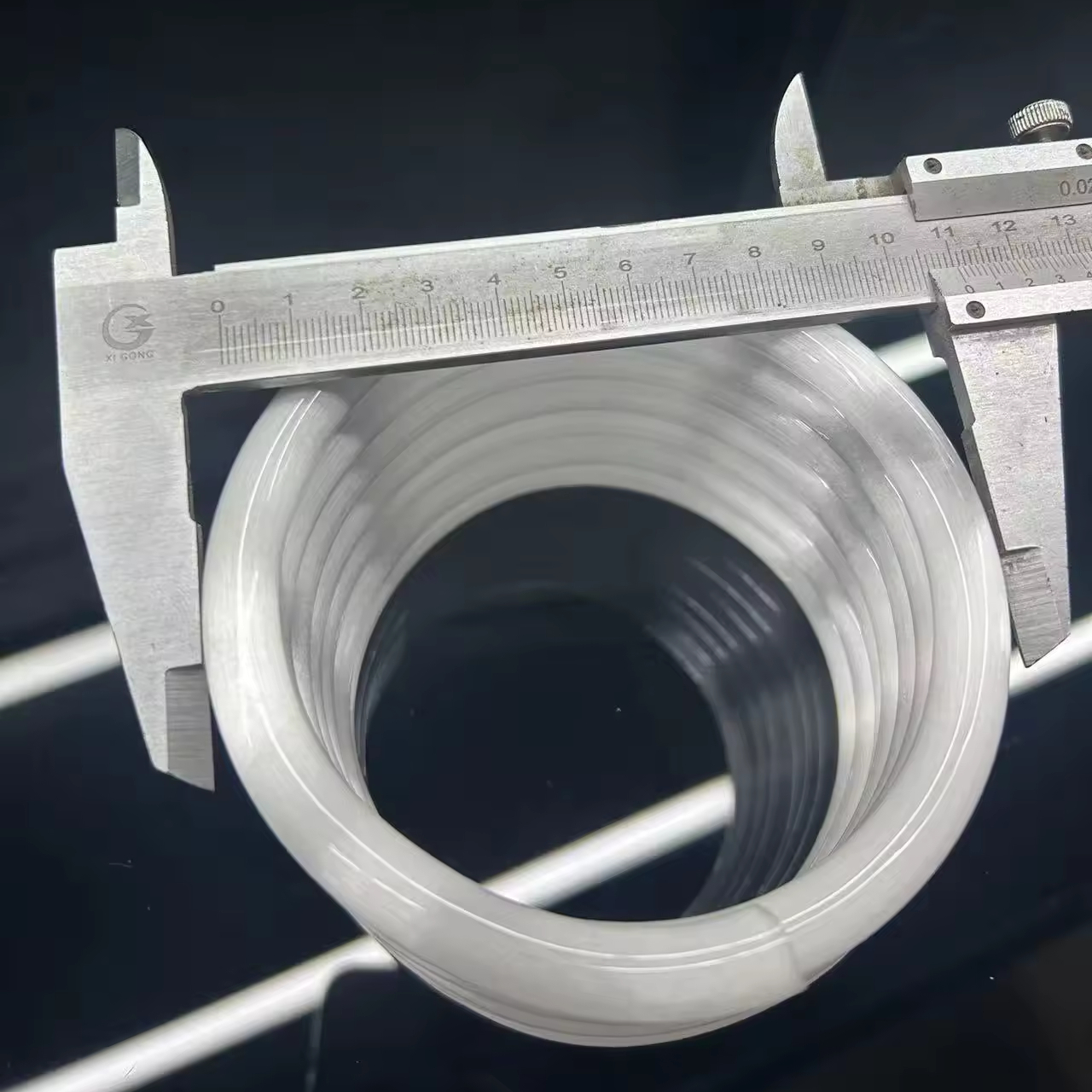
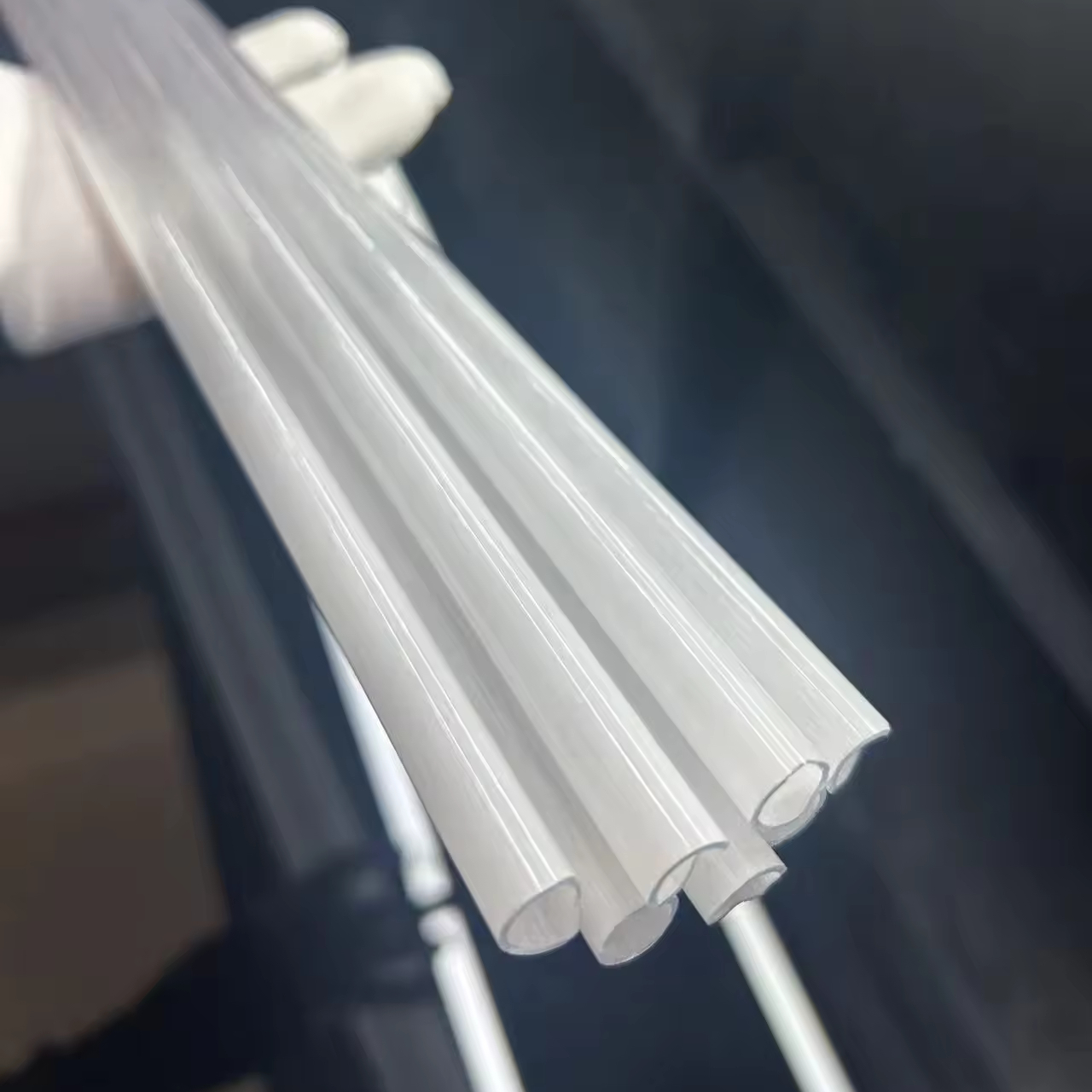
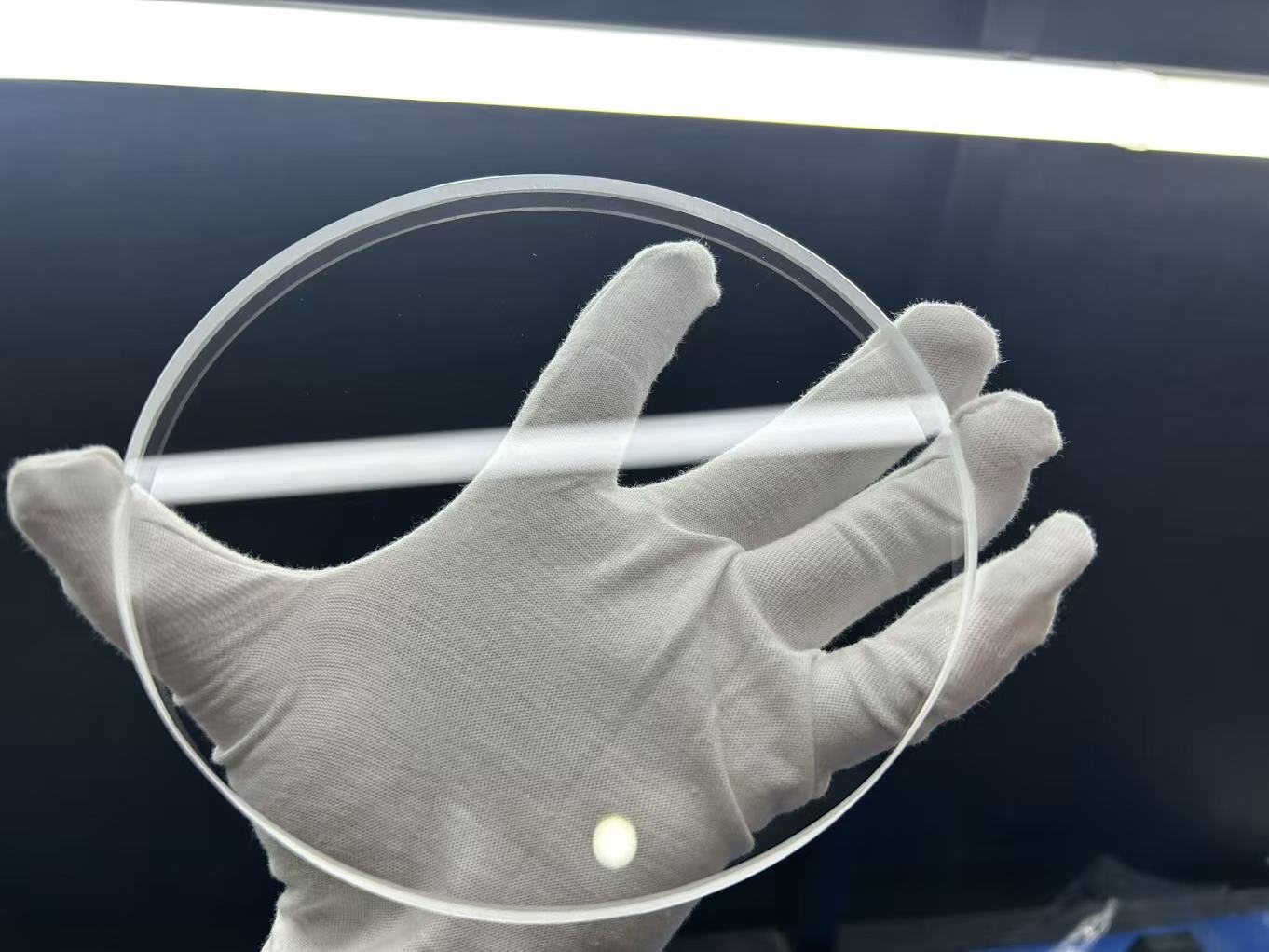
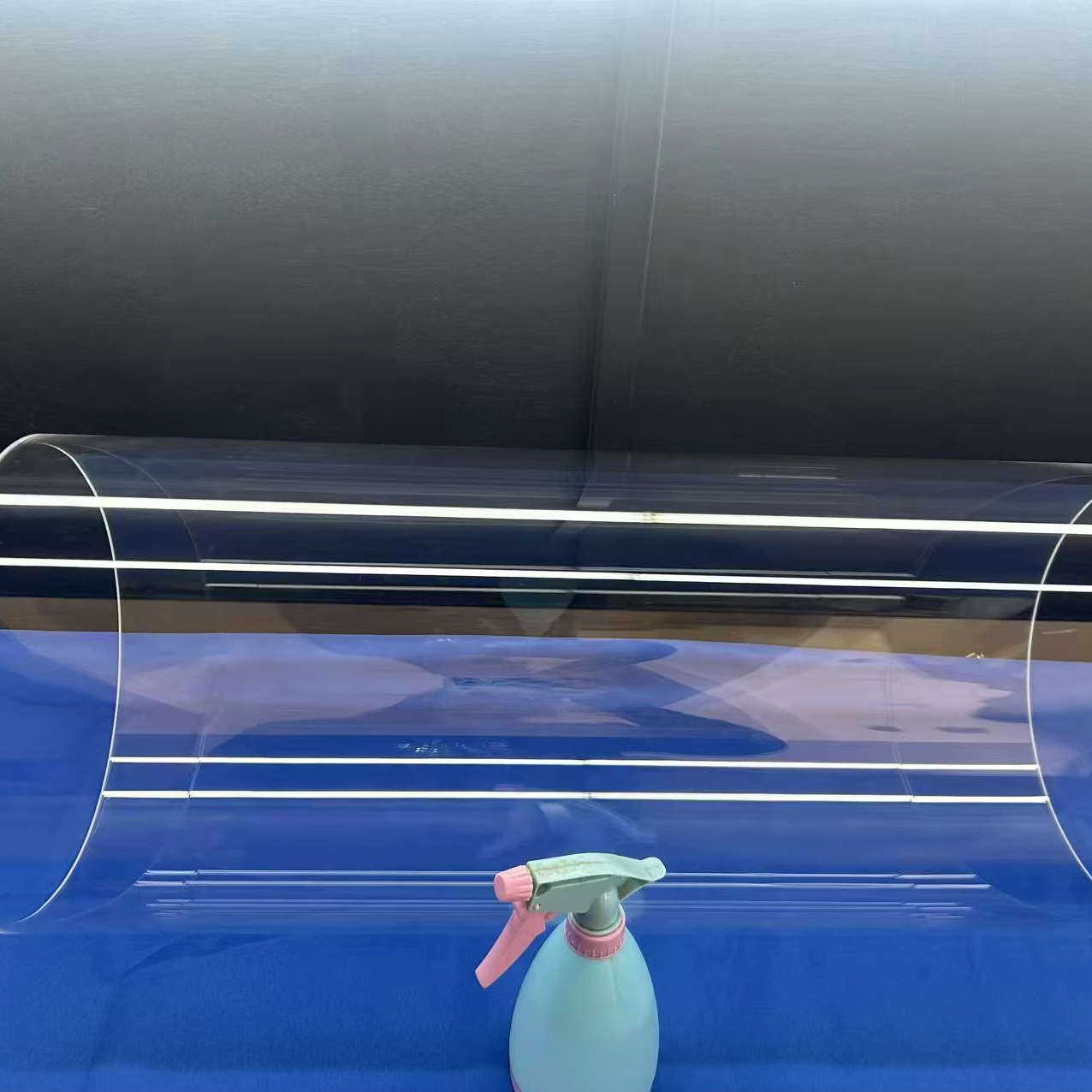
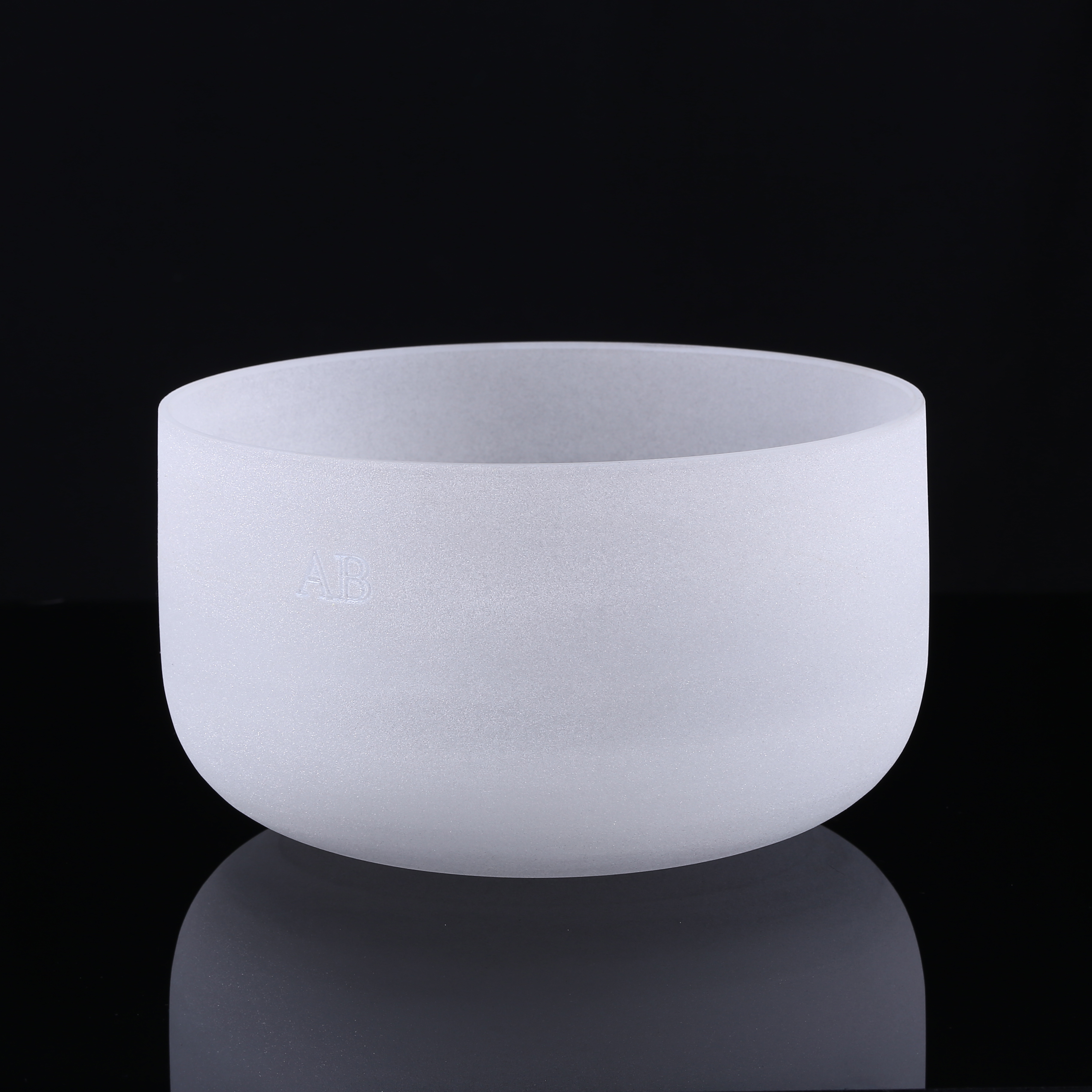
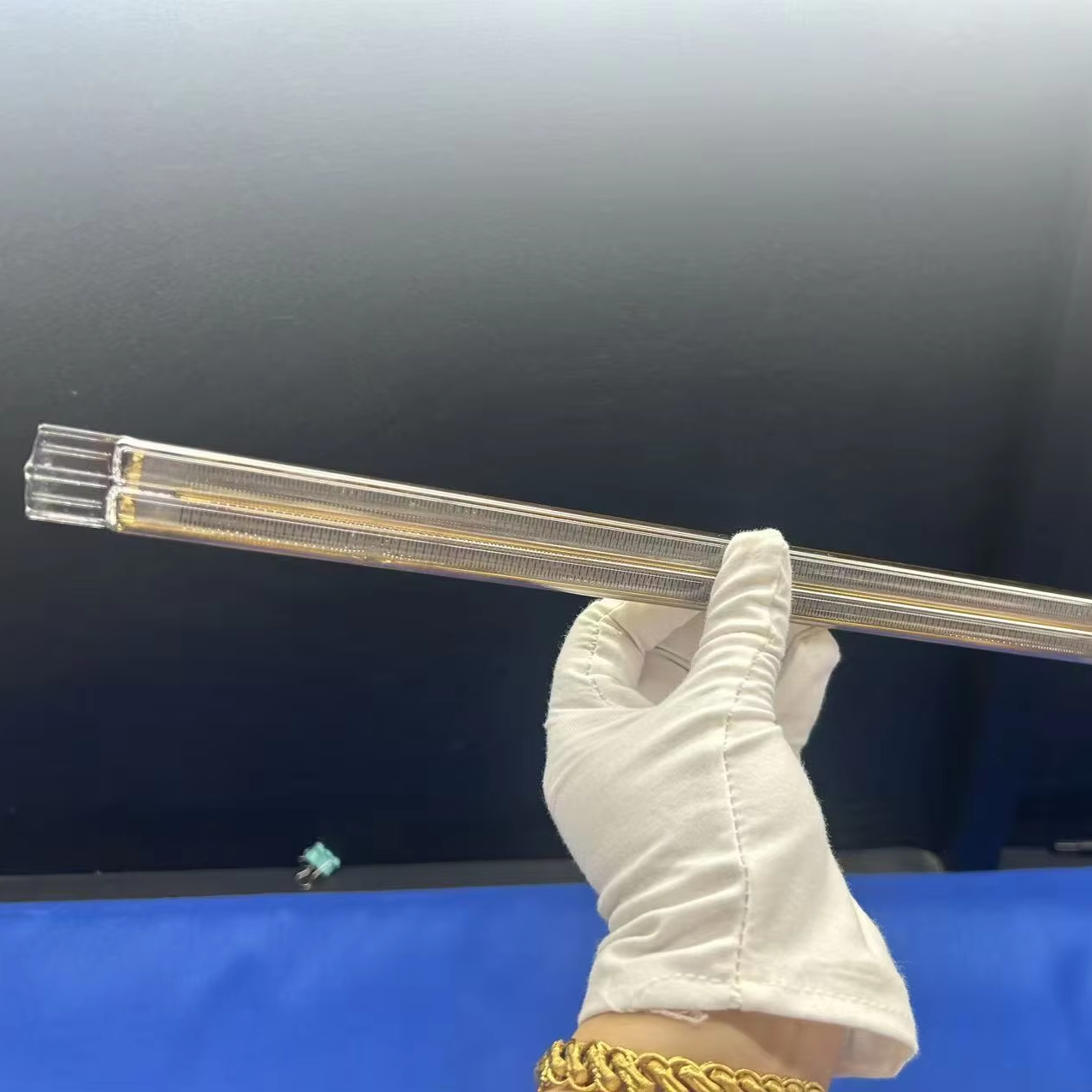
Industrial Whitepaper: Engineering Fused Silica Substrates for Advanced Applications
Fused silica substrates represent the apex of inorganic glass technology, characterized by an amorphous structure composed strictly of high-purity silicon dioxide ($\text{SiO}_2$). Unlike standard soda-lime or borosilicate glasses, synthetic fused silica is synthesized through chemical vapor deposition (CVD) or flame hydrolysis of silicon tetrachloride ($\text{SiCl}_4$). This chemical pathway yields a material with virtually zero metallic impurities (trace elements measured in parts per billion), exceptional deep-ultraviolet (DUV) to near-infrared (NIR) transmission, and an extraordinarily low coefficient of thermal expansion ($\text{CTE} \approx 0.55 \times 10^{-6}/\text{K}$).
Key Physical and Optical Property Comparisons
Engineers sourcing substrates in Sarajevo and South East Europe must carefully evaluate material grades based on spectral window, thermal shock index, and surface finish tolerances. Below is a comprehensive reference matrix comparing primary industrial glass grades:
| Material Parameter | Synthetic Fused Silica (JGS1) | Natural Fused Quartz (JGS2) | Infrared Grade Quartz (JGS3) | High-Borosilicate 3.3 |
|---|---|---|---|---|
| $\text{SiO}_2$ Purity Level | > 99.9999% (6N) | > 99.99% (4N) | > 99.99% (4N) | ~ 81% |
| Spectral Window | 185 nm – 2500 nm (Deep UV) | 220 nm – 2500 nm (UV-Vis) | 260 nm – 3500 nm (IR Optimized) | 350 nm – 2000 nm |
| Coefficient of Thermal Expansion (CTE) | $0.55 \times 10^{-6} /\text{K}$ | $0.55 \times 10^{-6} /\text{K}$ | $0.55 \times 10^{-6} /\text{K}$ | $3.3 \times 10^{-6} /\text{K}$ |
| Max Continuous Temp (°C) | 1100°C | 1150°C | 1100°C | 500°C |
| Hydroxyl ($OH^-$) Content | 1000 – 1200 ppm | 150 – 300 ppm | < 5 ppm | N/A |
| Surface Roughness ($R_a$) Potential | < 0.2 nm (Superpolished) | < 0.5 nm | < 0.5 nm | ~ 1.0 nm |
Precision Manufacturing and Substrate Processing Techniques
Achieving tight mechanical tolerances ($\pm 0.005\text{ mm}$) and surface flatnesses ($\lambda/10$ per inch) requires specialized machining workflows. At Donghai County Nivra Quartz Products Co., Ltd., our manufacturing facilities implement a multi-stage production protocol:
CNC Diamond Machining
Precision slicing, edge chamfering, waterjet profiling, and micro-drilling using diamond-tipped tooling to eliminate micro-cracks along substrate edges.
Double-Side Polishing (DSP)
Utilizing chemical-mechanical planarization (CMP) with cerium oxide or colloidal silica slurries to achieve sub-nanometer surface roughness ($R_a < 0.3\text{ nm}$).
Thermal Stress Annealing
Computer-controlled annealing profiles up to 1150°C eliminate internal stress birefringence, guaranteeing structural uniformity across large-diameter wafers.
Localized Application Scenarios in Sarajevo and Regional Tech Ecosystems
As Sarajevo continues to develop as a key hub for technology, automotive engineering, defense electronics, and university research in Bosnia and Herzegovina, the demand for precision glass substrates has expanded significantly. Custom fused silica solutions cater specifically to regional industrial clusters:
Laser Processing & Optoelectronics in Sarajevo Canton
Sarajevo’s expanding specialized manufacturing firms utilize fused silica optical windows and substrates as protective sight glasses for high-power fiber laser cutting machines, UV laser marking equipment, and specialized optical sensors. Fused silica’s high laser damage threshold (LDT) prevents thermal lensing and optical distortion during heavy-duty cutting operations.
University Research & Chemical Analytical Labs
Academic institutions such as the University of Sarajevo (Univerzitet u Sarajevu) and regional material testing institutes utilize customized quartz slides, frosted quartz sheets, and microfluidic fused silica chips for chemical synthesis, UV-Vis spectrophotometry, and plasma research. The material's complete immunity to most acids ensures chemical inertness in hostile testing environments.
Metallurgical and High-Temp Industrial Testing
In the broader industrial corridor connecting Sarajevo, Zenica, and Tuzla, heavy industrial plants rely on heavy-walled quartz tubes, viewports, and fused silica crucibles for high-temperature metal analysis, heat treatment monitoring, and thermocouple protection tubes operating continuously above 1000°C.
Solar & Photovoltaic R&D Integration
As renewable energy initiatives expand across Bosnia and Herzegovina, photovoltaic testing laboratories in the Sarajevo region utilize ultra-clear quartz substrates and carrier plates for solar cell prototyping, thin-film deposition, and environmental weathering exposure tests under high UV concentration.
Local Procurement Trends & Supply Chain Dynamics in Sarajevo
Procurement departments across Bosnia and Herzegovina are undergoing a strategic shift toward direct factory partnerships for specialized optical components. Historically reliant on indirect distributors in Western Europe, Sarajevo buyers are increasingly establishing direct OEM relationships with specialized quartz manufacturing centers in Donghai, China—the global center for raw quartz processing.
Fast technical feedback for engineering drawings submitted from Sarajevo time zones.
Machined precisely according to ISO, DIN, or ANSI engineering specifications.
Full material safety data documentation for seamless customs clearance into BiH.
Navigating Logistics & Customs into Bosnia and Herzegovina
Importing delicate quartz components into Sarajevo requires strict adherence to shock-resistant packaging standards and customs clearance protocols. Nivra Quartz guarantees export-grade wooden crating, custom-cut high-density foam buffers, and vacuum-sealed cleanroom packaging. Shipments routed via Sarajevo International Airport (SJJ) or express air freight carriers (DHL, FedEx) arrive with complete certificates of analysis (CoA) detailing purity, dimensional inspection reports, and surface roughness verification.
Enterprise Capabilities & Nivra Quartz Manufacturing Advantage
Donghai County Nivra Quartz Products Co., Ltd. combines raw material advantage with world-class glass fabrication technology. Operating from Jiangsu, China, our specialized enterprise supports global OEM buyers with end-to-end quartz manufacturing capabilities:
Raw Material Purity Assurance
Sourced directly from the world’s premier high-purity quartz reserves in Donghai, ensuring trace metallic impurities ($\text{Fe}, \text{Al}, \text{Ti}, \text{Na}, \text{K}$) remain strictly controlled below 20 ppm for standard grades and below 1 ppm for 6N synthetic optical grades.
Full-Spectrum Custom Fabrication
From standard stock plates and round discs to complex glass assemblies—including helical quartz coils, perforated diffusion tubes, fused silica crucibles, and graphene-coated heating elements.
Class 1000 Cleanroom Packaging
To prevent particulate contamination on polished optical surfaces, substrates undergo ultrasonic washing in deionized water followed by cleanroom drying and double vacuum packing.
Verified OEM/ODM Global Track Record
Trusted by research institutes, optical instrument makers, and semiconductor fabricators across Europe, North America, and Asia with an established 5.0/5 rating for quality consistency and service delivery.
Frequently Asked Questions for Sarajevo Procurement & Engineering Teams
Request a Custom Fused Silica Substrate Quote
Need high-precision optical quartz plates, tubes, or custom glassware for your facility in Sarajevo or South East Europe? Contact our engineering team today for instant technical guidance, drawing reviews, and factory-direct pricing.
Inquire Now