High-Purity Fused Quartz & Silica Precision Components
Custom-machined, thermally stable fused silica blocks, quartz crucibles, tubes, and wafer accessories engineered to meet demanding petrochemical, smelting, and thermal laboratory criteria.
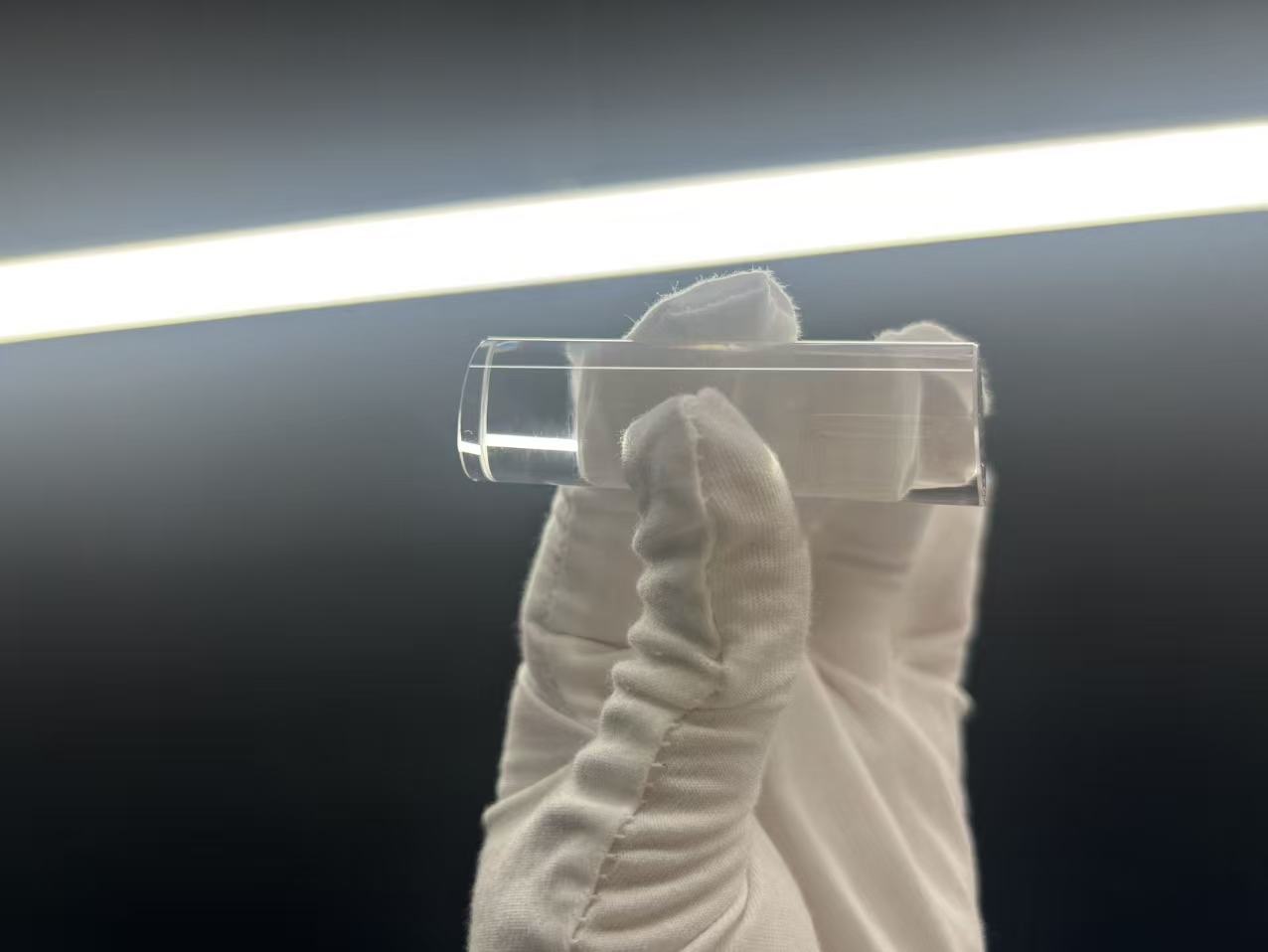
Round Head Quartz Rod
Precision-annealed round-head quartz rods engineered for fluid stirring, molten material manipulation, and optical level probes in high-temperature chemical reactions.
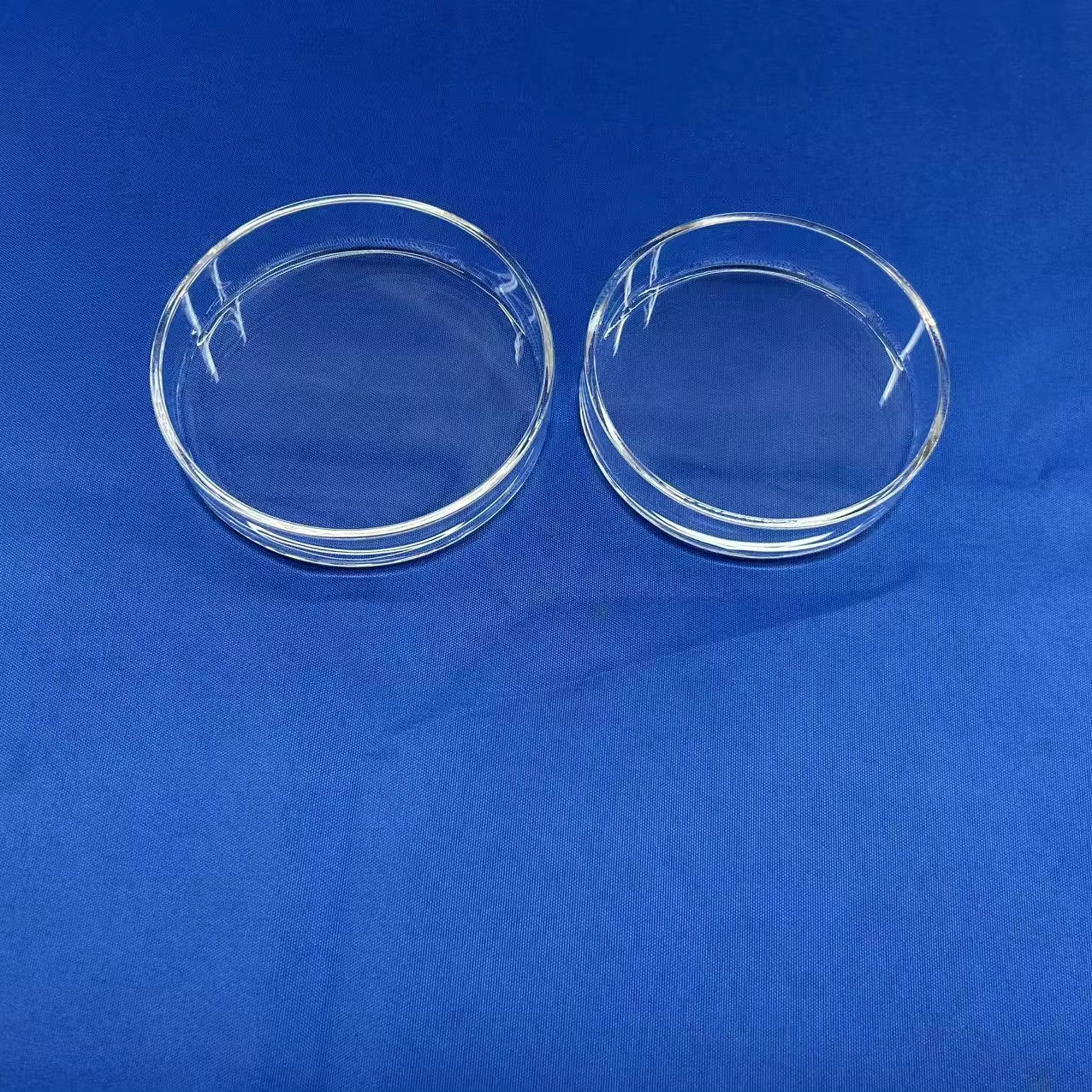
High-Purity Quartz Glass Petri Dishes with Lids
Thermal and acid-resistant laboratory crystallizing dishes, optimized for aggressive solvent evaporation, catalyst testing, and medical research autoclaves.
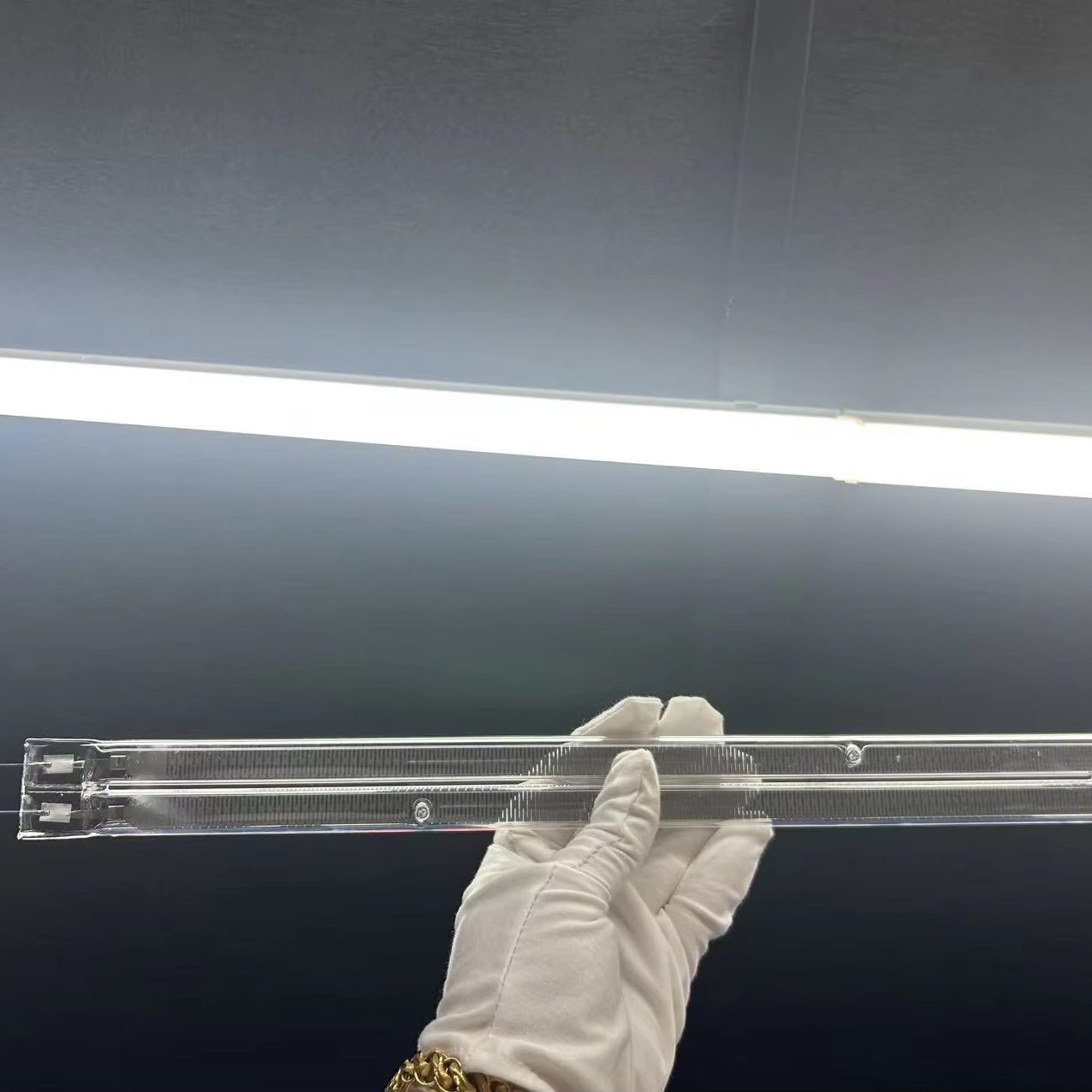
220V 700W 300mm Infrared Quartz Heating Tube
Carbon fiber and halogen fast-response emitter for continuous drying tunnels, rubber curing, and rapid thermal processing with low power dispersion.
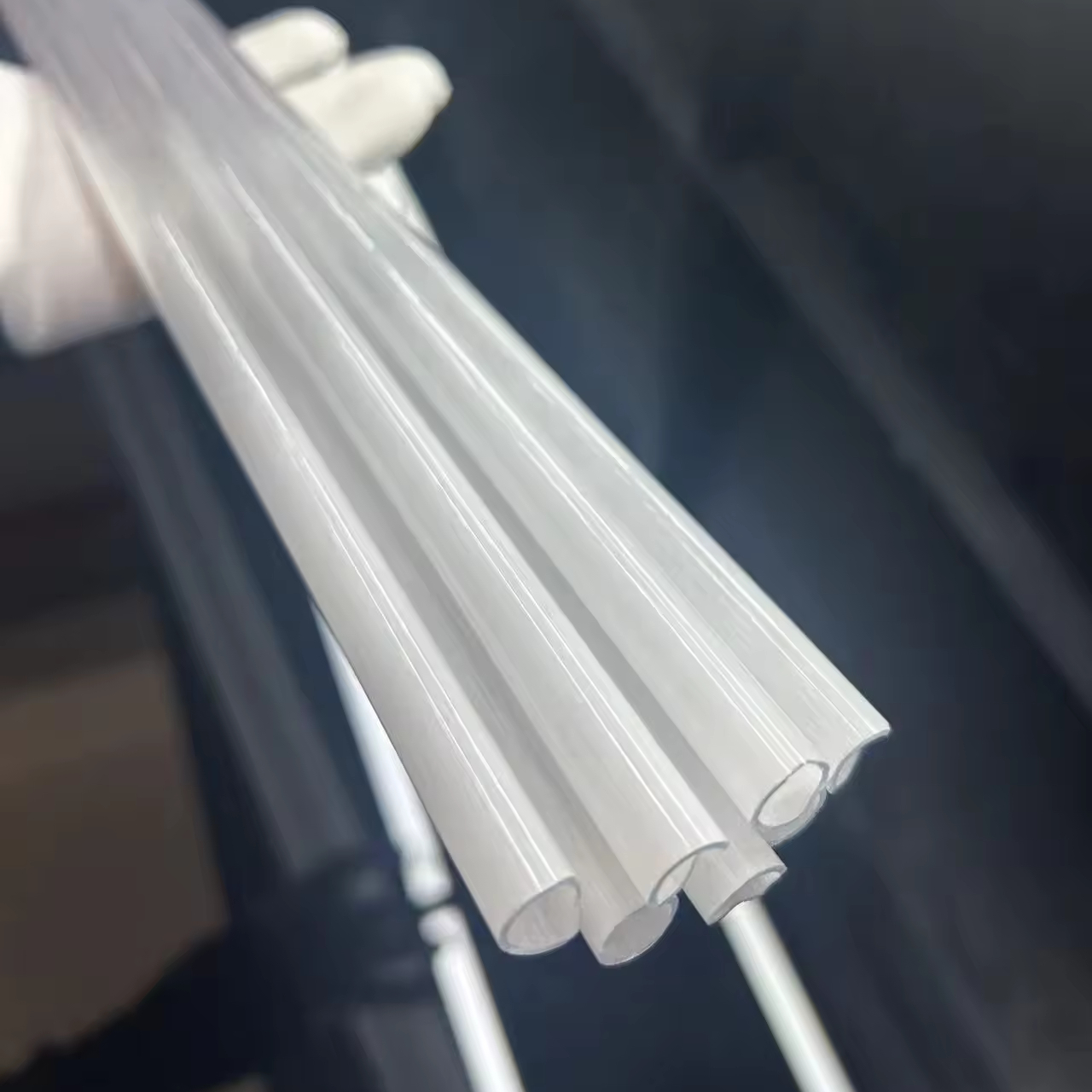
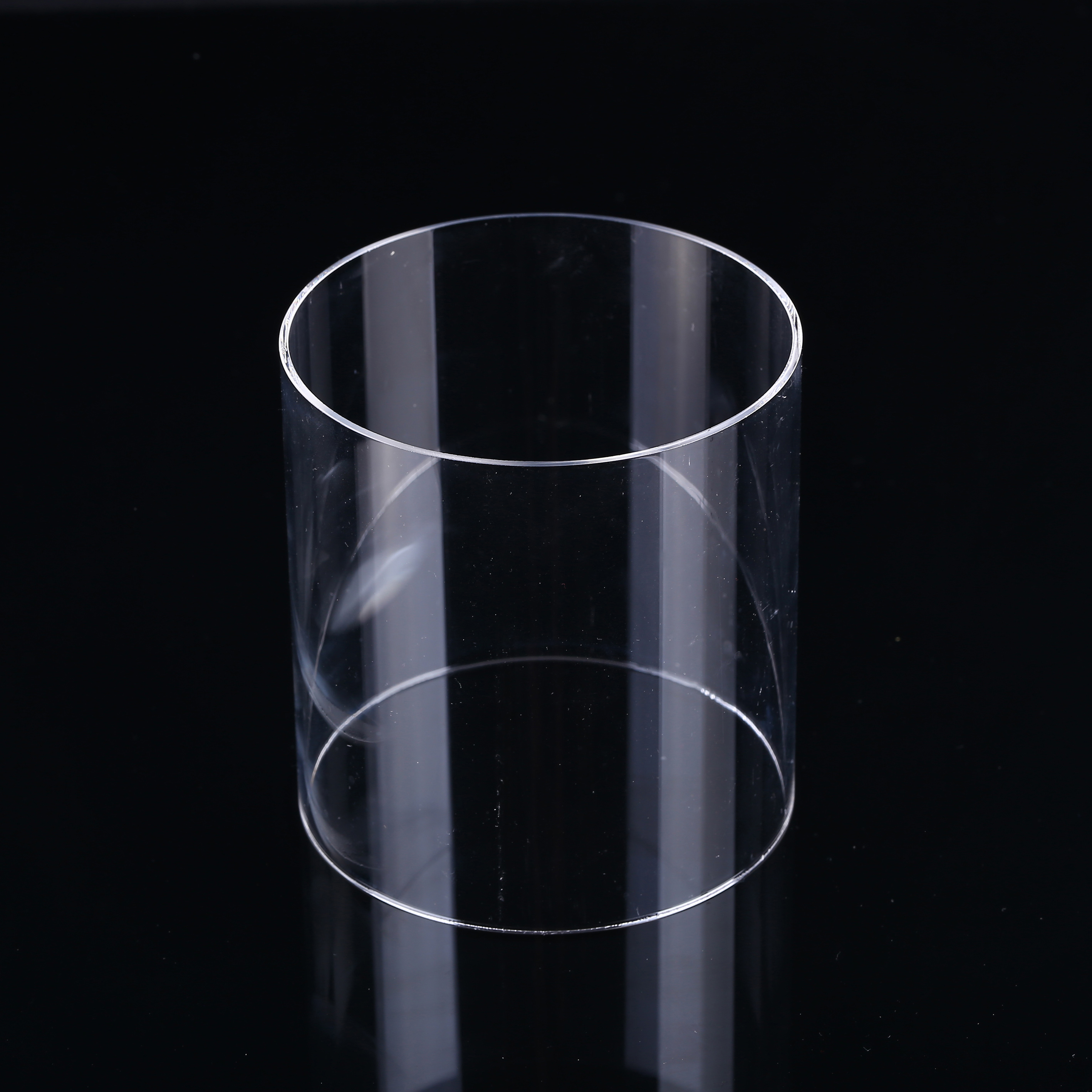
Translucent Milky White Quartz Glass Sleeve & Pipe
Opaque, microstructure-diffusing quartz pipe providing exceptional infrared heat absorption, high structural rigidity, and furnace thermocouple protection.
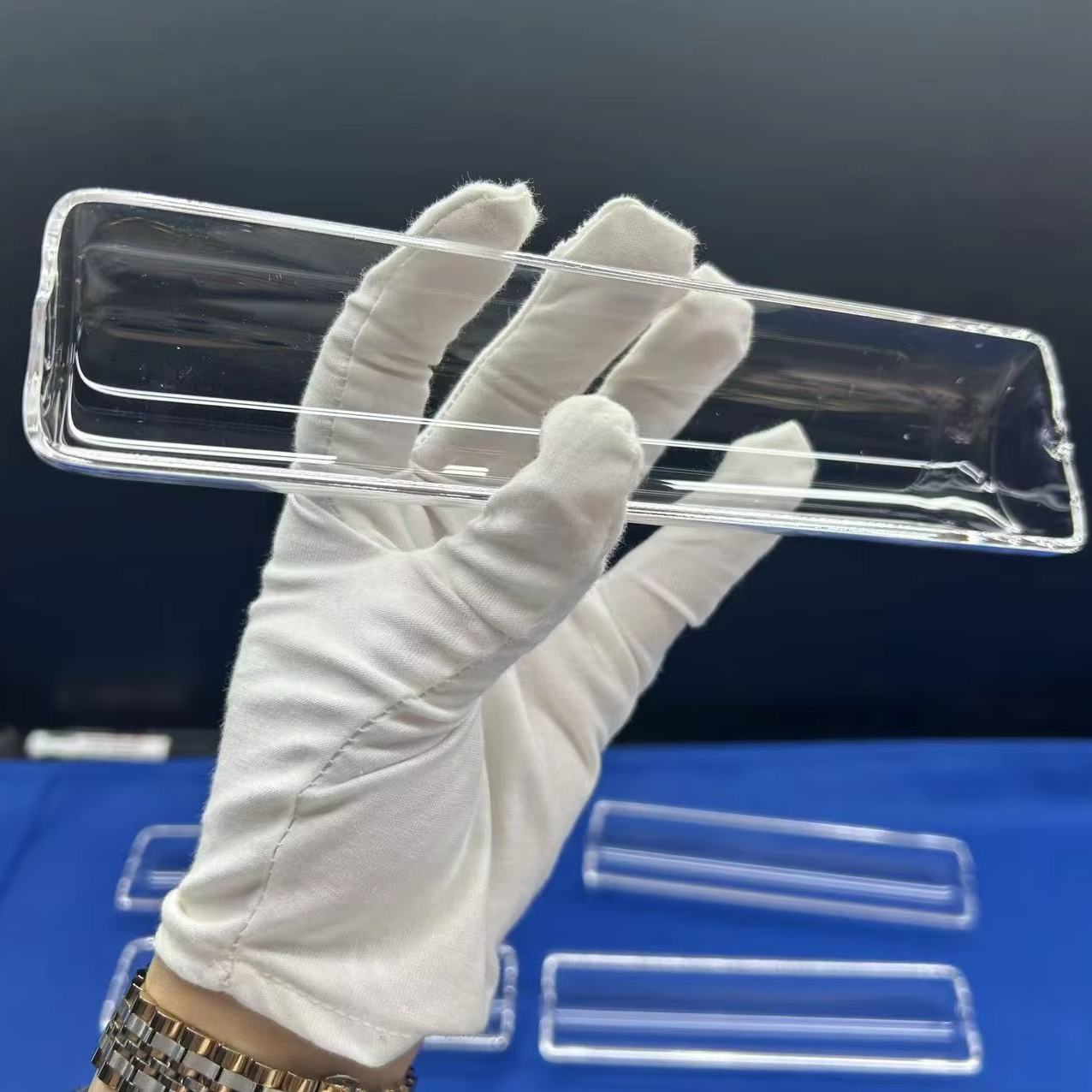
Polished Clear Fused Quartz Wafer Boat & Carrier
Precision slot-machined quartz boat designed for semiconductor CVD, solar cell silicon wafer diffusion, and high-purity chemical vapor processing up to 1250°C.
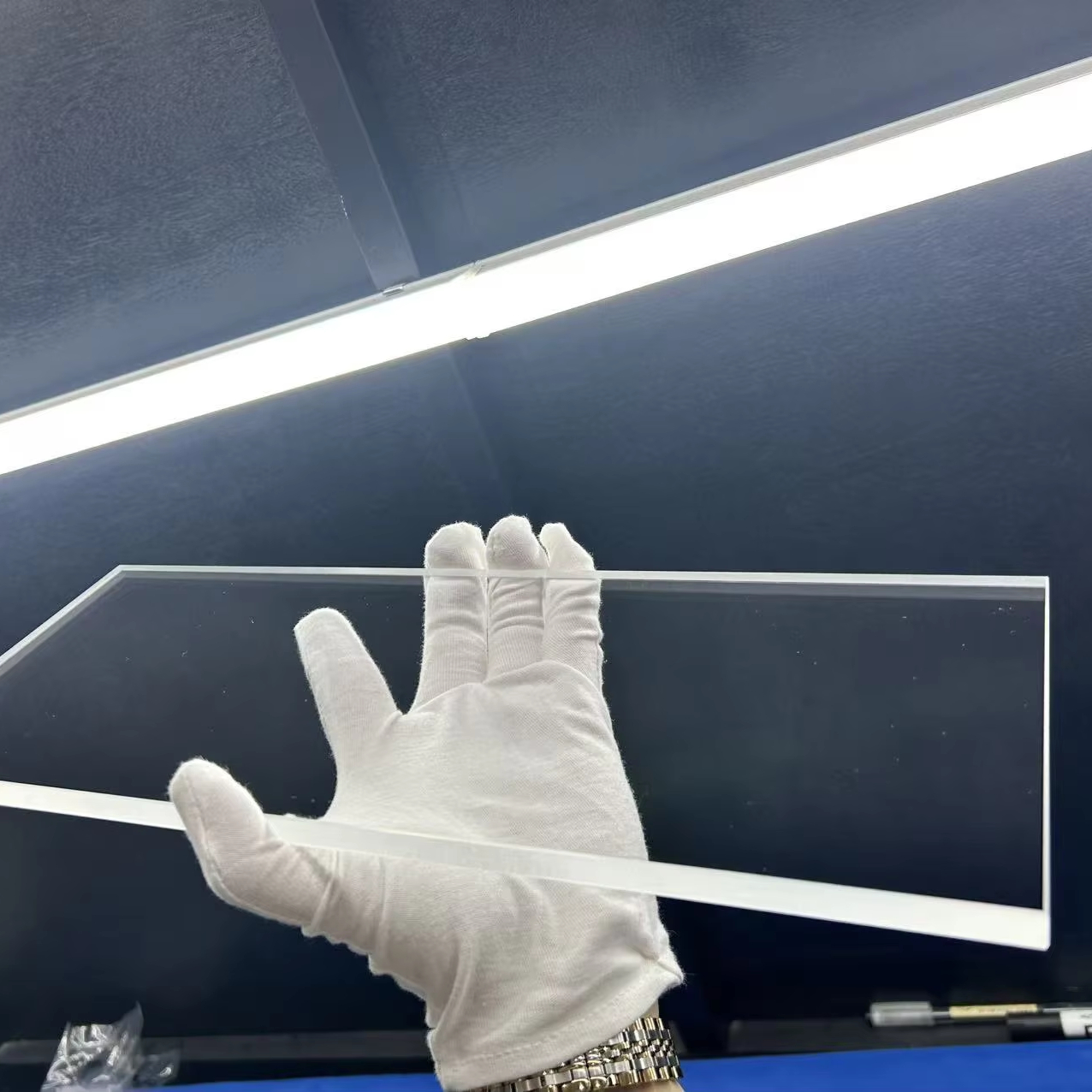
Ultra-Clear High-Purity Fused Quartz Sheet
Double-sided optically polished quartz sheet delivering superior ultraviolet and near-infrared transmission alongside scratch-resistant surface stability.
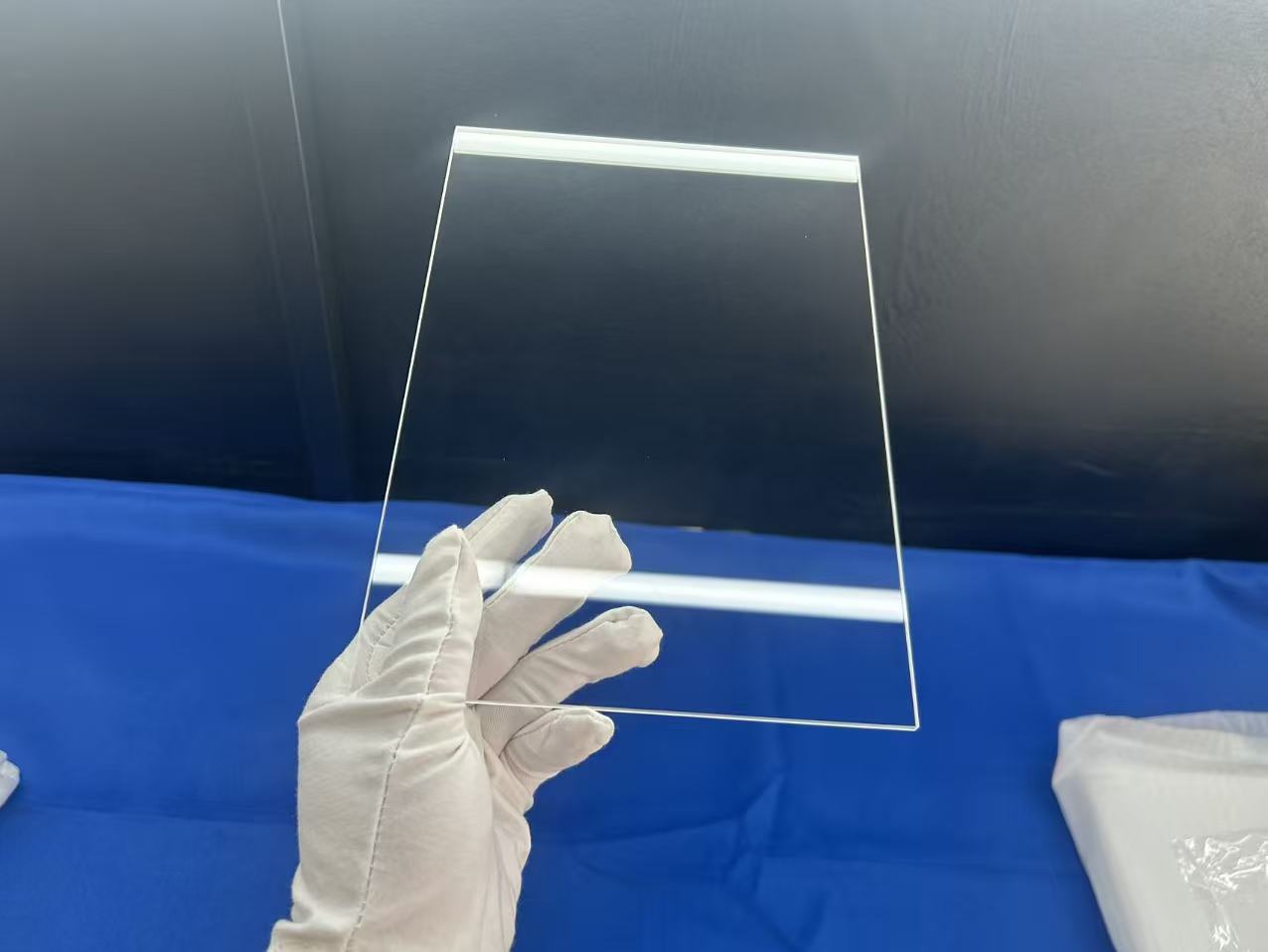
Polished Square Quartz Sight Glass Plate (3mm - 50mm)
Heavy-duty industrial sight port window for high-pressure autoclaves, furnace observation ports, and laser cutting protection shields in smelting plants.
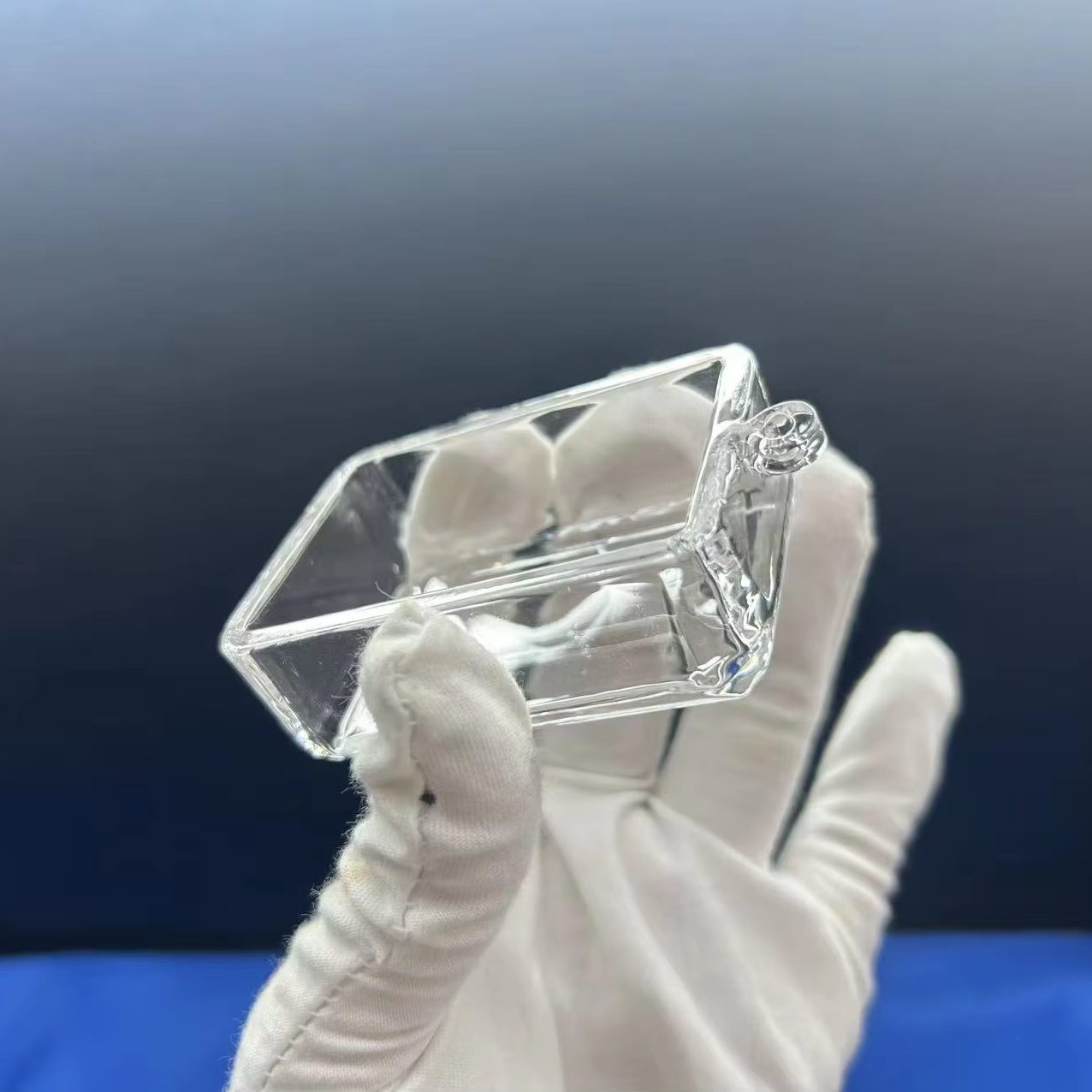
Custom Welded Heavy-Duty Quartz Tank
Seamlessly welded quartz bath designed for ultrasonic hot-acid etching, high-purity electro-cleaning, and corrosive chemical concentration baths.
Material Science: Why Fused Silica Blocks Outperform Traditional Refractories
A comprehensive examination of fused silica's non-crystalline amorphous structure, zero-expansion thermal shock kinetics, and chemical inertia under severe reduction atmospheres.
Amorphous Matrix & Phase Stability
Traditional fireclay, high-alumina, and zircon-based bricks endure severe phase transformations when cycled between 200°C and 800°C, causing destructive micro-cracking due to alpha-beta quartz inversion. Fused silica blocks are formed by electro-fusing selected natural quartz sand into a completely vitreous (amorphous) SiO₂ structure.
Because there is no repeating crystal lattice, the material demonstrates near-zero volumetric shifting over thousands of thermal cycles. At Nivra Quartz, our blocks maintain greater than 99.8% amorphous SiO₂ phase purity, keeping devitrification rates negligible below continuous operating temperatures of 1050°C and transient peaks of 1400°C.
Extreme Thermal Shock Coefficient
The true benchmark of fused silica is its remarkably low coefficient of thermal expansion (CTE), measured at approximately 0.54 × 10⁻⁶ /°C between 20°C and 1000°C. This is less than one-tenth that of alumina and one-twentieth that of basic refractory materials.
This allows massive fused silica blocks—whether deployed as roller kiln hearths, coke oven hot-repair plugs, or molten glass orifice rings—to be placed directly into a 1100°C operating furnace environment without preheating, drastically shortening plant downtime and mitigating catastrophic spalling during unplanned emergency shutdowns.
Acid Resistance & Metal Non-Wetting
In chemical gasification, sulfur recovery, and tin bath applications, molten slags and vapors aggressively degrade iron-rich refractory linings. Fused silica is chemically non-reactive to all major mineral acids—including boiling sulfuric, nitric, and hydrochloric acids (with the exception of hydrofluoric and hot phosphoric acids).
Furthermore, fused silica exhibits an exceptionally high contact angle with molten non-ferrous alloys such as zinc, aluminum, tin, and lead. This non-wetting property prevents dross adherence, slag penetration, and internal pore expansion, ensuring clean molten metal delivery channels.
| Physical / Chemical Property | High-Purity Sintered Fused Silica Block | Standard High-Alumina Brick (70% Al₂O₃) | Mullite Refractory Brick |
|---|---|---|---|
| SiO₂ Content (%) | ≥ 99.6 – 99.9% | 24 – 28% | 22 – 26% |
| Thermal Expansion (20-1000°C) | 0.54 × 10⁻⁶ /°C | 6.5 × 10⁻⁶ /°C | 5.2 × 10⁻⁶ /°C |
| Thermal Shock Resistance | > 50 Cycles (1100°C to Water Quench) | 6 – 10 Cycles | 12 – 18 Cycles |
| Bulk Density (g/cm³) | 1.92 – 2.05 | 2.50 – 2.65 | 2.40 – 2.55 |
| Continuous Service Temp | 1050°C (Oxidizing / Neutral) | 1400°C | 1500°C |
| Hot Repair Compatibility | Immediate installation (No Preheat) | Strict controlled warm-up schedule | Controlled ramp required |
Fused Silica Block Applications across the Palembang Industrial Hub
From the Musi River petrochemical corridor to South Sumatra's mining, rubber, and fertilizer mega-plants, our custom fused silica products solve localized thermal challenges.
Ammonia & Urea Plants (Pupuk Sriwidjaja / PUSRI Corridor)
Palembang is the historical heart of Indonesia's synthetic fertilizer industry. The high-pressure steam reforming furnaces, secondary reformers, and shift converters operating in the PUSRI industrial area process corrosive synthesis gas under severe thermal cycling.
- Burner Throat Quench Blocks: Withstand direct flame impingement and sudden gas feed shutoffs without thermal fracture.
- Secondary Reformer Backup Linings: Provide an impervious, non-reactive thermal barrier behind dense castables, safeguarding vessel shells from volatile hydrogen embrittlement.
- Sight Glass & Optical Sensor Ports: Ultra-clear quartz viewports resist high-pressure ammonia atmospheres, enabling optical pyrometry.
Petroleum Refining & Sulfur Recovery (Plaju & Sungai Gerong)
The Pertamina Kilang Pertamina Internasional RU III Plaju-Sungai Gerong refinery complex processes high-acid crude streams requiring robust sulfur recovery units (SRU) and catalytic cracking systems.
- Claus Thermal Reaction Chambers: Fused silica burner blocks withstand SO₂, H₂S, and sulfur vapor condensation without sulfation degradation.
- Acid Gas Incinerator Peep Holes: Resists thermal shock during intermittent burner cycling and aggressive sulfuric mist exposure.
- Coke Furnace Hot Repair Blocks: Allows zero-preheat emergency replacement of damaged refractory lintels along fluid catalytic cracking units (FCCU).
Biomass, Coal Boilers & Energy Generation
South Sumatra boasts some of Southeast Asia's richest coal reserves and an extensive network of palm oil mills (PKS). Power plants in Muara Enim and surrounding Palembang rely heavily on fluidized bed boilers (CFB) burning pulverized coal and palm waste (fiber and shell).
- Cyclone Separator Vortex Finders: Fused silica blocks resist particle erosion from abrasive fly ash at temperatures reaching 950°C.
- Thermocouple Sheaths: Milky white quartz protection tubes prevent hot alkaline flue gas slag from corroding platinum sensors.
- Inspection Port Baffles: Lightweight, thermally non-conductive blocks allow frequent manual access without radiative burns to operators.
Foundry, Smelting & Non-Ferrous Alloys
Aluminum reclamation, brass foundries, and tin transshipment smelting operations along the Musi waterway demand refractories that do not contaminate the molten metal melt.
- Transfer Launders & Spouts: Fused silica channels prevent molten aluminum and copper wetting, eliminating mechanical chipping between heats.
- Degassing Lance Tubes: High thermal shock resistance allows immediate cold insertion into molten alloy melts without catastrophic spalling.
- Stopper Rods & Metering Nozzles: Ensures dimensional stability and precise flow control during continuous billets casting.
Ceramic, Glass & Brick Tunnel Kilns
The expanding ceramic floor tile, sanitair, and roofing industries in the Tanjung Api-Api Special Economic Zone (SEZ) require kiln furniture that resists sagging under high cyclic loads.
- Fused Silica Roller Sleeves: Perfect concentricity and zero creep up to 1100°C eliminate surface marking on high-speed porcelain tiles.
- Kiln Car Support Blocks: Reduce car tare weight by 35% compared to fireclay, driving down natural gas consumption.
- Float Glass Tin Bath Bottom Blocks: High-density silica prevents bubble defect formation and resists molten tin penetration.
Emerging Manufacturing Dynamics in South Sumatra (2025–2035)
Key regulatory, economic, and logistical factors driving the transition toward high-durability fused silica materials across Palembang's industrial fabric.
National Downstream Mandate (Hilirisasi)
Indonesia's state mandate to process domestic mineral resources domestically has sparked widespread modernization of processing infrastructure in South Sumatra. Rather than exporting raw clays and bauxites, Palembang-based processors are investing in automated high-temperature calcination kilns and electric arc facilities that require ultra-reliable refractory backings.
Fused silica blocks provide the precise mechanical dimensional tolerances (+/-0.5mm) required by modern automated CNC-laid furnace designs, minimizing mortar joint failures.
Decarbonization & Energy Intensity Standards
With Indonesian industrial operators facing carbon emission monitoring and rising natural gas costs, thermodynamic efficiency has become a chief purchasing criteria for plant engineering directors. Standard refractory brick walls suffer from high thermal mass and conduct excess heat outwards.
Our engineered fused silica blocks possess lower thermal conductivity (0.8 - 1.1 W/m·K at 800°C) than high-alumina bricks (1.8 - 2.5 W/m·K). Replacing conventional linings with silica reduces shell skin temperatures by up to 65°C, yielding measurable gigajoule savings per production run.
Boom Baru & Port Infrastructure Maturation
Palembang's Boom Baru river port and the coastal development of Tanjung Carat are slashing transit lead times for direct containerized imports from China's East Coast ports. Industrial plants are transitioning away from high-stock regional warehousing towards scheduled sea-freight procurement cycles.
Nivra Quartz matches this logistical shift with custom batch production, sea-worthy multi-layer moisture barrier packaging, and direct export documentation that streamlines Indonesian customs clearance under ACFTA Form E frameworks.
Frequently Asked Questions by Palembang Industrial Buyers
Critical guidance covering customs compliance, sea transport handling, thermal shock capabilities, and installation best practices for engineering teams across Indonesia.
How are fused silica blocks transported to Palembang to prevent moisture damage and breakage?
Exporting refractory blocks and high-precision quartz components to South Sumatra requires specific packaging to endure equatorial maritime humidity and river transshipment up the Musi River into Palembang’s Boom Baru Port. Every fused silica block produced by Nivra Quartz is oven-dried, wrapped in vacuum-sealed polyethylene moisture-barrier film containing industrial silica-gel desiccant packs, and cushioned with high-density closed-cell polyethylene foam (EPE).
Consolidated shipments are secured inside heavy-duty, fumigation-free engineered plywood crates with internal reinforcement battens and perimeter steel strapping. Each wooden crate is clearly stamped with IPPC ISPM-15 compliant markings and includes tilt/impact indicators, ensuring cargo arrives intact without micro-fractures or atmospheric moisture absorption.
What customs documentation and import tariffs apply when importing from Donghai to Indonesia?
Under the ASEAN-China Free Trade Area (ACFTA), industrial silica blocks, quartz glass tubes, and laboratory crucibles imported into Indonesia benefit from preferential 0% to 5% tariff treatments when accompanied by an authentic Form E Certificate of Origin issued by China Customs.
Nivra Quartz provides a full documentation suite with every consignment, including Form E, clean Bill of Lading (B/L), detailed Commercial Invoice referencing correct Indonesian Harmonized System (HS) Codes (such as HS 6902.90 for refractory silica blocks or HS 7002.31 for fused quartz tubing), and certified packing lists. We coordinate directly with your appointed Indonesian freight forwarder (PPJK) at Boom Baru Port or Tanjung Priok (Jakarta) for seamless dry-port clearance.
Can your fused silica blocks be placed directly into an operational furnace without preheating?
Yes. This is the paramount operational advantage of fused silica compared to alumina, magnesite, or silicon carbide bricks. Because our blocks have an ultra-low coefficient of thermal expansion (~0.54 × 10⁻⁶ /°C), they generate almost zero internal shear stress when exposed to instant thermal differentials.
In hot-repair operations—such as replacing failed coke oven lintels, glass furnace feeder channel blocks, or burner port blocks—our blocks can be inserted directly into an ambient furnace atmosphere of 1000°C to 1150°C without crack propagation or surface spalling. This saves plant operators hundreds of hours of furnace cooling and reheating cycles.
What is the critical devitrification threshold of fused silica, and how can it be avoided?
Devitrification is the phase transformation where metastable amorphous SiO₂ reorganizes into crystalline cristobalite. This process generally occurs at continuous exposure temperatures above 1150°C and accelerates in the presence of surface contamination from alkali salts (Na, K, Ca) often found in low-grade boiler flue gases.
When cristobalite cools below 270°C, it experiences a sharp 2.8% volumetric contraction, which leads to surface micro-cracking. To prevent devitrification in high-alkali Palembang applications (such as palm biomass boilers), we recommend using our dense surface-sealed fused silica blocks, maintaining operating temperatures below 1100°C, or scheduling hot-face replacements without permitting the furnace to drop below 300°C during intermediate maintenance cycles.
Can you manufacture custom-machined blocks with embedded grooves, tongue-and-groove joints, and bores?
Absolutely. Nivra Quartz operates comprehensive in-house CNC machining, diamond wire saw slicing, surface grinding, and core drilling workshops. We produce complex geometries, including stepped burner blocks, curved launder segments, thermocouple entry sleeves, and interlocking tongue-and-groove refractory slabs.
Customers can supply technical drawings in PDF, DWG, DXF, or 3D STEP formats. Our engineering team reviews the dimensional tolerances (typically achieving ±0.2mm on precision machined surfaces) and structural radii within 5 hours, providing DFM (Design for Manufacturability) guidance tailored to your thermal load profiles.
What is the minimum order quantity (MOQ) and production lead time for Palembang delivery?
We support both custom prototype trials and full-furnace relining projects. For customized CNC-machined fused silica blocks or heavy quartz tanks, our MOQ starts from as low as 1 to 5 pieces. Standard laboratory quartzware, sight glasses, and transparent tubes generally require MOQs of 10 to 50 pieces.
Typical fabrication lead times range from 7 to 15 business days depending on geometric complexity and quantity. Direct container shipping from Lianyungang/Qingdao to Boom Baru Port in Palembang generally requires 14 to 20 days sea transit, allowing procurement managers to execute emergency plant overhauls within a reliable 30-day window.
Why Global Procurement Leaders Partner with Nivra Quartz
Founded in 2019 in Donghai County—the crystal and quartz capital of China—we bridge world-class raw silica reserves with state-of-the-art cold and hot glass processing technologies.
Hub Advantage: Donghai County, China
Donghai County hosts China's largest and most refined silica supply ecosystem. Operating directly from this raw-material source gives Nivra Quartz unfettered access to high-purity natural silica sand (>99.99% SiO₂) and high-temperature electrical fusing foundries.
By eliminating intermediate quartz distributors and secondary material processing markups, we deliver factory-direct pricing to Indonesian industrial plants while maintaining rigorous elemental purity controls.
Full In-House Processing Chain
Our company unites 101 to 200 skilled craftsmen and precision glass machining engineers. We operate computer-controlled slicing machines, multi-axis surface grinders, fire-polishing furnaces, optical double-disc polishing tables, and hydrogen-oxygen flame lathe workrooms.
Every step—from raw ingot slicing and CNC grooving to vacuum ultrasonic cleaning and final coordinate measuring machine (CMM) verification—is performed under one roof at our 285 Heping East Road facility.
Verified Export Track Record & Responsiveness
With an independently audited 5.0/5 buyer satisfaction score and a verified 88.89% inquiry response rate, our international trade division treats industrial inquiries with engineering rigor. Most RFQs receive technical feasibility reviews and formal proforma quotations within 5 hours.
Over 40% of our production serves North American and European OEM partners, providing the quality discipline, material test certificates (MTC), and trace documentation demanded by Palembang's multinational chemical conglomerates.


Ready to Engineer Your Refractory & Quartz Components?
Send your drawings, operating temperature parameters, and annual volume estimates directly to our technical sales team. Receive dimension verification, material recommendations, and landed CIF Boom Baru pricing within 5 hours.
Get Catalog