High-Purity Fused Quartz Tubes & Engineered Components
Manufactured from premium SiO₂ crystal with over 99.99% purity. Every component undergoes rigorous geometric calibration, precision edge-finishing, and comprehensive optical spectrum validation prior to Baltic dispatch.
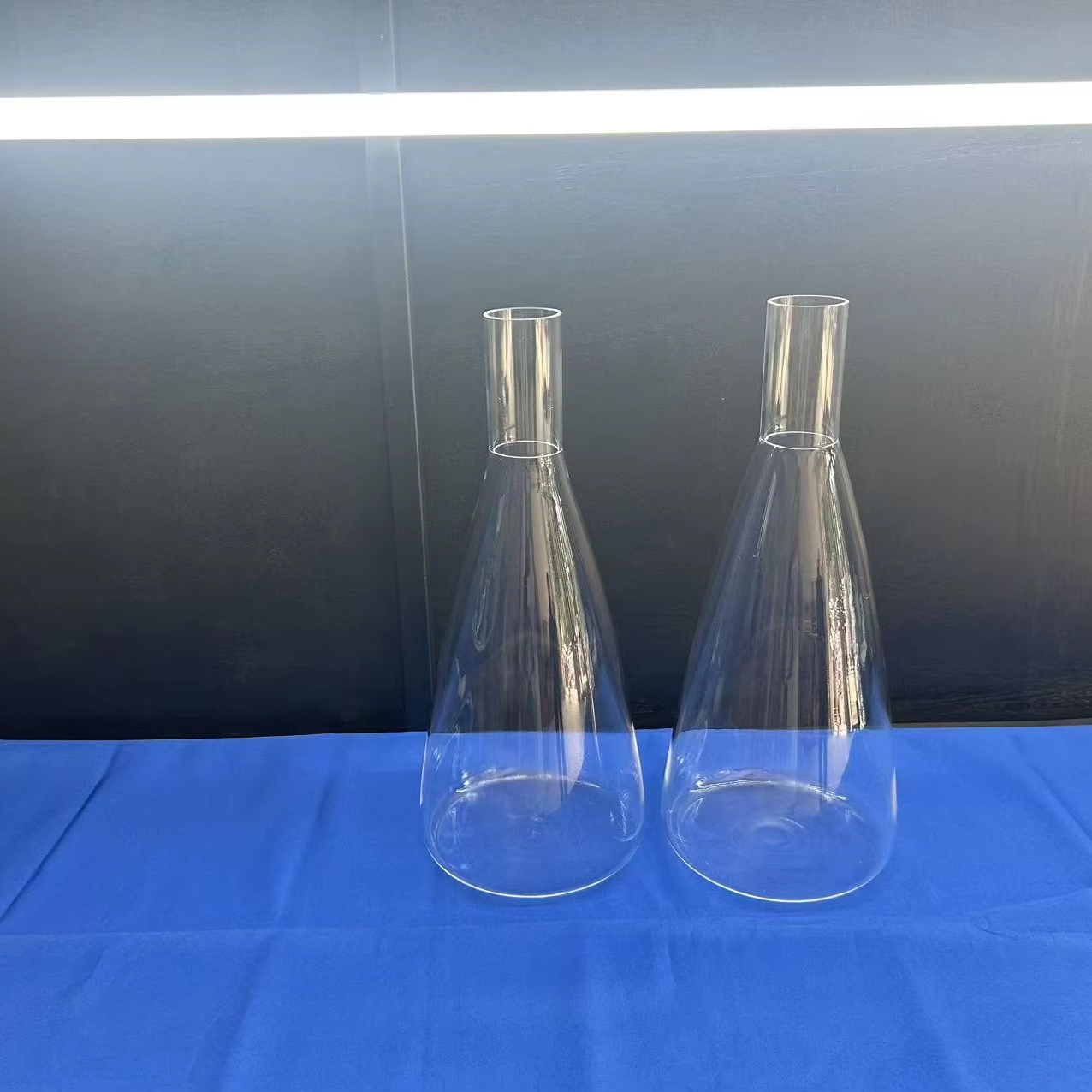
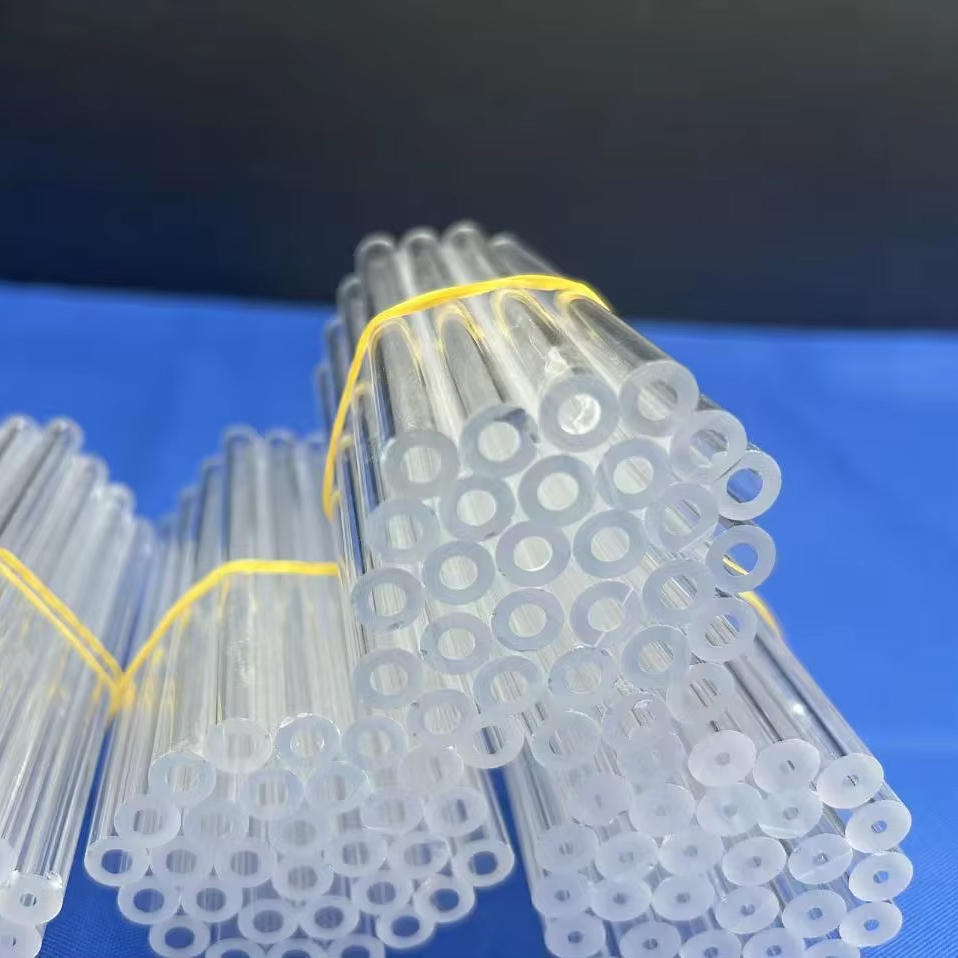
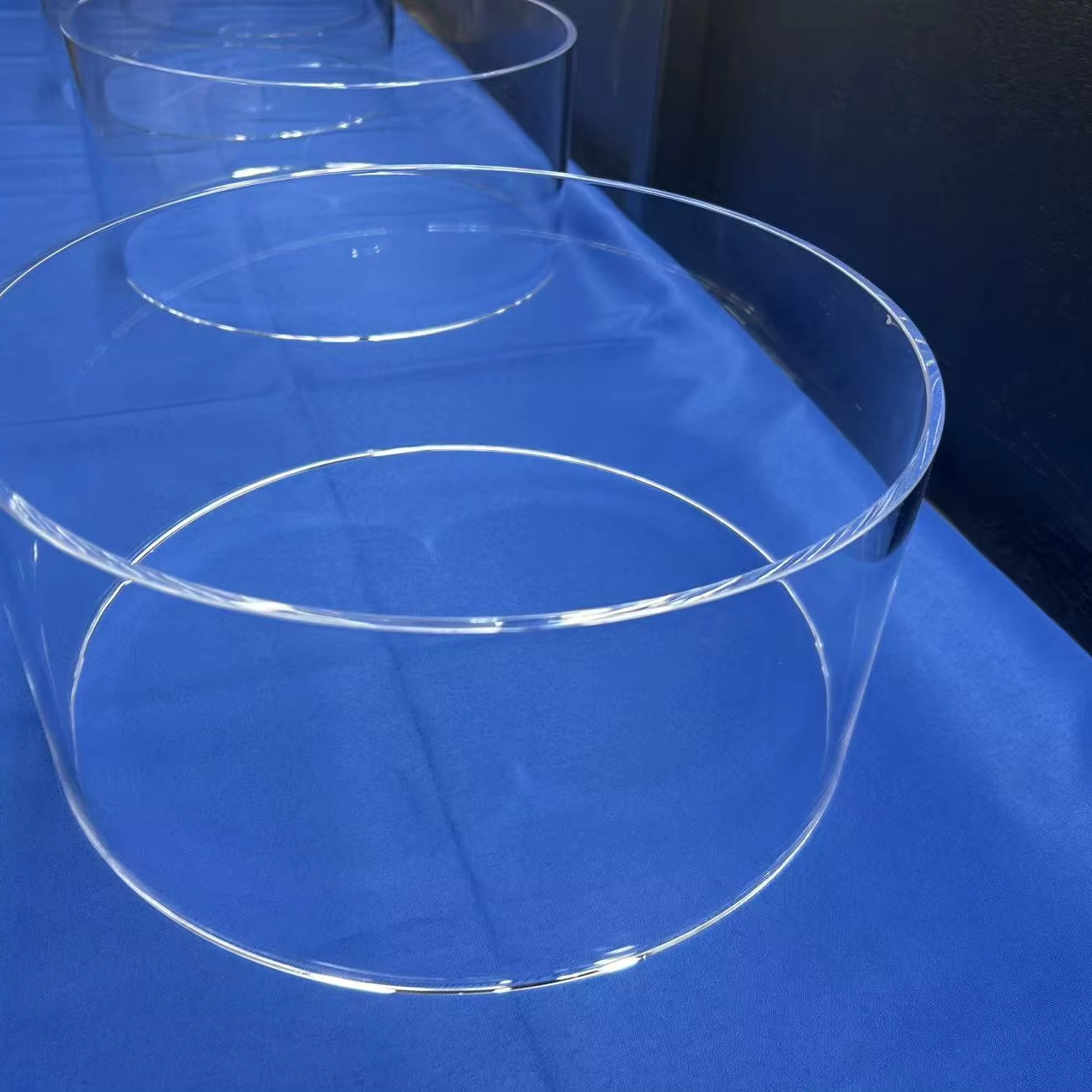
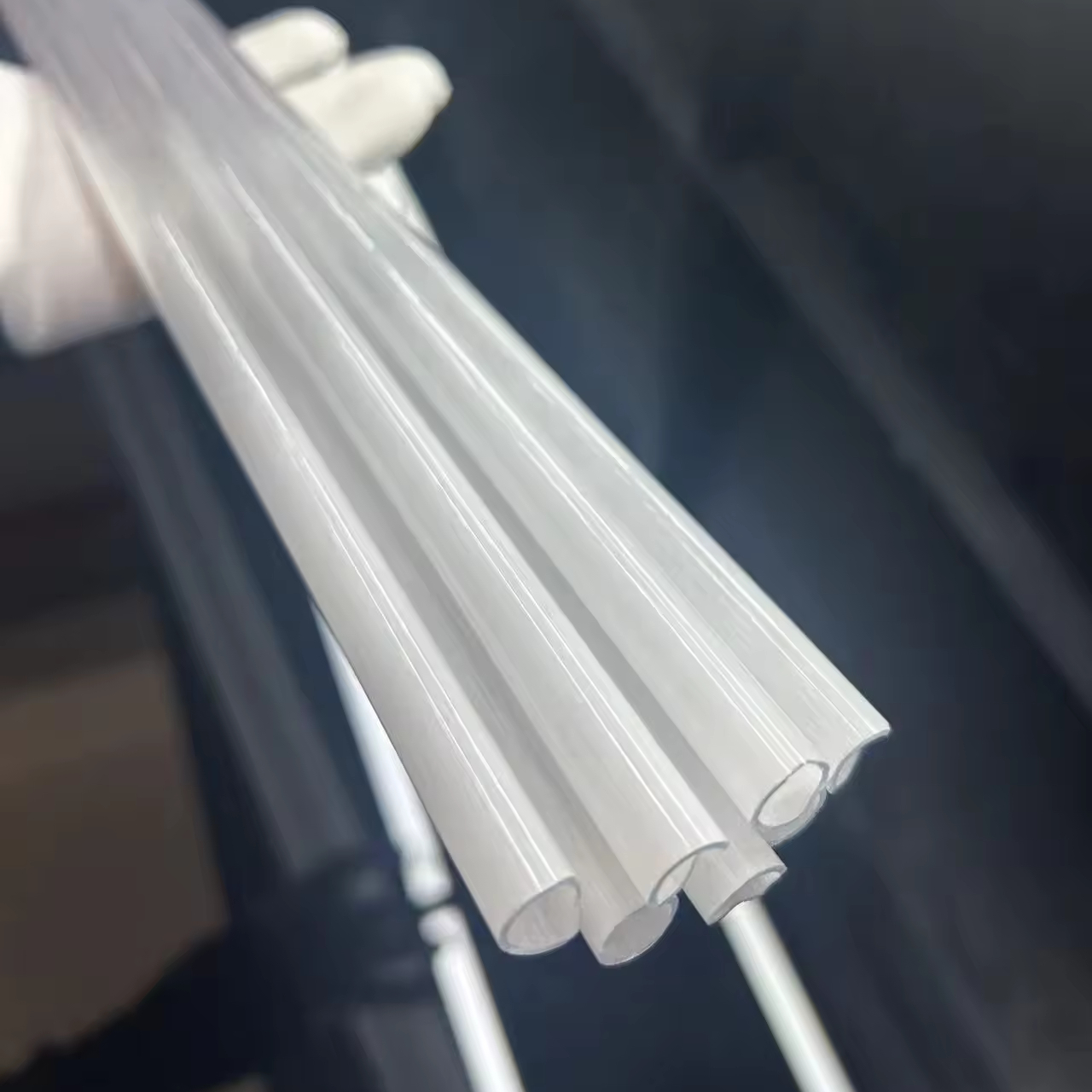
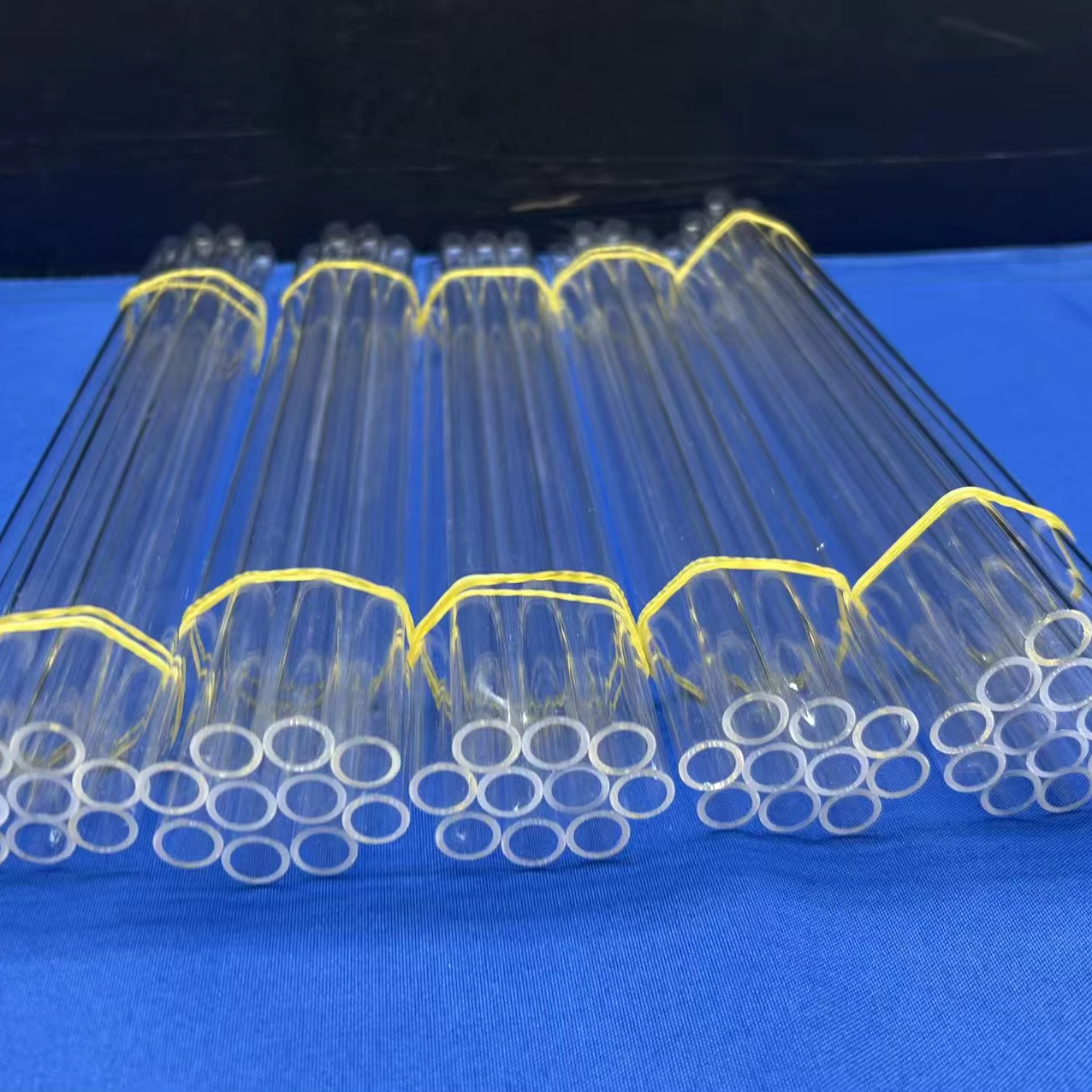
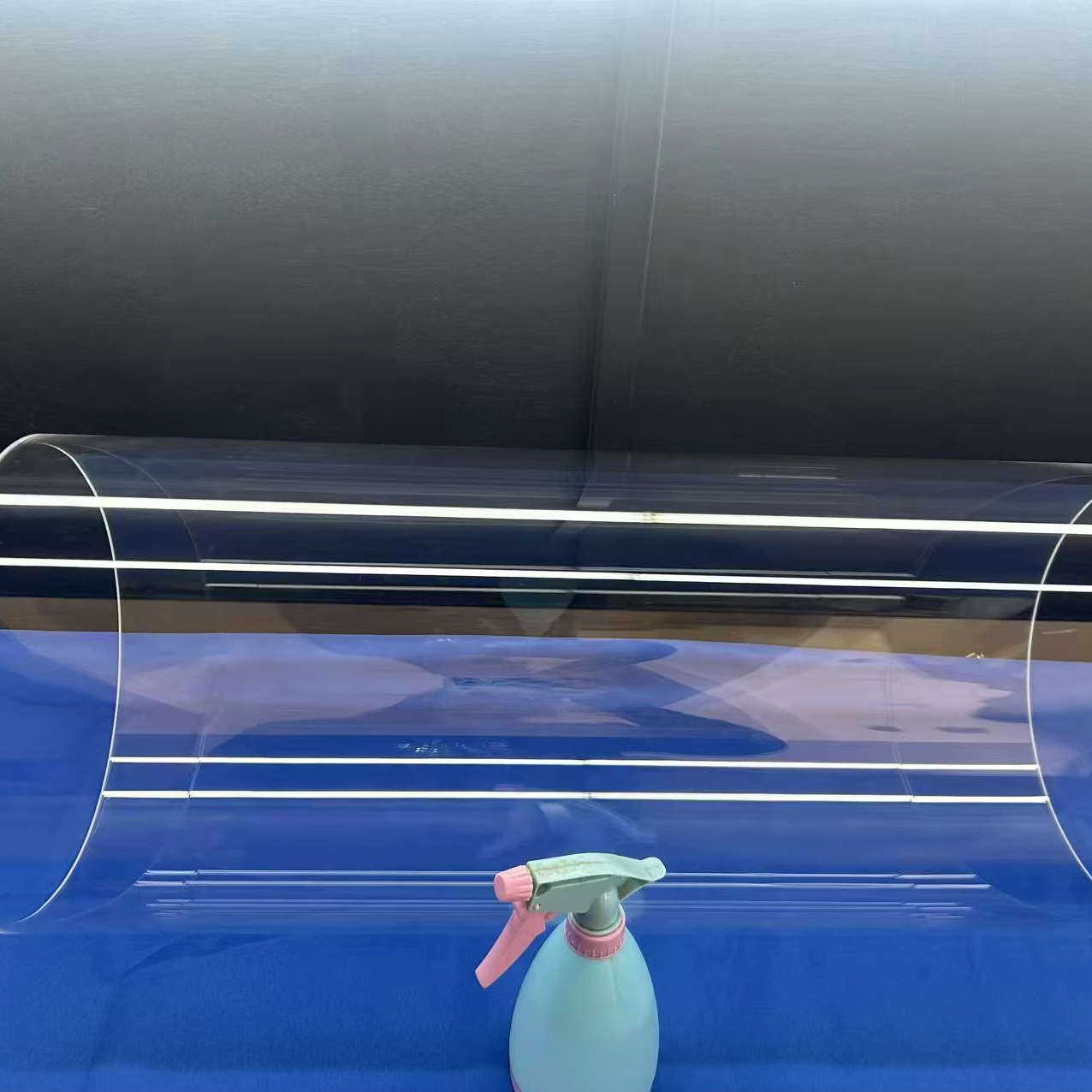
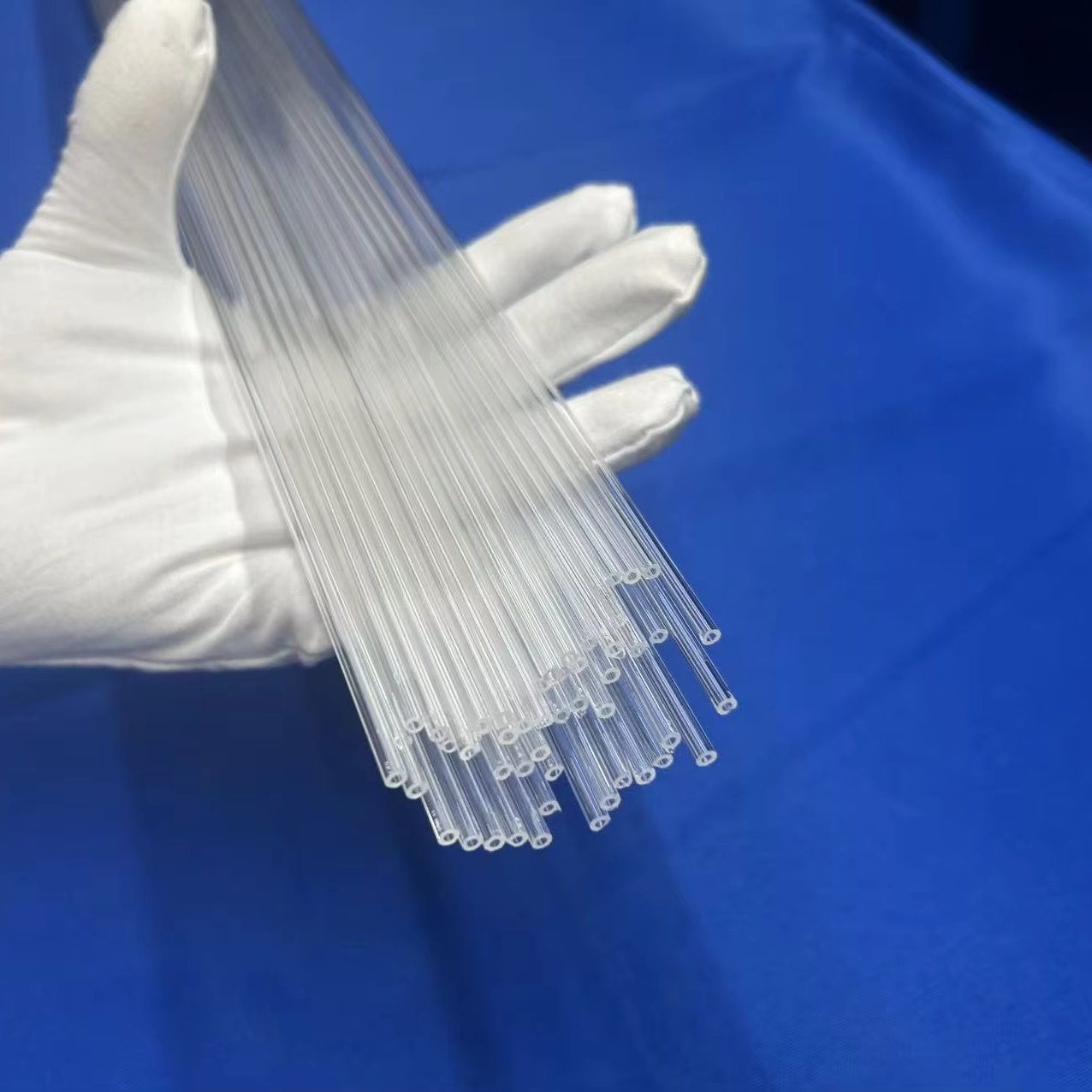
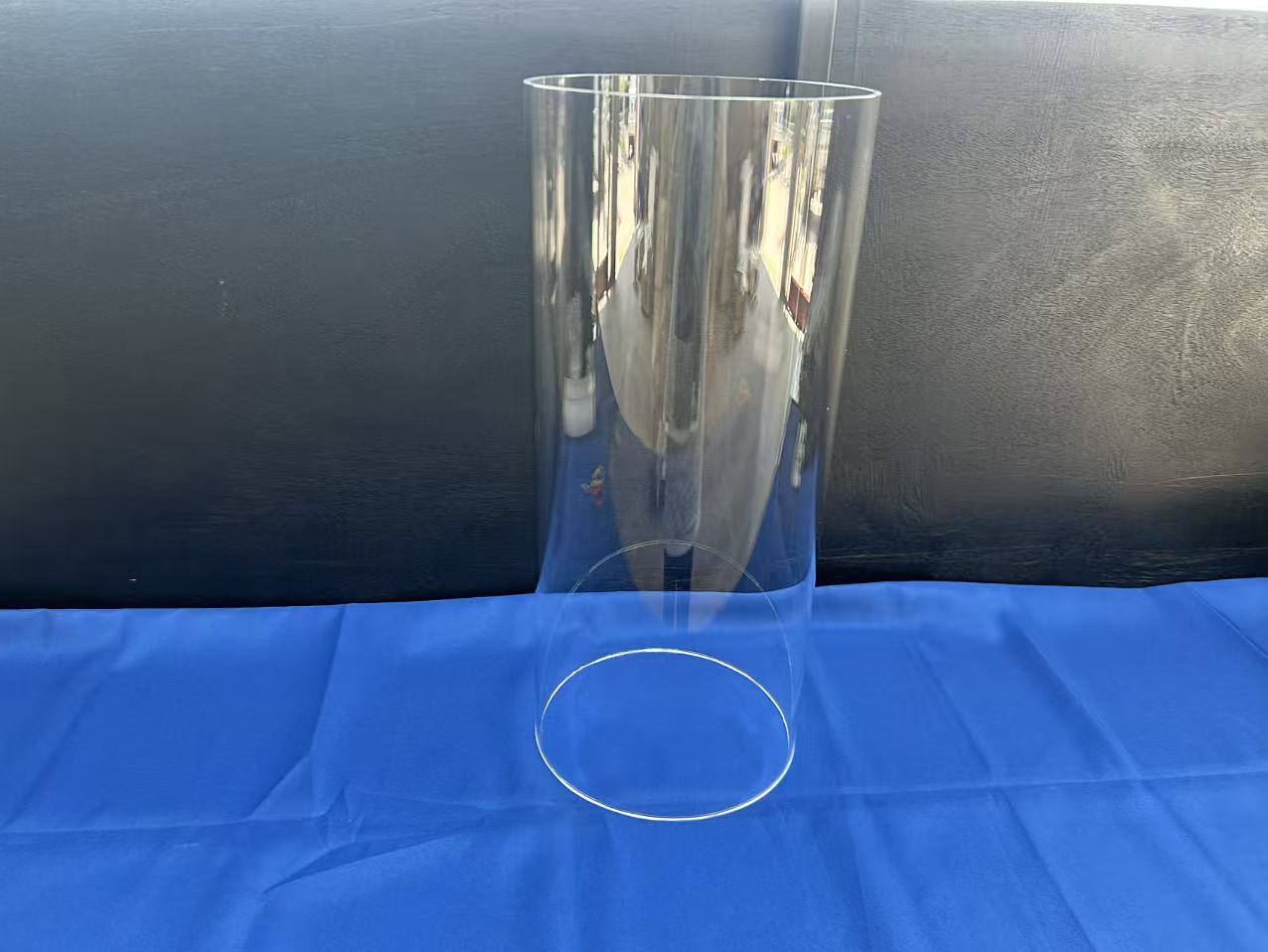
Engineering Superiority: Fused Quartz Chemistry & Thermodynamic Profiles
Understanding the critical differentiation between natural fused quartz, flame-synthesized vitreous silica, and specialized low-OH optical tubing for Baltic chemical engineering and laser optics.
Fused quartz represents the apex of structural vitreous materials, manufactured by fusing naturally occurring high-purity crystalline silicon dioxide (SiO₂) in specialized electric vacuum resistance or oxyhydrogen furnaces at temperatures exceeding 2000°C. For industrial process engineers operating within the Klaipėda port logistics ring and broader Lithuanian manufacturing clusters, selecting the proper fused silica substrate is a decisive factor in preventing catastrophic thermal cracking, devitrification under alkaline vapors, and optical attenuation in ultraviolet spectral monitoring.
The macroscopic integrity of fused quartz originates from its tightly bound, three-dimensional tetrahedral silicon-oxygen network (SiO₄). Unlike soda-lime or borosilicate formulations that incorporate alkali fluxing agents (such as Na₂O, K₂O, and B₂O₃), pure vitreous silica is virtually free of interstitial network modifiers. This isotropic chemical arrangement bestows the material with an exceedingly negligible linear coefficient of thermal expansion (approx. 5.5 × 10⁻⁷ /°C from 20°C to 320°C). Consequently, industrial sight glasses, reactor sleeves, and furnace tubes fabricated from this material can endure extreme instantaneous thermal shocks—such as quenching from 1100°C directly into ice-cold Baltic seawater—without mechanical compromise or micro-fissuring.
JGS1 Synthetic Fused Silica
Synthesized via chemical vapor deposition of high-purity SiCl₄. Features an ultra-low metallic impurity footprint (<0.1 ppm) and no structural bubble inclusion. Demonstrates transmission efficiency exceeding 90% down to 185 nm in the Deep-UV (DUV) band, rendering it mandatory for excimer laser systems and photochemical reactors.
JGS2 Optical Fused Quartz
Refined by electric arc or gas fusion of premium natural quartz sand. Balances high optical clarity in the 220 nm to 2500 nm range with superior structural rigidity. Highly recommended for thermal viewing ports, chemical sight glasses, continuous level gauges, and maritime emission monitoring chambers.
JGS3 Infrared Optical Quartz
Subjected to high-vacuum de-hydroxylation treatment to suppress the 2.73 μm absorption peak, maintaining hydroxyl [OH⁻] concentrations below 5 ppm. Provides seamless optical transmission extending up to 3500 nm in the Mid-Infrared (MIR) spectrum, ideal for IR pyrometry, heaters, and gas analyzers.
In thermal furnace applications common to advanced battery cathode calcination, photovoltaic wafer diffusion, and chemical catalyst activation across Lithuania, the primary failure mode of lower-grade quartz tubing is devitrification—the nucleation and phase transformation of metastable vitreous silica into crystalline cristobalite. Cristobalite possesses a distinct crystalline lattice that undergoes an abrupt, destructive volume inversion (approx. 2.8% volumetric change) during cooling through the 200°C–275°C window. Nivra Quartz tubes mitigate devitrification kinetics by enforcing rigorous raw-material selection in Donghai County (the silica capital of China), eradicating trace alkali metals (Li, Na, K < 0.5 ppm), and executing Class-10,000 cleanroom flame annealing to remove all residual drawing stress.
Strategic Quartz Applications Across Klaipėda & The Baltic Rim
Serving critical industrial infrastructure, naval marine corridors, and advanced photonics research facilities connected through the Port of Klaipėda.
Port of Klaipėda Marine Exhaust Scrubbers (EGCS)
The International Maritime Organization (IMO) sulfur caps and Baltic SECA regulations demand 24/7 exhaust continuous emissions monitoring (CEMS). Our thick-walled transparent quartz tubes serve as non-reactive optical measurement cells and sampling sleeves, resisting corrosive sulfuric/nitric acid condensation at 450°C aboard container ships and LNG tankers.
Klaipėda FEZ Polymerization & Petrochemical Plants
Within the Klaipėda Free Economic Zone, major chemical synthesizers produce PET resins, bio-diesel, and specialty industrial solvents. Fused silica reaction flasks, sight glasses, and customized distillation columns provide total chemical resistance against concentrated hydrochloric, nitric, and organic acids, preventing leaching of catalytic contaminants.
Baltic Laser & Photonics Scientific R&D Corridor
Lithuania is an acknowledged European powerhouse in ultrafast femtosecond lasers and optical sub-assemblies. Supplying institutes across the Vilnius-Kaunas-Klaipėda corridor, our JGS1 capillary tubes, precision-ground quartz rods, and laser flashlamp envelopes deliver sub-micron dimensional tolerances and ultra-low phase distortion under high-peak-power fluence.
Maritime Ballast Water & Municipal UV Disinfection
Commercial ships traversing the Baltic Sea must install D-2 compliant Ballast Water Treatment Systems (BWTS). We export high-transmittance ozone-free quartz sleeves that encase amalgam and medium-pressure UV lamps, retaining over 88% UVC transmission at 253.7 nm despite chronic biological fouling and saline immersion.
Semiconductor Epitaxy & Photovoltaic Furnaces
Solar cell wafer and wide-bandgap (SiC/GaN) semiconductor manufacturing across Central/Eastern Europe demands heavy-wall quartz process tubes, wafer boats, and vacuum flanges. Our furnace tubes maintain straightness within 0.5 mm per meter and endure continuous thermal soaking at 1150°C without mechanical sagging or bowing.
Industrial Pyrometry & Cryogenic LNG Sight Glasses
At Klaipėda's Independence FSRU (Floating Storage Regasification Unit) and regional cryogenic energy installations, sight glasses encounter profound thermal gradients. Our optically polished fused quartz viewing discs remain shatterproof under transitions from -162°C LNG storage to pressurized boil-off vapor cycles.
Industrial Trends & Sourcing Dynamics in Klaipėda (2025–2030)
Strategic procurement intelligence for engineering teams navigating Baltic supply chain restructuring, green transformation mandates, and direct Asian manufacturing corridors.
Decarbonization of Maritime Fleets
With Klaipėda solidifying its role as an eco-certified European green seaport, naval operators are overhauling scrubber towers and exhaust gas heat exchangers. Fused quartz sensor envelopes and UV ballast treatment components are experiencing surging demand, requiring manufacturers to provide verified batch traceability and pressure certificates.
Direct Harbor Logistics Optimization
Procurement departments in Lithuania previously relied on multi-tiered German or Scandinavian glass traders, incurring 40–70% distribution markups. Direct import contracts handled through the ice-free Port of Klaipėda (Lithuania's maritime gateway) streamline deep-sea container transit directly from our factory in Lianyungang, reducing procurement lead times by over 14 business days.
Expansion of Baltic Deep-Tech & Optoelectronics
Lithuania’s optical technologies sector is rapidly scaling from scientific prototypes into automated industrial laser manufacturing. This shift mandates factory-direct quartz exporters capable of sustaining recurring deliveries of custom-dimensioned, fire-polished capillary tubes, spiral coolers, and precision quartz tanks built to tight CAD specifications.
Physicochemical Data & Dimensional Tolerance Specifications
Laboratory-verified physical metrics for engineering design compliance, mechanical calculations, and finite element thermal modeling.
| Property Attribute | Standard Natural Quartz | Synthetic Fused Silica (JGS1) | IR Low-OH Grade (JGS3) | Test Standard Protocol |
|---|---|---|---|---|
| SiO₂ Purity Ratio | ≥ 99.99% | ≥ 99.999% | ≥ 99.995% | ICP-MS Spectrometry |
| Density (20°C) | 2.20 g/cm³ | 2.20 g/cm³ | 2.20 g/cm³ | ASTM C693 |
| Coefficient of Thermal Expansion | 5.5 × 10⁻⁷ /°C (20–300°C) | 5.1 × 10⁻⁷ /°C | 5.4 × 10⁻⁷ /°C | ASTM E228 Dilatometry |
| Continuous Annealing Strain Point | 1075°C | 1020°C | 1080°C | ASTM C336 Viscosity |
| Softening Point (Deformation) | 1683°C | 1600°C | 1690°C | ASTM C338 Fiber Elongation |
| Optical Transmission Window | 260 nm – 2500 nm | 185 nm – 2500 nm (DUV) | 260 nm – 3500 nm (Low OH) | Spectrophotometer Scan |
| Hydroxyl [OH⁻] Content | 120 – 180 ppm | 800 – 1200 ppm | < 5 ppm (De-hydroxylated) | FTIR Spectroscopy at 2.73 μm |
| Standard Tube OD Tolerances | ±0.15 mm (OD < 50mm) | ±0.05 mm (Precision Ground) | ±0.20 mm (Furnace Bore) | Laser Micrometer Gauging |
| Dielectric Strength (20°C, 1MHz) | 25 – 40 kV/mm | 30 – 45 kV/mm | 25 – 40 kV/mm | ASTM D149 Breakdown |
Nivra Quartz: World-Class Manufacturing Originating from Donghai County
Bridging raw crystal processing mastery in Jiangsu directly with European marine, chemical, and precision engineering buyers through transparent supply chains.
Donghai Raw Material Cluster
Our facility is situated at 285 Heping East Road, Lianyungang, adjacent to China's premier silica deposit cluster. Direct raw quartz refining ensures purity levels exceeding 99.99% without third-party raw material premiums, passing substantial economic efficiency directly to European clients.
Complete CNC Cold & Hot Processing
From large-diameter diamond slicing saws and double-sided optical lapping units to multi-axis CNC glass machining centers and precision glassworking lathes. We perform custom hole drilling, spiral bending, fire polishing, and vacuum quartz welding entirely within our registered facility.
Stringent Quality Assurance
Every individual tube, disc, or custom vessel undergoes polariscope residual stress examination, coordinate measuring machine (CMM) dimensional verification, and ultrasonic flaw scanning. Finished items are cleansed with ultra-pure deionized water to prevent surface ionic contamination.
Shockproof Baltic Export Packaging
Shipping precision glass over 8,000 nautical miles requires specialized engineering. Every quartz part is individually cocooned in custom high-density EPE molded foam and encased in heavy fumigation-free plywood crates reinforced with exterior steel banding, guaranteeing 0% transit breakage.
Frequently Asked Questions: Sourcing Quartz Glass to Klaipėda
Direct technical and commercial answers addressing customs documentation, maritime vibration resistance, dimensional tolerances, and Baltic delivery timelines.
What shipping channels are utilized for delivery to Klaipėda, Lithuania?
For urgent prototypes, laser research tubes, or replacement sight glasses, we ship via DHL Express, FedEx, or air freight directly into Palanga Airport (PLQ) or Vilnius Airport (VNO) within 5 to 7 transit days. For recurring production batches, large-diameter CVD furnace tubes, or palletized container loads, shipments move via sea container directly into the Port of Klaipėda (LTKLJ) accompanied by complete EU customs documentation, EUR.1 origin data, and export commercial manifests.
How do your quartz tubes perform under severe Baltic maritime vibrations?
In naval engine rooms and scrubber towers, harmonic vibration from two-stroke marine diesels can cause premature mechanical fatigue in incorrectly annealed glass. Nivra Quartz tubes undergo a controlled multi-stage thermal annealing cycle up to 1150°C followed by a 4-hour soak and gentle cooling down to 200°C. This cycle dissipates internal photoelastic stress, delivering high flexural tensile strength (> 48 MPa) capable of enduring continuous shipboard vibration.
Can you customize quartz tubes to non-standard metric sizes and CAD drawings?
Yes. Over 75% of our production consists of customized OEM and ODM fabrication. We work directly from customer CAD drawings in STEP, DWG, DXF, or PDF format. Our in-house machining capabilities allow outer diameters from 1 mm to 500 mm, wall thicknesses from 0.5 mm to 15 mm, complex CNC-milled hole arrays, spiral gas condensation tubes, and welded ground-joint or KF/CF vacuum flanges.
What is the difference between borosilicate glass 3.3 and fused quartz tubes?
While borosilicate 3.3 is an effective laboratory glass, its thermal ceiling is limited to approximately 450°C continuous service, and its thermal expansion is 33 × 10⁻⁷ /°C—six times higher than fused quartz. Fused quartz operates comfortably at 1100°C continuous (1450°C peak), resists thermal shock over 1000°C, and provides superior UV transmission below 300 nm where borosilicate exhibits severe solarization and optical opacity.
How do you ensure zero transit breakage for fragile glass shipped to Lithuania?
Our protective packaging is backed by verified export records to North America, Western Europe, and the Baltics with a near-zero damage rate. Individual quartz tubes are sealed in polyethylene sleeves to guard against dust, isolated inside shock-absorbing thick foam profiles, and secured within wooden crates with reinforced corners. Heavy or fragile custom labware is packed with moisture desiccant bags and shock-watch indicators.
What Minimum Order Quantity (MOQ) applies to specialty custom fabrications?
Standard clear fused quartz tubes, standard test tubes, and basic capillary sections can be ordered with low MOQs starting from 1 to 10 pieces, allowing engineering teams in Klaipėda and Kaunas to conduct pilot trials and prototype testing without prohibitive financial outlay. High-precision cut optical wafers or miniature discs typically maintain an MOQ of 50 to 100 pieces.
Ready to Optimize Your Quartz Sourcing in Klaipėda?
Consult with Nivra Quartz's technical engineering team today. Submit your technical drawings, target dimensions, operating temperatures, or annual consumption schedules for detailed manufacturability review and factory-direct pricing within 5 hours.